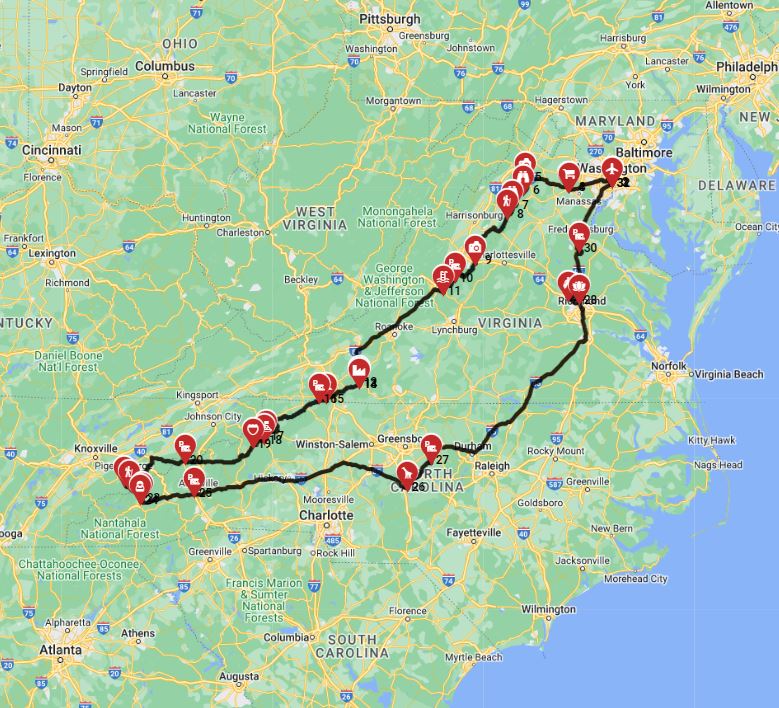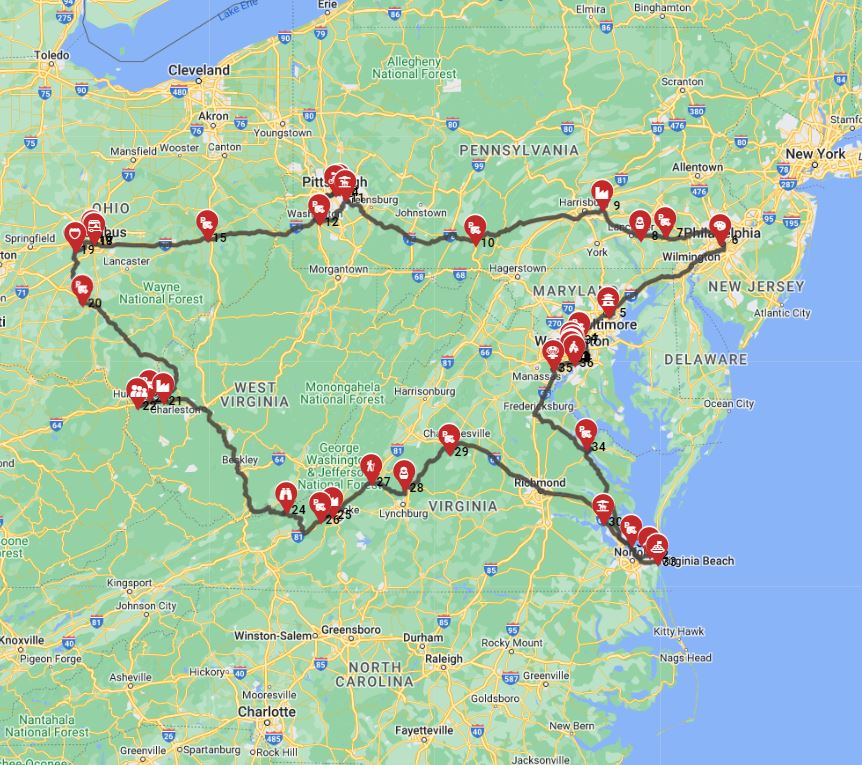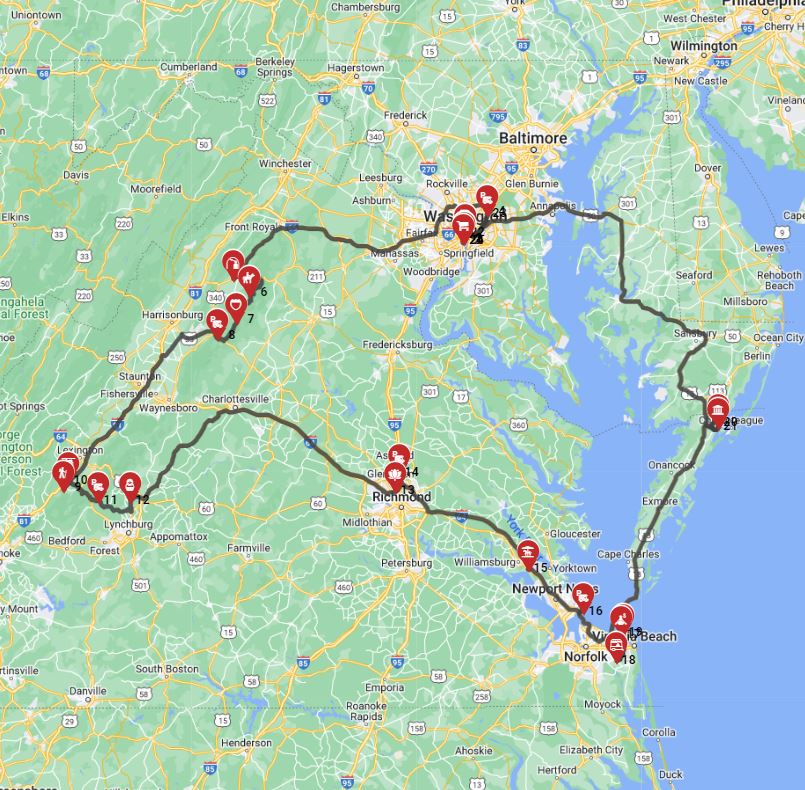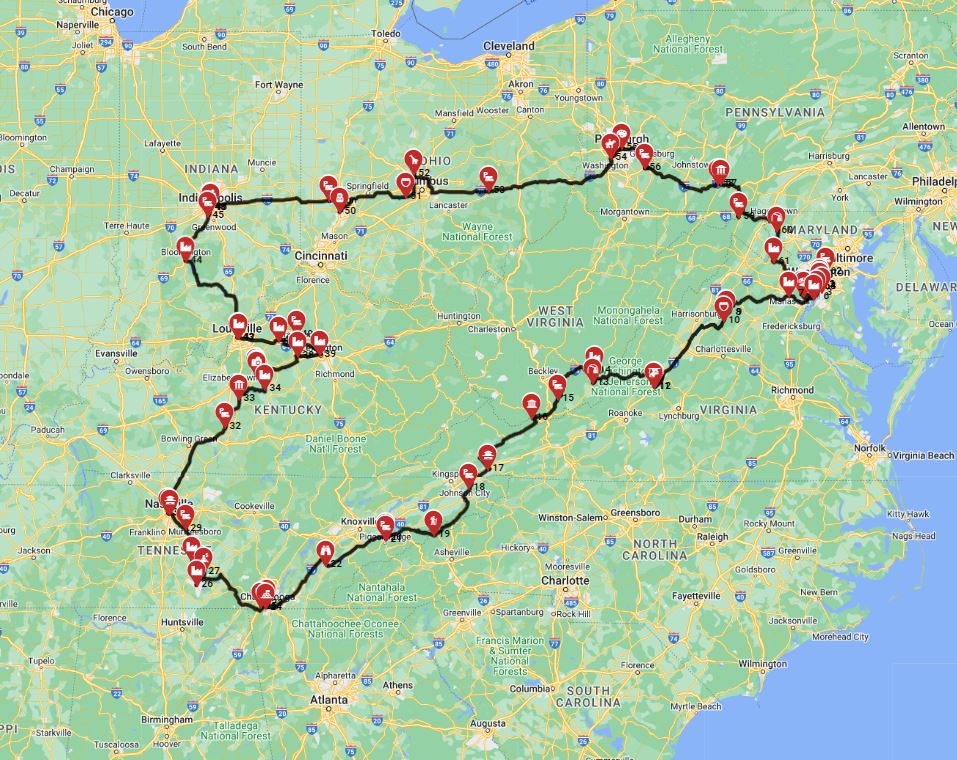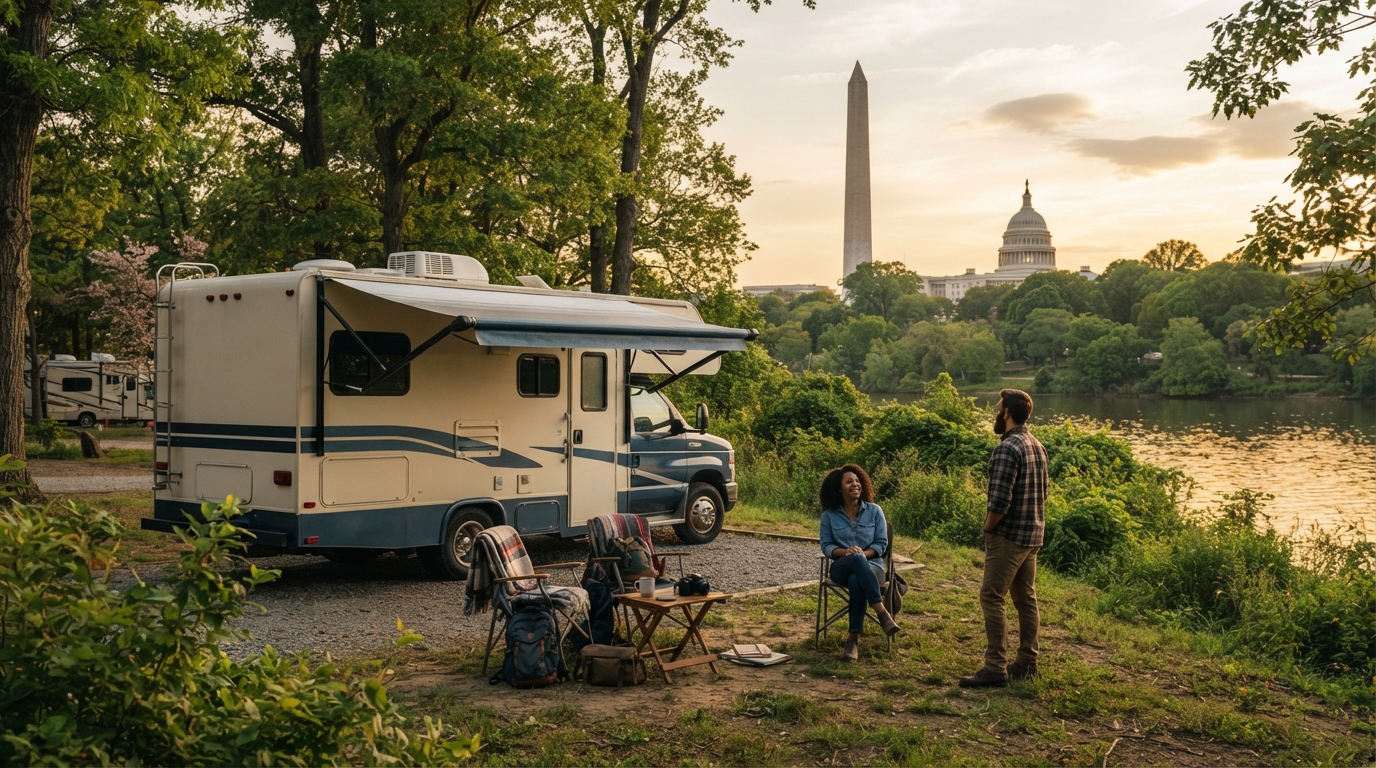
Days 1-7 — The Mid-Atlantic and Southern Appalachians
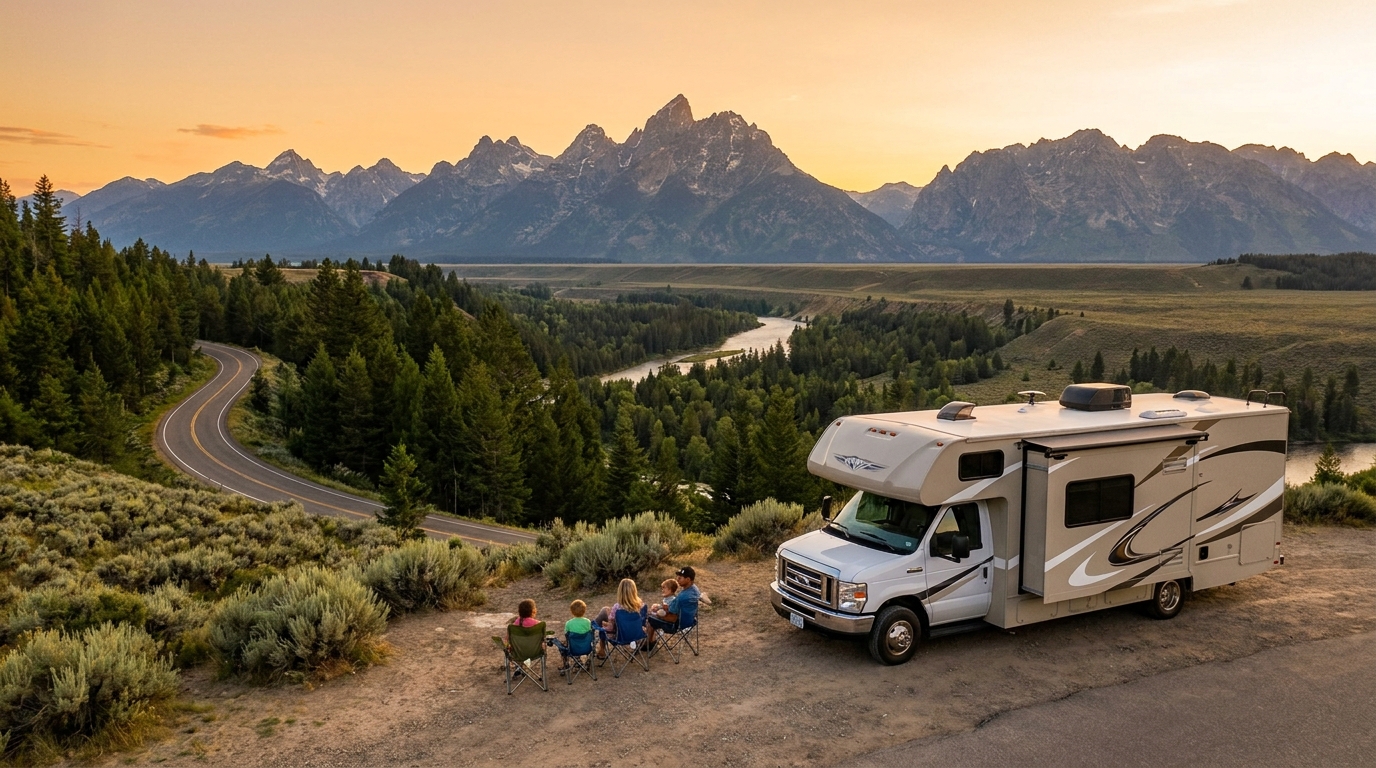
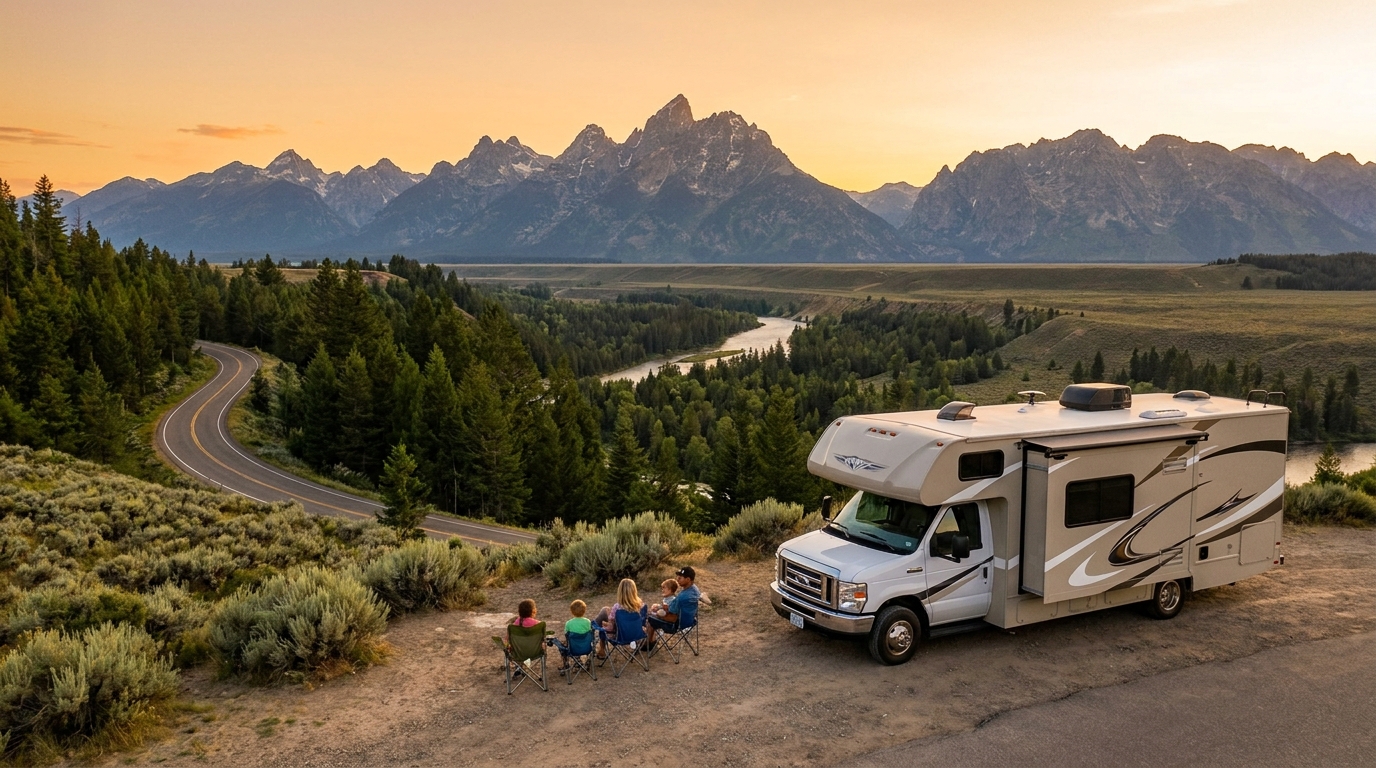
~800–1,000 mi across this legTransitioning from the capital's historic streets into the lush, rolling landscapes of the Appalachian mountains.
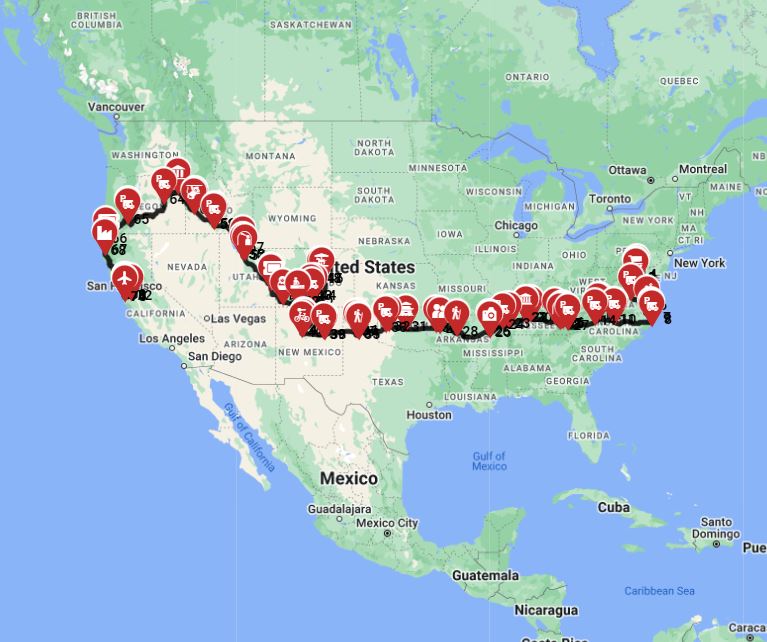 27-day route · Washington DC → San Francisco (SFO area)
This 27-day drive links 46 stops across 29 kinds of experience along the way.
Embarking on a trans-America journey is a traveler's dream, and this expansive route captures the true essence of the open road. Below is a quick overview of what to expect before you dive into the detailed planning.
| Duration | 27 Days |
| Distance | 5,253 mi |
| Start / End | Washington DC / San Francisco |
| States Explored | Maryland, Virginia, North Carolina, Tennessee, Arkansas, Oklahoma, Texas, New Mexico, Colorado, Utah, Idaho, Oregon, California |
| Best Season | Late Spring to Early Autumn |
| Who it Fits | Families, history buffs, and slow-travel enthusiasts |
A coast-to-coast journey from Washington DC to San Francisco is the quintessential American road trip, but doing it in an RV elevates the experience entirely. Over 27 days and 5,253 mi, having your own kitchen, bed, and living space means you can transition seamlessly from the historic streets of the East Coast to the rugged majesty of the West. This specific route is a masterpiece of slow travel, taking a sweeping, zigzagging path through 13 states.
You will traverse the southern Appalachians, cross the heartland, climb the Rocky Mountains, dip into the Pacific Northwest, and finally cruise into the Golden Gate city. An RV provides the unmatched flexibility to comfortably experience these dramatically shifting climates and cultures at your own pace. Instead of packing and unpacking at dozens of hotels, your home on wheels moves with you, ensuring you are always ready for the next sunrise over a new horizon.
Because this itinerary covers immense ground, pacing is everything. Rather than rushing, this route is designed to be absorbed in distinct regional chapters. Here is how the journey flows across four main stages.
Leaving the capital, the initial leg eases you into RV life. You will navigate the transition from Maryland and Virginia into the lush, rolling landscapes of North Carolina and Tennessee. The driving rhythm here is relaxed, characterized by winding forested roads and a gentle introduction to the freedom of slow travel.
As you cross into Arkansas, Oklahoma, and Texas, the horizons begin to widen. This stage is defined by longer, straighter stretches of highway where the skies feel larger and the cultural rhythm shifts toward southern hospitality. The pacing allows for steady cruising, giving you time to appreciate the vastness of the American heartland.
The transition into New Mexico, Colorado, and Utah brings dramatic elevation changes and breathtaking vistas. This is where your RV's engine will work a bit harder as you navigate mountain passes and expansive high-desert plateaus. The rhythm here demands shorter driving days to allow for frequent stops, ensuring you can fully absorb the rugged beauty of the Southwest and the Rockies.
The final push takes you through the diverse topographies of Idaho and Oregon before descending into California. The journey shifts from high country into dense forests and coastal breezes, culminating in the iconic arrival at San Francisco. The driving rhythm is a mix of sweeping scenic byways and coastal highways, offering a triumphant conclusion to your cross-country epic.
With 13 states and 5,253 mi to cover, the variety of experiences is staggering. While the specific stops are detailed within the RV PLANET itinerary, here is a thematic breakdown of what you will encounter.
Starting in the nation's capital sets a historical tone that carries across the country. Along the way, you will find numerous opportunities to explore historical sites, heritage centers, fascinating museums, and unique points of interest that chronicle the westward expansion and diverse local cultures.
Nature lovers will be in awe of the shifting landscapes. The route is packed with natural features, from exploring intricate cave systems to hiking expansive wilderness areas. You will also have opportunities for wildlife watching, visiting botanical gardens, and simply enjoying the pristine environments that define the American landscape.
For those who like to keep moving, this route delivers. Depending on the region, you can engage in extreme activities, rent bikes to explore local trails, go horseback riding through rugged terrain, or take to the water for swimming, canoeing, kayaking, and rafting.
If you are traveling with family, the route is dotted with family-friendly activities. Expect to find amusement parks, aquariums, science sites, and traditional markets. For a more relaxed pace, you can enjoy scenic cable railways, cruise terminals and sailing excursions, local industry tours, picnic areas, or unwind at a spa or thermal spring.
This comprehensive itinerary is perfectly paced for 27 days. This duration allows you to cover the 5,253 mi without feeling rushed, ensuring you can embrace the slow-travel philosophy and truly experience each region.
Absolutely. A trans-America trip is a milestone achievement for any traveler. Doing it in an RV allows you to witness the incredible geographic and cultural diversity of the United States in unparalleled comfort.
This journey is ideal for families looking for an unforgettable bonding experience, history buffs eager to trace the nation's roots, and slow-travel enthusiasts who appreciate the journey just as much as the destination.
The ideal window is from late spring to early autumn. This timeframe generally ensures clear mountain passes in the Rockies and pleasant weather for outdoor activities across the plains and the coasts. Always check seasonal campground availability on rvplan.net when planning your exact dates.
Planning a 27-day, 5,253 mi journey requires careful financial consideration. When you book your RV, pay close attention to mileage packages. Because this is a high-mileage trip, purchasing an unlimited mileage package is often the most cost-effective choice. Additionally, since this is a one-way journey from Washington DC to San Francisco, you must account for one-way drop fees, which vary by supplier.
Your other primary expenses will be fuel, campground fees, and provisions. A mix of state parks and private RV resorts will help balance your nightly costs, while utilizing your RV's kitchen for meals will significantly offset food expenses. For the most accurate, real-time pricing and to see how one-way fees apply to your specific dates, use the search tools provided below.
Crossing the continent from Washington DC to San Francisco is an adventure that will yield a lifetime of memories. With the right preparation and the perfect vehicle, this 27-day epic is within your reach. To secure your ideal motorhome, review the full day-by-day itinerary, and lock in your dates, visit RV PLANET to begin your booking process.
See the full polyline, drag stops to customize, and get live pricing in one click.
Open this route in RV PLAN →| Nearby RV rental stations | Cruise America- 26-E (Washington DC) |
|---|---|
| Sample RV cost — 4 travelers (Class A / B / C) | Check live prices for your dates |
| Estimated fuel cost (total) | $1,700–$2,200 |
| Estimated campground cost (total) | $1,200–$1,700 |
| Estimated attractions & entrance fees — family of 4 | $600–$1,000 |
| Estimated groceries / self-catered food — family of 4 | $900–$1,300 |
| Live availability & pricing | Check live availability & pricing on Rent Motorhome → |
Estimate assumptions: Estimates assume 10 mpg for a standard Class C RV, average US gas prices, and a mix of public and private campgrounds over a 27-day trip. All figures are estimates — verify on Rent Motorhome and RV PLAN for your travel dates.
A high-level look at how the route flows in stages. The exact daily stops, overnight picks, and detour options are built for you inside RV PLAN — open the route to see the full plan.
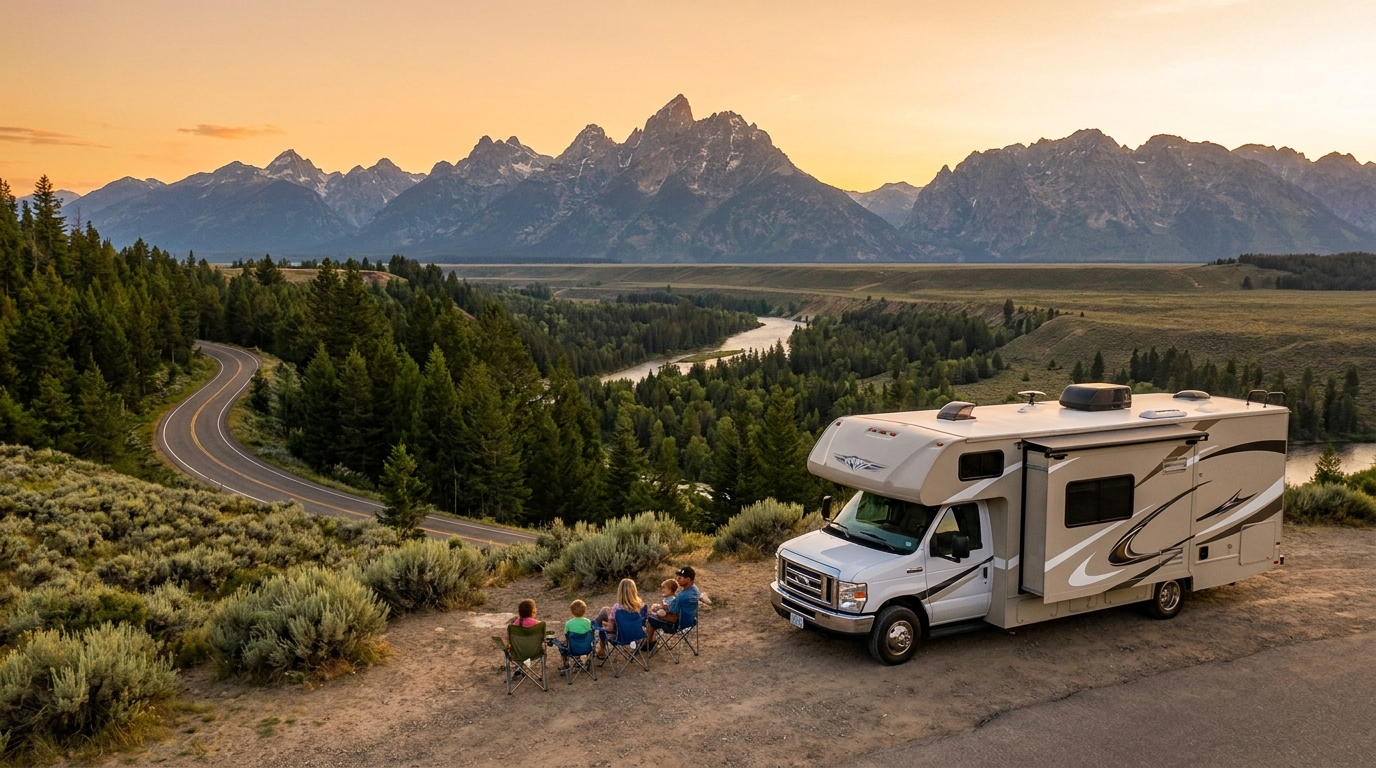
Transitioning from the capital's historic streets into the lush, rolling landscapes of the Appalachian mountains.
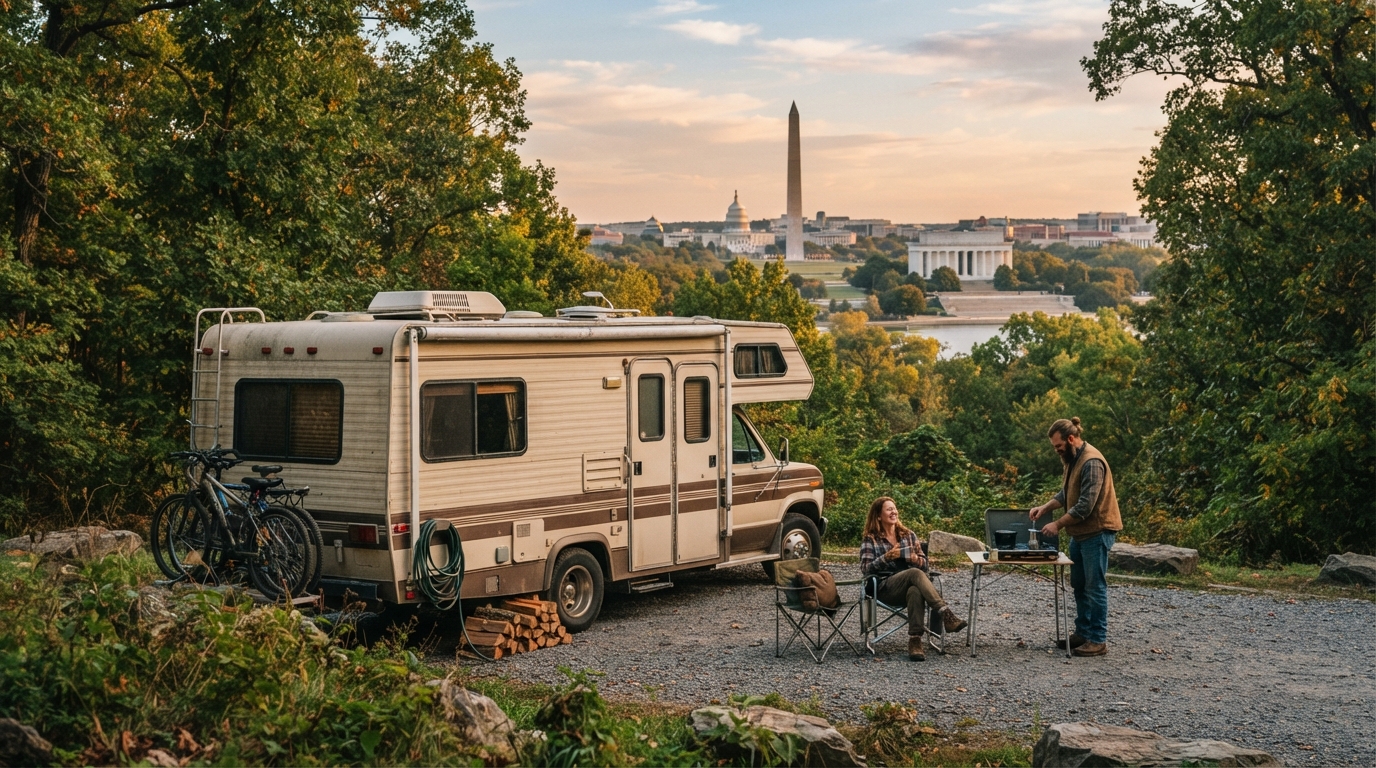
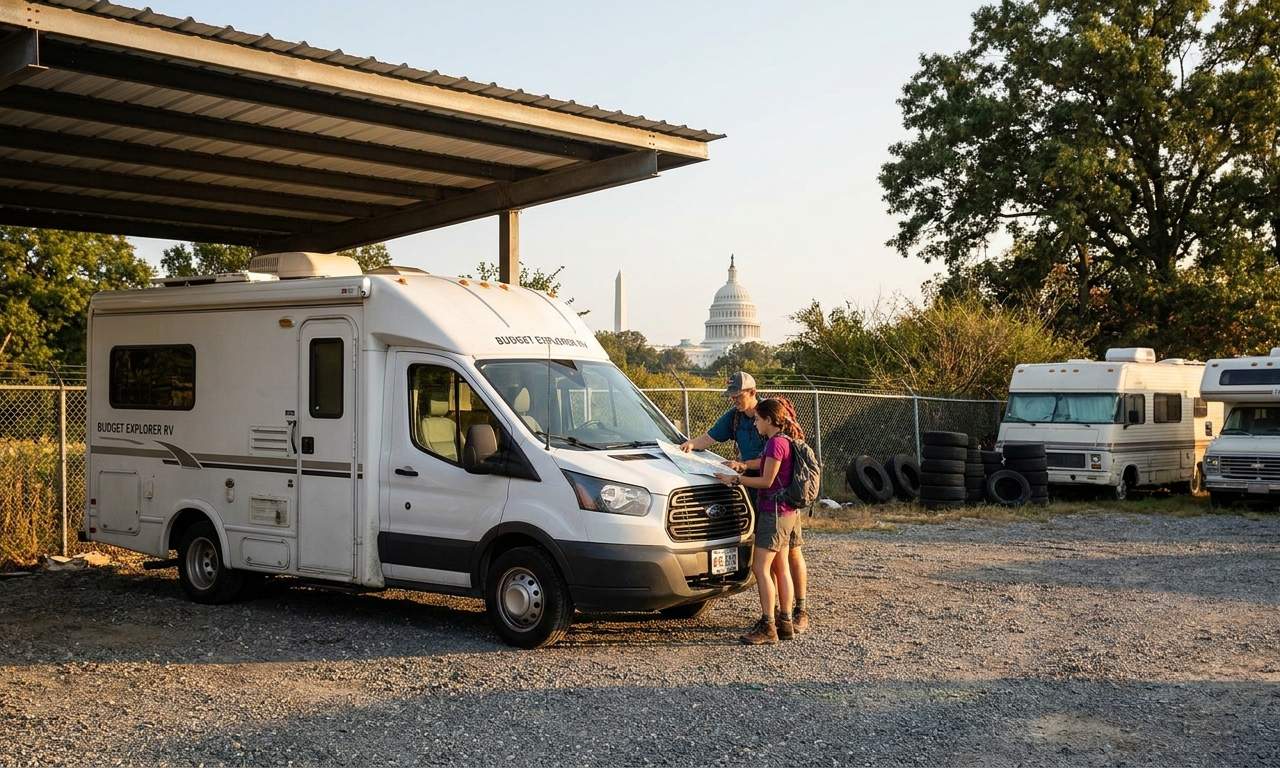
Cruising through the heartland where the horizons widen and the cultural rhythm shifts toward southern hospitality.
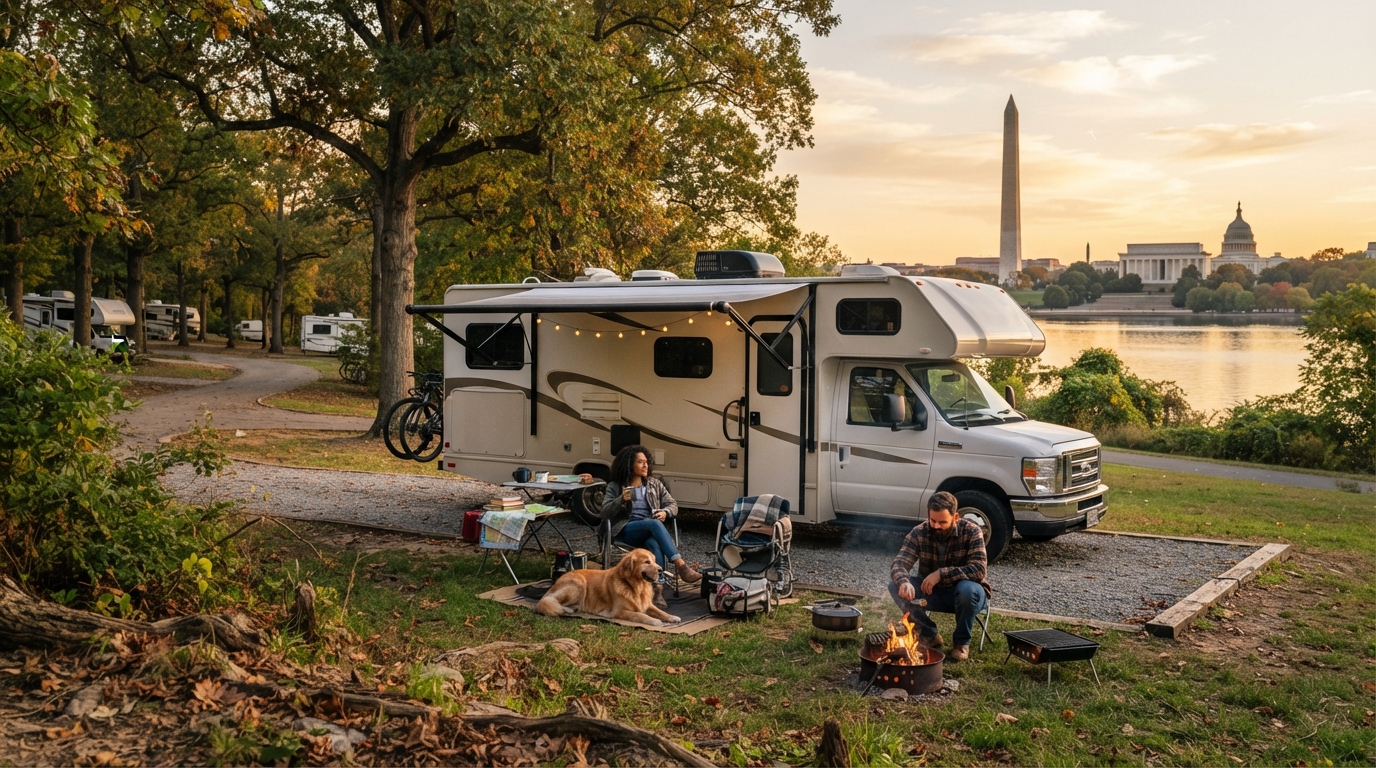
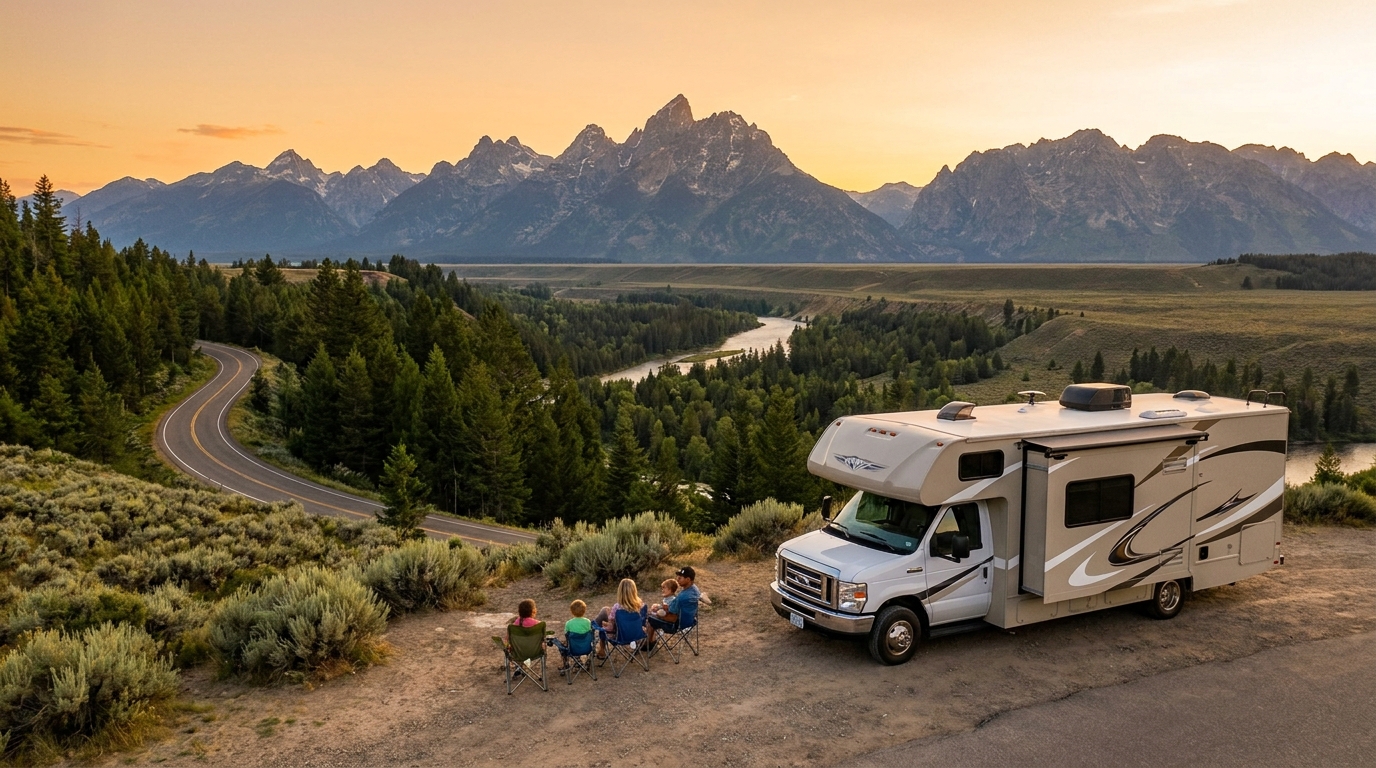
Navigating dramatic elevation changes and expansive desert vistas across the rugged Southwest and Rockies.
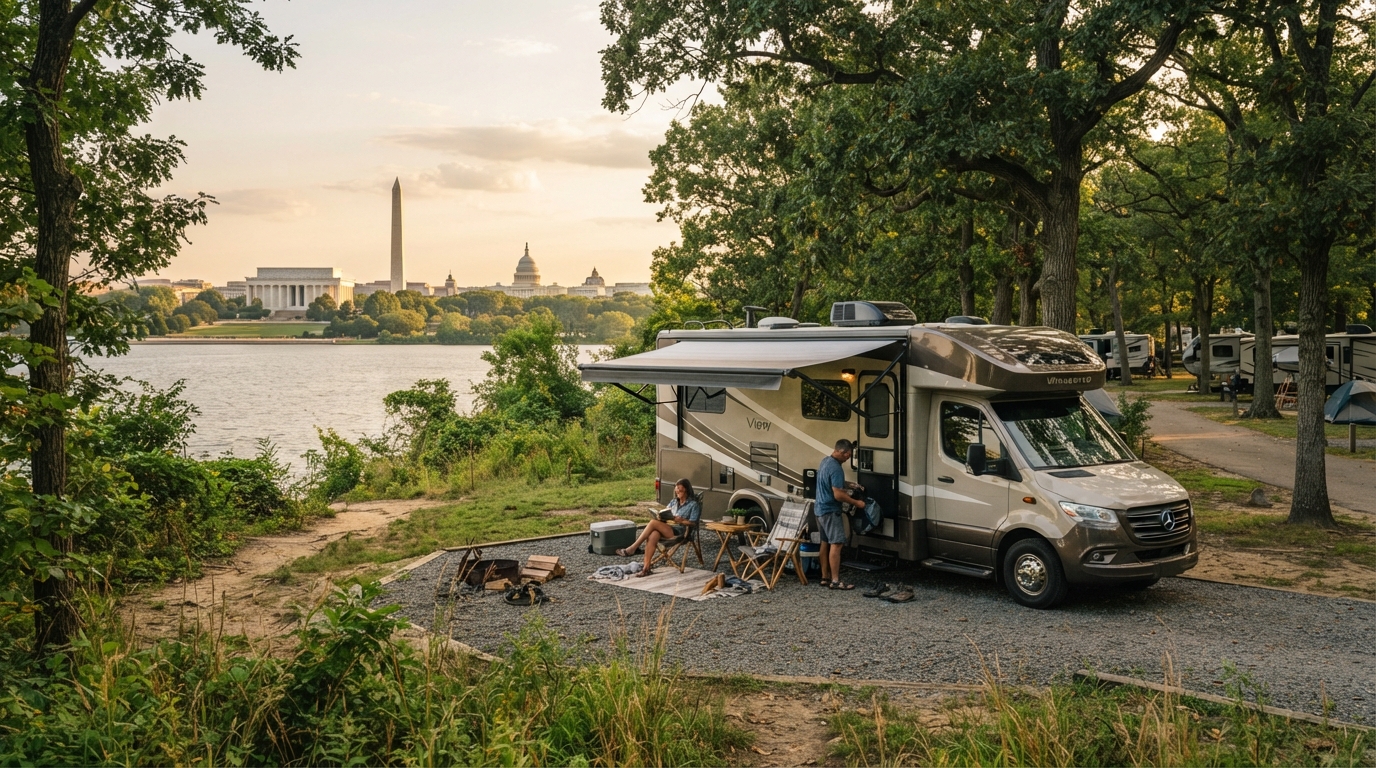
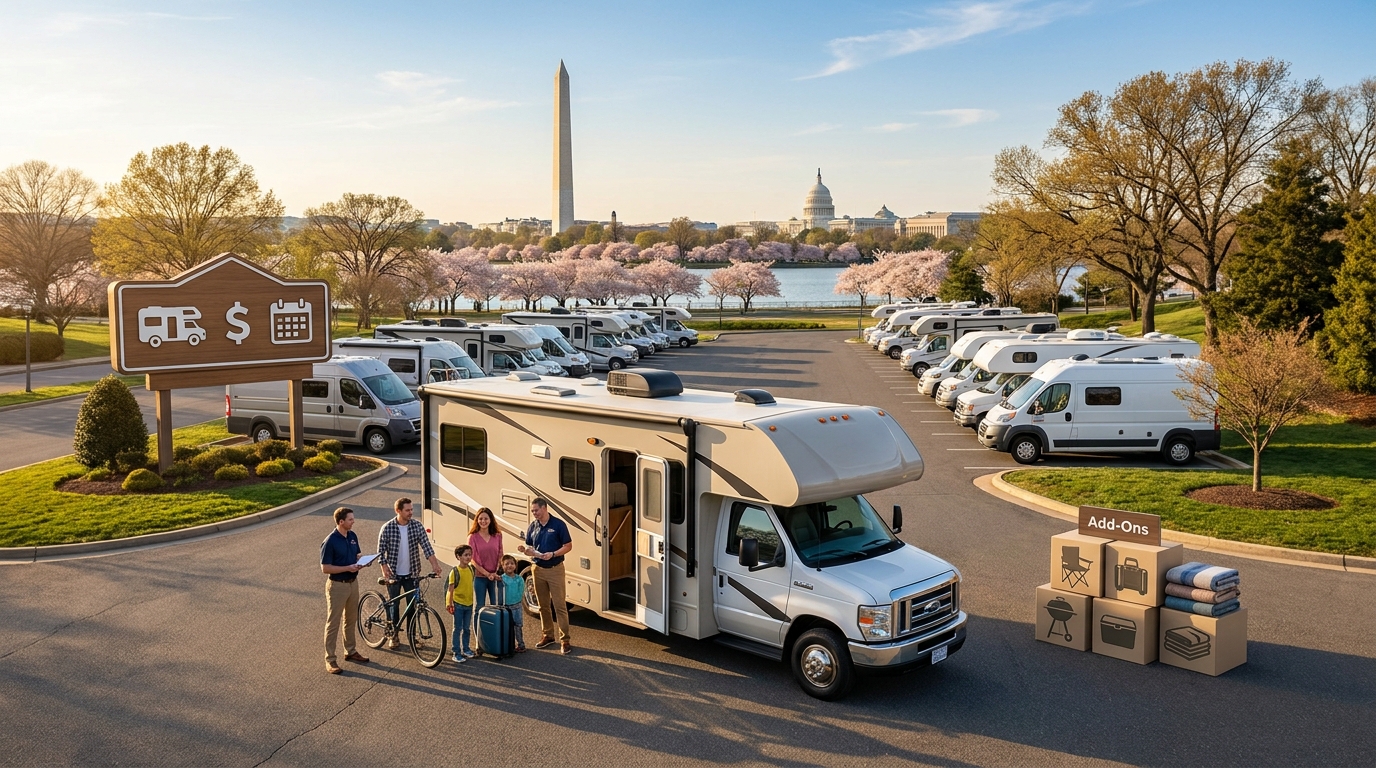
Descending from high country into dense forests and coastal breezes, culminating in the iconic arrival at San Francisco.
Total cost for this 27-day itinerary depends on the rig you pick, the pickup season, mileage add-ons, and any one-way drop-off fee across the 5,253 mi route. Check live availability and a real quote for the Washington DC → San Francisco pickup window on Rent Motorhome.
Live availability & pricing for this exact route
Prices update daily. See the full breakdown — nightly rate, taxes, one-way fee, mileage package — for your travel dates.
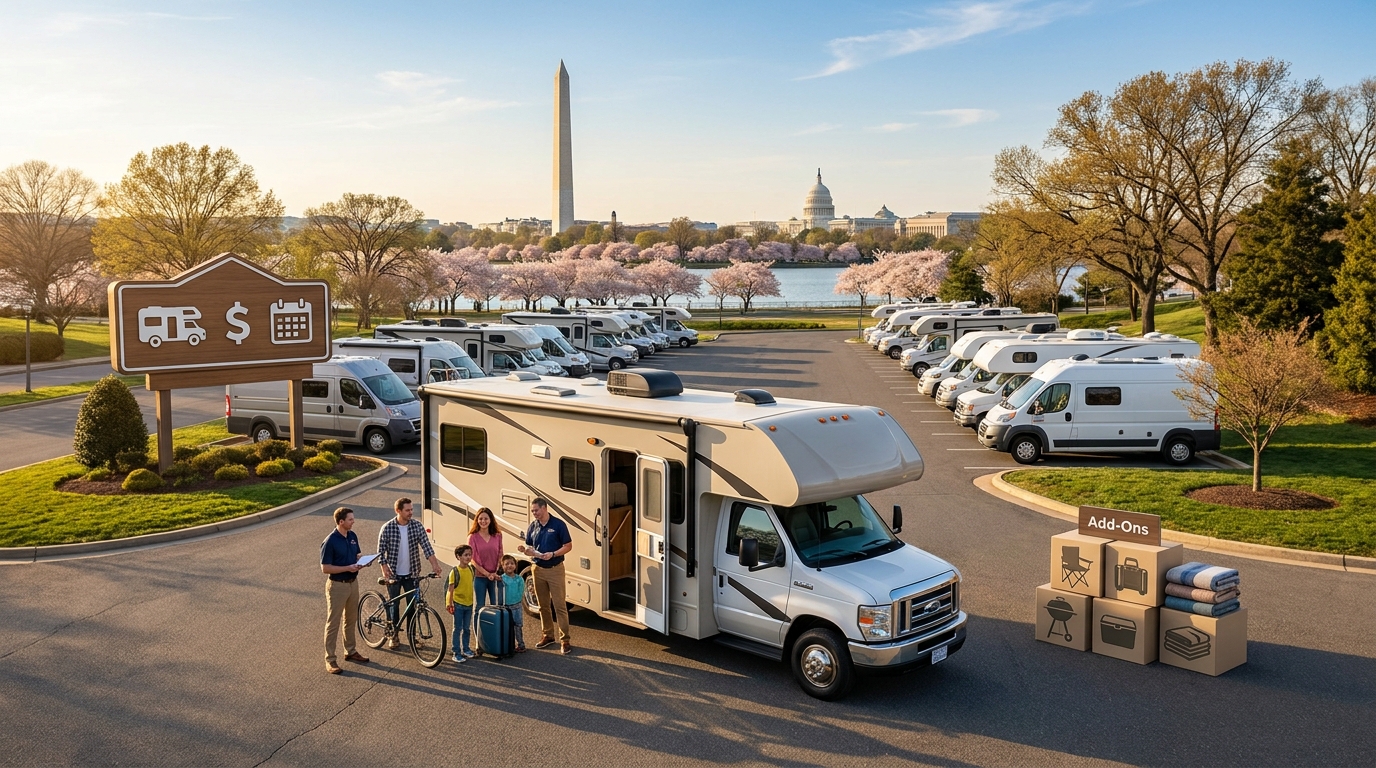
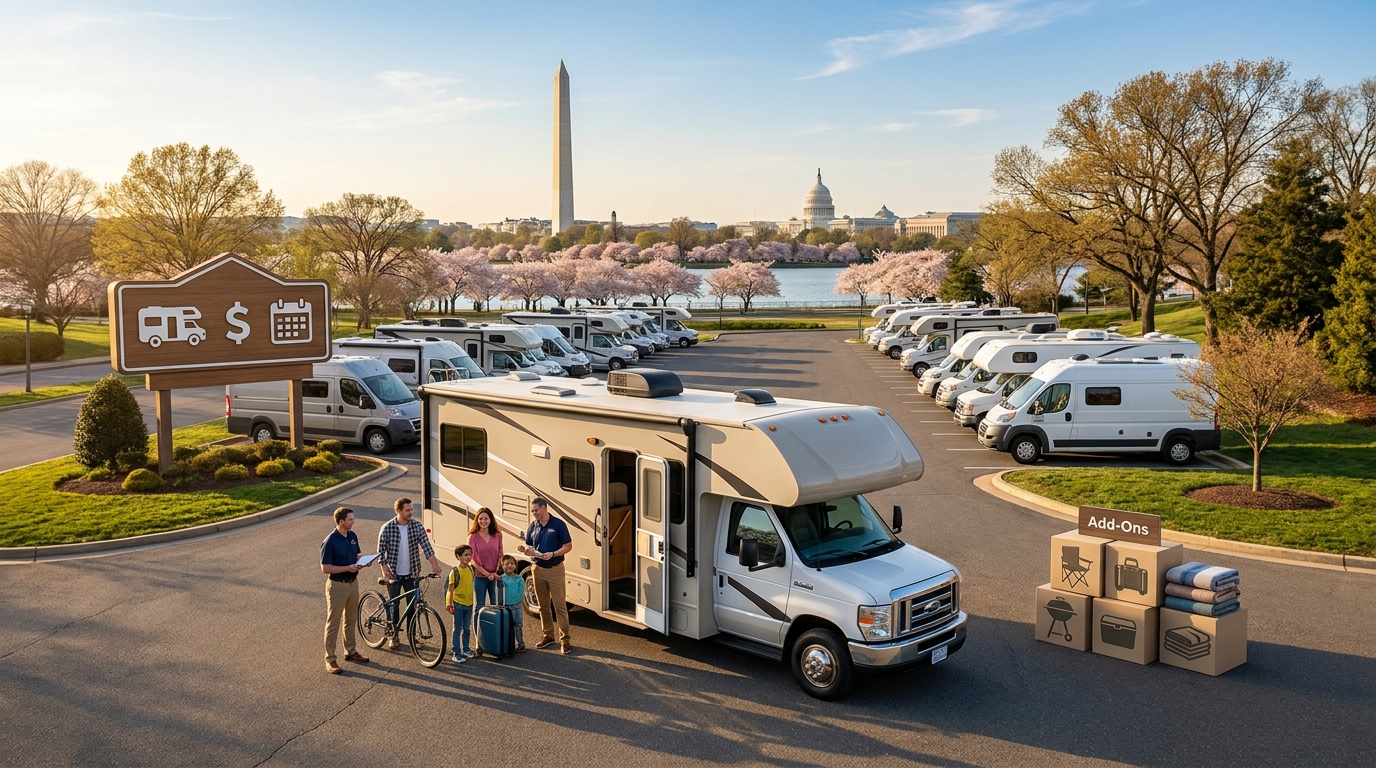
These are real vehicles in our Washington DC pickup fleet that fit a multi-week western U.S. itinerary. Configure dates on rvplan.net to see live availability and the total trip cost for the exact rig you want.
| Motorhome | Class | Sleeps | Length | Transmission |
|---|---|---|---|---|
| C-30 Cruise America- 26-E |
Class C - Alcove | 7 | 29.9 ft | Auto Transmission |
| CA-25 Cruise America- 26-E |
Class C - Alcove | 5 | 24.9 ft | Auto Transmission |
| C-21 Compact Plus Cruise America- 26-E |
Class C - Alcove | 4 | 21.0 ft | Auto Transmission |
| Ultra Compact C18 Cruise America- 26-E |
Class TC - Truck Camper | 2 | 19.5 ft | Auto Transmission |
Pick your dates below and we'll open the live RV PLANET booking flow for the Washington DC → San Francisco route.
Picking up in Washington DC but want a shorter loop or a different destination? Compare these RV PLANET itineraries that depart from the same depot:
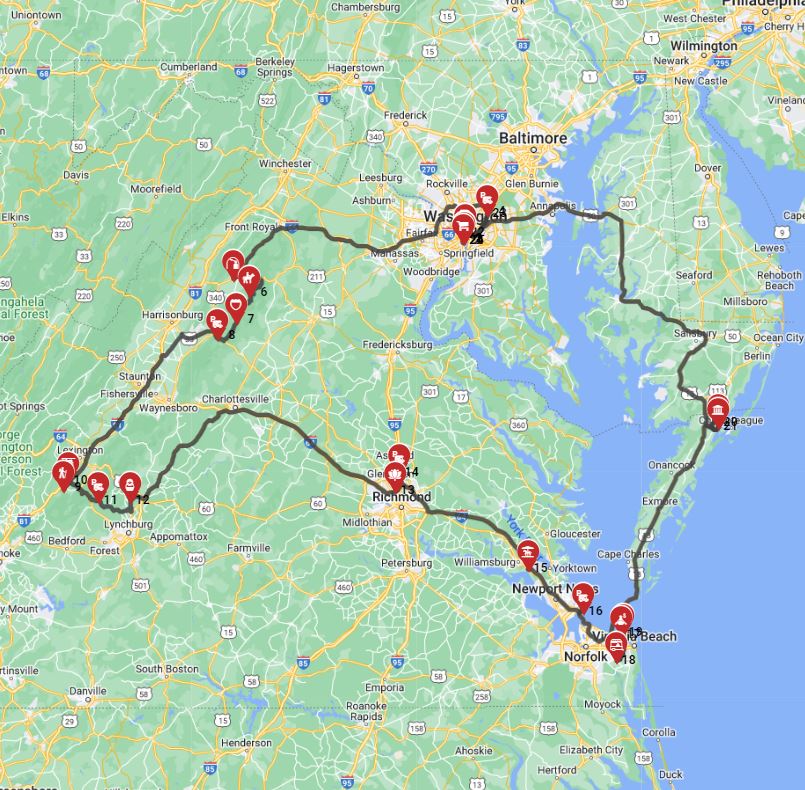
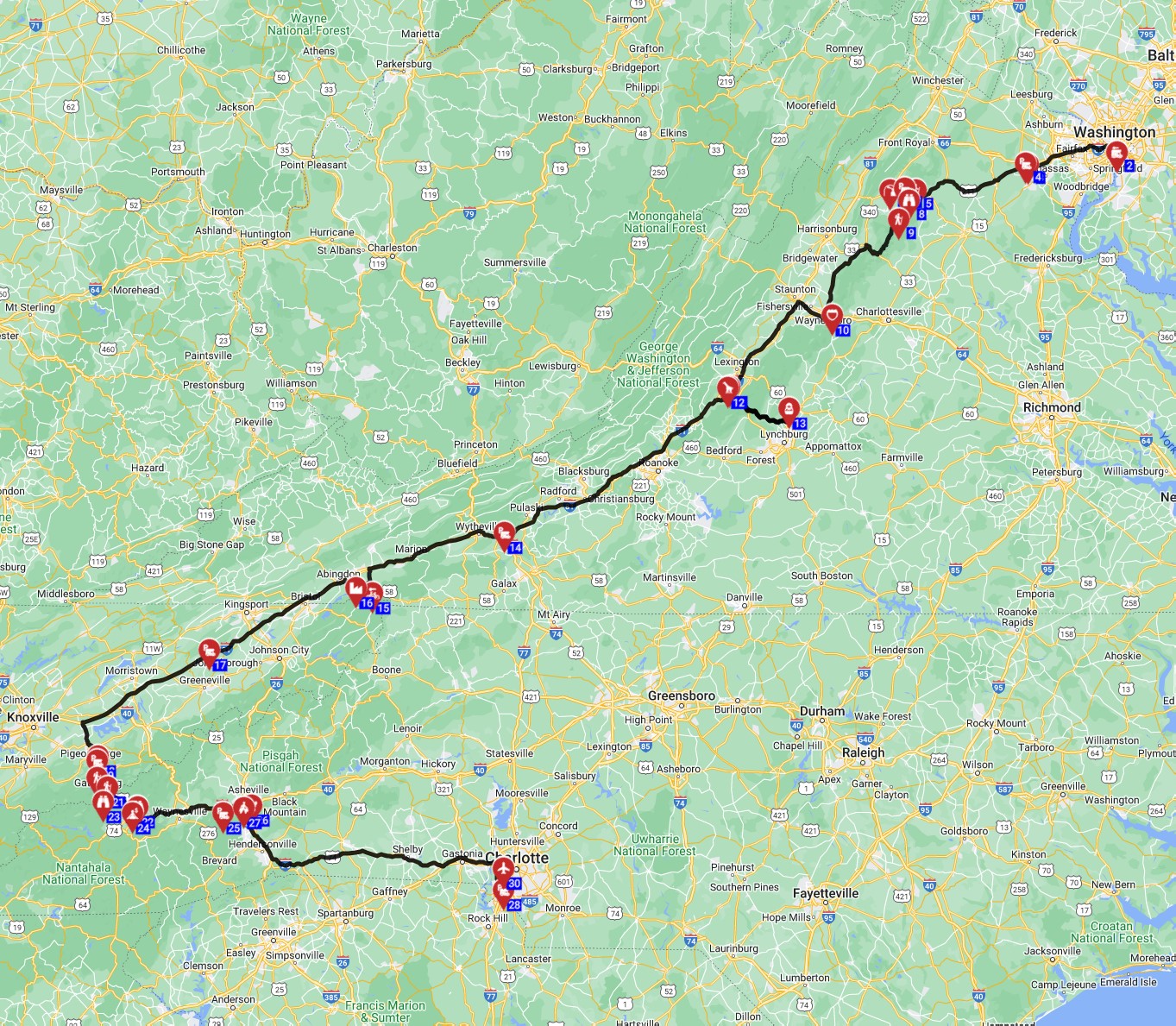
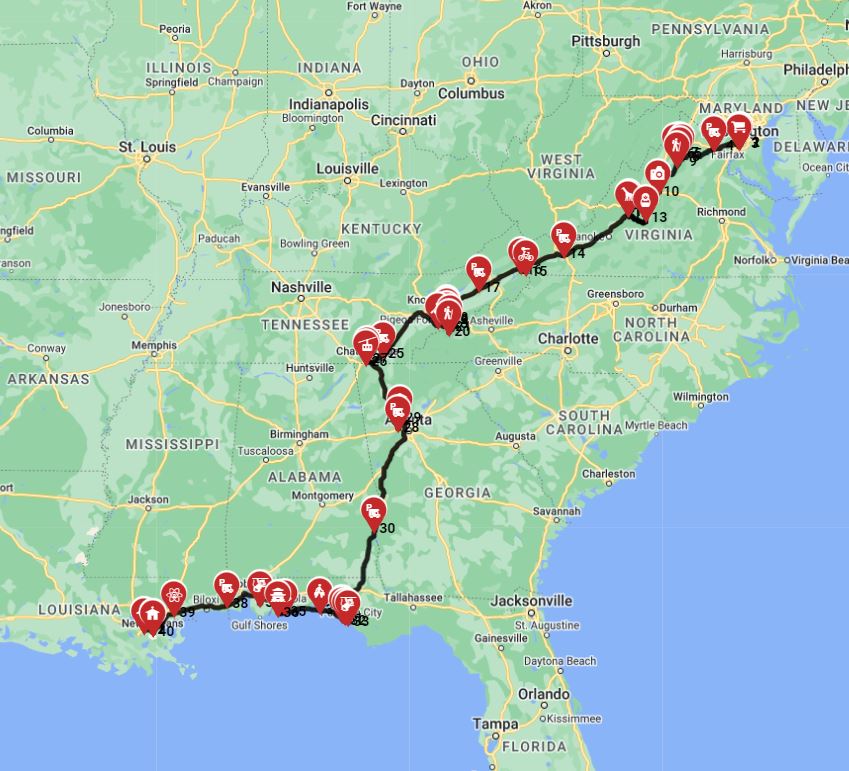
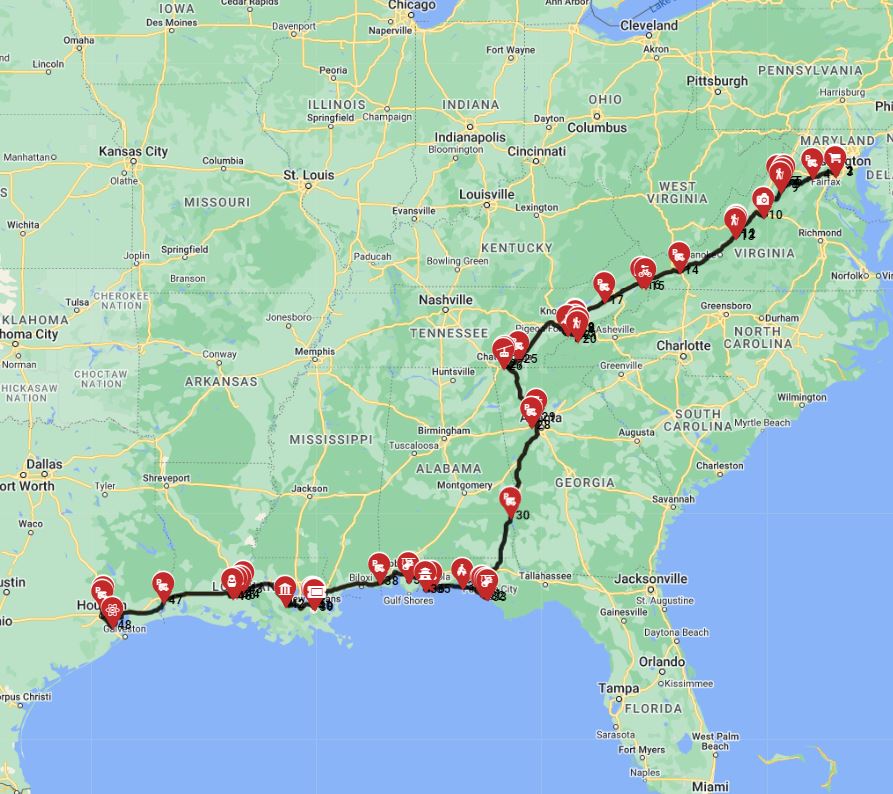
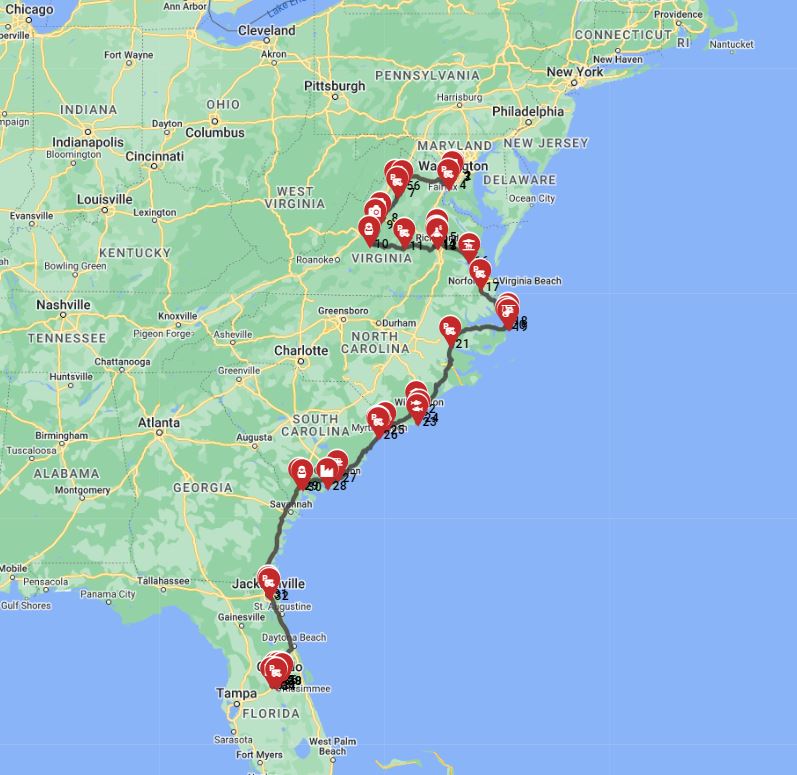
Ready-made multi-day routes — pair a trip with any RV above.
Practical guides for planning your Washington DC to San Fran. - Trans America the Iconic legends road trip.
Costs vary widely based on the time of year, the size of the RV, and how far in advance you book. Your main expenses will be the daily rental rate, fuel for 5,253 mi, campground fees, and a one-way drop fee. Check the live pricing widget on RV PLANET for exact figures.
A Class C motorhome is incredibly popular for this route as it offers a great balance of living space for a 27-day trip while still being manageable on mountain roads. Class B campervans are also excellent for couples seeking better fuel efficiency.
Yes, this itinerary is specifically designed as a one-way journey from Washington DC to San Francisco. When searching on RV PLANET, make sure to enter different pick-up and drop-off locations.
For a trans-America trip spanning 27 days, it is highly recommended to book your RV at least 6 to 9 months in advance. This ensures the best availability and helps you secure unlimited mileage packages and preferred one-way routes.
One-way fees are generally determined by the specific rental supplier. When you search for your dates on RV PLANET, the total price breakdown will clearly indicate if the one-way drop fee is included or listed as an additional charge at the counter.
Prices depend on the season, the RV class and how long you rent. Enter your travel dates in the search above for a live quote across our suppliers.
We suggest about 27 days to cover 5,254 miles at a comfortable pace. That works out to roughly 195 miles a day, with the longest single day around 289 miles.
The route runs one-way from Washington DC to San Francisco (SFO area), passing through Arkansas, California, Colorado, Idaho, Maryland, New Mexico, North Carolina, Oklahoma, Oregon, Tennessee, Texas, Utah, Virginia.
Any RV class can drive this route. Compact campervans are easier to handle on mountain and canyon roads and to park in towns, while larger motorhomes give families more living and sleeping space. Compare classes in the search to find the right fit.
Yes — this is a one-way trip, picking up in Washington DC and dropping off in San Francisco (SFO area). One-way fees vary by supplier, and several nearby cities also work as starting points (see the route overview above).
Planning an RV trip? Add Bandana as a preferred source.
 Please wait...