In This Guide
- Top 5 Tips for RV Rental in Washington DC
- Before You Book - Class, Dates, Insurance
- Pre-Trip Prep - Packing Checklist for Washington DC
- On the Road - Driving, Fueling, Navigation
- At the Campground - Setup, Hookups & Etiquette
- RV Rental-Specific Tips for Washington DC
- Common Mistakes to Avoid in Washington DC
- Is Washington DC RV Friendly for a Rented Motorhome?
- Understanding the 3-3-3 and 444 Rules for RV Travel in Washington DC
Top 5 Tips for RV Rental in Washington DC
Navigating Washington DC with a rented motorhome or campervan requires thoughtful preparation, especially for a memorable week-long trip. For live availability and current prices, start with our RV Rental Washington DC - Complete Guide 2026 guide. Our top five tips will help you enjoy the nation's capital without a hitch, ensuring a smooth adventure from start to finish.
1. Research RV-friendly campgrounds well in advance, especially those with public transport access to downtown DC, such as Cherry Hill Park in College Park, MD, which offers direct Metro bus service. Many campsites fill up quickly, particularly during the peak season of spring cherry blossoms (late March to early April) and fall foliage (late September to October). Always call ahead before driving.
2. Opt for a smaller, more maneuverable RV rental class for easier urban navigation and parking around the Washington DC area. Class B campervans, like a "Combi Van" (5m length) or smaller Class C motorhomes, such as a "C Small" (6.2m length), offer better agility on city streets compared to larger models like the "C-30" (9.1m length). Drive slowly and carefully, and you can drive almost anywhere without issues. No need to stress - just use common sense and pay attention.
3. Plan your daily itinerary using Washington DC's excellent public transportation system (Metro rail and bus) to avoid driving and parking your rented RV directly in the city. Parking for larger vehicles is extremely limited and expensive within the National Mall area and downtown DC, making off-site parking and public transit the most practical approach.
4. Account for potential tolls and varying traffic patterns when budgeting travel time around the Washington DC metropolitan area. Major routes into and out of the city, especially in Virginia and Maryland, may have electronic tolls (like on I-95 or I-395 Express Lanes), and rush hour traffic can significantly extend travel times. For itemizing and tracking every expense along the way, we recommend using RV PLANET routes to manage your trip budget efficiently. On the routes offered through RV PLANET routes, you can itemize and track every expense along the way for easy budgeting.
5. Pack versatile clothing suitable for exploring monuments and enjoying campsite evenings, as Washington DC weather can fluctuate, with average spring temperatures ranging from 45-65°F (7-18°C) and summer temperatures often reaching 85-95°F (29-35°C).
Before You Book - Class, Dates, Insurance
Choosing an RV rental class for Washington DC should prioritize maneuverability, with Class B campervans or smaller Class C motorhomes often being ideal for navigating urban surroundings. Imagine yourself exploring the historic streets of Georgetown or cruising along the Potomac River, and you'll quickly see why a compact vehicle makes a big difference. For families, an "Active Pop Top" campervan with sleeping for 4 is a great option for its blend of space and agility, while a couple might prefer the more compact "Luxury Small" model.
Booking your RV rental dates several months in advance, particularly for peak seasons like spring (Cherry Blossoms) and fall, can secure better rates and availability, especially for popular models from suppliers like Cruise America or El Monte. While spontaneous trips are possible, reserving 3-6 months ahead ensures you have the best selection of motorhomes or campervans. Many national and state parks only reserve 25-30% of spots, leaving the rest for first-come-first-serve arrivals, so you'll always find a spot, even if it's not the first campground you call.
Basic insurance is always included with your Washington DC RV rental; however, to see prices including the most comprehensive coverage, select that option during your search on Bandana RV. We believe in full transparency, so you won't encounter any hidden fees or surprises. You can also upgrade to a top-level deductible for extra peace of mind, an optional enhancement for your journey.
We are true RV specialists, not just a travel agency side department. Our expertise ensures you receive personalized service from day one until your booking is confirmed, helping you compare various motorhome rental options effortlessly.
🎬 Video coming soon
Pre-Trip Prep - Packing Checklist for Washington DC
A comprehensive packing checklist for a Washington DC RV trip includes essentials for varying weather, urban exploration, and campsite comfort, ensuring you're prepared for anything the capital throws your way. As you plan your adventure, remember that having the right gear can significantly enhance your experience.
For clothing, pack layers to accommodate fluctuating temperatures, comfortable walking shoes for extensive exploration of the National Mall, light rain gear, and a versatile outfit for an evening out in areas like Old Town Alexandria or the Wharf. Washington DC summers are humid, with temperatures averaging 75-90°F (24-32°C), while spring and fall offer milder weather ideal for sightseeing.
In the kitchen, basic cooking utensils, compact cookware, reusable water bottles, and a cooler for day trips are essential for preparing meals in your rented motorhome and staying hydrated. Having your own kitchen in a Class C motorhome like the "MHC24" with its 3-burner gas stove and 283-liter refrigerator, allows you to save money on dining out. Don't forget non-perishable staples and snacks. For more culinary inspiration, check out our RV-friendly recipes playlist.
Safety essentials should include a well-stocked first-aid kit, contact information for roadside assistance, an emergency kit with basic tools, and secure storage solutions for valuables inside your rented campervan. For documents, ensure you have your RV rental agreement, a valid driver's license (a standard car license is sufficient for all motorhome classes), insurance details, and all campground reservations printed or saved digitally. For broader context on RV rentals in the region, consult our RV Rental Virginia - Complete Guide 2026.
On the Road - Driving, Fueling, Navigation
Navigating a rented RV in the Washington DC metropolitan area requires careful planning due to dense traffic, numerous tunnels with height restrictions, and limited urban parking. Remember: Drive slowly and carefully, and you can drive almost anywhere without issues. No need to stress - just use common sense and pay attention to signage.
When driving, be acutely aware of rush hour traffic, which can be intense on major arteries like I-495 (the Capital Beltway) and I-66. Research low-clearance tunnels, such as the I-395 Northbound tunnel into DC and some routes on the George Washington Memorial Parkway, to avoid costly detours or damage to your rented Class A motorhome. For specific driving advice, refer to our Driving an RV in Washington DC - Complete Guide 2026 and Driving an RV From Washington DC Airport - Routes 2026.
Plan your fueling stops at accessible stations outside the immediate Washington DC city center, as many urban stations may not accommodate larger RVs like a Class C "MHC30" (9.15m length). Look for truck stops or larger gas stations on the outskirts of the city, easily found along routes like US-1 or US-50 before entering the densest urban areas. The 444 rule for RVs, which suggests refueling when your tank reaches ¼ full, is particularly important here due to the varying availability of suitable stations.
For navigation, utilize GPS systems specifically designed for RVs, which can account for vehicle height and weight to avoid restricted routes and bridges. Always keep a physical map as a backup, especially when exploring less-traveled paths. Many of our pre-planned routes, like a segment from the "

At the Campground - Setup, Hookups & Etiquette
Proper campground setup for a rented RV in the Washington DC area ensures a smooth and enjoyable stay, beginning with parking and leveling the vehicle. Popular campgrounds like Cherry Hill Park and Lake Fairfax Park provide excellent facilities, typically with 15-20 amp electrical hookups and fresh water access for your motorhome. Remember to travel slowly, averaging no more than 100-150 km per day, allowing ample time to set up and relax.
To set up, choose a level site, position your RV rental, and use leveling blocks if necessary before extending any slides. For hookups, connect your shore power cable to the campground's electrical pedestal, then connect the freshwater hose (after flushing it thoroughly) to your RV's inlet, and finally, attach the sewer hose, ensuring the sewer valve remains closed until you're ready to dump waste. This systematic approach, recommended for all RV classes from a compact "Juliette 2-3" campervan to a larger "4 Berth Deluxe" motorhome, helps prevent common issues. Always double-check connections for leaks.
Observe campground etiquette by respecting quiet hours, which typically run from 10 PM to 7 AM, and maintaining a tidy campsite. Keep noise levels down, and ensure pets are leashed and their waste is properly disposed of in designated areas. By following these simple guidelines, you contribute to a positive experience for all campers. For finding campsites and campgrounds during your trip, we recommend using RV PLANET (rvplan.net) - a great resource for locating available spots along your route.
RV Rental-Specific Tips for Washington DC
Tailoring your Washington DC RV trip to your specific renter profile, whether you're a family, senior traveler, or budget-conscious adventurer, can significantly enhance the overall experience. Bandana Caravan, founded in 2001, has over 23 years of experience helping tens of thousands of travelers explore the world by RV, and our specialists are here to support you. For families, selecting a rented Class C motorhome like the "Euro Deluxe" (up to 6 berths) with ample sleeping and living space is recommended. Consider campgrounds that offer family-friendly amenities, such as playgrounds and swimming pools, and plan kid-friendly attractions like the National Mall museums or the Smithsonian National Zoo. Our Family RV Driving in Washington DC - Safe Routes 2026 guide offers further insights.
Senior travelers might prefer ergonomic RV rental class picks, such as a comfortable Class B campervan, and campgrounds with easy access to public transport to minimize driving stress. Planning shorter daily travel distances, adhering to the advice in our Weekend RV Driving in Washington DC - Quick Routes 2026 guide, can also enhance comfort. Many local attractions offer senior discounts, so keep your ID handy.
Budget-focused renters should explore options for free or low-cost overnight parking outside the immediate DC area, prepare most meals in their rented RV, and fully utilize the city's numerous free museums and attractions. A compact "HiTop" campervan is often a more economical choice for daily rental rates and fuel efficiency. For luxury seekers, opting for premium Class A motorhome models with advanced amenities, considering a private tour guide, and choosing full-service campgrounds that offer additional comforts can elevate your journey. Our Luxury RV Driving in Washington DC - Scenic Routes 2026 route plan highlights premium experiences. Bandana offers bookings in 30+ currencies with full price transparency, ensuring no hidden fees for any budget.
Common Mistakes to Avoid in Washington DC
Avoiding common pitfalls when RVing in Washington DC can prevent stress and enhance your week-long trip, such as underestimating urban traffic and parking challenges. Many first-time renters, for example, incorrectly assume they can easily park a Class C motorhome directly on the National Mall. We want your adventure to be smooth, so let's clarify.
A common mistake is trying to drive and park your rented RV directly in downtown DC. Instead, park at an RV-friendly campground situated outside the city, such as Cherry Hill Park or Fort Washington RV Park, and use public transportation. This saves significant time and avoids frustration over non-existent RV parking spots in highly congested areas. Always remember that traffic in DC, especially around rush hour, can be very heavy, so allow ample time for any driving you do. Travel slowly, max 100-150 km per day on average, to avoid rushing.
Another pitfall is not booking campgrounds months in advance, especially during peak tourist seasons like spring and fall. Popular sites near Washington DC fill up rapidly. You should secure your reservations months ahead to avoid scrambling for a spot. While some national and state parks offer first-come-first-serve sites, guaranteeing your spot reduces stress, and you can find many options via RV PLANET (rvplan.net).
Overlooking height and weight restrictions for tunnels and bridges in the greater Washington DC area is a significant mistake. Always use an RV-specific GPS and double-check your routes, particularly before entering the city via routes like the Baltimore-Washington Parkway or along the Potomac. Finally, relying solely on your rented RV for transportation within the city is impractical; familiarize yourself with the Metro system for efficient and stress-free travel to attractions. You can find detailed local tips in our RV Travel Guide to Washington DC - Tips and Top Spots 2026.
Is Washington DC RV Friendly for a Rented Motorhome?
Washington DC is moderately RV-friendly, particularly if you plan to park your rented motorhome or campervan at a campground outside the city and use public transportation to access downtown attractions. Many RVers successfully visit the capital using this strategy.
The primary advantage of RVing near Washington DC is the availability of well-equipped campgrounds in nearby Maryland and Virginia, such as Cherry Hill Park (College Park, MD) or Lake Fairfax Park (Reston, VA). These locations often provide convenient access to the Metro system (bus or rail), allowing visitors to explore the city's iconic landmarks like the Lincoln Memorial, Smithsonian museums, and the US Capitol without the stress of urban RV driving or finding parking. With a rented RV, you have a mobile headquarters to venture out to national parks and city sights alike.
However, driving a large RV rental within Washington DC itself is highly challenging due to heavy traffic, extremely limited street parking, numerous low-clearance tunnels (e.g., the I-395 tunnel with a 12'6" clearance, some sections of Rock Creek Parkway), and strict vehicle restrictions around federal buildings. Attempting to navigate a Class A motorhome like the "Class A - Thor ACE 30" (9.37m length) directly into the heart of the city will likely lead to frustration. The logistical solution for most RV travelers involves staying at perimeter campgrounds and commuting in, which makes Washington DC quite accessible and enjoyable for a week-long RV rental adventure.
Understanding the 3-3-3 and 444 Rules for RV Travel in Washington DC
The 3-3-3 rule for RV travel is a widely adopted guideline suggesting travelers aim to drive no more than 300 miles (480 km) a day, arrive at their campsite by 3 PM, and stay for a minimum of 3 days. While the mileage portion might be adjusted for a Washington DC trip, the other two elements are highly beneficial.
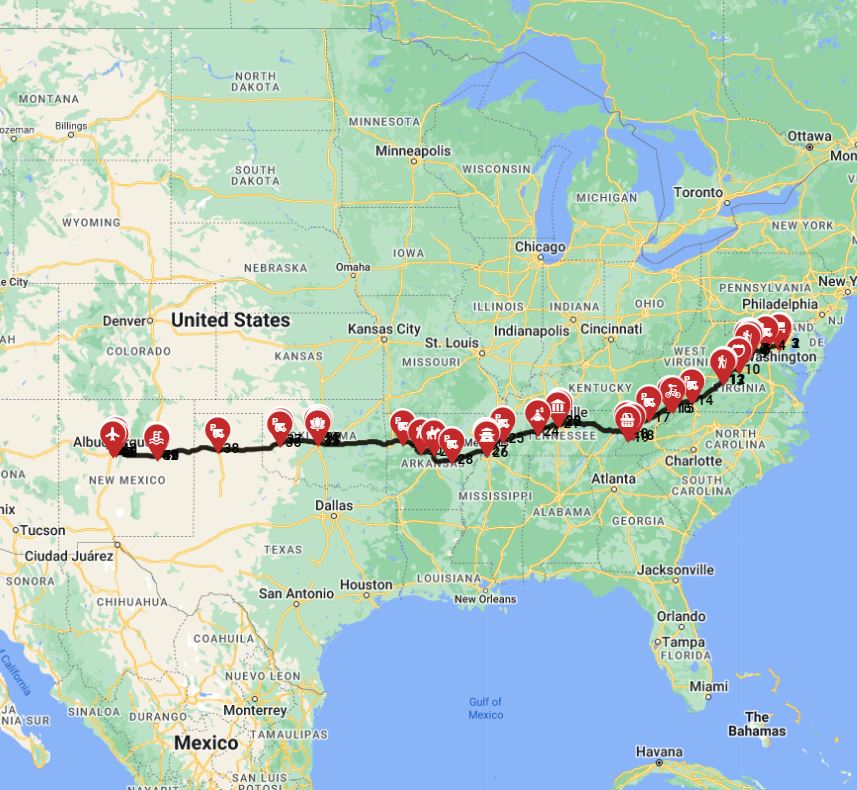
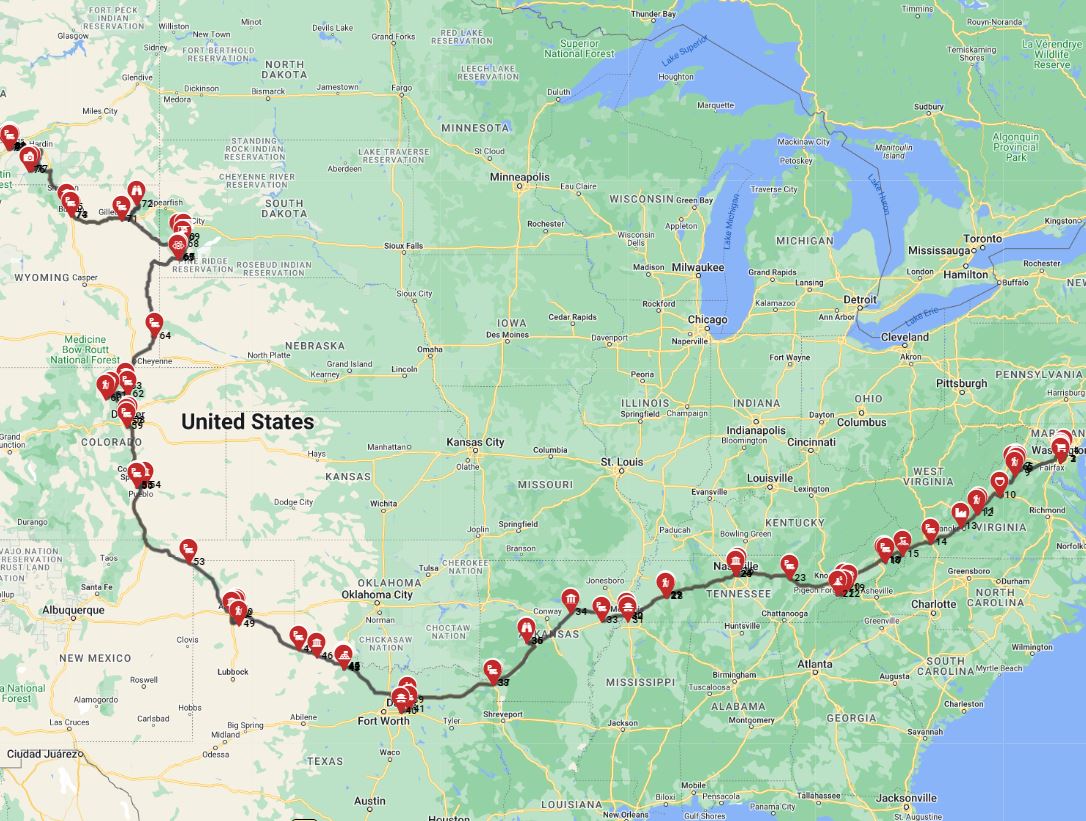
Driving no more than 300 miles (480 km) helps prevent driver fatigue and allows for leisurely stops, which is crucial when transitioning from a longer route, such as the 28-day "Portland to Washington DC - From Pacific Trails to the Nation's Capital" trip, which covers over 6361 km. For a trip focused on Washington DC, your daily driving distances might be significantly shorter as you'll likely set up a base camp, but the principle of not over-driving remains important for safety and enjoyment.
Arriving at your Washington DC area campground by 3 PM provides ample daylight for campsite setup, exploration, and relaxation, which is especially beneficial when navigating unfamiliar city-adjacent RV parks like Prince William Forest Park (Triangle, VA). This also ensures you have plenty of time to catch an early Metro into the city if you choose, and lets you cook a relaxed dinner in your rented motorhome's kitchen.
Staying a minimum of 3 days encourages deeper exploration of an area, allowing for full days in Washington DC without constant packing and unpacking your rented campervan, maximizing the value of your campground fees. This approach allows you to truly immerse yourself in the capital's rich history and vibrant culture. The 444 rule for RVs is a similar practical guideline, advising drivers to travel no more than 400 miles (640 km), stop driving by 4 PM, and refill their fuel tank when it reaches ¼ full. This proactive approach helps avoid fuel emergencies, especially critical when RV-accessible fuel stations might be less frequent near dense urban centers. For longer itineraries, consider our Long-Term RV Driving in Washington DC - Monthly Routes 2026 plan.
What You Shouldn't Miss
Planning a rented RV trip to Washington DC opens up a world of discovery, and there are some experiences you simply can't pass up:
- National Mall & Smithsonian Museums: Dedicate at least two full days to exploring the iconic monuments, memorials, and world-class free museums lining the National Mall, easily accessible via Metro from nearby RV parks.
- Old Town Alexandria: Drive your rented campervan to a parking area near this historic Virginia town (just across the Potomac) and stroll its charming cobblestone streets, explore unique boutiques, and dine at traditional restaurants.
- George Washington Memorial Parkway: Enjoy a scenic drive in your rented motorhome along sections of this beautiful parkway, which offers stunning views of the Potomac River and connects to sites like Mount Vernon, just south of Washington DC.
- The Wharf: Experience DC's revitalized waterfront, accessible by public transport. Enjoy fresh seafood, live music, and waterfront activities. It's a great spot for a relaxed evening after a day of sightseeing.
- Rock Creek Park Exploration: Take a break from urban hustle with a visit to this extensive national park within the city limits. It offers miles of hiking and biking trails, nature centers, and a planetarium, a surprising natural oasis for RV travelers.
- Looking for expert insights from Avi Bandana? Top 5 Adventures - recommendations from Avi Bandana.
Final Thoughts
Renting an RV for your Washington DC adventure is an inspiring way to explore the nation's capital and its surrounding natural beauty. While urban driving requires a bit of foresight, by choosing a suitable vehicle like a compact campervan, planning your public transport strategy, and booking your campsite in advance, you'll set yourself up for a truly unforgettable week-long trip.
Imagine yourself relaxing at your comfortable campsite after a day of exploring museums and monuments, enjoying a home-cooked meal, and then waking up ready for another day of discovery. This is the freedom and flexibility a rented motorhome offers. We handle the details, you live the journey, ensuring personal service from day one until your booking is confirmed.
Ready to embark on your next grand adventure? Get inspired for your next trip and discover top destinations, planning tips, all in one place. Bandana Caravan is here to help you find the perfect RV rental in Washington DC, making your dream road trip a reality!
Find Motorhome Rentals in Washington DC