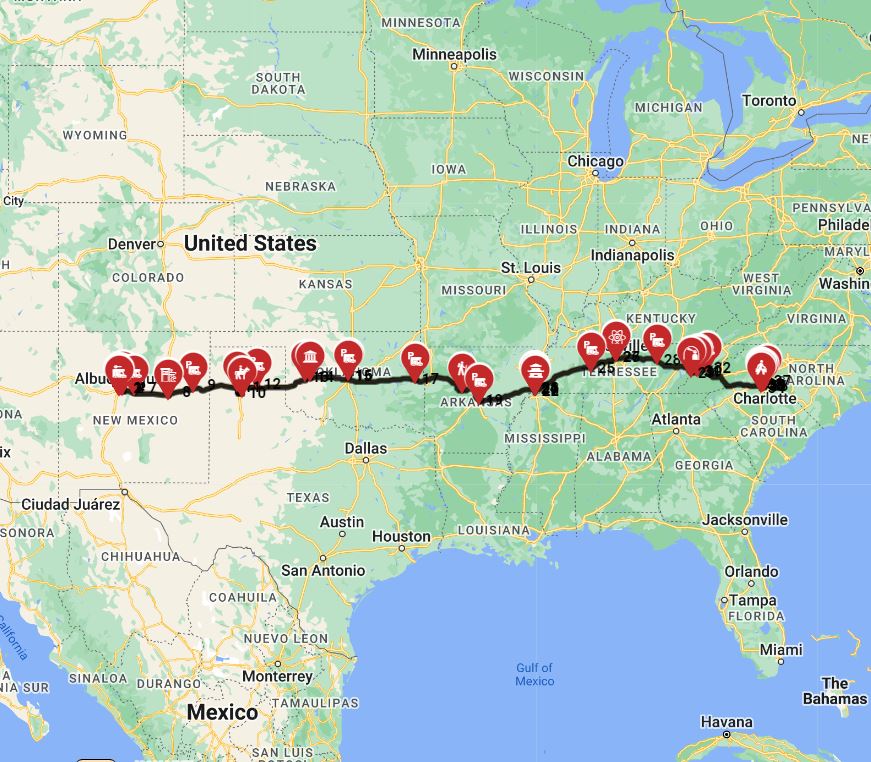
For live availability and current prices, start with our RV Rental USA - Complete Guide 2026 guide.
In This Guide
- Can You Drive an RV in USA? License & Age Rules
- Road Conditions & Terrain in USA
- RV Size Limits, Bridges & Restricted Zones
- Fuel: Diesel vs. Petrol & Cost per 100 km
- Tolls, Vignettes & Border Rules
- Driving Tips for one way rv rental Travelers
- Recommended RV Class for USA Roads
- Should I Choose a Compact Van Instead of a Large RV in USA?
- Can I Park Anywhere? Free & Wild Camping Rules in USA
- Can I Drive an RV Into the City Center? Heights, Tunnels & Local Signage
- What is the 3-3-3 rule for RV driving?
- How big of an RV can you drive with a regular driver's license?
- Can you sleep anywhere in an RV in the USA?
- What are the current one-way RV deals available in the USA?
- What state is most RV friendly?
Can You Drive an RV in USA? License & Age Rules
Yes, you can drive most RVs in the USA with a standard driver's license. Most recreational vehicles (RVs) under 26,000 pounds Gross Vehicle Weight Rating (GVWR) can be operated with a standard Class D driver's license, which is what most people possess for regular passenger vehicles. Some states may have specific regulations, and for RVs exceeding 26,000 pounds GVWR, a non-commercial Class A or B license might be required, irrespective of commercial use. The minimum age to rent an RV in the USA typically ranges from 21 to 25 years old, depending on the rental company’s policies. Foreign drivers will generally need a valid driver's license from their home country, and an International Driving Permit (IDP) is often recommended for translation purposes, though not always mandatory.
Road Conditions & Terrain in USA
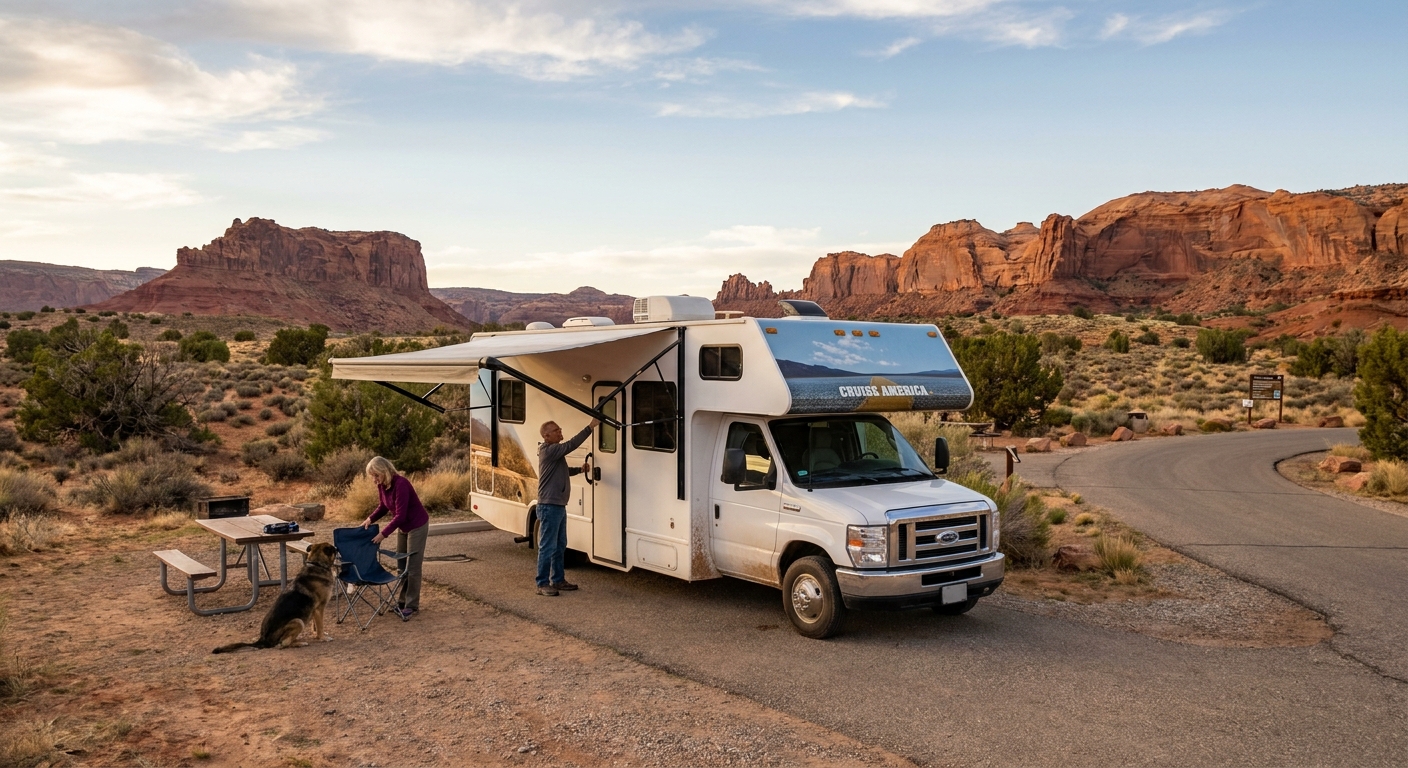
The USA offers a diverse driving experience for RV travelers, with road conditions and terrain varying significantly. You'll encounter everything from the impeccably maintained interstate highways that form a vast network across the country, to more rugged gravel roads, especially within national parks and remote areas. Navigating diverse terrain is part of the adventure; be prepared for mountainous regions with steep grades, expansive flat desert landscapes, scenic but winding coastal roads, and the complexities of densely urbanized areas. One-way RV rentals are an excellent choice for exploring these varied environments, allowing you to traverse multiple terrains without the need to backtrack. It's essential to be prepared for these conditions, from high-elevation passes to potential extreme weather changes. Prioritizing slow, scenic driving not only enhances your appreciation of the USA's stunning landscapes but also ensures safer navigation, particularly when driving a larger RV on unfamiliar routes.
RV Size Limits, Bridges & Restricted Zones
While the USA is generally accommodating to large RVs, drivers must be aware of specific size limitations. Most US states permit RV lengths up to 45 feet, although some allow longer combinations; however, local roads, campgrounds, and national parks may have tighter restrictions. Always pay attention to bridge clearance signs, especially in older cities or rural areas, as some may be lower than the standard interstate overpasses, which are typically around 14 feet high. Environmental zones, which can restrict vehicle access in certain European cities, are not as widespread or restrictive for RVs in the USA. Nevertheless, local ordinances might apply in specific urban cores or environmentally sensitive natural areas, so it's always wise to check local regulations.
Fuel: Diesel vs. Petrol & Cost per 100 km
Both petrol (gasoline) and diesel fuel are widely available across the USA, catering to different RV types. Smaller Class B camper vans typically run on petrol, while larger RVs, including Class A, C, and SI models, are often diesel-powered. To estimate your fuel costs, consider the RV's average fuel consumption—typically ranging from 8-10 Liters/100 km for camper vans to 12-17 Liters/100 km for larger truck campers. Multiply this consumption by the current average fuel price in the USA, which fluctuates regionally but generally falls between $1.00 and $1.20 per liter for both petrol and diesel. Some rental companies may offer fuel discount cards or programs, which can help reduce overall travel expenses during your one-way RV rental. On the routes offered through RV PLANET routes, you can itemize and track every expense along the way for easy budgeting.
Tolls, Vignettes & Border Rules
Toll roads are a common feature in various regions of the USA, particularly along the East Coast, in parts of the Midwest, and in California. Unlike some European countries, there are no national vignettes required for RVs. Tolls are typically paid electronically, often through systems like E-ZPass, SunPass, or FasTrak, although cash lanes are still available in some locations. To simplify toll payments and prevent potential fines, many RV rental providers offer the option to pre-purchase toll passes or include electronic toll transponders in their vehicles. If your one-way RV rental plans include international travel, understanding border rules for neighboring Canada or Mexico is crucial, requiring proper documentation and specific insurance coverage.
Driving Tips for one way rv rental Travelers
Careful planning and mindful driving are key to a successful one-way RV rental. Always plan your route meticulously, factoring in your RV's size and weight, especially when navigating through cities, mountainous terrain, or areas with older infrastructure. Take frequent breaks, ideally every two hours, to prevent driver fatigue and allow passengers, particularly families, to stretch and refresh. It’s crucial to understand your RV’s exact dimensions—height, length, and width—to safely avoid low bridges, tight turns, and restricted parking areas. Distribute weight evenly within the RV to maintain stability and improve handling, which is especially important for longer one-way journeys. Utilizing RV-specific GPS systems can be invaluable, as they can route you away from problematic roads, low clearances, and weight-restricted bridges, ensuring a smoother and safer trip.
Recommended RV Class for USA Roads
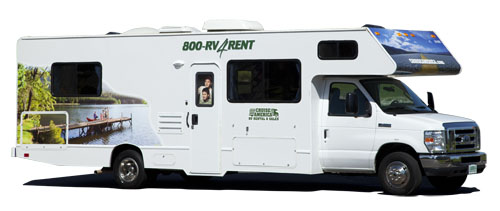
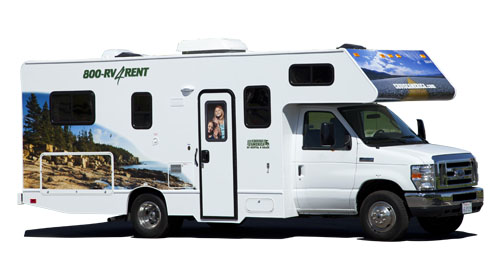
For navigating the diverse road conditions across the USA, Class C (Alcove) and Class SI (Semi-integrated) RVs are highly recommended. These classes strike an excellent balance between comfort, amenities, and relatively manageable dimensions, making them suitable for a wide range of travel experiences. For instance, Bandana's global fleet average for Class C (Alcove) RVs is around 7.5 meters (approximately 24.6 feet) in length, providing ample living space and typically accommodating about 4.4 adults with 5.8 sleeping places. Class SI (Semi-integrated) RVs, averaging 6.9 meters (approximately 22.6 feet) in length, offer a more compact yet comfortable option for around 3.4 adults with 3.8 sleeping places, also performing well on varied terrains. If maneuverability and fuel efficiency are top priorities, a Class B (Camper Van), with an average length of 5.8 meters (approximately 19 feet), is an excellent choice for navigating tighter urban spaces and more challenging mountain passes.
Should I Choose a Compact Van Instead of a Large RV in USA?
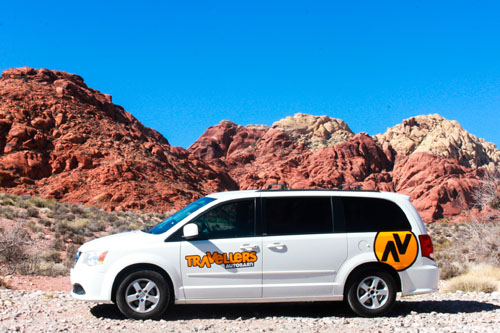
The decision between a compact van (Class B Camper Van) and a large RV (Class A, C, or SI) in the USA largely depends on your personal comfort preferences and the specifics of your travel itinerary. The USA’s expansive infrastructure is generally well-equipped to handle larger RVs on highways and in most campgrounds, often making interior space and available amenities a greater priority than extreme maneuverability for many travelers. However, a compact van truly shines in situations requiring greater agility, such as navigating tight historic city centers, narrow mountain passes, or when seeking more discreet parking options. For longer one-way trips, a larger RV typically offers superior comfort, dedicated sleeping areas, more storage capacity, and full bathroom and kitchen facilities, which can be a very worthwhile trade-off for extended travel adventures. For ideas you can prep on the road, watch our RV-friendly recipes playlist on YouTube.
Can I Park Anywhere? Free & Wild Camping Rules in USA
No, you cannot legally park just anywhere in an RV in the USA for overnight stays; regulations vary significantly by state, county, and municipality. While 'boondocking' or 'wild camping' is often permitted on designated public lands managed by the Bureau of Land Management (BLM) and within many National Forests, strict adherence to specific guidelines is crucial. Many businesses, such as Walmart, Cabela's, and certain casinos, may allow overnight RV parking in their lots, but it is imperative to always ask for permission from management first. Highway rest areas often have restrictions, with overnight parking limited to a few hours or prohibited entirely, so always check signage and local regulations before settling in.
Can I Drive an RV Into the City Center? Heights, Tunnels & Local Signage
Yes, in most cases, you can drive an RV into US city centers, but it requires diligent attention to specific local signage and potential restrictions. Drivers must pay close attention to signs indicating low bridges, tunnel height limits, and weight restrictions, particularly in older cities with established infrastructure. While less common than in Europe, some US cities may have designated environmental zones or residents-only streets that could restrict large vehicle access. Navigating city centers with an RV can be challenging due to narrow streets, limited turning radii, and the difficulty of finding suitable parking; always scout your route beforehand or utilize an RV-specific GPS to help avoid potential issues.
What is the 3-3-3 rule for RV driving?
The 3-3-3 rule is a practical guideline for RV travel, advocating for driving no more than 300 miles per day, aiming to arrive at your campsite by 3 PM, and staying for at least 3 nights at each location. This rule is designed to prevent driver fatigue, allow ample time for the setup and breakdown of camp, and provide opportunities for relaxation and thorough exploration of each destination. Adhering to the 300-mile limit ensures safe travel by preventing excessively long driving hours, which is critical for maneuvering a large RV. Arriving by 3 PM provides sufficient daylight for finding and securing a campsite, especially beneficial for those new to RVing or exploring boondocking opportunities.
How big of an RV can you drive with a regular driver's license?
Typically, most recreational vehicles (RVs) with a Gross Vehicle Weight Rating (GVWR) under 26,000 pounds can be driven with a standard Class D driver's license in the USA. This weight threshold comfortably accommodates the vast majority of rental RVs, including Class B camper vans, Class C alcove RVs, and Class SI semi-integrated RVs, as well as many smaller Class A integrated models. In addition to weight, some states may impose length restrictions (often around 45 feet) before a special license is required, regardless of the vehicle's weight. For the most accurate information, it's always best to consult the Department of Motor Vehicles (DMV) website for the specific state where your license was issued, as requirements can vary.
Can you sleep anywhere in an RV in the USA?
No, you cannot legally sleep anywhere in an RV in the USA; overnight parking and camping regulations are strictly governed by local, state, and federal laws. While 'boondocking' or 'wild camping' is permitted in designated areas of public lands like National Forests and Bureau of Land Management (BLM) lands, private properties and many urban areas explicitly prohibit overnight RV parking. Businesses like Walmart, Cabela's, and certain casinos often permit overnight stays, but it is always essential to seek permission from management upon arrival. Understanding these regulations ensures a safe and legal RVing experience across the country.
What are the current one-way RV deals available in the USA?
Current one-way RV deals in the USA are most commonly found through major rental companies and aggregators, often presented as relocation specials for vehicles needing to be moved between depots. These deals frequently appear during shoulder seasons, at the end of peak travel periods, or when companies need to reposition their fleet to meet upcoming demand, sometimes offering significantly discounted rental rates or reduced one-way fees. To find the best one-way RV deals, regularly check the 'Specials' or 'Deals' sections on major RV rental websites, subscribe to their newsletters for alerts, and utilize online platforms that compare multiple providers. Flexibility with your pick-up and drop-off dates and locations can greatly increase your chances of securing attractive one-way rental offers throughout the year.
What state is most RV friendly?
There isn't one single 'most RV friendly' state in the USA, as the ideal destination depends heavily on an RVer's priorities, but states like Florida, Arizona, California, and Texas are consistently popular due to their extensive infrastructure and numerous attractions. RV friendliness can be evaluated based on factors such as the abundance of private and public campgrounds, accessibility to boondocking locations, favorable state-specific RV laws (including length limits and overnight parking regulations), and the availability of scenic routes. For example, Florida offers a plethora of coastal campgrounds and a warm climate, making it a prime spot for winter RVing, while Arizona and California provide vast desert and mountain landscapes perfect for outdoor adventurers. Texas is known for its expansive state parks and a welcoming culture for RVers, alongside a diverse range of scenic byways.
What You Shouldn't Miss
- Explore the breathtaking vistas of the Grand Canyon National Park in Arizona, a natural wonder that's best experienced with the flexibility of an RV.
- Drive the Pacific Coast Highway in California, taking in the stunning coastal views, charming seaside towns, and diverse landscapes—perfect for a scenic one-way RV trip.
- Embark on the iconic Route 66, an unforgettable cross-country journey that immerses you in classic Americana, complete with quirky roadside attractions and historic diners. Consider the .
- Discover the vastness of Yellowstone National Park, experiencing its geothermal wonders and abundant wildlife, made even more accessible with an RV.
- Experience the vibrant music scene and culinary delights of cities like New Orleans or Nashville, with your RV serving as a comfortable basecamp.
Final Thoughts
Renting an RV for a one-way trip across the USA is an incredible way to experience the country’s vast diversity at your own pace. From the majestic mountains to the sun-drenched coastlines, your rented RV becomes your mobile home, offering unparalleled freedom and flexibility.
Remember to plan your route, pack essentials, and embrace the slow travel philosophy. The journey itself, with all its unexpected discoveries and breathtaking views, is often as rewarding as the destination. So, start planning your ultimate USA RV adventure today!