For live availability and current prices, start with our RV Rental Washington DC - Complete Guide 2026 guide.
In This Guide
- Top 5 Tips for rv rental RV Rental in Washington DC
- Before You Book - Class, Dates, Insurance
- Is Washington DC. RV friendly?
- Is Washington, D.C. RV friendly?
- Pre-Trip Prep - Packing Checklist for Washington DC
- On the Road - Driving, Fueling, Navigation
- What is the 3-3-3 rule for RV travel?
- What is the 444 rule for RVs?
- What is the rule of 3 with an RV?
- At the Campground - Setup, Hookups & Etiquette
- rv rental-Specific Tips for Washington DC
- Common Mistakes to Avoid in Washington DC
Imagine your family adventure unfolding against the backdrop of iconic monuments and vibrant history, all from the comfort of your rented motorhome in Washington DC. While navigating the nation's capital with an RV might seem daunting, it's absolutely doable with the right preparation and expert tips from Bandana RV specialists. For live availability and current prices, start with our RV Rental Washington DC - Complete Guide 2024 guide, which offers comprehensive information to kickstart your journey.
Top 5 Tips for rv rental RV Rental in Washington DC
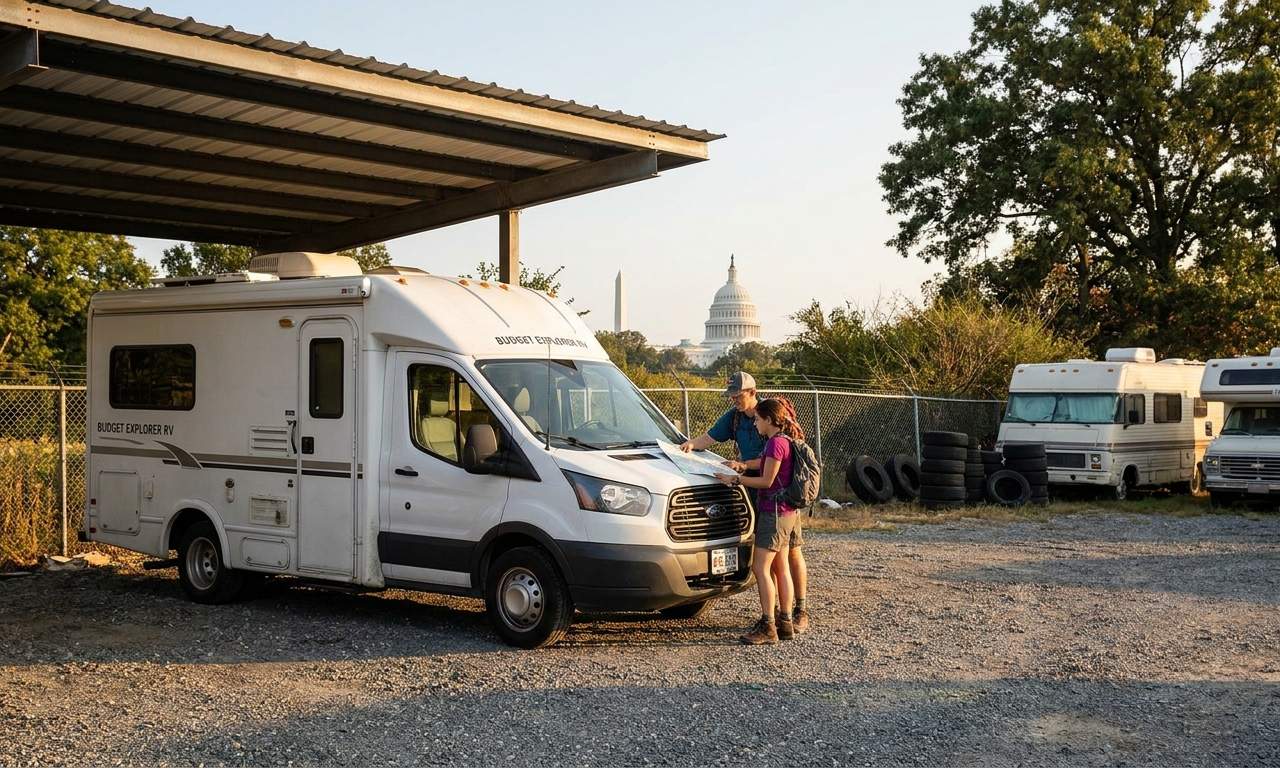
Planning your route to avoid city center driving is paramount for a successful RV trip to Washington DC, as traffic and parking can be challenging. By choosing campgrounds outside the immediate city, such as in nearby Maryland or Virginia, you can leverage convenient public transit options like the Metro. Booking these campgrounds early is crucial, especially for peak seasons like the Cherry Blossom Festival in spring or popular fall foliage periods, to secure desirable spots and amenities like full hookups.
Utilize Washington D.C.'s extensive public transit system from your campground to access the National Mall, museums, and historical sites without the stress of city driving. Always pack for varying weather conditions, as DC can be quite humid in summer and surprisingly chilly in winter. Finally, factor in extra travel time for traffic and maneuvering your rented RV, ensuring a relaxed pace of maximum 100-150 km per day on average, allowing your family to truly connect with the culture and scenery.
Before You Book - Class, Dates, Insurance
Choosing an RV class, like a compact Class B campervan such as the "Combi Van" (4 sleeping places, 60L fresh water tank) for easier parking or a spacious Class C motorhome like the "MHC24" (6 sleeping places, 150L fresh water tank) for more family space, is critical for your Washington DC adventure. Consider your group size and comfort preferences, keeping in mind DC's urban parking challenges where smaller vehicles may have an advantage. Lock in your rental dates well in advance, especially for high-demand periods like spring (Cherry Blossoms) or fall, to secure your preferred motorhome and campground spots, as prices are dynamic and change daily based on availability.
Review your insurance options carefully, as basic insurance is always included with Bandana Caravan bookings. For the most comprehensive coverage and peace of mind, you can opt to upgrade to a top-level deductible for extra protection; simply select this option during your search to see all relevant insurance packages. When planning your budget, remember to factor in potential ancillary costs like tolls, particularly on major arteries around the Capital Beltway (I-495), and specific campground amenities. For detailed routes and the ability to itemize and track every expense along the way for easy budgeting, we highly recommend exploring RV PLANET routes. This ensures full transparency with no hidden fees or surprises. On the routes offered through RV PLANET routes, you can itemize and track every expense along the way for easy budgeting.
Is Washington DC. RV friendly?
Washington D.C. is generally not RV-friendly for direct city center parking or driving due to narrow streets, strict parking regulations, and vehicle size restrictions. Parking a larger rented RV directly within the National Mall area or downtown is largely impractical and often illegal, making utilization of peripheral park-and-ride options or campgrounds outside the Beltway a necessity. Large RVs, such as a Class A motorhome like the "Class A - Thor ACE 30" with a length of 9.37 meters, face specific challenges with bridge heights and tunnel restrictions, especially when entering the city from surrounding areas like Maryland or Virginia.
It's crucial to research specific no-go zones for larger vehicles, particularly around monuments and government buildings, to avoid fines or getting stuck in tight spots. When exploring the city, securing your rented RV when parked for the day involves choosing reputable campgrounds or monitored parking lots, ensuring all doors are locked, and valuables are out of sight. We believe in full transparency, which means providing honest advice to ensure your trip is enjoyable and hassle-free.
Is Washington, D.C. RV friendly?
While direct city driving is challenging, Washington D.C. is RV-friendly when approached from nearby areas with numerous campgrounds and convenient public transit access. Many RV-friendly campgrounds exist in Maryland and Virginia, such as Cherry Hill Park (MD) or Pohick Bay Regional Park (VA), offering full hookups and shuttle services or direct metro access to the city. For example, Cherry Hill Park, just outside the capital, has over 400 sites with hookups and a Metrobus stop on-site.
Utilizing Metro stations with large parking lots, if available and RV-accessible, can serve as a transit hub, though dedicated RV parking at these sites is not guaranteed and often requires early arrival. We recommend taking ride-shares or local buses from outer campgrounds directly into DC to avoid city traffic and parking hassles. Pet-friendly options around DC include numerous parks and walking trails outside the immediate National Mall area; however, always check specific public transit rules for pets before traveling. For more detailed driving advice in the area, check out our "Driving an RV in Washington DC - Complete Guide 2024".
Pre-Trip Prep - Packing Checklist for Washington DC
Ensuring all necessary documents are accessible, including your rental agreement, insurance details, and standard car driver's license (which is sufficient for all motorhome classes), is a vital pre-trip task. Pack appropriate clothing for walking and varying weather conditions in Washington DC; layers are always a good idea, as temperatures can fluctuate. Prepare your rented RV's kitchen for basic meals to save on dining costs, especially breakfasts and packed lunches for sightseeing days. For inspiration, check out our RV-friendly recipes playlist.
Include essential safety and navigation tools, such as a physical map alongside your GPS, and a first-aid kit. Don't forget comfort items for campsite relaxation, like portable chairs or outdoor games for the kids. Even with a large Class C motorhome, like the "rv rentals utah example Sunrise Escape" (5 sleeping places, 167L fresh water tank), smart packing makes a big difference. Remember, we’re true RV specialists, here to support you with pre-booking comparison and post-booking coordination, ensuring you're well-prepared for your adventure.
On the Road - Driving, Fueling, Navigation
Avoiding driving your rented RV into downtown Washington D.C. during peak traffic hours (typically 6-9 AM and 3-6 PM) is highly advisable; plan your routes using a navigation system with RV-specific settings that account for vehicle dimensions. Drive slowly and carefully, and you can drive almost anywhere without issues; no need to stress - just use common sense and pay attention. Be acutely aware of bridge heights and tunnel restrictions, especially on smaller roads or historic routes around the DC metro area, as some have lower clearances.
Locate truck stops or larger gas stations for fueling, as smaller city stations may not accommodate a Class C motorhome like the "C-30" with its 208-liter fuel tank. Budget for tolls, particularly on major arteries leading into and around the Capital Beltway (I-495) and Virginia's Interstate 95. Practice defensive driving and maintain extra following distance due to heavy traffic and urban complexities, making for a smoother and safer journey for your family. For routes designed by professionals that take these details into account, explore our Rent&Plan option.
What is the 3-3-3 rule for RV travel?
The 3-3-3 rule for RV travel suggests driving no more than 300 miles (approximately 480 km) a day, arriving at your destination by 3 PM, and staying for at least 3 nights. Applying this rule to a Washington D.C. RV trip promotes a more relaxed pace, allowing for ample time to set up camp, explore attractions, and avoid driver and passenger fatigue. This approach is particularly beneficial when visiting D.C. as it encourages booking campgrounds outside the immediate urban area, providing a buffer zone for relaxation after busy sightseeing days.
Adhering to the 'arrive by 3 PM' aspect is crucial for securing preferred spots at popular D.C.-area campgrounds, which often fill quickly, and gives you time to settle in before dark. Staying '3 nights' allows for a comprehensive exploration of D.C.'s major sites, like the Smithsonian museums or the Lincoln Memorial, without feeling rushed, leveraging public transport from your campsite. This rule helps ensure a stress-free and memorable family vacation, aligning with our philosophy to travel slowly and connect with the place.
What is the 444 rule for RVs?
The 444 rule is a variation of RV travel wisdom, advising to drive no more than 400 miles (approximately 640 km) a day, stop by 4 PM, and stay for at least 4 nights, particularly useful for longer journeys. For a Washington D.C. RV trip, while the mileage might be adjusted based on your starting point, the 'stop by 4 PM' component is highly relevant for navigating campground check-ins near the capital, ensuring you beat the rush. Arriving earlier allows more flexibility in choosing a site, completing hookups, and familiarizing yourself with the campground's transit options to D.C.
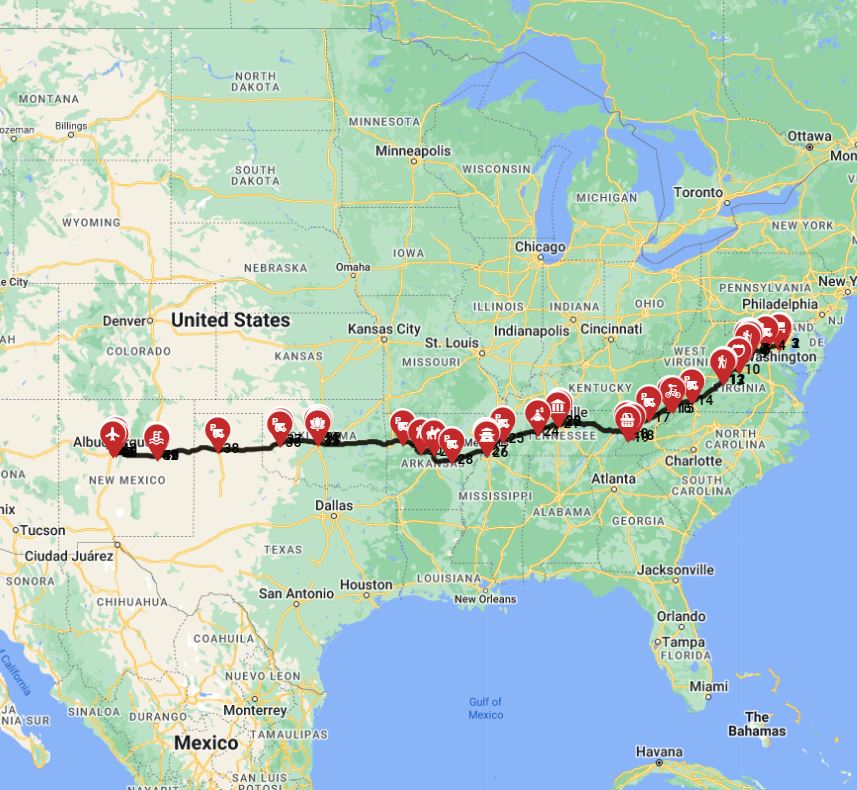
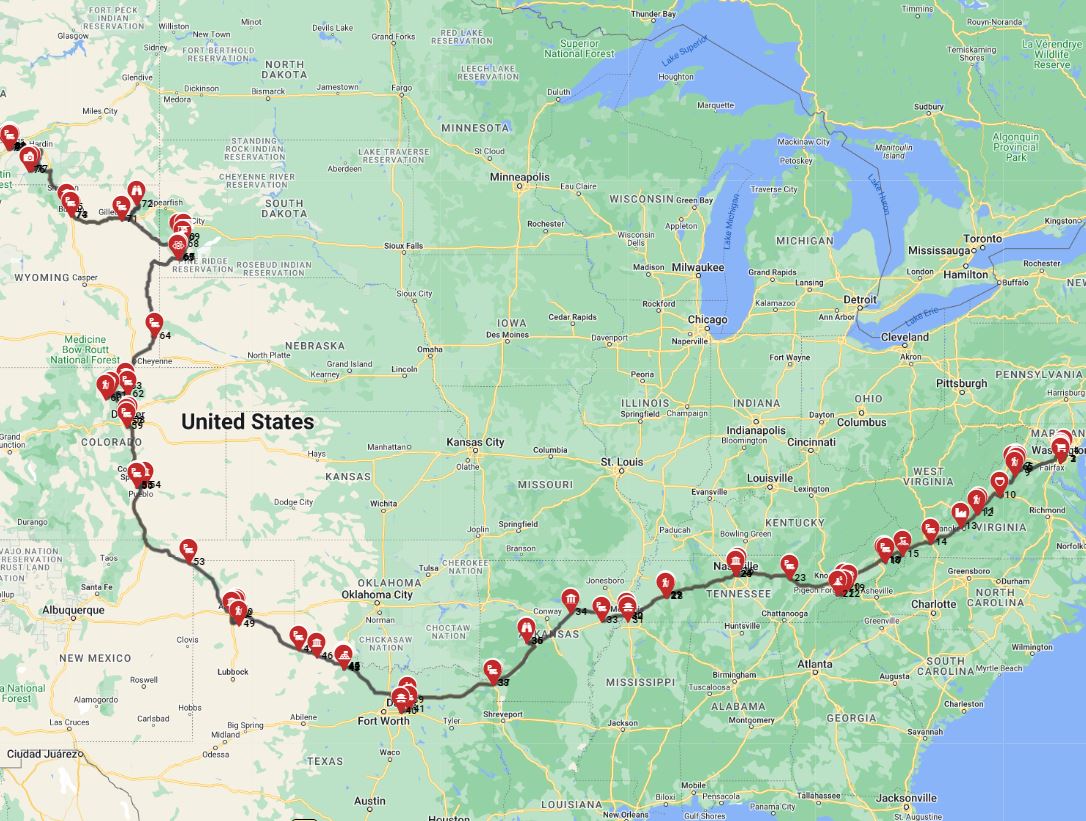
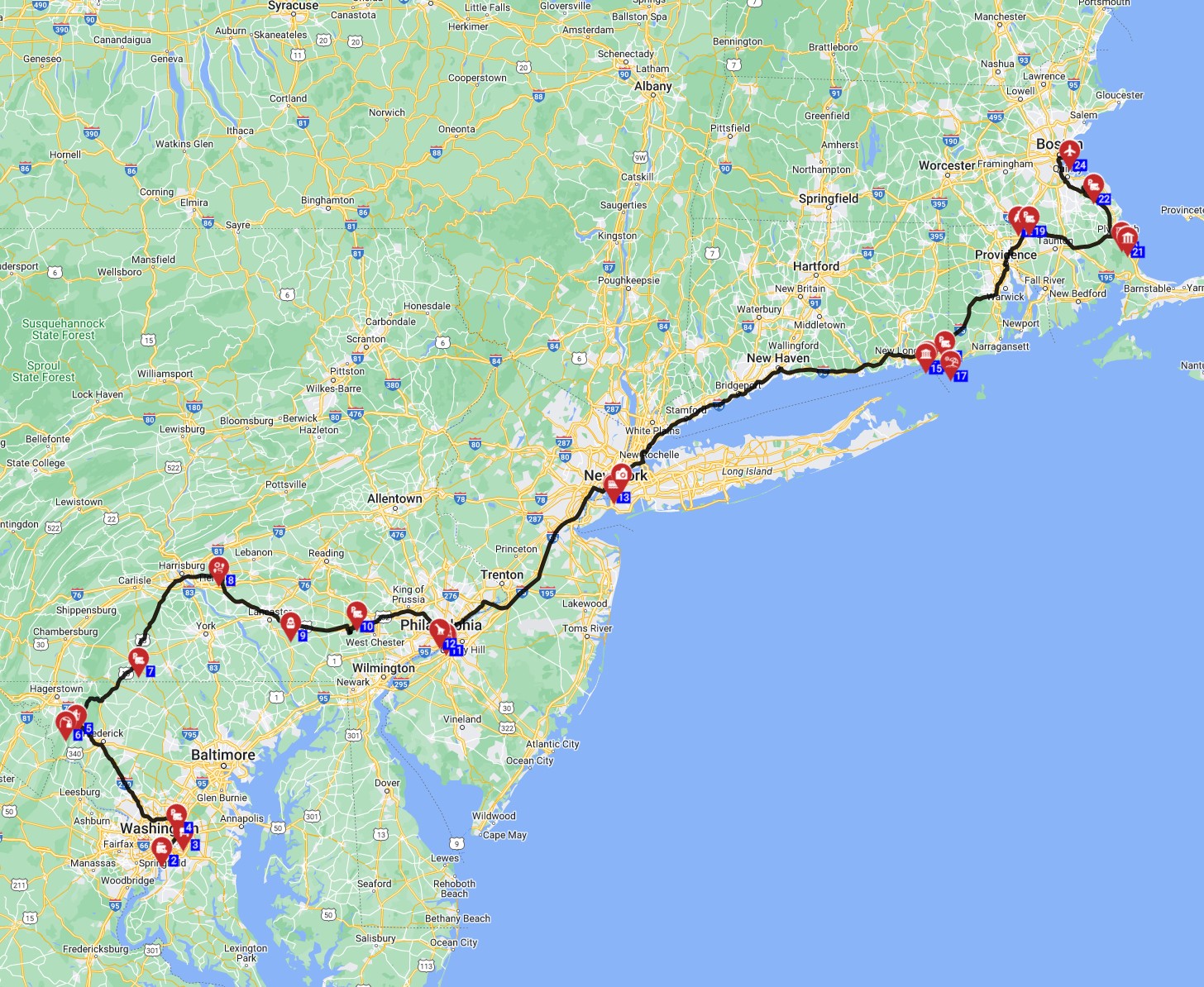
The 'stay for 4 nights' recommendation aligns well with the extensive attractions in D.C., ensuring you have sufficient time to experience monuments, museums, and historical sites, covering up to 4 days of exploration. This rule, like the 3-3-3 rule, emphasizes a sustainable travel rhythm that minimizes stress and maximizes enjoyment of your destination. For families considering an extended trip, like the "Portland to Washington DC - From Pacific Trails to the Nation's Capital" (28 days, 6361.199999999997 km), these rules help manage the journey effectively.
What is the rule of 3 with an RV?
The 'rule of 3' for RVs is often used interchangeably with the 3-3-3 rule (300 miles, 3 PM arrival, 3 nights stay) as a general guideline for comfortable and safe RV travel, especially for a family. Adopting this principle for your Washington D.C. adventure helps manage the complexities of urban proximity and ensures adequate rest between driving and exploring, which is crucial when traveling with kids. It encourages pre-booking your D.C.-area campgrounds to guarantee a spot, especially during high season like the Cherry Blossom Festival or any major national events in 2024.
By limiting daily travel distance, you reduce the risk of fatigue and allow for more scenic or spontaneous stops en route to the D.C. area. This rule is fundamental to preventing burnout and ensuring you have the energy to fully immerse your family in the rich history and culture of the nation's capital. For more local guidance, consider our "RV Travel Guide to Washington DC - Tips and Top Spots 2026".
At the Campground - Setup, Hookups & Etiquette
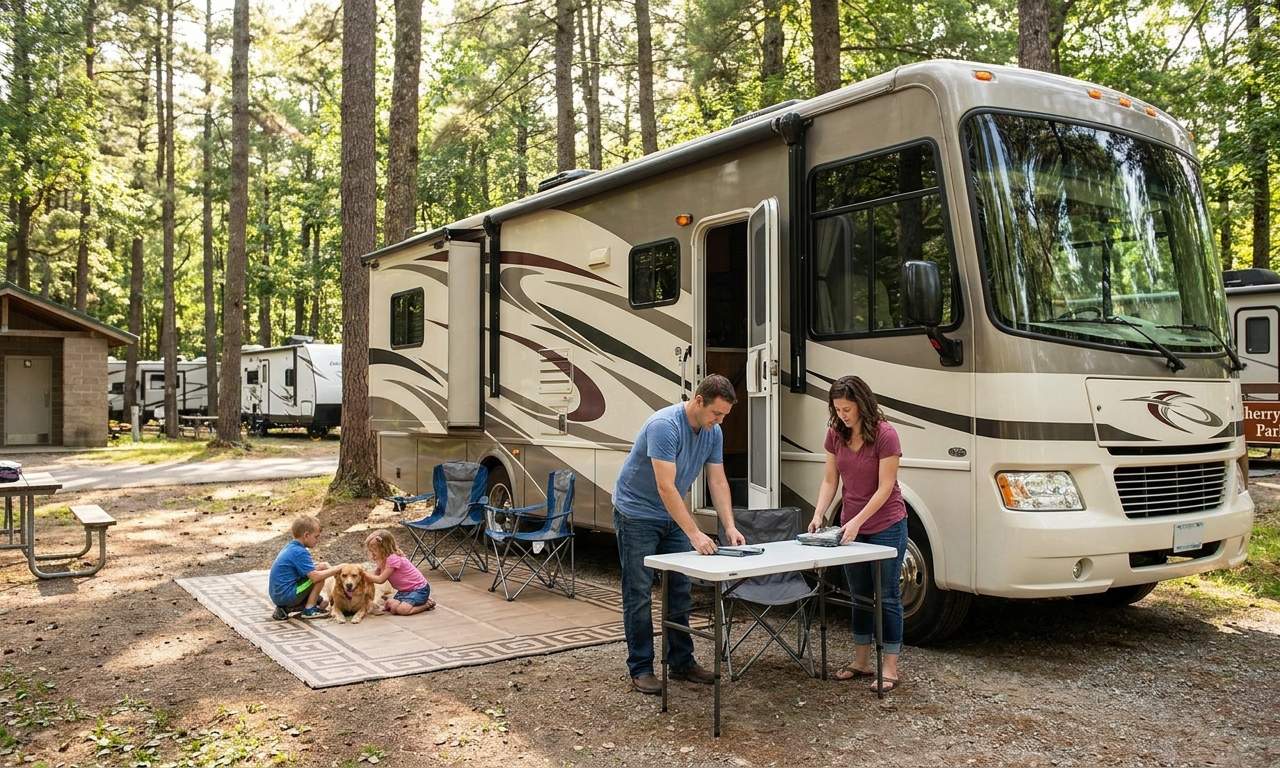
Upon arrival at your Washington DC area campground, park your rented motorhome or campervan level, extend slides if applicable, and connect electrical, water, and sewer hookups in the correct order: sewer first, then water, then electric. Familiarize yourself with campground amenities, any shuttle schedules to D.C. (many campgrounds offer this), and local rules, including quiet hours (typically 10 PM to 7 AM). For families, consider campgrounds with playgrounds, such as Greenbelt Park, which is about a 30-minute drive from the city center.
Maintain a tidy campsite, dispose of trash properly in designated receptacles, and always respect the privacy and space of your neighbors. If traveling with pets, ensure all furry companions are leashed and clean up after them, adhering to specific pet policies of your chosen D.C.-area campground. Before departing, follow proper disconnect procedures: disconnect electric, then water, then flush and disconnect sewer, then retract slides and secure the interior. Bandana RV is committed to providing true RV specialists who understand these details, offering comprehensive support from pre-booking to post-booking coordination.
rv rental-Specific Tips for Washington DC
For families traveling to Washington DC, choosing campgrounds with playgrounds or pools, and planning kid-friendly activities like visits to the National Air and Space Museum or the National Museum of Natural History, will enhance your experience. Younger children often enjoy the National Zoo, which is accessible via the Metro Red Line. Senior travelers might prefer Class B or C RVs for easier driving and parking outside the immediate city, ensuring comfortable seating for extensive walking tours once in downtown DC. A Class B campervan like the "V2L" (2 sleeping places, 100L fresh water tank) offers compact maneuverability.
Budget-conscious RVers should seek out free overnight parking spots further from the city where legal and safe, or opt for campgrounds with competitive weekly rates. Luxury RVers can explore premium campgrounds offering resort-style amenities and dedicated shuttle services for a seamless D.C. experience. Consider visiting during the shoulder seasons (late fall or early spring, specifically avoiding Cherry Blossom peak) for fewer crowds, better campground availability, and often lower rates. You can save up to 25% by using our 25% planning discount when you craft your journey with rvplan.net.
Common Mistakes to Avoid in Washington DC
Attempting to drive your rented RV directly into downtown D.C. for sightseeing is a common mistake; instead, park outside the city and use public transportation to avoid heavy traffic and prohibitive parking. Not booking campgrounds well in advance, especially during peak seasons like spring or major holidays in 2024, can leave you without a spot. Always call ahead before driving. Ignoring bridge height and weight restrictions on older roads or tunnels, like those around the Arlington Memorial Bridge (which has vehicle weight restrictions), can lead to costly and dangerous situations; always check your route with an RV-specific GPS or a current road atlas. You can find detailed driving routes in our "Driving an RV From Washington DC Airport - Routes 2026" guide.
Underestimating the amount of walking required for D.C.'s attractions is another common oversight; wear comfortable shoes and plan rest breaks, especially with children. Overlooking the security of your rented RV when parked is also a mistake; always lock up and secure valuables, even in reputable campgrounds or designated parking areas. Finally, visiting during major events or the Cherry Blossom Festival without extensive prior planning for traffic, crowds, and accommodation will significantly reduce your enjoyment. Remember to travel slowly, max 100-150 km per day on average, to take time to feel the place, connect to the culture, the food, and the scenery.
What You Shouldn't Miss
- National Mall & Smithsonian Museums: Dedicate at least two days to explore the iconic monuments like the Lincoln Memorial and Washington Monument, and visit several of the free Smithsonian museums, such as the National Museum of Natural History or the National Air and Space Museum.
- Old Town Alexandria: Take a short drive or Metro ride from your Washington DC campground to Old Town Alexandria, Virginia. This charming historic district offers cobblestone streets, colonial architecture, unique shops, and waterfront dining.
- Mount Vernon Estate: Drive your motorhome south of DC to George Washington's Mount Vernon estate, about 16 miles from the city center. It offers a fascinating glimpse into colonial life with extensive grounds overlooking the Potomac River.
- Georgetown Waterfront: Enjoy a vibrant evening at the Georgetown Waterfront with its diverse restaurants, boutiques, and scenic views of the Potomac. It's easily accessible by bus or taxi from nearby RV-friendly locations.
- Arlington National Cemetery: Pay respects at Arlington National Cemetery, witnessing the Changing of the Guard at the Tomb of the Unknown Soldier and visiting the Kennedy Eternal Flame. It’s a poignant and essential part of any Washington DC visit.
Looking for expert insights from Avi Bandana? Top 5 Adventures - recommendations from Avi Bandana
🎬 Video coming soon
Final Thoughts
Embarking on a family RV adventure to Washington DC promises a unique blend of history, culture, and outdoor fun. By choosing a rented motorhome or campervan, you unlock the flexibility to explore at your own pace, creating cherished memories with your loved ones. Remember, while the city center might be challenging for large vehicles, the surrounding region is incredibly RV-friendly, with excellent campgrounds and public transport links ready to whisk you to every iconic landmark.
At Bandana Caravan, we're passionate about helping you discover the joy of RV travel. We provide the tools, transparency, and expert advice you need to plan your trip with confidence, from choosing the perfect Class C motorhome to navigating the local nuances. Get inspired for your next trip and discover top destinations, planning tips, all in one place!
Find Motorhome Rentals in Washington DC