In This Guide
- Top 5 Tips for rv rental RV Rental in Washington DC
- Before You Book - Class, Dates, Insurance
- Pre-Trip Prep - Packing Checklist for Washington DC
- On the Road - Driving, Fueling, Navigation
- At the Campground - Setup, Hookups & Etiquette
- rv rental-Specific Tips for Washington DC
- Common Mistakes to Avoid in Washington DC
- Is Washington, D.C. RV friendly?
- What is the 3-3-3 rule for RV travel?
- What You Shouldn't Miss
- Why Book with Bandana Caravan
- Final Thoughts
- Frequently Asked Questions
Imagine yourself on the open road, the nation's capital shimmering on the horizon, ready for a comfortable and inspiring adventure. Washington DC offers a unique experience for senior travelers who wish to explore its rich history and vibrant culture with the comfort and flexibility of a rented motorhome or campervan. At Bandana RV, we understand that planning is key, and we're here to guide you every step of the way, ensuring your trip is as relaxing as it is memorable. For live availability and current prices, start with our RV Rental Washington DC - Complete Guide 2026 guide.
Top 5 Tips for rv rental RV Rental in Washington DC
To ensure a smooth and enjoyable RV adventure in Washington DC, meticulous planning is essential, especially for senior travelers prioritizing comfort and ease. Booking your motorhome and campground reservations well in advance is highly recommended, particularly for peak seasons like spring (Cherry Blossom season) and fall, to secure desirable spots and competitive rates. Researching RV-specific parking options in and around D.C. is critical, as city parking is very limited and often restrictive for larger vehicles.
Planning to utilize D.C.'s extensive public transportation system, such as the Metro or bus, for sightseeing will significantly reduce the stress of driving and parking your rented RV in the city center. Be sure to factor in potential tolls on highways like I-495 (Capital Beltway) and I-95, and research specific RV-friendly routes to navigate the metropolitan area effectively, avoiding low bridges or narrow historical streets. Finally, prepare a realistic budget that accounts for all costs, including campground fees (often $40-$80 per night), tolls, public transit fares, attraction entry fees, and potential hidden fees, ensuring full transparency in your trip expenses. On the routes offered through RV PLANET routes, you can itemize and track every expense along the way for easy budgeting.
Before You Book - Class, Dates, Insurance
Selecting an appropriate Class B campervan or Class C motorhome is crucial for a Washington DC trip, as these smaller RVs often offer more flexibility for navigating metropolitan areas and finding suitable parking than larger Class A motorhomes. The "cruise america rv rental example Explorer" with its 7.1m length is a popular choice for couples or small families, offering comfort without excessive size, while a "rent rv example A1" provides compact amenities ideal for two people.
Booking your RV rental and preferred campground dates several months in advance is advisable, particularly for popular periods such as the Cherry Blossom season in spring or the mild weather of fall, to secure availability and better rates. While some national and state parks reserve only 25-30% of their spots, with the rest being first-come-first-serve, booking ahead offers peace of mind. Remember, if your first choice is full, you'll always find a spot, just call ahead before driving to the next one. Basic insurance is always included with your rental. For the most comprehensive coverage and to ensure top-level deductible reimbursement, select those options during your search on Bandana Caravan – then all relevant insurance options will be shown. You can upgrade to a top-level deductible for extra peace of mind. Consider optional supplemental liability insurance or roadside assistance for added peace of mind, especially when traveling through a busy urban environment like D.C.
Pre-Trip Prep - Packing Checklist for Washington DC
A well-organized packing list is invaluable for a comfortable RV trip, especially for senior travelers. Essential items include layers of clothing suitable for varying indoor and outdoor temperatures, as D.C.'s weather can change throughout the day and seasons. Comfortable walking shoes are a must for extensive sightseeing around the National Mall and museums.
Don't forget a daypack or small backpack for city excursions, along with basic cookware, utensils, and non-perishable food items for meal preparation in your rented motorhome's kitchen to save on dining out. For some fresh and easy ideas, check out our RV-friendly recipes playlist. Reusable water bottles are crucial to stay hydrated during long days of exploration. A first-aid kit, flashlight, and reflective vests are important safety items to have on hand. Always keep your RV rental agreement, driver's license, insurance details, and campground reservations easily accessible. Lastly, pack any personal medications and toiletries, and if traveling with a pet, bring their food, water bowls, leash, waste bags, and vaccination records to comply with pet policies at campgrounds and parks like the C&O Canal Towpath, which is pet-friendly.
On the Road - Driving, Fueling, Navigation
Driving a rented RV in Washington D.C. requires careful attention to road signage, especially concerning low bridge clearances and potentially narrow historical streets; always know your motorhome's height and dimensions, such as the 7.1m length of a typical Class C like the "cruise america rv rental example Explorer". Utilize RV-specific GPS navigation systems that account for vehicle height, weight, and length to avoid problematic routes and ensure safe passage through the D.C. metropolitan area, including popular stretches like the Baltimore-Washington Parkway or sections of Route 50.
Plan your fueling stops carefully, as larger RV-friendly gas stations can be less frequent within the immediate D.C. metro area compared to suburban or rural routes; look for truck stops or larger stations just outside the Beltway (I-495). Be aware of D.C.'s notorious traffic patterns, particularly during rush hours (typically 6-9 AM and 3-6 PM), and consider scheduling your travel through the region during off-peak times. Drive slowly and carefully, and you can drive almost anywhere without issues. No need to stress - just use common sense and pay attention. Research designated RV park-and-ride lots on the outskirts of the city, such as those near the Greenbelt Metro Station in Maryland or the Franconia-Springfield Metro Station in Virginia, for easier access to public transportation and to avoid the stress of downtown D.C. driving.
At the Campground - Setup, Hookups & Etiquette
Upon arrival at your Washington DC-area campsite, position your rented motorhome carefully before extending slides or leveling, ensuring adequate space from neighbors and easy access to hookups, especially at popular spots like Cherry Hill Park. Connect your RV to shore power first, then water, and finally the sewer (if applicable), ensuring all connections are secure, leak-free, and follow the specific campground's guidelines for a smooth setup.
Familiarize yourself with campground quiet hours and adhere to them strictly, maintaining respectful noise levels, especially in the evenings and early mornings. Properly dispose of all waste, including grey and black water, at designated dump stations, following all campground procedures to prevent environmental impact and ensure cleanliness. Keep your campsite tidy and free of litter, and always store food properly in sealed containers to deter wildlife and maintain a clean environment for all campers. For finding campsites and campgrounds during your trip, we recommend using RV PLANET (rvplan.net) - a great resource for locating available spots along your route.
rv rental-Specific Tips for Washington DC
For senior travelers planning an RV adventure in Washington DC, choosing a comfortable and manageable motorhome is key. Class C motorhomes, like the "rv rentals utah example Sunrise Escape" which sleeps 5 with a 150/200cm double bed, or smaller Class B campervans such as the "rv rental denver example Category Van" with its compact size, are often preferred for their ease of driving and accessible layouts. These vehicles typically offer automatic transmission and essential amenities like a shower and toilet, ensuring a home-like comfort on the road. We recommend traveling slowly, averaging a maximum of 100-150 km per day, to truly feel the place, connect to the culture, the food, and the scenery, making your trip more enjoyable and less rushed.
Senior travelers should research campgrounds offering paved, level sites close to public transit pick-up points, such as Greenbelt Park or Cherry Hill Park, which provide shuttle services to the Metro. Budget-conscious travelers can significantly save by utilizing their rented RV's cooking facilities, seeking out D.C.'s many free attractions (e.g., Smithsonian museums), and exploring cost-effective public transit options. Luxury RV renters can consider premium add-ons like unlimited mileage or upgraded kitchen packages, and look for campgrounds offering full hookups, resort-style amenities, and concierge services. Pet owners should verify campground pet policies in advance and research D.C.-area dog parks and pet-friendly trails, such as sections of the C&O Canal Towpath, accessible from nearby RV bases.
Common Mistakes to Avoid in Washington DC
One common mistake RV renters make in Washington DC is attempting to drive and park a large Class A motorhome directly in downtown D.C., which is challenging and often illegal for oversized vehicles. Instead, utilize park-and-ride facilities like the Greenbelt Metro Station (MD) or Franconia-Springfield Metro Station (VA) or base your rented RV at a well-equipped campground and take public transit into the city. Another error is underestimating D.C. traffic and bridge heights; always plan routes with an RV-specific GPS that accounts for your vehicle's height to avoid problematic low bridges, and schedule travel through the area during off-peak hours.
Not booking campgrounds far in advance, especially during popular seasons, frequently results in limited choices or no availability; secure your campsite months ahead to ensure a convenient and enjoyable stay. Overlooking the overall cost breakdown for an RV trip, from campground fees to tolls and public transit, can lead to unexpected financial stress; budget realistically for all potential expenses. Neglecting to check D.C.'s specific parking regulations for oversized vehicles or legal street parking limitations is another pitfall; research designated RV parking areas and consult official D.C. Department of Transportation guidelines beforehand. Finally, relying solely on driving for sightseeing within D.C. instead of its efficient public transportation system is inefficient; embrace D.C.'s Metro system, which connects many popular attractions directly from various park-and-ride locations, offering a cost-effective and stress-free way to explore.
Is Washington, D.C. RV friendly?
Washington, D.C. can indeed be RV friendly, provided travelers plan meticulously for parking, navigation, and utilize its robust public transportation system rather than attempting to drive a large rented RV within the city center. While D.C. itself is not designed for large motorhomes or campervans, with limited street parking, strict regulations, and potential low bridge clearances (some under 3.5 meters), the surrounding area offers excellent RV-friendly options. The region around D.C. provides numerous RV-friendly campgrounds in nearby Maryland and Virginia, such as Cherry Hill Park or Fort Washington RV Resort, offering a convenient and well-equipped base for exploring the nation's capital.
For visiting city attractions like the National Mall, it is highly recommended to park your RV at a campground or a designated RV-friendly park-and-ride lot outside the core city and use the Metro or bus system for daily excursions. Specific park-and-ride lots like Greenbelt Metro Station (MD) or Franconia-Springfield Metro Station (VA) offer RV parking and direct public transit access into D.C., facilitating easier sightseeing. Legal street parking for RVs within D.C. is extremely limited and subject to strict local regulations and size restrictions; checking official D.C. Department of Transportation guidelines for oversized vehicles is essential. Detailed public transportation guidance from popular RV campgrounds into the heart of D.C. typically involves a combination of campground shuttles and Metro lines, with costs varying by distance and fare card type, making it a manageable and enjoyable way to see the sights.
What is the 3-3-3 rule for RV travel?
The 3-3-3 rule for RV travel, also known as the 4-4-4 rule or simply the 'rule of 3', is a guideline suggesting driving no more than 300 miles a day, arriving at your campground by 3 PM, and staying a minimum of 3 nights, designed to promote a relaxed and safer travel pace. This rule is especially pertinent for senior travelers who prioritize comfort and a leisurely touring experience. The '3-3-3 rule' generally advises RVers to drive no more than 300 miles (approximately 480 km) in a day, stop driving by 3 PM to allow ample time for campsite setup and relaxation, and stay at least 3 nights to fully experience a location without constantly rushing.
For a city destination like Washington, D.C., these rules serve as excellent benchmarks for establishing a manageable travel pace and preventing burnout, particularly for the initial drive to the D.C. area where traffic on routes like I-95 can be intense. The '4-4-4 rule' is a common variation, recommending not driving more than 400 miles, stopping by 4 PM, and staying for a minimum of 4 nights, offering slightly more flexibility for longer routes. When visiting D.C., the '3 nights' aspect is particularly relevant; planning an extended stay (3-5 nights) at a nearby campground, such as Greenbelt Park or Cherry Hill Park, allows sufficient time to visit major attractions without the stress of having to relocate your rented motorhome daily. Adapting the '3 PM arrival' rule means ensuring you reach your D.C.-area campground with ample daylight to set up, understand public transit options, and perhaps make an initial reconnaissance trip into the city. While the mileage component (300/400 miles) helps for the journey to D.C., once stationed, it’s about maximizing your stay and minimizing daily RV movement, focusing on public transport for sightseeing rather than driving the RV. Our "Driving an RV in Washington DC - Complete Guide 2026" provides more detailed insights for navigation.
What You Shouldn't Miss
When you embark on your rented motorhome adventure to Washington DC, beyond the iconic monuments and museums, there are some truly enriching experiences you shouldn't miss, especially for senior travelers looking for comfortable and accessible options. Consider visiting the U.S. Botanic Garden for a peaceful retreat or exploring the beautiful pathways along the Potomac River in nearby Virginia. The historic Old Town Alexandria, just a short drive from many RV campgrounds, offers charming streets, unique shops, and waterfront dining without the downtown hustle.
For a unique perspective on D.C.'s history and nature, take a scenic drive along the George Washington Memorial Parkway. Many campgrounds in the broader area, such as those covered in the RV Rental Virginia - Complete Guide 2026 are perfect bases for these excursions. Don't forget to savor the local cuisine - from upscale dining experiences to casual food trucks near the National Mall. Remember, traveling slowly, perhaps spending an average of 100-150 km per day, allows you to truly immerse yourself in each place.
Looking for expert insights from Avi Bandana? Top 5 Adventures - recommendations from Avi Bandana
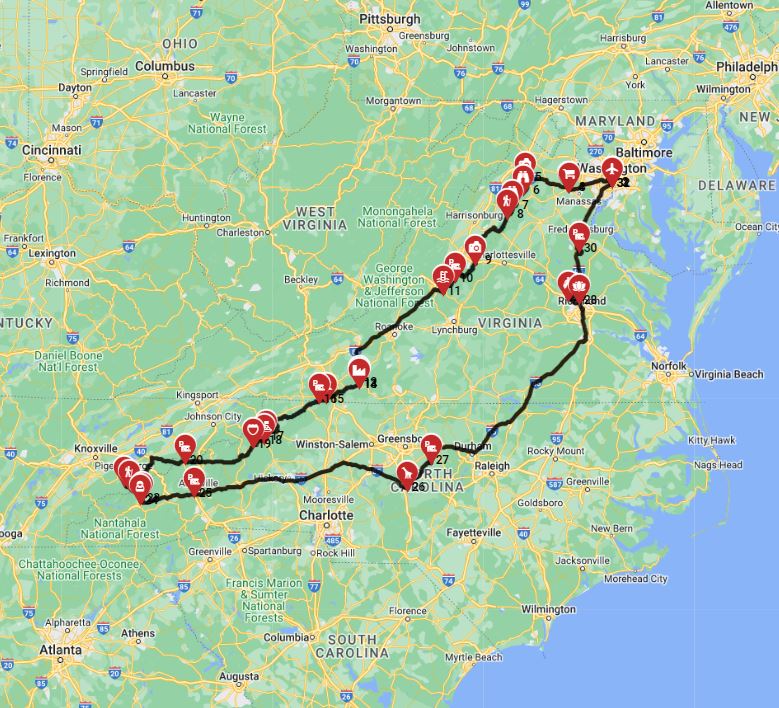
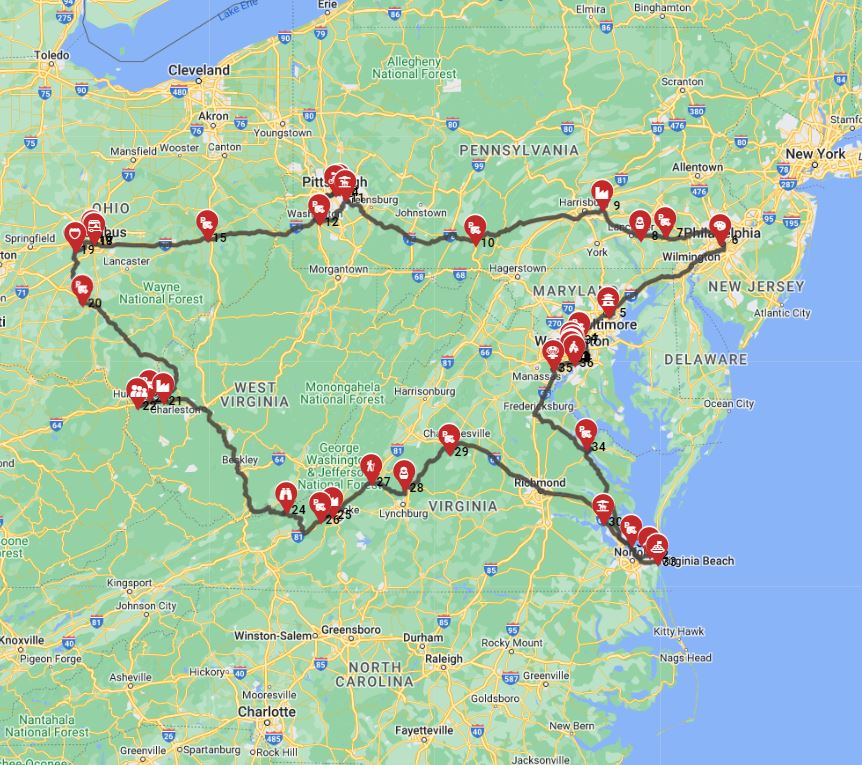
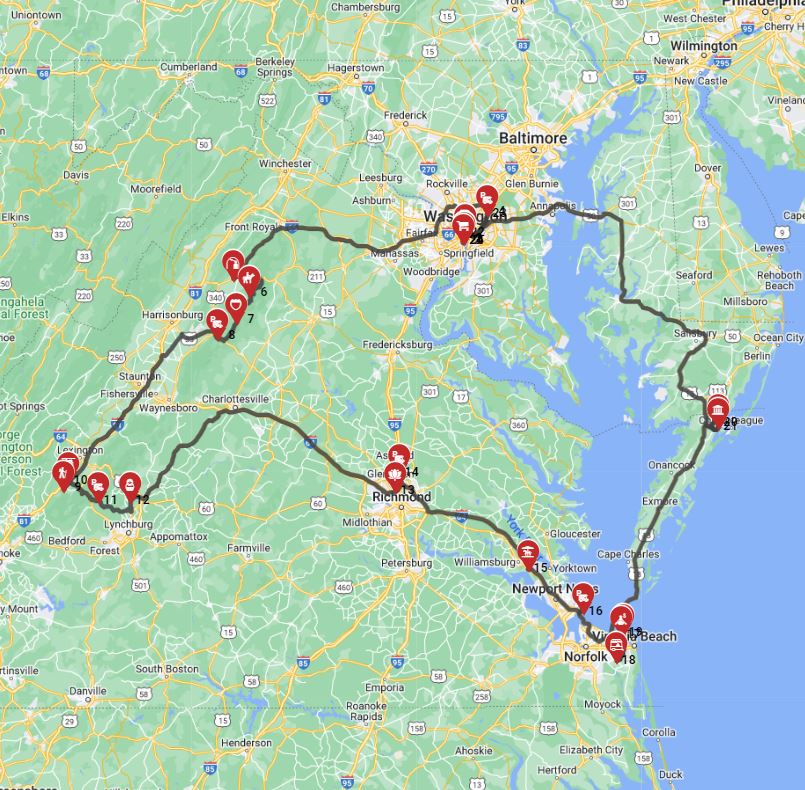
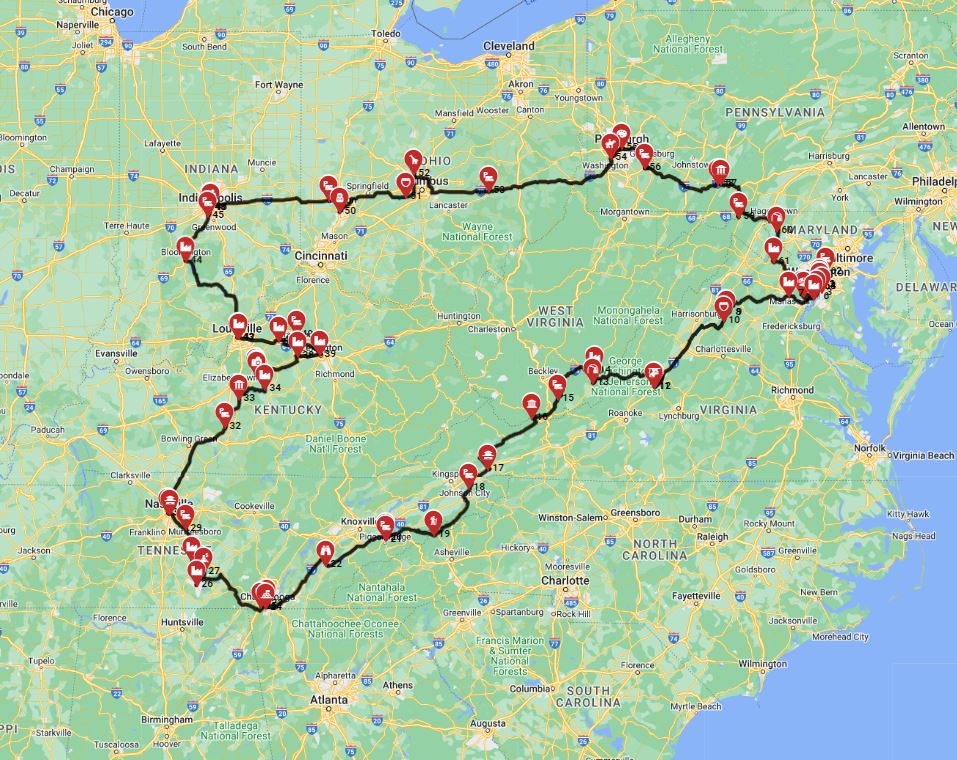
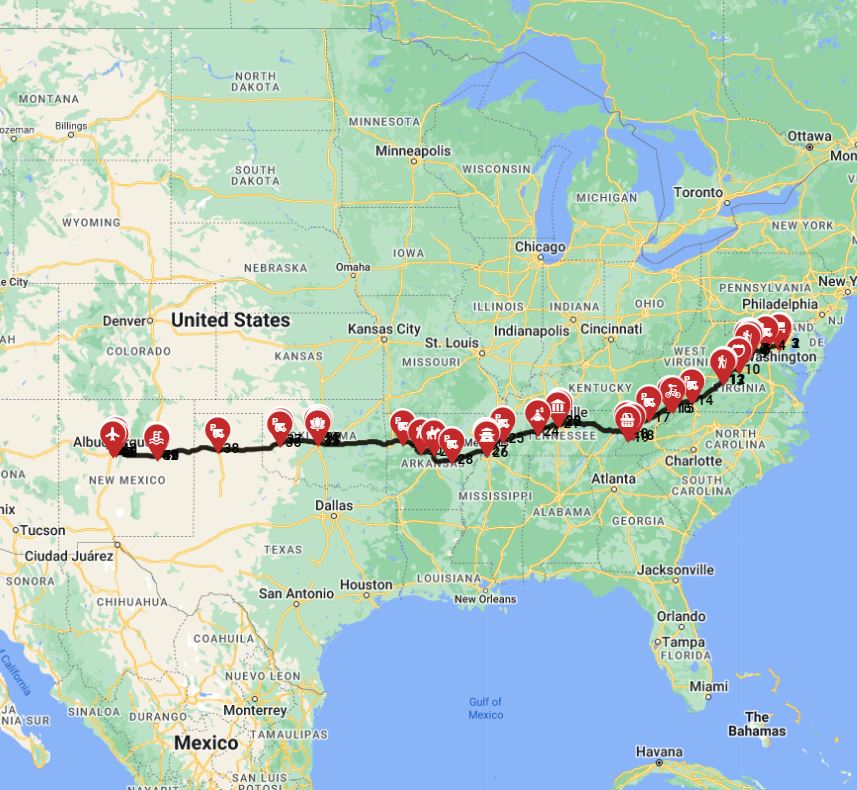
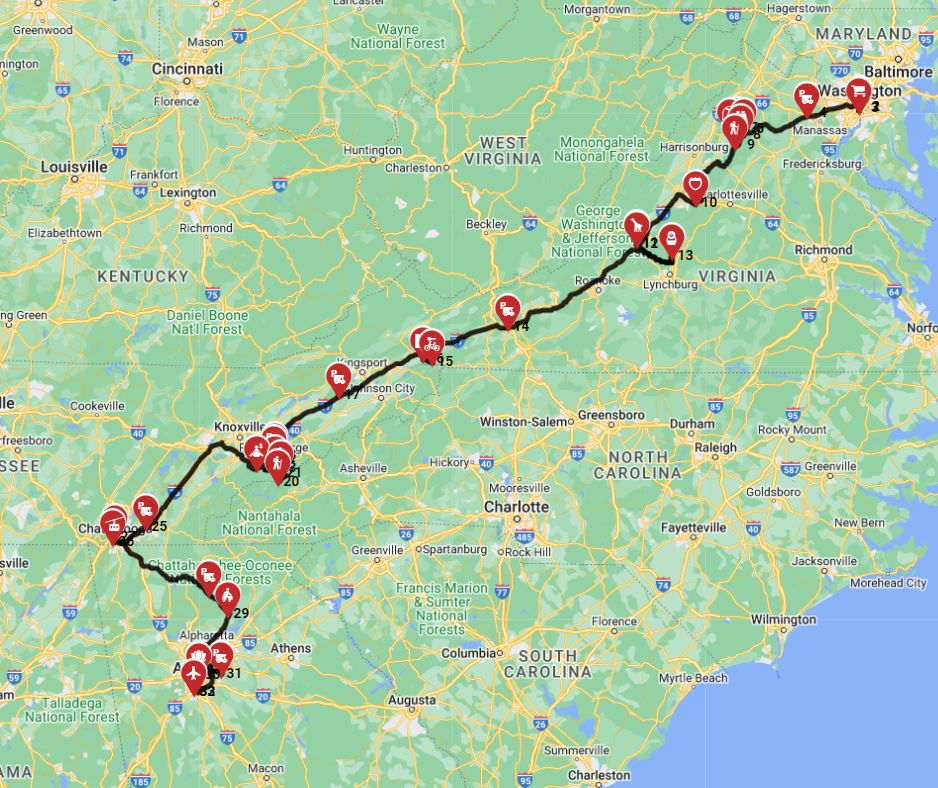
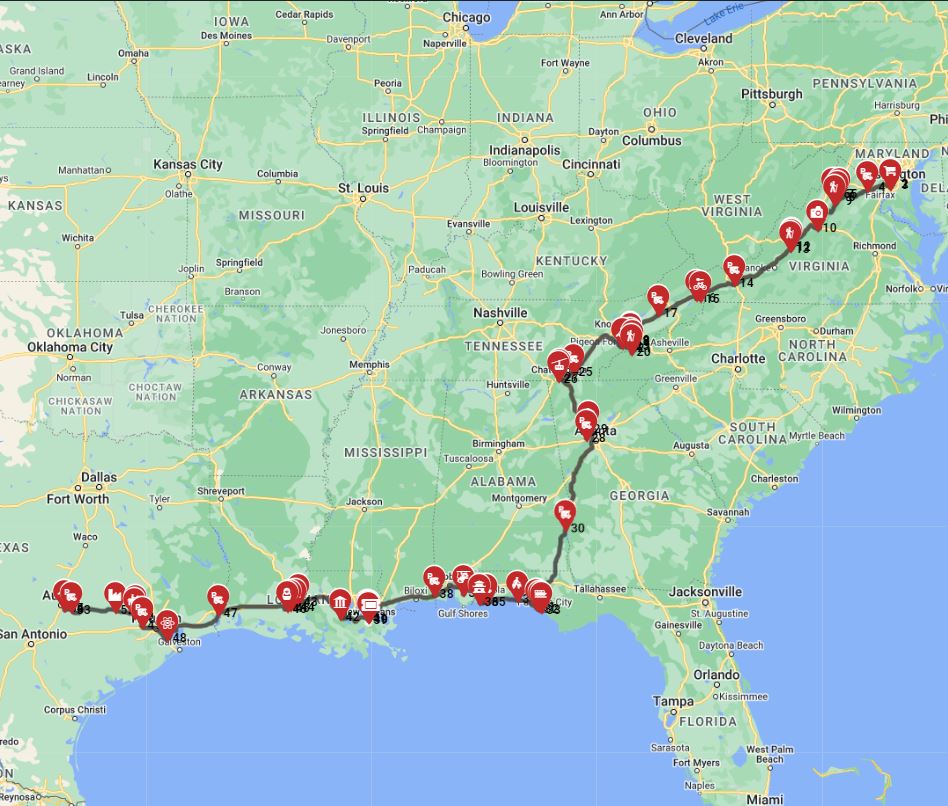
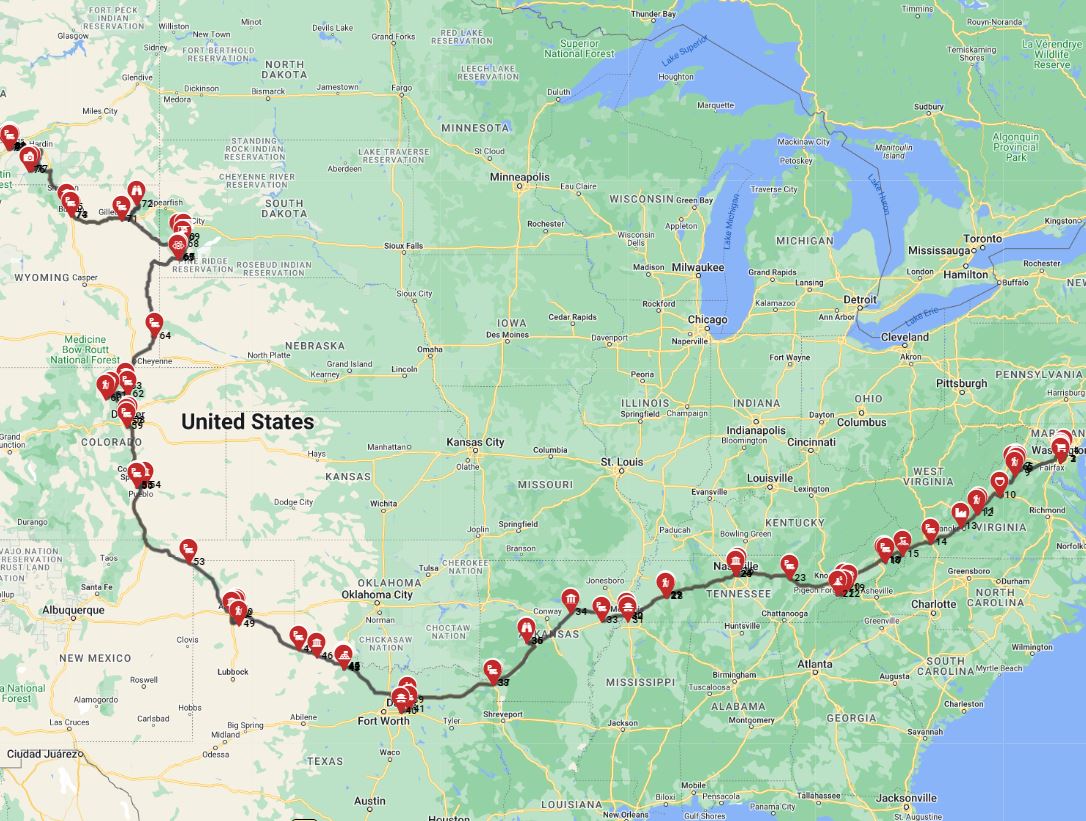
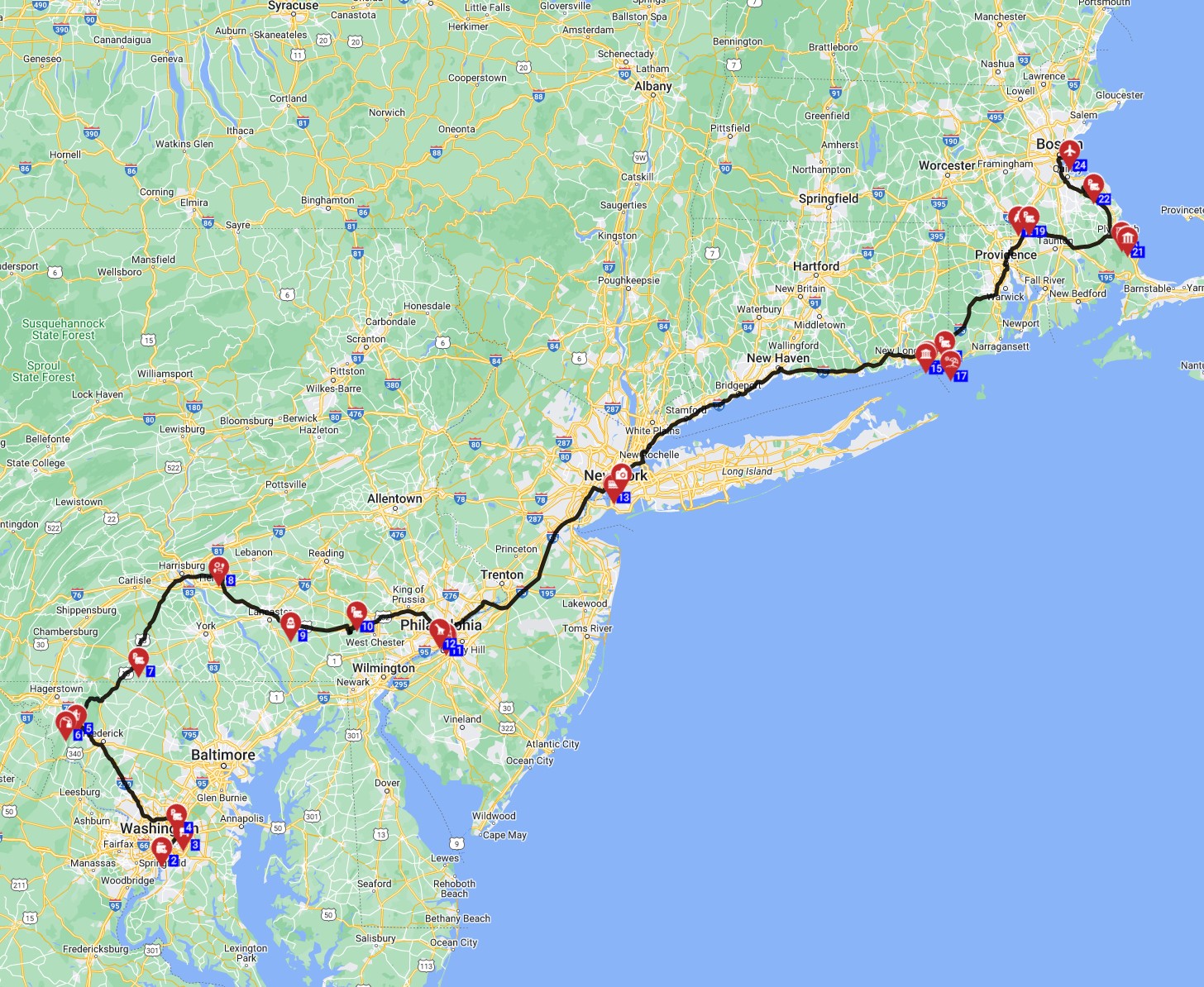
Explore the vast landscapes from the Pacific to the capital with our "Portland to Washington DC - From Pacific Trails to the Nation's Capital" route plan. This 28-day, 6361.2 km journey includes 3 museums, 3 natural features, and 3 scenic routes, perfect for a relaxed and fulfilling trip. Similarly, the "Washington DC to Seattle - Midwest Coast to Coast" route covers 5506.3 km over 24 days, featuring 2 historical sites and 4 traditional visits, offering a different perspective of the American landscape. If you're coming from the West Coast, our "

These pre-planned routes are available through RV PLANET routes, our sister company, which helps you itemize and track every expense along the way for easy budgeting. Whether you are looking for driving tips or safe routes, refer to our "Family RV Driving in Washington DC - Safe Routes 2026" or "Luxury RV Driving in Washington DC - Scenic Routes 2026" guides for comprehensive information. A key aspect of budgeting for your RV trip is understanding all ancillary costs, from fuel and campground fees to tolls and groceries. Our RV PLANET routes help you keep track of every expense so there are no surprises.
Why Book with Bandana Caravan
Full Transparency
No hidden fees, no surprises. What you see is what you get, ensuring complete peace of mind for your rv rental in Washington DC.
24/7 Support
Real people are behind you before, during, and after your booking, providing support from day one until your rv rental is confirmed.
Top-Level Deductible Reimbursement
Travel with peace of mind knowing you can upgrade to a top-level deductible for extra protection on your Washington DC motorhome journey.
True RV Specialists
We are exclusively focused on RV travel, not a side department of a travel agency. Our unmatched personal experience guides your rv rental in Washington DC.
Bandana Caravan, founded in 2001, has over 23 years of experience helping tens of thousands of travelers explore the world by RV. We partner directly with 50+ leading RV suppliers worldwide, including trusted names like El Monte, Cruise America, Apollo, and Britz. Discover 1,300+ pre-planned routes across 5 continents via our sister company, RV PLANET (rvplan.net). We offer bookings in 30+ currencies with full price transparency and cover 50+ countries with local expertise and support.
Final Thoughts
Embarking on an RV adventure in Washington DC as a senior traveler offers an unparalleled blend of comfort, freedom, and discovery. By choosing the right sized motorhome or campervan, planning your routes carefully, and leveraging public transport, you can explore the nation's capital at your own pace, creating lasting memories without the usual stresses of city travel. Remember that we handle the details, so you can live the journey, with personal service from day one until your booking is confirmed.
We are passionate about making RV travel accessible and enjoyable for everyone. Our commitment to full transparency ensures no hidden fees or surprises, and our dedication as true RV specialists means you're getting advice from people who genuinely know and love this way of exploring. So, whether you're a meticulous planner or a spontaneous adventurer, Washington DC awaits. Get inspired for your next trip!