In This Guide
- Can You Drive an RV in Washington DC? License & Age Rules
- Road Conditions & Terrain in Washington DC
- RV Size Limits, Bridges & Restricted Zones
- Fuel: Diesel vs. Petrol & Cost per 100 km
- Tolls, Vignettes & Border Rules
- Driving Tips for RV Rental Travelers
- Recommended RV Class for Washington DC Roads
- Should I Choose a Compact Van Instead of a Large RV in Washington DC?
- Can I Park Anywhere? Free & Wild Camping Rules in Washington DC
- Can I Drive an RV Into the City Center? Heights, Tunnels & Local Signage
- Is Washington, D.C. RV Friendly? Navigating Urban Challenges
- Parking Outside DC and Commuting In: Metro & Public Transit Options
- Budgeting for Your DC RV Trip: Beyond Rentals and Campgrounds
- RV-Specific Itineraries for Washington DC Attractions
- Best Times of Year for RV Travel to Washington DC
- Safety Considerations for Urban RV Travel in Washington DC
- Pet-Friendly RV Travel Tips for Washington DC
- How Much Does It Typically Cost to Insure an RV?
- How Much is Insurance on a $200,000 RV?
- Who is the Best Insurance Company for RV?
Can You Drive an RV in Washington DC? License & Age Rules
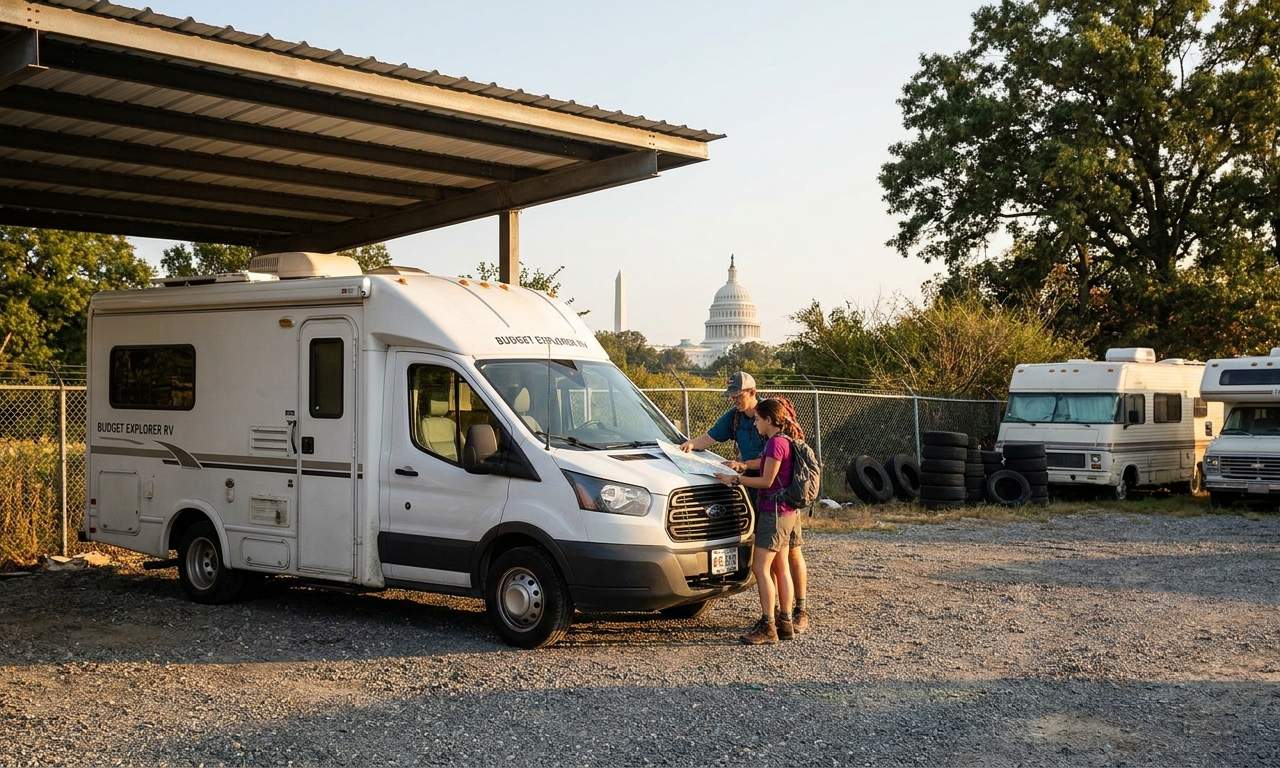
Yes, you can absolutely drive a rented RV in Washington DC, as a standard Class D driver's license is sufficient for operating most motorhomes and campervans under 26,000 pounds GVWR. While commercial Class A or B licenses are required for RVs exceeding 26,000 lbs GVWR, these are rarely necessary for rental RVs, which typically fall within standard license limits. The minimum age to rent an RV through Bandana RV is 21 years old, with no young driver surcharges or vehicle class restrictions based on age, giving more travelers the freedom to explore. For international visitors, a valid driver's license from your home country, ideally accompanied by an International Driving Permit (IDP), is generally sufficient, though the IDP is not mandatory in most cases.
We're here to support you with comprehensive pre-booking comparison and booking assistance, ensuring you understand all requirements for your Washington DC adventure. Many of our trusted partners, including El Monte and Cruise America, provide an array of Class B Camper Vans and Class C motorhomes suitable for your trip.
Road Conditions & Terrain in Washington DC
Washington D.C. primarily features well-maintained urban roads, but drivers should anticipate significant traffic congestion, particularly during weekday rush hours from 6-9 AM and 3-6 PM. The city's historic neighborhoods, such as Georgetown and Old Town Alexandria (just across the Potomac in Virginia), may present cobblestone streets and narrower lanes, which require careful navigation for any rented RV. The terrain within the city itself is largely flat, offering a straightforward driving experience. However, approaches from neighboring Maryland and Virginia, especially along routes like I-270 or I-95, may include some rolling hills, providing a slight variance in driving conditions. Remember to drive slowly and carefully, and you can drive almost anywhere without issues. No need to stress - just use common sense and pay attention.
RV Size Limits, Bridges & Restricted Zones
Washington D.C. has crucial height restrictions, making careful route planning essential for RV renters. Notably, scenic parkways like Rock Creek Parkway have tunnels as low as 10 feet 6 inches (3.2 meters), which can be problematic for taller motorhomes and campervans. Additionally, the Memorial Bridge often has temporary closures or specific weight and height restrictions that can impact RV routes, requiring detours. Many city streets are inherently narrow, and residential areas frequently enforce strict parking regulations and permit requirements, making impromptu RV parking challenging. Unlike some European cities, environmental zones are generally not a concern for standard rental RVs in the U.S. and Washington D.C., simplifying emissions-related planning. To help with route planning and avoiding such restrictions, consider checking out the RV Travel Guide to Washington DC - Tips and Top Spots 2026 video guide for visual insights.
Fuel: Diesel vs. Petrol & Cost per 100 km
Both diesel and petrol (gasoline) are widely available at service stations throughout Washington D.C. and the surrounding metropolitan area, making fueling your rented RV straightforward. Fuel costs fluctuate like flight tickets, but based on Bandana's global fleet data, Class SI - Semi-integrated RVs typically consume 10-11 Liters/100 km. Larger Class C - Alcove RVs commonly consume 10-12 Liters/100 km, while more compact Class B - Camper Vans typically achieve 8-10 Liters/100 km, offering better fuel efficiency for urban driving. When planning your budget, remember that fuel is a significant variable. For detailed cost tracking on your routes, RV PLANET routes allow you to itemize and track every expense along the way for easy budgeting. Keeping track of these expenses helps ensure full price transparency for your entire Washington DC adventure. On the routes offered through RV PLANET routes, you can itemize and track every expense along the way for easy budgeting.
Tolls, Vignettes & Border Rules
Drivers of rented motorhomes will primarily encounter tolls on major highways when approaching Washington D.C. from neighboring Maryland and Virginia, often managed by the E-ZPass system. Washington D.C. itself has very few tolled roads, but dynamic pricing lanes, such as those on I-66 Inside the Beltway, require careful attention and can incur higher fees if not properly managed. There are no vignettes (pre-paid road use stickers) required for RV travel in Washington D.C. or the surrounding U.S. states, simplifying pre-trip administrative tasks. Some Bandana RV partners, including suppliers like Cruise America and El Monte, offer the option to pre-purchase toll passes, like E-ZPass transponders, to streamline travel and help avoid potentially higher cash tolls or mailed fines, ensuring a smooth journey and full transparency on costs. If you are interested in exploring nearby states, check out our RV Rental Virginia - Complete Guide 2026 for more regional information.
Driving Tips for RV Rental Travelers
Planning your route meticulously in advance is paramount for RV travel in Washington DC, using RV-specific GPS navigation that factors in vehicle dimensions to avoid low bridge clearances and restricted zones. To minimize stress and delays, always avoid driving your rented motorhome into Washington D.C. during peak rush hour, typically from 6-9 AM and 3-6 PM on weekdays. A practical strategy is to park your RV at a suburban campground, such as Cherry Hill Park or Pohick Bay Regional Park, and utilize Washington D.C.'s excellent public transportation (Metro) for stress-free sightseeing. Maintaining an extra following distance and being acutely aware of your vehicle's blind spots, particularly in dense urban traffic, are critical safety measures. Furthermore, familiarize yourself with local parking regulations and signage, as illegally parked RVs are subject to significant fines and potential towing, reinforcing the need for careful planning.
Recommended RV Class for Washington DC Roads
For navigating Washington D.C., Class B Camper Vans are highly recommended due to their compact average length of 5.8 meters and car-like maneuverability. These smaller vehicles, like the `Category Van`, which features front air conditioning, a shower, and toilet, are ideal for a couple looking for urban agility. Smaller Class SI Semi-integrated RVs, such as the `2 Berth Rover` with an automatic transmission and a medium RV size, are also manageable, offering a good balance of interior space and city navigability. While larger Class C (average 7.5 meters) and Class A (average 7.5 meters) RVs are legally allowed, they are generally less suitable for direct city center navigation due to their size, limited parking availability, and height restrictions on specific routes. Ultimately, choose an RV that matches your comfort level for city driving, and remember that driving slowly and carefully allows you to navigate almost anywhere.
🎬 Video coming soon
Should I Choose a Compact Van Instead of a Large RV in Washington DC?
Choosing a compact van, specifically a Class B Camper Van like the `Condo` (4.7 meters long, with a kitchen and sleeping for 4), for your Washington D.C. trip significantly enhances maneuverability, making it easier to navigate narrow streets and urban traffic patterns. These vans are generally simpler to park than larger motorhomes, although finding any parking in the D.C. city center remains challenging for all vehicle sizes. Larger RVs, such as a Class C motorhome like the `24 Class C Motorhome` (7.46 meters long, with sleeping for 5, a refrigerator, and a gas stove), offer more interior comfort and amenities, which might be preferred if you plan to stay at a suburban campground like Cherry Hill Park for extended periods and only commute into the city. For a predominantly urban sightseeing trip in Washington DC, the trade-off of less indoor space for superior urban agility often favors a compact van.
Can I Park Anywhere? Free & Wild Camping Rules in Washington DC
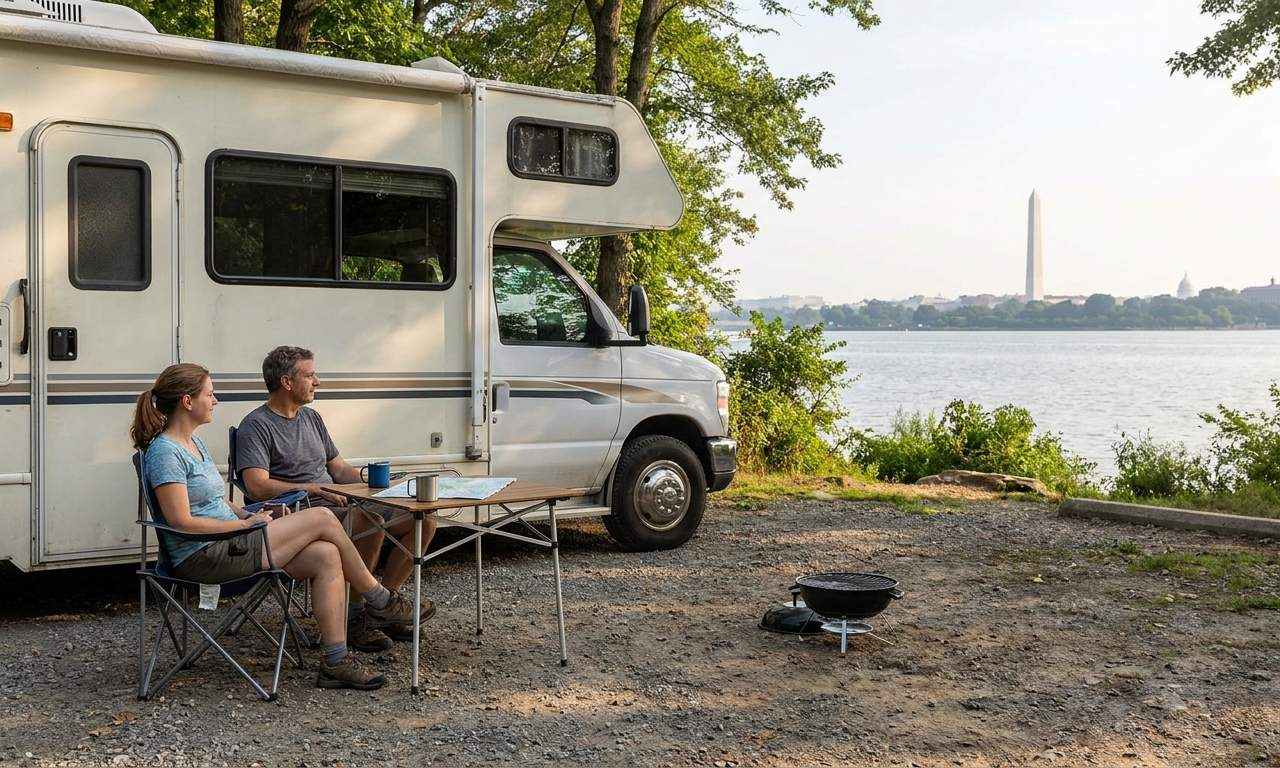
No, free and wild camping are strictly prohibited within the city limits of Washington D.C., reflecting common urban regulations across the U.S. Overnight RV parking on city streets is generally illegal or heavily restricted by specific signage and residential parking zones, often resulting in significant fines or towing. RV travelers to Washington DC should plan to stay at established, permitted campgrounds located in the surrounding Maryland and Virginia suburbs. Popular options include Cherry Hill Park in Maryland or Burke Lake Park in Virginia, both offering amenities and public transport access. It is crucial to always check local regulations and follow local law regarding overnight parking before you settle for the night to avoid any surprises. Remember, we pride ourselves on full transparency, and that extends to helping you understand the rules of the road and camping.
Can I Drive an RV Into the City Center? Heights, Tunnels & Local Signage
Yes, driving a rented RV into the Washington D.C. city center is generally possible, but it comes with significant challenges and requires extreme caution and meticulous planning. Drivers must be acutely aware of specific low bridge clearances and tunnel heights, particularly the 10-foot 6-inch (3.2-meter) limits found on scenic routes like Rock Creek Parkway and parts of Memorial Bridge. Navigating heavy traffic, narrow streets, and the complex one-way systems within the city center can be highly stressful for larger vehicles, regardless of whether you’re driving a Class A or Class C motorhome. Parking for RVs in the city center is virtually non-existent, making utilizing public transportation from outer parking areas the most viable and recommended option for accessing attractions. We handle the details of your RV rental, allowing you to focus on living the journey, but local navigation is part of your adventure!
Is Washington, D.C. RV Friendly? Navigating Urban Challenges
While RVs are legally allowed in Washington D.C., the city's intricate infrastructure and dense traffic patterns make it generally challenging for large recreational vehicles, requiring extensive planning and caution. Key challenges for RV travelers in Washington DC include severe traffic congestion, extremely limited and often expensive parking suitable for RVs, and numerous height restrictions on scenic routes and underpasses that can catch larger motorhomes unawares. The most effective approach for RV travelers is to treat D.C. as a destination where the rented RV serves as a comfortable basecamp in nearby suburbs. From these suburban locations, city access is best achieved via reliable public transit options. Smaller Class B Camper Vans, like an `Active Original` (RV size - Small, ideal for a couple, festival friendly), offer the best chance for navigating closer to the city if necessary, but even these face parking difficulties.
Parking Outside DC and Commuting In: Metro & Public Transit Options
The most effective strategy for visiting Washington D.C. by RV is to secure a spot at well-regarded campgrounds in surrounding Maryland or Virginia suburbs, treating your rented motorhome as a mobile home base. Excellent options include Cherry Hill Park in College Park, Maryland, which offers shuttle services to the Greenbelt Metro station, or Burke Lake Park and Pohick Bay Regional Park in Fairfax County, Virginia, which provide convenient access to Metro bus routes. From these suburban campgrounds, travelers can utilize the Washington Metropolitan Area Transit Authority (WMATA) Metro rail system or local bus routes for convenient and stress-free access to D.C.'s iconic attractions. Many campgrounds offer shuttle services to nearby Metro stations, or ride-share services like Uber/Lyft can pick up directly from the campgrounds. Popular Metro lines, such as the Red Line for Union Station and the Smithsonian National Zoo, or the Blue/Orange/Silver Lines for the National Mall and Capitol, make navigating the city straightforward. Remember to travel slowly, averaging no more than 100-150 km per day, to truly connect with the culture and scenery of the region.
Budgeting for Your DC RV Trip: Beyond Rentals and Campgrounds
When planning your Washington DC RV trip, it is essential to budget generously for costs beyond just the RV rental and campground fees. Factor in fuel expenses, which can add up quickly given typical RV consumption rates (e.g., a Class C motorhome like the `MH-B` has a fuel consumption of 25 Liters/100Km.) and the distances to D.C.'s suburban campgrounds and attractions. E-ZPass tolls for major highways in Maryland and Virginia are also a notable expense, varying based on your route and travel frequency. Public transportation fares for the Metro and buses into the city center are a significant, yet worthwhile, daily expense for sightseeing. Additionally, allocate funds for potential parking if you choose to drive a secondary vehicle to Metro stations, as fees can be substantial. Include costs for attraction entries (though many D.C. museums are free), dining out, souvenirs, and a contingency for unexpected urban expenses. For a detailed breakdown and budgeting tools, remember that RV PLANET routes allow you to itemize and track every expense along the way.
RV-Specific Itineraries for Washington DC Attractions
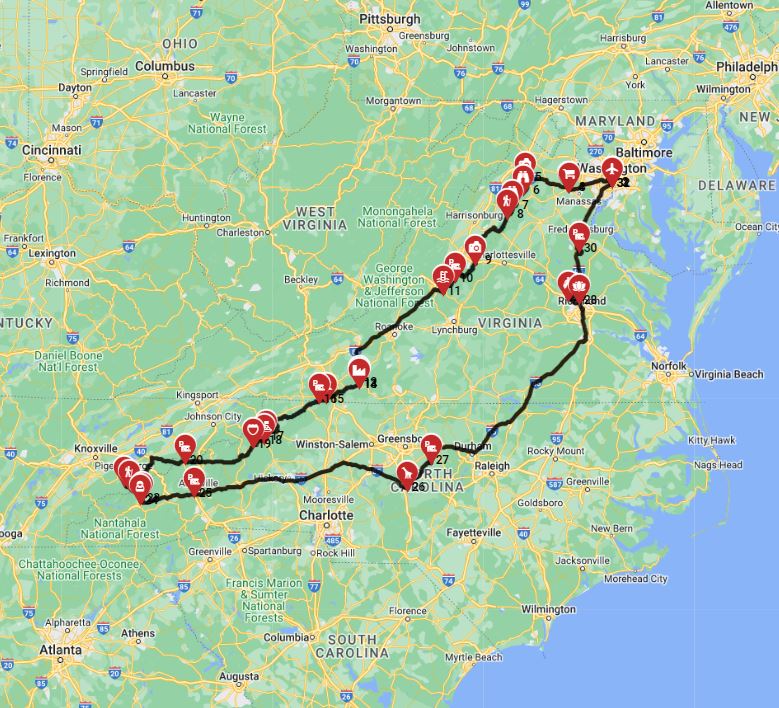
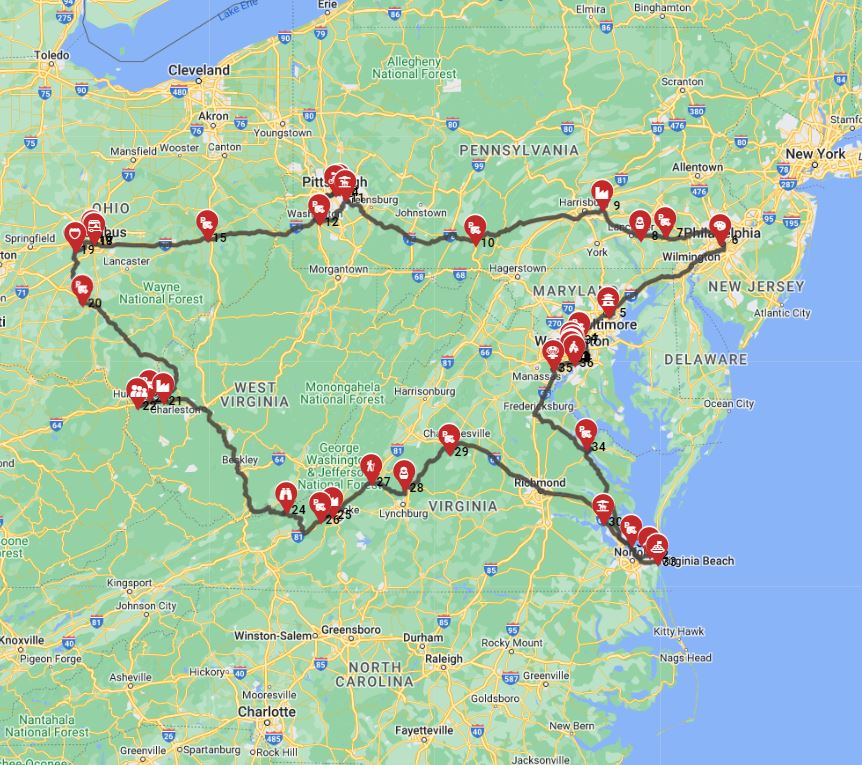
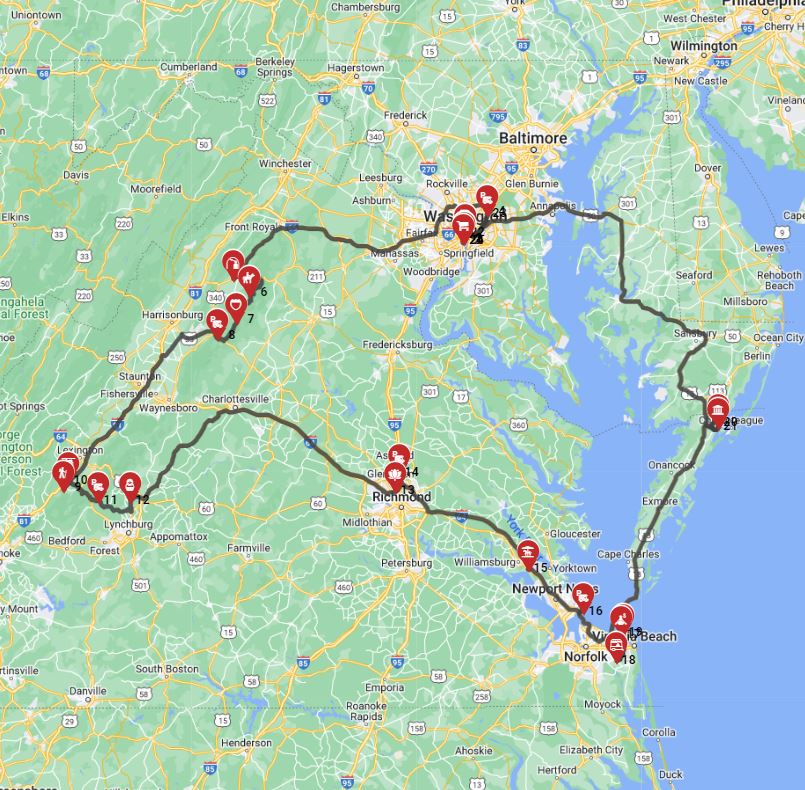
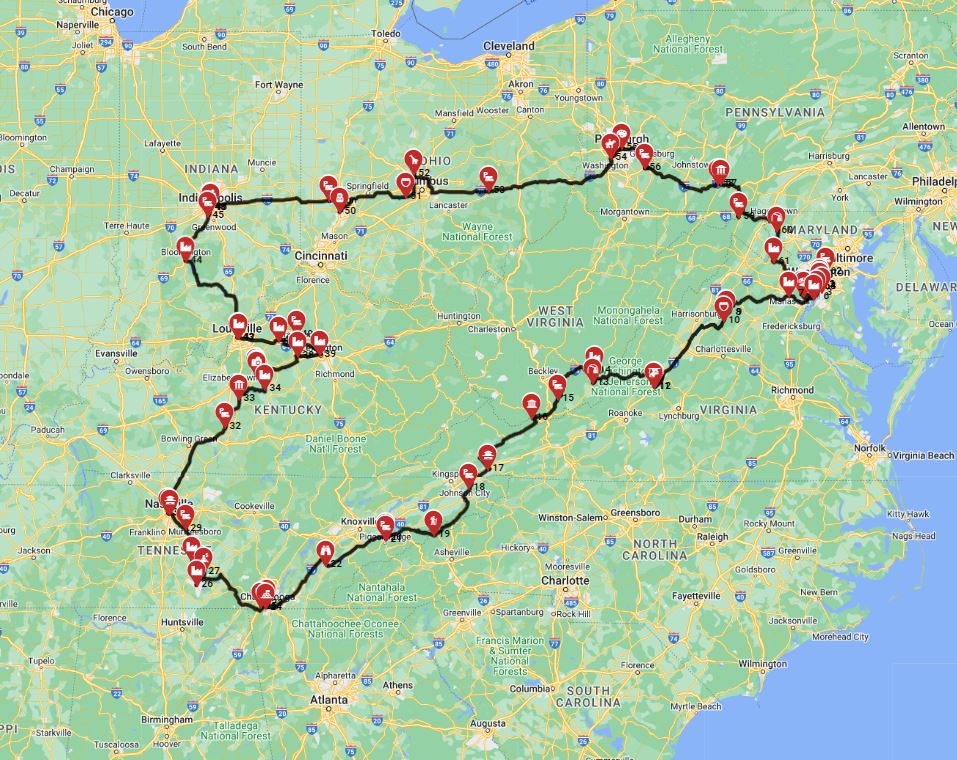
Planning your visit to Washington D.C. as a series of day trips from your suburban RV park, rather than attempting to move your rented RV within the city itself, is the most efficient and enjoyable approach. You can group attractions geographically to minimize travel time within D.C. once you've arrived via public transit. For instance, dedicate one day to the National Mall area, visiting monuments like the Lincoln Memorial and Smithsonian museums (many offering free entry), and another day for Capitol Hill and the Library of Congress. Utilize the Metro's comprehensive network to move efficiently between attraction clusters; research the closest Metro stops to your desired sights in advance. Consider self-guided walking tours or hop-on/hop-off bus tours once in the city to maximize sightseeing without needing to navigate congested streets in an RV. Imagine yourself starting your day with a hearty breakfast cooked in your rented RV's kitchen, then heading out to explore the nation's capital. Our RV-friendly recipes playlist can provide inspiration for those on-the-road meals!
Best Times of Year for RV Travel to Washington DC
The spring (April-May) and fall (September-October) shoulder seasons offer the most pleasant weather, moderate crowds, and beautiful scenery for RV travel to Washington D.C. Spring brings the iconic cherry blossoms, though travelers should aim to avoid the absolute peak Cherry Blossom Festival period (late March/early April) if possible, as traffic, campground availability (like at Cherry Hill Park or Burke Lake Park), and crowds reach extreme levels. Summer (June-August) in D.C. is characterized by high heat, humidity, and larger crowds, which can make outdoor sightseeing less comfortable for RV travelers. Winter (November-March) can be cold, with potential for snow and ice, potentially impacting driving conditions and campground operations, but it offers fewer crowds and unique holiday events like those around the National Christmas Tree. Regardless of the season, Bandana RV provides 24/7 support for your booking process, ensuring your trip is planned smoothly.
Safety Considerations for Urban RV Travel in Washington DC
When driving or parking your rented RV in and around Washington D.C., remaining highly aware of your surroundings is crucial, especially in high-traffic areas and unfamiliar neighborhoods. Always secure your motorhome and all belongings, both when parked at a suburban campground and when leaving it unattended for sightseeing in the city center. It is advisable to choose reputable and secure campgrounds in the suburbs, like those along the George Washington Memorial Parkway, and avoid parking overnight in unmonitored or poorly lit areas. Exercise caution in dense pedestrian zones, particularly around popular attractions like the National Mall, and during evening hours; utilizing public transportation or ride-shares for late-night returns to your RV provides extra peace of mind. Keep emergency contacts readily available and be aware of local emergency service numbers (911 in the U.S.). We're with you before, during, and after your booking, providing support and honest information.
Pet-Friendly RV Travel Tips for Washington DC
Traveling with pets in a rented RV to Washington DC requires some specific planning to ensure a comfortable trip for everyone. Always confirm the pet policies of any potential RV campgrounds in advance, as rules regarding breeds, sizes, and leash requirements vary (e.g., many campgrounds allow pets but require them to be leashed at all times). Be aware that many major Washington D.C. attractions, including museums and indoor monuments like those on the National Mall, do not allow pets, with the exception of service animals. Research nearby dog parks, such as Shaw Dog Park or S Street Dog Park, or pet-friendly green spaces like parts of Rock Creek Park, where your dog can exercise while you're in the area. For days when you plan to visit non-pet-friendly attractions, consider utilizing local pet daycare services available in the D.C. suburbs, ensuring your pet is safe and comfortable. Always keep pets leashed in public areas and be prepared for warmer summer temperatures that can make walking pets on hot pavement dangerous.
How Much Does It Typically Cost to Insure an RV?
The typical annual cost to insure a personal RV can range from a few hundred dollars for basic liability on a smaller camper van to several thousand for comprehensive coverage on a large, high-value motorhome. However, for rented RVs in Washington DC, basic liability insurance is usually included in your rental package. Renters often have the option, or are advised, to purchase supplemental collision, comprehensive, or personal effects coverage for enhanced protection. Bandana RV offers top-level deductible reimbursement as an optional upgrade, allowing you to travel with extra peace of mind. Factors influencing insurance premiums include the RV's make, model, age, and value; the driver's age and driving record; and the chosen coverage limits and deductibles. Our full transparency means you'll see all insurance options and costs clearly presented during the booking process.
How Much is Insurance on a $200,000 RV?
Insurance for a $200,000 RV, typically a high-end Class A motorhome or a luxury Class C, can cost anywhere from approximately $1,500 to over $4,000 annually for ownership. For renters in Washington DC, this cost is absorbed into the rental price with a basic liability policy, and you typically won't pay extra for a specific RV's high value in your daily rate. This wide range for owners accounts for differences in geographical location, the policyholder's driving history, credit score, and the specific coverages chosen (e.g., comprehensive, collision, uninsured motorist, personal belongings). Opting for higher deductibles in a personal policy can lower the annual premium but means a larger out-of-pocket expense in the event of a claim. With a Bandana RV rental, you can upgrade to a top-level deductible for extra peace of mind, knowing any unexpected costs are minimized. You can find detailed pricing for your RV Rental in Washington DC - Prices and Best Deals 2026 on our platform.
Who is the Best Insurance Company for RV?
There isn't a single 'best' insurance company for RVs when it comes to personal ownership, as the ideal choice depends on individual needs, the type of RV, budget, and desired level of customer service and claims handling. Major providers frequently cited for their robust RV insurance policies include Progressive, National General (often through GMAC Insurance), Geico, and Safeco. These companies often offer specialized RV coverages beyond standard auto policies, such as total loss replacement, personal effects coverage, and full-timer coverage. However, for RV rental in Washington DC, Bandana RV partners with leading suppliers like El Monte, Cruise America, Apollo, and Britz, all of whom include basic liability insurance in their rental agreements. We recommend obtaining multiple quotes from different insurers if you are looking to purchase additional personal travel insurance, and always reviewing our suppliers' included coverages to find the policy that best fits your specific requirements for your Washington D.C. motorhome adventure.
What You Shouldn't Miss
- **The National Mall:** Spend at least two days exploring the vast expanse of the National Mall, visiting the Lincoln Memorial, Washington Monument, and numerous Smithsonian museums like the National Air and Space Museum.
- **Capitol Hill:** Take a guided tour of the U.S. Capitol Building and visit the Library of Congress, one of the most beautiful buildings in D.C.
- **Georgetown:** Wander through the historic streets of Georgetown, known for its charming architecture, high-end shops, and diverse dining options.
- **Old Town Alexandria, Virginia:** Just a short drive or Metro ride from D.C., this historic waterfront town offers cobblestone streets, colonial architecture, and a lively arts scene.
- **Arlington National Cemetery:** Pay respects at this solemn and significant national cemetery, witnessing the Changing of the Guard at the Tomb of the Unknown Soldier.
- **Mount Vernon:** Drive your rented motorhome south along the scenic George Washington Memorial Parkway to George Washington's estate, a truly immersive historical experience.
Looking for expert insights from Avi Bandana? Top 5 Adventures - recommendations from Avi Bandana
Final Thoughts
A luxury RV adventure in Washington DC offers unparalleled freedom to explore the nation's capital and its scenic surroundings at your own pace. While navigating the city center itself requires careful planning, with the right size RV and smart use of public transport, you can create an unforgettable journey. Remember to embrace the spirit of slow travel – max 100-150 km per day – to truly feel the place, connect with the culture, the food, and the stunning scenery of the Mid-Atlantic.
At Bandana RV, we're dedicated to helping you find the perfect rented motorhome for your Washington DC trip. With our commitment to full transparency, dedicated support, and wealth of planning resources, you can book with confidence and focus on the excitement of your upcoming adventure. Get inspired for your next trip and discover top destinations, planning tips, all in one place!
Find Motorhome Rentals in Washington DC