In This Guide
- Where to Camp in USA - Top Options
- Campground Types in USA (National, Private, Wild)
- Featured RV Park or Campground in USA
- Hookups & Amenities - What to Expect
- Booking Windows & Reservations in USA
- Nearby Supermarkets & Resupply Points
- Best RV Class for Camping in USA
- How to Save on Campgrounds in USA
- What is the 3-3-3 rule for RVs?
- Where can you park RV for free in the US?
- What stores let you park your RV overnight?
- Can you sleep anywhere in an RV in the USA?
- What is the nicest RV park in the United States?
- What does FF mean in camping?
- What is the 3-3-3 rule for RV camping?
- What are the best ways to find an RV park last minute?
- How to find last minute camping sites?
- What is the 200 rule for camping?
- What You Shouldn't Miss
- Why Book with Bandana Caravan
- Final Thoughts
- Frequently Asked Questions
Embarking on a last-minute RV camping adventure in USA is not only possible but can be incredibly rewarding, offering unparalleled flexibility to explore diverse landscapes from coast to coast. Forget the notion that every trip needs months of planning; with a rented motorhome, you can seize the moment and discover available sites as you go, whether you're seeking the rugged beauty of a national park or the tranquil solitude of a national forest.
Bandana Caravan, founded in 2001, has over 23 years of experience helping tens of thousands of travelers discover the joy of RV trips worldwide, including countless last-minute escapades across the USA. We understand the allure of spontaneous travel and are here to support you in finding the perfect mobile home rental, even when time is short. For live availability and current prices, start with our RV Rental USA - Complete Guide 2026 guide.
Where to Camp in USA - Top Options
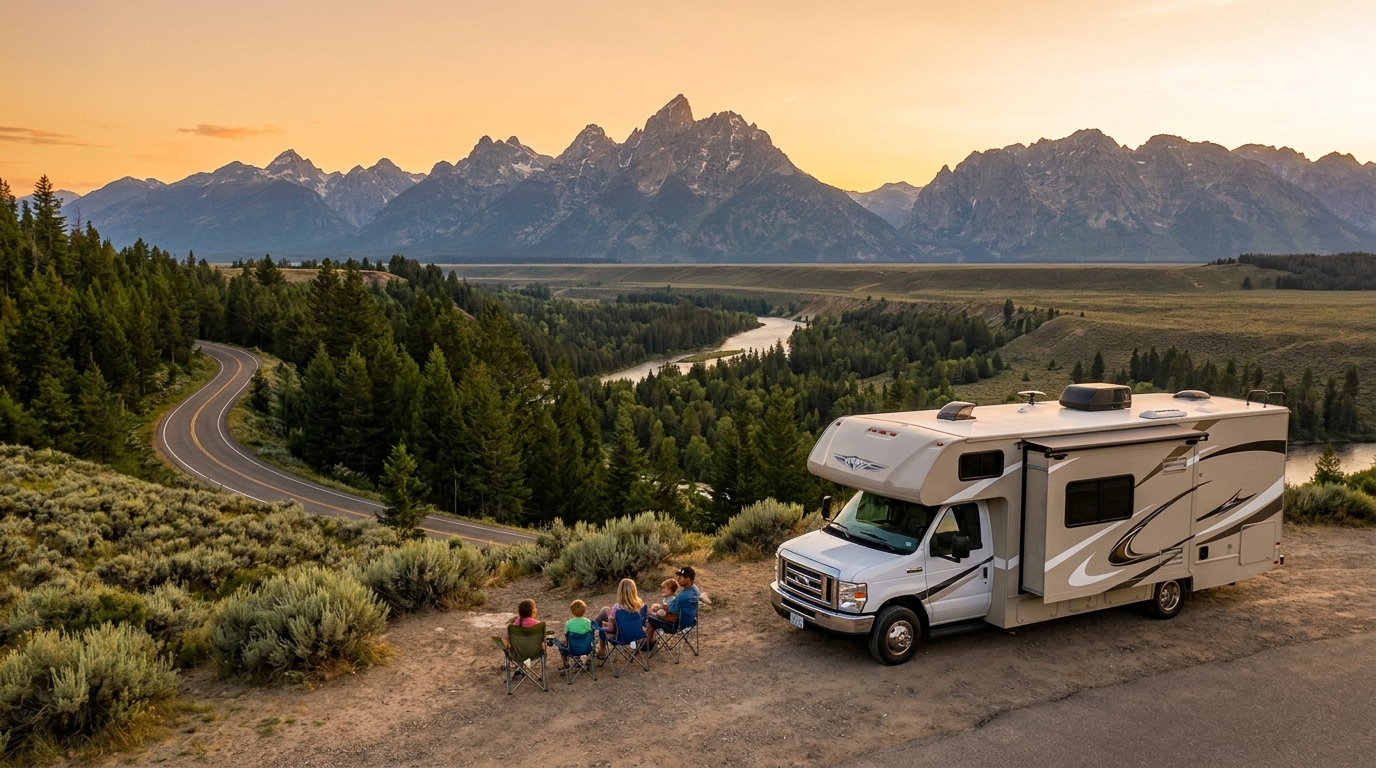
Last-minute RV camping in USA offers diverse options, with state parks frequently providing more accessible sites than their national counterparts. National Parks, like Yosemite, Yellowstone, and Zion, are iconic and breathtaking, often requiring advance booking, especially for popular sites. However, many National Park campgrounds and those within State Parks still hold back 25%-30% of their spots for first-come, first-served (FCFS) arrivals, providing a window of opportunity for spontaneous travelers. National Forests and Bureau of Land Management (BLM) lands are excellent for dispersed camping (boondocking), offering vast public areas where reservations are rarely needed and camping is often free, perfect for a truly flexible last-minute journey.
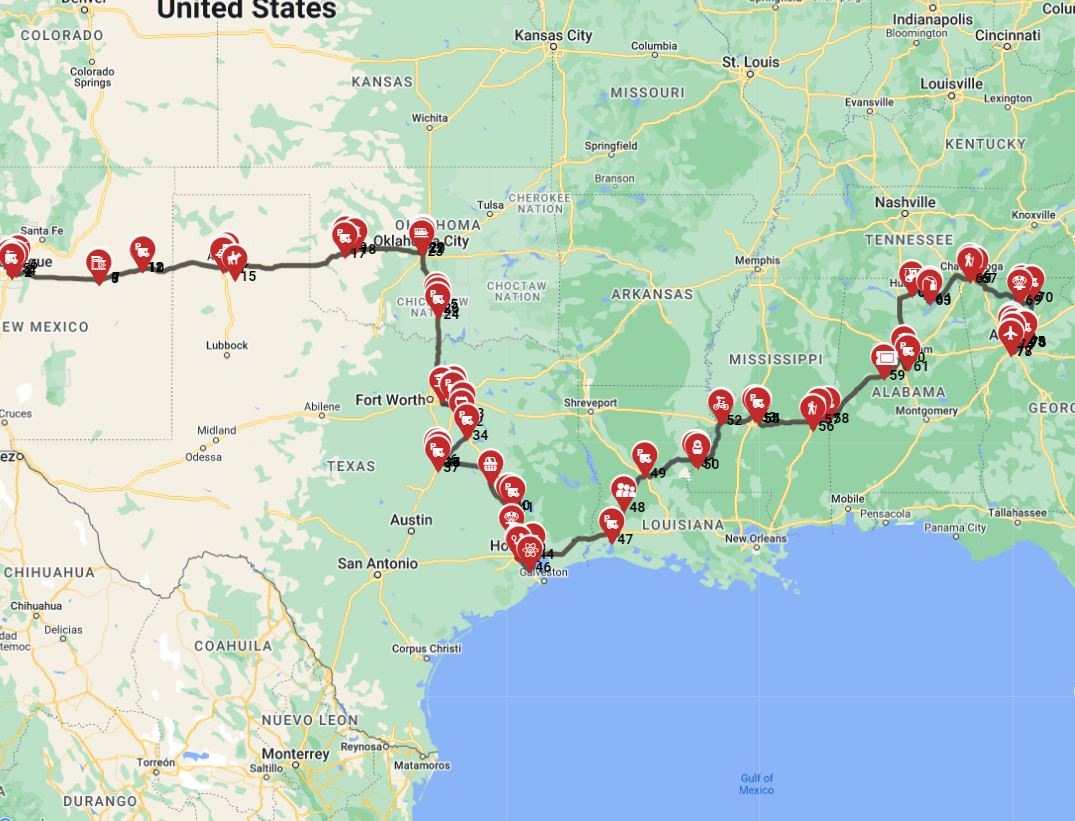
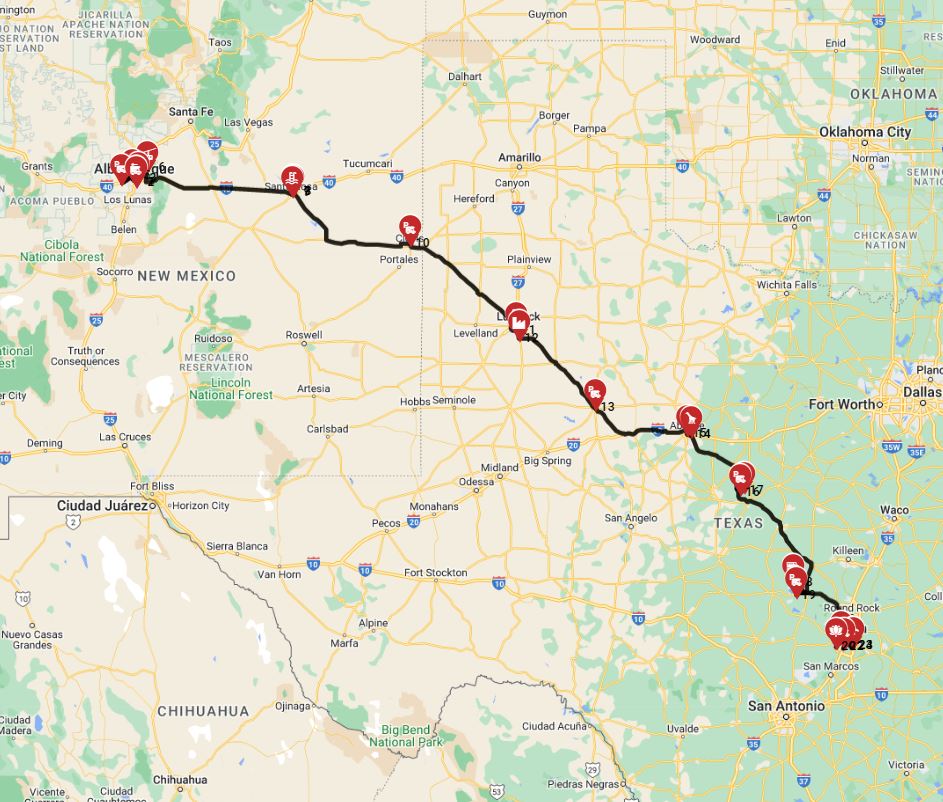
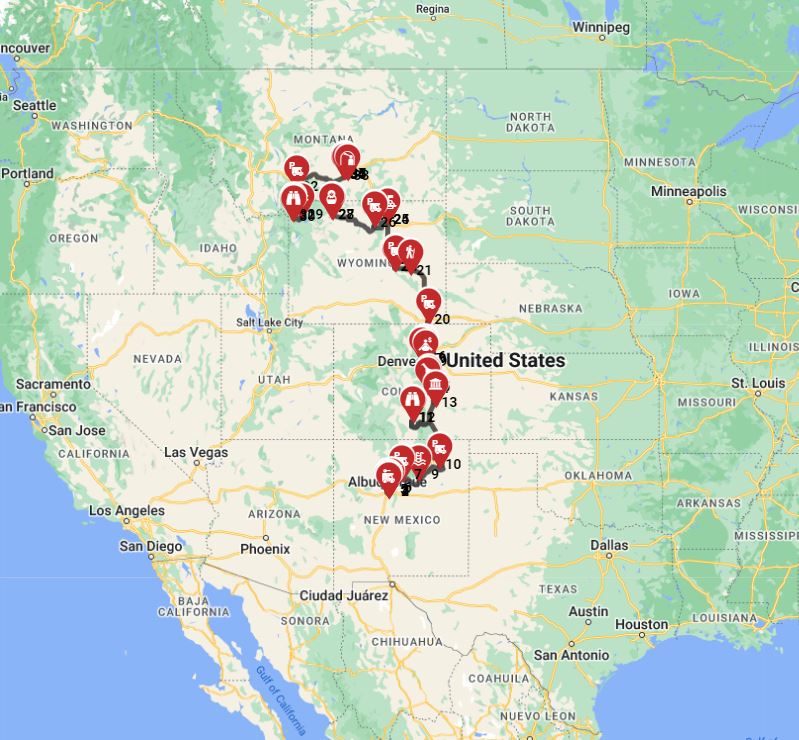
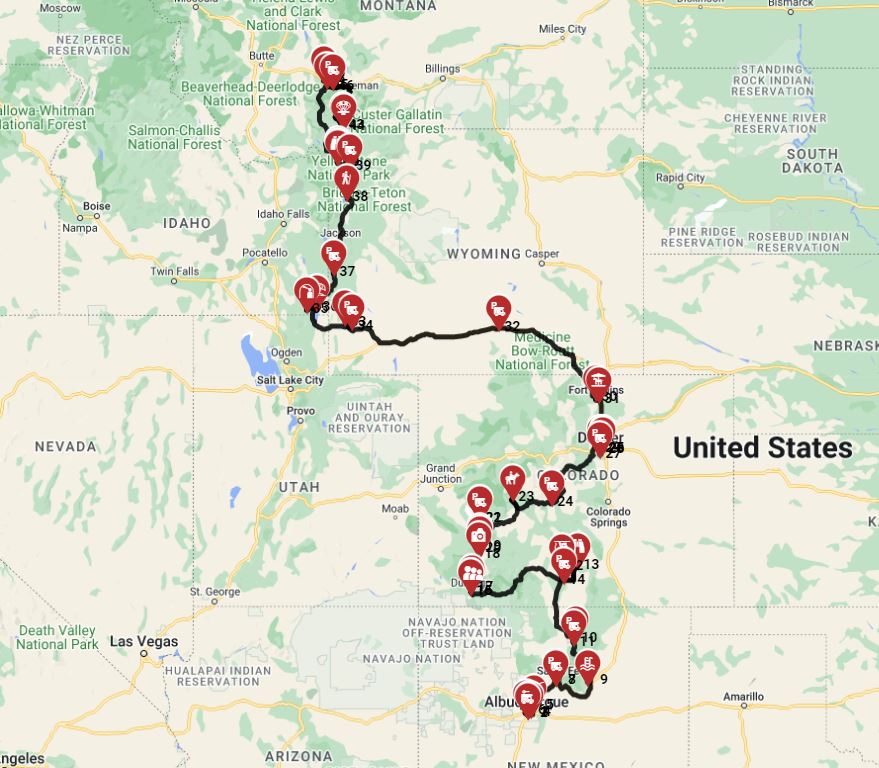
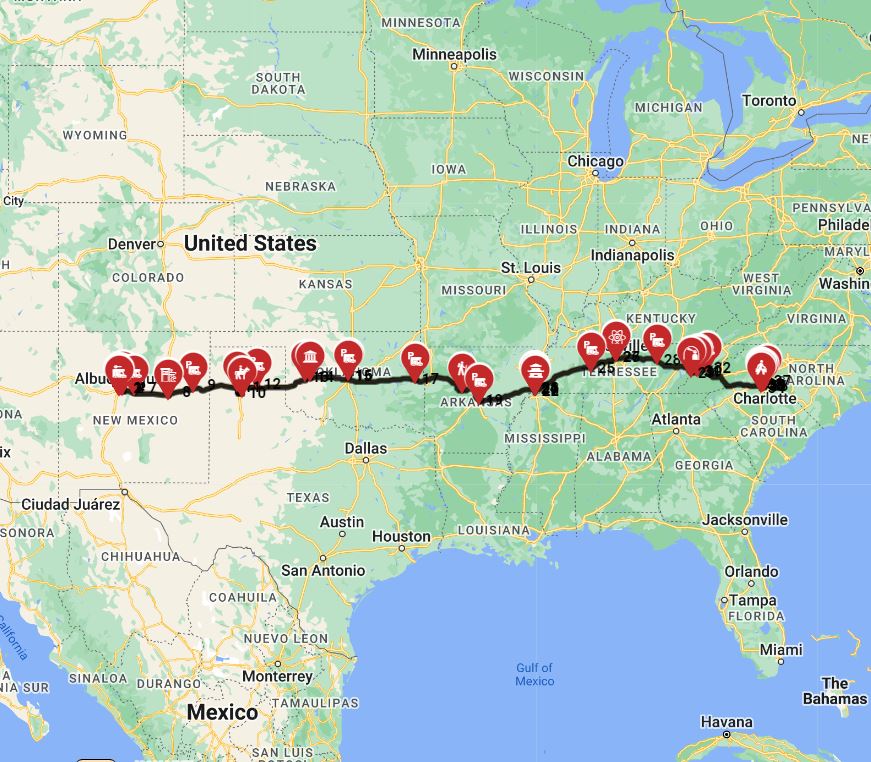
Private campgrounds, including well-known names like KOA, Good Sam Parks, and independent resorts, typically offer a wider range of amenities, from basic hookups to luxury facilities. These private options often have more availability for last-minute bookings compared to the highly sought-after public lands, particularly outside of peak season or in less tourist-dense regions. For those considering an extended road trip like the "Billings to Orlando - Rockies to Disney: USA Motorhome Journey", spanning 25 days and 5678.0999999999985 km, planning some stops in advance, even if just a few days out, can combine spontaneity with certainty.
Campground Types in USA (National, Private, Wild)
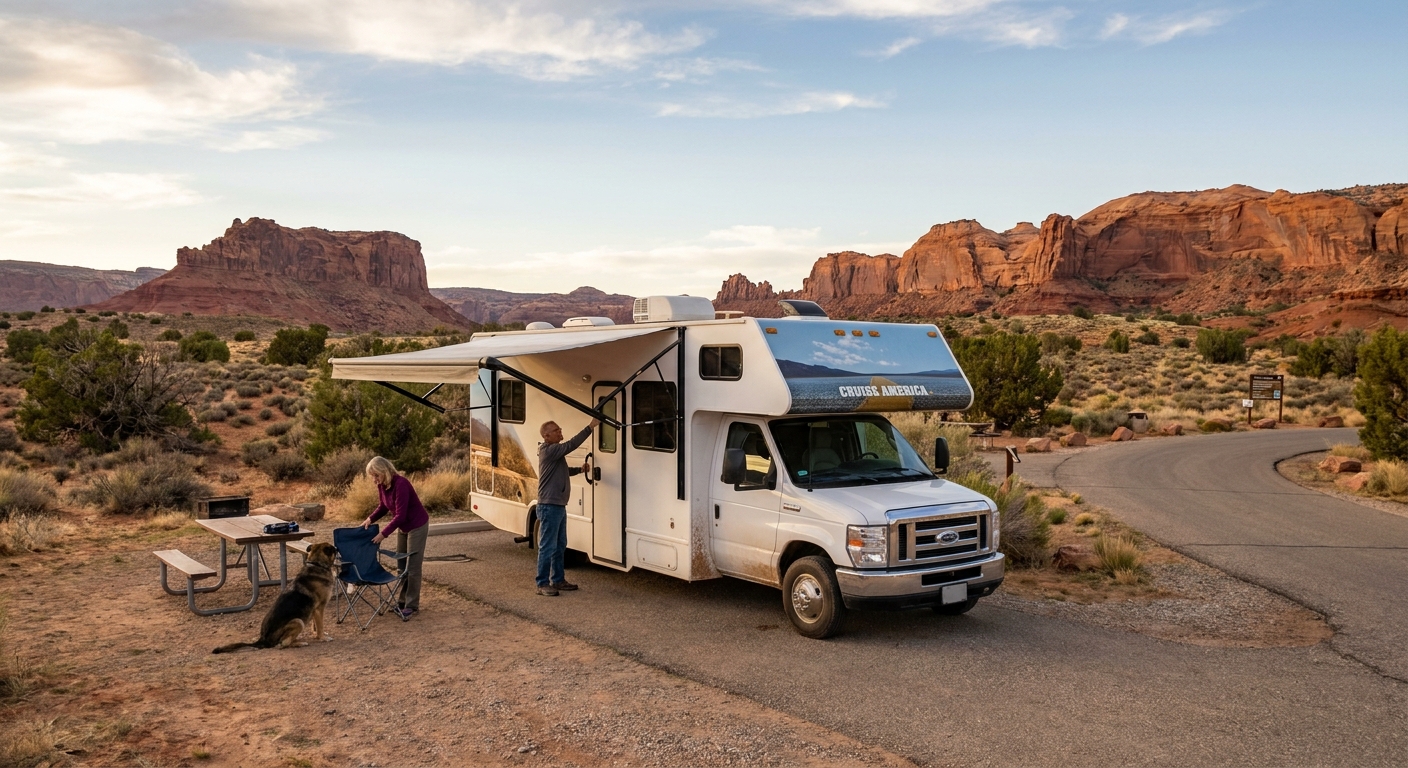
The USA provides three primary types of campgrounds for RV travelers: National Park, private, and wild camping (boondocking). National Park Campgrounds, operated by the National Park Service, offer scenic locations and essential amenities, such as restrooms and water, but are usually booked months in advance, though a small percentage of sites are designated first-come, first-served. Private Campgrounds, like those found through our partners El Monte, Cruise America, Apollo, and Britz, are independently owned or part of a franchise (e.g., KOA) and provide a wide array of amenities from full hookups, pools, and Wi-Fi to laundry facilities and recreation, often with greater flexibility for spontaneous arrivals. State Park Campgrounds, managed by individual states, offer diverse outdoor experiences with good facilities and typically strike a balance between reservation difficulty and amenities compared to national parks and luxury resorts.
Freedom/Wild Camping, also known as boondocking, is legally permitted on designated public lands managed by the Bureau of Land Management (BLM) and within National Forests, offering free, primitive camping without hookups. This option requires RVers to be self-sufficient with their own power, water, and waste management systems, strictly adhering to Leave No Trace principles and stay limits (typically 14 days in one spot). For budgeting your trip, remember that RV PLANET routes allow you to itemize and track every expense, from campground fees to fuel, ensuring no surprises. On the routes offered through RV PLANET routes, you can itemize and track every expense along the way for easy budgeting.
Featured RV Park or Campground in USA
When searching for a featured RV park in the USA that also accommodates last-minute plans, look for establishments that prioritize excellent customer service and clean facilities. These parks are often well-managed and more likely to assist spontaneous arrivals. While pinpointing a single "nicest" RV park in the United States is subjective, options like The Springs at Borrego Ranch in California or Catherine's Landing in Arkansas frequently receive high praise for their luxury amenities and scenic settings, though availability might be tight without advance booking. For last-minute trips, consider larger private resorts, often located near interstate exits or popular travel corridors, as they might have more sites or last-minute cancellations.
Always check recent reviews for insights into site availability and staff helpfulness. Sometimes, lesser-known municipal or county campgrounds can be hidden gems, offering good amenities at a lower price point and better chances for a last-minute spot. Whether you're considering a "Cheap RV Rental in USA - Budget Guide 2026" or a "Luxury RV Rental in USA - Premium Prices 2026", being flexible with your choice of park can open up more options for spontaneous travel.
🎬 Video coming soon
Hookups & Amenities - What to Expect
When RV camping in the USA, travelers can generally expect a variety of hookups and amenities, depending on the campground type. Most developed RV campgrounds offer essential hookups including electricity (typically 30-amp or 50-amp, requiring appropriate connectors), fresh water, and sewer connections for waste disposal. Beyond these basics, common amenities at many private and some public campgrounds enhance comfort significantly; these often include clean showers, private restrooms, and convenient laundry facilities. Many modern private RV parks also provide Wi-Fi access, communal gathering areas, playgrounds for families, and even swimming pools, making for a more resort-like experience.
Conversely, for those opting for boondocking on public lands like National Forests or BLM areas, amenities are generally non-existent. In these "wild camping" scenarios, RVers must be completely self-sufficient, managing their own power sources (often via solar or generator), carrying their own fresh water (a typical "MH19 Small - Economy" motorhome has a 107 Liter fresh water tank), and handling all waste disposal responsibly. This self-reliance is part of the appeal for many spontaneous adventurers, allowing them to truly connect with nature. When planning your route, consider how long your RV's tanks will last before needing to find a dump station or refill point.
Booking Windows & Reservations in USA
For last-minute RV rentals in the USA, spontaneous travelers can often find same-day or next-day bookings, especially during off-peak seasons or in less popular destinations, by simply calling ahead directly. While popular National and State Parks often require booking up to six months in advance, it's crucial to remember that many park campgrounds reserve 25%-30% of their spots for first-come, first-served (FCFS) arrivals. To secure a last-minute spot at one of these FCFS campgrounds, your best strategy is to arrive early in the day, ideally before noon, when departing campers are clearing out.
Utilize online platforms like Hipcamp (an external site, Hipcamp.com), Recreation.gov (an external site, Recreation.gov) for federal lands, or ReserveAmerica (an external site, ReserveAmerica.com) by checking frequently for last-minute cancellations, which often appear just days or even hours before the desired date. Don't be discouraged; you will almost certainly find a place. If not at the first campground, then the next one. Always call ahead to confirm availability before driving to a specific location, a key tip for anyone pursuing a "Last-Minute RV Camping in USA - Available Sites 2026" adventure.
Nearby Supermarkets & Resupply Points
For RV travelers navigating the USA, major supermarket chains like Walmart, Kroger, Safeway, and Albertsons are reliable resupply points found across the country. These stores offer not only a vast selection of groceries but also many RV essentials, from propane tank refills to basic repair items, and often include pharmacies. In smaller towns and rural areas, regional chains or independent grocery stores can be excellent finds, providing local produce and unique items that add flavor to your RV-friendly recipes playlist.
For bulk purchases or a wider variety of goods beyond just food, consider big-box stores like Target and Costco (membership required). For quick stops, convenience stores at gas stations (e.g., 7-Eleven, Circle K) are ubiquitous and can provide basic snacks, drinks, and emergency supplies, though usually at higher prices. Always ensure your rented motorhome is stocked with enough food and water, especially if you plan to venture into more remote areas, where resupply points might be sparse.
Best RV Class for Camping in USA
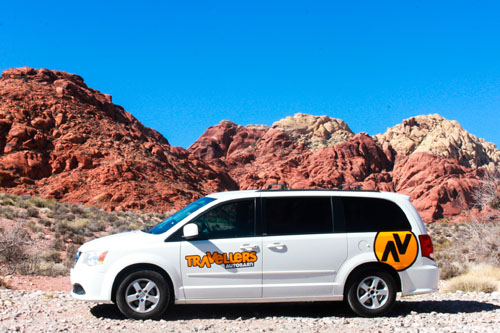
The ideal RV class for camping in USA, particularly for last-minute adventures, often depends on your priorities for maneuverability and amenities. Class B Camper Vans (averaging 5.8m in length and sleeping 3.2 people in Bandana's fleet) are highly recommended due to their compact size, fuel efficiency, and ease of parking in various campground types or even urban areas. A "hire campervan example Paradise S/T" for instance, is small yet equipped with a shower and toilet, ideal for couples or small families seeking flexibility. These vans offer a more nimble experience, perfect for navigating scenic byways and fitting into smaller, often more available, campsites.
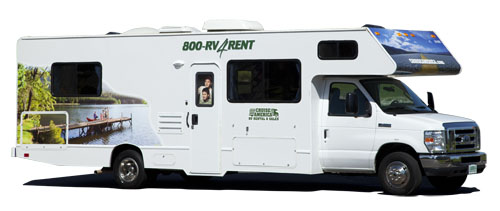
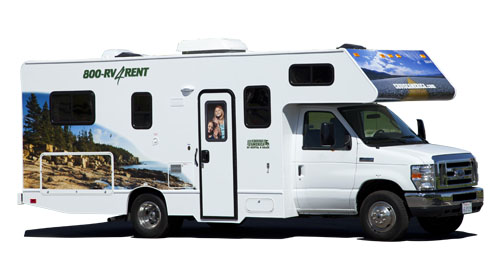
Alternatively, Class C Alcove RVs (averaging 7.5m in length and sleeping 5.8 people in Bandana's fleet), like the "rv rentals example Comfort Class", offer a great balance of living space and comfort for families or groups. They are well-suited for developed campgrounds with full hookups and can still access many larger boondocking sites. While they offer more amenities, including larger kitchens and separate sleeping areas, they require a bit more attention when driving, though careful and slow driving allows them to navigate almost anywhere without issues. For a longer trip, consider a more spacious option like the "cruise america rv rental example Explorer" which offers a 160/220cm over-cab bed and a 163/210cm double bed, making it suitable for 4 people with an 82 Liter fresh water tank.
How to Save on Campgrounds in USA
To save on campgrounds in USA, smart travelers leverage discount cards and strategic booking. Discount cards such as those offered through Bandana's partners, Good Sam Club (an external site, GoodSamPark.com), Passport America (an external site, PassportAmerica.com), or the America the Beautiful Pass (an external site, NPS.gov/passes) for federal lands, can provide significant savings on daily rates, sometimes up to 50%. Traveling during the shoulder season (spring or fall) or off-peak times (avoiding major holidays and summer weekends) also drastically reduces rates and crowds. Opting for municipal, county, or regional campgrounds over private resorts often means fewer amenities but at a considerably lower price point.
Furthermore, maximizing value involves staying for three or more nights at a single location, as many campgrounds offer weekly rates that are more economical per night. When traveling with friends, sharing hookup costs by camping in groups where allowed can also reduce individual expenses. Remember, full transparency is a core value at Bandana; what you see is what you pay, with no surprise fees at pickup, which extends to understanding potential campground costs.
What is the 3-3-3 rule for RVs?
The '3-3-3 rule' for RVs is a popular guideline for travel planning that suggests driving no more than 300 miles (approximately 480 km) a day, arriving at your destination by 3 PM, and staying for a minimum of 3 nights. This rule is designed to promote a relaxed pace of travel, preventing driver fatigue and ensuring you have ample time to set up camp and enjoy each location rather than constantly rushing between destinations. For example, on a hypothetical "Toronto Roundtrip - facing north Incl. Niagara Falls & thousand island" (11 days, 1769.7 km) route, adhering to this rule helps prevent burnout and encourages deeper exploration of the two natural features and numerous points of interest along the way.
Adhering to this guideline can significantly enhance the enjoyment and safety of an RV trip, especially for last-minute travelers who benefit from a less rushed itinerary. It also encourages a slower pace of travel (Bandana recommends max 100-150 km per day on average) and promotes exploration of local areas, allowing you to connect with the culture, food, and scenery, rather than just passing through.
Where can you park RV for free in the US?
In the US, RV travelers can legally park for free primarily on designated public lands managed by the Bureau of Land Management (BLM) and in National Forests, where dispersed camping (boondocking) is permitted. These vast tracts of federal land offer abundant opportunities for primitive camping without hookups, typically for up to 14 days in one location. Always confirm local and state regulations for public lands, as rules for stay limits, fire restrictions, and waste disposal can differ significantly by area and even within different sections of the same land management unit, particularly in popular states like California and Arizona.
Other popular options for free overnight parking include the parking lots of certain businesses, most notably Walmart, Cracker Barrel, Cabela's, and some truck stops, though policies vary by location and are always subject to local ordinances and specific store manager discretion. It is essential to call ahead or check with store management upon arrival to confirm permission. Apps like iOverlander (an external site, iOverlander.com) or Campendium (an external site, Campendium.com) can help identify verified free parking spots and clarify local regulations, which are crucial given the complexity of varying local ordinances across the USA.
What stores let you park your RV overnight?
Several large retail chains in the USA are known to permit overnight RV parking for a single night, with Walmart being the most prominent example, alongside Cracker Barrel restaurants, Cabela's, and Bass Pro Shops. While many Walmarts historically allowed overnight parking, this policy is subject to change based on local ordinances, store manager discretion, and local crime rates, making it essential to call the specific store ahead of time to confirm. Cracker Barrel restaurants are generally RV-friendly, often having dedicated oversized parking spaces, and many Cabela's and Bass Pro Shops actively welcome RVers, sometimes even offering dump stations and water.
Truck stops, both independent and chains like Love's (an external site, Loves.com) and Pilot Flying J (an external site, PilotFlyingJ.com), also commonly permit overnight parking for motorhomes, providing a reliable option, especially when driving long distances. Always be respectful of the property, leave no trash, park only in designated or peripheral areas, and limit your stay to one night to maintain goodwill with these businesses. Never assume permission without verifying first, as policies can vary significantly, even between locations of the same chain.
Can you sleep anywhere in an RV in the USA?
No, you cannot legally sleep anywhere in an RV in the USA; regulations regarding overnight parking and camping vary significantly by state, county, and municipality, making it crucial to understand local laws. While dispersed camping is permitted on vast tracts of federal land (BLM and National Forests), parking overnight in urban areas, residential zones, or on private property without permission is often prohibited and can result in fines. For instance, many cities have ordinances against sleeping in vehicles overnight on public streets, and some even restrict RV parking entirely.
Always prioritize safety by choosing well-lit, authorized locations, being aware of your surroundings, and securing your rented RV, especially when boondocking or parking in unfamiliar areas. Practicing responsible RVing, including strict adherence to Leave No Trace principles-packing out all trash, properly disposing of human waste, and minimizing impact-is essential to preserve access to public lands and maintain a positive image for the RV community. Consulting local tourist information centers or using dedicated RV camping apps can help clarify what's allowed in specific regions, such as when planning a "One-Way RV Rental in USA - Price Guide 2026" trip.
What is the nicest RV park in the United States?
Defining the 'nicest' RV park in the United States is subjective, as preferences vary widely from luxury resorts with extensive amenities to secluded spots offering unparalleled natural beauty. However, certain parks consistently receive high praise for their facilities, service, and settings. For example, The Springs at Borrego Ranch RV & Golf Resort in California is often cited for its luxurious amenities, including golf, spas, and mineral hot springs, appealing to those seeking a premium experience. Catherine's Landing in Hot Springs, Arkansas, is another highly-rated destination, celebrated for its beautiful lakeside setting and a wide array of activities.
Alternatively, many RV enthusiasts consider the 'nicest' parks to be those situated within National or State Parks, such as those near the Grand Canyon or in Yosemite National Park, offering direct access to hiking, wildlife, and iconic landscapes. While these public parks generally offer fewer 'resort-style' amenities, their natural surroundings are often considered the ultimate luxury. When choosing a park, consider what aspects are most important for your travel style: a bustling, amenity-rich environment, or a tranquil, nature-immersive retreat. For a high-end experience, consider a Class A motorhome like the "rent rv example E3" which typically offers a TV and air conditioning.
What does FF mean in camping?
In camping terminology, 'FF' most commonly stands for 'Full Hookups,' indicating that a campsite provides water, electric, and sewer connections, offering maximum convenience for RVers. When a campground listing specifies 'FF' under amenities, it means you can expect to have a continuous fresh water supply, electricity for running appliances (typically 30-amp or 50-amp), and a direct sewer connection for waste disposal at your site. This setup is highly desirable for extended stays or for those who prefer not to rely on their RV's fresh water and waste tanks for prolonged periods.
Less frequently, 'FF' can also stand for 'First-Come, First-Served,' especially when seen in the context of site availability or reservation policies. This is a critical distinction for last-minute travelers, as FCFS sites cannot be reserved in advance and are available only upon arrival. Always clarify the meaning based on the context provided by the campground or booking platform to avoid any confusion, ensuring your last-minute RV camping in USA goes smoothly. When planning your route, be sure to note the types of hookups available at potential campsites, especially if you're exploring different regions.
What is the 3-3-3 rule for RV camping?
The '3-3-3 rule' for RV camping is a popular guiding principle that suggests limiting daily travel to 300 miles (about 480 km), aiming to arrive at your campsite by 3 PM, and staying for a minimum of 3 nights to fully enjoy each destination. This rule, which is identical to the '3-3-3 rule for RVs,' specifically applies to camping by advocating for a slower pace that allows RVers ample time to set up camp, explore the surrounding area, and relax without feeling rushed. For last-minute RV camping in USA, while adhering strictly to 3 nights might be challenging for every stop, aiming for the '300 miles a day' and 'arrive by 3 PM' aspects can significantly help in securing a good FCFS site and reducing travel stress.
Following this guideline promotes safer driving habits by reducing fatigue, minimizes the risk of arriving at a crowded campground late in the day, and enhances the overall enjoyment of the camping experience. It encourages travelers to truly feel the place, connect to the local culture, savor the food, and immerse themselves in the scenery, which aligns perfectly with Bandana Caravan's philosophy of slow travel, recommending a maximum of 100-150 km per day on average. This approach is key to transforming a simple road trip into a memorable adventure.
What are the best ways to find an RV park last minute?
The best ways to find an RV park last minute involve a combination of digital tools and direct communication. Specialized camping apps like Campendium, iOverlander, or The Dyrt can be invaluable resources, offering real-time availability updates, user reviews, and even identifying less-known options. Directly calling private RV parks and state parks in your desired area is highly effective, as many may have last-minute cancellations or unlisted sites, especially during off-peak times or shoulder seasons. Being flexible with your destination can significantly improve your chances.
For spontaneous travelers seeking free overnight stays, targeting first-come, first-served (FCFS) campgrounds, particularly in National Forests or BLM lands, by arriving early in the day greatly increases the chances of securing a spot. Always have a backup plan, which might include identifying potential overnight parking spots (like Walmart or truck stops, with prior permission) or having a few alternative campgrounds in mind if your first choice is full, ensuring you're never stranded. This preparedness is crucial for a stress-free "Weekly RV Rental in USA - Pricing 2026" journey.
How to find last minute camping sites?
To find last-minute camping sites in the USA, first, leverage digital tools by continually checking online reservation systems like Recreation.gov (for federal lands) and ReserveAmerica (for state parks and some private campgrounds) for cancellations, which often appear just days or hours before the desired date. These systems can have dynamic availability as plans change for other travelers. Next, explore campgrounds in National Forests and Bureau of Land Management (BLM) areas, which frequently offer dispersed camping or first-come, first-served (FCFS) sites that are ideal for spontaneous travel. Be prepared for primitive conditions in these areas and always follow Leave No Trace principles for responsible outdoor ethics.
Consider less popular, privately owned campgrounds or those slightly off the main tourist routes, as they often have more availability for spontaneous arrivals compared to highly sought-after locations like those in our "RV Camping in Las Vegas - Best Campgrounds & Tips 2026" guide. Developing a comprehensive backup plan is also essential; identify multiple potential sites, research local ordinances for overnight parking (e.g., at certain retail stores), and consult free camping apps to ensure you have options even if initial attempts fail. True RV Specialists at Bandana are here to help you compare final prices across suppliers, ensuring full transparency in your booking, so you can focus on finding that perfect last-minute spot.
What is the 200 rule for camping?
While not a universally recognized 'RV rule,' the '200 rule' in camping commonly refers to a crucial Leave No Trace principle advising campers to pitch tents and establish camp at least 200 feet (approximately 70 steps or 60 meters) away from water sources, trails, and other campsites. This guideline is fundamental for protecting fragile riparian ecosystems by preventing water contamination from human waste or detergents. It also helps to ensure privacy for all campers, minimizing visual and noise pollution, and maintaining the pristine condition of natural areas for future visitors, especially in heavily trafficked regions across USA.
Adhering to the 200-foot rule helps distribute impact in popular areas, preventing the overuse and degradation of specific spots. When no direct '200 rule' for RVs is explicitly stated by a campground, this Leave No Trace principle remains the most relevant interpretation, emphasizing environmental protection and respectful co-existence in nature. Practicing these principles ensures that your last-minute RV camping in USA respects the environment and fellow adventurers, making your trip a positive experience for everyone.
What You Shouldn't Miss
- **Explore National Parks' FCFS Sites:** Even popular parks like Yellowstone and Yosemite hold a portion of sites as first-come, first-served; arrive early for a chance to camp amidst iconic scenery.
- **Boondock on BLM Lands:** Discover remote, free camping in vast areas of the American West, offering unparalleled solitude and star-gazing opportunities.
- **Drive a Scenic Byway:** Take a leisurely drive on routes like US-50 in Nevada ("The Loneliest Road in America") or California's Highway 1, allowing plenty of time to stop and enjoy the views with your rented motorhome.
- **Visit a Quirky Roadside Attraction:** Stop at places like Wall Drug Store in South Dakota for a memorable and uniquely American experience.
- **Try RV Cooking:** With your rented motorhome's kitchen, prepare fresh meals sourced from local markets. Check out our RV-friendly recipes playlist for inspiration.
Looking for expert insights from Avi Bandana? Top 5 Adventures - recommendations from Avi Bandana
Final Thoughts
Last-minute RV camping in USA truly offers a unique blend of adventure and flexibility, proving that incredible journeys don't always require months of meticulous planning. From the vast wilderness of BLM lands to the amenity-rich private resorts, the USA has a spot waiting for every kind of spontaneous traveler. Remember to embrace the '3-3-3 rule' for a relaxed pace, utilize handy apps and direct calls to secure your sites, and always respect local regulations and Leave No Trace principles.
Whether you're exploring the iconic National Parks, venturing through hidden state parks, or enjoying the freedom of boondocking, a rented motorhome or campervan from Bandana Caravan provides the perfect mobile base. With our transparent pricing, extensive supplier network, and dedicated support, you're well-equipped for an unforgettable last-minute RV adventure. So, pack your bags, choose your route, and hit the open road. The beauty of USA awaits, ready to be discovered on your terms.