In This Guide
- Best Washington DC RV Itinerary for rv rental - Overview
- 7-Day Classic Route in Washington DC
- 14-Day Extended Journey in Washington DC
- Recommended RVPlan Trip for Washington DC
- Must-See Stops Along the Way (Avi Bandana Picks)
- Daily Driving Distances & Drive Times in Washington DC
- Best RV Class for This Itinerary - Couple & Family Picks
- Is Washington DC. RV friendly?
- Is there RV parking in Washington DC.?
- Is Washington, D.C. RV friendly?
- What is the best RV route?
Best Washington DC RV Itinerary for rv rental - Overview
A Washington DC RV itinerary typically focuses on exploring the nation's capital and its immediate surrounding areas, offering a rich blend of historical sites, museums, and natural beauty. For a comprehensive visit to DC and nearby attractions by rented RV, a minimum duration of 7 days is recommended, with an extended option of 14 days providing deeper exploration. Total driving distances for a focused regional trip can range from 200-500 km (125-310 miles), ensuring a relaxed pace in line with our "slow travel" philosophy. For live availability and current prices, start with our RV Rental Washington DC - Complete Guide 2026 guide. The best seasons for an RV trip to Washington DC are spring (April-May) and fall (September-October) due to consistently pleasant weather and vibrant scenery, allowing you to avoid the peak heat and humidity of summer. When planning your route, remember that Bandana Caravan, founded in 2001, has over two decades of experience helping tens of thousands of travelers discover the world by motorhome, and our expertise is at your disposal. Our direct partnerships with over 50 leading RV suppliers worldwide, including El Monte, Cruise America, Apollo, and Britz, ensure you have access to a wide selection of motorhomes for your Washington DC adventure. Consider researching a "Week-Long RV Driving Tour in Washington DC 2026" or a "Family RV Driving in Washington DC - Safe Routes 2026" to make the most of your trip.7-Day Classic Route in Washington DC
A classic 7-day motorhome itinerary in Washington DC offers an immersive experience of America's capital, strategically balancing city exploration with convenient campground stays. On Day 1, begin your journey by arriving at an RV-friendly campground just outside the city, such as Cherry Hill Park in College Park, MD, or a nearby state park like Greenbelt Park (the only National Park Service campground in the immediate DC area, offering 175 RV sites, 55 with electrical hookups). Settle into your site, familiarize yourself with campground amenities, and plan your Metro route into the city for the following day. For finding campsites and campgrounds during your trip, we recommend using RV PLANET (rvplan.net) - a great resource for locating available spots along your route. Days 2 and 3 are dedicated to Washington DC's core attractions, easily accessible via the Metro from your suburban base. Day 2 focuses on the iconic National Mall, where you can explore the Lincoln Memorial, Washington Monument, and several Smithsonian museums, such as the National Air and Space Museum. Day 3 shifts to Capitol Hill, allowing tours of the U.S. Capitol Building, Library of Congress, and Supreme Court, concluding with a visit to the illuminated monuments like the Jefferson Memorial and World War II Memorial. On Day 4, travel via Metro or bus to Arlington National Cemetery for the Changing of the Guard, followed by an afternoon exploring the historic streets of Georgetown. Driving a rented RV in cities like Washington DC requires attention, but it is manageable. Drive slowly and carefully, and you can drive almost anywhere without issues. No need to stress - just use common sense and pay attention. Day 5 involves a short drive in your motorhome to Old Town Alexandria, VA (approximately 20 km or 12 miles), where you can stroll cobblestone streets and visit historic sites. Day 6 takes you to George Washington's Mount Vernon estate (approximately 40 km or 25 miles from a central DC campground), allowing a full day to explore the mansion, gardens, and museum. Finally, Day 7 is for departure, enjoying a final breakfast at your campground before heading home or to your next adventure. Many national and state parks reserve only 25-30% of spots for advance booking, with the rest available first-come, first-served; you'll find a spot, and if not at the first campground, then the next one – just call ahead before driving.14-Day Extended Journey in Washington DC
An extended 14-day motorhome journey provides a more comprehensive exploration of Washington DC and its surrounding historical and natural wonders, offering a deeper dive into the Mid-Atlantic region. Days 1-7 follow the "7-Day Classic Route in Washington DC" itinerary, allowing you to thoroughly immerse yourself in the capital's main attractions. During this initial week, you'll maintain your base at a convenient RV-friendly campground like Cherry Hill Park, utilizing Washington DC's efficient public transportation system for city access. For Days 8-9, drive your rented RV northeast to Annapolis, MD (approximately 60 km or 37 miles), where you can explore the historic State House and Naval Academy, then continue to Baltimore's Inner Harbor, visiting attractions like the National Aquarium. Finding suitable campgrounds near Annapolis or Baltimore, such as Washington/Baltimore KOA, is straightforward using RV PLANET (rvplan.net) to track your expenses and locate available spots along the way. Day 10 involves heading west to Harpers Ferry National Historical Park, WV (around 100 km or 60 miles), a site rich in Civil War history. Day 11 offers breathtaking mountain views as you drive south along a portion of Skyline Drive in Shenandoah National Park, VA (approximately 80 km or 50 miles from Harpers Ferry), with opportunities for scenic overlooks and hiking. Remember, driving slowly, averaging a maximum of 100-150 km per day, allows you to truly feel the place and connect with the scenery. Day 12 takes you to Fredericksburg, VA (around 100 km or 60 miles), a pivotal Civil War battlefield, followed by a visit to Richmond, Virginia's capital, on Day 13 (approximately 90 km or 55 miles). This allows ample time to explore the Virginia State Capitol and the American Civil War Museum. On Day 14, return to the Washington DC metro area to return your RV or continue your adventure, reflecting on the historical journey.Recommended RVPlan Trip for Washington DC
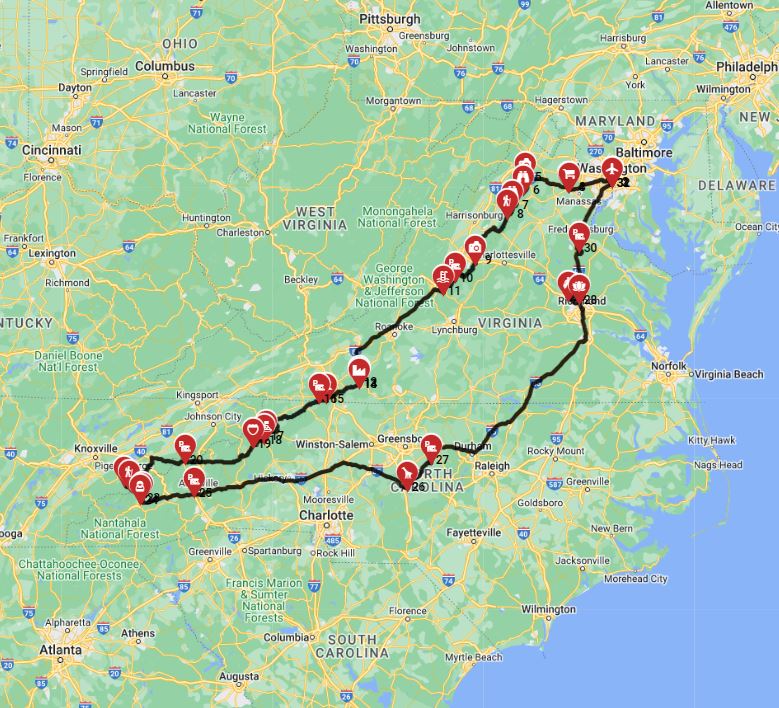
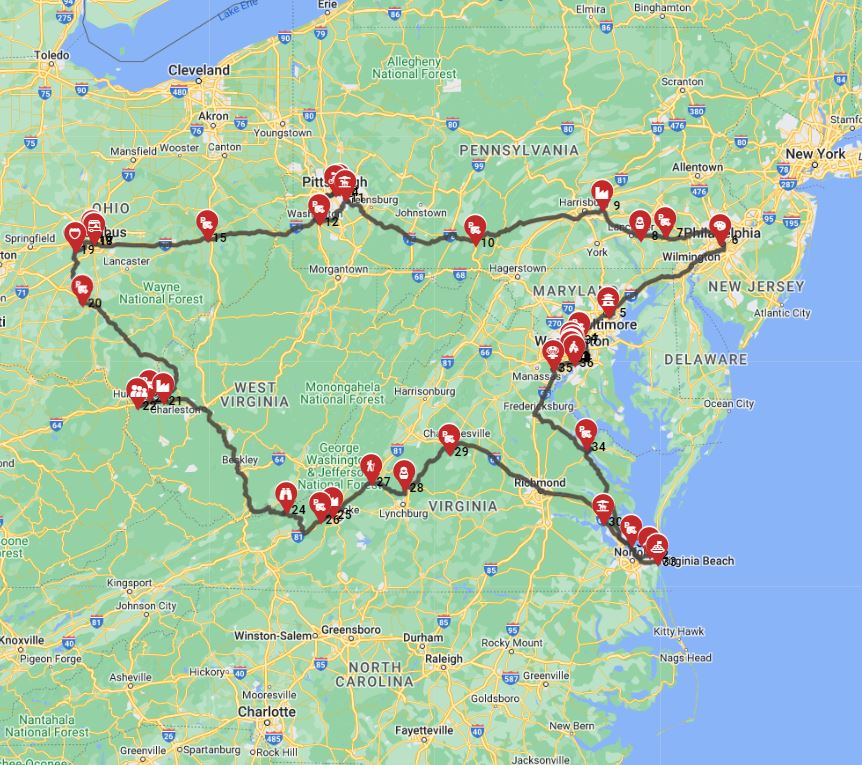
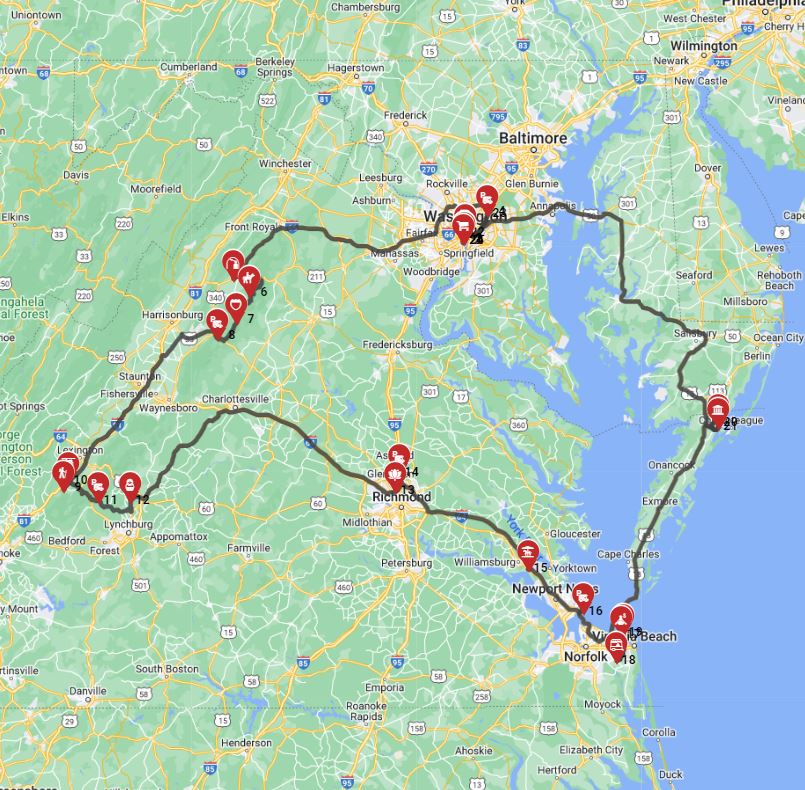
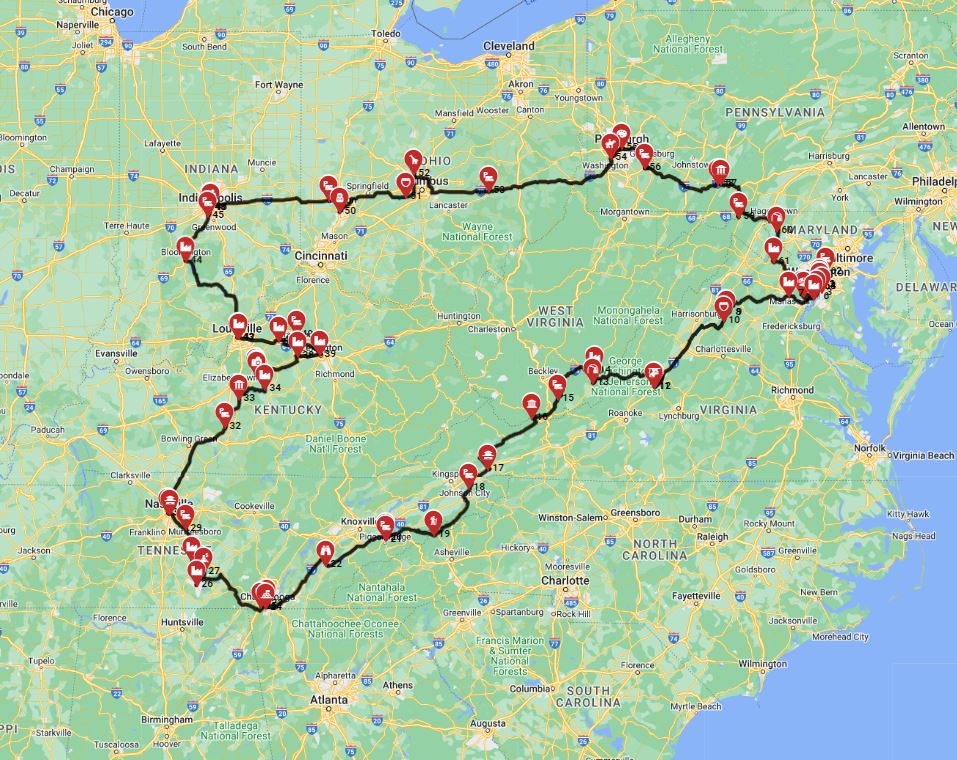
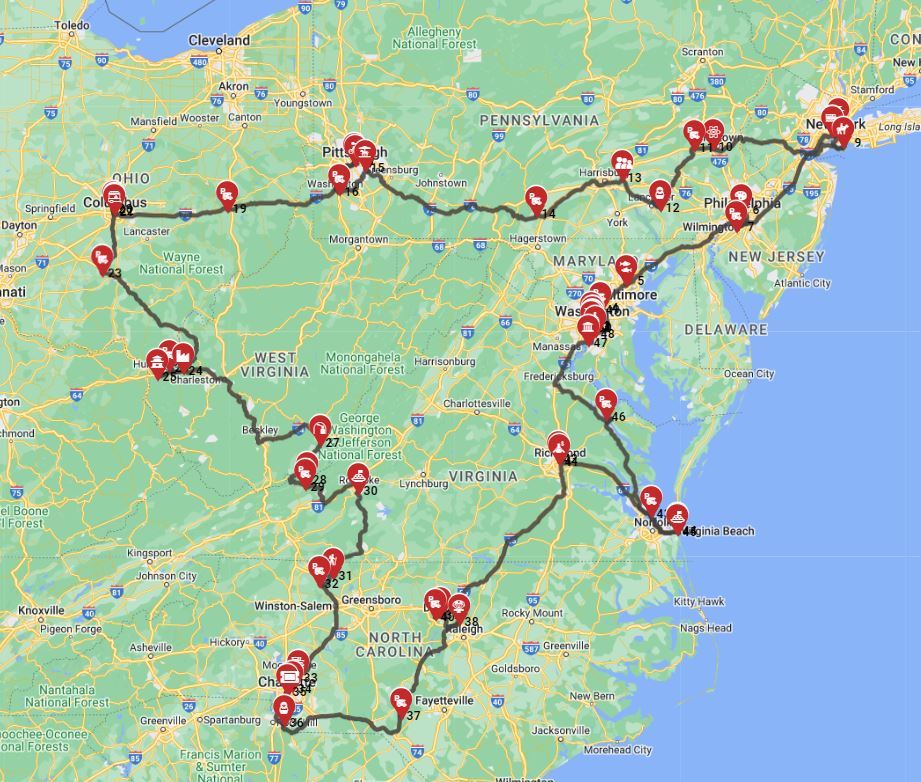
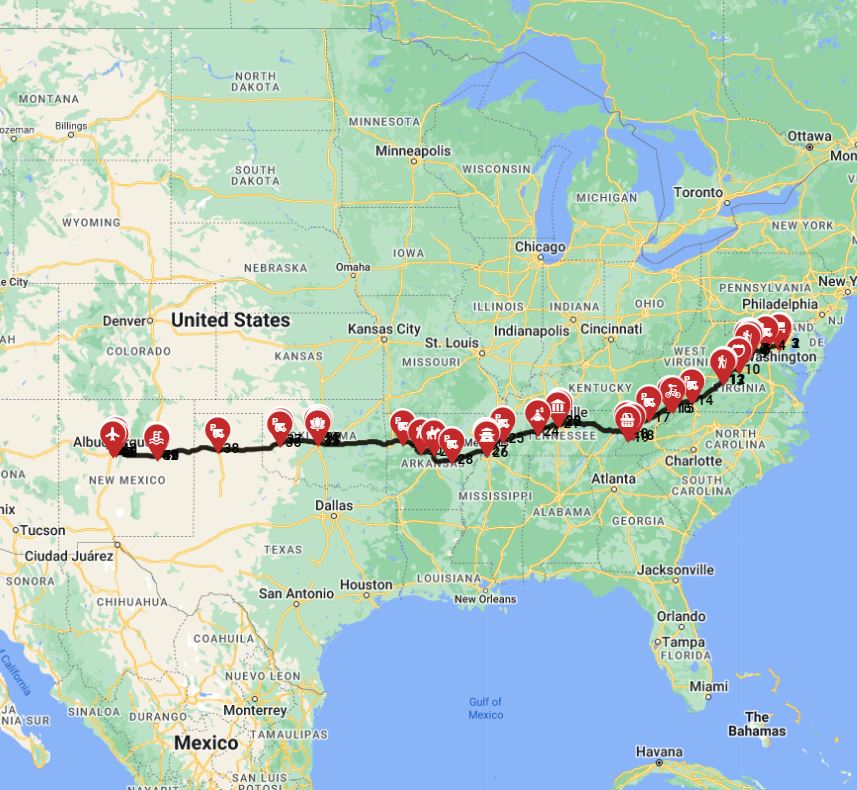
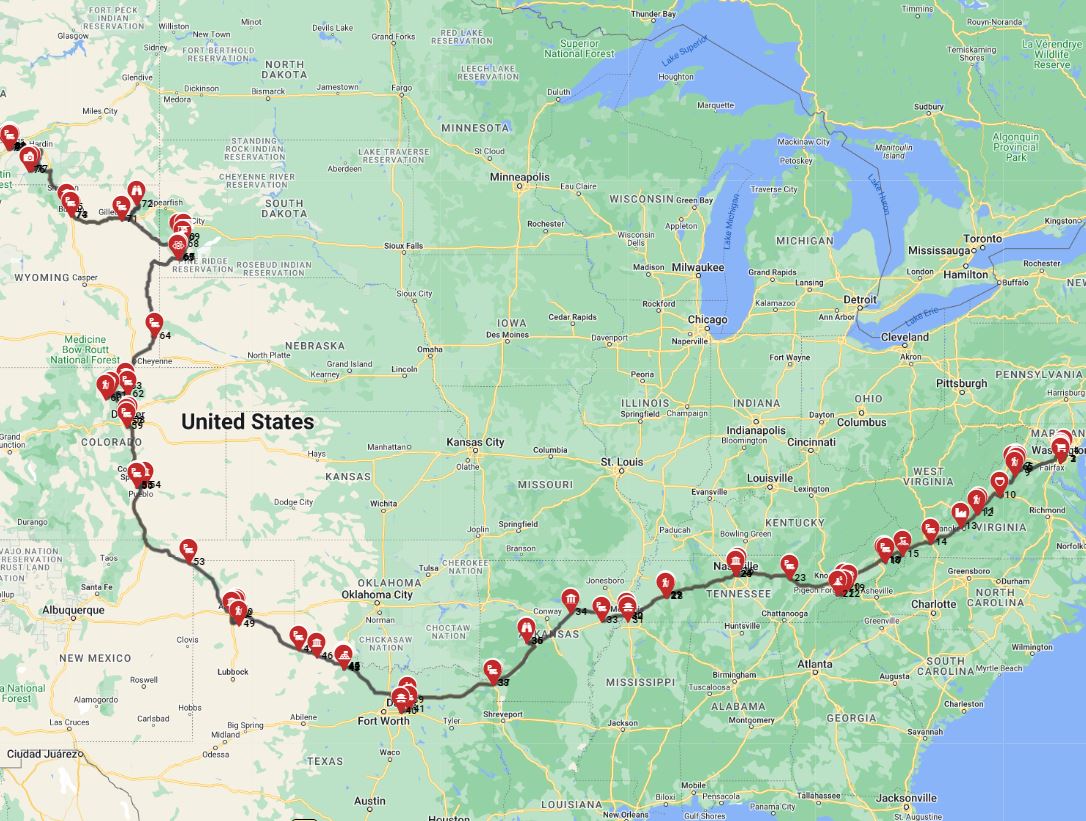
Venturing beyond a localized Washington DC experience, RV PLANET (rvplan.net) offers expertly crafted longer journeys that often begin or end in the capital, providing seamless route plans for an extensive RV adventure. For those dreaming of an epic cross-country trip starting from Washington DC, consider the "Washington DC to Seattle - Midwest Coast to Coast" route plan. This extensive 24-day journey covers a total of 5506.3 km (3421.4 miles), offering a unique one-way trip experience across various states, culminating in Seattle. This route plan includes 1 Amusement Park, 2 Animals Show / Wildlife watch, 1 Aquarium, and 4 Traditional Visits, among its 20+ points of interest. With RV PLANET routes, travelers can itemize and track every expense along the way for easy budgeting.
Explore this route
Another fantastic option is the "

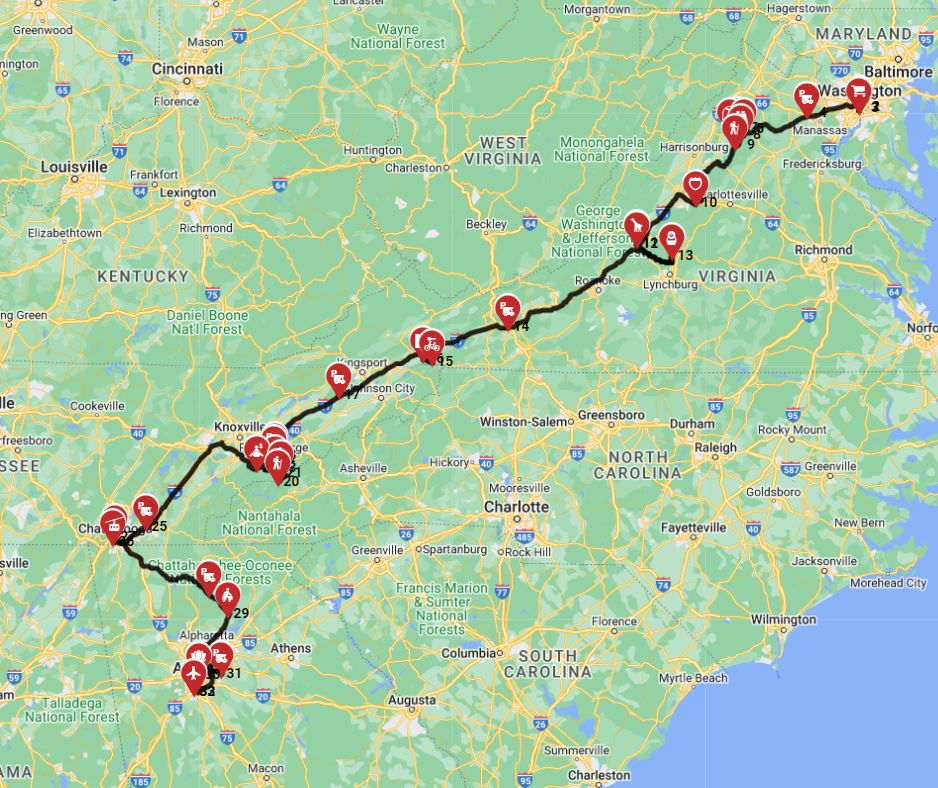
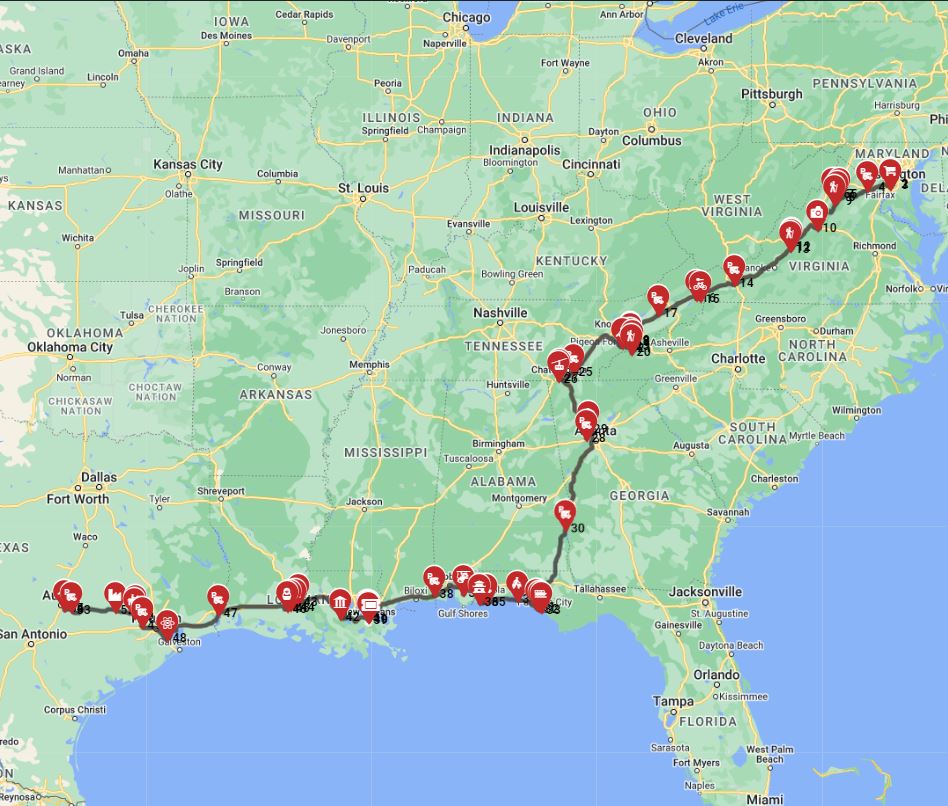
San francisco to Washington DC - East Coast to Capital
Explore this route
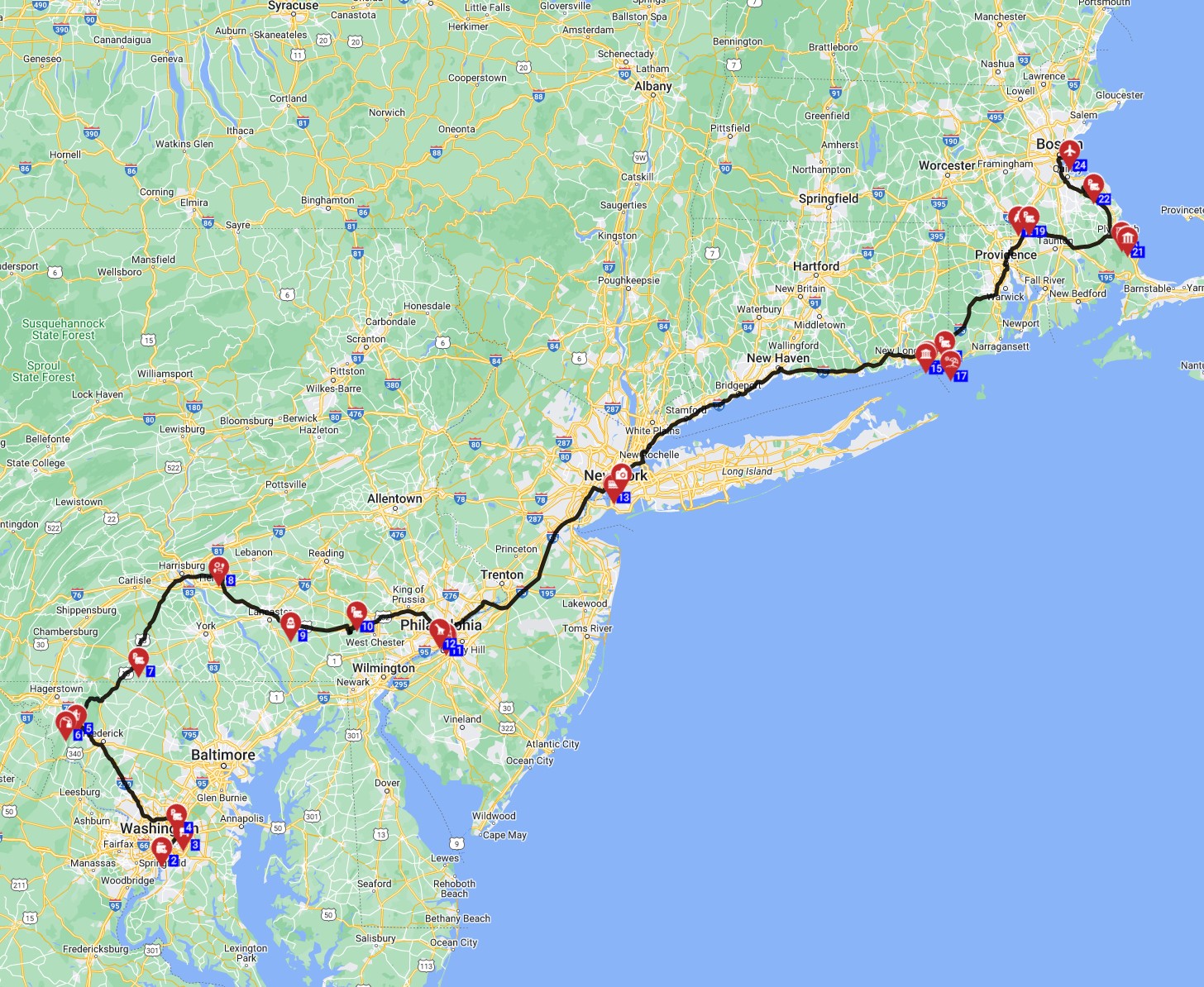
For those looking to begin their journey on the Pacific coast and journey eastward, the "Portland to Washington DC - From Pacific Trails to the Nation's Capital" route plan offers a 28-day exploration covering 6361.199999999997 km (3952.7 miles). This route features 3 caves, 3 art galleries, and 3 scenic routes, ensuring a memorable and diverse experience.
Explore this route
By using rvplan.net for your rental planning, you can enjoy a 25% planning discount, allowing you to craft a personalized itinerary with ease and confidence. This service truly makes your RV rental journey seamless from start to finish.
Must-See Stops Along the Way (Avi Bandana Picks)
Drawing inspiration from extensive motorhome travel, Avi Bandana recommends focusing on a diverse range of experiences that connect you with the local culture and history, particularly for longer journeys originating from Washington DC. Beyond the major landmarks of the capital, seek out unique "Traditional Visit" sites that offer deep insights into American history and government. This could include lesser-known historical houses in Old Town Alexandria, significant cultural centers in Baltimore, or historical districts in Fredericksburg that tell a nuanced local story. Take time to savor the regional culinary delights at "Traditional Restaurants / Fine Dining" establishments. Whether it's classic Mid-Atlantic crab cakes, Virginia ham, or Southern comfort food, these local eateries offer an authentic taste of the area. For those who enjoy cooking inside their rented RV, preparing regional dishes can be a highlight of the trip; discover some great ideas on our RV-friendly recipes playlist. Immerse yourself in the local scene by visiting "Traditional Market" settings like farmers' markets in Annapolis or local craft fairs in Harpers Ferry, providing opportunities to interact with locals and find unique souvenirs. Explore "Local Industry" attractions, which might include tours of craft breweries in Richmond, vineyards in Virginia's wine country, agricultural farms, or artisan workshops that showcase the economic and cultural fabric of the regions you pass through on a journey from Washington DC. Looking for expert insights from Avi Bandana? Top 5 Adventures - recommendations from Avi BandanaDaily Driving Distances & Drive Times in Washington DC
Avi Bandana consistently recommends maintaining a relaxed pace for your motorhome adventure, suggesting a maximum of 100-150 km (60-90 miles) per day on average to ensure ample time for exploration without feeling rushed. This slow travel approach emphasizes enjoying the journey and immersing oneself in each location rather than rushing between points. For instance, driving from a popular campground outside DC like Cherry Hill Park in College Park, MD, to Mount Vernon, VA, typically takes approximately 45 minutes to 1 hour, covering around 40 km or 25 miles, depending on traffic conditions around the I-95 corridor. A drive from the Washington DC area to Annapolis, MD, usually takes about 45-60 minutes, spanning approximately 50 km (30 miles), making it a manageable day trip to the charming state capital. Traveling from a DC-area campground to Harpers Ferry National Historical Park, WV, could take 1.5-2 hours, covering about 100 km (60 miles), which is at the upper end of the recommended daily driving limit but still comfortable for a motorhome. When driving a rented RV around Washington DC and its surrounding areas, be especially mindful of traffic patterns and potential toll roads. Major routes like I-95, I-495 (the Capital Beltway), and the Dulles Toll Road near Washington Dulles International Airport (IAD) may have tolls, so plan accordingly. Drive slowly and carefully, and you can drive almost anywhere without issues. No need to stress - just use common sense and pay attention to signage, especially around traffic circles and historic districts which may have narrower streets.Best RV Class for This Itinerary - Couple & Family Picks
Choosing the right RV class significantly impacts your Washington DC itinerary experience, balancing maneuverability, comfort, and space. Bandana RV offers a comprehensive selection of motorhomes to suit every travel style. Our "Rent&Plan" service combines your RV rental with a ready-made itinerary by travel experts, providing you with full access to trip-planning software and removing the planning headache, all with a 25% planning discount when you use rvplan.net. For couples, a Class B campervan is an excellent choice due to its compact size and exceptional maneuverability in and around urban areas and smaller roads. These nimble vehicles, often around 6 meters in length, such as a rented "V3" model (6.36m length, 2 sleeping places), offer great fuel efficiency, typically achieving 11-13 liters per 100 km (around 20-25 MPG). Their smaller footprint makes navigating busier streets and finding parking much easier, providing an intimate yet fully equipped travel experience with features like a fresh water tank (e.g., 100 liters) and a marine toilet. Families will find a Class C alcove motorhome to be a highly suitable option, providing ample living and sleeping space for a comfortable journey. These motorhomes, generally averaging 7-8 meters in length, can comfortably accommodate 4-6 people, with many offering features like 5-6 sleeping places, a substantial fresh water tank (e.g., 160+ liters), and a spacious refrigerator. A popular choice like the "24' Class C Motorhome" (7.46m length, 5 sleeping places) is perfect for family travel, offering a distinct alcove over the cab that provides an additional sleeping area, ideal for children. Both Class B and Class C motorhomes are readily available through our partnerships with leading suppliers like Cruise America and Apollo, ensuring you find the perfect rented vehicle for your needs.Is Washington DC. RV friendly?
Washington DC is moderately RV-friendly, meaning it's entirely feasible to visit with a rented RV, but it requires careful planning, especially concerning parking and navigating city traffic. The city itself has stringent parking regulations and many narrow streets, making it quite challenging for larger motorhomes to maneuver and park directly within the downtown core. For a stress-free experience, RV visitors typically rely on well-equipped campgrounds located just outside the city in Maryland or Virginia, such as Cherry Hill Park in College Park, MD, or Prince William Forest Park in Triangle, VA. From these locations, travelers efficiently use public transportation, particularly the Metro or local bus services, to access downtown attractions. Adopting a "Day Trip" versus "Overnight Stay" strategy is crucial for RVers in Washington DC. For quick visits, metro-accessible parking lots at the city's edge might suffice, but check specific lot rules as overnight RV parking is usually prohibited. For multi-day stays, a full-service campground outside the city is highly recommended for comfort and access to amenities like dump stations, potable water, and shore power. A realistic cost breakdown for an RV trip involves factoring in campground fees (typically $50-$100/night), public transportation fares (a multi-day Metro pass can add $15-$30 per person), parking costs for day trips if not relying solely on public transport, and fuel expenses. Depending on your group size and trip duration, this total cost can often be comparable to or even less than a traditional hotel stay plus daily parking fees for a car, making a motorhome rental a smart and flexible choice.Is there RV parking in Washington DC.?
Direct RV parking within the core of Washington DC is extremely limited and generally not recommended due to size restrictions, a severe lack of dedicated oversized vehicle spots, and high traffic volumes. The most practical RV parking solutions are typically found at Metro stations in the surrounding suburbs of Maryland and Virginia that offer large parking lots suitable for oversized vehicles. Examples include the Greenbelt Metro Station in Greenbelt, MD, or the Franconia-Springfield Metro Station in Springfield, VA. These lots often have dimensions that can accommodate RVs, but it's crucial to check specific lot rules, hours, and costs beforehand, as overnight parking is almost always prohibited. From these suburban RV parking locations, integrated transportation logistics are essential. Utilize comprehensive guides on how to use the Washington DC Metro and bus system. This includes purchasing a SmarTrip card, understanding fare information (which varies by distance and time of day), consulting maps of accessible stations, and planning your routes. Many resources like the "RV Travel Guide to Washington DC - Tips and Top Spots 2026" can provide useful insights. When parking your rented RV in suburban lots, especially those less monitored, ensure your vehicle is secured by locking all doors, closing windows, and utilizing any built-in alarm systems. Personal safety tips for using public transportation, particularly during evening hours, include staying in well-lit areas and being aware of your surroundings. Additionally, it's important to locate dump stations, potable water, and propane refills conveniently close to your chosen RV parking areas or campgrounds to manage your utilities efficiently during your stay. Cherry Hill Park is a great example of a campground nearby with these amenities.Is Washington, D.C. RV friendly?
Washington, D.C. can indeed be navigated with a rented RV, but it undeniably requires strategic planning and a solid understanding of its unique urban challenges, making it generally considered less "RV friendly" than expansive national parks or smaller, more relaxed towns. The primary challenge lies in the city's compact design, its numerous and sometimes complex traffic circles (like Dupont Circle or Thomas Circle), persistently busy roads, and a severe limitation of parking infrastructure that is not designed for larger motorhomes or campervans. However, Washington D.C. remains a premier tourist destination, and its excellent public transport system from surrounding areas makes it a popular choice for RV travelers who plan their visit carefully. Success in exploring the capital by motorhome often hinges on securing a spot at one of the several well-appointed RV parks or campgrounds situated in the Maryland and Virginia suburbs. These suburban campgrounds, such as Cherry Hill Park or Fort Washington Campground, not only offer full amenities like electrical hookups, dump stations, and fresh water but also provide convenient access to the Metro system for seamless city exploration. While direct RV parking in the city center is virtually non-existent, the accessibility of a robust public transportation system from these suburban bases makes visiting the capital's attractions very manageable for RVers. Remember, when driving your RV in cities, simply drive slowly and carefully, and you can drive almost anywhere without issues. No need to stress - just use common sense and pay attention to road signs and local traffic patterns. For broader context on regional RV travel, explore our "RV Rental Virginia - Complete Guide 2026" itinerary.What is the best RV route?
The "best" RV route for Washington DC depends heavily on whether your trip's primary focus is solely on the city's core attractions or if you plan to combine it with broader regional exploration. For a city-focused visit, the optimal "route" actually involves parking your rented RV at a dedicated campground or RV-friendly suburban Metro station, such as Greenbelt, MD, or Franconia-Springfield, VA, and then utilizing public transport (Metro and bus) to reach city attractions. This strategy effectively avoids the considerable challenges of driving your motorhome into the capital's dense core, with its tight streets and limited parking. For last-minute trips, consult our "Last-Minute RV Rental in Washington DC - What to Expect 2026" to understand availability and potential pricing. When planning any driving around the DC area, awareness of specific maneuverability nuances is crucial. Always avoid attempting to drive your motorhome through downtown D.C. where low clearances (underpasses, tunnels), exceedingly narrow streets, complex traffic circles, and restricted zones are commonplace. It's highly recommended to use GPS navigation specifically designed for RVs or trucks that accounts for vehicle height and weight, rather than standard car navigation. For a broader regional experience, as outlined in our 7-day or 14-day itineraries, optimal routes generally follow major interstates like I-95, I-270, and I-66 to comfortably access popular areas such as Old Town Alexandria, Mount Vernon, Annapolis, Baltimore, or Shenandoah National Park. Always research local road restrictions and bridge heights, especially when venturing off main highways, to ensure your RV can safely pass. Prioritize routes that lead directly to RV-friendly campgrounds or day-use parking areas that offer easy access to public transport or allow for a seamless transition to smaller local roads for exploration.What You Shouldn't Miss
- National Mall Monuments at Night: Experience the Lincoln Memorial, Washington Monument, and Jefferson Memorial illuminated against the night sky for a truly unforgettable and reflective experience.
- Smithsonian Museums: Dedicate ample time to explore at least two of the world-class (and free!) Smithsonian museums, such as the National Air and Space Museum or the National Museum of Natural History.
- Old Town Alexandria: Drive your RV to a nearby lot and then stroll the historic cobblestone streets of Old Town Alexandria, Virginia, enjoying its boutique shops, colonial architecture, and waterfront dining.
- Mount Vernon: Visit George Washington's iconic estate, learning about his life, legacy, and the realities of 18th-century plantation life with extensive grounds and exhibits.
- Eastern Market on Capitol Hill: Immerse yourself in local culture at this vibrant public market, offering fresh produce, local crafts, and delicious food stalls, perfect for stocking your rented RV's kitchen.
- Georgetown's Historic Charm: Wander through the picturesque streets of Georgetown, known for its well-preserved Federal-style architecture, trendy boutiques, and lively atmosphere.
Final Thoughts
Exploring Washington DC and its historic surroundings in a rented motorhome offers a unique blend of adventure, flexibility, and comfort. From walking the hallowed grounds of the National Mall to venturing through charming towns like Old Town Alexandria, your RV provides the perfect mobile headquarters for creating lasting memories. Remember to embrace the local rhythm, drive slowly and thoughtfully, and utilize the excellent public transport system for city exploration. With Bandana Caravan, you're not just renting an RV; you're gaining a partner dedicated to making your journey seamless. Our commitment to full transparency, unmatched support before and after booking, and access to expertly curated route plans via RV PLANET (rvplan.net) ensures you're well-prepared for an incredible adventure. Imagine waking up to a fresh cup of coffee in your spacious campervan, ready to discover another piece of American history. Get inspired for your next trip and plan a journey with minimal effort and maximum enjoyment. Find Motorhome Rentals in Washington DCOn the routes offered through RV PLANET routes, you can itemize and track every expense along the way for easy budgeting.