In This Guide
- Can You Drive an RV in Washington DC? License & Age Rules
- Road Conditions & Terrain in Washington DC
- RV Size Limits, Bridges & Restricted Zones
- Fuel: Diesel vs. Petrol & Cost per 100 km
- Tolls, Vignettes & Border Rules
- Driving Tips for long term rv rental Travelers
- Recommended RV Class for Washington DC Roads
- Should I Choose a Compact Van Instead of a Large RV in Washington DC?
- Can I Park Anywhere? Free & Wild Camping Rules in Washington DC
- Can I Drive an RV Into the City Center? Heights, Tunnels & Local Signage
- Do you need a CDL to drive an RV over 20 feet?
- Is Washington, D.C. RV friendly?
- What is the 3-3-3 rule for RV living?
- What is the 4 4 4 rule for rving?
- Recommended RV Parks Near Washington DC (Amenities & Booking Tips)
- Navigating Washington DC Attractions by RV: Parking & Transit
- Budgeting Your Washington DC RV Trip: Costs & Savings
- Seasonal Travel & Events in Washington DC for RVers
- Pet-Friendly RV Travel in Washington DC: Rules & Tips
Planning a family long term rv rental adventure to Washington DC offers an incredible opportunity to explore American history and culture at your own pace. With a rented motorhome, you gain the flexibility to create lasting memories, from monumental sights to charming suburban escapes. As true RV specialists, we at Bandana are here to ensure your journey is seamless and enjoyable, providing full transparency and support every step of the way. For live availability and current prices, start with our RV Rental Washington DC - Complete Guide 2026 guide.
Can You Drive an RV in Washington DC? License & Age Rules
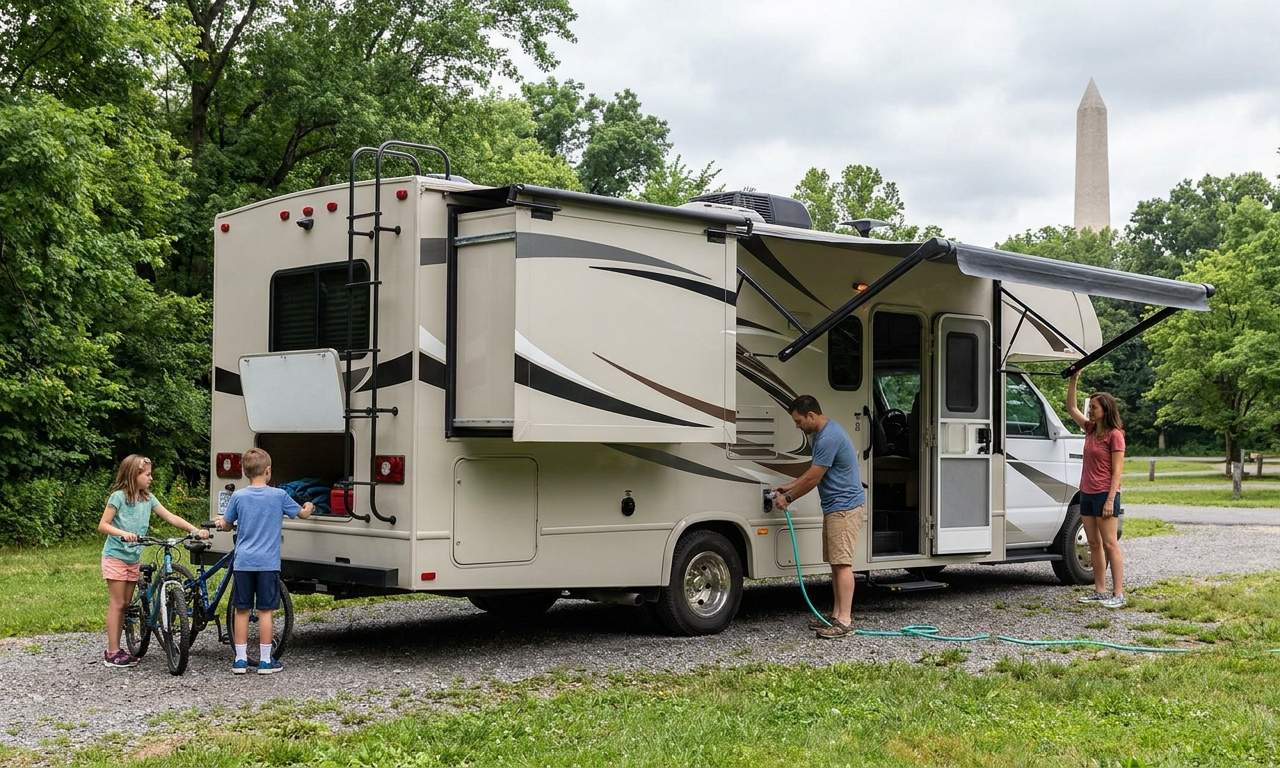
A standard Class D driver's license is typically sufficient to operate most long term RV rentals in Washington D.C. and across the United States, as long as the vehicle's Gross Vehicle Weight Rating (GVWR) remains under 26,001 pounds. Higher license categories like a Commercial Driver's License (CDL) are rarely required for the standard rental motorhomes and campervans available through Bandana, which generally fall below this GVWR threshold. The minimum driver age for most RV rentals in the US, including in D.C., is usually 21 years old, with no young driver surcharges or vehicle class restrictions based on age through our platform. Foreign drivers should carry a valid foreign driver's license and are advised to also have an International Driving Permit (IDP) for full legality, although it is not mandatory in all cases. This flexibility makes RV travel accessible for many families and groups seeking an extended adventure.
Road Conditions & Terrain in Washington DC
Roads in Washington D.C. are primarily urban, characterized by multi-lane thoroughfares, occasionally historic cobblestone streets, and heavy traffic, presenting a generally flat terrain with no mountainous passes. Drivers should anticipate variable road quality, from well-maintained highways entering the city to local streets within D.C. that may have occasional potholes or uneven surfaces. The terrain is predominantly flat, meaning there are no challenging inclines, descents, or winding mountain roads to navigate with your long term RV rental. Due to dense urban environments and significant pedestrian traffic, driving slowly and carefully is always recommended when navigating D.C. in any sized RV rental, and you can drive almost anywhere without issues if you use common sense and pay attention.
RV Size Limits, Bridges & Restricted Zones
While there are no universal RV length limits that prohibit typical rental motorhomes in Washington D.C., drivers must be vigilant for specific local signage indicating height restrictions for underpasses, bridges, and tunnels. Particular attention should be paid to older infrastructure, where bridge and tunnel clearances can be lower than modern standards, especially around the core city. Weight restrictions are generally not an issue for standard long term rental RVs available through Bandana, but very heavy vehicles may be restricted on some historic bridges, so always pay attention to posted signs. Be aware of potential restricted access zones, especially around government buildings and high-security areas within the city center, as these areas may have limited or no RV access. Navigating a rented motorhome or campervan requires common sense and paying close attention to your surroundings.
Fuel: Diesel vs. Petrol & Cost per 100 km
Most Bandana long term RV rentals for Washington D.C. are powered by petrol (gasoline), but some larger Class C motorhomes or Truck Campers may use diesel, with excellent fuel availability across the region. Bandana's Class C - Alcove RVs, like the "cruise america rv rental example Explorer" (7.1m length, 4 sleeping places, 82L fresh water tank), typically consume approximately 7-10 miles per gallon, which translates to about 23 liters per 100 km. Fuel prices in the D.C. metro area tend to be higher than in more rural regions, so budgeting for this is crucial for long term rentals. While some Bandana RVs may offer fuel discount cards, it's always wise to factor in higher fuel costs when planning your trip budget. Remember, on RV PLANET routes, you can itemize and track every expense, making budgeting for fuel and other ancillary costs much simpler. On the routes offered through RV PLANET routes, you can itemize and track every expense along the way for easy budgeting.
Tolls, Vignettes & Border Rules
Washington D.C. and its surrounding areas in Maryland and Virginia utilize electronic tolls on many highways and bridges, requiring drivers to either have a transponder (like E-ZPass) or be prepared for mail-billed tolls or online payment. There are no "vignettes" (pre-paid sticker tolls) in the D.C. region; tolls are typically collected electronically. An E-ZPass transponder is highly recommended to avoid higher "pay-by-mail" rates and potential fines; some Bandana RVs may allow pre-purchasing toll passes for convenience. Driving a rented motorhome into neighboring states like Maryland or Virginia does not involve international border rules; standard U.S. driving regulations apply, making multi-state exploration seamless.
Driving Tips for long term rv rental Travelers
Utilize navigation apps with real-time traffic (e.g., Google Maps, Waze) and plan driving during off-peak hours (mid-morning to early afternoon) to minimize congestion, especially crucial for a long-term rental in Washington DC. For secure parking of your long term RV rental, it's generally best to secure reservations at campgrounds located outside the city and use public transportation to access downtown attractions. Consider parking your rented motorhome or campervan at a Metro station with ample parking, such as Greenbelt or Franconia-Springfield, and commute into the city via the efficient Metro system. When navigating D.C.'s urban environment, pay extra attention to one-way streets, no-turn signs, and complex intersections. If available through your Bandana rental, using pre-purchased toll passes can streamline travel and help you avoid potential fines on the numerous toll roads around the D.C. area.
Recommended RV Class for Washington DC Roads
For navigating the Washington D.C. area, a Class C - Alcove RV or a Class TC - Truck Camper are highly recommended options from Bandana's fleet, balancing comfortable living space with manageable size for urban-adjacent travel. Class C - Alcove motorhomes, such as the "24' Class C Motorhome" (7.46m length, 5 sleeping places, 166L fresh water tank), with an average length of 7.7 meters (approx. 25 feet), offer ample sleeping places (average 5.3) for families (average 4 adults) and comfortable amenities while remaining relatively maneuverable for suburban roads and highways leading into D.C. For example, the "MHC24" has 6 sleeping places and a 147/190cm bed over the cab. Class TC - Truck Campers, like the "rv rentals phoenix example T17 Truck Camper" (4.75m length, 3 sleeping places), averaging 5.9 meters (approx. 19 feet) in length, provide excellent flexibility and easier parking in areas just outside the city, ideal for couples or solo travelers prioritizing agility and a smaller footprint. Both classes handle D.C.'s flat urban and suburban roads well, but larger units like the Class C require more attention to overhead clearances and planning for parking. You can always upgrade to a top-level deductible for extra peace of mind, no matter your chosen vehicle class.
Should I Choose a Compact Van Instead of a Large RV in Washington DC?
While a compact van might offer slightly easier maneuverability in extremely tight urban streets, for a long term RV rental in Washington D.C., a larger motorhome like a Class C generally provides significantly more comfort, living space, and amenities without a major trade-off in drivability on primary routes. Larger RVs, such as Bandana's Class C - Alcove models (e.g., the "CA-25" with 5 sleeping places and a 151-liter fresh water tank), are typically well-suited for the main roads and highways surrounding D.C., offering superior comfort and facilities for extended stays. Compact vans excel if your primary goal is to frequently park directly within the busiest downtown areas, which is often impractical and expensive for any RV size in D.C. The primary challenge for any RV size in D.C. is parking availability and traffic, rather than inherent vehicle maneuverability on major arteries. For families or those seeking more amenities and living space during a long-term rental, the added comforts of a larger RV usually outweigh the marginal parking advantages of a compact van, especially since driving slowly and carefully allows you to navigate most areas without issue.
Can I Park Anywhere? Free & Wild Camping Rules in Washington DC
Free or "wild camping" is generally prohibited within Washington D.C. city limits and is strictly regulated in the surrounding suburban areas, meaning RVers must rely on designated campgrounds or RV parks for overnight stays. Overnight parking for sleeping in a rented RV outside of designated campgrounds is illegal in most urban and suburban areas around D.C. due to local ordinances. While some commercial parking lots, such as specific Walmarts or truck stops, may occasionally permit overnight parking, these rules vary by location and are not guaranteed, especially for long-term stays. It is always recommended to utilize established RV parks or campgrounds in Maryland or Virginia surrounding D.C. for legal and safe overnight parking for your long term RV rental. Rules vary by region, so always check local regulations and follow local law before parking overnight. For finding campsites and campgrounds during your trip, we recommend using RV PLANET (rvplan.net) - a great resource for locating available spots along your route.
Can I Drive an RV Into the City Center? Heights, Tunnels & Local Signage
Yes, it is generally possible to drive a rented RV into Washington D.C.'s city center, but it comes with significant challenges related to heavy traffic, extremely limited parking, and the necessity to pay close attention to specific height limits for tunnels and underpasses. Most main roads leading into and within the city center can accommodate motorhomes and campervans, but local signage for height restrictions (especially for tunnels and older bridges, such as those along the Potomac) must be strictly observed. Parking a rented RV in the immediate city center is highly impractical and often impossible, as public parking garages usually have height restrictions (often under 7 feet) and street parking is extremely scarce. Drivers should also be aware of potential environmental zones or residents-only streets; always obey local signage. It is strongly advised for long-term RV renters to park at an outlying campground or Metro station, like those near College Park or Huntington Metro stops, and utilize public transportation to access downtown attractions. Drive slowly and carefully, and you can drive almost anywhere without issues. No need to stress - just use common sense and pay attention.
🎬 Video coming soon
Do you need a CDL to drive an RV over 20 feet?
You typically do not need a Commercial Driver's License (CDL) to drive a rented RV over 20 feet in length in the United States, as long as its Gross Vehicle Weight Rating (GVWR) is below 26,001 pounds, which covers most rental motorhomes like Class C units. The requirement for a CDL is primarily based on the vehicle's weight (GVWR) and air brake systems, not solely its length. A standard Class D driver's license is sufficient for operating the vast majority of non-commercial RVs, regardless of length, provided they remain under the 26,001 lbs GVWR threshold. Bandana's rental RVs, including Class C - Alcove units (averaging 7.7 meters or 25 feet), fall within these standard license requirements. Always verify specific state regulations, although the federal standard of 26,001 lbs GVWR is widely adopted across states.
Is Washington, D.C. RV friendly?
Washington, D.C. is generally not considered RV-friendly directly within its urban core due to severe parking limitations, heavy traffic, and restricted access, but the surrounding Maryland and Virginia suburbs offer numerous RV-friendly campgrounds and excellent public transit into the city. Direct RV travel and parking within downtown D.C. are highly impractical due to extremely limited RV parking, narrow streets, security zones around federal buildings, and numerous height restrictions. The region is made accessible by a variety of RV parks and campgrounds located within a reasonable driving distance (e.g., 30-60 minutes) in Maryland and Virginia, providing full amenities for long-term stays. D.C.'s extensive Metro system provides an efficient and recommended way to access attractions from peripheral RV parks, effectively making the region indirectly RV-accessible. An RV trip to D.C. for a long term rental requires careful planning to secure campground reservations and understand public transit options from your chosen park. Remember, Bandana RV offers 24/7 support to help you with your booking and ensure a smooth experience.
What is the 3-3-3 rule for RV living?
The '3-3-3 rule for RV living' is a popular guideline for long-term RV travelers suggesting they aim to drive no more than 300 miles (approximately 480 km) a day, arrive at their destination by 3 PM, and stay for a minimum of 3 nights, promoting a more relaxed and enjoyable travel pace. This rule emphasizes slow travel, a philosophy Bandana strongly advocates: "Travel slowly, max 100-150 km per day on average. Take time to feel the place, connect to the culture, the food, and the scenery." The "drive 300 miles" component helps prevent driver fatigue, allowing for scenic stops and reducing stress during a long-term rental. Ensuring arrival by 3 PM provides ample daylight for setting up camp, exploring the immediate area, and addressing any unforeseen issues. The "stay 3 nights" aspect encourages deeper exploration of destinations, fewer setups and takedowns, and more time for relaxation. Adhering to the 3-3-3 rule can significantly enhance the quality of a long term RV rental experience by preventing burnout and maximizing enjoyment of each location, such as exploring the 2 heritage sites and 2 museums included in the "
What is the 4 4 4 rule for rving?
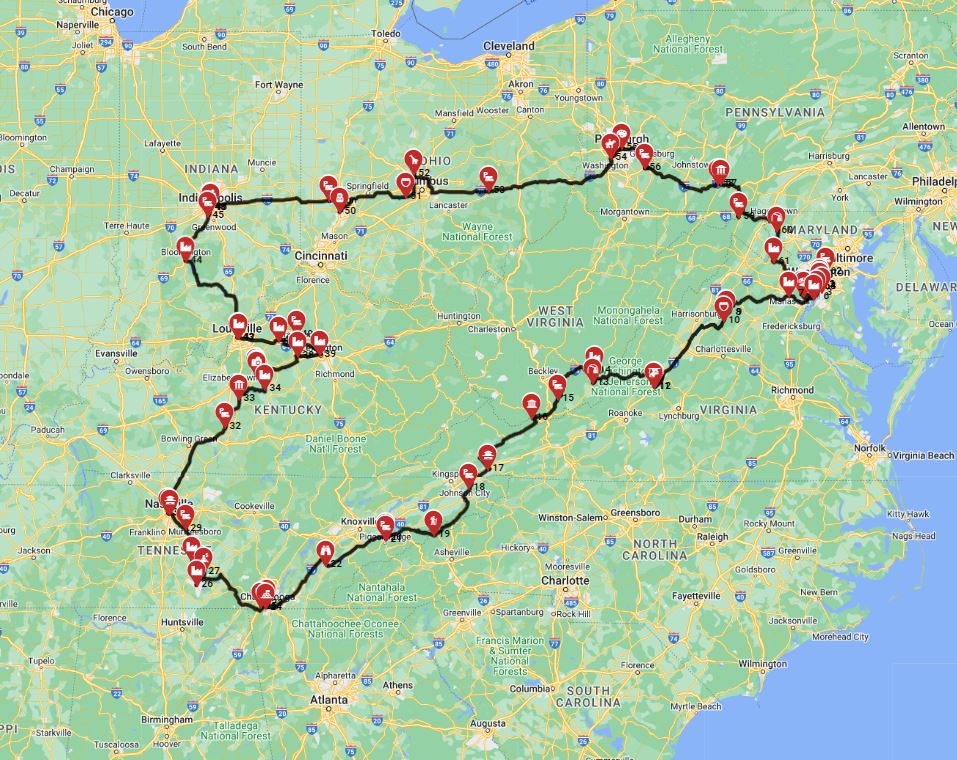
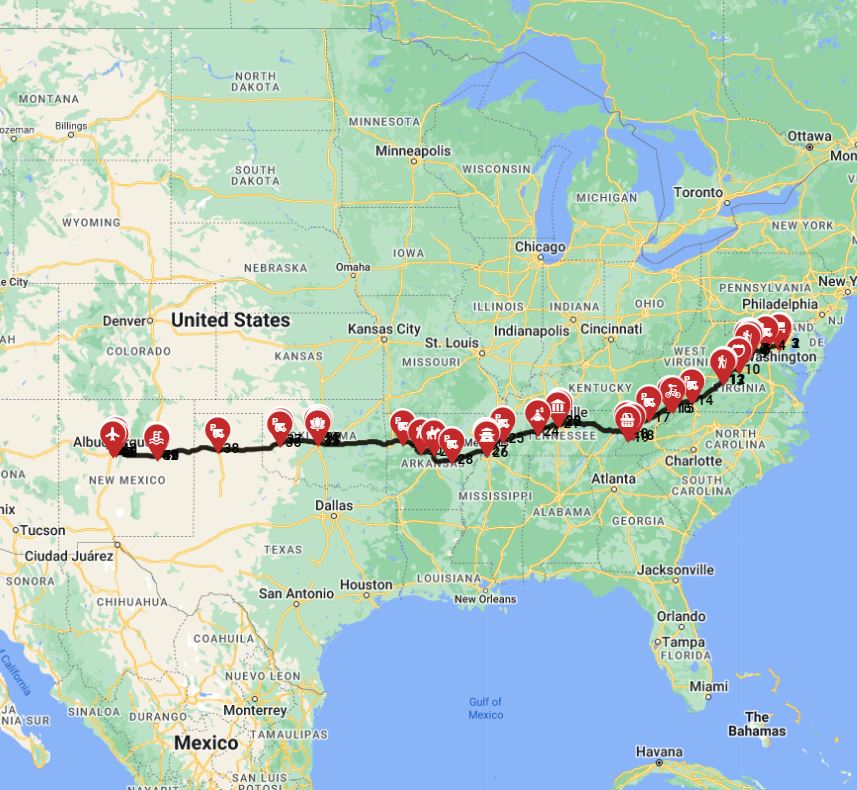
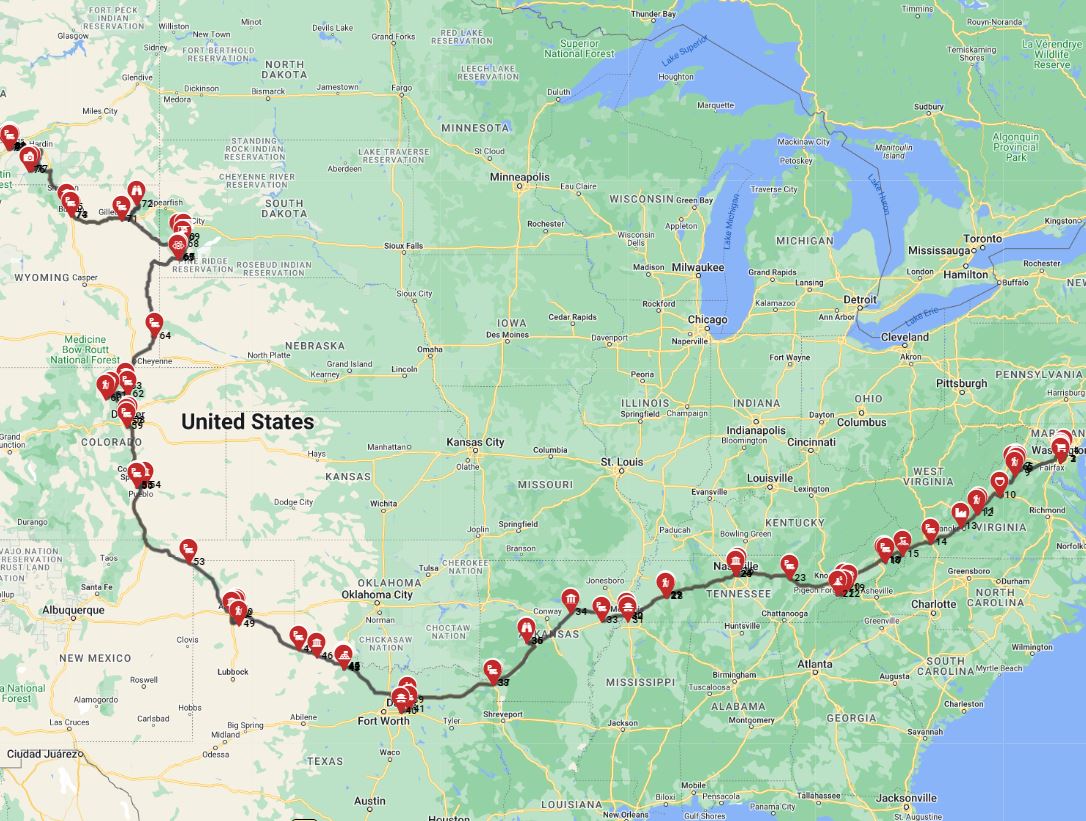
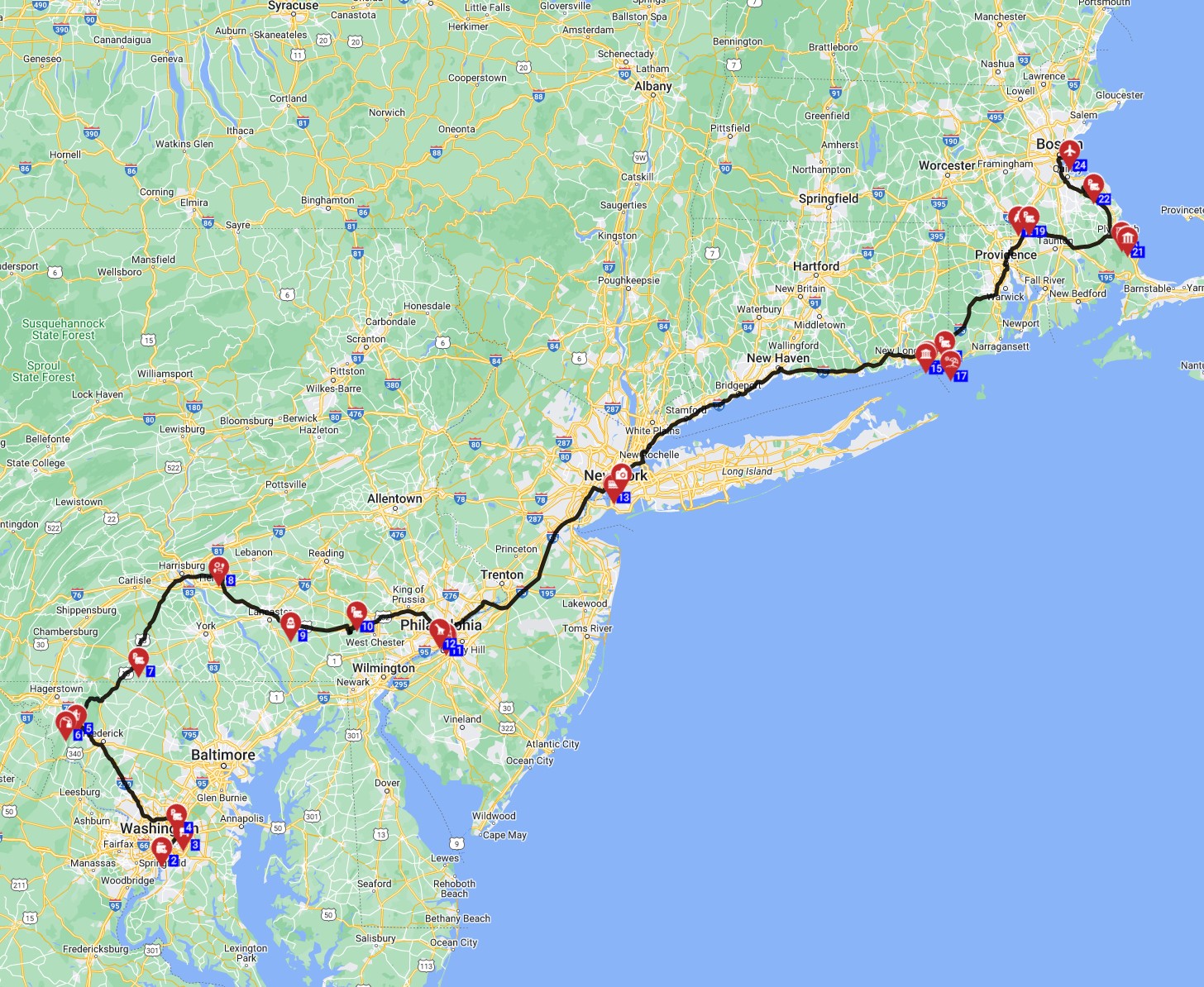
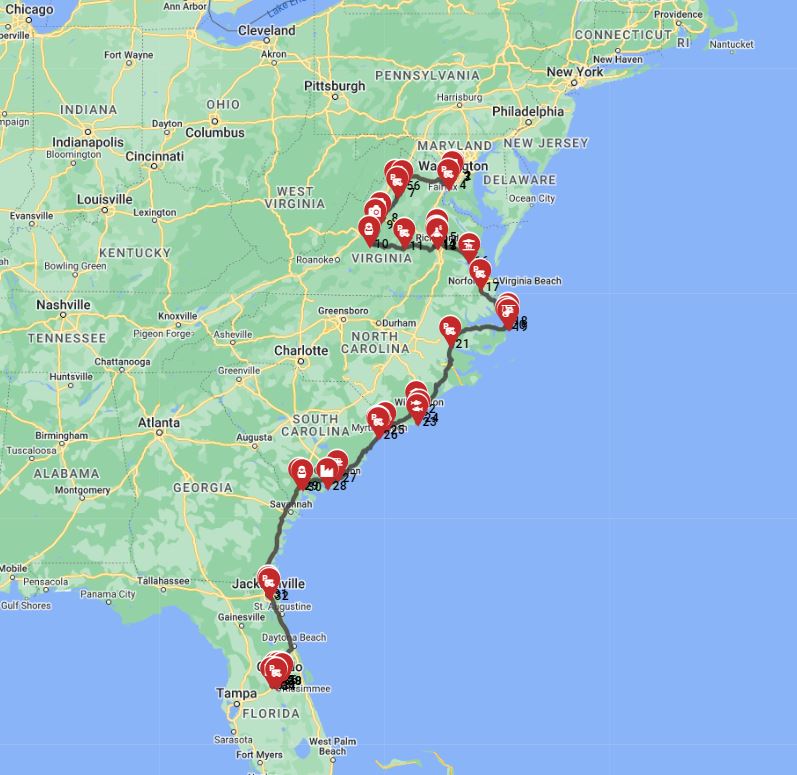
The '4-4-4 rule for RVing' is another popular guideline for RV travel, particularly for long-term trips, suggesting travelers drive no more than 400 miles (approximately 640 km) a day, arrive at their destination by 4 PM, and stay for a minimum of 4 nights. This rule, slightly more ambitious than the 3-3-3 rule, still promotes a comfortable pace for your long term RV rental. The "drive 400 miles" component allows for slightly longer travel days while still aiming to prevent excessive driving fatigue and provide time for breaks and sightseeing. Arriving by 4 PM provides sufficient daylight for campsite setup, a walk-through of the new surroundings, and initial exploration upon arrival, especially if you're planning to cook dinner in your rented campervan using its equipped stove and refrigerator. Lastly, staying "4 nights" encourages a slower, more immersive travel style, allowing more time to thoroughly enjoy each destination and truly relax without constant packing and unpacking. This approach is ideal for exploring a diverse region, much like the 16-day "Chicago to Washington DC - Route of Roots" itinerary, which includes 1 amusement park, 2 museums, and 1 traditional market along its 2470.2 km route.
Recommended RV Parks Near Washington DC (Amenities & Booking Tips)
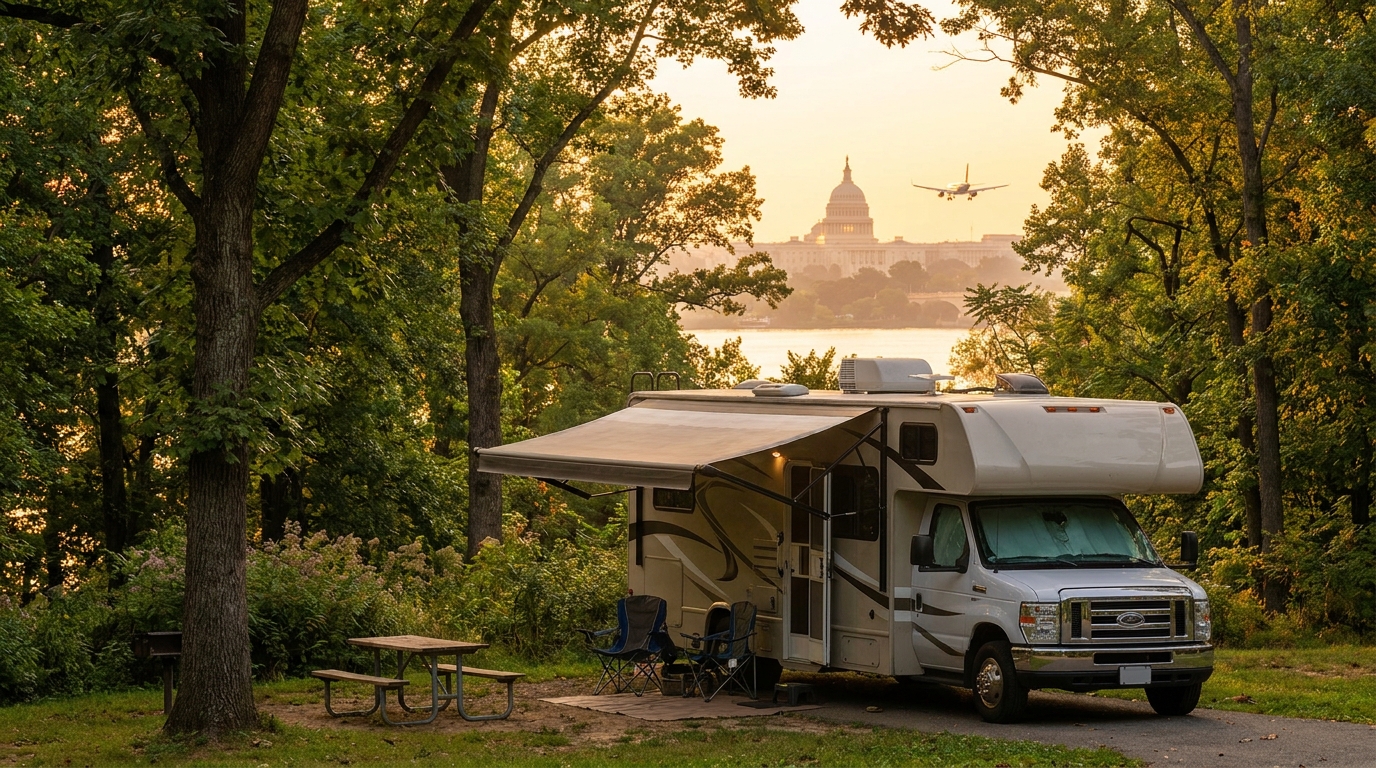
Several highly-rated RV parks and campgrounds located in Maryland and Virginia serve the Washington D.C. area, offering amenities like full hookups, Wi-Fi, and sometimes shuttle services, with advanced booking essential, especially during peak seasons. Popular options for your long term rv rental include Cherry Hill Park (MD), known for its shuttle service directly to D.C. Metro, Fort Belvoir Family Campground (VA), offering a serene setting, Pohick Bay Regional Park (VA) with recreational activities, and Prince William Forest Park (VA) for a more natural experience. When comparing campgrounds, look for key amenities such as full hookups (electric, water, sewer), reliable Wi-Fi, laundry facilities, clean bathhouses, and specific pet-friendly policies. Expect varying price ranges, typically $50-$100+ per night, influenced by location, amenities, and the time of year, with peak seasons like spring's Cherry Blossoms being more expensive. Booking difficulty is high for long-term stays or during peak seasons; reserve your spot several months, or even a year, in advance to secure your preferred site. Confirm pet policies (leash laws, restricted areas) and check for child-friendly amenities like playgrounds, pools, or recreational activities. Inquire about specific site types for different RV sizes (e.g., pull-throughs for big rigs, back-in sites) and their availability to ensure your rented motorhome fits comfortably.
Navigating Washington DC Attractions by RV: Parking & Transit
While driving a rented RV directly to D.C. attractions is impractical due to parking scarcity and heavy traffic, the most effective strategy involves parking your motorhome at an outlying campground and utilizing the city's robust public transportation system, particularly the Metro. Parking an RV near major attractions is virtually impossible due to extremely limited street parking, height-restricted public garages (often under 7 feet clearance), and security zones around federal buildings. The D.C. Metro system is highly efficient; travelers should park their RV or tow vehicle at a Metro station with ample parking, such as the Greenbelt station (Green Line) or Franconia-Springfield station (Blue Line), and ride the train into the city. D.C. also has an extensive bus network that complements Metro routes, offering additional transportation alternatives, especially useful for reaching areas not directly served by the Metro. Ride-sharing services like Uber and Lyft are readily available for specific point-to-point travel, particularly convenient for evening outings or areas less served by public transit. The city is increasingly bike-friendly with dedicated lanes and Capital Bikeshare programs, offering a healthy option for short distances from transit stops. Factor in Metro fares (using a Smartrip card is recommended for cost savings and ease of use), parking fees at outlying stations, and potential ride-share costs when budgeting your transportation. This approach maximizes your time exploring D.C.'s iconic landmarks without the stress of urban RV navigation, allowing you to travel slowly and enjoy the experience.
Budgeting Your Washington DC RV Trip: Costs & Savings
A long-term RV rental trip to Washington D.C. requires careful budgeting for campground fees, fuel, tolls, public transportation, attractions, and food, with potential savings achievable through advance planning and utilizing campground amenities. RV rental costs vary significantly based on the RV class (e.g., Bandana's "Class C - Alcove" like the "rv rentals utah example Sunrise Escape" for 5 people or smaller campervans for couples), the duration of your long-term rental, and the season; prices are dynamic like flight tickets and change daily. Expect to budget $50-$100+ per night for full-service RV sites located within a reasonable commute to D.C. Fuel costs account for consumption of around 23 liters per 100 km for Class C RVs (Bandana average), plus regional price fluctuations in the D.C. metro area. Tolls, whether via E-ZPass or mail-billed, are an unavoidable cost on many highways and bridges in the region. Budget for Metro fares (a Smartrip card is recommended for daily use), bus fees, and occasional ride-sharing services to navigate the city from your campground. While many D.C. museums are free, tours, special exhibits, and dining out will add to your expenses; cooking meals at your RV can lead to significant savings. Remember our RV-friendly recipes playlist for meal ideas on the road. Savings tips include utilizing free attractions, cooking meals at your RV, and considering off-peak travel for potentially lower campground rates and fewer crowds. For long term rv rentals, explore options like "RV Rental Deals in Washington DC - Latest Offers 2026" to find the best value. Bandana provides full transparency with no hidden fees, so what you see is what you pay.
Seasonal Travel & Events in Washington DC for RVers
Visiting Washington D.C. in a long term RV rental requires consideration of seasonal impacts, with spring's Cherry Blossoms (late March to mid-April) and summer's major holidays like the 4th of July dramatically increasing crowds and necessitating early campground bookings. Spring, while breathtaking, is extremely crowded; RV park reservations must be made many months, even up to a year, in advance, and prices will be at their peak. Summer is hot, humid, and very busy due to national holidays and school breaks; campground availability is scarce, and traffic in the metro area is intense. Fall generally offers pleasant weather and slightly fewer crowds than spring/summer, making it a good time for a long term RV rental visit to D.C. Winter is the coldest season, but with the fewest crowds and potentially lower RV park rates; be aware some attractions or outdoor activities may have reduced hours. Event-specific considerations, such as major parades, protests, or national events, can lead to significant road closures, increased security zones, and heightened traffic, greatly impacting RV navigation and access. Always check local event calendars and traffic advisories well in advance for your rented motorhome trip.
Pet-Friendly RV Travel in Washington DC: Rules & Tips
Traveling with pets in a long term RV rental to Washington D.C. is feasible with careful planning, ensuring you understand pet policies at campgrounds, national parks, and public transportation, as many indoor attractions are not pet-friendly. Most RV parks near D.C., such as Cherry Hill Park, are pet-friendly but consistently require pets to be leashed, cleaned up after, and not left unattended outside the RV; always confirm specific rules during booking. At national parks and monuments, pets are generally allowed on leashes on outdoor grounds and some trails (e.g., National Mall, FDR Memorial), but typically not inside buildings or restricted areas; always check specific National Park Service (NPS) guidelines for each monument. Pets are typically not allowed on D.C. Metro buses or trains unless they are certified service animals; for alternative transportation, check with ride-sharing services for their pet policies. D.C. summers can be extremely hot and humid; never leave pets in an RV without adequate ventilation and cooling, as temperatures can quickly become dangerous. Many local D.C. parks allow leashed dogs, and some even feature designated dog parks, offering spaces for your pets to exercise during your extended rented campervan adventure.
What You Shouldn't Miss
- Stroll through the National Mall, exploring iconic landmarks like the Lincoln Memorial, Washington Monument, and World War II Memorial.
- Immerse yourself in history at the Smithsonian museums, many offering free admission, such as the National Museum of Natural History or the National Air and Space Museum.
- Experience the vibrancy of Georgetown, with its historic streets, unique boutiques, and diverse dining options.
- Embark on a scenic drive through Rock Creek Park, offering a natural oasis within the city, perfect for a relaxing afternoon in your rented motorhome.
- Visit Arlington National Cemetery to pay respects and witness the Changing of the Guard ceremony.
- Discover hidden gems in Old Town Alexandria, just a short drive from D.C. and accessible from many RV parks in Virginia.
Looking for expert insights from Avi Bandana? Top 5 Adventures - recommendations from Avi Bandana.
Final Thoughts
Embarking on a long term RV rental adventure through Washington DC promises a unique blend of history, culture, and outdoor exploration. While navigating the urban core requires careful planning and reliance on public transportation, the surrounding region offers welcoming RV parks and endless opportunities for memorable family experiences. Remember to embrace the slow travel philosophy, allowing yourself ample time to truly connect with each destination.
At Bandana Caravan, we are dedicated to making your RV journey as smooth and enjoyable as possible. With our commitment to full transparency, 24/7 support, and expert-crafted route plans, you have everything you need for a worry-free trip. Imagine yourselves waking up to fresh air, preparing a delicious breakfast in your rented motorhome, and then heading out to explore the nation's capital or the serene beauty of Maryland's landscapes. Discover top destinations, planning tips, all in one place!
So, are you ready to hit the road? Start planning your unforgettable long term RV rental in Washington DC today and discover the freedom that only RV travel can offer. Plan a trip itinerary in advance with minimal effort and maximum enjoyment!
Find Motorhome Rentals in Washington DC