In This Guide
- Top 5 Tips for rv rental RV Rental in Washington DC
- Before You Book - Class, Dates, Insurance
- Pre-Trip Prep - Packing Checklist for Washington DC
- On the Road - Driving, Fueling, Navigation
- At the Campground - Setup, Hookups & Etiquette
- rv rental-Specific Tips for Washington DC
- Common Mistakes to Avoid in Washington DC
- Is Washington DC. RV friendly?
- Is Washington, D.C. RV friendly?
- What is the 3-3-3 rule for RV travel?
- What is the 444 rule for RVs?
- What is the rule of 3 with an RV?
Embarking on a last-minute RV adventure to Washington DC is an exciting way to explore the nation's capital and its surrounding historical treasures. While navigating a bustling urban environment like DC with a rented motorhome requires some strategic planning, it's absolutely doable with the right tips and a supportive partner like Bandana Caravan. For live availability and current prices, start with our RV Rental Washington DC - Complete Guide 2026 guide.
Top 5 Tips for rv rental RV Rental in Washington DC
Successfully navigating a last-minute RV rental in Washington DC hinges on thoughtful preparation, transforming potential challenges into smooth sailing. Here are the top five tips to ensure your urban motorhome adventure is seamless:
- Book your campground reservations well in advance, especially for peak seasons like spring or fall, as popular spots like Cherry Hill Park and Fort Washington RV Park near DC fill quickly.
- Plan to park your rented RV at a campground outside the immediate city, such as those in the Maryland or Virginia suburbs, and utilize Washington D.C.'s extensive public transportation system (Metro, bus) for convenient sightseeing into the city core.
- Carefully map your driving routes to avoid low clearances, restricted roads for large vehicles, and heavy traffic zones within and around the city, always using an RV-specific GPS for guidance. For example, sections of the George Washington Memorial Parkway are notorious for low bridges under 10 feet.
- Consider renting a smaller RV class, such as a Class B campervan or a compact Class C motorhome like the "hire campervan example Paradise S/T" (5.6m length), for potentially easier maneuverability and access to certain areas, especially if your group size allows. Drive slowly and carefully, and you can drive almost anywhere without issues. No need to stress - just use common sense and pay attention.
- Factor in ample extra time for travel, navigation, and potential parking challenges, recognizing that urban RVing can take longer than expected, particularly when traveling from surrounding areas into the bustling capital.
Traveling slowly, ideally averaging no more than 100-150 km (60-90 miles) per day, allows you to truly immerse yourself in the culture and scenery surrounding Washington DC, making your rented RV trip more enjoyable.
Before You Book - Class, Dates, Insurance
Before you finalize your RV rental, a few critical decisions about vehicle class, travel dates, and insurance will shape your Washington DC adventure. Bandana Caravan streamlines this process by offering full price transparency across 50+ leading global suppliers, ensuring no hidden fees or surprises.
Choosing your RV class (e.g., Class A, B, C) should carefully consider your group size, comfort needs, and your comfort level driving in potentially busy environments and parking. For couples or small families, a compact Class C motorhome such as a "cruise america rv rental example Explorer" (7.1m length) or a campervan can be more agile for suburban driving and parking at campgrounds. Larger families might prefer the spaciousness of a Class A motorhome, which often includes features like multiple sleeping areas and a larger kitchen. Remember, a standard car driver's license is sufficient for all motorhome classes in the USA.
Secure your rental dates as early as possible, particularly if traveling during high tourist seasons or major events in Washington DC, to ensure availability and potentially better rates. While spontaneous trips are possible, popular RVs and campgrounds fill quickly. However, many national and state parks reserve 25-30% of their spots for first-come, first-serve arrivals, so you'll often find a spot. If not at the first campground, then the next one – just call ahead before driving. Bandana's direct partnerships with suppliers like El Monte, Cruise America, Apollo, and Britz mean you have access to a wide range of options, even last-minute.
Review insurance options thoroughly; basic insurance is always included with your rental. To see prices including the most comprehensive coverage, select that option during your search – then all relevant insurance options will be shown. You can also upgrade to a top-level deductible for extra peace of mind, providing enhanced coverage against unforeseen incidents. We aim for full transparency, so you know exactly what you're getting.
Pre-Trip Prep - Packing Checklist for Washington DC
A well-prepared packing list is key for a smooth RV rental experience in Washington DC. Beyond the typical camping gear, consider these items specifically for exploring the nation's capital.
- Clothing:
- Layers for varied weather (DC can be humid and have fluctuating temperatures, from 20°C in spring to 32°C in summer).
- Comfortable walking shoes for extensive sightseeing around the National Mall (over 2 miles long).
- Rain gear (light jacket or umbrella) as sudden showers are common, particularly in late spring.
- Smart casual outfit for dining or evening events in Georgetown or the Wharf.
- Kitchen & Dining:
- Basic cooking utensils and pantry staples for preparing meals in your RV kitchen. This saves on dining out costs and offers flexibility. If you're looking for inspiration, check out our RV-friendly recipes playlist.
- Reusable water bottles (stay hydrated while touring in the humid DC summers).
- Portable cooler for day trips into the city, keeping snacks and drinks fresh.
- Coffee/tea supplies to enjoy a morning brew with a view from your campground.
- Safety & Navigation:
- RV-specific GPS (accounts for height/weight restrictions, crucial for avoiding low bridges on parkways like Clara Barton Parkway).
- First-aid kit for minor emergencies.
- Roadside assistance contact information, typically provided in your rental agreement.
- Flashlight or headlamp for evening campground activities or early morning departures.
- Documents & Essentials:
- Driver's license (standard car license is sufficient) and RV rental agreement. An International Driving Permit (IDP) is recommended for visitors from non-English-speaking countries, but not mandatory.
- Campground reservation confirmations, especially for popular spots with specific check-in times.
- Metro SmarTrip card or mobile payment app pre-loaded for easy access to DC's public transit, which costs approximately $2-$6 per ride.
- Identification for museum entries, as many Smithsonian institutions have security checks.
Packing smart means more time enjoying your journey and less time worrying about logistics. For comprehensive trip planning that includes itemizing and tracking every expense, explore RV PLANET routes.
On the Road - Driving, Fueling, Navigation
Driving a rented RV in and around Washington DC requires awareness and careful planning. The region is known for its dense traffic and complex road networks, but with the right approach, it's easily manageable. When it comes to "Driving an RV in Washington DC - Complete Guide 2026", remember that while city driving can be busy, you can drive almost anywhere without issues if you proceed slowly and carefully.
Navigating Washington DC's urban roads requires vigilance; expect heavy traffic, numerous one-way streets, and complex intersections, especially during rush hour (7-9 AM and 4-6 PM). Utilize an RV-specific GPS to avoid low bridges, tunnels, and restricted roads that may not accommodate larger vehicles, ensuring a safer journey. For instance, some sections of the George Washington Memorial Parkway have clearances as low as 9 feet 10 inches, which most motorhomes cannot clear. Our dedicated route plans, such as "Driving an RV From Washington DC Airport - Routes 2026", can offer tailored advice.
Plan your fueling stops carefully, as larger RV-friendly gas stations can be less common within the immediate DC metro area, often requiring stops slightly outside the city. Look for truck stops or larger gas stations on major interstates like I-95 or I-270 before entering the densest urban areas. Average fuel consumption for a Class C motorhome is around 10-12 miles per gallon, so budget accordingly for a typical 200-liter fuel tank.
🎬 Video coming soon
For RV maintenance and supply logistics, research locations for propane refills, dump stations, and repair shops near your chosen campground before you arrive to ensure convenience. Campgrounds like Cherry Hill Park and Pohick Bay Regional Park often have dump stations and fresh water fill-ups on-site. Consider how these practicalities integrate with extended trips, such as our "Long-Term RV Driving in Washington DC - Monthly Routes 2026" which covers supply points over longer durations. On the routes offered through RV PLANET routes, you can itemize and track every expense along the way for easy budgeting.
At the Campground - Setup, Hookups & Etiquette
Once you arrive at your chosen RV park near Washington DC, setting up your mobile home base is straightforward, allowing you to quickly relax and prepare for sightseeing. Imagine pulling into a spacious spot at Fort Washington RV Park, ready to unwind after a scenic drive.
Upon arrival, carefully back into or pull through your site, ensuring you have enough space and are clear of obstacles. Then, level your RV using blocks or an automatic leveling system, a crucial step for comfort and proper appliance function. Many sites near Washington DC, like those at Cherry Hill Park, offer paved pads for easier leveling.
Connect your utilities in the recommended order: first sewer (if applicable, using gloves and proper connections), then fresh water, and finally electricity, checking all connections for security. Most campgrounds in the DC area provide 30-amp or 50-amp electrical hookups, as well as water and sewer connections, ensuring you have all the comforts of home. We compare final prices across 50+ suppliers so you don't have to worry about these details.
Familiarize yourself with campground rules, particularly quiet hours (typically 10 PM - 7 AM), pet policies (many are pet-friendly, but require leashes), and waste disposal guidelines, to ensure a pleasant stay for everyone. Be mindful of your neighbors; keep noise levels down, especially in the evenings, and maintain a tidy campsite. This common courtesy enhances the experience for all travelers, whether on a spontaneous trip or a pre-planned route with RV PLANET.
rv rental-Specific Tips for Washington DC
Tailoring your RV rental experience to your group's specific needs can enhance your Washington DC adventure. Bandana Caravan understands that every traveler is unique, from families seeking fun to budget-conscious explorers.
- For Families with Kids: Choose a campground with amenities like playgrounds or pools, such as Pohick Bay Regional Park, and plan for kid-friendly activities within the RV for travel days, such as games or movies, balancing city exploration with downtime. Washington DC itself offers numerous free museums like the National Museum of Natural History that are perfect for all ages. For more ideas, consult an "RV Travel Guide to Washington DC - Tips and Top Spots 2026".
- For Seniors: Select an RV class that offers easy maneuverability and comfortable living spaces; Class B campervans or smaller Class C models, for example a "rv rentals utah example Sunrise Escape" (7.6m length) or a "Camper Van Plus - V600" (6m length), can be less strenuous to drive and park, improving overall trip enjoyment. Look for campgrounds with accessible facilities and public transportation options for convenience.
- For Budget-Conscious Travelers: Explore campgrounds slightly further from the city for potentially lower rates, research free museums and attractions in DC, and utilize public transportation to save on parking costs. Consider traveling during off-peak seasons (late fall to early spring, excluding holidays) for average rental prices that can be 15-20% lower than peak summer rates.
- For Luxury RVers: Consider premium RV models with advanced features, such as a "new zealand campervan hire example Glamour" or a "Comfort Luxury" Class A motorhome with larger living areas and upgraded kitchens. Look for RV resorts offering full hookups, spacious sites, and additional amenities like concierge services or shuttle buses to public transit, enhancing your high-end experience near Washington DC.
Regardless of your travel style, Bandana is here to help you find the easiest, safest, and most affordable way to rent an RV, comparing final prices across 50+ suppliers so you don't have to.
Common Mistakes to Avoid in Washington DC
To ensure a smooth RV rental trip to Washington DC, it's wise to anticipate and avoid common pitfalls that first-time visitors often encounter. Remember, RV travel is about enjoying the journey as much as the destination.
- Underestimating DC Traffic: Instead of attempting to drive your RV into the city core during peak hours (e.g., I-395 inbound mornings, I-66 outbound evenings), park at a peripheral campground like Cherry Hill Park in Maryland and use public transportation (Metro from Greenbelt or College Park stations) to commute into DC. This can save hours of frustration and significant parking fees, which can reach $30-$50 per day for oversized vehicles in downtown lots.
- Ignoring RV Height and Weight Restrictions: Instead, always use an RV-specific GPS to navigate, which will route you around low bridges and restricted roadways for large vehicles. For example, sections of the Rock Creek Parkway and George Washington Memorial Parkway have clearances below 10 feet, which are impassable for most motorhomes. Many Class C motorhomes exceed 10.5 feet in height.
- Not Booking Campgrounds in Advance: Instead, secure your reservations months ahead, especially for popular periods like the Cherry Blossom Festival (late March-early April) or major national holidays, as nearby RV parks have limited availability and fill quickly. You'll find a spot. If not at the first campground, then the next one. Call ahead before driving.
- Trying to Find RV Parking Downtown: Instead, plan on leaving your RV at your campground or a designated park-and-ride lot (like the Franconia-Springfield Metro station in Virginia with dedicated bus bays) and rely on the highly efficient Metro system for getting around the city. Downtown parking for a Class C motorhome is virtually non-existent or prohibitively expensive.
- Neglecting Public Transit Planning: Instead, familiarize yourself with the Metro map, schedules, and fare options (like purchasing a SmarTrip card at any Metro station for a $2 fee, then loading funds) before your trip to ensure smooth and cost-effective travel into the city.
By avoiding these common mistakes, your "Family RV Driving in Washington DC - Safe Routes 2026" will be much more relaxing and enjoyable.
Is Washington DC. RV friendly?
Washington D.C. presents specific challenges for RV travelers due to its urban environment, historic infrastructure, and strict parking regulations, though careful planning can make an RV trip feasible and enjoyable. It's not the easiest city for a motorhome, but definitely manageable with the right strategy.
RV-specific parking within the immediate District is extremely limited and generally not recommended for large Class A or C motorhomes; instead, utilize campgrounds outside the city with public transportation access. For example, the Washington DC metro area has very few dedicated RV parking lots, making street parking for anything larger than a campervan nearly impossible and often illegal for extended periods.
Specific local RV regulations in the DC metro area include restrictions on vehicle size on certain roads (e.g., commercial vehicles, including many RVs, are restricted from certain parkways) and enforcement of overnight parking bans on public streets. There are no special license requirements; a standard car driver's license is sufficient for all motorhome classes, but be mindful of height restrictions on parkways mentioned in our "Driving an RV in Washington DC - Complete Guide 2026".
Actionable parking solutions include designated park-and-ride lots further out, or securing spots at RV-friendly campgrounds in Maryland or Virginia suburbs (e.g., Cherry Hill Park in College Park, MD, or Fort Washington RV Park in Fort Washington, MD). Cherry Hill Park offers a shuttle service directly to the Greenbelt Metro station (a 15-minute ride), providing convenient access to downtown DC attractions within 30-40 minutes via Metro. Another option is Pohick Bay Regional Park in Lorton, VA, which is a 45-minute drive from DC but offers spacious sites and is near a VRE commuter rail station.
Is Washington, D.C. RV friendly?
While navigating Washington, D.C., with an RV requires strategic planning, especially concerning driving and parking, several highly-rated campgrounds outside the city offer convenient public transportation access, making it a viable option for visitors. Imagine leaving your motorhome at a peaceful park and taking a direct shuttle to the vibrant National Mall.
For comprehensive step-by-step guidance on public transportation, identify campgrounds like Cherry Hill Park (Maryland), which offers shuttle services directly to the Greenbelt Metro station, or Prince William Forest Park (Virginia), which is a 15-minute drive from the Quantico VRE station. From Greenbelt, the Green Line takes you directly to popular stops like L'Enfant Plaza (Smithsonian museums) in about 30 minutes, costing around $4-$6 per trip. Always check real-time Metro schedules using apps like WMATA's official app for optimal timing.
Differentiate advice based on RV size: Class A RVs will face the most significant challenges with maneuverability and finding suitable parking within a 30-minute radius of downtown DC, often restricted to dedicated RV parks. Class B campervans (like a "hire campervan example Active Classic" at 5.99m length) or smaller Class C RVs (such as the "rv rentals utah example Sunrise Escape" at 7.6m length) offer more flexibility for navigating tighter suburban roads and some smaller lots, but still necessitate strategic planning and avoiding the most congested city areas. Drive slowly and carefully, and you can drive almost anywhere without issues. No need to stress - just use common sense and pay attention.
Budget-conscious RVers can save by choosing campgrounds slightly further out, such as Brunswick Family Campground (Maryland) with sites starting around $40-$60 per night, packing meals (utilizing the RV's kitchen facilities), and utilizing free attractions like the Smithsonian museums (over 10 museums on the National Mall) and national monuments, all accessible via the efficient public transit from RV-friendly locations. This contrasts with downtown hotels often exceeding $200 per night. If you're looking for cheap campervan hire options, consider off-peak seasons.
Beyond the immediate tourist core, RV-friendly day trips could include visiting Great Falls Park (MD/VA) for scenic hikes along the Potomac River, George Washington's Mount Vernon Estate in Virginia, or the charming historic city of Annapolis, Maryland, leveraging the RV's flexibility from your base campground. These destinations are typically within a 30-60 minute drive of major RV parks, providing a pleasant "Weekend RV Driving in Washington DC - Quick Routes 2026" experience.
What is the 3-3-3 rule for RV travel?
The 3-3-3 rule for RV travel suggests driving no more than 300 miles (approximately 480 km) a day, arriving at your destination by 3 PM, and staying for a minimum of 3 nights, promoting a relaxed and safer travel pace. This guideline helps prevent driver fatigue and allows for deeper exploration of each location, aligning with our slow travel philosophy of max 100-150 km per day.
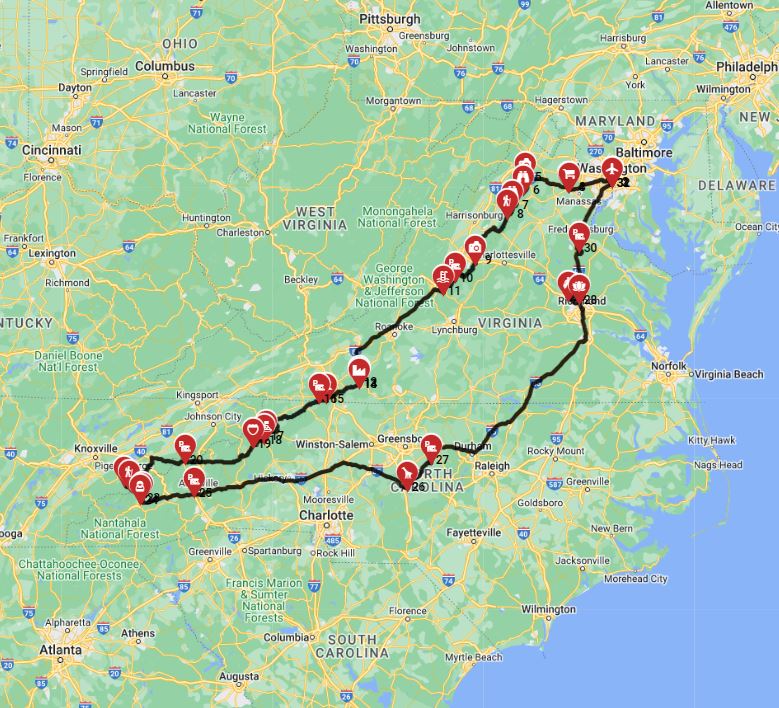
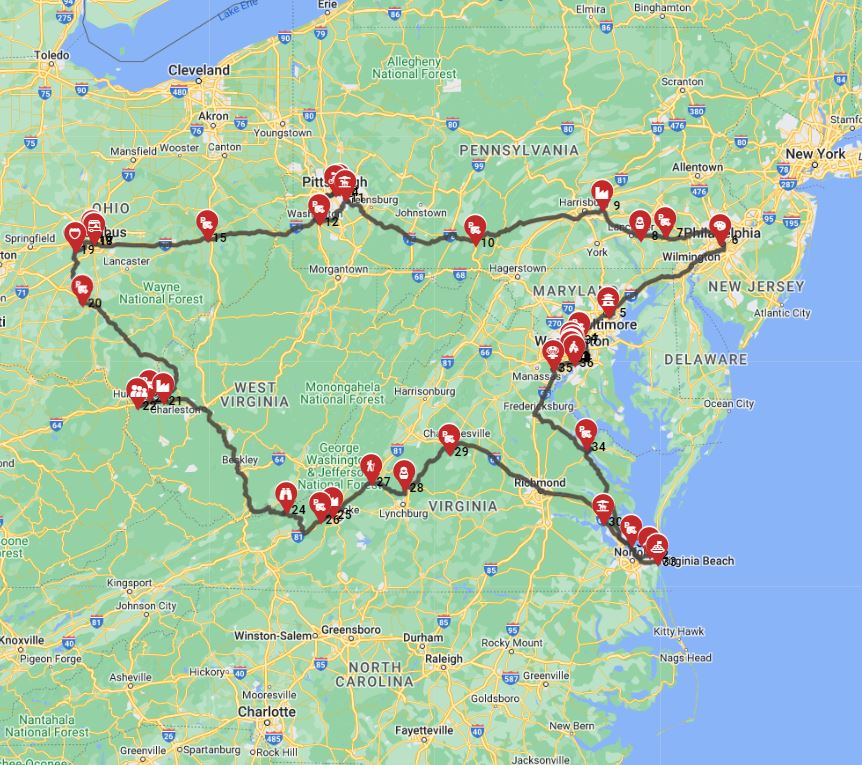
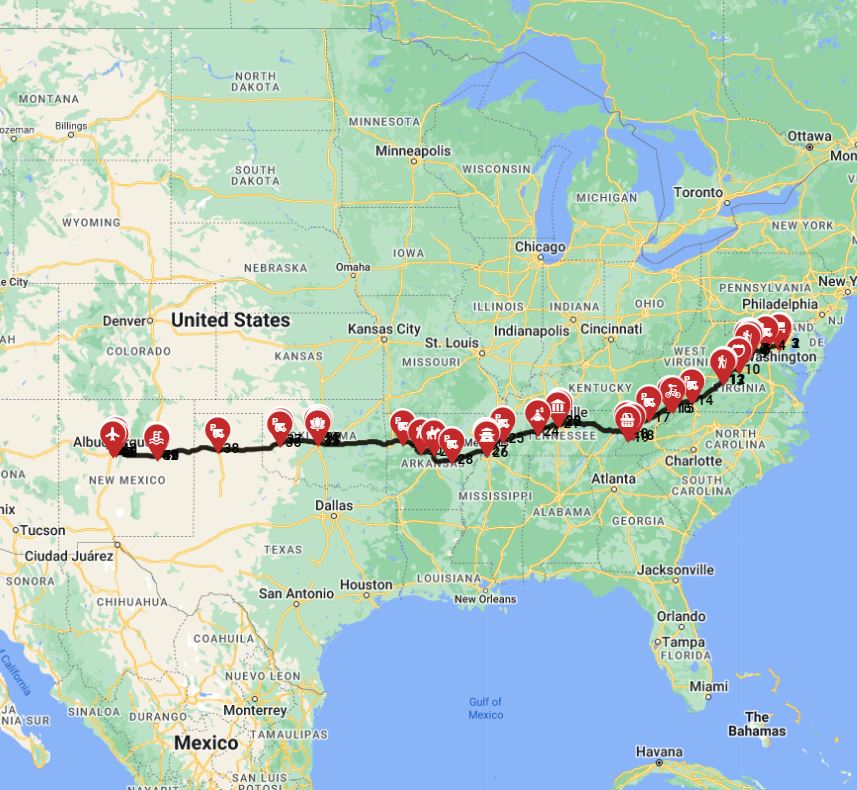
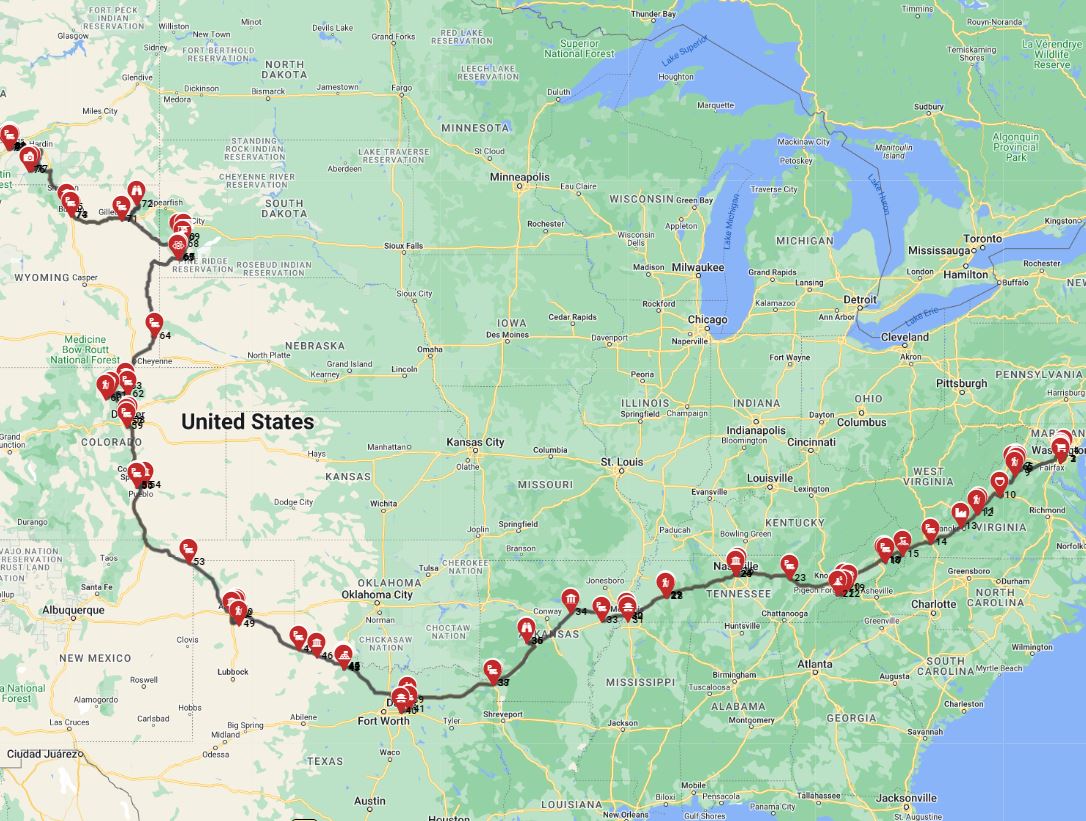
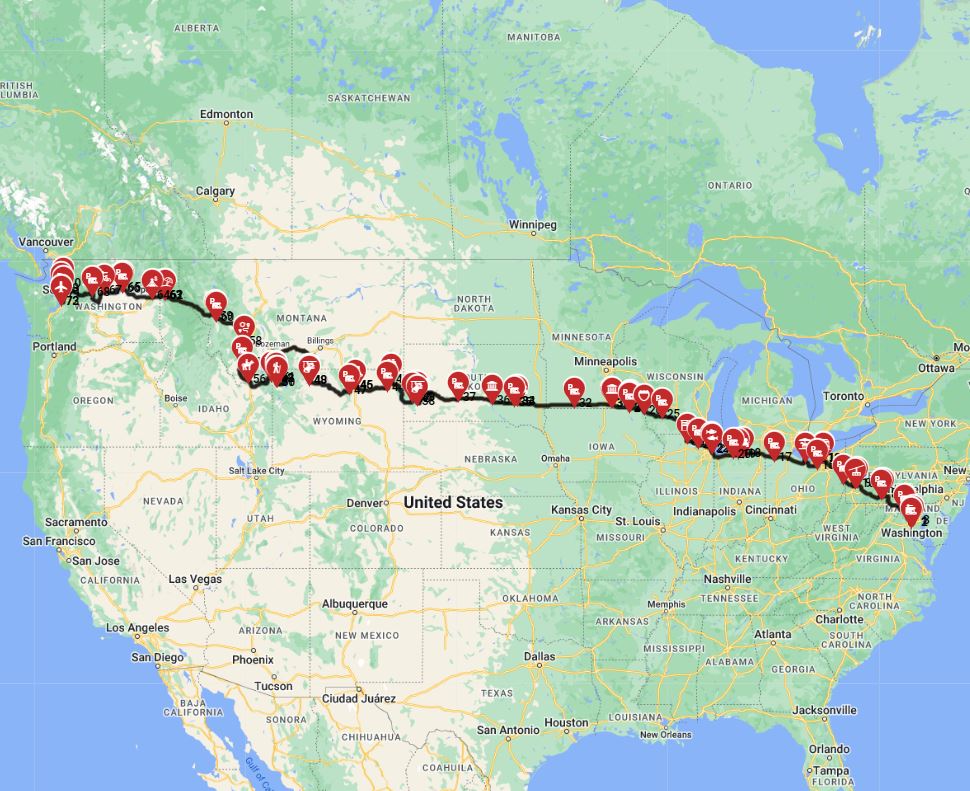
Applying the 3-3-3 rule to a Washington DC trip helps mitigate urban travel stress by allowing early arrival at campgrounds, securing preferred spots (especially important as popular parks like Cherry Hill can have limited day-of availability), and providing ample time to settle in before exploring the city. For instance, if you're coming from a distance, breaking up the 6361 km "Portland to Washington DC - From Pacific Trails to the Nation's Capital" route into 300-mile segments prevents rushed driving into the DC metro area.
This rule is particularly beneficial for RVers visiting Washington DC, as it encourages shorter driving days to avoid peak traffic around the metropolitan area and ensures sufficient time for using public transportation into the city without feeling rushed. By arriving early, you can set up your Class C motorhome or campervan, connect utilities, and still have time to plan your Metro route for evening activities.
By staying at least 3 nights, travelers gain full days for sightseeing in DC, reducing the frequency of packing up and relocating, which can be time-consuming with an RV. This allows for leisurely visits to the 11 Smithsonian museums or the countless monuments, rather than a hurried single-day rush.
What is the 444 rule for RVs?
The 4-4-4 rule for RVs is a variation of the 3-3-3 rule, recommending driving no more than 400 miles (approximately 640 km) a day, stopping by 4 PM, and staying for at least 4 nights, offering a slightly more extended travel day and stay duration. This approach provides a good balance between covering distance and enjoying your destination.
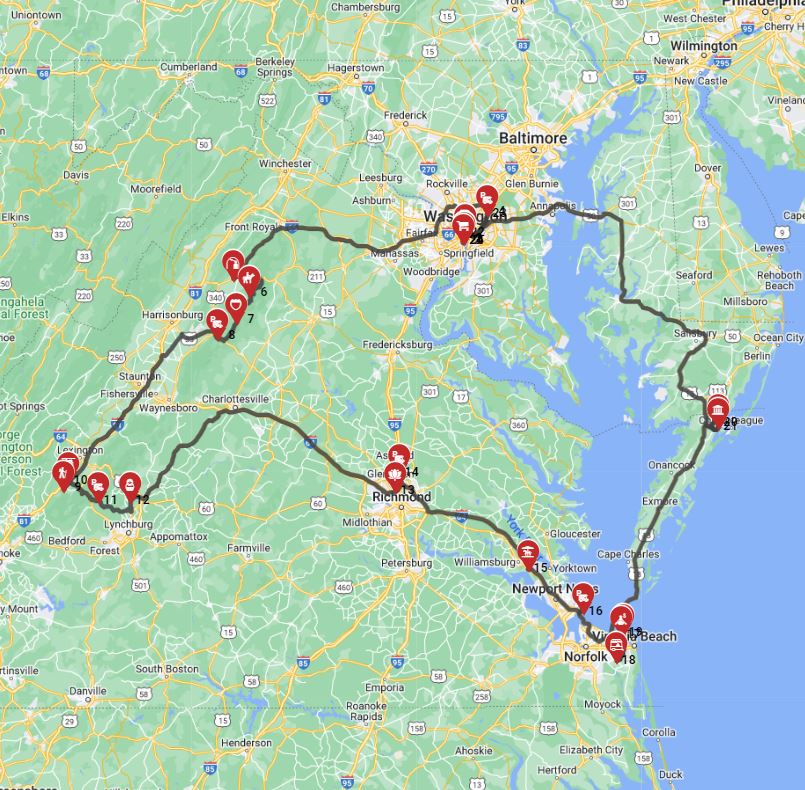
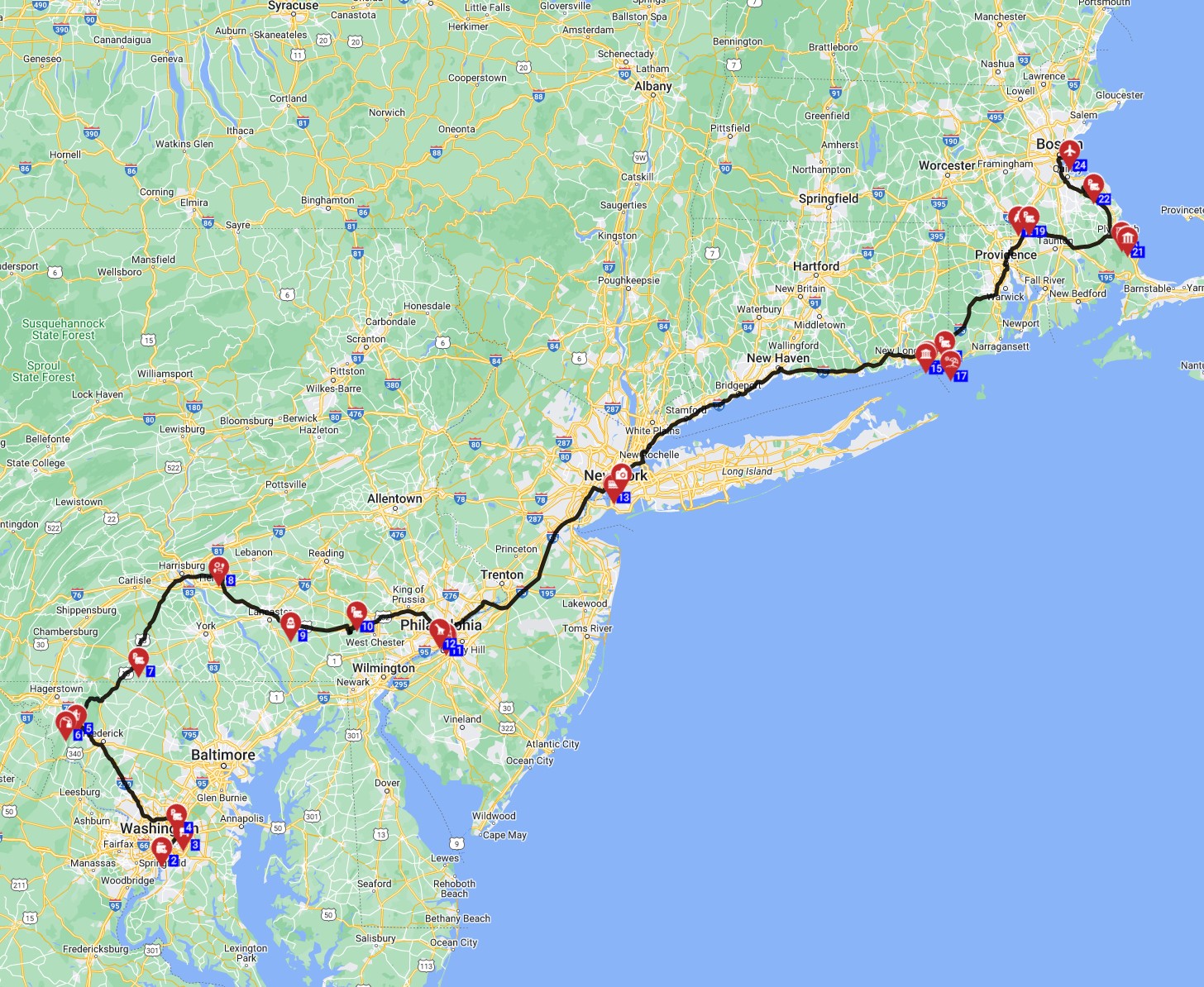
For a Washington DC RV trip, the 4-4-4 rule can be applied by planning for slightly longer drives to reach campgrounds further afield, while still ensuring arrival before dark and providing enough days for comprehensive exploration of the capital. For instance, if you are tackling a route like "
This rule is ideal for RVers who prefer a bit more ground coverage daily but still prioritize sufficient time at each destination, allowing for thorough engagement with DC's attractions (like its 3 major art galleries and numerous historical sites) and surrounding areas. It ensures you have at least 3 full days to experience the city before moving your rented motorhome.
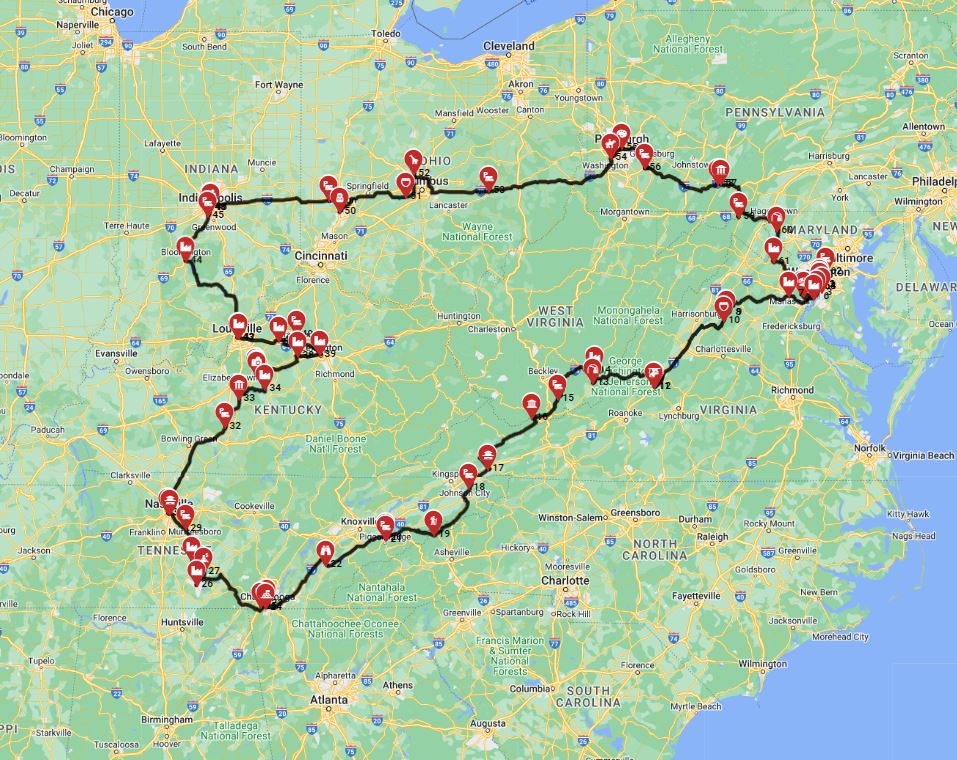
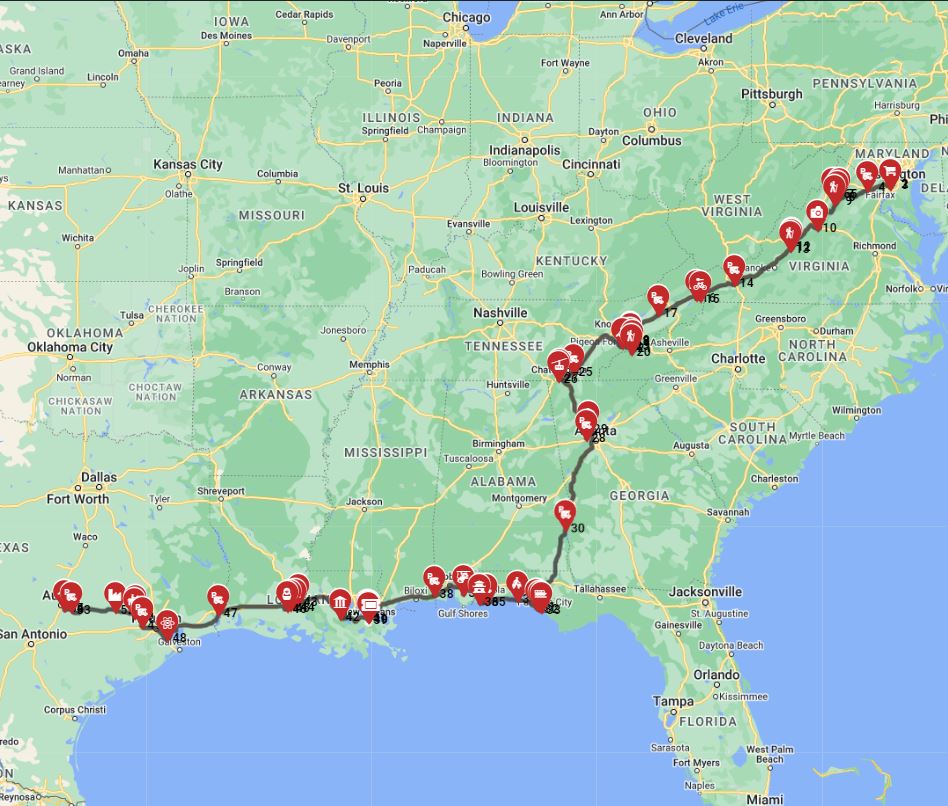
Integrating the 4-4-4 rule into your DC itinerary helps balance the desire to cover distance with the need for a relaxed pace, preventing burnout and ensuring a more enjoyable experience, especially when dealing with urban driving challenges. This is especially true when planning for longer trips, such as our "RV trip planner San Francisco to Washington DC motorhome road trip route", which spans 6034 km over 27 days and includes 7 hiking areas and 5 natural features.
What is the rule of 3 with an RV?
The 'rule of 3 with an RV' commonly refers to the same principle as the 3-3-3 rule, advocating for driving no more than 300 miles (480 km), stopping by 3 PM, and staying at least 3 nights to enhance safety, reduce stress, and allow for more immersive travel experiences. This core principle underpins comfortable and engaging RV travel.
For an RV trip to Washington DC, adhering to the rule of 3 mitigates stress by minimizing driving in heavy traffic, ensuring early check-in at campgrounds (where available spots can be competitive), and providing sufficient days to explore the numerous museums, monuments, and historical sites. For example, a 3-night stay at a campground like Fort Washington RV Park gives you two full days to explore the National Mall, easily accessible via public transit from the park.
This principle is particularly relevant for urban RVing near DC, where securing an early spot at a popular campground can be crucial, and having full days available for public transport excursions into the city improves the overall visitor experience. This allows you to truly connect with the culture, the food, and the scenery without feeling rushed, whether you're in a compact campervan or a spacious Class A motorhome like the "C-MEDIUM PLUS" (8.1m length) from Meridian RV.
Following the rule of 3 helps RVers, especially those new to large vehicles or city travel, maintain a sustainable pace, preventing fatigue and allowing for better enjoyment of their journey and destination. It emphasizes quality over quantity, ensuring you leave Washington DC with rich memories rather than exhaustion. For broader context on RVing in the area, consider our "RV Rental Virginia - Complete Guide 2026" for more state-specific information.
What You Shouldn't Miss
- The National Mall & Smithsonian Museums: Dedicate at least two full days to walk the National Mall, visiting free attractions like the Lincoln Memorial, Washington Monument, and the vast collection of Smithsonian museums. Park your RV at a suburban campground and use the Metro to get into the city; for example, from Cherry Hill Park, you can reach the National Mall via the Green Line.
- Georgetown's Charm: Explore the historic streets of Georgetown, known for its picturesque architecture, high-end boutiques, and diverse dining options. It's a fantastic spot for an evening stroll and a delicious meal.
- Old Town Alexandria: Just a short drive or Metro ride from DC, Old Town Alexandria offers cobblestone streets, colonial-era architecture, and waterfront views. It's a pleasant escape from the city's hustle and bustle, perfect for a slow travel afternoon.
- Mount Vernon Estate: Drive your rented RV south of DC to George Washington's Mount Vernon estate, a beautifully preserved piece of American history with stunning Potomac River views. This is an easy day trip from any southern DC campground.
- The International Spy Museum: For a unique and engaging experience, visit the International Spy Museum near L'Enfant Plaza, an interactive attraction that appeals to all ages.
- Looking for expert insights from Avi Bandana? Top 5 Adventures - recommendations from Avi Bandana.
Final Thoughts
A last-minute RV adventure to Washington DC offers a unique blend of history, culture, and outdoor freedom. While urban RVing demands a bit of strategic thinking, with careful planning around traffic, parking, and utilizing public transport, your trip can be incredibly rewarding. Imagine the flexibility of exploring historical sites by day and retreating to your comfortable motorhome at a peaceful campground by night.
At Bandana Caravan, we're with you before and during your booking, providing clear information and support to help you find the perfect rented campervan or motorhome. We believe in empowering you to live the journey, handling the details so you can focus on making unforgettable memories. Don't let last-minute plans deter you – a Washington DC RV trip is an experience waiting to happen!
Find Motorhome Rentals in Washington DC