In This Guide
- Can You Drive an RV in Washington DC? License & Age Rules
- Road Conditions & Terrain in Washington DC
- RV Size Limits, Bridges & Restricted Zones
- Fuel: Diesel vs. Petrol & Cost per 100 km
- Tolls, Vignettes & Border Rules
- Driving Tips for Weekend RV Rental Travelers
- Recommended RV Class for Washington DC Roads
- Should I Choose a Compact Van Instead of a Large RV in Washington DC?
- Can I Park Anywhere? Free & Wild Camping Rules in Washington DC
- Can I Drive an RV Into the City Center? Heights, Tunnels & Local Signage
- What is the 3-3-3 rule for RVs?
- Are RVs allowed in DC?
- What requirements do you need to drive an RV?
- Do you need a special license to drive an RV in Washington?
- Is Washington DC. RV friendly?
- Is there RV parking in Washington DC.?
- What happens if I don't get a Washington license after 30 days?
- How big of an RV can you drive without a special license?
- What color not to wear for driver's license?
- Can you get temporary RV insurance?
Embarking on a weekend RV driving adventure in Washington DC promises a unique blend of history, culture, and scenic beauty, all from the comfort of your own mobile home. While navigating a motorhome in a bustling capital city might seem daunting, with the right information and a bit of planning, it's an incredibly rewarding experience. For live availability and current prices, start with our RV Rental Washington DC - Complete Guide 2026 guide.
Bandana RV is here to make your journey seamless, offering full transparency with no hidden fees and 24/7 support from real people behind you before and after your booking. We genuinely know RV travel, and we love helping people discover the freedom it offers, even for a short, impactful trip to Washington DC.
Can You Drive an RV in Washington DC? License & Age Rules
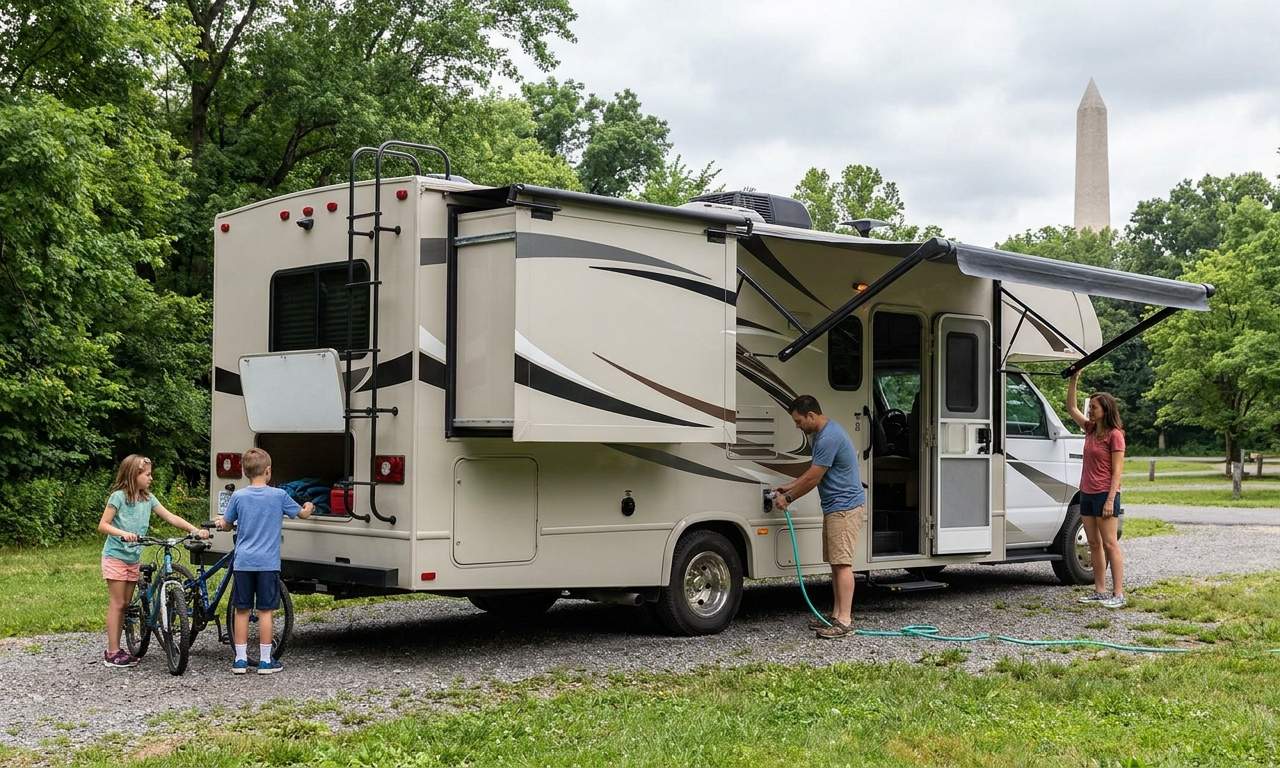
Yes, most rented RVs in Washington DC can be driven with a standard Class D driver's license, making it accessible for many travelers. This standard license is typically sufficient for vehicles under 26,001 pounds Gross Vehicle Weight Rating (GVWR), which covers the vast majority of rental motorhomes and campervans, including popular Class C models and Truck Campers. While the minimum age to hold a driver's license in D.C. is 18, many RV rental companies, including Bandana's partners, typically require drivers to be at least 21 years old for a weekend RV rental in Washington DC, with no additional young driver surcharges or vehicle class restrictions based on age.
Foreign visitors can generally drive a rented RV in Washington D.C. with their valid home country driver's license for up to six months. An International Driving Permit (IDP) is highly recommended for visitors from non-English-speaking countries to ensure smooth communication with authorities, though it is not mandatory in most cases.
Road Conditions & Terrain in Washington DC
Washington D.C.'s roads are primarily urban, characterized by dense traffic, occasional potholes, and unique historical street layouts, including numerous traffic circles. The terrain within D.C. is generally flat, presenting no major inclines or declines for motorhome travel, but navigating narrow streets, one-way systems, and areas with heavy pedestrian traffic requires heightened attention for RV drivers.
For a weekend RV rental trip, expect slower driving speeds, especially within the downtown core and around major attractions. It's smart to plan your routes carefully using a GPS with RV-specific routing to avoid peak congestion times, usually weekday mornings (7-9 AM) and evenings (4-6 PM), and ensure a relaxed experience. Embracing a "travel slowly" mindset, moving at a maximum of 100-150 km per day on average, will allow you to truly feel the place, connect to the culture, the food, and the scenery without stress.
RV Size Limits, Bridges & Restricted Zones
When driving a rented motorhome in Washington D.C., drivers must pay close attention to height restrictions due to numerous low-clearance bridges and tunnels, particularly near historic areas and parkways like the George Washington Memorial Parkway, where clearances can be as low as 9-10 feet. While specific weight limits apply to certain roads, most rental RVs will fall within general allowances; however, tight turns and limited maneuverability are common challenges on D.C.'s older streets.
Restricted zones exist around federal buildings, monuments, and diplomatic areas, and RV drivers should use GPS with RV-specific routing to avoid these areas and potential security checkpoints. Many D.C. streets, especially in Georgetown and Old Town Alexandria (just across the Potomac in Virginia), have narrow dimensions and tight turns, making larger RVs more challenging to navigate. Remember, you can drive slowly and carefully, and you can drive almost anywhere without issues. No need to stress - just use common sense and pay attention.
Fuel: Diesel vs. Petrol & Cost per 100 km
Both petrol (gasoline) and diesel are widely available at fuel stations throughout Washington D.C. and its surrounding areas, so you'll have no trouble finding either for your rented campervan. Bandana's Class C - Alcove RVs, for example, typically consume around 23 Liters per 100 Km, which, based on average 2026 fuel prices, would cost approximately $45-$60 per 100 km, depending on current market fluctuations. For comparison, a smaller Class TC - Truck Camper generally offers better fuel efficiency than larger Class C models due to its compact size and lighter weight, although specific consumption varies by unit.
It's always a good idea to factor fuel costs into your overall trip budget. On RV PLANET routes, travelers can itemize and track every expense along the way for easy budgeting. Some rental RVs from Bandana's partner suppliers may also include fuel discount cards, which can help mitigate costs for a weekend RV rental in Washington DC. On the routes offered through RV PLANET routes, you can itemize and track every expense along the way for easy budgeting.
Tolls, Vignettes & Border Rules
Washington D.C. itself does not have traditional toll roads within its borders, but travelers on a weekend RV rental will almost certainly encounter toll road, bridge, and tunnel networks in surrounding states like Maryland and Virginia when entering or exiting the city. The E-ZPass system is widely used for electronic toll collection in the D.C. metropolitan area and along much of the East Coast, offering convenience and often lower rates compared to cash payments or mailed bills.
RVers planning a weekend trip should consider acquiring an E-ZPass or utilizing rental RVs from Bandana's partner suppliers that allow pre-purchasing toll passes to avoid fines and streamline travel. Always check with your supplier regarding their toll policies. There are no border rules to consider when driving a rented RV between Washington D.C., Maryland, and Virginia, as they are all U.S. states, allowing for easy movement across state lines to find campgrounds or attractions.
Driving Tips for Weekend RV Rental Travelers
Navigating Washington D.C. in a rented motorhome for a weekend trip can be smooth with some preparation. Firstly, plan your route carefully using GPS apps with RV-specific routing to actively avoid known low bridges, narrow streets, and restricted federal zones. D.C. has many traffic circles, so know the rules-yield to traffic already in the circle-and take your time to merge safely.
For sightseeing within the city, it's often most efficient to park your RV at an outlying campground in Maryland or Virginia with convenient Metro access and use D.C.'s extensive public transportation system. Be mindful of parking security; when parking outside dedicated campgrounds, ensure your RV is secured and valuables are out of sight, especially in urban environments. Finally, consider seasonal impacts: D.C.'s famous cherry blossom season in spring and major events can significantly increase traffic and reduce parking availability, so plan accordingly and be prepared for potential summer heat or rare winter weather challenges.
Recommended RV Class for Washington DC Roads
For navigating Washington D.C.'s urban environment during a weekend RV rental, a Class TC - Truck Camper is highly recommended due to its compact size, with Bandana's fleet averaging around 5.9 meters in length, like the "Patagonia Camper 4x4 double cab" or "4x4 Scout Adventure Truck Camper Gold". These smaller motorhomes offer superior maneuverability and are easier to park in tighter spots or on the outskirts of the city compared to larger RVs. While a Class C - Alcove RV (averaging 7.7 meters, such as the "Cruise America RV Rental Example Explorer" with a length of 7.1m) can still be suitable for D.C., especially if drivers are confident with urban navigation and plan to park at campgrounds outside the city with good public transit links. For a two-week adventure or extended road trip, a larger Class C provides ample living space, a dedicated bathroom, and kitchen facilities, but requires more deliberate planning. For ideas you can prep on the road, watch our RV-friendly recipes playlist on YouTube.
The slightly smaller footprint of both Class TC and Class C, compared to very large Class A motorhomes like a "Class A - Thor ACE 30" (9.37m long), provides a better balance between interior comfort and city driving practicality for a weekend rental. Ultimately, the best choice depends on your comfort level with driving in urban settings and your group's space requirements for your RV rental Washington DC.
Should I Choose a Compact Van Instead of a Large RV in Washington DC?
For a weekend RV rental in Washington D.C., a larger RV like a Class C can be perfectly manageable, especially if your plan involves parking at a suburban campground and utilizing public transportation for sightseeing. While compact vans (often Class B motorhomes, like a "2 Berth Hi Top" or "Active Standard Auto") offer superior maneuverability and easier parking in extremely tight historic centers or dense residential areas, they sacrifice significant indoor space, amenities, and comfort. A Class B campervan, for instance, typically offers a fresh water tank of 30-100 liters, while a Class C like the "24' Class C Motorhome" might offer 166 liters, crucial for longer trips.
Opt for a compact van if your primary goal is to minimize vehicle size for quick, direct city navigation and you prioritize absolute ease of parking over living space. Stick with a Class C or Truck Camper if you value more living space, a dedicated bathroom, full kitchen facilities (such as a 3-burner gas stove and 150L refrigerator found in a "C-30" RV), and comfortable sleeping arrangements for a family of 2+2, accepting the need for more careful driving and parking planning outside the immediate city center.
🎬 Video coming soon
Can I Park Anywhere? Free & Wild Camping Rules in Washington DC
Within Washington D.C. itself, free and wild camping in a rented RV is generally illegal and not feasible, as the city has strict parking regulations and no designated areas for such activities. Overnight RV parking on city streets is typically prohibited or highly restricted, and any non-designated parking could result in significant fines or towing. The District Department of Transportation (DDOT) actively enforces these regulations, particularly around popular landmarks and residential areas.
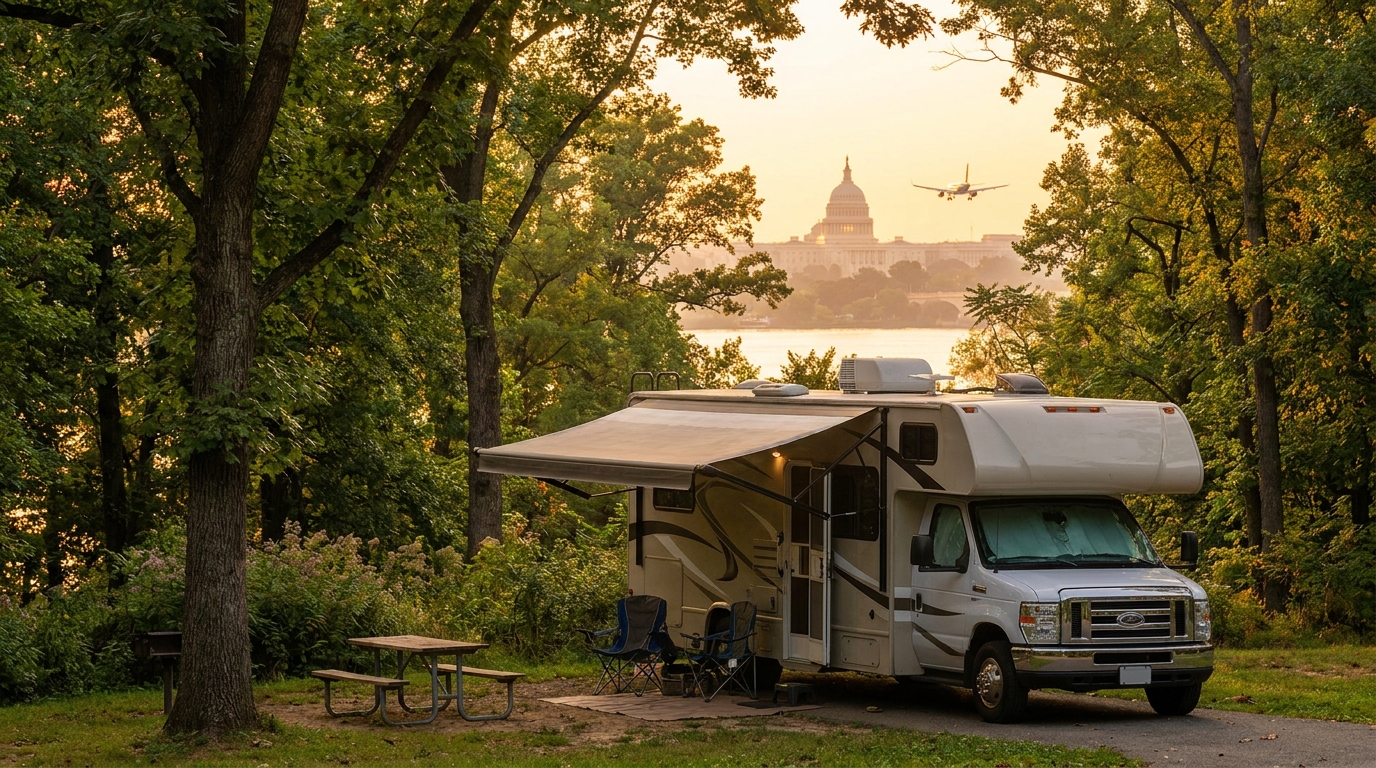
The best option for RVers visiting D.C. is to stay at official campgrounds or RV parks located in neighboring Maryland or Virginia, many of which offer shuttle services or easy access to Metro stations. For instance, Cherry Hill Park in College Park, MD, and Pohick Bay Regional Park in Lorton, VA, are popular choices. These suburban campgrounds provide necessary amenities like dump stations, potable water, and secure parking, which are unavailable for wild camping within the city. Always check local regulations and follow local law before parking overnight, as rules vary by region.
Can I Drive an RV Into the City Center? Heights, Tunnels & Local Signage
Yes, you can generally drive a rented RV into Washington D.C.'s city center, but it requires careful attention to specific local signage, especially concerning height limits, tunnels, and low bridges. Drivers must pay particular attention to posted height restrictions for underpasses and bridges, as these can be lower than typical highway clearances, particularly on scenic parkways like Beach Drive in Rock Creek Park, which has several historic bridges with low clearances. For example, some underpasses on the George Washington Memorial Parkway restrict vehicles over 10 feet. It is crucial to check your specific motorhome's height (e.g., a typical Class C motorhome is around 3.2 meters or 10.5 feet tall) against these limits.
Be aware of local signage for one-way streets, bus lanes (which RVs may not be permitted to use), and residential parking zones, which can restrict access or require permits. While D.C. does not have extensive environmental zones that typically restrict RVs, certain areas around federal buildings or monuments may have enhanced security or access restrictions. Remember, drive slowly and carefully, and you can drive almost anywhere without issues. No need to stress - just use common sense and pay attention.
What is the 3-3-3 rule for RVs?
The 3-3-3 rule for RVs is a popular guideline for safe and enjoyable RV travel, suggesting driving no more than 300 miles (approximately 480 km) a day, arriving at your destination by 3 PM, and staying for a minimum of 3 nights. This rule helps prevent driver fatigue, allows ample time for campsite setup and relaxation, and encourages a more immersive experience at each location, perfect for a leisurely weekend RV rental in Washington DC or a longer journey. Adhering to the 3-3-3 rule can significantly reduce stress and enhance safety, especially for those new to RVing or navigating unfamiliar urban environments like Washington D.C. and its surrounding areas. We recommend even slower travel, aiming for max 100-150 km per day on average, to truly connect with the local culture and scenery.
Are RVs allowed in DC?
Yes, rented RVs are generally allowed on Washington D.C. roads, though specific driving and parking regulations apply, making navigation and especially overnight stays within the city challenging. While you can drive through and into D.C. with a motorhome, the city's infrastructure, characterized by narrow streets, heavy traffic, and limited parking, is not optimized for large vehicles. However, with careful planning and by selecting a suitable size, like a compact Class B campervan such as a "Category Van" (averaging 5.9 meters in length), it is entirely feasible.
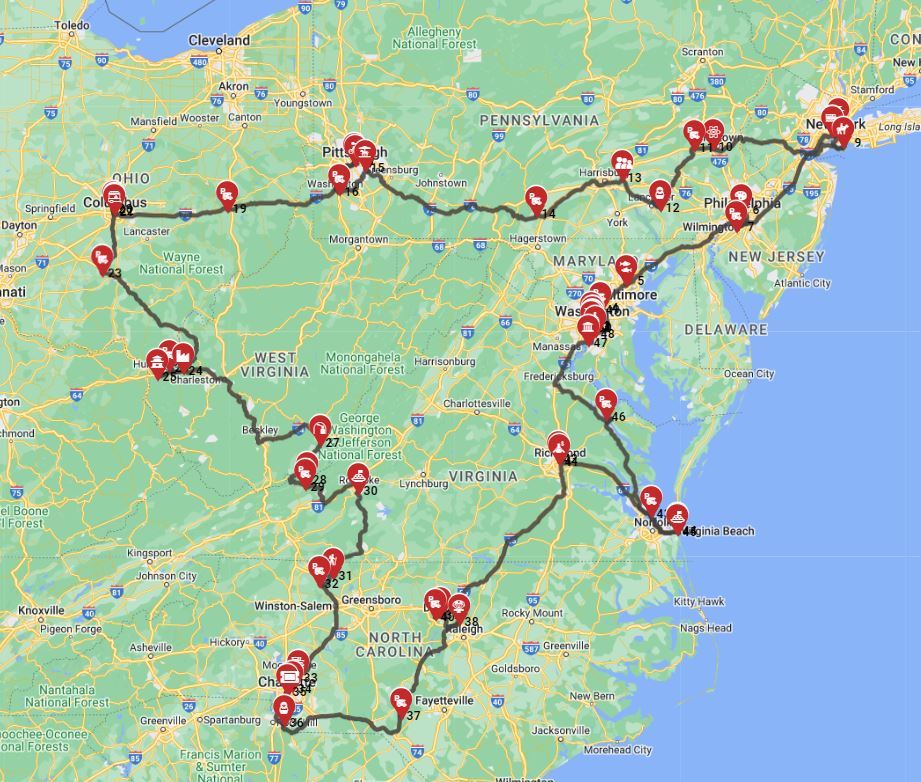
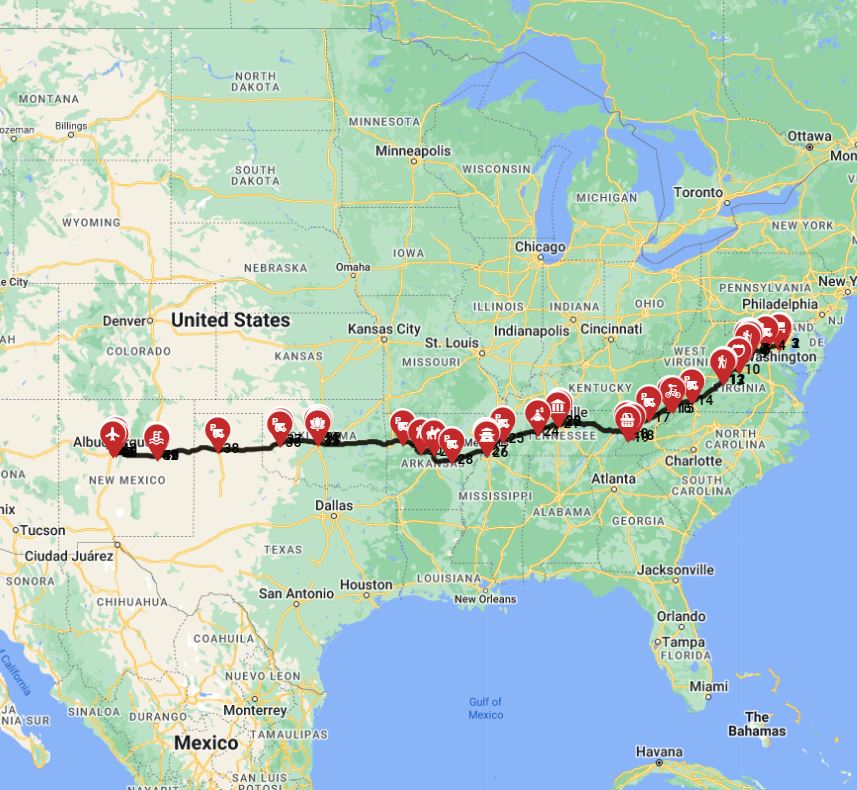
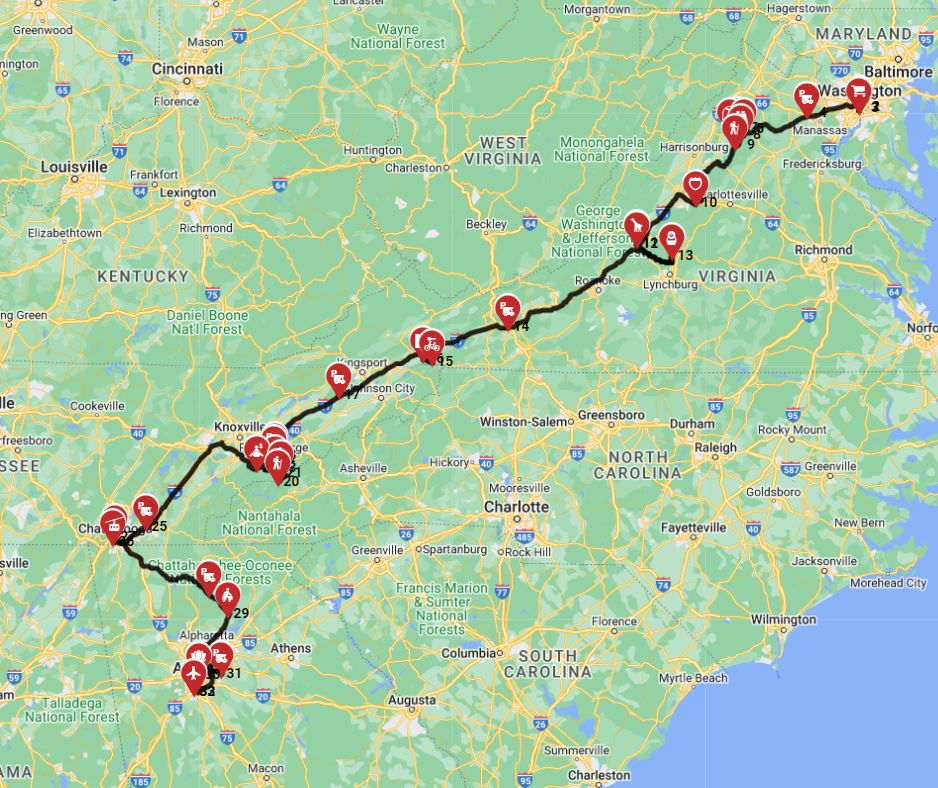
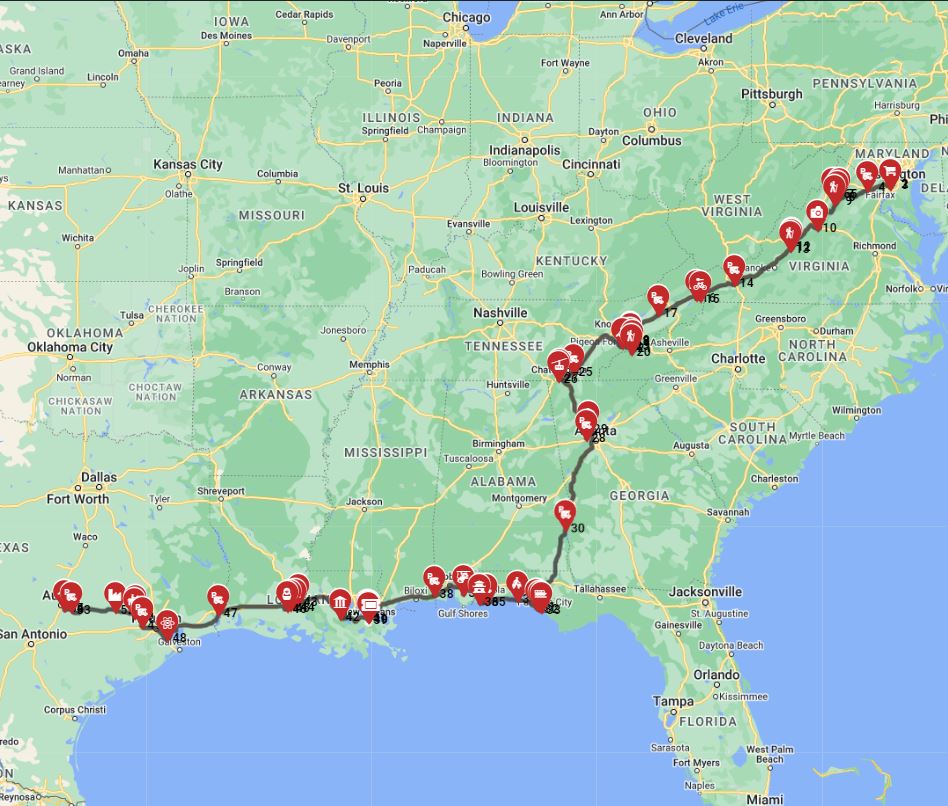
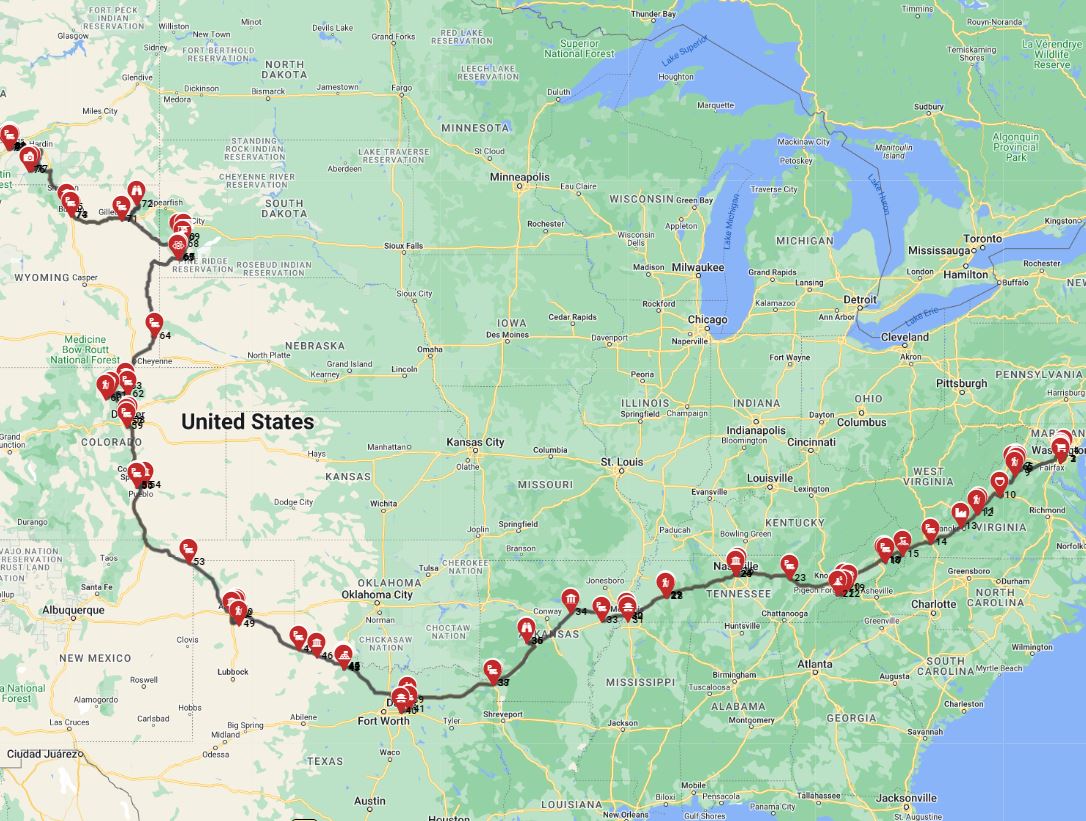
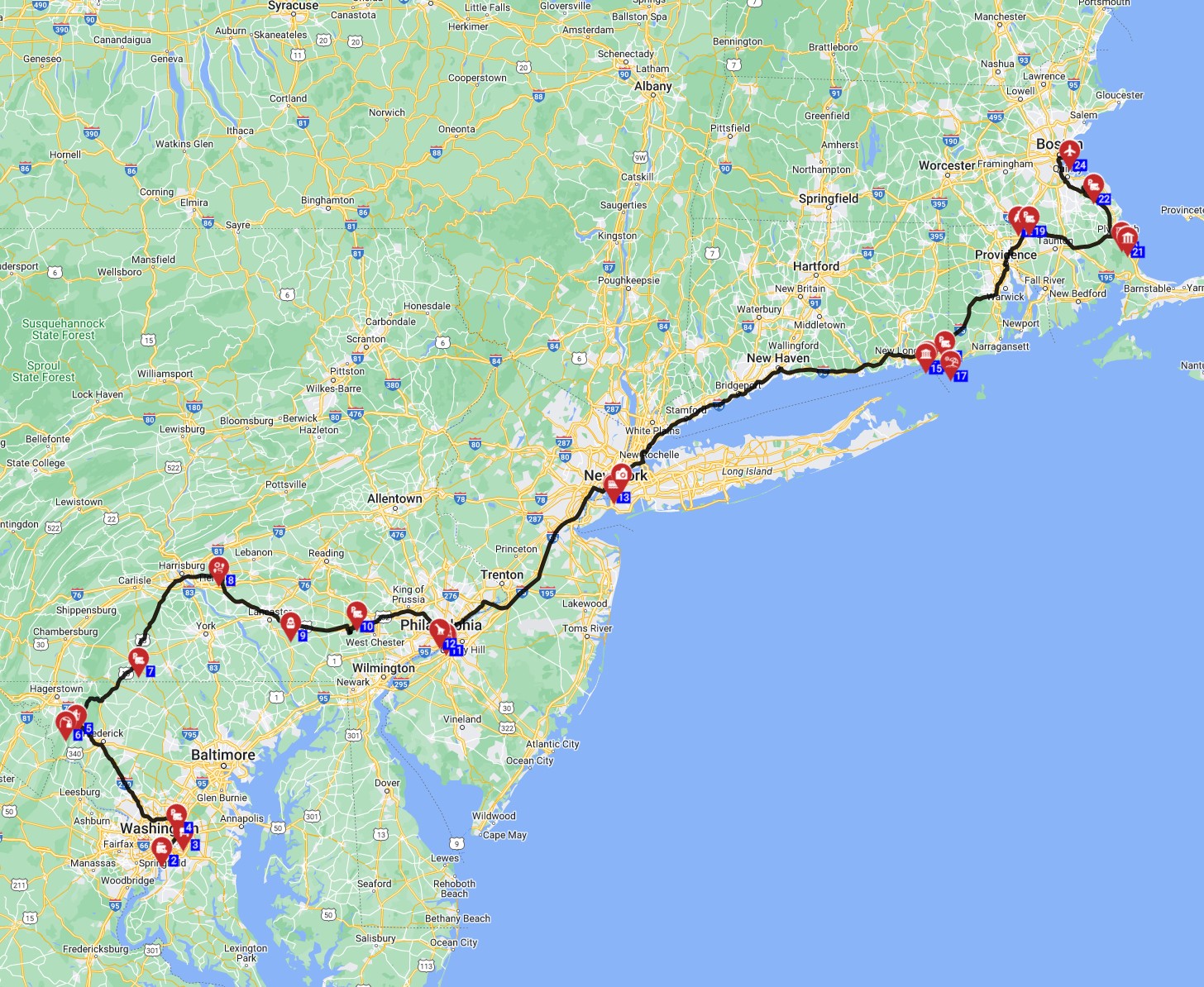
Visitors often find it more practical for their weekend RV rental to park their RVs at campgrounds in neighboring Maryland or Virginia and use public transportation, such as the Metro, to access D.C. attractions. This approach combines the flexibility of an RV with the convenience of city transit. Our route plans on RV PLANET provide itineraries that include strategic parking locations outside the immediate city center, ensuring a smooth Washington DC experience.
What requirements do you need to drive an RV?
To drive most recreational vehicles in the U.S., including those available for a weekend RV rental in Washington DC, you typically need a standard Class D driver's license. This standard license is sufficient for operating RVs with a Gross Vehicle Weight Rating (GVWR) under 26,001 pounds, which covers the majority of rental Class C motorhomes and Class B campervans. For example, a "29′ Class C Motorhome" (a common rental size) would fall within this limit.
Some larger RVs (specifically, Class A motorhomes over 26,001 lbs or those equipped with air brakes) might require a non-commercial Class B or A license endorsement, but this is highly uncommon for typical weekend rental units offered by Bandana's partners. Additionally, rental companies often have minimum age requirements, which are 21 years old for all vehicle classes through Bandana Caravan, regardless of state licensing laws.
Do you need a special license to drive an RV in Washington?
No, for the vast majority of motorhomes and campervans, including common rental classes like Class C and Truck Campers, a standard car driver's license is sufficient in Washington D.C. The requirement for a special Commercial Driver's License (CDL) or other endorsements typically applies only to vehicles exceeding 26,001 pounds GVWR or those carrying hazardous materials for commercial purposes, which does not generally include personal RV rentals for a weekend trip. You can comfortably drive a family-sized motorhome like the "MH-B" which sleeps up to 6 people, or a compact "DVC" which sleeps 2, with your regular license.
Out-of-state visitors with a valid standard driver's license from their home state are typically permitted to drive a rented RV in Washington D.C. without additional endorsements, provided their license is valid for the vehicle class they are renting. An International Driving Permit (IDP) is recommended for non-English speaking visitors, but not strictly mandatory in most cases for short-term rentals.
Is Washington DC. RV friendly?
Washington D.C.'s urban environment, characterized by tight streets and scarce RV parking, generally makes it a challenging destination for direct RV travel, leading many to consider it not "RV friendly" in the traditional sense. While RVs are not prohibited on most roads, the practicalities of navigating dense traffic, finding appropriate parking, and adhering to urban regulations mean that a visit requires significant pre-planning and often involves staying outside the city limits.
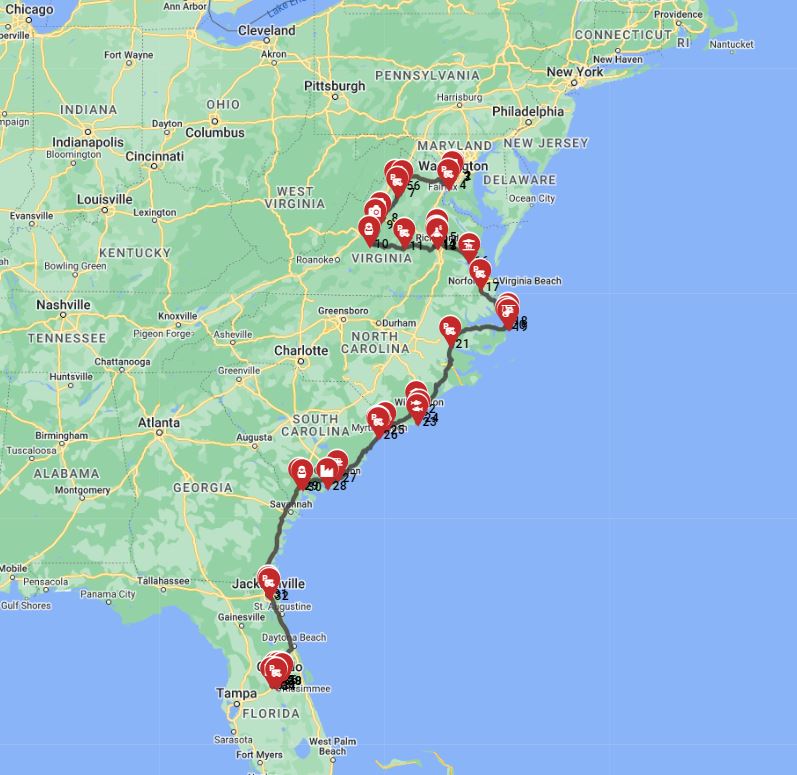
Its "friendliness" depends heavily on an RVer's willingness to utilize park-and-ride options, public transit, and accept that the rented RV will primarily serve as transport to a suburban campground rather than a direct city tour vehicle. For example, planning a "
Is there RV parking in Washington DC.?
Finding dedicated, suitable RV parking within Washington D.C. itself is extremely challenging, as most options are expensive hourly parking garages with strict height restrictions (often under 8 feet) or metered street parking unsuitable for large vehicles or overnight stays. Overnight RV parking on D.C. streets is generally prohibited, and there are no designated RV campgrounds within the city limits. This is a common hurdle for those on a weekend RV rental in Washington DC.
The most practical solution for RV parking when visiting Washington D.C. is to secure a spot at an RV-friendly campground in neighboring Maryland or Virginia, such as Cherry Hill Park (College Park, MD), which offers direct bus service to the Metro, or Pohick Bay Regional Park (Lorton, VA). These suburban campgrounds offer the necessary space, hookups (e.g., 30-amp or 50-amp power, water, sewer), and security that are non-existent within the urban core of D.C. Always call ahead to verify availability and transit options.
What happens if I don't get a Washington license after 30 days?
Failing to secure a Washington D.C. driver's license within 30 days of establishing residency can result in legal repercussions, including fines and potential suspension of driving privileges. The District of Columbia mandates that new residents obtain a D.C. driver's license and register their vehicles within 30 days of moving to the city. However, this regulation primarily applies to new residents, not out-of-state visitors on a weekend RV rental who are merely passing through or visiting for a short period. As long as your home state driver's license is valid, you're good to go for your rental motorhome adventure.
How big of an RV can you drive without a special license?
In most U.S. states, including Washington D.C. and its surrounding areas, you can typically drive a rented RV with a Gross Vehicle Weight Rating (GVWR) of up to 26,000 pounds with a standard Class D driver's license. This 26,000-pound threshold covers the vast majority of rental motorhomes and campervans, including all Class C models (like Bandana's 7.7m average length units, such as a "MHC24" with a GVWR well within this limit) and Class TC Truck Campers (averaging 5.9m in length). RVs exceeding this weight may require a non-commercial Class B or A license, depending on the state, but such large units are rarely encountered in typical weekend rental fleets, focusing on accessibility for the average driver. Bandana Caravan exclusively focuses on motorhomes and campervans that meet these standard license requirements.
What color not to wear for driver's license?
Most jurisdictions, including Washington D.C., do not mandate specific clothing colors for driver's license photos, but contrast with the background is recommended to ensure a clear image. It is generally advisable to avoid wearing white or very light colors if the photo background is also light, as this can cause you to blend into the background and make it difficult for facial features to stand out. Conversely, wearing very dark colors can sometimes absorb too much light, making details less distinct; a mid-range color or a patterned outfit usually works best for contrast. This general advice applies universally, whether you're getting your first license or renewing an existing one, making sure your RV adventure starts with a clear photo.
Can you get temporary RV insurance?
Yes, temporary RV insurance, often referred to as short-term or pay-per-mile insurance, is available and perfectly suitable for specific trips like a weekend RV rental in Washington D.C. This type of insurance provides coverage for a limited duration, typically ranging from a few days to several months, ideal for renters who don't own an RV or whose personal auto insurance policy doesn't extend to rental RVs. Many rental companies offer various insurance options as part of the rental agreement, and you can also upgrade to a top-level deductible for extra peace of mind. Bandana RV works directly with 50+ leading RV suppliers worldwide, ensuring a wide range of transparent insurance choices.
What You Shouldn't Miss
- **Explore the National Mall:** Walk among iconic monuments like the Lincoln Memorial and Washington Monument. Park your rented motorhome at a nearby Metro station and take public transport in for easy access.
- **Visit the Smithsonian Museums:** Immerse yourself in free museums like the National Air and Space Museum or the National Museum of Natural History. Many are concentrated around the Mall, making them easily walkable once you arrive.
- **Discover Georgetown's Charm:** Wander through the historic streets of Georgetown, known for its elegant architecture, boutique shops, and delicious dining. Find parking for your campervan a bit further out and enjoy a stroll.
- **Take a Capitol Hill Tour:** Experience the U.S. Capitol Building and Library of Congress, marveling at their grandeur and historical significance. Public tours often require advance booking.
- **Relax at Great Falls Park:** Just a short drive outside the city, this National Park offers stunning views of cascading waterfalls on the Potomac River. It’s perfect for a short hike or a scenic picnic with your rented RV.
Looking for expert insights from Avi Bandana? Top 5 Adventures - recommendations from Avi Bandana
Final Thoughts
A weekend RV rental in Washington DC offers an incredible opportunity to explore the nation's capital and its surrounding scenic areas with freedom and flexibility. While city driving and parking require careful planning, the convenience of having your mobile home with you, coupled with excellent nearby campgrounds and public transport access, makes for a memorable adventure. Embrace the slow travel mindset, take your time, and enjoy every moment.
At Bandana Caravan, we're dedicated to supporting your journey from the first click to your confirmed booking and beyond. Our commitment to full transparency and personalized support ensures you'll have everything you need for a fantastic Washington DC RV trip. Get inspired for your next trip and discover top destinations, planning tips, all in one place!
Find Motorhome Rentals in Washington DC