In This Guide
- Can You Drive an RV in Washington DC? License & Age Rules
- Road Conditions & Terrain in Washington DC
- RV Size Limits, Bridges & Restricted Zones
- Fuel: Diesel vs. Petrol & Cost per 100 km
- Tolls, Vignettes & Border Rules
- Driving Tips for RV Rental Travelers
- Recommended RV Class for Washington DC Roads
- Should I Choose a Compact Van Instead of a Large RV in Washington DC?
- Can I Park Anywhere? Free & Wild Camping Rules in Washington DC
- Can I Drive an RV Into the City Center? Heights, Tunnels & Local Signage
- Is Washington, D.C. RV friendly?
- How much does it typically cost to insure an RV?
- Who is the best insurance company for RV?
- How much is insurance on a $200,000 RV?
- Getting Around Washington DC: RV Parks to Metro
- Pre-Trip Urban RVing Checklist for Washington DC
- Beyond the Mall: RV-Friendly Excursions Near Washington DC
- Total Cost of an RV Trip to Washington DC
- What You Shouldn't Miss
- Final Thoughts
- Frequently Asked Questions
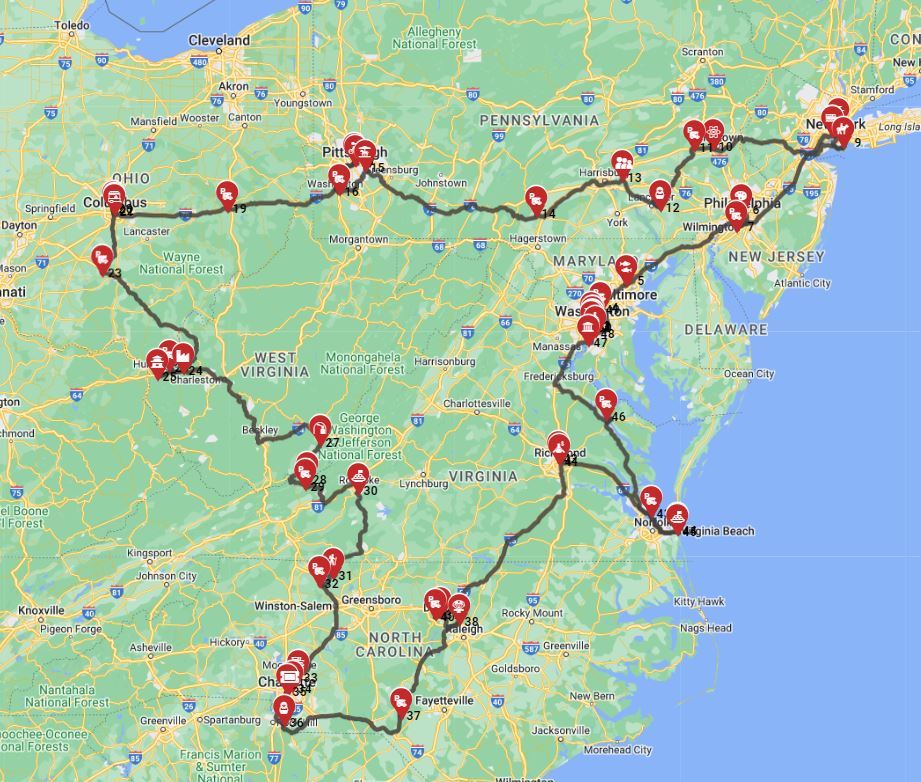
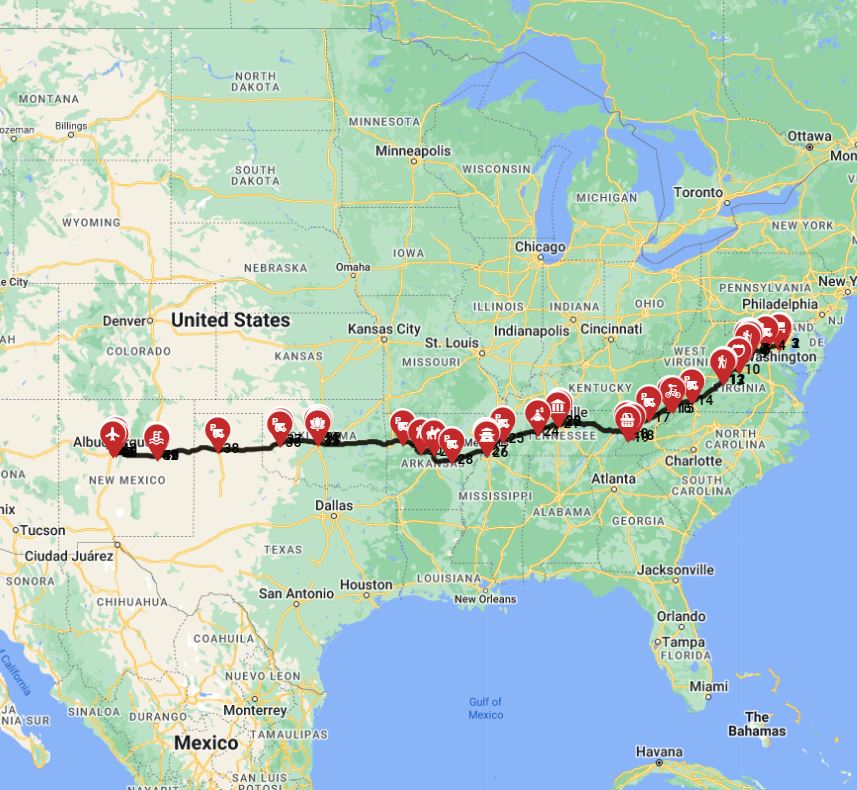
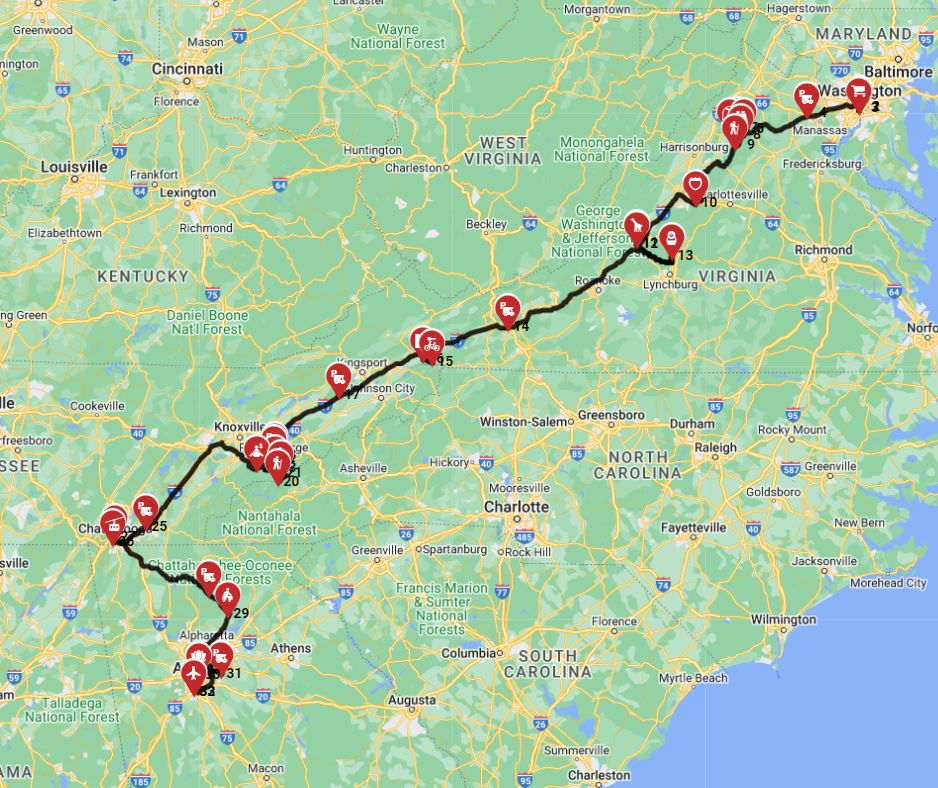
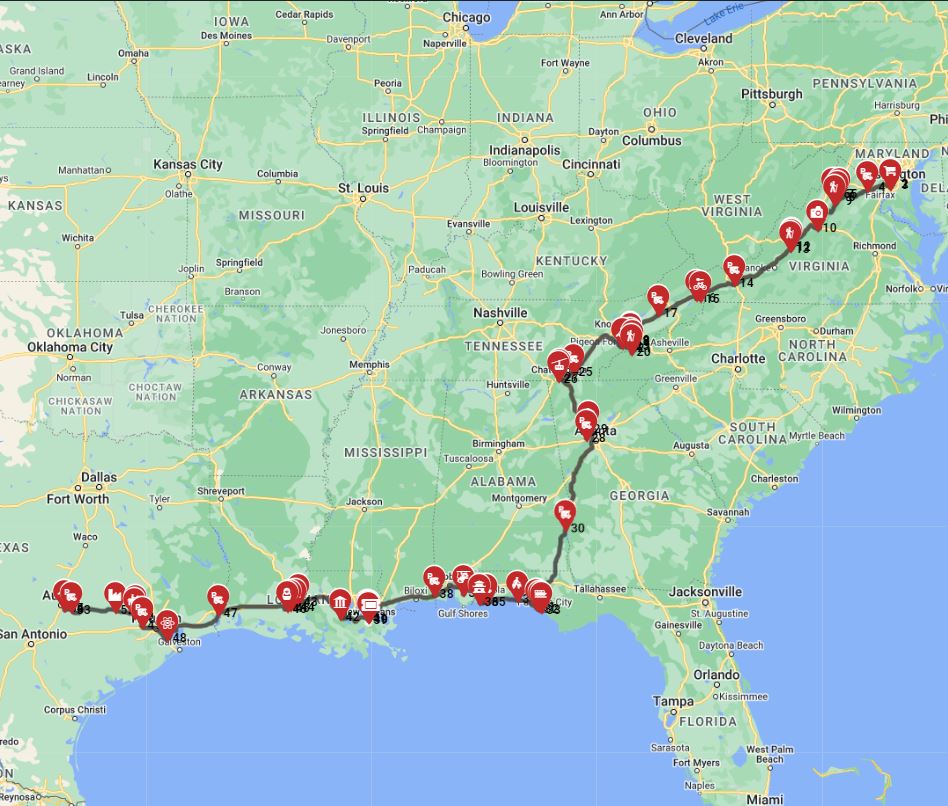
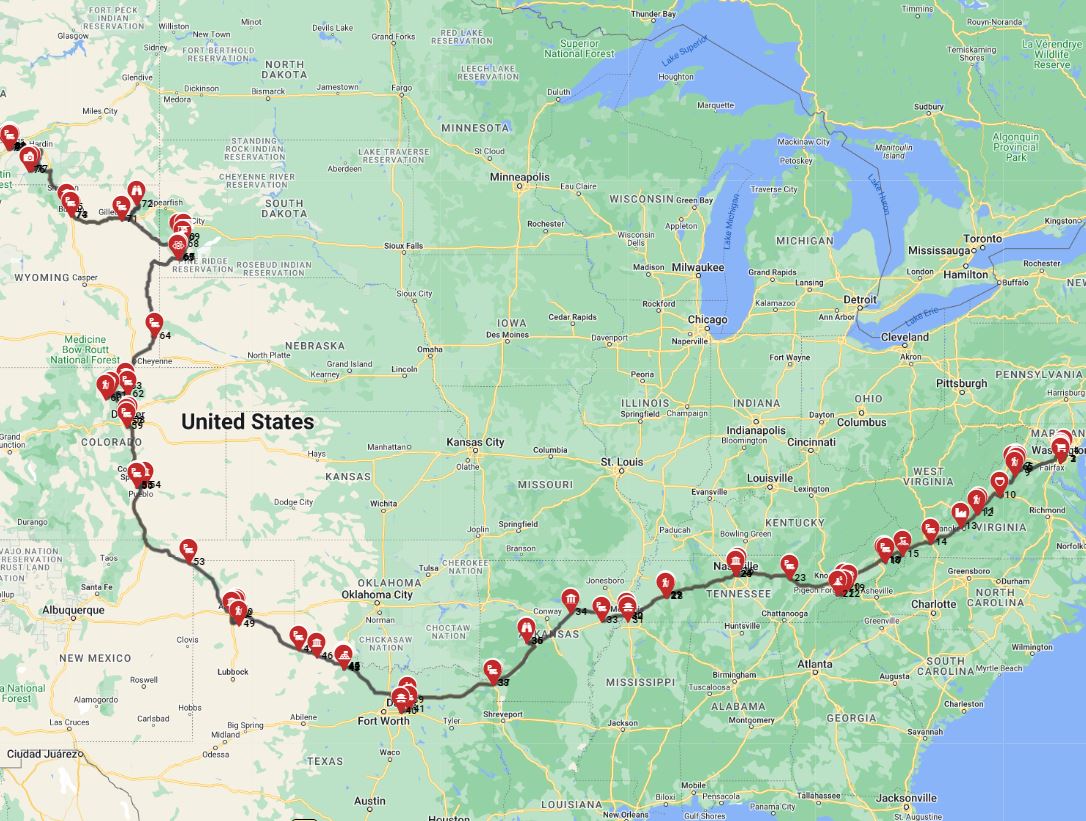
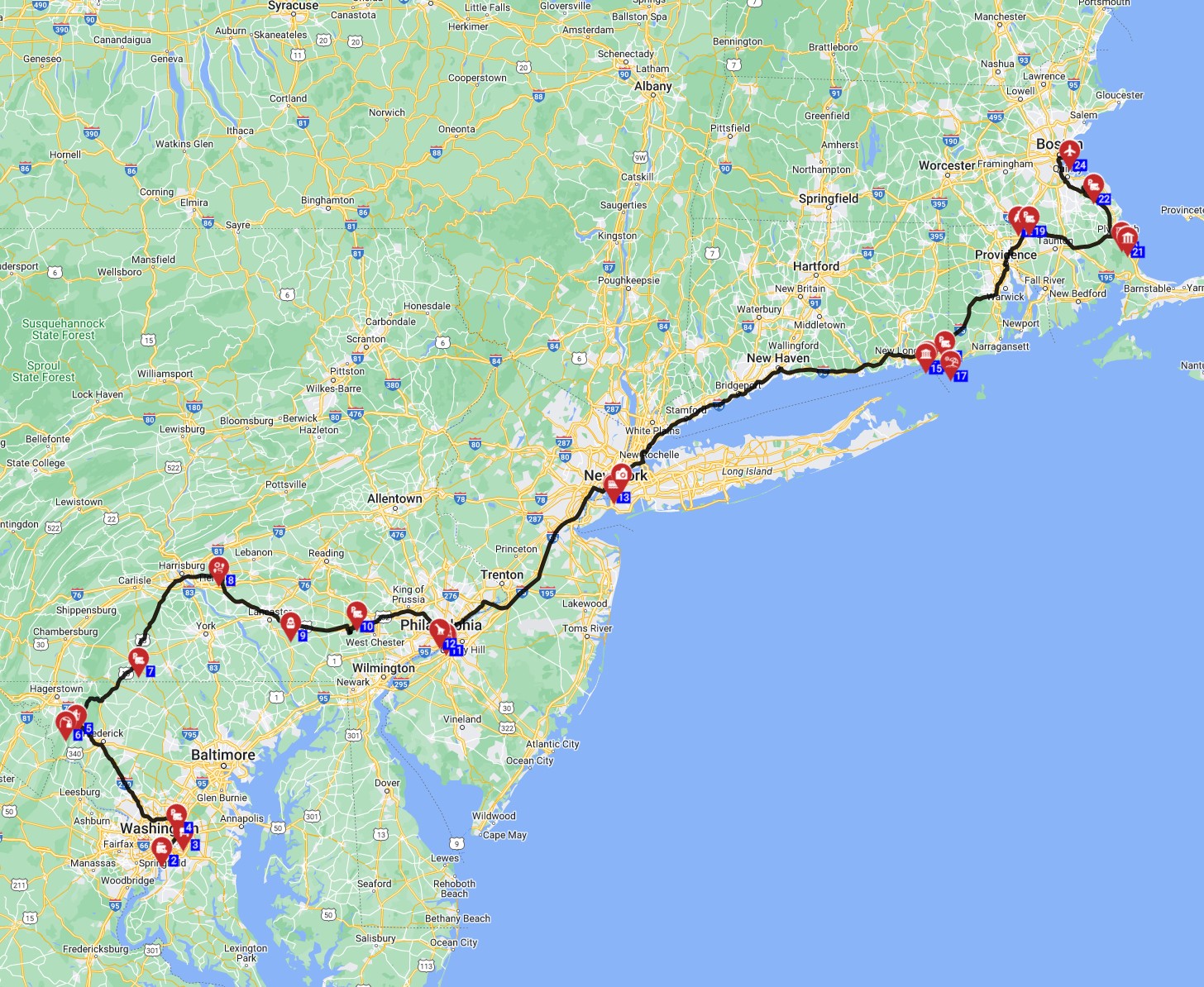
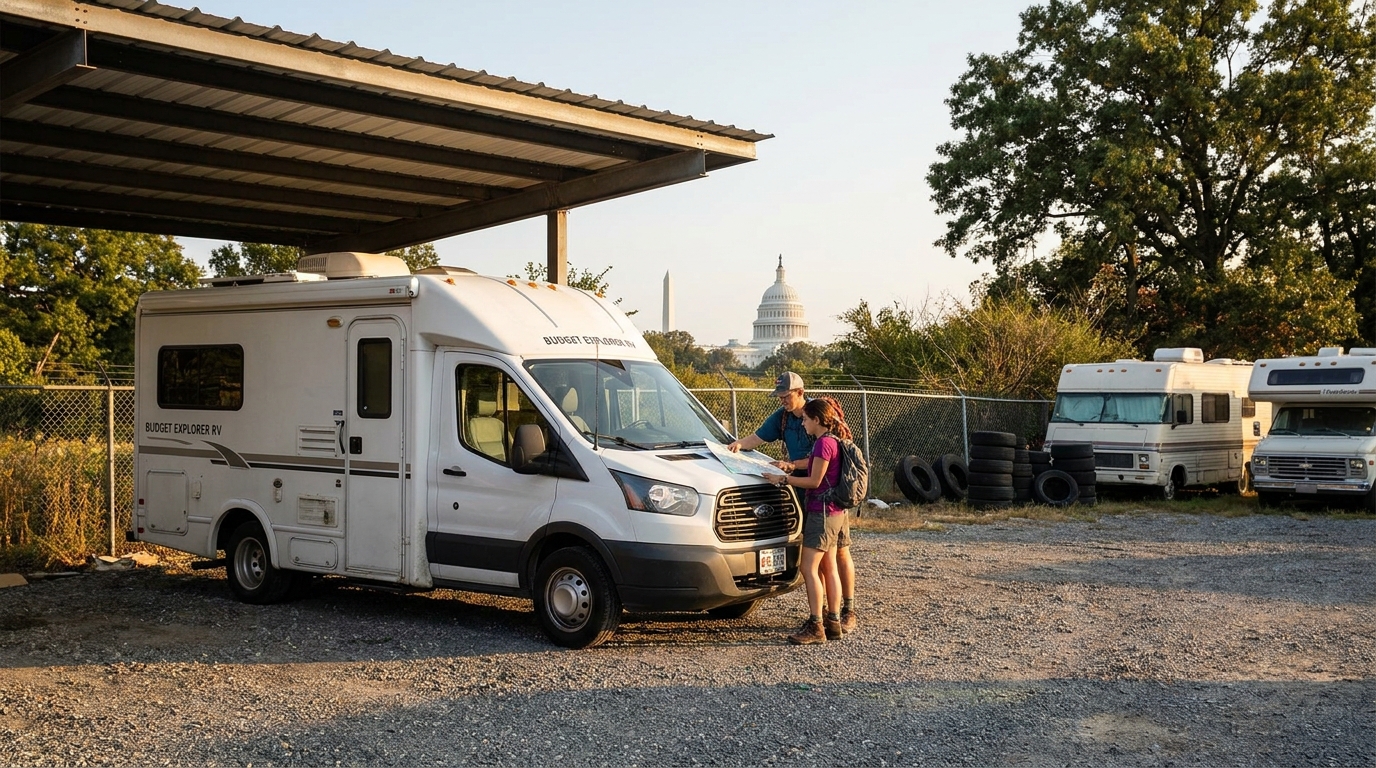
Embarking on a week-long RV driving tour in Washington DC offers an unparalleled way to explore the nation's capital and its beautiful surrounding regions at your own pace. With a rented motorhome, you gain the freedom to experience iconic landmarks, vibrant neighborhoods, and scenic escapes with all the comforts of home on wheels. For live availability and current prices, start with our RV Rental Washington DC - Complete Guide 2026 guide.
Can You Drive an RV in Washington DC? License & Age Rules
Most RVs under 26,000 lbs, including popular Class B campervans and Class C motorhomes, can be driven in Washington DC with a standard Class D driver's license. This means you won't need any special permits or a Commercial Driver's License (CDL) for the vast majority of rental motorhomes available.
A minimum driver age of 21 is typically required by rental companies for RV rentals in Washington DC, even though state law might allow younger drivers for standard licenses. Foreign drivers can generally use their valid home country license for up to 60 days, and an International Driving Permit (IDP) is highly recommended for visitors from non-English-speaking countries to supplement their national license for clearer identification.
Road Conditions & Terrain in Washington DC
Washington DC's road conditions are generally well-maintained, but urban areas feature heavy traffic, occasional potholes, and frequent construction, which requires attentive driving. The terrain around DC is mostly flat to gently rolling, offering straightforward driving outside the immediate city grid.
Navigating numerous traffic circles, narrower streets in historic districts like Georgetown, and the city's many bridges requires careful attention and patience. Drive slowly and carefully, and you can drive almost anywhere without issues. No need to stress - just use common sense and pay attention to road signs, pedestrians, and cyclists.
RV Size Limits, Bridges & Restricted Zones
While specific height and length restrictions vary by exact location within Washington DC, RV drivers should be vigilant for signage indicating low bridges, tunnels, and restricted lanes, particularly on parkways like the George Washington Memorial Parkway. For instance, some underpasses in the city center may have clearance as low as 10 feet, so knowing your rented RV's exact height is critical.
Many urban areas have height restrictions for parking garages, typically around 6-8 feet, making street parking or dedicated RV parking lots essential for larger motorhomes. There are no explicit environmental zones requiring special permits for RVs in DC, but some historic areas or residential streets may have length or weight restrictions, so always observe local signage. Remember, Bandana RV offers full transparency with no hidden fees or surprises, ensuring you know exactly what to expect with your booking.
Fuel: Diesel vs. Petrol & Cost per 100 km
The choice between diesel and petrol (gasoline) for RVs in Washington DC depends on the specific rented vehicle, with most larger Class C and Class A motorhomes often running on diesel, while Class B campervans and smaller Class SI units can be either. Always confirm the fuel type of your rental before hitting the road.
For Bandana's global fleet, common fuel consumption for a Class SI RV averages 10.33 Liters/100 km, a Class C RV averages 11 Liters/100 km, and a Class B Camper Van averages 9.5 Liters/100 km. Fuel costs in the Washington DC area are variable, reflecting national and local market fluctuations; renters should check current regional prices as they fluctuate daily. On the routes offered through RV PLANET routes, you can itemize and track every expense along the way for easy budgeting.
🎬 Video coming soon
Tolls, Vignettes & Border Rules
Washington DC itself does not have tolls for entering the city, but surrounding highways and bridges in Maryland and Virginia leading into the metropolitan area frequently utilize electronic tolls. Major toll roads around DC include portions of the I-95, I-495 (Capital Beltway Express Lanes), and the Dulles Toll Road, which often operate via cashless systems like E-ZPass.
To avoid fines, RV renters can often pre-purchase or rent toll transponders (like E-ZPass) from their rental provider, ensuring seamless travel through toll plazas. This makes budgeting for ancillary costs like tolls much easier, and for comprehensive trip budgeting, exploring RV PLANET routes allows travelers to itemize and track every expense along the way for easy budgeting.
Driving Tips for RV Rental Travelers
Planning your route in advance is crucial, utilizing GPS systems that allow for RV-specific dimensions to avoid low bridges and restricted roads, especially in downtown DC. Always allow ample time for travel, as heavy traffic is common in the Washington DC metropolitan area, particularly during rush hours, often requiring frequent stops every 2-3 hours for rest and refueling.
Familiarize yourself with your rented RV's exact dimensions, particularly its height and length, before departing to safely navigate underpasses and through urban environments. Consider using park-and-ride Metro stations outside the immediate city center, as driving and parking a large RV within DC's core can be challenging and expensive. Also, keep an eye on large trucks' speed limits, as they often differ from cars in certain areas, and remain in appropriate lanes for RVs.
Our team at Bandana RV are true RV specialists, not just a travel agency side department. We love helping people discover RV travel, and these detailed driving tips are part of our commitment to supporting you before, during, and after your booking.
Recommended RV Class for Washington DC Roads
For navigating Washington DC's urban environment, a Class B Camper Van or a Class SI (Semi-integrated) RV is often recommended due to their relatively compact size and maneuverability. These smaller motorhomes offer a more agile driving experience, making city traffic and parking less daunting.
Bandana's Class B Camper Vans average 5.8 meters in length, such as the "rv rental denver example Category Van" or "hire campervan example Paradise S/T", making them easier to park and drive on narrower city streets compared to larger models. Class SI RVs, averaging 6.9 meters in length, like the "2 Berth Tamar", offer a good balance of interior comfort and reasonable dimensions for urban exploration, providing more space than a campervan without the bulk of a full-sized Class C or A.
Should I Choose a Compact Van Instead of a Large RV in Washington DC?
While a compact van (Class B) offers superior maneuverability and easier parking in Washington DC's tight urban environment, almost all RV sizes can generally be driven into and around the metropolitan area without significant issues if you proceed with care. A compact van, like an "rv rental denver example Category Van," genuinely helps when navigating extremely narrow historic streets, crowded parking lots, and for those aiming for a more discreet travel experience.
However, a larger RV, such as a Class C or even a Class A like "rent rv example E3", provides significantly more indoor space, comfort, and amenities (like full bathrooms and kitchens), which can be a better trade-off for families or longer stays, especially if you plan to stay at dedicated RV parks on the outskirts of DC. Remember, drive slowly and carefully, and you can drive almost anywhere without issues. No need to stress - just use common sense and pay attention to your surroundings.
Can I Park Anywhere? Free & Wild Camping Rules in Washington DC
Free and wild camping (boondocking) is generally not permitted within Washington DC city limits or its immediate surrounding urban areas. Overnight RV parking is typically restricted to designated RV parks and campgrounds located in the surrounding Maryland and Virginia suburbs.
Rules and regulations vary by region and municipality, so always check local regulations and follow local law before parking overnight, as illegal parking can result in fines or towing. For finding available campsites and campgrounds during your trip, we recommend using RV PLANET (rvplan.net) - a great resource for locating available spots along your route.
Can I Drive an RV Into the City Center? Heights, Tunnels & Local Signage
Yes, you can generally drive an RV into Washington DC's city center, but it requires careful attention to local signage, particularly regarding height limits, tunnels, and low bridges. There are no blanket restrictions preventing RVs from entering, but vigilance is key.
Specific height restrictions apply to certain underpasses and tunnels; always be aware of your RV's exact height and look for clearance signs, which can be as low as 10-12 feet in some areas. Pay close attention to local signage for environmental zones (though not common for RVs in DC), residents-only streets, and restricted turns, as these can quickly lead to difficulties for larger vehicles. Drive slowly and carefully, and you can drive almost anywhere without issues. No need to stress - just use common sense and pay attention.
Is Washington, D.C. RV friendly?
Washington, D.C. is moderately RV friendly, offering numerous campgrounds and RV parks in its surrounding suburbs, but direct urban navigation and parking with a large RV can be challenging. Many RV parks, like Cherry Hill Park in College Park, MD, and Greenbelt Park in Greenbelt, MD, provide excellent amenities and easy access to public transportation.
While RVs are allowed in the DC metropolitan area, specific street parking within the city is often restricted for oversized vehicles, making dedicated RV parking at campgrounds or park-and-ride lots essential. The city's extensive public transportation system, particularly the Metro, makes it convenient to explore DC's attractions after parking your RV at a suburban campground, aligning perfectly with our recommendation to travel slowly and embrace local experiences.
How much does it typically cost to insure an RV?
The typical cost to insure an RV varies widely, generally ranging from $800 to $3,000 per year, depending on factors like RV class, value, age, driver's record, and coverage type. For renters, rental RVs usually come with basic liability insurance included, but it's important to understand your options.
Renters often have the option to purchase additional collision and comprehensive coverage through the rental company or their personal auto insurance policy for extra peace of mind. Bandana RV offers top-level deductible reimbursement as an optional upgrade, allowing you to travel with added financial security and fewer worries about unexpected costs.
Who is the best insurance company for RV?
Determining the 'best' insurance company for an RV depends on individual needs and the specific type of coverage required, but top-rated providers frequently include Progressive, National General, Geico, and Safeco, known for their specialized RV policies. These companies often offer tailored coverage options such as roadside assistance, vacation liability, and personal effects coverage specific to RV travel.
For RV rentals, the 'best' option is often the additional coverage offered directly by the rental company or a temporary policy from a major insurer that specifically covers rental vehicles. Always review the policy details to ensure it meets your specific travel plans and provides the level of protection you desire for your Washington DC RV adventure.
How much is insurance on a $200,000 RV?
Insurance for a $200,000 RV, typically a high-end Class A or a luxury Class C motorhome, can range from $1,500 to over $4,000 annually. This premium is largely influenced by the coverage limits chosen, the deductible amount, and the driver's profile, including their driving record and experience.
Comprehensive and collision coverage for a high-value RV will constitute a significant portion of the premium, protecting against damage, theft, and other non-driving incidents. Factors like where the RV is stored, how frequently it is used, and any added features or customizations can also significantly impact the final insurance cost for a $200,000 RV rental. While Bandana specializes in rentals, understanding these costs can help you budget for a similar experience.
Getting Around Washington DC: RV Parks to Metro
Many RV-friendly campgrounds like Cherry Hill Park in College Park, MD, or Greenbelt Park in Greenbelt, MD, offer direct shuttle services or easily accessible public transit connections to the DC Metro system. From Cherry Hill Park, for example, guests can take a local Metrobus (e.g., Metrobus C2) directly to the College Park-U of Md Metro Station on the Green Line for convenient access to downtown DC attractions.
Plan your Metro route using the WMATA website or app, considering fare costs and travel times, which can range from 30-60 minutes from suburban RV parks to central DC attractions like the National Mall. Utilizing public transport allows you to avoid the complexities of driving and parking your rented motorhome directly in the busy city center.
Pre-Trip Urban RVing Checklist for Washington DC
Before embarking on your week-long RV driving tour of Washington DC, a meticulous pre-trip checklist ensures a smooth experience. First, accurately measure your rented RV's exact height, length, and weight to reference against potential restrictions on routes, bridges, and parking structures throughout the metropolitan area.
Next, pre-program your GPS with RV-specific routing to avoid known low clearances and residential street restrictions, especially when approaching downtown DC. Pack your Metro SmarTrip card or prepare for mobile payments to use DC's public transport system efficiently. Download offline maps of Washington DC and your chosen RV park, as cell service can be spotty in certain areas. Finally, check weather forecasts and prepare for potential urban challenges like heavy rain or snow, which can affect both driving and parking. Planning in advance with minimal effort and maximum enjoyment is what Bandana helps you achieve.
Beyond the Mall: RV-Friendly Excursions Near Washington DC
Beyond the iconic National Mall, numerous RV-friendly excursions near Washington DC offer diverse experiences, perfect for a week-long rental adventure. You can explore Great Falls Park (accessible from both Maryland and Virginia sides), offering stunning natural beauty, hiking trails, and RV-friendly parking just a short drive from DC.
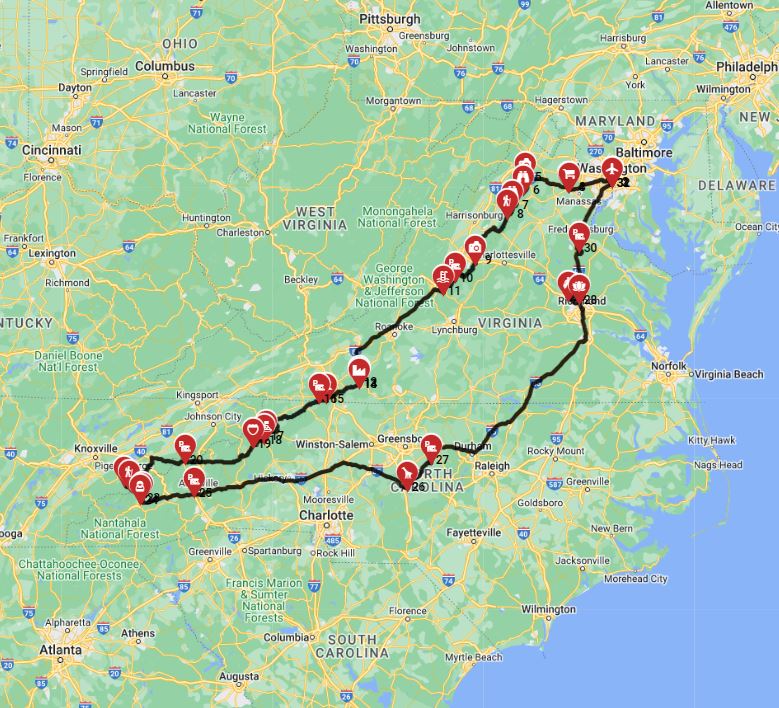
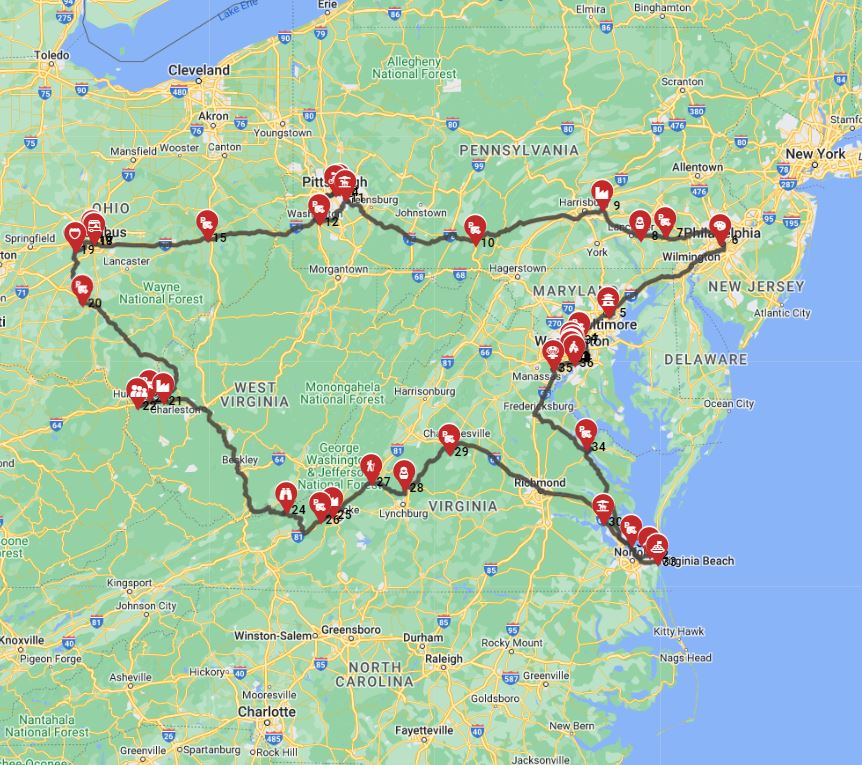
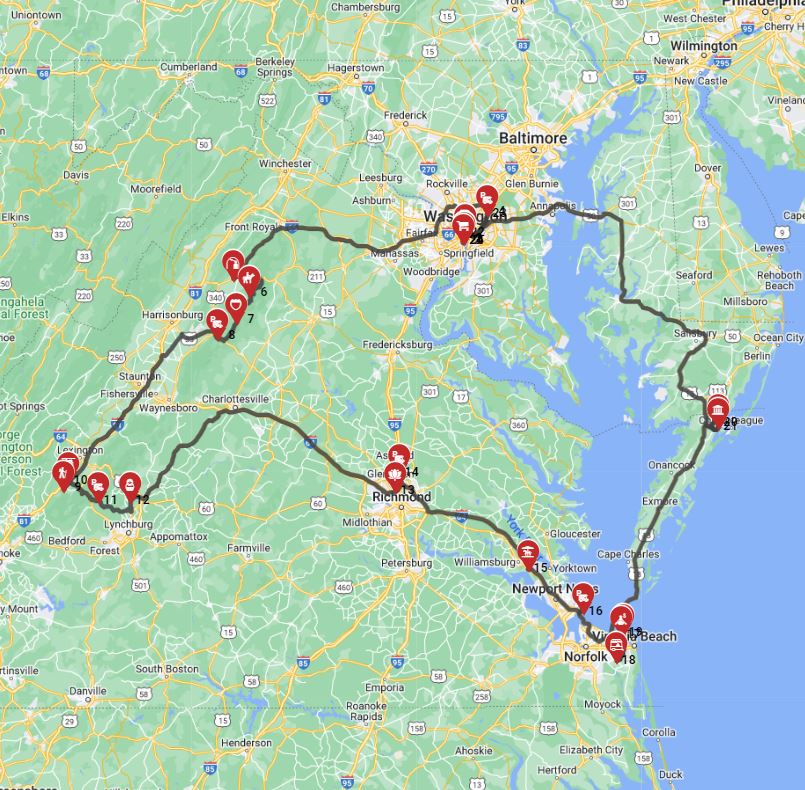
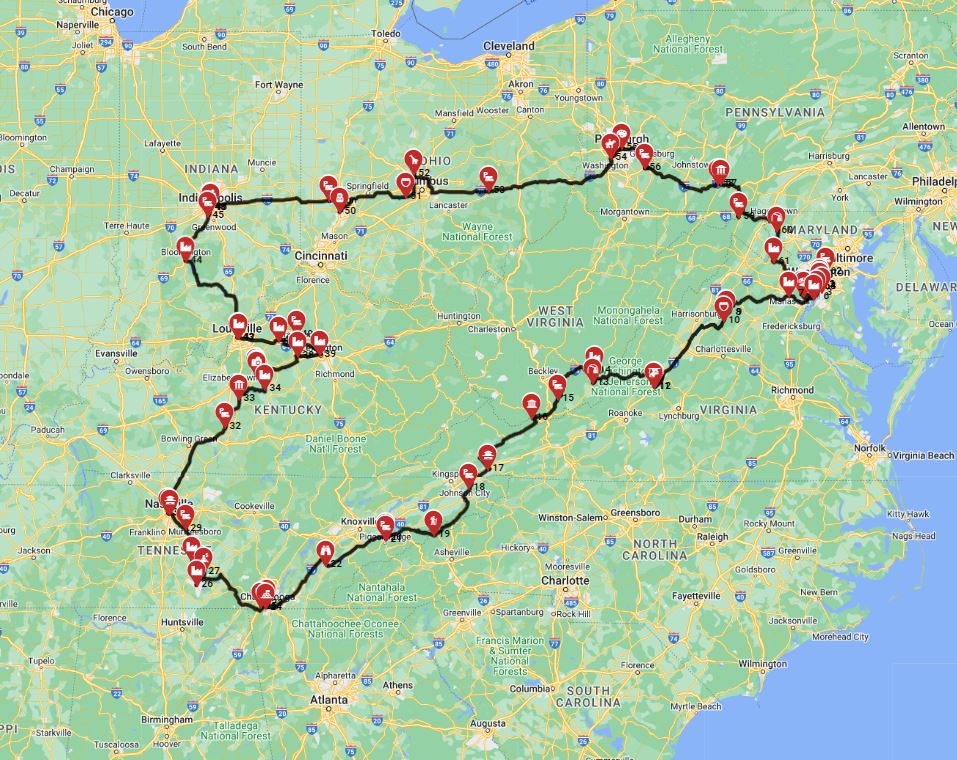
Another excellent option is Harpers Ferry National Historical Park in West Virginia, approximately an hour's drive from DC, which provides rich history and RV parking options for a day trip or overnight stay. Discover Annapolis, Maryland's charming capital, about 45 minutes from DC, with RV-accessible parking near its historic waterfront and the US Naval Academy. For a longer drive with breathtaking mountain vistas, consider visiting Shenandoah National Park in Virginia, featuring RV-friendly scenic drives like Skyline Drive, with over 170 campsites available, 85% offering electrical hookups for your rented motorhome. This allows you to truly travel slowly, max 100-150 km per day on average, and connect to the culture, food, and scenery.
Total Cost of an RV Trip to Washington DC
The total cost of an RV trip to Washington DC includes several key components beyond just the rental fees for your motorhome. Firstly, budget for fuel, which averages 9.5-11 Liters/100 km for common RV classes like a "cruise america rv rental example Explorer" or "rv rental atlanta example US Tourer". Campground fees typically range from $50-100 per night for a full-hookup site in the surrounding suburban RV parks.
Additionally, allocate funds for tolls on surrounding highways, which can add $10-30 depending on your specific route into and around DC. Public transport passes (Metro fares) are essential for exploring the city from your campground, and attraction entry fees should also be considered (though many national museums in DC are free). Finally, groceries for cooking in your RV kitchen can save money compared to dining out, providing a flexible and budget-friendly option. For those who enjoy preparing meals on the road, check out our RV-friendly recipes playlist. To help manage all these expenses, remember that on RV PLANET routes, travelers can itemize and track every expense along the way for easy budgeting, ensuring full transparency and no hidden costs in your trip planning.
What You Shouldn't Miss
- National Mall Exploration: Spend at least two full days exploring the iconic monuments and museums of the National Mall. Park your rented motorhome at a nearby RV park like Cherry Hill Park, then take the Metro in.
- Georgetown Charm: Wander through the historic streets of Georgetown, admiring its beautiful architecture, boutiques, and diverse culinary scene. Parking your RV here is tricky, so use public transport from your campground.
- Great Falls Park Adventure: Just a short drive from DC, Great Falls Park offers stunning views of the Potomac River, hiking trails for all levels, and dedicated RV parking. It's a perfect nature escape from the urban environment.
- Smithsonian Museums: Dedicate ample time to the world-class (and free!) Smithsonian museums, such as the National Air and Space Museum or the National Museum of Natural History.
- Old Town Alexandria: Cross the Potomac River into Virginia and explore Old Town Alexandria, a historic waterfront city with cobblestone streets, charming shops, and delicious restaurants. It’s easily accessible from many DC-area RV parks.
- U.S. Botanic Garden: Discover the beauty and diversity of plants at the U.S. Botanic Garden, located just west of the U.S. Capitol Building. It’s a peaceful oasis in the heart of the city.
Looking for expert insights from Avi Bandana? Top 5 Adventures - recommendations from Avi Bandana
Final Thoughts
A week-long RV driving tour in Washington DC promises an unforgettable journey filled with history, culture, and natural beauty. From navigating the city's unique blend of urban charm and challenging roads to discovering serene suburban campgrounds with easy Metro access, a rented motorhome offers incredible flexibility and convenience.
Whether you choose a compact campervan for agile city exploration or a spacious motorhome for family comfort, Bandana Caravan is here to ensure your planning is transparent and stress-free. Remember our advice: travel slowly, embrace the local experience, and let the freedom of the open road guide your discoveries.
Get inspired for your next trip! Discover top destinations, planning tips, all in one place with Bandana. We are confident you'll find the perfect RV rental for your Washington DC adventure.
Find Motorhome Rentals in Washington DC