In This Guide
- Can You Drive an RV in USA? License & Age Rules
- Road Conditions & Terrain in USA
- RV Size Limits, Bridges & Restricted Zones
- Fuel: Diesel vs. Petrol & Cost per 100 km
- Tolls, Vignettes & Border Rules
- Driving Tips for rv rental Travelers
- Recommended RV Class for USA Roads
- Should I Choose a Compact Van Instead of a Large RV in USA?
- Can I Park Anywhere? Free & Wild Camping Rules in USA
- Can I Drive an RV Into the City Center? Heights, Tunnels & Local Signage
- What is the 3-3-3 rule for RV driving?
- Can you sleep in an RV while driving in the USA?
- What is the 3-3-3 rule for RV living?
- What states have banned RVs?
- Which states are RV friendly?
Embarking on a motorhome adventure across the United States promises an unparalleled sense of freedom and discovery, allowing you to immerse yourself in stunning landscapes and vibrant cultures at your own pace. With a rented RV, you have a mobile headquarters to venture out to national parks, bustling cities, and serene coastlines, creating memories that last a lifetime. For live availability and current prices, start with our RV Rental USA - Complete Guide 2026 guide. Bandana RV specializes in connecting travelers like you with the perfect motorhome for their American road trip, offering full transparency and support every step of the way.
Can You Drive an RV in USA? License & Age Rules
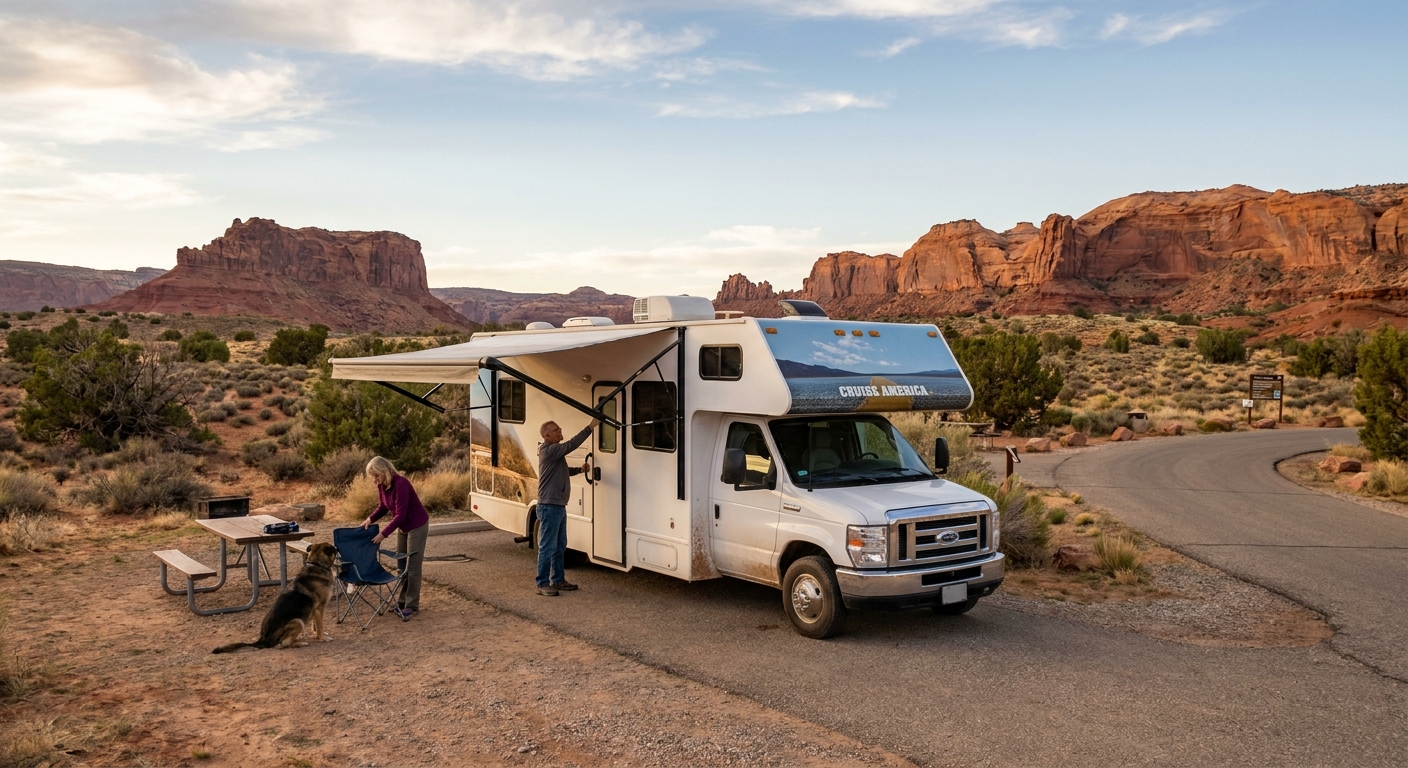
Most RVs under 26,001 lbs Gross Vehicle Weight Rating (GVWR) can be driven with a standard Class D driver's license in the USA, making RV travel accessible for many. This includes the vast majority of rental motorhomes, such as Class B campervans, Class C alcove models, and even most Class A integrated motorhomes. For international visitors, a valid driver's license from your home country is generally accepted, though an International Driving Permit (IDP) is highly recommended. The IDP provides an official translation of your license in 10 languages and is often required by rental agencies to ensure clarity and compliance.
The minimum rental age for RVs in the USA is typically 21 years old across our suppliers, with no young driver surcharges or vehicle class restrictions based on age. This means whether you're a young couple looking for an adventurous escape in a compact campervan or a family seeking a spacious Class C motorhome, you're covered. Specific weight thresholds above 26,001 lbs might theoretically require a non-commercial Class B or Class A license, but these are rarely encountered with standard rental units, so you won't need to worry about special permits for your adventure. Families and couples planning their trip might find our guides like RV Rental in USA for Couples - Pricing 2026 or RV Rental in USA for Seniors - Pricing 2026 particularly helpful for tailored advice.
Road Conditions & Terrain in USA
The USA boasts an extensive network of well-maintained Interstate highways, offering smooth travel for rented RVs across vast distances and connecting all major cities and attractions. Road conditions, however, can vary significantly depending on your chosen route, ranging from multi-lane interstates to scenic state routes, winding mountain passes, and even some unpaved national park roads. For example, navigating the majestic Rocky Mountains or the dramatic Appalachian trails will involve steep grades and tight curves, requiring careful driving.
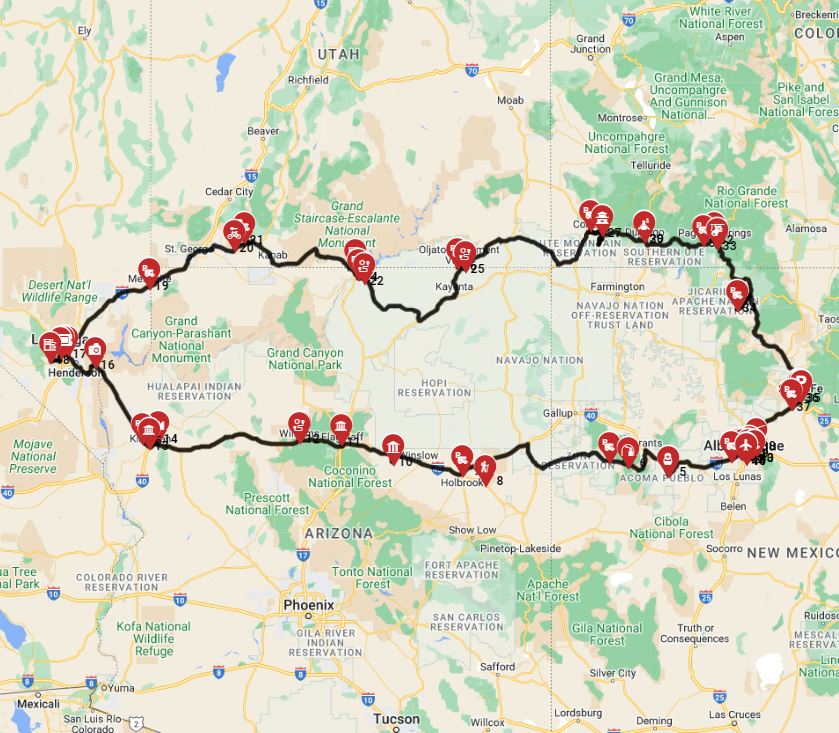
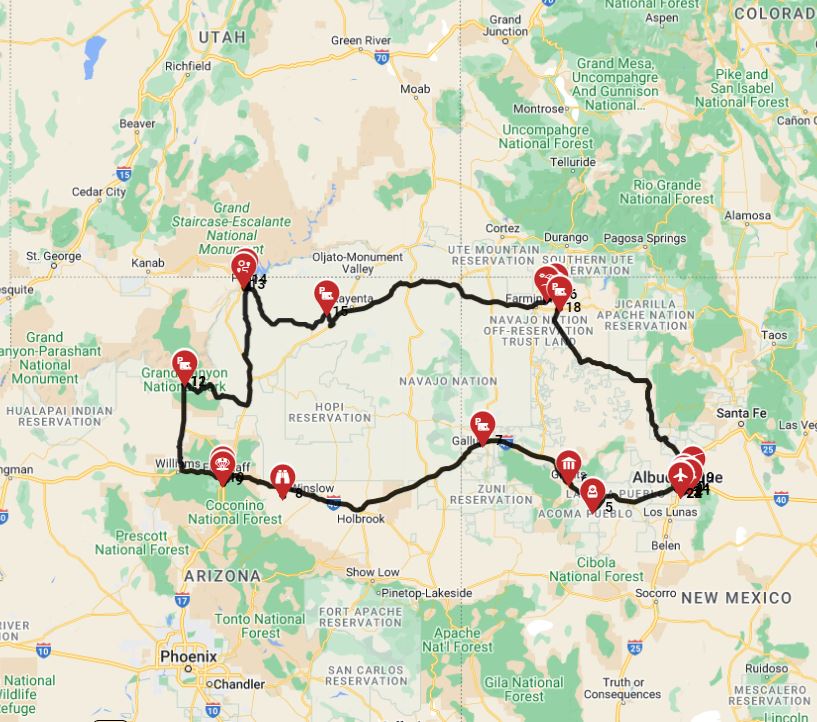
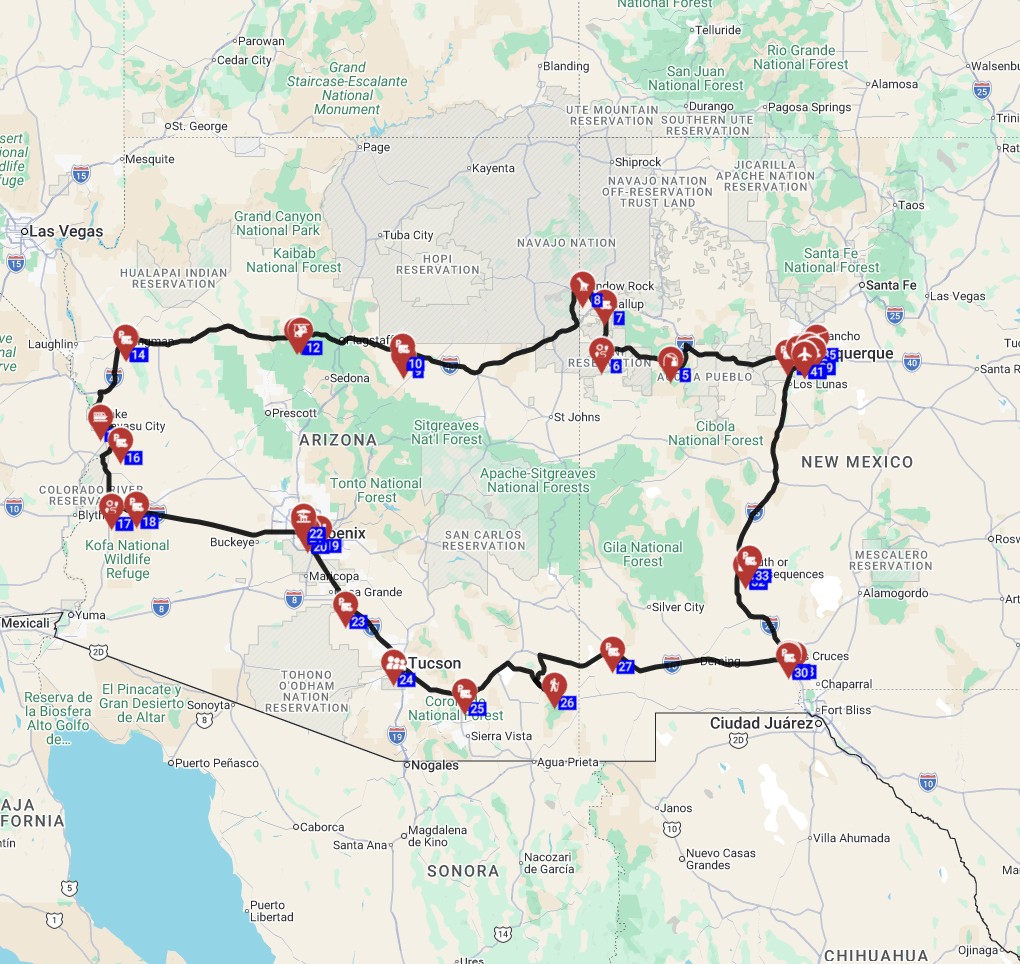
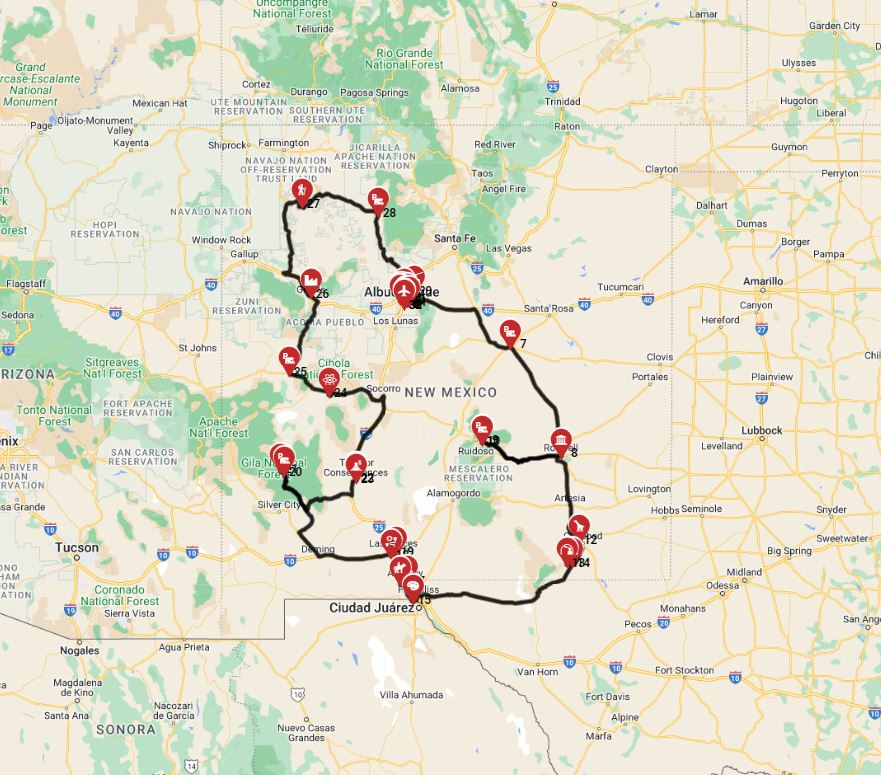
Planning for diverse terrains, including desert heat in the Southwest or potential winter conditions in northern states, is crucial for RV safety and enjoyment. You'll find that major tourist regions, such as the Southwest USA and Colorado, feature excellent roads designed for scenic RV travel, with ample pull-offs and picturesque viewpoints. Drivers should always account for increased braking distances and wider turns when navigating a motorhome or campervan, especially in urban areas or on winding roads. Planning your journey with platforms like RV PLANET (rvplan.net) can help you prepare for specific road challenges and optimize your travel times. For more comprehensive insights into travel expenses, keep in mind that RV PLANET routes allow travelers to itemize and track every expense along the way for easy budgeting, which can be invaluable when considering the total cost of your adventure. Detailed information about pricing can be found in our RV Rental in USA - Prices and Best Deals 2026 guide. On the routes offered through RV PLANET routes, you can itemize and track every expense along the way for easy budgeting.
RV Size Limits, Bridges & Restricted Zones
While most US roads accommodate large RVs, drivers must be vigilant for posted height restrictions, especially for low bridges and tunnels, where a common maximum is 13'6" (approximately 4.1 meters) on interstates. It is imperative to always check your rental motorhome's exact height and width, and refer to road signs diligently. National and state parks may also have specific length or height limits on certain scenic drives or within older campgrounds; always verify park regulations in advance to avoid unexpected detours or issues. Weight limits on older bridges or smaller roads, though less common for typical rental RVs, should be noted when planning routes off major highways.
Environmental zones are much less prevalent in the USA compared to Europe; however, some urban areas or specific routes might have unique restrictions for older or less fuel-efficient vehicles, though this is rare for modern rental units. If your adventure involves coastal regions, be aware that ferry services often have length and weight surcharges or specific booking requirements for RVs. Always research specific routes thoroughly and maintain awareness of your rented motorhome’s dimensions to ensure a smooth and enjoyable journey. Our detailed itinerary plans on RV PLANET can help you navigate these specific challenges effortlessly.
Fuel: Diesel vs. Petrol & Cost per 100 km
The majority of larger rented RVs in the USA, including Class C and Class A motorhomes, typically operate on gasoline, while many smaller Class B campervans may run on diesel. For instance, a Class B Camper Van, like the `cruise america example EX-Group A` with its Fiat 130 CV engine, generally consumes around 8-10 Liters/100 km. Mid-size Class C models, such as the `cruise america rv rental example Explorer`, typically range from 10-12 Liters/100 km, offering a balance of space and fuel efficiency. Larger Class A motorhomes, like the `Class A - Thor ACE 30`, have higher consumption, often between 25-35 Liters/100 km due to their size and power. It's wise to clarify the fuel type of your specific rental RV at the time of booking.
The cost per 100 km in the USA depends heavily on current fuel prices, which fluctuate by region, state, and season; using an average estimated price of $1.00-$1.20 USD per liter for gasoline (or diesel) is a good starting point for budgeting. Availability of both gasoline and diesel is widespread across the USA, though diesel pumps for large vehicles are more common at truck stops and larger gas stations located off major interstates. Preparing meals in your RV's kitchen is a fantastic way to save on dining out, and you can find inspiring ideas on our RV-friendly recipes playlist. To keep a close eye on all your trip expenses, from fuel to groceries, remember that RV PLANET routes allow travelers to itemize and track every expense along the way for easy budgeting, ensuring no surprises.
Tolls, Vignettes & Border Rules
The USA primarily uses electronic tolling systems (e.g., E-ZPass on the East Coast, FasTrak in California) rather than national vignettes, with some states still offering cash lanes. Many RV rental providers, including Bandana's partners, may offer optional pre-purchased toll passes for a flat daily fee, which can prevent fines and streamline travel through toll regions. It's always a good idea to inquire about these options when arranging your booking to simplify your journey, particularly if your route involves frequent toll roads.
Planning your route using a motorhome trip planner, like those found on RV PLANET, can help identify and budget for toll roads. For travelers planning to cross into neighboring countries like Canada or Mexico, ensure all occupants have valid passports and that your vehicle rental paperwork explicitly permits international travel. Always research specific border crossing requirements and vehicle insurance coverage for international journeys well in advance. One-Way RV Rental in USA - Price Guide 2026 contains more details about planning trips that involve different pickup and drop-off locations, which might affect toll pass considerations.
Driving Tips for rv rental Travelers
Driving a rented RV in the USA offers incredible freedom, and with a few key tips, your journey will be smooth and enjoyable. Firstly, practice defensive driving and maintain a slower speed than you would in a passenger vehicle, especially on winding roads, during inclement weather, or when navigating busy areas. Always make wider turns to accommodate the RV's length and allow for significantly longer braking distances due to the increased size and weight of your motorhome or campervan.
🎬 Video coming soon
Be mindful of crosswinds, particularly in open plains, on bridges, or in mountain passes, and adjust your speed accordingly to maintain control. When descending steep mountain passes, utilize lower gears to control your speed and prevent brake overheating, a common and critical safety practice for RV drivers. Finally, plan for frequent stops, especially when traveling with family, to prevent driver fatigue and allow passengers to stretch and explore. Remember to travel slowly, aiming for a maximum of 100-150 km per day on average, to truly take time to feel the place, connect to the culture, the food, and the scenery. For those venturing during colder months, our Winter RV Rental in USA - Pricing Guide 2026 provides essential information for a comfortable trip.
Recommended RV Class for USA Roads
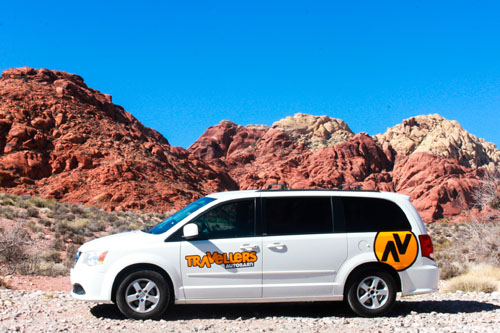
For most USA roads, Class C (Alcove) and Class B (Camper Van) motorhomes are highly recommended, offering a balance of space, amenities, and manageable driving dimensions. Bandana's global fleet Class SI (Semi-integrated) motorhomes, averaging 6.9 meters in length, are nimble enough for diverse roads yet spacious for up to 3.8 sleeping places. These vehicles, like an `rv rentals example Comfort Class` which can be up to 3 years old, offer comfort for smaller families.
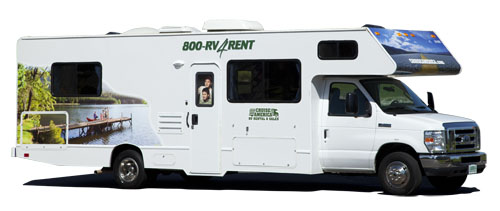
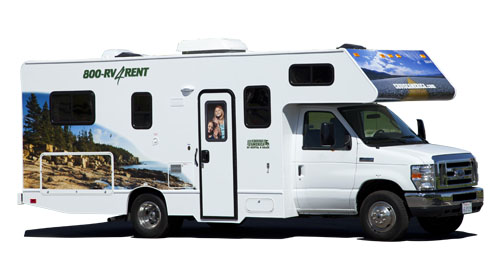
Class C motorhomes, averaging 7.5 meters and often sleeping around 5.8 people, are a popular choice for families, providing ample living space and amenities without being overly challenging to drive on major routes. For example, the `24 Class C Motorhome` is 7.46 meters long, seats 6, and sleeps 5, making it a great option for a family of four. Class B Camper Vans (avg. 5.8m), exemplified by models like a `V3` with 2 sleeping places and a 11-13 Liters/100 km fuel consumption, are ideal for couples or solo travelers seeking maximum maneuverability and fuel efficiency, especially for city exploration or tighter national park roads. Larger Class A - Integrated models, such as the `Class A - Thor ACE 30` at 9.37 meters, offer luxury and extensive amenities, and are well-suited for interstates and large campgrounds, though they require more careful navigation in urban or mountainous areas. You can compare different RV rental options for USA to find the perfect fit for your adventure.
Should I Choose a Compact Van Instead of a Large RV in USA?
Generally, there is no issue driving any RV size in the USA, as the country's infrastructure, particularly its extensive highway system, is built to accommodate larger vehicles. Drive slowly and carefully, and you can drive almost anywhere without issues. No need to stress - just use common sense and pay attention. A compact campervan, like a Class B Camper Van averaging 5.8 meters, offers advantages in city centers, tight parking lots, and specific national park roads that may have length restrictions or narrow turns. For example, a `Combi Van` is 5 meters long, seats and sleeps 4, and has a 60-liter fresh water tank, making it quite maneuverable.
Larger motorhomes, whether Class C, Class A, or Class SI, provide significantly more indoor living space, amenities, and comfort, which often outweigh slight maneuverability differences for longer trips. The choice between a compact van and a larger RV primarily depends on your travel style, comfort priorities, and specific destinations within the USA. While a compact van might offer slightly better fuel economy (8-10 Liters/100 km for Class B), the added comfort and features of a larger RV (10-12 Liters/100 km for Class C/SI) are often preferred for extended touring. Ultimately, the best RV is the one that fits your family's needs and comfort desires, allowing you to enjoy the vast American landscape without compromise.
Can I Park Anywhere? Free & Wild Camping Rules in USA
Free or 'wild' camping (also known as boondocking) is permitted on much of the vast public lands managed by the Bureau of Land Management (BLM) and in National Forests across the USA, provided you follow Leave No Trace principles and local guidelines. These lands are generally marked and offer incredible opportunities for secluded and cost-effective overnight stays. Additionally, many retail chains like Walmart and Cracker Barrel may allow overnight RV parking in their lots; however, policies vary by individual location and should always be confirmed with store management before settling in for the night.
It is important to note that overnight parking at highway rest stops is generally prohibited in many states or limited to very short durations and is not considered a viable camping option. Furthermore, it is illegal to park overnight on most city streets, private property without explicit permission, or in designated no-parking zones. Always check local regulations and follow common sense before parking overnight to avoid fines or other issues. For finding campsites and campgrounds during your trip, we recommend using RV PLANET (rvplan.net) - a great resource for locating available spots along your route, ensuring you always have a safe and legal place to stay.
Can I Drive an RV Into the City Center? Heights, Tunnels & Local Signage
Yes, it is almost always possible to drive a rented RV into a city center in the USA, though doing so requires careful attention and proactive planning. Drive slowly and carefully, and you can drive almost anywhere without issues. No need to stress - just use common sense and pay attention. Drivers must pay close attention to local signage for critical information like height limits (especially for tunnels, low bridges, and parking garages), weight restrictions, and any restricted access zones. Many cities will have clearly marked routes for large vehicles, but it's essential to be aware of your motorhome's dimensions.
Navigating urban environments in an RV can be more challenging than with a passenger car due to narrow streets, heavy traffic, and limited parking options. It's often a smart strategy to consider parking your RV on the outskirts of major cities and using public transport to explore the downtown areas. While there are no broad city-wide 'environmental zones' preventing RV entry like in some European cities, specific areas or historical districts might have unique vehicle restrictions. Always use a GPS system or app designed specifically for RVs that includes height and weight alerts to help avoid problematic routes within urban areas, ensuring a stress-free city visit.
What is the 3-3-3 rule for RV driving?
The 3-3-3 rule for RV driving is a popular guideline advising travelers to drive no more than 300 miles a day, arrive at their destination by 3 PM, and stay for at least 3 nights. This rule is designed to promote a relaxed and safe RV experience, preventing driver fatigue and allowing ample time for setting up camp and truly enjoying the destination. By limiting daily mileage, RVers can better manage unexpected road conditions, make spontaneous stops at interesting sights, and significantly reduce overall travel stress.
Arriving by 3 PM ensures you have sufficient daylight for navigating new campgrounds, properly setting up utilities like water and electricity, and addressing any potential issues before it gets dark. Staying for at least 3 nights encourages a deeper exploration of an area, allowing you to connect with local culture, food, and scenery, rather than constantly packing and unpacking. This approach aligns perfectly with Bandana's philosophy of slow travel, maximizing your enjoyment and minimizing rush. Pre-planned itineraries available on RV PLANET often factor in similar leisurely pacing for an optimized experience.
Can you sleep in an RV while driving in the USA?
No, it is generally unsafe and illegal for passengers to sleep in an RV's beds or unsecured areas while the vehicle is in motion in the USA. All passengers, including children, must be seated in designated seats with seatbelts securely fastened while the motorhome or campervan is being driven. This critical safety regulation is in place to protect all occupants in the event of a sudden stop, a collision, or an abrupt maneuver on the road. Traveling in an RV is an incredible adventure, and prioritizing safety ensures everyone enjoys the journey.
The living quarters of a rented RV are specifically designed for use when the vehicle is stationary and safely parked at a campground or approved overnight location. Attempting to sleep in non-seated areas poses significant risks due to the lack of restraints and the potential for being thrown around during travel. Always adhere to seatbelt laws and ensure all occupants are properly restrained whenever your RV is moving, creating a secure environment for your entire travel group.
What is the 3-3-3 rule for RV living?
The 3-3-3 rule for RV living, which is distinct from the driving rule, typically suggests spending at least 3 days in a single location, traveling no more than 300 miles between stops, and staying within a 3-hour drive of essential amenities or attractions. This approach to RV travel encourages a slower pace, allowing travelers to truly experience each destination rather than constantly being on the move. By embracing this rhythm, you can savor local experiences and truly unwind.
Spending at least 3 days at a campground or boondocking spot provides ample time for relaxation, local exploration, and managing RV logistics such as laundry or waste disposal. Limiting travel to 300 miles and being within a 3-hour drive of amenities ensures convenience and easy access to supplies, repairs, or emergency services if needed. This rule promotes a balanced RV lifestyle, blending adventurous exploration with comfort and practicality, ensuring your extended road trip is fulfilling and stress-free. Utilizing RV PLANET's pre-planned routes can help you easily integrate this rule into your own itinerary.
What states have banned RVs?
No U.S. states have a blanket ban on RVs; however, specific local ordinances or national and state park regulations may impose restrictions based on RV size, length, or overnight parking within certain areas. Common restrictions often include length limits on particular scenic routes, especially narrow mountain roads, or specific national park areas where larger vehicles are difficult to maneuver or turn around. For example, some historical districts in cities might limit vehicle dimensions or access.
Many cities and towns nationwide enforce bans on overnight RV parking on public streets or in municipal lots to address concerns about congestion, public services, or residential aesthetics. Always consult specific state Department of Transportation (DOT) websites, national/state park guidelines, and local municipal regulations for any vehicle restrictions pertinent to your planned route. While RVs are widely accepted and celebrated across the USA, understanding and respecting local rules helps ensure a smooth, enjoyable, and uninterrupted travel experience. When planning with Bandana, our true RV specialists provide guidance to help you navigate these nuances, ensuring no hidden surprises on your trip.
Which states are RV friendly?
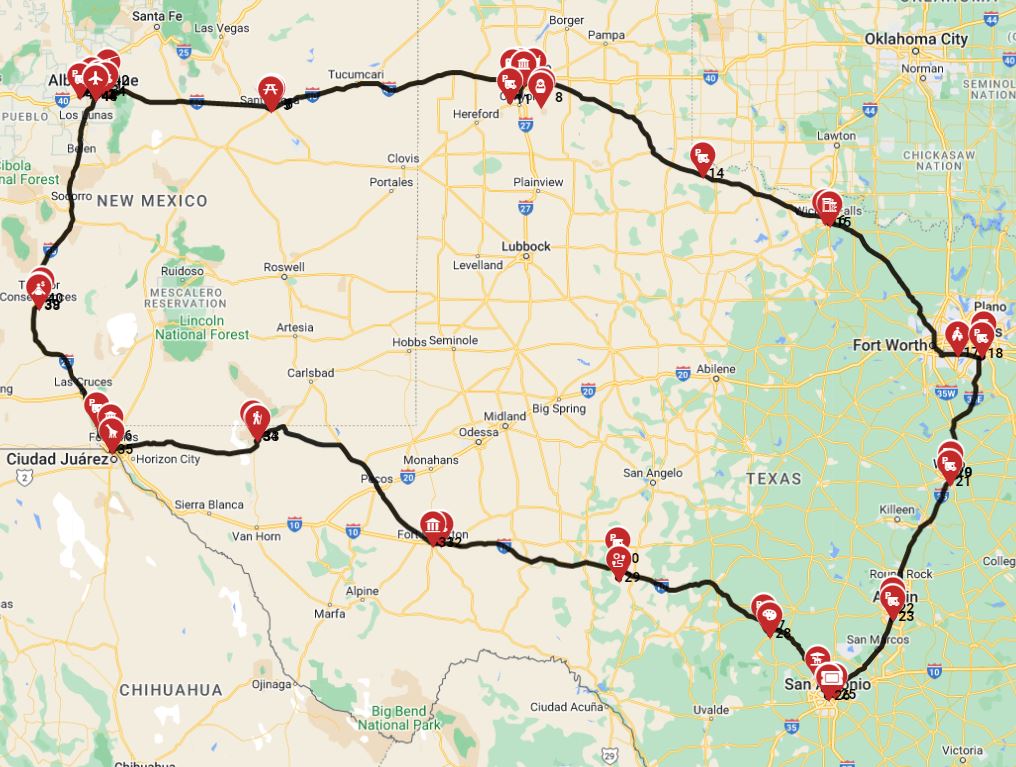
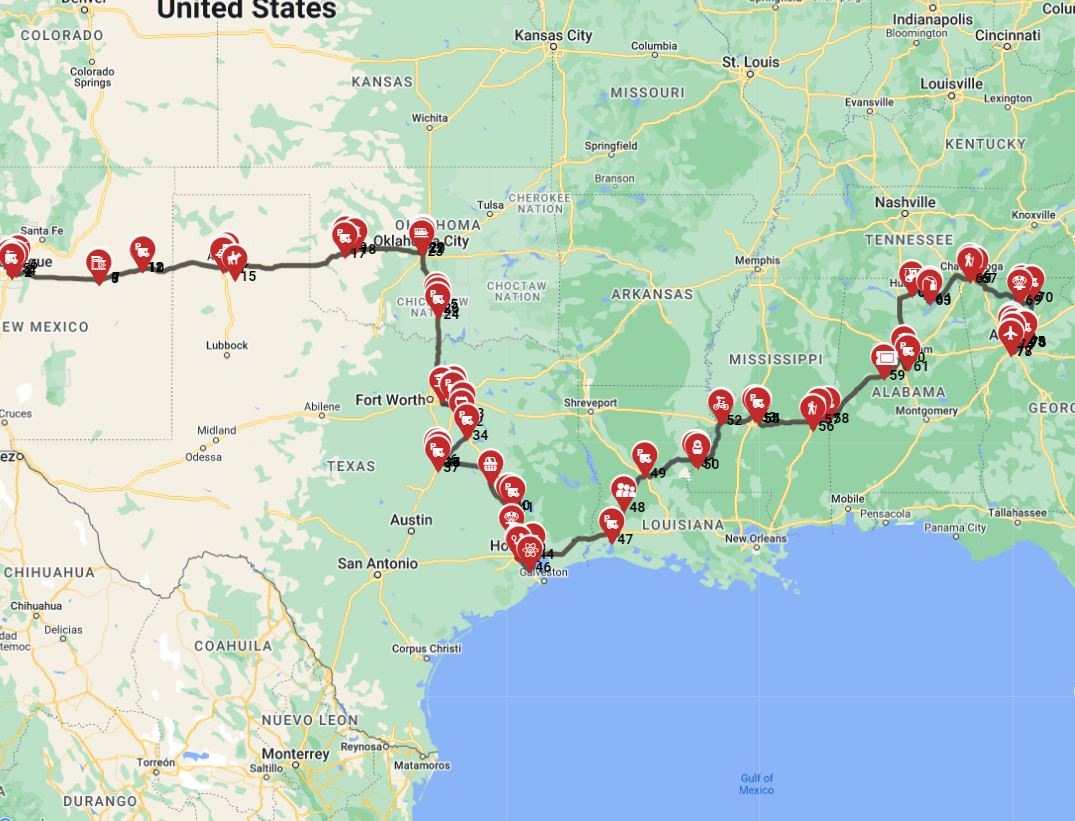
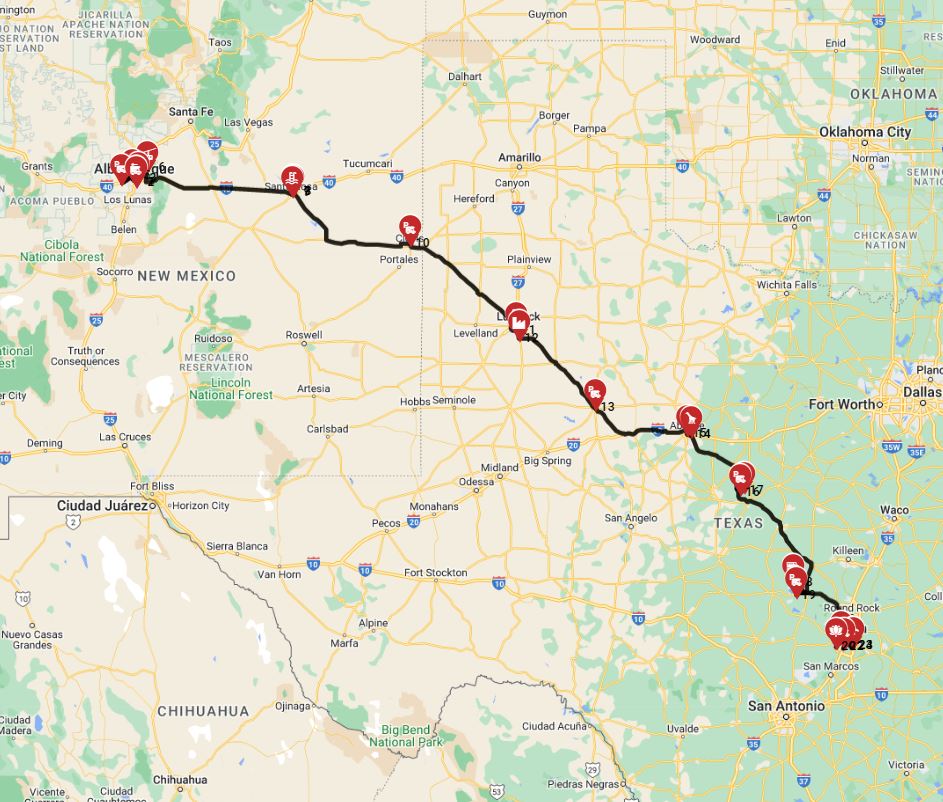
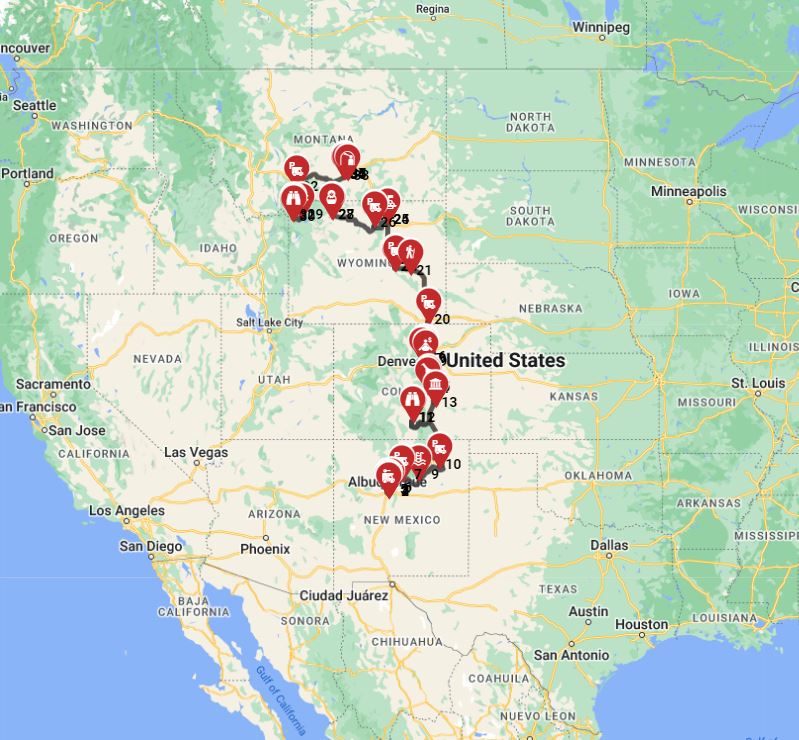
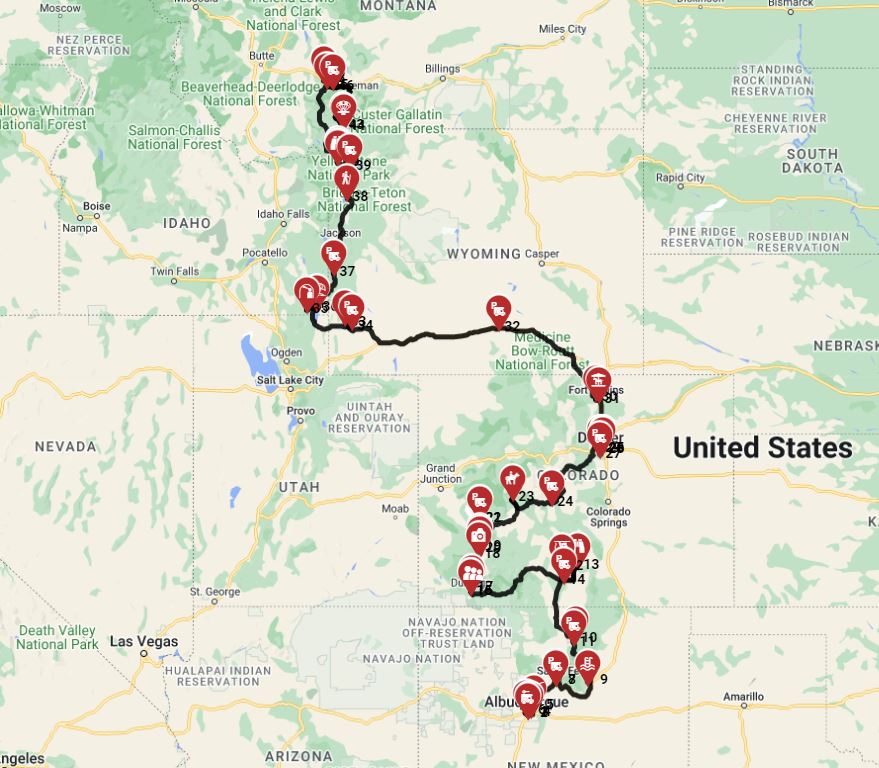
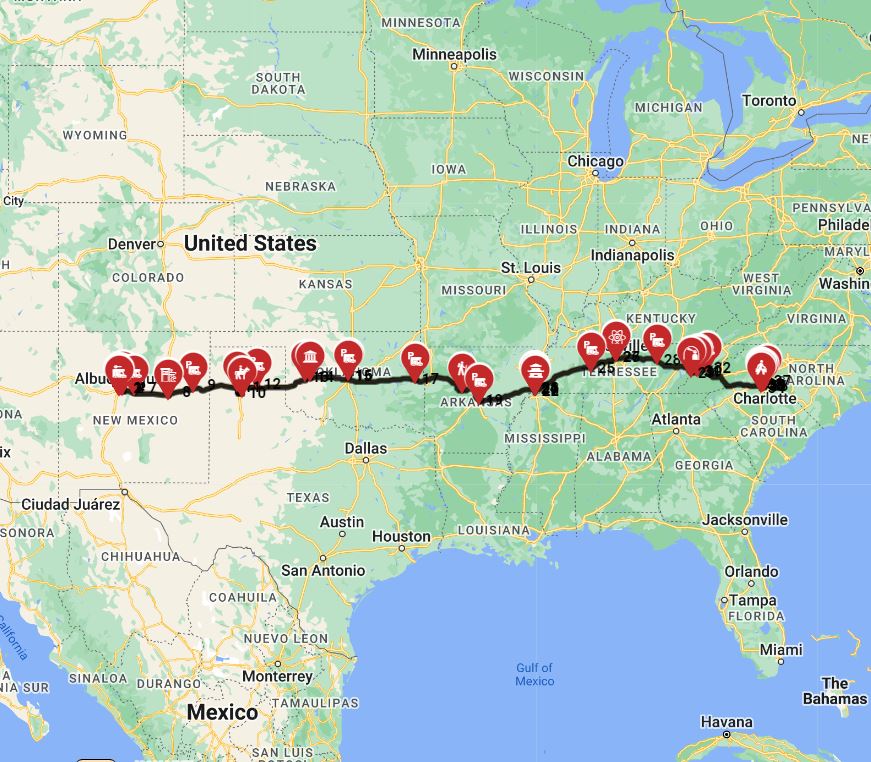
States in the American Southwest like Arizona, California, and Utah, as well as Florida, Colorado, and Oregon, are widely considered among the most RV-friendly due to their abundant campgrounds, scenic routes, and natural attractions. These states typically feature a high density of public and private campgrounds, numerous accessible dump stations, and comprehensive services tailored for RVers, making travel more convenient. From the beaches of California to the majestic mountains of Colorado, like the areas covered in our "Billings to Orlando - Rockies to Disney: USA Motorhome Journey" which features 4 hiking areas and 5 natural features, there's endless exploration.
RV-friendly states often boast diverse landscapes, from deserts and mountains to coastlines, providing endless opportunities for outdoor adventures for couples, families, and groups of friends. Factors contributing to their RV-friendliness include accommodating regulations regarding RV parking, clear road signage, and a general culture that embraces recreational vehicle travel. Many of these states also offer extensive public lands managed by the Bureau of Land Management (BLM) and National Forests suitable for boondocking and free camping opportunities, expanding your options for unique stays. Whether you're looking for cheap RV rental in USA or a more luxurious experience, these states offer fantastic options.
What You Shouldn't Miss
- **The Grand Canyon, Arizona:** Experience the immense scale and breathtaking beauty of one of the world's most iconic natural wonders, with numerous RV-friendly campgrounds offering shuttle access to viewpoints.
- **Pacific Coast Highway (Highway 1), California:** Drive along a legendary scenic route with dramatic ocean cliffs, charming coastal towns, and stunning vistas perfect for a leisurely RV journey, as detailed in our RV Rental in California - Prices, Routes & Tips 2026 guide.
- **Yellowstone National Park, Wyoming/Montana/Idaho:** Explore the world's first national park, famous for its geysers, hot springs, and diverse wildlife, offering multiple campgrounds and unforgettable outdoor experiences.
- **Florida Keys, Florida:** Journey down the Overseas Highway, hopping between picturesque islands with turquoise waters, perfect for snorkeling, fishing, and enjoying a relaxed, tropical RV escape.
- **Rocky Mountain National Park, Colorado:** Traverse breathtaking mountain roads and alpine landscapes, enjoying hiking, wildlife viewing, and crisp mountain air from your comfortable rented motorhome.
Looking for expert insights from Avi Bandana? Top 5 Adventures — recommendations from Avi Bandana.
Final Thoughts
Driving a rented RV in the USA opens up a world of possibilities, from exploring iconic national parks to discovering charming small towns. With the right preparation and understanding of local driving customs and regulations, your journey will be nothing short of spectacular. Remember to embrace the spirit of slow travel, allowing yourself to truly experience each destination and create lasting memories with your loved ones.
At Bandana RV, we're passionate about helping you craft the perfect RV adventure. Our commitment to full transparency, comprehensive support, and specialized knowledge means you can book with confidence and hit the road with peace of mind. So, whether you're planning a week-long trip through the deserts of Arizona or an extended road trip across the coasts of California, your ideal motorhome is waiting.
Ready to start your American RV journey? Discover top destinations, planning tips, all in one place!
Find RV Rentals in USA