In This Guide
- What Winter RV Rental Costs in USA 2026
- Seasonal Pricing - Peak vs. Shoulder vs. Off-Season in USA
- What's Included vs. What's an Add-On
- Hidden Costs to Budget For in USA
- How to Save on Winter RV Rental in USA
- How much to rent an RV for a month in the USA?
- Do RV prices drop in the winter?
- Is it cheaper to rent an RV or stay in hotels?
- What is the cheapest way to rent an RV?
- What are the drawbacks of renting an RV?
- What is the 3-3-3 rule for RVs?
- Are RV prices dropping in 2026?
- What You Shouldn't Miss
- Why Book with Bandana Caravan
- Final Thoughts
- Frequently Asked Questions
Embarking on a winter RV adventure in the USA offers a unique blend of snow-capped mountains, serene deserts, and vibrant cityscapes, all from the comfort of your mobile home. Planning such a trip requires a clear understanding of rental costs, and that's exactly what we're here to provide. For live availability and current prices, start with our RV Rental USA - Complete Guide 2026 guide, where you'll find a wealth of information to kickstart your journey with confidence.
What Winter RV Rental Costs in USA (2026)
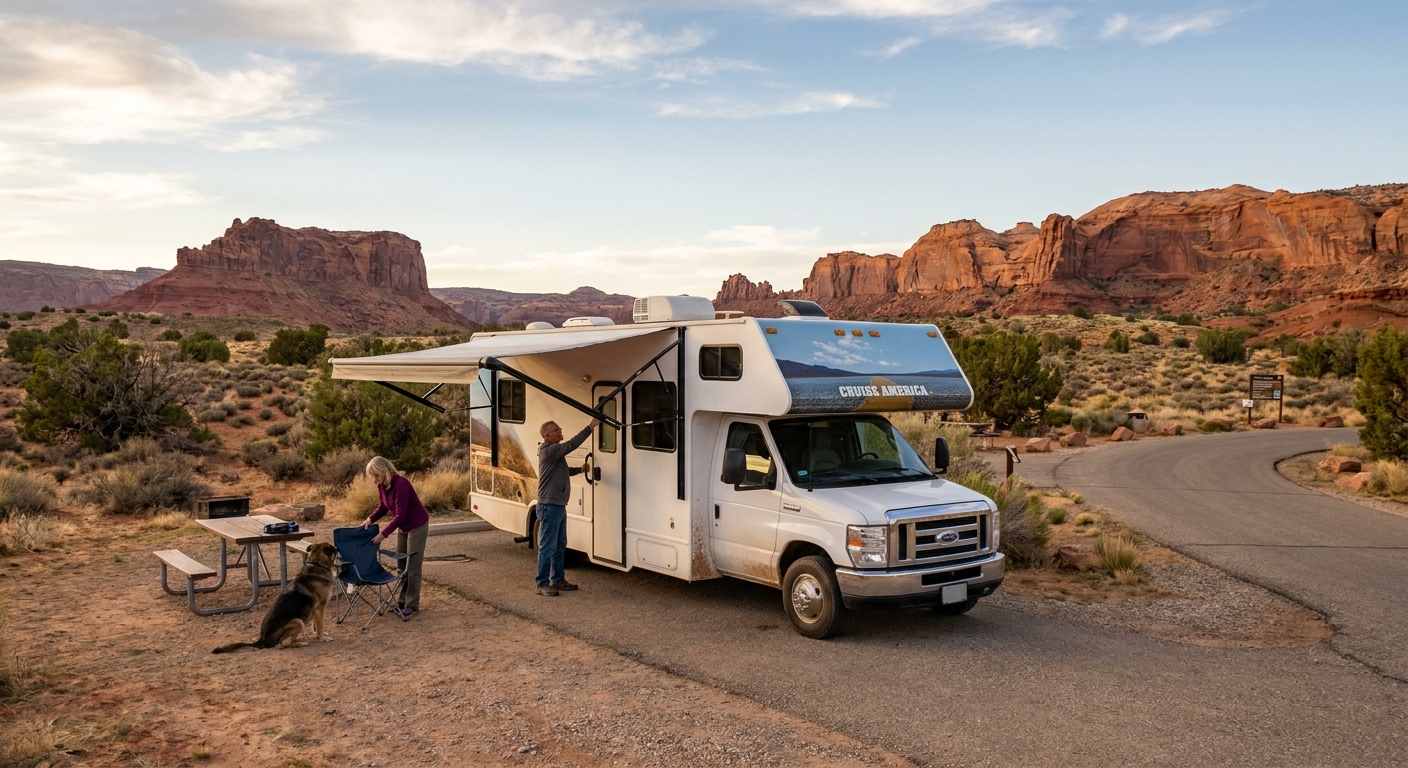
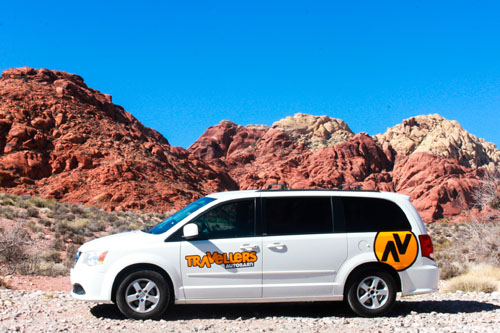
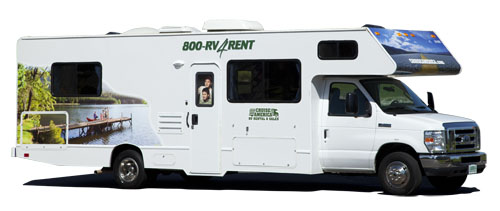
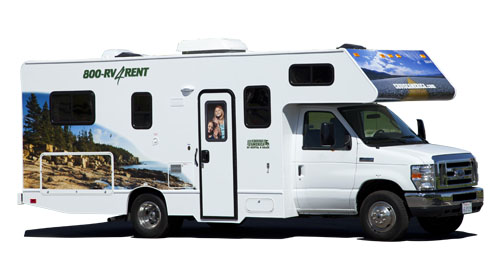
RV rental prices are dynamic and flex-rate, changing daily based on demand, location, RV type, and season, meaning the cost of a winter RV rental in the USA can vary significantly. For instance, a compact Class B campervan, ideal for a couple, might range from $100-$180 per day, while a larger Class C motorhome for a family of four could cost $180-$350 daily. Factors such as the specific vehicle (e.g., a "cruise america rv rental example Explorer" with a 82-liter fresh water tank or a "MHC24" accommodating 6 people), the pickup location, and the rental duration all play a role in the final price. Always use our comparison platform to toggle options like kitchen utensils, tableware, and bedding, seeing prices reflective of these inclusions, ensuring full transparency with no hidden fees or surprises.
To accurately estimate your total trip cost, consider the duration of your adventure. A one-week winter RV trip in USA, for example, could range from $700 to $2,500 just for the rental, excluding other expenses. For a two-week trip, this could escalate to $1,400-$5,000, and a month-long excursion might be $2,000 to over $10,000 for the rental vehicle. These figures are broad estimates, as prices are dynamic like flight tickets and change daily based on availability, seasonality, and supplier marketing decisions. Your final price is set at the actual booking time. On the routes offered through RV PLANET routes, you can itemize and track every expense along the way for easy budgeting.
For finding the most accurate pricing, utilize the search function with your specific dates and locations on our platform. We provide an honest and transparent overview of costs, ensuring you know exactly what you’re paying for before you commit. We are true RV specialists, not just a travel agency side department, and we understand the nuances of RV rental pricing.
Seasonal Pricing - Peak vs. Shoulder vs. Off-Season in USA
RV rental prices in the USA generally drop significantly during the winter months, typically from November through April, as this is considered the off-season for many regions, offering substantial savings. However, demand in warmer winter destinations like Florida, Arizona, or Southern California can still lead to higher prices, especially around major holidays like Thanksgiving, Christmas, and New Year’s. During the true off-season for most of the USA, you might find daily rates up to 30% lower than in the summer peak. For example, a "Category Small AT" campervan might be available for significantly less in January than in July.
Shoulder seasons, typically May-June and September-October, offer a balance of good weather and moderate prices, often with more availability than the summer peak. This is a great time to explore destinations with fewer crowds and pleasant temperatures. Peak season, usually July-August and major holidays, sees the highest RV rental prices due to high demand. While winter offers lower base rates in many areas, specific "winter-ready" motorhomes or those in popular warm-weather locales might see increased demand. Being flexible with your travel dates, even by a few days, can often lead to better deals.
What's Included vs. What's an Add-On
Basic insurance is typically included with RV rentals in USA, but comprehensive coverage and additional peace of mind often come at an extra cost. You can upgrade to a top-level deductible for extra peace of mind, an optional upgrade not included by default. Renters often appreciate the support we provide before and after booking, including clear information on what's included. Our direct partnerships with 50+ leading RV suppliers worldwide, including El Monte, Cruise America, Apollo, and Britz, mean we have a clear view of standard inclusions and optional add-ons.
Common add-ons include additional mileage packages (some vehicles like "MH-A" or "MH-B" have specific mileage rules), generator usage fees, kitchen kits, and bedding sets. For instance, a kitchen kit with pots, pans, cutlery, and plates might cost an extra $50-$100 for your trip, while a bedding set could be $30-$60 per person. Included items and available add-ons vary significantly by RV rental company and specific vehicle, so it is important to review your quote carefully. Our platform allows users to toggle options like kitchen utensils, tableware, and bedding during the search to see prices reflective of these inclusions, ensuring full transparency in your booking. If you plan to cook many meals on board, check out our RV-friendly recipes playlist for inspiration!
How to Save on Winter RV Rental in USA
The cheapest way to rent an RV in USA involves booking during the off-season, leveraging flexible dates, and opting for smaller, more fuel-efficient models. For instance, traveling in January or February (outside of ski resort areas or major holidays) can significantly reduce daily rental rates, sometimes by as much as 30% compared to peak summer. Being flexible with your pick-up and drop-off dates, even by a few days, can reveal better deals on our comparison platform. Choosing a Class B campervan, such as an "rv rental denver example Category Van" for a couple, instead of a large Class A motorhome like the "Class A - Thor ACE 30", can save not only on the rental fee but also on substantial fuel costs.
Booking a longer rental duration, such as a two-week adventure or even a month-long trip, often results in a lower per-day rate. Look for special promotions or early bird discounts, especially if you plan ahead. While many national and state parks reserve only 25-30% of spots, the rest are first-come-first-serve, offering spontaneous travelers options and sometimes better prices. Always call ahead before driving to ensure availability. Using comparison tools across multiple suppliers like El Monte, Cruise America, Apollo, and Britz, as offered by Bandana, ensures you find the best value without hidden fees. We consistently encourage slow travel, recommending a maximum of 100-150 km per day on average, which naturally helps save on fuel and allows you to truly immerse yourself in the experience.
How much to rent an RV for a month in the USA?
Renting an RV for a month in the USA can range from $2,000 to over $10,000, depending heavily on the RV class, rental season, location, and included amenities. For instance, a compact Class B campervan, like a "Paradise Camper 4x4 double cab," might cost closer to $2,000-$4,000 for a month during the off-season, while a spacious Class A motorhome, such as the "MHLUX" (a 37 ft model), could easily exceed $8,000-$10,000, especially during shoulder seasons or in high-demand areas. These monthly rates typically offer a significantly lower daily cost compared to shorter rentals, making extended trips more economical on a per-day basis.
Beyond the base rental fee, budget for substantial ancillary expenses such as fuel, which can vary widely by RV size and mileage, estimated at $800-$2,000+ for a month covering average distances. Campground fees can add $600-$2,400 (assuming $20-$80 per night), and propane refills might total $100-$200 over a month. Factors like comprehensive insurance, unlimited mileage packages, and additional equipment rentals (e.g., bicycle racks for the "K125" or a fully equipped kitchen with a 150-liter refrigerator in a "C-30") will also increase the total monthly cost. Always compare final prices across suppliers to ensure full transparency, with what you see being what you pay, free from surprise fees at pickup.
Do RV prices drop in the winter?
Yes, RV rental prices in the USA generally drop significantly during the winter months, typically from November through April, as this period is considered the off-season for many popular RV destinations. For example, you might find daily rental rates for a "24' Class C Motorhome" from El Monte or Cruise America drop by 15-30% in December compared to August. This decrease in demand during colder periods leads to lower nightly or weekly rates, making winter an attractive time for budget-conscious travelers or those heading to warmer climates like Arizona or Florida.
However, prices can surge around major winter holidays like Thanksgiving, Christmas, and New Year's, especially in these warmer, sun-belt destinations. During these peak holiday weeks, rental rates might even exceed summer prices due to concentrated demand. Additionally, winter-specific considerations, such as needing a motorhome with adequate heating (like the "MHA30" with its living room heating) or "winterized" plumbing (where water systems are drained to prevent freezing), might subtly influence availability or specific rental options. Always verify the vehicle's winter readiness and confirm any specific requirements with the supplier during the booking process through Bandana.
Is it cheaper to rent an RV or stay in hotels?
Whether renting an RV is cheaper than staying in hotels largely depends on the duration of your trip, the number of travelers, destinations, and your travel style, but for families or longer trips, RVs can often be more economical. For a family of four or more on a multi-week road trip, a rented motorhome typically offers significant savings on accommodation and dining compared to booking multiple hotel rooms and eating out for every meal. For instance, cooking three meals a day in a "Paradise Family 5" or "rv rentals utah example Sunrise Escape" equipped with a gas stove and refrigerator can save hundreds of dollars a week on food alone.
RV costs include the rental fee (which can range from $100-$350+ per day), fuel (potentially $300-$800 per week), campground fees ($20-$80 per night), food, and potential add-ons like insurance or mileage. Hotel costs encompass nightly rates (often $150-$400+ for a family), restaurant meals, and potentially car rental fees, which can quickly accumulate. Conversely, for short trips (under a week) or solo travelers, the initial investment in an RV rental and its associated costs might make hotels a more straightforward and sometimes cheaper option. Our role as true RV specialists is to help you compare these costs transparently so you can make the best decision for your travel budget.
What is the cheapest way to rent an RV?
The cheapest way to rent an RV in USA often involves booking during the off-season, leveraging peer-to-peer rental platforms, and opting for smaller, older, or less luxurious models. For example, selecting a compact Class B campervan like the "HiLite" or "Juliette 2-3" during January can offer significantly lower daily rates, sometimes starting around $80-$120. Peer-to-peer platforms can sometimes offer competitive monthly rates directly from owners, providing more budget-friendly options than traditional corporate rental companies.
Additionally, choosing flexible dates and locations can help you find better deals. Renting for longer durations, such as a two-week adventure rather than a week-long trip, often reduces the per-day cost. You might also find cheaper rates by picking up in less popular cities or being open to a "Mystery 2" or "Mystery 4" RV, where the exact model is determined by the supplier closer to the pickup date. Our comparison platform allows you to see all available options and apply filters to find the best deals, always with full price transparency. Utilizing discount programs for campgrounds or fuel and considering unlimited mileage packages upfront, if driving extensively, can also contribute to overall savings.
What are the drawbacks of renting an RV?
Drawbacks of renting an RV can include significant upfront costs and potential hidden fees, a learning curve for operating and maintaining a large vehicle, and the added considerations for driving and parking. While an RV offers unparalleled freedom, the initial rental fee for a week-long trip can be $700-$2,500, plus fuel costs for a "MH-A" (consuming around 25 liters per 100km), campground fees, and add-ons like a kitchen kit (up to $100). We pride ourselves on full transparency to ensure no hidden fees, but budgeting for fuel, propane, and dump fees is always crucial. An International Driving Permit is recommended for non-English speakers, for example, to ensure smooth interactions with local authorities.
Driving a larger Class C or Class A motorhome like the "Denali Searcher 30 - Gold" (which can accommodate up to 8 people) can be challenging, especially on narrow roads or in busy city centers. However, remember: Drive slowly and carefully, and you can drive almost anywhere without issues. No need to stress - just use common sense and pay attention. Parking can sometimes be difficult to find in popular areas, requiring advanced planning or choosing campgrounds with ample space. Managing utilities like fresh water (e.g., a "MHC24" with 150 liters), waste tanks, and propane levels (a "C-30" has a 46 kg gas bottle) requires regular attention and can be unfamiliar to first-time renters. Bandana provides detailed instructions and is with you before and after booking to help with coordination and answer any pre-trip questions.
What is the 3-3-3 rule for RVs?
The '3-3-3 rule' for RVs is a popular guideline for trip planning that suggests driving no more than 300 miles (approximately 480 km) a day, arriving at your destination by 3 PM, and staying for a minimum of 3 nights. This rule is designed to promote a relaxed and enjoyable RV experience, preventing traveler fatigue and allowing ample time to set up camp, explore the area, and unwind. Adhering to the '300 miles a day' guideline helps avoid rushing, reduces fuel consumption (a Class C "CA-25" consumes 7-10 miles/gallon), and makes the journey less stressful, especially for new RVers.
Arriving by '3 PM' ensures you have daylight to navigate the campground, set up your rented RV (like the "4 Berth Adventurer"), and address any unexpected issues before dark. This also often secures better campsite availability, as many national and state parks operate on a first-come, first-serve basis for 70-75% of their spots. Staying for '3 nights' encourages travelers to fully experience each location, reducing the constant packing and unpacking that can make RV travel feel rushed, thereby optimizing the investment in each campsite. This approach aligns perfectly with our recommendation to travel slowly, max 100-150 km per day on average, taking time to feel the place, connect to the culture, the food, and the scenery.
Are RV prices dropping in 2026?
Predicting specific RV rental price drops for a future year like 2026 is speculative, as prices are highly dynamic and influenced by current market conditions, supply and demand, economic factors, and rental company strategies. Historically, RV rental prices fluctuate based on seasonal demand, with off-peak times (like winter) generally being cheaper than peak seasons. For instance, the general trend indicates winter prices are typically lower than summer, a pattern expected to continue. Our platform updates pricing daily based on real-time availability from our 50+ suppliers, ensuring you always see the most current rates for your planned travel.
Broader economic trends, such as fuel costs and the overall health of the travel industry, will continue to play a significant role in determining pricing for future years. The continued growth of peer-to-peer rental platforms also introduces more supply into the market, which can contribute to competitive pricing. For the most current and accurate pricing for your desired winter RV rental in USA, it's always recommended to check real-time availability and rates closer to your planned travel dates using comparison tools rather than relying on long-term predictions. We offer full transparency and no hidden fees, helping you secure the best price for your adventure.
What You Shouldn't Miss
The USA offers an incredibly diverse landscape for RV travelers, even in winter. Imagine yourself waking up to fresh snow in the mountains or sunshine on a desert trail. Here are some must-do experiences and popular destinations:
- Explore the Grand Canyon, Arizona: Experience a stunning natural wonder with fewer crowds and cooler temperatures. Many campgrounds offer winter facilities, allowing you to witness breathtaking sunrises and sunsets over the vast canyon.
- Ski or Snowboard in British Columbia, Canada: While technically in Canada, the proximity for travelers exploring North America makes BC's world-class ski resorts like Whistler Blackcomb an unforgettable RV destination. A "4x4 Camper B - THOR" might be perfect for this kind of adventure.
- Wildlife Spotting in Alaska: Despite the cold, Alaska in winter offers unique opportunities to see wildlife like moose, caribou, and even the Northern Lights. Plan carefully and rent a well-equipped, winterized motorhome for this incredible experience.
- Beach Camping in Southern California: Escape the deep freeze and enjoy mild temperatures along California's stunning coastline. Popular state beaches and private RV parks offer a warm retreat, and you can still find plenty of outdoor activities.
- Historical Sites in Alabama: Dive into the rich history of the American South. Visit civil rights landmarks or explore charming towns with a more relaxed pace during the winter months.
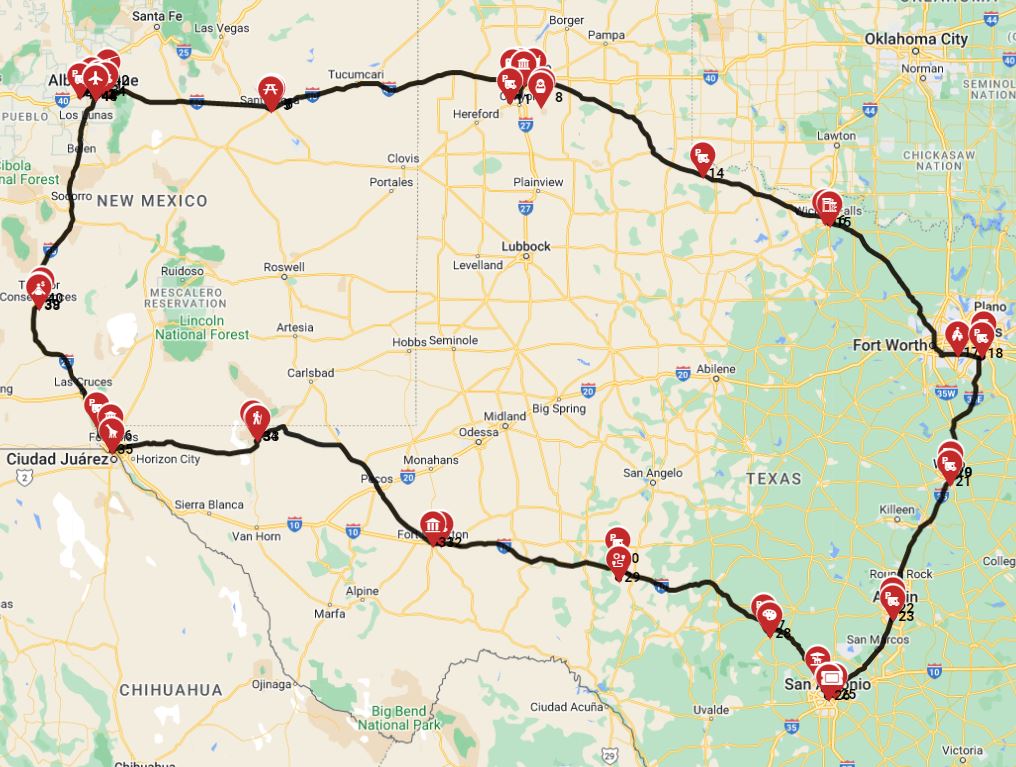
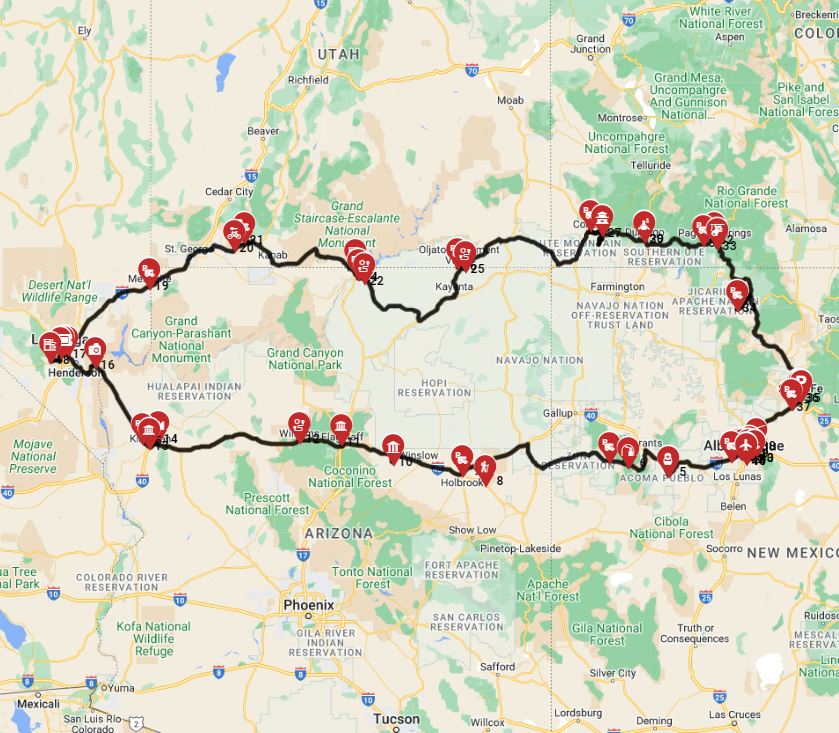
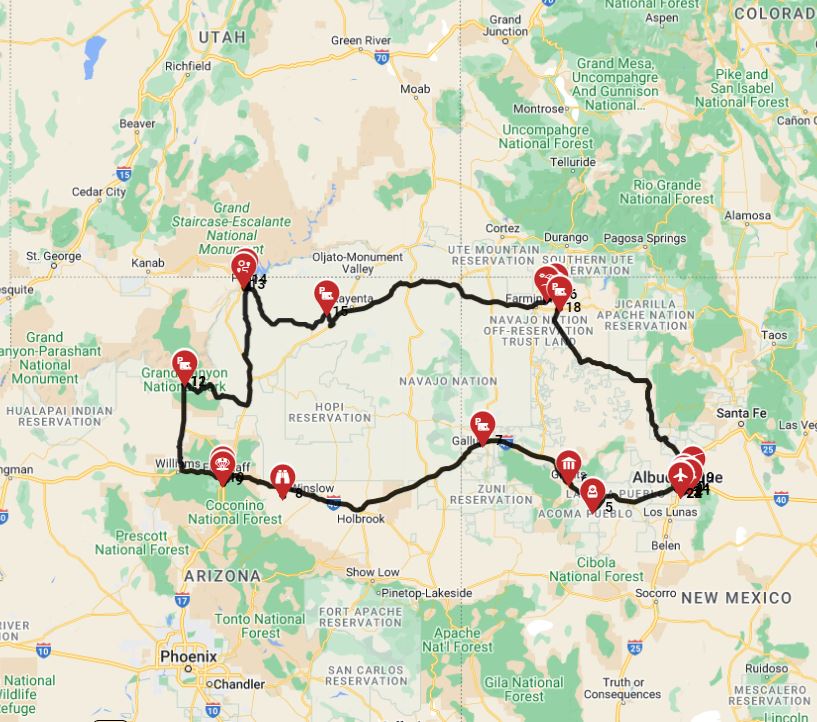
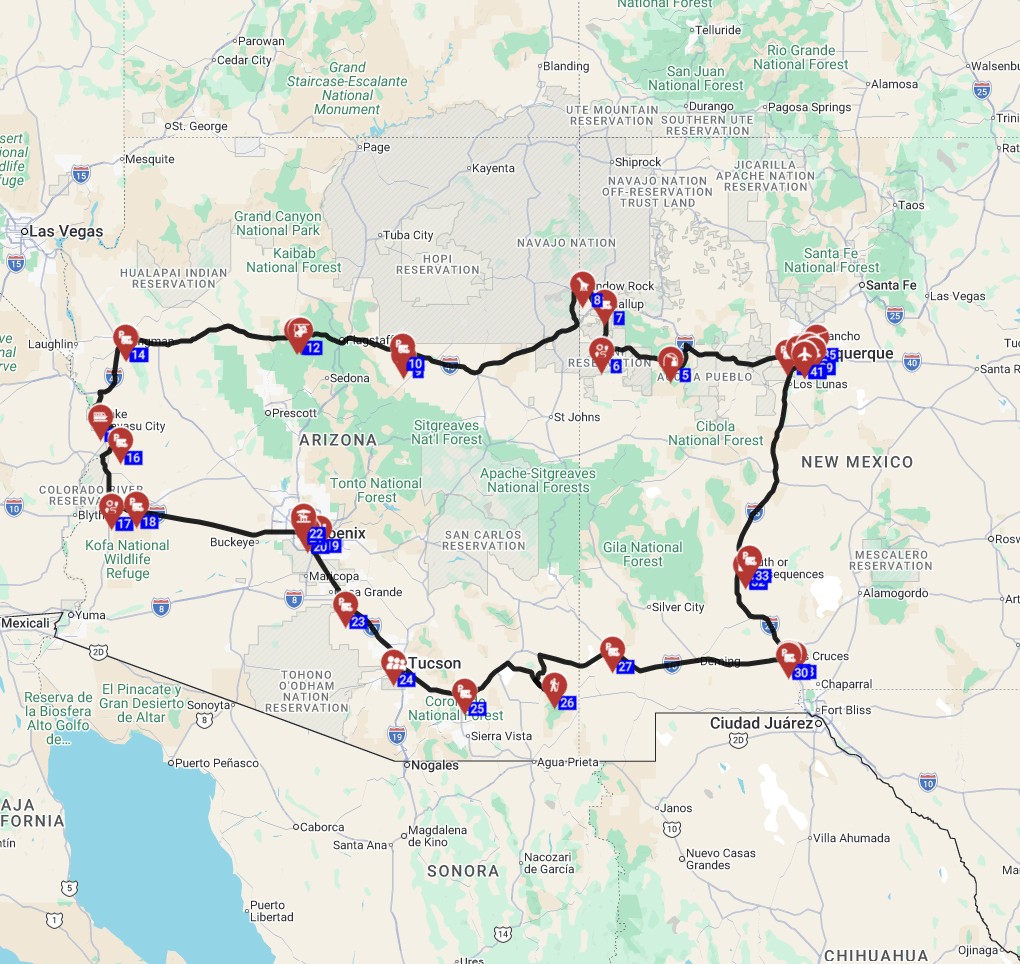
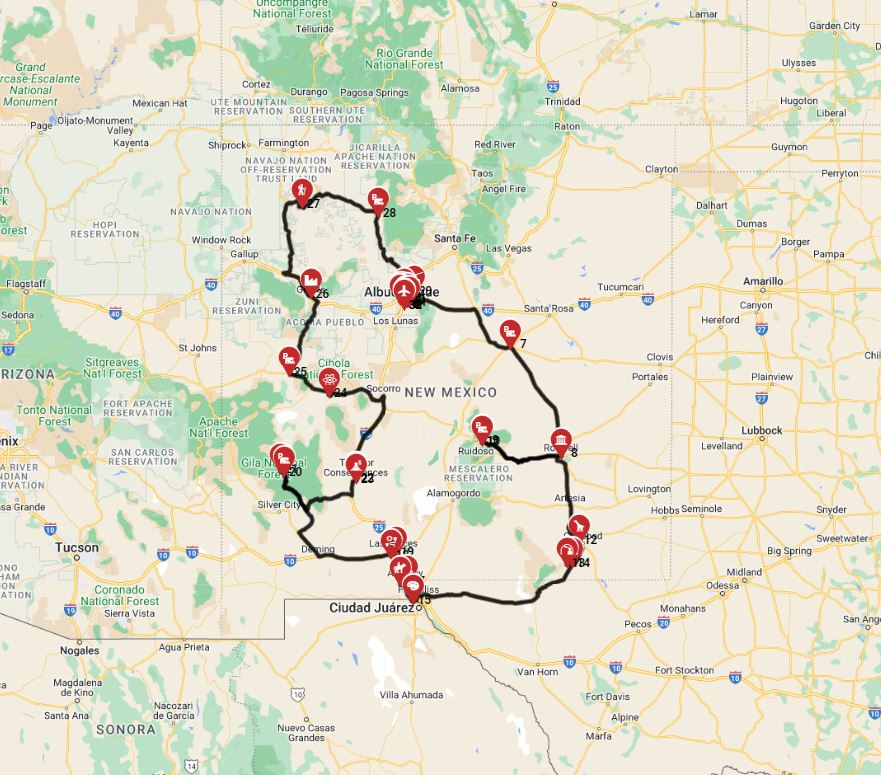
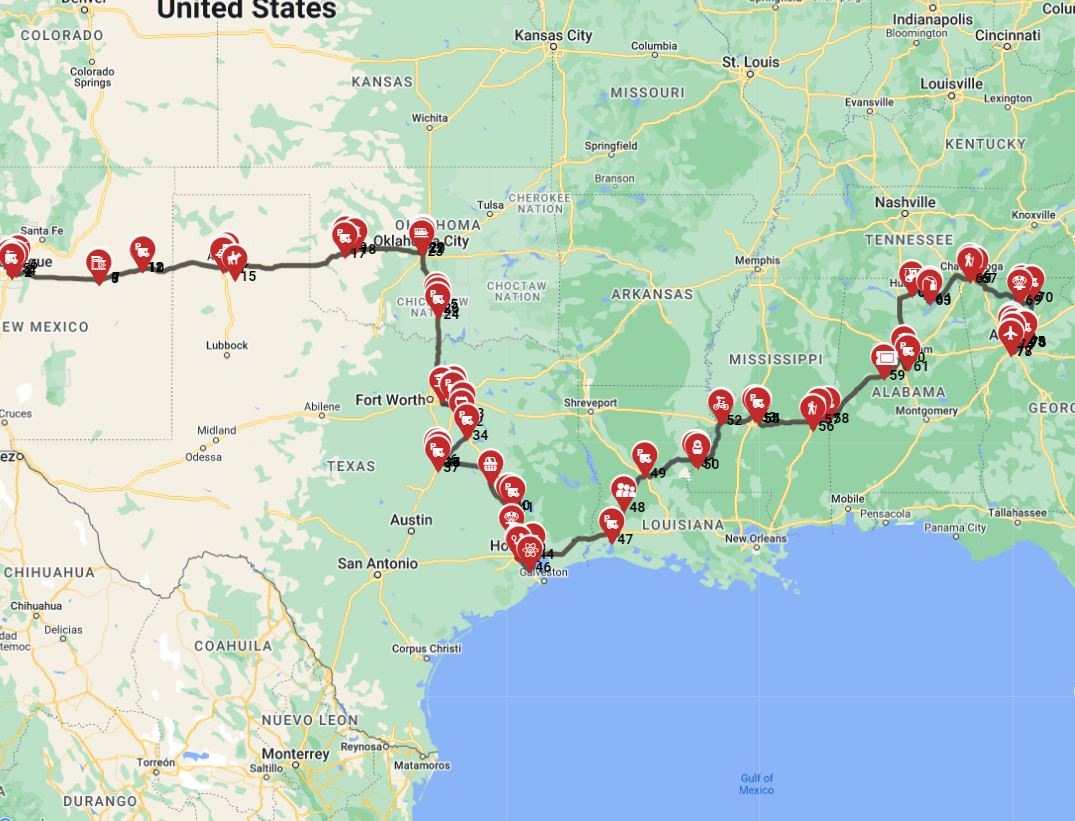
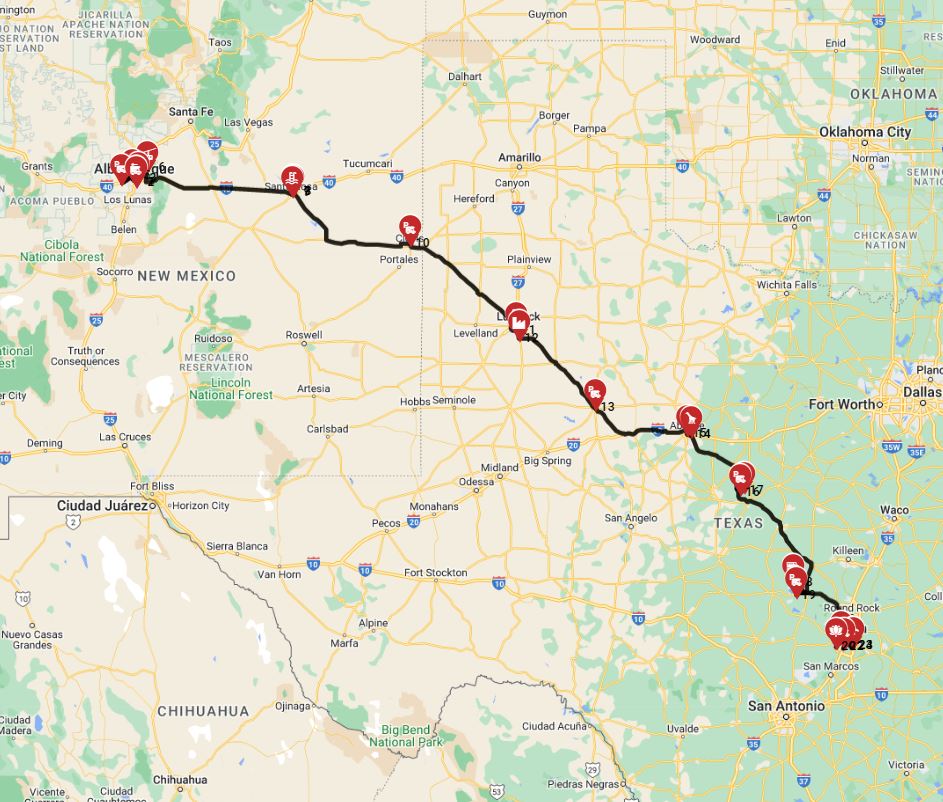
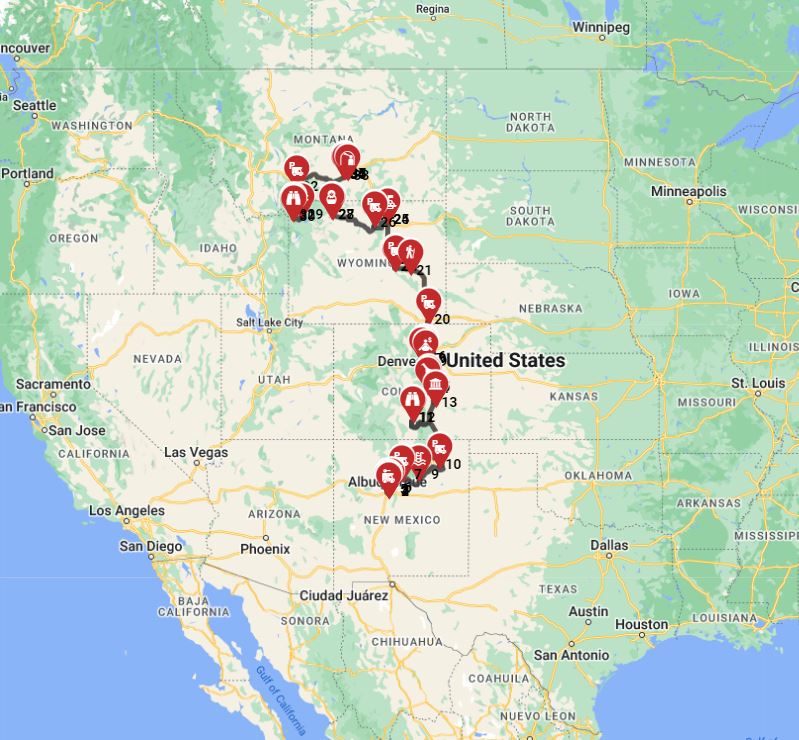
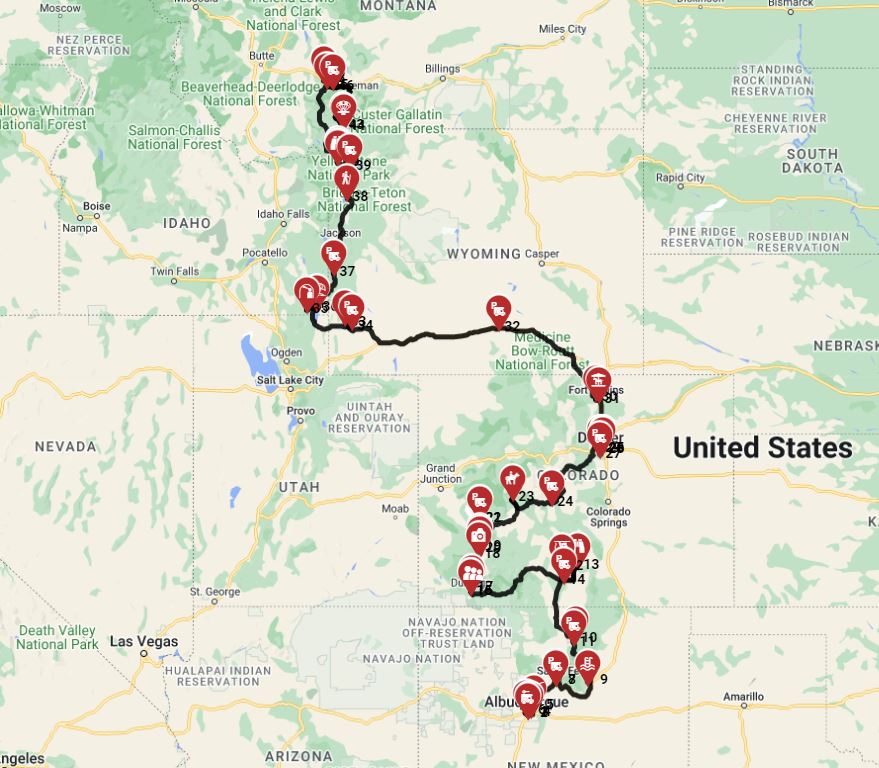
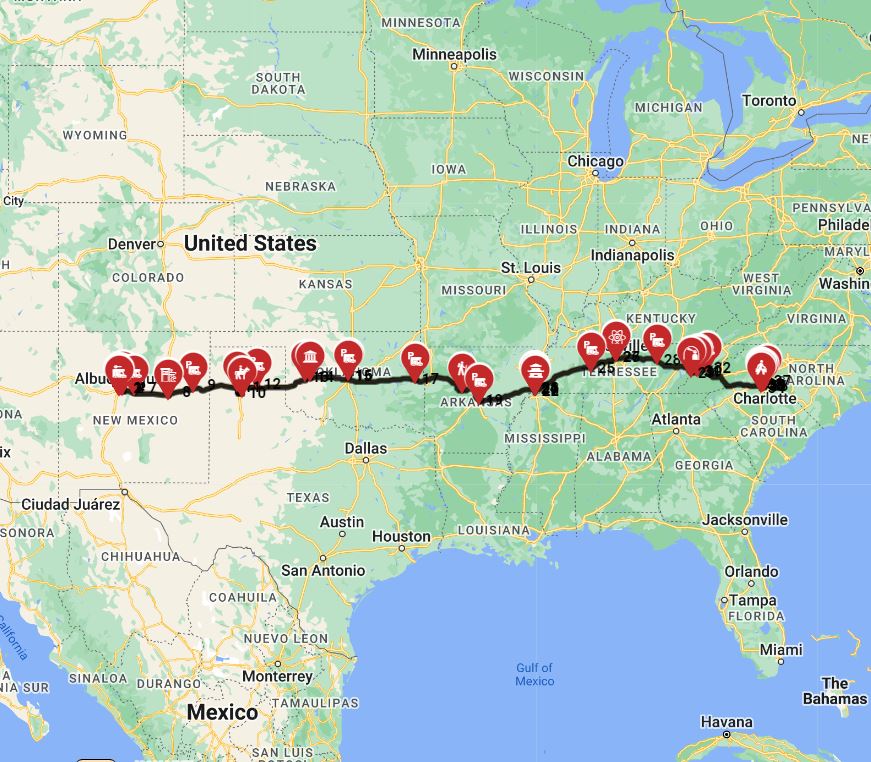
- Cross-Country Adventure: Consider an extended road trip like the "Billings to Orlando - Rockies to Disney: USA Motorhome Journey". This 25-day, 5678.0999999999985 km route offers diverse attractions from amusement parks to hiking areas.
For those interested in exploring further north, even a Canadian route like the "Toronto Roundtrip - facing north Incl. Niagara Falls & thousand island", an 11-day, 1769.7 km itinerary, can be a fantastic winter experience. It includes picturesque scenic routes and historical sites.
Looking for expert insights from Avi Bandana? Top 5 Adventures - recommendations from Avi Bandana
🎬 Video coming soon
Final Thoughts
Winter RV rental in USA offers a magical way to experience diverse landscapes, from snowy peaks to warm desert escapes. While pricing is dynamic, a little planning and flexibility can unlock incredible value. Remember to budget for all ancillary costs and embrace the spirit of slow travel, allowing yourself to truly connect with each destination.
At Bandana, we're dedicated to making your RV journey transparent, enjoyable, and stress-free. Our expertise, 24/7 pre-booking and post-booking support, and commitment to clear pricing mean you can book with confidence. So, get inspired, choose your route, and prepare for an unforgettable winter adventure on the open road.
Discover top destinations and planning tips, all in one place! Plan a trip itinerary in advance with minimal effort and maximum enjoyment by exploring our comprehensive resources.