For live availability and current prices, start with our RV Rental USA - Complete Guide 2026 guide.
In This Guide
- Can You Drive an RV in USA? License & Age Rules
- Road Conditions & Terrain in USA
- RV Size Limits, Bridges & Restricted Zones
- Fuel: Diesel vs. Petrol & Cost per 100 km
- Tolls, Vignettes & Border Rules
- Driving Tips for pet friendly rv rental Travelers
- Recommended RV Class for USA Roads
- Should I Choose a Compact Van Instead of a Large RV in USA?
- Can I Park Anywhere? Free & Wild Camping Rules in USA
- Can I Drive an RV Into the City Center? Heights, Tunnels & Local Signage
- What is the 3 3 3 rule for RV driving?
- What makes an RV pet friendly?
- What size RV can you drive without a special license?
- Can you sleep in an RV while driving in the USA?
- What is the 3 3 3 rule for RV travel?
- Can dogs ride in a camper while driving?
- Which states are RV friendly?
- What is the 3-3-3 rule for RV living?
- Do I need a special license to drive an RV in the USA?
- What is pet protection on RV insurance?
Can You Drive an RV in USA? License & Age Rules
Most RVs in the USA can be driven with a standard Class D driver's license, provided their Gross Vehicle Weight Rating (GVWR) is under 26,001 pounds (approximately 11,793 kg). For RVs exceeding this weight, or those with air brakes, a Commercial Driver's License (CDL) or a non-commercial special endorsement may be required, depending on the state. The minimum driver age for RV rental is typically 21 years old, although this can vary by rental company and insurance requirements, with some requiring drivers to be 25. Foreign drivers generally need a valid driver's license from their home country, often accompanied by an International Driving Permit (IDP) translated into English, to legally operate an RV in the USA. It's crucial to verify the specific weight threshold that triggers a higher license category, which is often 26,001 pounds GVWR.
Road Conditions & Terrain in USA
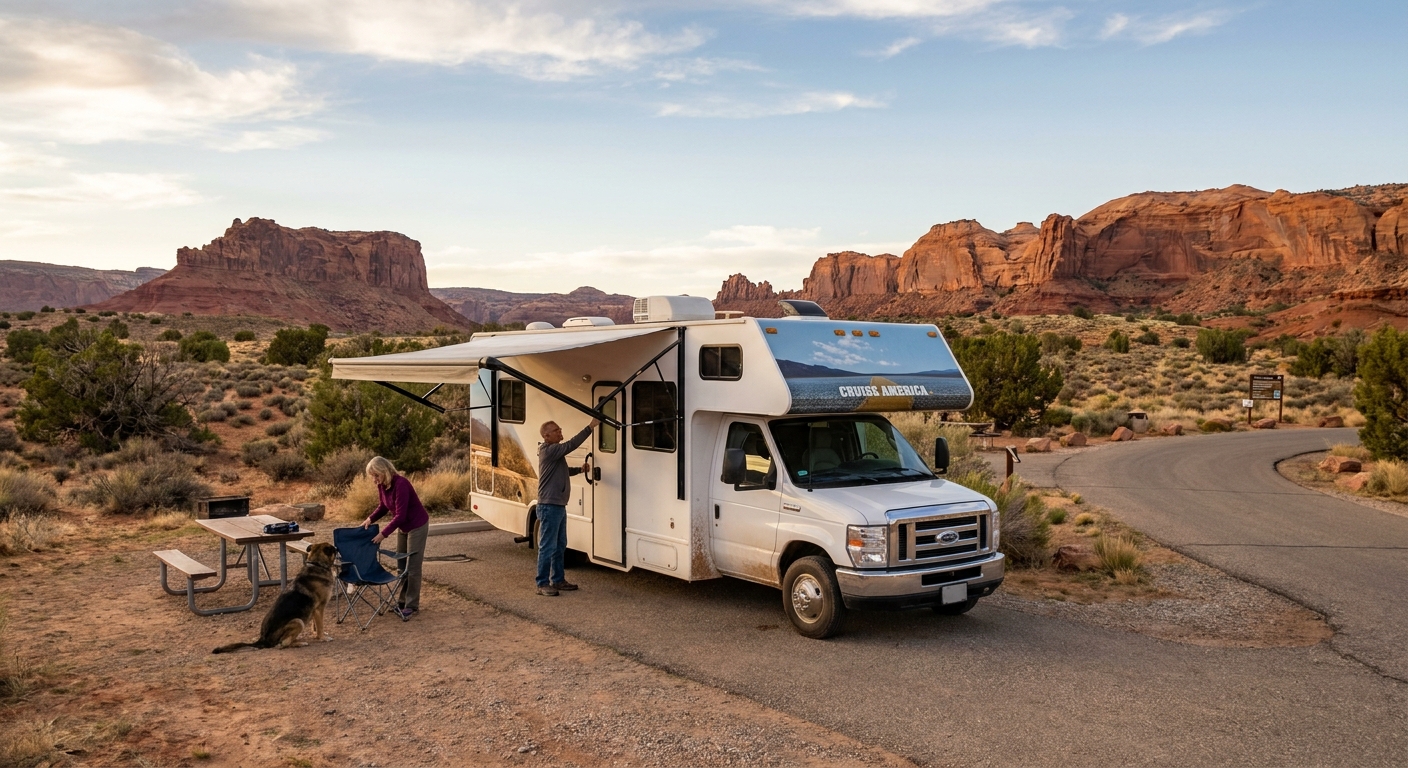
Road conditions across the USA vary widely, from well-maintained interstate highways to gravel forest service roads, offering diverse experiences for pet-friendly RV travel. Travelers can expect smooth driving on major interstates, but should prepare for more challenging terrains like winding mountain passes, steep grades, and unpaved roads when exploring national and state parks or seeking boondocking spots. Urban areas will present denser traffic and tighter maneuvering, while rural routes, particularly in the Southwest USA, offer vast open spaces and scenic, slower drives perfect for pets. Encouraging slow, scenic driving allows for better appreciation of the landscape, provides frequent opportunities for pet exercise breaks, and enhances safety on varied terrain.
RV Size Limits, Bridges & Restricted Zones
While the USA generally accommodates large RVs, drivers must remain vigilant for specific size limits, low bridges, and restricted zones, particularly in older towns, national parks, and tunnels. Typical bridge height clearances on interstates are around 13 feet 6 inches (4.1 meters), but lower clearances can be found on secondary roads or in older infrastructure. Some national park roads or scenic routes may have length or height restrictions; for example, certain tunnels or winding mountain roads might prohibit RVs over a specific length. Environmental zones are not as common for RVs in the USA as in some European cities, but drivers should still check for local ordinances restricting older, higher-emission vehicles in certain urban areas. Ferry limits for RVs vary significantly by operator and vessel; always check with the specific ferry service for maximum length, height, and weight allowances, and book in advance.
Fuel: Diesel vs. Petrol & Cost per 100 km
In the USA, petrol (gasoline) is more widely available than diesel, though diesel is common at truck stops and larger fuel stations, especially for larger Class A and some Class C RVs. Bandana's global fleet averages suggest common fuel consumption for petrol RVs like Class B Camper Vans at around 10 Liters/100 km, while Class C Alcoves and Class SI Semi-integrated RVs typically consume 10-12 Liters/100 km and 10-11 Liters/100 km respectively. Larger diesel Class A Integrated RVs from Bandana's fleet average 11-12 Liters/100 km, and Class TC Truck Campers are typically 12-17 Liters/100 km. The average cost per 100 km will fluctuate significantly with fuel prices and RV fuel efficiency; for example, at $1.00 per liter, a Class C consuming 12L/100km would cost $12 per 100km. Some pet-friendly RV rental agencies may offer fuel discount cards or loyalty programs to help manage fuel expenses during your trip.
Tolls, Vignettes & Border Rules
Tolls in the USA are typically collected electronically or via cash lanes on specific highways, bridges, and tunnels, rather than through a national vignette system common in some other countries. Drivers should be aware of regions with extensive toll roads, such as the Northeast, Florida, and parts of the Midwest, and plan routes accordingly using a motorhome trip planner app. When crossing into neighboring countries like Canada or Mexico, specific border rules apply, including passport requirements for all occupants and pet import regulations (vaccination records, health certificates). Some RV rental providers, including Bandana, allow for pre-purchasing electronic toll passes (like E-ZPass or SunPass) to avoid missed toll fines and simplify travel through tolling areas. On the routes offered through RV PLANET routes, you can itemize and track every expense along the way for easy budgeting.
Driving Tips for pet friendly rv rental Travelers
When traveling with pets in your rented RV, frequent breaks are essential. Plan to stop every 2-3 hours for potty breaks, exercise, and hydration, which aligns with the '3-3-3 rule for RV driving' by limiting daily travel distance. Ensure pets are safely secured in a crash-tested crate or harness while the RV is in motion, preventing injury to them and distraction to the driver. Utilize a trip planner to identify pet-friendly parks, campgrounds, and attractions along your route, especially in diverse regions like the Pacific Northwest. Remember to take wider turns, allow extra braking distance, and be conscious of your RV's height when approaching gas stations, drive-thrus, or low-hanging obstacles. It's also wise to budget for potential extra fuel costs due to detours for pet needs or slower driving speeds, and consider rental options that include fuel discount cards.
Recommended RV Class for USA Roads
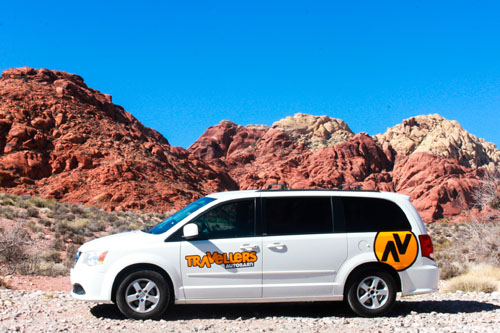
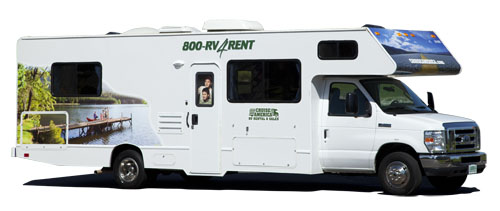
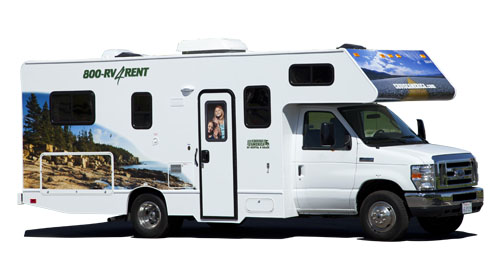
For pet-friendly RV travel across USA roads, the Class B Camper Van and Class C Alcove are highly recommended, balancing maneuverability with comfort and space for pets. Bandana's global fleet averages show Class B Camper Vans at an average length of 5.8 meters, offering nimble handling for navigating both city streets and scenic routes, while still providing sleeping places for 3.2 adults on average. Their compact size makes parking and spontaneous stops for pet exercise much easier. The Class C Alcove, with an average length of 7.5 meters and sleeping places for 5.8 people (4.4 adults), provides significantly more living space, which is ideal for longer trips with pets, allowing for comfortable indoor movement and separate sleeping areas. This extra space ensures pets have room to stretch out even during inclement weather, without sacrificing too much on driving ease on major US highways.
Should I Choose a Compact Van Instead of a Large RV in USA?
In the USA, there is generally no widespread issue driving any RV size, and for pet-friendly travel, the added comfort and indoor space of a larger RV often outweigh minor maneuverability concerns. A compact van (like a Class B Camper Van with an average length of 5.8m) genuinely helps in situations like navigating very tight historic city centers, finding parking in crowded urban areas, or tackling extremely narrow, winding mountain passes that might have length restrictions. However, for the majority of USA road trips, especially those prioritizing pet comfort, a larger RV (such as a Class C Alcove, averaging 7.5m, or even a Class A) offers significantly more living space, dedicated pet zones, larger tanks for boondocking, and greater storage for pet supplies. The trade-off often leans towards a larger RV for pet travelers, as enhanced interior space reduces stress for animals and provides more amenities, without posing significant driving challenges on the extensive US highway system.
Can I Park Anywhere? Free & Wild Camping Rules in USA
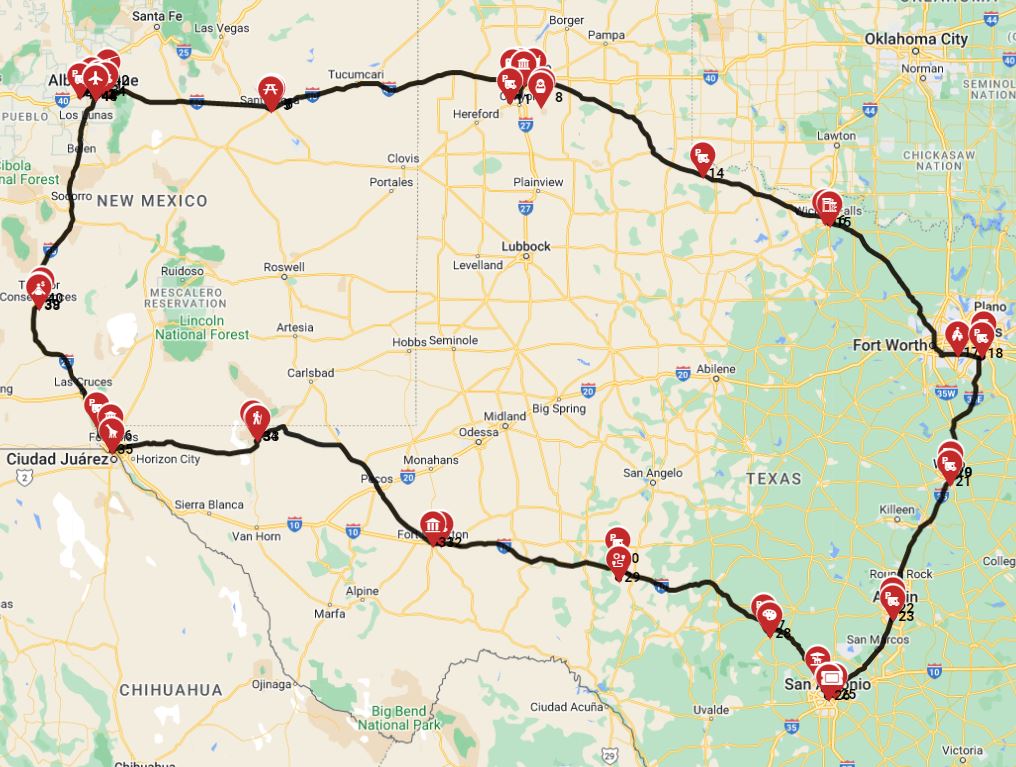
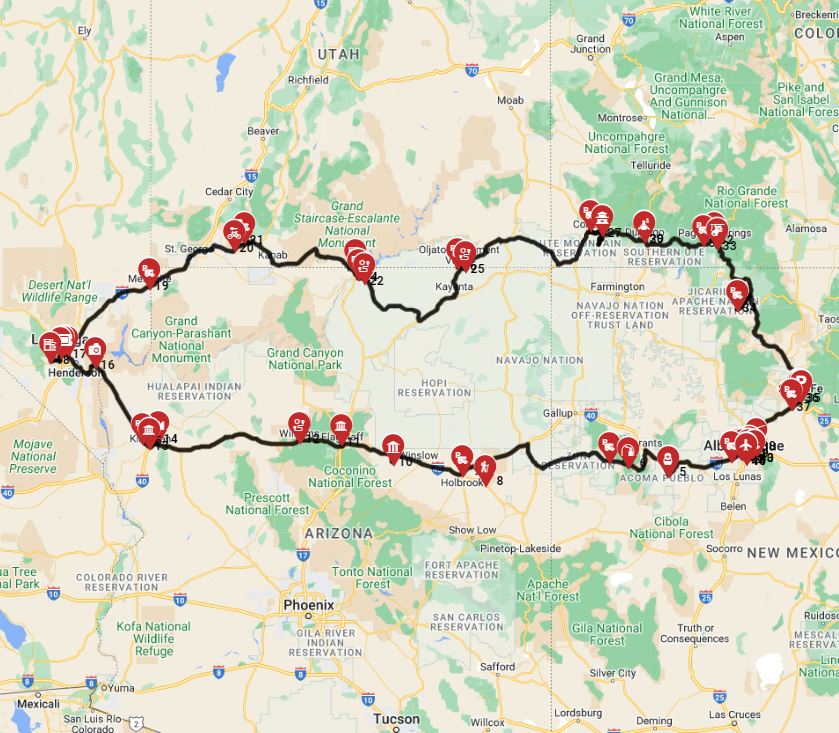
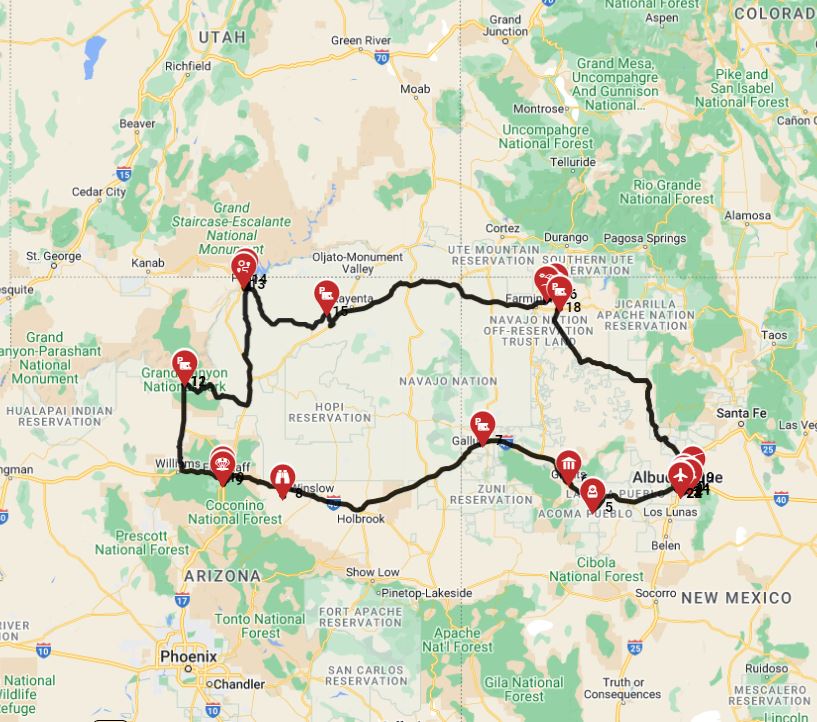
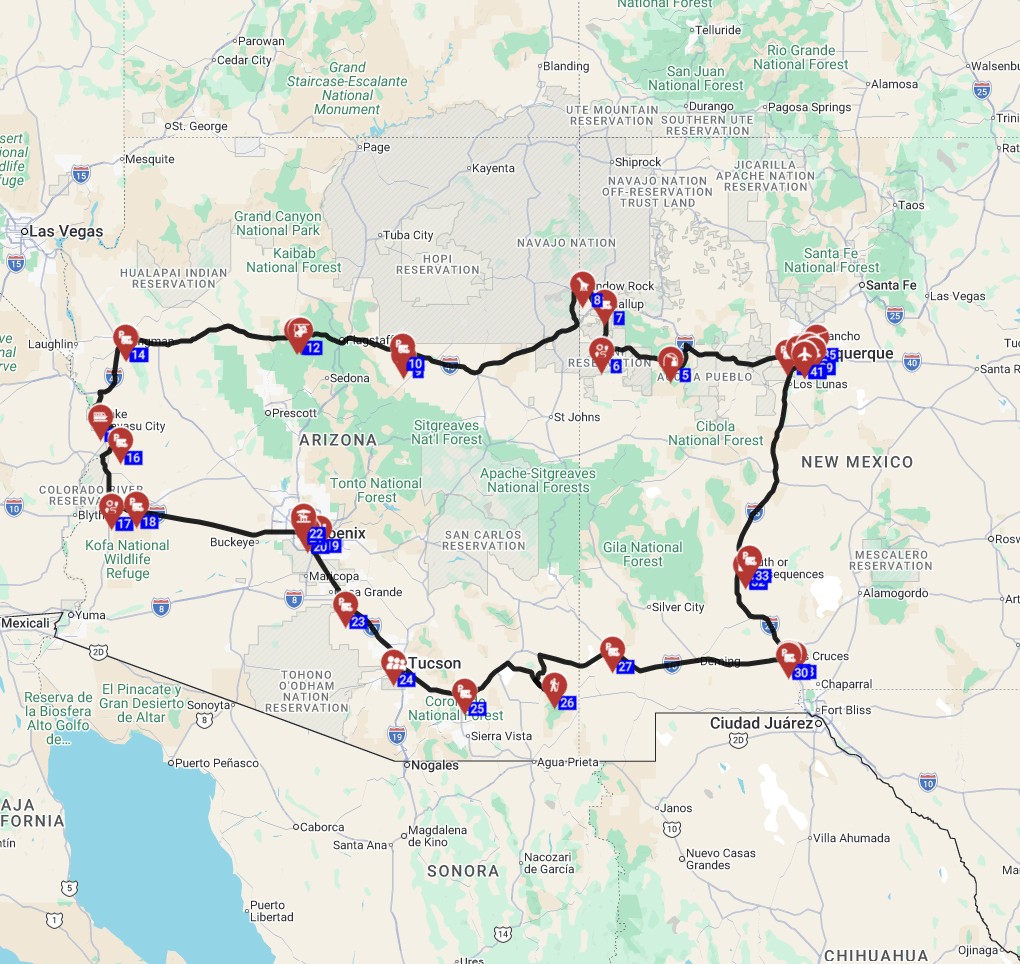
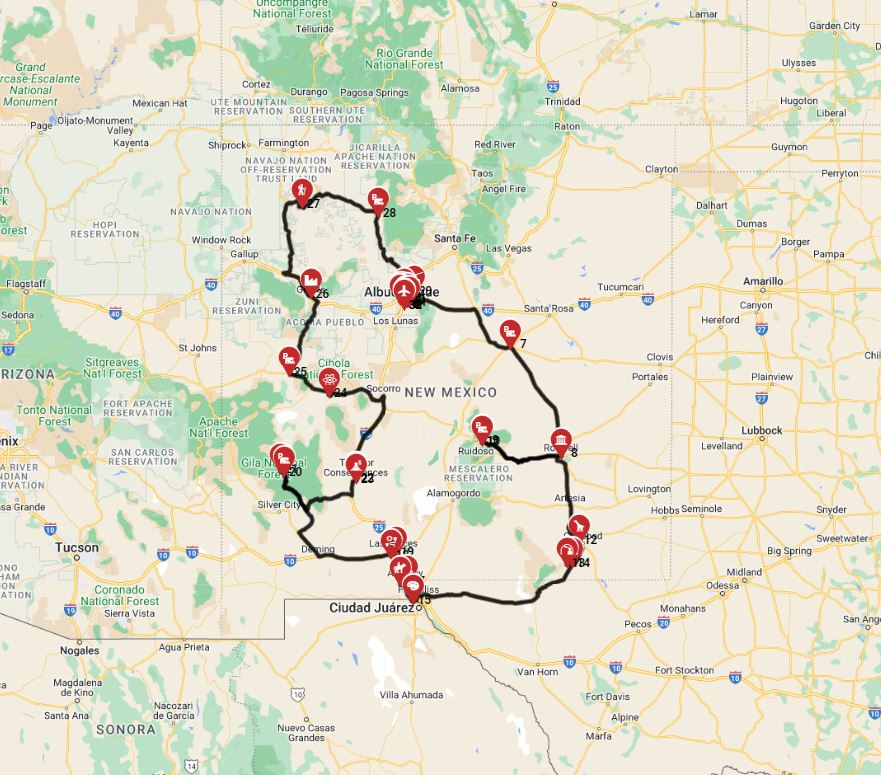
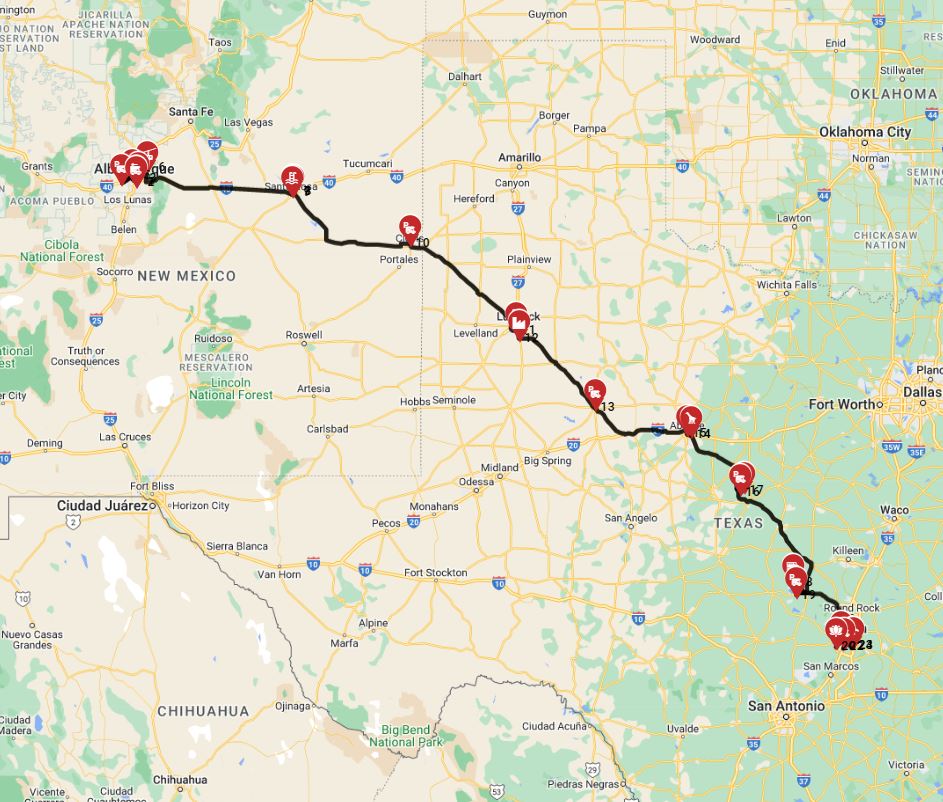
In the USA, free or wild camping (often called boondocking or dispersed camping) is generally permitted on designated public lands managed by the Bureau of Land Management (BLM) and in many National Forests, offering vast opportunities for pet-friendly stays. Many retail parking lots, such as Walmart, Cabela's, and some casinos, often allow overnight RV parking, though policies vary by location and are subject to management discretion—always check with store management first. Designated rest areas along interstates sometimes allow short overnight stays, but this is less common and often has time limits. The Southwest USA offers numerous boondocking locations, as indicated by various Southwest USA Road Trip Maps, providing wide-open spaces for pets to explore responsibly. Rules vary significantly by region and specific land management agency; always check local regulations and follow local law before parking overnight, ensuring you leave no trace and protect the environment.
Can I Drive an RV Into the City Center? Heights, Tunnels & Local Signage
Yes, you can almost always drive an RV into city centers across the USA, but it requires diligent attention to local signage, particularly regarding height restrictions, tunnels, and low bridges. While major arteries typically accommodate RVs, older infrastructure in historic downtowns or specific residential zones might have height limits (e.g., parking garages, low overpasses) or narrow streets that are challenging for larger vehicles. Always pay close attention to posted height limits for tunnels and bridges, as these can be considerably lower than standard highway clearances, and specific environmental zones or residents-only streets may restrict RV access or require permits. Using a GPS specifically designed for RVs, which can factor in vehicle dimensions, is highly recommended for urban navigation to avoid problematic routes.
What is the 3 3 3 rule for RV driving?
The 3-3-3 rule for RV driving is a popular guideline for safe and enjoyable RV travel, recommending that you drive no more than 300 miles a day, arrive at your destination by 3 PM, and stay for a minimum of 3 days. This rule is not a strict law but a practical recommendation designed to prevent driver fatigue, allow for more relaxed travel, and provide ample time to set up camp, explore, and address pet needs. By limiting daily mileage to 300 miles (approx. 480 km), drivers avoid excessive fatigue and allow for more frequent stops, which is especially beneficial for pet travelers needing regular potty and exercise breaks. Arriving by 3 PM ensures you have daylight to navigate a new campground, troubleshoot any hook-up issues, and let your pets settle in before dark, making for a less stressful arrival. Staying for at least 3 days at each location allows for deeper exploration of the area, reduces the constant packing and unpacking stress, and provides consistent routine for pets, improving their comfort and behavior on the road.
What makes an RV pet friendly?
An RV is considered truly pet-friendly not just by allowing animals, but by offering practical amenities, safety features, and a welcoming environment that caters to the specific needs of companion animals during travel. Key features include durable, easy-to-clean flooring (like vinyl or linoleum) that can withstand spills and muddy paws, adequate interior space for crates or designated pet beds, and sufficient ventilation to maintain comfortable temperatures for pets. True pet-friendliness goes beyond just a 'pet fee' and encompasses practical considerations such as integrated leash hooks near the entrance, outdoor shower facilities for rinsing muddy paws, and sufficient storage for pet food, toys, and waste bags. For safety, ensure the RV has secure windows and doors, and consider travel with a pet-specific first-aid kit, a crash-tested travel crate or harness, and water/food bowls that don't spill easily while driving. Travelers should also research state-by-state pet laws, as requirements can vary for seatbelt usage, leash laws in specific parks (e.g., National Parks often have stricter rules than State Parks), and waste disposal protocols.
What size RV can you drive without a special license?
In the USA, most recreational vehicles, including Class B Camper Vans, Class C Alcoves, and many Class A Integrated RVs, can be driven without a special license, provided their Gross Vehicle Weight Rating (GVWR) is under 26,001 pounds (approximately 11,793 kg). This weight threshold is the critical factor; if an RV or its combination with a towed vehicle exceeds 26,001 pounds, a non-commercial special endorsement or even a Commercial Driver's License (CDL) may be required, depending on the state. For instance, a Class B Camper Van (averaging 5.8m in length) and a Class C Alcove (averaging 7.5m in length) from Bandana's global fleet typically fall well within the standard license limits due to their GVWRs. However, some larger Class A RVs or those towing heavy trailers might exceed this limit, necessitating a review of specific state RV driver's license requirements which can also factor in length or air brake endorsements. It is essential for renters to verify the GVWR of their chosen RV and consult their state's Department of Motor Vehicles for precise licensing rules to avoid legal issues.
Can you sleep in an RV while driving in the USA?
No, it is illegal and extremely unsafe for passengers to sleep in an RV's living quarters, such as the bed or dinette, while the vehicle is in motion on public roads in the USA. All passengers, including pets, must be properly secured in designated seats with seatbelts whenever the RV is moving, in compliance with traffic laws and for their own safety. Sleeping in a moving RV's rear areas poses significant dangers; in the event of a sudden stop or collision, unsecured occupants can be severely injured or ejected from the vehicle. Pets, too, should be secured in a crash-tested crate or harness while driving, not roaming freely or sleeping in unsecured areas. This misconception often arises from the idea of the RV as a 'home on wheels,' but safety regulations mandate that it functions as a vehicle first when in transit.
What is the 3 3 3 rule for RV travel?
The 3-3-3 rule for RV travel is an easy-to-remember guideline for a more relaxed and enjoyable trip, advocating for driving no more than 300 miles (480 km) a day, arriving at your destination by 3 PM, and staying for a minimum of 3 days at each location. This rule, also applied to RV driving and living, emphasizes pacing your journey to prevent driver fatigue and allow sufficient time for setting up camp and exploring. Adhering to the 300-mile limit ensures manageable driving days, providing frequent opportunities for pet breaks and minimizing stress for both human and animal passengers. The 3 PM arrival time offers ample daylight to settle into a new campground, allowing time for pet walks and familiarization with the new environment before dusk. Staying for at least 3 days fosters a sense of routine for pets, reduces the hassle of constant packing, and encourages deeper engagement with each destination, enhancing the overall travel experience.
Can dogs ride in a camper while driving?
Yes, dogs can ride in a camper while driving in the USA, provided they are safely secured within the main cabin or the living area of the RV, which is considered an integral part of the vehicle. Crucially, dogs (and all passengers) must be secured in a crash-tested crate, a specialized RV pet seatbelt, or a travel harness attached to a seatbelt, to prevent injury during sudden stops or accidents. Allowing dogs to roam freely or ride on laps while driving is unsafe for both the pet and the occupants, as they can become a distraction or a projectile in a collision. Ensure good ventilation and temperature control in the area where your dog is riding, and provide access to water, especially on long drives. Never allow dogs to ride unsecured in the bed of a truck camper (Class TC) or a towed travel trailer that is separate from the driver's cab, as these are not designed for passenger transport while in motion.
Which states are RV friendly?
States are considered 'RV friendly' based on factors like abundant campground availability, extensive public land access for boondocking, unique RV attractions, and favorable state-specific laws and infrastructure. Arizona, California, Florida, Texas, and Colorado are frequently cited as highly RV-friendly, each offering a distinct blend of natural beauty, diverse camping options, and attractions tailored for RVers. California and Florida boast extensive coastlines with numerous beachside campgrounds and state parks, while Arizona and the Southwest USA offer vast tracts of BLM land perfect for dispersed camping and exploring national monuments. Colorado is renowned for its mountain recreation, numerous national forests, and scenic byways, with ample opportunities for RV camping. Factors like ease of finding dump stations, access to propane, RV repair services, and a general welcoming attitude towards RVers contribute to a state's friendliness, making planning easier for pet-friendly travelers.
What is the 3-3-3 rule for RV living?
The 3-3-3 rule for RV living is a comprehensive guideline for a balanced and enriching RV lifestyle, suggesting that travelers drive no more than 300 miles a day, arrive at their new site by 3 PM, and stay for a minimum of 3 days at each location. This aspect of the rule particularly emphasizes the 'living' experience, encouraging slow travel that allows for deeper immersion in each destination and fosters a more relaxed routine for both travelers and their pets. By limiting daily travel distance (300 miles), RVers reduce travel fatigue, allowing more energy for exploration, activities, and quality time with pets. The 3 PM arrival time ensures campers have sufficient daylight hours to set up their campsite, familiarize themselves and their pets with the surroundings, and unwind before evening. Staying for at least 3 days provides stability, reduces the constant churn of moving, and allows for thorough exploration of local attractions, hiking trails (many of which are pet-friendly), and opportunities for pets to acclimate and thrive in a consistent environment.
Do I need a special license to drive an RV in the USA?
For the vast majority of RVs available for rent in the USA, including most Class B, Class C, and even many Class A models, a standard state driver's license (typically a Class D) is sufficient. The primary determinant for needing a special license is the Gross Vehicle Weight Rating (GVWR), with the critical threshold often being 26,001 pounds (approximately 11,793 kg); RVs exceeding this weight may require a non-commercial special endorsement. Some states also have specific requirements for length or for vehicles equipped with air brakes, which might necessitate a CDL or a specific endorsement, even if the GVWR is below the 26,001-pound mark. It is crucial to verify the specific licensing laws of the state where your RV is registered and any states you plan to travel through, as requirements can vary.
What is pet protection on RV insurance?
Pet protection on RV insurance is a specific coverage that helps cover veterinary costs or replacement expenses if your pet is injured or dies due to a covered RV accident, fire, theft, or other specified peril. This coverage is typically an add-on or an endorsement to a standard RV insurance policy and is designed to provide financial relief for pet owners who view their animals as part of the family traveling with them. Beyond specific 'pet protection,' comprehensive RV insurance should also cover crucial aspects like collision and comprehensive damage to the RV, liability for accidents, roadside assistance (vital for remote pet-friendly travels), and personal effects coverage for your belongings, including pet gear. For those living in their RVs full-time with pets, full-timer's insurance provides broader coverage akin to a homeowner's policy, extending beyond standard recreational use policies to protect against liabilities and damages incurred while stationary. Always review your RV insurance policy thoroughly to understand the limits and exclusions for pet protection and ensure it aligns with your travel plans and your pet's needs.
What You Shouldn't Miss
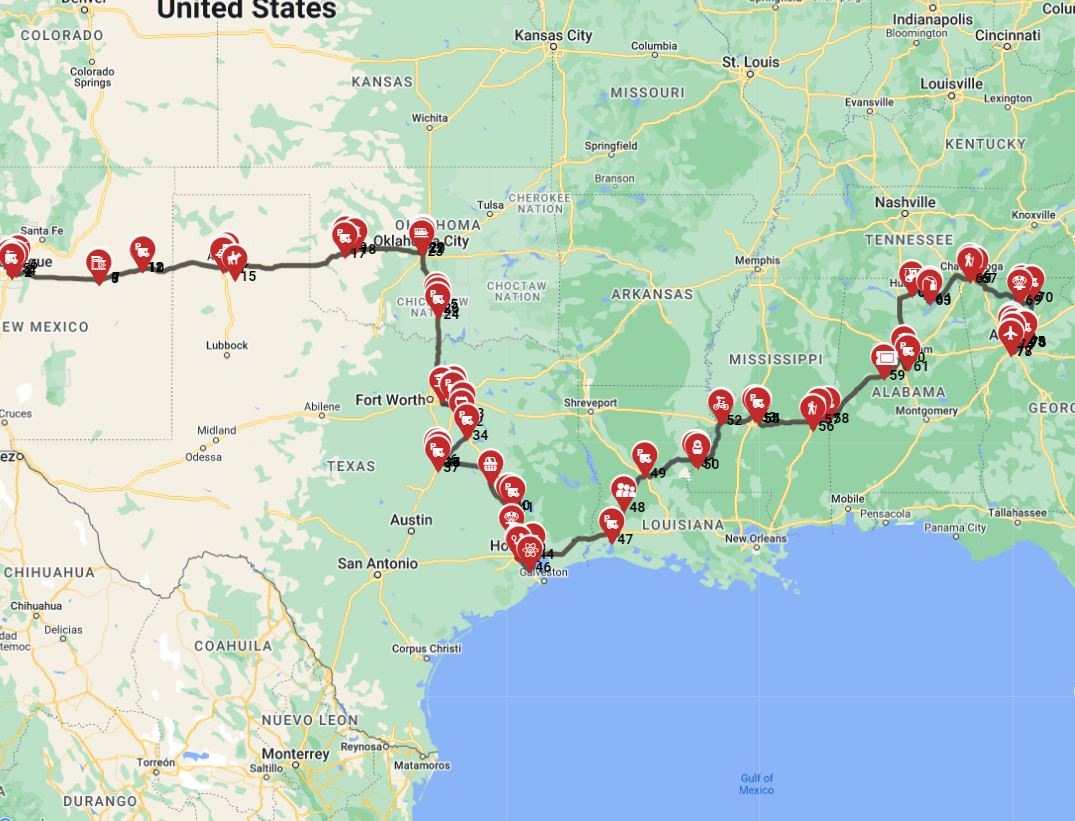
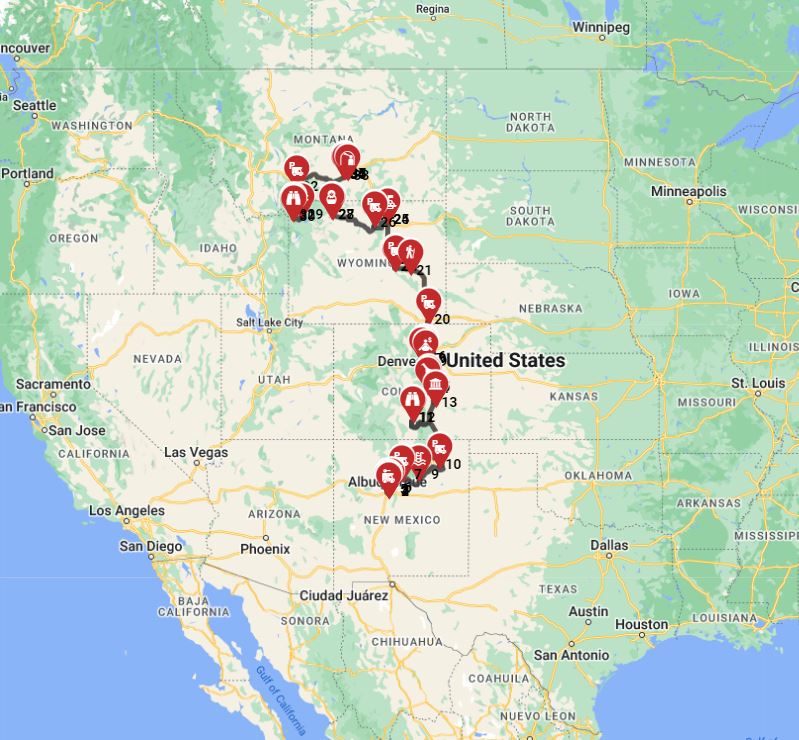
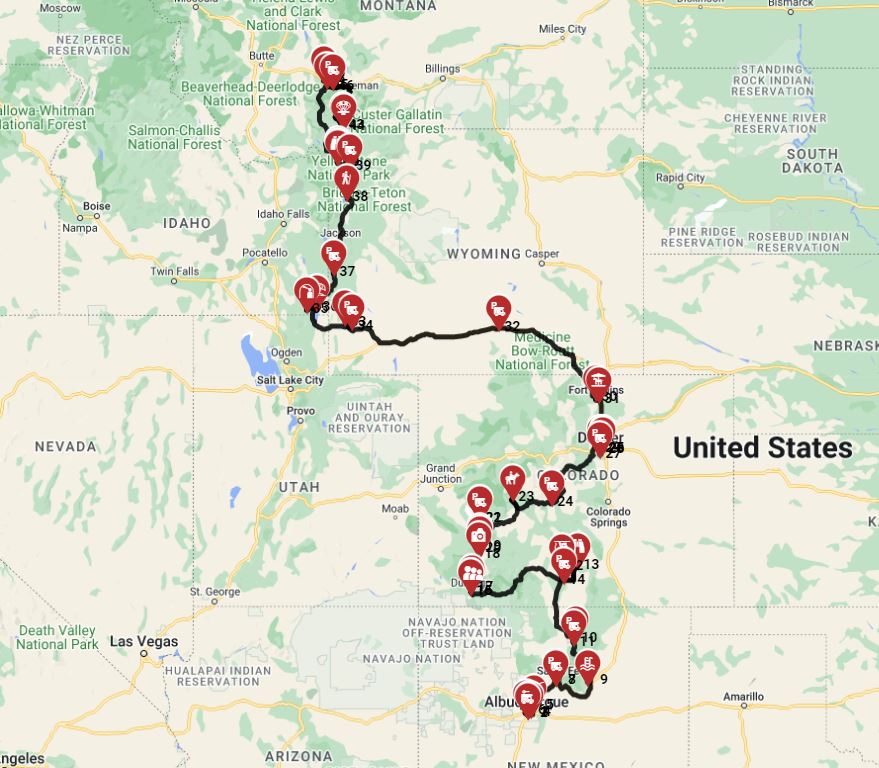
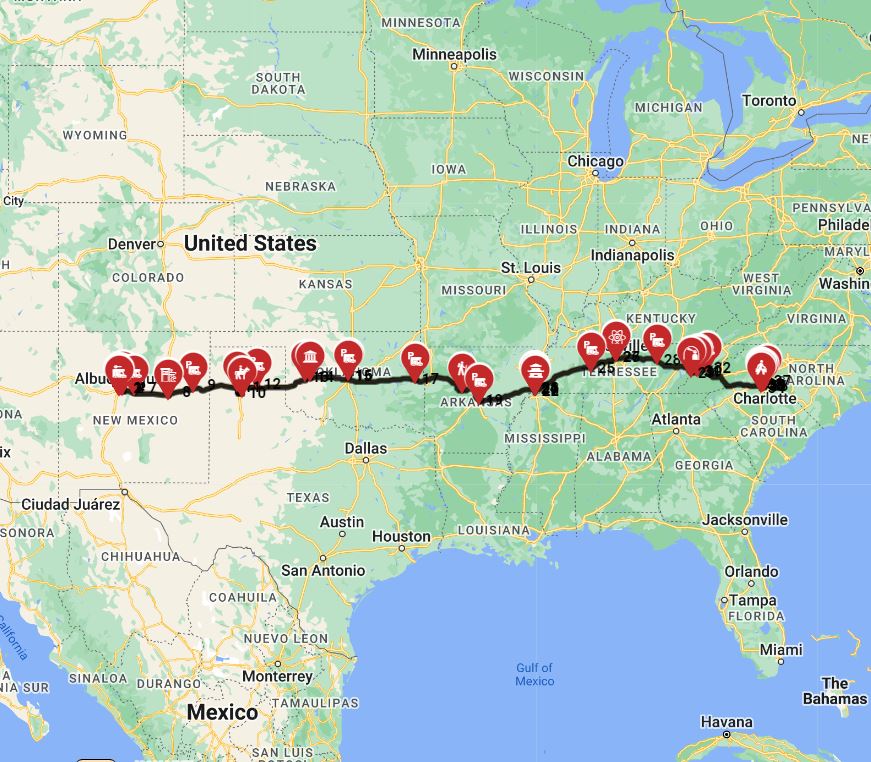
- Explore the Rockies to Disney: Embark on the "Billings to Orlando - Rockies to Disney: USA Motorhome Journey" route. This 25-day, 5,678 km trip includes diverse attractions like amusement parks, wildlife viewing, historical sites, and natural wonders, offering a fantastic cross-country adventure.
- Discover America's Loneliest Road: For a truly unique experience, consider driving a section of US Route 50 in Nevada, dubbed 'The Loneliest Road in America.' It's a great route for RVers seeking solitude and vast, open horizons, especially if you enjoy a challenge.
- Marvel at North America's Highest Road: Drive Colorado's Trail Ridge Road in Rocky Mountain National Park for breathtaking alpine views. Remember that this road is seasonally accessible and may have restrictions for larger RVs, so check conditions before you go.
- Embrace Quirky Roadside Attractions: Break up long drives by visiting some of the USA's eccentric roadside attractions, like the World's Largest Ball of Twine in Cawker City, Kansas. These quirky stops add a memorable and often humorous element to your RV journey.
- Stargaze in Dark Sky Parks: Experience the unparalleled beauty of the night sky by visiting one of the USA's many International Dark Sky Parks. RVers can find fantastic spots for stargazing and astrophotography, far from city lights.
Final Thoughts
Embarking on an RV adventure across the USA with your furry friends is an unparalleled experience, offering freedom and flexibility like no other. From the vast national parks to the charming small towns, a rented RV provides the perfect mobile base for exploring diverse landscapes and creating lasting memories.
Remember to plan ahead, pack smart, and embrace the open road. With Bandana Caravan, finding the ideal pet-friendly RV is just the beginning of your incredible American journey. Get inspired for your next trip and start planning today!
Discover top destinations, planning tips, and vehicle comparisons all in one place. Plan a trip itinerary in advance with minimal effort and maximum enjoyment, ensuring a smooth and memorable vacation for both you and your pets.