In This Guide
- Best Washington DC RV Itinerary for rv rental - Overview
- 7-Day Classic Route in Washington DC
- 14-Day Extended Journey in Washington DC
- Recommended RVPlan Trip for Washington DC
- Must-See Stops Along the Way (Avi Bandana Picks)
- Daily Driving Distances & Drive Times in Washington DC
- Best RV Class for This Itinerary - Couple & Family Picks
- Is Washington DC. RV friendly?
- Is there RV parking in Washington DC.?
- What is the best RV route?
Best Washington DC RV Itinerary for rv rental - Overview
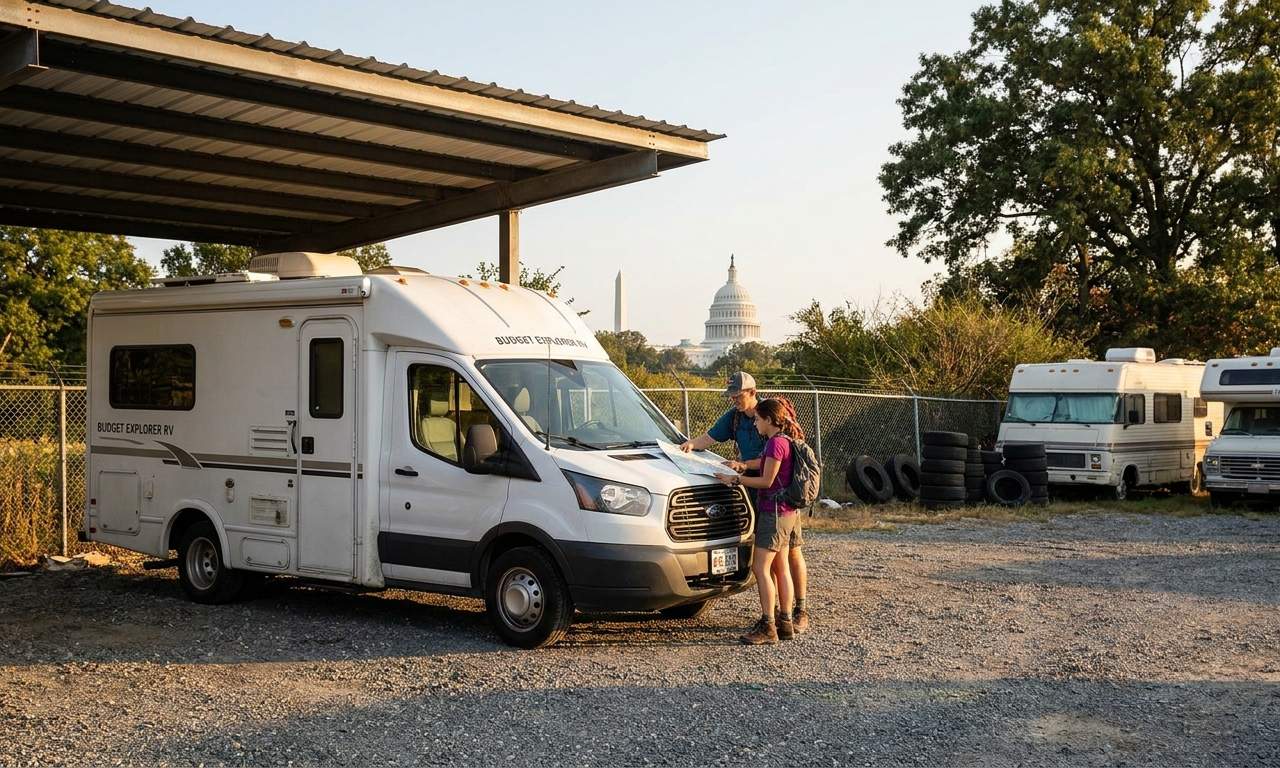
A Washington D.C. RV trip is best approached by establishing a base camp at an RV-friendly campground outside the immediate city core, utilizing public transportation for daily sightseeing. A minimum duration of 7 days is recommended to fully experience the capital's attractions without feeling rushed, ensuring you have ample time to connect with the culture, food, and scenery. This approach minimizes the total average driving distance within the congested D.C. area itself, allowing your rented campervan or motorhome to serve as a comfortable mobile headquarters. The ideal seasons for RV travel to Washington D.C. are spring (March-May) and fall (September-November), as these offer pleasant weather for sightseeing and typically have fewer crowds compared to the peak summer months.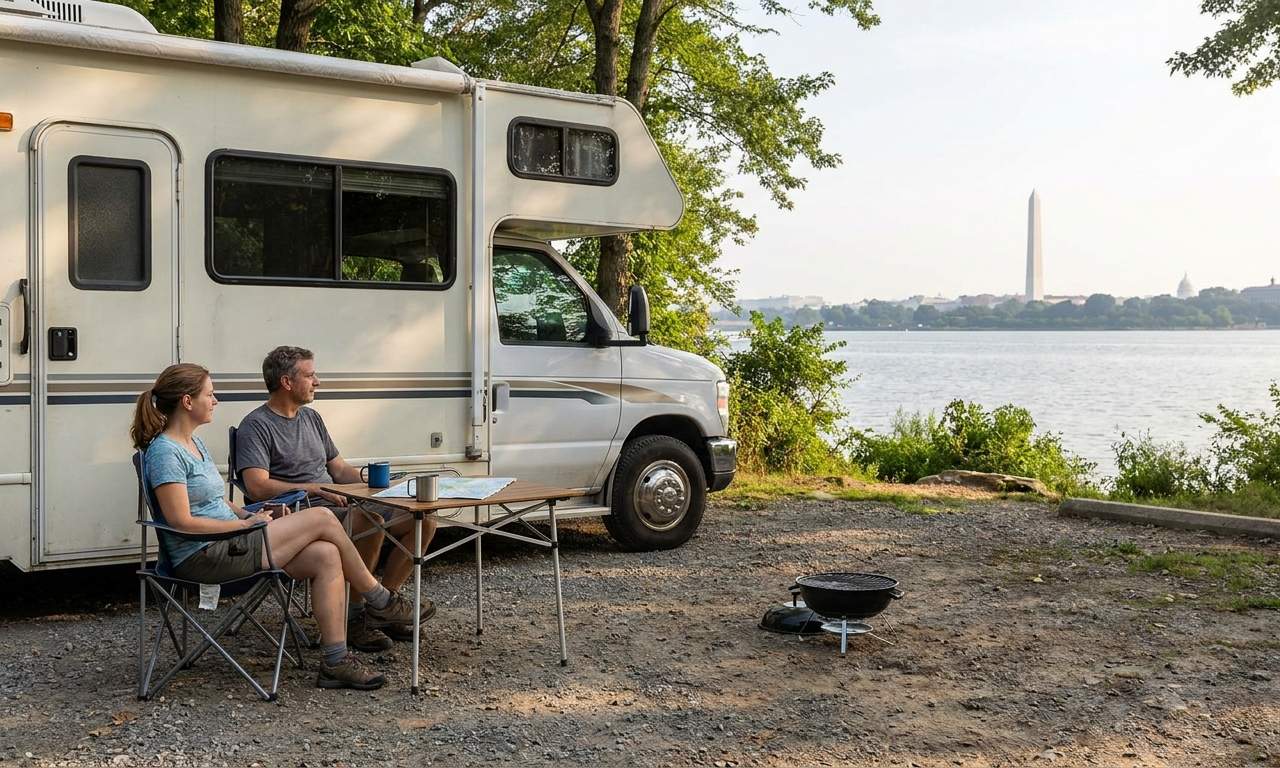
7-Day Classic Route in Washington DC
A 7-day RV itinerary for Washington DC allows for in-depth exploration of the capital's most significant sites, minimizing daily RV driving by utilizing public transit.- Day 1: Arrival & Setup (approx. 20-40 miles / 30-65 km from DC center): Arrive at an RV-friendly campground outside D.C., such as Cherry Hill Park in College Park, MD, or Pohick Bay Regional Park in Lorton, VA. Settle into your rented mobile home, review public transport options like the Metro, and plan your first city excursion.
- Day 2: National Mall Monuments & Memorials (Zero RV driving): Take public transit into D.C. and dedicate the day to exploring the iconic Lincoln Memorial, Washington Monument, World War II Memorial, and the Reflecting Pool. These sites are easily walkable once you're in the city center.
- Day 3: Smithsonian Museums & Capitol Hill (Zero RV driving): Focus on the incredible Smithsonian museums (e.g., National Air and Space Museum, National Museum of Natural History) which offer free entry, and view the U.S. Capitol Building and Library of Congress from the outside. The Metro provides easy access between these central locations.
- Day 4: White House & Downtown Exploration (Zero RV driving): Visit Lafayette Square for close-up views of the White House, explore the nearby Treasury Building, and stroll through downtown D.C. to soak in the city's vibrant atmosphere. Remember to prepare some delicious meals in your RV kitchen; for inspiration, check out our RV-friendly recipes playlist.
- Day 5: Arlington National Cemetery & Old Town Alexandria (approx. 10-15 miles / 16-24 km for RV if moving camp or easy Metro access): Visit Arlington National Cemetery, ensuring you witness the Changing of the Guard at the Tomb of the Unknown Soldier. Afterward, take the Metro or, if your campground allows, drive your RV to a nearby parking spot in Old Town Alexandria for an evening of historic charm, unique shops, and delightful dining.
- Day 6: Georgetown & Waterfront (Zero RV driving): Explore the historic streets of Georgetown, renowned for its upscale shopping, diverse dining options, and beautiful architecture. Then, head down to the Georgetown Waterfront Park for scenic views of the Potomac River, ideal for a leisurely afternoon.
- Day 7: Departure or Local Park Exploration (20-40 miles / 30-65 km): Enjoy a final D.C. area breakfast or visit a local park near your campground, such as Great Falls Park (on either the Maryland or Virginia side) for some natural beauty and easy hiking, before preparing for departure in your rented caravan.
14-Day Extended Journey in Washington DC
A 14-day extended RV journey starting in Washington DC allows for deeper exploration of the capital and nearby historical gems, maximizing your travel experience.- Days 1-5: Washington D.C. Core Exploration (Base at Cherry Hill Park, College Park, MD): Follow the initial 7-day itinerary for an in-depth exploration of the National Mall, Smithsonian Museums, Capitol Hill, and the White House. Utilize the Metro for efficient daily commutes, leaving your rented motorhome comfortably parked.
- Days 6-7: Historic Alexandria & Mount Vernon (Relocate to Pohick Bay Regional Park, Lorton, VA - approx. 30 miles / 48 km): Relocate your RV to a campground south of D.C. like Pohick Bay. Spend a day immersing yourself in Old Town Alexandria's historic streets and waterfront. On day 7, take a day trip to George Washington's iconic Mount Vernon estate.
- Days 8-9: Annapolis & Chesapeake Bay (Relocate to Sandy Point State Park, Annapolis, MD - approx. 40 miles / 64 km): Drive your rented RV to Annapolis, Maryland. Explore the impressive Maryland State House, the U.S. Naval Academy, and savor the charming colonial seaport atmosphere. Consider a scenic Chesapeake Bay boat tour to fully appreciate the coastal beauty.
- Days 10-11: Gettysburg National Military Park (Relocate to Artillery Ridge Campground, Gettysburg, PA - approx. 80 miles / 129 km): Head north to Gettysburg, Pennsylvania, a pivotal Civil War site. Dedicate a full day to exploring the battlefield with its monuments, the excellent museums, and learning about this significant historical event. The next day, explore the charming town and nearby attractions in your campervan.
- Days 12-13: Harpers Ferry National Historical Park & Shenandoah Valley (Relocate to Harpers Ferry KOA, Harpers Ferry, WV - approx. 45 miles / 72 km): Drive your RV to Harpers Ferry, West Virginia. Explore the historic town, hike picturesque trails, and delve into its rich role in American history. Then, venture into the northern part of Shenandoah National Park for breathtaking scenic drives along Skyline Drive and easy hikes to stunning overlooks.
- Day 14: Return to D.C. Area or Departure (approx. 60 miles / 96 km): Depending on your rental return location, either drive back towards the D.C. metropolitan area for your departure or spend a final relaxing morning at your campground before heading home from your extended RV trip.
Recommended RVPlan Trip for Washington DC
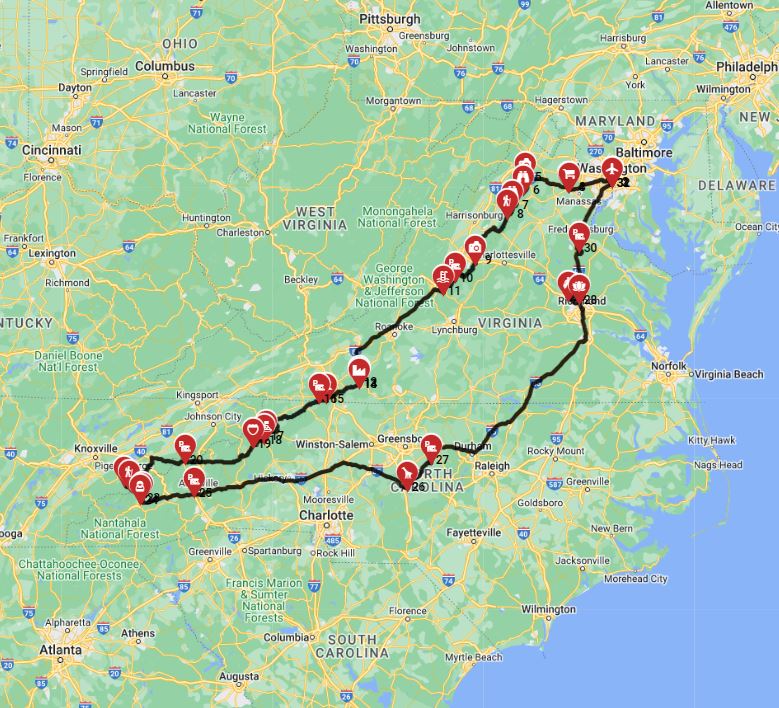
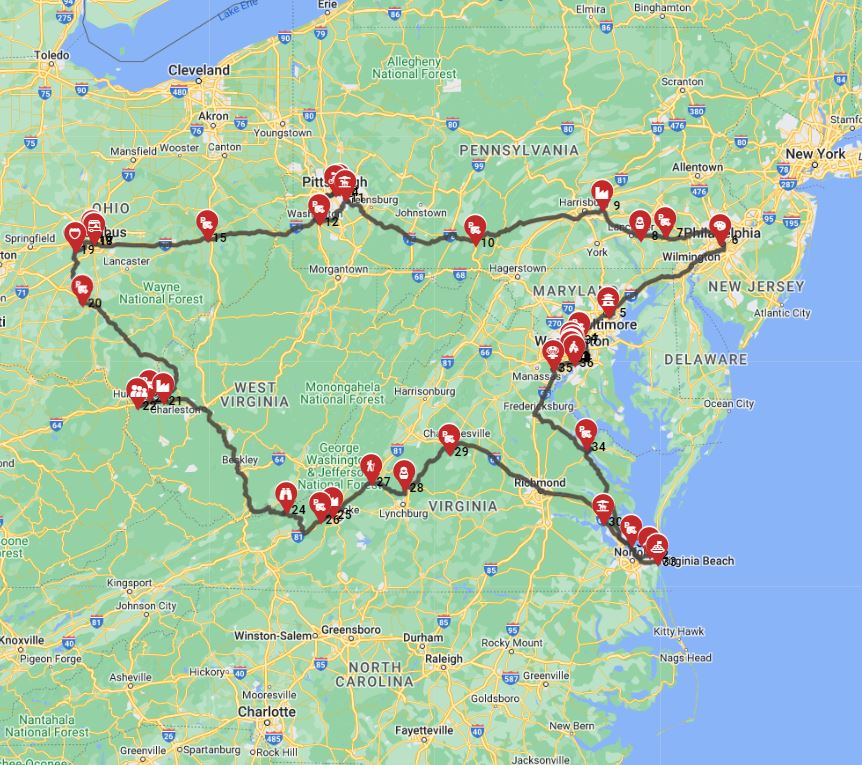
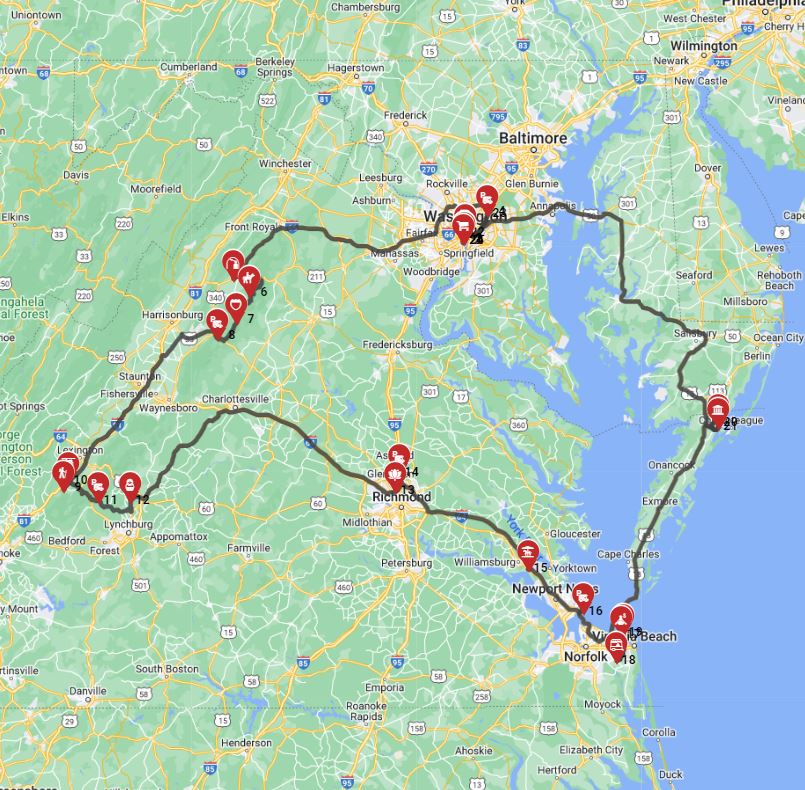
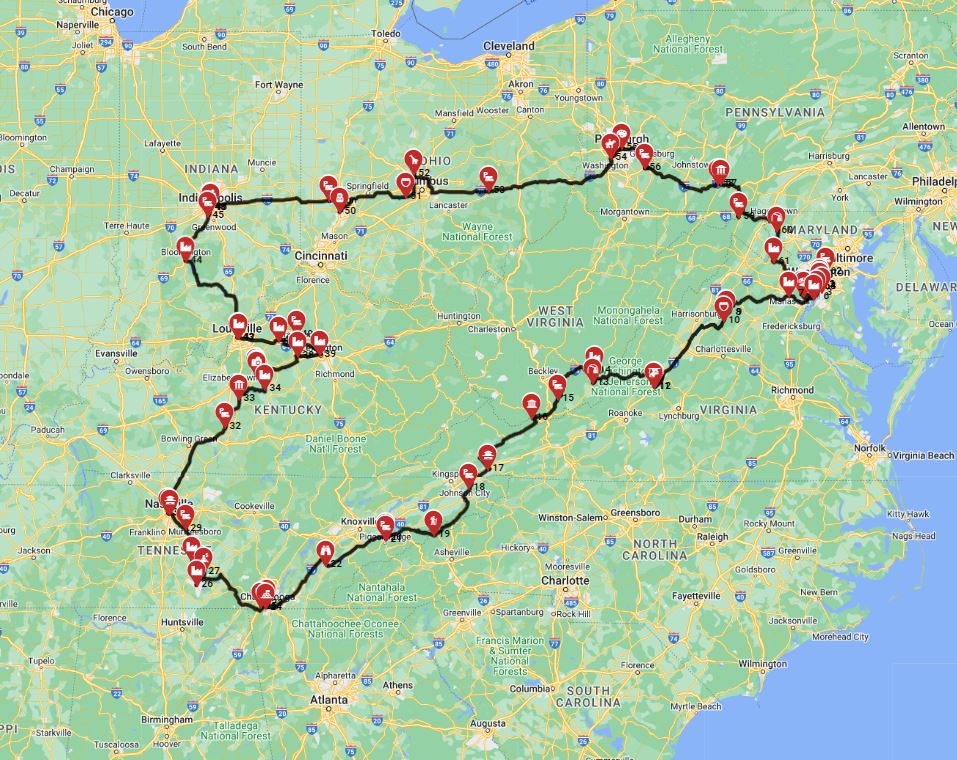
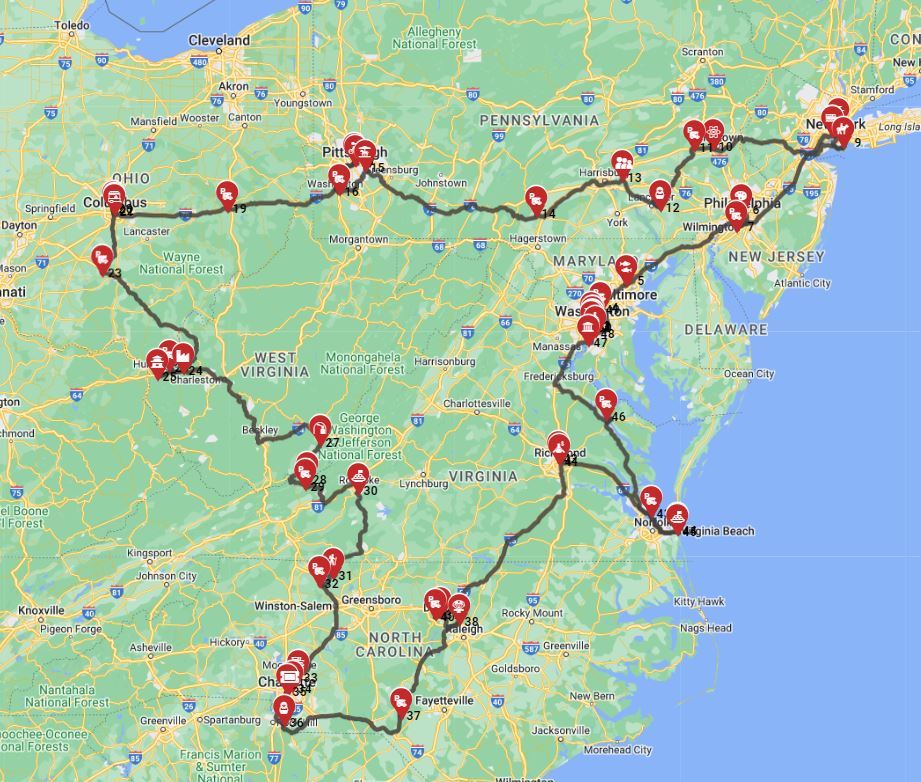
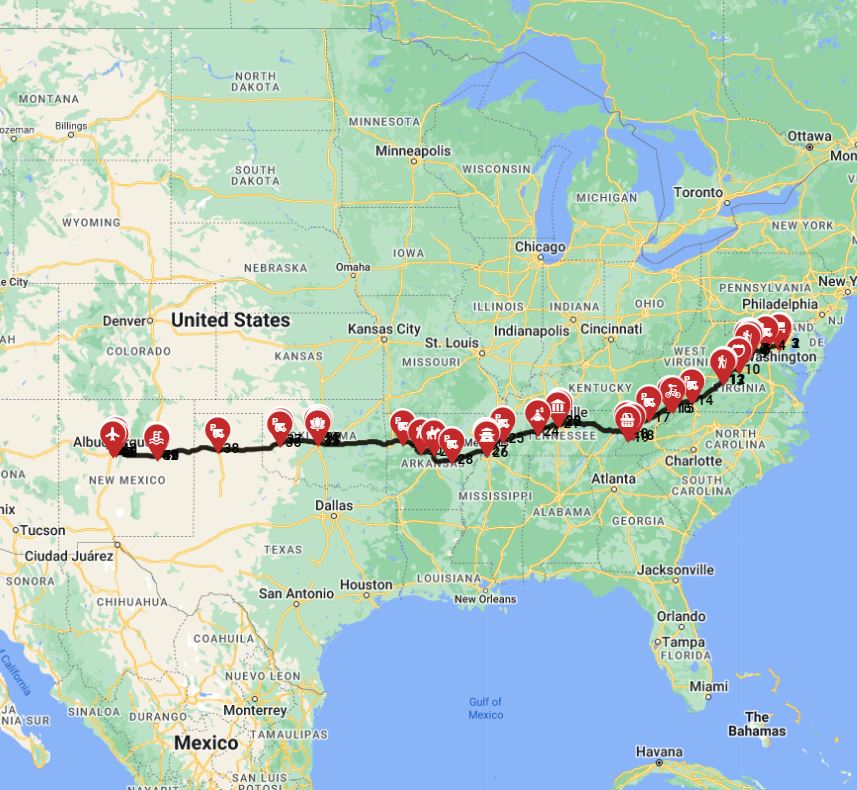
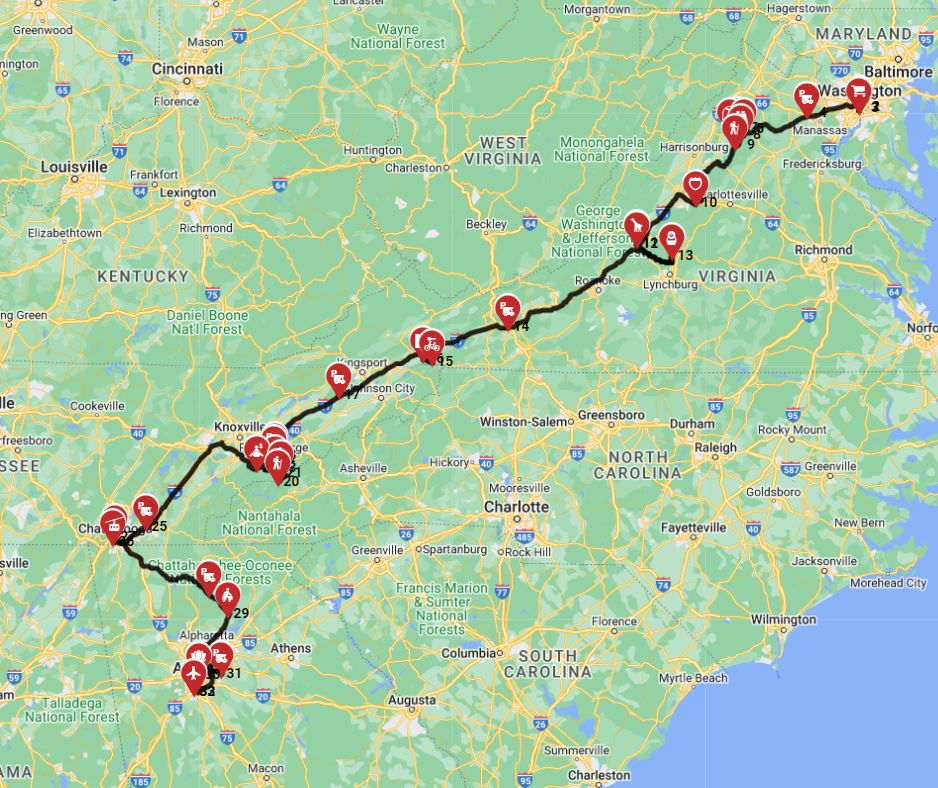
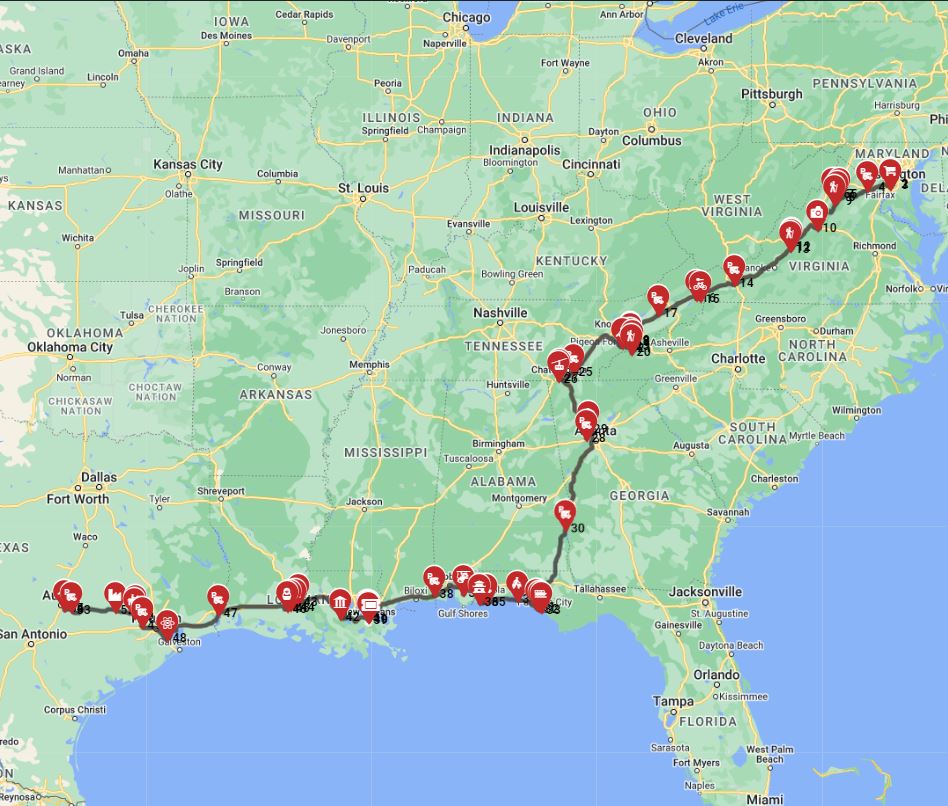
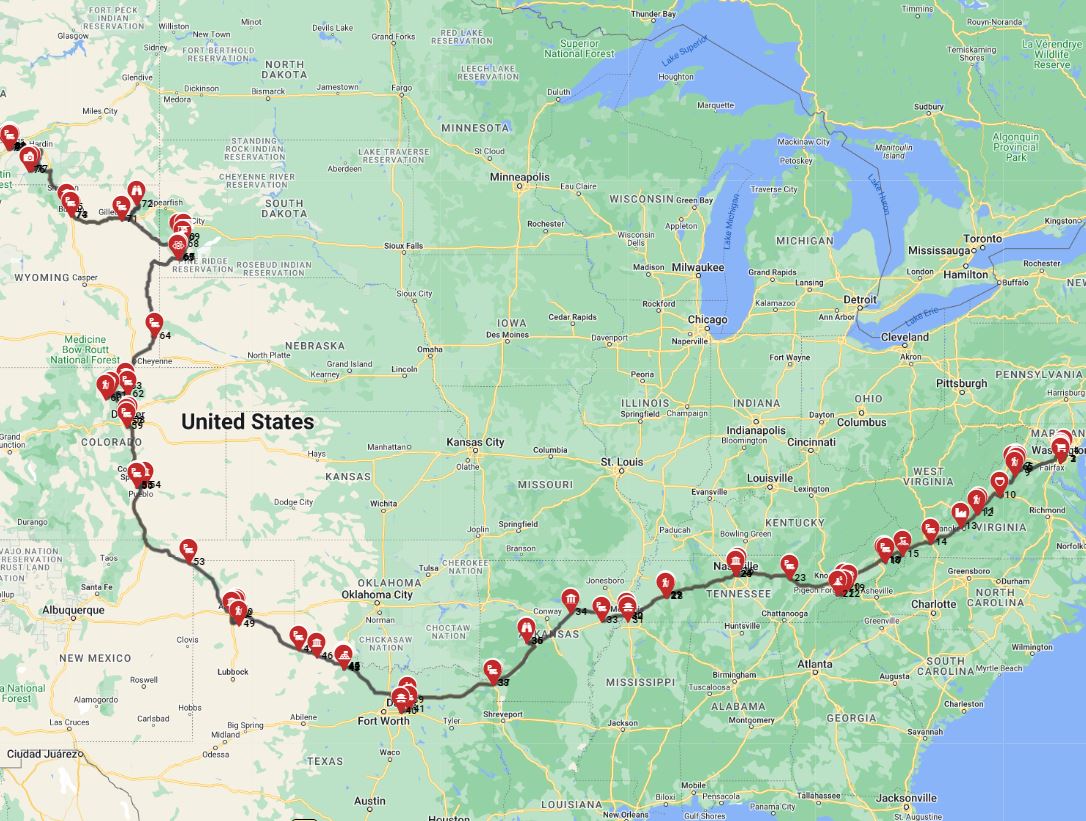
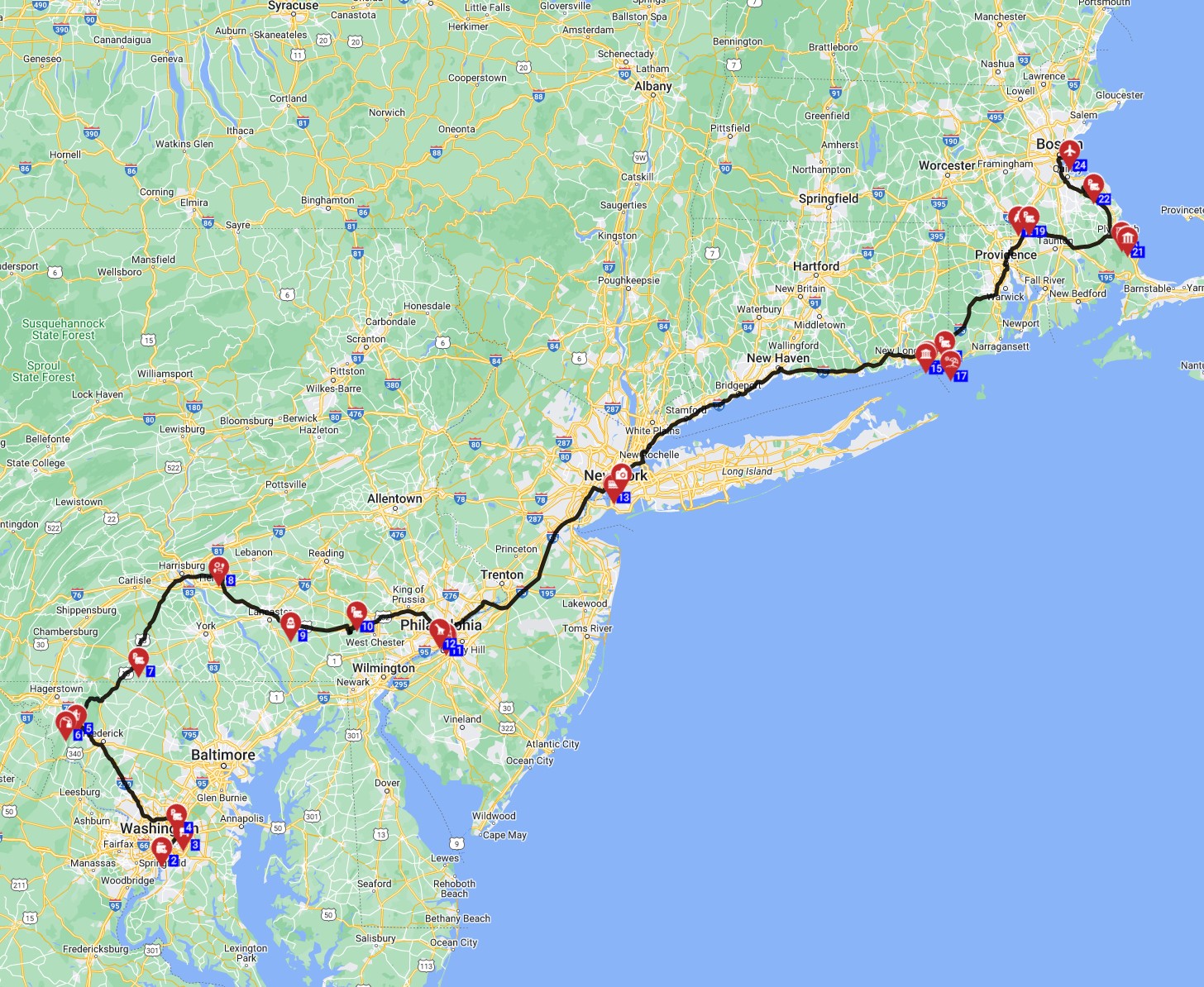
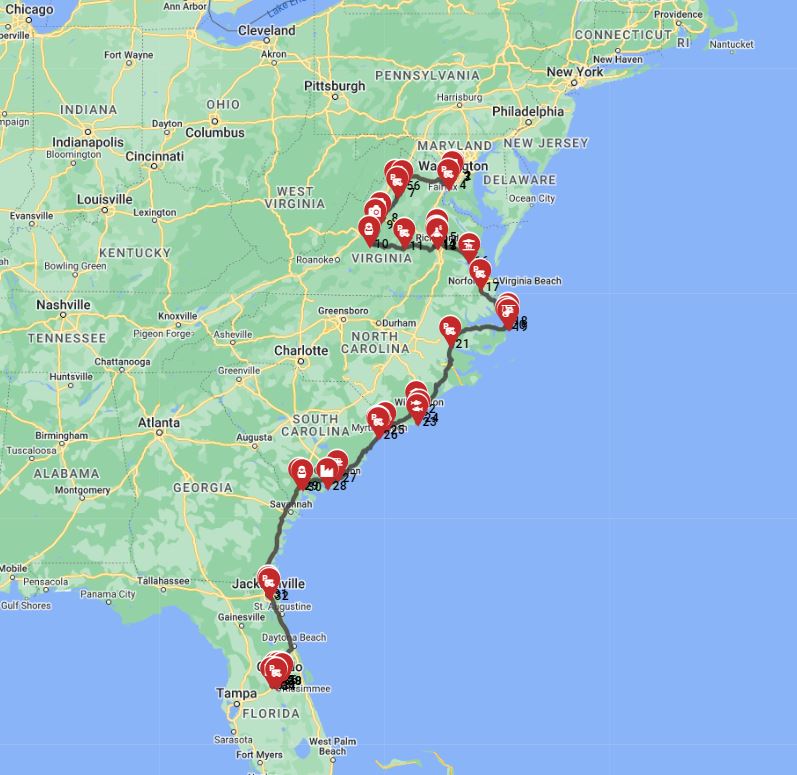
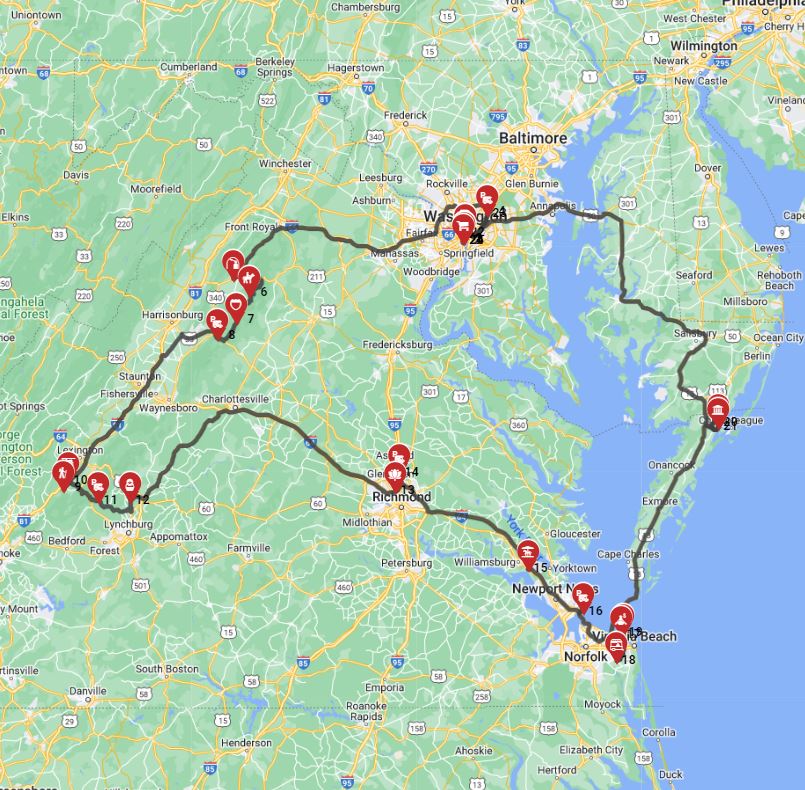
For those seeking comprehensive, pre-planned route plans, RV PLANET (rvplan.net) offers expertly crafted itineraries that can start or end in Washington DC, integrating seamlessly with your RV rental. While a dedicated Washington D.C.-only itinerary isn't a direct match in our RVPlan database for single-destination focus, those looking for an extended adventure starting in the capital can explore ambitious journeys like the "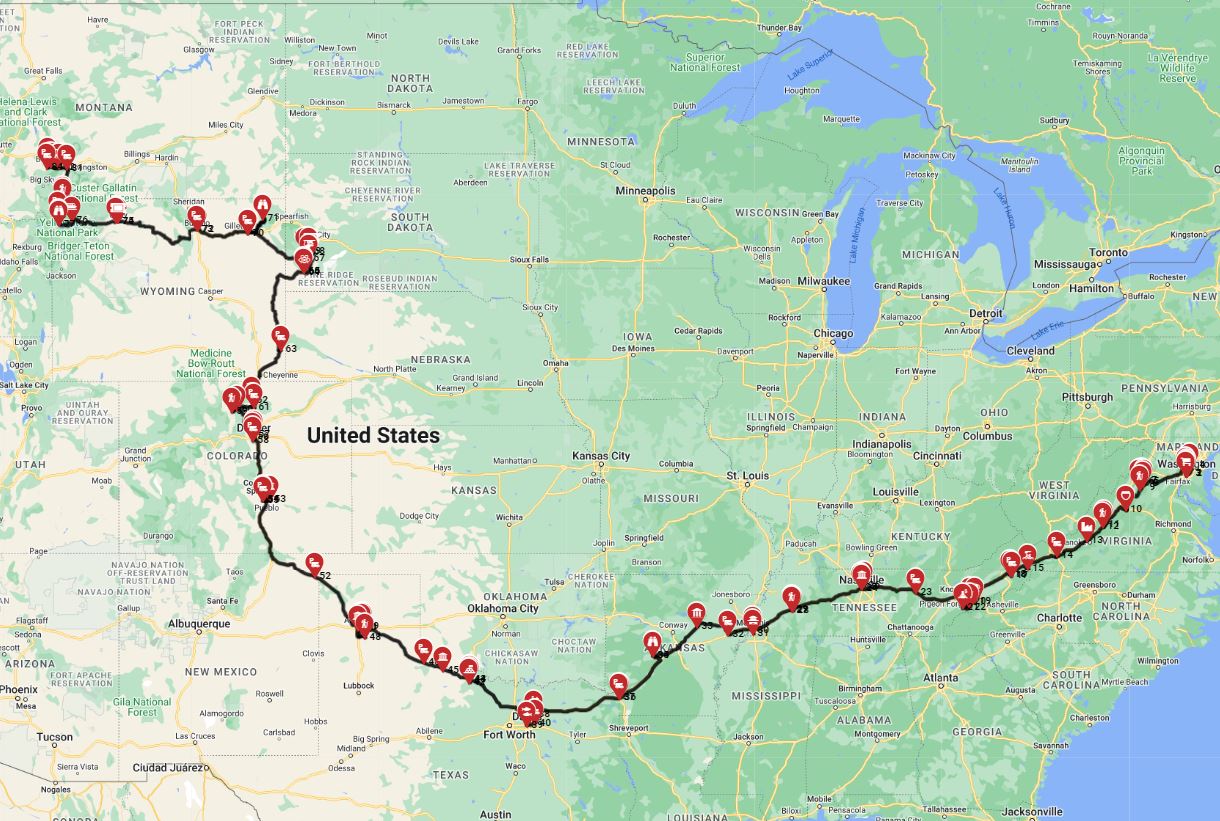
Must-See Stops Along the Way (Avi Bandana Picks)
Washington DC is full of iconic and unexpected delights, and Avi Bandana, our founder, has some personal recommendations for your RV rental adventure.- Smithsonian Museums (Traditional Visit, Museum): Avi Bandana insists on dedicating ample time to the Smithsonian Institution's vast array of museums, many of which offer free entry and cater to diverse interests, from air and space to natural history and American history. They represent a quintessential traditional visit and are easily accessible via public transport from your Washington DC RV rental base camp.
- Eastern Market (Traditional Market): For a taste of local D.C. life and fresh produce, Avi suggests a visit to Eastern Market, a historic public market on Capitol Hill offering food, art, and community events, providing a genuine traditional market experience.
- Georgetown Cupcake (Local Specialty): While not 'fine dining' in the classic sense, Avi recommends experiencing the local culinary scene by indulging in a popular D.C. treat: a stop at Georgetown Cupcake. This can be seen as a modern take on a 'traditional restaurant' experience by enjoying a local food tradition.
- Local Craft Breweries / Wineries (Local Industry): Beyond the monuments, Avi recommends exploring the growing local industry of craft breweries or wineries in the wider D.C. metropolitan area or nearby Maryland/Virginia, offering a different cultural insight and taste of regional craftsmanship during your RV rental journey.
Daily Driving Distances & Drive Times in Washington DC
Avi Bandana recommends a maximum of 100 miles or 150 km per day on average when on an RV trip to ensure a leisurely pace and ample time for exploration and relaxation, especially around Washington DC. When visiting Washington D.C., the primary goal is to minimize RV driving within the city itself, treating your rented RV as a comfortable base camp rather than a daily commuter vehicle. Driving a motorhome from a popular outlying campground like Cherry Hill Park (College Park, MD) to the National Mall area can take approximately 30-60 minutes, covering about 10-15 miles (16-24 km), depending heavily on traffic, especially during peak hours. Travel time between an RV park like Pohick Bay Regional Park (Lorton, VA) and downtown D.C. can be 45-90 minutes, spanning roughly 20-25 miles (32-40 km), often involving tolls and significant traffic congestion. Avi emphasizes that D.C. traffic patterns can be intense, and navigating challenging intersections with a larger vehicle can be stressful, making public transportation the preferred method for daily sightseeing. Remember, drive slowly and carefully, and you can drive almost anywhere without issues. No need to stress - just use common sense and pay attention to road signs, especially those indicating bridge clearances.Best RV Class for This Itinerary - Couple & Family Picks
Choosing the right RV for a Washington D.C. itinerary involves balancing comfort for your group with maneuverability for navigating the D.C. region and accessing campgrounds.For Couples: Class B - Camper Van is Avi Bandana's top recommendation for couples renting an RV in Washington DC, offering the perfect blend of comfort and agility for a D.C. area adventure. Bandana's global fleet of Class B Camper Vans typically averages 5.8 meters (19 feet) in length, sleeps 3.2 people, and accommodates 2.7 adults, with an average load capacity of 37 kg. Its compact size makes it easier to drive on highways around D.C., and more manageable within campgrounds or for quick grocery runs, while still providing essential amenities like a shower and toilet. Vehicles like the "Category Van" or "Active Standard" are excellent choices for couples.
For Families: Class C - Alcove is Avi Bandana's preferred choice for families, providing more living and sleeping space without becoming overly cumbersome for regional travel from Washington DC. Bandana's global fleet of Class C Alcove RVs typically averages 7.5 meters (24.6 feet) in length, sleeps 5.8 people, and accommodates 4.4 adults, with an average load capacity of 42.4 kg. This class offers comfortable sleeping arrangements for children, a functional kitchen, and bathroom facilities, making extended stays at campgrounds more enjoyable for the entire family. Popular Class C options include the "CA-25" or "MH24".
To streamline your trip planning, consider Bandana RV's "Rent&Plan" service, which combines your RV rental with a ready-made itinerary crafted by travel experts, offering full access to our trip-planning software and removing the headache of organizing every detail yourself. This is a true advantage from RV specialists who know what they're talking about.
Is Washington DC. RV friendly?
Washington D.C. is generally not considered RV-friendly for driving and parking directly within its compact, congested city core, primarily due to dense traffic, limited parking for oversized vehicles, bridge height restrictions, and propane tunnel restrictions. For RV travelers, the most practical approach is to stay at one of the many RV-friendly campgrounds located in the surrounding Maryland or Virginia suburbs. Driving larger motorhomes or campervans within the city presents specific challenges, including numerous low bridge clearances (some as low as 10-12 feet), narrow streets, and highly regulated parking zones that rarely accommodate RV dimensions. Moreover, propane tanks are often restricted in D.C. area tunnels, requiring careful route planning to avoid these, which adds complexity to navigation. Despite these challenges, D.C. is highly accessible from nearby RV parks via its extensive Metro (subway) system, regional bus services, and ride-sharing apps, making it entirely feasible to experience the capital without moving your RV daily. Off-season or shoulder season travel (spring and fall) can offer slightly reduced traffic and fewer crowds, enhancing the overall experience for RVers. For broader context on RV travel in the region, refer to our RV Rental Virginia - Complete Guide 2026.Is there RV parking in Washington DC.?
Dedicated RV parking directly within Washington D.C.'s immediate core is extremely limited and generally not recommended for day-tripping, as most urban parking infrastructure is designed for standard passenger vehicles. The best RV parking strategy for visiting D.C. involves securing a spot at a suburban RV-friendly campground and utilizing alternative transportation to reach city attractions. While limited oversized vehicle parking may exist near stadiums or event venues, these are typically costly, temporary, and not suitable for general sightseeing. RVs are strictly prohibited from parking on D.C. streets for extended periods or overnight. When parking your rented RV in suburban or campground areas, it's crucial to prioritize security; always lock your motorhome, secure valuables out of sight, and consider using additional security measures. A comprehensive trip cost breakdown for a D.C. RV trip should factor in campground fees (typically $50-$100+ per night), potential tolls on highways leading into D.C. (e.g., I-95, I-495 Capital Beltway), and significant public transportation fares (Metro cards can cost $5-$10 per day) or ride-share costs from your parking spot, as urban RV parking costs are prohibitively high or non-existent for day-use. For detailed insights into budgeting, remember that on RV PLANET routes, travelers can itemize and track every expense along the way for easy budgeting.What is the best RV route?
The best RV route for visiting Washington D.C. is not a direct path into the city center, but rather a strategic approach that involves routing your RV to a designated RV-friendly campground in the surrounding suburbs of Maryland or Virginia. From these campgrounds, the most effective route to explore D.C. involves leaving your rented motorhome parked and utilizing the region's excellent public transportation network. Popular RV routes and base camps include campgrounds along the I-95 corridor north in Maryland (e.g., Cherry Hill Park in College Park, MD, with shuttle services to the College Park-U of Md Metro station) or south in Virginia (e.g., Pohick Bay Regional Park in Lorton, VA, with proximity to the Franconia-Springfield Metro station). Avi Bandana recommends familiarizing yourself with D.C.'s Metro map and planning your daily routes via public transit to avoid the significant traffic congestion, numerous one-way streets, and limited parking options within the city, which can be particularly stressful for larger RVs. An in-depth guide to alternative transportation from common RV parking spots would highlight Metro access from College Park or Franconia-Springfield, bus routes serving various areas, and the widespread availability of bike-sharing and ride-sharing services throughout the metropolitan area. Travel slowly, max 100-150 km per day on average, to truly feel the place and avoid rushing your experience in this historic region. Discover top destinations and planning tips by checking out our RV Travel Guide to Washington DC - Tips and Top Spots 2026.🎬 Video coming soon
What You Shouldn't Miss
- Explore the diverse collections of the Smithsonian National Museum of Natural History or the National Air and Space Museum, both offering free admission and fascinating exhibits perfect for families and history buffs alike.
- Stroll along the historic National Mall, taking in the grandeur of the Lincoln Memorial, Washington Monument, and World War II Memorial. Consider an evening visit when the monuments are beautifully lit.
- Take a serene boat tour on the Potomac River from the Georgetown Waterfront, offering unique perspectives of the city skyline and monuments.
- Wander through Old Town Alexandria, a charming historic district in Virginia just across the Potomac, known for its cobblestone streets, colonial architecture, and independent boutiques.
- Visit Arlington National Cemetery to pay respects at the Tomb of the Unknown Soldier and witness the solemn Changing of the Guard ceremony.
- Looking for expert insights from Avi Bandana? Top 5 Adventures - recommendations from Avi Bandana.
Final Thoughts
Embarking on a one-way RV adventure in Washington DC promises an unforgettable journey filled with history, culture, and the freedom of the open road. Whether you choose a nimble campervan for a romantic getaway or a spacious motorhome for a family expedition, the key is planning smart and embracing the unique rhythm of RV travel in the capital region. Remember that Bandana RV is here to support you at every step, offering clear pricing and a network of trusted suppliers. We are truly RV specialists, not just a side department of a larger travel agency. Our passion is helping you find the easiest, safest, and most affordable way to rent an RV, ensuring all the small details are taken care of so you can focus on making incredible memories. Get inspired for your next trip and discover top destinations, planning tips, all in one place! Find Motorhome Rentals in Washington DCOn the routes offered through RV PLANET routes, you can itemize and track every expense along the way for easy budgeting.