In This Guide
- Top 5 Tips for RV Rental in Washington DC
- Before You Book - Class, Dates, Insurance
- Pre-Trip Prep - Packing Checklist for Washington DC
- On the Road - Driving, Fueling, Navigation
- At the Campground - Setup, Hookups & Etiquette
- RV Rental-Specific Tips for Washington DC
- Common Mistakes to Avoid in Washington DC
- Is Washington D.C. RV friendly?
- What is the 3-3-3 rule for RV travel?
- What is the 444 rule for RVs?
- What You Shouldn't Miss
Embarking on an extended RV adventure to Washington DC offers a unique way to immerse yourself in American history, culture, and natural beauty for weeks or even months. With a rented motorhome, you have the flexibility of a mobile home base, allowing you to explore the capital and its surrounding regions at your own pace, enjoying the freedom of the open road combined with the comforts of home.
To ensure a smooth, transparent, and enjoyable experience, Bandana RV acts as your true RV specialists, providing expert advice and comparing final prices across over 50 leading RV suppliers worldwide, including trusted partners like El Monte and Cruise America. We believe in full transparency: what you see is what you pay, with no hidden fees or surprises at pickup. Our comprehensive platform, founded in 2001, draws on over 23 years of helping tens of thousands of travelers explore the world by RV, offering bookings in 30+ currencies with local expertise across 50+ countries. For live availability and current prices, start with our RV Rental Washington DC - Complete Guide 2026 guide.
Top 5 Tips for RV Rental in Washington DC
Planning your extended RV trip to Washington DC requires careful consideration to make the most of your journey and avoid common urban travel pitfalls. We are true RV specialists, ready to share our insights to help you navigate this iconic destination. First, carefully plan your routes around Washington DC, paying close attention to bridge clearances (many are under 12 feet), one-way streets, and any zones where oversized vehicles are restricted; drive slowly and carefully, and you can drive almost anywhere without issues. Second, book campgrounds and RV parking well in advance, especially if your long-term rental coincides with peak tourist seasons (spring and fall) or major events like the Cherry Blossom Festival, as spots fill up quickly due to high demand.
Third, factor in all potential costs beyond just your rental and campground fees, including tolls, specific parking fees for shuttle lots, and public transportation fares for navigating the city, allowing for a realistic budget on your RV PLANET routes. Fourth, consider choosing a smaller Class B campervan or a compact Class C motorhome for easier navigation and parking in Washington DC's urban environment; a larger Class A RV, while luxurious, can be more challenging to maneuver on city streets and in tighter spaces. Lastly, utilize Washington DC's extensive public transportation system (Metro and buses) to navigate the city once your motorhome is parked at a suitable location, which significantly reduces stress and saves time from finding city parking. On the routes offered through RV PLANET routes, you can itemize and track every expense along the way for easy budgeting.
Before You Book - Class, Dates, Insurance
Selecting the right RV class, booking dates, and insurance options are crucial steps for any long-term RV rental in Washington DC, influencing both your travel comfort and budget. When choosing an RV class, smaller Class B or Class C motorhomes generally offer easier navigation and parking in the Washington D.C., Maryland, and Virginia (DMV) area compared to larger Class A units; for example, a 6-meter (20-foot) Class B van like a "rent rv example MiniVan" is more nimble than a 9-meter (30-foot) "MHLUX" Class A motorhome for urban streets and limited parking spots.
Locking in your dates strategically is vital, as the best times to visit Washington DC in a rented RV are typically spring (late March to May for cherry blossoms) and fall (September to October for mild weather and fewer crowds), which require bookings 6 to 9 months in advance due to high demand and traffic considerations. Regarding insurance, basic rental insurance is always included in your Bandana RV booking; to ensure comprehensive coverage and travel with extra peace of mind, you can upgrade to a top-level deductible reimbursement option during the search process, which covers up to $2,500 of your deductible.
Pre-Trip Prep - Packing Checklist for Washington DC
Effective pre-trip preparation and a smart packing checklist for Washington DC are essential for a comfortable and stress-free long-term RV rental. For clothing, pack comfortable walking shoes, layers for varying temperatures (evenings can be cool, especially in spring and fall), and essential rain gear like an umbrella or light jacket; a dressier outfit for optional evening activities in Georgetown or downtown DC can also be a good addition.
In the kitchen, remember to bring basic cooking utensils, pots, and pans, along with non-perishable food items to minimize grocery stops, and reusable water bottles to stay hydrated while exploring the city's monuments. We have an RV-friendly recipes playlist to inspire your meals on the road! For safety, always have a first-aid kit, a flashlight or headlamp, secure locks for all RV compartments and any bikes you bring, and an RV-specific GPS that includes bridge height warnings to avoid costly mistakes in the DMV area. Finally, keep all crucial documents handy, including your standard car driver's license (which is sufficient for all motorhome classes), RV rental agreement, proof of insurance, campground reservations, and a list of emergency contacts.
On the Road - Driving, Fueling, Navigation
Navigating Washington DC and the surrounding DMV area with a rented motorhome demands heightened awareness and strategic planning. Driving challenges are significant due to numerous low bridge clearances (some as low as 10-12 feet), tight turns, one-way streets, and often aggressive traffic patterns; you must always know your RV's exact height and plan routes accordingly using an RV-specific GPS to avoid restricted areas and potential accidents.
Expect heavy traffic, especially during rush hour on I-95 or I-395, and factor in potential tolls on specific bridges or roads around the capital, such as those on I-66 or the Dulles Toll Road; consider planning routes to minimize time on major interstates for a less stressful drive, even if it means slower travel (we recommend slow travel, max 100-150 km per day on average). For fueling, plan your stops at truck-friendly stations, as many smaller gas stations in urban areas may not accommodate larger RVs; ensure you have enough fuel before entering congested city zones. Utilizing a GPS specifically designed for RVs, which accounts for bridge height and weight restrictions, is invaluable, especially as public transportation will become your primary mode of transit once you've parked your vehicle at an RV-friendly location like Cherry Hill Park, which offers convenient shuttle services to the Metro.
Remember that ancillary costs like fuel, campground fees, and tolls can add up on longer trips. For easy budgeting and tracking every expense along the way, we highly recommend utilizing the resources available on RV PLANET routes.
At the Campground - Setup, Hookups & Etiquette
Proper setup, understanding hookups, and observing campground etiquette are essential for a comfortable and respectful long-term RV stay near Washington DC. Upon arrival at a campground like Cherry Hill Park or Fort Washington RV Park, the first step is to level your rented motorhome; then, connect to shore power, fresh water, and the sewer hookup in that specific order (reversing the process for departure) to ensure a smooth and safe setup.
Ensure all connections are secure: use a surge protector for electricity, a pressure regulator for fresh water to prevent damage to your RV's plumbing, and properly attach the sewer hose, following all campground guidelines for responsible waste disposal. Observing campground etiquette is crucial: respect designated quiet hours (typically 10 PM to 7 AM), maintain a tidy site, and dispose of trash and waste only in designated receptacles to ensure a pleasant environment for all campers. For those choosing alternative parking outside of full hookup sites, identifying RV-friendly dump stations and fresh water refill points in advance around the DMV area is critical; resources like rvplan.net are excellent for locating available spots and planning these logistics during your trip.
RV Rental-Specific Tips for Washington DC
Tailoring your long-term RV rental approach to your group's specific needs ensures a more enjoyable experience exploring Washington DC. Families with kids should choose campgrounds with family-friendly amenities, such as pools or playgrounds, and plan nap-friendly driving days around DC attractions; Class C RVs, like the "cruise america rv rental example Explorer" with its 82-liter fresh water tank and 4 sleeping places, often provide easier access for booster seats and dedicated sleeping areas.
Seniors might prefer ergonomic RV classes like a compact Class B campervan or a smaller Class C motorhome for easier maneuverability and less physical effort, and should seek campgrounds with accessible facilities and convenient shuttle services into the city. For budget travelers, researching alternative parking solutions, such as secure suburban lots with easy public transport access or permitted Walmart locations (check local ordinances), can significantly reduce campground fees; rely heavily on the Metro or bus for city exploration. Luxury seekers can explore premium RV resorts offering full hookups, enhanced amenities like concierge services, and consider premium add-ons such as portable Wi-Fi or bike racks to elevate their Washington DC experience. Finally, pet owners should identify pet-friendly parks or memorials in DC, such as parts of Rock Creek Park, and always understand the rules for leaving pets unattended in your rented RV, ensuring proper ventilation and temperature control at all times, especially during warmer months.
When coordinating your family's travel, remember to also consult our Family RV Driving in Washington DC - Safe Routes 2026 guide for more specific advice on navigating the area with children.
Common Mistakes to Avoid in Washington DC
Avoiding common mistakes can significantly improve your long-term RV rental experience in Washington DC. Instead of ignoring your RV dimensions, always know your motorhome's exact height and width, utilizing an RV-specific GPS to avoid low bridges (some as low as 10 feet) and tight turns within the DMV area, especially on historic parkways. Underestimating parking costs and availability is another pitfall; instead, research and pre-book RV-specific parking or plan to use shuttle lots with public transport access, factoring all parking-related costs, including potential fines, into your budget.
Forgetting to secure valuables can lead to issues, so always use robust locks, conceal belongings, and consider a dash cam for added security, especially when your RV is parked at shuttle lots or less secure locations while you explore monuments. Attempting to drive your rented RV directly into downtown DC is highly inadvisable; instead, park your motorhome at a dedicated lot or campground outside the city center (e.g., in Maryland or Virginia) and rely on the Metro, buses, or ride-shares for urban exploration, as some city zones strictly prohibit oversized vehicles. Not researching pet rules is a common oversight; instead, check specific park and attraction pet policies in DC, and ensure your RV has adequate temperature control if leaving pets inside during excursions. Finally, visiting during peak traffic without a plan can cause immense frustration; instead, utilize apps for real-time traffic updates and plan your RV movements during off-peak hours or weekends, especially for arrival and departure from the Washington DC region, ensuring a smoother journey.
Is Washington D.C. RV friendly?
Washington D.C. can be RV friendly with careful planning, but its urban environment presents specific challenges such as heavy traffic, numerous low bridge clearances, and extremely limited RV parking options. Navigating the DMV area features aggressive traffic, a complex network of one-way streets, tight turns, and critical low bridge clearances (some under 10-12 feet), requiring an RV-specific GPS and meticulous route planning to avoid issues.
Direct RV parking within the city center is virtually non-existent or heavily restricted, making off-site RV parks or secure suburban lots with public transport access essential; a comprehensive cost analysis should include tolls, shuttle lot fees, and public transport fares, as these can add significantly to the overall cost of your long-term RV trip. Smaller Class B or C motorhomes, such as a "Category Van" or a "camper for rent example Alcove Sport Plus," offer significantly more flexibility for maneuvering and fitting into available spaces compared to larger Class A motorhomes in the urban setting. Visiting during off-peak seasons (late fall to early spring, excluding holidays) can alleviate some traffic and crowd pressure, generally improving the RV experience. Exploring secure suburban lots or designated RV-friendly spots outside the immediate city, often with convenient access to the Metro system, is a viable strategy for an enjoyable stay.
What is the 3-3-3 rule for RV travel?
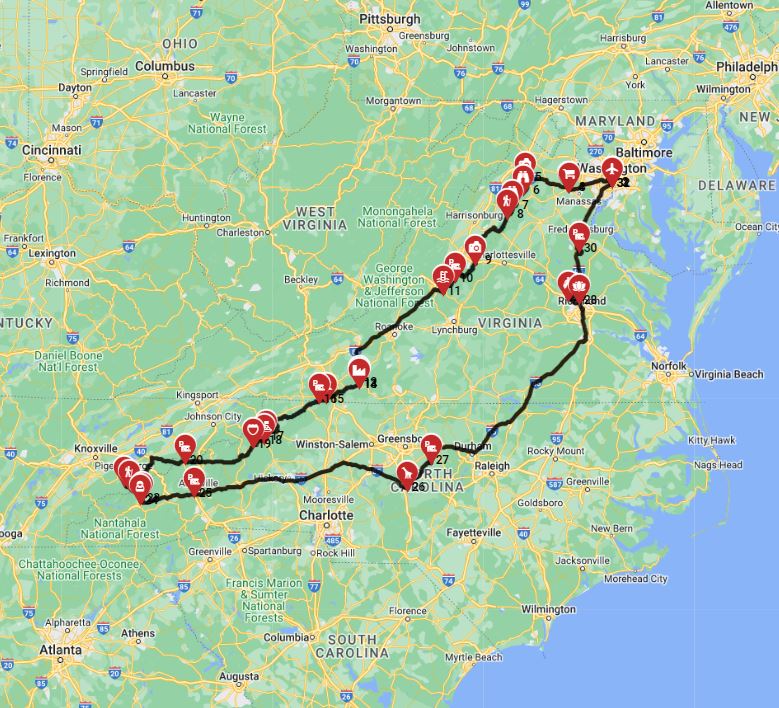
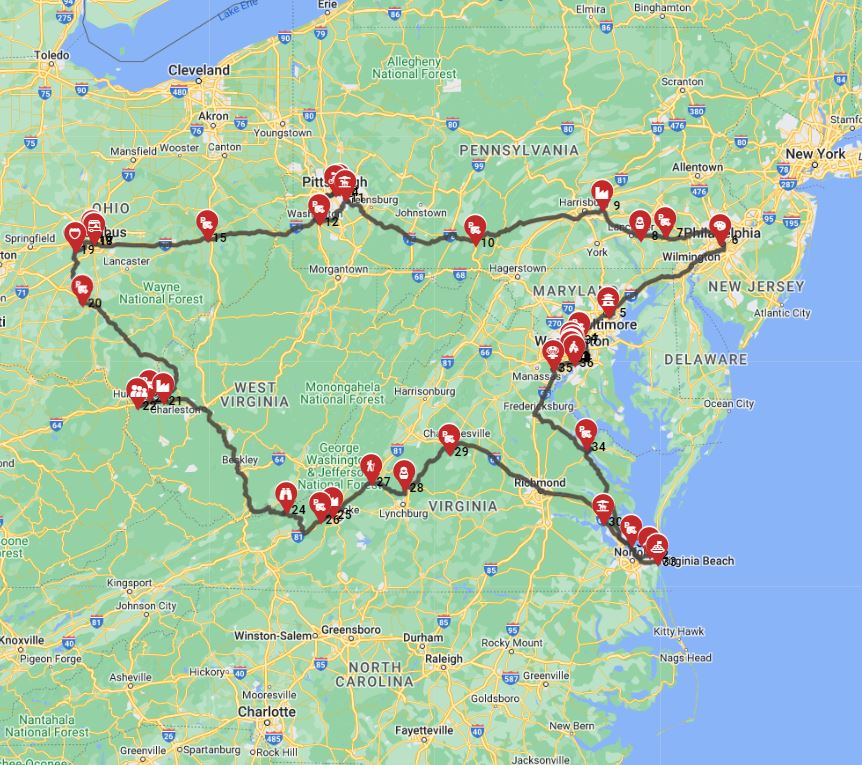
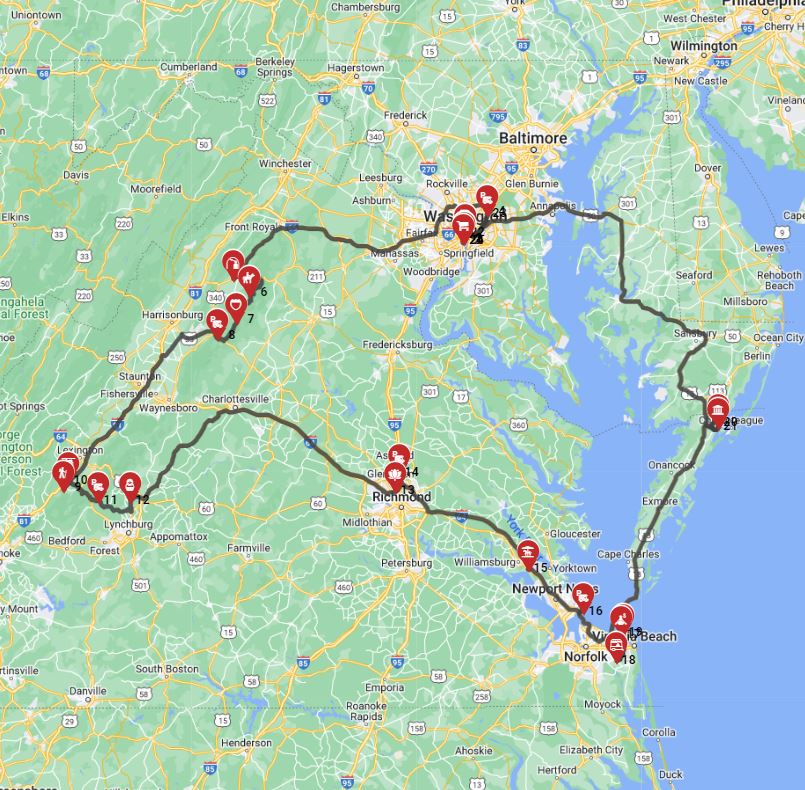
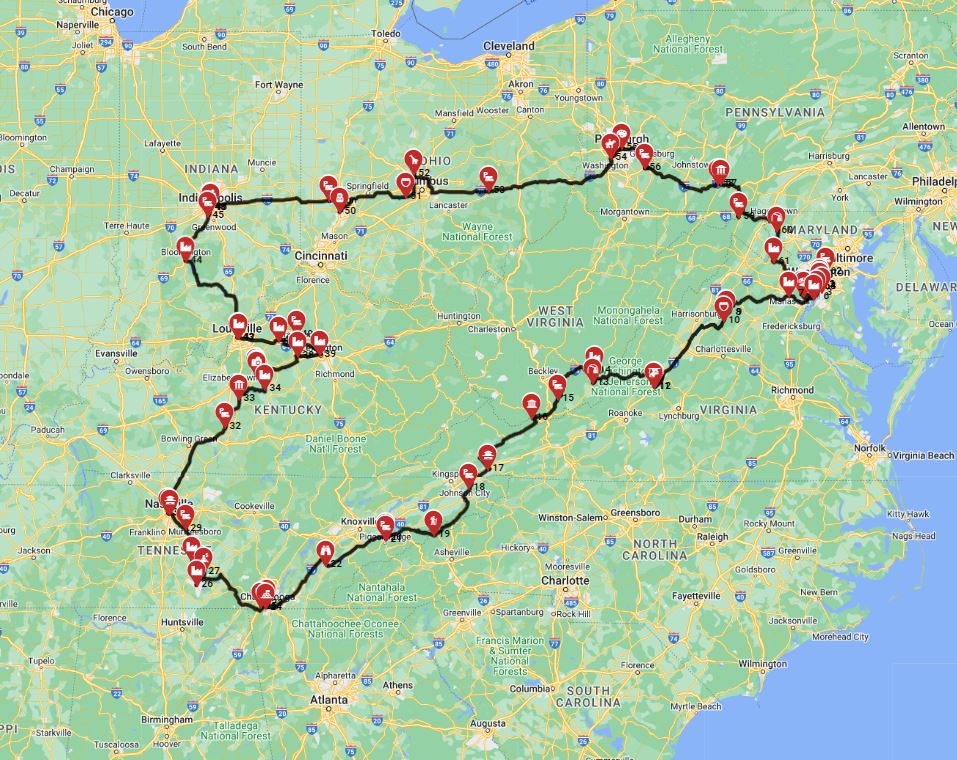
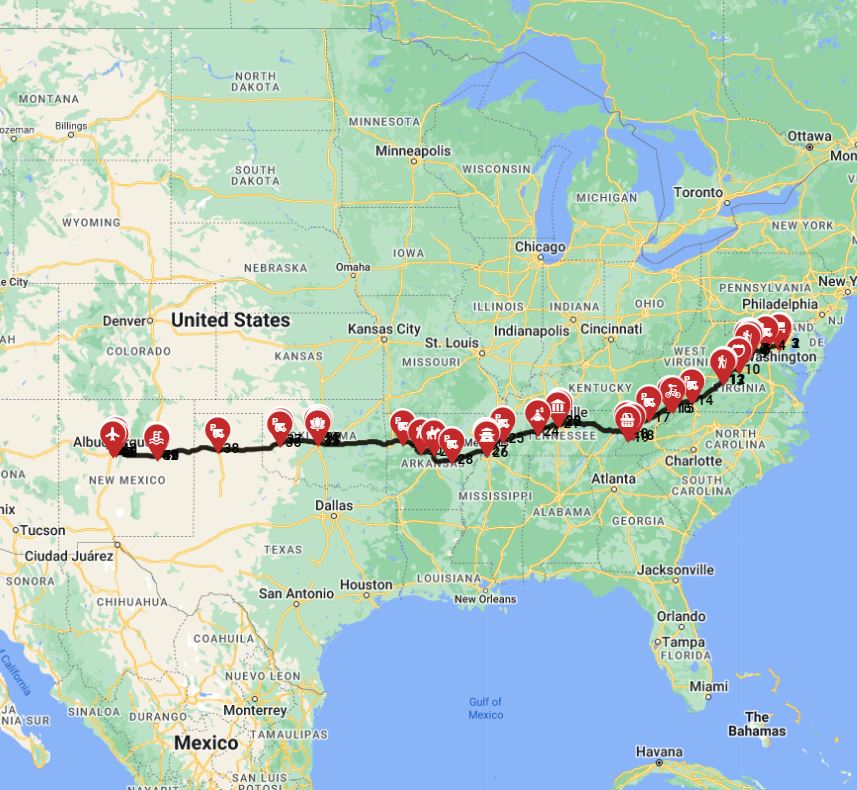
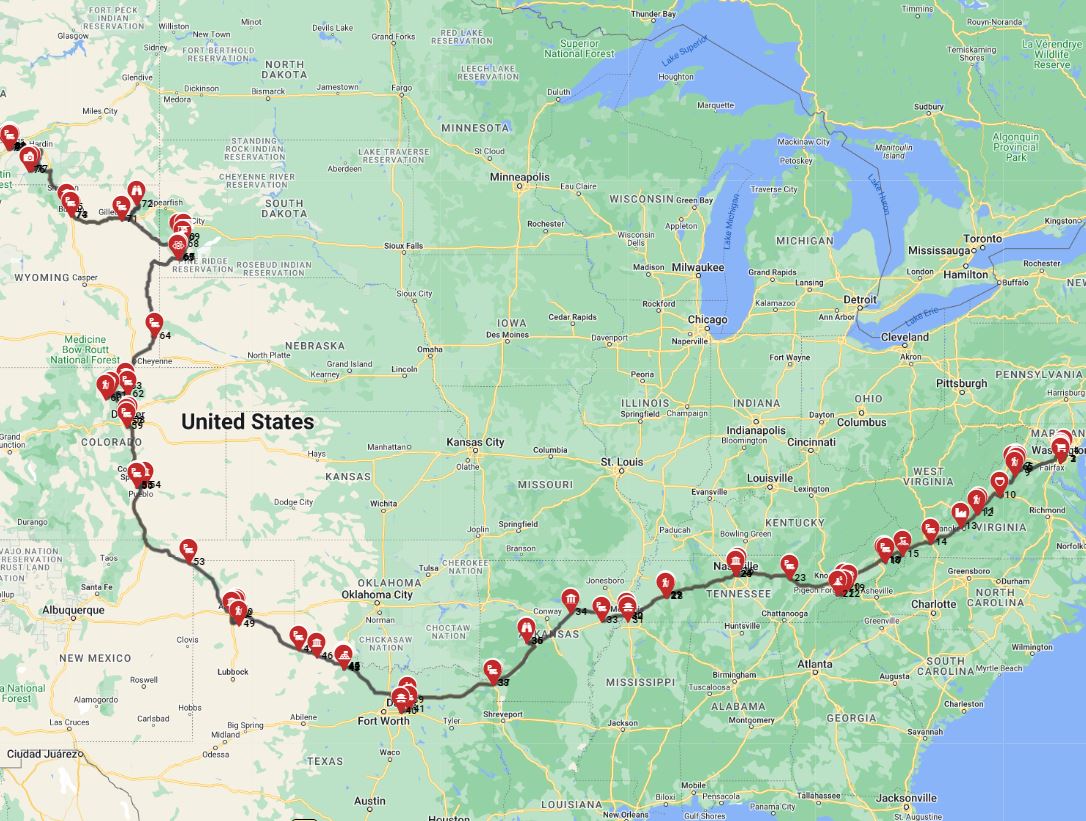
The 3-3-3 rule for RV travel is a widely recommended guideline to ensure a relaxed and safe journey, advising travelers to drive no more than 300 miles (approximately 480 km) a day, arrive at their destination by 3 PM, and stay for at least 3 nights. This guideline promotes manageable driving distances, which is particularly relevant when navigating congested areas like the DMV region or on long stretches like the 6,034 km

Arriving by 3 PM allows ample time to comfortably set up camp before dark, familiarize yourself with the campground or parking area, and secure your rented RV, effectively avoiding the busiest rush-hour traffic if traveling near urban centers. Staying for at least 3 nights at each stop provides opportunities to fully explore the local area, including Washington DC's extensive museums and monuments, without feeling rushed; this significantly enhances the overall travel experience, allowing you to connect to the culture, the food, and the scenery at a leisurely pace. Adhering to this rule can help manage the stress of driving an RV in and out of the Washington DC area and provides more time to explore the capital using its public transportation system after parking your motorhome safely.
What is the 444 rule for RVs?
The 444 rule for RVs is a variant of the 3-3-3 rule, suggesting driving no more than 400 miles (approximately 640 km) a day, arriving by 4 PM, and stopping every 4 hours for a break. This rule allows for slightly longer travel days than the 3-3-3 rule, which can be suitable for experienced RVers or those needing to cover more ground on longer routes, though shorter distances are often preferable when approaching or driving in dense traffic areas like Washington DC.
Arriving by 4 PM provides sufficient daylight for camp setup and allows for a buffer in case of unforeseen travel delays, though an earlier arrival (like the 3 PM recommended by the 3-3-3 rule) can often be less stressful for setting up your rented motorhome. Regular breaks every 4 hours are crucial for driver and passenger safety, effectively reducing fatigue and allowing for stretching, snacking, and re-focusing, especially when operating a large vehicle. While covering 400 miles might be overly ambitious for driving *within* the immediate DMV area, the principle of regular breaks is absolutely essential when approaching or departing congested regions, ensuring drivers remain alert and can manage the complexities of urban driving with common sense and attention.
What You Shouldn't Miss
When planning your long-term RV adventure to Washington DC, there are several experiences that truly shouldn't be missed, combining iconic landmarks with hidden gems. Start your exploration with the National Mall and its impressive array of monuments like the Lincoln Memorial and the Washington Monument, easily accessible by Metro after parking your rented motorhome at a suburban campground. Next, delve into world-class museums, many offering free admission, such as the Smithsonian National Air and Space Museum or the National Museum of Natural History, providing days of educational and inspiring discovery. A trip to the historic Georgetown neighborhood offers charming streets, unique boutiques, and diverse dining options, perfect for an evening stroll.
Beyond the city's core, explore the natural beauty of Rock Creek Park, an expansive urban oasis perfect for hiking, biking, or a tranquil picnic, providing a refreshing contrast to the bustling city. Consider a scenic drive out to Great Falls Park in Virginia, where you can witness the Potomac River cascade over a series of dramatic, steep, and jagged rocks, offering stunning vistas and walking trails. For a unique historical perspective, visit Mount Vernon, George Washington's estate, located a short drive from DC along the scenic George Washington Memorial Parkway.
Looking for expert insights from Avi Bandana? Top 5 Adventures - recommendations from Avi Bandana will guide you to even more unique spots.
Final Thoughts
An extended RV rental trip to Washington DC offers an unparalleled opportunity to explore the nation's capital and its vibrant surroundings with the comfort and flexibility of your own mobile retreat. From navigating historic streets to enjoying quiet evenings at a nearby campground, careful planning and utilizing available resources will make your adventure truly memorable. Remember that Bandana Caravan is here to support you every step of the way, providing transparent pricing and expert advice for your long-term travel plans.
Imagine waking up to fresh coffee in your rented campervan, ready to discover another facet of American history, or unwinding under the stars after a day of sightseeing. This is the freedom that RV travel offers, and with our dedicated support and extensive network of suppliers like Apollo and Britz, your dream long-term journey to Washington DC is well within reach. We handle the small details, so you can focus on the big experiences.