In This Guide
- Airport RV Pickup Tips for USA - Fly and Drive Guide 2026
- Top 5 Tips for Your Winter RV Rental Adventure in USA
- Planning Your Winter RV Trip in USA: Class, Dates, and Insurance
- Essential Packing Checklist for Your Winter RV Trip in USA
- Navigating Winter Roads in Your Rented RV in USA: Driving, Fueling, and Navigation
- Setting Up Camp: Winter RV Campground Essentials and Etiquette in USA
- Winter RV Rental-Specific Considerations for USA
- Common Winter RV Rental Mistakes to Avoid in USA
- What is the 3-3-3 Rule for RV Travel in USA?
- How Cold is Too Cold for an RV in USA?
- What is the 4-4-4 Rule for RV Camping in USA?
- What are the Drawbacks of Renting an RV in USA?
- How Much Would it Cost to Rent an RV for 1 Month in USA?
- What Type of RV is Best for Winter in USA?
- Is it Cheaper to Rent an RV or Stay in a Hotel in USA?
- What are Some Tips for Using My RV in the Winter in USA?
Airport RV Pickup Tips for USA - Fly and Drive Guide 2026
Flying into the USA and immediately picking up your rented motorhome or campervan is a fantastic way to kickstart a winter adventure. Many major airports across the USA offer convenient access to RV rental depots, allowing you to seamlessly transition from air travel to an RV road trip. For live availability and current prices, start with our RV Rental USA - Complete Guide 2026 guide. This "fly and drive" approach means less hassle with luggage and more time on the open road, whether you're heading for the sunny coasts of Florida or the majestic, snow-dusted mountains of Colorado. With over two decades of experience, Bandana RV has been helping tens of thousands of travelers explore the world by RV since 2001, making us true RV specialists who understand the ins and outs of starting your journey right. We partner directly with 50+ leading RV suppliers worldwide, including popular names like El Monte, Cruise America, and Apollo, ensuring a wide selection for your winter escape.🎬 Video coming soon
Top 5 Tips for Your Winter RV Rental Adventure in USA
Prioritizing RVs with insulated tanks and double-pane windows is essential for winter comfort and efficiency, as these features protect water systems from freezing and maintain interior warmth. Second, planning routes to warmer climates, such as Arizona or Southern California, or selecting well-equipped winter RV parks, helps avoid extreme cold conditions and ensures a more pleasant trip. Thirdly, packing layers of clothing and insulated gear suitable for varying winter temperatures, including waterproof outerwear, warm hats, gloves, and thermal socks, is crucial for staying comfortable both inside and outside your motorhome. Understanding RV systems like water lines and furnaces is vital, as cold weather can significantly affect their performance and requires specific management, such as draining lines if not using full hookups. Lastly, booking campsites and RV rentals in advance, especially for popular winter destinations and holiday periods, ensures availability and often secures better rates.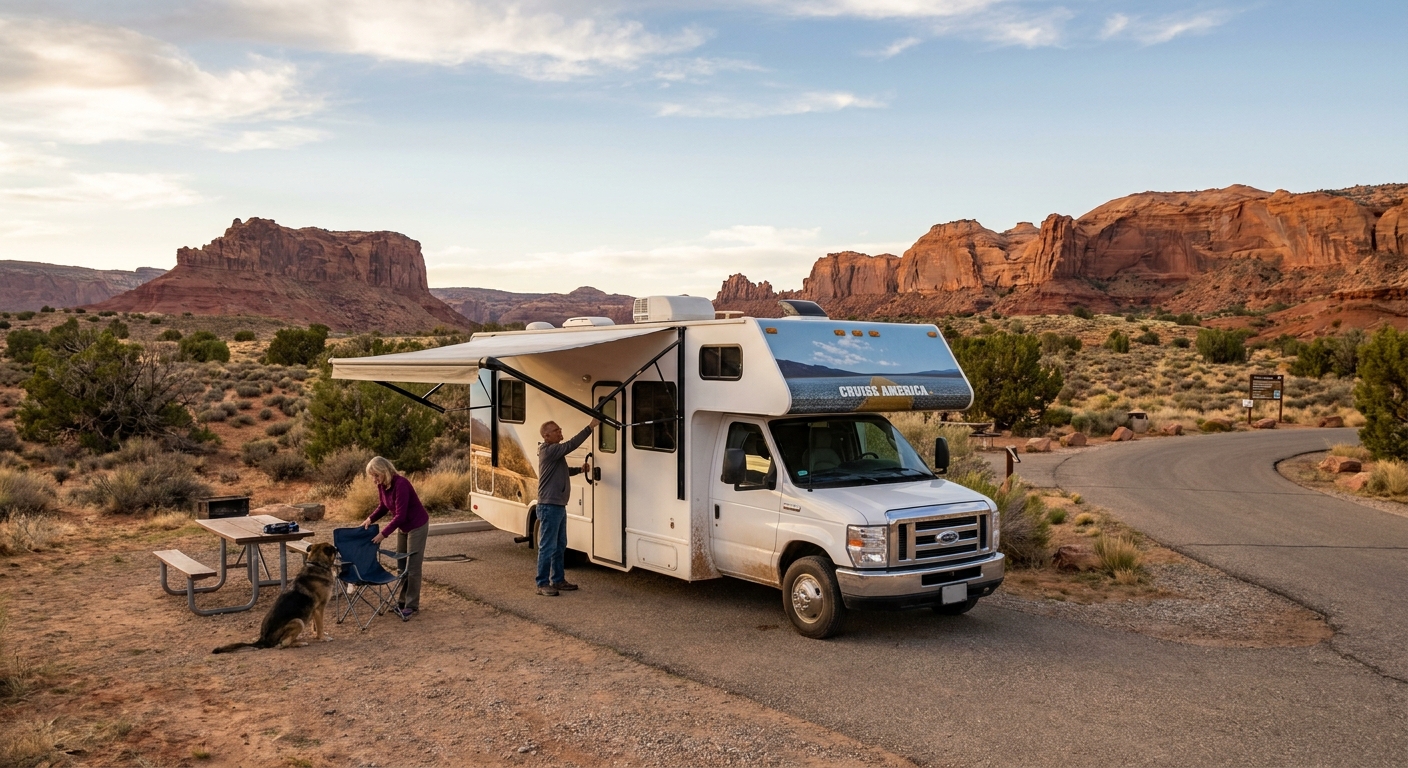
Planning Your Winter RV Trip in USA: Class, Dates, and Insurance
Choosing the right RV class for winter travel involves considering your comfort needs and destination. Class A, Class B, and Class C motorhomes all offer winter travel possibilities, with Class A often providing the most interior space and insulation, Class B being more maneuverable in tighter spots like small towns or ski resort parking, and Class C offering a good balance for colder conditions with its over-cab bunk for added sleeping space. Vehicles like the "MH-A" are often highlighted as "winter ready RV," featuring enhanced heating and insulation. Booking winter RV rentals several months in advance is recommended, particularly for peak season holidays like Christmas or popular snowbird routes to Florida, Arizona, or Southern California, to ensure availability and potentially better rates. Regarding insurance, basic coverage is always included, and you can easily select comprehensive insurance options during your search to see final prices with top-level deductible reimbursement for extra peace of mind, all part of our full transparency promise. We handle the details, so you can focus on living the journey.Essential Packing Checklist for Your Winter RV Trip in USA
Layered clothing, waterproof outerwear, warm hats, gloves, and thermal socks are essential for varying winter conditions, ensuring comfort both inside and outside your rented campervan. Non-perishable foods, essential cooking utensils, and a supply of hot beverages can enhance comfort during your journey, especially if you plan to prepare meals in your RV's kitchen – check out our RV-friendly recipes playlist for inspiration. For safety, a comprehensive first-aid kit, an emergency road kit (including jumper cables and a shovel), tire chains (if applicable and compatible with your RV rental), and extra blankets contribute to a safer journey. Finally, ensure your RV rental agreement, valid driver's license, insurance details, and all campground reservations are readily accessible, possibly stored in a waterproof document holder.- Thermal base layers
- Waterproof/windproof outer jacket
- Insulated pants
- Warm hats, gloves, and scarves
- Wool or thermal socks
- Waterproof boots with good traction
- Non-perishable food items (pasta, canned goods)
- Hot beverage supplies (coffee, tea, hot chocolate)
- Basic cooking utensils (pots, pans, cutlery)
- Biodegradable soap and sponges
- Comprehensive first-aid kit
- Roadside emergency kit (flares, jumper cables)
- Tire chains (check local regulations and RV compatibility)
- Extra blankets and sleeping bags
- Flashlights and extra batteries
- RV rental agreement and contact information
- Valid driver's license and identification
- Proof of insurance
- Campground reservation confirmations
- Maps or GPS device (with offline capabilities)
Navigating Winter Roads in Your Rented RV in USA: Driving, Fueling, and Navigation
Adjusting driving habits for winter conditions, such as reducing speed, increasing following distance, and regularly checking road conditions, can significantly enhance safety in your rented motorhome. Drive slowly and carefully, and you can drive almost anywhere without issues; there's no need to stress, just use common sense and pay attention. Maintaining at least a half-full fuel tank is always advisable, especially in remote areas or during winter, to prevent fuel line freezing and ensure generator operation for heating. Utilizing GPS with up-to-date maps, considering offline map options for areas with limited cell service, and consistently checking weather forecasts for your route are practical navigation strategies. For example, a vehicle like the "cruise america rv rental example Explorer" with its 75-liter fuel tank offers good range, but planning fuel stops is still paramount in winter.Setting Up Camp: Winter RV Campground Essentials and Etiquette in USA
Upon arrival at a winter campsite in the USA, leveling your RV, stabilizing it with jacks, and connecting to hookups in a specific order are standard practices to ensure a comfortable stay. Connecting the power cord, freshwater hose (preferably a heated one in freezing temperatures), and sewer hose (connecting sewer last) helps maintain hygiene and functionality, especially when utilizing a "24' Class C Motorhome" with its 147-liter waste water tank. Observing quiet hours, respecting neighbor's space, and properly disposing of waste contribute to a positive camping experience for everyone, reflecting good campground etiquette. For finding campsites and campgrounds during your trip, we recommend using RV PLANET (rvplan.net), a great resource for locating available spots along your route and even tracking ancillary trip costs.Winter RV Rental-Specific Considerations for USA
Consider destinations known for milder winters, like Florida, Arizona, or Southern California, for a more comfortable experience, or embrace the cold with an RV built for it in mountainous regions. Prioritize RVs equipped with tank heaters, heated compartments, and robust insulation to prevent freezing pipes and ensure interior warmth, essential features often found in newer models like the "C-MEDIUM PLUS" with its "Model 2025-2026" year and comprehensive heating. Monitor propane levels closely, as furnaces operate frequently in cold weather, and know where to refill them along your route. Using an RV-specific antifreeze for the plumbing system when temperatures drop significantly, or if not using full hookups, can prevent costly damage to your rented mobile home.Common Winter RV Rental Mistakes to Avoid in USA
Underestimating winter conditions and not adequately preparing your RV for cold temperatures is a common mistake; instead, choose an RV designed or prepared for winter, like a "Winter Ready" "2 Berth Hi Top" campervan, and understand its specific cold-weather features. Another pitfall is not planning routes to avoid severe weather or impassable roads; regularly check weather forecasts and road conditions along your intended path. Running out of propane for heating and hot water in cold climates is easily preventable by monitoring levels diligently and planning for refills before tanks are empty. Neglecting to properly drain or protect water lines when temperatures drop below freezing can cause significant damage; utilize tank heaters, RV antifreeze, or fully drain water systems if boondocking in freezing temperatures.What is the 3-3-3 Rule for RV Travel in USA?
The 3-3-3 rule for RV travel recommends driving no more than 300 miles (approximately 480 km) per day, aiming to prevent driver fatigue and allowing more time to enjoy scenic views. Arriving at your campsite by 3 PM provides ample daylight for setting up camp, which is particularly beneficial during shorter winter days and can reduce stress, especially when navigating a larger Class A motorhome like the "MHLUX". Staying at each location for at least 3 nights encourages a slower pace of travel, reducing the frequency of packing and unpacking, and allowing for deeper exploration of each destination. This approach aligns perfectly with our recommendation for slow travel, averaging max 100-150 km per day, allowing you to truly connect with the culture, food, and scenery of the USA.How Cold is Too Cold for an RV in USA?
Well-insulated RVs with heated tanks, enclosed underbellies, and double-pane windows are designed to withstand colder temperatures, often down to 0°F (-18°C) or lower for true four-season models. Water lines and holding tanks are highly vulnerable to freezing, which can cause costly damage; this risk increases significantly as temperatures drop below 20°F (-6°C) for unprepared RVs. Beyond the RV's physical capacity, personal comfort levels must be considered, as maintaining interior warmth can consume significant propane and electricity in extreme cold, influencing factors like the fuel consumption of a large motorhome that might be 25-35 liters per 100 km, for example, the "22-31" model.What is the 4-4-4 Rule for RV Camping in USA?
The 4-4-4 rule for RV camping represents a slightly more aggressive daily driving target compared to the 3-3-3 rule, suitable for travelers who wish to cover more ground efficiently, recommending around 400 miles (approximately 640 km) per day. Arriving by 4 PM still allows for adequate daylight to comfortably set up camp, which is especially advantageous during the reduced daylight hours of winter. Staying at each campground for at least 4 nights promotes deeper immersion in destinations, reducing the frequency of packing and unpacking, and offering more time for local activities and relaxation. For pre-planned route plans and itineraries that incorporate flexible travel speeds, check out rvplan.net.What are the Drawbacks of Renting an RV in USA?
Cost considerations are a primary drawback, as rental fees, significant fuel consumption (RV fuel efficiency is generally lower, e.g., 20-25 liters per 100 km for models like the "rv rentals utah example Sunrise Escape"), campground fees, and insurance can accumulate, potentially making a trip more expensive than anticipated. The learning curve and operation of complex RV systems, such as water hookups, waste disposal, electrical systems, and generator use, can require prior knowledge or a quick learning period. Driving challenges are also a factor, as larger RVs demand different driving skills than standard vehicles, requiring more awareness for turns, braking distances, and navigating tight spaces or challenging winter road conditions. Finally, hidden or additional costs like propane refills, dumping fees, mileage overage charges, and cleaning fees might not be included in the initial rental price, emphasizing the importance of our full transparency policy at Bandana RV.How Much Would it Cost to Rent an RV for 1 Month in USA?
The cost to rent an RV for one month in the USA is dynamic, fluctuating based on RV class and size, seasonality, and location. Smaller Class B campervans typically range from $2,000-$4,000 per month, Class C motorhomes from $3,000-$6,000, and larger Class A motorhomes can exceed $6,000-$10,000 per month. Winter rentals in less popular regions might be more affordable due to lower demand, while popular snowbird destinations in Florida, Arizona, or California could see higher prices even in winter. When budgeting, factor in fuel expenses (which can be substantial for a month, potentially hundreds of dollars), campground fees (from $30-$100+ per night), propane, insurance upgrades (like our top-level deductible reimbursement option), and potential cleaning or mileage overage charges. You can itemize and track every expense along the way for easy budgeting with RV PLANET routes.What Type of RV is Best for Winter in USA?
Four-season or winterized models of motorhomes and campervans are best for winter RV travel in the USA, featuring enhanced insulation in walls, ceiling, floor, and cargo bays, often with higher R-values, to maintain interior warmth and protect systems. A heated and enclosed underbelly is essential for protecting freshwater, greywater, and blackwater tanks, as well as plumbing lines, from freezing. Dual-pane windows significantly reduce heat loss and minimize condensation buildup inside the RV, contributing to better insulation and comfort. A powerful furnace and auxiliary heating system are crucial, with some RVs offering additional electric fireplaces or heat pumps to supplement the propane furnace. Consider a "MH-A" motorhome, which explicitly states it's a "winter ready RV," making it ideal for colder adventures.Is it Cheaper to Rent an RV or Stay in a Hotel in USA?
The total cost components for an RV trip include rental fees, fuel, campground fees, propane, and groceries, while hotel costs typically involve nightly rates, restaurant meals, and potentially rental car or local transportation expenses. For shorter trips or solo travelers, hotels can sometimes be more economical, especially if you find great deals. However, for longer trips, such as a two-week adventure or a month-long journey, or when traveling with multiple people (families or groups), a rented RV often becomes more cost-effective as costs for accommodation are shared and the onboard kitchen facilities significantly reduce food expenses. The flexibility and amenities of an RV, offering a mobile home base with kitchen facilities, private bathrooms, and personal space, can translate to significant savings and greater travel freedom compared to fixed hotel stays.What are Some Tips for Using My RV in the Winter in USA?
Protecting your water system is paramount; ensure all freshwater hoses are heated, use an RV-specific antifreeze in holding tanks and drain lines when temperatures are consistently below freezing, or consider disconnecting water lines and using bottled water and RV-safe antifreeze in toilets if boondocking. Closely manage propane consumption, as the furnace will operate frequently in cold weather; plan for refills and understand that electric heaters can supplement but may overload campground circuits. Insulate for heat retention by using Reflectix or insulated curtains on windows and vents to minimize heat loss and reduce condensation, which can be a significant issue in cold weather. Even in cold temperatures, maintain adequate ventilation by cracking a vent or window periodically to allow moisture to escape and prevent excessive condensation, which can lead to mold and mildew. Finally, check tire pressure regularly, as cold temperatures can cause pressure drops, to ensure safe driving and optimal fuel efficiency in your rented camper.What You Shouldn't Miss
- **Explore Southern Florida's Coast:** Drive a rented motorhome along the scenic US-1 through the Florida Keys, enjoying sunny winter weather and fresh seafood.
- **Arizona's Desert Bloom:** Visit national parks like Saguaro or Petrified Forest in Arizona, where winter brings mild temperatures perfect for hiking and RV camping without the summer heat.
- **California's Coastal Highway:** Take a leisurely drive along California's iconic Highway 1 in your rented campervan, enjoying stunning ocean views and charming coastal towns during the quieter winter months.
- **Ski Town RVing:** Experience the unique thrill of winter RV camping near popular ski resorts in states like Colorado or Utah, combining a warm mobile home with easy access to the slopes.
- **New Orleans Culture:** Head to New Orleans, Louisiana, during winter for its festive atmosphere, delicious cuisine, and vibrant music scene, parking your RV at a nearby campground.
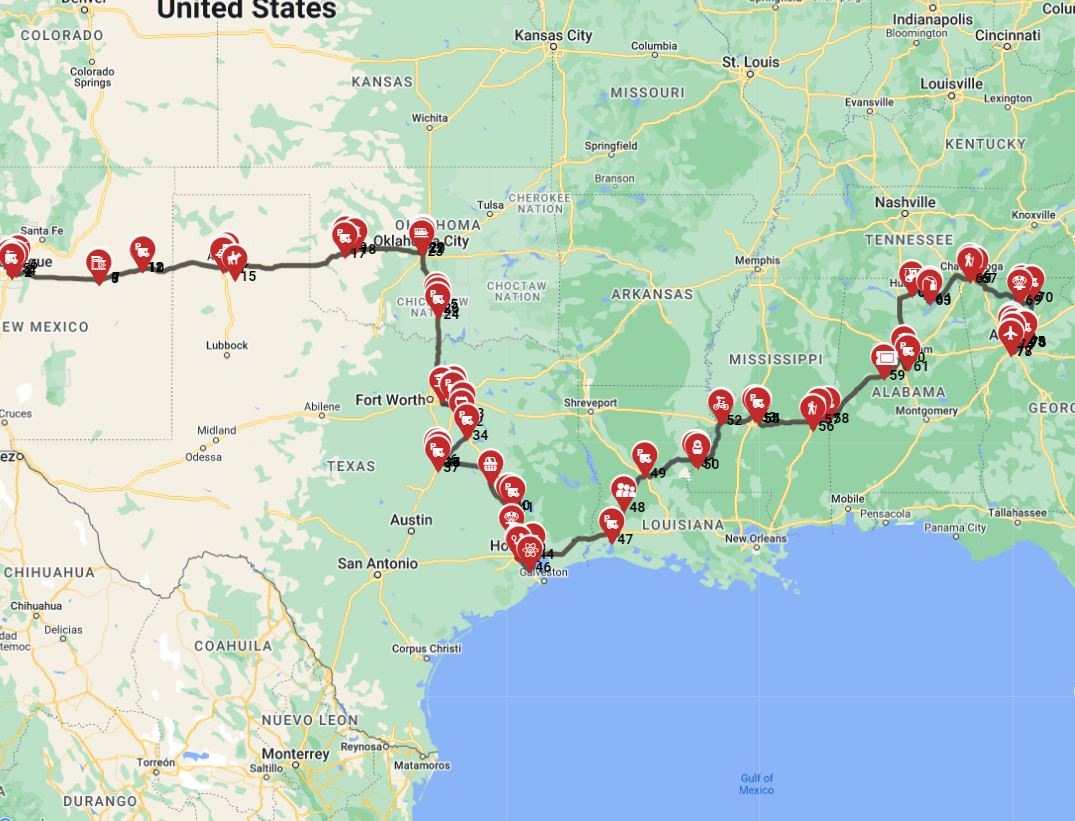
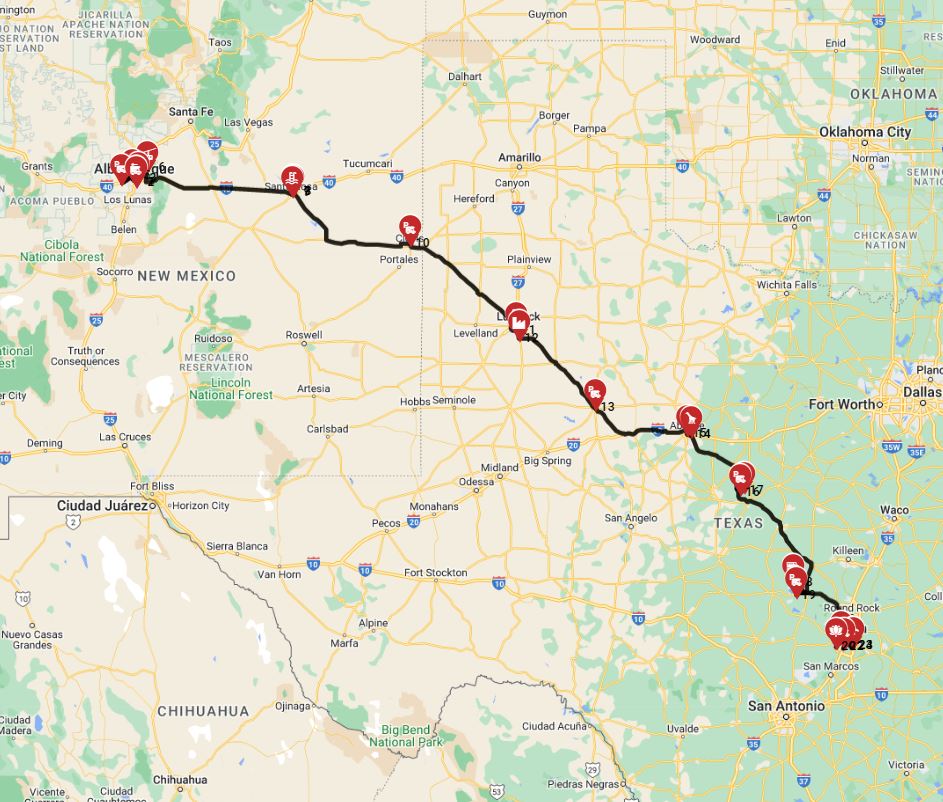
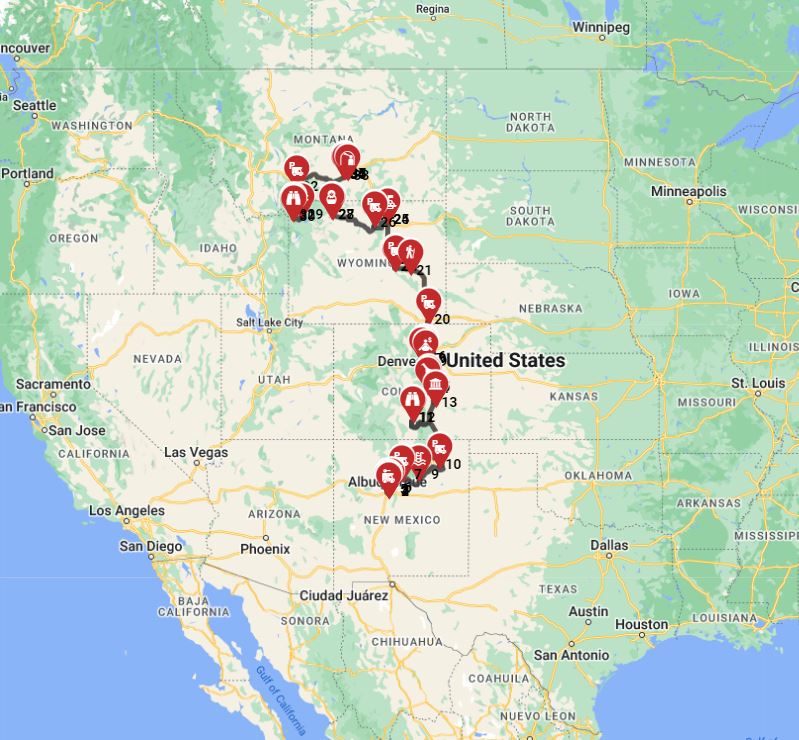
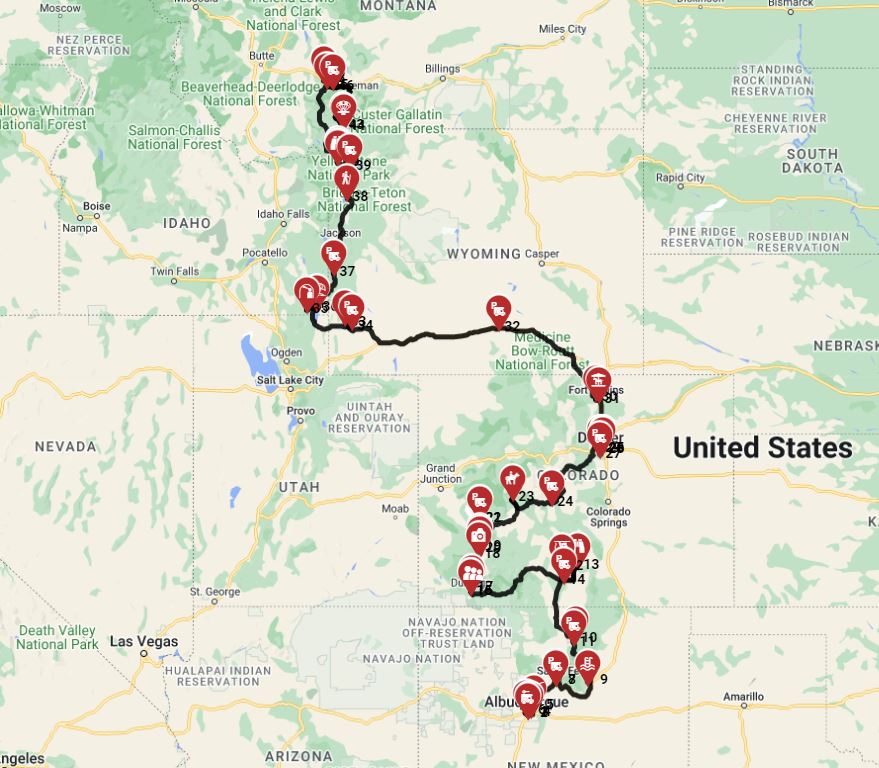
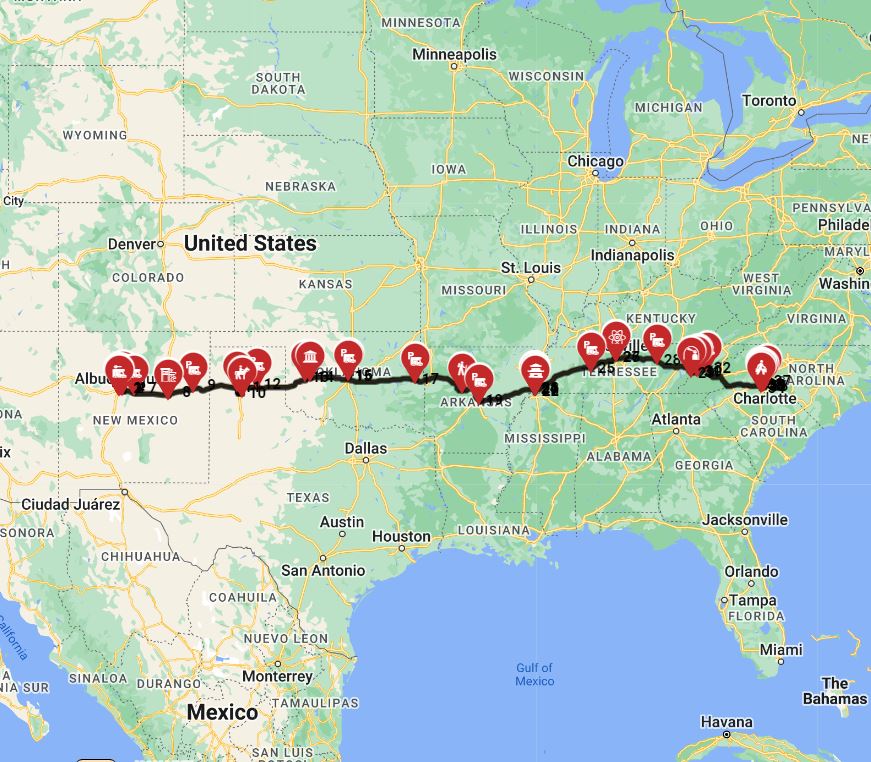
- **Billings to Orlando - Rockies to Disney: USA Motorhome Journey:** Embark on a grand 25-day, 5678.1 km journey that offers a diverse winter experience, combining wildlife viewing, historical sites, and family activities, perfect for families of 4-6 people.