In This Guide
- Top 5 Tips for RV Rental in USA
- Before You Book - Class, Dates, Insurance
- Pre-Trip Prep - Packing Checklist for USA
- On the Road - Driving, Fueling, Navigation
- At the Campground - Setup, Hookups & Etiquette
- RV Rental-Specific Tips for USA
- Common Mistakes to Avoid in USA
- What is the 3-3-3 rule for RV?
- What is the 4-4-4 rule for RV travel?
- What is the cheapest way to rent an RV?
- How much is a 1 week RV rental?
- What are some tips for a beginner who wants to travel in an RV?
- What is the 2-2-2 rule for RV travel?
- What I wish I knew before renting an RV?
- What are the drawbacks of renting an RV?
- What You Shouldn't Miss
- Why Book with Bandana Caravan
- Final Thoughts
- Frequently Asked Questions
Top 5 Tips for RV Rental in USA
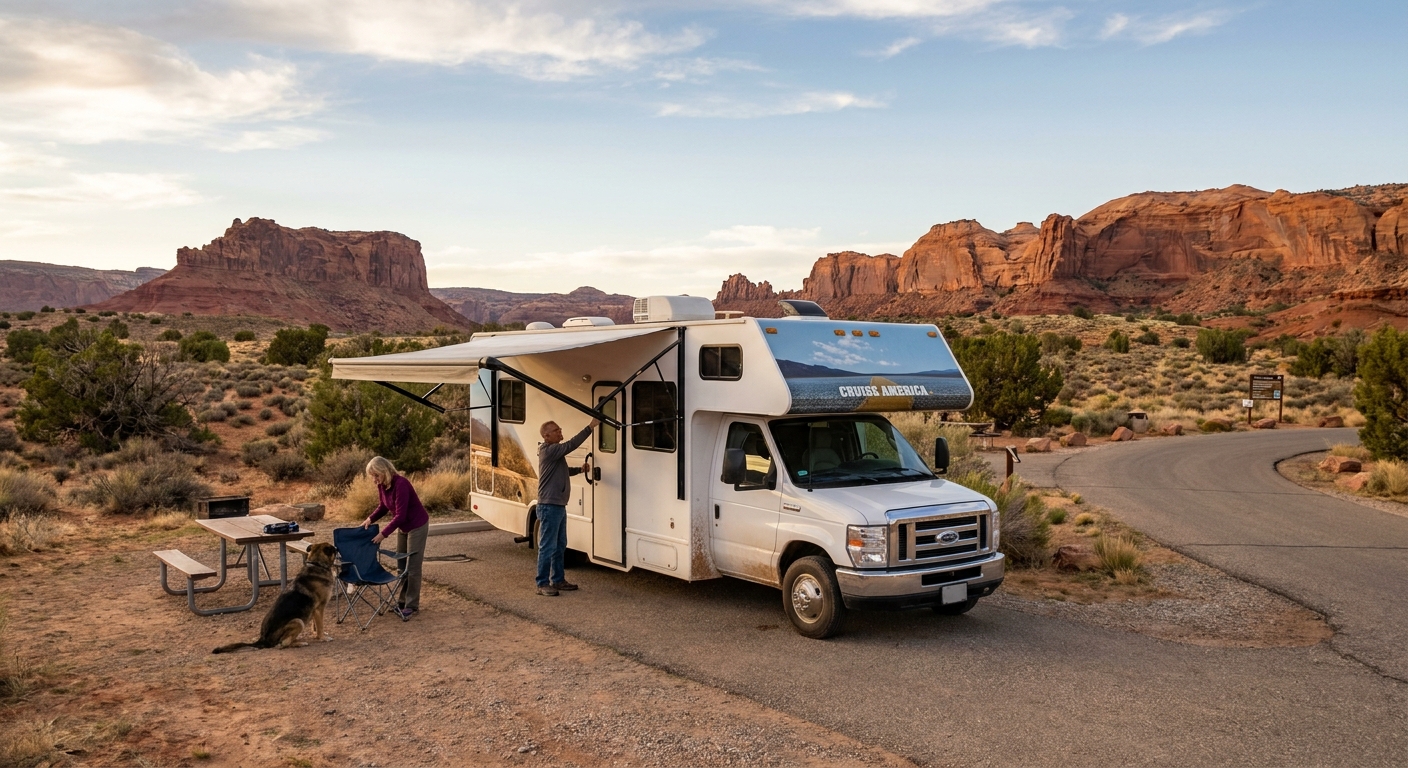 Booking early is crucial to secure your desired RV models and dates, especially if you plan to travel during peak season in 2026. For popular times like summer or major holidays, motorhomes can be reserved months in advance. Secondly, thoroughly understand the RV rental insurance options available beyond basic coverage, considering that you can upgrade to a top-level deductible for extra peace of mind. Thirdly, plan your route using RV-friendly navigation tools that account for vehicle size and potential road restrictions; remember, you can drive slowly and carefully, and you can drive almost anywhere without issues. Fourthly, familiarize yourself with the RV's systems – water, electrical, and waste – before hitting the road, as a quick tutorial at pickup can save hours of troubleshooting later. Finally, factor in all potential costs, including mileage fees, fuel, campground fees, and optional add-ons, to ensure you have a transparent understanding of your total trip expenses. When looking for the easiest, safest, and most affordable way to rent an RV, we compare final prices across 50+ suppliers so you don't have to.
Before You Book - Class, Dates, Insurance
Choosing the right RV class depends on your group size, budget, and comfort preferences, with each offering distinct driving experiences and amenities. For example, a "rv rental denver example Category Van" might be ideal for a couple, offering front air conditioning, a shower, and a toilet in a small, recent model. In contrast, a "rv rentals example Comfort Class" can accommodate a big family or group of friends with three double beds, and features like a shower and toilet. Understanding these differences ensures you select the perfect mobile home for your adventure. For optimal availability and pricing, lock in your rental dates several months in advance, particularly for popular travel seasons or destinations. While many national and state parks reserve only 25-30% of spots for pre-booking, the rest are first-come-first-serve, meaning spontaneous travelers can still find spots by calling ahead. Remember, prices are dynamic, changing daily based on availability and seasonality. You can find detailed breakdowns of costs in our "RV Rental in USA - Prices and Best Deals 2026" and "Cheap RV Rental in USA - Budget Guide 2026" guides. Understanding that basic insurance is always included; to see prices including the most comprehensive coverage, select that option during search – then all relevant insurance options will be shown, allowing you to choose if you want to upgrade to a top-level deductible for extra peace of mind.Pre-Trip Prep - Packing Checklist for USA
A comprehensive packing checklist helps ensure a smooth RV trip across the USA, covering essentials for various climates and activities. Think about comfortable layers for varying temperatures, a swimsuit if you plan to hit the beach, and rain gear for unexpected weather changes. Sturdy hiking shoes or boots are a must for exploring national parks. In the kitchen, pack pots, pans, cooking utensils, plates, bowls, cutlery, a coffee maker/tea kettle, dish soap, sponges, basic spices, and non-perishable foods to enjoy delicious meals on the road. For inspiration on what to cook in your rented motorhome, check out our RV-friendly recipes playlist. Safety essentials include a first-aid kit, a flashlight or headlamp, a multi-tool, jumper cables, and contact info for roadside assistance. Crucial documents like your driver's license, ID, rental agreement, insurance papers, and campground reservations should be readily accessible. Don't forget maps (both digital and physical) as a backup, especially when exploring remote areas where signal might be spotty.
On the Road - Driving, Fueling, Navigation
Driving a rented RV requires careful attention to its larger size, increased weight, and longer stopping distances compared to a standard vehicle, demanding wider turns and reduced speed. There is no need to stress about driving in cities- just use common sense and pay attention. Drive slowly and carefully, and you can drive almost anywhere without issues. Fueling an RV often means seeking out truck stops or gas stations with larger pump lanes and higher clearances, as standard stations may be challenging to navigate with a Class A motorhome or a larger Class C. Utilizing RV-specific navigation apps that account for vehicle height, weight, and propane restrictions is crucial to avoid unsuitable roads and bridges, ensuring safe passage through diverse US regions. Many travelers find that slowing down and averaging only 100-150 km per day allows them to truly connect with the culture, food, and scenery of the USA. When considering one-way options, consult our "One-Way RV Rental in USA - Price Guide 2026" for potential drop-off fees.
At the Campground - Setup, Hookups & Etiquette
Setting up your rented RV at a campground typically involves carefully backing into your site, leveling the vehicle using blocks, and then extending slide-outs if your model, like some "cruise america example R 27-30" motorhomes, is equipped with them. Connecting hookups follows a specific order: first connect electricity, then fresh water (always using a pressure regulator to protect your RV's plumbing), and finally the sewer hose (connecting to the RV first, then the dump station inlet). Observing campground etiquette, such as adhering to quiet hours, keeping your site tidy, and respecting neighbors' space, contributes to a pleasant experience for everyone. For finding campsites and campgrounds during your trip, we recommend using RV PLANET (rvplan.net) - a great resource for locating available spots along your route. You can find many amazing camping spots and detailed information to help you plan your stops.
RV Rental-Specific Tips for USA
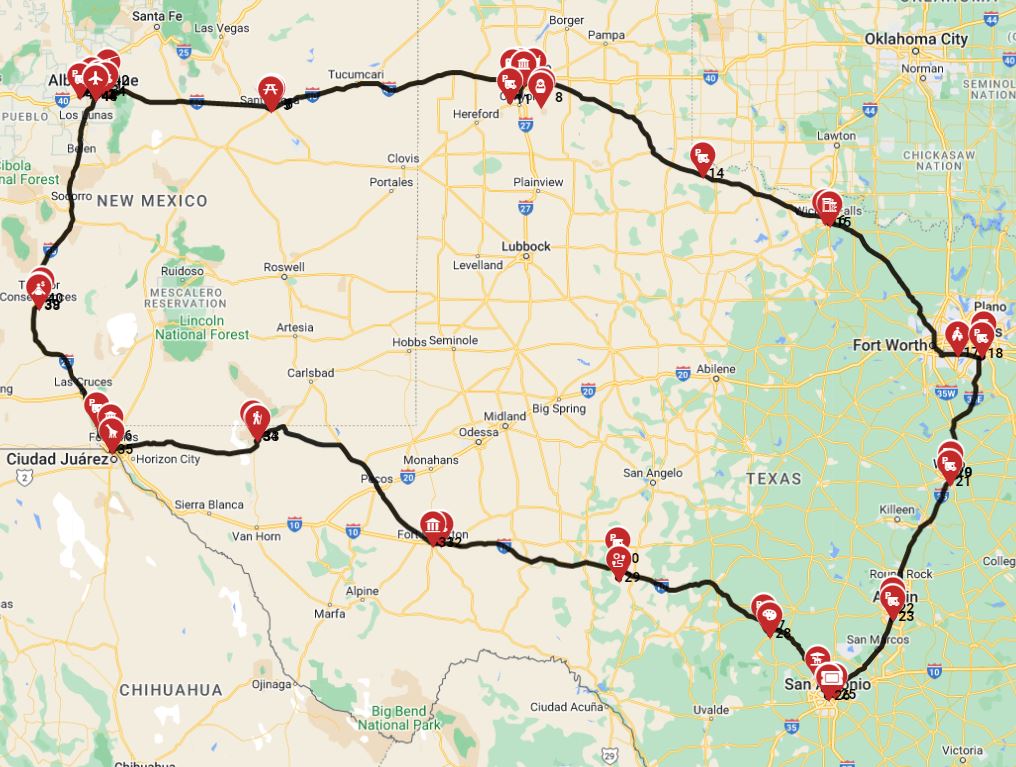
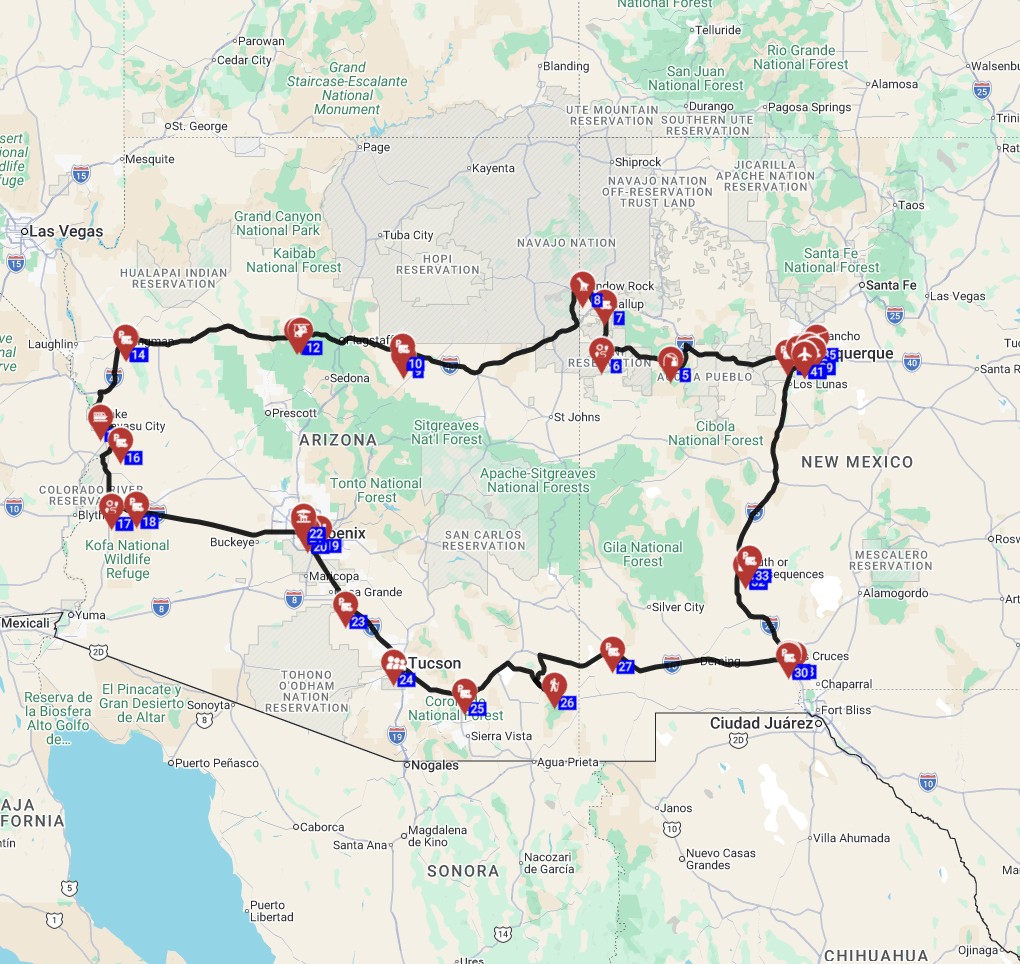
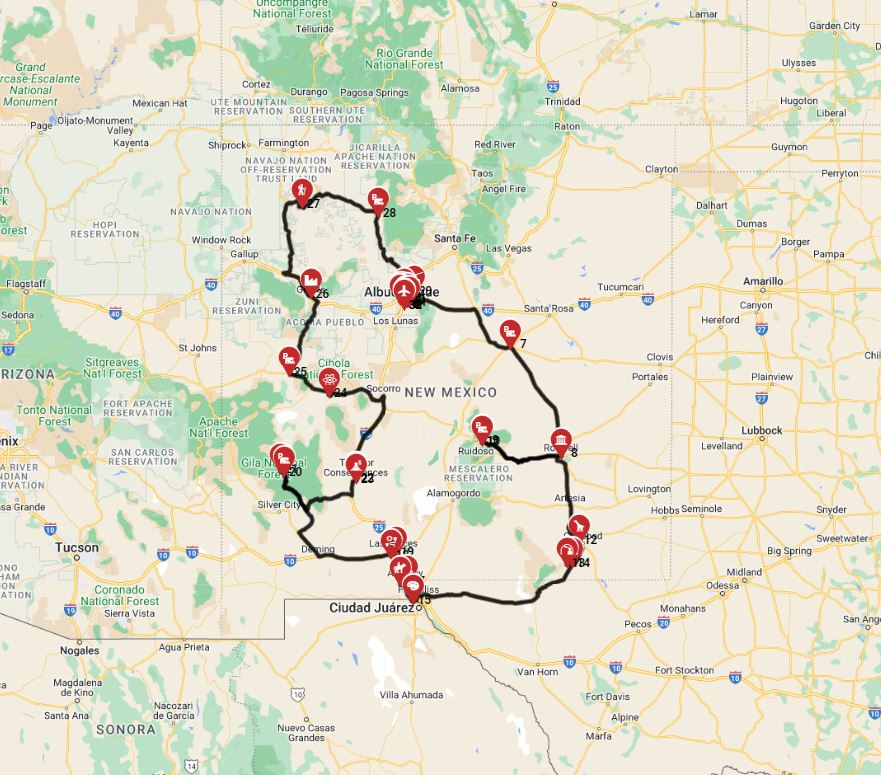
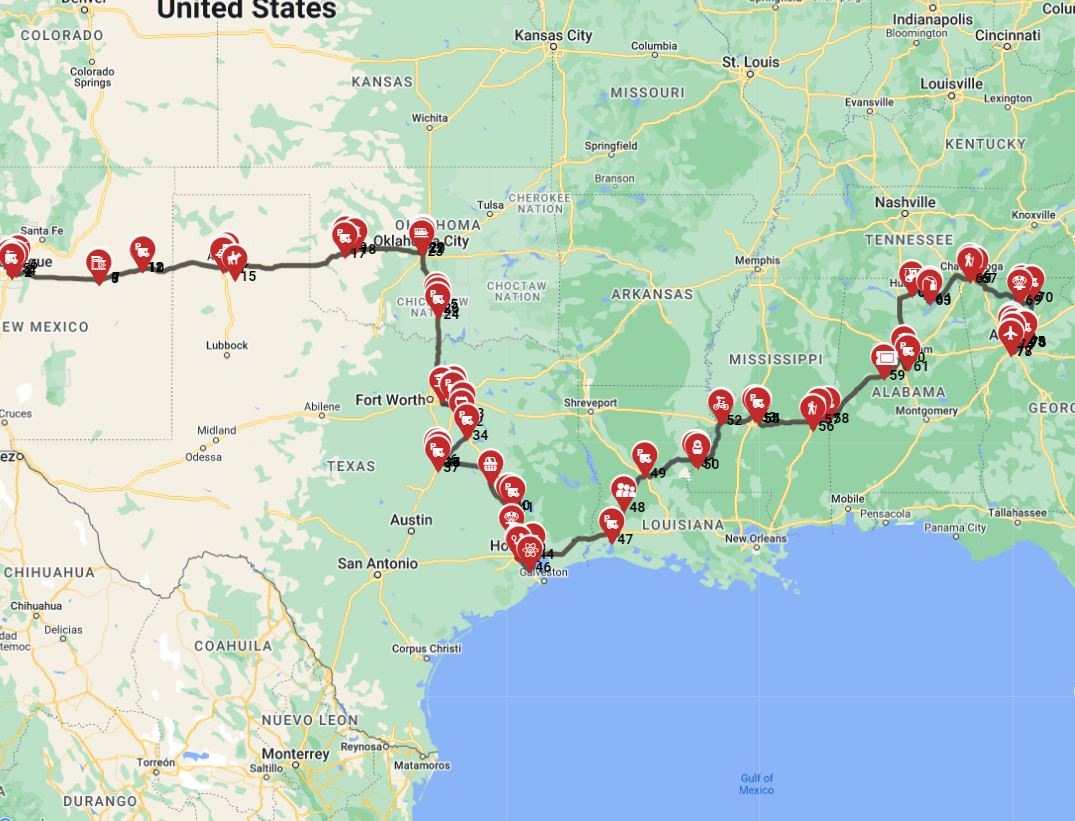
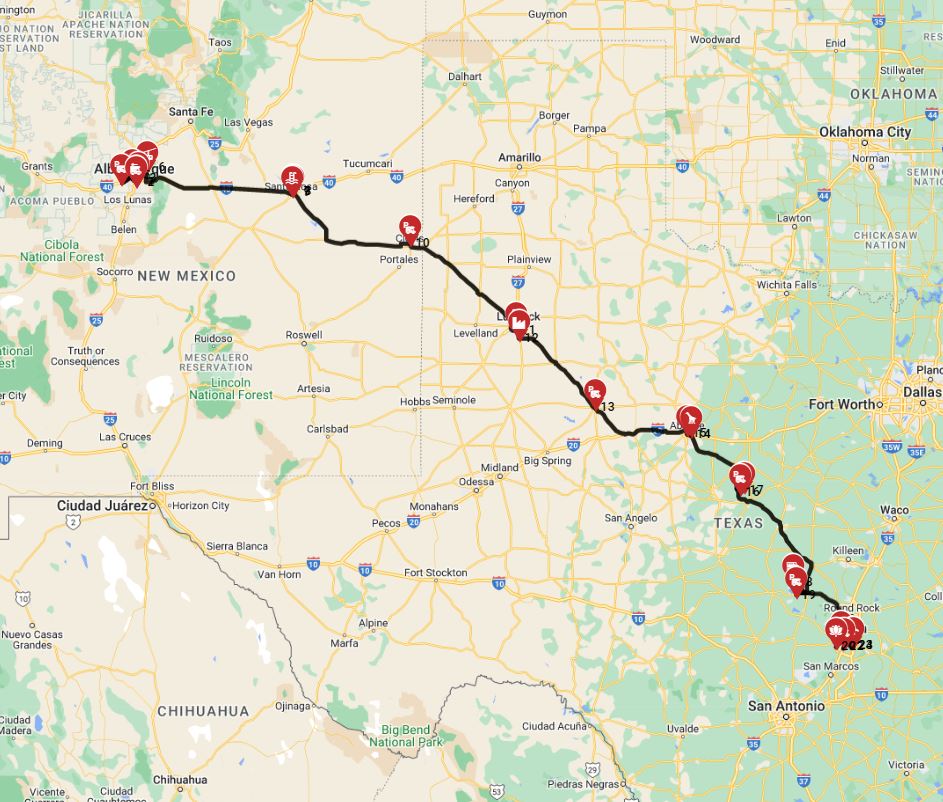
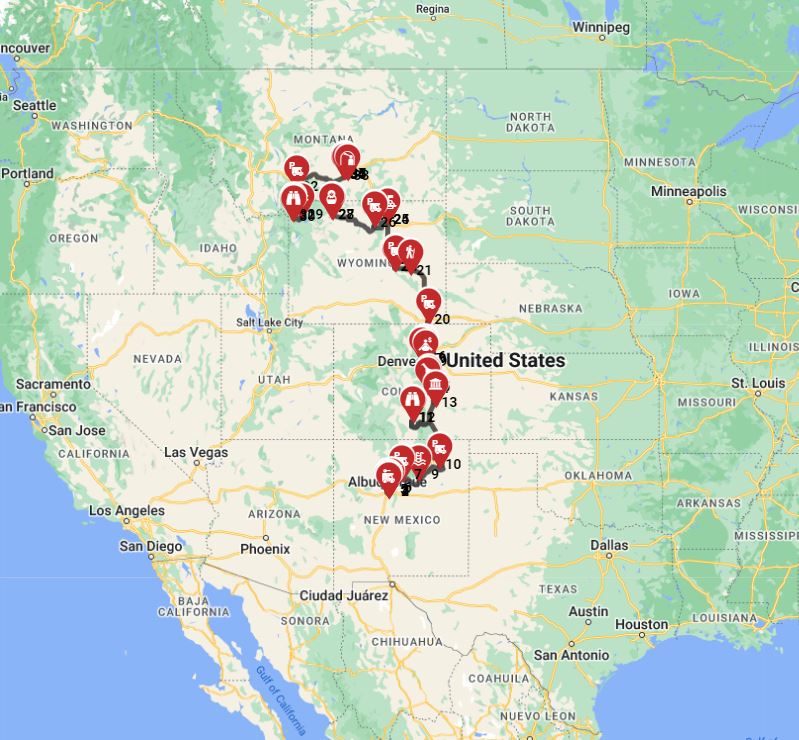
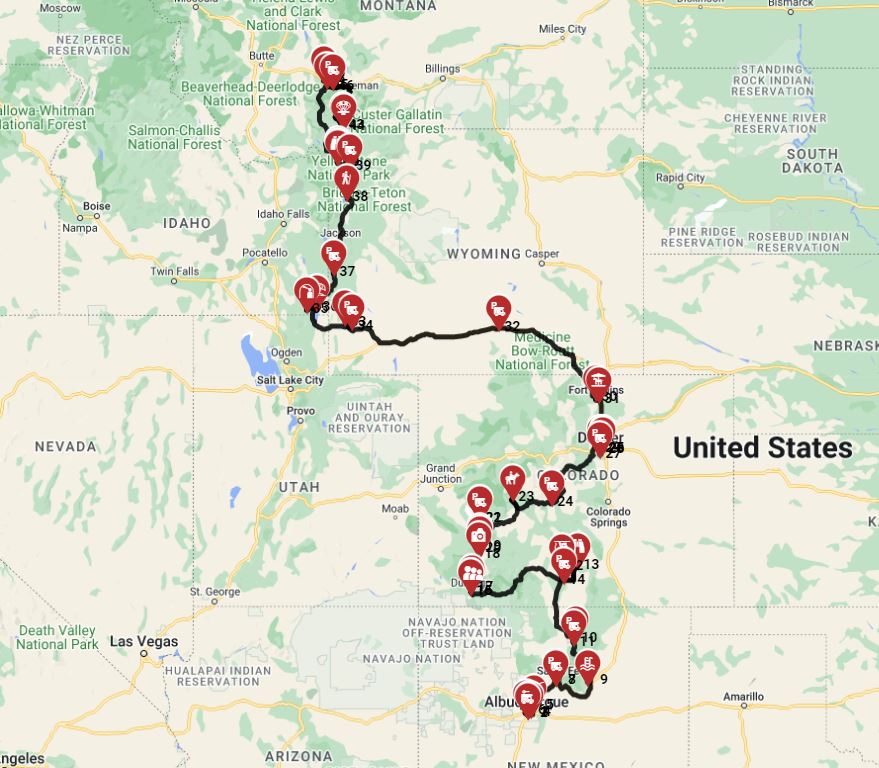
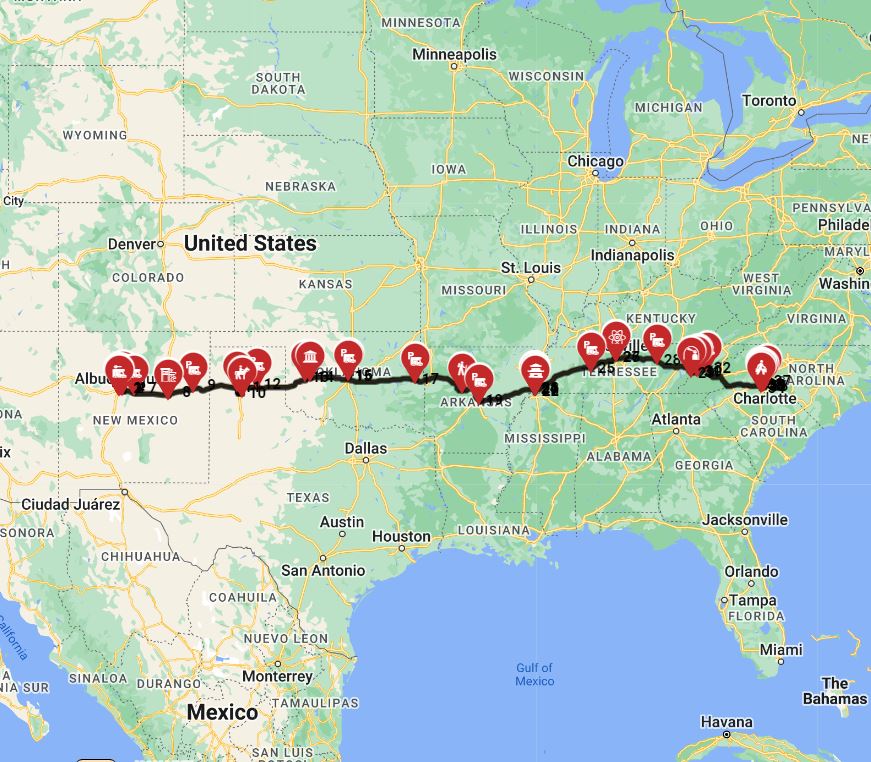
For families exploring the USA, consider a Class C motorhome like the "MHC28" which offers sleeping for up to 7 people, including a bunk bed and an over-cab bed, and plan frequent stops for kid entertainment to avoid fatigue. Seniors might prefer smaller Class B campervans, such as an "rv rental nj example Category Small," for easier maneuverability and ergonomic designs, along with campgrounds offering full amenities. Budget-conscious travelers can significantly save by utilizing free overnight parking spots, like those found at Walmart or on Bureau of Land Management (BLM) land, and cooking most meals in their rented RV, reducing costs beyond daily rental rates. Luxury travelers, on the other hand, can enhance their experience with premium add-ons like unlimited generator use, comprehensive kitchen kits, and pre-paid mileage packages for a truly effortless trip, perhaps in a spacious Class A motorhome like the "MHLUX". Remember to travel slowly, aiming for a maximum of 100-150 km per day on average, to truly take time to feel the place, connect to the culture, the food, and the scenery. For a detailed itinerary that spans a continent, consider: This 25-day, 5678 km route includes 1 amusement park, 1 wildlife show, 1 aquarium, 3 museums, 5 natural features, and 4 hiking areas, showcasing professional planning available at RV PLANET (rvplan.net).
Common Mistakes to Avoid in USA
Instead of overpacking for your USA RV trip, create a detailed list and only bring essentials to manage limited space effectively in your rented motorhome. Many first-time renters underestimate the space dynamics. Rather than neglecting pre-trip checks, thoroughly inspect all RV systems and test appliances like the refrigerator, stove, and water pump before departing to avoid troubleshooting issues on the road. This also includes checking water and waste tanks. Avoid underestimating fuel consumption and costs; instead, budget generously for fuel, as RVs typically have lower MPG (6-12 MPG) than cars, and fuel prices vary significantly across regions. Fuel costs, along with other ancillary expenses like propane and dump fees, can be easily tracked and itemized on RV PLANET routes for better budgeting. Instead of skipping campground reservations during peak season, book your spots well in advance, especially for popular national parks or state parks, to secure a place to stay. Remember that many parks reserve only 25-30% of spots for pre-booking.
What is the 3-3-3 rule for RV?
The 3-3-3 rule for RV travel is a widely adopted guideline that advises travelers to drive no more than 300 miles (approximately 480 km) a day, arrive at their destination by 3 PM, and stay for a minimum of 3 nights. This rule is designed to promote a relaxed travel pace, allowing for more enjoyment of destinations and reducing driver fatigue. It helps prevent over-scheduling and allows ample time for setting up camp, exploring the local area, and dealing with any unexpected issues, enhancing the overall RV experience.
What is the 4-4-4 rule for RV travel?
The 4-4-4 rule for RV travel is a variation of common pacing guidelines, suggesting that RVers drive no more than 400 miles (approximately 640 km) a day, arrive at their campground by 4 PM, and stay for a minimum of 4 nights. This rule, similar to the 3-3-3 rule, aims to balance travel days with opportunities for relaxation and local exploration, preventing burnout and allowing for more immersive experiences. Adopting such a rule helps in advanced route and campground planning, providing a structured yet flexible approach to long-distance RV trips across the USA.
What is the cheapest way to rent an RV?
The cheapest way to rent an RV in the USA often involves booking during the off-season, utilizing comparison platforms like Bandana RV to find the best deals from our 50+ suppliers, opting for smaller campervan models (like a "hire campervan example Paradise S/T"), and being flexible with your pick-up and drop-off locations. Smaller Class B or Class C motorhomes are generally more fuel-efficient with lower daily rental rates compared to large Class A motorhomes. Additionally, look for one-way rental deals or relocation specials, where rental companies offer discounted rates for moving an RV from one location to another. Flexibility with your travel dates and choosing shoulder seasons can lead to significant savings. Consider an international adventure that begins or ends in the USA, like the Toronto Roundtrip: This 11-day, 1769.7 km route offers 3 cruise terminal/sailing stops and 2 natural features, demonstrating the vast options available for North American RV adventures.
How much is a 1 week RV rental?
A 1-week RV rental in the USA can range significantly, typically from $700 to $3,500 or more, depending on the RV class, rental season, location, included mileage, and additional fees. Budget-friendly Class B or C RVs, such as the "rv rental denver example Category Van" or a smaller Class C, might cost $100-$250 per night, totaling $700-$1,750 for a week, especially during off-peak times. Larger, luxury Class A motorhomes, like an "rv rentals - michigan example MHLUX" (7-berth), can exceed $300-$500+ per night, reaching $2,100-$3,500+ weekly. Beyond the daily rate, factor in potential ancillary costs such as mileage fees (often $0.20-$0.75 per mile beyond a basic allowance), generator use fees ($3-$10 per hour), cleaning fees ($50-$200), dump station fees ($10-$30 if not at a campground), fuel costs (RV fuel efficiency can be 6-12 MPG), and campground fees ($20-$80+ per night). All these costs can be itemized and tracked using RV PLANET routes for easy budgeting. You can also explore our "Weekly RV Rental in USA - Pricing 2026" guide for more pricing details.
What are some tips for a beginner who wants to travel in an RV?
For beginners, some key tips for RV travel in the USA include starting with a smaller RV or campervan, such as an "rv rental denver example Category Van" that is 5.99 meters long, to ease into driving a larger vehicle, and planning shorter trips initially to gain experience. Practice driving and backing up in an empty parking lot to build confidence and familiarize yourself with the RV's dimensions and handling. Learn the basics of water, electrical, and waste systems, including how to hook up and disconnect, to manage your RV's utilities effectively. Always research campground amenities and reviews in advance, and carry physical maps or downloaded digital maps as a backup in case of limited internet connectivity on the road. We recommend traveling slowly, ideally no more than 100-150 km per day, to fully enjoy each destination.🎬 Video coming soon
What is the 2-2-2 rule for RV travel?
The 2-2-2 rule for RV travel is another popular guideline designed to encourage a leisurely pace, suggesting that travelers drive no more than 200 miles (approximately 320 km) a day, stop driving by 2 PM, and stay in each location for at least 2 nights. This rule is particularly beneficial for those who prefer a very relaxed trip, enabling more time for spontaneous exploration, relaxation at the campsite, and avoiding the rush of setting up camp in the dark. It's an excellent approach for families with young children or anyone looking to truly slow down and savor their RV journey across the USA, promoting deeper immersion in each visited location.
What I wish I knew before renting an RV?
Many first-time RV renters wish they had known about the cumulative effect of 'hidden' costs beyond the daily rental rate, such as mileage charges, generator usage fees (e.g., $5 per hour), propane refills, and unexpected dumping fees, which can quickly add up. Understanding that RVs require more frequent and specialized maintenance, including managing fresh water tanks (like the 167-liter tank in an "rv rentals utah example Sunrise Escape"), grey, and black water tanks, is crucial for a smooth trip and can be unfamiliar for newcomers. The reality of limited space dynamics inside a rented RV, especially with multiple travelers or a "Patagonia Camper 4x4 double cab" which is a small truck camper, can be a surprise, highlighting the importance of efficient packing and organization. Lastly, reliable internet connectivity can be challenging in many remote areas across the USA, impacting navigation, entertainment, and remote work plans, so having offline alternatives for maps and entertainment is advisable.
What are the drawbacks of renting an RV?
Key drawbacks of renting an RV in the USA can include the surprisingly high total cost once all fees (mileage, generator, cleaning), fuel (at 6-12 MPG), and campground expenses are factored in, potentially making a one-week trip cost $700-$3,500. Driving a large vehicle, like a 9.1-meter long "C-30" motorhome, can be challenging and stressful for inexperienced drivers, especially in city traffic, narrow roads, or mountainous terrain, though with practice, it becomes easier. Managing RV systems, particularly waste disposal (dumping the black and grey tanks, such as the 151-liter fresh and 83-liter waste tanks in a "C-30"), can be unfamiliar and inconvenient for some renters, requiring careful attention to campground facilities. Lastly, limited space and storage, along with potential internet connectivity issues in remote areas, can sometimes lead to frustrations, impacting the overall comfort and convenience of a long road trip.
What You Shouldn't Miss
- **The National Parks Road Trip:** Drive through iconic parks like Yellowstone, Zion, and Grand Canyon, allowing ample time for hiking and stargazing. Consider a one-way RV rental to cover more ground, as detailed in "One-Way RV Rental in USA - Price Guide 2026".
- **Coastal Drives:** Explore the Pacific Coast Highway in California or the scenic routes along the Atlantic, stopping at charming beach towns.
- **Southern Charm & History:** Head to the Deep South for a mix of historical sites, delicious food, and unique cultural experiences, embracing slow travel at 100-150 km per day.
- **The Quirky & Unique:** Seek out roadside attractions, quirky museums, and local festivals that showcase the true diversity of the USA.
- **Foodie Adventures:** Cook up a storm in your rented RV's kitchen with local ingredients or sample regional delicacies from food trucks and local eateries. Our RV-friendly recipes playlist offers great ideas!
- **Desert Wonders:** Discover the stark beauty of the American Southwest, from the red rocks of Utah to the vast deserts of Arizona, perhaps staying overnight in a Class TC - Truck Camper.
Looking for expert insights from Avi Bandana?
Top 5 Adventures - recommendations from Avi Bandana
Avi Bandana, our founder, personally loves exploring the vast, open roads of the USA, particularly seeking out hidden gems in its National Parks. He often emphasizes slowing down to truly experience each destination. "The real magic of RV travel isn't just about the destination, it's about the journey itself – those unexpected detours and the freedom to linger a little longer," says Avi. He recommends starting your journey with a flexible itinerary and being open to serendipitous discoveries. For example, he suggests exploring regions known for their fall foliage or spring blooms, ensuring you capture the country's natural beauty at its peak.
Final Thoughts
Renting an RV in the USA opens the door to an incredible adventure, offering unparalleled freedom and flexibility to explore this vast and beautiful country at your own pace. With careful planning, understanding costs, and selecting the right motorhome or campervan for your needs, you're set for an unforgettable journey. Remember, the road is yours to discover, and embracing slow travel will allow you to savor every moment and truly connect with the diverse landscapes and cultures of the United States.We're here to support you every step of the way, providing transparent pricing and expert advice. So, go ahead, imagine yourself on the route, cooking a delicious meal in your RV, and making memories that will last a lifetime. Your perfect USA RV adventure awaits!
On the routes offered through RV PLANET routes, you can itemize and track every expense along the way for easy budgeting.