In This Guide
- Where to Camp in USA - Top Options
- Campground Types in USA (National, Private, Wild)
- Featured RV Park or Campground in USA
- Hookups & Amenities - What to Expect
- Booking Windows & Reservations in USA
- Nearby Supermarkets & Resupply Points
- Best RV Class for Camping in USA
- How to Save on Campgrounds in USA
- Can I park my RV anywhere in the USA?
- What is the 3 3 3 rule for rving?
- Where can I park my RV for free in the US?
- Can you sleep anywhere in an RV in the USA?
- How much are RV parks in the USA?
- Where can you sleep in an RV in the USA?
- What are the top 10 RV campgrounds in the USA?
Embarking on a motorhome adventure across the USA offers unparalleled freedom, allowing you to discover iconic landscapes and hidden gems at your own pace. With a rented RV, you have a mobile headquarters to venture out to national parks, coastal highways, and charming small towns. For live availability and current prices, start with our RV Rental USA - Complete Guide 2026 guide.
Where to Camp in USA - Top Options
The USA offers a vast array of camping options, from stunning national parks to serene wild camping spots, each providing a unique experience for your rented motorhome. Iconic destinations like Yosemite, Yellowstone, and the Grand Canyon offer unparalleled natural beauty but require advance booking due to high demand, often 6-12 months ahead for prime spots. State parks across the USA provide diverse landscapes, are often less crowded than National Parks, and present a good value with a blend of nature and essential amenities.
For those seeking extensive amenities such as pools, Wi-Fi, and full hookups, private RV resorts like KOA or Jellystone Parks are ideal and typically found along popular tourist routes. Adventurous travelers looking for dispersed, free camping, often called boondocking, can explore vast, undeveloped areas primarily on Bureau of Land Management (BLM) and National Forest lands across the western states. No matter your preference, with a bit of planning, you'll find the perfect spot to park your RV and immerse yourself in the beauty of the USA. To ensure you have all expenses mapped out for these journeys, remember that RV PLANET routes allow you to itemize and track every cost along the way.
Campground Types in USA (National, Private, Wild)
Understanding the different campground types in the USA is key to planning your perfect RV rental adventure, with distinct characteristics for each. National Parks, operated by the National Park Service, prioritize natural preservation, often having limited hookups and requiring reservations far in advance, sometimes up to a year ahead. Rules are strict to protect the environment.
State Parks, managed by individual states, offer a balance between natural settings and amenities, typically with varying levels of hookups and generally being easier to book than National Parks. Private Campgrounds and RV Resorts, such as KOA or Jellystone, provide extensive amenities like pools, full hookups, Wi-Fi, and recreational activities at higher price points, with booking often being straightforward. Finally, wild camping, also known as boondocking or dispersed camping, refers to free camping on public lands, primarily Bureau of Land Management (BLM) and National Forests. This option typically means no hookups, requiring self-sufficiency and strict adherence to 'Leave No Trace' principles. Exploring these diverse options ensures your rented motorhome experience in the USA is tailored to your desires.
Featured RV Park or Campground in USA
When selecting an RV park or campground in the USA, consider factors that align with your travel style and the size of your rented RV, such as a Class C Alcove which averages 7.5m in length. The location is paramount: look for parks strategically situated near attractions, with scenic views, or in quiet, natural settings away from city noise.
Essential amenities typically include full hookups (water, electric, sewer), laundry facilities, clean restrooms and showers, and reliable Wi-Fi, with many also offering recreational options like pools, playgrounds, or hiking trails. Ensure the site size and type can comfortably accommodate your rented motorhome; pull-through sites offer greater ease of parking compared to back-in options, especially for larger rigs. Always consult online reviews and ratings from other RVers to gauge cleanliness, staff helpfulness, and overall satisfaction before committing to a booking.
Hookups & Amenities - What to Expect
When camping with a rented motorhome in the USA, understanding available hookups and amenities is crucial for a comfortable trip. Electric hookups are commonly 30-amp and 50-amp connections; always confirm your RV's compatibility, such as a Bandana Class C or Class A, and carry adapters if necessary for seamless power. Water hookups provide a direct connection to potable water, so remember to use a dedicated freshwater hose to ensure safety and prevent contamination.
Sewer hookups, often at a dump station, allow for direct waste disposal from your grey and black water tanks, with proper hose connection and sanitation being paramount. For those seeking a more rugged experience, no hookups (dry camping or boondocking) means relying entirely on your RV's onboard fresh water tank, waste tanks, and battery power for electricity, requiring careful management of resources. Beyond these essentials, many campgrounds offer additional amenities like Wi-Fi (though quality varies), laundry facilities, clean public restrooms and showers, picnic tables, fire rings, and sometimes even small general stores or recreational facilities, enhancing your overall experience. On the routes offered through RV PLANET routes, you can itemize and track every expense along the way for easy budgeting.
Booking Windows & Reservations in USA
Planning your RV rental trip to the USA involves strategic booking, especially for popular campgrounds. For National Parks, due to extreme popularity, campgrounds often require reservations 6-12 months in advance via Recreation.gov. It's important to note that many sites only release 25-30% of spots for reservations, with the remainder often available on a first-come, first-served basis.
Private RV Parks typically allow reservations to be made a few weeks to several months ahead, particularly during peak seasons or for desirable locations, and many also offer same-day or next-day bookings if space permits. While more challenging, finding a last-minute spot is possible, especially in less popular areas or during shoulder seasons like spring or fall, which also tend to offer lower rates and fewer crowds. A reassuring tip for RV renters: you will almost certainly find a place- if not the first campground, then the next one. Always call ahead to confirm availability before driving to a campground, ensuring a stress-free journey.
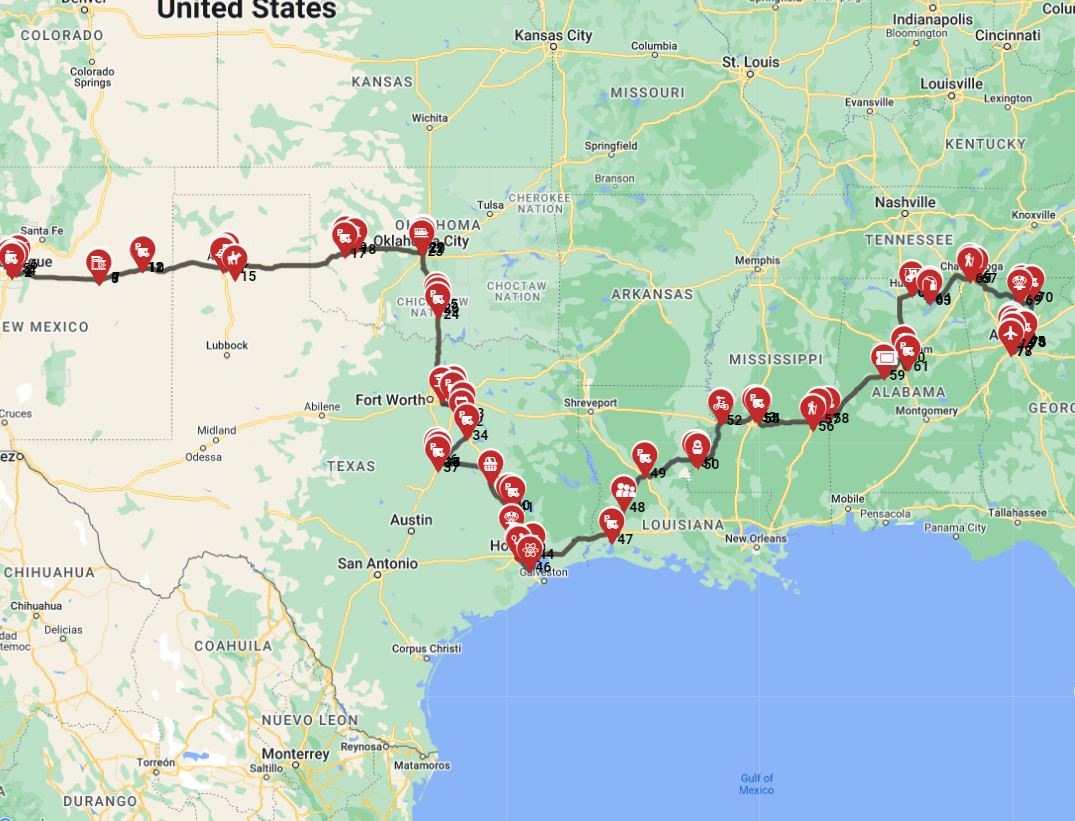
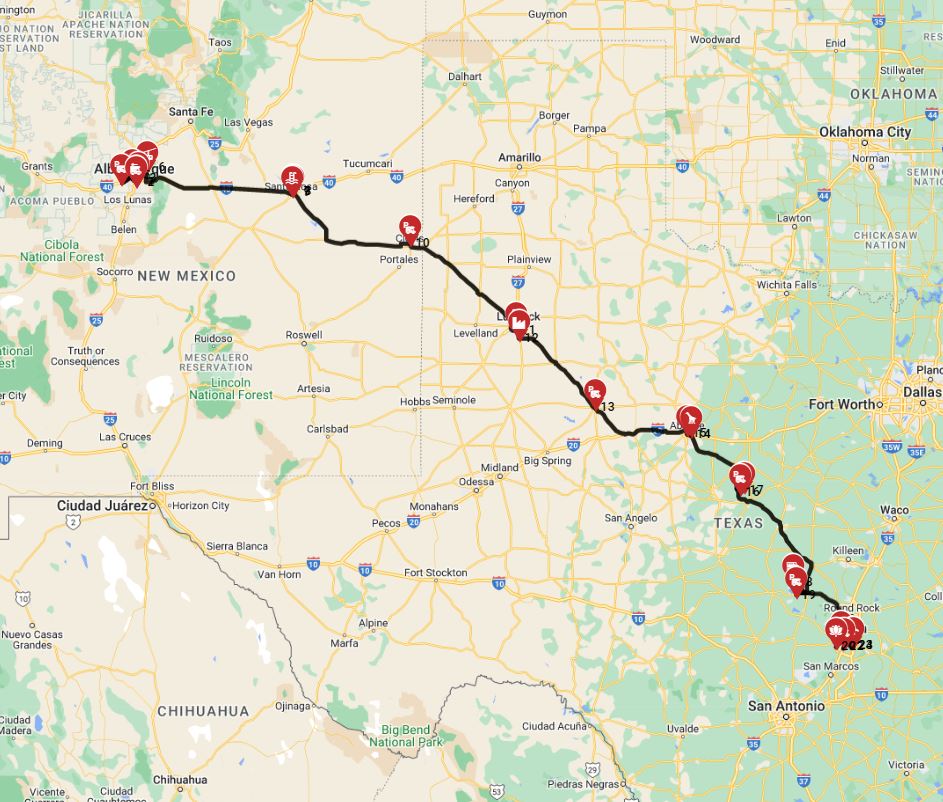
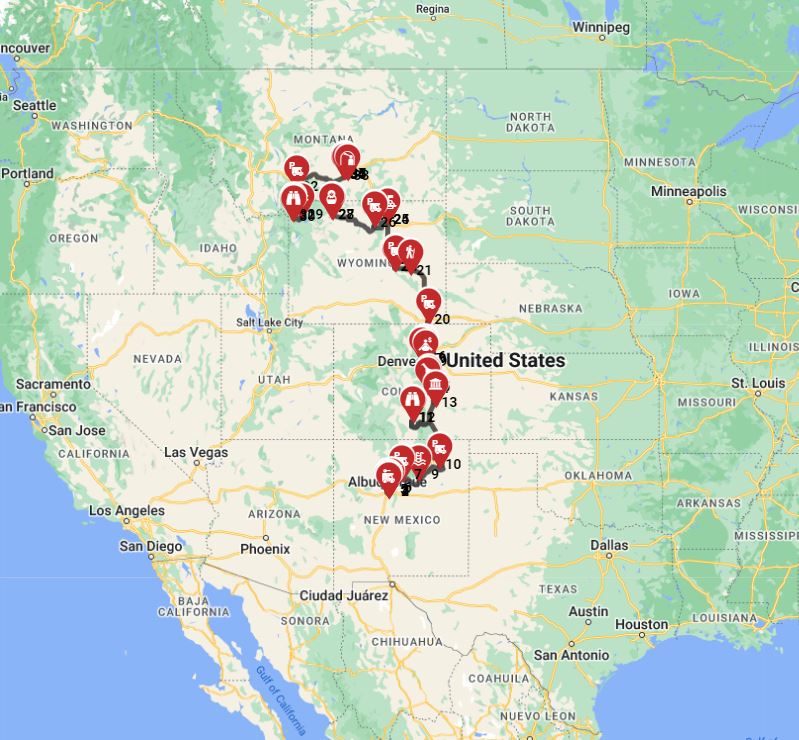
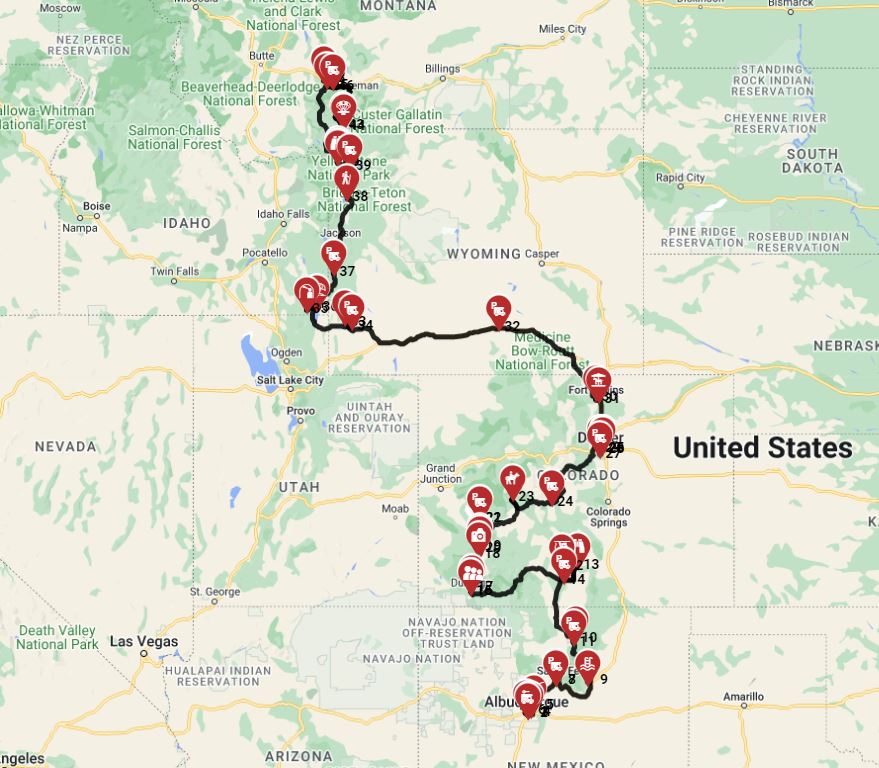
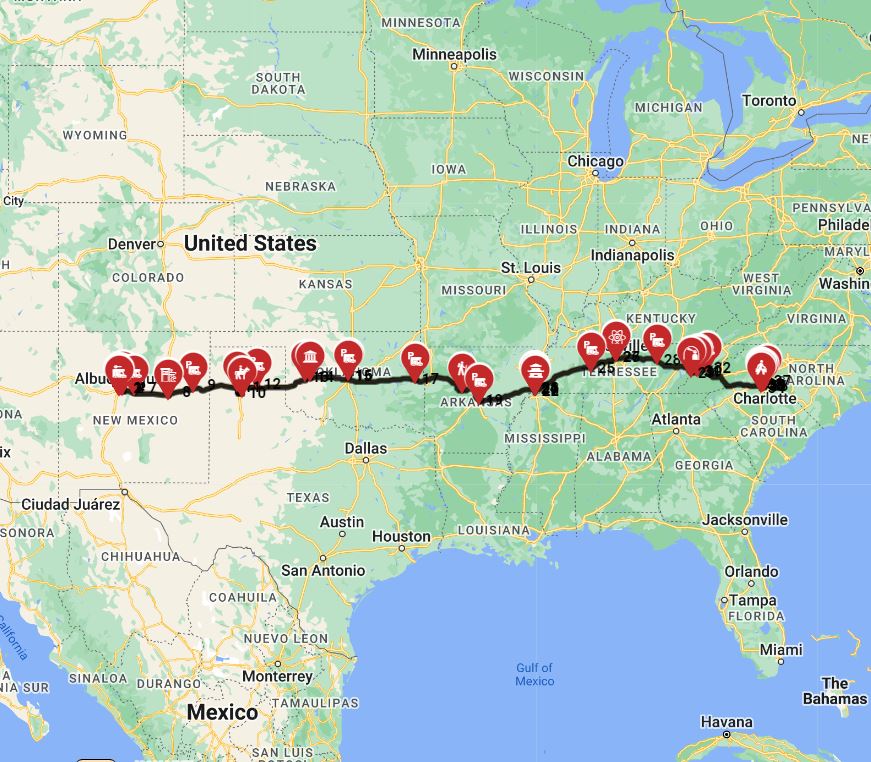
For an example of a well-planned extended journey, consider the "Billings to Orlando - Rockies to Disney: USA Motorhome Journey" route, which covers an impressive 5,678 km over 25 days, incorporating 5 natural features, 4 hiking areas, and 3 museums into its itinerary.
Nearby Supermarkets & Resupply Points
Strategic planning for provisions is essential for a smooth RV rental trip in the USA, ensuring you're always stocked up on essentials. For extensive supplies, look for major grocery chains such as Walmart Supercenters, Kroger, Safeway, Publix, or Costco (membership required) which are widely available across the USA. Beyond the big stores, exploring local markets, including farmers' markets, can offer fresh, regional produce and unique culinary experiences, adding a delightful touch to your RV trip.
Always map out your resupply stops along your planned route to ensure you have sufficient food, water, and other necessities, especially when traveling to remote areas or planning for boondocking. Regularly monitor and refill your RV's fresh water tank, particularly if you are in a smaller vehicle like a Bandana Class B Camper Van, which typically has less onboard capacity than larger models like a Class C. When preparing meals in your rented motorhome, don't forget to check out our RV-friendly recipes playlist for delicious and easy meal ideas.
For those looking at broader North American adventures that encompass similar logistical considerations, the "Toronto Roundtrip - facing north Incl. Niagara Falls & thousand island" itinerary is an excellent example, covering 1,769.7 km over 11 days and featuring diverse stops including 3 cruise terminals, 2 beaches, and 1 local industry visit, demonstrating comprehensive planning for a varied trip.
Best RV Class for Camping in USA
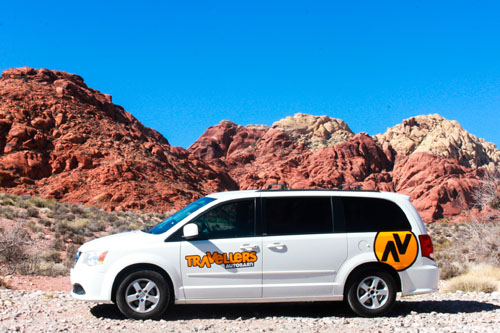
Choosing the best RV class for camping in the USA depends heavily on your travel style, group size, and desired amenities. For couples or small families prioritizing flexibility and fuel efficiency (often 8-10 L/100 km), a Class B Camper Van (Bandana's fleet averages 5.8m in length, 3.2 sleeping places for 2.7 adults) is highly maneuverable, excellent for urban exploration, and fits into smaller, rustic campsites or for stealth camping.
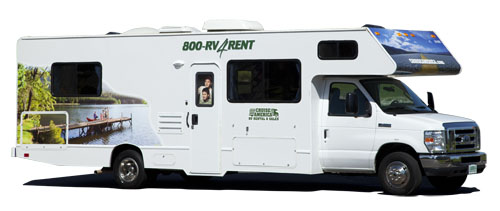
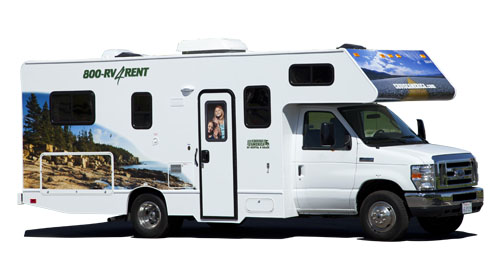
The Class C Alcove (Bandana's fleet averages 7.5m in length, 5.8 sleeping places for 4.4 adults) is a popular choice for families, offering a good balance of living space and relative ease of driving, suitable for most campgrounds with hookups and typically consuming 10-12 L/100 km. For a more streamlined profile and often better fuel efficiency than a Class C, the Class SI Semi-integrated (Bandana's fleet averages 6.9m in length, 3.8 sleeping places for 3.4 adults) is suitable for smaller families or couples desiring more space than a Class B, with typical consumption of 10-11 L/100 km. Consider your trip type: boondocking often favors smaller, more self-contained RVs, while full hookup camping allows for larger rigs with more amenities.
How to Save on Campgrounds in USA
Saving on campground fees in the USA allows you to stretch your RV rental budget further and enjoy more of your adventure. Utilize campground discount cards, such as Good Sam Club or Passport America, which offer significant savings at participating private RV parks nationwide. Traveling during shoulder seasons, typically spring or fall, often yields lower rates and fewer crowds compared to the busy summer months.
Opting for municipal and state parks frequently provides better value than private resorts, offering essential amenities at a more affordable price. Many campgrounds offer discounted weekly or monthly rates, so planning to stay 3+ nights at a single location can lead to substantial savings. Embracing boondocking, or free dispersed camping on Bureau of Land Management (BLM) or National Forest lands, eliminates accommodation costs entirely, though it requires self-sufficiency. Beyond just park fees, remember to factor in other costs like fuel (a Bandana Class C averages 10-12 L/100 km), food, activity fees, and a buffer for unexpected expenses to ensure comprehensive budgeting. You can itemize and track every expense for your motorhome journey using RV PLANET routes for easy budgeting.
Can I park my RV anywhere in the USA?
No, you cannot park your RV just anywhere in the USA, as regulations vary widely by state, county, and city, generally prohibiting overnight parking on public streets or private property without explicit permission. RV parking laws are highly localized, meaning federal, state, county, and city ordinances can all impact where you can legally park your rented motorhome. Overnight parking on residential streets or public roads is typically prohibited or requires specific permits in many municipalities, so always be attentive to local signage.
Parking on private land always requires explicit permission from the landowner to avoid trespassing issues. Rest areas are generally intended for short-term rest, usually 8-12 hours, and are not designed or legally permitted for multi-day camping. Always strictly adhere to any 'No Overnight Parking' or other prohibitory signs to prevent fines, towing, or other penalties. Additionally, it's crucial to respect local communities by avoiding litter, excessive noise, or overstaying your welcome in areas where temporary parking might be tolerated.
What is the 3 3 3 rule for rving?
The "3-3-3 rule" for RVing is a popular guideline suggesting travelers aim to drive no more than 300 miles a day, arrive at their destination by 3 PM, and stay for at least 3 nights, promoting a more relaxed and enjoyable travel pace for your rented campervan. This guideline aims to prevent driver fatigue, reduce stress, and allow for a more leisurely journey with ample time for spontaneous stops. It also helps manage fuel consumption, which for a Class C RV from Bandana's fleet typically ranges from 10-12 Liters/100 km.
An early arrival by 3 PM ensures you have ample daylight to set up camp, navigate your chosen campground, and secure a desirable spot, which is especially vital for first-come, first-served sites. Staying for at least 3 nights encourages a slower travel pace, allowing for deeper exploration of a single area and minimizing the repetitive setup and tear-down of your RV. While a useful framework, the 3-3-3 rule is a guideline, not a strict regulation; adjust it based on your personal preferences, the specific destination, and prevailing weather conditions to make the most of your mobile home adventure.
Where can I park my RV for free in the US?
In the US, you can often park your RV for free on Bureau of Land Management (BLM) and National Forest lands, as well as at certain businesses like Walmart (with permission), specific casinos, and truck stops. These vast federal lands, primarily in the western states, permit 'dispersed camping' or 'boondocking' for up to 14 days in many areas, requiring self-sufficiency and adherence to 'Leave No Trace' principles.
Many Walmart Supercenters, Cracker Barrel restaurants, and some casinos allow overnight RV parking; however, always call ahead to confirm the current policy at the specific location you plan to visit. Truck stops often welcome RVs for overnight parking, though amenities are basic, and noise levels can be higher due to commercial traffic. Additionally, membership programs like Harvest Hosts or Boondockers Welcome connect RVers with unique, free overnight stays at private locations such as farms, wineries, and breweries, usually without hookups. Always prioritize safety by choosing well-lit areas and ensure that overnight parking is explicitly permitted to avoid fines or unwelcome disruptions, as local ordinances can vary greatly for your rented mobile home.
Can you sleep anywhere in an RV in the USA?
No, you cannot legally sleep anywhere in an RV across the USA; overnight sleeping regulations vary significantly by jurisdiction, often prohibiting it on public streets, private property without permission, or in designated day-use areas. Generally, sleeping arbitrarily in a rented RV is typically illegal and can lead to fines, citations, or being asked to move by law enforcement. The safest and most legal places to sleep in an RV are established RV parks, campgrounds (private, state, or national), or recognized dispersed camping areas on public lands.
Many municipalities have specific bans on overnight RV parking on city streets, residential areas, or public parking lots, making local research essential. Prioritize your safety by choosing well-lit, secure locations or known RV-friendly spots rather than secluded or unverified areas. While some businesses, like certain Walmarts or casinos, may grant explicit permission for overnight stays, it's crucial to confirm beforehand for your rented campervan to ensure a hassle-free and legal night's rest.
How much are RV parks in the USA?
RV park fees in the USA typically range from $25 to $100+ per night, varying based on location, amenities, season, and whether you choose a basic site or a full-service resort. A basic site in a state park might cost $25-$40, while a private RV resort with extensive amenities in a popular location could range from $60-$100+, or even more for premium spots, especially for larger rented motorhomes like a Class A (which consumes approximately 11-12 L/100 km for fuel).
Costs are heavily influenced by the park's location (e.g., proximity to National Parks or major cities), the level of amenities (full hookups, pools, Wi-Fi), and the season (peak summer and holidays are generally more expensive). Prices can also vary based on the type of site, such as pull-through versus back-in, or riverfront versus a standard spot. When budgeting for your RV trip, remember to account for additional expenses such as fuel, groceries, activity fees, and potential membership costs for discount programs, rather than just the park fees themselves.
Where can you sleep in an RV in the USA?
In the USA, you can sleep in a rented RV primarily at established RV campgrounds, including private, state, or national parks, as well as designated dispersed camping areas on public lands like BLM or National Forests. Commercial RV parks and campgrounds are the most reliable and common places, offering various levels of hookups and amenities for a fee, providing a convenient and comfortable overnight experience.
National and State Park Campgrounds provide access to natural beauty, often with rustic settings, though reservations are highly recommended or required, especially in popular parks such as Yellowstone. Dispersed camping, permitted on vast tracts of federal land managed by the Bureau of Land Management (BLM) and National Forests, is suitable for self-sufficient RVers seeking solitude, requiring no fees but also no amenities. With prior permission, places like many Walmart stores, Cracker Barrel restaurants, and some casinos may allow RVers to stay overnight for one night. While acceptable for a few hours of rest to combat fatigue, truck stops and rest areas are generally not intended for extended overnight camping or setting up a full camp. Finally, membership programs like Harvest Hosts or Boondockers Welcome offer unique overnight parking spots at private properties, often providing a quieter, more scenic alternative to commercial parks for your rented camper.
What are the top 10 RV campgrounds in the USA?
Identifying the absolute "top 10" RV campgrounds in the USA is subjective, as the ideal spot depends entirely on individual preferences for your rented motorhome adventure. However, highly-rated options consistently include destinations within iconic National Parks like Yosemite (Upper Pines Campground), Zion (Watchman Campground), or Grand Teton (Colter Bay RV Park) for their breathtaking scenery and access to outdoor activities.
Luxury RV Resorts such as The Resort at Pelican Hill in California or Motorcoach Resort St. Lucie West in Florida cater to those seeking high-end amenities, spa services, and often golf courses or beachfront access. Scenic State Park favorites, like Assateague State Park in Maryland or Big Sur State Park in California, provide beautiful natural settings and essential amenities at more moderate price points. Utilize comprehensive online resources like Recreation.gov (for federal lands), RV LIFE Campgrounds, and AllStays, alongside various campground review sites, to find sites that perfectly match your desired experience and RV type, whether it's a compact Class B campervan or a spacious Class C motorhome.
What You Shouldn't Miss
- **Explore National Parks:** Drive your rented RV through Yellowstone's geyser basins, Yosemite's towering granite cliffs, or the Grand Canyon's vast expanse. Book campgrounds in advance, especially for summer travel.
- **Coastal Highway Adventures:** Cruise along California's Pacific Coast Highway (Highway 1) in a Class B campervan, stopping at charming beach towns and scenic overlooks.
- **Desert Stargazing:** Experience the incredible dark skies of the Southwest in places like Joshua Tree National Park or Big Bend National Park with your mobile home.
- **Historic Route 66:** Take a classic road trip in a comfortable Class C motorhome, discovering kitschy roadside attractions and iconic diners. Remember to travel slowly, aiming for max 100-150 km per day, to truly soak in the local culture and history.
- **Mountain Escapes:** Park your RV in the heart of the Rocky Mountains, with destinations like Rocky Mountain National Park or Glacier National Park offering stunning hikes and wildlife viewing.
- **Southern Charm & Food:** Visit the historic cities and taste the unique cuisine of the American South. Our RV-friendly recipes playlist can inspire your on-the-road culinary adventures.
Looking for expert insights from Avi Bandana? Top 5 Adventures – recommendations from Avi Bandana
🎬 Video coming soon
Final Thoughts
Exploring the USA by RV is an incredible journey of discovery, offering the flexibility to chase sunsets and wake up to breathtaking views. Whether you dream of the majestic peaks of the Rockies, the serene beaches of the West Coast, or the vibrant culture of the South, a rented motorhome from Bandana Caravan puts it all within reach. Remember to travel slowly, allowing yourself to truly connect with each place you visit, savoring the food, the culture, and the unforgettable scenery.
We're here to support you every step of the way, making sure your booking process is seamless and that you're well-prepared for the open road. With our transparent pricing and dedicated expertise, your dream RV adventure in the USA is closer than you think. Get inspired for your next trip and start planning your perfect itinerary today!
Discover top destinations, planning tips, all in one place, and plan a trip itinerary in advance with minimal effort and maximum enjoyment.