In This Guide
- Top 5 Tips for RV Rental in Washington DC
- Before You Book - Class, Dates, Insurance
- Pre-Trip Prep - Packing Checklist for Washington DC
- On the Road - Driving, Fueling, Navigation
- At the Campground - Setup, Hookups & Etiquette
- RV Rental-Specific Tips for Washington DC
- Common Mistakes to Avoid in Washington DC
- Is Washington DC RV friendly?
- What is the 3-3-3 rule for RV travel?
- What is the 444 rule for RVs?
- What You Shouldn't Miss
- Why Book with Bandana Caravan
- Final Thoughts
- Frequently Asked Questions
Exploring Washington DC in winter with a rented RV offers a unique and quieter perspective on the nation's capital, as colder temperatures bring fewer crowds and often lower prices. While the vibrant city center isn't designed for large motorhome parking, smart planning around peripheral campgrounds and public transit makes for a seamless and rewarding adventure. Imagine waking up to crisp, clear mornings, then taking a short Metro ride into the heart of the city to explore world-class museums and monuments with ease. For live availability and current prices, start with our RV Rental Washington DC - Complete Guide 2026 guide.
Top 5 Tips for RV Rental in Washington DC
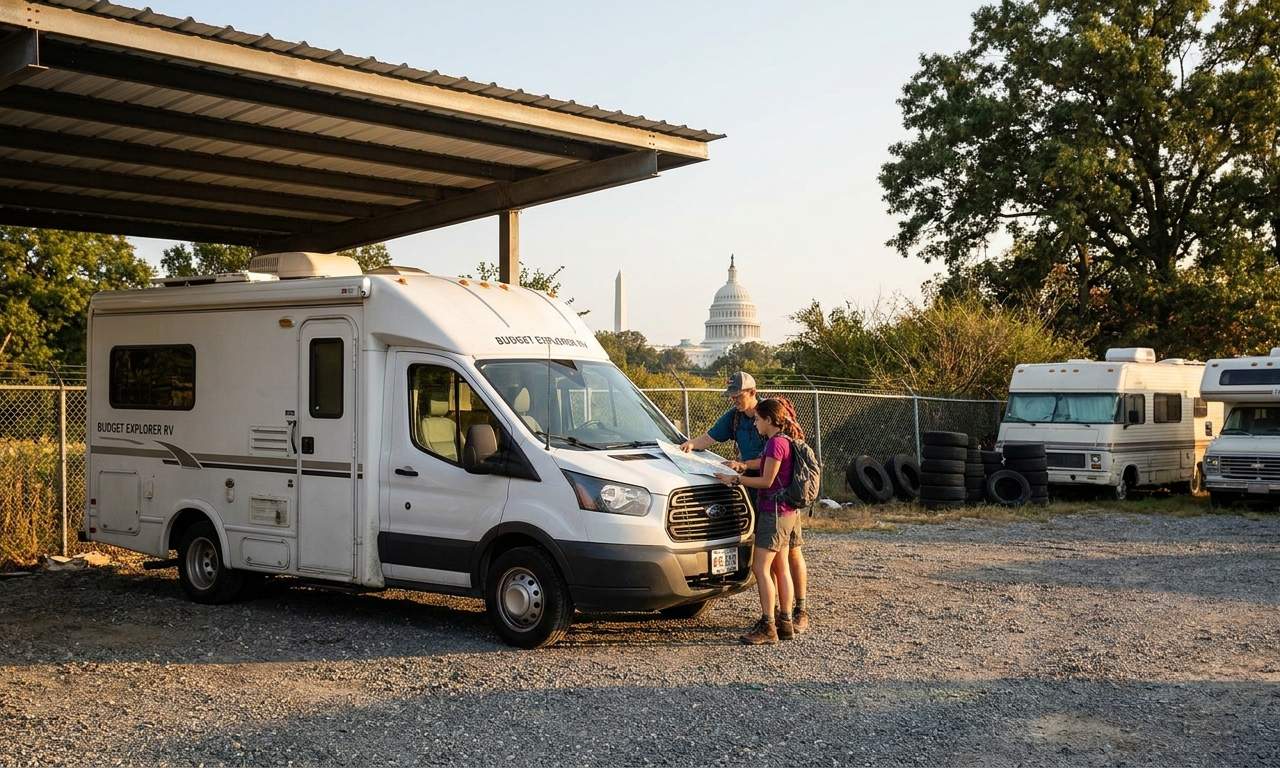
Successful winter RV travel to Washington DC hinges on thoughtful planning, especially when it comes to navigating the city's unique urban environment and cold weather conditions. First, ensure you book your RV and campgrounds well in advance, even in winter, as popular spots like Cherry Hill Park fill up, especially if you plan an extended stay through a week-long trip. Secondly, prioritize RV parks located on the outskirts of DC, specifically those with direct and reliable access to public transportation, such as the Metrobus and Metrorail systems, which are essential for hassle-free city exploration without driving your rented motorhome downtown. These campgrounds often provide winterized hookups for comfortable cold-weather stays, ensuring your fresh water tank or waste water tank doesn't freeze.
Thirdly, budget meticulously for all anticipated trip expenses beyond just your rented campervan, including campground fees, fuel for commuting from the periphery, tolls like those on the I-495 Capital Beltway, and public transit fares, especially if you're taking a family RV driving in Washington DC. This granular approach helps avoid any surprises and is something our RV PLANET routes can assist with, allowing you to itemize and track every expense. Fourth, familiarize yourself with local height and weight restrictions for bridges and tunnels around the DC area and along routes from "RV Rental Virginia - Complete Guide 2026" before you hit the road, as some older infrastructure might pose challenges for larger Class A or Class C motorhomes. Finally, remember to pack for walking and varied winter weather; comfortable shoes are a must for exploring the National Mall's 3.2 km stretch between the Capitol and Lincoln Memorial. On the routes offered through RV PLANET routes, you can itemize and track every expense along the way for easy budgeting.
Before You Book - Class, Dates, Insurance
When planning your Washington DC RV trip, selecting the right vehicle class, timing your visit, and understanding insurance options are crucial for a smooth journey. Choosing a rented RV class for a Washington DC trip often involves balancing interior comfort with maneuverability in potentially tighter peripheral areas surrounding the city; a Class B campervan, like an "Active Compact Select" or "VW California Ocean" with a length around 6 meters, can be easier to handle than a larger Class A motorhome like the "Class A - Thor ACE 30" (9.37 meters length) if you anticipate any driving outside strict public transport routes. Consider models with good heating systems for winter comfort. Booking dates should carefully consider seasonal impacts on crowds, traffic, and available campground spots; while spring (cherry blossoms) and summer are peak times that require reservations several months out (often 6-12 months for prime spots), winter offers fewer crowds but still benefits from advance booking to secure your preferred site and better rates.
RV rental insurance options typically range from basic coverage, which is usually included with your rental, to more comprehensive plans protecting against damage, theft, and liability. Bandana Caravan believes in full transparency: basic insurance is always included in the base price, but for maximum peace of mind, you can upgrade to a top-level deductible reimbursement plan during the booking process. We compare final prices across 50+ suppliers like El Monte and Cruise America, ensuring what you see is what you pay, with no surprise fees at pickup. This detailed view is part of why we're true RV specialists, not just a travel agency side department. The minimum driver age for all motorhome classes, including Class A, Class B, and Class C, is 21 years old in Washington DC, with no young driver surcharges.
Pre-Trip Prep - Packing Checklist for Washington DC
A well-prepared packing list for a Washington DC RV trip in winter helps ensure comfort and readiness for exploring the city's iconic attractions, from the Smithsonian museums to the monuments on the National Mall. Start with layering clothing: thermal base layers, warm sweaters, a waterproof and windproof outer shell, gloves, a hat, and scarves are essential for temperatures that average 0-7°C (32-45°F) in January. Comfortable, waterproof walking shoes are non-negotiable, as you'll likely be covering many kilometers on foot around sites like the Lincoln Memorial and the U.S. Capitol Building. For your rented motorhome, consider bringing extra blankets or a sleeping bag for added warmth, even if the RV has a heating system, as winter nights can drop below freezing.
Inside the campervan, don't forget entertainment for evenings at the campground, as daylight hours are shorter. Think books, board games, or downloaded movies. While many RVs come with basic kitchenware, you might want to pack your favorite coffee mugs, a travel French press, or specialized cooking utensils for preparing warm meals onboard. For finding RV-friendly meal ideas, check out our RV-friendly recipes playlist on YouTube. Essentials like a first-aid kit, flashlight, portable power bank for devices, and a good map of the Washington DC Metro system are also vital. Don't forget an E-ZPass if you plan to use toll roads like portions of the Capital Beltway or Dulles Toll Road, which can significantly reduce travel time but come with dynamic pricing.
On the Road - Driving, Fueling, Navigation
Navigating a rented RV around Washington D.C.'s metropolitan area, especially during winter, requires careful planning to account for traffic, potential icy patches, tolls, and vehicle size restrictions. Drive slowly and carefully, and you can drive almost anywhere without issues; no need to stress-just use common sense and pay attention to road conditions. We always recommend relying on peripheral RV parks as a comfortable base and utilizing Washington D.C.'s extensive public transportation system, particularly the Metrorail, for exploring the urban core. Specific park-and-ride lots like Greenbelt Metro Station in Maryland or Franconia-Springfield Metro Station in Virginia are often suitable for larger motorhomes, offering convenient parking and direct Metro access into the city center.
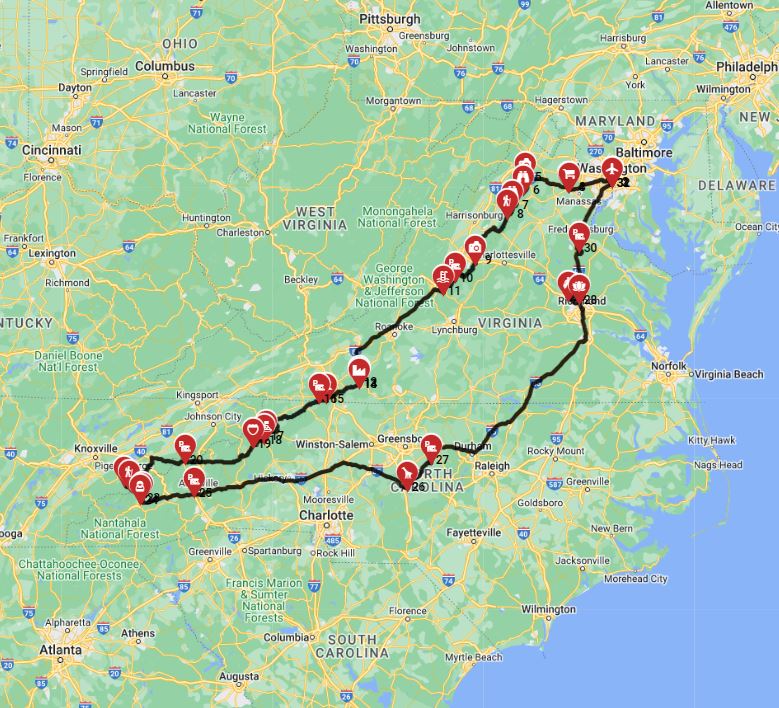
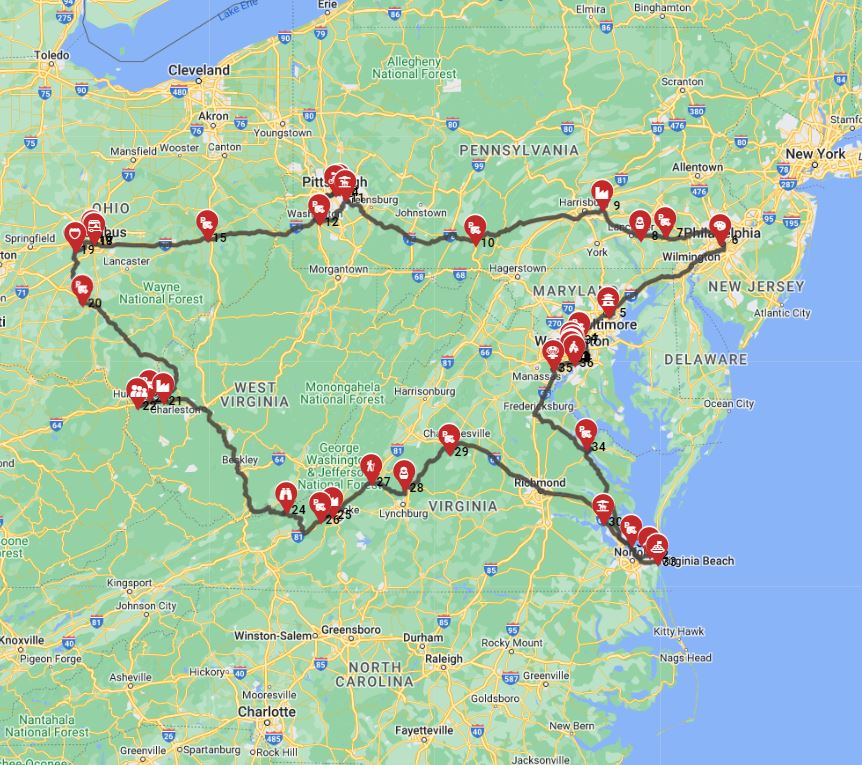
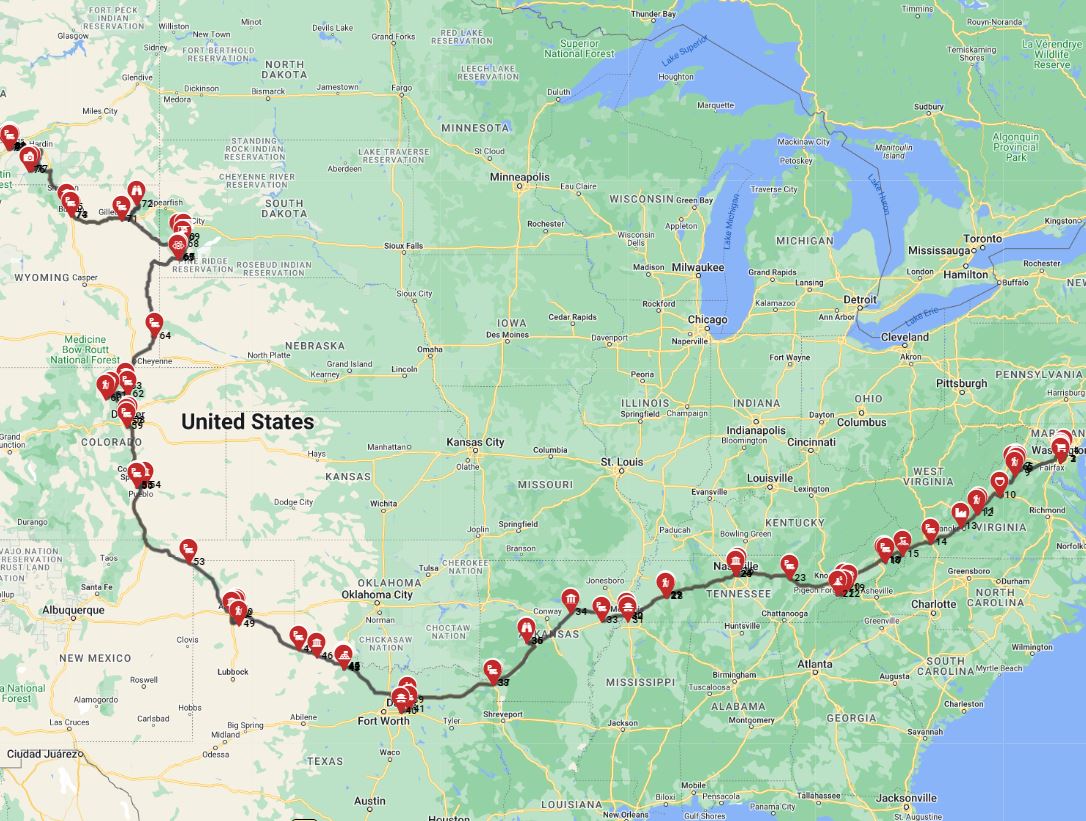
Toll roads, such as portions of I-95 or the Dulles Toll Road near Washington Dulles International Airport, may have specific charges for RVs, and it's advisable to check your route and estimated fuel costs from peripheral campgrounds to the city using an app like RV PLANET. When fueling your rented campervan, look for truck stops or larger gas stations on major arteries like I-95 or I-270, as inner-city stations might have limited space. Always keep a list of nearby RV service centers and supply stores, as these can be less common closer to the urban core, ensuring you're prepared for any maintenance needs during your Winter RV Tips for Washington DC - Cold-Weather Advice 2026 adventure. If you're planning a longer trip, consider our "Portland to Washington DC - From Pacific Trails to the Nation's Capital" 28-day itinerary covering over 6361 km, which includes 3 scenic routes and 3 museums, showcasing comprehensive travel from across the country.
At the Campground - Setup, Hookups & Etiquette
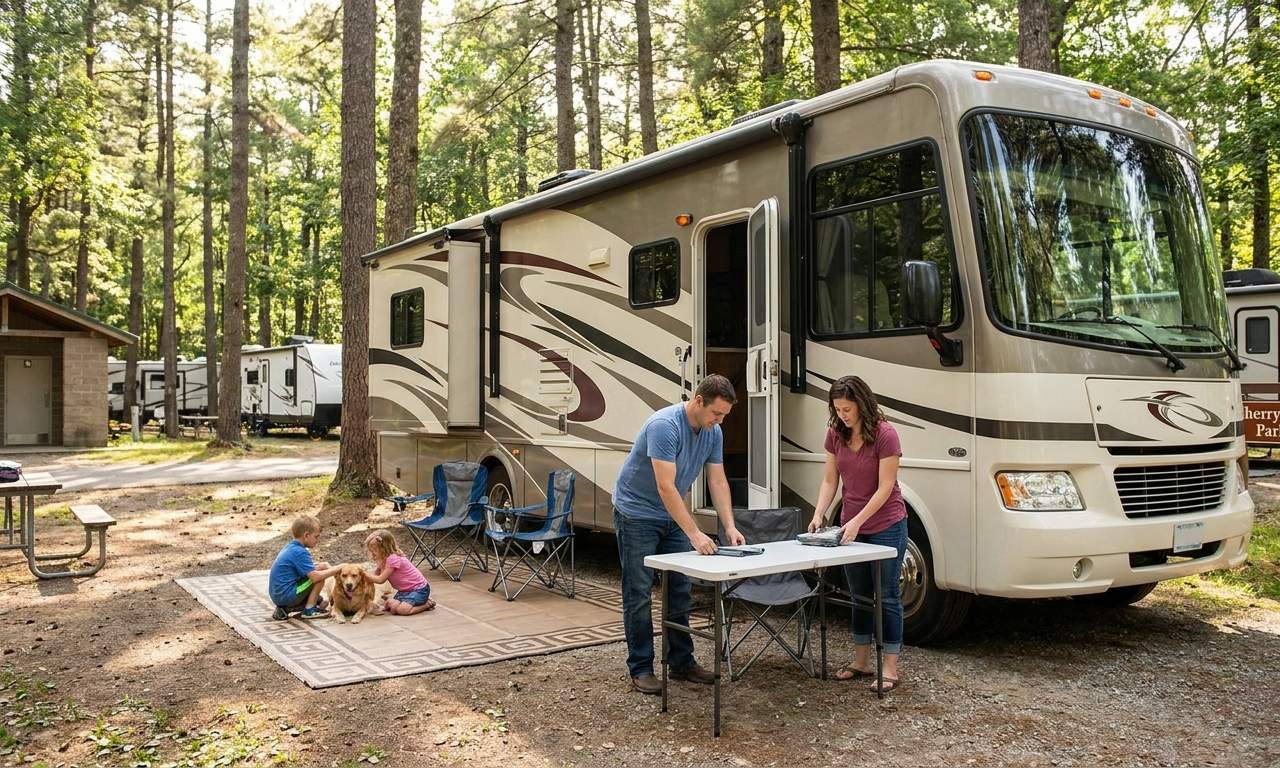
Proper campground setup and adherence to etiquette ensures a smooth and enjoyable RV experience near Washington DC, particularly during the colder winter months. Upon arrival at a campground like Cherry Hill Park, first connect your utilities in the following order: sewer (after confirming no leaks and securing the connection), fresh water (always using a pressure regulator to protect your rented motorhome's plumbing), and then electrical power. In winter, ensure water hoses are heated or insulated to prevent freezing, and if dry camping without hookups, conserve your fresh water tank and waste water tank levels. Many suppliers offer a "Winter Ready" feature on their motorhomes, such as the "2 Berth Hi Top" or "24' Class C Motorhome," which includes enhanced insulation and heating systems for comfort down to below freezing temperatures.
Always dispose of waste responsibly at designated dump stations, keeping the area clean for other campers; many campgrounds near Washington DC will clearly mark these facilities. Respect quiet hours, typically enforced between 10 PM and 7 AM, to maintain a peaceful environment for all campers. Be mindful of generator noise, using it only during permitted hours, especially with RVs like the "cruise america rv rental example Explorer" that might feature a generator. Remember, you'll find a spot at most campgrounds, especially if you call ahead before driving; if not at the first one, then the next one is often just a short drive away. Using a tool like RV PLANET can help you locate available spots and track ancillary costs like campground fees along your route to Washington DC.
RV Rental-Specific Tips for Washington DC
Tailoring your RV rental experience to Washington DC's unique environment enhances your trip, whether you're traveling as a family, a couple, or a group of friends. For families, selecting a larger RV with separate sleeping areas and entertainment options, such as a "29′ Class C Motorhome" with a large refrigerator for groceries, can enhance comfort during downtime at peripheral campgrounds, minimizing urban RV driving. These amenities can be especially welcome during colder winter evenings. Senior travelers might prefer Class C motorhomes, like the "Adak Argonaut 21 - Gold" for their easier maneuverability and integrated living spaces, prioritizing campgrounds with shuttle services or direct Metro access into the city, such as the Greenbelt or Franconia-Springfield stations. A standard car driver's license is sufficient for all motorhome classes, so no special permits are required.
Budget-conscious renters can maximize savings by traveling during the quieter winter months and utilizing Bandana Caravan's 25% planning discount when using rvplan.net for route planning. While free overnight parking spots are scarce and often outside convenient transit zones for DC attractions, focusing on public transit from an affordable peripheral campground provides better value. Luxury RV renters considering premium add-ons like unlimited mileage or specialized navigation systems should still plan for public transit into the city to avoid traffic and parking hassles. Pet-friendly RV travel to Washington DC involves choosing campgrounds with pet amenities and proximity to dog parks near transit hubs, while acknowledging that many major city attractions and indoor venues do not permit pets. For instance, Prince William Forest Park in Virginia offers several trails where leashed dogs are welcome, making it a great day trip destination.
Common Mistakes to Avoid in Washington DC
Avoiding typical pitfalls can make your winter RV rental adventure to Washington DC much more enjoyable and stress-free. A common mistake is driving your rented RV directly into downtown Washington DC; this is generally ill-advised due to tight streets, very limited parking, heavy traffic, and numerous height and weight restricted bridges and tunnels. Instead, plan to use public transportation from a peripheral campground, such as one located off the Capital Beltway in Maryland or Virginia. Another frequent error is underestimating the total cost of an RV trip to DC, which includes tolls (especially dynamic ones on express lanes), fuel for commutes from peripheral campgrounds, and public transit fares for your entire group; creating a comprehensive budget with tools like those found on RV PLANET routes can prevent overruns.
Failing to book campgrounds and your RV rental far in advance, even for a winter trip to Washington DC, can result in limited options and higher prices; securing reservations months ahead ensures you get your preferred choice, whether it's a Class B campervan like the "2 Berth Hi Top" or a larger Class C motorhome like the "MH23 Medium - Economy". Ignoring seasonal variations in weather, crowds, and traffic also impacts your experience; research the best time to visit based on your preferences for activities and tolerance for crowds, noting that winter offers smaller crowds but requires preparation for colder temperatures. Finally, not preparing for extensive walking around the city's monuments and museums, particularly along the National Mall, can lead to discomfort; pack comfortable walking shoes and plan for frequent rest stops or utilize Capital Bikeshare for quicker transitions between sights.
Is Washington DC RV friendly?
Washington D.C. is generally not considered RV-friendly for driving or parking within its core city, but it is very accessible for RV travelers who strategically stay at peripheral campgrounds and utilize public transportation. Navigating a large rented motorhome through D.C.'s dense urban environment is challenging due to narrow streets, severely restricted parking, heavy traffic, and numerous height/weight limited bridges and tunnels. Therefore, while you can drive almost anywhere slowly and carefully without issues, the most practical and stress-free approach for RVers is to make camp outside the city.
Effective strategies for an RV trip to D.C. involve booking campgrounds outside the city, such as in Maryland (e.g., Cherry Hill Park) or Virginia (e.g., Burke Lake Park, which is about an hour's drive from the city), that offer convenient Metro or bus access. This allows visitors to commute into the city car-free. RV-friendly park-and-ride options exist at some Metro stations, but verifying their suitability for large vehicles beforehand is crucial. For example, the Greenbelt Metro station offers extensive parking. A comprehensive cost breakdown for an RV trip to D.C. should account for campground fees (e.g., $50-$90/night), fuel for commutes, Metrorail/Metrobus fares ($2-$6 per ride), and potential tolls on routes like the Capital Beltway, as these can add up. For specific RV challenges in an urban environment, researching nearby RV supply stores or service centers in advance can prevent issues, while secure parking for tow vehicles is often available at the peripheral campgrounds.
What is the 3-3-3 rule for RV travel?
The 3-3-3 rule for RV travel is a widely adopted guideline suggesting travelers drive no more than 300 miles (approximately 480 km) a day, arrive at their destination by 3 PM, and stay for a minimum of 3 days. This rule is designed to promote a relaxed pace, reduce driver fatigue, allow ample time for campsite setup before dark, and encourage deeper exploration of each location without constant rushing. For an RV rental Washington DC experience, adopting this slow travel philosophy is particularly beneficial, allowing you to truly connect with the culture, food, and scenery.
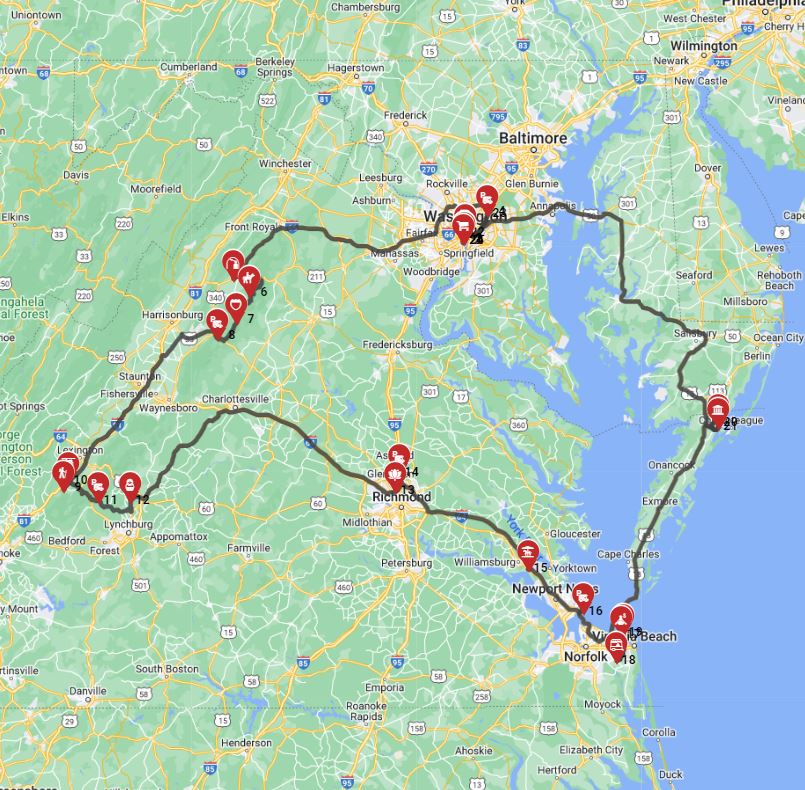
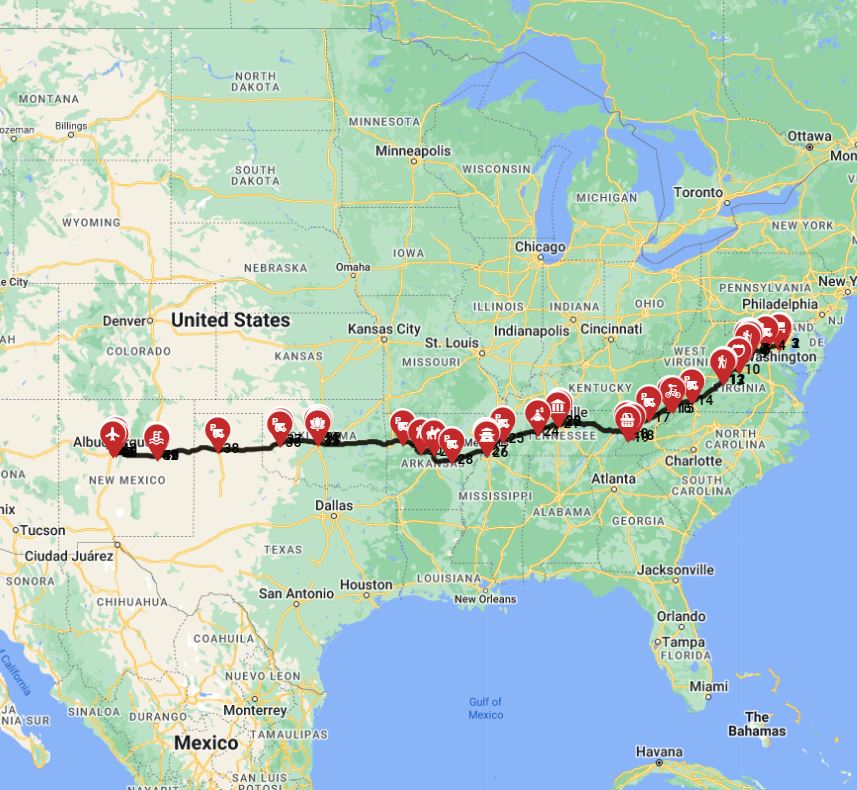
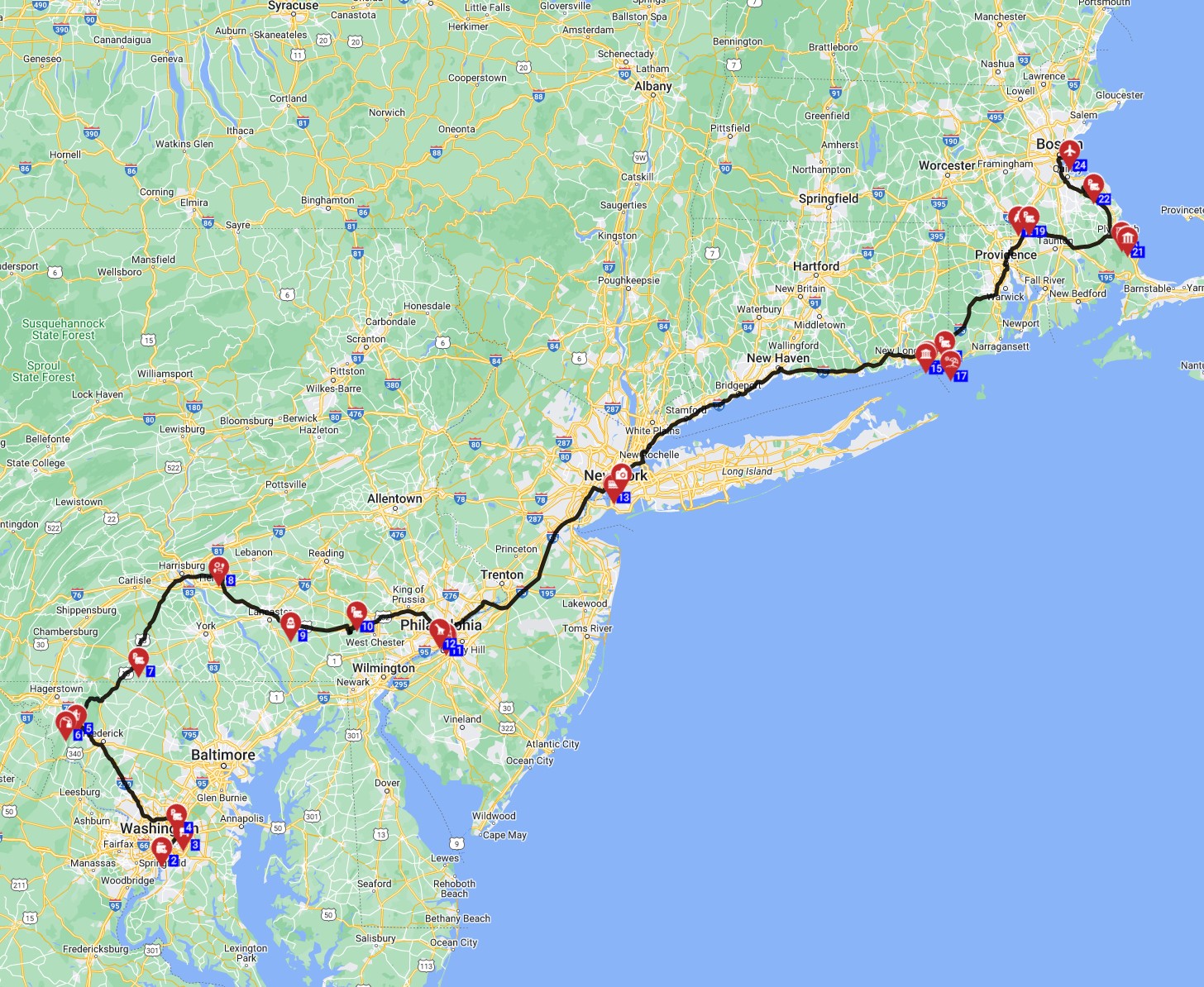
When applied to visiting a dense urban area like Washington D.C., the 3-3-3 rule might require practical adaptations, especially regarding the '300 miles a day' and '3 days' aspects. For D.C., you might drive your rented motorhome significantly fewer miles per day to a peripheral campground in Maryland or Virginia. The "arrive by 3 PM" aspect is still critical, allowing you to set up your winter-ready RV (like the "4 Berth Deluxe" or "Euro Deluxe" models with insulated tanks) and get acquainted with the campground and its public transit links before planning your city excursions. Then, you can easily spend 3 or more days using public transit to explore the city without moving the RV, making your Washington DC to Seattle - Midwest Coast to Coast trip, a 24-day itinerary covering 5506.3 km and including 3 museums and 4 traditional visits, much more manageable.
What is the 444 rule for RVs?
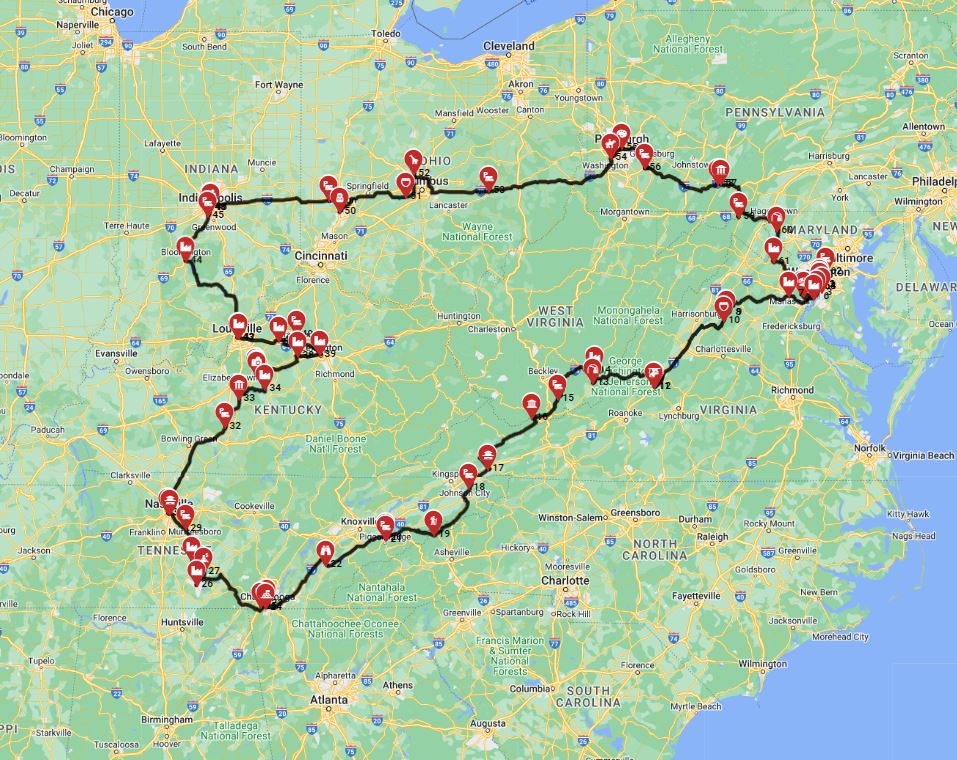
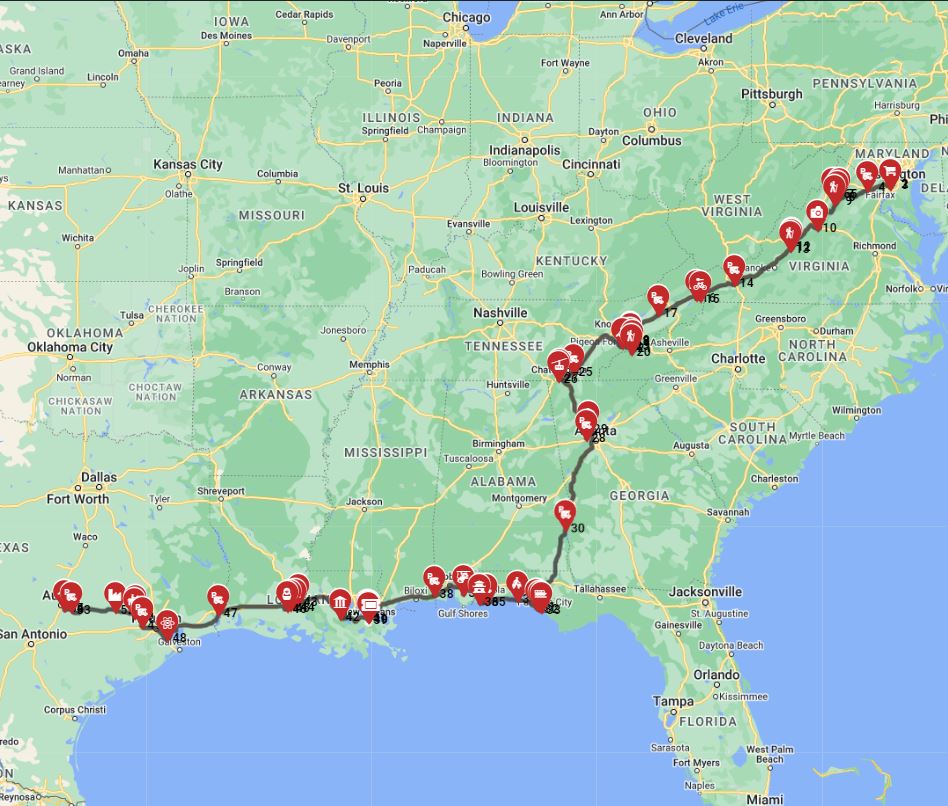
The 444 rule for RVs is a popular travel guideline advising drivers to limit their daily travel to 400 miles (approximately 640 km), arrive at their campground by 4 PM, and ideally stay for at least 4 nights. This rule, similar to the 3-3-3 rule, aims to minimize stress, ensure drivers are rested, allow for daylight setup, and provide sufficient time to experience the local area without constant relocation. It promotes a leisurely travel style that lets you truly immerse yourself in your surroundings, whether you're visiting Washington DC or embarking on a broader journey, such as the "RV trip planner San Francisco to Washington DC motorhome road trip route" which spans 27 days and over 6034 km, including 7 hiking areas and 4 museums.
For an RV trip to Washington D.C., adapting the 444 rule means focusing on the 'arrival by 4 PM' and 'stay for 4 nights' aspects at a strategically located peripheral campground, especially during winter when daylight is limited. The '400 miles a day' might be adjusted based on the distance to your chosen RV park outside the city, as the goal is to get established and then use public transit for multi-day exploration of D.C. This approach helps avoid rushed city driving and ensures you have ample time to enjoy everything from the Lincoln Memorial to the Smithsonian museums without the stress of frequent RV relocation. Finding a campground that can accommodate your chosen Class B campervan, like a "Duo - Campervan" or a larger "Comfort Family" motorhome, for an extended stay is key to maximizing this rule's benefits in an urban context.
🎬 Video coming soon
What You Shouldn't Miss
- Explore the National Mall: Even in winter, walking the National Mall to see the Lincoln Memorial, Washington Monument, and U.S. Capitol Building is a must. The crisp air and fewer crowds offer a more reflective experience.
- Immerse in Museums: Washington DC boasts incredible free museums. Spend hours warming up in the Smithsonian National Air and Space Museum, National Museum of Natural History, or the National Gallery of Art, all easily accessible via Metro.
- Visit the White House and Tidal Basin: See the iconic White House from Lafayette Square. Afterwards, bundle up for a stroll around the Tidal Basin, which is stunning with fewer people and perhaps a dusting of snow.
- Experience Old Town Alexandria: Take a short drive or Metro ride from your Washington DC RV rental to Old Town Alexandria, Virginia. Its charming historic streets, boutique shops, and cozy restaurants offer a delightful contrast to the capital's grandeur.
- Discover Georgetown: Wander through Georgetown's historic streets, enjoy upscale shopping, and dine at one of its many renowned restaurants. It's easily reachable by public transport from most peripheral campgrounds.
- Looking for expert insights from Avi Bandana? Top 5 Adventures - recommendations from Avi Bandana
Final Thoughts
A winter RV trip to Washington DC offers a unique and memorable way to experience the nation's capital. With careful planning and a focus on utilizing the excellent public transport from comfortable peripheral campgrounds, you'll discover a city that's both grand and welcoming, even in the colder months. Imagine cozy evenings in your rented motorhome after a day of exploring world-class museums and monuments with fewer crowds.
Bandana Caravan is here to support you every step of the way, from comparing the best vehicles across 50+ suppliers to helping you plan your itinerary with our RV PLANET routes. Embrace the slower pace, soak in the history, and create incredible memories. Your Washington DC RV adventure awaits-and it promises to be nothing short of inspiring!
Find Motorhome Rentals in Washington DC