For live availability and current prices, start with our RV Rental Washington DC - Complete Guide 2026 guide.
In This Guide
- Top 5 Tips for RV Rental in Washington DC
- Before You Book - Class, Dates, Insurance
- Pre-Trip Prep - Packing Checklist for Washington DC
- On the Road - Driving, Fueling, Navigation
- At the Campground - Setup, Hookups & Etiquette
- RV Rental-Specific Tips for Washington DC
- Common Mistakes to Avoid in Washington DC
- Is Washington DC. RV friendly?
- Is Washington, D.C. RV friendly?
- What is the 3-3-3 rule for RV travel?
- What is the 444 rule for RVs?
- What is the rule of 3 with an RV?
- What You Shouldn't Miss
- Why Book with Bandana Caravan
- Final Thoughts
- Frequently Asked Questions
Exploring the nation's capital with your furry companions in a rented RV offers an incredible sense of freedom and comfort. Imagine having your cozy home-on-wheels to return to after a day of sightseeing with your beloved pet, a convenient mobile base for your adventures in Washington DC. At Bandana RV, we understand that pets are part of the family, and we're here to help you plan a seamless, pet-friendly RV trip to this historic city.
Top 5 Tips for RV Rental in Washington DC
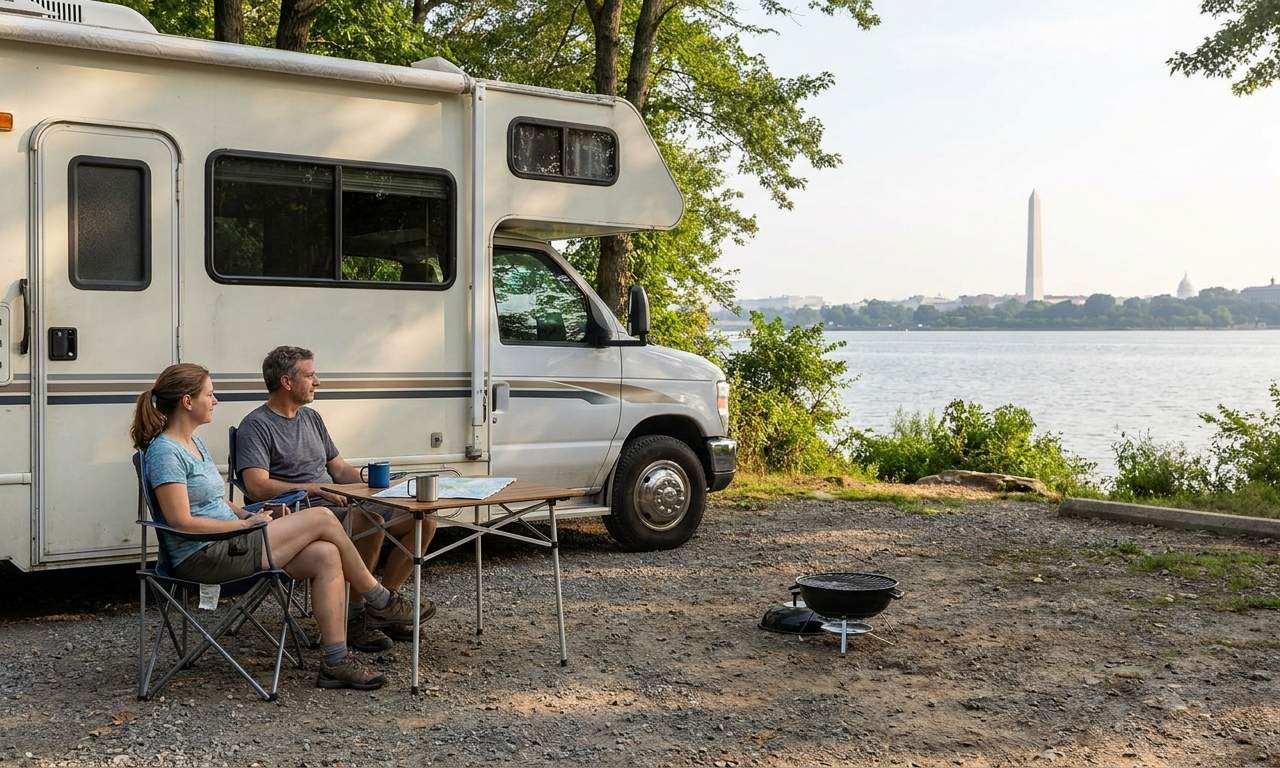
Planning an RV trip to Washington DC with your pets requires strategic preparation to ensure a smooth and enjoyable experience. One critical tip is to book your RV-friendly campground well in advance, especially during peak seasons like spring (late March-early April for the Cherry Blossom Festival) and summer, as popular sites often fill up 6-12 months ahead.
Another essential tip is to plan to park your rented RV outside the immediate city center and utilize Washington D.C.'s extensive public transit system (Metro) to access attractions, as direct city driving and parking for larger vehicles are challenging. For instance, many travelers stay at campgrounds in nearby Maryland or Virginia, such as Cherry Hill Park in College Park, MD, which offers convenient Metrobus access directly to the College Park-U of Md Metro station. Factor in all potential costs beyond the rental fee, including campground fees (often $50-100/night with pet fees ranging from $10-25/night), fuel (a Class C motorhome like the "cruise america rv rental example Explorer" may get 10-15 MPG), tolls (like the I-95 Express Lanes), and public transport fares (Metro fares start at $2.00). Keep track of these expenses easily on RV PLANET routes. Furthermore, choose an RV class that balances comfort with maneuverability for suburban driving and parking outside the city, such as a Class B Campervan or a smaller Class C motorhome like the "rent a motorhome example CA-25" for families. Lastly, always check your planned routes for height restrictions (low bridges, often 10-12 feet) and weight limits before departing, using RV-specific GPS navigation to avoid issues on historic parkways like sections of the George Washington Memorial Parkway. On the routes offered through RV PLANET routes, you can itemize and track every expense along the way for easy budgeting.
Before You Book - Class, Dates, Insurance
Making informed decisions before you finalize your RV rental in Washington DC ensures a smooth journey for you and your pets. When choosing an RV class for a Washington D.C. trip with your animal companions, consider a Class C or Class B (like the versatile "Camper Van" or the compact "rv rental denver example Category Van") for easier navigation in suburban areas and less stress for your pets in a more manageable space, while Class A motorhomes such as the "Class A - Thor ACE 30" offer more luxurious space but can be less nimble in the greater D.C. metropolitan area.
To secure the best rates and availability, especially for pet-friendly models, it's wise to plan your rental dates 6-12 months in advance, particularly if you're aiming to visit during major events like the Cherry Blossom Festival (late March-early April), Fourth of July, or summer holidays when demand is highest; booking early can potentially save you up to 25% on your rental. While basic insurance is always included with your Bandana RV rental, you have the option to upgrade to a top-level deductible for extra peace of mind. To see prices including the most comprehensive coverage, simply select that option during your search; all relevant insurance options, reflecting our full transparency policy with no hidden fees, will then be shown, allowing you to compare final prices across suppliers.
Pre-Trip Prep - Packing Checklist for Washington DC
A well-prepared packing list makes all the difference for a comfortable and enjoyable RV adventure with your pets in Washington DC.
- Layered Clothing (for varied weather, as D.C. temperatures can fluctuate up to 20 degrees Fahrenheit in a single day)
- Comfortable Walking Shoes (expect to walk 5-10 miles daily exploring the National Mall)
- Rain Jacket or Umbrella (sudden thunderstorms are common in spring and summer)
- Basic Cooking Utensils (for preparing meals in your RV kitchen)
- Reusable Water Bottles (to stay hydrated while exploring monuments)
- Non-Perishable Snacks (to avoid frequent and expensive restaurant stops)
- First-Aid Kit (for both humans and pets)
- Roadside Assistance Contact Info (Bandana RV offers 24/7 support for pre-booking, booking, and post-booking coordination)
- Flashlight (essential for evening campground navigation)
- RV Rental Agreement (keep accessible for easy reference)
- Driver's License (standard car license is sufficient for all motorhomes)
- Campground Reservations (especially important for popular D.C. area parks)
- Digital and Physical Maps of D.C. (for navigation and backup)
- Pet food and bowls (ensure sufficient supply for the trip)
- Leash and harness (mandatory in most public pet-friendly areas)
- Waste bags (essential for responsible pet ownership)
- Pet bed/blanket (for comfort and familiarity in the RV)
- Favorite toys (to keep your pet entertained and reduce stress)
Preparing meals in your RV kitchen can be a great way to save money and cater to specific dietary needs, both yours and your pet's. Discover new culinary ideas with our RV-friendly recipes playlist.
On the Road - Driving, Fueling, Navigation
Navigating towards and around the Washington DC metropolitan area in a rented motorhome, especially with pets, requires attention and planning. When driving your RV towards Washington D.C., anticipate heavy traffic, particularly during weekday rush hours (typically 6-9 AM and 3-6 PM), and consider approaching during off-peak times or on weekends for a smoother journey, giving your pets a calmer ride.
Plan your fueling stops carefully, as not all gas stations in the metropolitan area can accommodate large RVs; seek out truck stops or stations with dedicated RV lanes, particularly along major arteries like I-95 north or south of the city, which often have better access. Remember, the cost of fuel is an ancillary expense, and on RV PLANET routes, you can itemize and track every expense along the way for easy budgeting. Most importantly, utilize an RV-specific GPS or navigation app to avoid low bridges (some as low as 10 feet 6 inches) and restricted parkways (like sections of the George Washington Memorial Parkway, which has numerous low overpasses) that are impassable for many RVs, preventing costly mistakes and ensuring a safe trip through Virginia and Maryland. Drive slowly and carefully, and you can drive almost anywhere without issues. No need to stress - just use common sense and pay attention.
At the Campground - Setup, Hookups & Etiquette
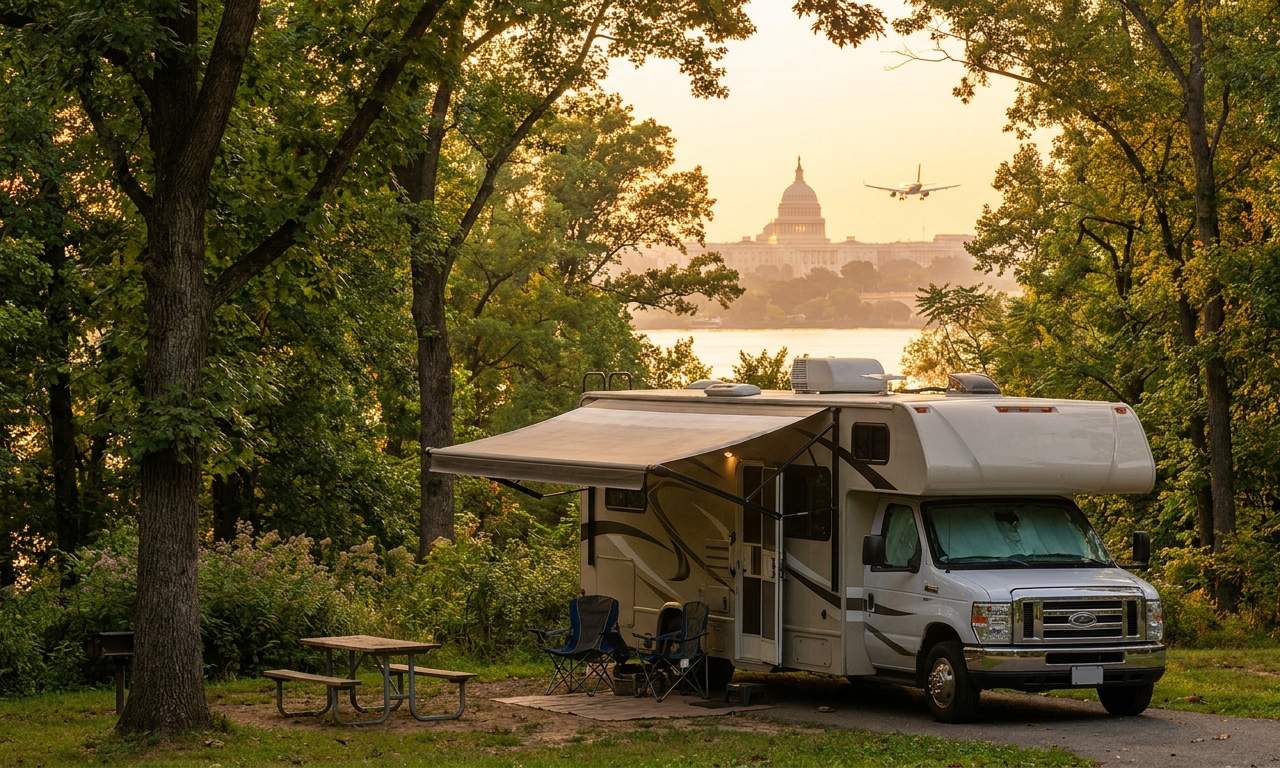
Establishing a comfortable and responsible campsite is key to enjoying your RV rental in the Washington DC area, especially when traveling with pets. Upon arrival at your Washington D.C. area campground, safely level your rented RV first on your designated site, then connect shore power, followed by fresh water, and finally the sewer hose in that specific order to ensure proper sanitation and functional living; popular campgrounds like Cherry Hill Park in College Park, MD, or Pohick Bay Regional Park in Lorton, VA, offer full hookups for a comfortable stay for families and pets.
Ensure all hookups are securely fastened and regularly check for leaks to maintain a clean and functional campsite. This also extends to managing pet waste, ensuring responsible and immediate disposal in designated receptacles, which are typically provided at pet-friendly campgrounds near Washington DC. Always observe campground quiet hours, usually from 10 PM to 7 AM, maintain respectful distances from neighboring sites (typically 15-20 feet minimum separation is enforced), and dispose of all waste properly in designated receptacles, including all pet waste. Many campgrounds enforce strict leash laws and quiet pet policies, so always keep your furry companions under control and consider a "Pet Friendly" Class B campervan like the "Active Original" or "City Classic" models offered by Bandana RV partners for your comfort.
RV Rental-Specific Tips for Washington DC
Tailoring your RV rental experience to Washington DC's unique environment, especially with pets, can significantly enhance your trip. Traveling to Washington DC with your pets in a rented RV opens up unique opportunities but requires careful planning; pet owners should confirm campground pet policies in advance (many charge a small pet fee, e.g., $10-25/night) and research pet-friendly outdoor spaces within D.C., ensuring pets are never left unattended in the RV during warm weather to prevent heatstroke, as interior temperatures can rise rapidly. For live availability and current prices, start with our RV Rental Washington DC - Complete Guide 2026 guide.
For families with children, choose campgrounds offering playgrounds or family activities, like Fort Belvoir Family Campground in Fairfax County, VA, and plan museum visits with breaks to keep kids engaged; many RVs, such as the "C-MEDIUM PLUS" motorhome, offer ample space with 5 seatbelts and sleeping places for up to 7 people, ensuring comfort for the whole family on a multi-week adventure. Senior travelers might benefit from selecting RVs with easier entry/exit, such as a smaller Class C or a spacious Class B campervan (like the "Koru Star 3 Freedom"), and planning a more relaxed itinerary to fully enjoy D.C.'s many attractions at a comfortable pace. Remember, Bandana recommends slow travel, averaging a maximum of 100-150 km per day, which allows for deeper cultural and scenic connection, perfect for a destination as rich as Washington DC. Budget-conscious travelers can significantly save by cooking most meals in their RV, utilizing free D.C. museums (like the Smithsonian institutions), and relying on public transit instead of paid parking or ride-shares, keeping ancillary costs in check.
Common Mistakes to Avoid in Washington DC
Knowing common pitfalls can save you time, money, and stress on your Washington DC RV trip. Instead of attempting to drive your rented motorhome directly into downtown D.C., which often leads to frustrating traffic and impossible parking for vehicles exceeding 20 feet in length, plan to park at a suburban campground and use public transit like the Metro; for example, the Greenbelt Park Campground in Maryland offers easy access to the College Park-U of Md Metro station, making city exploration stress-free.
Avoid the mistake of not booking your D.C. area campground reservations far in advance, as popular pet-friendly sites fill up quickly, especially during peak tourist seasons like the Cherry Blossom Festival (late March-early April) or the Fourth of July; many national/state parks only reserve 25-30% of spots, with the rest being first-come-first-serve, so calling ahead before driving is always recommended. Do not underestimate the total cost of your D.C. RV trip; instead, budget comprehensively for tolls (e.g., on the Capital Beltway/I-495, which can vary), public transport fares (a Metro day pass costs around $14.00), occasional ride-shares, and attraction fees in addition to your rental and fuel, and use RV PLANET routes to itemize these expenses. Lastly, prevent navigation errors by using an RV-specific GPS to avoid roads with low clearances (some parkways have limits as low as 10 feet 6 inches) or weight restrictions, which are common in parts of the D.C. metropolitan area, rather than relying solely on standard GPS systems that may not account for RV dimensions.
Is Washington DC. RV friendly?
Washington D.C. is moderately RV-friendly for visitors who plan to access the city via public transit from nearby campgrounds, as direct RV navigation and parking within the dense urban core present significant challenges for any size of motorhome. Challenges include heavy city traffic, limited parking for oversized vehicles (most parking garages have height limits under 7 feet), and specific road restrictions such as low bridges on scenic parkways. Drive slowly and carefully, and you can drive almost anywhere without issues, regardless of RV size. No need to stress - just use common sense and pay attention.
The most RV-friendly approach involves booking a campsite in surrounding Maryland or Virginia suburbs (e.g., Cherry Hill Park in College Park, MD, or Pohick Bay Regional Park in Lorton, VA) which offer convenient Metro or bus access into the city center. Despite city driving difficulties, many national monuments and museums (like the Smithsonian institutions) are easily accessible by foot or public transport once visitors are within the city, making an RV a perfect mobile base just outside the hustle and bustle. For a truly immersive experience of both nature and city, consider a pre-planned route like "

Is Washington, D.C. RV friendly?
Yes, Washington, D.C. can be RV friendly with strategic planning, as surrounding areas offer accessible campgrounds with public transit links, making city exploration convenient without driving large vehicles downtown. Success hinges on utilizing the extensive Metro system from well-chosen RV parks outside the immediate city limits, preventing the need to navigate congested urban streets; an excellent option is Greenbelt Park Campground, which connects to the College Park Metro station.
Visitors should research and adhere to specific road restrictions, such as height and weight limits (some as low as 10 feet 6 inches) on certain parkways like sections of the George Washington Memorial Parkway, which are not suitable for all RVs. Remember, a standard car driver's license is sufficient for all motorhome classes (Class A, B, or C) from our suppliers like El Monte and Cruise America, but knowing your rig's dimensions (e.g., a "MHLUX" Class A might be 10.7m long) is key for route planning. For specific destinations where public transit might be less direct, ride-sharing services offer an alternative, though they add to the overall travel cost, which can be tracked on RV PLANET routes for easy budgeting. If you're looking for broader context, our "RV Rental Virginia - Complete Guide 2026" provides state-wide insights into RV travel.
What is the 3-3-3 rule for RV travel?
The 3-3-3 rule for RV travel is a widely recommended guideline advising RVers to drive no more than 300 miles (approximately 480 km) a day, arrive at their destination by 3 PM, and stay for a minimum of 3 nights, promoting a relaxed and safer travel experience. This rule helps prevent driver fatigue by limiting daily driving distances, making the journey more enjoyable and less rushed, which is particularly beneficial when heading to a high-traffic area like Washington DC, allowing for flexible exploration time with pets.
Arriving by 3 PM provides ample daylight to set up camp, allowing time for exploring the immediate area or addressing any rented motorhome setup issues before dark, and settling your pets into their new temporary home. Staying for at least 3 nights encourages deeper engagement with each location, reducing the stress of constant packing and unpacking and offering a more immersive travel experience, particularly beneficial for a destination like D.C. with its many attractions such as the National Mall and Smithsonian museums. This slow travel philosophy aligns perfectly with Bandana's recommendation to travel slowly, max 100-150 km per day on average, taking time to feel the place, connect to the culture, the food, and the scenery.
🎬 Video coming soon
What is the 444 rule for RVs?
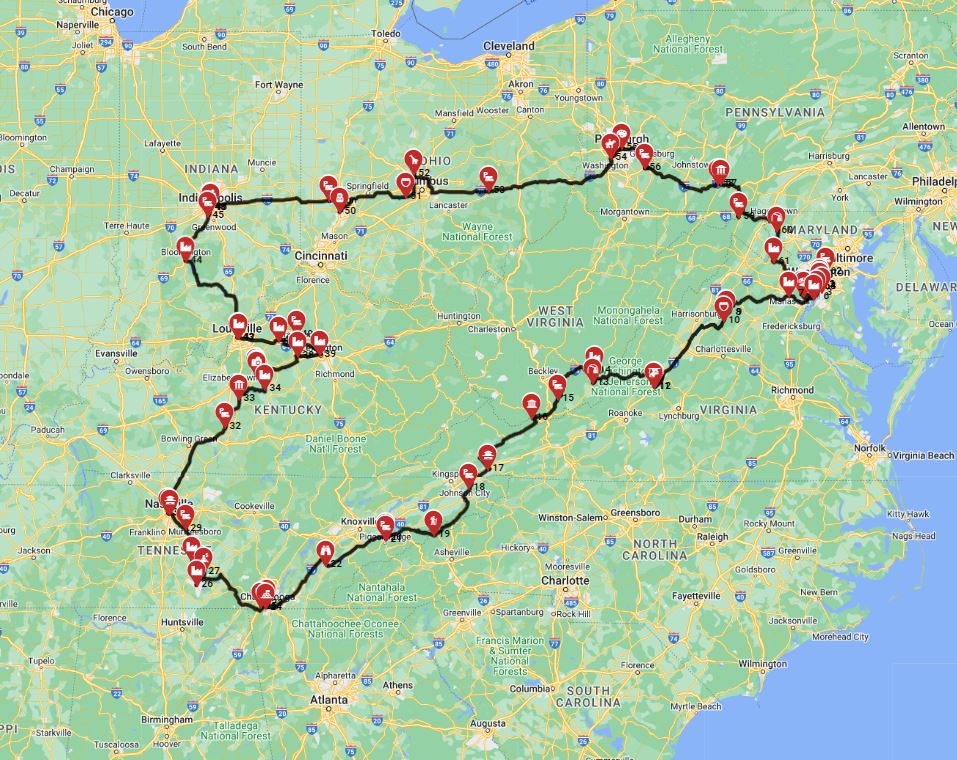
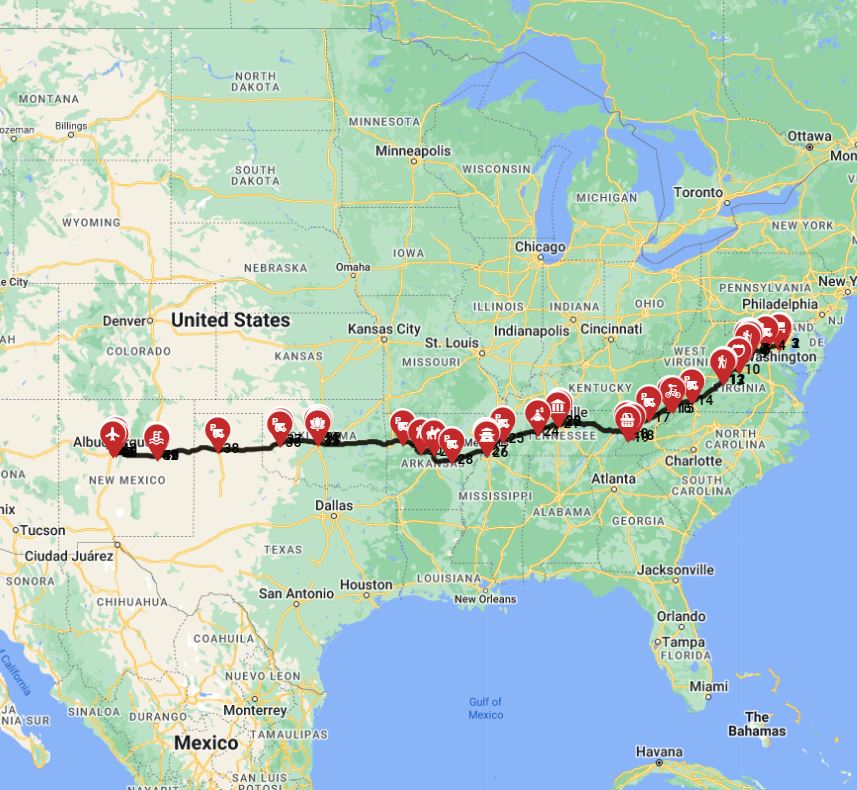
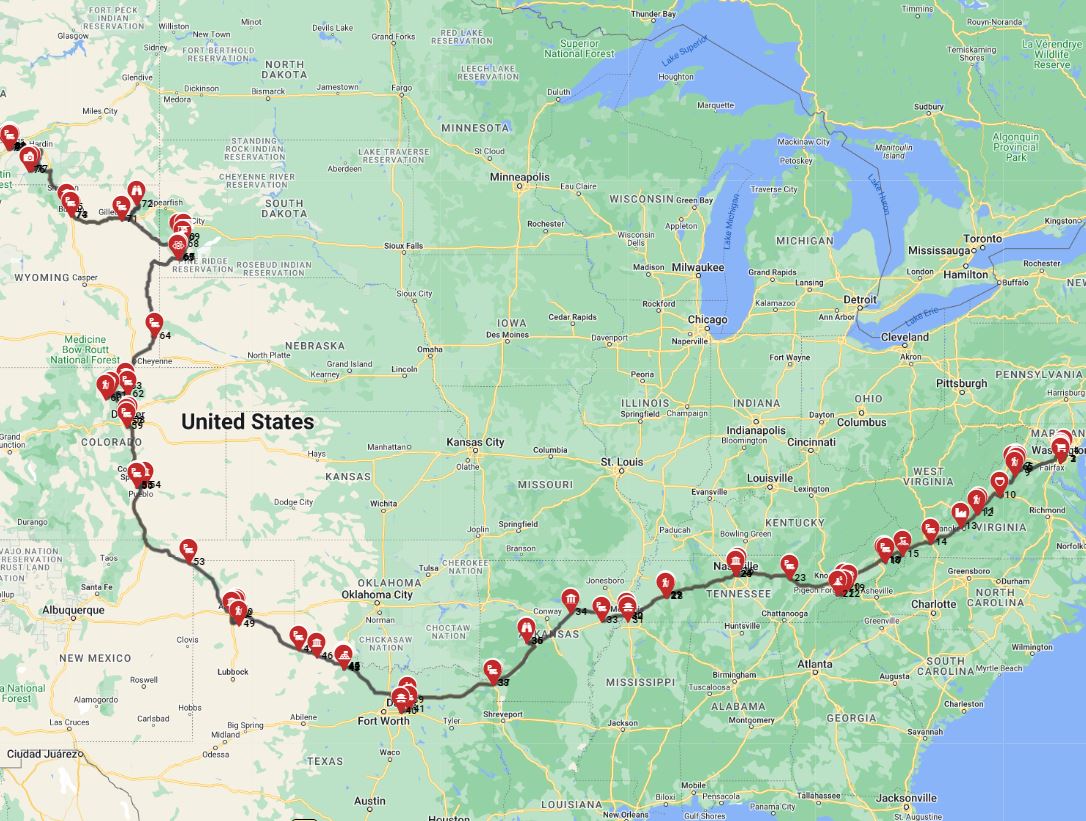
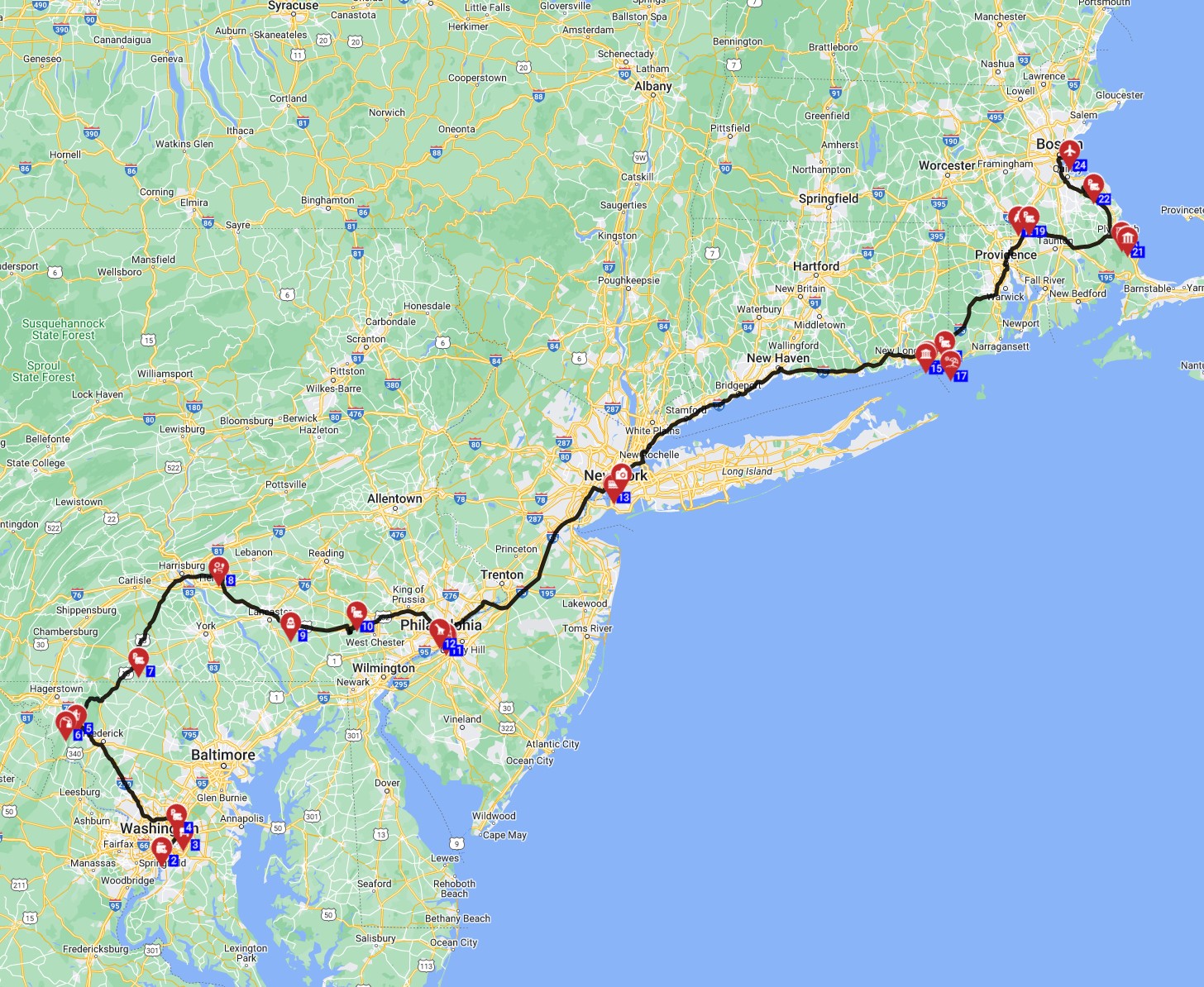
The "444 rule" for RVs is a variant of travel guidelines, sometimes interpreted as driving no more than 400 miles (approximately 640 km), stopping every 4 hours, and arriving by 4 PM, offering a slightly more flexible pace than the 3-3-3 rule. This rule is often adopted by RVers who prefer to cover slightly more ground daily while still emphasizing regular breaks to maintain driver alertness and minimize fatigue, especially important when considering the distances on cross-country routes like "Washington DC to Seattle - Midwest Coast to Coast" which spans over 5,500 km.
Stopping every 4 hours aligns with recommendations for preventing drowsiness and ensuring comfort during longer drives, which is particularly important on routes leading to or from major cities like Washington D.C. Arriving by 4 PM still allows sufficient time for campsite setup, connecting hookups, and settling in before the evening, providing a balance between travel speed and relaxed arrival, which can be crucial at busy campgrounds like Fort Belvoir Family Campground, especially if you have a larger motorhome like a "MHC30" which sleeps 9 and is 9.15m long. While offering more ground coverage, Bandana still recommends a slower pace for deeper engagement with your chosen destination.
What is the rule of 3 with an RV?
The "rule of 3 with an RV" commonly refers to the 3-3-3 rule, which advises limiting daily travel to 300 miles (approximately 480 km), arriving at your campsite by 3 PM, and staying for at least 3 nights to enhance relaxation and safety during RV trips. This rule prioritizes a leisurely pace over rapid travel, which is particularly beneficial when navigating towards or away from a major metropolitan area like Washington D.C., allowing for flexibility with potential traffic or unforeseen delays on the Capital Beltway, and providing ample time for your pets to adjust.
Adhering to this guideline helps mitigate travel stress, ensuring ample time for drivers to rest and for travelers to fully enjoy their chosen destinations without feeling rushed, whether you're exploring monuments like the Lincoln Memorial or taking a leisurely stroll with your pet through Rock Creek Park. The 3-3-3 rule is a cornerstone for many RVers seeking a more mindful and immersive travel experience, especially when visiting attraction-rich areas like the National Mall, offering a chance to truly connect with the culture and history of Washington DC, rather than just passing through. For more detailed route planning and inspiration, consider itineraries like "Portland to Washington DC - From Pacific Trails to the Nation's Capital" which spans 28 days and over 6,300 km.
What You Shouldn't Miss
- Explore the National Mall & Smithsonian Museums: While indoor attractions are generally not pet-friendly, the vast open spaces of the National Mall are perfect for leashed walks with your dog. Many Smithsonian museums also have beautiful outdoor areas where you can relax with your pet.
- Visit Old Town Alexandria: Just a short drive or Metro ride south of Washington DC, this charming historic town is exceptionally pet-friendly. Enjoy walkable streets, numerous dog parks, and plenty of outdoor dining options where pets are welcomed.
- Walk/Bike the C&O Canal Towpath: Starting near Georgetown in D.C., this historic 184.5-mile path along the Potomac River offers miles of car-free exploration. It's an ideal spot for hiking or biking with your leashed pet, connecting you to nature and history.
- Mount Vernon Estate: George Washington's historic home, Mount Vernon, welcomes leashed pets on its expansive grounds and walking trails. While pets aren't allowed inside the mansion, the estate offers stunning views of the Potomac River and a chance to experience history.
- Scenic Drive to Great Falls Park (Virginia Side): Enjoy impressive waterfalls and pet-friendly hiking trails along the Potomac River just 15 miles from downtown D.C. This is a fantastic natural escape easily accessible from nearby RV campgrounds.
- Looking for expert insights from Avi Bandana? Top 5 Adventures - recommendations from Avi Bandana
Final Thoughts
A pet-friendly RV adventure to Washington DC promises an unforgettable experience, combining historical exploration with the comforts of home on the road. By following these tips on booking, packing, driving, and campground etiquette, you and your cherished animal companions can enjoy all the capital has to offer without a hitch. Remember, with careful planning and the right rented motorhome, your journey to discover Washington DC will be filled with joy and lasting memories.
Imagine the freedom of exploring iconic landmarks by day and returning to your cozy RV at a tranquil campground just outside the city, where your pets can unwind in familiar surroundings. Bandana RV is here to make that dream a reality, offering transparent pricing and expert support every step of the way. Get inspired for your next trip and discover top destinations, planning tips, all in one place!
Find Motorhome Rentals in Washington DC