In This Guide
- What RV Rental Costs in Washington DC (2024)
- Seasonal Pricing - Peak vs. Shoulder vs. Off-Season in Washington DC
- What's Included vs. What's an Add-On
- Hidden Costs to Budget For in Washington DC
- How to Save on RV Rental in Washington DC
- Is Washington, D.C. RV friendly?
- What You Shouldn't Miss
- Why Book with Bandana Caravan
- Final Thoughts
- Frequently Asked Questions
What RV Rental Costs in Washington DC (2024)
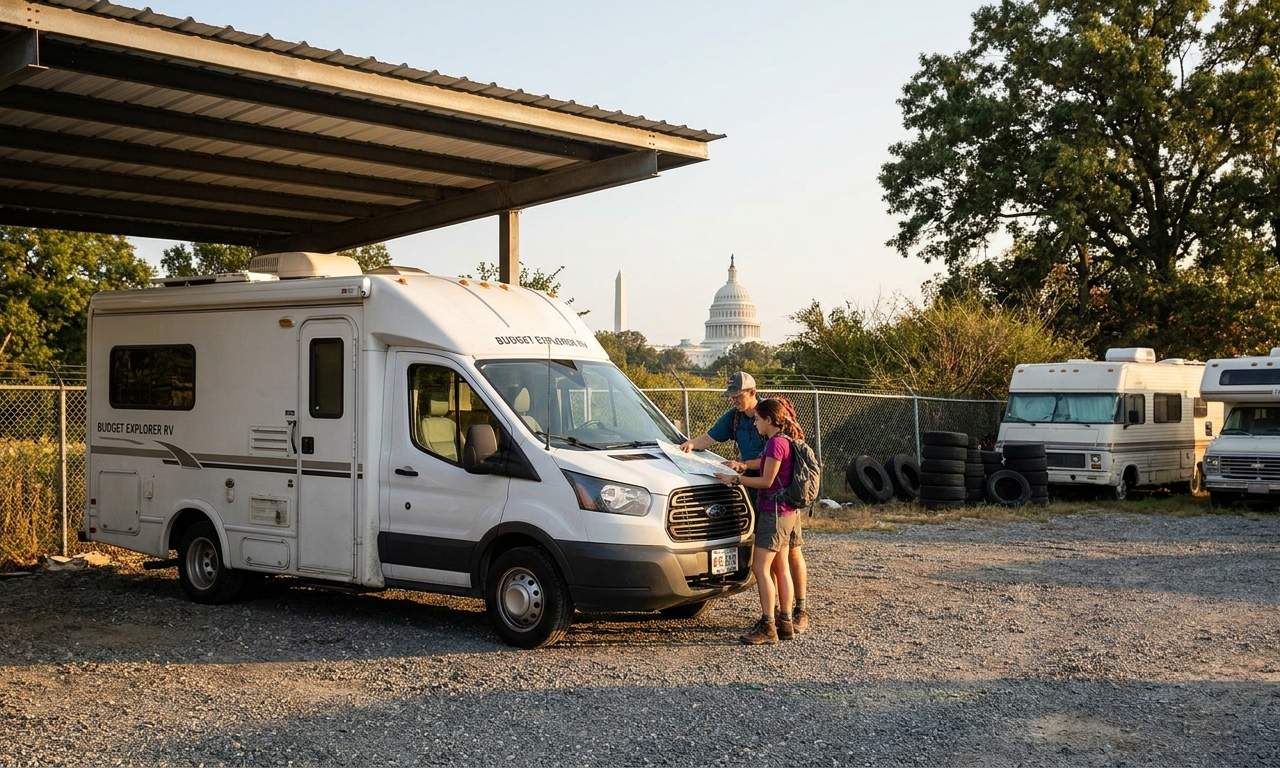
RV rental prices in Washington DC for 2024 are dynamic, fluctuating daily based on availability, season, and the specific motorhome or campervan chosen. For live availability and current prices, start with our RV Rental Washington DC - Complete Guide 2026 guide. A 7-day Class C motorhome rental might range from $120 to $250 per day in the shoulder season, while a smaller campervan could start around $100 per day. For a two-week adventure, daily rates typically decrease, potentially falling into the $90-$200 range, making longer trips more budget-friendly. Families or larger groups often opt for a Class C motorhome, like the *Cruise America Explorer* model which offers 4 sleeping places and a 82 Liter fresh water tank, averaging around $185 per day. Couples, on the other hand, might prefer a compact Class B campervan, such as the *V3* with 2 sleeping places and a 100 Liter fresh water tank, potentially priced at $72-$150 daily. These are illustrative prices, and the final cost is set at the actual booking time.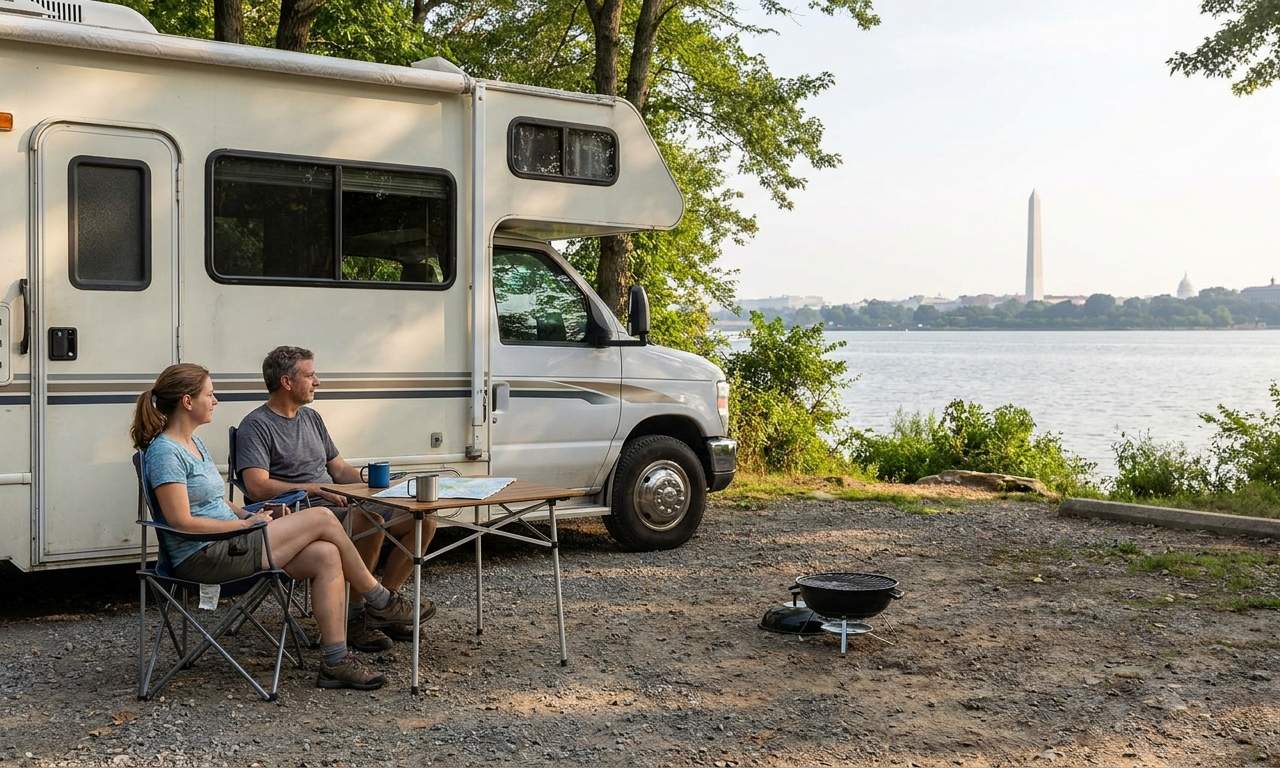
Seasonal Pricing - Peak vs. Shoulder vs. Off-Season in Washington DC
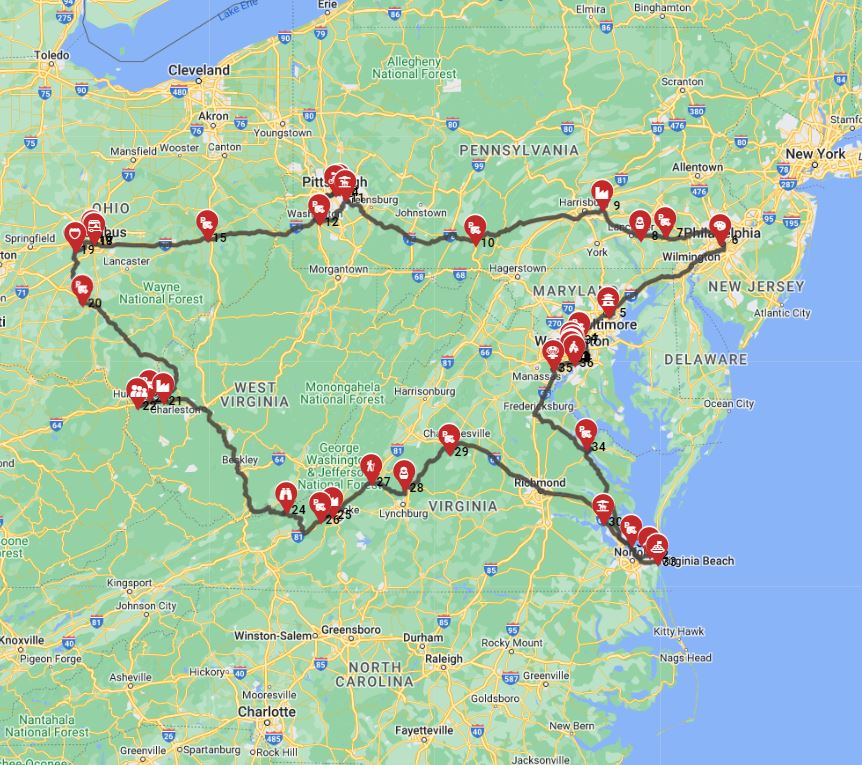
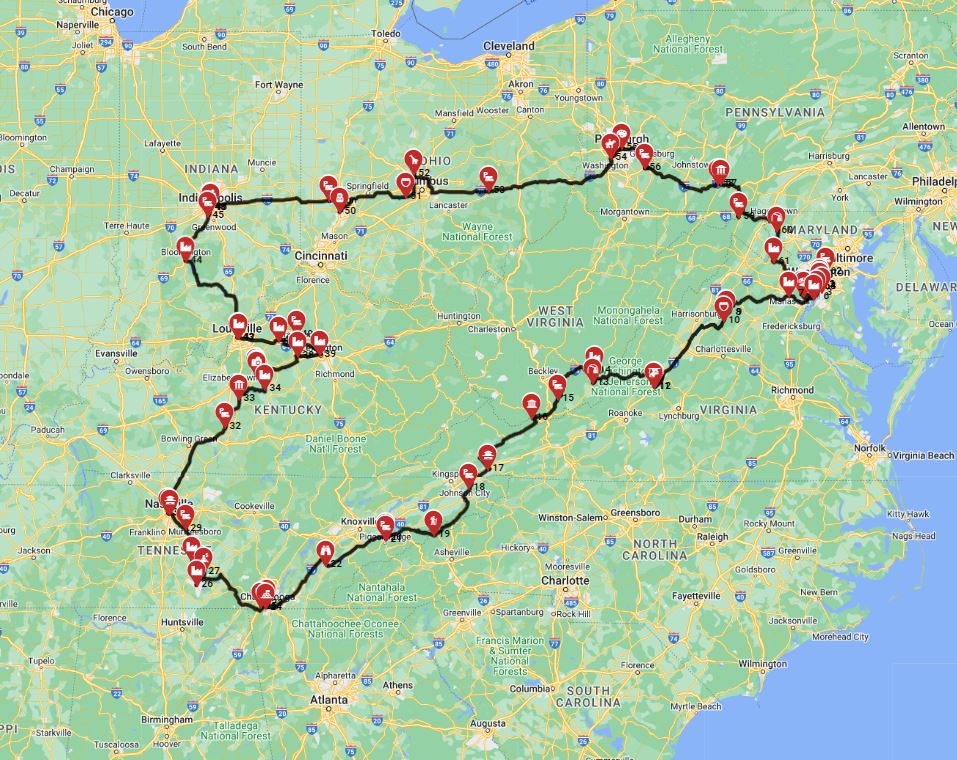
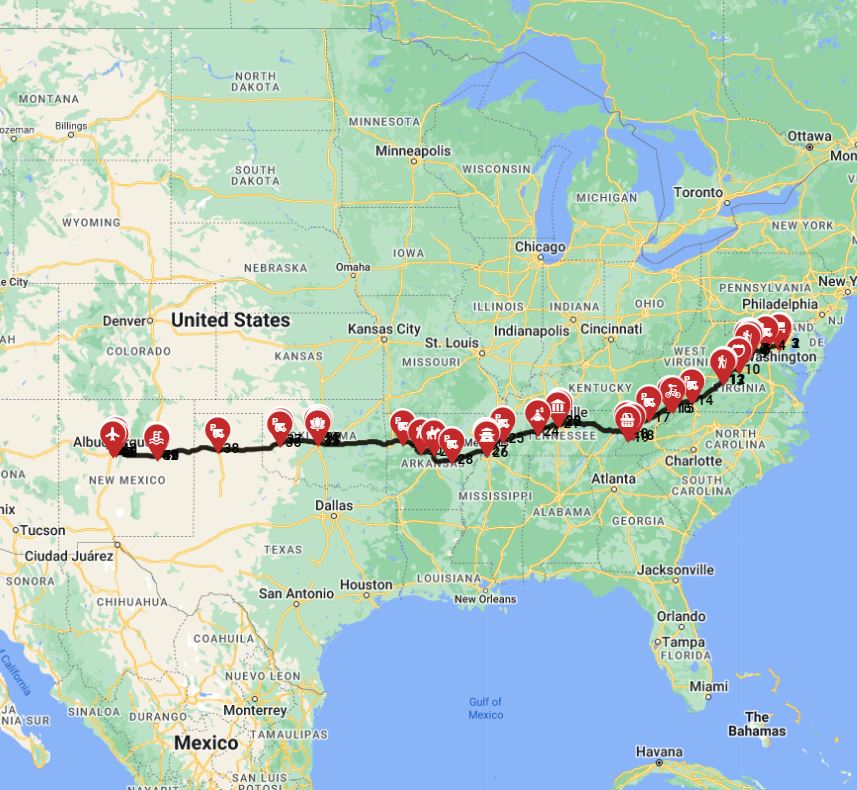
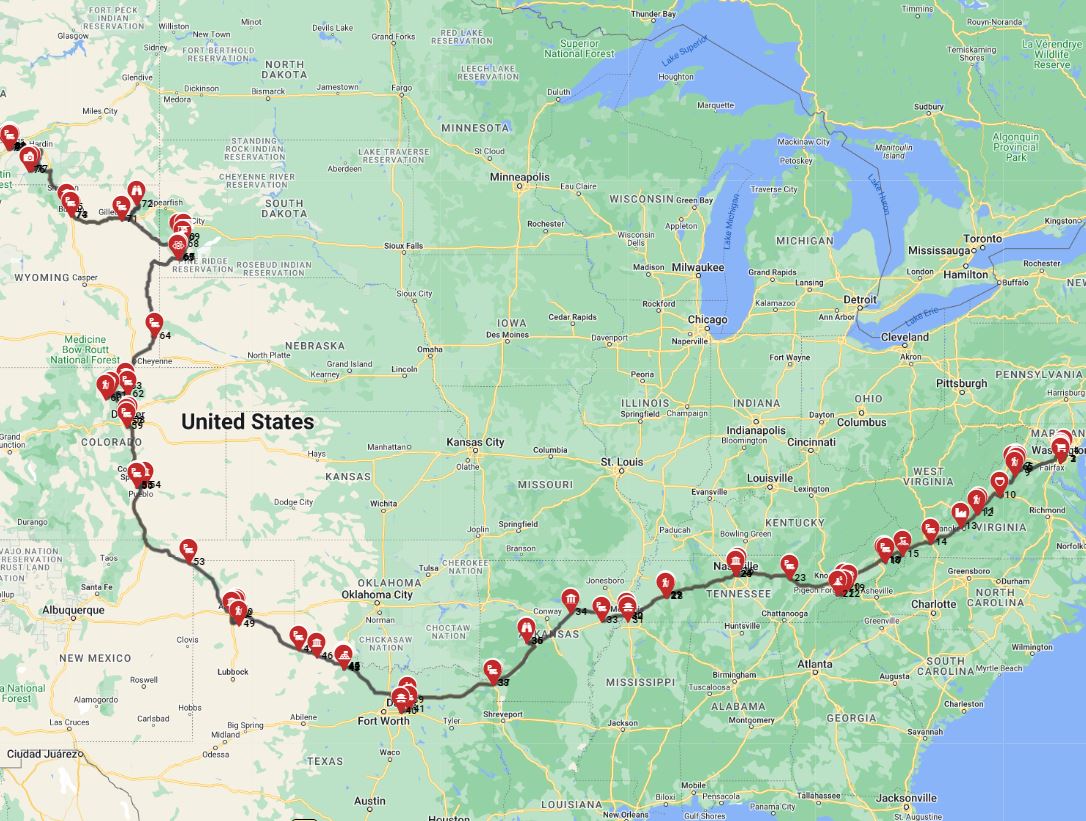
RV rental prices in Washington DC fluctuate significantly based on seasonality, with peak season generally spanning July and August. During these summer months, high demand for popular routes like the Chicago to Washington DC - Route of Roots can drive daily rates up by 25-40% for larger Class C motorhomes. Shoulder seasons, typically April to June (Spring) and September to October (Fall), offer a balance of pleasant weather and more moderate prices, with potential savings of 10-20% compared to peak season. For instance, renting a *Class C - Alcove* motorhome with an automatic transmission in April could be considerably less expensive than in July. Off-season, from November to March (excluding holidays like Thanksgiving or Christmas), usually provides the lowest rental rates and fewer crowds, making it ideal for spontaneous travelers or those looking for the cheapest RV rental in Washington DC. Always check specific dates directly through our comparison platform as prices can change daily.What's Included vs. What's an Add-On
Basic insurance and essential vehicle components are typically included with a motorhome rental, while items like extensive mileage packages, generator usage, and specific amenity kits are often add-ons. Included items usually cover basic liability insurance, vehicle operation essentials like power steering and air conditioning in the front cab, and often a standard mileage allowance (e.g., 100 miles per day). For instance, a Class C motorhome like the *MHC24* typically includes a 3-burner gas stove and a 283-liter refrigerator, allowing you to prepare most meals on board. For ideas on what to cook, check out our RV-friendly recipes playlist. Common add-ons can include comprehensive insurance tiers, unlimited mileage packages, generator usage fees (e.g., $5 per hour), kitchen kits, bedding/linen packs, and sometimes roadside assistance upgrades. To see prices including the most comprehensive coverage, select that option during your search; then all relevant insurance options will be shown. Bandana RV offers a convenient comparison toggle to easily view rented RVs that include kitchen utensils, tableware, and bedding, ensuring full transparency in your booking.Hidden Costs to Budget For in Washington DC
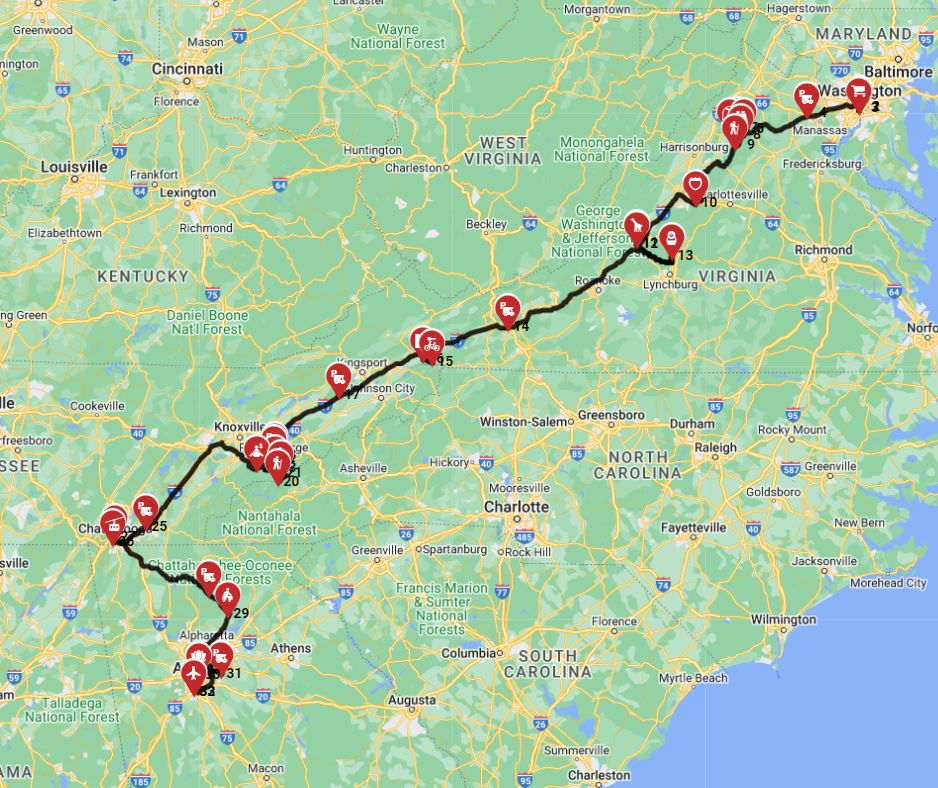
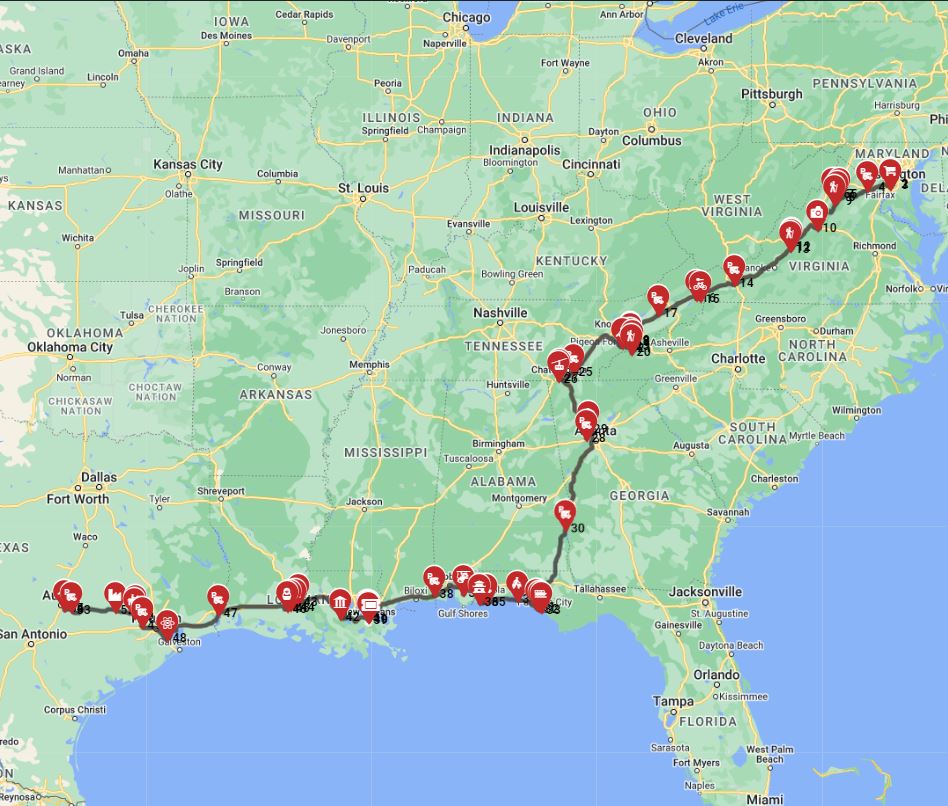
Beyond the initial motorhome rental fee, travelers to Washington DC should budget for tolls, campground fees, fuel, and potential dump-station charges. The Washington DC metropolitan area, including nearby Maryland and Virginia, has several toll roads such as the Dulles Toll Road and parts of I-95, which can accumulate costs, especially for a large RV. Inquire about electronic toll pass options or pre-purchasing toll usage from your supplier to avoid unexpected fines. Campsite fees vary widely based on location and amenities; for example, a full-hookup site at Cherry Hill RV Park near Washington DC can range from $70-$100 per night, while a more rustic site at Prince William Forest Park in Triangle, VA, might be $30-$50. Fuel costs for a large RV can be substantial, with many Class C motorhomes averaging 10-15 miles per gallon (15-23 liters per 100 km), so factor in the length of your journey. For those traveling from afar, considering a route like the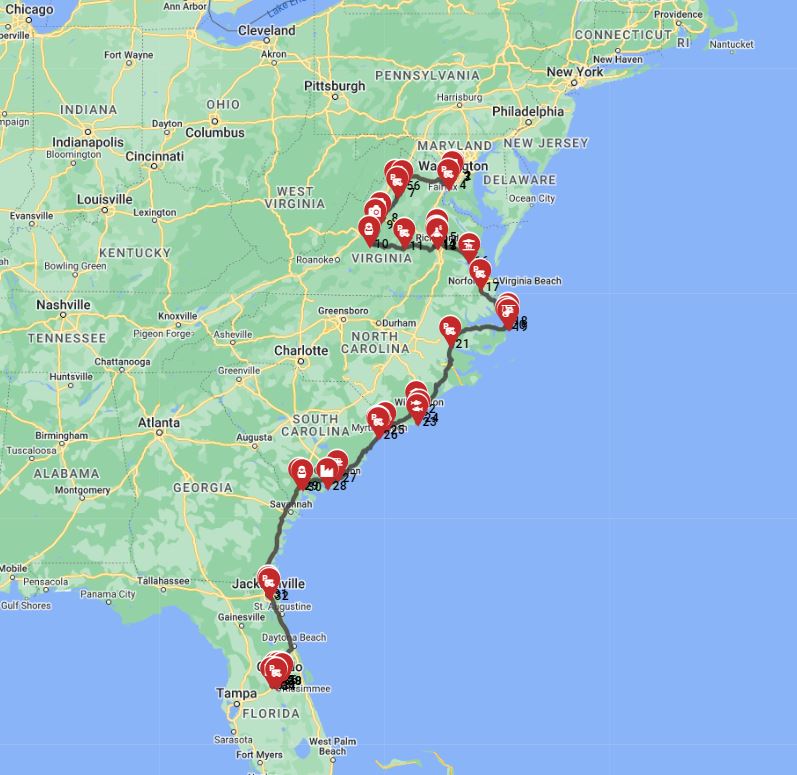
Washington DC to Orlando
How to Save on RV Rental in Washington DC
To significantly save on your motorhome rental in Washington DC, consider booking during the shoulder season, utilizing prepay options for tolls, and exploring available discount cards. Traveling in April or September/October, when demand is lower, can result in daily rate savings of 10-20% for a rented RV compared to peak summer prices. Booking your campervan or motorhome at least 2-4 months in advance often unlocks early bird discounts, potentially saving 15-25% on overall costs. Look for suppliers offering pre-purchase toll-road usage, as this can often be cheaper than paying tolls individually. Additionally, some rental providers, including Bandana's partners, may offer campground discount cards or fuel discount cards at pickup. Choosing a smaller Class B campervan, like the *rent rv example MiniVan*, often has lower rental rates and better fuel efficiency than a large Class A motorhome. Opting for a longer rental duration, such as a two-week adventure, typically reduces the average daily rate. Keep an eye on dynamic pricing, as daily rates can change; booking early and checking for price adjustments closer to your pickup date can sometimes yield further savings. Remember, Bandana RV prides itself on full transparency, ensuring no hidden fees will surprise you.Is Washington, D.C. RV friendly?
While navigating Washington, D.C. in an RV presents unique challenges due to city density, the greater metropolitan area is accommodating for RV travelers, especially with careful planning for parking, transit, and route selection. Day parking directly in DC is extremely limited for larger motorhomes; Class B campervans might find street parking, but it's rare. Better options for RV parking include park-and-ride lots on the outskirts in Maryland (e.g., Greenbelt Metro Station) or Virginia (e.g., Franconia-Springfield Metro Station) with direct Metro access. For public transportation from campgrounds, Cherry Hill RV Park in College Park, MD, offers a direct shuttle to the College Park-U of Md Metro station (Green Line), which can get you to downtown DC in about 30-45 minutes for a SmarTrip card fare of $2-$6 per ride. Prince William Forest Park in Triangle, VA, is further out but provides access to the VRE commuter rail to Union Station, with travel times of 60-90 minutes and VRE fares typically $6-$10 one-way. RV-specific route planning is crucial to avoid low-clearance tunnels (like those under the National Mall or along the Potomac River) and specific roads with height or weight restrictions, especially within the immediate DC area. Using an RV-specific GPS or a map app that allows vehicle dimensions is highly recommended. Drive slowly and carefully, and you can drive almost anywhere without issues. No need to stress - just use common sense and pay attention. For alternative last-mile transportation, from RV parking or campgrounds, consider ride-sharing services (Uber/Lyft), electric scooter/bike rentals for shorter distances, or campground-provided shuttle services to Metro stations. DC's extensive walking and cycling paths, such as the Capital Crescent Trail or the C&O Canal Towpath, are also viable for exploring once near attractions. Pet travel considerations in Washington DC require research; many national parks and monuments have strict no-pet rules, though Rock Creek Park offers some pet-friendly trails. Public transit usually restricts pets unless they are service animals. Beyond downtown attractions, RV-friendly activities include scenic drives along the George Washington Memorial Parkway, visiting nearby state parks in Virginia like Lake Accotink Park, or attending events in Maryland/Virginia that offer RV parking/tailgating (e.g., some fairgrounds or sporting events). Security is important; always choose well-lit, reputable RV parks or secure parking lots when near DC, employ robust locking mechanisms, and avoid leaving valuables visible.🎬 Video coming soon
What You Shouldn't Miss
- **The National Mall & Smithsonian Museums:** Park your rented RV outside the city and take the Metro in to explore iconic landmarks like the Lincoln Memorial, Washington Monument, and the vast array of free Smithsonian museums. Allow several days to truly absorb the history and culture.
- **Georgetown's Historic Charm:** Wander through the cobblestone streets of Georgetown, known for its beautiful architecture, boutique shops, and diverse dining options. It’s easily accessible by public transport or ride-share from RV-friendly areas.
- **Arlington National Cemetery:** Just across the Potomac River, this solemn and beautiful place is a must-visit. Witness the Changing of the Guard at the Tomb of the Unknown Soldier. Parking can be challenging, so consider taking a shuttle or ride-share from a nearby Metro stop in Virginia.
- **Mount Vernon, George Washington's Estate:** Drive your motorhome south along the George Washington Memorial Parkway for a picturesque journey to this historic plantation. It offers dedicated RV parking, allowing you to easily immerse yourself in 18th-century life. This is a great way to experience a piece of "RV Rental Virginia - Complete Guide 2026".
- **Old Town Alexandria:** A charming, walkable historic district just south of Washington DC, offering waterfront views, unique shops, and delicious restaurants. RV parking is available at nearby parking lots and public garages.
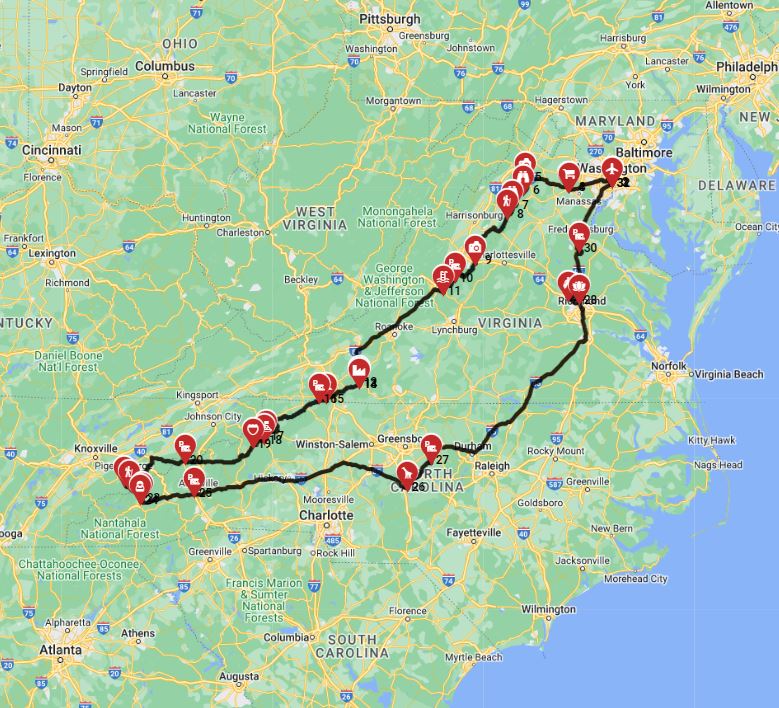
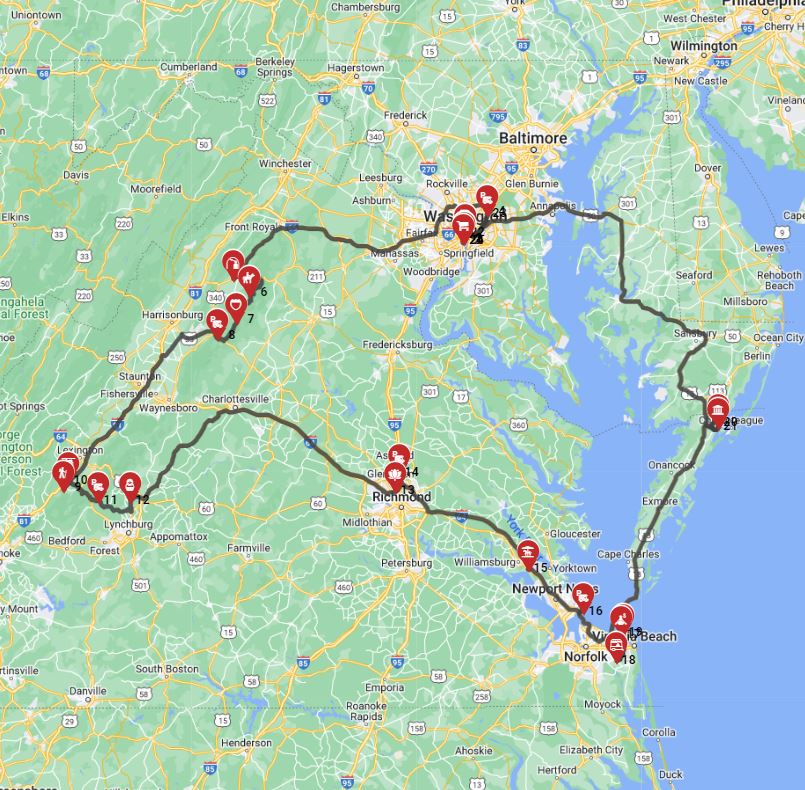
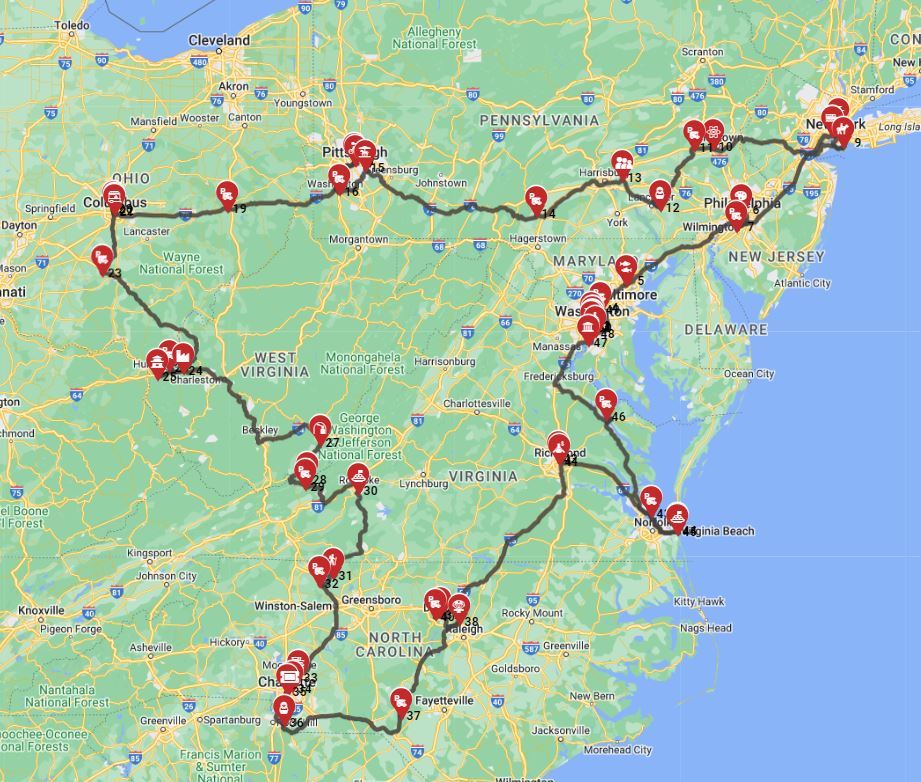
- **RV PLANET's
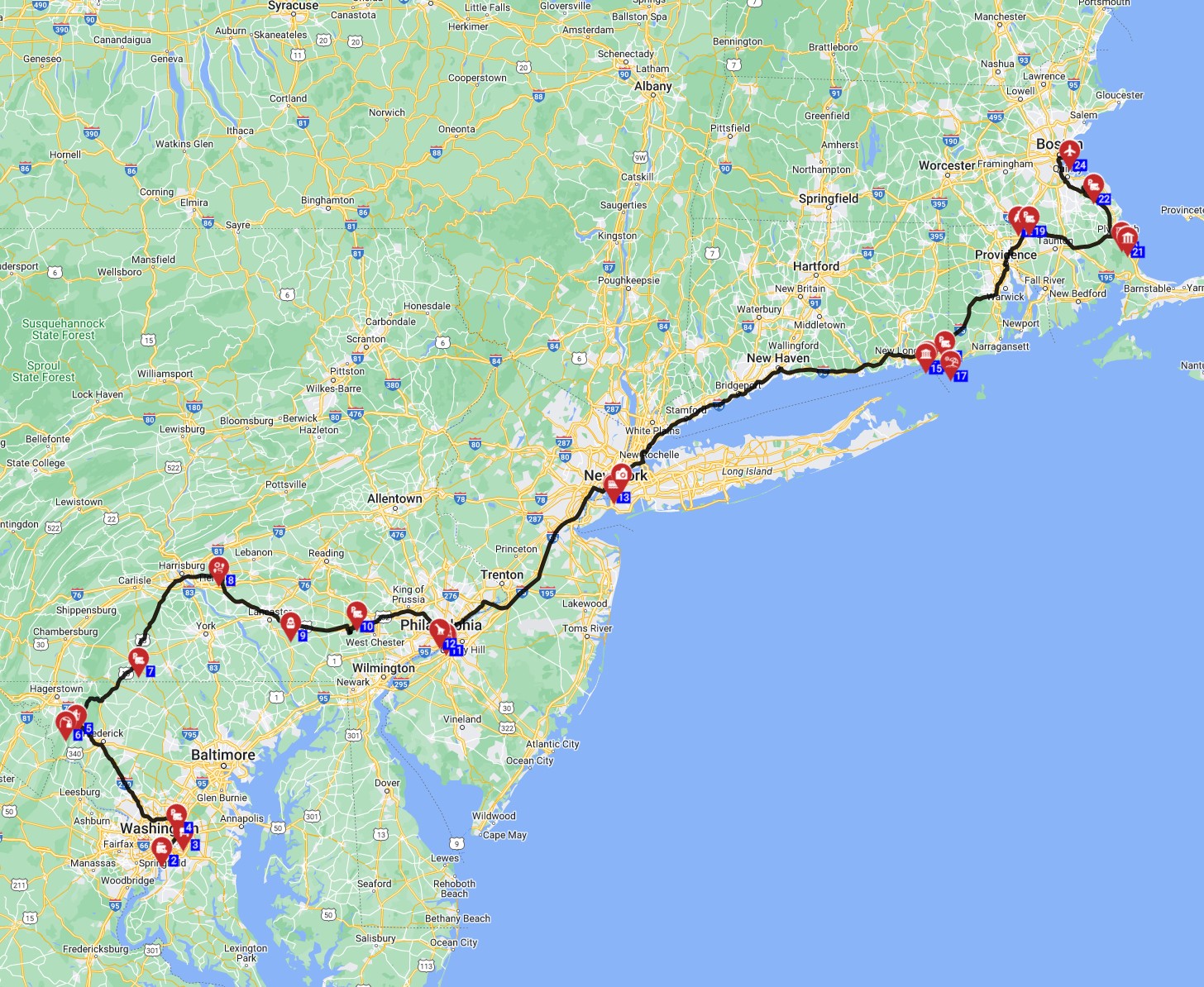
(8 days, 1425.3 km):** This pre-planned itinerary from rvplan.net includes 1 Amusement Park, 1 Animals Show / Wildlife watch, 1 Botanical garden, 1 Canoe / Kayak / Rafting, 1 cave, 1 Heritage site, 1 hiking area, 1 Horseback Riding, 1 Museum, 1 Picnic Area, 1 Scenic Route, 1 Traditional Market, and 1 Traditional Visit, providing a comprehensive exploration of the region around Washington DC.
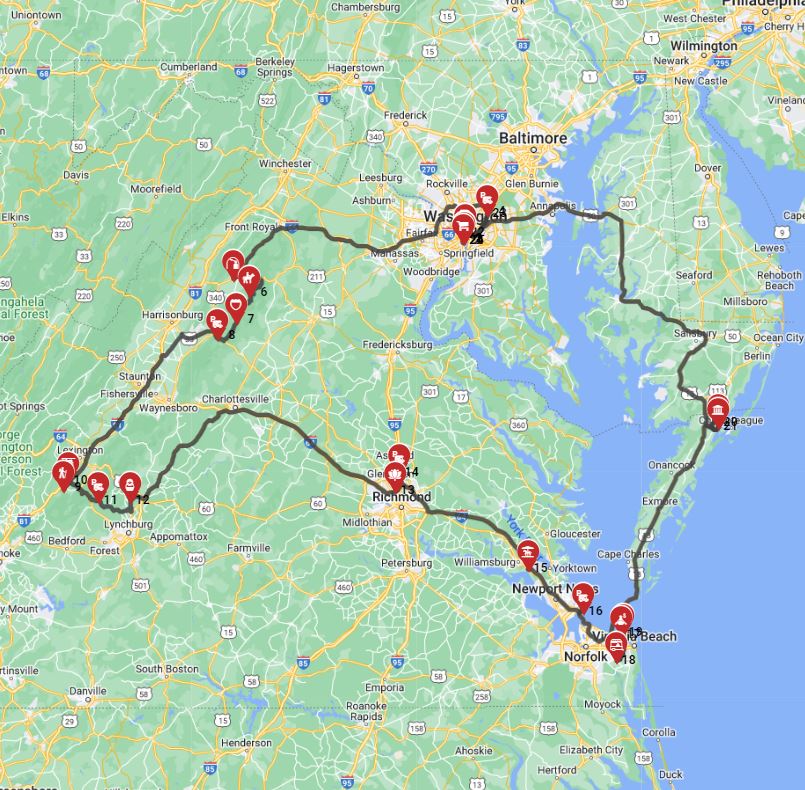 Washington DC Roundtrip - South
Final Thoughts
Embarking on a one-way RV rental from Washington DC promises an unforgettable journey filled with historical wonders and scenic beauty. With a rented motorhome or campervan, you gain the freedom to craft your adventure, whether it's a week-long immersion in the nation's capital or an extended road trip to explore further afield. Remember our advice to travel slowly, averaging no more than 100-150 km per day, allowing you to truly connect with the culture, food, and scenery of each destination. Bandana Caravan is here to ensure your RV rental experience is seamless and stress-free from the very beginning. Our commitment to full transparency, 24/7 pre-booking support, and our extensive network of top-tier suppliers mean you're in expert hands. We handle the details, so you can focus on living the journey and creating cherished memories. Discover top destinations and plan a trip itinerary with minimal effort and maximum enjoyment. Find Motorhome Rentals in Washington DCOn the routes offered through RV PLANET routes, you can itemize and track every expense along the way for easy budgeting.