In This Guide
- Can You Drive an RV in USA? License & Age Rules
- Road Conditions & Terrain in USA
- RV Size Limits, Bridges & Restricted Zones
- Fuel: Diesel vs. Petrol & Cost per 100 km
- Tolls, Vignettes & Border Rules
- Driving Tips for Winter RV Rental Travelers
- Recommended RV Class for USA Roads
- Should I Choose a Compact Van Instead of a Large RV in USA?
- Can I Park Anywhere? Free & Wild Camping Rules in USA
- Can I Drive an RV Into the City Center? Heights, Tunnels & Local Signage
- What is the 3-3-3 Rule for RV Driving and Living?
- How Cold is Too Cold for an RV?
- What States Have Banned RVs?
- What Length of an RV Can You Drive With a Normal License?
- Is It Safe to Drive an RV in the Winter?
- Can You Sleep in an RV While Driving in the USA?
- Who Has the Least Expensive RV Insurance?
- What You Shouldn't Miss
- Why Book with Bandana Caravan
- Final Thoughts
- Frequently Asked Questions
Can You Drive an RV in USA? License & Age Rules
Most RVs in the USA can be driven with a standard Class D driver's license. A special commercial driver's license (CDL) is typically not required for motorhomes under 26,000 pounds (approximately 11,793 kg) GVWR, which includes the vast majority of rental Class A, Class B, and Class C motorhomes and campervans. The minimum age to rent an RV in the USA is generally 21, and thankfully, you won't encounter young driver surcharges or vehicle class restrictions based on age when booking through Bandana. Foreign drivers can typically use their valid foreign driver's license for short periods, but an International Driving Permit (IDP) is highly recommended to complement it, especially for translation purposes, though it's generally not mandatory. Our direct partnerships with 50+ leading RV suppliers worldwide, including El Monte and Cruise America, ensure you get clear details on licensing requirements for your specific rental.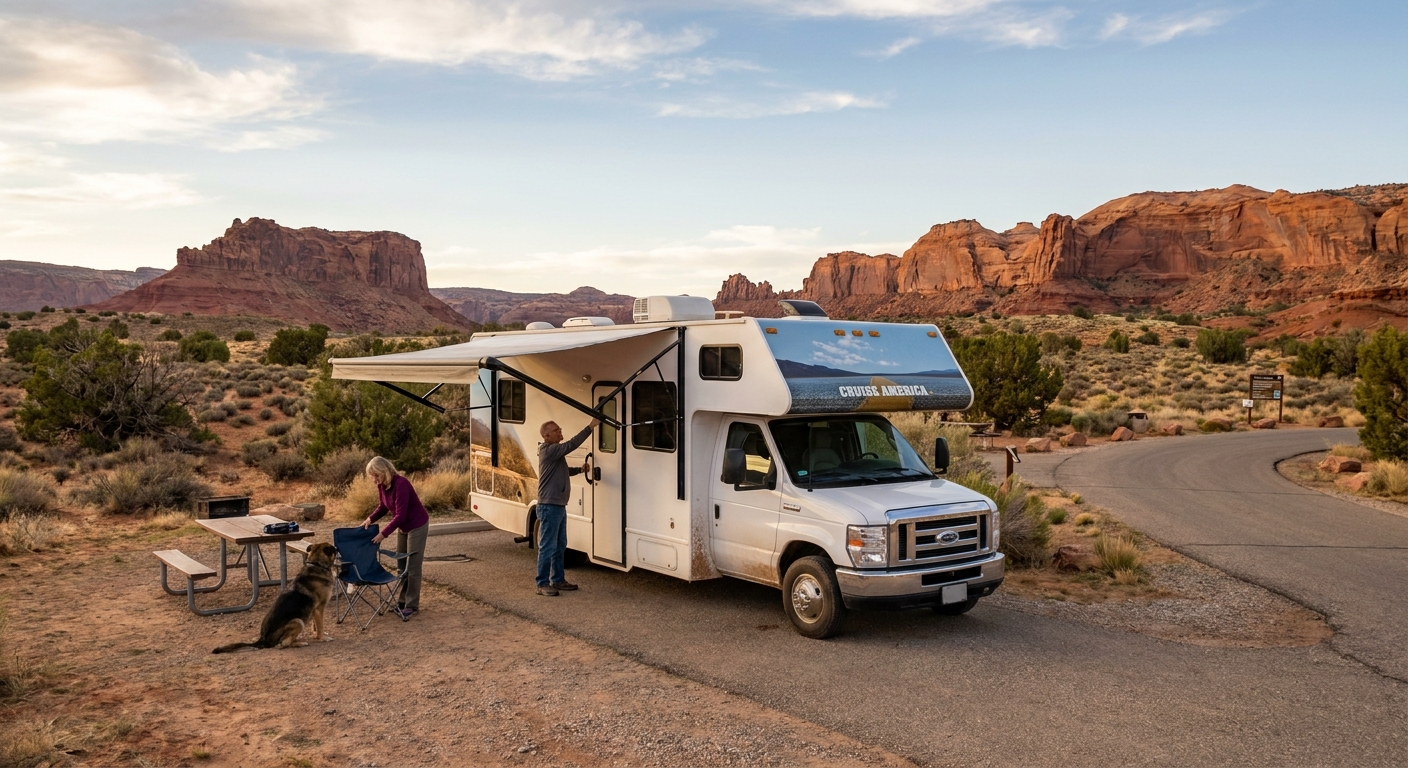
Road Conditions & Terrain in USA
The USA offers incredibly diverse road conditions, ranging from expansive, well-maintained interstates to challenging mountain passes and sometimes unpaved national park roads. Winter RV travel necessitates exceptionally careful route planning, as conditions can quickly change from clear to icy or snowy, particularly in mountainous regions like the Rockies or northern states. Road quality varies significantly by region; expect everything from smooth highways to rougher secondary roads, which can be further impacted by winter weather and seasonal closures. Opting for slower, scenic routes can greatly enhance your travel experience but requires more vigilance for potential winter hazards and changes in conditions. Always be prepared to adapt your plans based on current weather and road reports.RV Size Limits, Bridges & Restricted Zones
While most major US roads readily accommodate large RVs, drivers must be aware of state-specific length and height restrictions, potential low bridges, and designated restricted zones. Many states permit RV lengths up to 40-45 feet (approximately 12.2-13.7 meters), but specific routes, older tunnels, or bridges may have lower clearance limits, typically around 13 feet 6 inches (4.1 meters). Environmental zones, while less common than in Europe, may exist in certain urban areas or national parks, potentially restricting older or larger vehicles, though this is rare for standard rental motorhomes. When planning routes, especially for a winter RV rental in USA, always meticulously check for posted height, weight, and length limits, particularly when traveling through mountain passes or historical infrastructure. RV PLANET (rvplan.net) offers valuable tools for pre-planned routes that consider these details.Fuel: Diesel vs. Petrol & Cost per 100 km
RVs in the USA primarily run on either diesel or petrol, with diesel generally offering better fuel economy but potentially higher fuel costs per liter at the pump. Based on Bandana's fleet averages, Class SI (Semi-integrated) and Class C (Alcove) RVs typically consume 10-12 Liters/100 km, while Class B (Camper Van) models average a more efficient 8-10 Liters/100 km. For example, a Class SI motorhome consuming 10.5 L/100km (diesel) would cost approximately $11.13 per 100 km (at $4.00/gallon diesel), while a Class B campervan at 9 L/100km (petrol) would cost around $8.28 per 100 km (at $3.50/gallon petrol). Winter conditions can increase fuel consumption by 10-15% due to colder temperatures and engine idle time for heating, making budgeting for higher fuel costs crucial. On RV PLANET routes, travelers can itemize and track every expense along the way for easy budgeting, helping you manage these ancillary costs.Tolls, Vignettes & Border Rules
The USA does not employ a national vignette system like some European countries; instead, tolls are assessed on specific highways, bridges, and tunnels, particularly prevalent in the Northeastern, Mid-Atlantic, and some Southern and Midwestern states. Toll payment methods vary, including electronic transponders (such as E-ZPass), pay-by-mail systems, or traditional cash lanes, though cash lanes are becoming less common. Planning for tolls is essential, as unexpected detours or missed electronic payments can result in fines. Some rental motorhomes might offer options for pre-purchased toll passes to streamline your journey and help avoid penalties. For an extended road trip that includes neighboring countries like Canada or Mexico, specific border crossing procedures, vehicle insurance requirements, and potential import/export regulations for your rented RV must be researched thoroughly in advance. We handle the details, you live the journey- personal service from day one until your booking is confirmed.Driving Tips for Winter RV Rental Travelers
Always drive significantly slower in winter conditions, especially on ice or snow, to maintain control and allow for increased stopping distances. Increase your following distance considerably- at least 8-10 seconds- to provide ample time to react to sudden stops or slippery conditions. Regularly check national and local weather forecasts and road condition reports (e.g., via state DOT websites) before and during your journey to anticipate hazardous routes, mountain pass closures, or adverse weather. Pack an extensive emergency kit for extreme cold, including extra blankets, warm clothing, a shovel, sand or kitty litter for traction, a fully charged power bank, and robust communication devices. Be gentle with steering, braking, and acceleration to avoid skids, and remember that a motorhome's weight distribution changes how it handles in winter, requiring a smooth and controlled approach. Travel slowly, max 100-150 km per day on average, to take time to feel the place, connect to the culture, the food, and the scenery, and ensure maximum safety in winter.Recommended RV Class for USA Roads
For winter RV travel across diverse USA roads, Class SI (Semi-integrated) and Class C (Alcove) motorhomes offer an excellent balance of comfort, interior space, and manageable driving dynamics. Class SI models, with an average length of 6.9 meters, provide good maneuverability while still offering sufficient living space and often better insulation than smaller campervans for colder climates. Class C RVs, averaging 7.5 meters in length, such as the "cruise america rv rental example Explorer" (7.1 meters long, sleeps 4), are ideal for families or groups (with an average of 5.8 sleeping places), offering generous storage for winter gear and generally robust heating systems, making them suitable for extended cold-weather camping. Both classes typically have a more stable footprint than smaller vans and are easier to handle in varying road conditions compared to larger Class A integrated models.Should I Choose a Compact Van Instead of a Large RV in USA?
While a compact campervan (Class B), like an "rv rental denver example Category Van" (ideal for a couple, small size, shower, toilet), offers superior maneuverability and easier parking in urban environments or on very narrow mountain passes, a larger RV generally presents no significant driving issues on most USA roads. For a winter RV rental in USA, the enhanced comfort and indoor space of a larger motorhome (like a Class C or SI) often outweigh the maneuverability benefits of a compact van. This is particularly true when considering gear storage for winter sports, heating efficiency, and overall living area during cold weather. Compact vans are best suited for solo travelers or couples prioritizing agility for city exploration or highly remote, unpaved routes where their smaller footprint is truly advantageous. However, for extended winter trips where warmth, amenity access, and space for cold-weather clothing and activities are priorities, a larger RV provides a more comfortable and practical experience, allowing you to easily prepare meals in a full kitchen. You can find many great ideas in our RV-friendly recipes playlist.Can I Park Anywhere? Free & Wild Camping Rules in USA
Free and wild camping (often called boondocking or dispersed camping) is widely permitted on public lands managed by the Bureau of Land Management (BLM) and the US Forest Service across the USA, offering abundant opportunities to camp outside developed campgrounds. Specific regulations for free camping vary significantly by state, county, and the particular management agency, often including stay limits (e.g., 14 days), fire restrictions, and strict adherence to leave-no-trace principles. Overnight parking is generally prohibited in most city limits, private parking lots (like Walmart, unless explicit permission is explicitly granted and local ordinances permit it), and highway rest areas (beyond short stops for rest). Rules vary dramatically by region, so always check local regulations and follow local law before parking overnight, especially in winter when certain areas may close or have additional restrictions due to snow or weather. For finding campsites and campgrounds during your trip, we recommend using RV PLANET (rvplan.net) - a great resource for locating available spots along your route.Can I Drive an RV Into the City Center? Heights, Tunnels & Local Signage
Yes, most RVs can be driven into USA city centers without major issues, but drivers must remain highly observant of local signage indicating height limits, low tunnels, weight restrictions, and specific parking regulations. Always pay close attention to overhead clearance signs for bridges, underpasses, and parking garages, as these are often the primary barriers for RVs in urban areas; a typical RV height is around 3-4 meters, so clearances below 4 meters can be problematic. Some cities, or specific zones within them, may have restrictions on vehicle length or weight, especially in historic districts or on narrower streets, so consulting a good RV-specific GPS is highly recommended. While environmental zones are less common than in European cities, it's wise to check for any specific restrictions related to vehicle emissions or age in your destination city, though this is rare for standard rental motorhomes. Drive slowly and carefully, and you can drive almost anywhere without issues. No need to stress - just use common sense and pay attention.What is the 3-3-3 Rule for RV Driving and Living?
The '3-3-3 rule' is a popular RV guideline recommending driving no more than 300 miles (approximately 480 km) in a day, arriving at your destination by 3 PM, and staying at least 3 nights in one location. For driving, adhering to the 300-mile limit helps prevent driver fatigue, which is especially critical in winter conditions with reduced daylight hours and potentially challenging roads. Arriving by 3 PM ensures you set up camp in daylight, which is significantly safer and easier, particularly when navigating icy campgrounds or setting up cold-weather specific gear like skirting and heated hoses. Staying 3 nights provides ample time to explore the area, manage the RV's systems effectively in cold weather (e.g., monitoring tank levels, propane usage of an average 9kg tank, which lasts 1-2 weeks for heating), and build mental and physical resilience against harsh winter conditions. Imagine yourself enjoying a long week-long trip with this relaxed pace, truly soaking in the winter scenery!How Cold is Too Cold for an RV?
Temperatures consistently below freezing (32°F or 0°C) are generally considered 'too cold' for an unprepared RV, as they can cause water lines, tanks, and plumbing fixtures to freeze and burst, leading to costly damage. An RV needs to be properly 'winterized' by draining water systems and adding antifreeze, or be equipped with specialized four-season features like heated tanks, insulated pipes, and robust furnaces, for safe operation in freezing temperatures. Beyond water systems, extreme cold can impact battery performance (reducing efficiency by up to 50% at -18°C), significantly increase fuel efficiency demands for heating (requiring more propane), and affect the overall comfort of living in the RV. This highlights the importance of good insulation, such as found in a "2 Berth Rover" (Winter Ready, Class SI, Roof Air condition), and auxiliary heating solutions. Managing gray and black water tanks in freezing temperatures requires careful planning, often necessitating heated hoses or diligent dumping schedules to prevent blockages and damage.What States Have Banned RVs?
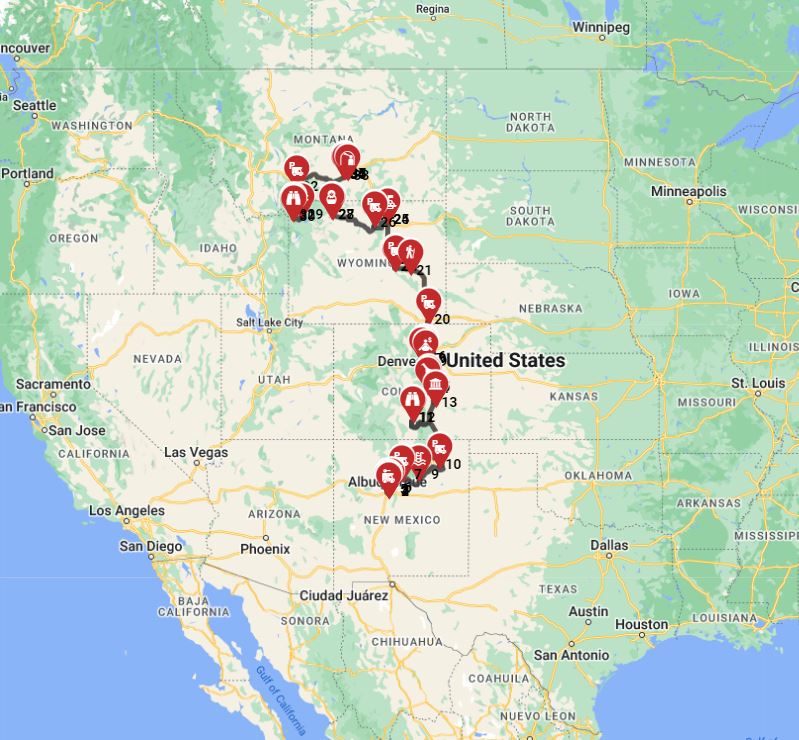
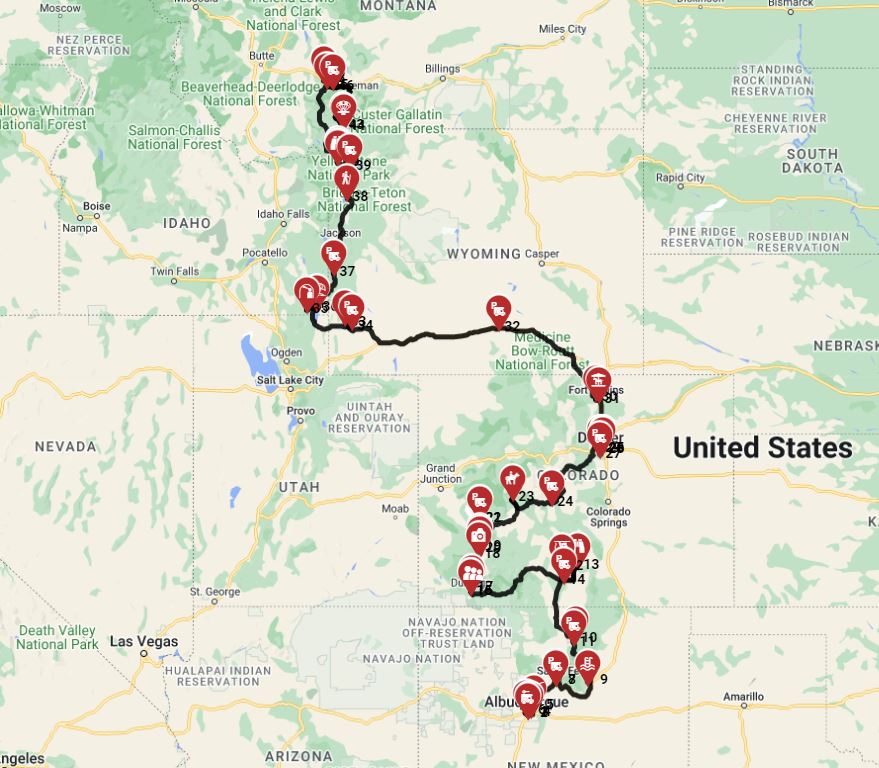
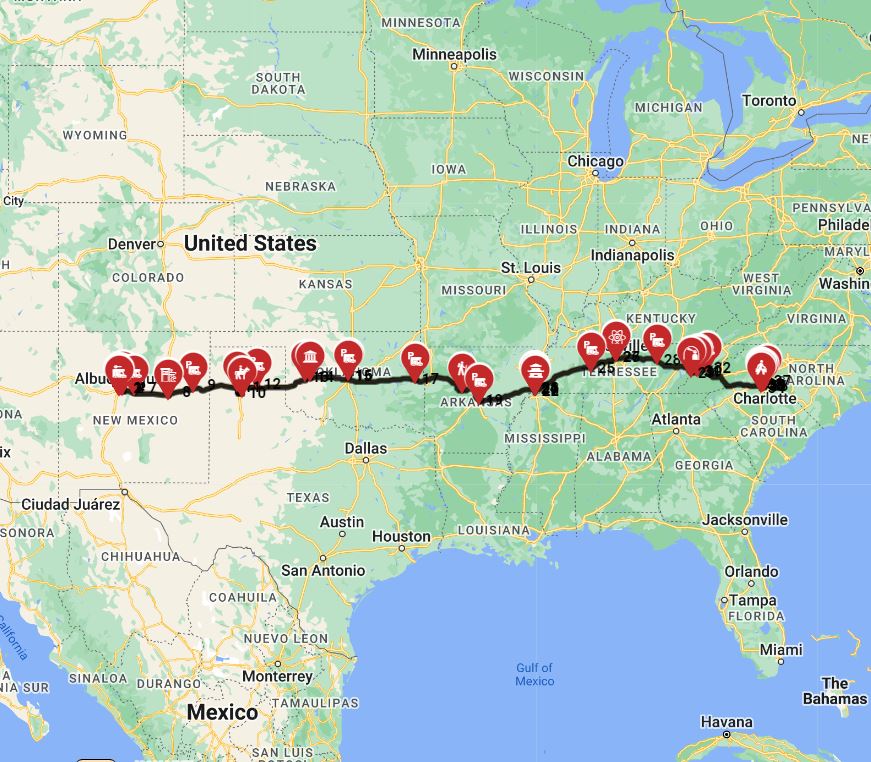
No US state has a blanket ban on RVs; however, various local jurisdictions (cities, counties, or national parks) within states may implement specific restrictions on motorhomes and campervans. These restrictions typically involve limitations on overnight parking in residential areas, specific vehicle lengths or weights (e.g., some tunnels restrict vehicles over 3.9 meters in height or 12 meters in length), or temporary closures of park roads and campgrounds during severe winter weather. For instance, some urban areas might restrict RV parking due to size, or certain mountain passes may close to all oversized vehicles during heavy snowfall. It is crucial for RVers to research local ordinances for their planned destinations, especially during winter, as rules can vary widely even within the same state. For example, for a "Billings to Orlando - Rockies to Disney: USA Motorhome Journey" (25 days, 5678.1 km) route, checking local regulations in each state is key.What Length of an RV Can You Drive With a Normal License?
In the USA, most RVs, regardless of their length, can be driven with a standard Class D driver's license as long as their Gross Vehicle Weight Rating (GVWR) is under 26,000 pounds (approximately 11,793 kg). The primary factor determining the need for a special license is typically the vehicle's weight, not its length, according to federal regulations, though states have some variations. While some states may require a non-commercial Class A or B endorsement for motorhomes exceeding 40 feet (12.2 meters) in length or 26,000 pounds GVWR, this is not a full commercial driver's license and applies to a small percentage of exceptionally large, private RVs. Therefore, the vast majority of rental RVs, including Class C and Class SI models like the "24' Class C Motorhome" (7.46 meters long, sleeps 5), will only require a regular driver's license, making them accessible to many travelers.Is It Safe to Drive an RV in the Winter?
Driving a rented RV in the winter in USA can be safe, but it demands significantly more preparation, vigilance, and skilled driving compared to warmer seasons due to increased risks from snow, ice, reduced visibility, and cold-related mechanical issues. Essential safety measures include ensuring the RV is properly winterized, equipped with appropriate winter tires or snow chains (where legally required and advisable, especially in areas like California where R3 chain control can affect all vehicles), and carrying a comprehensive emergency kit tailored for extreme cold. Beyond basic supplies, an emergency kit for winter RVing should include extra warm clothing, a generator (if not built-in, like in a "Denali Searcher 28 - Gold" which includes one), satellite communication devices for remote areas, and a plan for dealing with mechanical failures in freezing conditions. The mental and physical demands of navigating winter roads and managing an RV in cold weather are considerable, requiring travelers to be well-rested, flexible with their plans, and attentive to their own comfort and morale.Can You Sleep in an RV While Driving in the USA?
No, it is generally illegal and highly unsafe for passengers to sleep in the back of a moving RV in the USA unless they are properly secured with a seatbelt in a designated seating position. Federal and state laws require all occupants of a moving vehicle, including a motorhome or campervan, to be buckled into approved seatbelts. Sleeping unrestrained in an RV while it's in motion significantly increases the risk of severe injury or fatality in the event of a sudden stop or collision. Even if a rented RV has beds, they are intended for use only when the vehicle is safely parked, emphasizing safety over convenience while driving. Always prioritize the safety of all passengers by ensuring everyone is buckled up while the vehicle is in motion.Who Has the Least Expensive RV Insurance?
Determining the 'least expensive' RV insurance provider for a winter RV rental in USA is highly individualized, as rates depend on numerous factors including the RV's make, model, age, value, the driver's history, and the specific state of residence. For rental RVs, basic insurance is typically included by the rental company, but travelers should carefully review what is covered. It's often wise to consider supplementary rental vehicle insurance or an upgrade to a top-level deductible for extra peace of mind, especially during winter travel with its inherent risks. To find the most affordable coverage that meets your needs, it is essential to obtain and compare quotes from multiple specialized RV insurance companies, which can be done easily through platforms like Bandana Caravan. Remember, full transparency is our promise: what you see is what you pay, with no surprise fees at pickup.What You Shouldn't Miss
- **Skiing & Snowboarding in Colorado:** Explore world-class resorts like Aspen Snowmass or Breckenridge with your rented motorhome as a cozy base.
- **Winter Wonderland in Yellowstone National Park:** Experience the surreal beauty of geothermal features steaming in the cold, observing wildlife like bison and elk in snowy landscapes.
- **Desert Winter Escapes:** Head south to Arizona or California for milder winter temperatures and stunning desert scenery in places like Joshua Tree or Saguaro National Parks.
- **Holiday Lights Road Trip:** Traverse charming small towns across the USA, each decorated with festive lights and offering unique local experiences, turning your RV into a mobile holiday hub.
- **Ice Fishing in Minnesota:** For the truly adventurous, try your hand at ice fishing on one of Minnesota's thousands of frozen lakes, a quintessential winter experience.
- **Top 5 Adventures - recommendations from Avi Bandana:** For expert insights from Avi Bandana, check out these top adventures that highlight the very best of winter RV travel.
Final Thoughts
A winter RV trip in the USA is an incredibly rewarding experience, offering a unique perspective on America's diverse landscapes and vibrant culture. With careful planning, the right rental motorhome, and a spirit of adventure, you'll find that the chill of winter only enhances the warmth of discovery. Remember to take it slow, plan your stops, and embrace the unexpected joys of the open road. Don't let the colder months deter you from an epic journey. Whether you're chasing snow-capped peaks or mild desert sunshine, a rented RV provides the comfort and flexibility you need. Get inspired for your next trip and discover top destinations, planning tips, all in one place with Bandana Caravan!On the routes offered through RV PLANET routes, you can itemize and track every expense along the way for easy budgeting.