In This Guide
- Can You Drive an RV in Washington DC? License & Age Rules
- Road Conditions & Terrain in Washington DC
- RV Size Limits, Bridges & Restricted Zones
- Fuel: Diesel vs. Petrol & Cost per 100 km
- Tolls, Vignettes & Border Rules
- Driving Tips for RV Rental Travelers
- Recommended RV Class for Washington DC Roads
- Should I Choose a Compact Van Instead of a Large RV in Washington DC?
- Can I Park Anywhere? Free & Wild Camping Rules in Washington DC
- Can I Drive an RV Into the City Center? Heights, Tunnels & Local Signage
- Do you need a special license to drive an RV in Washington?
- Is Washington, D.C. RV friendly?
- Are RVs allowed in DC?
- How much does it typically cost to insure an RV?
- Who is the best insurance company for RV?
- How much is insurance on a $200,000 RV?
Can You Drive an RV in Washington DC? License & Age Rules
In Washington D.C., a standard Class D driver's license is typically sufficient for driving most recreational vehicles (RVs) under 26,001 pounds Gross Vehicle Weight Rating (GVWR) for your RV rental. Most rental companies, including Bandana's partners like El Monte and Cruise America, require drivers to be at least 21 years old to rent an RV, and there are no young driver surcharges or vehicle class restrictions based on age. Foreign drivers can generally use their valid home country license for up to 30 days, though an International Driving Permit (IDP) is highly recommended for clarity and translation. While RVs exceeding 26,001 pounds GVWR might require a non-commercial Class A or B license, the vast majority of rental motorhomes and campervans fall comfortably below this threshold, ensuring that a standard car license is all you need. For live availability and current prices, start with our RV Rental Washington DC - Complete Guide 2026 guide.Road Conditions & Terrain in Washington DC
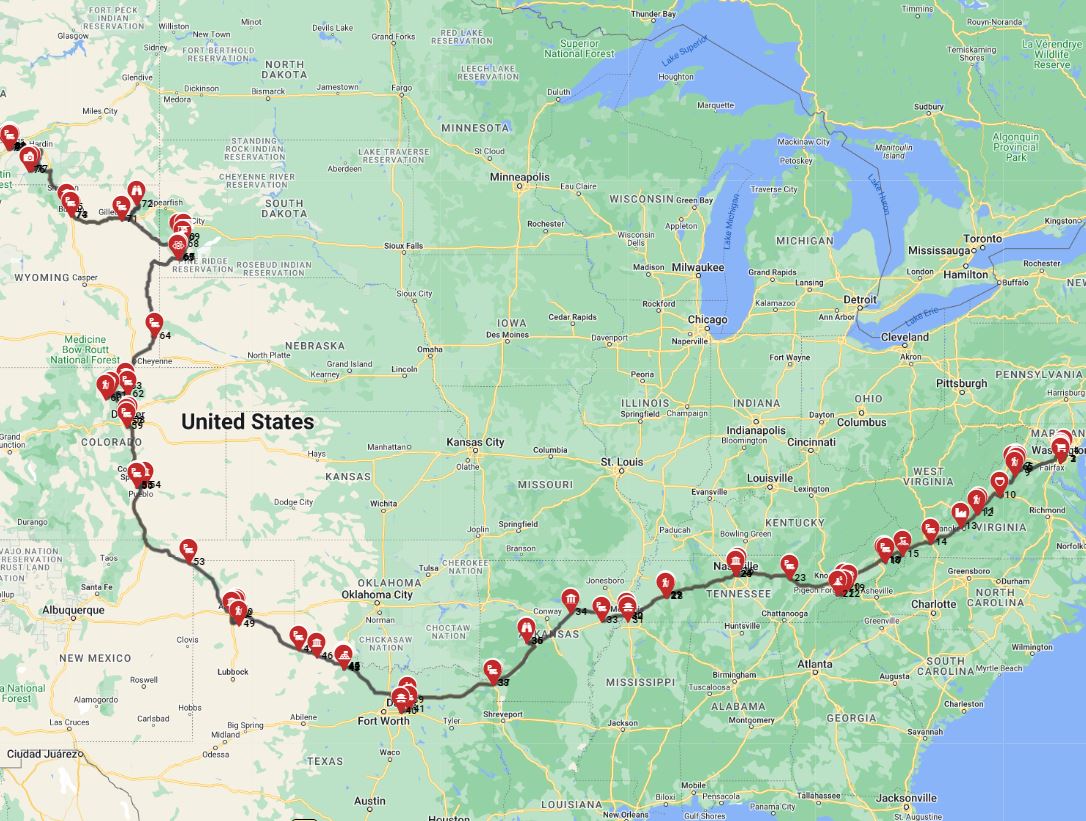
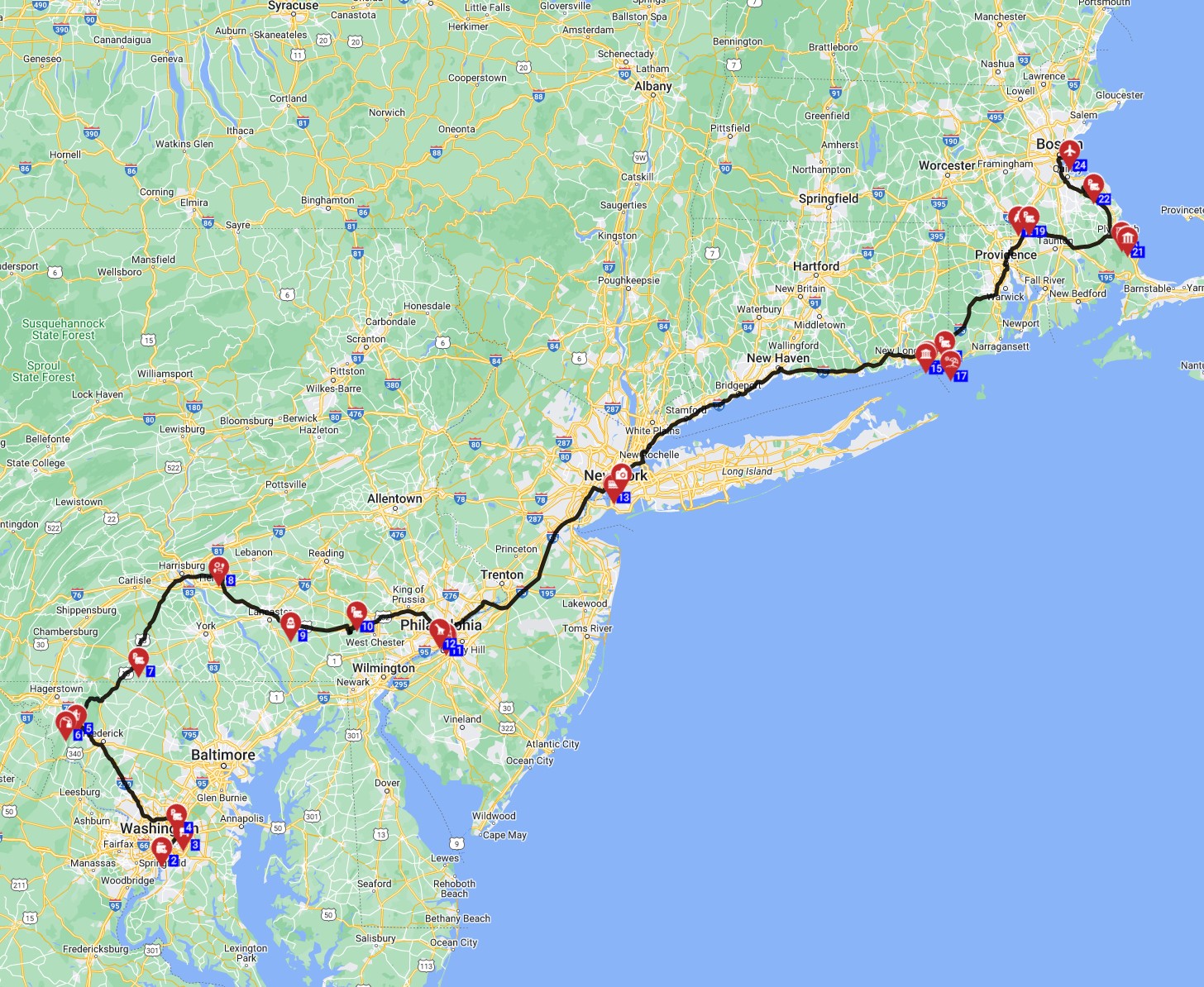
Washington D.C. features predominantly urban and suburban road conditions, characterized by heavy traffic, numerous intersections, and occasional potholes, especially during peak hours. Driving a rented motorhome in DC requires vigilance due to frequent construction, narrow streets in historic districts, and often aggressive city drivers, making slow and cautious navigation essential, particularly when winter weather introduces ice or snow. While the immediate DC area is relatively flat, surrounding regions in Maryland and Virginia offer rolling hills, but generally no challenging mountainous terrain that would impede RV travel. Drive slowly and carefully, and you can drive almost anywhere without issues. No need to stress - just use common sense and pay attention. For longer route plans, you may be interested in "RV Rental Virginia - Complete Guide 2026".RV Size Limits, Bridges & Restricted Zones
RV drivers in Washington D.C. must be aware of various height and weight restrictions, particularly on historic parkways and within older urban infrastructure. Low bridges are a significant concern on certain routes, such as sections of the George Washington Memorial Parkway, which has underpasses with clearances as low as 9 feet 9 inches. While there are no specific 'environmental zones' requiring special RV permits in DC like in some European cities, certain areas may have signage restricting large vehicle access or parking. Always pay close attention to posted signs for height, weight, and turn restrictions, especially when navigating residential areas or near historical monuments. Our partners offer a diverse fleet, like the spacious 6-berth `cruise america rv rental example Explorer` (7.1 meters long), for which careful route planning is crucial.Fuel: Diesel vs. Petrol & Cost per 100 km
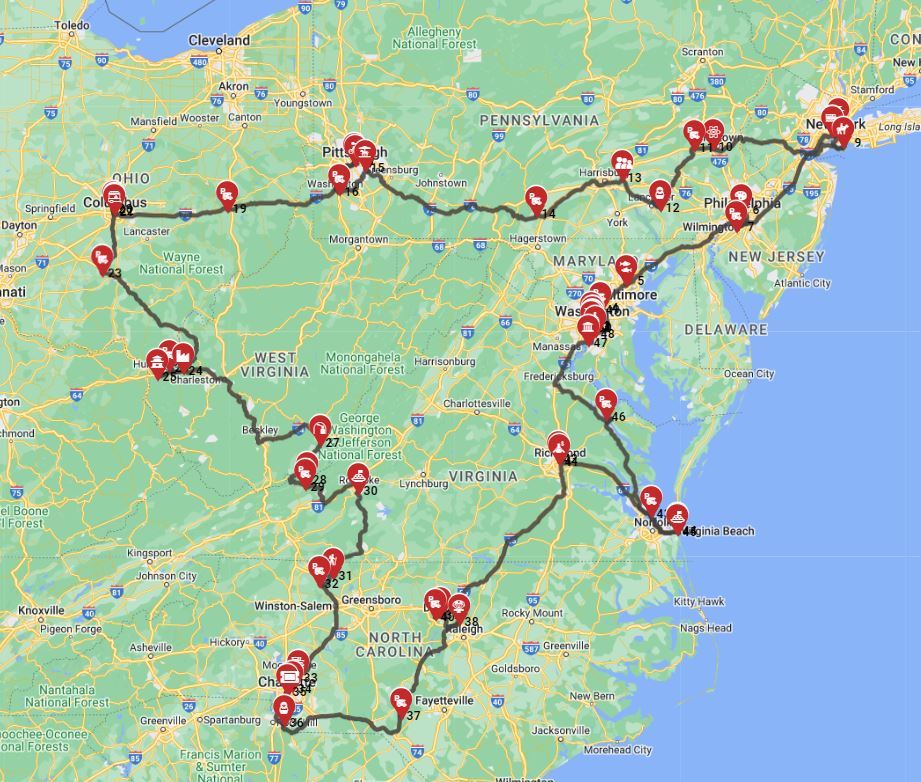
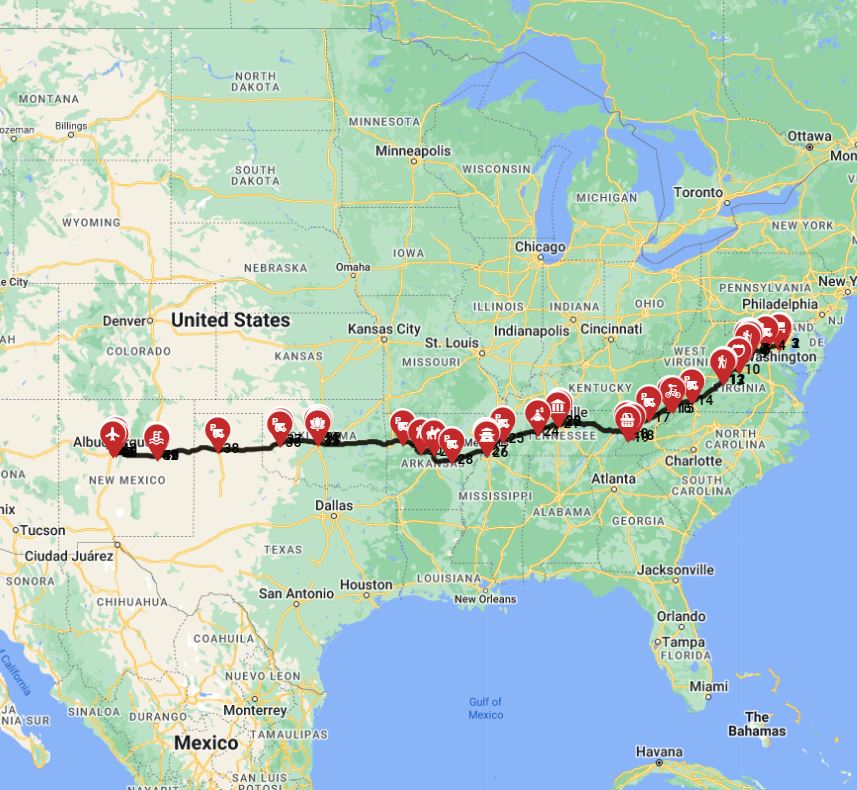
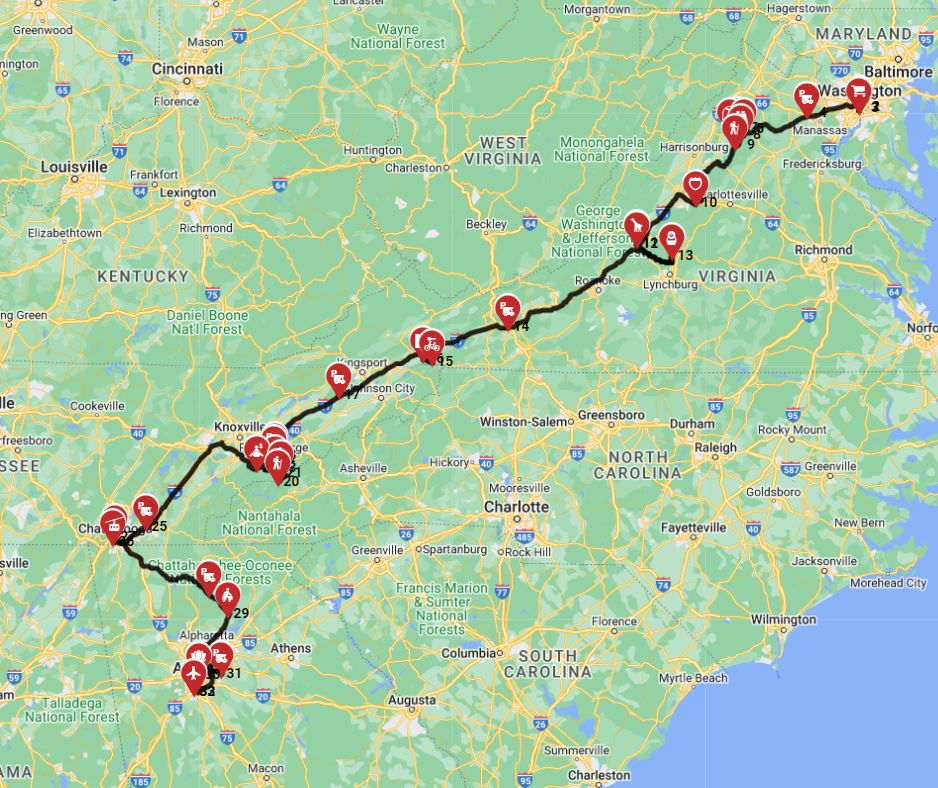
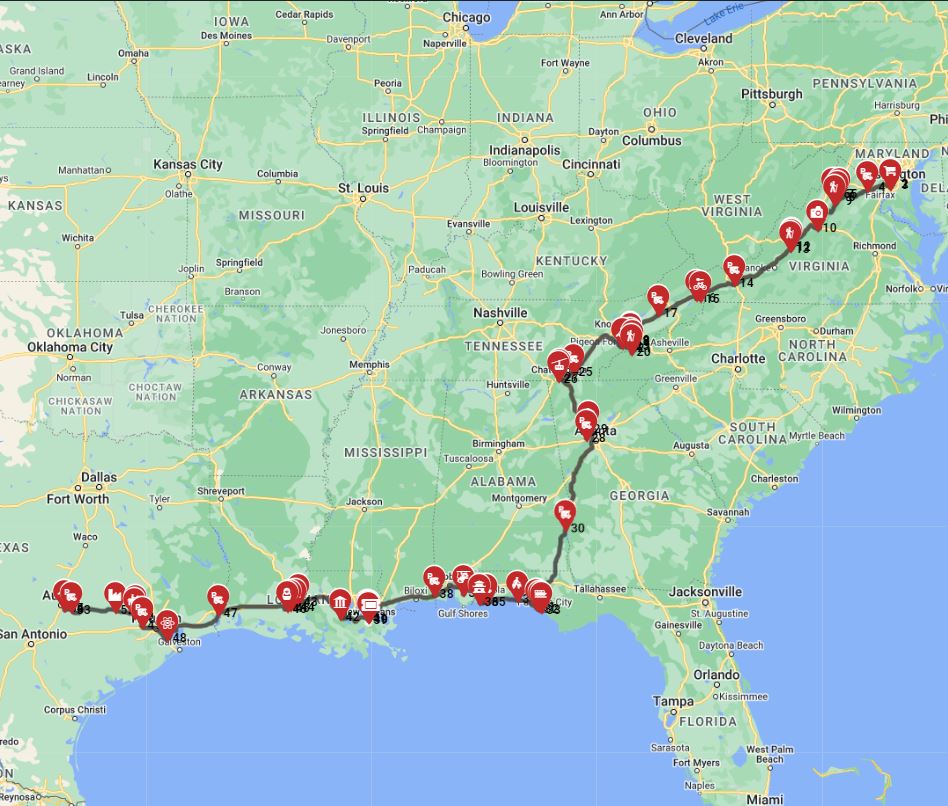
Both diesel and petrol (gasoline) are readily available at fuel stations throughout Washington D.C. and the surrounding metropolitan area, though larger stations catering to commercial vehicles are generally better for RVs due to easier access. For Bandana's global fleet, a Class C - Alcove RV, such as the `rv rentals example Comfort Class`, typically consumes 10–12 Liters/100 km, while a Class B - Camper Van, like the `V3`, uses around 8-10 Liters/100 km. Considering an average fuel price of $1.00 - $1.20 per liter (approx. $3.80 - $4.50 per gallon) in the DC area, the cost per 100 km for a typical rented RV could range from $8.00 to $14.40. Remember to budget for ancillary trip costs beyond the RV rental, like fuel, campground fees, propane, and tolls. On RV PLANET routes, you can itemize and track every expense for easy budgeting.Tolls, Vignettes & Border Rules
While Washington D.C. itself does not have tolls, drivers of RVs will encounter numerous toll roads and express lanes on highways in the surrounding states of Maryland and Virginia when approaching or departing the city. Popular toll roads include sections of I-95 in Maryland and Virginia, the Dulles Toll Road, and the Intercounty Connector (ICC) in Maryland, many of which use electronic tolling (e.g., EZ-Pass). It is highly recommended for RV travelers to obtain an EZ-Pass transponder to avoid higher 'pay-by-plate' fees and potential fines for missed tolls. Some rented motorhomes may offer the convenience of pre-purchased toll passes or transponders, allowing travelers to use toll roads seamlessly without worrying about individual payments.Driving Tips for RV Rental Travelers
Navigating Washington DC with a rented RV, especially during winter, requires careful planning and attention. To ensure a smooth journey, plan your route carefully using GPS apps with RV-specific routing (e.g., Google Maps RV mode, RV LIFE GPS) to avoid low bridges, narrow streets, and restricted zones, especially when approaching central DC. Given Washington D.C. traffic is notoriously heavy, allocate extra travel time, particularly during rush hour (6-9 AM and 3-6 PM). For visiting the monuments and museums, the most practical advice is to park your RV at an outer campground or Metro station with RV-friendly parking (if available) and use the excellent Metro system to access the city center. Always check parking regulations, as RVs are subject to the same strict parking rules as other vehicles, and oversized vehicle parking is scarce and often prohibited in the city. Finally, stay alert for signage: continuously watch for overhead clearance signs, weight limits, and specific large vehicle restrictions, as these can change rapidly in an urban environment, and icy conditions can reduce stopping distances.Recommended RV Class for Washington DC Roads
For navigating Washington D.C. and its surrounding areas, a Class B - Camper Van or a Class SI - Semi-integrated RV is often recommended due to a balance of maneuverability and living space, especially important during winter when roads can be less forgiving. Bandana's Class B - Camper Vans, with an average length of 5.8 meters (like the `V3` model, featuring a 100 Liter fresh water tank and 90 Liter waste water tank), offer excellent agility, making them easier to handle in urban traffic and to park in tighter spots near public transit hubs. Class SI - Semi-integrated RVs, averaging 6.9 meters in length (like the 2 Berth Rover), provide more interior comfort and amenities while still being manageable enough for most primary routes, though central DC driving will remain challenging. Both classes offer adequate ground clearance for standard urban roads and suburban campground access, without the height concerns of larger Class C or A units on specific parkways. You can compare various vehicle classes in our "Luxury RV Rental in Washington DC - Premium Prices 2026" guide.Should I Choose a Compact Van Instead of a Large RV in Washington DC?
Choosing a compact camper van over a larger RV for a Washington D.C. trip offers significant advantages primarily in maneuverability, ease of parking, and fuel efficiency within the dense urban environment. A compact van (like Bandana's `Category Van` or a Class B - Camper Van, averaging 5.8 meters) is easier to navigate through narrow city streets, find parking at Metro stations or suburban parks, and is less intimidating in heavy traffic, which can be even more pronounced in winter. However, a larger RV (such as a 29′ Class C Motorhome) provides superior comfort, more indoor living and storage space, a full bathroom, and a more comfortable experience for families or longer trips outside the immediate city. While a compact van genuinely helps for quick stops or in very tight historic centers, if your itinerary includes extensive time at campgrounds and less direct city driving, the comfort trade-off of a larger RV might still be worthwhile for your overall trip experience, especially for staying warm during winter nights.Can I Park Anywhere? Free & Wild Camping Rules in Washington DC
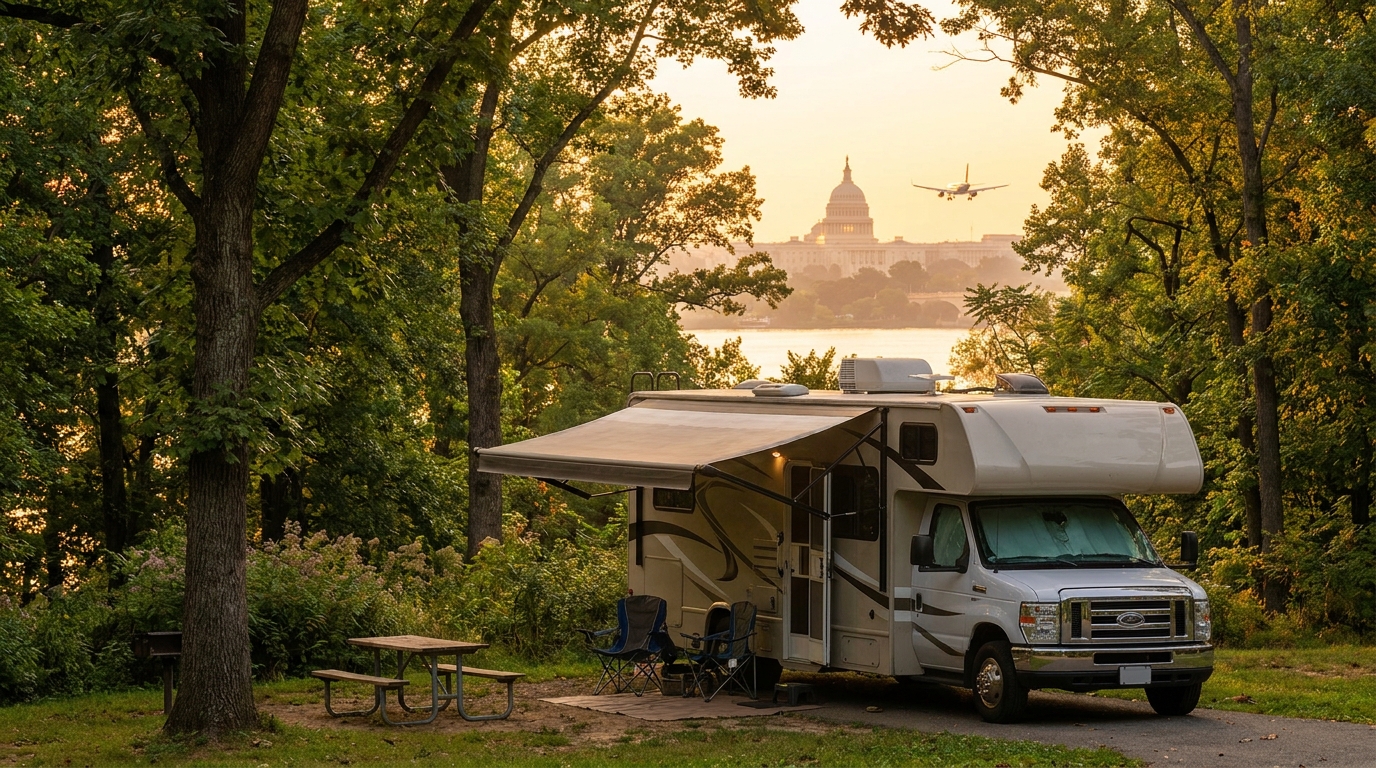
Free or wild camping (boondocking) is generally not permitted and is unsafe within Washington D.C. and its immediate urban/suburban environs. Overnight RV parking on city streets or in public lots is typically prohibited or severely restricted, with strict enforcement and potential fines, especially near popular landmarks. Travelers should plan to stay at designated RV campgrounds located in the surrounding Maryland and Virginia suburbs, such as Greenbelt Park, which offer facilities and easy access to public transportation into D.C. Rules vary by region, so always check local regulations and follow local law before attempting to park a rented RV overnight anywhere outside a designated campground or private property with permission. For local insights, consider checking out the "RV Travel Guide to Washington DC - Tips and Top Spots 2026".Can I Drive an RV Into the City Center? Heights, Tunnels & Local Signage
Yes, it is generally permissible to drive an RV into the Washington D.C. city center, however, it is highly discouraged due to extreme traffic congestion, very limited parking, and challenging navigation for larger vehicles. RV drivers must pay close attention to local signage, as certain streets, especially in historic or residential areas, may have restrictions on large vehicles or specific height limits for tunnels and underpasses. While most primary roads and tunnels within the city center accommodate standard vehicle heights, RVs must exercise caution on smaller thoroughfares or approaches to national monuments. The most practical approach is to park your rented motorhome at an RV-friendly campground or designated lot outside the immediate city and utilize Washington D.C.'s extensive public transportation system (Metro, buses) for exploring downtown without the stress of urban RV navigation and parking.🎬 Video coming soon
Do you need a special license to drive an RV in Washington?
In Washington D.C., a standard Class D driver's license is typically adequate for operating most recreational vehicles (RVs) rented for personal use, provided they weigh under 26,001 pounds GVWR. This includes the majority of Class B camper vans, Class C alcove RVs like the `24' Class C Motorhome` with a 166 Liter fresh water tank, and many Class SI semi-integrated motorhomes available for rent through Bandana. A Commercial Driver's License (CDL) or a special non-commercial license is only required for significantly larger RVs or combinations exceeding this weight threshold, which are rarely offered by rental agencies for leisure travel. For further details on specific requirements, refer to the 'Can You Drive an RV in Washington DC? License & Age Rules' section above.Is Washington, D.C. RV friendly?
Washington D.C. can be considered RV-friendly for regional travel, with numerous campgrounds in the surrounding Maryland and Virginia suburbs offering good access to the city via public transport, but it presents significant challenges for RVs *within* the city core. The metropolitan area offers plenty of RV parks and campgrounds with amenities like hookups and shuttle services to Metro stations, even during winter months. However, navigating Washington D.C. itself with a rented RV is difficult due to dense traffic, limited and restricted parking for oversized vehicles, narrow streets, and low bridge clearances on certain scenic parkways. For a stress-free visit, RV travelers should plan to park their RV outside the immediate downtown area and rely on the robust public transportation system to explore the city's attractions.Are RVs allowed in DC?
Yes, recreational vehicles (RVs) are generally allowed on public roads in Washington D.C., but their presence in the city center comes with practical limitations rather than outright prohibition. While there are no blanket bans on RVs within the city, driving them can be challenging due to heavy traffic, tight turns, and a severe lack of suitable parking, which is exacerbated by winter weather. Specific areas, particularly historic districts or private roads, may have restrictions on vehicle size or type, so always observe local signage. Most RVers opt to park their rented camper or motorhome at campgrounds outside the city and commute in, as this is the most feasible and enjoyable way to experience D.C. without the stress of urban RV navigation and parking.How much does it typically cost to insure an RV?
The typical cost to insure an RV varies widely, often ranging from $800 to over $3,000 annually, depending on factors such as the RV's value, type, age, usage (full-time vs. recreational), the driver's record, and coverage limits. Liability coverage is legally required, but comprehensive and collision coverage, along with specialized RV endorsements (like personal effects or roadside assistance), significantly impact the premium. For rental RVs, basic insurance coverage is often included in the rental agreement, but renters typically have the option to purchase additional coverage for higher protection or reduced deductibles. Bandana Caravan offers top-level deductible reimbursement as an optional upgrade, allowing you to travel with extra peace of mind during your Washington DC adventure. Factors like the state of registration and where the RV is primarily stored can also influence insurance rates.Who is the best insurance company for RV?
Determining the 'best' insurance company for an RV is subjective and depends on individual needs, with top-rated providers often including Progressive, National General, GEICO, and Foremost. These companies are frequently cited for offering specialized RV insurance policies that cater to the unique risks and requirements of motorhome ownership and travel. The ideal insurer will provide comprehensive coverage options, competitive rates, excellent customer service, and a strong claims process, which can vary based on your specific RV type and usage. It is advisable to obtain quotes from several providers and compare their coverage, deductibles, and customer reviews to find the best fit for your RV insurance needs. With Bandana Caravan, you benefit from our direct partnerships with 50+ leading RV suppliers worldwide, ensuring a wide range of options and full price transparency for all included features.How much is insurance on a $200,000 RV?
Insurance for a $200,000 RV typically ranges from approximately $1,500 to $4,000 annually, though this can fluctuate significantly based on multiple factors. Factors influencing the cost for a high-value RV include the specific make and model, whether it's used full-time or recreationally, the owner's driving history and credit score, and the chosen coverage limits and deductibles. Insurance for a luxury RV of this value will likely include robust comprehensive and collision coverage, higher liability limits, and specialized coverages for personal belongings or custom modifications. The state where the RV is registered and stored also plays a crucial role, with higher rates in areas prone to theft, severe weather, or higher accident rates. With Bandana, what you see is what you pay, with no surprise fees at pickup, including transparency on insurance options.What You Shouldn't Miss
- **The National Mall in Winter:** Experience the iconic monuments like the Lincoln Memorial and Washington Monument dusted with snow. While driving an RV into the immediate vicinity is challenging, parking in nearby Virginia or Maryland and taking the Metro offers easy access.
- **Ice Skating at the National Gallery of Art Sculpture Garden:** Enjoy outdoor ice skating in a beautiful setting, a quintessential winter activity in Washington DC. Park your rented camper at an outlying Metro station for convenience.
- **Holiday Lights at ZooLights (National Zoo):** During the holiday season, the National Zoo transforms with incredible light displays. This is a family-friendly event easily accessible by public transport from suburban RV parks.
- **Smithsonian Museums (Indoors & Warm!):** Winter is the perfect time to delve into the numerous free Smithsonian museums along the National Mall. From the Air and Space Museum to the American History Museum, there's warmth and wonder.
- **Old Town Alexandria, Virginia:** Just a short drive or Metro ride from DC, this charming historic town offers cobblestone streets, unique shops, and cozy restaurants. It's a great spot for a leisurely evening or a meal inside your rented motorhome.
- **Mount Vernon in Winter:** George Washington's estate is beautiful year-round, but a winter visit offers a quieter, reflective experience. It's easily reachable with your RV rental from many regional campgrounds, often avoiding central DC traffic.
Final Thoughts
Embracing a winter RV adventure in Washington DC offers a unique perspective on the nation's capital, with fewer crowds and the potential for picturesque snowy landscapes. While urban driving presents its challenges, careful planning and choosing a maneuverable campervan or motorhome can ensure a smooth and memorable trip. Remember to prioritize safety, stay informed about road conditions, and leverage suburban campgrounds with easy public transit access into the city. At Bandana Caravan, we're dedicated to making your RV rental experience in Washington DC as straightforward and enjoyable as possible, from transparent pricing to helpful support. Imagine waking up in your cozy RV, enjoying a warm breakfast, and then heading out to explore the historic sites and museums. Travel slowly, savoring each moment, and let us help you find the perfect mobile home for your winter escape. Find Motorhome Rentals in Washington DCFor ideas you can prep on the road, watch our RV-friendly recipes playlist on YouTube.
On the routes offered through RV PLANET routes, you can itemize and track every expense along the way for easy budgeting.