For live availability and current prices, start with our RV Rental USA - Complete Guide 2026 guide.
In This Guide
- Can You Drive an RV in USA? License & Age Rules
- Road Conditions & Terrain in USA
- RV Size Limits, Bridges & Restricted Zones
- Fuel: Diesel vs. Petrol & Cost per 100 km
- Tolls, Vignettes & Border Rules
- Driving Tips for weekly rv rental Travelers
- Recommended RV Class for USA Roads
- Should I Choose a Compact Van Instead of a Large RV in USA?
- Can I Park Anywhere? Free & Wild Camping Rules in USA
- Can I Drive an RV Into the City Center? Heights, Tunnels & Local Signage
- What is the 3-3-3 rule for RV driving?
- How big of an RV can you drive with a regular driver's license?
- What is the longest RV you can drive without a CDL?
- Can you sleep in an RV while driving in the USA?
- What is the 3-3-3 rule for RV living?
- What states can you live in your RV full-time?
- What licence do I need to drive an RV in the USA?
- What size RV can you drive without a special license?
- How much is basic RV insurance?
- Who has the cheapest insurance for RVs?
Can You Drive an RV in USA? License & Age Rules
Yes, you can drive an RV in the USA with most standard driver's licenses! Most RVs under 26,000 lbs GVWR can be operated with a standard Class D driver's license, the same one you use for your car. The minimum driving age for RV rentals is typically 21 or 25 years old, depending on the rental company and the specific vehicle class you choose. For our international visitors, your valid home country driver's license is generally accepted for short-term rentals, and it's often recommended to have an International Driving Permit (IDP) as well, though it's not always mandatory.
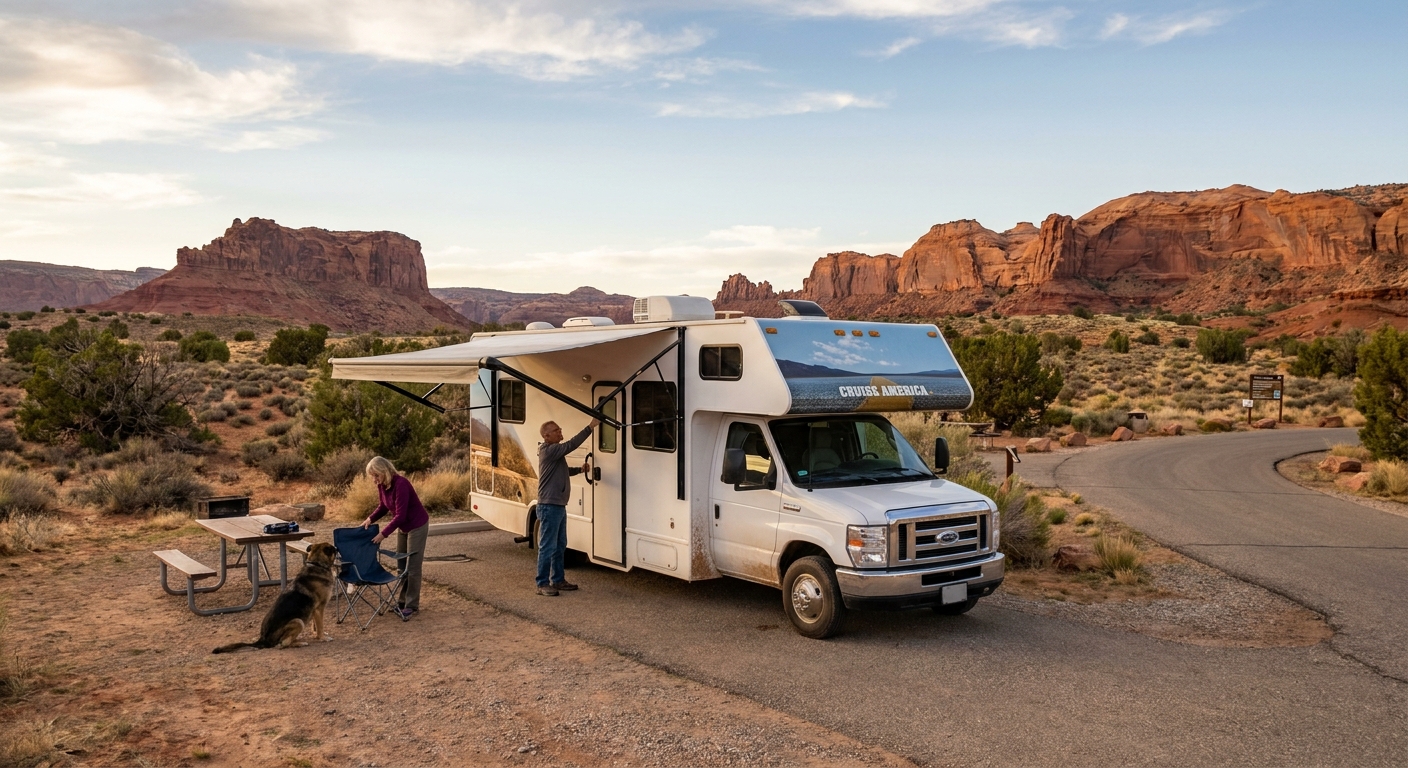
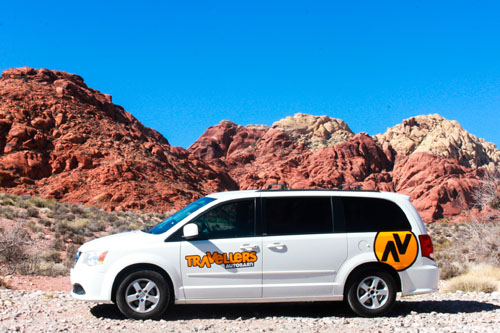
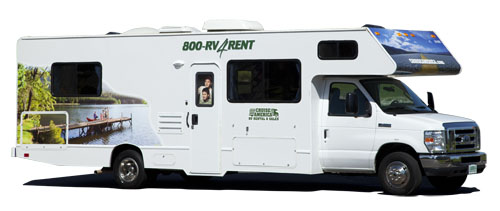
When you rent an RV, like our spacious "cruise america rv rental example Explorer" motorhome, which can sleep up to 4 people, you'll find it's designed for comfortable driving. If you're considering a more compact option, a Class B Camper Van, such as the "2 Berth Hi Top," is also a great choice for couples and offers excellent maneuverability.
Road Conditions & Terrain in USA
The USA offers a stunning diversity of road conditions and terrain, perfect for any RV adventure. You'll encounter everything from meticulously maintained interstates connecting major cities to more challenging mountain passes and unpaved roads in some national parks. Be prepared for varied landscapes, including vast deserts, lush forests, majestic mountain ranges like the Rockies and Appalachians, and picturesque coastal routes. Planning your route with RV-specific navigation is key to ensuring a smooth journey, especially when exploring scenic areas.
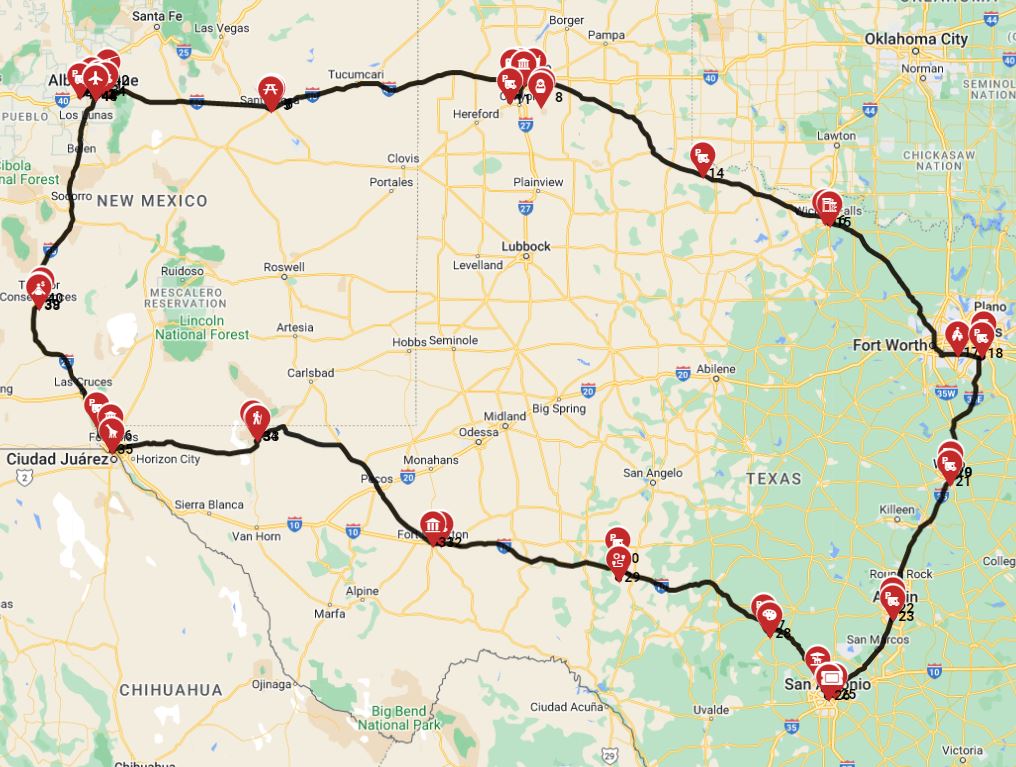
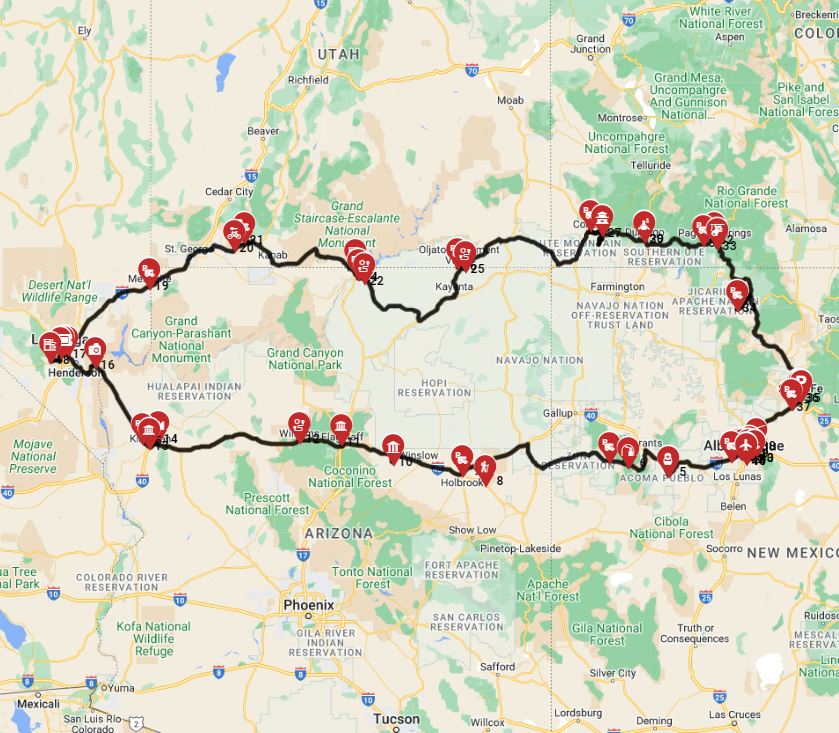
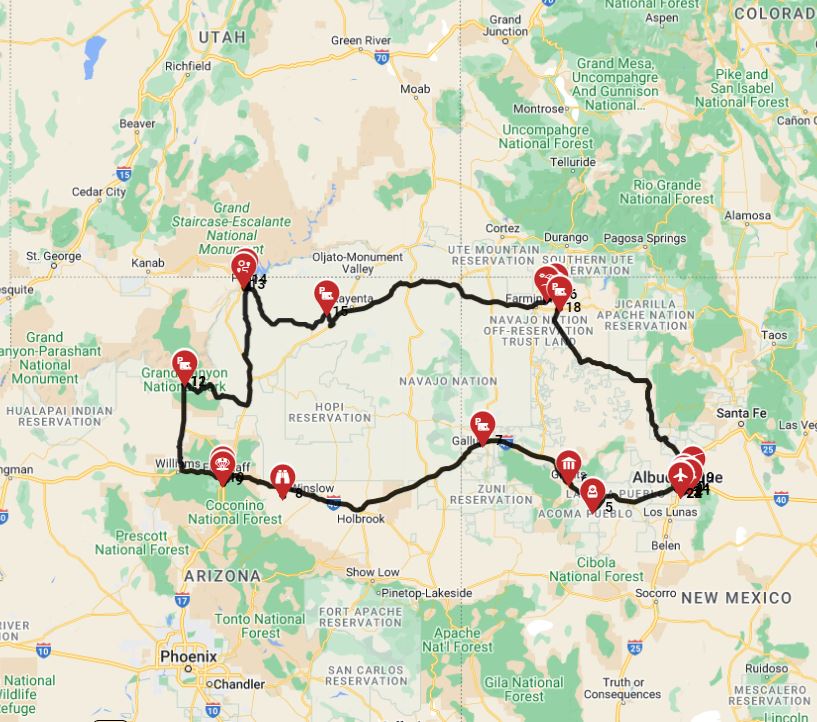
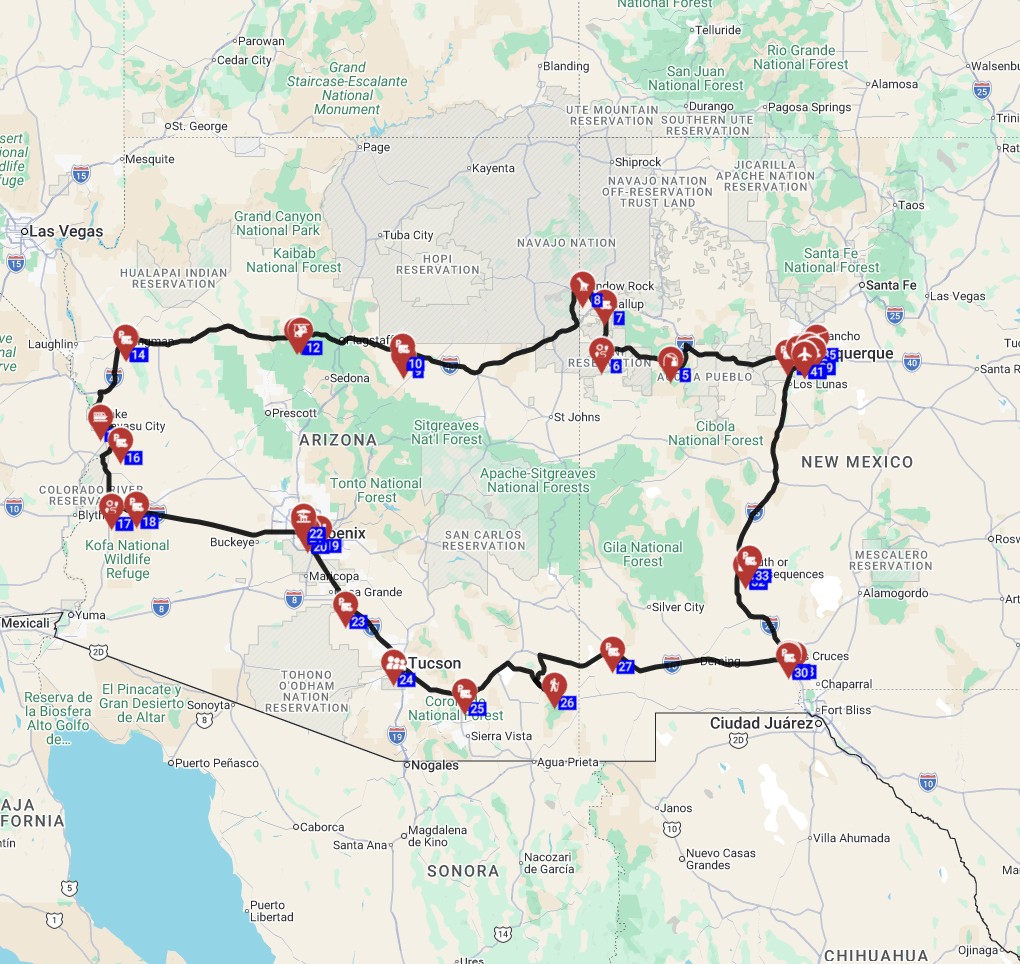
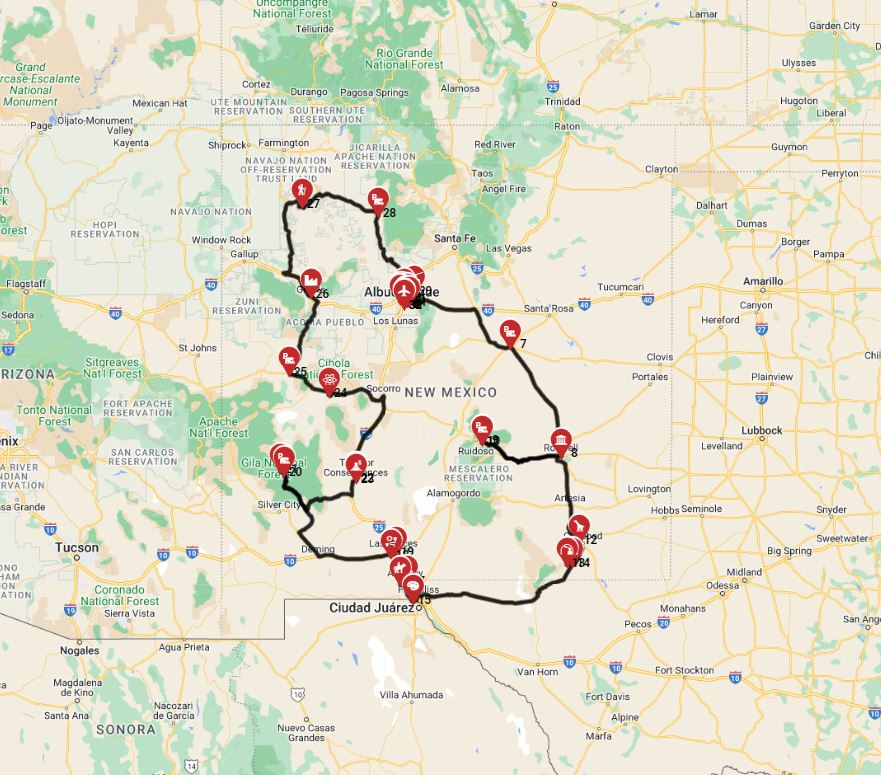
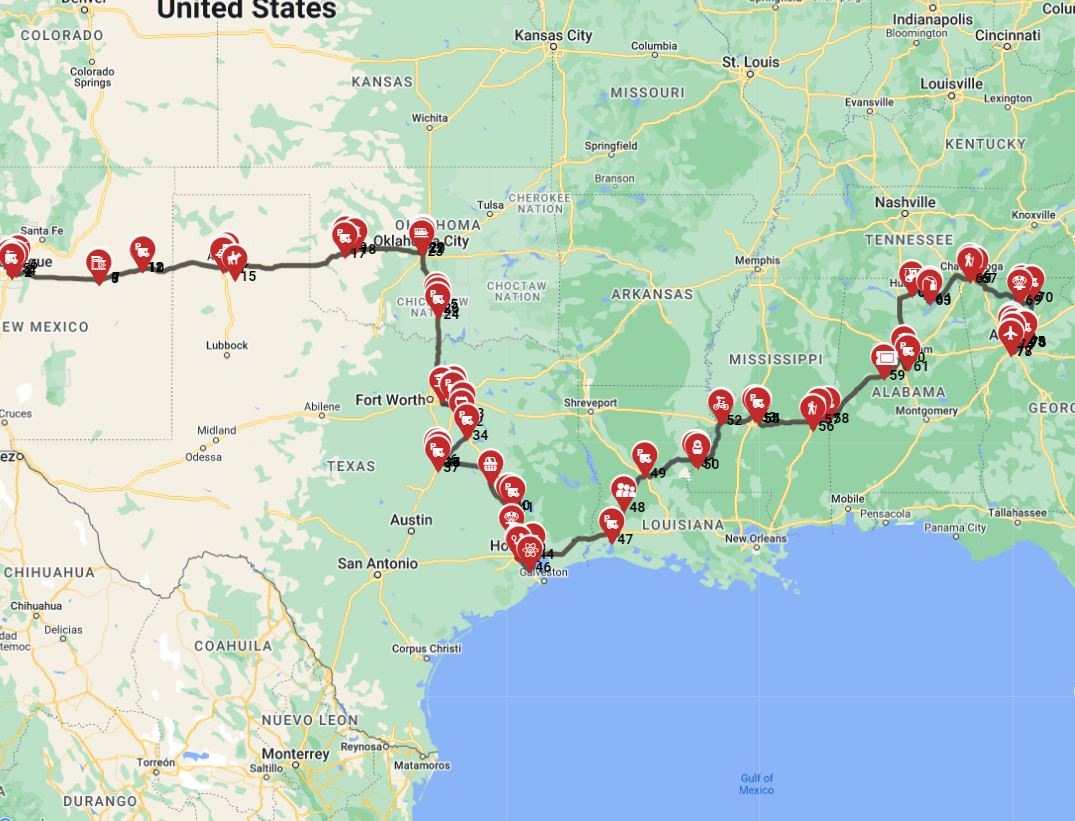
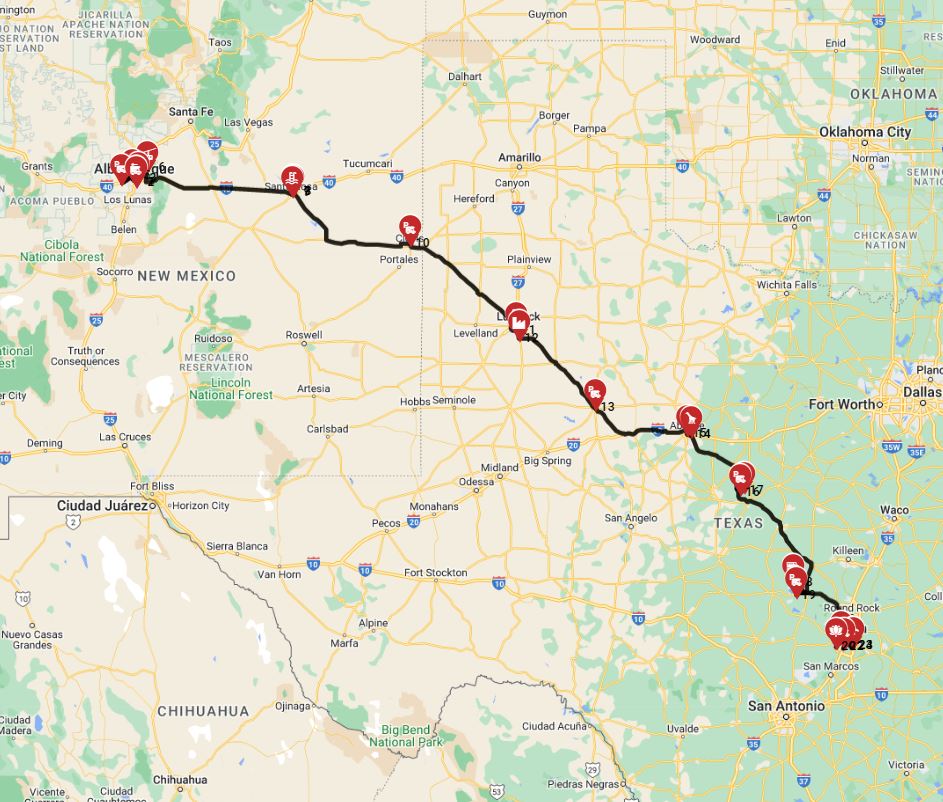
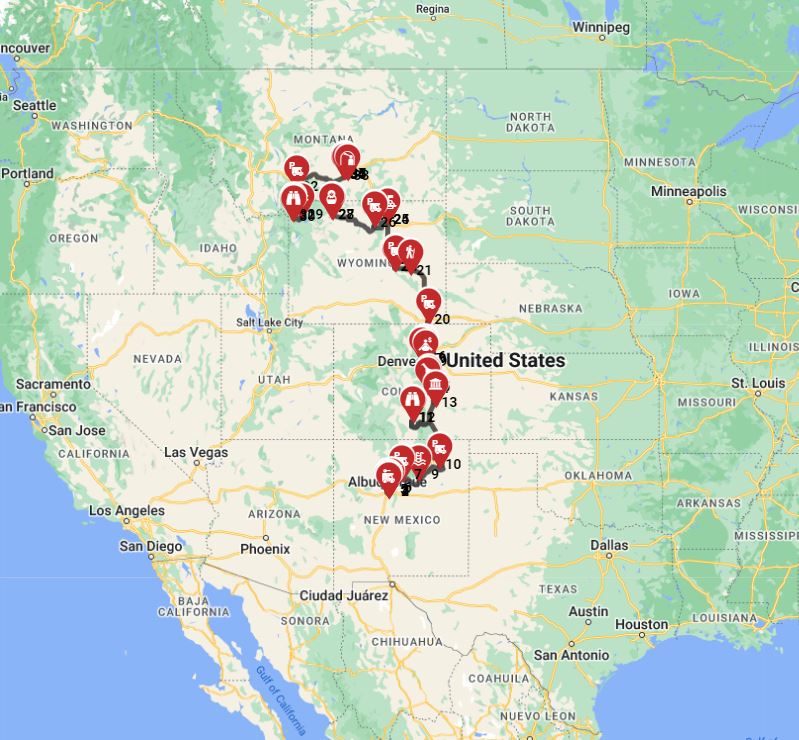
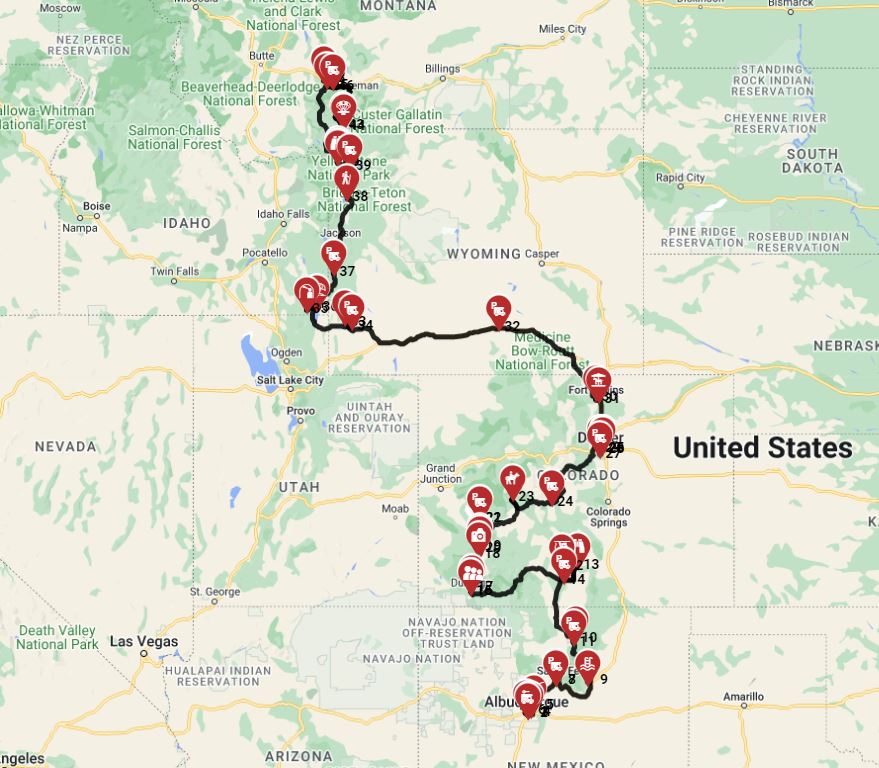
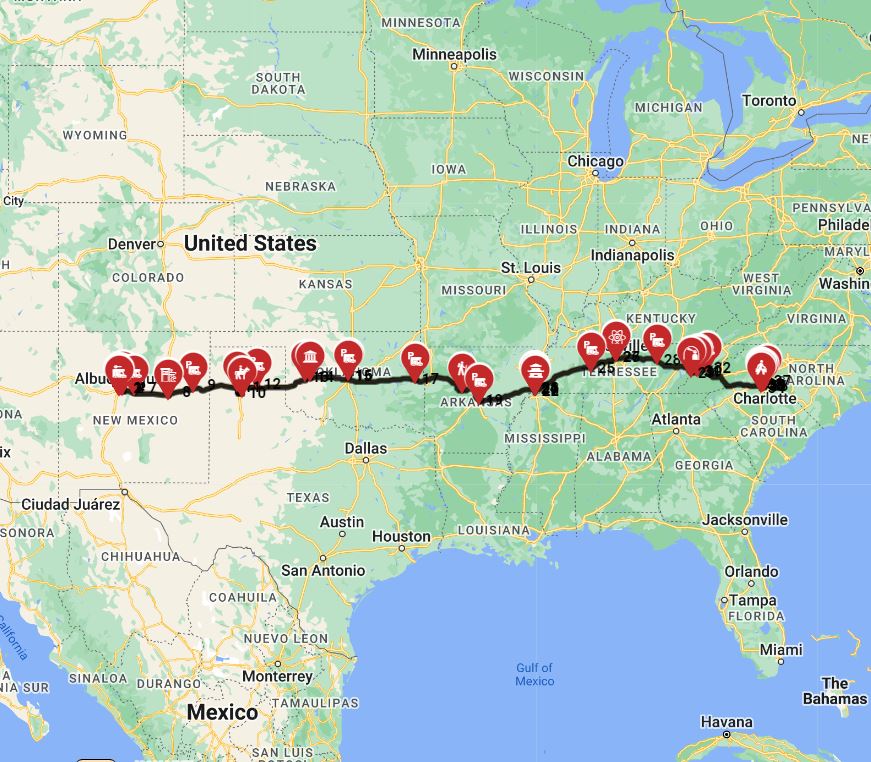
For a truly immersive experience, consider a pre-planned itinerary. Our RV PLANET routes offer carefully curated journeys, like the "Billings to Orlando - Rockies to Disney: USA Motorhome Journey," which spans 5,678 km and includes a fantastic mix of attractions. This 25-day trip highlights 1 Amusement Park, 1 Animals Show / Wildlife watch, 1 Aquarium, and 4 hiking areas, giving you a taste of the diverse experiences available across the country.
RV Size Limits, Bridges & Restricted Zones
When planning your weekly RV rental in the USA, it’s important to be aware of potential size restrictions, especially regarding bridge clearances and access to certain areas. RV length limits can vary by state, but generally range from 35 to 45 feet for single vehicles, with combination vehicle limits being higher. Always be mindful of low bridge clearances, which are more common on secondary roads or in older urban areas. RV heights typically range from 10 to 13.5 feet, so keeping an eye on signage is crucial.
While most major roads and campgrounds in the USA are designed to accommodate larger RVs, some urban centers or protected natural areas might have specific restrictions on RV size or access. These are usually well-indicated by local signage or park regulations. For example, some roads within national parks may have length or width limitations. Always observe posted signs and consult your rental provider or park information if you're unsure about specific route restrictions.
Fuel: Diesel vs. Petrol & Cost per 100 km
Understanding your RV’s fuel type and consumption is essential for budgeting your trip. Most smaller to mid-sized RVs, such as Class B Camper Vans and Class C motorhomes, typically run on petrol (gasoline). Larger Class A motorhomes and some truck campers might utilize diesel. Bandana's fleet data indicates that common fuel consumption ranges vary: Class B Camper Vans average around 8-10 Liters/100 km, Class SI Semi-integrated RVs often see 10-11 Liters/100 km, and Class C Alcove models typically consume 10-12 Liters/100 km. On the routes offered through RV PLANET routes, you can itemize and track every expense along the way for easy budgeting.
Diesel fuel generally offers better mileage for heavier RVs, but its availability and price can fluctuate across different regions. Some rental companies may offer fuel card perks or discounts, so it's always worth inquiring about these options when booking your rental. Planning your fuel stops based on your RV's consumption will help you avoid unexpected expenses and keep your journey running smoothly.
Tolls, Vignettes & Border Rules
Navigating road tolls in the USA is straightforward, as they do not use a vignette system like some European countries. Instead, tolls are typically paid per use, often electronically or at toll booths. States like Florida, Illinois, New York, and California are known for having extensive toll road networks. To ensure seamless travel and avoid potential fines, many RV rental companies offer optional electronic toll passes or transponders that can be added to your rental agreement.
For those planning a weekly RV rental solely within the USA, border rules are not a primary concern. However, if your itinerary includes venturing into Canada or Mexico, remember that you'll need appropriate documentation, including your passport, vehicle insurance that covers international travel, and potentially entry permits. Always check the specific requirements for any cross-border travel well in advance.
Driving Tips for weekly rv rental Travelers
Embarking on a weekly RV rental in the USA is an incredible experience, and a few key driving tips can make it even smoother. Always plan your route using RV-specific navigation apps. These tools are invaluable for accounting for height and weight restrictions, and for avoiding narrow roads or steep grades that might be challenging for larger vehicles. For example, if you're considering our "Toronto Roundtrip - facing north" route, which includes Niagara Falls and the Thousand Islands, RV-specific navigation will be crucial for enjoying the 1,769.7 km journey.
Remember to take frequent breaks, ideally every 2-3 hours, to combat driver fatigue, especially on longer driving days. Budget for potential hidden costs beyond the rental and fuel, such as propane refills, campground hookup fees, and national or state park passes. These ancillary costs are often overlooked but are an important part of trip planning. For finding campsites along your route, we recommend using RV PLANET routes, as they can help you locate available spots.
Familiarize yourself with your rented RV’s basic systems before you depart—this includes water, electrical, and sewage. Knowing how to operate these and where to find roadside assistance is crucial for handling any unexpected issues. Staying connected is also vital; consider using cell boosters or Wi-Fi hotspots for reliable navigation, entertainment, and safety, especially when traveling through remote areas.
Recommended RV Class for USA Roads
For most weekly RV rentals exploring the diverse roads of the USA, we highly recommend the Class C (Alcove) and Class SI (Semi-integrated) motorhomes. These classes strike an excellent balance between comfort, living space, and relative ease of driving, making them ideal for a variety of travelers. Our global fleet data shows that Class C Alcove models, averaging 7.5 meters in length, comfortably sleep around 5.8 people, offering ample space for families and robust construction suitable for different terrains.
Alternatively, Class SI Semi-integrated RVs, typically averaging 6.9 meters in length and sleeping about 3.8 people, provide a slightly more compact option. They still offer excellent amenities and good maneuverability, which can be beneficial in certain areas. Both these classes provide a fantastic home base for your adventures, whether you're navigating scenic byways or setting up camp in a national park. Consider the "rv rentals utah example Sunrise Escape" as an example of a trip that would be wonderfully suited for these RV types.
Should I Choose a Compact Van Instead of a Large RV in USA?
The choice between a compact van and a larger RV for your USA road trip depends on your priorities. While a compact van, like a Class B Camper Van, offers superior maneuverability for navigating tight historic city centers and narrow mountain passes, most US roads and campgrounds are quite accommodating to larger RVs. The main trade-off is between ease of driving and parking versus interior comfort and living space.
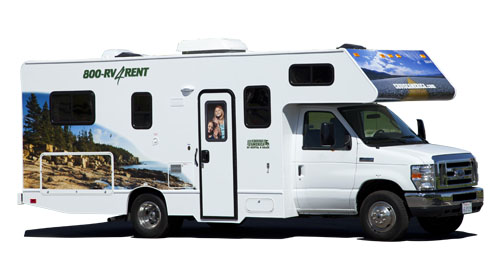
Larger RVs, such as the "24' Class C Motorhome" which comfortably sleeps 4-6, provide more room for relaxation, cooking, and separate sleeping areas, enhancing comfort during a week-long rental. A Class B Camper Van, averaging about 5.8 meters in length, might be preferable if extensive city exploration is a primary goal. However, for general touring and prioritizing comfort and amenities, a Class C or Class SI RV often delivers a better overall experience, allowing you to truly settle in and enjoy your surroundings. For ideas you can prep on the road, watch our RV-friendly recipes playlist on YouTube.
Can I Park Anywhere? Free & Wild Camping Rules in USA
Exploring the vastness of the USA by RV often brings up questions about where you can park and camp. Good news – free or 'wild' camping, often referred to as dispersed camping, is permissible in many parts of the USA. This is particularly true on federally managed lands like National Forests and Bureau of Land Management (BLM) areas, offering incredible opportunities for remote and scenic stays.
When engaging in dispersed camping, always adhere to 'Leave No Trace' principles. This means packing out all your trash, minimizing campfire impact, respecting wildlife, and maintaining quiet hours. It's crucial to remember that rules vary significantly by region, park, and local jurisdiction. Always check local regulations and heed posted laws before parking overnight, as unauthorized camping can lead to fines or towing. Utilizing resources like RV PLANET routes can help identify areas where dispersed camping is common and permitted.
Can I Drive an RV Into the City Center? Heights, Tunnels & Local Signage
Driving an RV into city centers in the USA is generally feasible, but it requires careful attention to local signage. Be mindful of restrictions for height clearances in tunnels, under bridges, and on certain urban roads. While many cities welcome RVs, street parking availability can be extremely limited or outright restricted for oversized vehicles. It's wise to scout parking options in advance or consider utilizing 'Park & Ride' facilities and public transport to access the core of a city.
Some cities may also have designated environmental zones or residential-only streets that could affect RV access. Always observe local signage carefully, as these regulations are in place for safety and traffic management. For a stress-free city experience, parking at a suburban RV park or a designated 'Park & Ride' and then using public transport into the city center is often a practical solution.
What is the 3-3-3 rule for RV driving?
The 3-3-3 rule is a popular guideline for RV driving that promotes a more relaxed and safer travel experience. It recommends limiting your daily travel to no more than 300 miles, aiming to arrive at your destination by 3 PM, and staying at each location for at least 3 nights. This guideline is designed to prevent driver fatigue by keeping driving days manageable, reduce the stress of navigating unfamiliar areas in the dark, and allow ample time to set up camp and truly explore your surroundings.
Adopting the 3-3-3 rule means embracing a slower pace of travel, which is often the essence of RVing. It encourages deeper engagement with each destination, fostering opportunities to connect with local culture, discover hidden gems, and avoid the feeling of constantly rushing. This approach can transform your trip from a simple journey to a truly enriching experience.
How big of an RV can you drive with a regular driver's license?
In most U.S. states, you can drive an RV with a Gross Vehicle Weight Rating (GVWR) of up to 26,000 pounds using a standard Class D driver's license – the same license used for regular cars. This weight limit comfortably covers the vast majority of commonly rented RVs, including most Class B, C, and even many Class A motorhomes. So, whether you choose a nimble Class B Camper Van like the "2 Berth Rover" or a more spacious Class C motorhome such as the "24' Class C Motorhome," your regular driver's license should suffice.
Only a few states have slightly different regulations, potentially requiring a non-commercial special license for RVs exceeding the 26,000-pound GVWR threshold or for exceptionally long vehicles. However, for the typical weekly RV rental, a standard license is all you'll need to get on the road and start your adventure across the USA.
What is the longest RV you can drive without a CDL?
Typically, the length of an RV does not trigger Commercial Driver's License (CDL) requirements in the USA; these regulations are primarily based on the vehicle's Gross Vehicle Weight Rating (GVWR) exceeding 26,000 pounds. While most states do have maximum length limits for recreational vehicles, often around 40 to 45 feet for a single unit, these limits generally apply to all drivers, regardless of license type.
This means that as long as your chosen RV's GVWR remains below the 26,000-pound threshold, you can usually operate even the longest legal RVs with a standard driver's license. Keep in mind that a few states might have specific non-commercial special licenses for very long RVs, so it's always good practice to check state-specific regulations if you plan an extensive trip covering multiple states.
Can you sleep in an RV while driving in the USA?
While the driver must always be attentive and focused on the road, passengers can generally sleep in the living area of an RV while it's in motion in the USA. The key is ensuring that their sleeping arrangements do not obstruct the driver's view or otherwise compromise safety. All passengers, even those sleeping, must always wear their seatbelts while the RV is moving to ensure their safety in case of sudden stops or accidents.
It's important to secure any loose items within the RV to prevent shifting during transit. Sleeping should not occur in the driver's seat unless that person is the designated driver currently on duty. This rule ensures that everyone prioritizes safety while enjoying the convenience of mobile living.
What is the 3-3-3 rule for RV living?
While the '3-3-3 rule for RV driving' is a well-established guideline, the concept for 'RV living' is more personal and flexible. Some full-time RVers adopt a similar rhythm, perhaps staying at a location for at least 3 days to fully immerse themselves in the area, utilize campground amenities, or connect with fellow travelers. Others might interpret it as moving roughly every 3 days to explore new regions.
Ultimately, the 'rule' for RV living is about finding a pace that balances exploration with routine, comfort, and personal enjoyment. It emphasizes flexibility, allowing you to adapt your schedule to discover new places, make meaningful connections, and manage the day-to-day tasks of life on the road in a way that feels most fulfilling.
What states can you live in your RV full-time?
You can legally live in your RV full-time in all 50 U.S. states. However, establishing a legal domicile – your official residence for voting, tax, and service purposes – is a separate process that requires careful consideration of each state's specific laws. This choice can significantly impact your financial and legal framework as a full-time RVer.
States like Florida, Texas, and South Dakota are particularly popular among full-time RVers for establishing domicile. They often offer advantages such as favorable residency laws, no state income tax, and readily available mail forwarding services, which streamline the process of receiving mail and managing administrative tasks. When considering full-time RV living, research each state's requirements for mail forwarding, healthcare access, vehicle registration, and insurance to ensure you meet all necessary obligations.
What licence do I need to drive an RV in the USA?
For the vast majority of RVs available for weekly rental in the USA, a standard Class D driver's license—the same license you use for your car—is all that is required. This applies as long as the RV's Gross Vehicle Weight Rating (GVWR) is below 26,000 pounds, which covers most Class B, Class C, and many Class A motorhomes. This makes renting and driving an RV accessible to most licensed drivers.
Only a small number of states have slightly different requirements, potentially necessitating a non-commercial special license for RVs that exceed the weight threshold or specific length regulations. Rest assured, when you book through Bandana, we'll help ensure you have the correct licensing information for your chosen vehicle and destination within the USA.
What size RV can you drive without a special license?
In the USA, you can typically drive an RV of virtually any physical length without needing a special license, provided its Gross Vehicle Weight Rating (GVWR) remains below 26,000 pounds. The critical factor determining licensing requirements is the RV's weight, not its length, although state-specific maximum length laws still apply to all vehicles on the road.
This means that most commonly rented RVs, including large Class C motorhomes and many spacious Class A models, can be operated with just a standard driver's license. This accessibility allows a wide range of travelers to experience the freedom of RV travel across the country.
How much is basic RV insurance?
For a weekly RV rental, the cost of basic RV insurance is typically included within your overall rental fee. This coverage usually provides the minimum liability protection required by law. It's important for renters to meticulously review their rental agreement to fully understand the extent of this included coverage, as it often meets only the basic legal requirements and may not cover damage to the rental unit itself.
To gain more comprehensive protection during your trip, many rental companies offer optional insurance packages. These can include collision damage waivers, supplemental liability insurance, and personal effects coverage, providing added peace of mind. We always recommend exploring these additional coverage options to ensure you're adequately protected throughout your RV adventure.
Who has the cheapest insurance for RVs?
When it comes to weekly RV rentals, the 'cheapest' insurance is generally the basic liability coverage that is already bundled into your rental agreement. Separate RV insurance policies are typically for RV owners, not renters, so focus on understanding the coverage included with your rental.
While the base rental insurance is included, comparing the additional coverage options provided by the rental company is crucial. This comparison can help prevent significant out-of-pocket expenses in the event of an accident or damage to the rental vehicle. Additionally, check if your personal auto insurance policy or credit card benefits offer any secondary coverage for RV rentals, which could potentially supplement the basic rental insurance.
What You Shouldn't Miss
- Drive a portion of historic Route 66: Experience a slice of classic Americana, perhaps near Amarillo, Texas, or Seligman, Arizona, and look for unique roadside attractions.
- Explore a National Park: Whether it's the majestic canyons of Zion, the geysers of Yellowstone, or the giant sequoias of Yosemite, spending time in these natural wonders is a must. Many RV PLANET routes are designed around accessing these parks.
- Experience a 'Singing Road': If your travels take you near New Mexico, seek out the unique rumble strips on Route 66 that play "America the Beautiful" when driven over at 45 mph.
- Visit a National Scenic Byway: Choose one of the USA's over 150 designated routes, like the Pacific Coast Highway in California or the Blue Ridge Parkway in Virginia, for unparalleled scenic drives.
- Discover 'Dispersed Camping': Venture off the beaten path in National Forests or BLM lands for a truly immersive, free camping experience, adhering strictly to 'Leave No Trace' principles.
Final Thoughts
Renting an RV for a week-long trip in the USA opens up a world of possibilities, allowing you to explore the country at your own pace and truly immerse yourself in the diverse landscapes and cultures. From the sweeping vistas of national parks to the vibrant energy of its cities, an RV provides the freedom and comfort to craft your perfect adventure.
Remember that planning is key, from choosing the right RV class to mapping out your route with RV-specific considerations in mind. With Bandana Caravan and resources like RV PLANET, you have the support and tools to make your USA RV road trip an unforgettable experience. So, pack your bags, hit the open road, and discover the incredible diversity the United States has to offer!