In This Guide
- Top 5 Tips for RV Rental in Washington DC
- Before You Book - Class, Dates, Insurance
- Pre-Trip Prep - Packing Checklist for Washington DC
- On the Road - Driving, Fueling, Navigation
- At the Campground - Setup, Hookups & Etiquette
- RV Rental-Specific Tips for Washington DC
- Common Mistakes to Avoid in Washington DC
- Is Washington, D.C. RV friendly?
- What is the 3-3-3 rule for RV travel?
- What is the 444 rule for RVs?
- What is the rule of 3 with an RV?
Top 5 Tips for RV Rental in Washington DC
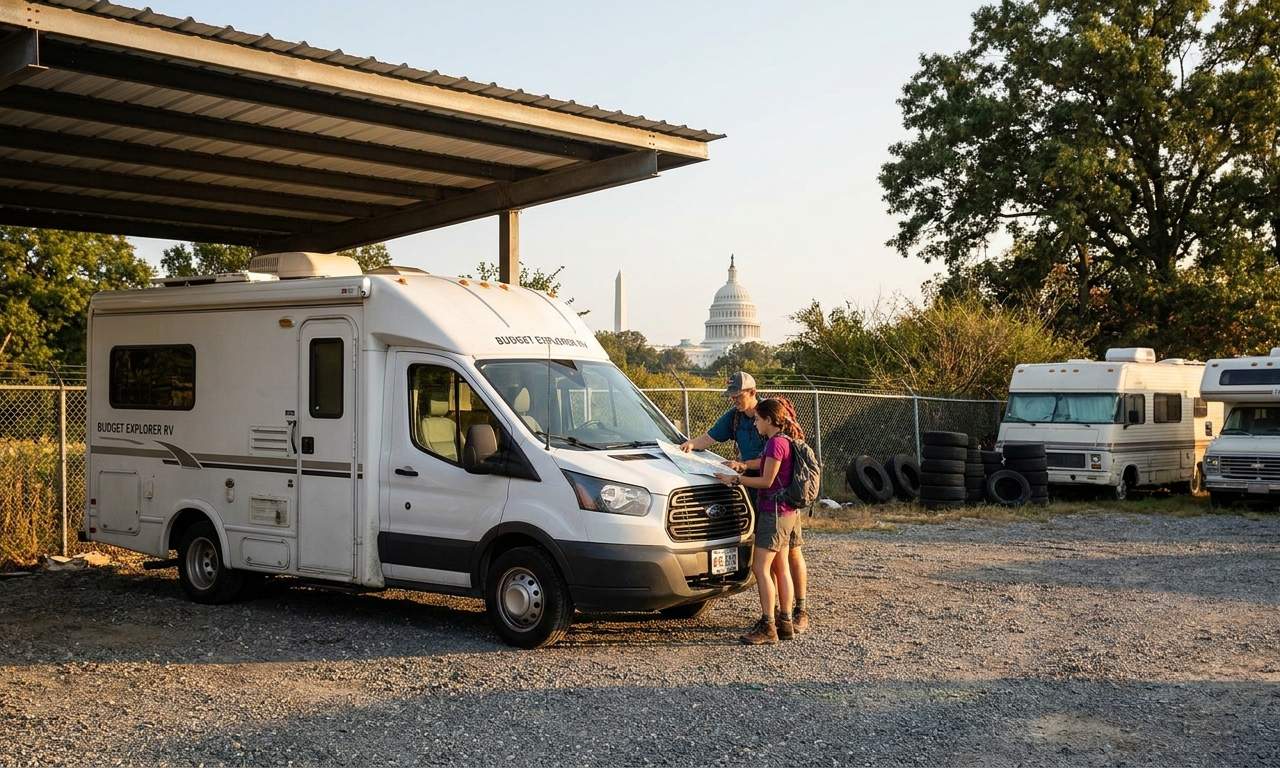
 To make your RV adventure in Washington DC as smooth as possible, thoughtful preparation is key. 1. Book your RV and campsites well in advance, especially for peak seasons like the Cherry Blossom Festival in spring, to secure preferred dates and locations, which can lead to savings of up to 20% on your rental. 2. Prioritize an RV size that balances comfort with maneuverability, considering Class B campervans for their agility or a compact Class C motorhome like an `rv rental denver example Category Van` for smaller families, which are easier to handle on suburban roads. 3. Research RV-friendly parking near D.C. public transit stations, such as the numerous park-and-ride lots along the Metrorail, to access city attractions without driving your RV into dense areas. 4. Familiarize yourself with D.C.'s comprehensive public transportation system, including Metrorail and Metrobus, for efficient travel within the city's 6 lines and 91 stations. 5. Understand and adhere to specific RV rules and regulations for overnight stays and parking in the greater D.C. area, as some local ordinances restrict oversized vehicle parking. Remember, we offer 24/7 support before and after your booking to assist with any questions, making your journey from the first click worry-free.
Before You Book - Class, Dates, Insurance
Selecting the right RV class for your Washington D.C. adventure balances comfort, capacity, and ease of driving, directly impacting costs and maneuverability. For couples or small families, a Class B campervan, which typically measures under 7 meters in length, offers excellent fuel efficiency (around 10-15 L/100km) and easier parking compared to larger models. A Class C motorhome, like a `cruise america rv rental example Explorer` with sleeping places for 4 and a length of 7.1 meters, provides more living space and amenities for families of 2+2, while still being manageable. Booking your RV rental dates significantly influences availability and pricing, with early reservations recommended for popular periods like spring and fall to potentially save 15-20% on daily rates. Prices are dynamic, similar to flight tickets, changing daily based on availability, seasonality, and supplier marketing decisions, so the final price is set at the actual booking time. Insurance options for your RV rental typically include basic coverage, with opportunities to upgrade for more comprehensive protection, such as top-level deductible reimbursement, for extra peace of mind. We transparently compare final prices across 50+ suppliers, so you don't have to. Consider the total cost breakdown, including rental fees, estimated fuel (a Class C might consume 20-25 L/100km), potential tolls on I-95 or I-495, public transport passes (a 7-day unlimited Metrorail pass costs around $58), and specific RV parking fees to budget effectively. For broader context on RV travel in the region, check out our RV Rental Virginia - Complete Guide 2026.Pre-Trip Prep - Packing Checklist for Washington DC
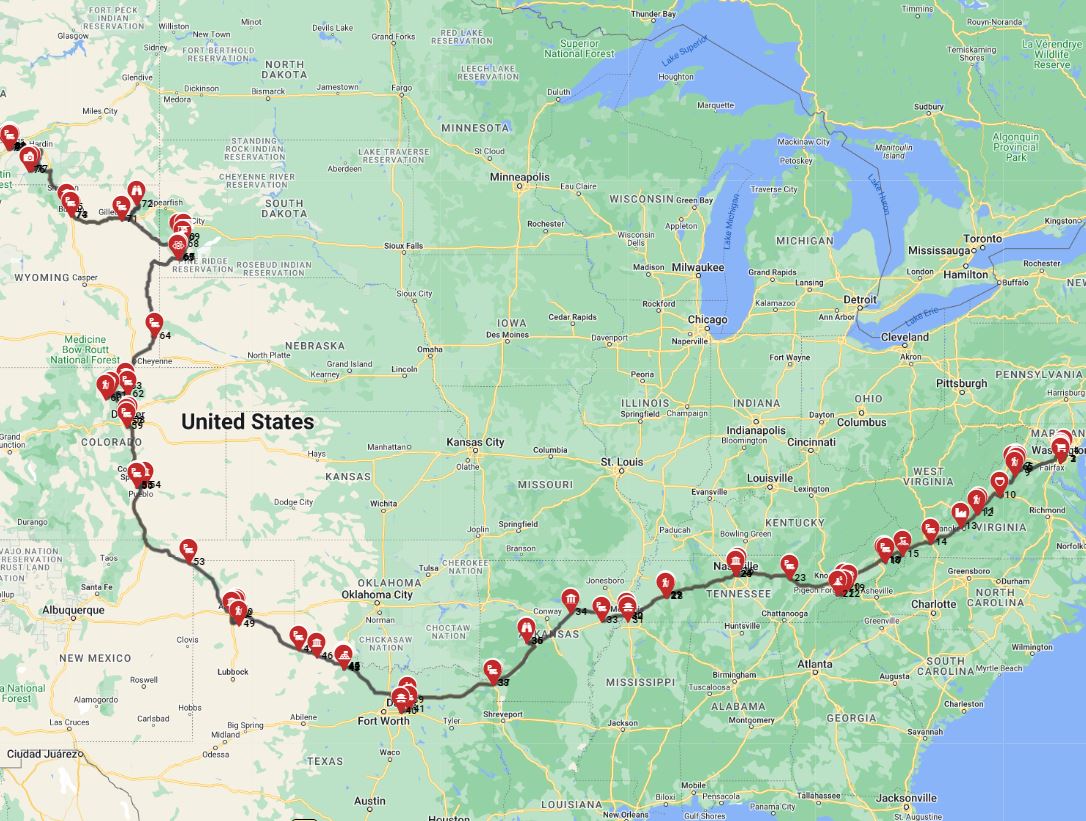
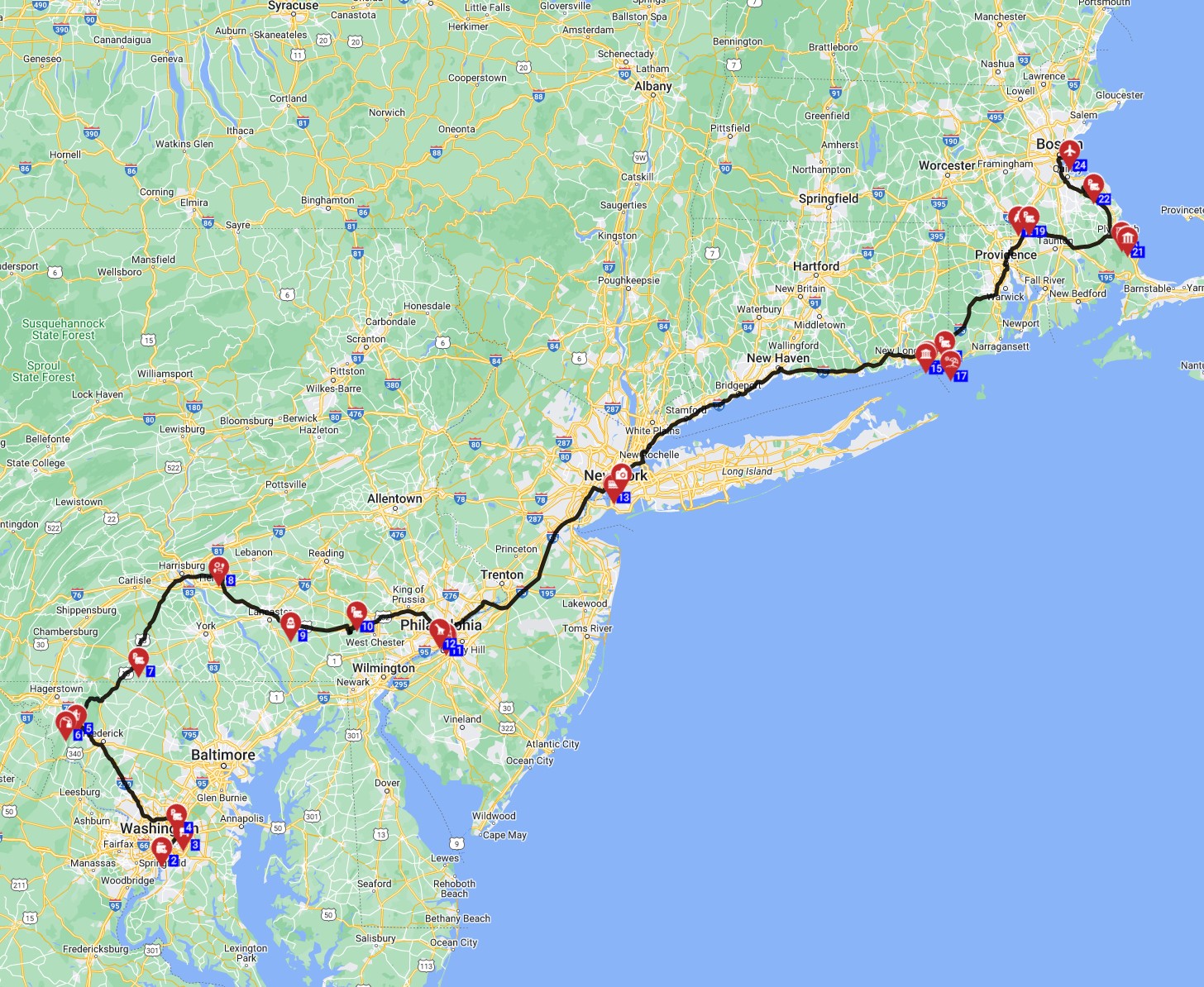
A well-organized packing list ensures a comfortable and hassle-free RV trip to Washington D.C., accommodating its varied climate and urban exploration needs. Planning is crucial for any trip, and especially for an extended road trip to a major city. Our professionals at RV PLANET can create pre-planned routes for you with Rent&Plan, offering a 25% planning discount for using rvplan.net.- **Clothing:**
- Layers for varying temperatures (evenings can be cool, especially in spring and fall)
- Comfortable walking shoes for extensive sightseeing around the National Mall (covering over 2 miles)
- Rain gear (umbrella or light jacket) is advisable for unpredictable weather
- Dress code appropriate attire for certain D.C. attractions, like congressional buildings or upscale dining.
- **Kitchen:**
- Basic cooking supplies (salt, pepper, oil) for preparing meals in your RV's kitchen, which often features a 3-burner gas stove and a 90-liter refrigerator, similar to the `cruise america rv rental example Explorer` model. Need some inspiration? Check out our RV-friendly recipes playlist.
- Reusable water bottles to stay hydrated while exploring.
- Cooler for day trips into the city, keeping snacks and drinks fresh.
- Non-perishable food items to minimize grocery stops.
- **Safety:**
- First-aid kit for minor emergencies.
- Flashlight or headlamp for navigating campgrounds at night.
- Roadside assistance information readily accessible.
- Fire extinguisher (check RV status upon pickup, typically included).
- **Documents:**
- RV rental agreement and insurance papers.
- Driver's license (a standard license is sufficient for all motorhome classes) and any recommended International Driving Permit (IDP) for non-English speakers.
- Campground reservation confirmations.
- Maps and guidebooks (digital or physical) for navigation and exploration.
On the Road - Driving, Fueling, Navigation
Navigating to and around Washington D.C. in a rented RV requires careful planning for traffic, specific fueling locations, and reliable navigation that accounts for vehicle dimensions. Driving an RV in the D.C. metropolitan area often involves heavy traffic, especially during rush hour from 6-9 AM and 3-7 PM, and requires vigilance for lane changes and exits on major arteries like I-495 (the Capital Beltway) and I-270. Drive slowly and carefully, and you can drive almost anywhere without issues. No need to stress - just use common sense and pay attention. For instance, successfully navigating the complex multi-lane traffic circles in the city requires keen observation and early lane selection. Finding RV-friendly fueling stations with adequate clearance (typically 12-14 feet) and space is crucial; plan these stops in advance using specialized apps or by consulting station maps. Utilize GPS systems that account for RV height, weight, and length restrictions to avoid low bridges, restricted tunnels (like the I-395 tunnel), and tight urban routes. Strategize day parking by identifying specific large-vehicle friendly lots near Metrorail stations, such as those at suburban park-and-ride facilities like those near Franconia-Springfield or Shady Grove, which often accommodate oversized vehicles for a fee (typically $10-$20/day) and provide convenient access to public transit into D.C. Allocate funds for potential tolls when planning your route into the D.C. area, as many highways, bridges, and tunnels have electronic tolling systems (e.g., Dulles Toll Road, parts of I-95 in Virginia). Our true RV specialists have personal experience with these routes and are always available for pre-booking advice. For more detailed driving advice, you might find our Driving an RV in Washington DC - Complete Guide 2026 helpful.At the Campground - Setup, Hookups & Etiquette
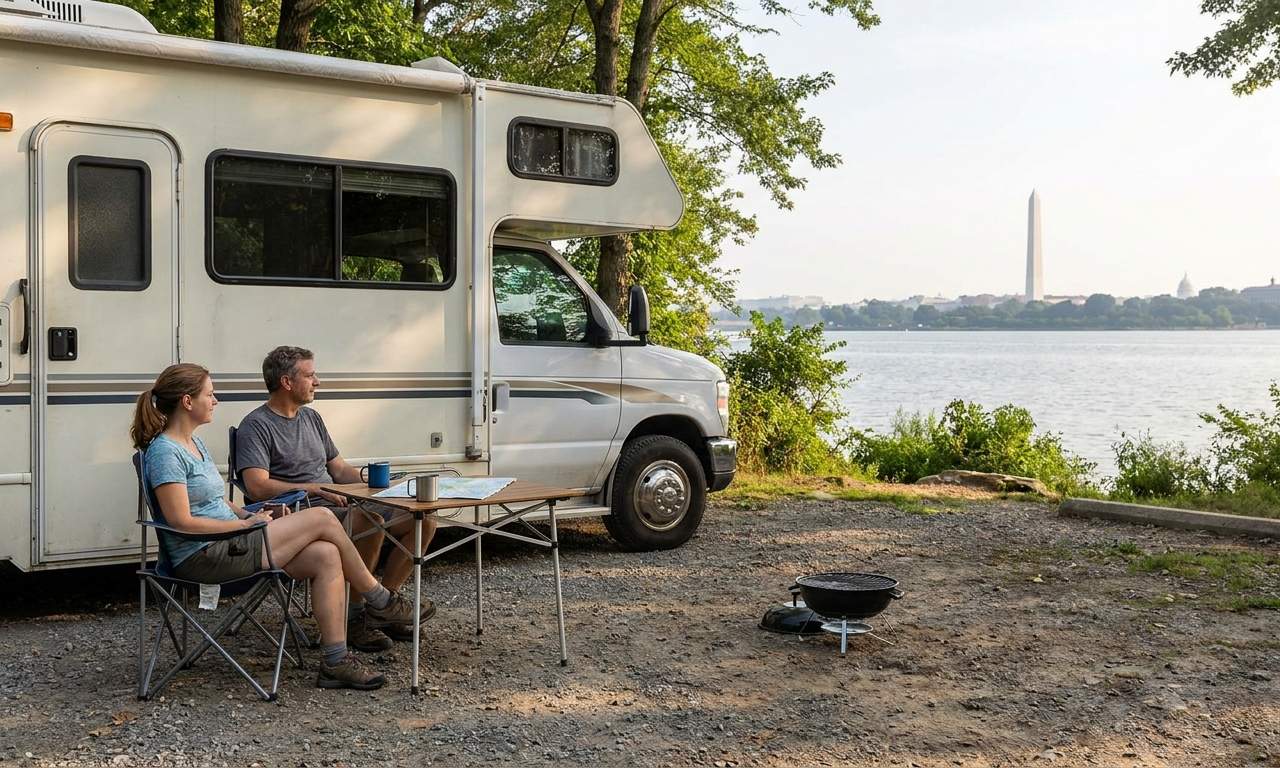
Proper setup and adherence to campground etiquette contribute to a smooth and enjoyable RV stay near Washington D.C., ensuring comfort for yourself and respect for fellow campers. Upon arrival at your campsite, such as at Cherry Hill Park in College Park, MD, or Pohick Bay Regional Park in Lorton, VA, first level your RV for optimal appliance function and drainage, using leveling blocks as needed. Then, connect shore power (many campgrounds offer 30-amp or 50-amp electrical hookups, with rates from $50-$80/night), followed by fresh water, and finally, the sewer hose, ensuring a secure connection to prevent spills. Respect quiet hours, typically from late evening (10 PM) to early morning (7 AM), to ensure a peaceful environment for all campers, and keep generator use within specified times (e.g., 8 AM - 8 PM). Properly dispose of all waste, including grey and black water, at designated dump stations at the campground, and keep your campsite tidy to maintain cleanliness and deter local wildlife. Many campgrounds near Washington DC also offer amenities like laundry facilities, recreation rooms, and even dog parks, enhancing your week-long trip experience.RV Rental-Specific Tips for Washington DC
Tailoring your RV rental experience to your specific traveler profile enhances a visit to Washington D.C., optimizing for comfort, convenience, or budget. For families exploring the capital, consider RVs with multiple sleeping areas and onboard entertainment, such as the `rv rentals example Comfort Class` which boasts 3 double beds, to keep kids engaged during downtime and provide nap-friendly drives, especially when returning from city excursions. This also makes preparing RV-friendly recipes playlist easier for family meals. Senior travelers may prefer Class C RVs or smaller Class A models for easier handling and ergonomic access, ensuring a comfortable and stress-free driving experience to and from D.C.-area campgrounds. A standard car driver's license is sufficient for all motorhome classes, and there are no young driver surcharges for those aged 21 and above. Budget-conscious travelers can explore alternative overnight stays like Harvest Hosts or Boondockers Welcome in the broader D.C. region for transit nights, which can significantly reduce campground costs; these options might be available outside the immediate 50 km radius of the city center. Luxury seekers might opt for RVs with premium amenities, high-end finishes, and consider add-ons like Wi-Fi hotspots, upgraded kitchenware, or outdoor living setups for a more upscale D.C. area experience. Our team of true RV specialists is here to guide you through these options, ensuring your journey is nothing short of exceptional. You can find more targeted routes in our Family RV Driving in Washington DC - Safe Routes 2026 or Luxury RV Driving in Washington DC - Scenic Routes 2026 guides.Common Mistakes to Avoid in Washington DC
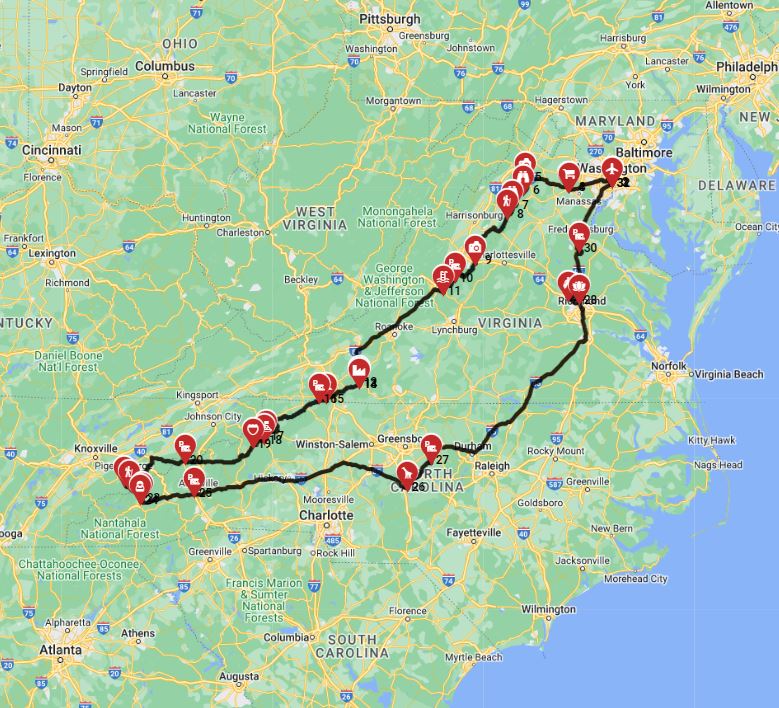
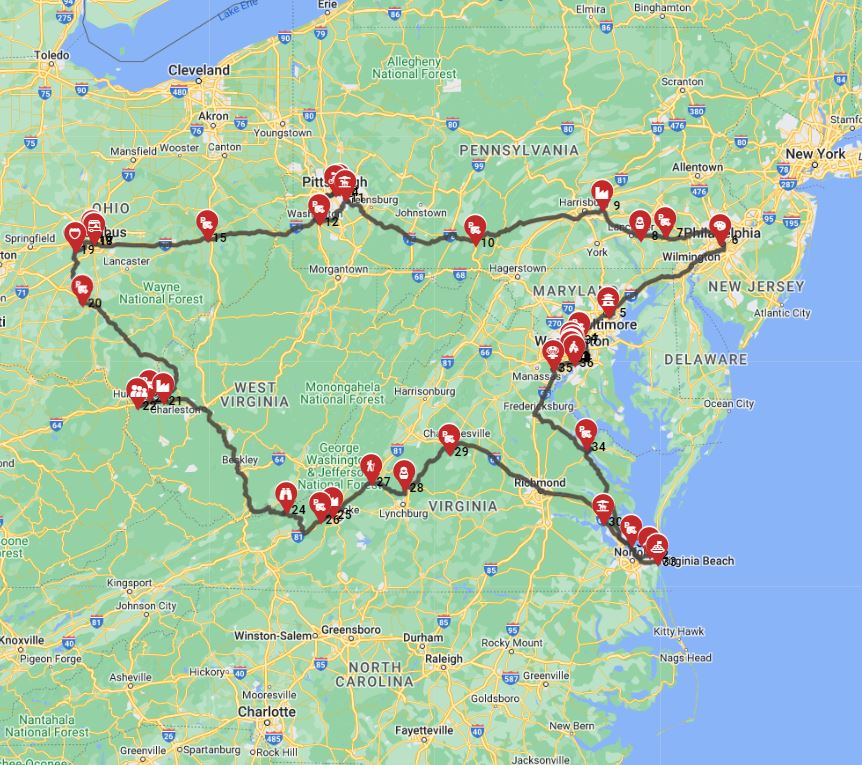
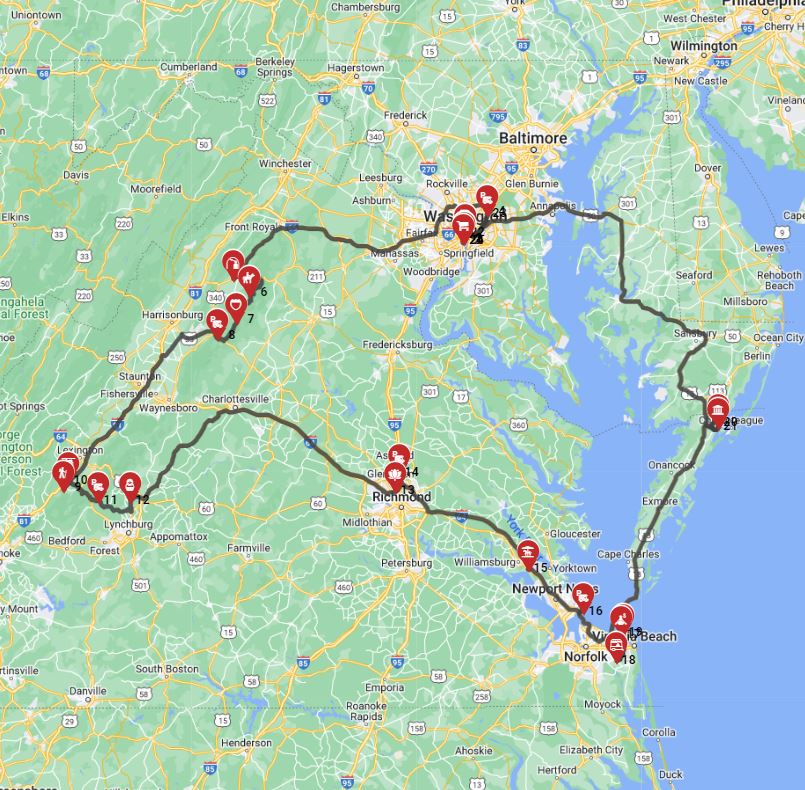
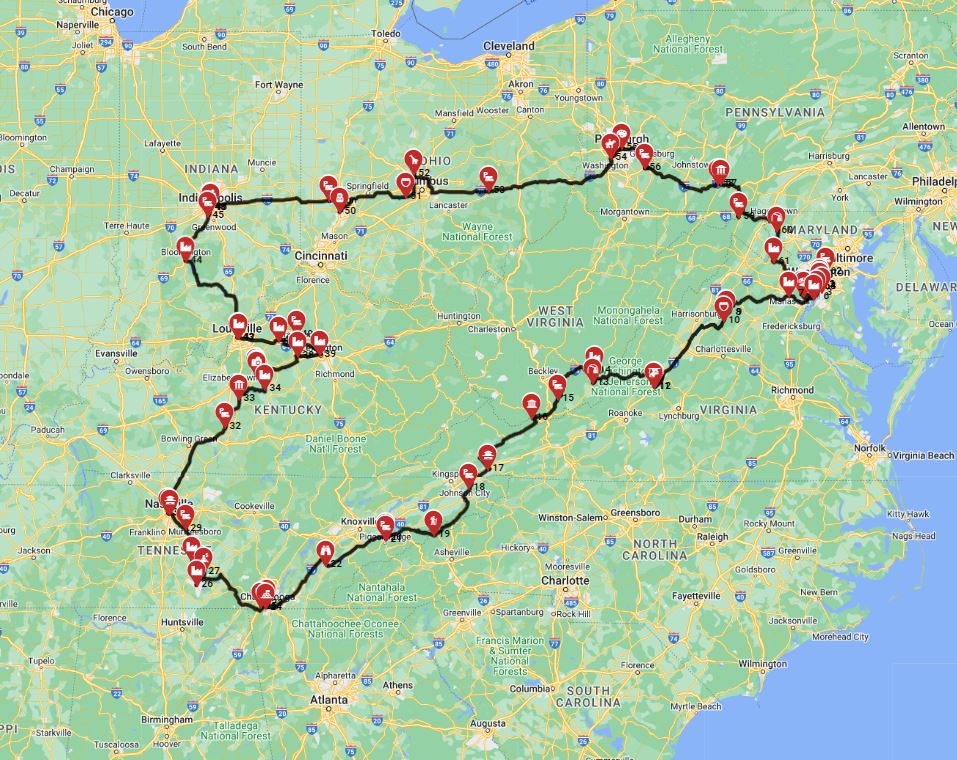
Avoiding common pitfalls can significantly improve your RV trip to Washington D.C., ensuring a more relaxed and efficient travel experience. Instead of assuming you can find last-minute campgrounds, book your RV park reservations several months in advance, especially for popular seasons like spring (Cherry Blossoms in March-April) or fall (September-October), to avoid being turned away, as popular spots like Cherry Hill Park can be fully booked 90+ days out. Rather than attempting to drive your RV directly into downtown D.C. with limited parking (often restricted to vehicles under 2.1 meters in height), plan to park at a suburban Metrorail station, such as Greenbelt or Branch Avenue, and use public transport for sightseeing, saving time and stress. Do not stress about navigating tight city streets; drive slowly and carefully, and you can drive almost anywhere without issues. Avoid underestimating D.C. traffic; instead, plan your RV travel times to avoid peak rush hours (e.g., 6-9 AM and 3-7 PM) and consider arriving at your campground during off-peak windows. Don't overlook the costs beyond the rental; instead, create a comprehensive budget that includes fuel, tolls, campground fees (ranging from $30-$80/night), specific RV parking fees, and public transportation passes for accurate financial planning. Our dedication to full transparency means no hidden fees or surprises for your rental, making budgeting straightforward. For detailed routes and expense tracking, consider utilizing RV PLANET routes.Is Washington, D.C. RV friendly?
Washington, D.C. presents unique challenges but is manageable for RV travelers with proper planning, leveraging nearby campgrounds and extensive public transportation. While direct RV parking in the city center is limited and often impractical due to vehicle size restrictions and congestion, numerous RV parks and campgrounds are located within a reasonable driving distance (typically 30-60 minutes) in surrounding Maryland and Virginia, such as Prince William Forest Park or Lake Fairfax Park. To navigate the city's attractions efficiently, travelers should plan to park their RVs at designated large-vehicle facilities or suburban Metrorail park-and-ride lots, which often accommodate oversized vehicles for a fee, and then utilize the D.C. Metrorail and Metrobus system (covering over 1,500 square miles). Integrating seasonal considerations, such as avoiding major events like Presidential Inaugurations or the National Cherry Blossom Festival without prior bookings, or visiting during milder shoulder seasons (April-May, September-October), enhances the overall experience of RVing in D.C. Successful RV visits to D.C. often involve strategic trip planning that optimizes for attractions accessible via public transit from common RV park areas, thereby avoiding difficult navigation zones for larger vehicles within the dense urban core. Our RV Travel Guide to Washington DC - Tips and Top Spots 2026 offers further insights.What is the 3-3-3 rule for RV travel?
The 3-3-3 rule for RV travel suggests a guideline for maintaining a comfortable pace: travel no more than 300 miles (approximately 480 km) a day, arrive at your destination by 3 PM, and stay for at least 3 nights. This rule aims to reduce driving fatigue by limiting daily travel to around 5-6 hours, allowing ample time for campground setup and relaxation, and providing sufficient time to explore the immediate area without the constant stress of relocation. When visiting Washington D.C. by RV, integrating the 3-3-3 rule means planning shorter travel days to your chosen D.C.-area campground, allowing you to settle in before peak rush hour traffic builds up on routes like I-95, and providing multiple full days to explore the city via public transit without needing to move your RV daily. Adhering to this rule around a busy metropolitan area like D.C. helps manage stress by avoiding late-night arrivals at unfamiliar campgrounds and ensuring you have adequate time to understand and utilize local transit options effectively. This approach aligns perfectly with our recommendation for slow travel, allowing you to truly connect with the culture, food, and scenery.What is the 444 rule for RVs?
The 444 rule for RVs is a similar guideline to the 3-3-3 rule, recommending traveling no more than 400 miles (approximately 640 km) a day, arriving at your campground by 4 PM, and staying for a minimum of 4 nights. This rule offers a slightly more flexible pace for longer-distance RV trips while still prioritizing safety, relaxation, and ample time for exploration. Applying the 444 rule to a Washington D.C. trip involves strategic route planning to ensure you reach your suburban D.C. campground before peak traffic, allowing for a comfortable setup and giving you extended time to explore the city without daily packing and unpacking. For city-focused RV travel, the extended stay duration of 4 nights can be particularly beneficial, providing ample time to visit major museums (many of which are free, like the Smithsonian institutions), monuments, and neighborhoods like Georgetown without feeling rushed, and allowing for rest days. This also gives you more flexibility to explore beyond the immediate city, perhaps taking a day trip into the nearby Shenandoah Valley, an adventure discussed in our RV Rental Virginia - Complete Guide 2026.What is the rule of 3 with an RV?
The 'rule of 3' for an RV typically refers to the 3-3-3 rule for RV travel, which advocates for covering no more than 300 miles (480 km) per day, arriving at your campsite by 3 PM, and staying for at least 3 nights. This principle promotes a slower, more enjoyable pace of travel, allowing for less stressful driving and more time for relaxation and local exploration at each destination. When journeying to or from Washington D.C., following the rule of 3 helps mitigate the common challenges of city-adjacent travel, such as heavy traffic and complex navigation, by setting realistic daily travel goals and ensuring sufficient downtime. For instance, instead of rushing directly to a D.C.-area campground from a distant pickup point, you might plan an intermediate stop a day before, ensuring a relaxed arrival by mid-afternoon, fully prepared for your city visit. This structured approach helps ensure a trip that is both enriching and stress-free, embodying our philosophy of making RV travel accessible and joyful for everyone. Remember, travel slowly, max 100-150 km per day on average, to truly feel the place.What You Shouldn't Miss
Looking for expert insights from Avi Bandana? Top 5 Adventures - recommendations from Avi Bandana- **The National Mall and Smithsonian Museums**: Spend at least two full days exploring the iconic monuments and numerous world-class, free museums along the National Mall. Park your RV at a Metrorail station and take public transit directly to the Federal Triangle or Smithsonian stops.
- **Georgetown's Charm**: Dedicate an afternoon to wander the historic streets of Georgetown, known for its beautiful architecture, boutique shops, and excellent dining. Public buses from nearby Metro stations offer easy access.
- **Potomac River Kayaking**: Rent a kayak or canoe near the Key Bridge in Georgetown and paddle along the Potomac River, offering unique views of the Kennedy Center and the city skyline. This is a relaxing way to enjoy the "1 Canoe / Kayak / Rafting" experience mentioned in many RV PLANET routes.
- **Mount Vernon Day Trip**: Drive your rented motorhome south to George Washington's Mount Vernon, a historical estate offering insights into colonial life. It’s easily accessible and has ample parking, making it a perfect RV excursion.
- **Hike or Bike the C&O Canal Towpath**: Access the C&O Canal National Historical Park, which parallels the Potomac River, for scenic hiking and biking opportunities, just a short drive from most D.C.-area campgrounds. This offers abundant "hiking area" and "scenic route" experiences.
🎬 Video coming soon
Final Thoughts
Embarking on an RV adventure from Washington DC is an experience filled with freedom and discovery. Whether you're planning a week-long trip to explore the nation's capital or a longer journey across the country, a rented motorhome provides the flexibility and comfort you need. Remember, meticulous planning for parking and utilizing public transportation will be your best allies for navigating the city's unique landscape. We at Bandana Caravan are committed to making your RV rental experience seamless and enjoyable. From transparent pricing to expert route planning through RV PLANET, we're here to support you every step of the way. So, pack your bags, choose your perfect motorhome or campervan, and get ready to create unforgettable memories. Life is now - let your Washington DC RV adventure begin! Find Motorhome Rentals in Washington DCOn the routes offered through RV PLANET routes, you can itemize and track every expense along the way for easy budgeting.