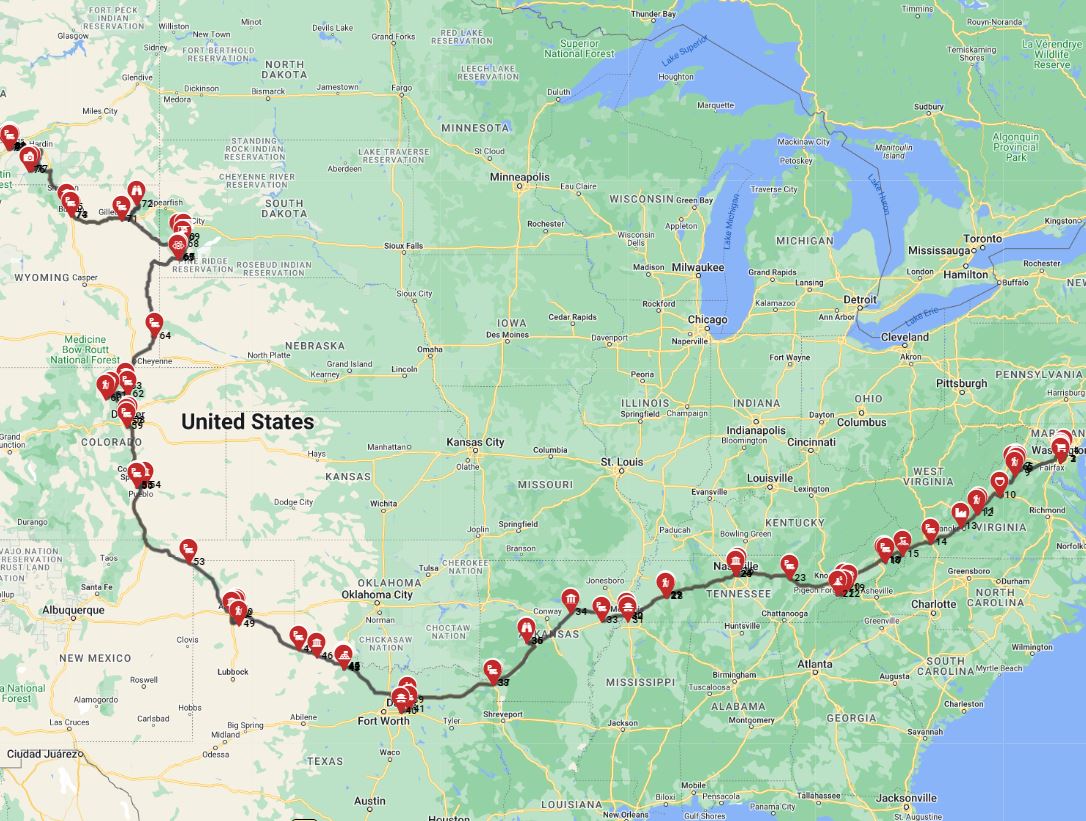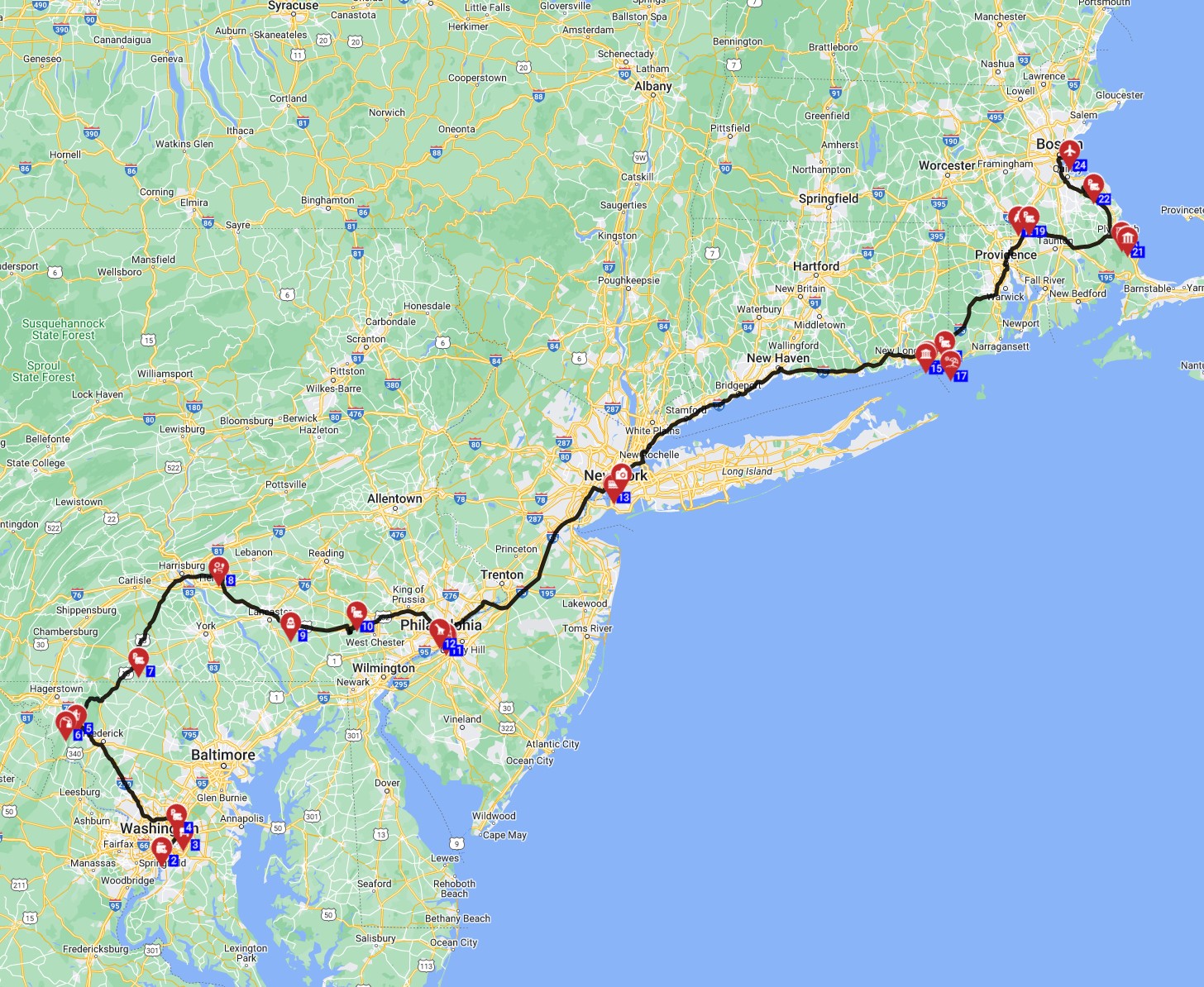
For live availability and current prices, start with our RV Rental Washington DC - Complete Guide 2026 guide.
In This Guide
- Can You Drive an RV in Washington DC License & Age Rules
- Road Conditions & Terrain in Washington DC
- RV Size Limits, Bridges & Restricted Zones
- Fuel Diesel vs Petrol & Cost per 100 km
- Tolls, Vignettes & Border Rules
- Driving Tips for rv rental Travelers
- Recommended RV Class for Washington DC Roads
- Should I Choose a Compact Van Instead of a Large RV in Washington DC
- Can I Park Anywhere Free & Wild Camping Rules in Washington DC
- Can I Drive an RV Into the City Center Heights, Tunnels & Local Signage
- Do you need a special license to drive an RV in Washington DC?
- Is Washington, D.C. RV friendly?
- Are RVs allowed in DC?
- How much does it typically cost to insure an RV?
- Who is the best insurance company for RV?
- How much is insurance on a $200,000 RV?
- Getting Around Washington D.C. from Your RV
- Estimated Costs for an RV Trip to Washington D.C.
- Pet-Friendly RV Travel to Washington D.C.
- Seasonal Considerations for RVing in Washington D.C.
- RV Services & Amenities Near Washington D.C.
- Class SI - Semi-integrated for Washington DC
- Class C - Alcove for Washington DC
- Class B - Camper Van for Washington DC
- Class A - Integrated for Washington DC
- Class TC - Truck Camper for Washington DC
Embarking on a motorhome adventure to Washington DC offers a unique way to explore the nation's capital, blending comfort and convenience with the thrill of the open road. For seniors and all travelers seeking comfort routes and clear guidance, navigating the historic streets and iconic landmarks of Washington DC by rented RV is entirely manageable with a bit of planning. Imagine exploring the monuments and museums by day, then retreating to your comfortable home on wheels just outside the bustling city. At Bandana Caravan, we've been helping tens of thousands of travelers explore the world by RV since our founding in 2001, providing direct partnerships with 50+ leading RV suppliers worldwide. We believe in full transparency, so you'll never encounter hidden fees or surprises. For live availability and current prices, start with our RV Rental Washington DC - Complete Guide 2024 guide, which provides extensive details for planning your perfect trip.
Can You Drive an RV in Washington DC License & Age Rules
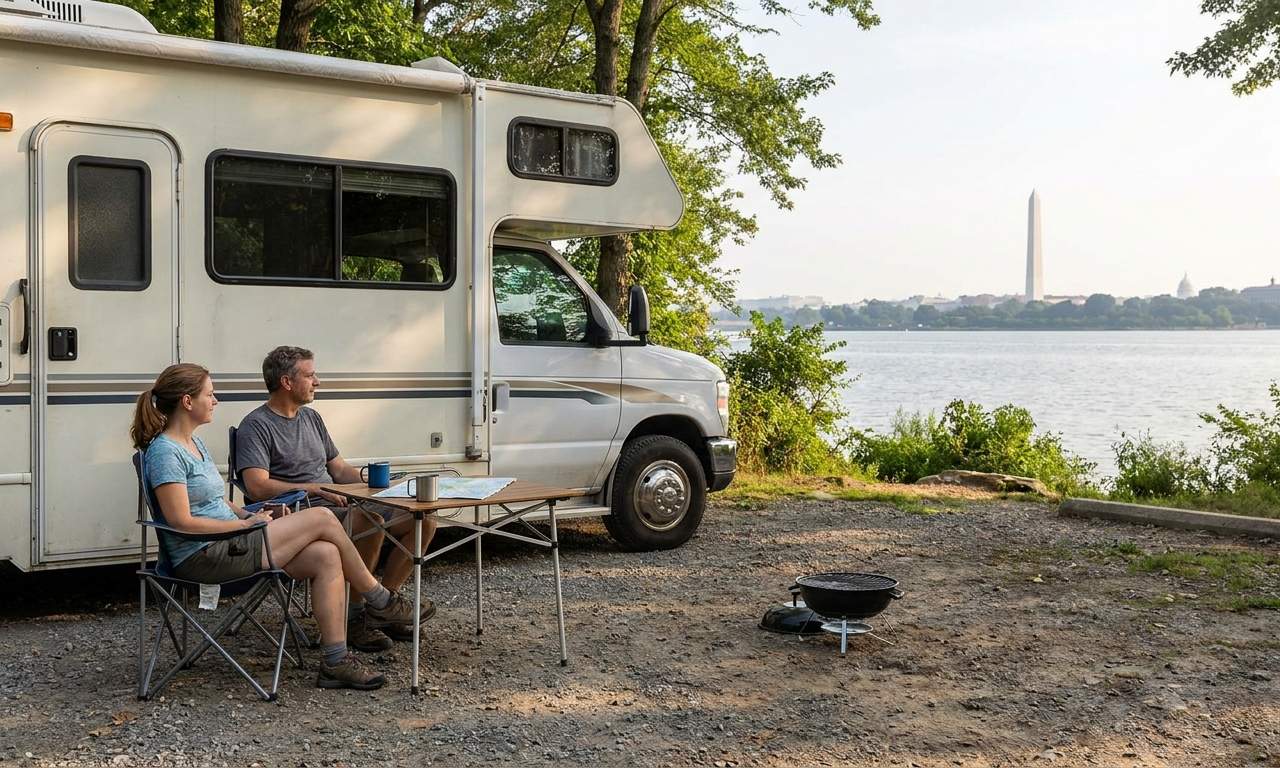
A standard Class D driver's license is typically sufficient for driving most rental motorhomes in Washington DC, as they generally weigh under the 26,001 lbs GVWR (Gross Vehicle Weight Rating) threshold. You won't need a Commercial Driver's License (CDL) unless you're driving exceptionally large RVs exceeding 26,001 pounds GVWR or those designed to carry 16 or more passengers, which are uncommon for typical leisure rental RVs. Most RV rental companies, including our partners like El Monte and Cruise America, require drivers to be at least 21 years old, despite the legal driving age being lower. There are no young driver surcharges or vehicle class restrictions based on age when renting through Bandana Caravan, making it accessible for a wider range of drivers. Foreign visitors with a valid driver's license from their home country are generally permitted to drive in Washington DC for up to one year, though an International Driving Permit (IDP) is highly recommended for clarity and ease of communication with law enforcement, and for a smooth rental process. We believe in full transparency regarding all rental requirements, ensuring no surprises when you book your Washington DC adventure.
Road Conditions & Terrain in Washington DC
Road conditions in Washington DC are predominantly urban, characterized by dense traffic, occasional potholes, and numerous one-way streets, which require careful navigation for rented motorhome drivers. The terrain around Washington DC is generally flat, with no significant mountainous regions to traverse, making ascents and descents less of a concern for RVs. Drivers should anticipate frequent stops and slower speeds, especially during peak commuter hours, typically 6-9 AM and 3-6 PM on weekdays. Planning routes to avoid narrow historic streets where larger RVs may struggle with maneuverability is a smart approach. Construction is common in the metropolitan area, potentially leading to detours or lane closures that RV drivers must be prepared for; always stay alert for signage. Remember to drive slowly and carefully, and you can drive almost anywhere without issues. No need to stress - just use common sense and pay attention, especially when navigating city streets.
RV Size Limits, Bridges & Restricted Zones
While there are no specific blanket 'RV size limits' for driving on most major roads in Washington DC, rented motorhome drivers must pay strict attention to local signage for height and weight restrictions, especially near bridges and tunnels. Low bridges are a notable concern in DC, particularly along scenic routes like Rock Creek Parkway, which often have height restrictions as low as 10 feet 6 inches (3.2 meters), making them unsuitable for most RVs; always check clearance signs carefully. Unlike some European cities, Washington DC does not implement specific environmental or low-emission zones that restrict RV access based on vehicle emissions. However, RVs are strictly prohibited from parking overnight on city streets, and idling rules may apply; always adhere to local regulations and respect residential areas. The overall size of a rented motorhome significantly impacts maneuverability and parking options within the dense urban environment of Washington DC. For travelers interested in specific vehicle sizes and their suitability, our guide Luxury RV Rental in Washington DC - Premium Prices 2024 offers insights into various options.
Fuel Diesel vs Petrol & Cost per 100 km
Most larger rental RVs, such as Class SI Semi-integrated and Class C Alcove models, typically run on diesel fuel, while smaller Class B Camper Vans may use petrol (gasoline). Bandana's global fleet averages indicate Class B Camper Vans consume approximately 8-10 Liters/100 km, Class SI Semi-integrated RVs about 10-11 Liters/100 km, and Class C Alcove RVs around 10-12 Liters/100 km. Fuel availability for both diesel and petrol is widespread in Washington DC and the surrounding areas, though prices tend to be slightly higher than the national average; check local apps for current prices. For optimizing your budget, consider that Class A Integrated RVs typically consume 8-12 Liters/100 km. Some rental companies offer fuel discount cards or programs, which can help mitigate costs over longer trips. Remember that on RV PLANET routes, travelers can itemize and track every expense along the way for easy budgeting, including fuel costs. On the routes offered through RV PLANET routes, you can itemize and track every expense along the way for easy budgeting.
Tolls, Vignettes & Border Rules
Washington DC itself does not have tolls, but toll roads are common in the surrounding states of Maryland and Virginia, particularly on major highways and express lanes like portions of I-95, MD-200 (ICC), and the Dulles Toll Road. The United States does not use a vignette system for road access; tolls are typically collected via electronic transponders (like EZ-Pass) or 'Toll-by-Plate' systems. RV travelers are highly encouraged to acquire an EZ-Pass transponder or ensure their rental RV comes equipped with one to avoid higher 'Toll-by-Plate' rates and potential administrative fees from rental companies. There are no international border crossings directly from Washington DC, as it is bordered by Maryland and Virginia, simplifying travel within the region. This regional approach means you'll mostly encounter state-specific regulations rather than federal border rules. For planning a one-way trip, you might find our One-Way RV Rental in Washington DC - Price Guide 2024 helpful.
Driving Tips for rv rental Travelers
For a stress-free rented motorhome trip to Washington DC, planning your route carefully is key. Utilize GPS with RV-specific settings to avoid low bridges, narrow streets, and excessive urban congestion. Once parked at an RV-friendly campground outside the city, plan to use Washington DC's extensive Metro and bus system to access downtown attractions; it's often the most efficient and enjoyable way to explore. Always be mindful of your RV's height, width, and length, particularly when maneuvering in parking lots, gas stations, and through any potentially restricted areas. RVs are heavier and require more distance to brake, especially in heavy city traffic or on wet roads, so always allow extra stopping distance. Schedule your driving in and around Washington DC to avoid rush hour (typically 6-9 AM and 3-6 PM on weekdays) to minimize stress and fuel consumption. Remember, travel slowly, max 100-150 km per day on average, to fully feel the place, connect to the culture, the food, and the scenery.
Recommended RV Class for Washington DC Roads
For navigating Washington DC's dense urban environment and surrounding areas, a Class B Camper Van or a Class SI Semi-integrated RV are generally the most recommended options due to their balance of maneuverability and interior comfort. Class B Camper Vans, such as the "Active Pop Top" or "Jucy Campervan - Exterior Side View", with an average length of 5.99 meters according to Bandana's global fleet data, offer the best agility for city driving, easier parking in oversized spots, and better fuel efficiency, though they provide less living space. A rented "Jucy Campervan - Exterior Side View" typically offers features like a 2-burner gas stove and 90-liter refrigerator. Class SI Semi-integrated RVs, averaging 6.9 meters in length, provide a good compromise, offering more interior space and amenities than a camper van while still being manageable on larger roads and highways leading into the DC metro area, though urban parking will still be challenging. While larger Class C Alcove and Class A Integrated RVs offer more living space, their average lengths (7.5 meters and up) make them significantly more challenging to drive and park near Washington DC attractions, necessitating reliance on distant campgrounds and public transit. For couples, our RV Rental in Washington DC for Couples - Pricing 2024 offers great options in these more compact classes.
Should I Choose a Compact Van Instead of a Large RV in Washington DC
Choosing a compact van (Class B Camper Van) over a larger RV for a trip to Washington DC offers significant advantages primarily related to easier navigation and parking in the urban environment. Compact vans, like a rented "Active Bunk Auto," excel in DC's tighter city streets, allow for greater flexibility in finding parking (including potentially in larger parking garage spots or oversized vehicle surface lots further out), and are generally more fuel-efficient, typically consuming 8-10 Liters/100 km. However, a larger RV (such as a Class C or SI) provides substantially more interior living space, a full bathroom, and more storage, which can be crucial for longer trips or families seeking more comfort at their campground base. While a compact van genuinely helps with urban maneuverability, the primary challenge for any rental RV in Washington DC remains overnight parking within city limits; both types will likely require parking at campgrounds outside the city and utilizing public transport. The trade-off hinges on prioritizing urban driving ease versus onboard amenities and comfort; for a Washington DC-focused trip where the RV is mainly a base camp, a compact van's benefits are often more pronounced. For families, the Family RV Rental in Washington DC - Pricing Guide 2024 can help you weigh these options.
Can I Park Anywhere Free & Wild Camping Rules in Washington DC
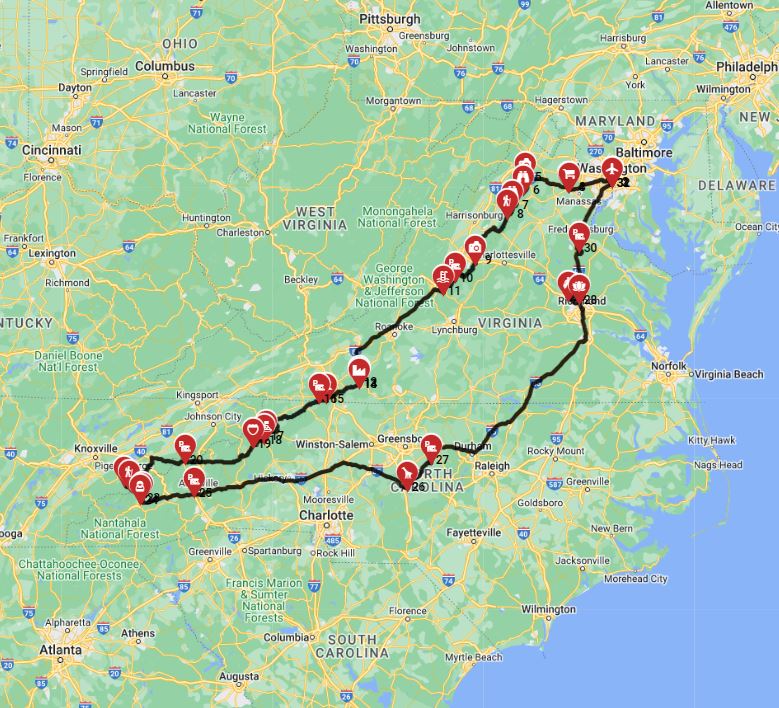
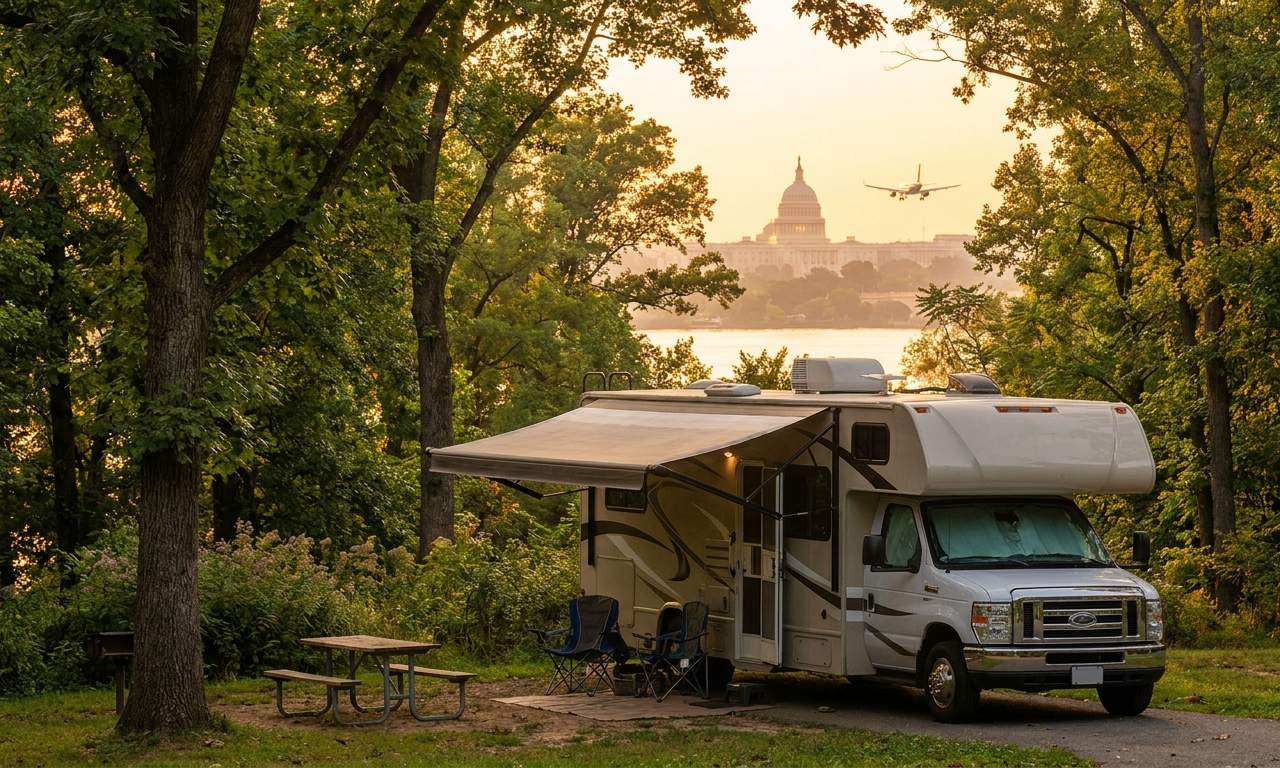
No, free or 'wild camping' is strictly prohibited within Washington DC city limits, and overnight parking for RVs on public streets or in most private lots is generally not allowed or heavily restricted. RVers planning to visit Washington DC must utilize established RV campgrounds located in the surrounding Maryland and Virginia suburbs. Popular options include Cherry Hill Park (Maryland), Greenbelt Park (Maryland), or Pohick Bay Regional Park (Virginia), all of which offer amenities like full hookups and convenient public transit access. Attempting to park a rented motorhome overnight on Washington DC streets can result in significant fines and towing, as local ordinances prioritize residential parking and traffic flow. For daytime visits, some oversized vehicle parking might be available further from the core city, like at specific Metro Park-and-Ride lots (always verify RV compatibility) or certain shopping centers, but these are for day-use only. Rules vary by region, so always check local regulations and follow local law before parking overnight, and plan to stay at a designated campground. Our Portland to Washington DC - From Pacific Trails to the Nation's Capital route plan features 47 powered campgrounds and can help you map out your stops.
Can I Drive an RV Into the City Center Heights, Tunnels & Local Signage
Yes, you can generally drive a rented RV into the city center of Washington DC on most major thoroughfares, but the primary challenge will be navigating congested traffic and finding suitable parking. RV drivers must pay extremely close attention to local signage, especially for height limits on bridges and in tunnels. Several routes, such as parts of the Baltimore-Washington Parkway and Rock Creek Parkway, have low clearances (some under 11 feet or 3.35 meters) unsuitable for taller RVs. While Washington DC does not have specific 'environmental zones' common in Europe, certain historic areas may have narrow streets or pedestrian zones that are difficult for larger RVs to navigate. Residents-only parking restrictions are prevalent throughout Washington DC, meaning finding street parking for any vehicle, let alone an RV, is highly improbable and likely illegal. It is strongly recommended to park your rented motorhome at a designated campground outside the city, like Cherry Hill Park, and use public transportation to access downtown Washington DC attractions. This approach minimizes stress and maximizes your time exploring the sights.
Do you need a special license to drive an RV in Washington DC?
No, for the vast majority of rental RVs available through Bandana Caravan, including Class B Camper Vans, Class SI Semi-integrated, and Class C Alcove models, a standard state-issued driver's license (like a Class D in most U.S. states) is fully sufficient to drive an RV in Washington DC. A special license, such as a Commercial Driver's License (CDL), is typically only mandated for RVs exceeding a Gross Vehicle Weight Rating (GVWR) of 26,001 pounds or those designed to transport more than 15 passengers, which are uncommon for leisure rental vehicles. Foreign drivers can usually use their valid home country license for up to one year, but carrying an International Driving Permit (IDP) alongside it is highly recommended for any legal or language-related interactions. Age requirements for renting an RV are usually higher than for driving a car, with most companies requiring drivers to be at least 21 years old.
Is Washington, D.C. RV friendly?
🎬 Video coming soon
While driving and parking a rented RV directly within Washington DC's dense urban core presents significant challenges due to congestion, strict parking rules, and size constraints, the greater metropolitan area is generally RV-friendly if planned correctly. RV travelers typically find accommodation at well-equipped campgrounds located in the surrounding Maryland and Virginia suburbs, which offer amenities and convenient public transit access (Metro or bus) into the city. Using public transit from suburban campgrounds is the most practical and recommended way to explore Washington DC's attractions, avoiding the stress of urban driving and the near impossibility of finding RV parking downtown. Considerations like traffic during peak season (e.g., Cherry Blossom Festival in March-April) and major events can significantly impact travel times and campground availability, requiring advance booking. For broader context on RV travel in the region, consider our RV Rental Virginia - Complete Guide 2024. Pet owners should research pet-friendly attractions and public transit rules, as many Washington DC sites and some transit options have restrictions for animals, which we'll cover in a later section.
Are RVs allowed in DC?
Yes, RVs are generally allowed to drive on most main roads and highways within Washington DC's jurisdiction, provided they adhere to standard traffic laws, speed limits, and specific height/weight restrictions posted on certain routes or underpasses. The primary restriction for RVs in Washington DC is related to parking; overnight parking for RVs on city streets is strictly prohibited, and even daytime parking for oversized vehicles is extremely limited and challenging. Drivers must be especially vigilant for signage indicating low bridge clearances, particularly on scenic parkways, as these can pose significant hazards for taller RVs. While allowed to transit, RVers are strongly advised against attempting to drive and park directly at major tourist attractions due to congestion and lack of suitable parking, opting instead for public transit from outside the city. This strategy ensures a smoother, more enjoyable visit to the capital. Just remember to drive slowly and carefully, and you can drive almost anywhere without issues. No need to stress - just use common sense and pay attention.
How much does it typically cost to insure an RV?
The typical cost to insure an RV varies widely, generally ranging from a few hundred dollars to several thousand dollars annually, heavily depending on factors such as the RV's value, class, age, usage, coverage options, and the driver's history. For rental RVs, basic liability insurance is often included in the rental agreement, but renters typically have the option to purchase additional coverage (e.g., collision, comprehensive, roadside assistance) directly from the rental company or through third-party providers. We at Bandana Caravan ensure full transparency, explaining all insurance options clearly so there are no surprises. Factors like the deductible amount, geographic location, and any bundling with existing auto or home insurance policies can also influence the premium. It's crucial for renters to understand what coverage is included with their rental and what optional policies might be necessary for peace of mind. You can upgrade to a top-level deductible for extra peace of mind, which is a popular choice for many travelers.
Who is the best insurance company for RV?
Determining the 'best' RV insurance company is subjective and depends on individual needs, desired coverage levels, budget, and customer service preferences, with several reputable providers widely recognized in the market. Prominent RV insurance providers often cited include Progressive, National General (an Allstate company), GEICO, Good Sam Insurance Agency, and State Farm, each offering a range of policies from basic liability to comprehensive coverage. When renting an RV, the insurance landscape is different; the rental company typically provides or requires basic coverage, and renters may purchase supplemental policies directly from them or through independent travel insurance providers. For a Bandana Caravan rental, we transparently compare options from our 50+ leading RV suppliers, ensuring you understand all insurance components. It is advisable for renters to review policy details carefully, compare quotes, and read customer reviews to find a provider that aligns with their specific requirements and offers responsive claims service.
How much is insurance on a $200,000 RV?
Insuring a $200,000 RV can typically range from approximately $1,500 to $4,000 or more per year, with the exact premium influenced by the RV's specific make and model, its classification (e.g., Class A vs. Class C), the chosen deductible, and the breadth of coverage. Higher-value RVs, such as those in the $200,000 range, often require more comprehensive coverage, including collision, comprehensive, and potentially total loss replacement, which elevates premiums. Driver-specific factors, including driving record, age, and claims history, also significantly impact the cost, as do discounts for safe driving, security features, or bundling policies. For a rental RV of this value, the rental agency will specify required insurance, often providing options for collision damage waivers and extended liability coverage, which would be factored into the total rental cost rather than a standalone annual premium. This is part of our full transparency promise, so you'll know exactly what you're paying for.
Getting Around Washington D.C. from Your RV
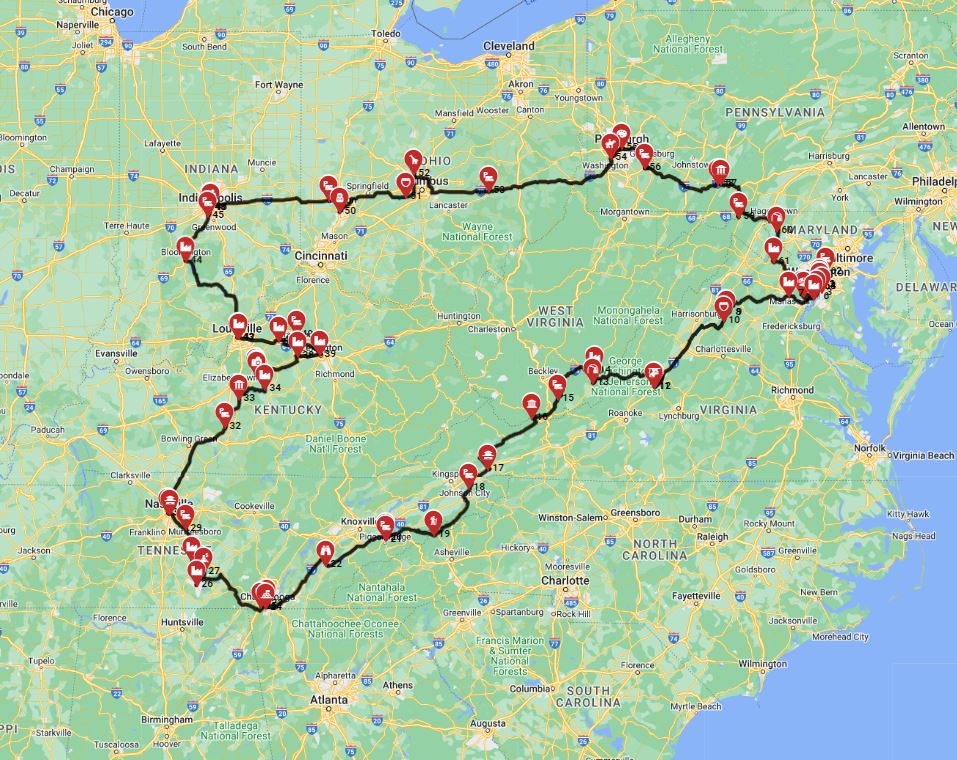
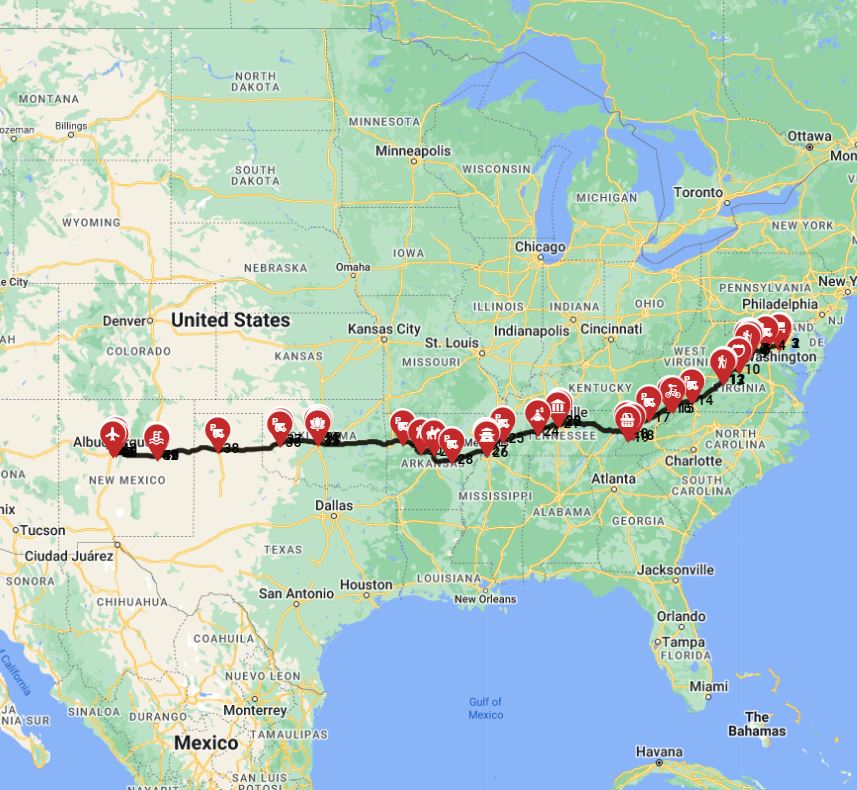
To effectively explore Washington DC, park your rented RV at a suburban campground and utilize the city's extensive public transportation network, primarily the Metro and bus system. For example, from Cherry Hill Park in College Park, Maryland, travelers can take a local bus (Route 14) directly to the College Park-U of Md Metro Station (Green Line) for direct access to downtown Washington DC; estimated travel time to the National Mall is approximately 45-60 minutes, and Metro fares average $2-$6 per ride. Greenbelt Park, also in Maryland, provides a free shuttle to the Greenbelt Metro Station (Green/Yellow Lines), offering a convenient and direct route into the heart of Washington DC, reaching sights like the Smithsonian museums in about 30-45 minutes. From Pohick Bay Regional Park in Lorton, Virginia, you would typically drive to a nearby Metro station (e.g., Franconia-Springfield on the Blue Line), which then connects to key Washington DC attractions; total travel time can be 60-90 minutes, depending on traffic. Beyond Metro and bus, consider ride-sharing services for direct routes or electric scooter/bike rentals for short commutes around campgrounds or accessible urban areas, though not advisable for long-distance city travel. For RV-specific parking near transit, explore designated 'oversized vehicle' lots at certain Metro Park-and-Ride facilities or private lots further from the core; always verify current regulations and availability before arrival. Our Washington DC to Seattle - Midwest Coast to Coast route plan provides additional details for extensive travel, including 2 family activities and 3 museums to discover.
Estimated Costs for an RV Trip to Washington D.C.
A comprehensive cost estimate for a rented motorhome trip to Washington DC should factor in RV rental fees, fuel, campground fees, public transit fares, attraction entry fees, and daily expenses like food and potential parking outside campgrounds. RV rental costs vary widely by class and season, from roughly $150-$300+ per night for a Class C motorhome; a Cheap RV Rental in Washington DC - Budget Guide 2024 can help you find more economical options. Fuel costs, based on Bandana's fleet averages, could range from $30-$60 per 100 km (depending on RV class and current fuel prices), plus potential costs for driving to campgrounds and local detours. Campground fees near Washington DC typically range from $60-$100+ per night, offering amenities and public transit access. Public transit (Metro/bus) fares using a SmarTrip card average $2-$6 per ride, so budget $10-$20 per person per day for Washington DC excursions. Many Washington DC attractions, such as the Smithsonian museums, are free, but others like special exhibits or private tours incur costs; factor in $20-$50+ per person for paid activities. Budget-conscious RVers can save significantly by cooking most meals in their RV; check out our RV-friendly recipes playlist for inspiration. Our

Pet-Friendly RV Travel to Washington D.C.
Traveling to Washington DC with pets in a rented RV requires careful planning, as many key attractions and indoor spaces have strict 'no pet' policies, though several outdoor areas are welcoming. Most RV campgrounds surrounding Washington DC, such as Cherry Hill Park (Maryland) and Pohick Bay Regional Park (Virginia), are pet-friendly, offering designated dog walk areas and requiring pets to be leashed at all times. Popular outdoor spaces like the National Mall (on leash) and many Washington DC neighborhood parks are generally pet-friendly, but always check specific park rules for restricted areas or seasonal closures. Public transportation options like the DC Metro generally only allow service animals; pets in carriers may be permitted during off-peak hours on buses, but it's best to verify current rules directly with WMATA (Washington Metropolitan Area Transit Authority). Consider using pet-sitting services or arranging for kennel stays if you plan to visit attractions where pets are not allowed, ensuring your furry companions are safe and comfortable while you explore. Always prioritize your pet's comfort and safety, especially in hot or humid summer months.
Seasonal Considerations for RVing in Washington D.C.
Seasonal impacts significantly affect RV travel to Washington DC, influencing crowds, traffic, campground availability, and event schedules throughout the year. Spring (March-May) is a peak season due to the iconic Cherry Blossom Festival; expect extremely high crowds, heavy traffic, and campgrounds booking out months in advance. Mild weather, however, is ideal for sightseeing. Summer (June-August) brings hot and humid conditions with high tourist numbers, especially for family vacations. Traffic remains heavy, and campgrounds are busy; plan indoor activities during the hottest parts of the day. Fall (September-November) offers excellent weather with fewer crowds after Labor Day, making it an ideal time for a rented motorhome trip. Fall foliage can be beautiful, particularly in nearby Shenandoah National Park or along the Potomac River, but do book campgrounds for popular weekends. Winter (December-February) is the low season with fewer tourists, making attractions more accessible. Cold weather may limit outdoor activities, and some campgrounds might have reduced services or closures. Snow and ice can impact driving conditions, so plan accordingly. Our RV Travel Guide to Washington DC - Tips and Top Spots 2024 offers further insights for every season.
RV Services & Amenities Near Washington D.C.
Access to essential RV services is crucial for a smooth trip, with several options available conveniently near popular campgrounds surrounding Washington DC. Most major RV campgrounds, such as Cherry Hill Park and Greenbelt Park, provide on-site dump stations and propane refill services for their guests, with some even offering mobile pump-out services. Several RV repair and service centers are located in the broader Maryland and Virginia suburbs surrounding Washington DC, often easily accessible from major highways like I-95 or US-50. Look for reputable mechanics in areas like Manassas (VA) or Annapolis (MD). Specialized RV wash facilities can be found in the larger metropolitan area, or some truck stops along major interstates may offer oversized vehicle washing services. Campgrounds are typically located within a short drive of major grocery stores (e.g., Giant Food, Safeway) and retail centers for provisioning your rented motorhome with fresh food and supplies. Always verify hours of operation and service availability, especially for repair shops, before relying on them during your trip.
Class SI - Semi-integrated for Washington DC
Class SI Semi-integrated RVs, averaging 6.9 meters in length with 3.8 sleeping places according to Bandana's global fleet data, offer a comfortable balance for a Washington DC trip by providing more living space than a camper van without the full bulk of a larger Class C. These RVs typically consume 10-11 Liters/100 km, making them relatively fuel-efficient for their size compared to larger models, which is beneficial for longer drives to and from Washington DC and any detours. With an average load capacity of 72.2 kg, a Semi-integrated RV can comfortably carry luggage and supplies for approximately 3-4 adults, suitable for small families or groups. While more maneuverable than Class C or A RVs, parking a Semi-integrated within Washington DC itself remains challenging; plan to park at a suburban campground and use public transit for city exploration. The added comfort of a dedicated sleeping area, kitchen, and bathroom makes the Semi-integrated, such as a "2 Berth Tamar" or "Active Standard Auto", a popular choice for those seeking more amenities than a compact van while still being manageable on U.S. highways.
Class C - Alcove for Washington DC
Class C Alcove RVs, characterized by their over-cab sleeping area and averaging 7.5 meters in length with 5.8 sleeping places (global fleet data), are a popular choice for families visiting Washington DC who prioritize interior space and amenities. These RVs, such as the "24' Class C Motorhome", typically consume 10-12 Liters/100 km, offering a moderate fuel efficiency for their size, capable of accommodating around 4.4 adults with an average load capacity of 42.4 kg. The Alcove design provides ample headroom and distinct sleeping zones, ideal for larger groups or families with children seeking a comfortable base camp outside the city. Due to their length and height, Class C Alcove RVs are more challenging to drive and park in Washington DC's urban environment; strict attention to low bridge clearances and parking restrictions is essential. Renting a Class C means a commitment to parking at well-equipped suburban campgrounds and relying heavily on Washington DC's public transportation system for daily sightseeing into the city center. This class is well-suited for a week-long trip with a family.
Class B - Camper Van for Washington DC
Class B Camper Vans, averaging 5.8 meters in length with 3.2 sleeping places, are the most maneuverable and compact RV option for a Washington DC trip, making them ideal for urban accessibility. These camper vans are the most fuel-efficient of the RV classes, typically consuming 8-10 Liters/100 km, which is advantageous for navigating city traffic and minimizing fuel costs. With an average capacity for 2.7 adults and 37 kg of luggage, a Class B, such as a "2 Berth Hi Top" or "Combi Van", is well-suited for couples or small groups who prioritize ease of driving and parking over extensive interior space. Their compact size allows for easier navigation on Washington DC's roads and potentially more options for oversized parking at specific locations further from the city center, though overnight city parking is still prohibited. While offering fewer amenities than larger RVs, the Class B provides a self-contained unit that serves as an excellent base for exploring the Washington DC area, especially when combined with public transit. This class is perfect for a two-week adventure for those who appreciate agility.
Class A - Integrated for Washington DC
Class A Integrated RVs, with an average length of 7.5 meters and 4.4 sleeping places, are the largest and most luxurious type of RV, offering extensive living space and amenities for a Washington DC trip. Bandana's global fleet data indicates these RVs, like a "Class A - Thor ACE 30", typically consume 8-12 Liters/100 km, which is comparable to some smaller RVs despite their significant size, offering comfort without extreme fuel penalties. Designed for long-haul comfort, Class A RVs provide ample space for 4 adults and a substantial load capacity of 209.5 kg, making them ideal for those who prioritize luxury and ample amenities. Due to their considerable size, driving a Class A Integrated RV in Washington DC's dense urban core is highly challenging, and finding suitable parking is nearly impossible; they are best kept at a distant campground. For a Washington DC visit, a Class A functions primarily as a luxurious hotel room parked outside the city, with daily excursions into Washington DC relying entirely on public transportation or ride-sharing services. Our "Motorhome hire new zealand example Navigator" is a large Class SI model which offers some of the comforts of a Class A with slightly better maneuverability.
Class TC - Truck Camper for Washington DC
Class TC Truck Campers, averaging 5.5 meters in length with 2.4 sleeping places, offer a flexible and relatively compact RV solution for a Washington DC trip, combining the utility of a truck with basic living amenities. These campers, such as a "4x4 Camper B - TYR", are typically the least fuel-efficient among RV classes, consuming 12-17 Liters/100 km due to their aerodynamic profile and the weight carried on a truck chassis. With an average capacity for 2.1 adults, Truck Campers are ideal for couples or solo travelers seeking a more rugged or versatile RV experience. Their compact footprint can make them slightly easier to maneuver than larger RVs, potentially fitting into a wider range of oversized parking spots outside the immediate city center, though urban parking remains a challenge. Truck Campers are a good choice for those who might also want to explore more rugged or off-the-beaten-path destinations around the Washington DC area before or after their city visit, offering a blend of utility and basic camping comfort. For a comprehensive overview of various vehicle types and their pricing, explore our RV Rental Washington DC - Complete Guide 2024.
What You Shouldn't Miss
- National Mall Monuments: Walk amongst the iconic memorials, from the Lincoln Memorial to the Washington Monument, soaking in the grandeur of American history. Most outdoor areas are dog-friendly, too.
- Smithsonian Museums: Dedicate days to exploring the free Smithsonian institutions, including the National Museum of Natural History and the National Air and Space Museum.
- Georgetown's Historic Charm: Wander the cobblestone streets of Georgetown, discover its beautiful architecture, boutique shops, and diverse culinary scene.
- Old Town Alexandria: Just a short drive from Washington DC, this charming historic town in Virginia offers waterfront views, historic sites, and excellent dining.
- Great Falls Park: A mere 30-minute drive from downtown Washington DC, this natural oasis offers stunning views of the Potomac River cascading over Mather Gorge with excellent hiking trails.
Looking for expert insights from Avi Bandana? Top 5 Adventures - recommendations from Avi Bandana
Avi Bandana has traversed countless landscapes, finding hidden gems and perfecting the RV travel experience. His personal recommendations often highlight the unexpected joys and practicalities that transform a trip into an unforgettable journey. Trust Avi's expertise to guide you to the most enriching experiences, ensuring every mile brings delight.
Final Thoughts
Exploring Washington DC in a rented motorhome offers a delightful blend of comfort and discovery, especially for seniors seeking memorable routes. While the city itself presents unique driving challenges, smart planning and utilizing excellent suburban campgrounds with public transport access can transform your visit into an effortless and enriching experience. You'll enjoy the freedom of having your accommodation and kitchen on wheels, allowing you to immerse yourself in the nation's capital at your own pace.
At Bandana Caravan, we're dedicated to making your RV travel dreams a reality, with transparent pricing and unwavering support before, during, and after your booking. Imagine waking up in a peaceful campground, enjoying a freshly prepared breakfast in your RV, and then heading out to explore world-class museums and monuments, knowing your comfortable retreat awaits your return. With the right vehicle and itinerary, your Washington DC motorhome adventure will be a journey to cherish.
Ready to plan your Washington DC motorhome journey? Get inspired for your next trip! Discover top destinations, planning tips, all in one place!
Find Motorhome Rentals in Washington DC