In This Guide
- Where to Camp in Washington DC — Top Options
- Campground Types in Washington DC (National, Private, Wild)
- Featured RV Park or Campground in Washington DC
- Hookups & Amenities — What to Expect
- Booking Windows & Reservations in Washington DC
- Nearby Supermarkets & Resupply Points
- Best RV Class for Camping in Washington DC
- How to Save on Campgrounds in Washington DC
- Where can I park my RV in Washington DC.?
- Is Washington DC. RV friendly?
- How to book campsites in the US?
- Do I need to book campsites in advance?
- What campgrounds are near Washington DC metro stations?
- How do I choose a good campsite?
- Navigating D.C. with Public Transport from Your RV
- Pet-Friendly RV Travel in D.C.
- Seasonal Considerations for an RV Trip to Washington D.C.
- Budgeting Your RV Trip to Washington D.C.
- Beyond the Monuments: Unique RV-Accessible Experiences in D.C.
- What You Shouldn't Miss
- Why Book with Bandana Caravan
- Final Thoughts
- Frequently Asked Questions
Where to Camp in Washington DC — Top Options
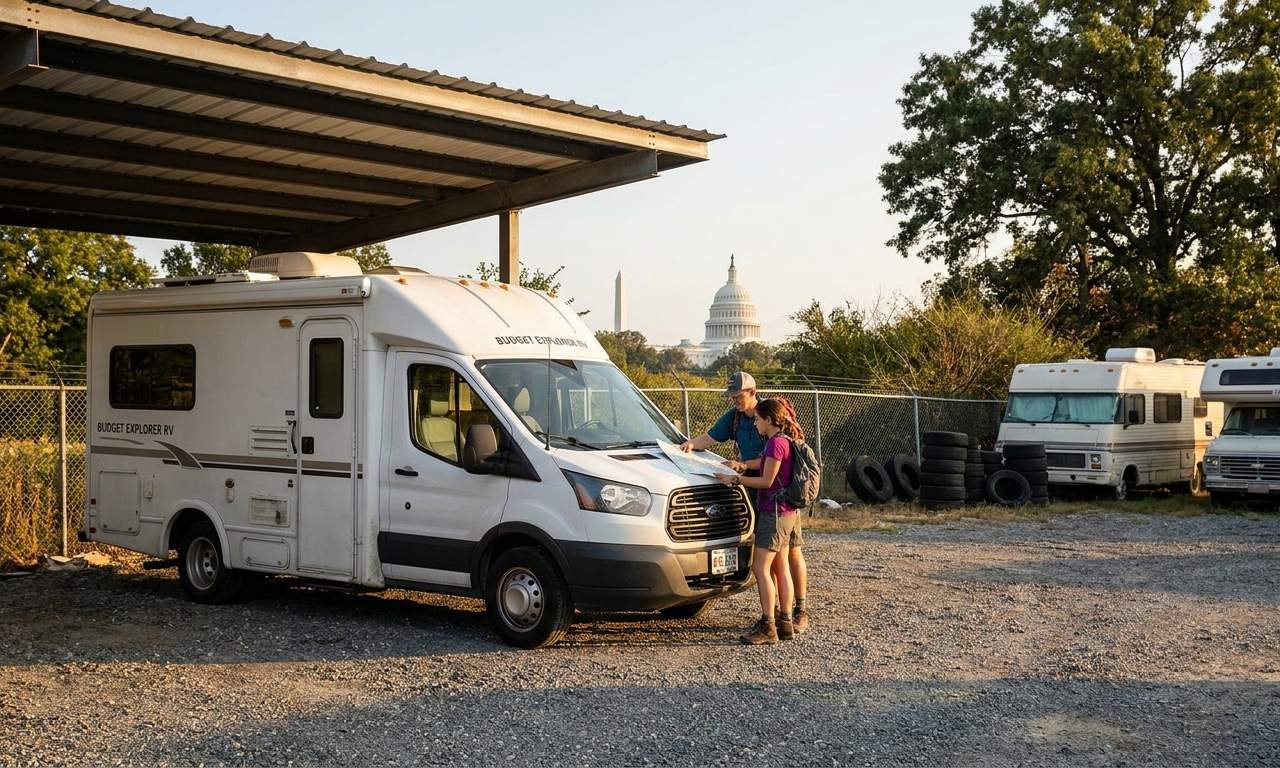
While direct RV camping within Washington D.C. is not feasible, several excellent campgrounds are located in the surrounding Maryland and Virginia suburbs, offering convenient access to the city's attractions. Popular choices include Cherry Hill Park and Greenbelt Park in Maryland, both known for their proximity and public transport links into the city. In Virginia, options like Prince William Forest Park or private RV parks further out offer a more natural, wooded setting while still being commutable, usually within a 30-60 minute drive to a Metro station. Bandana RV offers 24/7 support before, during, and after your booking, ensuring you have real people behind you every step of the way, even when selecting the perfect basecamp.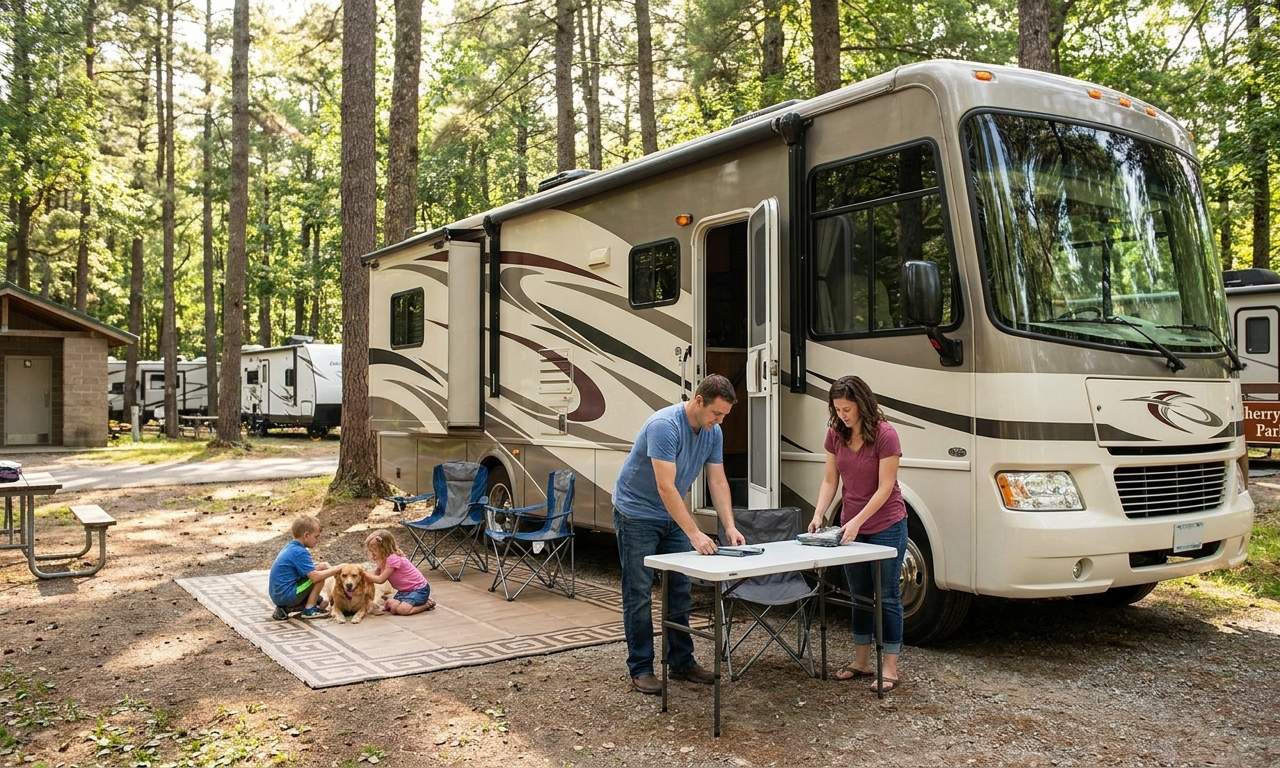
Campground Types in Washington DC (National, Private, Wild)
Near Washington D.C., RVers primarily choose between National Park Service campgrounds and private campgrounds, as wild or dispersed camping is generally not permitted in this densely populated region. Greenbelt Park in Greenbelt, Maryland, is a notable National Park Service campground, offering a more rustic camping experience with basic amenities in a quiet, forested environment, typically requiring reservations for its 175 sites. Private campgrounds, such as Cherry Hill Park in College Park, Maryland, provide extensive amenities including full hookups, swimming pools, and often shuttle services to Metro stations, catering to a more resort-like experience for families or those seeking extra comforts.Featured RV Park or Campground in Washington DC
When selecting a featured RV park near Washington D.C., prioritizing locations that offer a balance of essential amenities and convenient access to the city's public transportation system is key for an enjoyable stay. Campgrounds like Cherry Hill Park consistently rank high due to their shuttle services to nearby Metro stations (like the Greenbelt Metro Station on the Green Line), full hookups (30-amp and 50-amp electrical service, water, sewer), and robust Wi-Fi, which is crucial for staying connected. This strategic placement allows travelers to park their rented motorhome and easily explore the capital without the stress of city driving.Hookups & Amenities — What to Expect
Most RV campgrounds near Washington D.C. offer a comprehensive range of hookups, including 30-amp and 50-amp electrical service, fresh water connections, and sewer hookups for convenient waste disposal, ensuring a comfortable stay. Travelers can typically expect access to essential amenities such as dump stations for black and gray water tanks, clean restrooms, private showers, and laundry facilities. While Wi-Fi is often available, its reliability and speed can vary, so bringing a cellular data hotspot is recommended for consistent connectivity, especially if working remotely. Many private campgrounds also provide additional comforts like swimming pools, playgrounds for families, general stores for last-minute supplies, and propane refills, making them a great home-away-from-home.Booking Windows & Reservations in Washington DC
For planners, securing an RV campsite near Washington D.C. is highly recommended 6-12 months in advance, especially for visits during peak seasons like spring (Cherry Blossom season in late March to early April) and fall, or major holidays when demand is highest. Spontaneous travelers may find last-minute availability, particularly during off-peak times or weekdays, but it is always advisable to call campgrounds directly before arrival to confirm a spot. Many national park campgrounds, even those nearby, operate on a reservation system, often releasing a percentage of spots (e.g., 25-30%) for first-come, first-served (FCFS) same-day or next-day occupancy, which fill very quickly. While finding your first choice might be challenging without a reservation, you will almost certainly find a place-if not at the first campground, then the next-but calling ahead before driving is crucial for all last-minute plans, especially when renting an RV.Nearby Supermarkets & Resupply Points
When camping near Washington D.C., you will find numerous supermarket chains in the surrounding suburbs of Maryland and Virginia, making resupplying your rental motorhome a breeze. Major grocery retailers like Giant Food, Safeway, Whole Foods, and Trader Joe's are readily accessible from most area campgrounds, often within a 10-15 minute drive. For budget-friendly options, look for stores like Lidl or Aldi; it's always recommended to check the closest location relative to your specific campground for maximum convenience. Stocking up your RV kitchen allows for preparing delicious meals on the go, saving money and offering flexibility, especially with our RV-friendly recipes playlist.Best RV Class for Camping in Washington DC
The best RV class for camping near Washington D.C. often balances living space with maneuverability and ease of parking, especially when considering day trips into the city. Class B Camper Vans are ideal for navigating suburban roads and parking, with an average length of 5.8 meters and sleeping capacity for around 3.2 people from Bandana's global fleet. These compact rental motorhomes offer excellent fuel efficiency, typically consuming 8-10 Liters/100 km, providing flexibility for couples or small families seeking easy access to D.C. via public transport. Alternatively, Class SI Semi-integrated RVs, averaging 6.9 meters in length and accommodating about 3.8 sleepers from Bandana's global fleet, offer more comfort and amenities than a Class B while remaining relatively compact for suburban driving. Their fuel consumption is typically 10-11 Liters/100 km, making them a good compromise for families desiring more space without the bulk of larger RVs. As true RV specialists, we at Bandana help you compare options from over 50 leading RV suppliers worldwide, ensuring you find the perfect rental for your Washington DC adventure.How to Save on Campgrounds in Washington DC
One significant way to save on campground fees in the Washington D.C. area is to utilize campground discount cards, such as those often offered by RV rental providers or membership clubs like Good Sam, which can provide 10-15% off nightly rates. Booking your stay during the shoulder seasons (late spring or early fall) or winter can significantly reduce rates compared to peak times and help avoid major crowds, with some sites offering off-season discounts of up to 30%. Choosing municipal or regional park campgrounds, like Greenbelt Park, over private resorts often results in lower nightly costs, typically in the $30-$50 range versus $60-$80+. Many campgrounds also offer weekly rates that are more economical than daily rates, so consider staying for a week-long adventure or more. Additionally, if traveling with another RV, look for opportunities to share hookups or utilize "buddy sites," potentially splitting costs, and remember that on RV PLANET routes, travelers can itemize and track every expense along the way for easy budgeting.Where can I park my RV in Washington DC.?
Parking an RV directly within Washington D.C. for day use is exceptionally challenging due to strict size restrictions, congested streets, and extremely limited dedicated spaces, making designated RV-friendly park-and-ride lots outside the immediate city center, or utilizing your campground's shuttle/public transport, the most practical approach. Consider Metro stations further out in Maryland or Virginia suburbs (e.g., Branch Avenue on the Green Line or Franconia-Springfield on the Blue Line) which *might* accommodate larger vehicles in their daily parking lots, but it is crucial to verify vehicle length and height restrictions directly with WMATA (Washington Metropolitan Area Transit Authority) or the specific lot management prior to arrival, as general parking garages are unsuitable for any motorhome. The most effective strategy is to park your rented RV at your suburban campground and use Washington D.C.'s extensive public transportation system (Metro rail and bus), ride-sharing services (Uber/Lyft), or bike rentals for getting around the city. While certain event venues or tour bus parking areas *might* offer limited, expensive RV parking on specific dates, this is rare and requires advance research and reservations.Is Washington DC. RV friendly?
Washington D.C. itself is generally *not* RV-friendly for driving and parking large vehicles, due to congested urban streets, strict parking regulations, and limited infrastructure, making it far more practical to camp in surrounding areas and use public transport to visit the city. Navigating D.C.'s dense streets, numerous one-way roads, and tight turns can be very difficult for larger motorhomes; most street parking and garages have length, height, and weight restrictions that exclude RVs, and overnight RV parking on city streets is typically prohibited or heavily restricted by specific local laws. However, the region becomes highly RV-friendly when you treat your rented RV as a comfortable basecamp in nearby Maryland or Virginia suburbs, where numerous campgrounds offer convenient access to the Metro and bus system. For detailed local driving advice, including navigating specific areas, consult our Driving an RV in Washington DC - Complete Guide 2026.How to book campsites in the US?
Booking campsites in the U.S. typically involves using a combination of dedicated online reservation platforms for federal and state parks, along with individual websites or aggregators for private campgrounds, with advance booking being a key strategy for popular destinations like Washington D.C. For campsites within national parks, national forests, and other federal lands, Recreation.gov is the primary online portal where you can search, browse availability, and make reservations up to six months in advance. Each state manages its own park system, so you'll typically find reservation systems via the specific state park websites (e.g., Maryland Department of Natural Resources, Virginia State Parks). Private campgrounds, such as KOA or independent parks near D.C., usually have their own dedicated websites for online booking; aggregators such as ReserveAmerica or the Good Sam Club campground directory can also help you find and book private sites, some allowing booking up to a year ahead.Do I need to book campsites in advance?
Yes, booking campsites in advance is highly recommended, and often essential, especially when planning an RV trip to popular destinations like the Washington D.C. area, during peak seasons (spring, fall), holidays, or for weekend stays, to ensure availability and secure your preferred spot. During the Cherry Blossom festival in spring (late March to early April), fall foliage season, summer holidays, and long weekends, campgrounds near D.C. can be fully booked months ahead, sometimes requiring reservations up to 6-12 months out. While there's more flexibility for spontaneous trips during weekdays or in the off-season (winter), it's still advisable to check availability or call ahead, as some campgrounds may reduce capacity or operating hours. Although some campgrounds offer first-come, first-served (FCFS) sites, these typically fill up very early in the morning, making them unreliable for guaranteed lodging, especially with a rented motorhome. An advance reservation ensures you have a confirmed place to stay, eliminating stress and wasted time searching for open spots upon arrival.What campgrounds are near Washington DC metro stations?
While no campgrounds are directly adjacent to Washington D.C. Metro stations, several well-regarded options in the Maryland and Virginia suburbs offer convenient shuttle services or public bus connections to nearby Metro stops, allowing seamless access to the city's core without the hassle of driving your rental RV. Cherry Hill Park in College Park, MD, is a highly-rated private campground that provides direct shuttle service to the Greenbelt Metro Station (Green Line), making it one of the most accessible options for D.C. exploration. Greenbelt Park, a National Park Service campground also in Greenbelt, MD, offers a more rustic experience relatively close to the Greenbelt Metro Station; though without a direct shuttle, a short ride-share or bus connection can take you there. Lake Fairfax Park in Reston, VA, a county park campground, often has public bus connections that can take you to the Wiehle-Reston East Metro Station (Silver Line). Further south, Prince William Forest RV Campground in Triangle, VA, provides shuttle service to the nearby Virginia Railway Express (VRE) commuter rail station in Woodbridge, offering train access into D.C.'s Union Station.How do I choose a good campsite?
Choosing a good campsite involves evaluating factors such as location, amenities, cost, specific site features, and access to attractions or public transportation, all tailored to your personal travel style and priorities for a Washington D.C. adventure. First, consider the location's proximity to Washington D.C. and ease of access for your RV size, along with your desired level of tranquility-do you prefer a bustling resort or a quiet, natural setting like those found further from the city? Next, prioritize essential hookups (electric, water, sewer) and check for clean restrooms, showers, laundry facilities, and reliable Wi-Fi. Compare pricing between private resorts, state parks, and national park campgrounds, weighing the cost against the included amenities and overall experience. Look for details about individual sites like pull-through versus back-in, amount of shade, levelness, and privacy. Consulting online reviews from platforms like Google, Campendium, or RV LIFE can provide valuable insights from previous campers regarding cleanliness, staff helpfulness, and overall experience, ensuring your RV rental experience is pleasant.Navigating D.C. with Public Transport from Your RV
Integrating your RV trip with D.C.'s robust public transportation system, primarily the Metro rail and bus network, is the most efficient way to explore the city without the challenges of RV driving and parking. The WMATA Metro system requires a SmarTrip card, a reloadable fare card available at any Metro station, for seamless travel on both the Metro rail and bus. Fares are distance and time-dependent, typically ranging from $2-$6 per trip, with most lines operating early morning to late night, though it's wise to check specific hours and weekend schedules. The Metrobus system complements the rail, reaching many areas not directly served by trains, and transit apps like Google Maps or Citymapper are invaluable for real-time tracking and route planning. Many RV parks, such as Cherry Hill Park, offer dedicated shuttle services that transport campers directly to a Metro station, providing a stress-free connection. Once in D.C., utilize Capital Bikeshare for short distances, various electric scooter rentals, or readily available ride-share services (Uber/Lyft) to cover areas not directly accessible by Metro or bus. For more advice, check our RV Travel Guide to Washington DC - Tips and Top Spots 2026.Pet-Friendly RV Travel in D.C.
Traveling with pets in a rented RV to Washington D.C. requires careful planning, as many city attractions have strict no-pet policies, but the area does offer pet-friendly campgrounds and outdoor spaces for your furry companions. Always confirm the pet policy of your chosen campground, including leash requirements, waste disposal rules, and any breed or size restrictions, before booking your motorhome. While pets (excluding service animals) are generally not permitted inside museums, government buildings, or historical homes, they are often welcome on leashes on the National Mall, around outdoor monuments, and in various city parks. D.C. also boasts several dedicated dog parks where your pet can run off-leash, such as Shaw Dog Park or S Street Dog Park, providing essential exercise. Consider utilizing local pet-sitting services or doggy daycares for days when you plan to visit non-pet-friendly indoor attractions, ensuring your pet is comfortable and cared for. Note that generally, only service animals are allowed on D.C.'s Metro and bus systems.Seasonal Considerations for an RV Trip to Washington D.C.
The best time to visit Washington D.C. by rented RV depends largely on your tolerance for crowds and weather, with each season offering distinct advantages and considerations. Spring (March-May) is D.C.'s most popular season, especially during the Cherry Blossom Festival (late March-early April), offering beautiful weather and vibrant flowers but also large crowds, higher prices, and campgrounds booking out far in advance. Summers (June-August) are hot and humid, with frequent thunderstorms; while school crowds might thin slightly, D.C. remains a popular tourist destination, offering many outdoor festivals and events, though planning activities for cooler parts of the day or indoors is wise. Fall (September-November) provides pleasant temperatures, stunning fall foliage (especially outside the immediate city in places like Rock Creek Park), and moderate crowds, making it an excellent time for an RV trip to D.C., though campgrounds remain popular, so book ahead. Winter (December-February) is the quietest season with the fewest crowds, offering a serene experience with holiday decorations and more relaxed museum visits; expect cold weather and occasional snow or ice, which can impact driving, but many campgrounds operate year-round with heated sites to ensure comfort in your motorhome.Budgeting Your RV Trip to Washington D.C.
Effective budgeting for an RV trip to Washington D.C. involves considering costs beyond just campground fees, including rental, fuel, food, and in-city transportation, to ensure a smooth and enjoyable experience. RV rental costs vary dynamically based on vehicle class, seasonality, and demand, but typical daily rates can range from $150-$300 for a Class C motorhome or $80-$180 for a campervan. Expect to pay between $30 and $80+ per night for RV campsites, with prices varying based on amenities, hookup availability, and proximity to D.C. Fuel expenses are significant for RVs; for example, Bandana's global fleet of Class B Camper Vans typically consumes 8-10 Liters/100 km, while Class SI Semi-integrated RVs average 10-11 Liters/100 km, so budget accordingly for distances to and from D.C., and any driving around the suburban areas. Cooking meals in your rented RV's kitchen saves money on food, budgeting for grocery runs at nearby supermarkets like Giant Food or Safeway, and occasional dining out experiences. Account for the cost of SmarTrip cards for the Metro and bus (typically $2-$6 per trip), or funds for ride-share services, as you'll likely leave your RV at the campground when visiting D.C.'s core. While many Smithsonian museums are free, budget for private attractions, special exhibits, tours, or souvenirs. With Bandana, you'll always have full transparency regarding pricing for your RV rental, ensuring no hidden fees or surprises.Beyond the Monuments: Unique RV-Accessible Experiences in D.C.
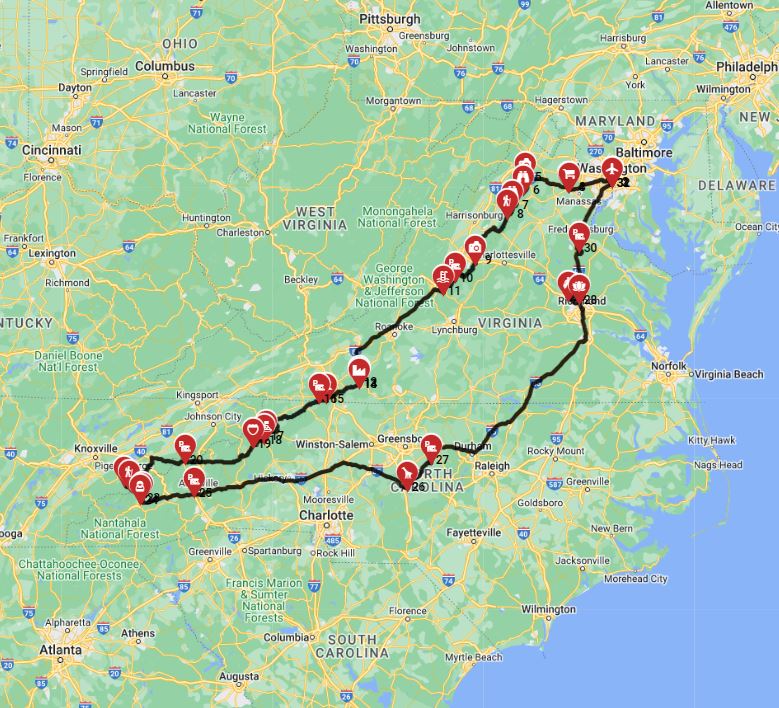
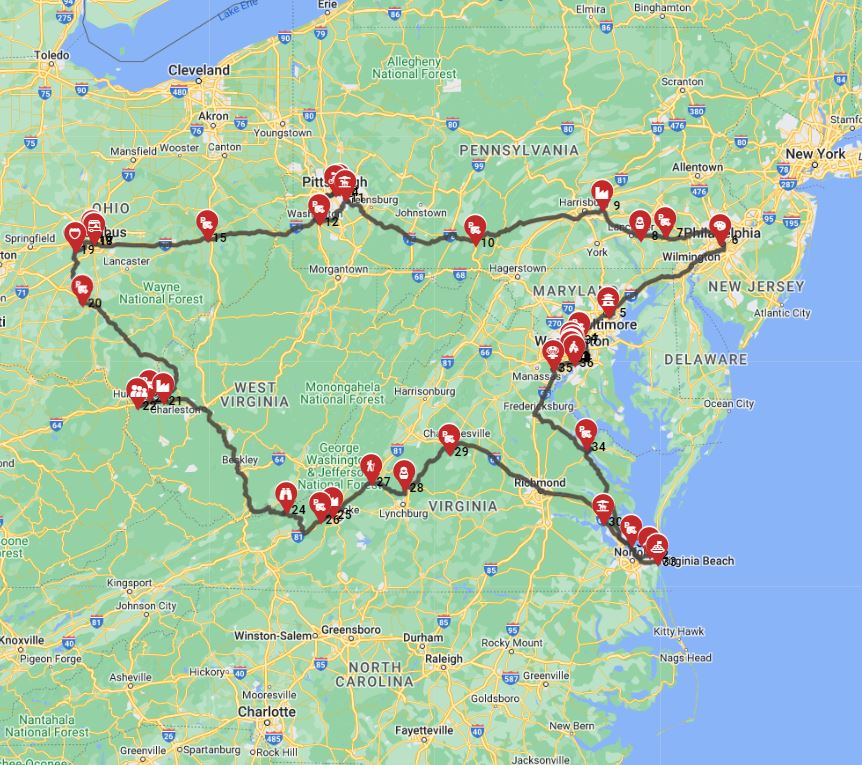
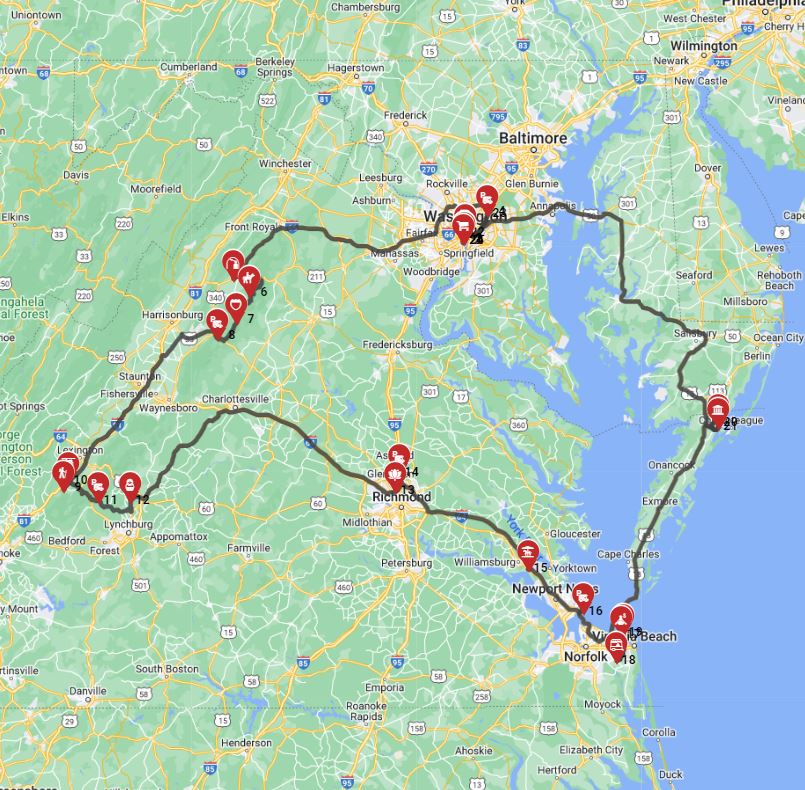
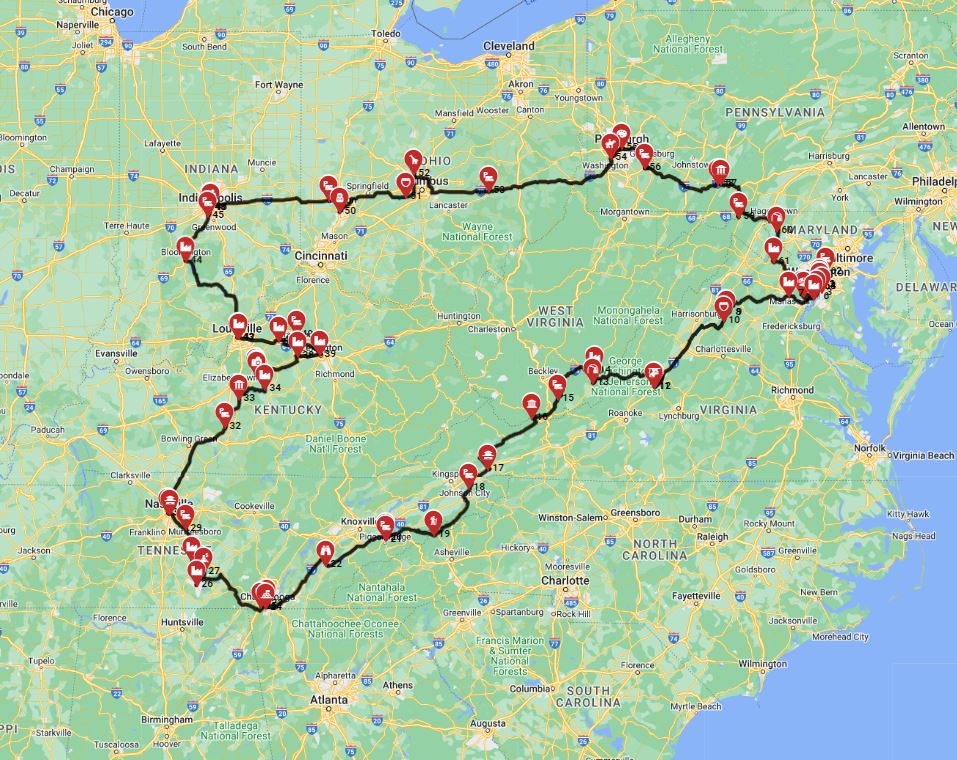
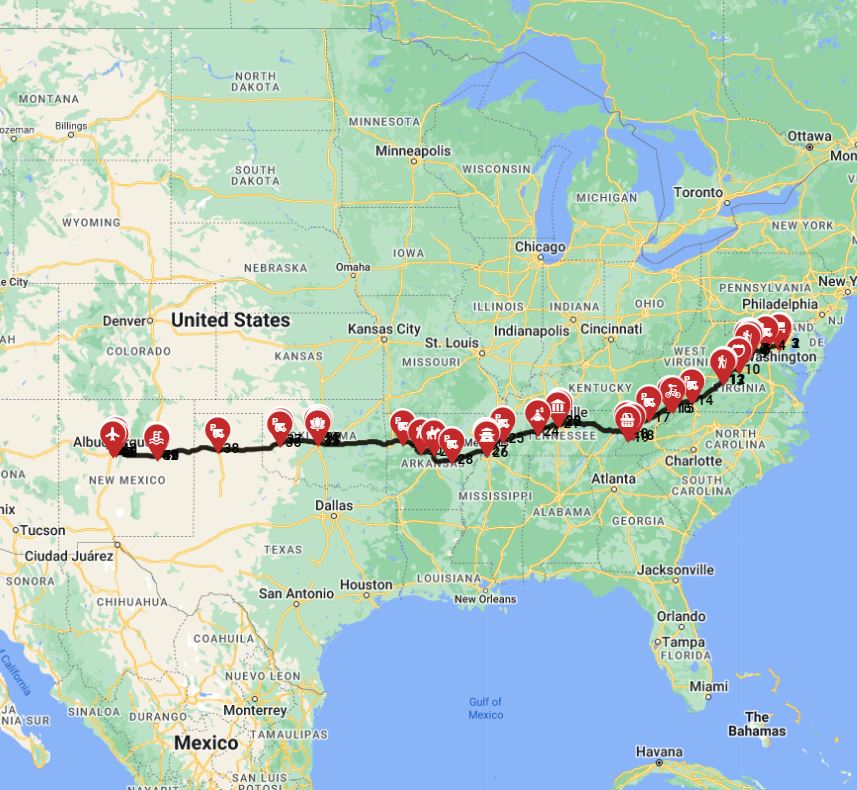
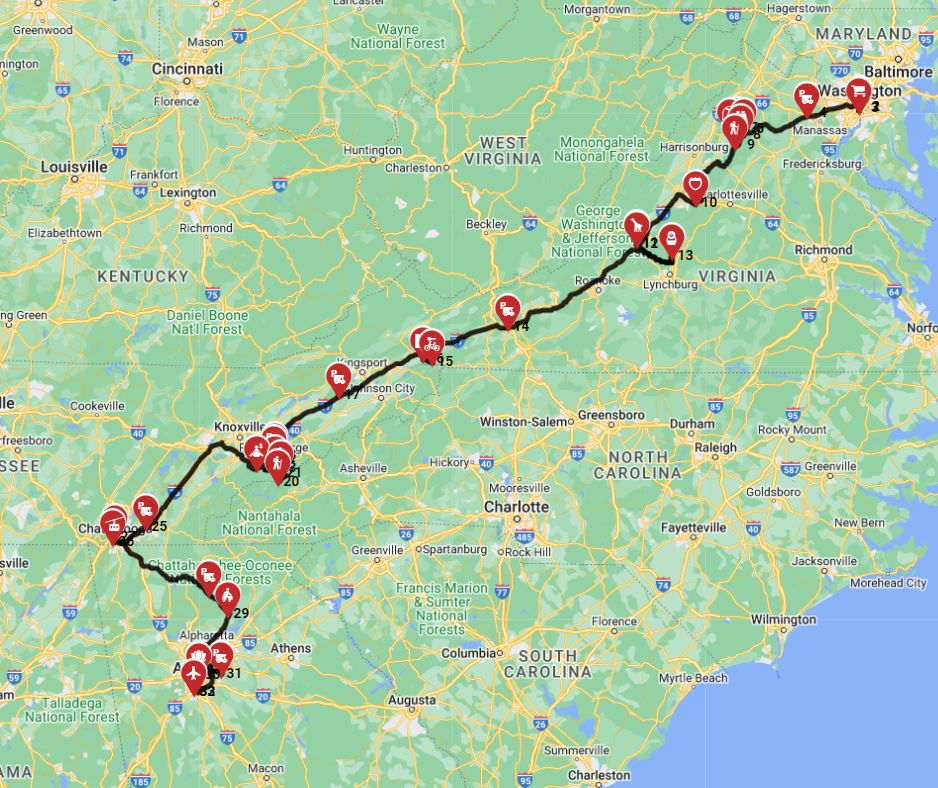
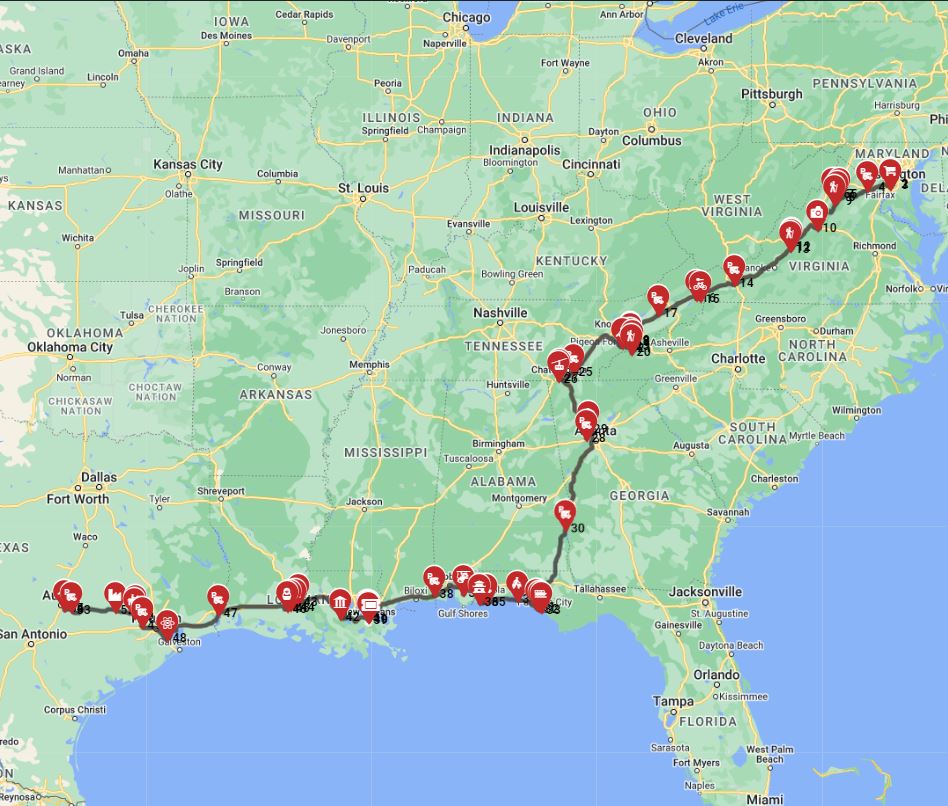
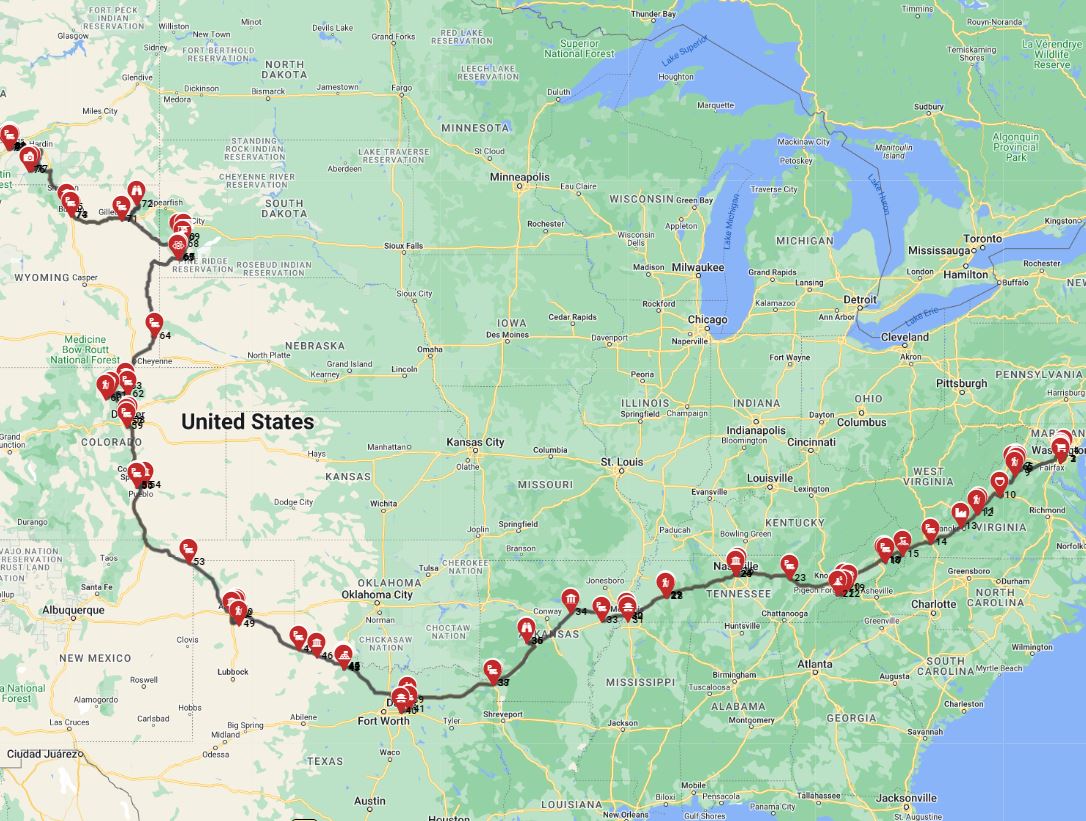
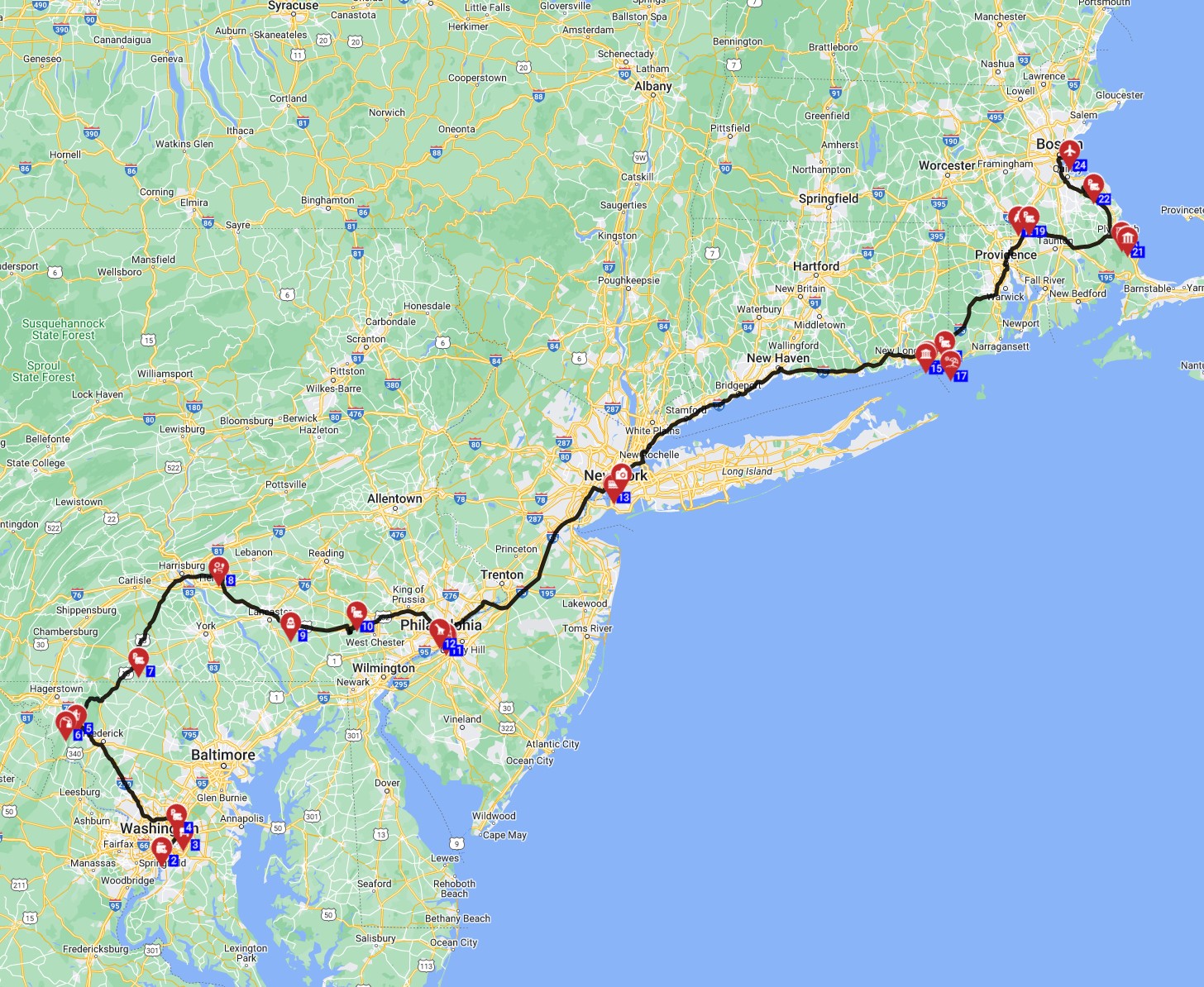
While D.C.'s iconic monuments and museums are must-sees, the area also offers numerous unique and less-known attractions easily accessible from your RV basecamp, providing a deeper dive into the region's culture and charm. Explore vibrant neighborhoods like Georgetown for upscale shopping and historic architecture, experience the lively nightlife and diverse cuisine of Adams Morgan, or discover the U Street Corridor's rich African American history and jazz legacy. Escape the urban hustle at the serene U.S. Botanic Garden, explore the sprawling National Arboretum with its diverse plant collections, or enjoy hiking and cycling trails within the vast Rock Creek Park, accessible via public transport from your campground. Delve into specific interests at lesser-known museums such as the International Spy Museum, marvel at architectural wonders at the National Building Museum, or admire impressionist and modern art at The Phillips Collection. Utilize your rented RV for easy day trips to nearby gems like George Washington's Mount Vernon estate, the charming colonial streets of Old Town Alexandria, VA, or the historic maritime city of Annapolis, MD, all within a comfortable driving distance from suburban campgrounds. Immerse yourself in local life at places like Eastern Market on Capitol Hill, offering fresh produce, crafts, and food vendors. For a truly extensive journey, consider route plans like
San francisco to Washington DC - East Coast to Capital
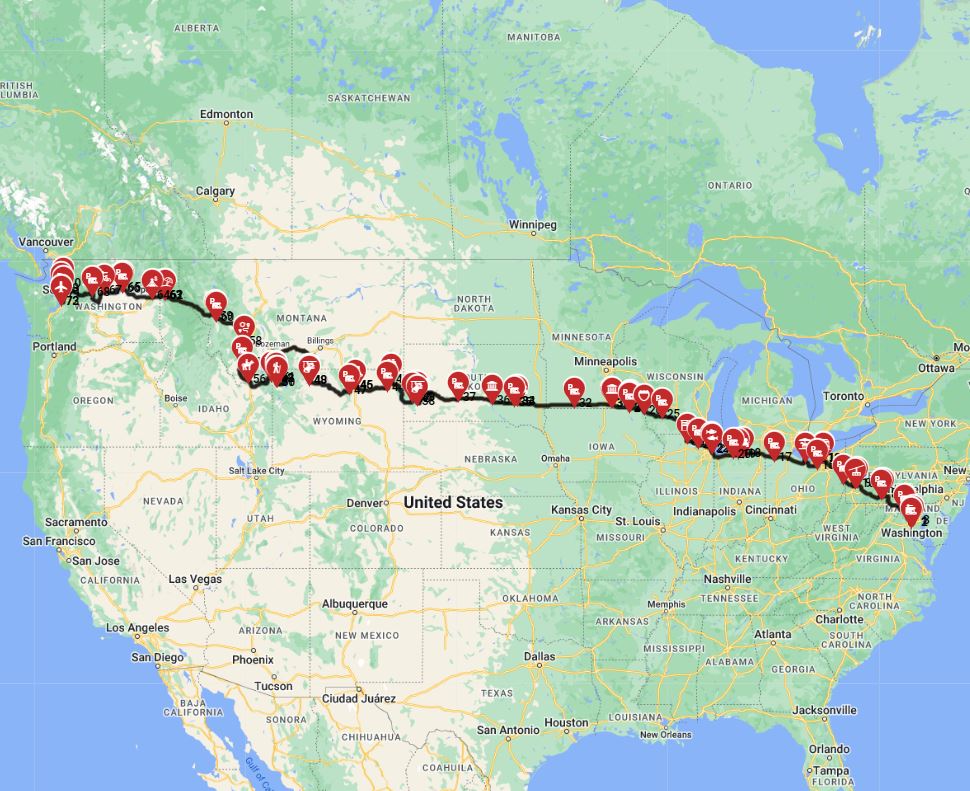
Washington DC to Seattle -Midwest Coast to Coast
What You Shouldn't Miss
- **The National Mall in Winter:** Experience the iconic monuments and memorials, like the Lincoln Memorial and Washington Monument, draped in crisp winter air with fewer crowds, making for a serene and contemplative visit.
- **Smithsonian Museums:** Dive into any of the 19 free Smithsonian museums, such as the National Air and Space Museum or the National Museum of Natural History, offering warm, engaging indoor activities perfect for colder days.
- **Georgetown Christmas Stroll:** Enjoy the historic charm of Georgetown, especially during the holiday season, with beautifully decorated streets, unique shops, and cozy cafes perfect for a warm drink.
- **National Arboretum:** Discover a tranquil winter landscape with diverse plant collections, including the impressive Bonsai and Penjing Collection, offering a peaceful escape just a short drive from central D.C.
- **Ice Skating at the Sculpture Garden:** Glide across the ice at the National Gallery of Art Sculpture Garden ice rink, a magical outdoor experience framed by world-class art and festive lights.
- **Old Town Alexandria Day Trip:** Take a short drive from your RV basecamp to Old Town Alexandria, VA, a charming colonial city with cobblestone streets, historic sites, and cozy restaurants perfect for a winter visit.
🎬 Video coming soon
Looking for expert insights from Avi Bandana? Top 5 Adventures – recommendations from Avi Bandana.
Final Thoughts
Embracing winter RV camping in Washington DC offers a truly unique and serene way to experience the nation's capital. With fewer crowds, you'll find it easier to soak in the history, art, and culture of this incredible city, returning each evening to the warmth and comfort of your rented motorhome at a nearby heated campsite. Remember to travel slowly, averaging a maximum of 100-150 km per day, allowing yourself time to truly feel the place, connect to the culture, the food, and the scenery. At Bandana Caravan, we are here to support your journey from the moment you start dreaming until your booking is confirmed. We handle the details, so you can live the journey, ensuring your Washington DC adventure is filled with wonderful memories and no worries. Don't let the cooler temperatures deter you-winter in D.C. offers a special kind of magic for RV travelers. Find Motorhome Rentals in Washington DCOn the routes offered through RV PLANET routes, you can itemize and track every expense along the way for easy budgeting.