For live availability and current prices, start with our RV Rental USA - Complete Guide 2026 guide.
In This Guide
- Can You Drive an RV in USA? License & Age Rules
- Road Conditions & Terrain in USA
- RV Size Limits, Bridges & Restricted Zones
- Fuel: Diesel vs. Petrol & Cost per 100 km
- Tolls, Vignettes & Border Rules
- Driving Tips for Luxury RV Rental Travelers
- Recommended RV Class for USA Roads
- Should I Choose a Compact Van Instead of a Large RV in USA?
- Can I Park Anywhere? Free & Wild Camping Rules in USA
- Can I Drive an RV Into the City Center? Heights, Tunnels & Local Signage
- Do you need a CDL to drive a luxury RV?
- What is the 3-3-3 rule for RV driving?
- What is the largest RV you can drive without a special license?
- Can you sleep in an RV while driving in the USA?
- What is the 3-3-3 rule for RV living?
- What is the Rolls-Royce of RVs?
- What is the new RV law in Florida?
- What is the true meaning of luxury?
- What are the synonyms of luxury?
- What's a word better than luxury?
Can You Drive an RV in USA? License & Age Rules
Embarking on a luxury RV adventure across the USA is more accessible than you might think. Most rental luxury RVs, particularly the Class A and Class C motorhomes often sought for comfort and space, do not require a Commercial Driver's License (CDL) in the USA if their Gross Vehicle Weight Rating (GVWR) remains below 26,001 pounds (approximately 11,793 kg). A standard Class D driver's license, the same one used for passenger cars, is generally sufficient for operating these impressive vehicles. When you rent an RV, the typical minimum age for the primary driver is 21, though some rental companies may extend this to 25, often influenced by insurance policies for larger or more luxurious models. For international travelers, a valid driver's license from your home country is usually accepted, but an International Driving Permit (IDP) is highly recommended for translation purposes and can smooth interactions with local authorities or rental agencies.
Road Conditions & Terrain in USA
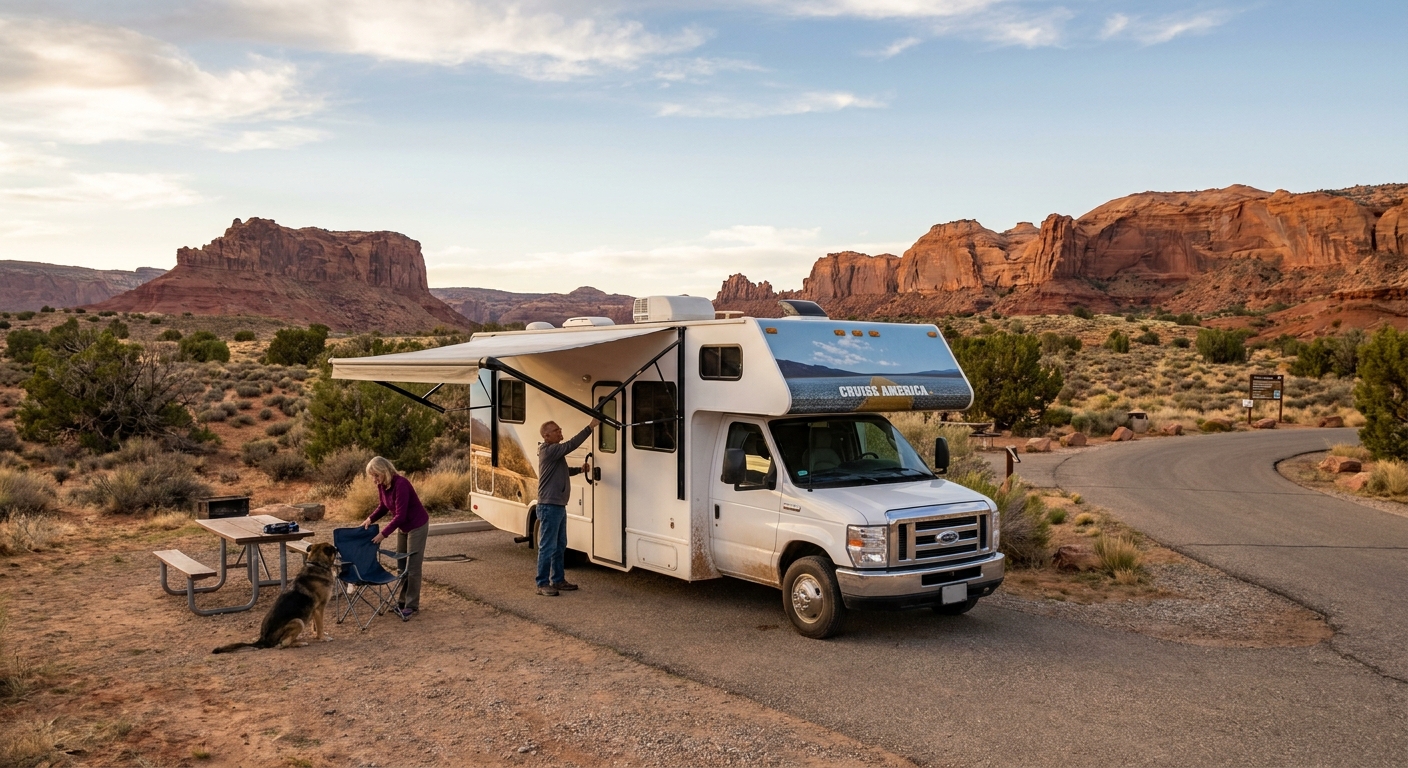
The USA offers a remarkably diverse tapestry of road conditions and terrain, providing a dynamic driving experience for any luxury RV renter. You'll encounter expansive, exceptionally well-maintained interstate highways that are a dream for larger, luxurious RVs, allowing for stable and comfortable long-distance travel. However, as you venture off the beaten path, you might encounter more intimate, winding mountain roads, especially in regions like Colorado, or even occasional gravel paths within national parks. Urban areas present their own challenges with increased traffic congestion. Fortunately, luxury RVs, often featuring robust suspension systems and advanced handling technologies, are designed to provide a smooth and stable ride across these varied landscapes. We always encourage travelers to embrace slow travel – consider planning your routes to include slower, scenic drives, allowing you to truly soak in the breathtaking scenery, from the desert Southwest to the majestic Rockies. Always be prepared for potential construction zones, unpaved sections in more remote areas, and the considerable weather pattern variations you can experience across the vast expanse of the US.
RV Size Limits, Bridges & Restricted Zones
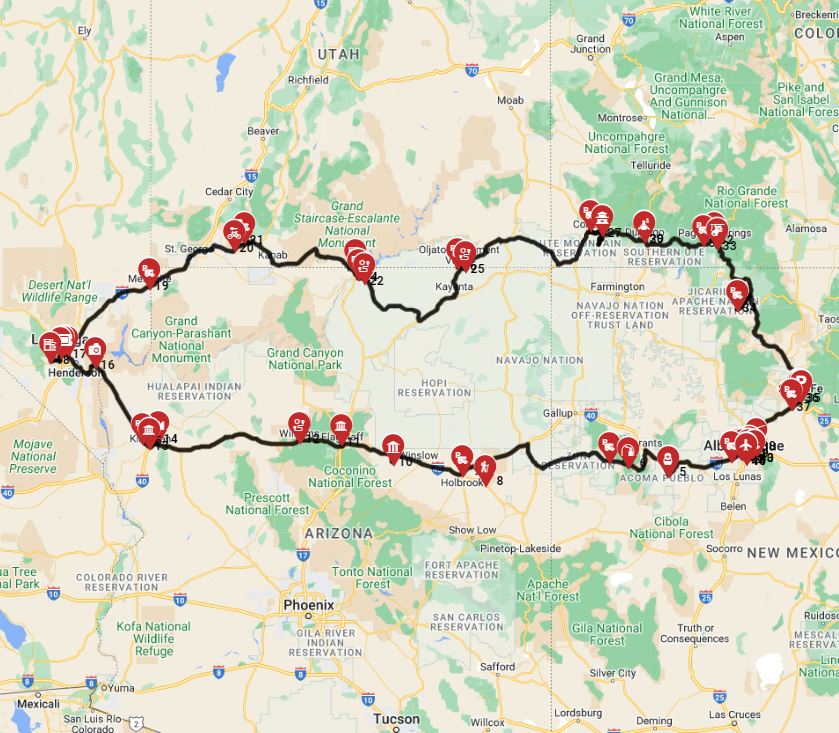
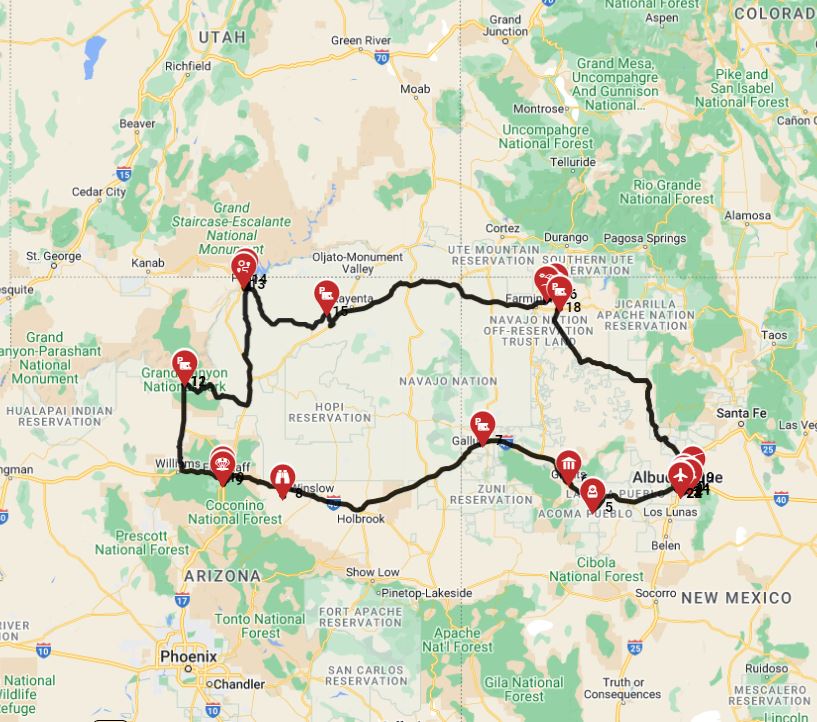
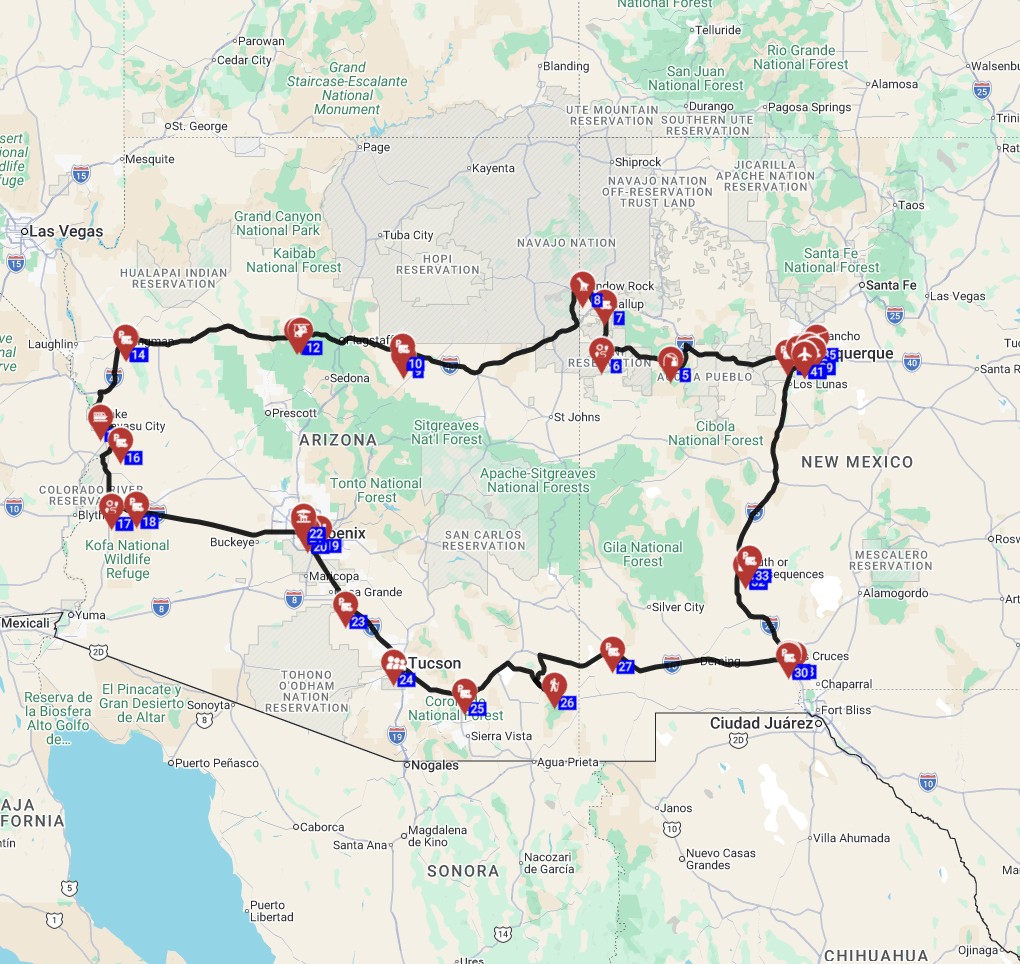
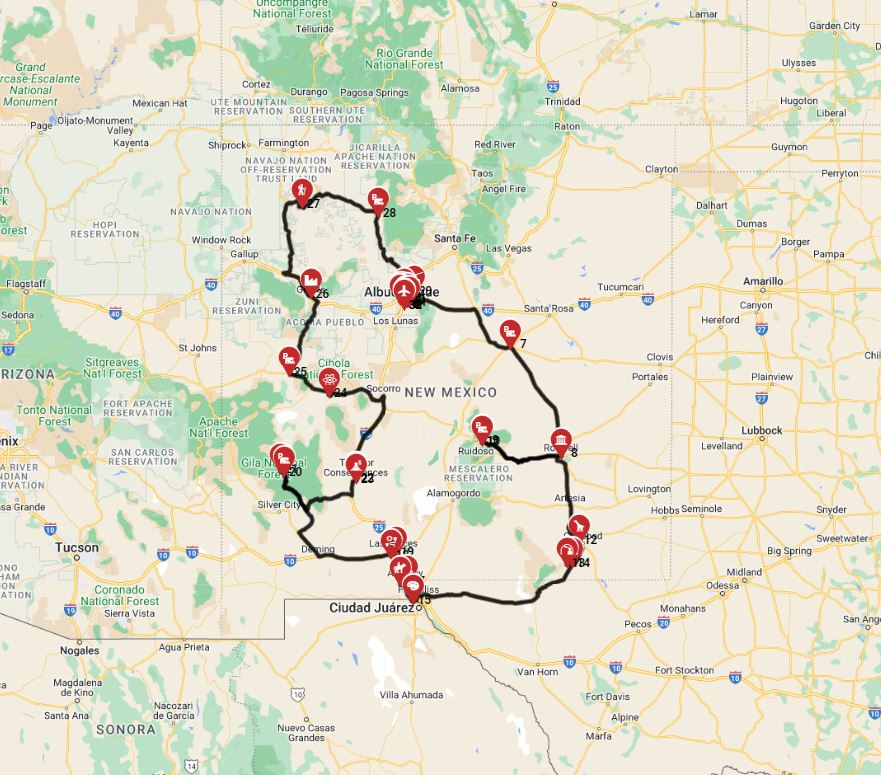
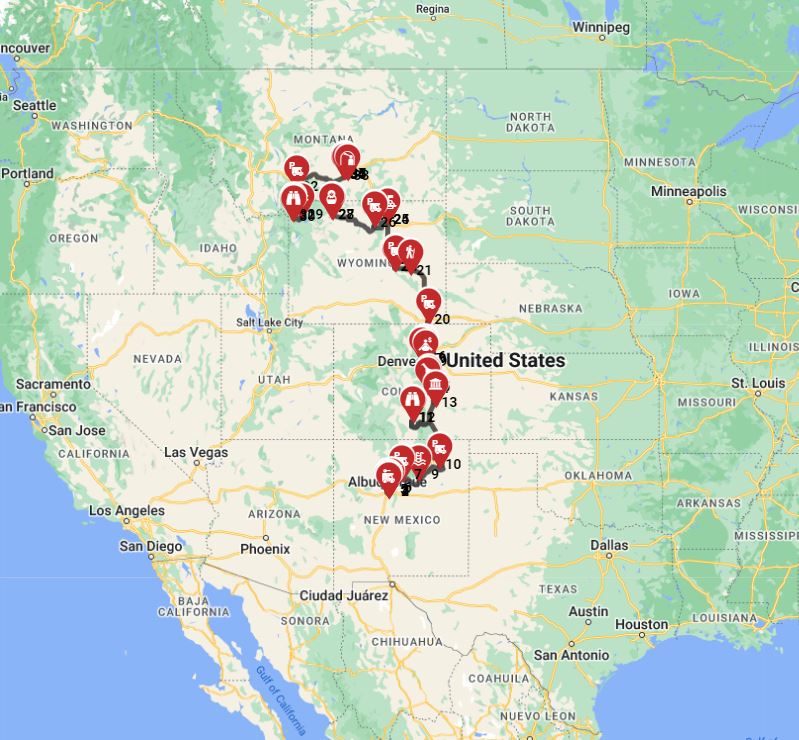
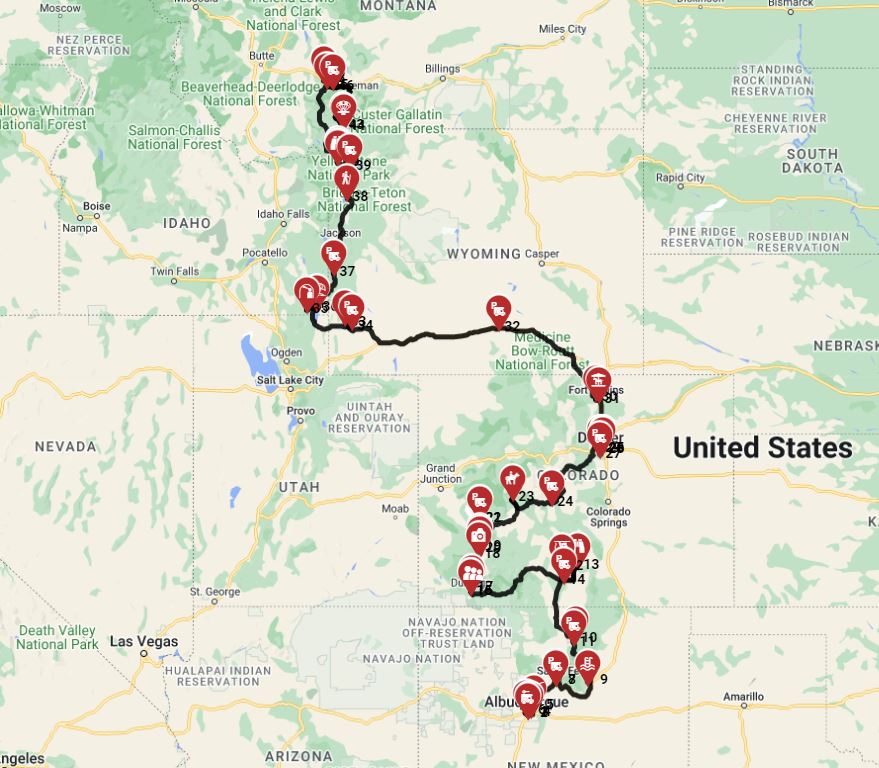
While the USA's infrastructure is generally accommodating for RVs, it's crucial for drivers of luxury motorhomes to be mindful of size restrictions, particularly concerning height, weight, and length. Many bridges, tunnels, and older underpasses will have posted height limits, commonly around 13 feet 6 inches (4.1 meters), and weight restrictions that necessitate careful route pre-planning. Certain urban centers, historic districts, or ecologically sensitive zones within national parks may also impose length or size limitations for vehicles. To navigate these potential challenges smoothly, we highly recommend utilizing specialized RV navigation apps or planning tools. For instance, tools that can display routes in specific states, like Colorado, can be invaluable for avoiding low clearances and weight-restricted roads, ensuring a stress-free journey.
Fuel: Diesel vs. Petrol & Cost per 100 km
The choice between petrol (gasoline) and diesel for your luxury RV rental in the USA largely depends on the specific model. Larger, more powerful Class A and some Class C motorhomes often favor diesel engines, which can offer better torque for towing and potentially greater fuel efficiency over long distances. Bandana's global fleet of rentals typically averages fuel consumption ranging from approximately 8 to 17 liters per 100 km, with variations based on RV class, weight, and driving conditions. For example, Class A Integrated models generally consume around 8-12 L/100 km, Class C Alcove models average 10-12 L/100 km, and the more compact Class B Camper Vans typically use 8-10 L/100 km. The actual cost per 100 km will fluctuate significantly based on current fuel prices across the USA, so it’s wise to budget accordingly, anticipating higher fuel expenses for larger, heavier luxury RVs. Some rental providers may offer fuel discount cards or loyalty programs to help mitigate these costs during your trip.
Tolls, Vignettes & Border Rules
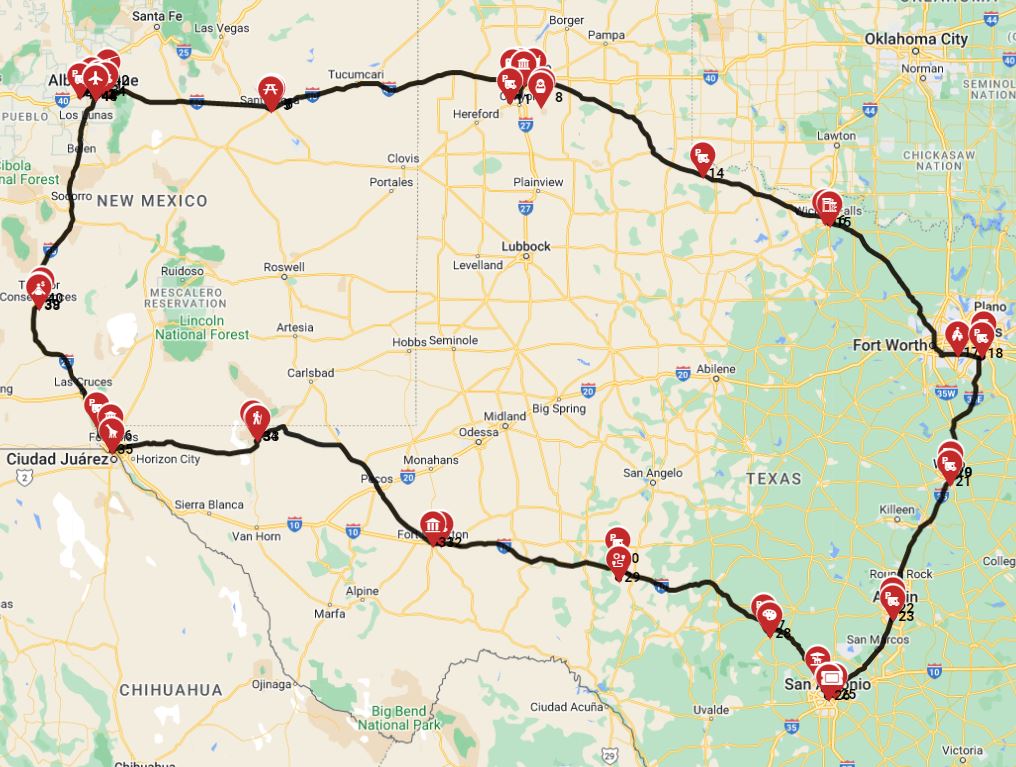
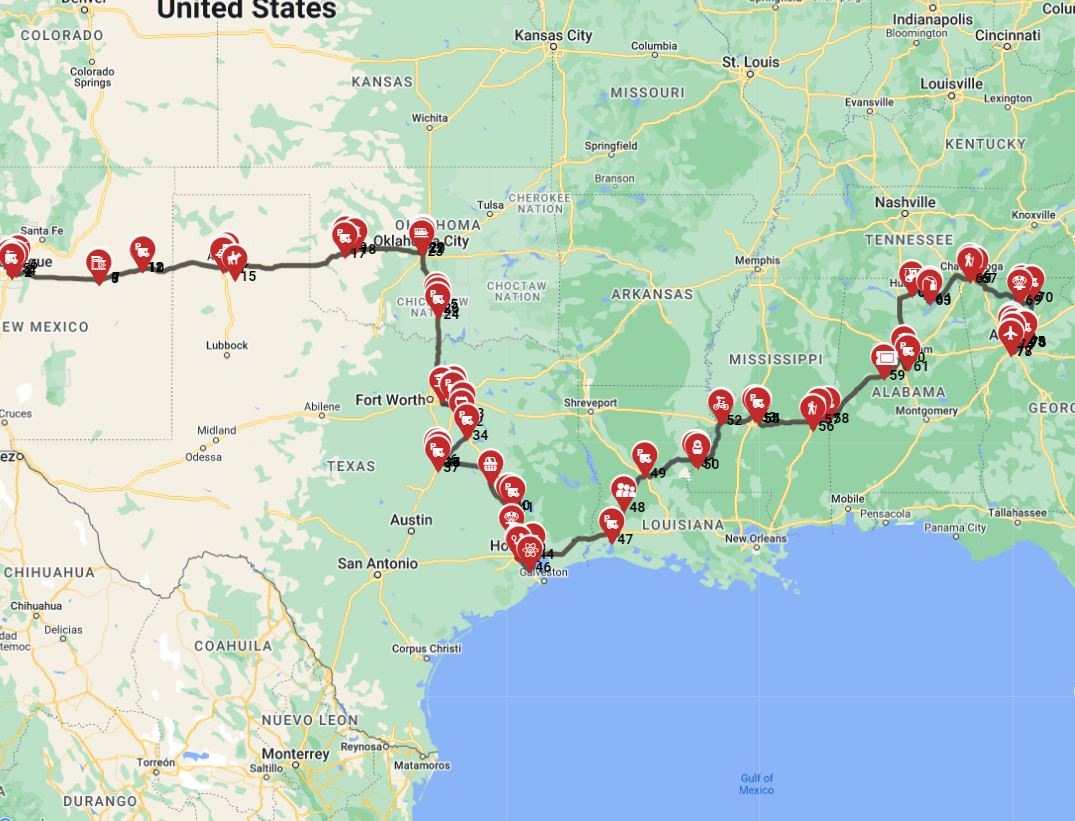
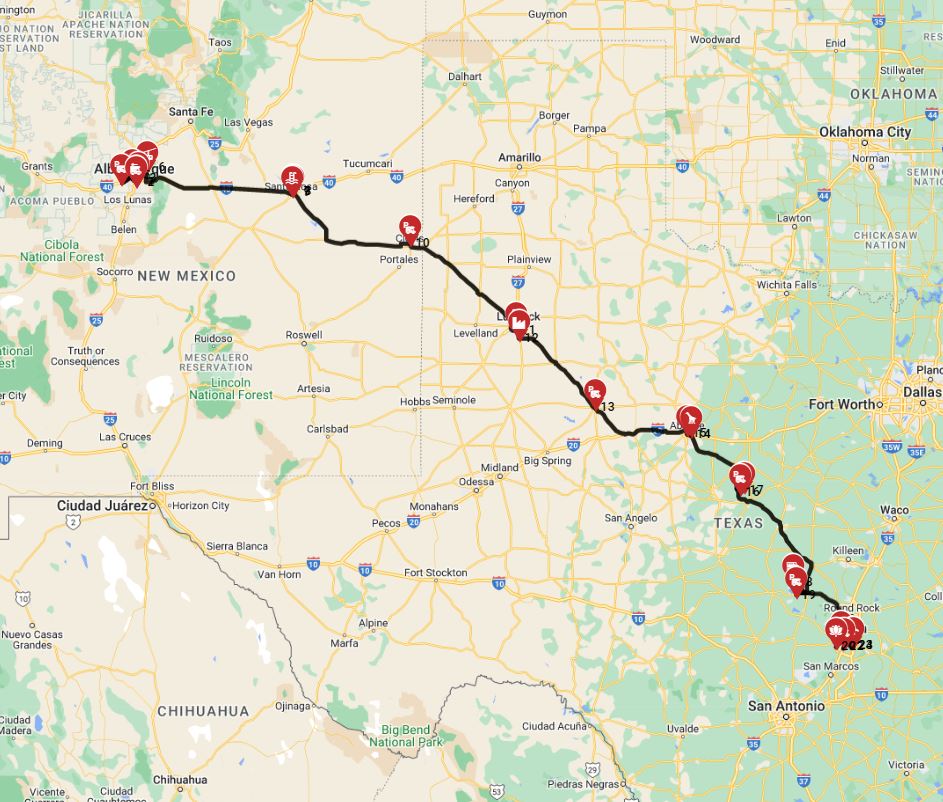
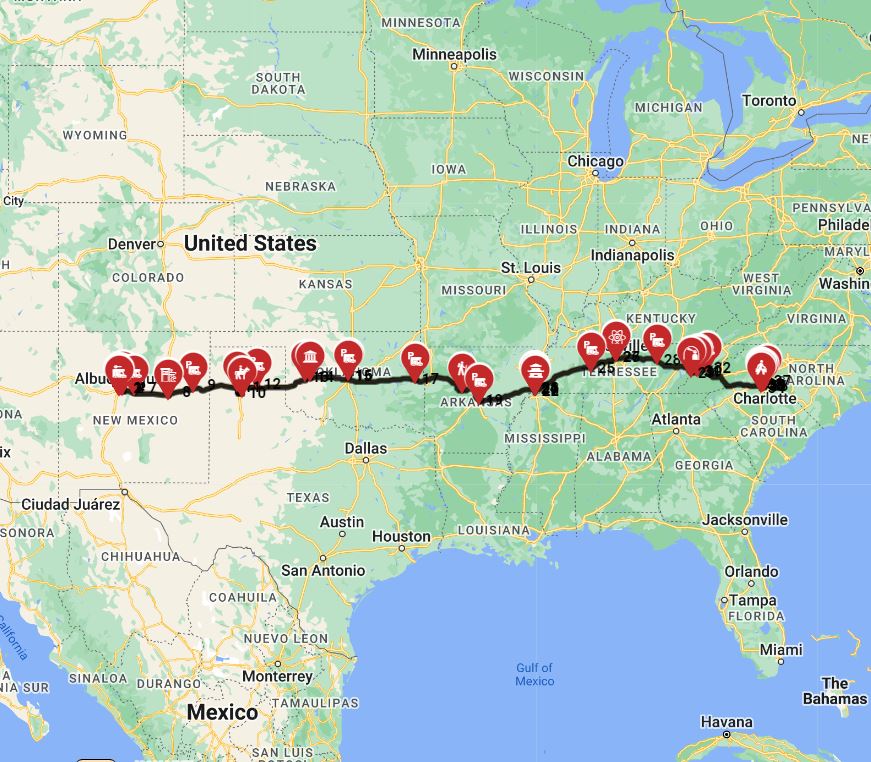
Navigating the USA by luxury RV rental involves understanding its toll system, which primarily relies on pay-per-use tolls for roads, bridges, and tunnels, rather than a national vignette requirement. These tolls are most concentrated in the Northeast, Mid-Atlantic, Florida, and California. Many of these systems are increasingly electronic, utilizing transponders or requiring post-travel online payments to avoid fines. Some rental companies offer pre-purchased toll passes for convenience, simplifying your journey. While this guide focuses on USA travel, remember that crossing into neighboring countries like Canada or Mexico will necessitate valid passports and adherence to their specific border crossing and vehicle import regulations. On the routes offered through RV PLANET routes, you can itemize and track every expense along the way for easy budgeting.
Driving Tips for Luxury RV Rental Travelers
Mastering the art of driving a luxury RV rental requires attention to a few key practices. Crucially, always maintain a significantly larger following distance than you would in a car, recognizing the increased braking time needed. Be acutely aware of your RV's dimensions—height, width, and length—especially when changing lanes or executing turns. Utilizing RV-specific navigation systems or apps is highly recommended; these tools allow you to input your vehicle's dimensions, ensuring your routes steer clear of low bridges, weight-restricted roads, or overly steep grades.
When it comes to maneuvering, practice wide turns, utilize a spotter when backing up, and get comfortable parking in spacious lots before attempting more challenging urban areas or tight campgrounds. For the ultimate luxury experience, consider that larger RVs are often best enjoyed at resort-style RV parks or private campgrounds that provide full hookups, ample space, and premium amenities, which naturally come at a higher price point than basic sites. Many luxury RV rentals come equipped with driver-comfort features like automatic transmissions, cruise control, and air-ride suspension, all of which significantly reduce driver fatigue on long journeys and through varied terrains.
Recommended RV Class for USA Roads
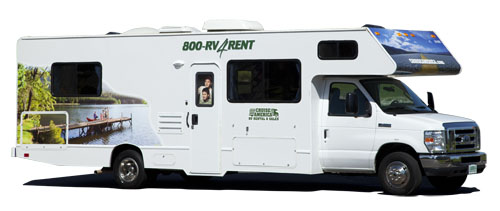
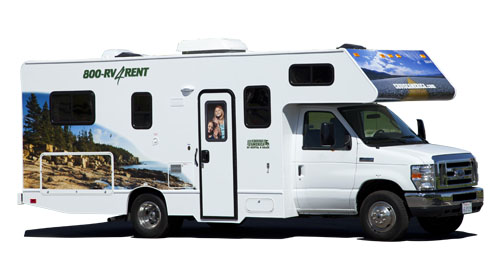
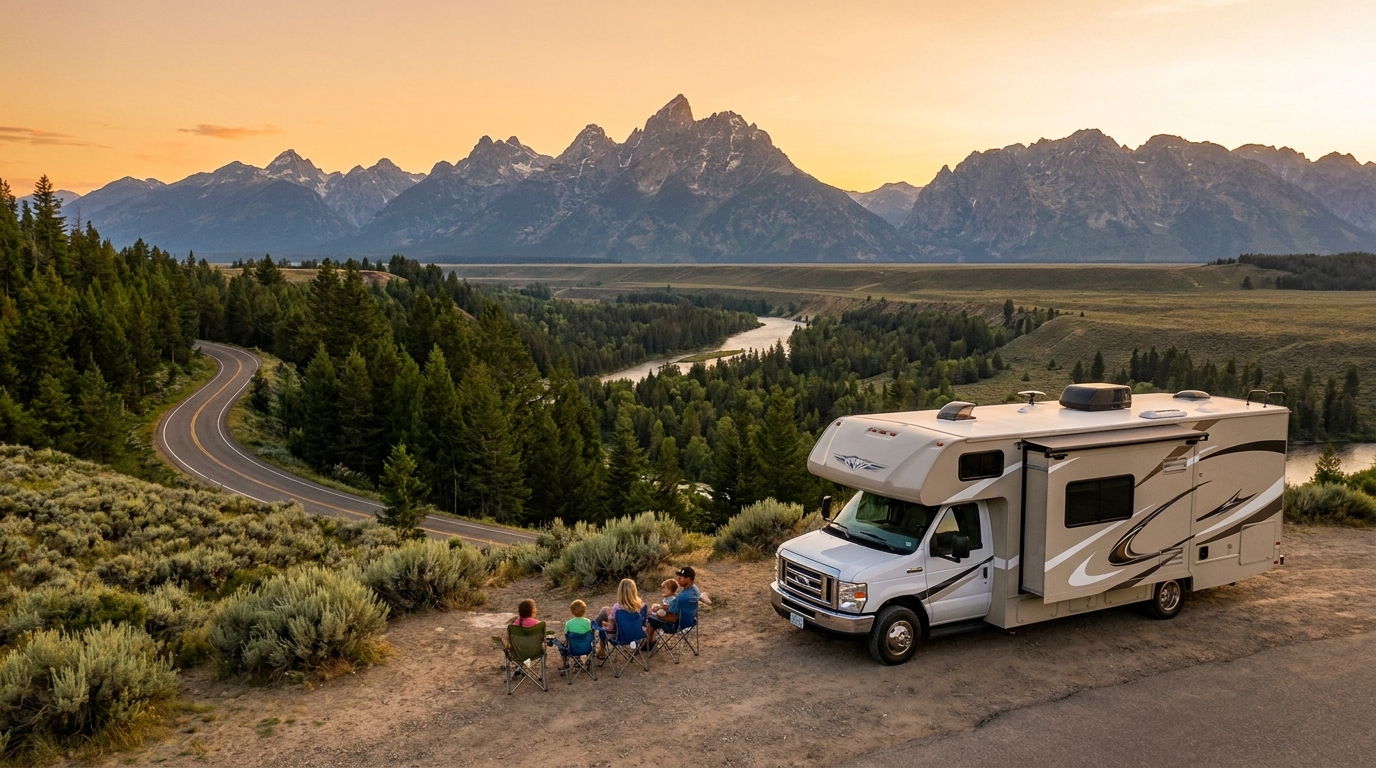
For an unparalleled luxury RV rental experience in the USA, **Class A - Integrated** and **Class C - Alcove** motorhomes are highly recommended. These classes masterfully balance spacious living, premium amenities, and manageable drivability across the diverse road network of the United States. Class A Integrated RVs, often around 7.5 meters in length and sleeping up to 4.4 people on average in Bandana's fleet, represent the pinnacle of luxury, resembling a refined tour bus with extensive living space, high-end features, and plush accommodations perfect for extended journeys and those prioritizing premium comfort. Alternatively, Class C Alcove models, also averaging around 7.5 meters in length and accommodating approximately 5.8 people, offer a comfortable and family-friendly option, distinguished by an overhead sleeping area, providing a great balance of spaciousness and generally easier maneuverability compared to their larger Class A counterparts. Both classes are exceptionally well-suited for traversing US interstate highways and provide reliable access to most national parks and well-equipped resort campgrounds, offering adequate ground clearance for varying road conditions.
Should I Choose a Compact Van Instead of a Large RV in USA?
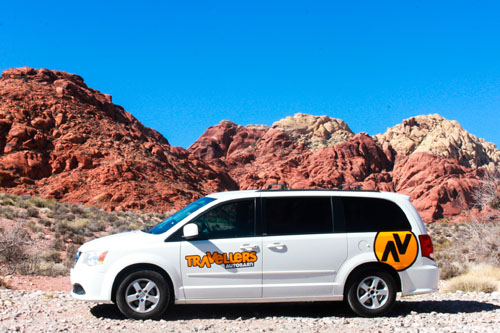
While a compact camper van, such as Bandana's Class B models which average around 5.8 meters in length, undeniably offers superior maneuverability and easier access to tight city centers or narrow mountain passes, it often means sacrificing the significant space and luxury amenities typically associated with a 'luxury RV rental.' For the vast majority of major US road trips and destination types, larger RVs like Class A, Class C, and Class SI models present no significant driving issues and deliver a demonstrably superior experience in terms of comfort, private bathrooms, full kitchens, and dedicated living areas. These features substantially enhance the overall luxury experience. A compact van truly shines when your itinerary heavily features dense urban environments, limited parking, or extremely winding, narrow scenic routes. However, for the comprehensive luxury RV experience, the enhanced comfort and features of a larger rig typically outweigh the marginal benefits in maneuverability.
Can I Park Anywhere? Free & Wild Camping Rules in USA
Generally, no, you cannot simply park anywhere you like for overnight stays in the USA. Free and wild camping regulations vary significantly by location and land ownership. Dispersed camping, which allows for free camping without services, is often permitted on vast tracts of federal lands managed by the Bureau of Land Management (BLM) and the US Forest Service, particularly prevalent in the Western USA, including areas like the Southwest USA and Colorado. Many popular retail chains, such as Walmart, alongside truck stops and some casinos, frequently permit overnight RV parking as a courtesy, though policies can change, and it is always essential to ask for permission from management first. Parking on private property always requires explicit owner permission; failing to obtain this can lead to trespassing charges. Crucially, rules vary extensively by region, state, and local municipality—always confirm local regulations and adhere to them before parking overnight.
Can I Drive an RV Into the City Center? Heights, Tunnels & Local Signage
Yes, navigating an RV into US city centers is almost always possible, though it demands heightened awareness and careful planning. Expect heavier traffic, and be prepared for potentially narrow streets and limited parking specifically designed for large vehicles. It is paramount to pay close attention to all local signage, especially for posted height limits on bridges, tunnels, and parking garages, as well as weight restrictions and designated environmental or residents-only zones. Many older cities feature low bridges or historic districts with tight turns and narrow streets that can be challenging for larger RVs to maneuver through. Utilizing RV-specific navigation tools is key to avoiding problematic routes. Actively seek out designated RV parking areas, which might be located on the city's outskirts or within larger public parking lots. For explorations in cities like those found in the Pacific Northwest, planning your route meticulously in advance and considering parking outside the absolute core to utilize public transport or ride-sharing services for inner-city navigation is often a very wise strategy.
Do you need a CDL to drive a luxury RV?
In the vast majority of US states, you typically do not need a Commercial Driver's License (CDL) to operate a luxury RV. This is generally true as long as the vehicle's Gross Vehicle Weight Rating (GVWR) remains below the 26,001-pound threshold (approximately 11,793 kg). A standard Class D driver's license, which is sufficient for operating regular passenger vehicles, covers the operation of most recreational vehicles, including many of the large and luxurious Class A and Class C motorhomes available for rent. However, it's always prudent to verify specific state Department of Motor Vehicles (DMV) regulations, as a few states might have non-commercial Class B or Class A license requirements for exceptionally large RVs or those equipped with air brakes, though these are less common for typical RV renters.
What is the 3-3-3 rule for RV driving?
The '3-3-3 rule' is a widely embraced guideline within the RV community, advocating for a balanced and enjoyable travel pace. It suggests driving no more than 300 miles per day, aiming to arrive at your destination by 3 PM, and ideally staying for a minimum of 3 nights at each location. This rule is particularly beneficial for pilots of large luxury RVs, as it's designed to prevent driver fatigue, allow ample time for setting up camp, and ensure you can relax and enjoy your surroundings rather than constantly being on the move. Adhering to this guideline significantly enhances the overall luxury RV travel experience by reducing stress, maximizing your enjoyment of the vehicle's amenities, and providing sufficient time to truly appreciate each destination.
What is the largest RV you can drive without a special license?
In most US states, the threshold for driving an RV with a standard driver's license is a Gross Vehicle Weight Rating (GVWR) of up to 26,000 pounds (approximately 11,793 kg). This weight limit accommodates the majority of large luxury Class A, Class C, and Class SI motorhomes commonly available for rental, making them accessible to drivers with a standard license. For recreational vehicles that exceed this 26,000-pound GVWR, a few states may indeed require a non-commercial Class B or Class A license endorsement. However, these instances are relatively rare for the average RV renter, as most rental providers ensure their fleets fall within the standard licensing parameters.
Can you sleep in an RV while driving in the USA?
No, it is generally considered unsafe and is illegal for passengers to sleep in the living areas of an RV while it is in motion and actively being driven in the USA. All passengers must remain seated in designated seats, with seatbelts securely fastened, throughout the journey. This safety protocol is consistent with regulations for any other vehicle, including cars and buses. Sleeping unbelted in an RV's living space while the vehicle is moving poses significant dangers in the event of an accident, sudden stop, or even a sharp turn, potentially leading to severe injury.
What is the 3-3-3 rule for RV living?
The '3-3-3 rule' for RV living is a practical and popular guideline adopted by many RV enthusiasts to foster a sustainable and enjoyable travel rhythm. It typically advocates for driving no more than 300 miles in a day, arriving at your planned campground or parking spot by 3 PM, and committing to staying for a minimum of 3 nights at each location. This approach promotes a more relaxed travel style, helping to prevent 'travel burnout' and allowing ample time to truly savor the comfort of your luxury RV's amenities, establish a settled camp, and thoroughly explore the local attractions. Adhering to this guideline can also foster a greater sense of community at campgrounds and encourages a more immersive and rewarding RV lifestyle.
What is the Rolls-Royce of RVs?
The term 'Rolls-Royce of RVs' is colloquially used to describe ultra-high-end luxury motorcoaches that epitomize unparalleled craftsmanship, bespoke features, and extravagant amenities, truly setting the benchmark for mobile opulence. Manufacturers like Prevost (famous for their converted bus shells), Newell Coach, and Marathon Coach are frequently cited as contenders for this prestigious title, often building custom RVs that command prices in the millions of dollars. These vehicles transcend conventional RV definitions, boasting features such as heated flooring, gourmet kitchens, integrated smart home technology, multiple spa-like bathrooms, and meticulously custom interior designs, collectively defining the zenith of luxury RV travel.
What is the new RV law in Florida?
There isn't a single, sweeping 'new RV law' in Florida that has fundamentally reshaped general RV operations statewide. However, it is common for local ordinances concerning RV parking, overnight stays, and specific usage scenarios to be frequently updated by individual counties and municipalities across the state. RV travelers exploring Florida should always make it a point to check specific county and city regulations regarding where parking is permitted, whether overnight street parking is allowed, and any specific rules for beaches or public access points, as these can vary significantly. While general state laws covering vehicle registration, insurance, and road safety remain consistent, these hyper-local rules are crucial for ensuring compliant and stress-free RV travel in popular Florida destinations.
What is the true meaning of luxury?
In the context of an RV rental, the true meaning of luxury extends far beyond mere size or cost; it fundamentally encompasses an elevated experience characterized by superior comfort, unparalleled convenience, personalized service, and state-of-the-art amenities that collectively enhance the travel journey. Luxury signifies having access to high-end finishes, advanced entertainment systems, gourmet kitchens, spa-like bathrooms, seamless connectivity, and ample storage, all designed to create an indulgent and stress-free home-away-from-home environment. Ultimately, it's about the freedom to explore without sacrificing comfort, the assurance of reliable support, and the ability to tailor your entire adventure to your precise preferences—from selecting exclusive campgrounds to crafting bespoke route plans—ensuring an unparalleled and memorable travel experience.
What are the synonyms of luxury?
Synonyms that effectively convey the essence of luxury include terms like opulence, extravagance, lavishness, richness, grandeur, indulgence, splendor, and affluence. When describing a luxury RV rental, employing these varied terms can vividly highlight the premium quality, superior comfort, and exceptional experience offered, clearly distinguishing these high-end vehicles from standard recreational options. Utilizing a rich vocabulary helps to communicate the exclusive and indulgent nature of the rental, appealing directly to travelers seeking a truly premium and unforgettable adventure.
What's a word better than luxury?
Depending on the specific nuance you wish to emphasize when describing an exceptional RV experience, words often considered more evocative than 'luxury' include **opulence**, **lavishness**, **elegance**, **grandeur**, **bespoke**, or **unparalleled**. Each of these terms can highlight particular aspects: 'bespoke' speaks to customization and unique design, 'unparalleled' conveys an unmatched experience, and 'opulence' communicates extreme richness and comfort. The ideal choice of word will ultimately depend on the specific features and the emotional connection a luxury RV rental aims to evoke, focusing on exclusivity, ultimate comfort, or exceptional quality that truly transcends ordinary expectations.
What You Shouldn't Miss
- Pacific Coast Highway (California): Experience the iconic coastal drive, with your luxury RV offering unparalleled access to breathtaking ocean views, charming seaside towns, and opportunities for scenic pull-offs.
- National Parks Loop (Utah/Arizona): Explore the majestic red rock landscapes of Zion, Bryce Canyon, and the Grand Canyon, where your RV can serve as a comfortable basecamp for hiking and exploration.
- Blue Ridge Parkway (Virginia/North Carolina): Enjoy a leisurely drive through the Appalachian Mountains, with your RV providing the perfect vantage point for stunning fall foliage or spring blooms, and easy access to numerous hiking trails.
- Route 66 Remnants (Illinois to California): Relive classic Americana by tracing parts of the historic Route 66, stopping at quirky roadside attractions and vintage diners, all from the comfort of your mobile home.
- Rocky Mountain National Park (Colorado): Drive scenic park roads, perhaps encountering wildlife like elk or bighorn sheep, and finding designated RV-friendly campgrounds amidst spectacular alpine scenery.
- Everglades National Park (Florida): Experience the unique subtropical ecosystem, with RV-accessible areas allowing for airboat tours and wildlife viewing, all while enjoying the convenience of your luxury mobile lodging.
Final Thoughts
Renting a luxury RV in the USA opens up a world of possibilities for an unforgettable road trip. Whether you're drawn to the dramatic landscapes of the West, the historic charm of the East, or the vibrant culture of the South, a rented RV provides the freedom and comfort to explore at your own pace. Remember to plan your routes considering the size of your vehicle, stay informed about local driving regulations, and always prioritize safe driving practices.
We encourage you to embrace slow travel, allowing yourself time to truly connect with the places you visit, savor the local flavors, and appreciate the ever-changing scenery. For finding the perfect campsites and campgrounds to complement your journey, we recommend using RV PLANET (rvplan.net) – a fantastic resource for locating available spots along your chosen route. Your dream American road trip awaits!