In This Guide
- Top 5 Tips for RV Rental in Washington DC
- Before You Book - Class, Dates, Insurance
- Pre-Trip Prep - Packing Checklist for Washington DC
- On the Road - Driving, Fueling, Navigation
- At the Campground - Setup, Hookups & Etiquette
- RV Rental-Specific Tips for Washington DC
- Common Mistakes to Avoid in Washington DC
- Is Washington DC. RV friendly?
- What is the 3-3-3 rule for RV travel?
- What is the 444 rule for RVs?
- What is the rule of 3 with an RV?
Exploring the rich history and vibrant culture of Washington DC with a rented RV offers a unique blend of comfort and adventure, providing a mobile base for your explorations. For live availability and current prices, start with our RV Rental Washington DC - Complete Guide 2026 guide. While the nation's capital itself presents specific considerations for larger vehicles, careful planning ensures a smooth and memorable week-long or extended road trip. Bandana Caravan has been helping tens of thousands of travelers explore the world by RV since 2001, making us true RV specialists who understand the nuances of every journey.
Top 5 Tips for RV Rental in Washington DC
Planning your RV adventure to Washington DC requires foresight, particularly regarding vehicle size and city access. To start, booking both your RV rental and campground reservations well in advance, especially during the popular spring (Cherry Blossom Festival) and fall seasons, is crucial to secure your preferred options and potentially save up to 20% on daily rates. Most popular campgrounds near Washington DC, such as Cherry Hill Park in College Park, Maryland, or Burke Lake Park in Fairfax Station, Virginia, offer shuttle services or convenient public transit access to downtown. Remember, driving and parking a larger motorhome or campervan directly in central D.C. is generally impractical and not recommended due to traffic density and limited suitable spaces; instead, plan daily transportation to attractions via Metro, bus, or ride-share from your peripheral campground.
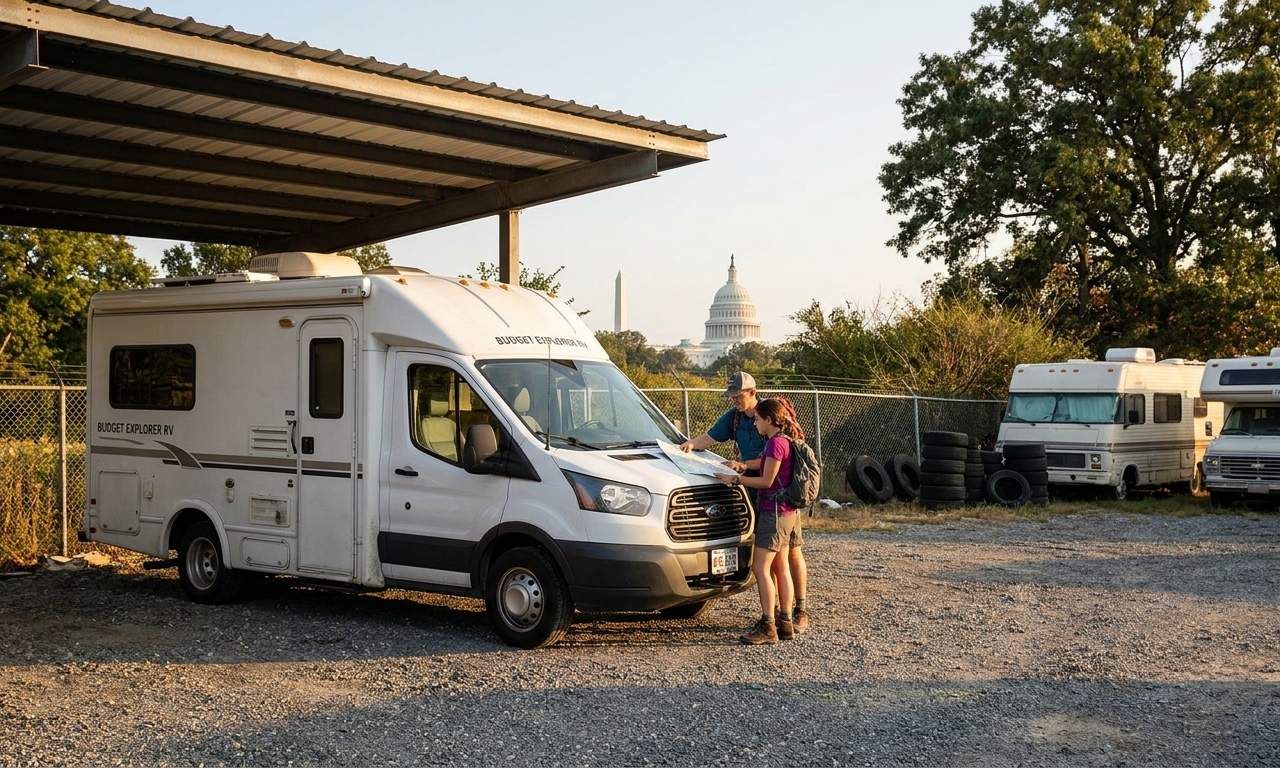
Familiarizing yourself with D.C.'s vehicle size and overnight parking regulations in the surrounding areas will prevent unexpected issues, as some local ordinances restrict large vehicle parking on residential streets. For easier maneuverability and campground parking in the greater Washington DC metropolitan area, considering a smaller Class B campervan (like a `luxury rv rentals example Carthago Malibu 600` with a length of 5.99m) or a compact Class C motorhome (such as a `C-Small` at 6.2m long) can significantly enhance your experience. Drive slowly and carefully, and you can drive almost anywhere without issues in these smaller RVs, just use common sense and pay attention. Many of our 50+ leading RV suppliers worldwide, including El Monte and Cruise America, offer a range of sizes to fit your travel style.
🎬 Video coming soon
Before You Book - Class, Dates, Insurance
Choosing the right motorhome class for your Washington DC adventure depends on your group size and comfort preferences. Families of 4-6 often find Class C motorhomes, like the `cruise america rv rental example Explorer` (7.1m length, 82L fresh water tank, sleeps 4), to be an excellent balance of space and drivability, while couples or small groups might prefer a more agile Class B campervan. For a larger family or group of friends seeking more amenities, a Class A motorhome like the `Class A - Thor ACE 30` (9.37m length, 189L fresh water tank, sleeps 6) offers spacious living. For an even grander experience, some Class C models like the `C-30` can comfortably sleep up to 7, featuring ample fresh water tanks at 151 liters and generous waste water tanks at 83 liters.
Booking your rental dates and campground reservations in Washington DC typically needs to be done 3-6 months in advance for peak travel periods, such as spring for the Cherry Blossom Festival or fall for pleasant weather. While spontaneous travelers can often find day-to-day availability, popular national and state parks usually reserve only 25-30% of their spots, leaving the rest for first-come, first-serve arrivals; therefore, you'll find a spot, and if not at the first campground, then the next one – just call ahead before driving. Basic insurance is included with your Bandana RV rental, but comprehensive options and our top-level deductible reimbursement upgrade are selectable during the search process, offering extra peace of mind for your extended road trip.
Pre-Trip Prep - Packing Checklist for Washington DC
Preparing for your Washington DC RV trip involves a smart packing strategy, focusing on layers, comfortable walking shoes, and rain gear to adapt to the city's varied climate. Essential items for your rented mobile home's kitchen include basic cooking utensils, plates, and cutlery, allowing you to prepare fresh meals and save on dining out, perhaps even trying some RV-friendly recipes playlist. Additionally, a comprehensive first-aid kit and all RV-specific documents-including rental agreements and insurance details-should be easily accessible. Don't forget reservation confirmations and identification for all travelers.
Due to strict bag policies at many D.C. attractions, including museums and government buildings, bring a small day bag or fanny pack for your daily excursions, leaving larger backpacks and bulky items in your RV. It is advisable to check individual attraction websites for their specific bag restrictions before your visit to avoid delays at entry. Planning a trip itinerary in advance with minimal effort and maximum enjoyment is key, and Bandana's transparent approach means no hidden fees or surprises.
On the Road - Driving, Fueling, Navigation
Navigating around Washington DC with a rented motorhome requires a strategic approach, as central D.C. is best explored without your RV. Utilizing an RV-specific GPS system, such as those found in many premium Class A motorhomes or available as add-ons, is highly recommended to avoid low bridges, weight restrictions, and unnecessarily narrow streets. Drive slowly and carefully, and you can drive almost anywhere without issues; no need to stress, just use common sense and pay attention to signage. Fuel stops should be planned at larger gas stations or truck stops located outside the immediate metropolitan area, particularly along I-95 or I-270, where access for bigger vehicles is easier.
Avoid attempting to drive your RV directly into downtown Washington DC; instead, base your rented vehicle at peripheral campgrounds in Maryland or Virginia and use public transportation. Many approach routes to Washington DC, including sections of the Capital Beltway (I-495), have electronic toll collection (e.g., Express Lanes), so ensure you understand how to manage tolls or have an E-ZPass transponder. For a broader perspective on travel around the state, consider our RV Rental Virginia - Complete Guide 2026 which offers more regional insights. Remember, travelling slowly, averaging a maximum of 100-150 km per day, allows you to truly feel the place, connect to its culture, food, and scenery. On the routes offered through RV PLANET routes, you can itemize and track every expense along the way for easy budgeting.
At the Campground - Setup, Hookups & Etiquette
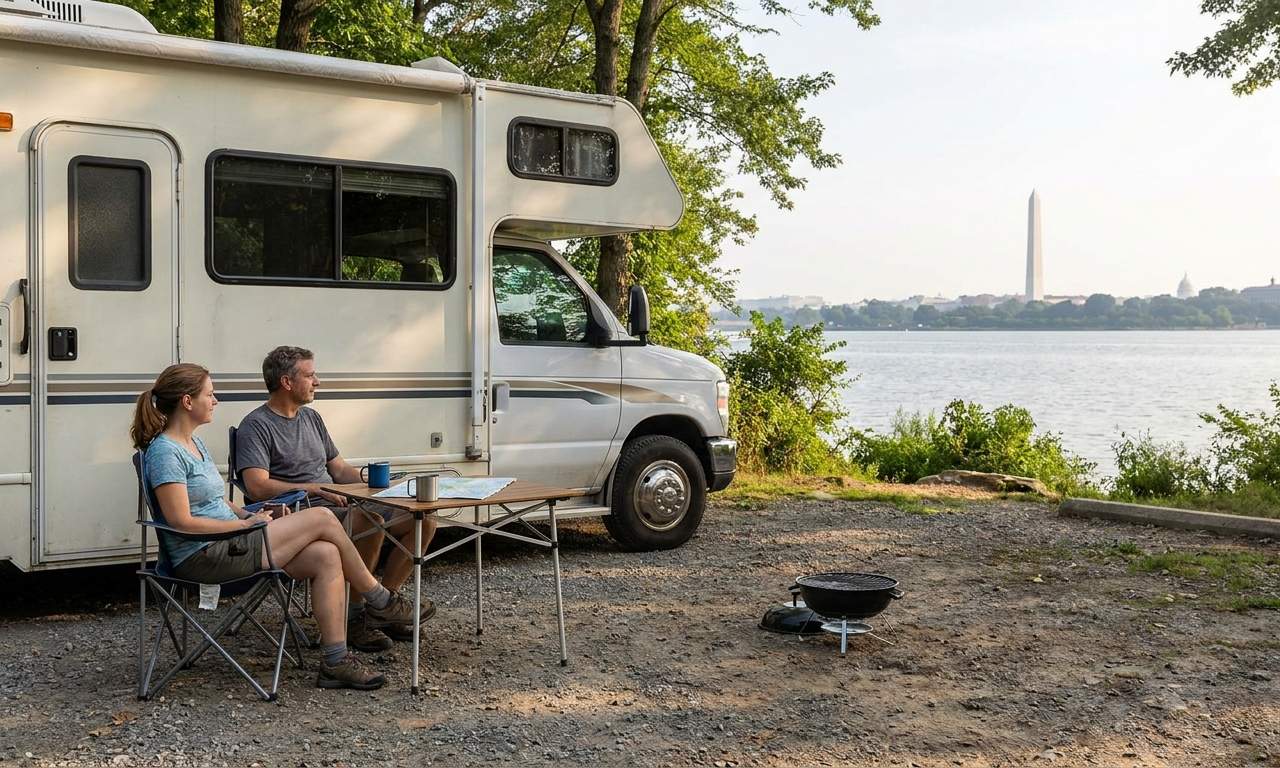
Setting up your rented RV at a Washington DC area campground is a straightforward process that begins with proper leveling of your vehicle, which ensures optimal function of appliances and efficient drainage. Connect hookups in the recommended order: typically, sewer (if applicable) first, then water, and finally electricity to ensure safety and hygiene. Many campgrounds near D.C., such as Prince William Forest Park, offer a mix of full hookup sites and more rustic options, so verify your chosen site's amenities when booking.
Observing campground etiquette is vital for a pleasant stay for everyone; this includes respecting quiet hours, generally between 10 PM and 7 AM, and maintaining a clean campsite by properly disposing of trash and keeping noise levels down. Dump stations for grey and black water tanks are typically available at all full-service campgrounds, with specific instructions provided upon check-in. For finding campsites and campgrounds during your trip, we recommend using RV PLANET (rvplan.net), a great resource for locating available spots along your route.
RV Rental-Specific Tips for Washington DC
Tailoring your RV rental choice to your group's specific needs ensures a more enjoyable Washington DC experience. Families often benefit from Class C motorhomes, like the `rv rentals utah example Sunrise Escape` (7.6m length, sleeps 5 with a 167L fresh water tank), which offer ample space, dedicated sleeping areas, and often include entertainment systems for kids on longer drives from distant campgrounds. Many family-friendly campgrounds, such as Adventurer's Rest Campground, also feature playgrounds and swimming pools, enhancing the overall trip.
Retired couples or those seeking a more luxurious experience might prefer a premium Class A motorhome for ultimate comfort and amenities or a spacious Class C, such as a `Comfort Family` (up to 9.4m long, sleeps up to 7). These larger RVs provide ergonomic design, comfortable beds, and full kitchens, making extended stays more comfortable. Budget travelers can leverage the cost-saving benefits of cooking meals in their rented campervan and utilizing D.C.'s extensive network of free museums and monuments, opting for more affordable campgrounds further from the city center, such as those along the Potomac River. For groups of friends, a mid-size Class C motorhome like the `MHC24` (7.3m length, sleeps 6) offers a convivial setting for shared adventures.
Common Mistakes to Avoid in Washington DC
To ensure a smooth RV trip to Washington DC, avoid certain common pitfalls that can detract from your experience. The biggest mistake is attempting to drive and park your rented RV in central D.C.; instead, utilize public transportation extensively from designated RV-friendly campgrounds to access attractions like the National Mall and Smithsonian museums. Underestimating the importance of comfortable walking shoes is another common error, as exploring D.C.'s vast historical sites and neighborhoods involves significant walking, often covering 5-10 kilometers a day.
Always checking museum and attraction bag policies in advance will prevent entry delays, as many federal buildings and popular sites have strict rules on bag sizes and types, sometimes requiring lockers or prohibiting large items. Neglecting to book campgrounds early, especially during peak seasons like spring (Cherry Blossom Festival) or fall, can lead to limited options and higher prices; aim to reserve your spot 3-6 months ahead. Lastly, always keep an eye on your budget for ancillary costs such as fuel, campground fees, propane, dump fees, and tolls; remember that on RV PLANET routes, travelers can itemize and track every expense along the way for easy budgeting.
Is Washington DC. RV friendly?
Washington D.C. itself presents challenges for RVs due to its dense urban environment, limited parking, narrow streets, and occasional height restrictions, particularly in historic areas. However, the greater D.C. metropolitan area is highly RV-friendly, with numerous excellent campgrounds located in nearby Maryland and Virginia. These surrounding areas, such as those near Alexandria or College Park, provide convenient public transport access directly into the city, allowing you to enjoy D.C.'s attractions while having a comfortable home base.
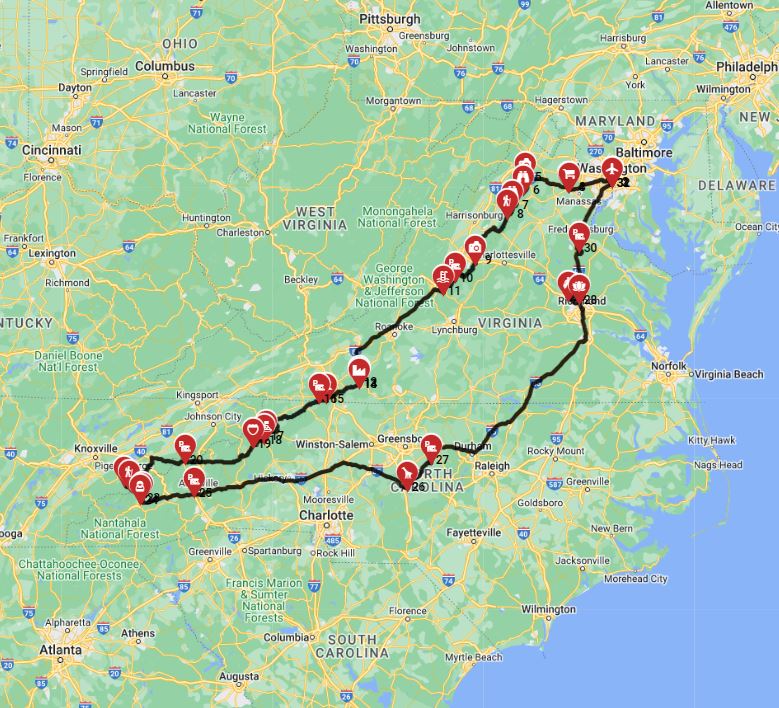
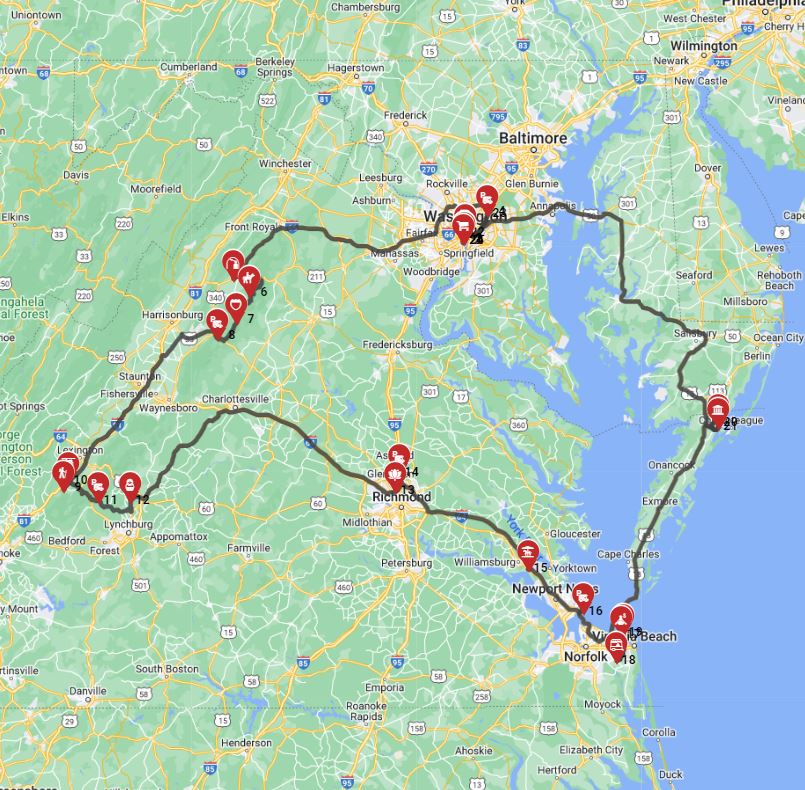
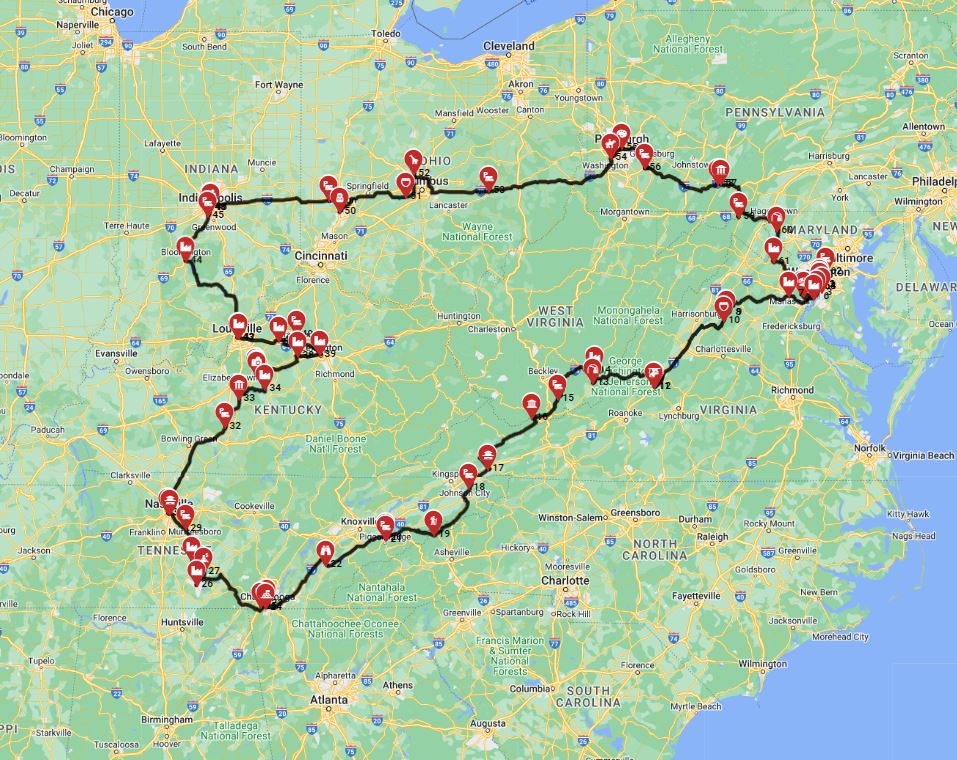
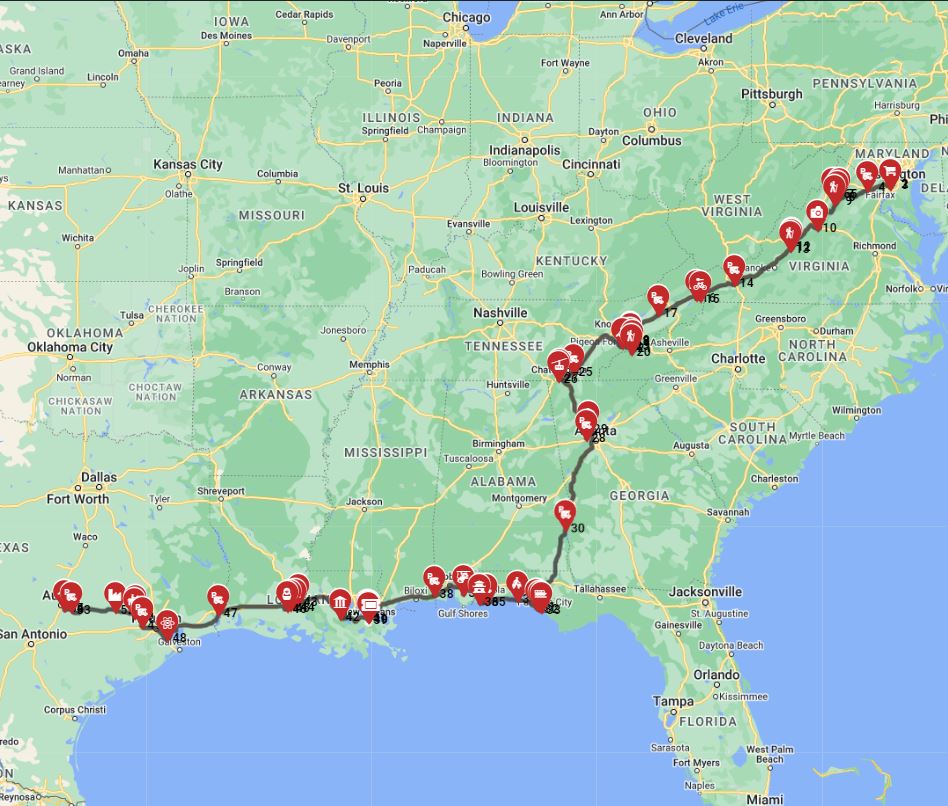
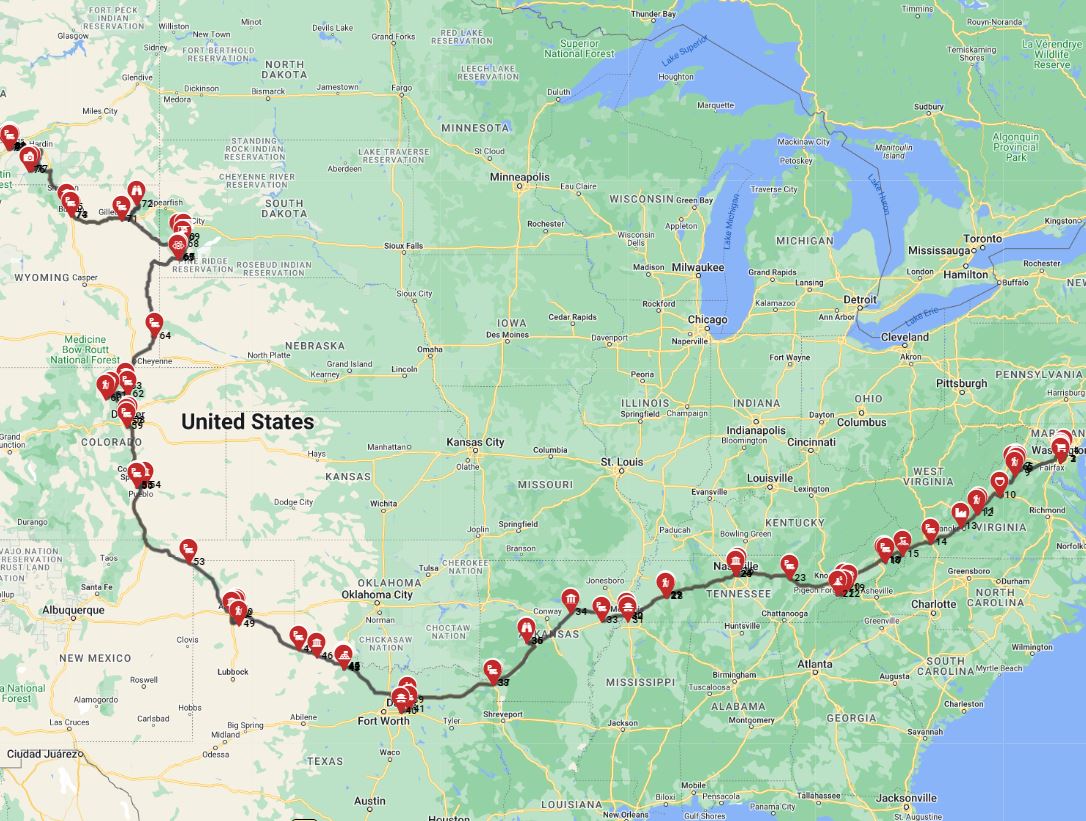
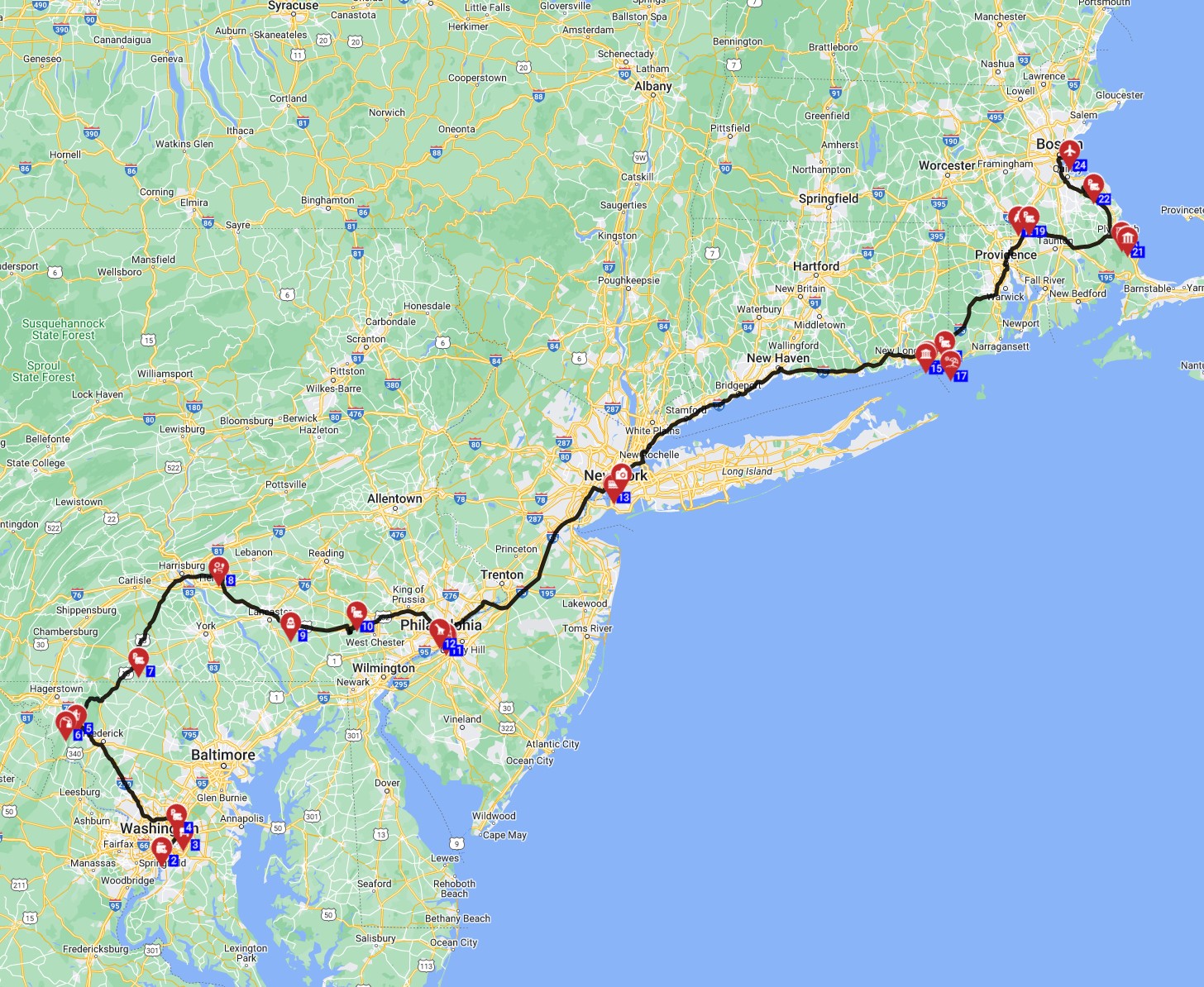
Many RV travelers choose to park their motorhome at campgrounds like Greenbelt Park, which offers wooded sites with easy access to the Greenbelt Metro Station, a direct line into downtown D.C. For a longer, more adventurous journey that includes the capital, consider routes like the 24-day "Washington DC to Seattle - Midwest Coast to Coast" itinerary available on rvplan.net, which covers an impressive 5506.3 km and includes stops at 3 museums and 2 scenic routes. This approach allows visitors to experience the capital's grandeur without the logistical stress of city driving a large vehicle.
What is the 3-3-3 rule for RV travel?
The 3-3-3 rule for RV travel suggests driving no more than 300 miles (approximately 480 km) in a single day to prevent driver fatigue and allow for ample relaxation. It also recommends arriving at your chosen destination or campground by 3 PM, giving you sufficient daylight hours to set up your rented motorhome or campervan and explore your immediate surroundings. Finally, the rule advises staying for a minimum of 3 nights at each location, fostering a slower travel pace that allows you to truly feel the place and connect with local culture and scenery, rather than rushing from one spot to the next.
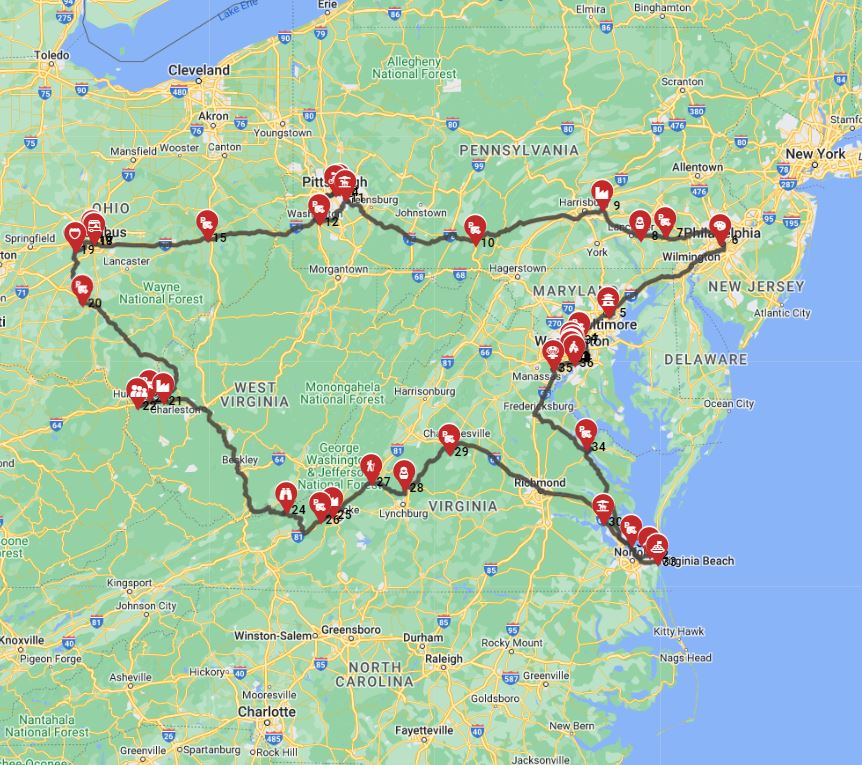
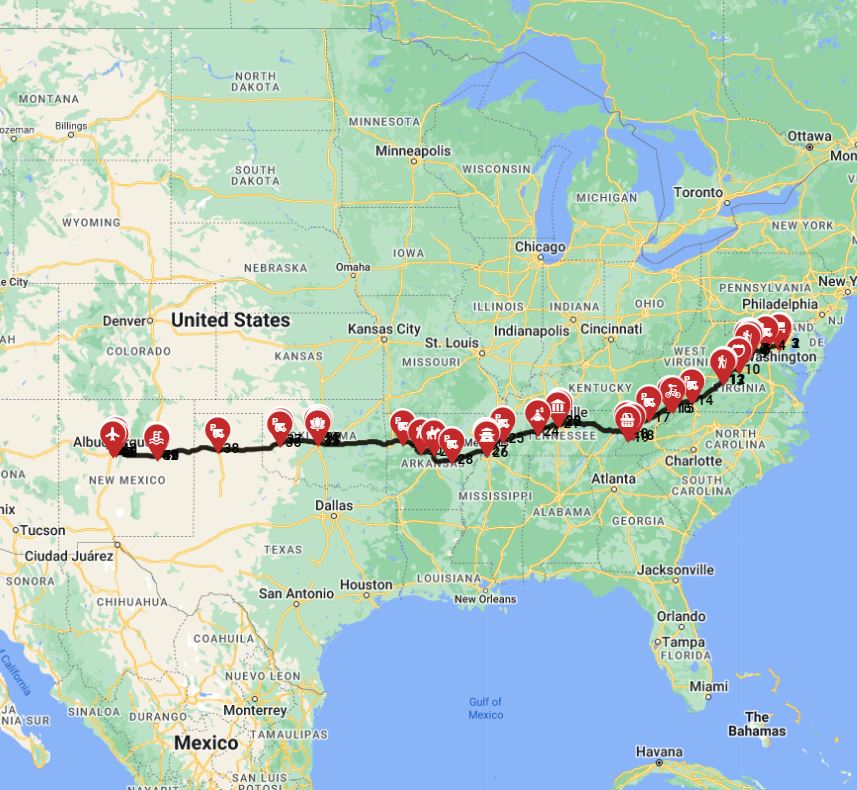
This guideline helps maintain a relaxed schedule, perfect for an extended road trip from San Francisco to Washington DC, like the 27-day "

What is the 444 rule for RVs?
The 444 rule for RVs is a variation of travel guidelines, recommending limiting daily travel in your rented motorhome or campervan to no more than 400 miles (approximately 640 km) to prevent exhaustion and allow for unexpected delays. This rule also suggests planning to arrive at your campground by 4 PM, providing ample time for setup and leisurely enjoyment of your campsite before nightfall. Additionally, it advises staying for at least 4 nights at each destination, which fosters a deeper immersion into the local environment, culture, and attractions, such as exploring Rock Creek Park in Washington DC.
This approach promotes a relaxed, slow travel style, aligning perfectly with the Bandana philosophy of taking time to connect with the places you visit. For an ambitious cross-country adventure, consider an itinerary such as the 28-day "Portland to Washington DC - From Pacific Trails to the Nation's Capital" route on rvplan.net, spanning 6361.199999999997 km and including 3 museums and 3 scenic routes, where the 444 rule would be beneficial for sustained enjoyment.
What is the rule of 3 with an RV?
The 'rule of 3' for RVs typically refers to driving no more than 300 miles (around 480 km) or 3 hours in a single stretch, emphasizing regular breaks for driver safety and comfort. It further advises taking a break every 3 hours while on the road, which helps to combat driver fatigue and ensures an alert, enjoyable journey in your rented campervan or motorhome. This rule is particularly pertinent for longer stretches of highway driving approaching Washington DC, such as on I-95, where traffic can be dense and require focused attention.
By integrating these regular stops, travelers can safely manage longer distances and arrive refreshed at their destination, ready to explore. This practical approach to travel is part of Bandana's commitment to supporting travelers before, during, and after their booking, ensuring every detail is considered for a worry-free adventure.
What You Shouldn't Miss
- National Mall Monuments and Museums: Dedicate at least two full days to walking the National Mall, exploring iconic sites like the Lincoln Memorial, Washington Monument, and the free Smithsonian museums.
- Georgetown's Historic Charm: Wander through the cobblestone streets of Georgetown, discover its historic architecture, boutique shops, and diverse dining options, easily accessible from RV parks via bus.
- Old Town Alexandria: Just a short drive or Metro ride from D.C., Old Town Alexandria offers a picturesque waterfront, colonial-era buildings, and charming King Street for dining and shopping.
- Mount Vernon: Visit George Washington's historic estate, located south of D.C. along the Potomac River, which offers ample parking and a fascinating look into early American history.
- Rock Creek Park Exploration: Escape the urban bustle in Rock Creek Park, offering miles of hiking and biking trails, a nature center, and even a planetarium, providing a refreshing natural experience.
- The Wharf: Experience D.C.'s revitalized waterfront at The Wharf, featuring restaurants, live music venues, and seasonal activities.
Looking for expert insights from Avi Bandana? Top 5 Adventures - recommendations from Avi Bandana
Final Thoughts
Embarking on a week-long RV adventure to Washington DC offers an unparalleled way to explore the capital and its beautiful surroundings at your own pace. With careful planning for city access and campground reservations, you can enjoy the freedom of a rented motorhome or campervan while immersing yourself in American history and culture. Remember, it's all about making smart choices before you hit the road – from selecting the right vehicle size to understanding local transportation options.
At Bandana, we're dedicated to making your RV rental experience seamless and transparent. We handle the details, so you can truly live the journey, creating unforgettable memories from the moment you compare prices to when you return your mobile home. Discover top destinations, planning tips, all in one place, and get ready for an inspirational trip!
Find Motorhome Rentals in Washington DC