In This Guide
- Where to Camp in USA — Top Options
- Campground Types in USA (National, Private, Wild)
- Featured RV Park or Campground in USA
- Hookups & Amenities — What to Expect
- Booking Windows & Reservations in USA
- Nearby Supermarkets & Resupply Points
- Best RV Class for Camping in USA
- How to Save on Campgrounds in USA
- Can I park my RV anywhere in the USA?
- Which state is the most RV friendly?
- Can I rent an RV in one state and drop it off in another?
- Can you sleep anywhere in an RV in the USA?
- What are the top 10 RV campgrounds in the USA?
- What is the 3-3-3 rule for RVs?
- What is the average cost of staying at an RV park in the US?
- What does FF mean in camping?
Where to Camp in USA — Top Options
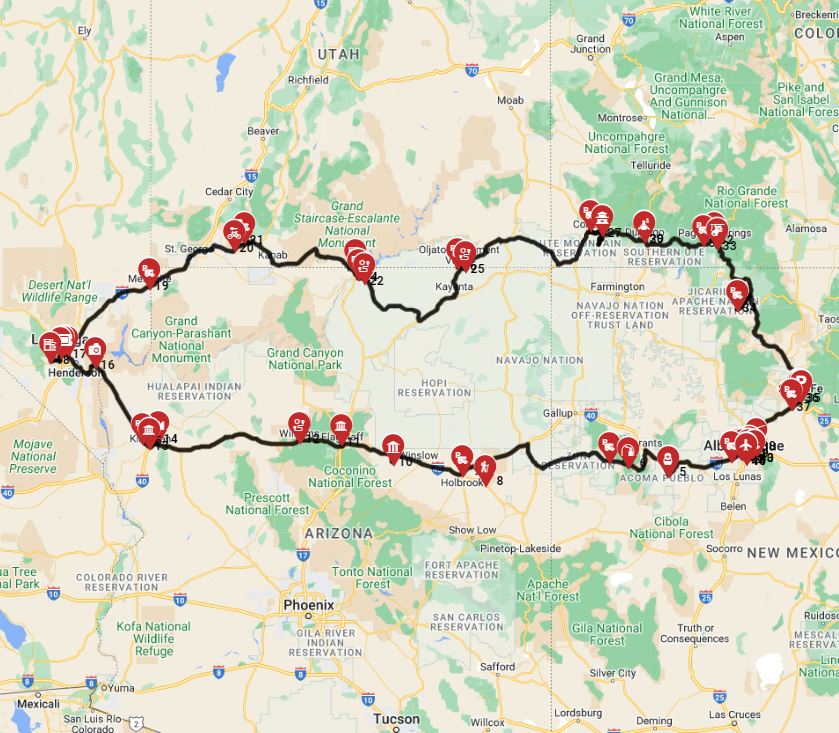
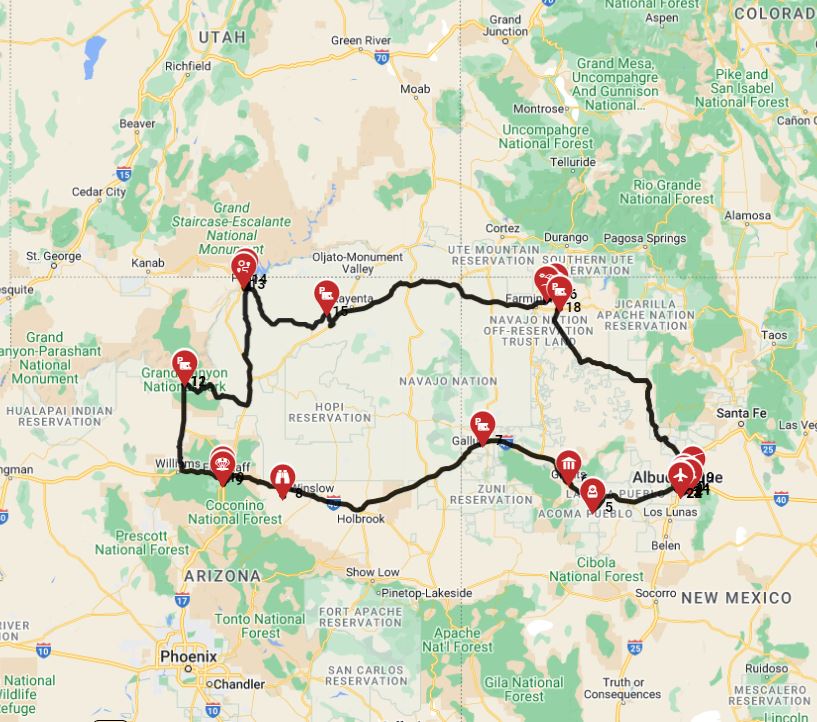
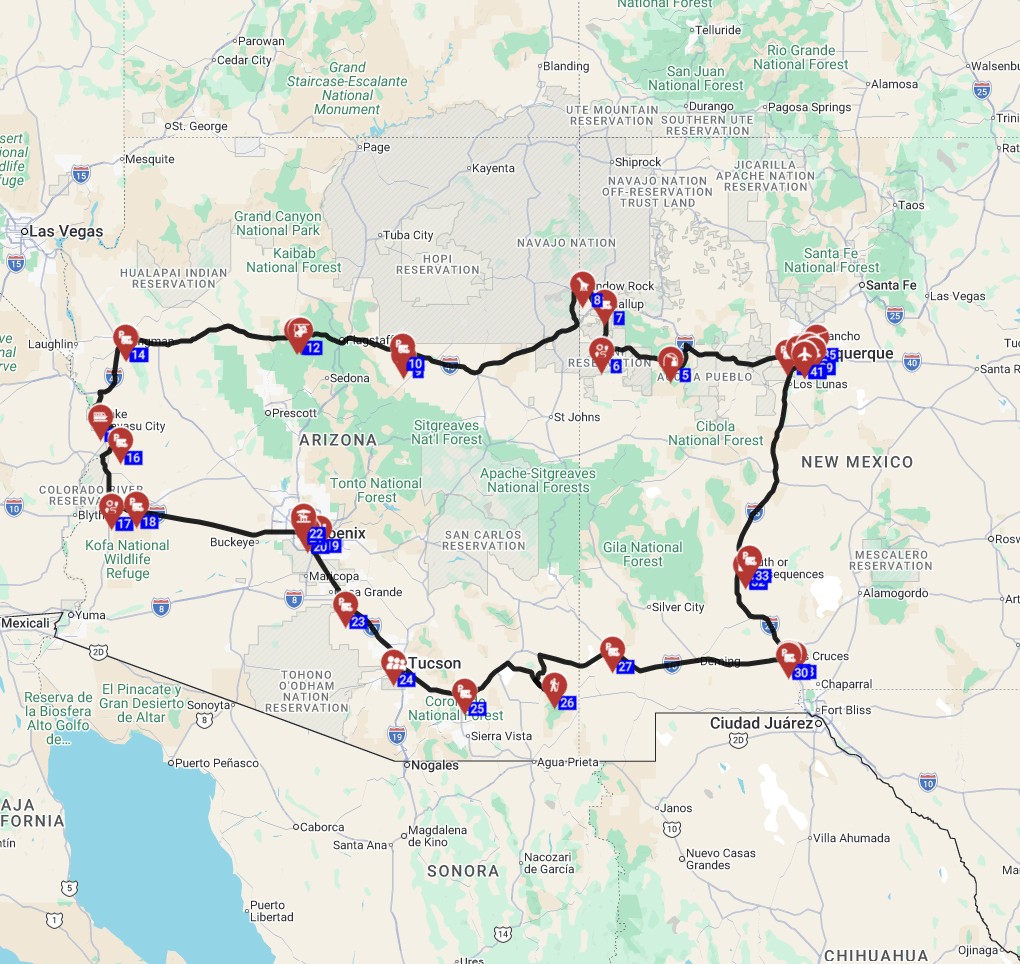
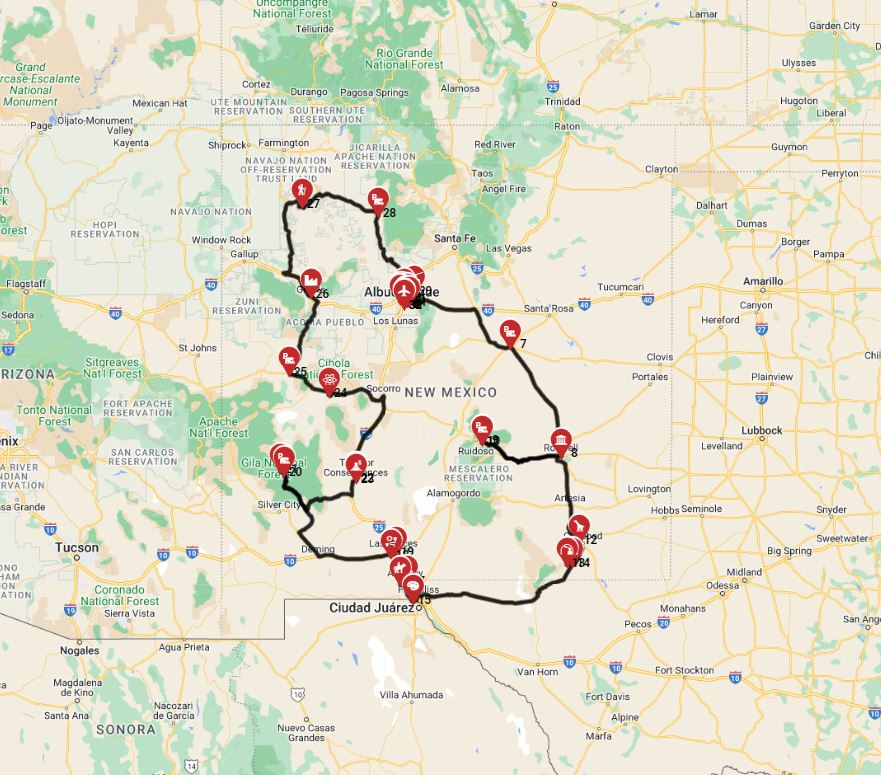
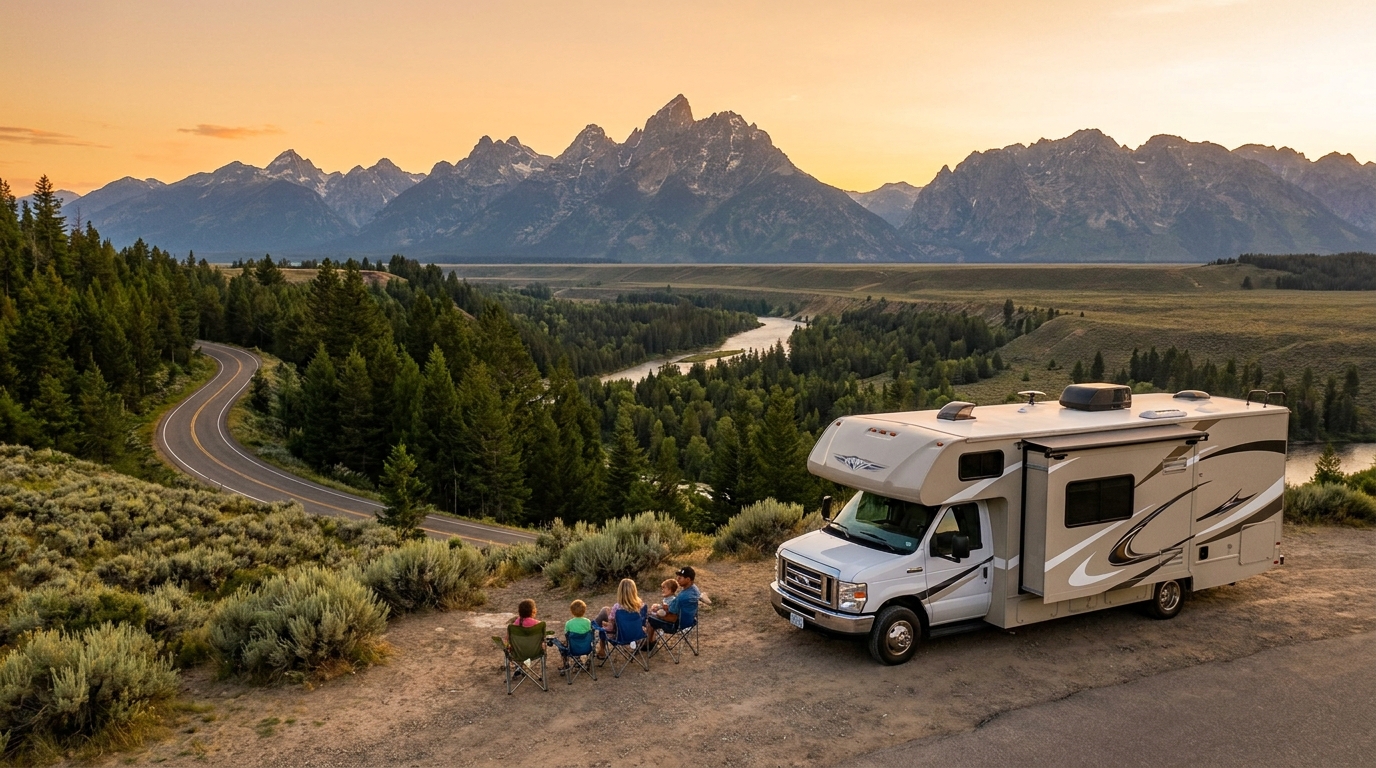
The USA presents an unparalleled variety of camping destinations, from the stunning wilderness of Alaska to the sun-drenched beaches of Florida. Travelers with a rented RV can explore iconic National Parks like Yosemite or Zion, discover countless state parks, enjoy amenity-rich private RV resorts, or embrace the solitude of dispersed camping on Bureau of Land Management (BLM) lands. For comprehensive planning and current prices for your journey, start with our RV Rental USA - Complete Guide 2026. Imagine waking up to the majestic Grand Canyon in Arizona, or navigating the scenic coastal highways of California, all from the comfort of your mobile home. Remember to travel slowly, averaging a maximum of 100-150 km per day, allowing yourself time to truly soak in the diverse landscapes and local cultures.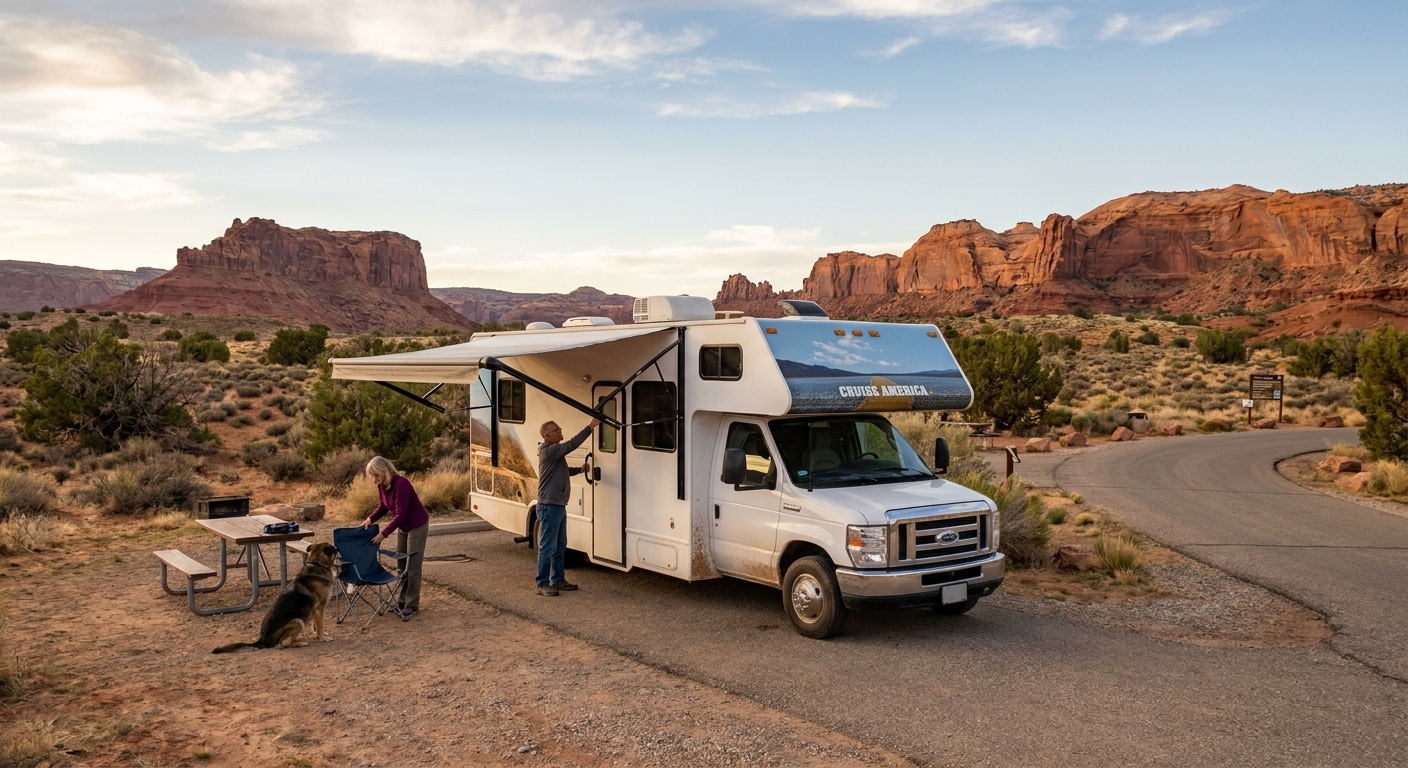
Campground Types in USA (National, Private, Wild)
RVers in the USA have three primary campground categories to choose from: National Park/Forest Service campgrounds, Private Commercial Campgrounds, and Wild Camping (also known as boondocking). National Park and Forest Service sites offer immersive natural settings, often with limited hookups, and typically require reservations months in advance, especially for popular areas within states like Colorado or California. Private campgrounds and RV resorts, such as those popular in Florida, offer a wide array of amenities including full hookups, pools, Wi-Fi, and recreational facilities, catering to a desire for comfort and convenience. Wild camping, prevalent on public lands managed by the Bureau of Land Management (BLM) or National Forests, offers a free, secluded experience without hookups, demanding self-sufficiency and strict adherence to 'Leave No Trace' principles and local regulations. Whenever planning your trip, consider the ancillary costs beyond your rental, such as campground fees, fuel, and groceries. On RV PLANET routes, you can itemize and track every expense for easy budgeting, ensuring no surprises on your adventure.Featured RV Park or Campground in USA
When selecting an RV park in the USA, key features such as location, available hookups, amenities, and traveler reviews are crucial for matching your travel style. Ideal parks offer full hookups (electric, water, sewer), spacious sites, and clean facilities like restrooms, showers, and laundry. Think about the ease of access to attractions or natural beauty, like those found in Arizona's desert parks or Alaska's scenic overlooks. Proximity to essential services like grocery stores and fuel stations also significantly enhances the overall camping experience. For example, a premier RV park might boast lakefront access, a heated swimming pool, or planned activities, making it perfect for families seeking a week-long trip. Always research specific park rules regarding RV length and pet policies to ensure a comfortable stay.Hookups & Amenities — What to Expect
Rented RV camping in the USA typically provides a comprehensive range of hookup options and amenities designed for maximum comfort and convenience. Most RV parks offer "full hookups," meaning your site will include 30 or 50-amp electrical service (standard USA connectors), a fresh water connection, and a sewer connection for wastewater disposal. Partial hookups usually consist of electric and water only, requiring you to utilize your onboard waste tanks and locate a dump station for emptying. Beyond utilities, common amenities include clean restrooms, showers, laundry facilities, picnic tables, and fire rings for those memorable campfire meals. Many private RV resorts even offer luxuries such as swimming pools, hot tubs, clubhouses, playgrounds, and pet parks. When considering cooking inside your rented motorhome, our RV-friendly recipes playlist offers great ideas for easy meals on the road.
Booking Windows & Reservations in USA
Booking RV campsites in the USA requires strategic planning, especially for popular National Parks and during peak seasons, though spontaneous options remain viable. For highly sought-after locations, particularly within National Parks, reservations should be made 6 to 12 months in advance, as 25-30% of spots fill quickly upon release. For spontaneous adventurers, many less popular private campgrounds, municipal parks, or first-come, first-served sites can often be found day-of or the day before. Always call ahead to the campground before driving, especially during shoulder seasons, to confirm availability and prevent disappointment. Rest assured, you'll find a spot; if not at the first campground, then often at the next one.Nearby Supermarkets & Resupply Points
Resupplying your rented RV is a fundamental aspect of extended road trips in the USA, with a wide array of supermarket chains and stores catering to travelers' needs. Major national chains like Walmart, Kroger (and its affiliates such as Fred Meyer or Ralphs), Albertsons (and Safeway), and warehouse clubs like Costco or Sam's Club are reliable for groceries, fresh produce, and general RV essentials. Regional chains like Publix in the Southeast or H-E-B in Texas offer local favorites and specialties. Smaller towns often feature independent grocery stores or "IGA" branded markets, providing opportunities to connect with local communities and find unique items. Planning your itinerary to include resupply stops is key to ensuring you always have necessary provisions, particularly when venturing into more remote regions.Best RV Class for Camping in USA
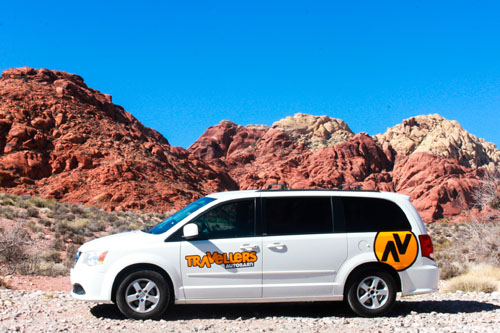
Choosing the best rented RV class for camping in the USA hinges on your travel preferences, group size, and desired maneuverability.**Class B - Camper Van**: These nimble vehicles, such as a "Category Van" or "rv rental denver example Category Van" (often averaging 5.8m in length and sleeping 2-3 people), are perfect for couples or small families prioritizing fuel efficiency (around 8-10 Liters/100 km) and easy access to smaller campgrounds or urban areas. They are excellent for boondocking or navigating tight spots.
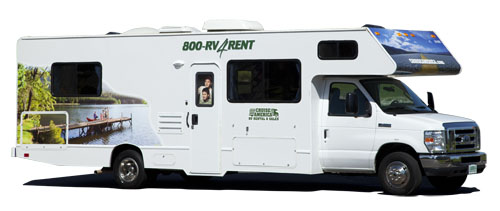
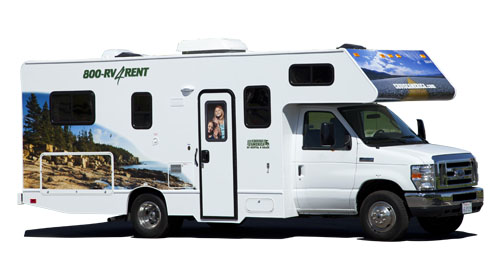
**Class C - Alcove**: Popular for families, these models like the "24' Class C Motorhome" (averaging 7.5m long and sleeping up to 6 people) offer ample sleeping space, often with an over-cab bunk, and more storage. They are well-suited for traditional campgrounds with hookups, typically consuming 10-12 Liters/100 km. The "cruise america rv rental example Explorer" is a great example of a comfortable Class C that offers a refrigerator, microwave, and shower for a pleasant trip.
**Class A - Integrated**: The largest and most luxurious option, like a "Class A - Thor ACE 30" (averaging 7.5m long and sleeping 4-6 people), provides extensive amenities and spacious living areas. Ideal for long trips or larger groups seeking a true "home-on-wheels" experience, these usually consume 8-12 Liters/100 km.
Regardless of your choice, a standard car driver's license is sufficient for driving any class of rented motorhome in the USA, requiring no special permits.
How to Save on Campgrounds in USA
Saving on campground costs in the USA requires strategic planning, utilizing discounts, and making smart choices about where and when you camp. Leveraging campground discount cards, sometimes available through RV rental providers or independent associations, can provide significant savings on nightly rates at participating parks nationwide. Consider traveling during the shoulder seasons (spring and fall) to enjoy lower rates, fewer crowds, and often more pleasant weather compared to peak summer. Opting for municipal, county, or state park campgrounds generally offers more affordable rates than private RV resorts, though amenities may be less extensive. For extended trips of a week or more, inquire about weekly or monthly rates, as many campgrounds offer discounts for longer stays. Our "Cheap RV Rental in USA - Budget Guide 2026" offers more tips on stretching your travel budget.Can I park my RV anywhere in the USA?
No, you cannot park your rented RV just anywhere in the USA; regulations for RV parking vary significantly by state, county, city, and land ownership. Overnight parking is generally prohibited on public streets and highways unless explicitly permitted, and private property always requires the owner's permission. Designated RV campgrounds, state parks, National Parks, and Bureau of Land Management (BLM) lands are the primary legal places for overnight RV stays. While some large retailers like Walmart may permit overnight RV parking in their lots, this is at the discretion of individual store managers, so always ask first. Understanding local ordinances and posted signs is crucial to avoid fines or unwanted disturbances. Drive slowly and carefully, and you can drive almost anywhere without issues. No need to stress - just use common sense and pay attention.Which state is the most RV friendly?
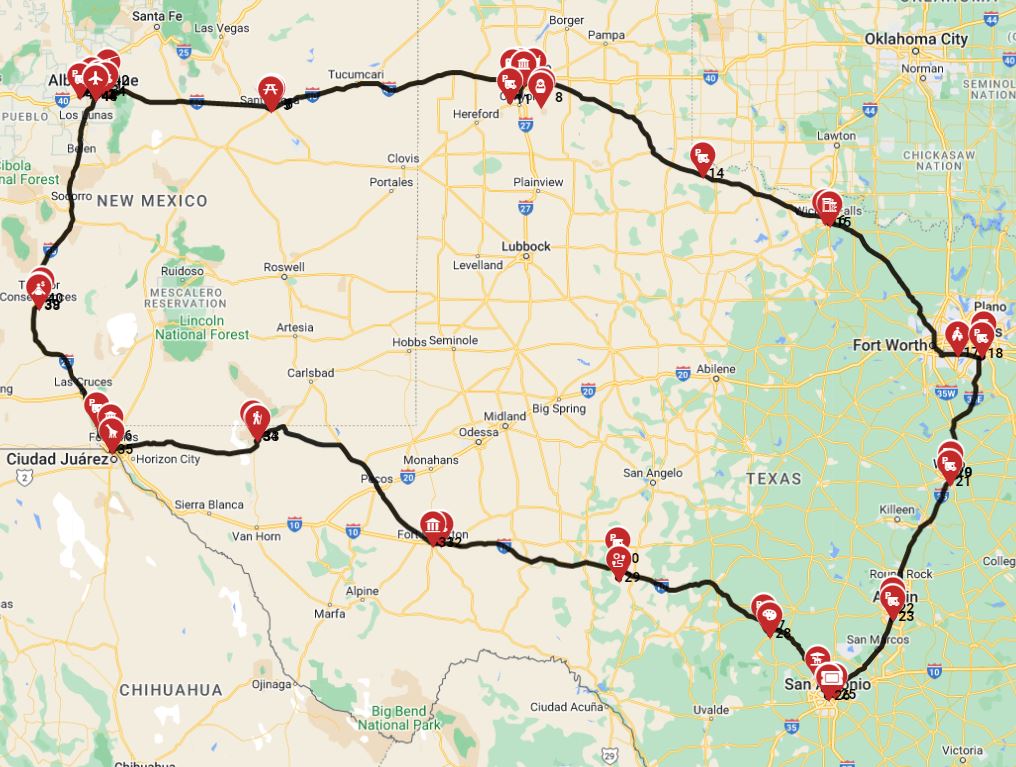
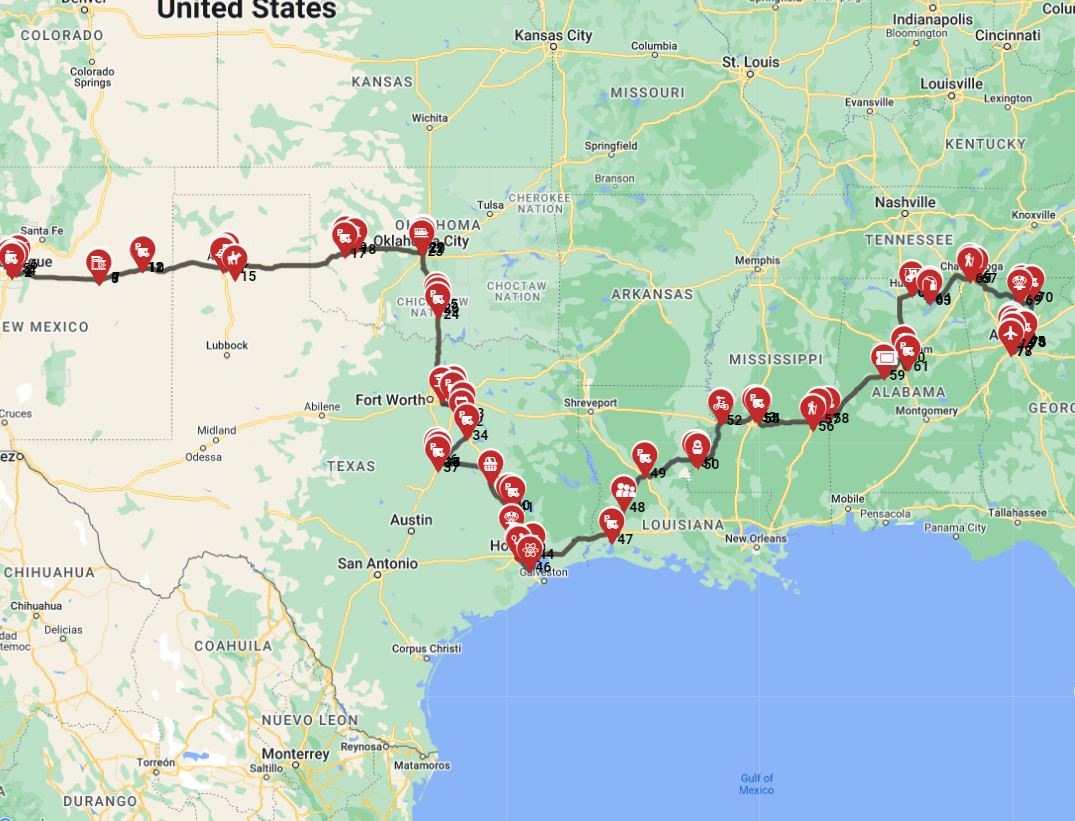
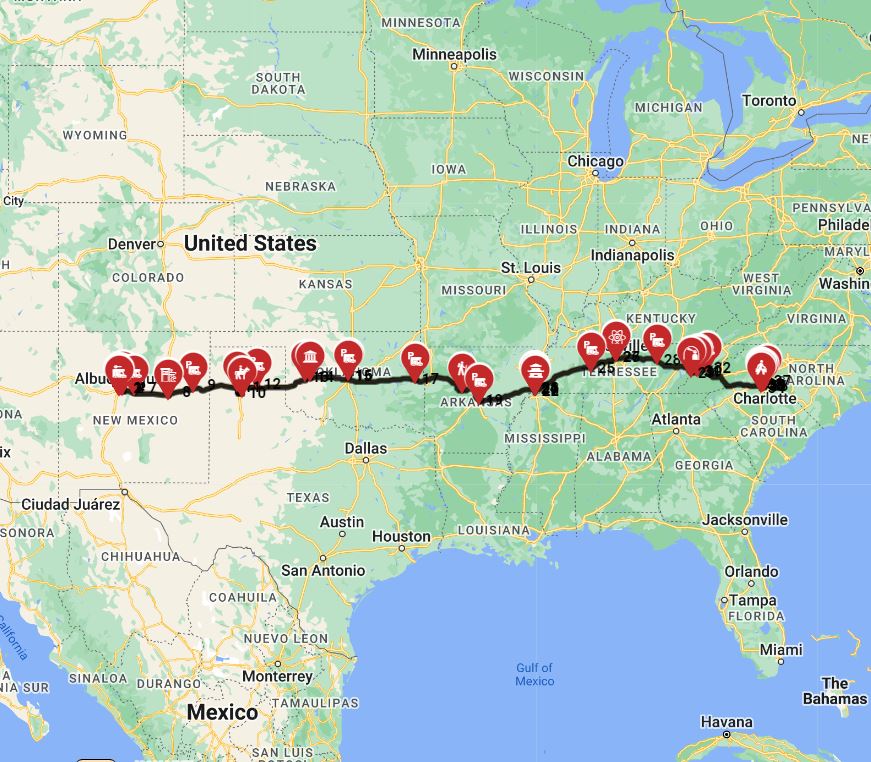
While the "most RV friendly" state in the USA can be subjective, Arizona, Florida, Texas, California, and Oregon are frequently cited for their extensive RV infrastructure, diverse camping options, and favorable climates. Arizona and Texas, for instance, provide vast public lands for boondocking, alongside numerous private RV resorts and state parks. Florida is a winter haven, known for its mild weather, abundant private RV parks, and proximity to beaches and major attractions. California, despite its higher costs, boasts iconic national parks, stunning coastal routes, and a wide range of camping from deserts to mountains. Colorado offers spectacular Rocky Mountain camping. These states also tend to have robust RV communities and numerous repair and supply shops. For specific route plans, explore the "Billings to Orlando - Rockies to Disney: USA Motorhome Journey" which offers 25 days of adventure across 5678 km, including 3 museums, 5 natural features, and 4 hiking areas.Can I rent an RV in one state and drop it off in another?
Yes, it is often possible to rent an RV in one state and drop it off in another, a service commonly known as a 'one-way rental,' though it usually incurs additional fees. One-way RV rentals are highly convenient for travelers planning extensive cross-country trips or wishing to explore a specific region without backtracking. Most major RV rental companies, including Bandana partners like El Monte and Cruise America, offer one-way options between their various depots. However, availability can be limited based on fleet balancing needs and seasonality. Expect to pay a one-way fee, which varies significantly by company, distance, and time of year, typically ranging from $150 to $500. Always confirm one-way rental policies and associated costs during the booking process to avoid unexpected charges. For a deeper dive into these options, consult our "One-Way RV Rental in USA - Price Guide 2026".Can you sleep anywhere in an RV in the USA?
No, you generally cannot sleep anywhere in a rented RV in the USA; overnight parking and sleeping are restricted to designated areas or with explicit permission. Legal places for overnight RV stays include established campgrounds (private, state, national parks), designated overnight parking lots (such as some Walmarts or truck stops, always confirm first), and public lands where dispersed camping is permitted. Sleeping in an RV on residential streets, highway shoulders, or in areas with "No Overnight Parking" signs is typically illegal and can lead to fines or being asked to move. Even in places where overnight parking is tolerated, it is good etiquette to arrive late and leave early, leaving no trace behind.What are the top 10 RV campgrounds in the USA?
Determining the definitive "top 10 RV campgrounds" in the USA is subjective and varies greatly based on individual preferences for scenery, amenities, or activity. Highly-rated and popular options often include destinations known for their scenic beauty, such as those within iconic National Parks like Yosemite National Park (e.g., Upper Pines campground) in California, Grand Canyon National Park (ee.g., Mather Campground) in Arizona, and Zion National Park (e.g., Watchman Campground) in Utah. Private resorts, like various KOA campgrounds or Jellystone Park Camp-Resorts across the country, are favorites for families, offering extensive amenities such as pools, planned activities, and full hookups. For a blend of nature and comfort, consider state parks like Bahia Honda State Park in Florida for beachfront camping or Big Sur Campgrounds & Cabins in California for a redwood forest experience.🎬 Video coming soon
What is the 3-3-3 rule for RVs?
The 3-3-3 rule for RVs is a widely adopted guideline for safe and enjoyable travel, advising RVers to drive no more than 300 miles (approximately 480 km) a day, arrive at their destination by 3 PM, and stay for at least 3 nights. Driving no more than 300 miles daily helps prevent driver fatigue, particularly important when operating a larger vehicle like a Class C motorhome, and allows for spontaneous stops. Arriving at your campground by 3 PM provides ample daylight to set up your site, connect hookups, and explore the immediate area before dark. Staying for at least 3 nights at each location offers sufficient time to experience local attractions, recover from travel, and truly immerse yourself in the camping lifestyle without the constant rush of packing and unpacking. This promotes the slow travel philosophy, ensuring a more relaxed and memorable adventure.What is the average cost of staying at an RV park in the US?
The average cost of staying at a rented RV park in the US typically ranges from $25 to $80 per night, though prices vary significantly based on location, amenities, and time of year. Basic campgrounds, such as those in National Forests or some state parks, often fall on the lower end, sometimes as low as $15-$30 for sites with minimal or no hookups. Mid-range private RV parks with electric and water hookups usually cost between $40-$60 per night, offering a balance of facilities and affordability. High-end RV resorts, especially in popular tourist destinations or during peak seasons, can command prices from $70 to over $150 per night, providing extensive amenities like pools, spas, Wi-Fi, and planned activities. For more detailed insights into budgeting your trip, our "RV Rental in USA - Prices and Best Deals 2026" guide can be a great resource, and for week-long trips, consider reading "Weekly RV Rental in USA - Pricing 2026".What does FF mean in camping?
In camping, "FF" is a common abbreviation that typically stands for "Full Hookups," indicating that a campsite provides electric, water, and sewer connections. When a campground or a campsite listing specifies "FF" or "F/F," it assures RVers that they will have all three primary utility connections available at their rented RV site. This contrasts with "partial hookups" (usually electric and water only) or "dry camping" (no hookups at all), where you rely solely on your motorhome's onboard systems. Understanding this abbreviation is essential for RVers to select sites that match their vehicle's needs and desired comfort level, especially for longer stays requiring consistent power and waste disposal.What You Shouldn't Miss
- **Explore National Parks:** Dedicate at least 3-4 days to iconic parks like Grand Canyon, Yellowstone, or Zion to fully experience their natural wonders and numerous hiking trails.
- **Drive a Scenic Byway:** Traverse legendary routes such as California's Pacific Coast Highway (Highway 1) or the Blue Ridge Parkway for unparalleled vistas.
- **Discover Unique Roadside Attractions:** Seek out quirky landmarks like Cadillac Ranch in Texas or the World's Largest Ball of Twine in Kansas for memorable photo ops.
- **Experience Boondocking on Public Lands:** Find a secluded spot on BLM land in Arizona or Utah for an unforgettable night under a blanket of stars, offering true solitude.
- **Taste Local Flavors:** Stop at local diners, food trucks, and farmers' markets across states like Florida and Colorado to connect with regional cuisine and culture.
- Looking for expert insights from Avi Bandana? Top 5 Adventures - recommendations from Avi Bandana.
Final Thoughts
Embarking on a rented RV adventure across the USA is an incredible way to experience the country's vast beauty and diverse culture. From the towering peaks of Colorado to the sunny coasts of Florida, the open road awaits your discovery. Remember that with Bandana, you're choosing full transparency, dedicated support, and the peace of mind that comes from booking with true RV specialists. Whether you're planning a week-long trip or an extended road trip, the flexibility of a motorhome rental allows you to create unforgettable memories at your own pace. So pack your bags, choose your ideal RV from our wide selection, and get ready to discover the USA like never before. Start your journey today and find rv rental Rentals in USA for your ultimate road trip.On the routes offered through RV PLANET routes, you can itemize and track every expense along the way for easy budgeting.