In This Guide
- Where to Camp in Washington DC - Top Options
- Campground Types in Washington DC (National, Private, Wild)
- Featured RV Park or Campground in Washington DC
- Hookups & Amenities - What to Expect
- Booking Windows & Reservations in Washington DC
- Nearby Supermarkets & Resupply Points
- Best RV Class for Camping in Washington DC
- How to Save on Campgrounds in Washington DC
- Where is the best place to park an RV for free?
- What is the 3 3 3 rule for rving?
- Can you park overnight in DC for free?
- Is Washington, D.C. RV friendly?
- How to RV camp for cheap?
- What is the 200 rule for camping?
- What You Shouldn't Miss
- Why Book with Bandana Caravan
- Final Thoughts
- Frequently Asked Questions
Where to Camp in Washington DC - Top Options
Finding an RV campsite directly within Washington D.C. is generally not feasible; most viable options are located in the surrounding Maryland and Virginia suburbs. Popular choices include campgrounds just outside the Capital Beltway (I-495) with direct access to Metro stations, offering a convenient balance of amenities and city access. For instance, Greenbelt Park in Maryland, managed by the National Park Service, provides affordable sites with basic hookups and easy access to the Greenbelt Metro station, approximately a 30-minute ride into downtown D.C. Another excellent option is Cherry Hill Park, a private resort-style campground in College Park, Maryland, which offers full hookups, numerous amenities like pools and playgrounds, and a dedicated shuttle service to the College Park-U of Md Metro station for a direct route into the city. These suburban locations eliminate the stress of driving and parking a rented motorhome within D.C.Campground Types in Washington DC (National, Private, Wild)
When RV camping near Washington DC, travelers will primarily encounter two types of campgrounds: National Park Service campgrounds and private campgrounds, as true wild camping or boondocking is not permitted within the city or its immediate developed suburbs. National Park Service campgrounds, such as Greenbelt Park in Maryland, offer basic amenities like water, restrooms, and sometimes electrical hookups, often at lower prices, but they require reservations far in advance. In contrast, private campgrounds, exemplified by Cherry Hill Park, provide a wider range of amenities, including full hookups, swimming pools, recreational activities, and convenient shuttle services to major transit hubs, albeit at a higher cost. These private options are often preferred by families or those seeking more creature comforts during their week-long or extended road trip. As true RV Specialists, we understand the nuances of urban RV travel and guide you to options that combine comfort and practicality.Featured RV Park or Campground in Washington DC
When choosing a featured RV park near Washington D.C., prioritizing comprehensive amenities and convenient access to the city is key for an enjoyable stay. Cherry Hill Park, located in College Park, Maryland, is a standout option, offering full hookups (including 30-amp and 50-amp electrical service), modern bathhouses, laundry facilities, a swimming pool, and reliable Wi-Fi, along with a dedicated shuttle to the Metro. This allows you to easily reach D.C.'s attractions without the hassle of driving and parking your rented motorhome in the city center. Security, positive reviews regarding cleanliness, and staff helpfulness are also crucial factors for a stress-free experience in this busy urban area. We believe in Full Transparency: No hidden fees, no surprises, so you know exactly what to expect from your chosen campground and your rental.Hookups & Amenities - What to Expect
Most private RV parks near Washington D.C. offer full hookups, typically including 30-amp and 50-amp electrical service, fresh water connections, and sewer dump stations at each site, ensuring maximum comfort for your rented RV. Beyond these essential hookups, you can expect amenities such as clean restrooms with hot showers, on-site laundry facilities for longer trips, and Wi-Fi access, though signal strength can sometimes vary depending on the campground's location and occupancy. For travelers planning extended stays or needing to manage resources while dry camping, it's beneficial to identify public or private dump stations and propane refill locations outside of your primary campground. For finding campsites and campgrounds during your trip, we recommend using RV PLANET (rvplan.net) - a great resource for locating available spots along your route, helping you manage ancillary costs like dump fees and propane.Booking Windows & Reservations in Washington DC
For RV camping near Washington D.C., especially during peak seasons like the spring Cherry Blossom Festival or summer, it is highly recommended to book your campsite several months in advance to secure a spot. Planner travelers should aim to reserve sites as soon as booking windows open, often 6 to 12 months out for popular national parks like Greenbelt Park and private resorts such as Cherry Hill Park. Spontaneous travelers may still find last-minute availability, particularly during shoulder seasons (late fall or early spring) or on weekdays, but should always call ahead before driving to confirm a spot; many campgrounds, including some national park sites, reserve 25-30% of sites for first-come-first-served arrivals, reassuring you that you’ll find a spot, even if it’s not at the first campground. Remember, comparing options early through services like ours for your RV Rental in Washington DC - Prices and Best Deals 2026 can yield better rates and availability.Nearby Supermarkets & Resupply Points
RV travelers near Washington D.C. can easily find numerous supermarkets and resupply points in the surrounding Maryland and Virginia suburbs, generally within a short drive of most campgrounds. Look for major grocery chains such as Giant, Safeway, and Whole Foods, which are abundantly available in areas like Greenbelt, College Park, Alexandria, and Arlington. These stores provide everything needed for preparing delicious meals in your rented motorhome, from fresh produce to pantry staples, minimizing the need to shop in pricier urban D.C. areas. Many of these suburban hubs also offer pharmacies, hardware stores for any RV-specific needs, and fuel stations. Preparing meals on board is a fantastic way to save money and enjoy fresh food while traveling; check out our RV-friendly recipes playlist for inspiration!Best RV Class for Camping in Washington DC
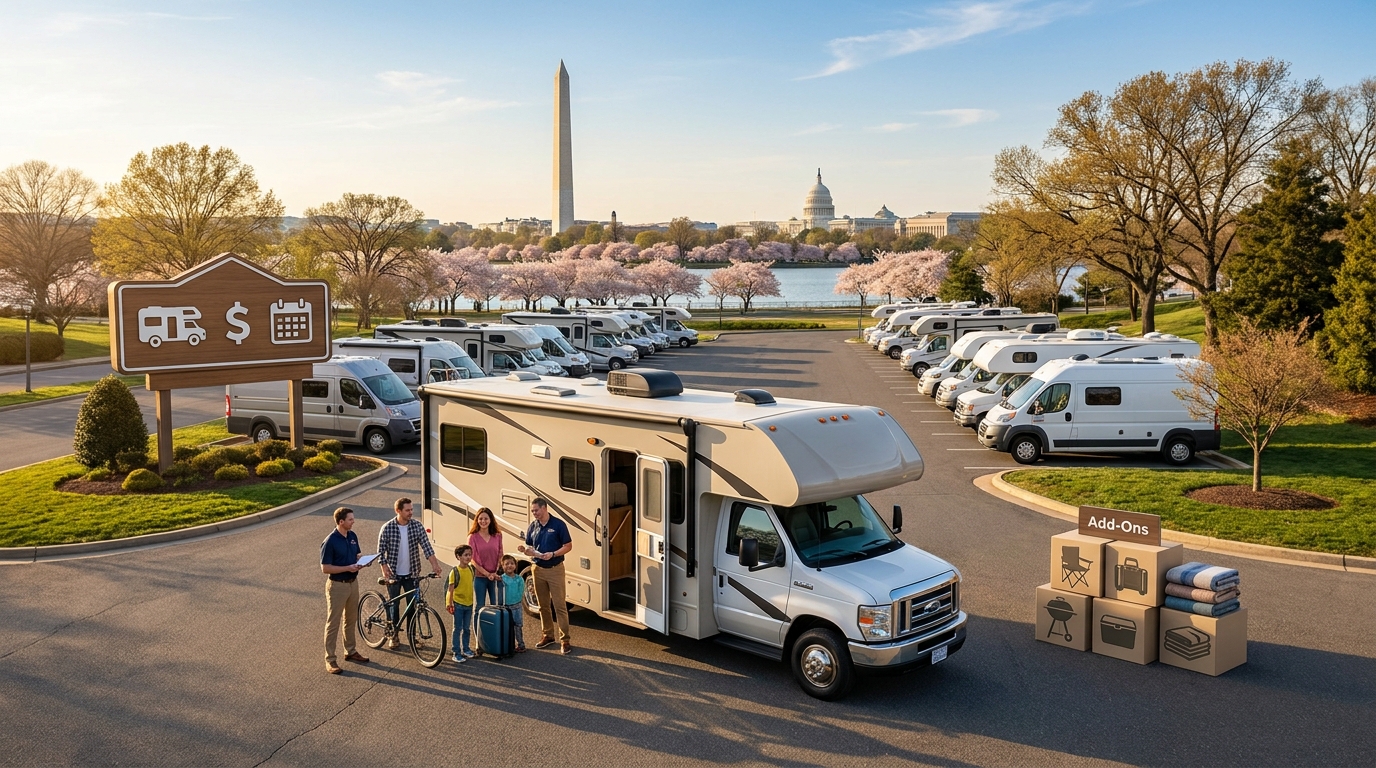
For navigating near Washington D.C., smaller RVs like Class C motorhomes or campervans offer significantly greater maneuverability and easier parking access compared to larger Class A motorhomes. Bandana RV offers options such as a typical Class C - Alcove RV, which averages 7.7 meters in length, sleeps 5.3 people, and accommodates 4 adults, typically achieving 7-10 miles per gallon (23 liters/100 km). Campervans are even more agile, like the "rv rental denver example Category Van" or `hire campervan example Paradise S/T` which are ideal for a couple, or larger models that sleep 4 people and have automatic transmission, making them perfect for urban approaches while still providing essential amenities. Choosing a more compact rental motorhome or campervan for your Washington DC adventure, as discussed in Last-Minute RV Driving in Washington DC - Quick Plan 2026, ensures a less stressful experience when exploring the city's busy streets and surrounding areas.How to Save on Campgrounds in Washington DC
To save on RV campgrounds near Washington D.C., consider booking during the shoulder seasons (late fall or early spring) when rates are typically lower than during peak summer or the Cherry Blossom bloom. Utilizing discount cards and memberships, such as those offered by Bandana's partners or national RV clubs like Good Sam Club, can provide significant savings of 10-15% on daily rates at participating campgrounds. Opting for municipal, county, or state parks over private resort-style campgrounds, which can cost $60-$100+ per night, will also yield more budget-friendly rates, often in the $20-$40 range. Additionally, many parks offer weekly discounts, so consider booking an extended road trip of 3+ nights for better value compared to single-night stays. If you're comparing options, our Luxury RV Rental in Washington DC - Premium Prices 2026 provides context on high-end offerings.Where is the best place to park an RV for free?
Free RV parking near Washington D.C. is extremely limited and generally not advised for safety or legality on city streets; most viable options involve paid parking in designated lots or booking a spot at campgrounds in the surrounding suburbs. While not truly free, Union Station sometimes offers oversized vehicle parking, but specific RV size limits apply, and it is expensive, not designed for overnight RV stays. The most practical and secure approach for any length of stay is to reserve a spot at an RV-friendly campground in Maryland or Virginia, such as Greenbelt Park or Cherry Hill Park, and then utilize their public transit access to get into the city, saving the stress and potential costs of parking a rented RV in D.C. itself.What is the 3 3 3 rule for rving?
The '3-3-3 rule' for RVing is a popular guideline suggesting you should ideally travel no more than 300 miles a day, arrive at your destination by 3 PM, and stay for at least 3 nights, promoting a more relaxed and enjoyable travel pace. This rule aims to prevent driver fatigue, allow ample time to set up camp before dark, and provide sufficient opportunity to explore an area without feeling rushed during your RV rental adventure. When visiting a dense urban area like Washington D.C., you might adapt the '300 miles' to shorter daily drives of 100-150 km to your suburban campground, ensuring you still arrive by 3 PM and stay multiple nights to fully experience the city's attractions. For a broader overview of regional travel, consider our RV Rental Maryland - Complete Guide 2026.Can you park overnight in DC for free?
Overnight RV parking in Washington D.C. itself is generally not permitted for free on city streets and is highly restricted, often requiring paid solutions like specific parking garages (if your rented RV's size allows) or private lots, or staying at campgrounds outside the city. Most D.C. city streets have strict parking regulations, including time limits, permit requirements, and size restrictions that preclude overnight RV parking, especially for larger motorhomes. For overnight stays, the safest and most reliable options are private RV campgrounds in the surrounding Maryland and Virginia areas, which offer secure parking and necessary amenities, coupled with convenient public transit into D.C., making them the ideal base for your trip.Is Washington, D.C. RV friendly?
Washington, D.C. can be RV-friendly with careful planning, but its urban environment presents significant challenges such as heavy traffic, narrow streets, numerous low bridges, and very limited RV-specific parking. Driving slowly and carefully, you can navigate almost anywhere without issues; no need to stress, just use common sense and pay attention to signage. It is generally more 'RV-friendly' if you plan to park your rented RV at a campground in the surrounding suburbs of Maryland or Virginia and use public transportation, such as the Metro or bus system, to access the city's attractions. Navigating larger motorhomes or campervans within the D.C. city limits is typically discouraged, especially during peak tourist seasons like the Cherry Blossom festival or summer, due to congestion and parking constraints for vehicles exceeding standard car dimensions, as detailed in our First-Time RV Driving in Washington DC - Beginners Guide 2026.🎬 Video coming soon
How to RV camp for cheap?
To RV camp cheaply near Washington D.C., focus on booking during the off-peak or shoulder seasons, such as late fall through early spring, as nightly rates are typically lower than in summer or during special events like the Cherry Blossom Festival. Utilizing RV club memberships and discount cards, including those offered by Bandana's partners or popular programs like Good Sam, can provide significant reduced nightly rates at participating campgrounds, often saving 10-20%. Additionally, opt for public campgrounds like state parks, national forest campgrounds, or Army Corps of Engineers sites, which often have fewer luxury amenities but significantly lower prices compared to private resorts. For pet owners, finding budget-friendly options can be found in our Pet-Friendly RV Driving in Washington DC - Routes 2026 plan.What is the 200 rule for camping?
While less commonly referenced than the '3-3-3 rule,' a '200 rule' in camping or RV travel typically suggests limiting daily travel to no more than 200 miles (approximately 320 km), allowing for a more leisurely pace, more time for sightseeing, and reduced fuel consumption. This informal guideline emphasizes enjoying the journey and the surrounding areas rather than rushing to a destination, aligning perfectly with the relaxed spirit of many RV travelers. For a Washington D.C. trip, applying a '200-mile rule' on driving days can help ensure you arrive at your suburban campground feeling refreshed and ready to explore the city, rather than exhausted from a long drive. We always recommend slow travel, averaging max 100-150 km per day, allowing you to truly feel the place, connect to the culture, the food, and the scenery.What You Shouldn't Miss
- **Explore the National Mall and Monuments:** Dedicate a full day or two to walk among the iconic Lincoln Memorial, Washington Monument, and U.S. Capitol Building. Parking your RV at a suburban campground and taking the Metro in is the best strategy.
- **Smithsonian Museums:** Dive into world-class museums like the National Museum of Natural History or the National Air and Space Museum. Many are free and offer a fantastic way to spend a day, especially with family.
- **Georgetown Charm:** Wander through the historic streets of Georgetown, known for its beautiful architecture, boutique shops, and vibrant dining scene. Consider parking your RV at nearby options like Roosevelt Island and taking a bus or walking in.
- **Mount Vernon Estate:** Drive your rented motorhome south to George Washington's Mount Vernon estate in Virginia, which offers dedicated RV parking. It's a fascinating step back in time with stunning Potomac River views.
- **Roosevelt Island Memorial:** Escape the city bustle with a peaceful visit to Theodore Roosevelt Island, accessible by footbridge from Rosslyn, VA. It offers walking trails and a monument to the former president, with some RV-friendly parking in nearby Arlington.
- **Potomac River Cruise:** Take a scenic boat tour on the Potomac River from Georgetown or the National Harbor, offering unique views of D.C.'s skyline and monuments, a refreshing break from walking.
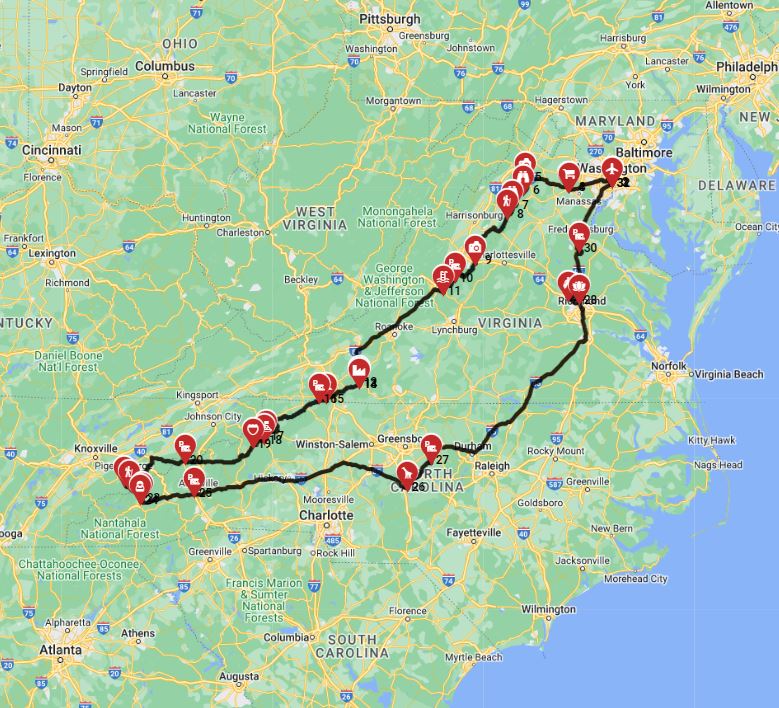
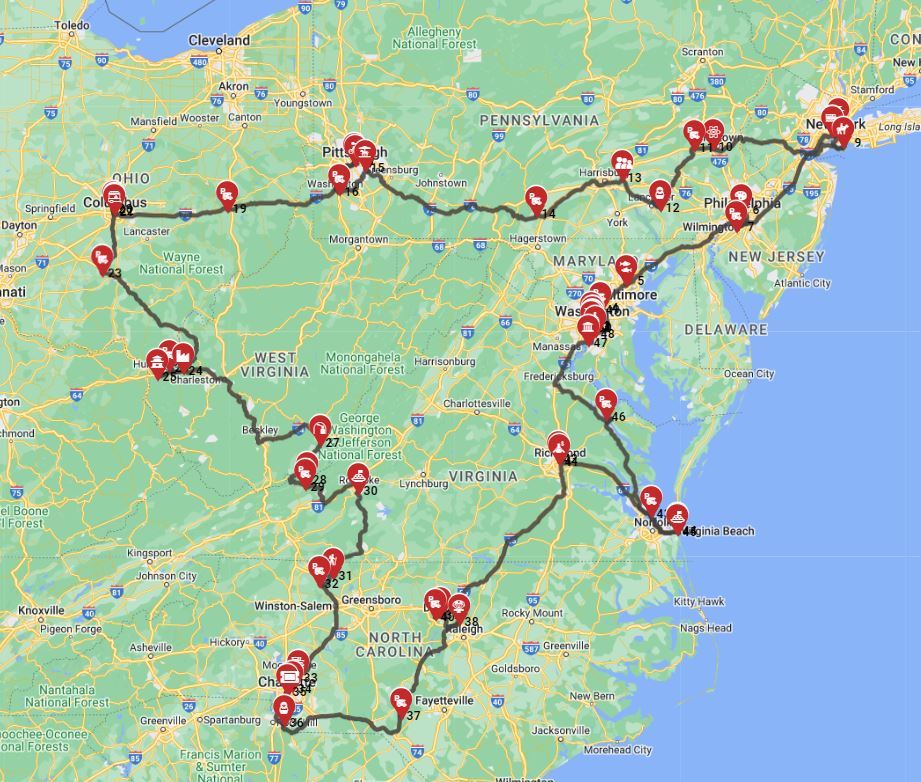
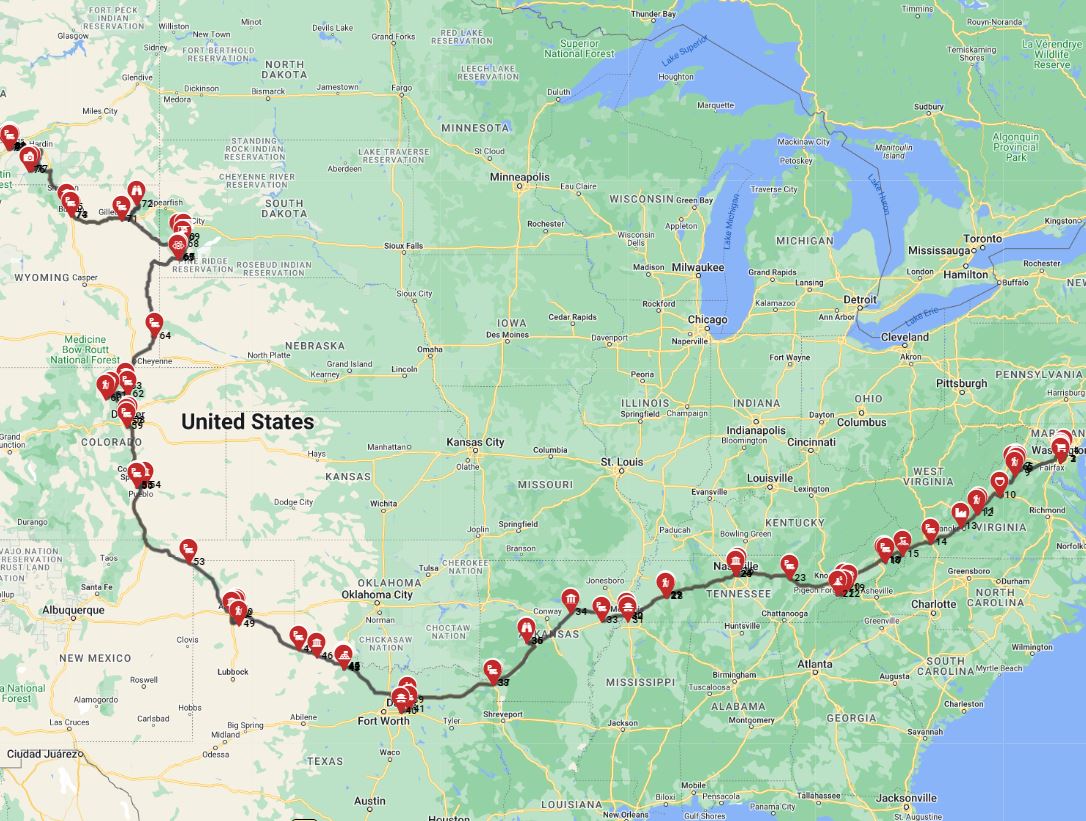
Explore this route of Roots Route
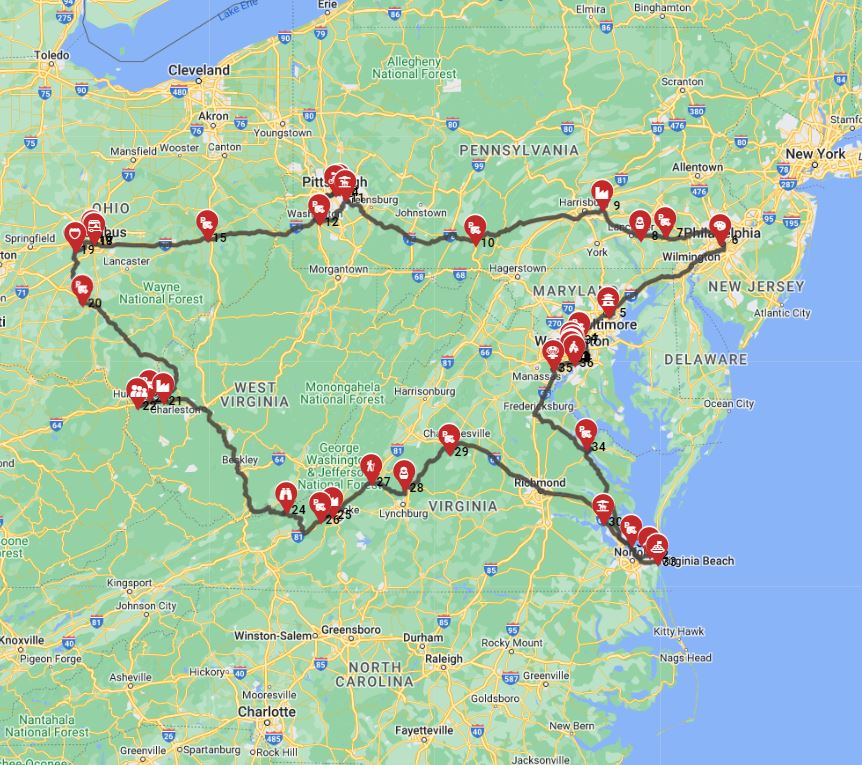
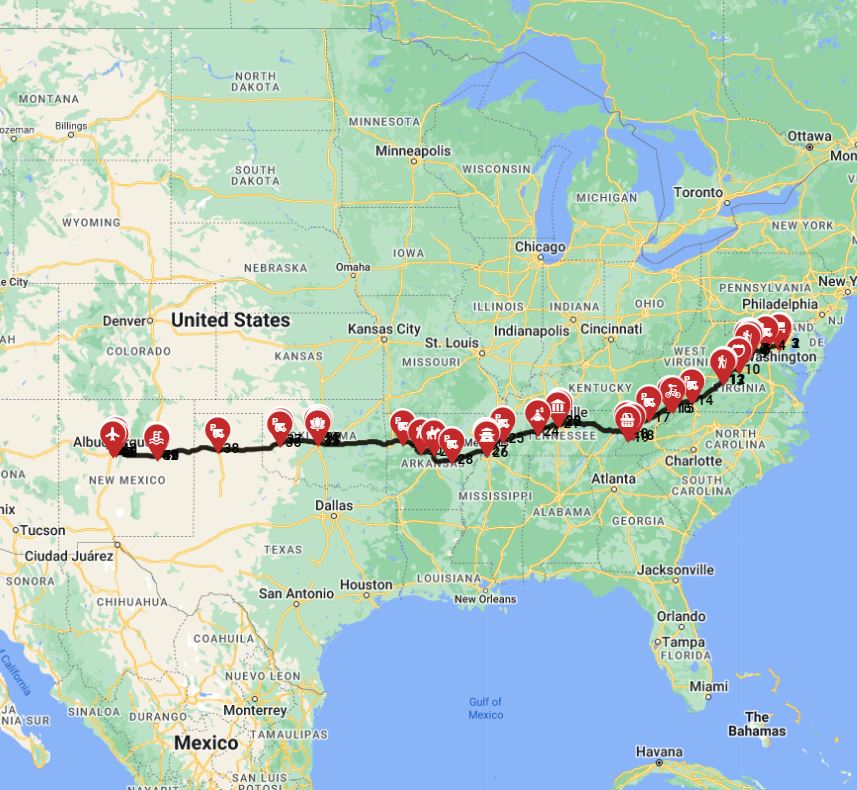
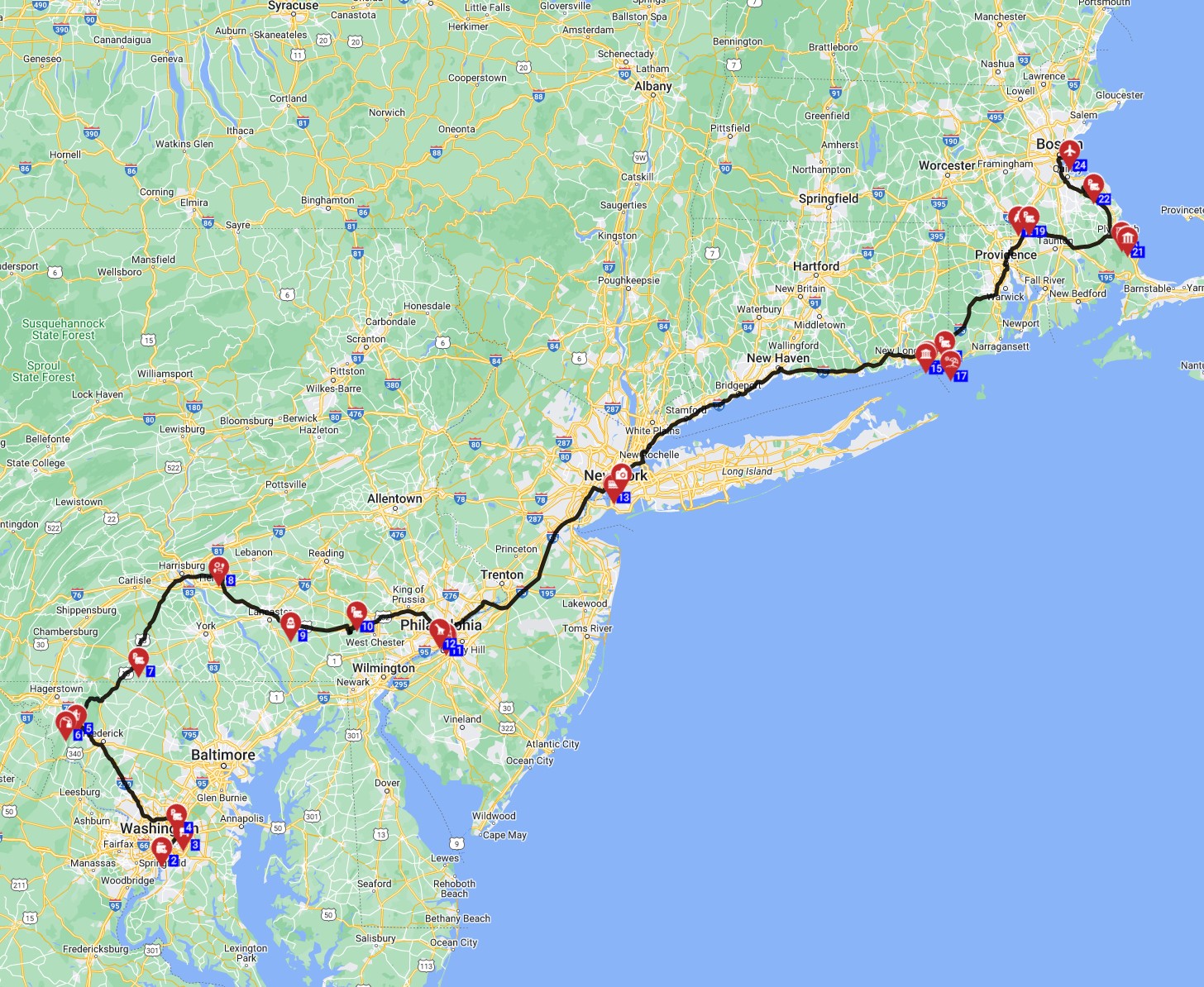
Explore this route
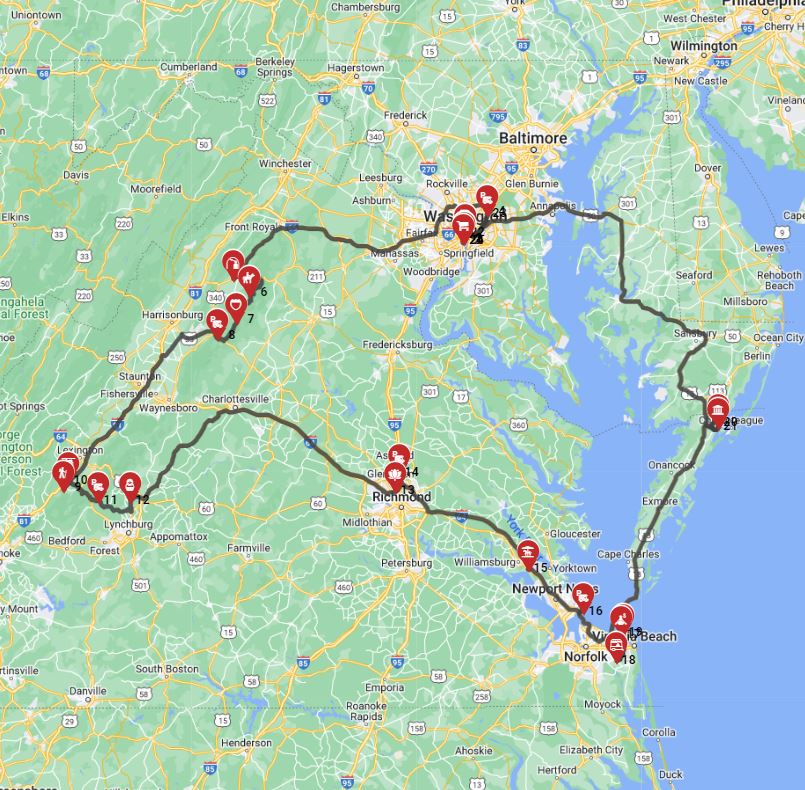
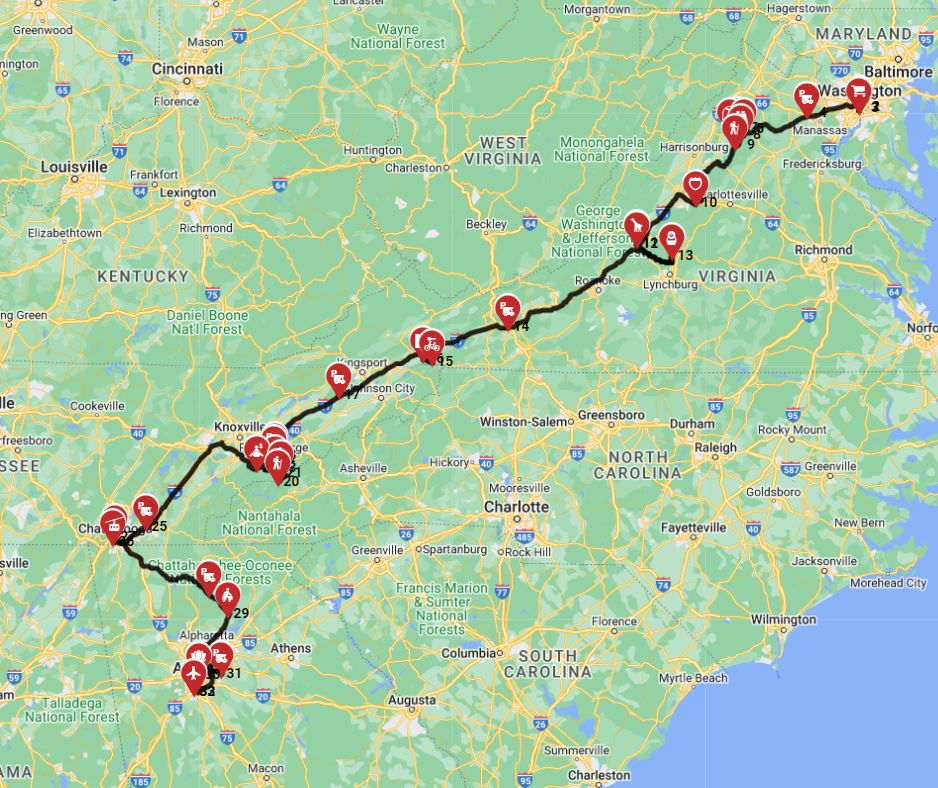
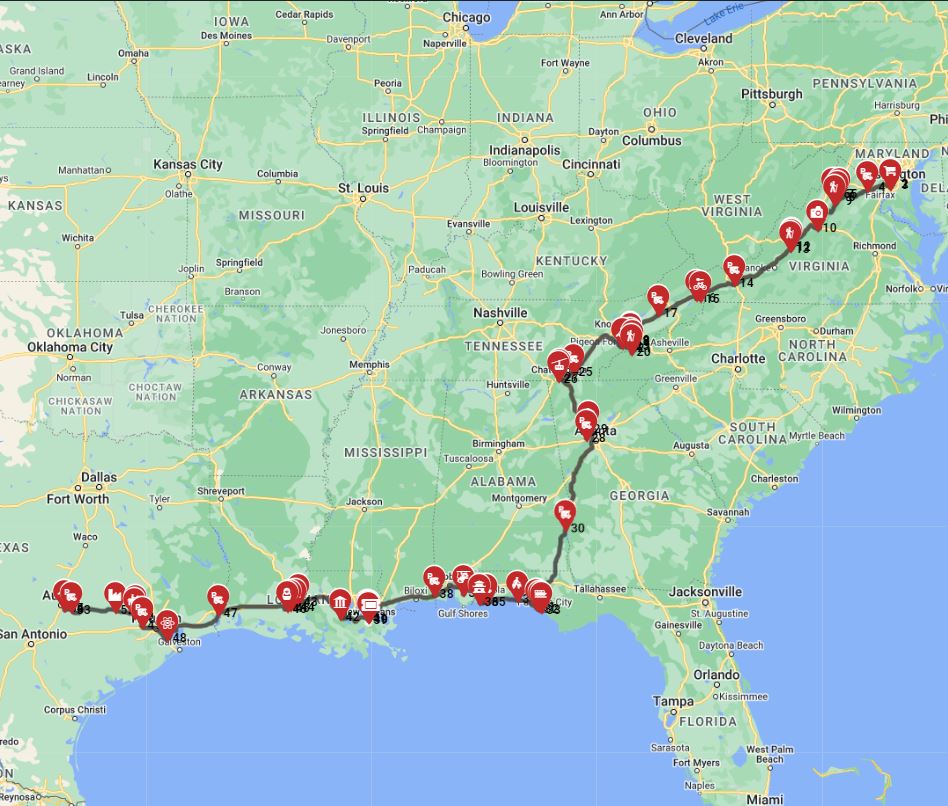
Explore this route
Looking for expert insights from Avi Bandana? Top 5 Adventures - recommendations from Avi Bandana
Final Thoughts
Embarking on an RV adventure to Washington DC is an experience unlike any other, offering the freedom to explore at your own pace while having a comfortable base to return to each day. By understanding the best camping options in the surrounding areas and utilizing public transportation, you can enjoy all the capital has to offer without the stress of urban RV navigation. Whether you're planning a week-long exploration of historical sites or an extended road trip encompassing nearby natural wonders, Washington DC by RV provides a unique blend of education and relaxation. Remember to book your campsites early, especially for peak seasons, and always factor in ancillary costs like campground fees and fuel into your budget. We're here to support you before, during, and after your booking, ensuring you have all the information for a transparent and enjoyable journey. Find Motorhome Rentals in Washington DCOn the routes offered through RV PLANET routes, you can itemize and track every expense along the way for easy budgeting.