In This Guide
- Top 5 Tips for winter rv rental RV Rental in USA
- Before You Book - Class Dates Insurance
- Pre-Trip Prep - Packing Checklist for USA
- On the Road - Driving Fueling Navigation
- At the Campground - Setup Hookups and Etiquette
- Winter RV Rental-Specific Tips for USA
- Common Mistakes to Avoid in USA
- What is the 3 3 3 rule for RV travel?
- How cold is too cold for an RV?
- What is the 444 rule for RV camping?
- What are the drawbacks of renting an RV?
- How much would it cost to rent an RV for 1 month?
- What type of RV is best for winter?
- Is it cheaper to rent an RV or stay in a hotel?
- What are some tips for using my RV in the winter?
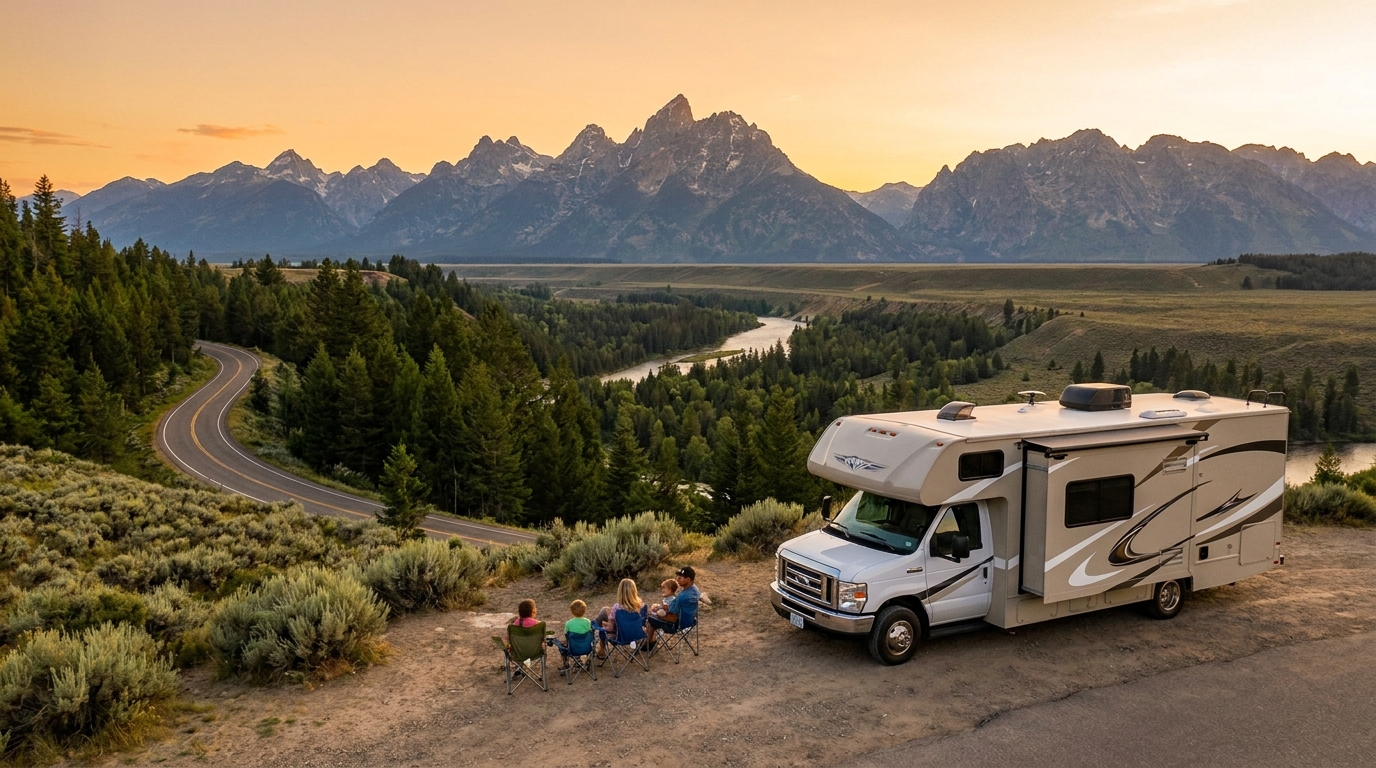
Embracing a winter RV rental in USA offers a unique blend of snowy landscapes, cozy evenings by an RV heater, and the freedom to chase mild weather or winter sports. Whether you're dreaming of desert warmth or mountain adventures, exploring the USA in a rented motorhome during the colder months can be an incredibly rewarding experience. For live availability and current prices, start with our RV Rental USA - Complete Guide 2026 guide, where you'll find everything you need to kickstart your journey. We’ve been helping tens of thousands of travelers explore the world by RV since 2001, so we genuinely know RV travel and love helping people discover it.
Top 5 Tips for winter rv rental RV Rental in USA
Successfully navigating a winter RV rental in USA requires careful planning and preparation to ensure a comfortable and safe journey. Choosing a well-insulated RV suitable for cold weather, ideally one equipped with heated tanks, is paramount for winter travel. Always plan your routes meticulously, checking weather forecasts and current road conditions frequently, especially if venturing into mountainous or northern regions where temperatures can drop significantly below freezing.
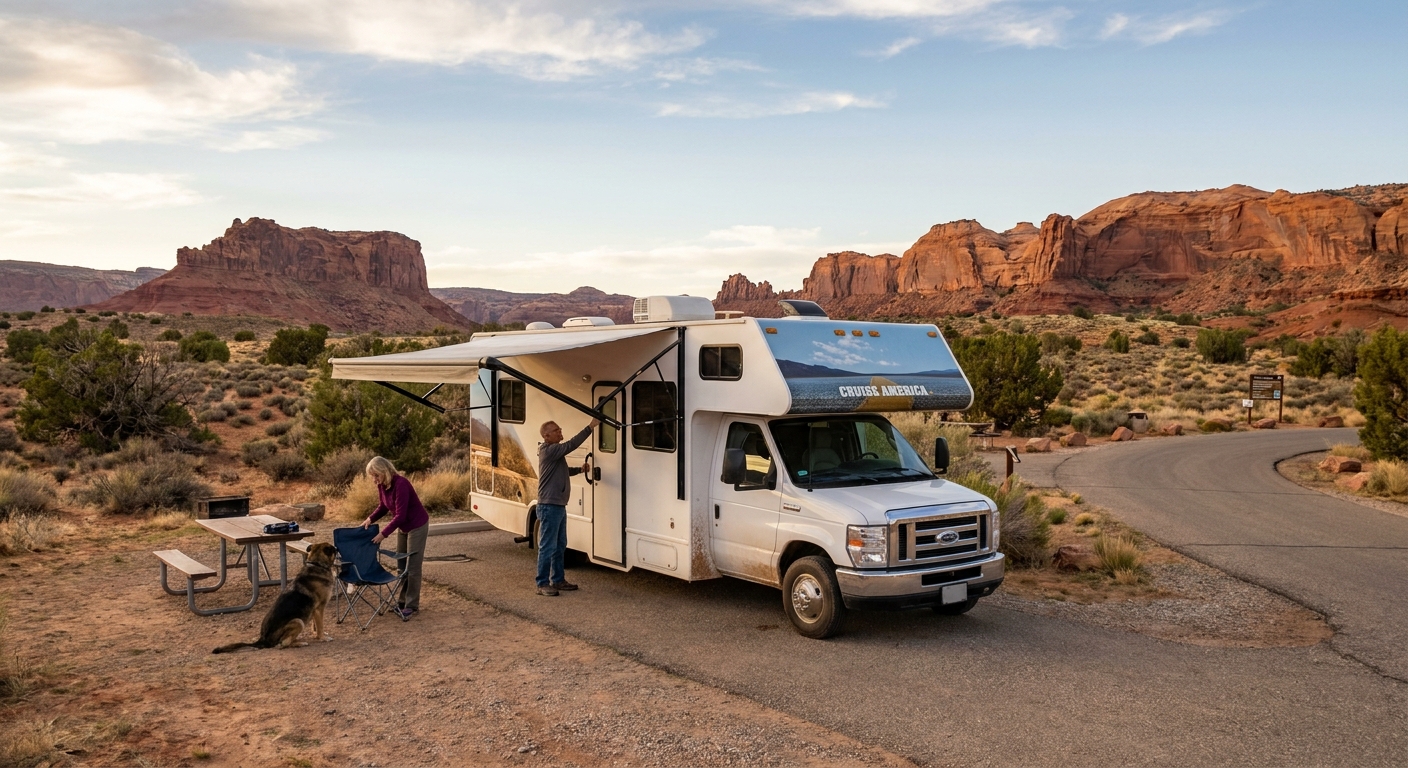
Packing layers of warm clothing, appropriate bedding like flannel sheets or a sub-zero sleeping bag, and essential emergency supplies such as extra water, food, and a shovel, is crucial for staying prepared. Familiarize yourself thoroughly with all your RV’s systems before departure, paying special attention to the water and heating systems which are critical for cold weather operation. Lastly, remember to book campgrounds in advance, verifying they offer winter amenities such as heated hookups and accessible facilities, as many parks operate on reduced services during the off-season. For extended trip planning, exploring RV PLANET routes allows travelers to itemize and track every expense, ensuring you stay within budget while enjoying your adventure.
Before You Book - Class Dates Insurance
When preparing for your winter RV rental in USA, consider Class C motorhomes or smaller Class A units, as they are often preferred for cold weather due to their maneuverability and generally superior insulation; look for models that include a 'winter package' for optimal comfort. Booking your dates well in advance is advisable for winter travel, especially for popular holiday periods or destinations such as national parks, which might have limited winter sites, though off-peak winter dates can often yield better rates, as detailed in our "RV Rental in USA - Prices and Best Deals 2026" guide.
Basic liability insurance is always included with your rental, but for comprehensive coverage and peace of mind, you can upgrade to a top-level deductible for extra protection; explore collision damage waivers or roadside assistance options during the initial search or booking process to see prices including the most comprehensive coverage. We pride ourselves on full transparency, ensuring no hidden fees or surprises when you rent a motorhome. For those seeking premium comfort and amenities, reviewing our "Luxury RV Rental in USA - Premium Prices 2026" can provide excellent options.
Pre-Trip Prep - Packing Checklist for USA
A comprehensive packing checklist for your winter RV rental in USA ensures you're prepared for varying conditions and comfortable throughout your journey. Essential items include thermal underwear, waterproof outer layers, wool socks, hats, and gloves, along with sturdy waterproof boots to handle snow or wet conditions.
Don't forget non-perishable food items, insulated mugs for hot beverages, and basic cooking utensils, as preparing meals in your RV kitchen can enhance the experience and save on costs-check out our RV-friendly recipes playlist for inspiration. Safety and emergency items are critical: a first-aid kit, jumper cables, a flashlight with extra batteries, a shovel, and potentially tire chains (if required for snowy routes) should always be on board, alongside details of your emergency roadside assistance plan. Finally, keep your driver's license, RV rental agreement, insurance details, and physical maps or an RV-specific navigation app readily accessible, along with phone chargers and a portable power bank.
On the Road - Driving Fueling Navigation
Driving a rented RV in USA during winter requires extra caution, so always maintain slower speeds, increase your following distance to allow for longer braking, and apply brakes gently on slick or icy roads. Be particularly aware of high winds, which can significantly affect RV stability on open highways. Drive slowly and carefully, and you can drive almost anywhere without issues; no need to stress-just use common sense and pay attention.
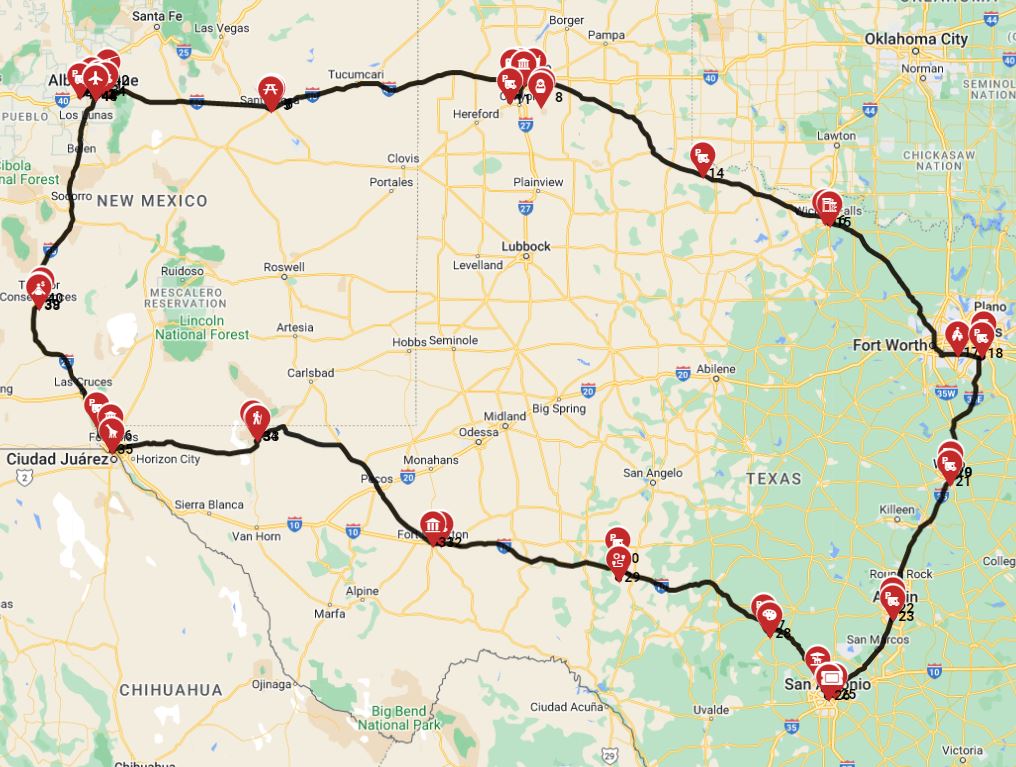
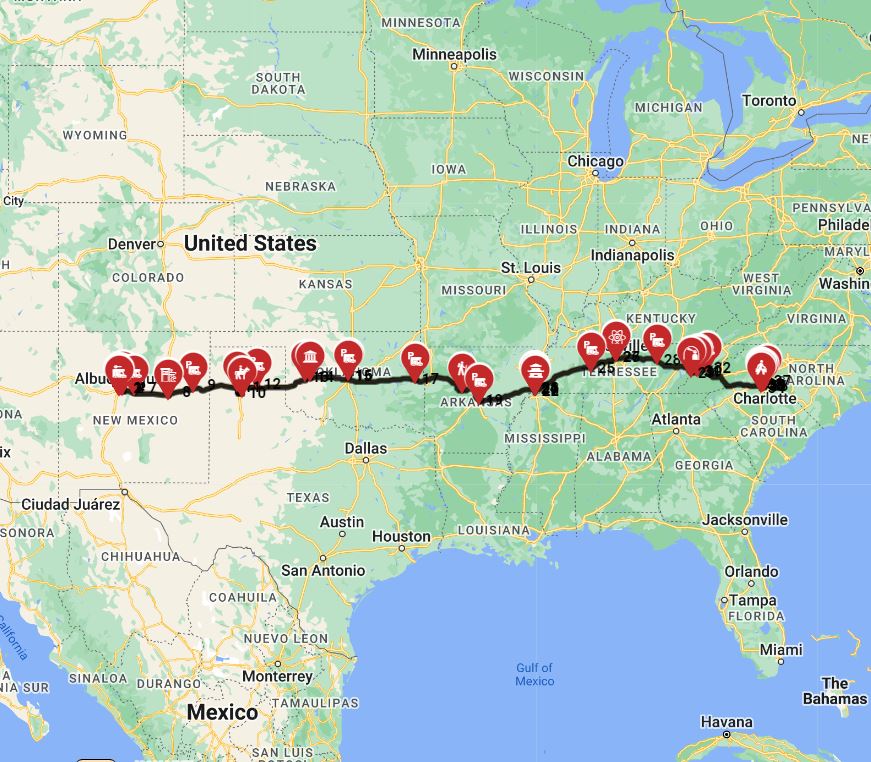
For fueling, monitor your fuel gauge closely, especially in remote areas or during long drives where gas stations might be sparse or closed in winter; if your RV has a diesel engine, confirm you are using winter-blend fuel to prevent gelling. When it comes to navigation, always use GPS in conjunction with physical maps or a reliable RV-specific navigation app to avoid roads with weight or height restrictions, or those that are seasonally closed in winter, which can happen without warning. Planning ahead for your journey, such as using the Toronto Roundtrip - facing northת Incl. Niagara Falls & thousand island itinerary which covers 1,769.7 km over 11 days and includes 3 cruise terminals and 2 traditional markets, can help you prepare for diverse road conditions.
At the Campground - Setup Hookups and Etiquette
Upon arrival at a winter campground in USA, always level your rented RV to ensure proper appliance function and efficient drainage of your waste tanks, even in snowy or icy conditions. When connecting hookups, prioritize electrical first to get your heating running, then attach your fresh water hose-using a heated water hose is essential in freezing temperatures to prevent lines from bursting-and finally, connect the sewer hose. Remember to turn on any available tank heaters to prevent your holding tanks from freezing solid, which can cause significant damage.
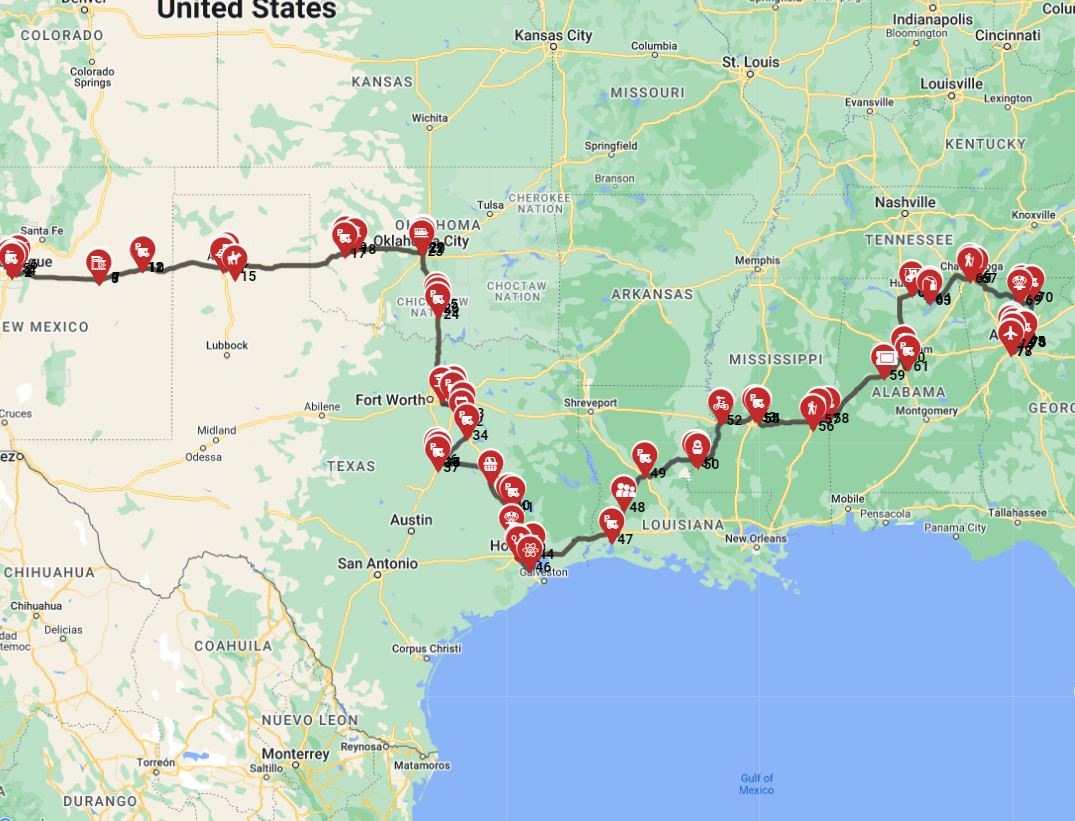
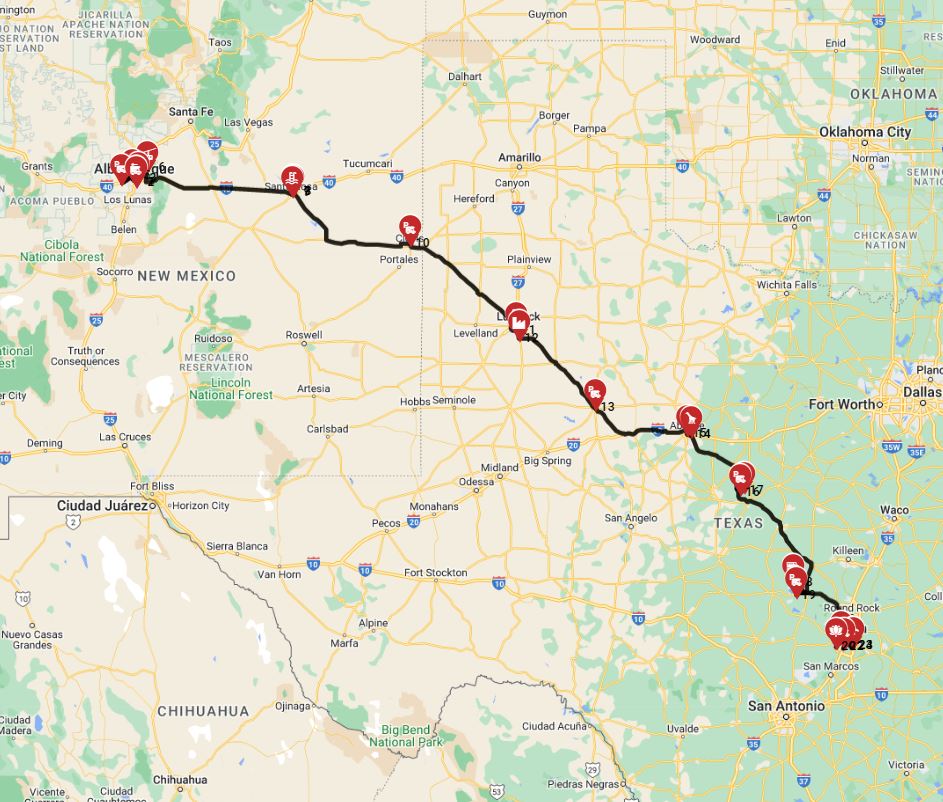
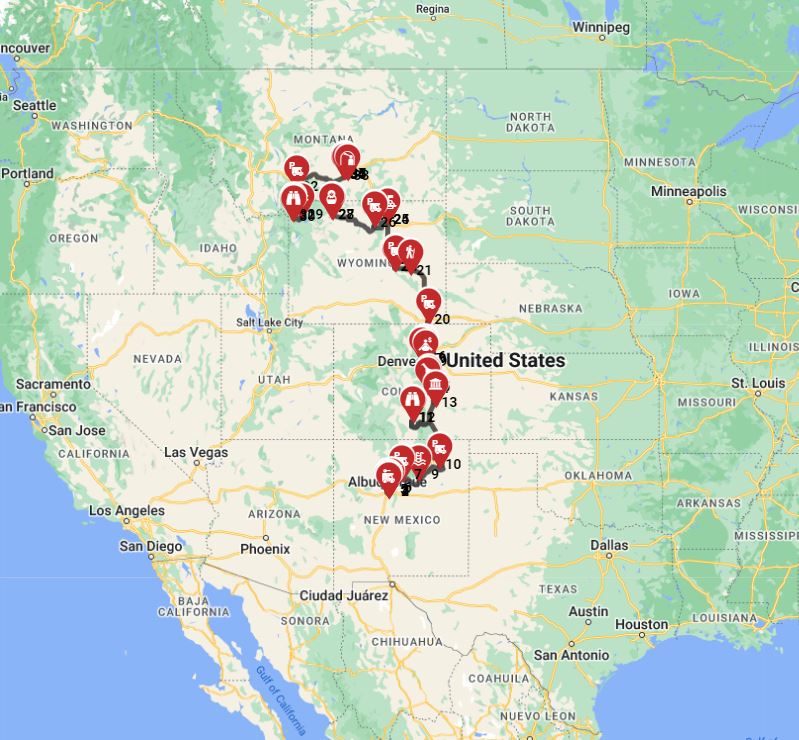
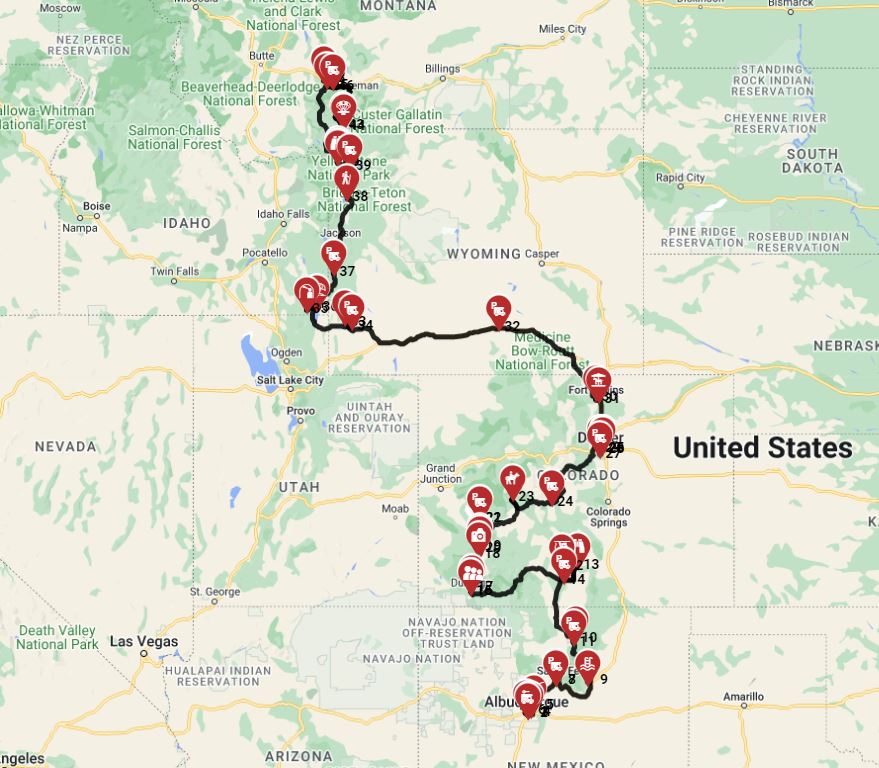
Regarding campground etiquette, always respect quiet hours, keep your campsite tidy, and manage pet waste responsibly, using designated areas. Be mindful of generator use times, especially during colder months when engines might be run more frequently for heat. For finding campsites and campgrounds during your trip, we recommend using RV PLANET (rvplan.net) - a great resource for locating available spots along your route, and their detailed routes allow for easy budgeting by tracking every ancillary expense. Many national and state parks reserve only 25-30% of spots, with the rest being first-come-first-serve, so you'll find a spot; if not at the first campground, then the next one, just call ahead before driving. On the routes offered through RV PLANET routes, you can itemize and track every expense along the way for easy budgeting.
Winter RV Rental-Specific Tips for USA
For families traveling with a winter RV rental in USA, plan engaging indoor activities and ensure adequate sleeping arrangements, considering RV parks with amenities like indoor pools or game rooms for kids. Senior travelers should opt for Class A or Class C RVs with easy entry/exit, spacious interiors, and accessible bathrooms, prioritizing comfort and shorter driving days of maximum 100-150 km per day on average, allowing more time to connect with the local culture and scenery. Our "Weekly RV Rental in USA - Pricing 2026" guide can help you find suitable options for various group sizes.
Those on budget-friendly trips can save significantly by utilizing free overnight parking where legal and safe, cooking most meals in their rented RV, and seeking off-season rates at less popular destinations, as outlined in our "Cheap RV Rental in USA - Budget Guide 2026". For a luxury experience, explore premium RV models with features such as fireplaces, multiple climate zones, and advanced entertainment systems; some even offer concierge services for customized route planning and reservations, making your extended road trip truly indulgent. Remember, traveling slowly allows you to take time to feel the place, connect to the culture, the food, and the scenery.
Common Mistakes to Avoid in USA
Not monitoring water tanks is a frequent oversight for winter RV renters in USA, which can lead to costly damage from freezing. Instead, regularly check your fresh, gray, and black tank levels, and ensure any tank heaters are active in freezing temperatures to prevent costly damage. Ignoring weather warnings is another common mistake; always consistently check local and regional forecasts and adjust your travel plans or routes accordingly, prioritizing safety over schedule, especially when navigating mountain passes or remote areas.
Overpacking is also a common issue; pack efficiently, focusing on multi-purpose clothing and essentials, remembering that storage space in a rented RV is always limited. Skipping pre-departure checks can lead to unexpected breakdowns; thoroughly inspect tires, fluid levels, and all RV systems before each leg of your journey, particularly in winter conditions. Lastly, underestimating ancillary costs is crucial to avoid budget surprises; budget comprehensively for fuel, campground fees, propane, and potential unexpected winter-specific expenses like de-icer or extra insulation. What you see is what you get, with full transparency on all costs and no hidden fees.
What is the 3 3 3 rule for RV travel?
The "3-3-3 rule" for RV travel in USA is a popular guideline designed to promote a relaxed and safe pace for your adventures. It suggests driving no more than 300 miles per day to prevent driver fatigue and allow ample time for scenic stops along your chosen route. This rule also recommends arriving at your campground by 3 PM, which provides sufficient daylight to set up camp, particularly important during shorter winter days, and helps secure a desirable spot before it gets crowded.
Finally, the 3-3-3 rule encourages staying at least 3 nights in each location, allowing for deeper exploration of an area, a genuine connection to the local culture and food, and reducing the frequency of packing and unpacking. This slow travel philosophy enhances the overall experience of renting a motorhome, letting you truly immerse yourself in your destination.
How cold is too cold for an RV?
For an RV, temperatures below freezing (0°C or 32°F) can be too cold if the unit is not properly winterized or equipped, as water lines, holding tanks, and connections become highly vulnerable to freezing, potentially leading to costly damage. The actual comfort threshold and safe operating range depend heavily on the rented RV's insulation quality, the presence of double-pane windows, and the effectiveness of its heating system. Many modern motorhomes and campervans are designed with 'winter-ready' features to handle colder climates.
Mitigation strategies include renting an RV that is explicitly 'winterized' (meaning its water systems are drained and anti-freeze added), employing heated water hoses and tank heaters, and even using RV skirting to insulate the undercarriage. By taking these precautions, you can comfortably extend your RV travel into colder temperatures without issues, making winter RV adventures in USA a feasible and enjoyable option.
What is the 444 rule for RV camping?
The "4-4-4 rule" for RV camping in USA is a variant of popular travel guidelines, offering a similar framework for a balanced and enjoyable road trip. This rule typically suggests driving no more than 400 miles a day, striking a balance between making good progress on a longer journey and avoiding excessive driver fatigue. It also recommends arriving at your campsite by 4 PM, providing sufficient daylight for setting up your rented motorhome, especially beneficial during the shorter winter days, and allowing time to settle in and explore your surroundings.
Lastly, the 4-4-4 rule encourages staying at least 4 nights at each destination, which fosters a slower travel pace. This longer stay enables travelers to truly experience their chosen location, delve into local attractions, savor the food, and minimize the stress associated with frequent moves, making it ideal for a deeper engagement with the American landscape during your RV adventure.
What are the drawbacks of renting an RV?
One primary drawback of renting an RV in USA can be the comprehensive costs involved beyond the base rental fee, which often include fuel, propane, campground fees, dumping fees, additional insurance options, and potential mileage charges. The learning curve for first-time renters can also be significant, as operating an RV requires understanding unfamiliar systems for water, sewage, electricity, and heating, which might feel daunting initially. We offer detailed support to guide you through this process.
Driving challenges are another consideration; motorhomes and campervans are larger and heavier than typical vehicles, making driving, parking, and navigating urban areas or narrow roads more demanding, though with common sense and careful driving, it's manageable. Finally, while rental units are regularly maintained, unexpected mechanical issues or system malfunctions can still occur, necessitating roadside assistance. This is why having reliable support before and after booking is crucial, as we assist with pre-booking comparison and post-booking coordination, ensuring you're well-prepared for any situation.
How much would it cost to rent an RV for 1 month?
The cost to rent an RV for a month in USA is dynamic and varies significantly based on factors like RV class, seasonality, and desired amenities. For instance, smaller Class B campervans might range from $2,000-$4,000 per month, while Class C motorhomes typically fall between $3,000-$6,000 per month, and luxury Class A models can exceed $5,000-$10,000+ per month. Prices are dynamic like flight tickets, changing daily based on availability, seasonality, and supplier marketing decisions; the final price is set at actual booking time, as detailed in our "RV Rental in USA - Prices and Best Deals 2026" guide.
🎬 Video coming soon
Seasonality plays a large role, with winter rentals in northern states potentially cheaper in off-peak areas, whereas popular sunbelt destinations like Florida or Arizona often command higher prices. Beyond the base rental, always budget comprehensively for significant additional costs: fuel can be a major expense for a month-long trip, campground fees typically range from $30-$80 per night, and you'll need to account for propane, dumping fees, and potential insurance deductibles or extra coverage. Many rentals include a limited number of miles, with additional mileage incurring charges, so factor in costs for linens, kitchen kits, or other add-ons. Our platform provides full price transparency with no hidden fees, helping you compare options with ease.
What type of RV is best for winter?
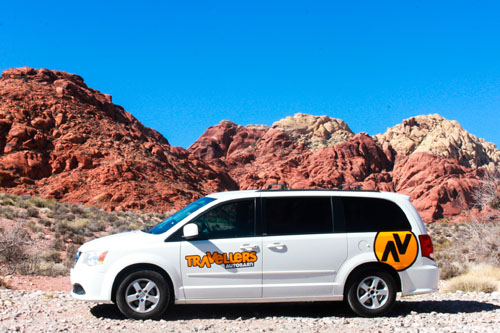
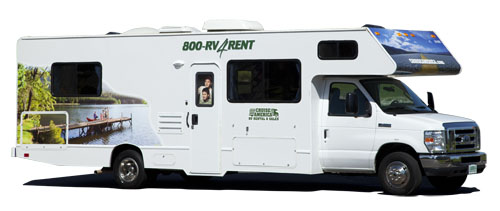
For winter RV travel in USA, the best type of rented RV prioritizes excellent insulation and a robust heating system to ensure comfort in cold conditions. Look for motorhomes or campervans explicitly designed for cold weather, often featuring double-pane windows, thick wall insulation, and efficient furnaces. Heated tanks and water lines are essential features to prevent the fresh, gray, and black water tanks, as well as the water supply lines, from freezing and causing expensive damage. A powerful generator is highly beneficial for boondocking or when electrical hookups are unavailable, providing necessary power for heating and appliances. When comparing options, check out the various models offered by our direct partners, such as El Monte, Cruise America, Apollo, and Britz.
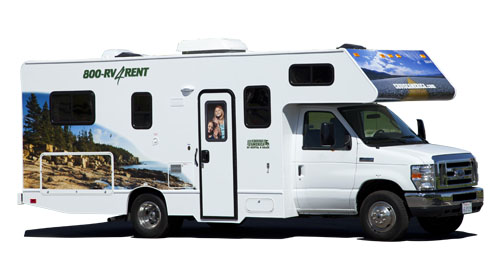
Additionally, smaller RVs, such as Class C motorhomes or well-equipped campervans, are generally easier to drive and park in potentially snowy or icy conditions and on narrower winter roads, offering greater maneuverability. While Class A motorhomes can also be winter-ready and offer more space, their larger size might present greater challenges in adverse weather. Considering these factors will help you select the ideal rental for your winter adventure, ensuring a warm and worry-free experience.
Is it cheaper to rent an RV or stay in a hotel?
For families or groups, renting an RV in USA can often be more cost-effective per person than booking multiple hotel rooms, especially when factoring in the significant savings from preparing meals in your RV's kitchen. The cost comparison largely depends on the trip length and distance: shorter trips with extensive driving might favor hotels due to higher RV rental rates and considerable fuel consumption, whereas longer, more leisurely trips with less daily driving can make RVs a more economical choice. For example, a "Weekly RV Rental in USA - Pricing 2026" can be a very budget-friendly option for an extended adventure.
However, it's crucial to consider all additional costs when comparing; RVs involve expenses for fuel, propane, campground fees (ranging from $30-$80 per night), dumping fees, and potential insurance add-ons or mileage overages, which can quickly accumulate beyond the base rental. While not always cheaper upfront, a rented RV offers unparalleled flexibility and a unique travel experience that hotels cannot, often leading to savings on food and entertainment. We offer full price transparency and support, ensuring no hidden fees, so you can make an informed decision for your USA adventure.
What are some tips for using my RV in the winter?
When using your rented RV in USA during winter, actively prevent freezing by utilizing a heated water hose for hookups, keeping interior cabinet doors open to allow warm air to circulate around pipes, and running tank heaters if your unit is equipped with them. Consider pouring RV antifreeze into drains as an extra precaution. Optimizing your heating is key: ensure all furnace vents are clear of obstructions, use insulated window coverings, and consider a small electric space heater for supplemental warmth if you are connected to shore power. For cooking inside your RV, be sure to have sufficient ventilation to prevent condensation and carbon monoxide buildup; our RV-friendly recipes playlist offers great meal ideas.
Regularly check tire pressure, as it drops in cold weather, and consider carrying snow tires or chains depending on your anticipated travel routes and local regulations. Lastly, always prioritize emergency preparedness by packing extra blankets, non-perishable food, and water, and verify that your roadside assistance plan covers cold weather breakdowns in remote areas. Our 24/7 support ensures you have real people behind you throughout your pre-booking, booking, and post-booking coordination process.
What You Shouldn't Miss
- Yellowstone National Park's Winter Wonderland: Experience the park's steaming geysers against a snowy backdrop, with fewer crowds and opportunities for snowshoeing or cross-country skiing. Keep an eye out for bison and elk.
- Southern Arizona's Desert Escape: Trade snow for sunshine in destinations like Saguaro National Park or Organ Pipe Cactus National Monument, offering mild winter temperatures and unique desert flora.
- Florida Keys Road Trip: Enjoy the ultimate winter escape with warm weather, stunning ocean views, and fresh seafood by driving down to Key West, offering beaches and watersports.
- Ski Resort Camping in Colorado: Park your RV near world-class ski resorts like Aspen or Vail, offering direct access to slopes and a cozy base camp for winter sports enthusiasts.
- New Orleans Mardi Gras: If your winter trip extends into late winter/early spring, experience the vibrant energy of Mardi Gras in New Orleans, a unique cultural celebration perfect for a rented motorhome adventure.
- Looking for expert insights from Avi Bandana? Top 5 Adventures - recommendations from Avi Bandana
Final Thoughts
Winter RV rental in USA offers an unparalleled opportunity for adventure, whether you're chasing the sun or embracing the snow. By following these expert tips-from choosing the right insulated motorhome to meticulous packing and understanding cold-weather operations-you're set for a journey filled with incredible memories. Remember, the key is preparation and embracing the freedom that only a rented RV can provide.
We're here to support you before, during, and after your booking, ensuring every detail is handled so you can focus on the open road. Don't let the thought of winter deter you; instead, let it inspire a new kind of adventure. Get inspired for your next trip and discover top destinations, planning tips, all in one place!
Compare Winter RV Rental Prices for USA today and start planning an unforgettable escape!