In This Guide
- Top 5 Tips for rv rental RV Rental in Washington DC
- Before You Book - Class, Dates, Insurance
- Pre-Trip Prep - Packing Checklist for Washington DC
- On the Road - Driving, Fueling, Navigation
- At the Campground - Setup, Hookups and Etiquette
- rv rental-Specific Tips for Washington DC
- Common Mistakes to Avoid in Washington DC
- Is Washington DC. RV friendly
- Is Washington, D.C. RV friendly
- What is the 3-3-3 rule for RV travel
- What is the 444 rule for RVs
- What is the rule of 3 with an RV
- What You Shouldn't Miss
- Why Book with Bandana Caravan
- Final Thoughts
- Frequently Asked Questions
Embarking on a motorhome adventure in Washington DC is an exciting way to explore the nation's capital and its surrounding historical treasures. This guide is specifically designed for first-time RV renters, offering practical advice and insider tips to ensure your trip is smooth, memorable, and stress-free.
For live availability and current prices, start with our RV Rental Washington DC - Complete Guide 2026 guide.
Top 5 Tips for rv rental RV Rental in Washington DC
Planning is paramount for a successful RV rental in Washington DC, starting with securing your campground and understanding city navigation.
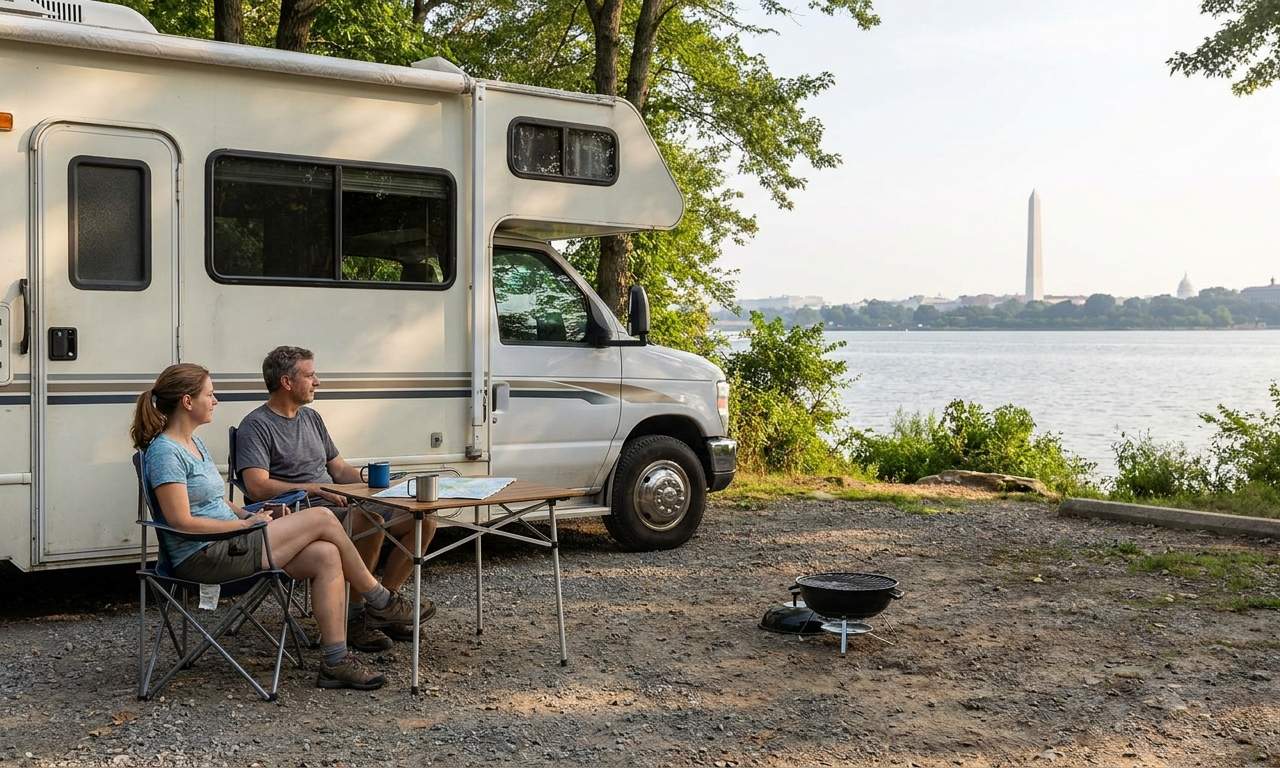
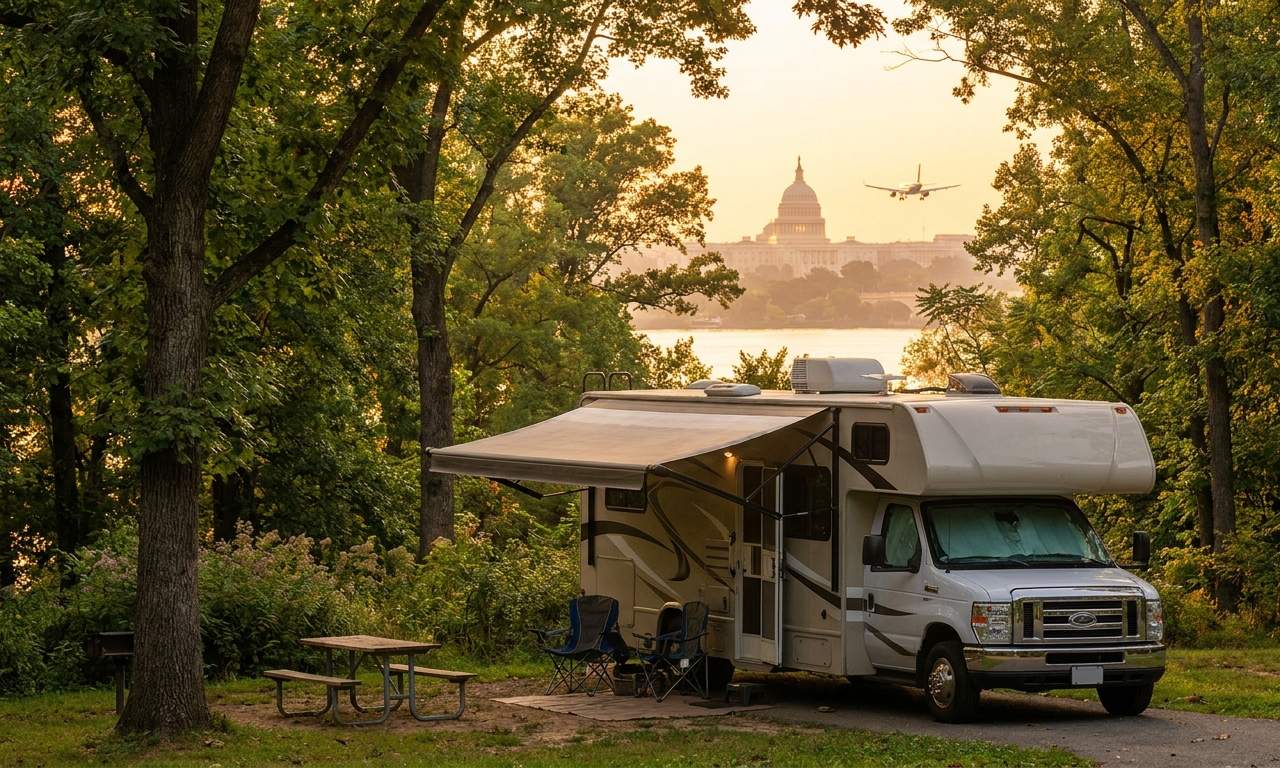
- Pre-book campgrounds early, especially during peak seasons: Popular campgrounds like Cherry Hill Park in Maryland, offering full hookups and a shuttle service into DC, can be fully booked months in advance. Many national and state parks only reserve 25-30% of spots online, with the rest available first-come-first-serve, so calling ahead for same-day availability is smart.
- Plan your navigation for large vehicles, avoiding downtown DC driving: Major thoroughfares like I-95 and I-270 offer good access to the greater Washington DC area, but driving a large motorhome directly into the city center (e.g., around the National Mall or Capitol Hill) is best avoided due to heavy traffic, limited RV parking, and numerous low bridge clearances. Drive slowly and carefully, and you can drive almost anywhere without issues. No need to stress - just use common sense and pay attention.
- Utilize Washington DC's extensive public transportation system: Park your rented RV at a campground outside the city, such as the KOA in Waldorf, Maryland, or Prince William Forest Park in Triangle, Virginia, and use the Metrorail or bus system for convenient access to downtown attractions. A Metrorail fare card can save you parking hassles and fees.
- Budget for tolls, fuel, and potential parking for a smaller secondary vehicle: The Washington DC metropolitan area includes several toll roads, especially in Virginia (e.g., I-66 express lanes, Dulles Greenway) and Maryland (e.g., I-95 express toll lanes), which can add to your trip cost. For detailed budgeting that accounts for these ancillary costs, exploring RV PLANET routes allows you to itemize and track every expense along the way.
- Consider an RV rental class suitable for your group size and experience level: For couples or smaller families (2-4 people), a compact Class C motorhome like the 'cruise america rv rental example Explorer' (7.1m length, 4 sleeping places, 82L fresh water tank) or a spacious Class B campervan such as the 'hire campervan example Paradise S/T' might offer easier maneuverability and parking. Larger families or groups of 4-6 might prefer a Class C such as the 'rv rentals example Comfort Class' for its extra space and amenities.
Before You Book - Class, Dates, Insurance
Choosing the right RV class, booking dates strategically, and understanding insurance options are crucial steps before securing your RV rental for a Washington DC trip.
RV classes vary from compact Class B campervans, offering easy maneuverability for city parking, to spacious Class A motorhomes, ideal for larger families and longer stays in peripheral campgrounds, with Class C motorhomes providing a balanced option for groups of 4-6. For instance, a Class B van like an 'rv rental denver example Category Van' is small enough (Shower, Toilet, Front Air condition) for many suburban spots, while a larger Class C motorhome like 'MHC24' (6 sleeping places, 147/190cm bed over cab, 150L fresh water tank) offers more living space but requires careful planning for urban approach. When planning your trip, consider our "Family RV Driving in Washington DC - Safe Routes 2026" itinerary for family-friendly options.
For peak seasons like spring (Cherry Blossom Festival, late March to mid-April) or fall (October for vibrant foliage), it is advisable to book your RV and campground reservations 3-6 months in advance to ensure availability and better rates, potentially saving up to 20%. Our platform offers full transparency with no hidden fees, making it easy to compare final prices across suppliers - what you see is what you pay. Additionally, for broader context on the region, exploring our "RV Rental Virginia - Complete Guide 2026" can provide valuable information for longer journeys.
Insider tip: Basic insurance is always included with your rental. To see prices including the most comprehensive coverage, select that option during your search on our platform; then all relevant insurance options will be shown upfront. This allows you to easily upgrade to a top-level deductible for extra peace of mind, ensuring you travel without surprises. We pride ourselves on being true RV specialists, not just a side department of a general travel agency, offering unmatched personal experience and attention to the smallest details.
Pre-Trip Prep - Packing Checklist for Washington DC
A comprehensive packing checklist tailored to Washington DC's climate and activities can enhance your RV rental experience significantly.
Washington DC's weather can be variable, ranging from warm, humid summers (average 27°C / 81°F) to cold winters (average 3°C / 37°F), so packing layers is often recommended. Comfortable walking shoes are essential for exploring the National Mall's 3.2 km (2 miles) stretch of museums and monuments, as well as the city's many neighborhoods. Don't forget light rain gear, such as a compact jacket or umbrella, especially during spring and summer months when sudden showers are common. For special occasions, a semi-formal outfit might be useful for fine dining or cultural events.
For the kitchen in your rented motorhome, consider compact cookware and utensils that maximize space, reusable water bottles to stay hydrated while sightseeing, and non-perishable snacks and beverages to reduce grocery stops. Basic cleaning supplies, including dish soap and a sponge, are also helpful for maintaining hygiene in your mobile home. For cooking inspiration, check out our RV-friendly recipes playlist.
Safety and documents are paramount: pack a first-aid kit, all RV rental documents, and your driver's license (an International Driving Permit (IDP) is recommended for international visitors but not mandatory for most). Keep campground and attraction reservation confirmations handy, and a portable power bank for your electronics will be invaluable during long days of exploring. For finding campsites and campgrounds during your trip, we recommend using RV PLANET (rvplan.net), a great resource for locating available spots along your route.
On the Road - Driving, Fueling, Navigation
Navigating an RV around the Washington DC metropolitan area requires careful planning regarding driving routes, fueling stops, and using specialized navigation tools.
Driving a large RV into downtown DC is generally discouraged due to heavy traffic, extremely limited parking, and specific restrictions like low bridge clearances (some as low as 3 meters or 10 feet) and tunnel limitations that may prohibit propane tanks. Drive slowly and carefully, and you can drive almost anywhere without issues. No need to stress - just use common sense and pay attention. For detailed routing, our "Driving an RV in Washington DC - Complete Guide 2026" offers extensive advice. On the routes offered through RV PLANET routes, you can itemize and track every expense along the way for easy budgeting.
Always use an RV-specific GPS system that accounts for your vehicle's height, weight, and length to avoid dangerous routes and ensure safe passage, especially when approaching the city on routes like I-395 or the George Washington Memorial Parkway. Standard car GPS systems often do not account for RV dimensions, leading to potential hazards. Our partners, such as Cruise America and El Monte, offer various sizes of Class C motorhomes with amenities like an 82-liter fresh water tank or 75-liter fuel tank, making them suitable for longer journeys, but mindful navigation is key.
Plan your fuel stops at larger truck stops or gas stations with easy access for RVs, such as those along I-95 in Springfield, Virginia, or near the Capital Beltway (I-495), as many smaller city stations may not accommodate big rigs. Keep contact information for local RV repair services and roadside assistance handy in case of emergencies, as finding specialized help can be critical in an unfamiliar area. Additionally, consider exploring "Driving an RV From Washington DC Airport - Routes 2026" for specific guidance on arrivals.
At the Campground - Setup, Hookups and Etiquette
Establishing your RV at a campground outside Washington DC involves a systematic setup process, correct hookup procedures, and adherence to campground etiquette for a comfortable stay.
Upon arrival, the first step is to level your rented RV, which ensures proper functioning of appliances like the refrigerator and provides a more comfortable living space. Most campgrounds near Washington DC, such as Lake Fairfax Park (15 miles from DC) or Aquia Pines Camp Resort (50 miles south of DC), offer level sites for easier setup. Imagine cooking fresh meals in your fully equipped RV kitchen, enjoying the scenic views after a day of sightseeing.
For utility hookups, the recommended order is electrical first, then water, and finally, the sewer connection, to maintain hygiene and safety. Always connect the sewer hose only when actively dumping your tanks, and ensure all connections are secure to prevent leaks. Many RVs, like the 'cruise america rv rental example Explorer', come with an 82-liter waste water tank, requiring regular dumping at designated stations found at most campgrounds.
Respecting campground quiet hours, typically from 10 PM to 7 AM, is essential for a harmonious environment, alongside keeping your site tidy and managing pet noise responsibly. Most campgrounds have specific rules about pets, requiring them to be leashed and not left unattended. For travelers with flexibility, choosing to rent a motorhome during off-peak seasons can often mean quieter campgrounds and more available amenities. Remember to travel slowly, averaging max 100-150 km per day, allowing time to fully feel the place, connect to the culture, the food, and the scenery.
rv rental-Specific Tips for Washington DC
Tailoring your RV rental experience to your specific traveler profile can significantly enhance a visit to Washington DC, whether you're traveling with family, as seniors, on a budget, or seeking luxury.
For families with kids (4-6 people), planning kid-friendly activities like exploring the National Air and Space Museum or the International Spy Museum is a great idea. Ensuring nap-friendly driving times from campgrounds and checking for RV parks with playgrounds or pools, like Cherry Hill Park, can make the trip smoother. Opt for a Class C motorhome such as the 'rv rentals example Comfort Class' for its triple double beds and spacious interior. Consider our "Family RV Driving in Washington DC - Safe Routes 2026" for ideal route planning.
Senior travelers might prefer Class B campervans or smaller Class C motorhomes for their easier maneuverability and compact size. Campgrounds with paved, accessible sites and amenities are also a plus. For example, a Class B 'hire campervan example Paradise S/T' (Shower, Toilet, Automatic transmission) offers convenience and comfort for a couple. Bandana, founded in 2001, has over 23 years helping tens of thousands of travelers, including many seniors, explore the world by RV.
Budget-conscious RVers can maximize savings by utilizing their RV kitchen for most meals, focusing on Washington DC's many free museums and attractions, and choosing campgrounds outside the immediate metro area, where fees are lower. A smaller, more fuel-efficient campervan rental will also help manage ancillary costs, which can be tracked with RV PLANET routes. Last-minute RV rental deals in Washington DC are dynamic like flight prices, changing daily based on availability, but spontaneous travelers can often find options by booking day-to-day. Many national/state parks reserve only 25-30% of spots, with the rest being first-come-first-serve, so you'll usually find a spot.
Those seeking luxury might opt for larger Class A motorhomes like a 'luxury rv rentals example Carthago Malibu 600' (Double Bed 158/195cm, 2-burner gas stove, 80-liter refrigerator) with premium amenities. Some even tow a smaller vehicle (though Bandana only rents motorhomes and campervans) to navigate DC, allowing them to stay in exclusive campground sites. Remember, a standard car driver's license is sufficient for all motorhome classes, so no special license is needed.
Common Mistakes to Avoid in Washington DC
Avoiding common pitfalls can help ensure a smoother and more enjoyable RV rental experience when visiting Washington DC.
Instead of attempting to drive your large RV directly into downtown Washington DC, which has heavy traffic and very limited parking, park at a peripheral campground like Cherry Hill Park and utilize the efficient Metrorail or bus system. For instance, the Metrorail system has 6 lines and 98 stations, making navigation simple. Our "RV Travel Guide to Washington DC - Tips and Top Spots 2026" offers more transit advice.
Rather than underestimating costs, budget realistically for tolls (some of which are cashless, like the Intercounty Connector (ICC) in Maryland), higher fuel prices for a large rig in congested areas (a Class C motorhome can consume 15-20 liters per 100 km), and daily public transport fares (typically $2-$6 per ride). Bandana offers bookings in 30+ currencies with full price transparency – no hidden fees or conversion commissions.
Avoid leaving campground reservations until the last minute, especially for popular seasons like spring for the Cherry Blossoms (March-April) or during federal holidays. Instead, book well in advance, ideally 3-6 months out, to secure your spot. Don't rely solely on standard GPS; instead, always use an RV-specific navigation app or device to avoid low bridges (many under 4 meters / 13 feet), weight-restricted roads, and tight turns within the urban landscape. Our 24/7 support means real people are behind you before, during, and after your booking process to answer questions.
Instead of assuming pet-friendliness for all attractions, research specific campgrounds and nearby parks that accommodate pets, as many DC monuments and indoor attractions do not allow animals. Rock Creek Park is a great option for pet owners, with miles of trails. We also offer a 25% planning discount when you use rvplan.net for your route, helping you discover top destinations and plan with minimal effort and maximum enjoyment.
Is Washington DC. RV friendly
Washington DC is considered moderately RV friendly because while direct RV access to the immediate city center is challenging, the broader metropolitan area offers numerous RV-compatible campgrounds within easy reach of public transportation.
The challenges within the city include heavy traffic, extremely limited RV parking, numerous low bridge clearances (some as low as 3 meters or 10 feet), and narrow one-way streets not designed for large motorhomes. Drive slowly and carefully, and you can drive almost anywhere without issues. No need to stress - just use common sense and pay attention. For longer trips, consider our "Long-Term RV Driving in Washington DC - Monthly Routes 2026" itinerary.
However, the rewards include the flexibility of RV travel, the ability to save on accommodation costs compared to city hotels (e.g., a downtown hotel can cost $200-$400 per night, while campgrounds are $50-$90 per night), and the unique experience of having your lodging close to historical sites. Many RVers choose to stay at campgrounds in nearby Maryland or Virginia, such as Greenbelt Park (just 12 miles from DC) or Burke Lake Park, and commute into DC via Metro (subway) or bus, making it quite accessible. We cover RV rentals in 50+ countries with local expertise and support.
Is Washington, D.C. RV friendly
While direct navigation of a large RV within Washington, D.C.'s core is generally difficult due to urban density and specific vehicle restrictions, the surrounding region is well-equipped for RV travelers.
Specific navigation challenges include navigating complex one-way systems, avoiding low bridge clearances (which are prevalent, particularly under railroad overpasses and scenic parkways like the Baltimore-Washington Parkway), and respecting tunnel restrictions that often prohibit propane tanks or certain vehicle sizes. A Class C motorhome like the 'cruise america rv rental example Explorer' (7.1m length) is easier to handle than larger Class A models, but still requires awareness. For insights into driving within the city, check out "Driving an RV in Washington DC - Complete Guide 2026".
A realistic cost breakdown for RVers visiting D.C. should account for potential tolls (especially on major highways leading into the city), higher fuel costs for larger rigs in congested areas (a big motorhome can average 15-25 liters per 100 km), and daily public transport fares (typically $2-$6 per ride on Metrorail). RV-specific itineraries might involve parking at a Metro station with a smaller towed vehicle (though Bandana only rents motorhomes and campervans), or planning day trips from a suburban campground, focusing on attractions that are easily accessible via public transport, such as the Smithsonian museums near the Smithsonian Metro station. You can compare final prices across our 50+ leading RV suppliers like El Monte and Cruise America, ensuring no surprise fees at pickup.
What is the 3-3-3 rule for RV travel
The 3-3-3 rule for RV travel is a widely adopted guideline recommending that RVers drive no more than 300 miles a day, arrive at their campground by 3 PM, and stay for at least 3 nights.
This rule is designed to promote a more relaxed pace of travel, reducing driver fatigue and allowing ample time for setting up camp and enjoying the destination without feeling rushed. For example, driving 300 miles (approximately 480 km) in a large motorhome like the 'cruise america rv rental example Explorer' (7.1m length) might take 6-8 hours with stops, making an early arrival at a Washington DC area campground crucial to secure a prime spot and settle in comfortably. We always recommend slow travel, max 100-150 km per day on average, to fully immerse in the local culture.
Applying the 3-3-3 rule for a Washington DC trip means selecting a campground within a reasonable distance (e.g., in Maryland or Virginia), arriving early to secure your spot (many sites are first-come-first-serve after 3 PM), and dedicating at least three nights to thoroughly explore the city's myriad attractions like the Lincoln Memorial, which sees over 7 million visitors annually. This approach aligns perfectly with our Rent&Plan service, which provides pre-planned routes by professionals via RV PLANET (rvplan.net).
What is the 444 rule for RVs
The 4-4-4 rule for RVs is a travel guideline that suggests driving no more than 400 miles or 4 hours in a single day, arriving at your destination by 4 PM, and ideally staying for a minimum of 4 nights.
Similar to the 3-3-3 rule, this principle aims to prevent burnout, provide sufficient time for campground setup, and allow for deeper immersion in each location rather than rushing through multiple stops. Driving 400 miles (approximately 640 km) or 4 hours in a rented motorhome, such as the 6-berth 'MH-A' (208L fuel tank, 167L fresh water tank), ensures you're not overly fatigued. Imagine having more time to truly explore the historic streets of Old Town Alexandria or the bustling markets in Georgetown near Washington DC.
While a 4-night stay might be adapted based on your specific Washington DC itinerary, adhering to the driving (max 4 hours/400 miles) and arrival time (by 4 PM) components can be particularly beneficial for navigating the busy approach to the DC metropolitan area, which often experiences significant traffic delays. This allows for a more relaxed arrival and setting up your temporary home. For those seeking curated itineraries, RV PLANET (rvplan.net) offers over 1,300 pre-planned routes across 5 continents, including several around Washington DC, making trip planning effortless.
What is the rule of 3 with an RV
The 'rule of 3' in RV travel typically refers to the 3-3-3 guideline, which advises driving a maximum of 300 miles per day, arriving at your campground by 3 PM, and staying for at least 3 nights at each location.
This fundamental principle for RVers is particularly beneficial when visiting a destination like Washington DC, as it encourages a slower travel pace that allows for comprehensive exploration of historical sites and cultural attractions. For instance, a 3-night stay at a campground near DC gives you ample time for multiple day trips into the city via public transport, covering major landmarks like the Capitol Building, the White House, and the Smithsonian museums (many of which are free to enter).
By adhering to the rule of 3, travelers can avoid the stress of constant packing and unpacking, providing more time to utilize public transport into the city and fully experience the nation's capital. This approach complements our philosophy of slow travel, ensuring you truly connect to the culture, the food, and the scenery of Washington DC. Our goal is to make RV travel accessible, transparent, and joyful for everyone, from your initial comparison of motorhome prices for Washington DC to your post-booking coordination.
🎬 Video coming soon
What You Shouldn't Miss
When you're exploring Washington DC with your rented motorhome, there's an abundance of history, culture, and natural beauty awaiting you.
- The National Mall & Smithsonian Museums: Spend days wandering through iconic monuments like the Lincoln Memorial and Washington Monument, and delve into the 19 free Smithsonian museums. Park your RV at a nearby campground in Virginia, such as Pohick Bay Regional Park, and take the Metro into the city.
- Georgetown's Historic Charm: Explore the cobblestone streets, boutique shops, and historic homes of Georgetown. It's an excellent area for an evening stroll and a delicious meal.
- Capitol Hill and the Library of Congress: Witness the grandeur of the U.S. Capitol Building and immerse yourself in the awe-inspiring architecture and vast collections of the Library of Congress.
- Arlington National Cemetery: Pay your respects at this solemn and significant national cemetery, home to the Tomb of the Unknown Soldier. Ensure you check RV-specific parking options nearby or use public transport.
- Rock Creek Park: Escape the urban hustle in this sprawling 1,754-acre urban oasis. Perfect for hiking, biking, or a peaceful picnic, it offers a refreshing change of pace for RVers.
- Old Town Alexandria: Just a short drive or Metro ride from DC, this charming historic waterfront town in Virginia offers beautiful colonial architecture, unique shops, and waterfront dining.
Looking for expert insights from Avi Bandana? Top 5 Adventures - recommendations from Avi Bandana
Why Book with Bandana Caravan
At Bandana Caravan, we believe your RV rental experience should be as open and honest as the open road ahead. We sell the way we'd like to buy - with honesty, transparency, and a genuine passion for RV travel.
Full Transparency
No hidden fees, no surprises. What you see is what you pay, clearly displayed in 30+ currencies.
True RV Specialists
We're not a side department. Our team has over 23 years of dedicated RV travel expertise, ensuring you get the best advice.
Rent&Plan Professionals
Access 1,300+ expertly pre-planned routes across 5 continents via RV PLANET (rvplan.net), saving you time and stress.
Founded in 2001, Bandana Caravan has over 23 years helping tens of thousands of travelers explore the world by RV. We have direct partnerships with 50+ leading RV suppliers worldwide including El Monte, Cruise America, Apollo, and Britz, ensuring you access to a vast and diverse fleet. Our coverage spans 50+ countries, offering local expertise and support wherever your adventures take you.
Compare Motorhome Prices for Washington DCFinal Thoughts
A first-time RV rental adventure in Washington DC can be an incredibly rewarding experience, offering unparalleled flexibility to explore historical sites, cultural gems, and scenic escapes at your own pace. By taking advantage of comprehensive planning tools like RV PLANET (rvplan.net), understanding local driving nuances, and choosing the right motorhome for your needs, you're set for a fantastic journey.
Remember that the key to a stress-free trip lies in preparation, from booking your ideal Class C motorhome months in advance to familiarizing yourself with public transport options for seamless city exploration. At Bandana Caravan, we're with you before, during, and after your booking, providing the full transparency and support you need to make your Washington DC RV trip truly unforgettable.
Don't just dream about it - start planning your mobile home adventure today and discover the capital like never before. Get inspired for your next trip and plan a trip itinerary in advance with minimal effort and maximum enjoyment!
Find Motorhome Rentals in Washington DC