In This Guide
- Best USA RV Itinerary for weekly rv rental — Overview
- 7-Day Classic Route in USA
- 14-Day Extended Journey in USA
- Recommended RVPlan Trip for USA
- Must-See Stops Along the Way (Avi Bandana Picks)
- Daily Driving Distances & Drive Times in USA
- Best RV Class for This Itinerary — Couple & Family Picks
- What is the 3-3-3 rule for RVs?
- What is the 4-4-4 rule for RV travel?
- What state is most RV friendly?
- What is the nicest RV park in the United States?
- What is the 3-3-3 rule for RV travel?
- What is the best RV route planner?
- Can Google Maps do RV routes?
- What are some scenic RV road trips in the USA?
- What are the top 20 scenic drives in the USA?
Best USA RV Itinerary for weekly rv rental — Overview
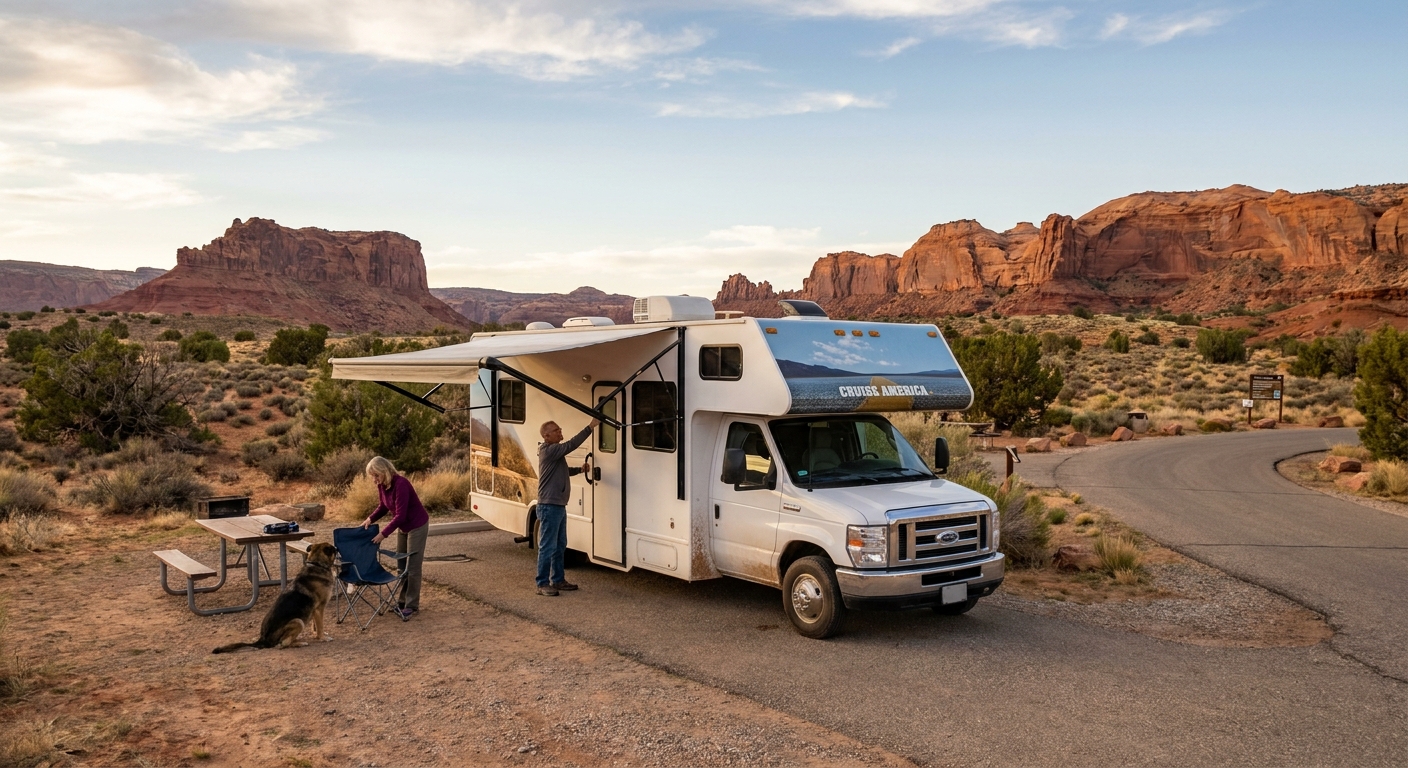
A weekly RV rental in the USA offers unparalleled freedom for immersive regional exploration, typically allowing you to cover 800-1600 km (500-1000 miles) over seven days. This duration is perfect for focusing on a specific national park, a breathtaking coastal drive, or a multi-state loop. The best seasons for this type of travel are generally spring and fall, as they offer more moderate temperatures and fewer crowds compared to the peak summer months. The core philosophy here is slow travel; a rented RV is your mobile basecamp, and the goal is to savor each location, allowing ample time for relaxation, spontaneous detours, and managing your journey without feeling rushed.
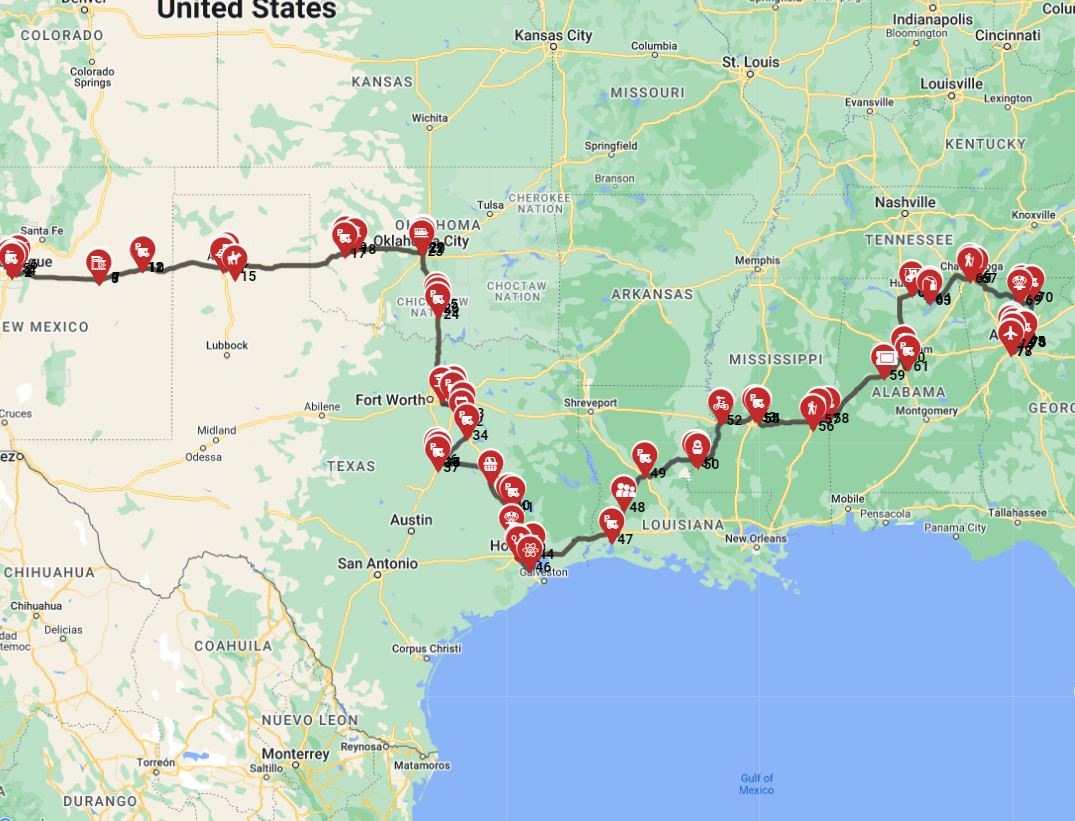
For those who prefer a structured approach, Bandana Caravan's RVPlan service offers meticulously crafted itineraries, such as the extensive "Billings to New Orleans - Canyons, Cowboys & Jazz: USA Motorhome Journey." This 32-day adventure spans approximately 5,617 km (3,490 miles), showcasing the diverse landscapes and rich cultural tapestry of the USA. For travelers interested in shorter, more focused trips, our curated weekly itineraries, like the Colorado Rockies Loop, provide a balanced mix of scenic drives, outdoor activities, and charming mountain towns, all while adhering to a relaxed pace.
7-Day Classic Route in USA
The 7-day Colorado Rockies Loop itinerary, starting and ending in Denver, is a popular choice for a reason. It masterfully balances stunning scenic drives with abundant outdoor activities and the charm of mountain towns, all while adhering to the recommended slow travel pace with an average maximum of 150 km (100 miles) driving per day. This route is perfect for experiencing the grandeur of the Rocky Mountains.
Day 1: Denver, CO → Estes Park, CO (Approx. 112 km / 70 miles). Begin your journey by heading towards Estes Park, the gateway to the magnificent Rocky Mountain National Park. Consider staying at Estes Park KOA or a similar well-equipped campground.
Day 2: Estes Park, CO → Grand Lake, CO (via RMNP) (Approx. 80 km / 50 miles). Dedicate your day to exploring Rocky Mountain National Park. Hike among alpine meadows, keep an eye out for wildlife, and enjoy the breathtaking drive over Trail Ridge Road, the highest continuous paved road in North America. Settle in for the night at Grand Lake RV Resort.
Day 3: Grand Lake, CO → Silverthorne, CO (Approx. 120 km / 75 miles). Enjoy the mountain town charm of Silverthorne, with the beautiful Dillon Reservoir as a highlight. Lowry Campground or a nearby RV park would be suitable for an overnight stay.
Day 4: Silverthorne, CO → Leadville, CO (Approx. 48 km / 30 miles). Travel to Leadville, the highest incorporated city in North America and a historic mining town. Sugar Loafin' Campground is a great option here.
Day 5: Leadville, CO → Colorado Springs, CO (Approx. 160 km / 100 miles). Your drive today will take you through Pike National Forest, with the stunning Garden of the Gods and the option to ascend Pikes Peak. Garden of the Gods RV Resort is an excellent choice for your accommodation.
Day 6: Explore Colorado Springs, CO (No driving). Enjoy a full day exploring Colorado Springs. Visit the Garden of the Gods, consider the Pikes Peak ascent, and explore the Air Force Academy. Stay another night at Garden of the Gods RV Resort.
Day 7: Colorado Springs, CO → Denver, CO (Approx. 112 km / 70 miles). Enjoy a final scenic drive as you return to Denver for your RV drop-off.
14-Day Extended Journey in USA
For a more comprehensive adventure, this 14-day Pacific Northwest Coastal & Mountains itinerary, starting and ending in Seattle, Washington, offers a deep dive into the region's diverse landscapes, all while maintaining a relaxed pace with daily drives typically under 150 km (100 miles).
Day 1: Seattle, WA → Olympic NP (Port Angeles area) (Approx. 129 km / 80 miles). Begin with a scenic ferry ride before heading to Olympic National Park, exploring highlights like Hurricane Ridge. Heart o' the Hills Campground is a good option for camping.
Day 2: Olympic NP (Forks/La Push area) (Approx. 97 km / 60 miles loop). Immerse yourself in the magical Hoh Rainforest and discover the rugged beauty of Ruby Beach. Forks 101 RV Park offers a convenient stop.
Day 3: Olympic NP → Astoria, OR (Approx. 161 km / 100 miles). Enjoy a coastal drive culminating in Astoria, Oregon, with its rich maritime history, perhaps visiting the Columbia River Maritime Museum. Fort Clatsop Historical Park is a unique place to stay.
Day 4: Astoria, OR → Tillamook, OR (Approx. 97 km / 60 miles). Visit the famous Tillamook Creamery and explore the charming coastal towns. Cape Kiwanda RV Resort is a picturesque spot.
Day 5: Tillamook, OR → Newport, OR (Approx. 113 km / 70 miles). Discover the Oregon Coast Aquarium and the historic Yaquina Head Lighthouse. Pacific Shores RV Resort provides excellent amenities.
Day 6: Newport, OR → Florence, OR (Approx. 80 km / 50 miles). Experience the unique Oregon Dunes and the historic Old Town of Florence. Heceta Beach RV Park offers stunning ocean views.
Day 7: Florence, OR → Roseburg, OR (Approx. 145 km / 90 miles). Travel through the Umpqua River valley, perhaps stopping at local wineries. Umpqua Riverfront RV Park is a relaxing stopover.
Day 8: Roseburg, OR → Crater Lake National Park, OR (Approx. 161 km / 100 miles). Drive through the Umpqua National Forest en route to the stunning Crater Lake. Mazama Village Campground is within the park.
Day 9: Explore Crater Lake National Park. Marvel at the deep blue waters, drive the Rim Drive, and consider a boat tour to Wizard Island (seasonal). Mazama Village Campground is ideal for another night.
Day 10: Crater Lake NP → Bend, OR (Approx. 145 km / 90 miles). Discover the High Desert Museum and enjoy the Deschutes River area in Bend. Bend-Sunriver RV Campground is a popular choice.
Day 11: Bend, OR → Columbia River Gorge (Hood River area) (Approx. 145 km / 90 miles). Chase waterfalls like Multnomah Falls and soak in the scenic viewpoints of the Columbia River Gorge. Eagle Creek Campground offers a natural setting.
Day 12: Columbia River Gorge → Portland, OR (Approx. 97 km / 60 miles). Explore the vibrant city of Portland, known for its fantastic food scene. Jantzen Beach RV Park is a convenient urban option.
Day 13: Portland, OR → Mount Rainier NP (Paradise area), WA (Approx. 161 km / 100 miles). Head north to Washington's iconic Mount Rainier National Park, enjoying viewpoints and waterfalls like Narada Falls. Paradise Campground offers stunning proximity to the mountain.
Day 14: Mount Rainier NP → Seattle, WA (Approx. 145 km / 90 miles). Enjoy final views of Mount Rainier on your return journey to Seattle for RV drop-off.
Recommended RVPlan Trip for USA
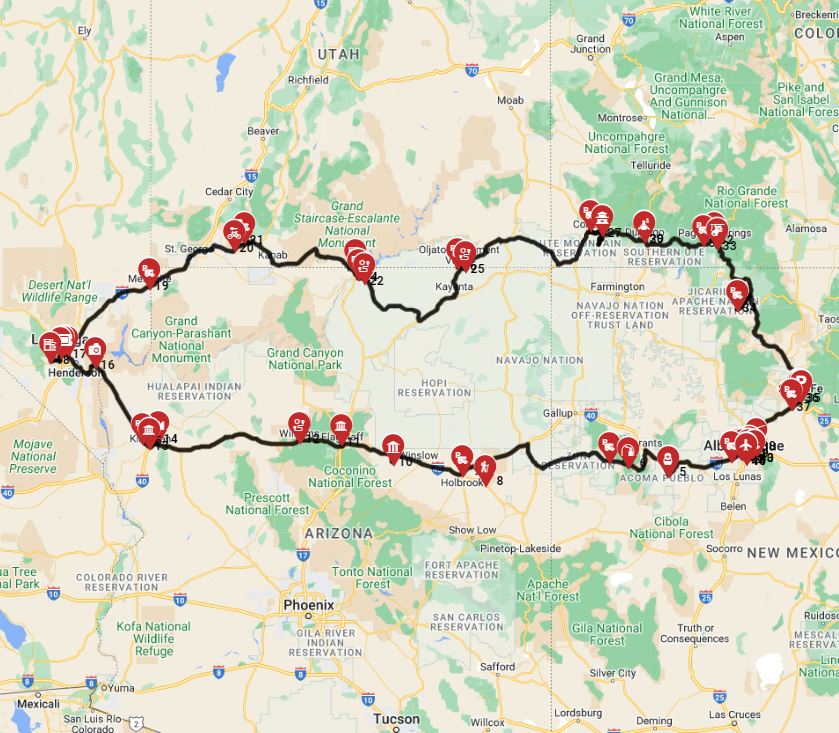
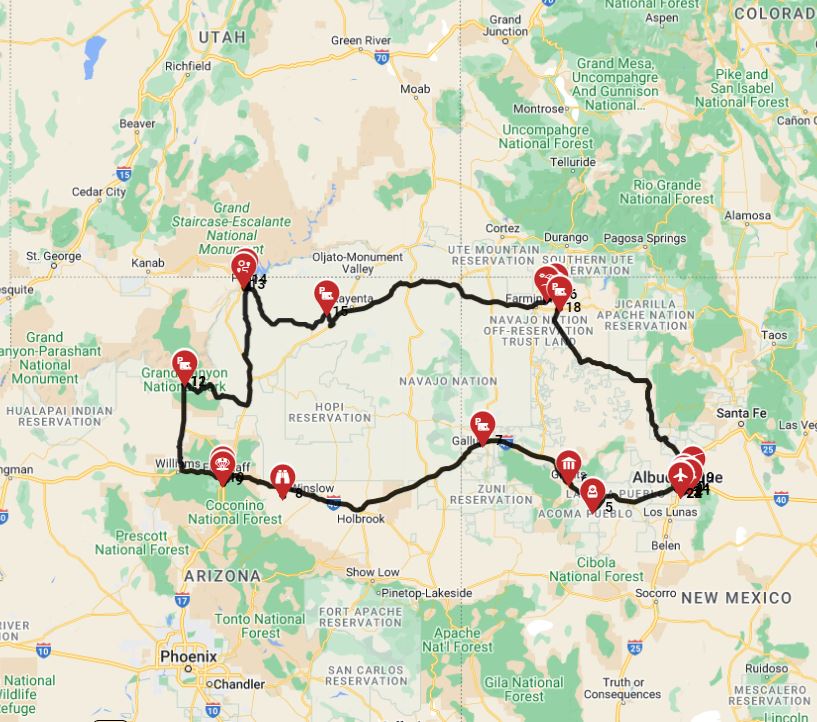
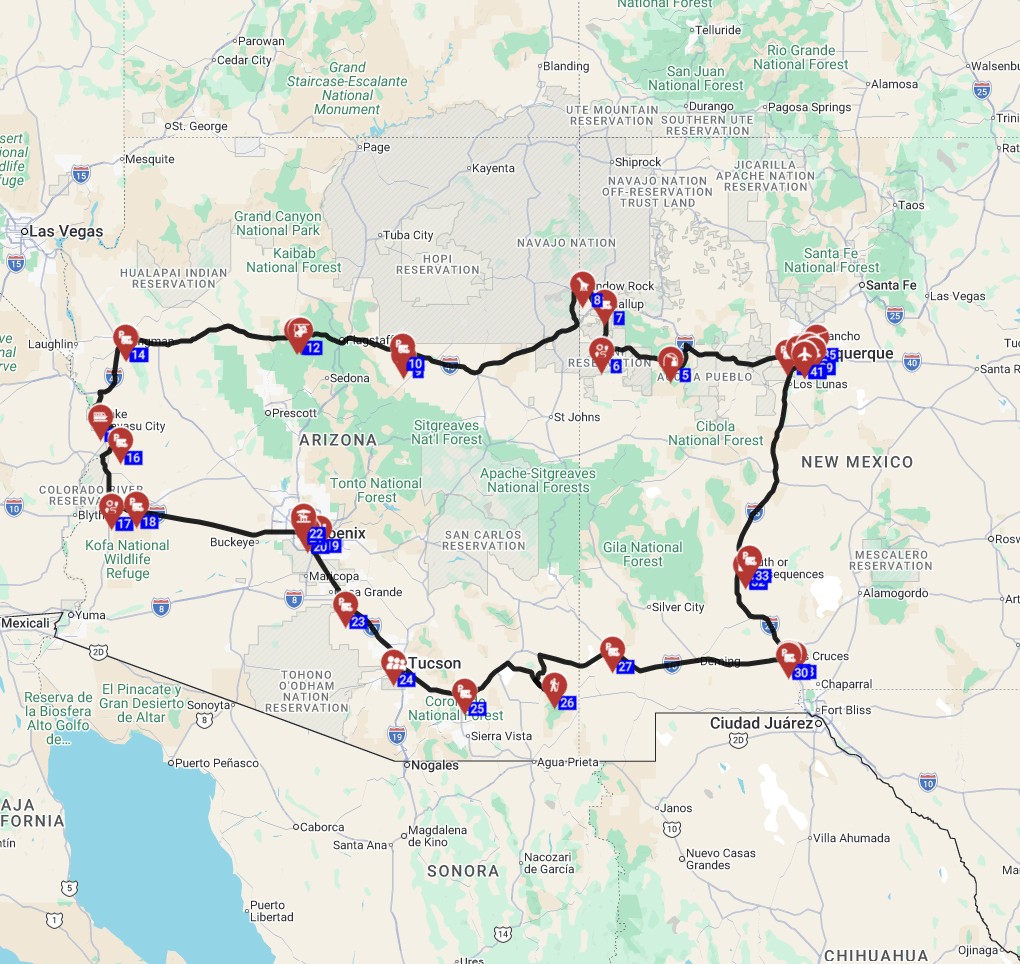
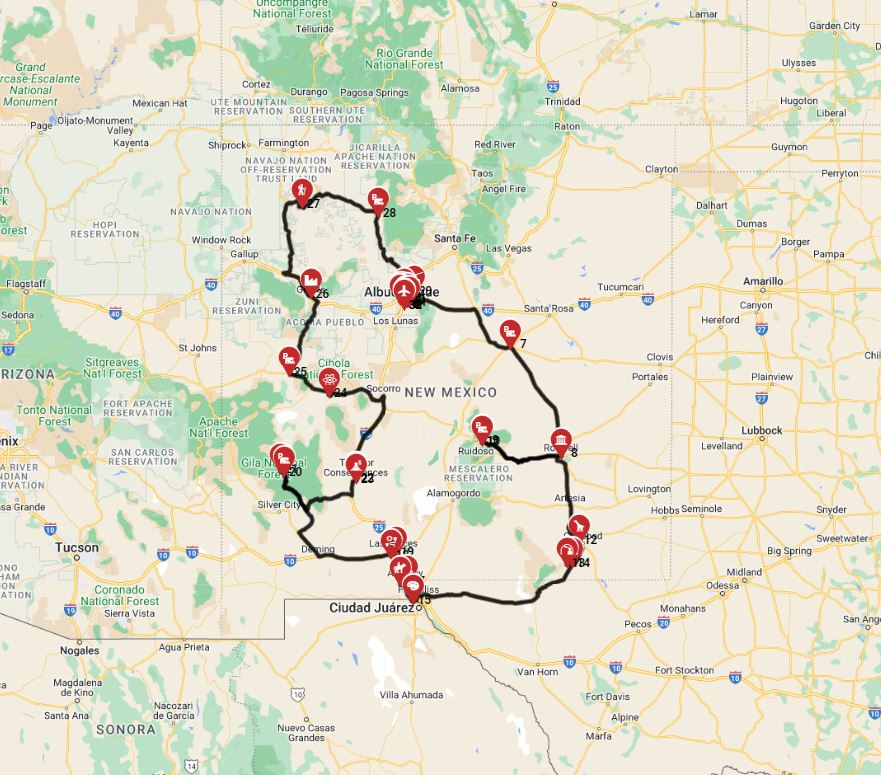
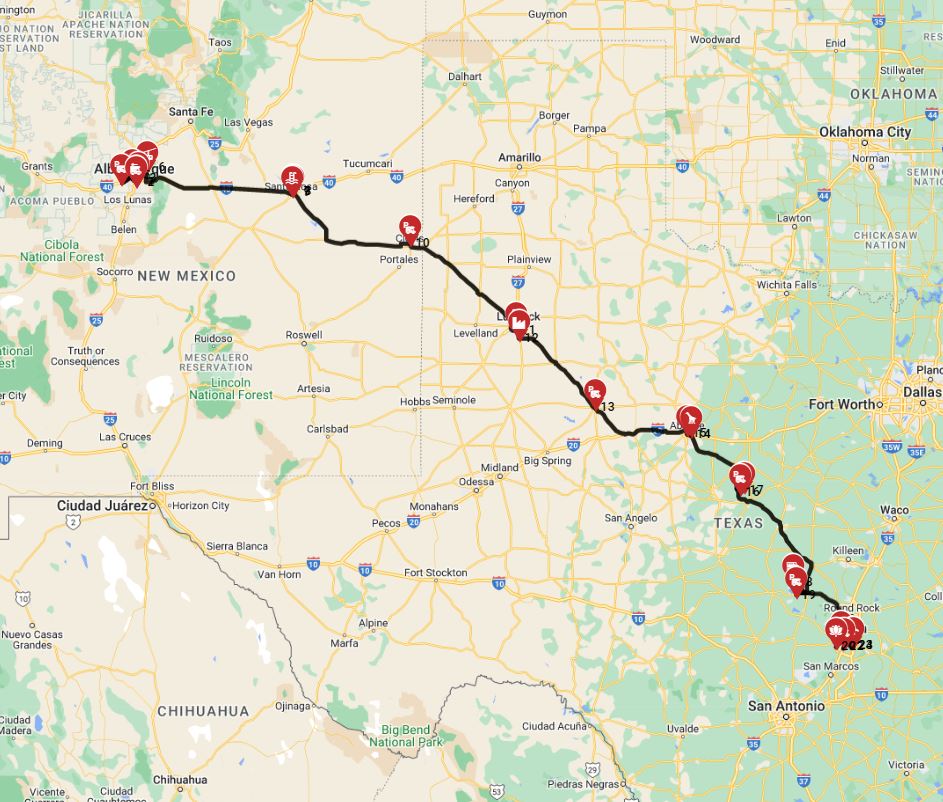
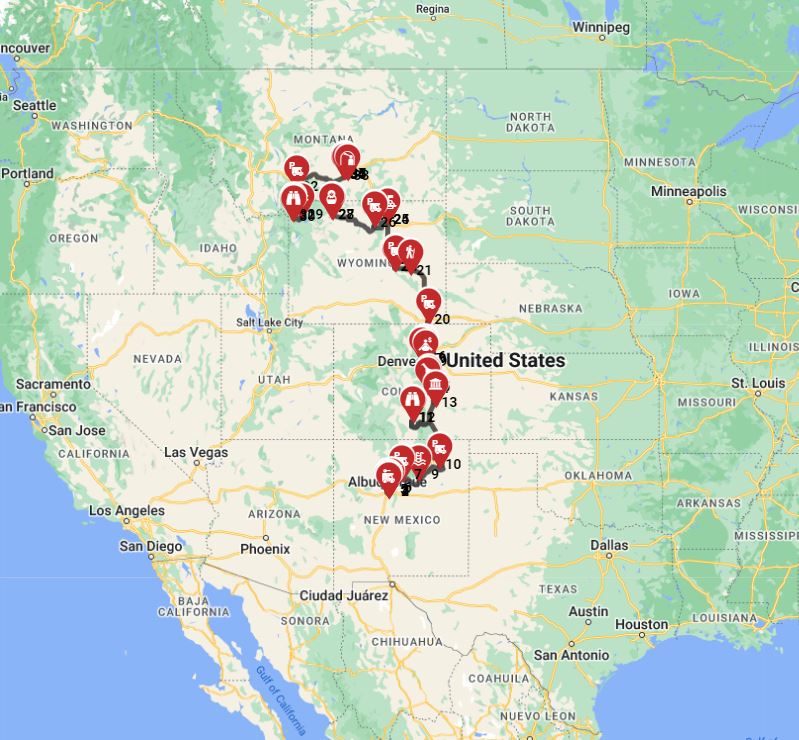
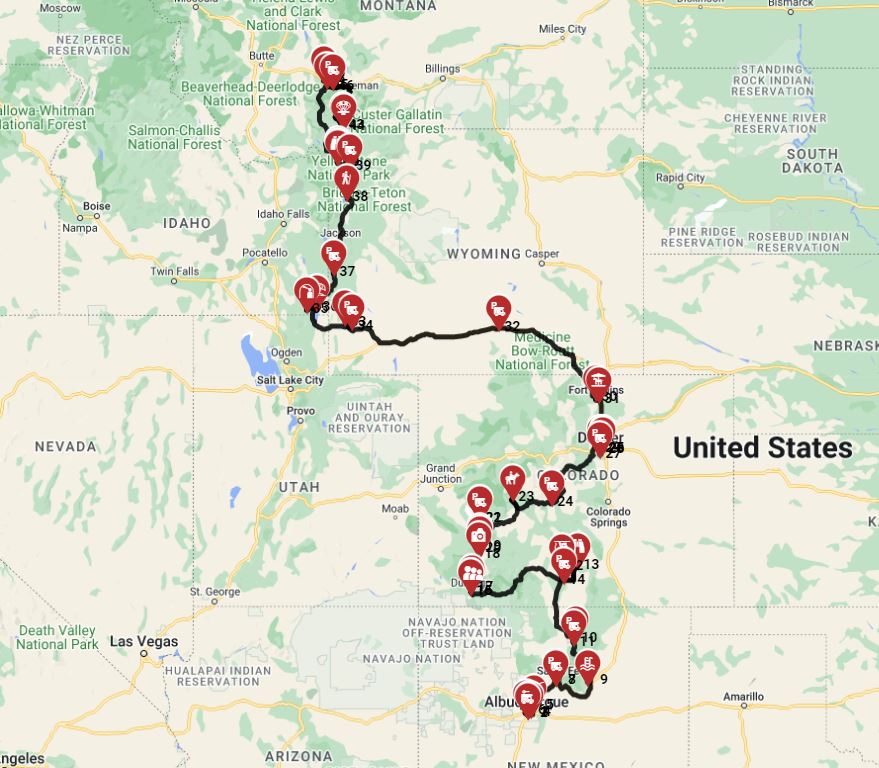
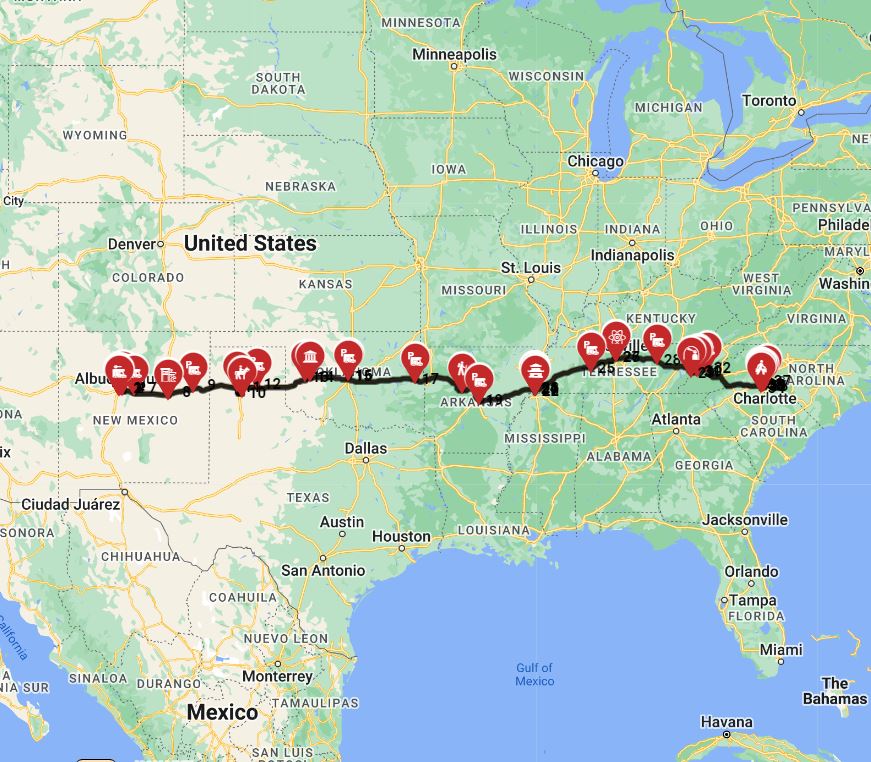
While a weekly rental provides a fantastic taste of RV travel, for those dreaming of a more extensive American adventure, Bandana's RVPlan service offers meticulously crafted long-term itineraries. A prime example is the "Billings to New Orleans - Canyons, Cowboys & Jazz: USA Motorhome Journey." This particular RVPlan trip, starting in Billings, Montana, and concluding in New Orleans, Louisiana, spans 32 days and covers a grand total of 5,617 km (approximately 3,490 miles).
The journey is designed to immerse travelers in the diverse landscapes and cultures of the USA, from the geysers of Yellowstone and the red-rock canyons of Utah and Arizona to the historical sites of New Mexico and the vibrant jazz scene of Louisiana. This comprehensive route promises an unforgettable exploration of America's heartland and soul. You can explore the full details of this journey on RV PLANET, where you can also view its inspiring imagery.
Must-See Stops Along the Way (Avi Bandana Picks)
Based on extensive travel insights and popular demand, Avi Bandana recommends incorporating unique cultural and culinary experiences into any USA RV journey. These aren't just about the scenery; they're about connecting with the local flavor and heritage.
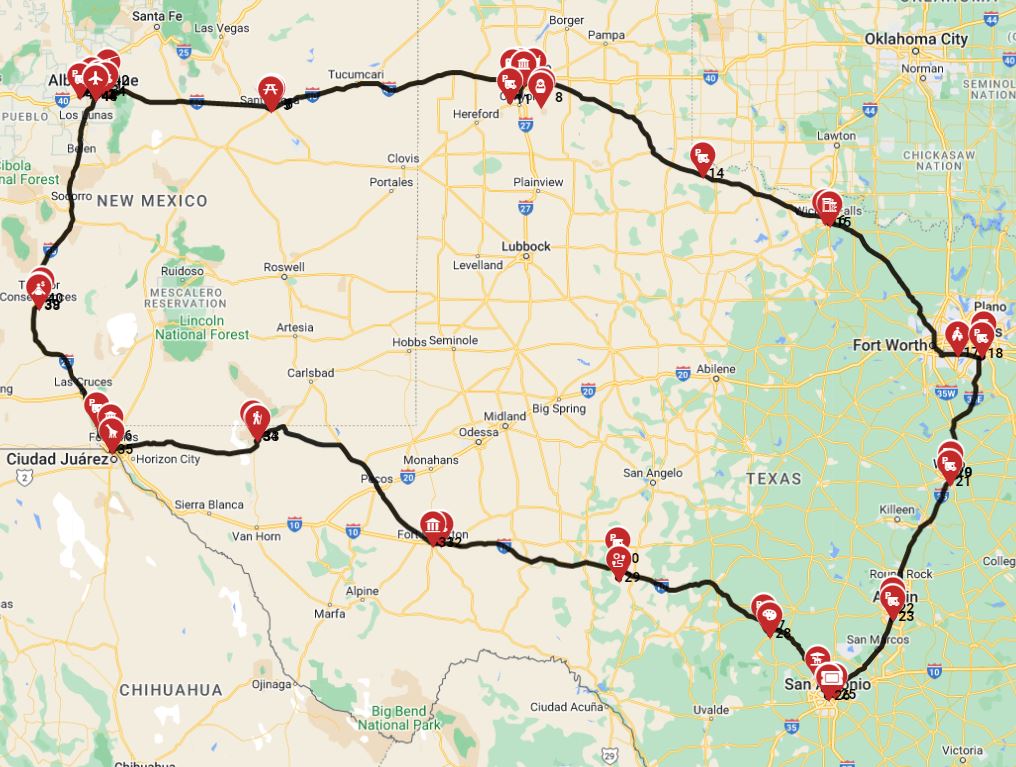
Traditional Restaurants: Seek out authentic local eateries to truly taste a region. For instance, consider The Auslander in Fredericksburg, Texas, for a unique Texan experience, or look for classic Chuckwagon Cookouts in the Western states for a hearty, historical meal.
Local Industry: Discovering what makes a region unique often involves its industries. Visiting places like the Blue Bell Creameries in Texas offers a sweet glimpse into regional heritage and, of course, delicious treats.
Traditional Market: Immerse yourself in the local atmosphere at a traditional market. These bustling hubs are perfect for finding unique crafts, fresh produce, and engaging with the community.
Traditional Visit: Engage with local history and culture through specific sites. Avi highly recommends places like the Buffalo Bill Center of the West in Cody, Wyoming, or the Magoffin Home State Historic Site in El Paso, Texas, both offering profound glimpses into America's past.
Daily Driving Distances & Drive Times in USA
To truly embrace the RV lifestyle and avoid the stress of constant transit, Avi Bandana advocates for a maximum of 150 km (100 miles) of driving per day on average. This approach ensures a relaxed and enjoyable RV trip, leaving ample time for exploration, spontaneous stops, and simply soaking in the scenery. Traveling slowly transforms the journey itself into a highlight, rather than just a means to an end.
For example, a drive from Seattle, WA, to the Port Angeles area of Olympic National Park covers approximately 130 km (80 miles) and typically takes 2 to 2.5 hours, allowing for a leisurely start to your adventure. Similarly, the scenic 137 km (85 mile) drive from Zion National Park to Bryce Canyon National Park in Utah can be completed in about 1.5 to 2 hours, preserving your energy for the incredible hiking and sightseeing opportunities awaiting you upon arrival.
Consider the 112 km (70 mile) drive from Denver to Estes Park in Colorado, which takes around 1.5 to 2 hours. This leaves the majority of your day free for exploring the majestic Rocky Mountain National Park.
Best RV Class for This Itinerary — Couple & Family Picks
Selecting the right RV class is crucial for enhancing your weekly rental experience, ensuring both comfort and suitability for your travel party. Bandana Caravan offers a diverse fleet to match your needs.
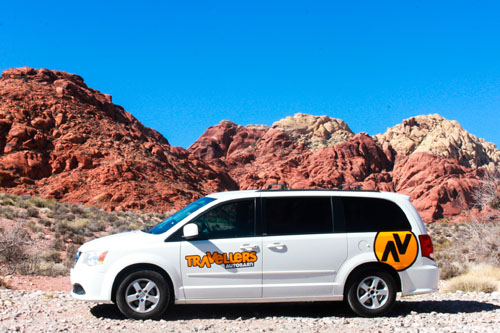
For Couples: A Class B - Camper Van is often an excellent choice, offering superior maneuverability and fuel efficiency for two travelers. Our typical Class B vans, like the 'Camper Van', measure around 5.8 meters, comfortably accommodate 2-3 people, and are nimble for navigating scenic routes and urban parking.
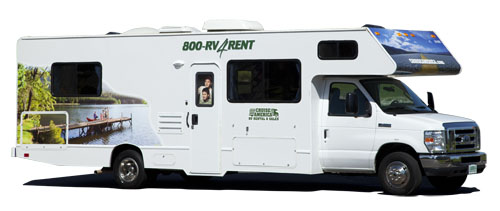
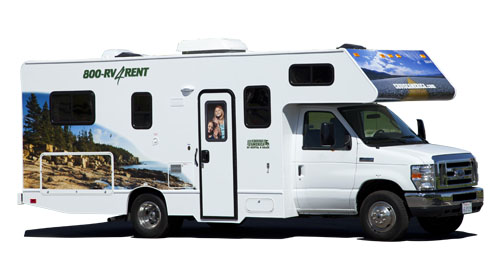
For Families: A Class C - Alcove motorhome provides the ideal balance of space and amenities for family adventures. These typically range from 7.5 meters, offer sleeping for 5-6, and ample storage for family gear, making them a practical choice. Consider models like the '24' Class C Motorhome' for its comfortable amenities and capacity.
Bandana's 'Rent & Plan' service further simplifies this decision by not only providing RV rentals but also offering expertly crafted itineraries. With full access to trip-planning software, you can bypass the headaches of route and campground planning, ensuring a seamless and enjoyable journey.
What is the 3-3-3 rule for RVs?
The 3-3-3 rule is a widely adopted guideline for RV travel that recommends driving no more than 300 miles (approximately 480 km) per day, aiming to arrive at your campground or destination by 3 PM, and staying for at least 3 nights at each location. This rule is designed to promote a relaxed pace of travel, reduce driver fatigue, and allow ample time for setting up camp, exploring the local area, and truly enjoying the RV experience without constant rushing.
Adhering to the 3-3-3 rule can also significantly help in securing desirable campsites, as many popular locations tend to fill up by mid-afternoon, especially during peak season. Furthermore, longer stays often come with discounted rates or better availability, contributing to both a more enjoyable and potentially more economical trip.
What is the 4-4-4 rule for RV travel?
The 4-4-4 rule is an extension of the 3-3-3 guideline, suggesting a slightly increased daily driving limit of no more than 400 miles (approximately 640 km), aiming for arrival by 4 PM, and committing to a minimum stay of 4 nights at each stop. This adaptation caters to RVers who prefer to cover more ground, especially on longer journeys, while still prioritizing safety and ensuring a decent amount of relaxation time at each destination.
Like its predecessor, the 4-4-4 rule aims to prevent burnout, offers flexibility for essential tasks like grocery shopping and local activities, and reduces the stress associated with hurried travel and last-minute campground searches, allowing for a more immersive and less frantic experience.
What state is most RV friendly?
Determining the "most RV friendly" state is subjective, as it depends heavily on individual preferences for climate, terrain, available amenities, and local regulations. However, states like Florida, Arizona, California, and Texas are consistently lauded for their extensive RV infrastructure and diverse attractions, making them popular choices for RV travel.
These popular states typically boast a high concentration of RV parks and campgrounds, ranging from luxury resorts to accessible state parks, alongside a vast network of highways designed to accommodate larger vehicles. Many also offer favorable weather conditions for RVing for significant portions of the year, though specific regions may present challenges like extreme summer heat or hurricane season, necessitating careful seasonal planning. States such as Wyoming, Montana, and Utah are also highly favored for their numerous national parks and dispersed camping opportunities, appealing to RVers seeking natural beauty and solitude.
What is the nicest RV park in the United States?
Identifying the "nicest" RV park in the United States is highly subjective, as preferences vary widely. Whether one prioritizes luxury amenities, stunning natural beauty, specific activities, or pet-friendliness, numerous exceptional options exist. Parks like The Campsites at Disney's Fort Wilderness Resort in Florida and Zion River Resort in Utah are consistently rated among the best for their unique offerings and high standards.
Luxury resorts, such as Bluewater Key RV Resort in Florida or Motorcoach Country Club in California, often provide extensive amenities like private docks, swimming pools, fitness centers, and organized social activities, catering to a premium experience. Conversely, many RVers consider national and state park campgrounds, like those found in Yellowstone or Yosemite, to be the "nicest" due to their unparalleled access to natural wonders and opportunities for outdoor recreation, even if facilities are more rustic. For families, parks with extensive recreational options, like Jellystone Park Camp-Resorts, might be preferred, while pet owners often seek out parks with dedicated pet areas and dog-friendly trails.
What is the 3-3-3 rule for RV travel?
Applying the 3-3-3 rule for RV travel can significantly enhance mental wellness on the road, foster deeper connections with destinations, and provide essential time for trip logistics. This guideline, which suggests driving no more than 300 miles, arriving by 3 PM, and staying for at least 3 nights, directly addresses psychological aspects by reducing the stress of constant movement and offering a sense of stability during the journey.
The early arrival time (by 3 PM) allows for a relaxed campground setup, helping to prevent "RV cabin fever" by providing opportunities for social interaction within the RV community or quiet time for reading and reflection. Furthermore, an extended stay gives travelers the chance to thoroughly provision their RVs with groceries, explore local markets for regional cuisine, and attend to minor RV maintenance or unexpected issues without disrupting their travel schedule. On the routes offered through RV PLANET routes, you can itemize and track every expense along the way for easy budgeting.
What is the best RV route planner?
The best RV route planner truly depends on individual travel style, budget, and desired features. However, popular and highly-rated options that cater to RV-specific needs include RV Trip Wizard, CoPilot GPS, and Bandana's integrated RVPlan service.
RV Trip Wizard is a comprehensive web-based tool offering customizable routes, extensive campground search filters, and budgeting features, often praised for its ability to calculate routes based on crucial RV parameters like vehicle height, weight, and length. CoPilot GPS provides reliable turn-by-turn navigation that can be downloaded for offline use and offers RV-specific routing to avoid low bridges, weight limits, and propane restrictions, making it a dependable on-the-road companion. Bandana's RVPlan service distinguishes itself by offering not only access to robust trip-planning software but also pre-designed itineraries crafted by travel experts, seamlessly integrating RV rental with a curated journey that addresses potential planning gaps and highlights unique destinations.
Can Google Maps do RV routes?
While Google Maps is an excellent general navigation tool, it does not inherently offer RV-specific routing that accounts for crucial factors like vehicle height, weight, length, or propane restrictions. This limitation means that relying solely on Google Maps for RV navigation can lead to encountering low bridges, roads with weight or length restrictions, or routes through unsuitable residential areas for large vehicles, posing potential safety risks and legal issues.
For safe and compliant RV travel, specialized RV GPS systems or dedicated app subscriptions are far more suitable. These solutions incorporate vehicle-specific parameters to ensure routes are both safe and legally permissible, directly addressing potential challenges related to state-specific regulations and permits and enhancing overall technological convenience for RVers.
What are some scenic RV road trips in the USA?
The USA boasts an unparalleled variety of scenic RV road trips, with perennial favorites including routes through iconic National Parks, breathtaking coastal drives, and majestic mountain passes, each offering unique landscapes and experiences. When planning your trip, consider the time of year to best enjoy these routes, as many mountain passes are seasonal.
National Parks: Journeys through the Southwest, encompassing the Grand Canyon, Zion, Bryce Canyon, and Arches National Parks, are renowned for their stunning red-rock formations and vast desert vistas. Spring or fall are ideal for these routes to avoid extreme temperatures.
Coastal Drives: California's Highway 1, especially the Big Sur section, provides dramatic ocean views and picturesque towns. The Pacific Coast Highway through Oregon and Washington offers lush forests meeting rugged shorelines, though coastal fog and rain are considerations.
Mountain Routes: The Rocky Mountains in Colorado, Montana, and Wyoming feature routes like Trail Ridge Road in Rocky Mountain National Park or Going-to-the-Sun Road in Glacier National Park, offering alpine scenery and abundant wildlife. Remember that many high-altitude passes are seasonal.
For those seeking "Unique Destinations & Off-the-Beaten-Path" experiences, consider routes through the hidden gems of the Upper Peninsula of Michigan, the historic Great River Road along the Mississippi, or the scenic byways of the Appalachian region.
What are the top 20 scenic drives in the USA?
While a definitive "top 20" list of scenic drives is subjective and varies based on personal preferences, several routes consistently rank high for their extraordinary beauty and unique roadside attractions. Among the most celebrated are the Blue Ridge Parkway (Virginia/North Carolina) for its stunning Appalachian mountain views, Going-to-the-Sun Road in Glacier National Park (Montana) for its dramatic alpine landscapes, and California's Highway 1 (Pacific Coast Highway) for its iconic coastal vistas.
Other highly-rated drives include the scenic byways through Utah's National Parks, like the Zion-Mount Carmel Highway, historic Route 66 segments that capture a bygone era, and the Overseas Highway in the Florida Keys, offering breathtaking ocean-spanning views. When planning to experience these drives, especially those in mountainous regions, it's crucial to consider seasonality and weather. Many high-altitude passes close in winter and early spring, so always check road conditions in advance.
What You Shouldn't Miss
- Rocky Mountain National Park (Colorado): Drive Trail Ridge Road for unparalleled alpine vistas and wildlife viewing.
- Olympic National Park (Washington): Explore the diverse ecosystems, from the Hoh Rainforest to the dramatic Pacific coastline.
- Pacific Coast Highway (Oregon/California): Experience iconic coastal views and charming seaside towns.
- Crater Lake National Park (Oregon): Marvel at the stunningly blue, deep caldera lake.
- Mount Rainier National Park (Washington): Witness the majestic presence of this active volcano and its surrounding glaciers and meadows.
- Colorado Springs: Visit the Garden of the Gods and consider a drive up Pikes Peak for spectacular panoramic views.
Final Thoughts
Embarking on an RV adventure across the USA is an incredible way to experience the vastness and diversity of this country. Whether you opt for a structured 7-day itinerary or a more extensive 14-day journey, the freedom and flexibility of RV travel allow you to create memories that will last a lifetime.
Remember to embrace the slow travel philosophy, taking your time to explore not just the famous landmarks but also the hidden gems along your route. With Bandana Caravan's resources and your adventurous spirit, an unforgettable American road trip awaits!
For ideas you can prep on the road, watch our RV-friendly recipes playlist on YouTube.