In This Guide
- Top 5 Tips for weekly rv rental RV Rental in USA
- Before You Book - Class, Dates, Insurance
- Pre-Trip Prep - Packing Checklist for USA
- On the Road - Driving, Fueling, Navigation
- At the Campground - Setup, Hookups & Etiquette
- weekly rv rental-Specific Tips for USA
- Common Mistakes to Avoid in USA
- What is the 3-3-3 rule for RV travel?
- How much does it cost to rent an RV for a week in the US?
- What is the 4-4-4 rule for RV travel?
- Is it cheaper to rent an RV or stay in a hotel?
- What is the 2-2-2 rule for RV riding?
Top 5 Tips for weekly rv rental RV Rental in USA
 Booking your RV well in advance, especially for peak seasons like summer or national holidays, is crucial to securing the best rates and desired RV model availability for your weekly trip in USA. To make the most of your adventure, it is wise to factor in all potential costs upfront, including rental fees, insurance, estimated mileage, fuel, and campground fees, for a truly realistic budget. Beyond costs, selecting an RV class that comfortably accommodates your group size and suits your driving comfort level is essential for an enjoyable week on the road. Carefully review all insurance options to fully understand your coverage and any deductibles before you even hit the road, giving you peace of mind. Lastly, planning a flexible route that thoughtfully balances daily driving time with ample opportunities for exploration and relaxation will ensure your week-long RV journey is both memorable and stress-free. Remember, traveling slowly – aiming for a maximum of 100-150 km per day on average – allows you to truly feel the place, connect to the culture, the food, and the scenery.
Before You Book - Class, Dates, Insurance
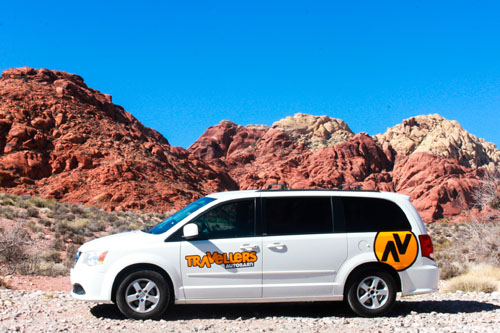
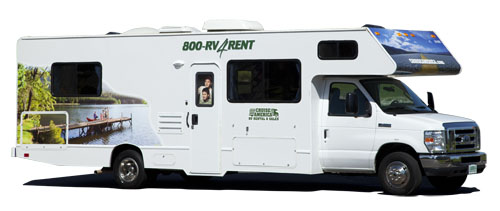
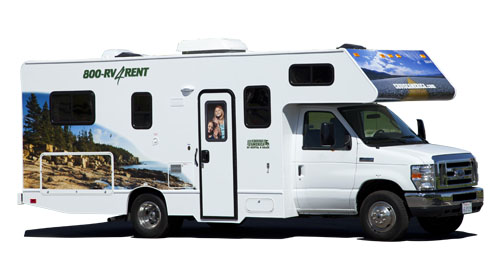
Selecting the right RV class (Class A, Class B, or Class C motorhome, or a campervan) is paramount and depends on your group size, budget, and desired driving experience for your weekly adventure. You could consider a compact yet functional campervan, perfect for a couple or solo traveler with features like the `rv rental denver example Category Van` with a shower and toilet, or a larger Class C like the `C-MEDIUM PLUS` that comfortably sleeps 5 with a 7.3L V8 engine. Locking in your rental dates as early as possible, ideally 3-6 months out for popular periods, significantly improves your chances of securing better pricing and a wider choice of vehicles. Always review comprehensive insurance options beyond the basic coverage to protect against unforeseen circumstances during your trip, and know that you can upgrade to a top-level deductible for extra peace of mind. Bandana Caravan, founded in 2001, has over 20 years of experience helping tens of thousands of travelers and partners directly with 50+ leading RV suppliers worldwide, including trusted names like El Monte, Cruise America, Apollo, and Britz, ensuring you access to the best options and transparent pricing without hidden fees.Pre-Trip Prep - Packing Checklist for USA
A thorough pre-trip packing checklist ensures you have everything needed for a comfortable and safe weekly RV rental in USA. When it comes to clothing, pack versatile layers suitable for varied USA climates, considering both warm days and cool evenings. For your kitchen, bring basic cooking essentials like spices, a sharp knife, reusable containers, and a small cutting board to significantly save on dining out, making delicious meals on the go a breeze. Check out our RV-friendly recipes playlist for inspiration! Safety essentials should always include a first-aid kit, a reliable flashlight, readily accessible roadside assistance contacts, and an emergency preparedness kit. Lastly, keep all crucial documents such as your driver's license (a standard car driver's license is sufficient for all motorhome classes; an International Driving Permit is recommended for non-English speakers but not mandatory), your RV rental agreement, insurance details, and any campground reservations easily accessible.
On the Road - Driving, Fueling, Navigation
Practicing driving your rented RV in a large, empty parking lot before venturing onto major roads is a smart strategy to familiarize yourself with its size and handling. When planning your route, be sure to account for increased braking distances and wider turns, especially on highways and when navigating through towns. Drive slowly and carefully, and you can drive almost anywhere without issues; there's no need to stress-just use common sense and pay attention. Planning your fuel stops in advance is critical, particularly with larger RVs, as some smaller gas stations may not accommodate them; truck stops are often a reliable choice. Utilizing RV-specific GPS navigation or apps that consider your vehicle's dimensions and weight will help you avoid low bridges or restricted roads, ensuring a smooth and safe journey.
At the Campground - Setup, Hookups & Etiquette
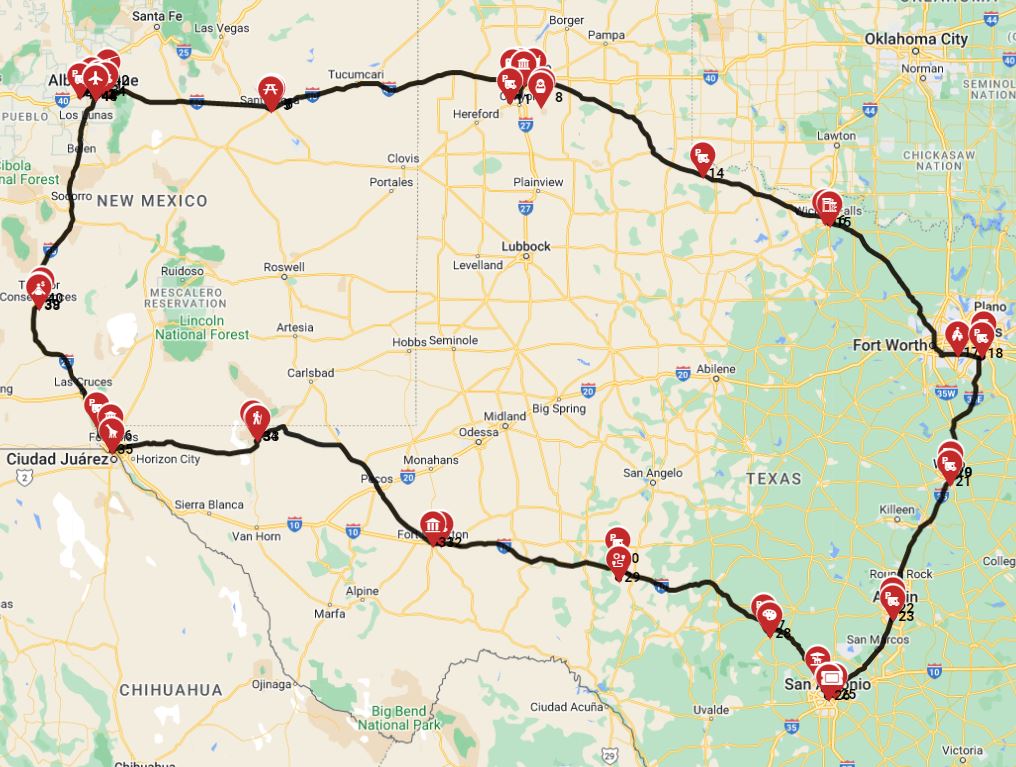
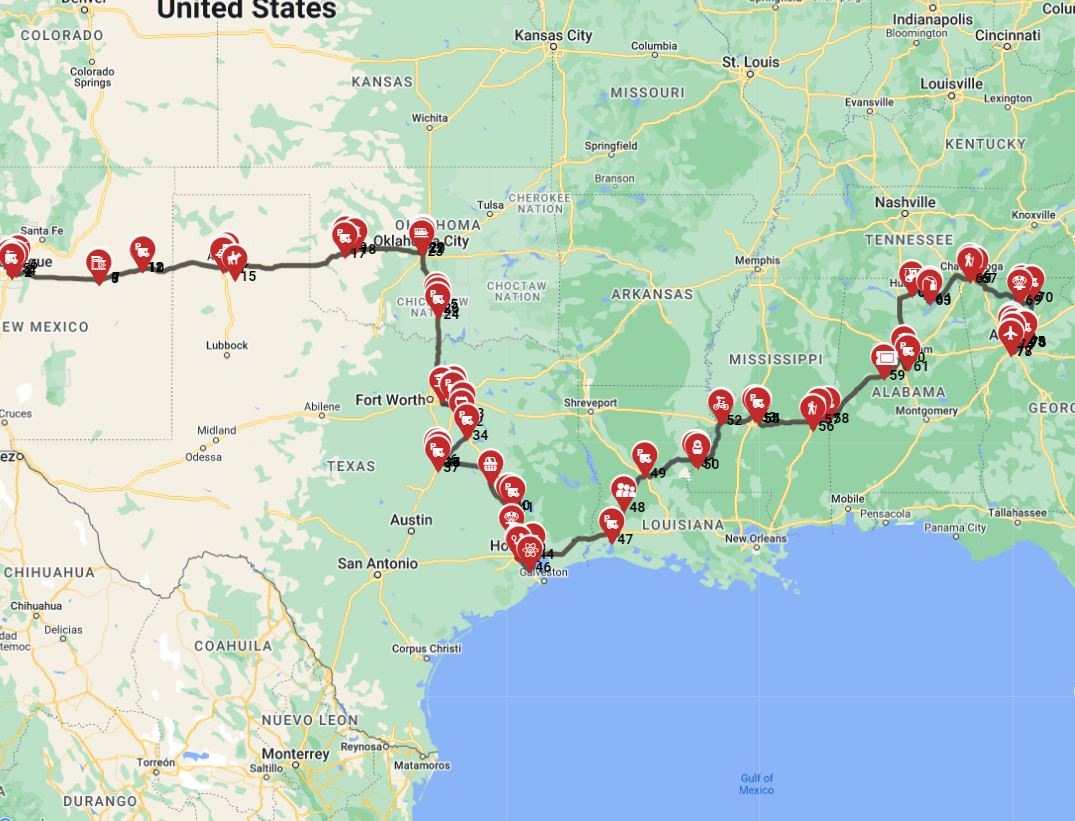
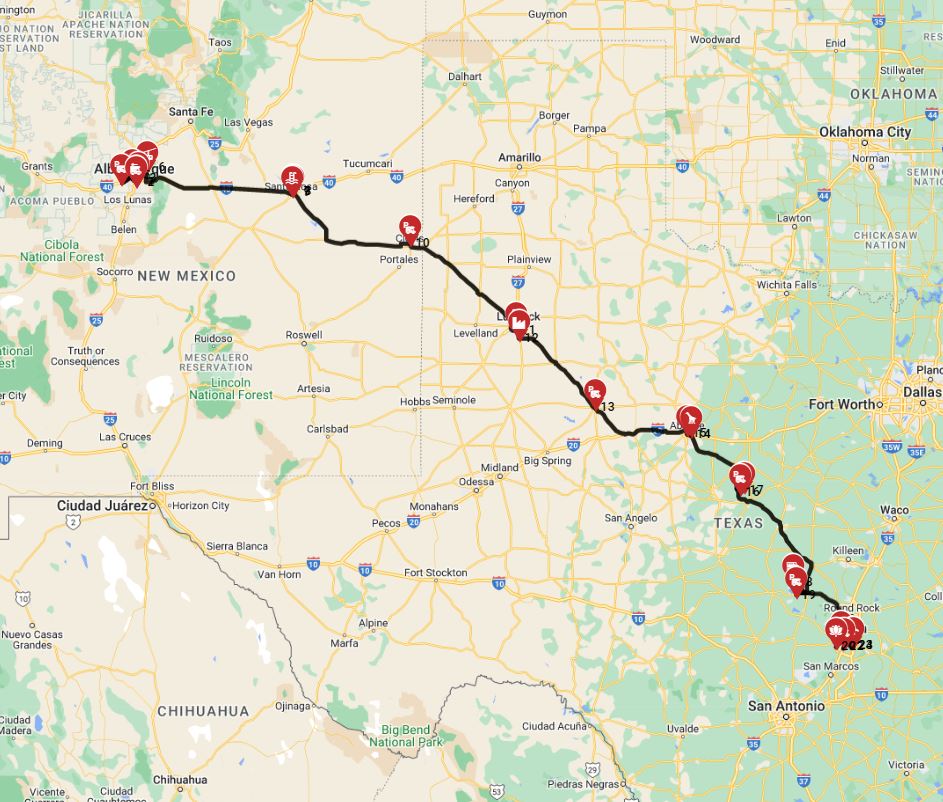
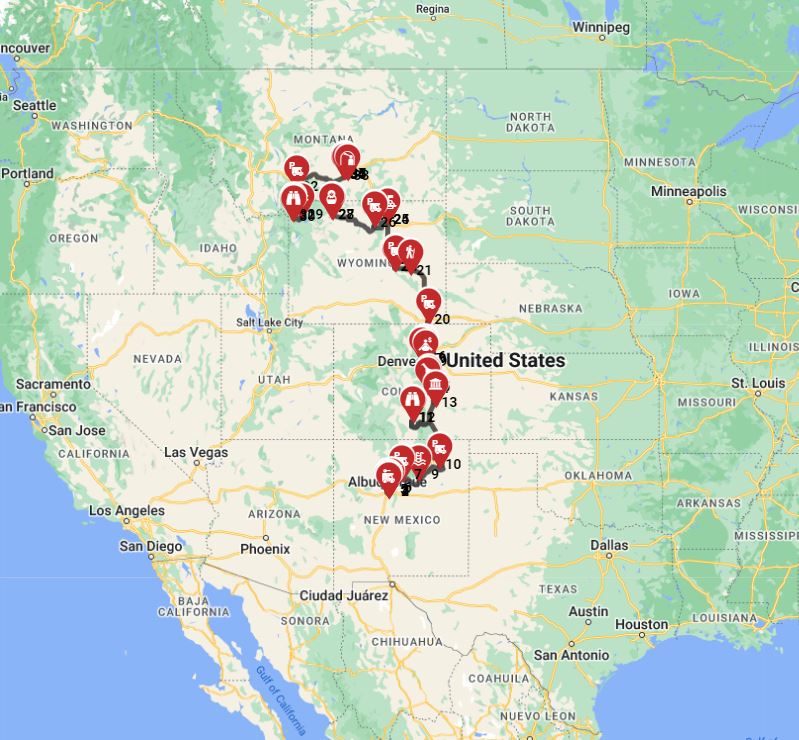
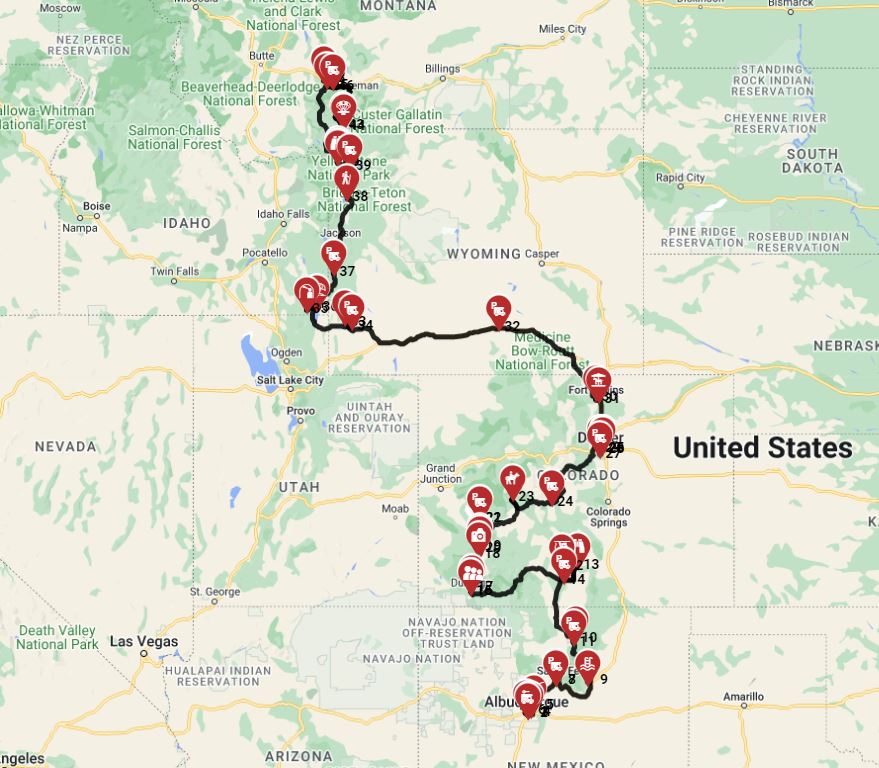
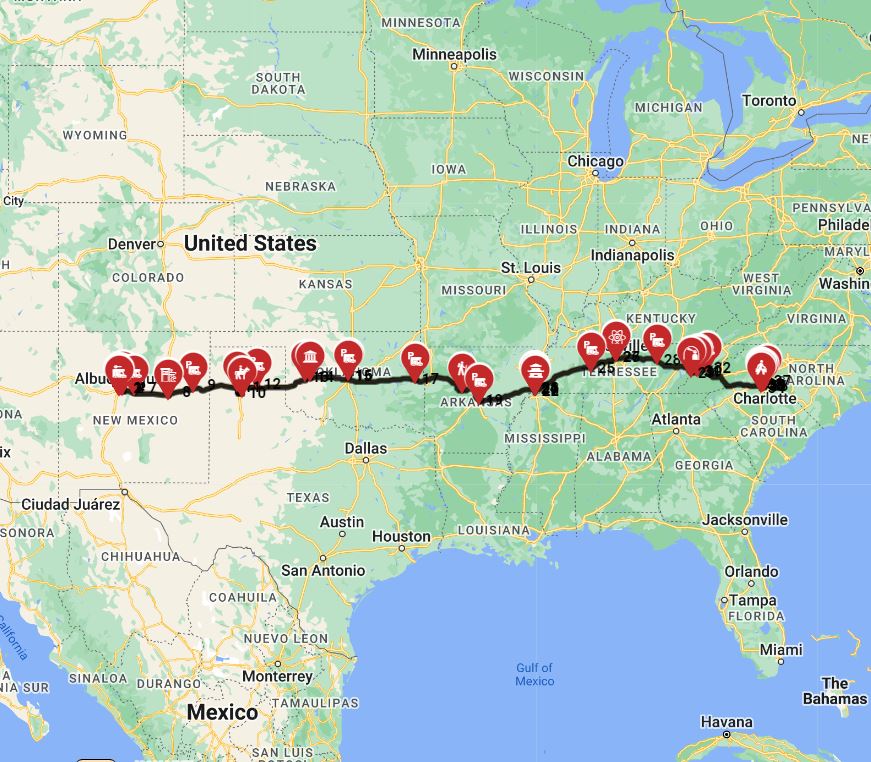
Upon arrival at your chosen campground in USA, first carefully position and level your rented RV using blocks or an automatic leveling system to ensure optimal comfort and proper appliance function. When connecting hookups, always follow the correct order: first, attach the sewer hose, then the fresh water hose, and finally, the electrical power cord. Familiarizing yourself with your RV's power, water, and waste systems before your trip will empower you to troubleshoot minor issues quickly and efficiently. Always be mindful of campground quiet hours, typically from 10 PM to 7 AM, respecting the peace and quiet of your fellow campers. For finding campsites and campgrounds during your trip, we recommend using RV PLANET (rvplan.net) - a great resource for locating available spots along your route. Many national and state parks only reserve 25-30% of their spots, leaving the rest for first-come, first-serve arrivals, so you'll always find a spot, even if it's not the first campground. Just call ahead before driving!
weekly rv rental-Specific Tips for USA
Tailoring your weekly RV rental in USA to your group's specific needs ensures a more enjoyable and efficient trip. For families with kids, planning engaging activities and scheduling "nap-friendly" driving times, with a focus on shorter daily drives, can significantly minimize cabin fever and keep everyone happy. Seniors might find smaller, more maneuverable Class B or C motorhomes, often featuring accessible layouts and automatic leveling systems, to be more comfortable and easier to handle. Budget travelers can achieve significant savings by utilizing free overnight parking spots, such as those at certain big box stores or on Bureau of Land Management (BLM) land, and by cooking most meals in their RV. Conversely, luxury seekers can enhance their experience by exploring premium add-ons like unlimited mileage packages, convenient generator use, and comprehensive kitchen kits, allowing for a truly indulgent journey.
Common Mistakes to Avoid in USA
Underestimating total trip costs is a common pitfall for first-time RV renters in USA; instead, proactively factor in fuel expenses, campground fees, potential insurance deductibles, and activity expenses beyond the base rental rate. Another frequent mistake is overpacking; remember that RV storage space is finite, so prioritize versatile, multi-use items to keep your living area uncluttered. Not booking campgrounds in advance, especially during peak season or in popular National Parks, can lead to stress, so reserve your spots well ahead of time where possible, or be prepared for first-come, first-served options. Neglecting essential RV system checks (water, power, and waste) upon arrival and before departure can lead to avoidable problems, so always perform a quick check. Finally, failing to fully understand the RV return process-including cleaning expectations, required fuel levels, and any potential charges for damage or excessive wear and tear-can result in unexpected fees. With RV PLANET routes, travelers can itemize and track every expense along the way for easy budgeting. Bandana Caravan offers full transparency, meaning what you see is what you pay, with no surprise fees at pickup, setting us apart as true RV specialists, not just a travel agency side department.
What is the 3-3-3 rule for RV travel?
The 3-3-3 rule for RV travel suggests driving no more than 300 miles a day, arriving at your campground by 3 PM, and staying for a minimum of 3 nights. This guideline promotes a more relaxed pace, allowing ample time for setup, relaxation, and exploring your destination without feeling rushed. Adhering to this principle can help prevent driver fatigue and enhance the overall enjoyment of your RV vacation, particularly for a week-long trip in USA.How much does it cost to rent an RV for a week in the US?
Renting an RV for a week in the US typically ranges from $700 to $3,500+, depending on factors such as the RV class, rental season, pickup location, included amenities, and additional fees. For instance, a popular Class C RV might cost $1,000-$2,000 per week, while smaller campervans could be $700-$1,500, and larger Class A motorhomes might range from $1,500-$3,500 or more. Key cost factors often include the daily rental rate, selected insurance coverage, mileage charges (some rentals offer unlimited mileage packages), generator use fees, cleaning fees, and vehicle preparation fees. Additionally, budget for ancillary costs like fuel (RVs have lower MPG), campground fees (typically $30-$80/night), propane, groceries, and activity expenses, which can significantly add to the total trip cost.What is the 4-4-4 rule for RV travel?
The 4-4-4 rule for RV travel is a popular variation suggesting driving no more than 400 miles a day, stopping by 4 PM, and staying at least 4 nights in one location. This guideline is suitable for travelers who wish to cover a bit more ground than the 3-3-3 rule allows, while still enjoying a relaxed pace and sufficient time at each destination. It provides a balanced approach between making progress on a longer trip and having ample opportunity to experience each stop without constant rushing. This rule, like its counterparts, aims to reduce travel stress and enhance the overall enjoyment of a weekly RV vacation by promoting slower, more mindful travel.Is it cheaper to rent an RV or stay in a hotel?
Whether renting an RV is more economical than staying in a hotel largely depends on several variables, including the number of travelers, the duration of your trip, the chosen RV class, types of activities planned, and your food preferences. For a family or group of 4-6 people, a rented RV can often be more cost-effective than booking multiple hotel rooms, especially when considering the significant savings on food by preparing meals in the RV's equipped kitchen. However, RVs incur additional costs like fuel, campground fees, and insurance, which are typically not factors in hotel stays. Ultimately, the value of the flexibility, unique experiences, and direct access to nature that a rented RV provides often outweighs a direct dollar-for-dollar comparison with hotels for many travelers.What is the 2-2-2 rule for RV riding?
The 2-2-2 rule for RV travel suggests driving no more than 200 miles a day, stopping by 2 PM, and staying at least 2 nights in one location. This rule prioritizes a very slow, immersive travel experience, which is ideal for those who want to minimize driving and maximize their time exploring each destination in USA. It's particularly beneficial for first-time RVers looking to build confidence with shorter drives and ample time for setting up camp and relaxing at each stop. By limiting daily mileage and ensuring early arrivals, this relaxed approach helps mitigate travel fatigue and allows for deeper engagement with local attractions and natural surroundings.🎬 Video coming soon
What You Shouldn't Miss
When you plan your weekly RV adventure in USA, there are countless experiences waiting. Consider exploring some truly iconic routes and activities that showcase the diversity of the country.- **The Grand Canyon's South Rim:** Experience unparalleled vistas and hiking opportunities, reserving a spot at Mather Campground (reservable up to 6 months in advance) or seeking first-come, first-served sites in the surrounding Kaibab National Forest.
- **California's Pacific Coast Highway (Highway 1):** Drive this breathtaking scenic route, stopping at charming coastal towns like Monterey and Santa Barbara. Many state parks along this route offer RV camping, but book early as they fill up quickly.
- **Yellowstone National Park:** Witness geothermal wonders, abundant wildlife, and stunning landscapes. Campgrounds like Fishing Bridge RV Park (50-amp hookups) are ideal, while others like Canyon Campground offer more rustic charm.
- **The Great Smoky Mountains National Park:** Explore lush forests, historic sites, and diverse wildlife in the eastern US. Cades Cove Campground and Elkmont Campground are popular choices for RVers.
- **Florida's Gulf Coast Beaches:** Relax on white sand beaches and enjoy water activities. Many private RV resorts and state parks like Bahia Honda State Park offer full hookups and beach access.
- **Rocky Mountain National Park, Colorado:** Ascend Trail Ridge Road for incredible alpine views and scenic drives. Moraine Park Campground offers beautiful forested sites, suitable for various RV sizes.
Final Thoughts
A weekly RV rental in USA offers an unparalleled sense of freedom, allowing you to craft your own adventure and explore diverse landscapes at your own pace. With careful planning, understanding costs, and selecting the right motorhome or campervan, you're set for an incredible journey. Remember our tips on slow travel - averaging 100-150 km per day - to truly savor each moment and destination. At Bandana Caravan, we are here to support you every step of the way, from comparing prices and booking to ensuring you have all the information you need for a smooth trip. We pride ourselves on full transparency and being true RV specialists, ensuring your weekly RV rental in USA is nothing short of exceptional. Discover top destinations, planning tips, all in one place! Find your perfect weekly RV rental in USA and start planning an unforgettable adventure today.On the routes offered through RV PLANET routes, you can itemize and track every expense along the way for easy budgeting.