In This Guide
- Where to Camp in USA - Top Options for Seniors
- Campground Types in USA (National, Private, Wild)
- Featured RV Park or Campground in USA for Senior Comfort
- Hookups & Amenities - What to Expect in USA
- Booking Windows & Reservations in USA for Senior Travelers
- Nearby Supermarkets & Resupply Points for RV Trips in USA
- Best RV Class for Senior Camping in USA
- How to Save on Campgrounds in USA
- Can I park my RV anywhere in the USA?
- Where is the best place to park an RV for free in USA?
- Can you sleep anywhere in an RV in the USA?
- How to find a place to park an RV in USA?
- What are the top 10 RV campgrounds in the USA?
- What is the 3-3-3 rule for RVs?
- What does FF mean in camping?
- What is the cheapest way to rent an RV in USA?
- How much does it cost to rent an RV for a week in the US?
- Is it cheaper to rent an RV or stay in a hotel in USA?
- What You Shouldn't Miss on an RV Trip in USA
- Why Book with Bandana Caravan
- Final Thoughts
- Frequently Asked Questions
Where to Camp in USA - Top Options for Seniors
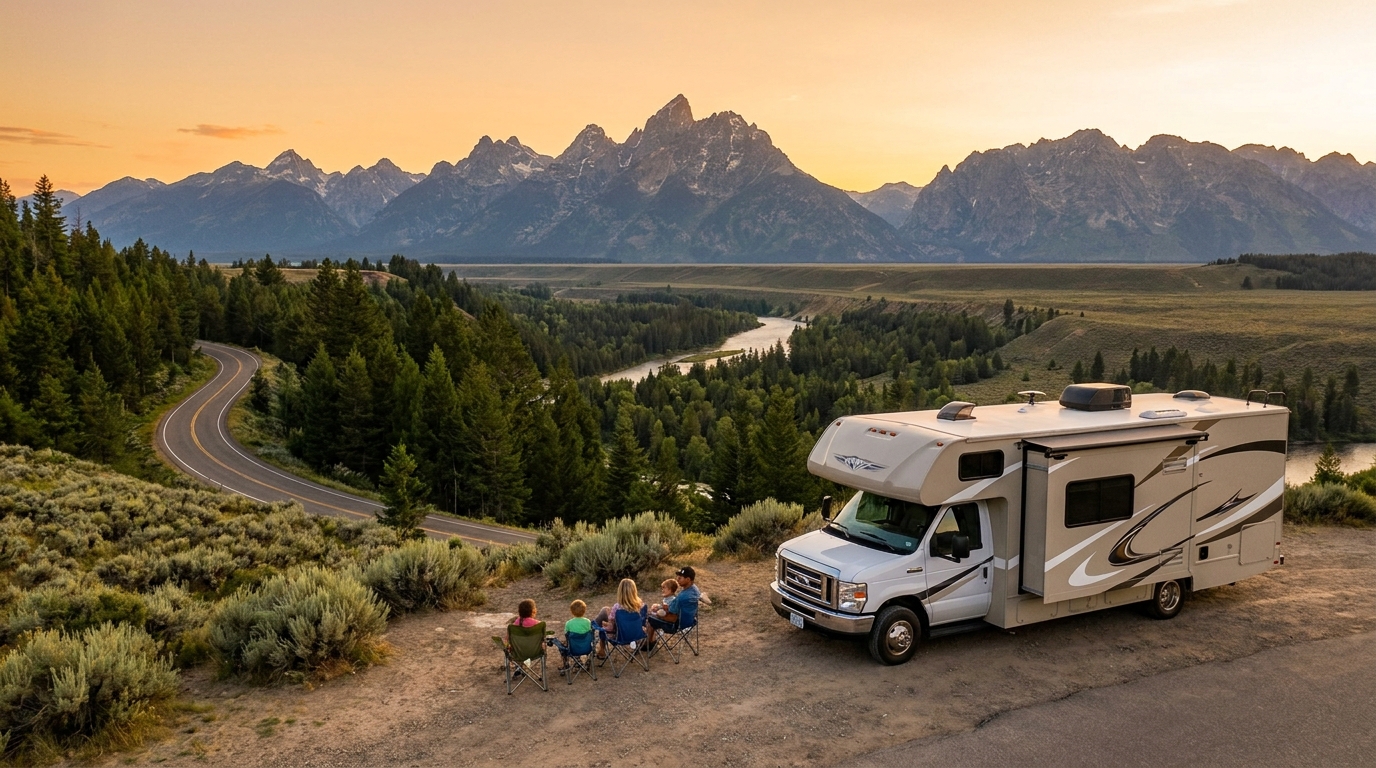
National Parks offer iconic natural beauty and well-maintained facilities, though securing reservations can be highly competitive due to their popularity. For senior travelers, State Parks often provide diverse landscapes, from coastal beaches to tranquil mountain retreats, often with more availability and a more relaxed atmosphere than their national counterparts. Private RV Resorts, on the other hand, are designed with extensive amenities such as full hookups, Wi-Fi, swimming pools, and planned recreational activities, making them ideal for comfort-seeking seniors who appreciate convenience and social opportunities. When considering regions for your RV adventure, the Southwest (like Arizona and Utah) boasts stunning desert landscapes and mild winters, perfect for a sunny escape, while the Pacific Northwest entices with lush forests and spectacular coastal drives during the warmer months. Remember to travel slowly, aiming for a maximum of 100-150 km per day on average, allowing ample time to immerse yourself in each destination's unique culture, cuisine, and natural beauty.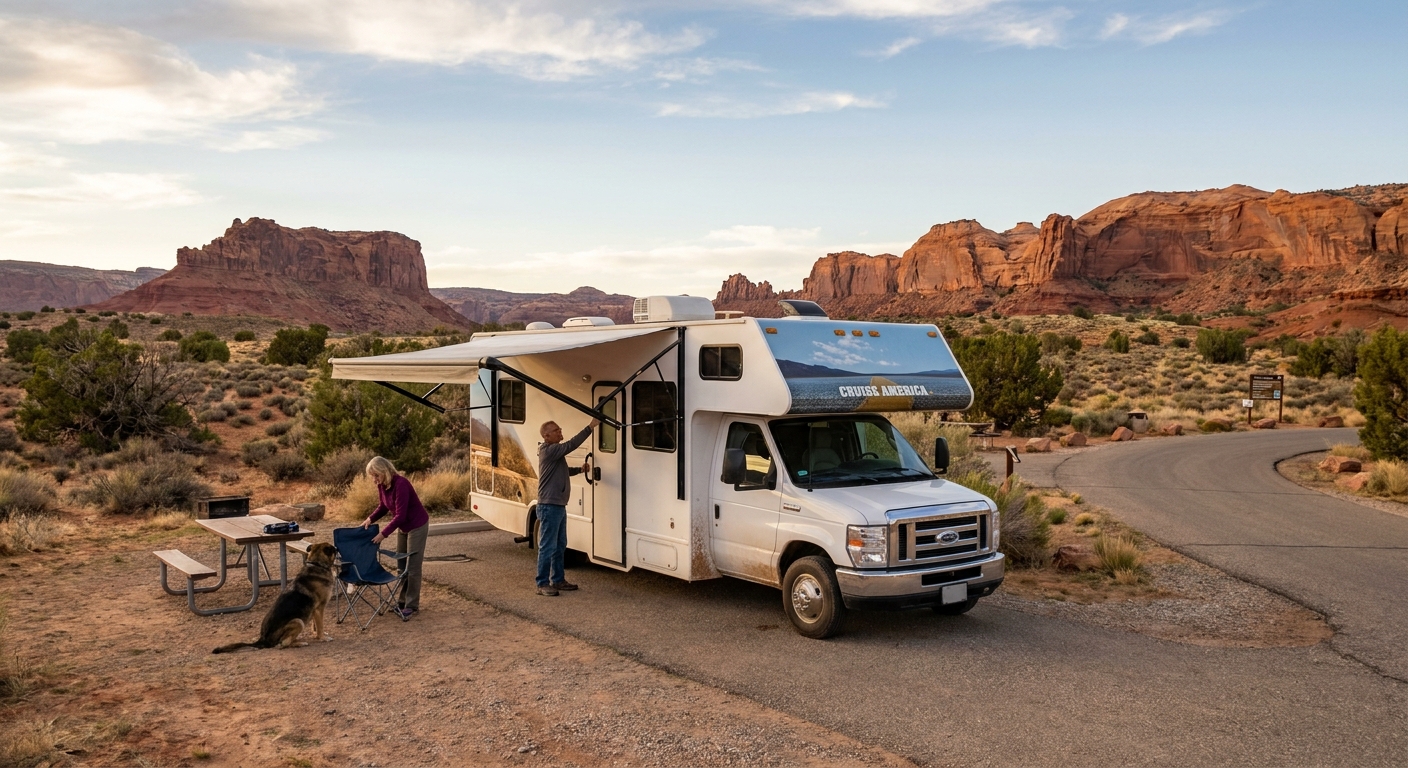
Campground Types in USA (National, Private, Wild)
When planning your RV journey across the USA, understanding the different campground types is key to a comfortable experience, especially for seniors. National Park campgrounds, managed by the National Park Service, often feature basic amenities like water and restrooms, with some providing dump stations, and they focus on natural immersion. Booking these popular spots well in advance, sometimes 6-12 months ahead, is often essential, particularly for peak seasons. State and Local Park campgrounds generally offer similar experiences but are usually less crowded, providing a broader range of amenities from primitive sites to full hookups, excellent for exploring specific regional attractions. For maximum comfort and convenience, private RV Parks and Resorts are often the top choice, providing extensive amenities including full hookups (electricity, water, sewer), reliable Wi-Fi, laundry facilities, hot showers, and often recreational amenities like pools or clubhouses, ideal for a comfortable extended stay. Lastly, wild camping, also known as boondocking or dispersed camping, is legally permitted on vast tracts of public land managed by the Bureau of Land Management (BLM) and in National Forests, particularly in western states. These spots offer free overnight stays without amenities, requiring self-sufficiency and strict adherence to 'Leave No Trace' principles. You cannot park your RV anywhere in the USA; always check local ordinances and seek permission where required.Featured RV Park or Campground in USA for Senior Comfort
Selecting an RV park tailored to senior travelers is crucial for a comfortable and enjoyable trip. When choosing a location, prioritize parks with amenities designed for ease of use, such as level, paved sites that simplify parking and setup, and easily accessible restrooms. Full hookups (electric, water, sewer) are a high priority, providing maximum comfort and reducing the need for frequent utility management during your stay. Additionally, check for accessibility features like paved pathways, quiet hours to ensure peaceful evenings, and proximity to essential services such as medical facilities or grocery stores, which can significantly enhance your peace of mind. Reputable chains like KOA or independent resorts often provide detailed online reviews and virtual tours on their websites, which can be invaluable tools for choosing the perfect spot before you arrive.Hookups & Amenities - What to Expect in USA
Understanding the types of hookups and amenities available is essential for a comfortable RV rental experience in the USA. Full hookups (FHU) are the gold standard for many, typically including 30 or 50 amp electric service, a fresh water connection, and a sewer dump. This comprehensive setup allows you to enjoy all the comforts of home without needing to conserve water or frequently manage your wastewater tanks. Partial hookups usually provide electric and water connections but may require you to use a central dump station for wastewater disposal, which is a manageable task. Common amenities found at most private campgrounds include Wi-Fi, laundry facilities, hot showers, and clean restrooms, enhancing your stay significantly. Some higher-end RV resorts also offer swimming pools, recreational rooms, or even organized activities. For USA camping, RV electrical systems typically use either 30-amp or 50-amp connections, and adapters are widely available if your rented RV requires a different connection than what’s at your site. The term "FF" in camping typically stands for "Full Hookups" or "Full Features," indicating a campsite provides electricity, fresh water, and sewer connections.Booking Windows & Reservations in USA for Senior Travelers
For popular destinations like National Parks, booking your RV and campsites 6-12 months in advance is often crucial, especially for peak seasons, as spots fill rapidly. However, a significant portion of spots are not reservable online far in advance. Many national park campgrounds only release about 25%-30% of their spots for advance reservations, with the remaining 70-75% available on a first-come, first-served basis. This means spontaneous travelers can often find same-day or next-day availability at private campgrounds, especially during off-peak seasons or by calling ahead to smaller, less-known parks. The key is flexibility and a little preparation; you will almost certainly find a place to stay—if not at the first campground you check, then at the next one. Always call ahead before driving long distances to confirm availability.Nearby Supermarkets & Resupply Points for RV Trips in USA
Effective planning for food and supplies is a core component of enjoyable RV travel, especially for seniors. Familiarize yourself with major supermarket chains like Walmart, Kroger, Safeway, and Albertsons, which are widely available across the USA for easy and convenient resupply. You'll find these stores readily in most towns and cities along popular routes. Many larger towns and cities will also host regional chains or local markets that offer fresh produce and specialty items, perfect for enjoying home-cooked meals in your rented motorhome. Planning your route with resupply points in mind is crucial, particularly when venturing into more remote areas where services can be sparse. Consider using grocery store locator apps or mapping tools to identify convenient stops along your RV journey. When planning your budget, remember that you can itemize and track every expense, including groceries and other ancillary costs, along the way with RV PLANET routes for easy budgeting. If you enjoy cooking on the road, check out our RV-friendly recipes playlist for delicious and easy meal ideas.Best RV Class for Senior Camping in USA
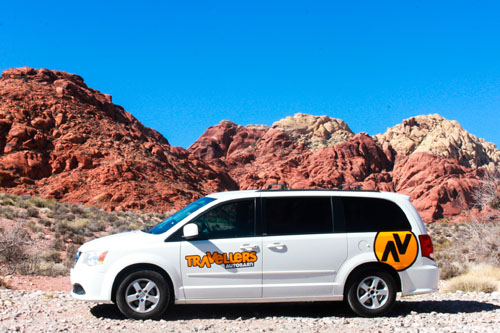
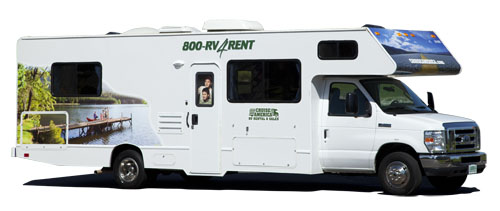
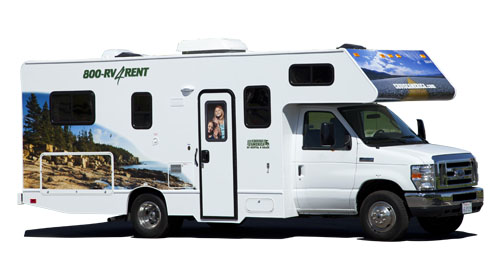
Choosing the right rented RV is crucial for senior comfort and ease of travel in the USA. For seniors prioritizing maneuverability, ease of parking, and fuel efficiency, Class B Camper Vans are an excellent choice. These compact yet fully equipped vehicles are ideal for navigating smaller roads and accessing more intimate campgrounds or boondocking spots. Bandana's fleet of Class B Camper Vans averages 5.8 meters in length, comfortably sleeping 3.2 people, and boasts impressive fuel consumption of 8-10 Liters/100 Km. An example is the "rv rental denver example Category Van" or "hire campervan example Paradise S/T", offering features like a shower and toilet for convenience.If more interior space, private sleeping areas, and extensive amenities are desired without the bulk of the largest motorhomes, Class C Alcove RVs offer a superb balance of comfort and relatively easy driving for hookup-dependent camping. Our Class C fleet averages 7.5 meters in length, typically sleeping 5.8 people, with a fuel consumption of 10-12 Liters/100 km. Vehicles like the "rv rentals example Comfort Class" or "rv rentals utah example Sunrise Escape" often include multiple beds, a full kitchen, and a separate shower and toilet. It's important to consider your travel style: those looking to boondock will benefit from RVs with larger fresh water tanks and robust battery systems, while those preferring full hookups can comfortably opt for any class with sufficient living space. Remember, a standard car driver's license is sufficient for driving all Class A, B, and C motorhomes.
How to Save on Campgrounds in USA
Smart planning can significantly reduce your campground costs in the USA, allowing you to allocate more of your budget to experiences. One effective strategy is to utilize campground discount cards, such as those offered by specific rental companies or memberships like Passport America, which can provide significant savings on daily rates. Traveling during the shoulder seasons (spring and fall) is another excellent way to save money, as you'll enjoy lower rates and fewer crowds compared to the peak summer months. Opting for municipal, county, or state park campgrounds often proves more affordable than private RV resorts while still offering essential amenities like water and electricity. Many campgrounds also provide weekly rates that are significantly cheaper per night than daily rates, so consider staying for three or more nights at one location to maximize your savings and embrace the slow travel philosophy. To find the cheapest RV rental options, exploring our "Cheap RV Rental in USA - Budget Guide 2026" can provide valuable insights.Can I park my RV anywhere in the USA?
No, you cannot park your rented RV anywhere you wish in the USA; parking regulations for motorhomes vary significantly by state, county, and even individual municipality. Legal parking options primarily include designated campgrounds, whether private RV resorts, state parks, or national parks, which offer proper facilities for overnight stays. Additionally, some vast tracts of public land, such as those managed by the Bureau of Land Management (BLM) and National Forests, legally permit dispersed camping or boondocking, providing free overnight stays without amenities. Certain private businesses, like large retailers such as Walmart or Cracker Barrel, may allow overnight parking, but this is always subject to manager discretion and local ordinances, so you must always ask permission first. Always check local ordinances for restrictions on overnight parking, length of stay, and specific prohibitions, especially in residential or urban areas, as illegal parking can result in fines, towing, or other penalties. Drive slowly and carefully, and you can drive almost anywhere without issues. No need to stress - just use common sense and pay attention.Where is the best place to park an RV for free in USA?
The best places to park a rented RV for free in the USA are typically Bureau of Land Management (BLM) land and National Forests, particularly abundant in the western states, offering vast areas for dispersed camping or boondocking. These public lands provide a wonderful opportunity for self-sufficient senior travelers to enjoy nature without campground fees. Many large retailers, such as Walmart, Cabela's, and Cracker Barrel, often permit free overnight parking in their lots, though this is always subject to the manager's discretion and local ordinances, so it's crucial to ask permission upon arrival. Rest areas and truck stops may also allow short overnight stays, but they are generally not designed for long-term camping and amenities are limited to basic facilities. To find legal and safe free spots, utilizing apps and websites like iOverlander, Campendium, and Allstays is highly recommended, as they map out boondocking locations and often include specific rules and user reviews to guide your choice.Can you sleep anywhere in an RV in the USA?
No, you cannot legally sleep anywhere in a rented RV in the USA; while parking laws differ, sleeping in an RV is generally restricted to designated campgrounds or specific areas where overnight stays are explicitly permitted. Many urban and suburban areas have strict anti-camping or anti-overnight parking ordinances, making it illegal to sleep in your RV on public streets or in most private parking lots without permission. In contrast, designated dispersed camping areas on BLM land and in National Forests typically allow overnight sleeping, provided you adhere to local regulations and 'Leave No Trace' principles. For your safety and to ensure legality, always verify that an area permits overnight RV stays, whether through posted signage, local government websites, or reliable RV community resources, before settling in to sleep. Planning ahead for your overnight stops is an important part of a stress-free RV journey.How to find a place to park an RV in USA?
To find a place to park a rented RV in the USA, a combination of digital tools and traditional resources will prove invaluable. Utilize dedicated apps and websites such as Campendium, iOverlander, Allstays, and Harvest Hosts, which list various parking options from paid campgrounds to free boondocking spots, often with detailed reviews and amenity filters. Official government websites for National Parks, State Parks, and the Bureau of Land Management (BLM) also provide detailed information on their camping and parking regulations, including online reservation systems where applicable. For areas with limited cell service or for a more traditional approach, consult physical maps and specialized RV guidebooks to identify potential campgrounds and public land access points along your planned route. It is always best practice to check recent reviews and call ahead, particularly for private campgrounds or businesses that permit overnight parking, to confirm availability and current parking policies before driving there.What are the top 10 RV campgrounds in the USA?
While a definitive 'top 10' list of RV campgrounds in the USA can be subjective and vary by traveler preferences, certain locations consistently receive high praise, especially for their comfort and amenities suitable for seniors. Highly-rated RV campgrounds often include locations within or very near iconic National Parks like Yosemite, Zion, or the Grand Canyon, which offer unparalleled natural beauty alongside well-maintained facilities. Many luxurious private RV resorts, such as those found in the Florida Keys or along the California coast, consistently rank high for their extensive amenities, including heated pools, golf courses, full hookups, and dedicated recreational activities. For a more serene and immersive experience, consider destinations like Assateague Island National Seashore for unique beach camping, or numerous state parks known for their tranquility and abundant outdoor activities. When evaluating campgrounds, look for features that cater to senior travelers, such as paved and level sites, easy-access facilities, and proximity to medical services or desired attractions, which are often highlighted in user reviews on platforms like Good Sam or RVillage.What is the 3-3-3 rule for RVs?
The 3-3-3 rule for RVs is a popular guideline designed to ensure comfortable and safe travel, particularly beneficial for senior travelers. It recommends that you drive no more than 300 miles (approximately 480 km) in a day, arrive at your campsite by 3 PM, and ideally stay for at least 3 nights at each location. Driving no more than 300 miles per day helps prevent driver fatigue, allows for leisurely stops, and keeps the travel manageable and enjoyable, preventing burnout on longer trips. Arriving by 3 PM provides ample daylight to easily find and set up your campsite, giving you time to troubleshoot any issues, explore the immediate surroundings, and relax before evening. Staying for at least 3 nights reduces the constant packing and unpacking, allowing you to fully settle in, explore the local area in depth, and truly connect with the culture, food, and scenery, embodying the spirit of slow travel.What does FF mean in camping?
In camping terminology, "FF" typically stands for "Full Hookups" or "Full Features," indicating that a campsite provides all three primary utility connections: electricity, fresh water, and sewer. Full hookups are highly sought after by many RVers, especially seniors, as they offer the utmost convenience, eliminating the need to conserve water or frequently drive to a dump station for wastewater disposal. A site with FF means you can connect your rented RV directly to the campground's infrastructure, ensuring continuous power supply, fresh running water, and direct wastewater drainage, providing all the comforts of a home-like experience. When booking your campsite, always confirm that a site offers "FF" if full utility access is a priority for your comfort and ease of travel.What is the cheapest way to rent an RV in USA?
The cheapest way to secure an RV rental for your USA adventure often involves strategic planning and flexibility. Booking during the off-peak or shoulder seasons (late fall, winter, and early spring) can significantly reduce costs, as demand and rental rates are considerably lower than in summer. Opting for a smaller, more fuel-efficient RV class, such as a Class B Camper Van, can also considerably reduce both the initial rental costs and the substantial fuel expenses over your trip. For instance, Bandana's Class B Camper Vans average 8-10 Liters/100 Km in fuel consumption. Longer rental periods frequently come with lower daily rates, so consider an extended trip of a week or more to maximize savings per day. Comparing prices across multiple rental platforms like Bandana Caravan and booking well in advance can secure better deals, and always look for special promotions or discounts offered by rental companies. For more in-depth budgeting tips, check out our "Cheap RV Rental in USA - Budget Guide 2026".How much does it cost to rent an RV for a week in the US?
The cost to rent an RV for a week in the US typically ranges from $700 to $2,500, but this dynamic price depends on several factors including the RV class, the time of year, your pickup location, and the specific amenities included. Smaller RVs like a Class B camper van might cost between $100-$200 per night, while larger Class C or Class A motorhomes can range from $150-$350+ per night. It's important to remember that this base rental fee usually does not include additional costs such as insurance, mileage fees (unless an unlimited mileage package is chosen), preparation fees, cleaning fees, fuel, campground fees, and propane. Factoring in these ancillary expenses, a week-long RV trip can realistically cost anywhere from $1,200 to $3,500 or even more, making a full cost breakdown and careful budgeting essential. For a more detailed look at expenses, consult our "RV Rental in USA - Prices and Best Deals 2026" and "Weekly RV Rental in USA - Pricing 2026" guides.Is it cheaper to rent an RV or stay in a hotel in USA?
It is not inherently cheaper to rent an RV than to stay in a hotel in the USA; the total cost depends heavily on trip duration, the rented RV class, your travel style, and the number of travelers. For short trips or solo travelers, hotels can often be more economical, as RV rentals involve significant additional costs beyond the nightly rate, such as mileage, fuel, optional insurance upgrades, and campground fees. However, for families or longer trips, particularly when utilizing free camping options (boondocking) or cooking most meals in the RV, the cost per person per night can become more competitive than hotel stays. Ultimately, a rented RV offers unparalleled flexibility, the comfort of having your accommodation travel with you, and the unique experience of exploring nature at your own pace, a value proposition that extends far beyond just monetary cost comparison.What You Shouldn't Miss on an RV Trip in USA
For senior travelers exploring the USA by RV, there are countless experiences designed for comfort and awe.- **The National Parks System:** Dedicate time to iconic parks like Zion, Yosemite, or Grand Canyon, but explore lesser-known gems like Olympic National Park or Big Bend for fewer crowds and incredible natural features. Remember, National Park campgrounds often fill 6-12 months in advance for peak season.
- **Historic Route 66:** Drive a section of the legendary Route 66, enjoying its nostalgic roadside attractions and diners. It's a journey through American history, perfect for slow travel and connecting with local culture.
- **Coastal Drives:** Experience the stunning beauty of the Pacific Coast Highway in California or the scenic routes along the East Coast. Renting a motorhome like the "cruise america rv rental example Explorer" (7.1m length, sleeps 4) offers comfort for these winding roads.
- **Florida's Gulf Coast:** For mild winters, head to the Gulf Coast for charming beach towns, wildlife viewing, and relaxing days by the sea. Many private RV resorts here offer full hookups and amenities tailored for seniors.
- **Small Town America:** Don't just stick to major cities. Discover the unique character of small towns, often boasting incredible local food, artisan markets, and a warm community feel.
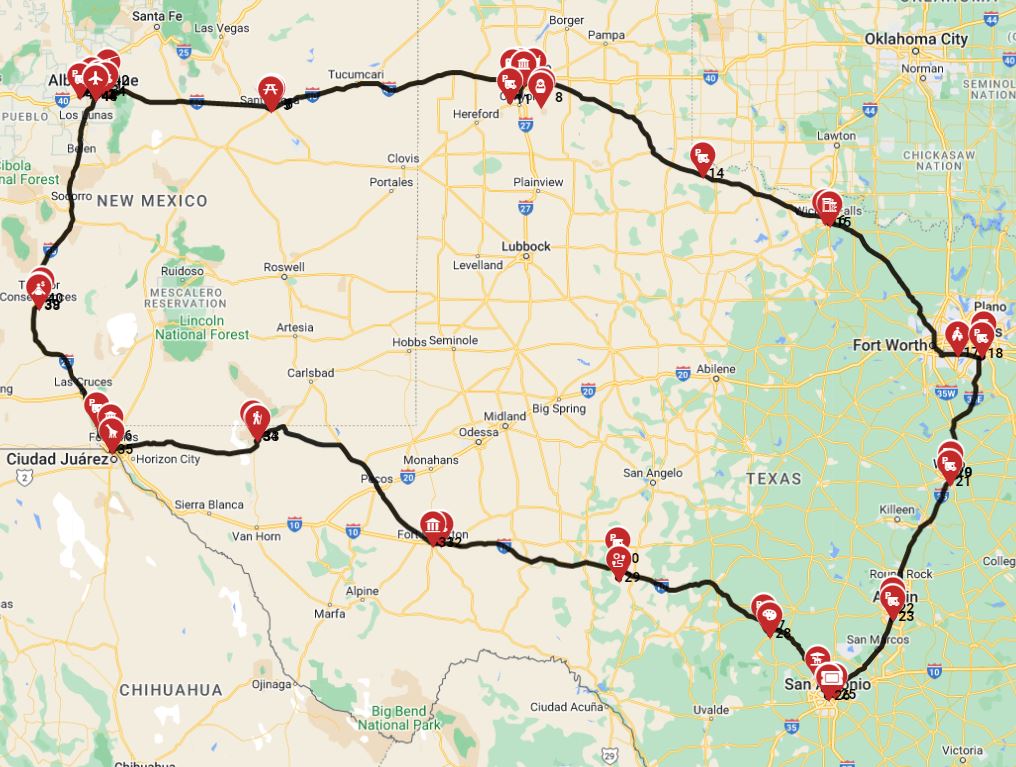
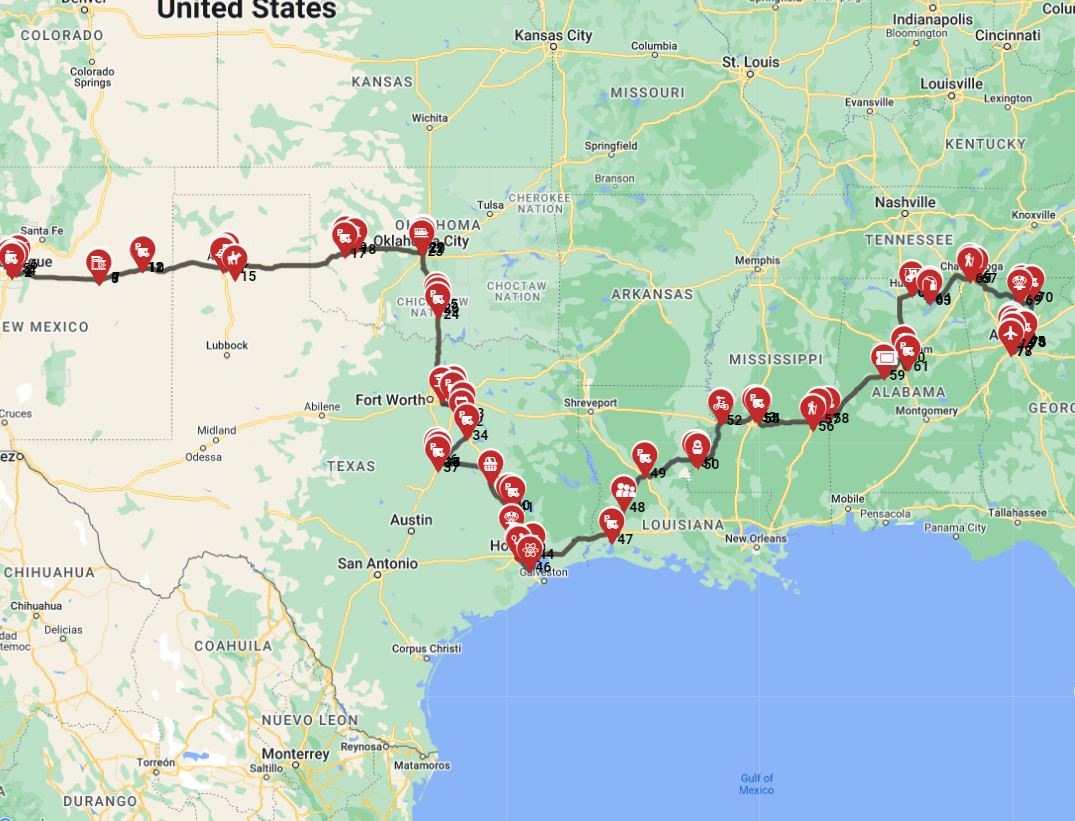
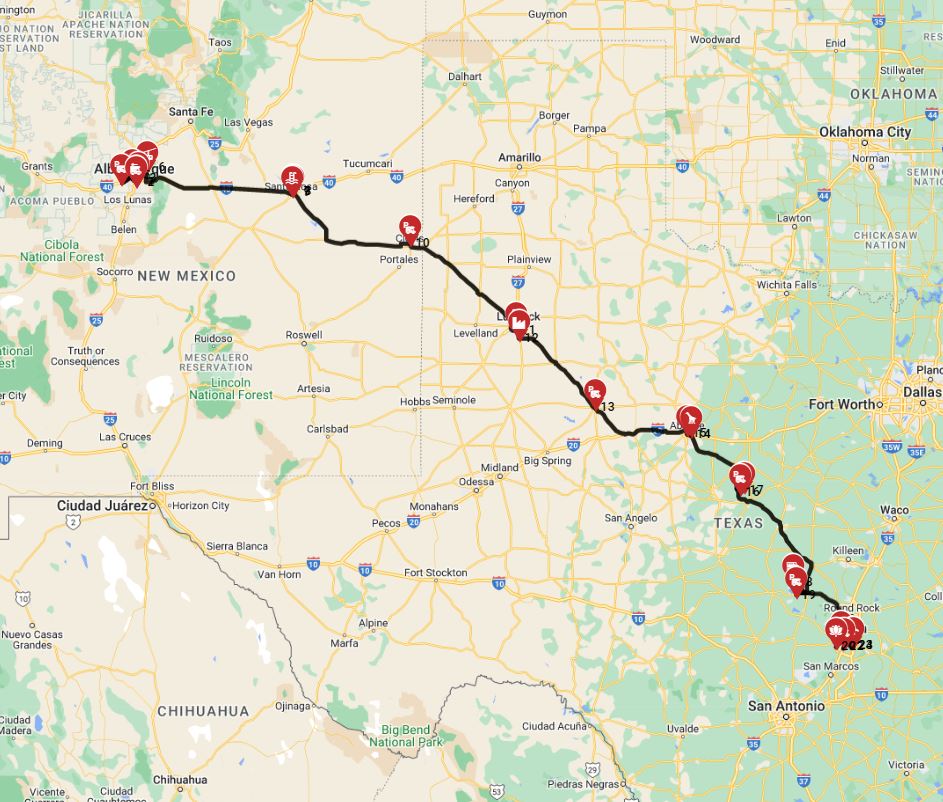
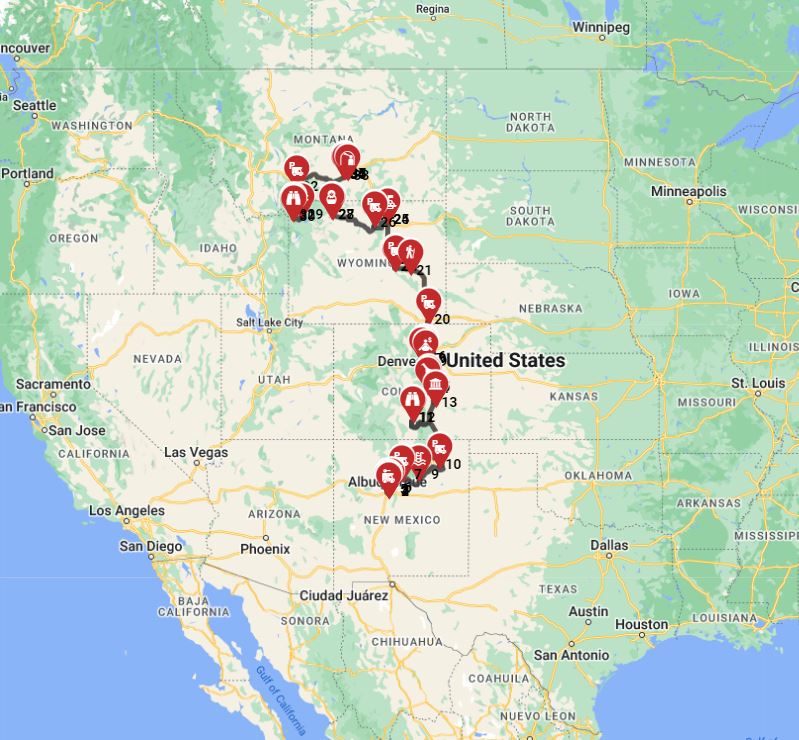
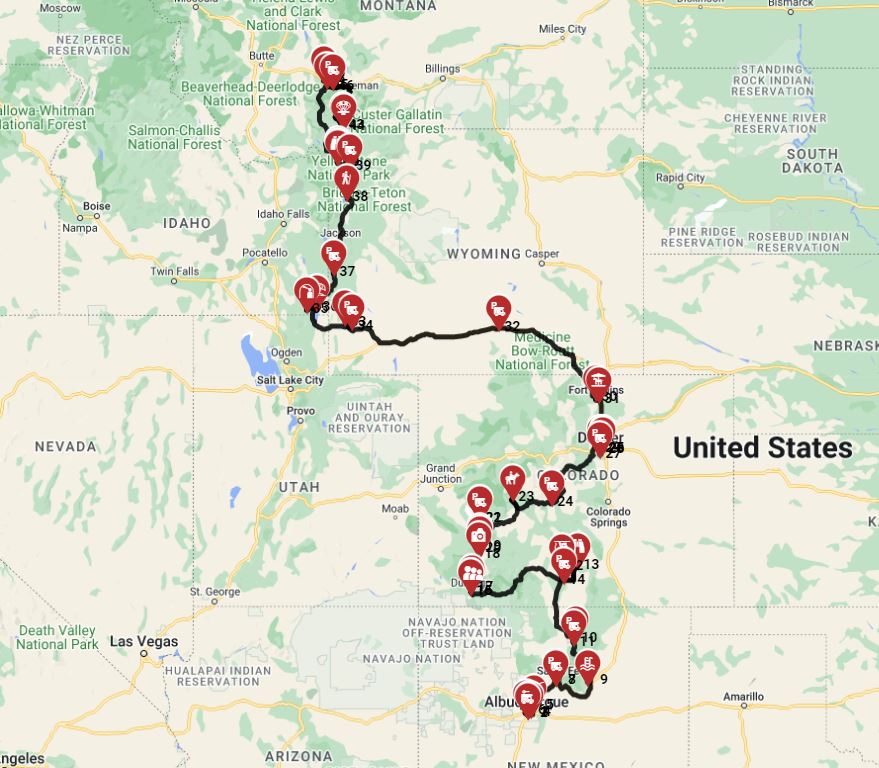
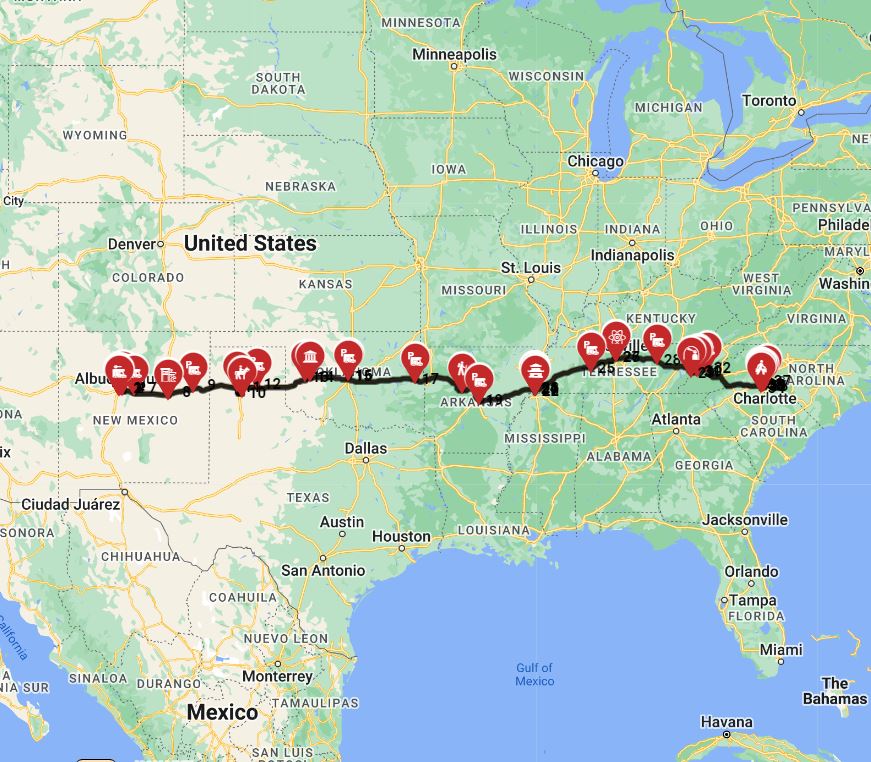
- **Expert Insights from Avi Bandana: Top 5 Adventures** - For a truly epic adventure, consider a comprehensive itinerary like the "Billings to Orlando - Rockies to Disney: USA Motorhome Journey." This 25-day, 5678.1 km route offers a diverse array of experiences, including an amusement park, wildlife watching, aquariums, numerous hiking areas, historical sites, museums, and scenic drives, ensuring a comfortable pace with plenty of time to explore.
🎬 Video coming soon
Final Thoughts
Embarking on a rented RV adventure across the USA as a senior traveler opens up a world of comfort, discovery, and unforgettable memories. With careful planning and the right resources, you can navigate diverse landscapes, connect with vibrant cultures, and create a truly personalized journey. From the convenience of full hookup sites at private resorts to the serene beauty of national and state parks, the USA offers endless possibilities for a relaxed and enriching road trip. Remember, we're here to support you every step of the way, from comparing final prices across a wide array of suppliers to helping you plan your perfect route. Embrace the freedom of the open road, travel at your own pace, and let the beauty of America unfold before you. Your next great adventure is waiting!On the routes offered through RV PLANET routes, you can itemize and track every expense along the way for easy budgeting.