For live availability and current prices, start with our RV Rental Washington DC - Complete Guide 2026 guide.
In This Guide
- Best Washington DC RV Itinerary for RV rental - Overview
- 7-Day Classic Route in Washington DC
- 14-Day Extended Journey in Washington DC
- Recommended RVPlan Trip for Washington DC
- Must-See Stops Along the Way (Avi Bandana Picks)
- Daily Driving Distances & Drive Times in Washington DC
- Best RV Class for This Itinerary - Couple & Family Picks
- Is Washington DC RV friendly?
- Is there RV parking in Washington DC?
- What is the best RV route?
Best Washington DC RV Itinerary for RV rental - Overview
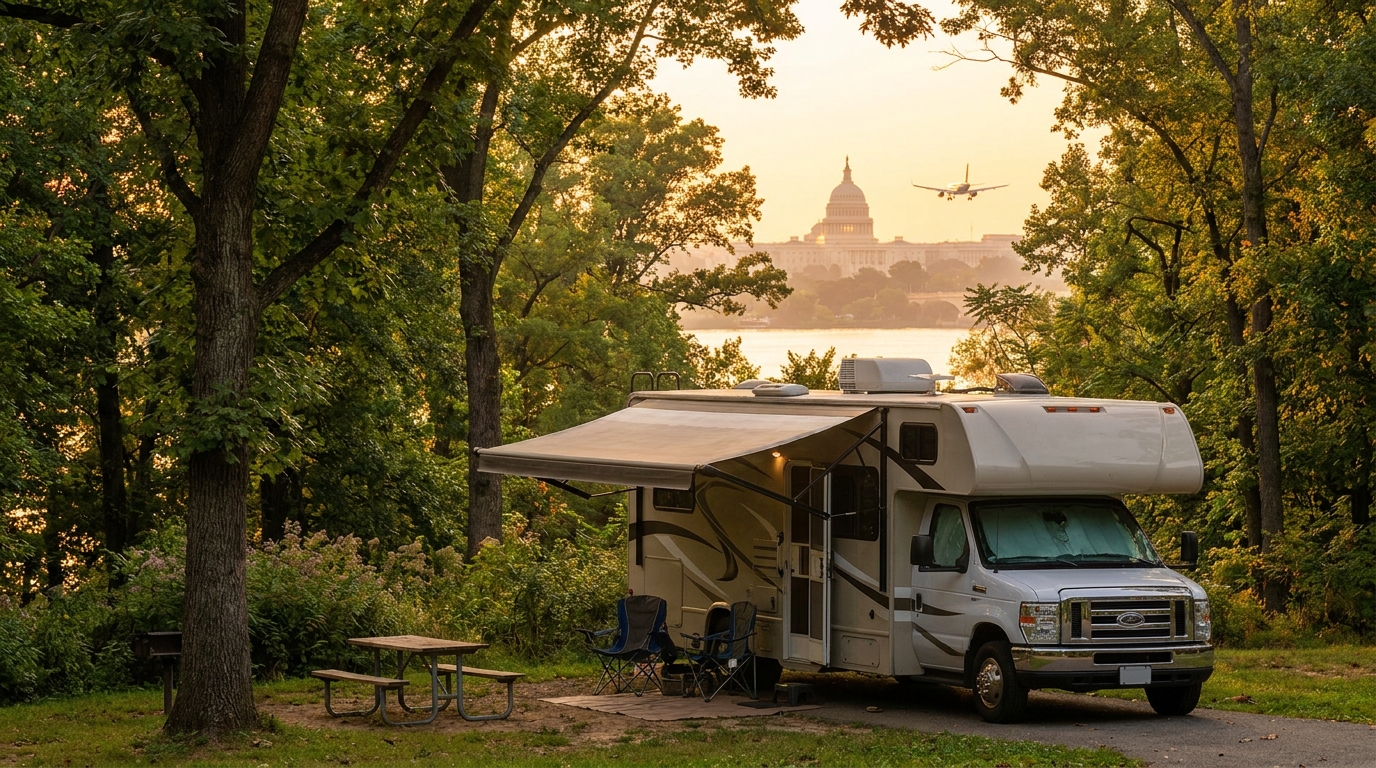
A typical RV trip to Washington DC focuses on utilizing an RV-friendly campground situated just outside the city, leveraging public transportation or ride-shares for convenient urban exploration. For live availability and current prices, start with our RV Rental Washington DC - Complete Guide 2024 guide. A comfortable RV experience in Washington DC usually requires a minimum of 7 days to fully appreciate the capital's main attractions without feeling rushed. The most favorable seasons for a visit are spring (March-May) and fall (September-November), offering pleasant weather conditions, fewer crowds than the busy summer months, and the beauty of cherry blossoms or vibrant fall foliage. When navigating the Washington DC metropolitan area, which is known for its challenging traffic and limited parking, smaller RV classes such as Class B Camper Vans often provide superior maneuverability. With Bandana, you'll always have full transparency, meaning no hidden fees and no surprises when you book your perfect motorhome rental.7-Day Classic Route in Washington DC
A week-long RV adventure in Washington DC allows you to immerse yourself in American history and culture, using a well-located campground as your base. On Day 1, you'll arrive and set up camp after picking up your rented motorhome, typically driving approximately 30-50 km from rental stations in the wider DC area to a spot like Cherry Hill Park in College Park, MD, where you can also familiarize yourself with public transit options. Day 2 is dedicated to the National Mall and Smithsonian Museums; take the Metro from your campground into the city to explore the National Museum of Natural History and the National Air and Space Museum before returning to Cherry Hill Park. On Day 3, delve into Capitol Hill and its iconic monuments, visiting the U.S. Capitol Building (advance passes are often recommended for tours), the Library of Congress, and the Supreme Court, then walk to the Washington Monument and World War II Memorial. Cherry Hill Park remains your overnight spot. Day 4 focuses on the White House and Presidential Memorials, offering exterior views of the White House, and visits to the Lincoln Memorial, Jefferson Memorial, and Tidal Basin, where paddleboat rentals are an option. Again, you'll sleep at Cherry Hill Park. Day 5 takes you to Arlington National Cemetery via public transit, followed by an afternoon exploring the historic streets, charming boutiques, and diverse dining scene of Georgetown. Day 6 is for a Mount Vernon Day Trip, a short drive of approximately 25 km in your rented RV or a ride-share to George Washington's historic estate for a deep dive into colonial history. Return to Cherry Hill Park for your final night. Finally, on Day 7, enjoy a leisurely breakfast at your campground, visit a local park, or do some last-minute souvenir shopping before heading to your RV drop-off location, typically 30-50 km away. This itinerary ensures you experience the best of Washington DC while enjoying the comfort of your RV rental.14-Day Extended Journey in Washington DC
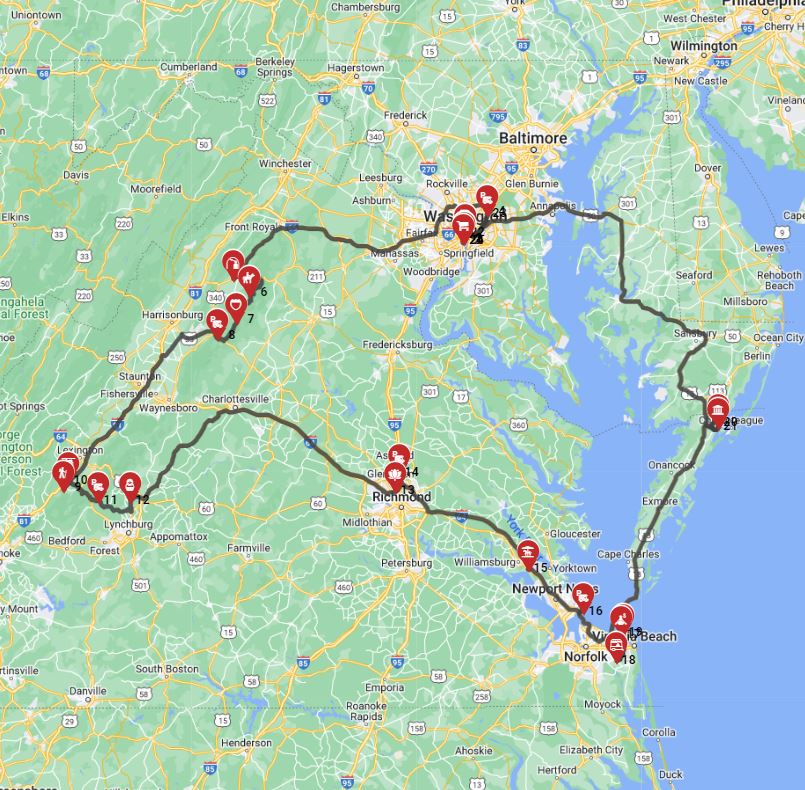
An extended 14-day RV journey offers a more relaxed pace and the opportunity to explore Washington DC and its surrounding historical regions in greater depth. For your first week (Days 1-7), you will focus on extensively exploring the heart of Washington DC, similar to the 7-day itinerary but allowing for deeper dives into specific museums, memorials, and diverse neighborhoods, all while using an RV-friendly base like Cherry Hill Park. This comprehensive approach ensures you don't miss a thing. From Days 8-10, relocate your rented RV to a campground south of D.C., such as Pohick Bay Regional Park, located approximately 35 km away. These days are perfect for exploring Old Town Alexandria's charming cobblestone streets, vibrant waterfront, and historical sites, perhaps revisiting Mount Vernon. Enjoy scenic drives along the Potomac River, uncovering hidden gems. On Days 11-12, drive north to Gettysburg, Pennsylvania, a journey of approximately 120 km from DC. Here, you can immerse yourself in the profound history of the Civil War battlefield, its visitor center, and museum, even considering an evening ghost tour for a unique perspective. You'll stay at a campground in the Gettysburg area. The journey continues on Days 13-14 as you head towards Harper's Ferry, West Virginia, roughly 100 km from Gettysburg. This historic town, nestled at the confluence of the Potomac and Shenandoah rivers, is renowned for its natural beauty and significant Civil War history. Enjoy a final scenic drive before returning your RV to a rental drop-off location near D.C., approximately 80-100 km away. This extended route provides a rich blend of urban exploration and historical discovery. For even more planning flexibility, consider our "Long-Term RV Driving in Washington DC - Monthly Routes 2024" guide for comprehensive options.Recommended RVPlan Trip for Washington DC
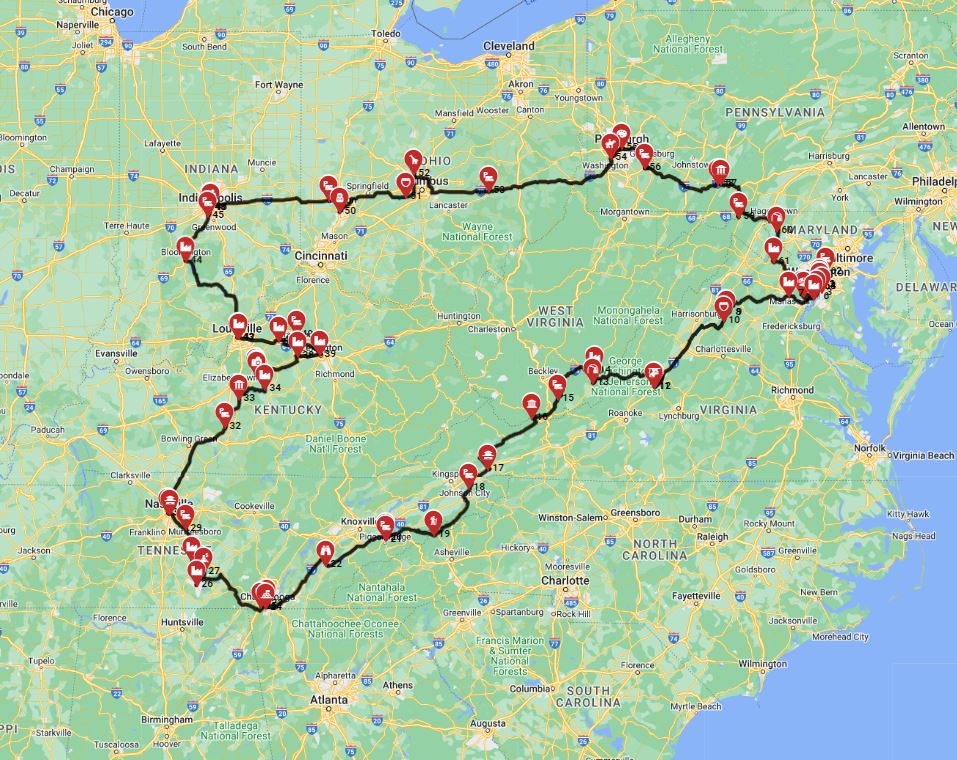
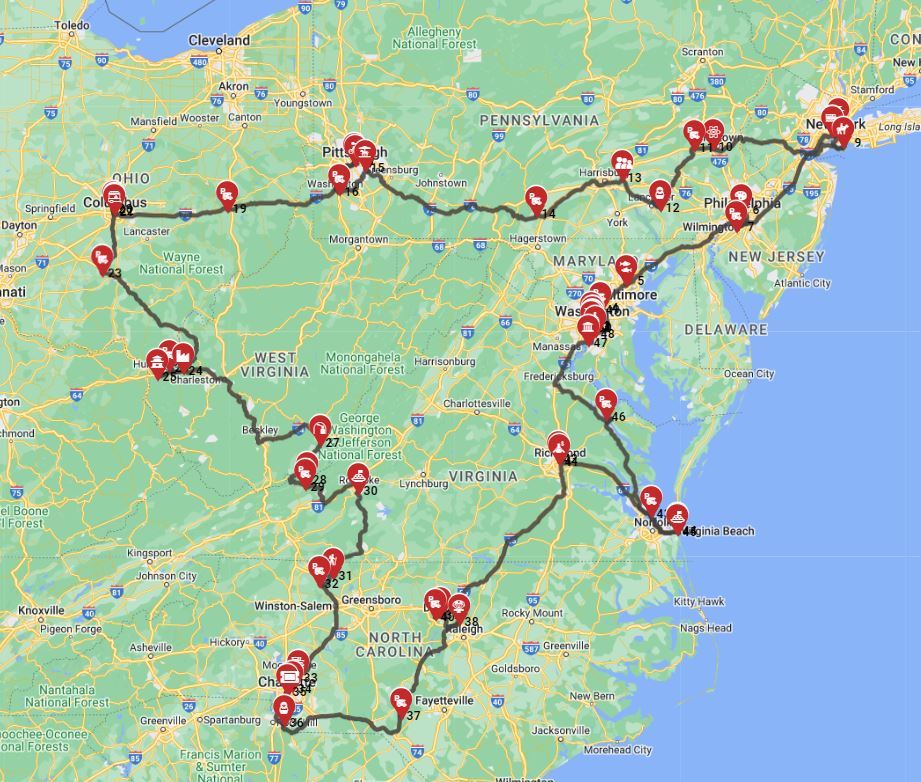
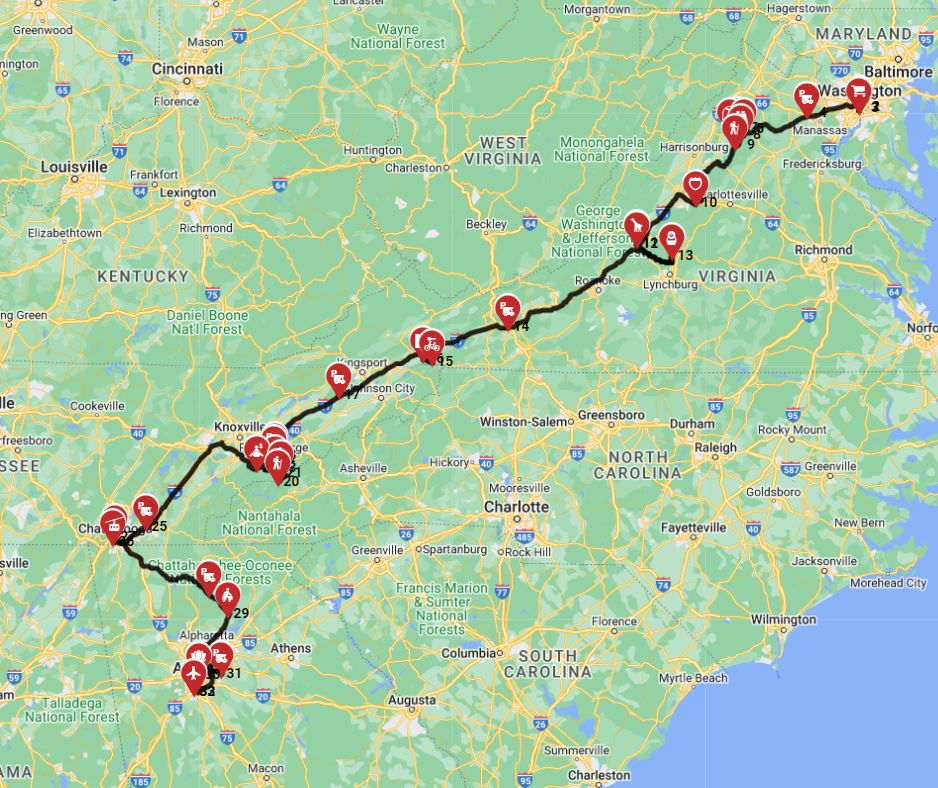
For those travelers seeking a grander adventure starting from the nation's capital, the '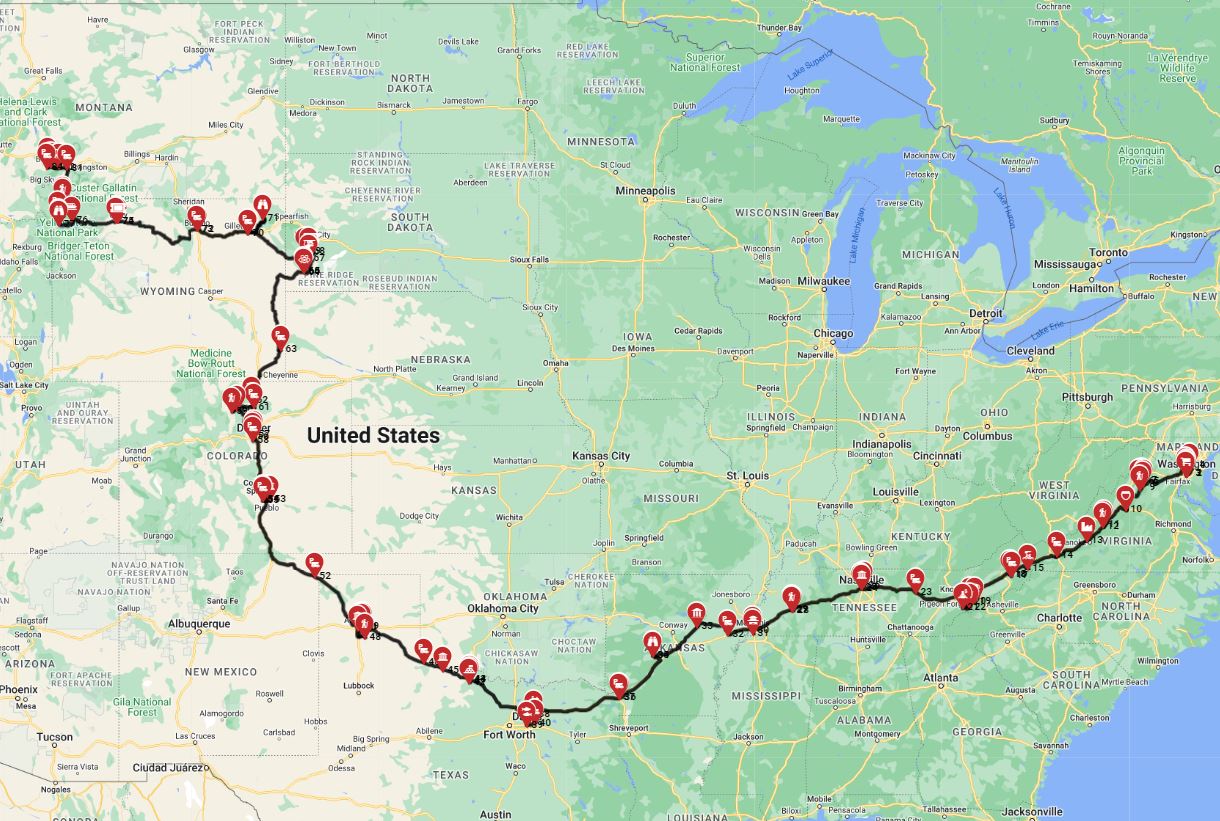
Washington DC to Bozeman - Including the Yellowstone
Explore this route
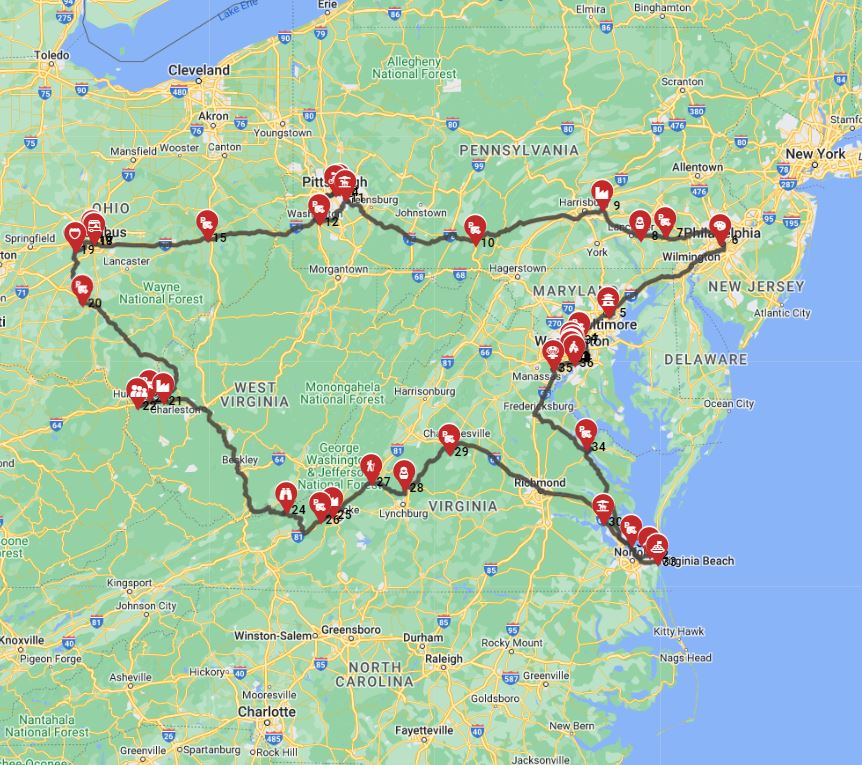
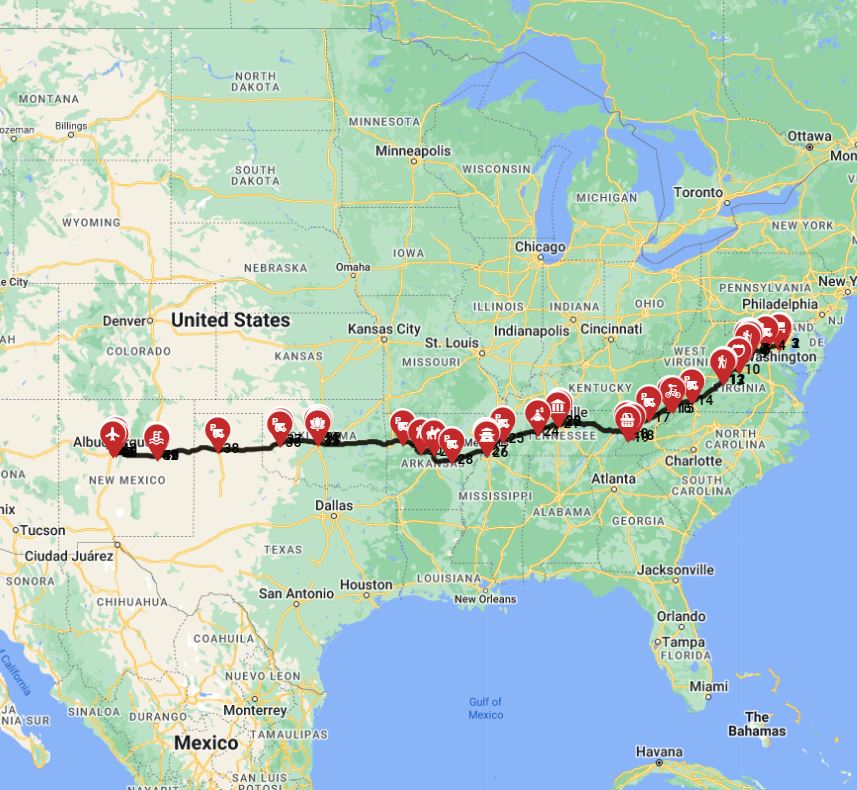
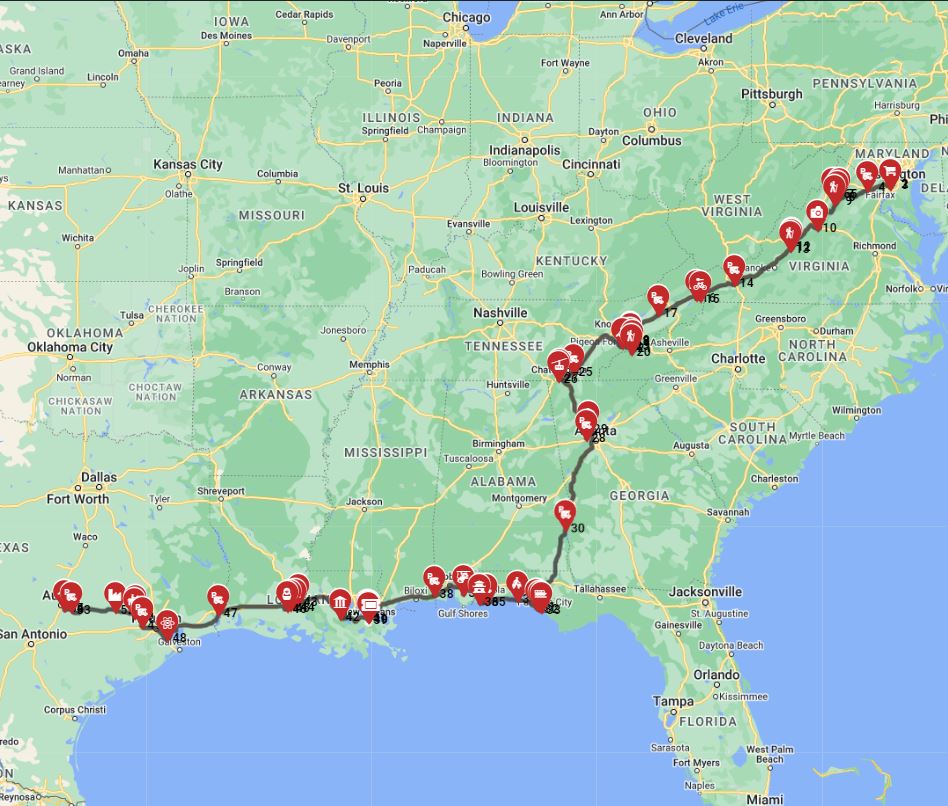
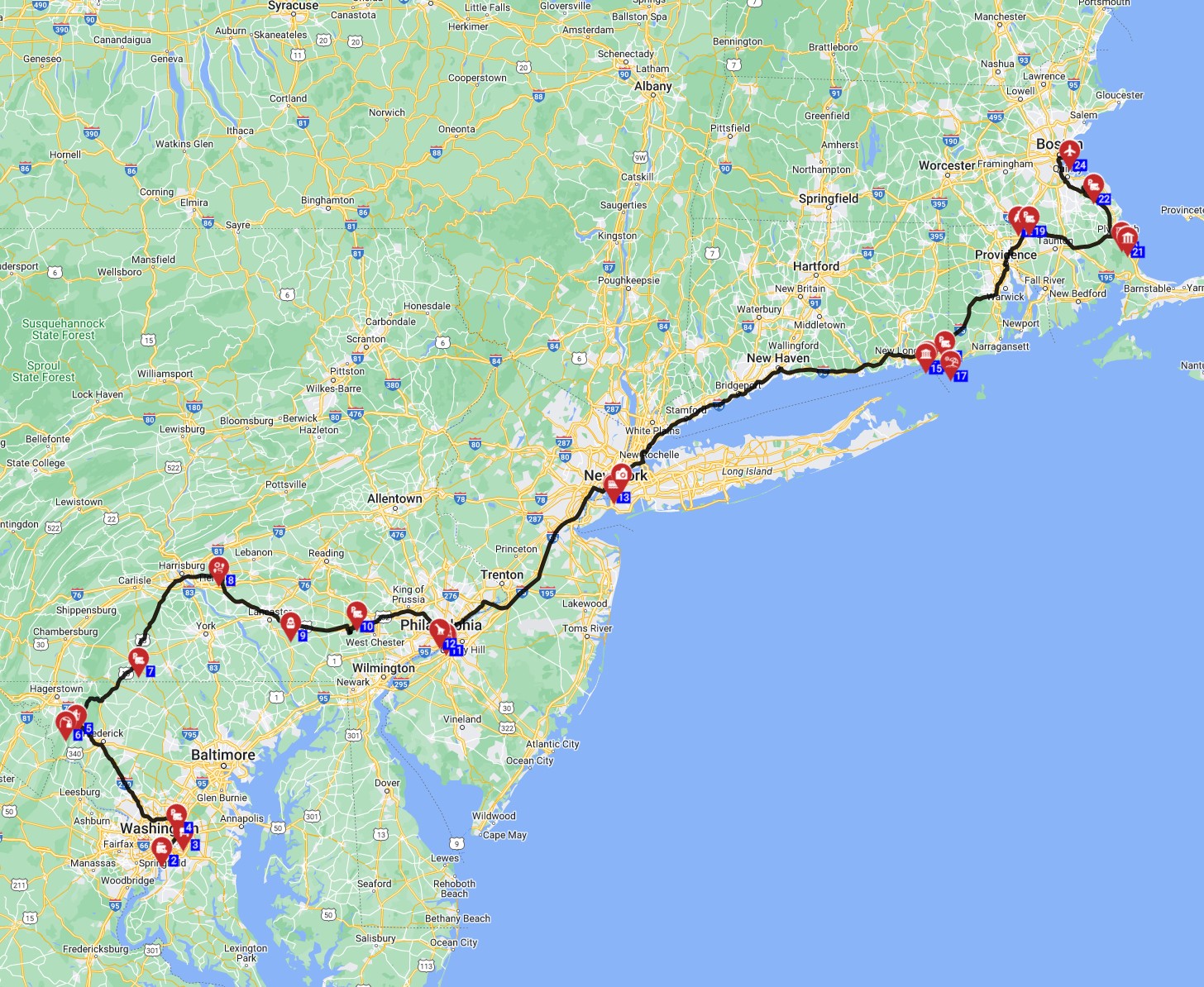
Another excellent option for East Coast exploration is the "Portland to Washington DC - From Pacific Trails to the Nation's Capital" route, which covers 6361.19 km over 28 days and includes 3 museums and 2 scenic routes. Or, if you dream of a coast-to-coast journey, the "
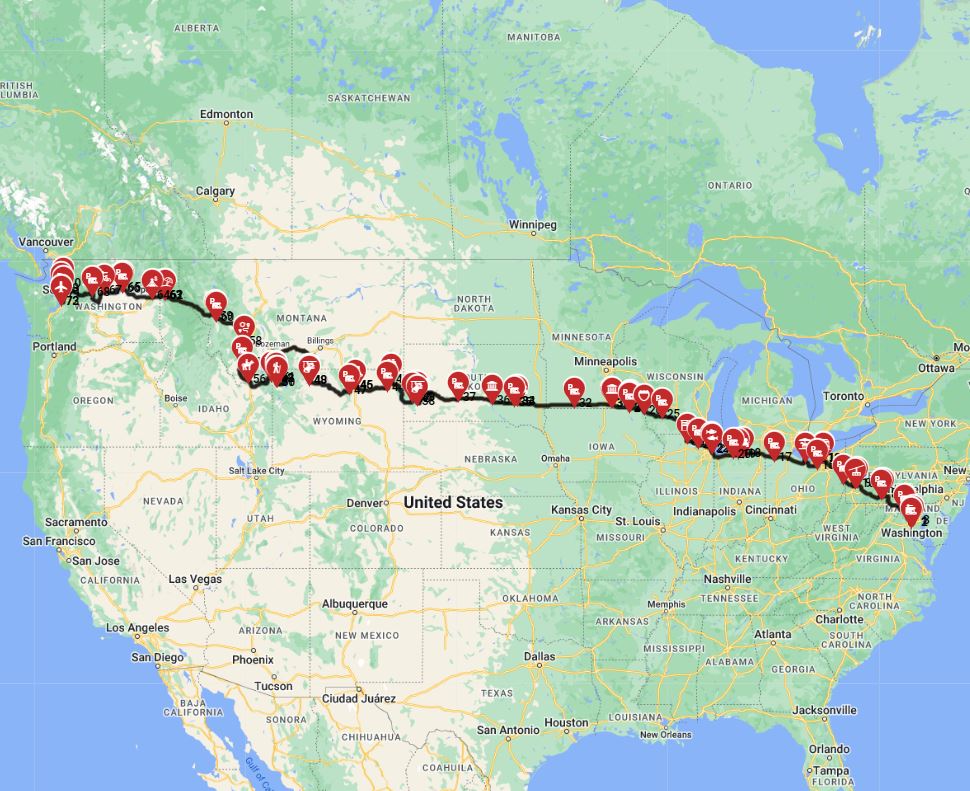
Washington DC to Seattle -Midwest Coast to Coast
Must-See Stops Along the Way (Avi Bandana Picks)
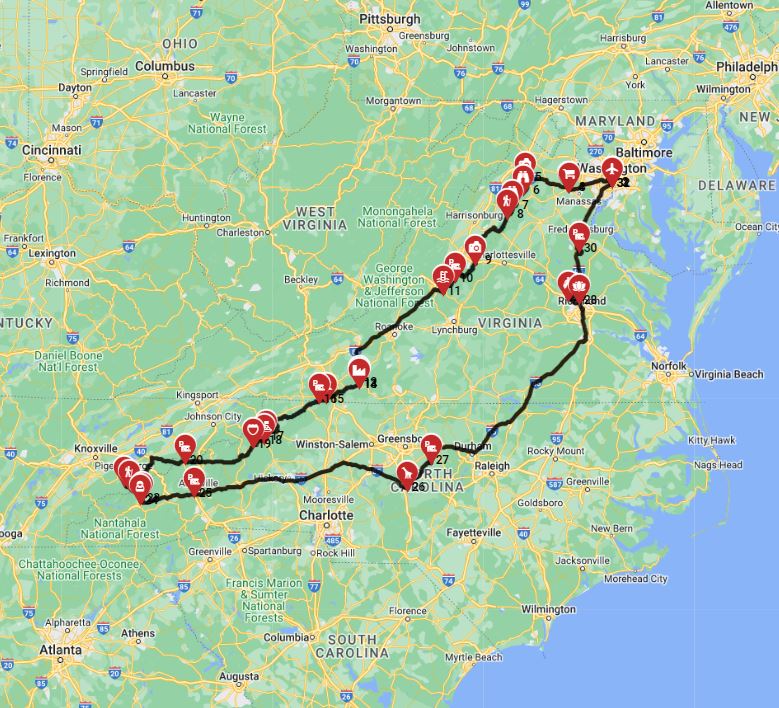
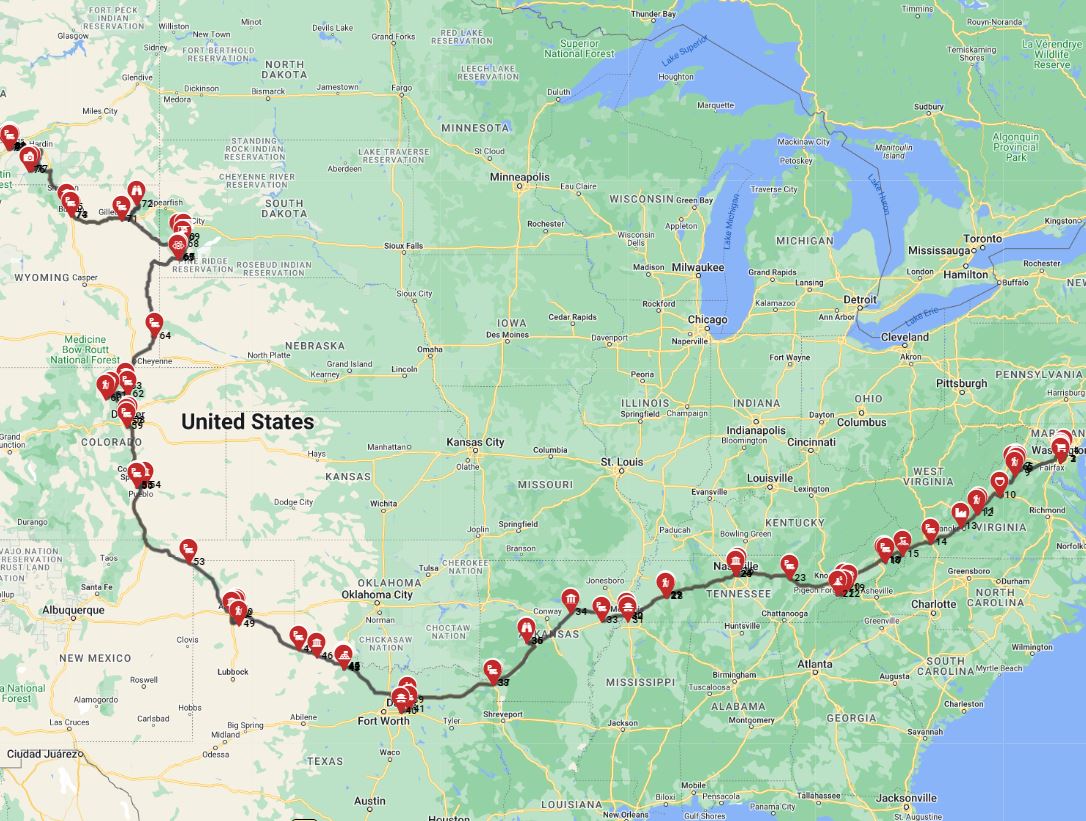
Avi Bandana's personal picks for must-see stops, drawing from the extensive 'Washington DC to Bozeman - Including the Yellowstone' RVPlan, go beyond the immediate D.C. area to highlight diverse experiences across the wider journey. These recommendations are designed to provide a rich, authentic travel experience as you explore with your rented motorhome. * **Traditional Visit:** The itinerary includes opportunities for deep cultural engagement through 'traditional visit' locations, offering authentic insights into various regions traversed. * **Traditional Restaurant / Fine Dining:** Food enthusiasts will appreciate the inclusion of 'traditional restaurant / fine dining' experiences, allowing travelers to savor local flavors and culinary heritage. If you’re planning to whip up some delicious meals in your RV kitchen, don't forget to check out our RV-friendly recipes playlist for inspiration. * **Traditional Market:** The route also points to a 'traditional market', providing a chance to explore local goods, artisanal crafts, and fresh produce, fostering unique interactions with communities. * **Local Industry:** 'Local industry' stops are recommended for those interested in understanding regional crafts, trades, and economic activities, offering a glimpse into the heart of various American communities. * **National Parks & Scenic Drives:** For longer routes, Avi emphasizes iconic natural features, such as the Grand Teton National Park and Yellowstone National Park included in the Washington DC to Bozeman route, ensuring breathtaking views.Daily Driving Distances & Drive Times in Washington DC
Avi Bandana recommends a maximum of 100 miles or 150 km per day on average when on an RV trip to encourage slow travel and allow ample time to enjoy each destination without rushing. This approach helps you connect to the culture, food, and scenery, rather than just passing through. Within Washington DC itself, RV driving is generally limited, with most urban exploration best done via public transport or ride-share due to traffic and parking challenges. For general RV travel in the region, refer to our "RV Rental Virginia - Complete Guide 2024" for broader context. Example drive-time estimates for day trips outside the immediate city include: * **Washington D.C. Outskirts (e.g., College Park, MD) to Annapolis, MD:** Approximately 50-60 km, taking about 45 minutes to 1 hour, depending on traffic conditions. * **Washington D.C. Outskirts to Gettysburg, PA:** Approximately 120-130 km, with a drive time of about 1.5 to 2 hours. * **Washington D.C. Outskirts to Richmond, VA:** Approximately 170-180 km, typically taking 2 to 2.5 hours. Remember, driving slowly and carefully is key, and you can drive almost anywhere without issues. No need to stress - just use common sense and pay attention to road signs and vehicle size restrictions. When budgeting for your journey, consider that RV PLANET routes allow you to itemize and track every expense, including fuel, campground fees, and tolls, for easy financial planning.Best RV Class for This Itinerary - Couple & Family Picks
Choosing the right RV class significantly impacts your Washington DC experience, especially concerning maneuverability and parking in and around the city. Bandana RV specializes in motorhomes and campervans, ensuring you find the perfect fit for your rented adventure. * **For Couples: Class B - Camper Van** An ideal choice for couples is a Class B Camper Van. Bandana's global fleet typically features Class B vans with an average length of 5.8 meters and sleeping places for 3.2, comfortably accommodating 2.7 adults on average. Their compact size makes them easier to navigate through denser traffic and park in suburban areas or designated spots at campgrounds, often achieving fuel consumption around 10 Liters/100 Km, making them a more economical option for navigating the D.C. area. These vehicles, like the `luxury rv rentals example Carthago Malibu 600` (5.99m length, 2 sleeping places, 2.3L/130HP engine), offer a blend of comfort and agility. * **For Families: Class C - Alcove** Families will find a Class C Alcove RV to be a superb option. With an average length of 7.5 meters and sleeping places for 5.8, Bandana's global fleet Class C vehicles comfortably accommodate an average of 4.4 adults. This class provides ample living and storage space for a family, while still being manageable to drive and park at campgrounds outside the city. Typical fuel consumption for these models from our global fleet ranges from 10-12 Liters/100 km. Vehicles such as the `cruise america rv rental example Explorer` (7.1m length, 4 sleeping places, 2.5L Turbo diesel engine) are popular choices, offering a comfortable ride with amenities like a refrigerator and shower. For a larger family, the `29′ Class C Motorhome` (approximately 8.8m in length with slide-outs and generator) provides even more space. To remove the headache of planning, Rent&Plan offers a seamless service providing both your ideal RV rental and a ready-made itinerary crafted by travel experts, complete with full access to trip-planning software. We handle the details, so you can live the journey.Is Washington DC RV friendly?
Washington D.C. is generally not RV-friendly within its immediate city limits for driving and parking large recreational vehicles, primarily due to heavy traffic, narrow streets, and stringent parking regulations; however, it is highly accessible for RVers who wisely utilize nearby campgrounds and public transportation. Navigating larger RVs like Class A or C motorhomes directly into downtown D.C. can be extremely challenging, with limited turning radii, numerous traffic circles, and height restrictions, especially on approaches like the Baltimore-Washington Parkway where some overpasses are as low as 12'8". For more specific driving guidance, consult our "Driving an RV From Washington DC Airport - Routes 2024" article. The best times to visit D.C. in a rented RV are during spring (March-May) and fall (September-November) to avoid the intense summer heat, high humidity, and peak tourist crowds, which can exacerbate traffic and campground availability. When planning your trip, consider making campground reservations well in advance, especially during these popular seasons. For security and safety, selecting campgrounds with good reviews for security, always locking your RV, and securing valuables when you leave the vehicle to explore the city are essential practices. For logistics like restocking supplies and finding dump stations, RVers should plan to use facilities at their chosen campground or seek out larger grocery stores and service centers in the greater D.C. metropolitan area, as options within the city are virtually non-existent. Many RV-friendly activities exist beyond the main attractions in the greater D.C. metro area, including state parks like Prince William Forest Park (VA) and Patapsco Valley State Park (MD), which offer hiking, nature, and a welcome break from urban intensity. This strategic planning makes D.C. a perfectly manageable RV destination.Is there RV parking in Washington DC?
Dedicated RV parking within Washington D.C.'s urban core is extremely limited to non-existent, especially for larger Class A or C RVs; the most practical strategy for RVers is to park their rented motorhome at a campground outside the city and use public transit. Specific RV size considerations are crucial: Class B Camper Vans might find occasional street parking in less restricted areas or oversized vehicle spots, but Class A or C motorhomes are generally too large for city parking. For insights into finding good spots for longer stays, refer to "Long-Term RV Driving in Washington DC - Monthly Routes 2024". A detailed cost breakdown for an RV trip to Washington DC includes campground rates, which typically range from $60-$100+ per night for full hookups, and public transport costs, where Metro fares vary by distance, typically costing $2-$6 per ride. Recommended campgrounds like Cherry Hill Park in College Park, MD, or Pohick Bay Regional Park in Lorton, VA, offer RV-specific parking and convenient access to Metro stations or shuttle services. For instance, Cherry Hill Park provides shuttle service directly to the College Park-U of Md Metro Station (Green Line), connecting directly to downtown D.C. Ride-share services are also readily available from most peripheral campgrounds. Alternative parking strategies on the outskirts might include permitted overnight parking at some big box stores (e.g., Walmart, Cabela's) in surrounding suburban areas like Maryland or Virginia, but this should always be confirmed with store management and used only if deemed safe and legal. Always remember that what you see is what you pay with Bandana, as we believe in full transparency and no hidden fees, making your budget planning straightforward.What is the best RV route?
The best RV route for visiting Washington D.C. typically involves approaching the city from major interstates, parking your rented campervan or motorhome at a well-situated campground outside the immediate urban core, and then utilizing public transportation or ride-sharing services to explore the city itself. Major access routes like I-95 (from north or south), I-270 (from northwest), and US-50 (from east) lead to the D.C. metropolitan area and its surrounding RV parks in Maryland and Virginia. Our expertise as True RV Specialists means we genuinely know RV travel and love helping people discover it, guiding you to the best routes. For example, approaching from the north, I-95 offers direct access to campgrounds like Cherry Hill Park in College Park, MD, while from the south, I-95 leads to options such as Pohick Bay Regional Park in Lorton, VA. Beyond central D.C. attractions, consider routes that include RV-friendly activities and hidden gems in the greater D.C. metro area, such as scenic drives through Great Falls Park (MD/VA) or visiting historic sites like Manassas National Battlefield Park (VA). Rock Creek Park, one of the country's oldest and largest urban parks, offers numerous recreational activities just outside the downtown core. If embarking on a longer journey, integrating D.C. into a scenic route along the East Coast, perhaps connecting with portions of the Blue Ridge Parkway or heading north towards Pennsylvania's Amish Country, can provide a diverse RV experience. Bandana has been helping tens of thousands of travelers explore the world by RV since 2001, offering unparalleled personal service from day one until your booking is confirmed. You can find more detailed itineraries in our "RV Travel Guide to Washington DC - Tips and Top Spots 2024" video guide, or consider a "Week-Long RV Driving Tour in Washington DC 2024" for a focused exploration. Drive slowly and carefully, and you can drive almost anywhere without issues.What You Shouldn't Miss
- **The Zero Milestone:** Start or end your RV adventure symbolically at this historic marker south of the White House, intended as the original point for all U.S. road distances.
- **Cherry Blossom Festival (Spring):** If visiting in March or April, witness the spectacular bloom around the Tidal Basin. Park your RV at a nearby campground and take public transit to avoid congestion.
- **A Walk Through Georgetown:** Explore the charming historic streets, boutique shops, and delicious eateries of Georgetown, easily accessible via public transport from your RV park.
- **Arlington National Cemetery:** Pay your respects at this solemn and significant national landmark. Allocate a half-day for a meaningful visit.
- **Smithsonian Museums:** Dedicate a full day or two to explore the free museums on the National Mall, especially the National Air and Space Museum and the National Museum of Natural History.
- **Mount Vernon Estate:** Drive your RV or take a rideshare to George Washington's beautiful estate, approximately 25 km south of D.C., for a step back in time.
- **Bald Eagle Spotting at Great Falls Park:** Enjoy a scenic drive to Great Falls Park (just outside the city) for stunning natural beauty and a chance to spot bald eagles, particularly if camping north of the city.