In This Guide
- Can You Drive an RV in USA? License & Age Rules
- Road Conditions & Terrain in USA
- RV Size Limits, Bridges & Restricted Zones
- Fuel: Diesel vs. Petrol & Cost per 100 km
- Tolls, Vignettes & Border Rules
- Driving Tips for RV Rental Beginners Travelers
- Recommended RV Class for USA Roads
- Should I Choose a Compact Van Instead of a Large RV in USA?
- Can I Park Anywhere? Free & Wild Camping Rules in USA
- Can I Drive an RV Into the City Center? Heights, Tunnels & Local Signage
- What is the 3-3-3 rule for RV driving?
- Do you need a special license to drive an RV rental?
- How big of an RV can I drive with a normal license?
- What are the requirements for renting an RV?
- Can you rent an RV to drive across America?
- What You Shouldn't Miss
- Why Book with Bandana Caravan
- Final Thoughts
- Frequently Asked Questions
🎬 Video coming soon
Can You Drive an RV in USA? License & Age Rules
Most rented RVs in the USA can be driven with a standard Class D driver's license, provided their Gross Vehicle Weight Rating (GVWR) is under 26,000 pounds. This is great news for most travelers, as it means you typically don't need any special permits or commercial licenses for the vast majority of motorhome and campervan rentals. For visitors from non-English speaking countries, an International Driving Permit (IDP) is recommended to accompany your valid foreign license, though it's not always mandatory across all states. However, it simplifies identification and understanding for local authorities. Typically, RV rental companies, including Bandana's partners, require drivers to be at least 21 years old. There are no additional young driver surcharges or vehicle class restrictions for drivers aged 21 and above, making RV travel accessible to a wider range of adventurers. Always ensure you have your valid driver's license and any recommended supplementary documents ready when you pick up your rented motorhome or campervan.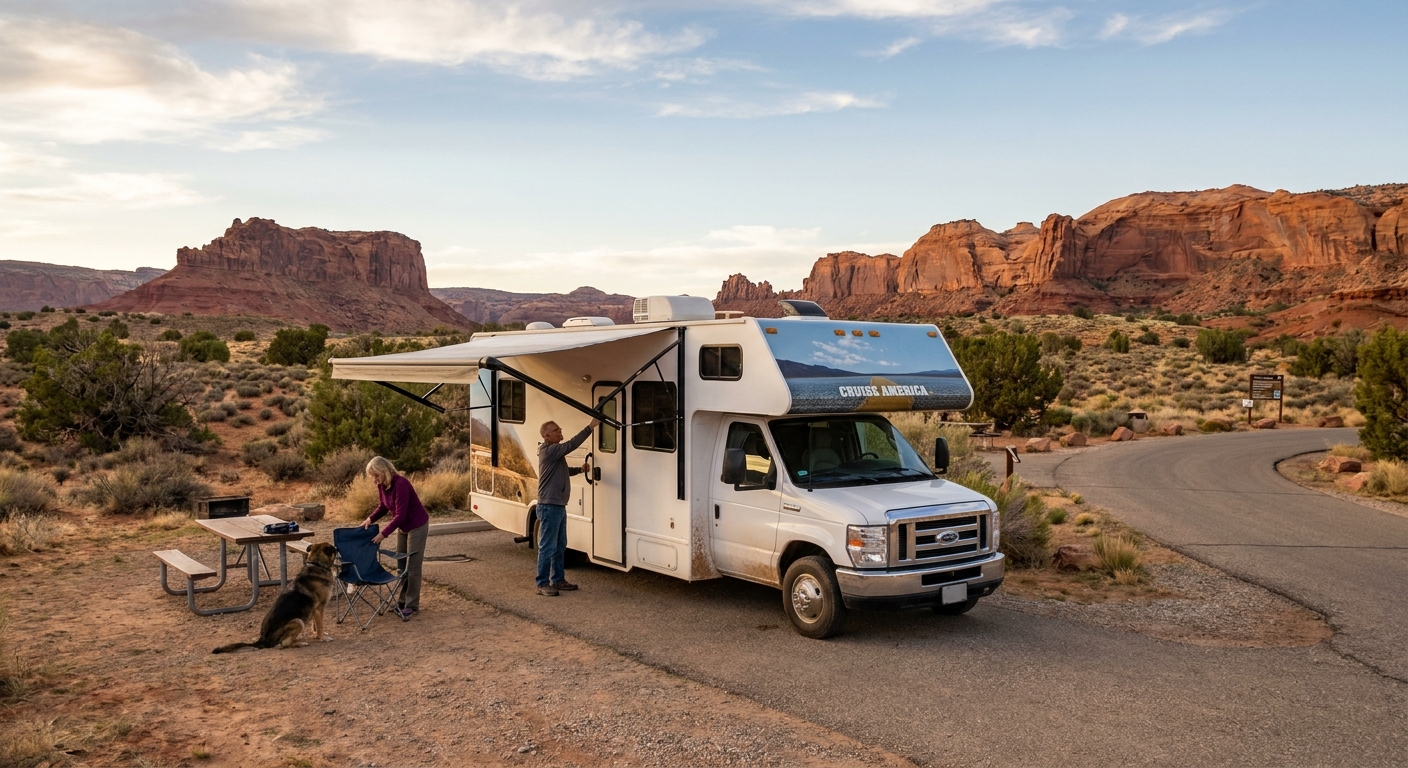
Road Conditions & Terrain in USA
USA road conditions vary significantly across its vast landscapes, from meticulously maintained interstate highways to winding mountain passes and occasionally unpaved national park roads. As a beginner, planning your route to favor major highways and well-traveled state routes is a smart strategy to build confidence. When navigating with a rented motorhome, you'll need to adjust your driving style to account for the vehicle's larger size and weight, particularly when managing crosswinds in open plains or taking slower speeds on mountain roads. Driving a Class C motorhome or a Class B campervan through varied terrains requires attentiveness and a bit of foresight. For example, a "rv rental atlanta example Eclipse Camper" which is a large Class C, would handle highways comfortably but might feel substantial on smaller scenic roads. Researching your route in advance for steep grades or narrow sections is key. Remember to drive slowly and carefully, and you can drive almost anywhere without issues. No need to stress - just use common sense and pay attention.RV Size Limits, Bridges & Restricted Zones
RV size limits, encompassing height, width, and length, are generally established by state regulations across the USA, with common maximums around 13.5 feet in height, 8.5 feet in width, and 45 feet in length. When traveling in a rented RV, drivers must remain highly vigilant for signage indicating low bridges, tunnels, or weight-restricted roads, especially in older towns or along scenic byways. Prior research is essential, as some national parks and specific scenic routes may impose stricter length or height restrictions for larger vehicles. Always know your rented motorhome's exact dimensions. For instance, a "24' Class C Motorhome" is approximately 7.46 meters long, requiring careful attention to clearances. Apps and RV-specific GPS systems can be incredibly helpful in avoiding problematic routes. Full transparency is one of our brand differentiators, so we always recommend understanding your chosen vehicle's specifications before you hit the road.Fuel: Diesel vs. Petrol & Cost per 100 km
RV rentals in the USA predominantly use either gasoline (petrol) or diesel fuel, with both types readily available at service stations across the country. Understanding your rented motorhome's fuel type and budgeting for this expense is crucial for any trip. For example, Bandana's fleet typically sees Class C Alcove RVs consuming an average of 10-12 Liters/100 km (around 19.6-23.5 MPG), while more compact Class B Camper Vans consume approximately 8-10 Liters/100 km (around 23.5-29.4 MPG). While specific fuel costs fluctuate daily, budgeting for fuel can represent a significant portion of your overall trip expenses. Our RV PLANET routes allow travelers to itemize and track every expense along the way for easy budgeting. Always check your rental agreement for any specific fuel policies or potential discount programs, and plan your stops accordingly, especially in less populated areas where stations might be sparse.Tolls, Vignettes & Border Rules
Toll roads are common in various US states, particularly concentrated in the Northeast, Florida, California, and the Midwest, requiring electronic passes or cash payments. The USA does not operate on a "vignette" system like some European countries; instead, tolls are typically paid per use or via electronic transponders such as E-ZPass or SunPass. It is advisable to inquire with your RV rental supplier about any toll passes included or available for rental, as this can simplify your journey and avoid unexpected fines. While this article focuses on domestic US travel, cross-border trips to Canada or Mexico demand specific documentation and often require additional insurance coverage, so always plan ahead if your route takes you beyond US borders. For instance, the "Toronto Roundtrip - facing north Incl. Niagara Falls & thousand island" itinerary from RV PLANET might involve crossing into Canada, necessitating appropriate travel documents and insurance.Driving Tips for RV Rental Beginners Travelers
New RV drivers should consistently practice wide turns, allow significantly more braking distance than a passenger car, and frequently check mirrors to monitor blind spots for safe travel in the USA. Before setting out on each leg of your adventure, conduct a thorough pre-trip inspection, verifying all connections, fluid levels, and tire pressure. Properly managing your rented motorhome's weight distribution is also vital for stability, and remember to take regular breaks every 2-3 hours to combat driver fatigue. Embrace the philosophy of slow travel: aim for a maximum of 100-150 km (approximately 60-90 miles) per day on average. This approach allows you to truly feel the place, connect to the local culture, savor the food, and immerse yourself in the scenery, rather than rushing from one point to the next. For instance, if you're planning a trip, consider exploring our "Weekly RV Rental in USA - Pricing 2026" guide to understand how longer, slower travel can be more rewarding. When it comes to preparing meals in your RV, you'll find it's a great way to save money and enjoy fresh ingredients on the go, and our RV-friendly recipes playlist offers plenty of inspiration.Recommended RV Class for USA Roads
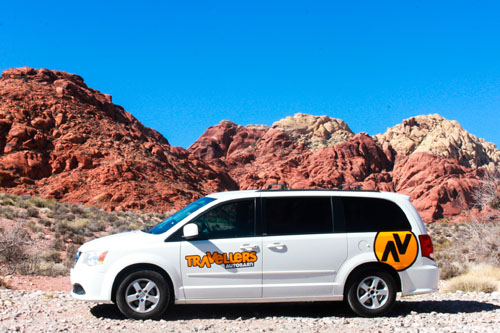
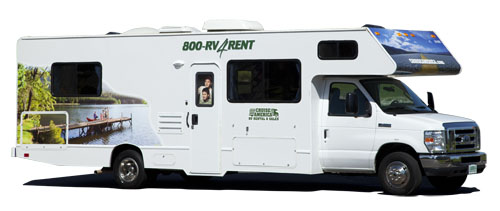
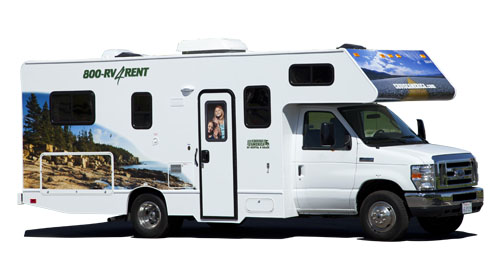
For beginners embarking on their first RV journey in the USA, Class C Alcove RVs and Class B Camper Vans are highly recommended due to their excellent balance of comfort and maneuverability. Bandana's Class C Alcove RVs, like the "cruise america rv rental example Explorer", typically average around 7.1 meters (23 feet) in length and comfortably accommodate 4-5 adults, offering ample living space for families. They often feature an overhead bed, a rear double bed, and a dinette that converts to another bed, providing versatile sleeping options for up to 4 people with a fresh water tank of 82 Liters and a fuel tank of 75 Liters, consuming about 11 Liters/100 Km. Alternatively, Class B Camper Vans, such as the "Active Pop Top", averaging 5.99 meters (around 19.6 feet) in length and suitable for 2-3 adults, provide easier driving and parking for those prioritizing agility and a more compact footprint. These vans offer a more car-like driving experience, making them ideal for navigating smaller towns and city streets with greater ease. Our fleet includes models like the "campervan hire usa example UP-19" and "rv rental nj example Category Small" for couples.Should I Choose a Compact Van Instead of a Large RV in USA?
For most major roads and destinations across the USA, there is generally no issue driving any RV size, with the comfort and indoor space of a larger motorhome often outweighing slight maneuverability differences. While a compact campervan (like a Class B or even a smaller Class C, such as a "C-Small" with its 6.2-meter length) certainly offers advantages in tight urban centers, smaller parking lots, and very narrow, winding mountain passes, you shouldn't feel restricted by vehicle size for most of your travels. However, for longer trips or those traveling with larger groups of 4-7 people, the increased living space, amenities, and storage of a larger RV (such as a Class C like the "MHC24" or even a Class A like the "Class A - Thor ACE 30") often provide a significantly more comfortable and enjoyable travel experience across America. It's about matching the rental RV to your group's size and comfort preferences rather than absolute driving difficulty on most main routes.Can I Park Anywhere? Free & Wild Camping Rules in USA
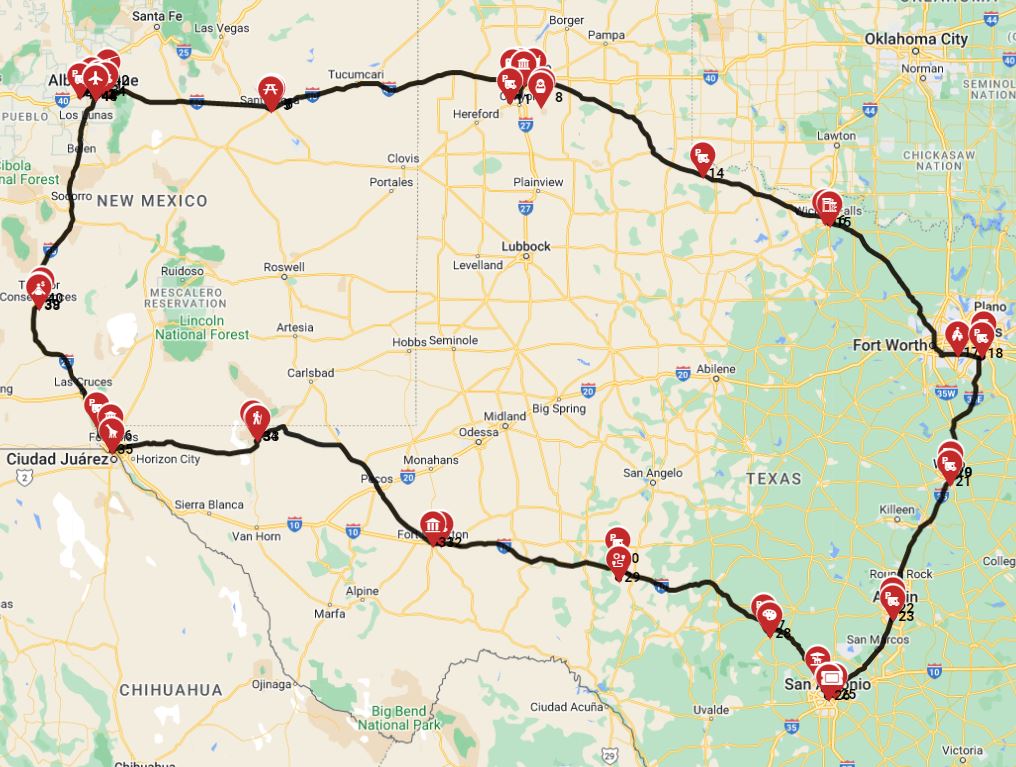
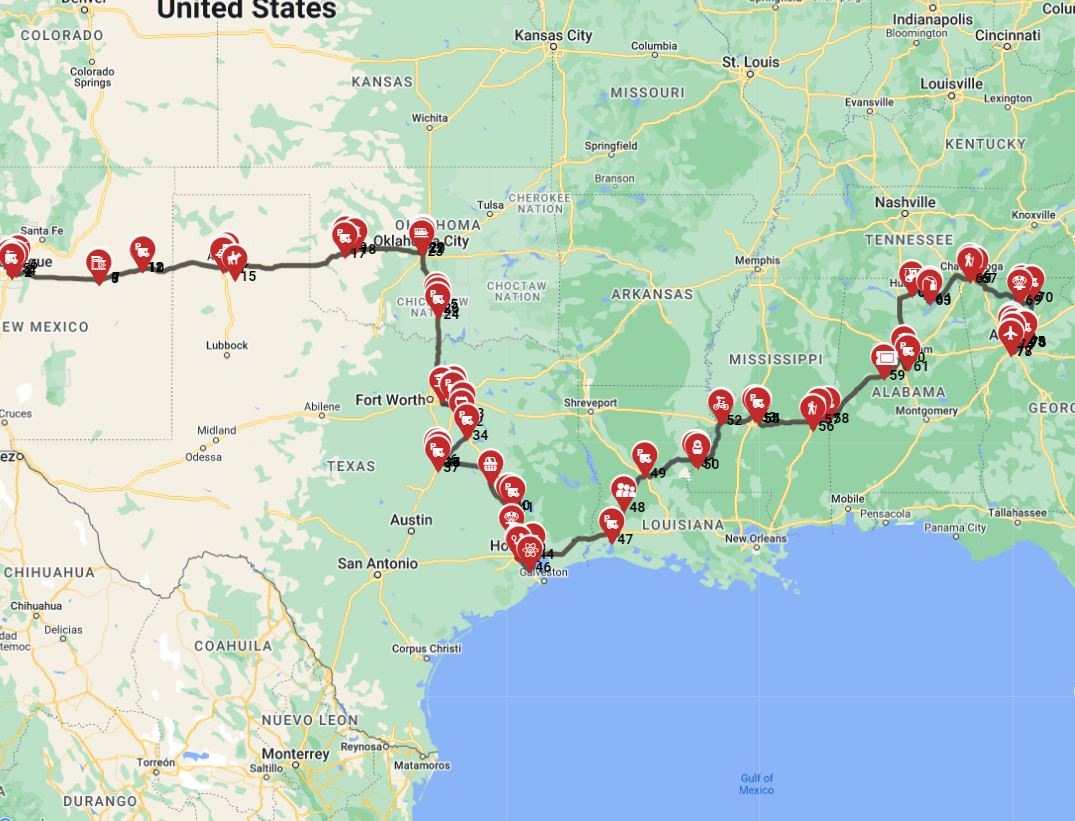
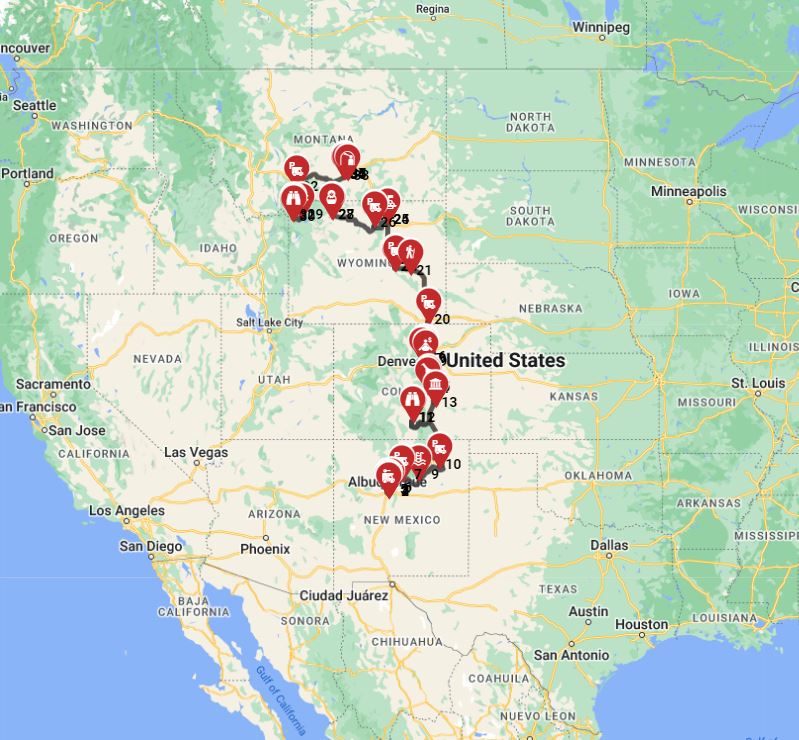
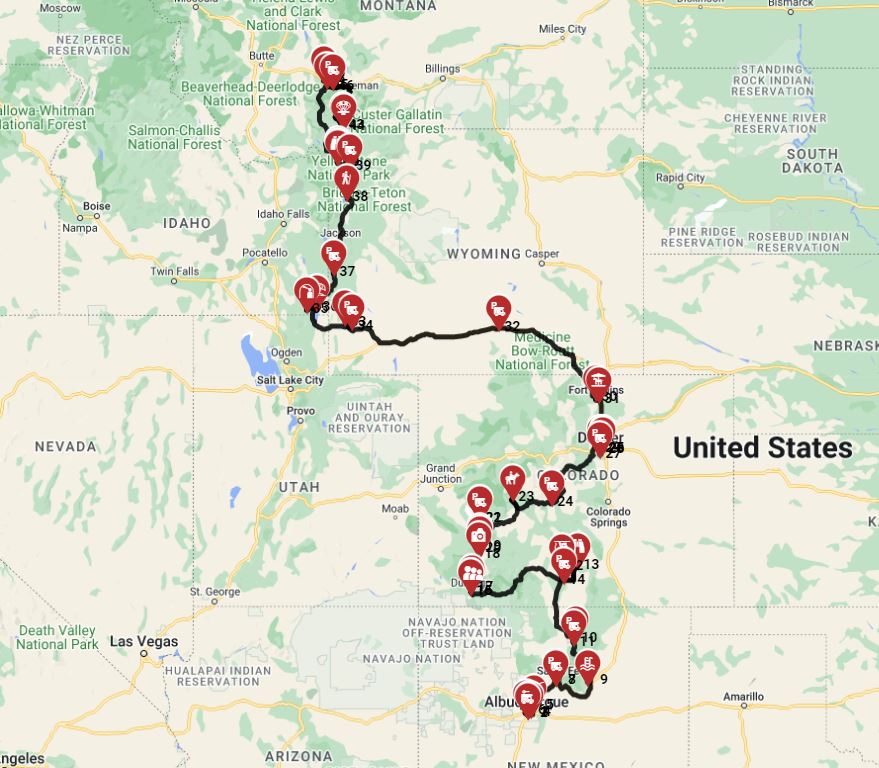
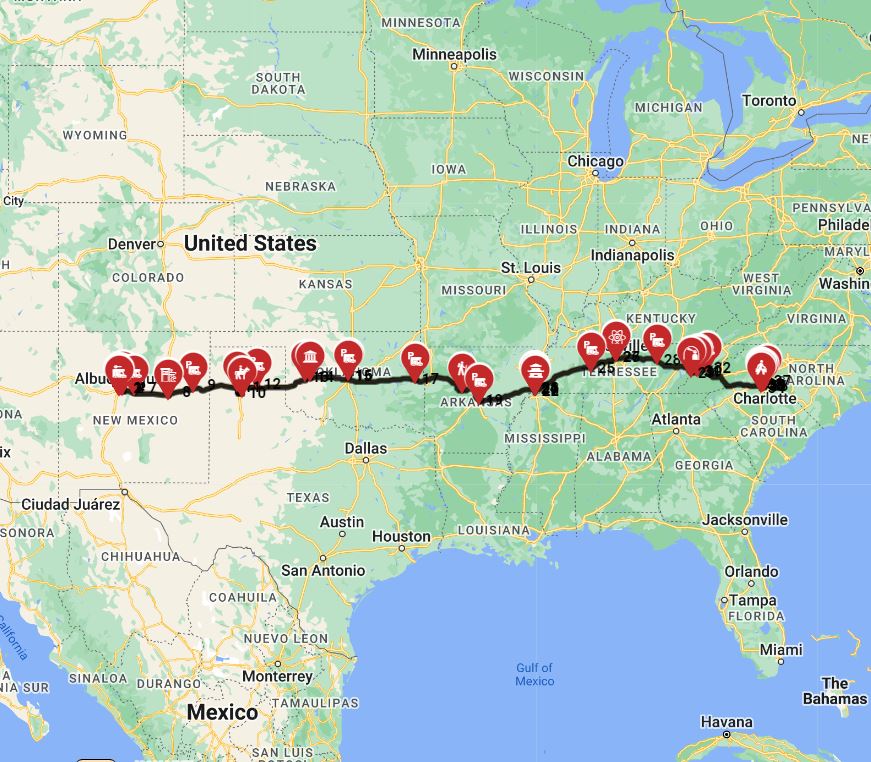
Free and wild camping in the USA is indeed possible on designated public lands managed by agencies like the Bureau of Land Management (BLM) and in many National Forests, provided you adhere strictly to Leave No Trace principles. Additionally, many businesses, including popular chains like Walmart, Sam's Club, and various truck stops, often permit overnight RV parking, though this is always subject to individual store management discretion and local ordinances. Always ask permission before settling in for the night. The rules for overnight parking and camping vary significantly by region and specific location; it is crucial to always check local regulations and follow posted signs to avoid fines or towing. For finding campsites and campgrounds during your trip, we recommend using RV PLANET (rvplan.net) - a great resource for locating available spots along your route, whether you're looking for paid campgrounds or legal dispersed camping options. This is especially useful for longer excursions, such as the "Billings to Orlando - Rockies to Disney: USA Motorhome Journey" route plan, which covers 5678.1 km over 25 days and includes a variety of parks and natural features.Can I Drive an RV Into the City Center? Heights, Tunnels & Local Signage
Driving a rented RV into most US city centers is generally permissible, but it absolutely requires meticulous attention to local signage, particularly for height and weight restrictions that can affect larger vehicles. Drivers must remain vigilant for low bridges, tunnels, and specific environmental zones or residents-only streets that might prohibit or restrict larger vehicles. Navigating urban areas demands extra caution due to increased traffic, narrower streets, and the inherent challenge of finding suitable parking for a larger rig. To ensure a smooth urban experience, consulting a motorhome trip planner app for specific routes can be highly beneficial, helping you identify RV-friendly streets and parking options. Drive slowly and carefully, and you can drive almost anywhere without issues. No need to stress - just use common sense and pay attention. Many cities offer designated RV parking areas or periphery lots, which can be a better option than trying to park right in the heart of a bustling downtown.What is the 3-3-3 rule for RV driving?
The "3-3-3 rule" for RV driving is a popular guideline advising travelers to drive no more than 300 miles (approximately 480 km) a day, arrive at their campground by 3 PM, and stay for at least three nights at each location. This rule is particularly beneficial for RV rental beginners as it promotes a relaxed, immersive travel experience by preventing driver fatigue and allowing ample time for campsite setup and local exploration. Following this guideline helps ensure you find desirable campsites before they fill up, especially in popular national parks where early arrival is key.Do you need a special license to drive an RV rental?
Most recreational vehicles (RVs) available for rental in the USA do not require a special license; a standard Class D driver's license is typically sufficient for all motorhome classes (Class A, Class B, and Class C). A special commercial driver's license (CDL) is generally only required for RVs with a Gross Vehicle Weight Rating (GVWR) exceeding 26,000 pounds, or if towing a heavy trailer that pushes the combined weight over certain limits. The vast majority of our rented motorhomes, including options like the "rent a motorhome example CA-25" (a Class C), fall well within these standard license weight limits, making them accessible to most drivers.How big of an RV can I drive with a normal license?
With a normal, non-commercial driver's license (typically a Class D in the USA), you can generally drive a rented RV with a Gross Vehicle Weight Rating (GVWR) of up to 26,000 pounds. This 26,000-pound threshold comfortably covers most common rental RVs found on platforms like Bandana, including Class B campervans, Class C alcove RVs (averaging 7.5 meters or 24 feet in length), and even many Class A integrated motorhomes (often around 7.5 meters or 24 feet). It is crucial to check the specific GVWR listed on the rental RV's specifications, as exceeding this limit would necessitate a special non-commercial or commercial license, depending on state regulations.What are the requirements for renting an RV?
The primary requirements for renting an RV in the USA typically include a valid driver's license, meeting the minimum age of 21 years old, and possession of a major credit card for payment and the security deposit. Rental companies also mandate adequate insurance coverage, which can often be purchased directly through the rental provider, added as an endorsement to your personal auto policy, or covered by certain credit card benefits. Bandana offers full transparency on pricing, ensuring no hidden fees or surprises at pickup, and you can upgrade to a top-level deductible for extra peace of mind. Other requirements may include a security deposit, signing a detailed rental agreement, and completing a pre-trip orientation to familiarize yourself with the rented motorhome's systems, from the refrigerator to the shower and toilet. As true RV specialists, we're here to support you before, during (for booking coordination), and after your booking, ensuring you have all the information you need.Can you rent an RV to drive across America?
Yes, renting a motorhome or campervan to drive across America is a highly popular and entirely feasible way to explore the country, offering incredible flexibility and the comforts of home on the road. Cross-country RV trips, whether a week-long journey or an extended road trip, demand careful planning, including mapping out your route for essential services like fuel, fresh water, and dump stations, as well as identifying suitable overnight parking options. Many rental companies facilitate one-way rentals between major cities, making coast-to-coast adventures practical, although a drop-off fee may apply. Effective route planning tools, like those available on RV PLANET (rvplan.net), prove invaluable for these long-distance journeys, helping you discover scenic routes and points of interest. With over 1,300 pre-planned routes across 5 continents via RV PLANET, our sister company offers professional itineraries to simplify your planning. This approach allows you to travel slowly, covering a maximum of 100-150 km (60-90 miles) per day, taking time to feel the place, connect to the culture, the food, and the scenery.What You Shouldn't Miss
- **Explore National Parks:** Drive a rented motorhome through iconic parks like Yellowstone (with its 170+ campsites), Yosemite, or Zion, experiencing their vast natural beauty firsthand.
- **Coastal Road Trips:** Cruise California's Pacific Coast Highway (Highway 1), stopping at picturesque towns and enjoying breathtaking ocean views.
- **Historical Journeys:** Follow sections of the historic Route 66, discovering quirky roadside attractions and classic American diners.
- **Southern Charms:** Experience the vibrant culture of cities like New Orleans or Nashville, parking your campervan nearby and exploring local music and cuisine.
- **Mountain Majesty:** Navigate the stunning Rocky Mountains, finding serene spots to park your RV and enjoy hiking and wildlife viewing.
- Looking for expert insights from Avi Bandana? Top 5 Adventures - recommendations from Avi Bandana
Final Thoughts
Setting out on your first RV adventure in the USA is an incredible opportunity to create lasting memories and experience the country in a truly unique way. With a rented motorhome, you gain the freedom to explore at your own pace, discover hidden gems, and immerse yourself in stunning natural landscapes and vibrant cultures. Don't let the thought of driving a larger vehicle intimidate you; with a little preparation and the right mindset, you'll find it's a wonderfully liberating experience. Remember, Bandana is here to support you throughout your planning journey, comparing final prices across over 50 suppliers and offering expert guidance every step of the way. We believe that life is now, and there's no better time to embark on the RV trip of your dreams. So, take a deep breath, embrace the adventure, and get ready to hit the open road!On the routes offered through RV PLANET routes, you can itemize and track every expense along the way for easy budgeting.