For live availability and current prices, start with our RV Rental USA - Complete Guide 2026 guide.
In This Guide
- Where to Camp in USA - Top Options
- Campground Types in USA (National, Private, Wild)
- Featured RV Park or Campground in USA
- Hookups & Amenities - What to Expect
- Booking Windows & Reservations in USA
- Nearby Supermarkets & Resupply Points
- Best RV Class for Camping in USA
- How to Save on Campgrounds in USA
- What are the best family RV parks in the USA?
- What is the 3-3-3 rule for RV living?
- What is the 4-4-4 rule for RV travel?
- Can I park my RV anywhere in the USA?
- What does FF mean in camping?
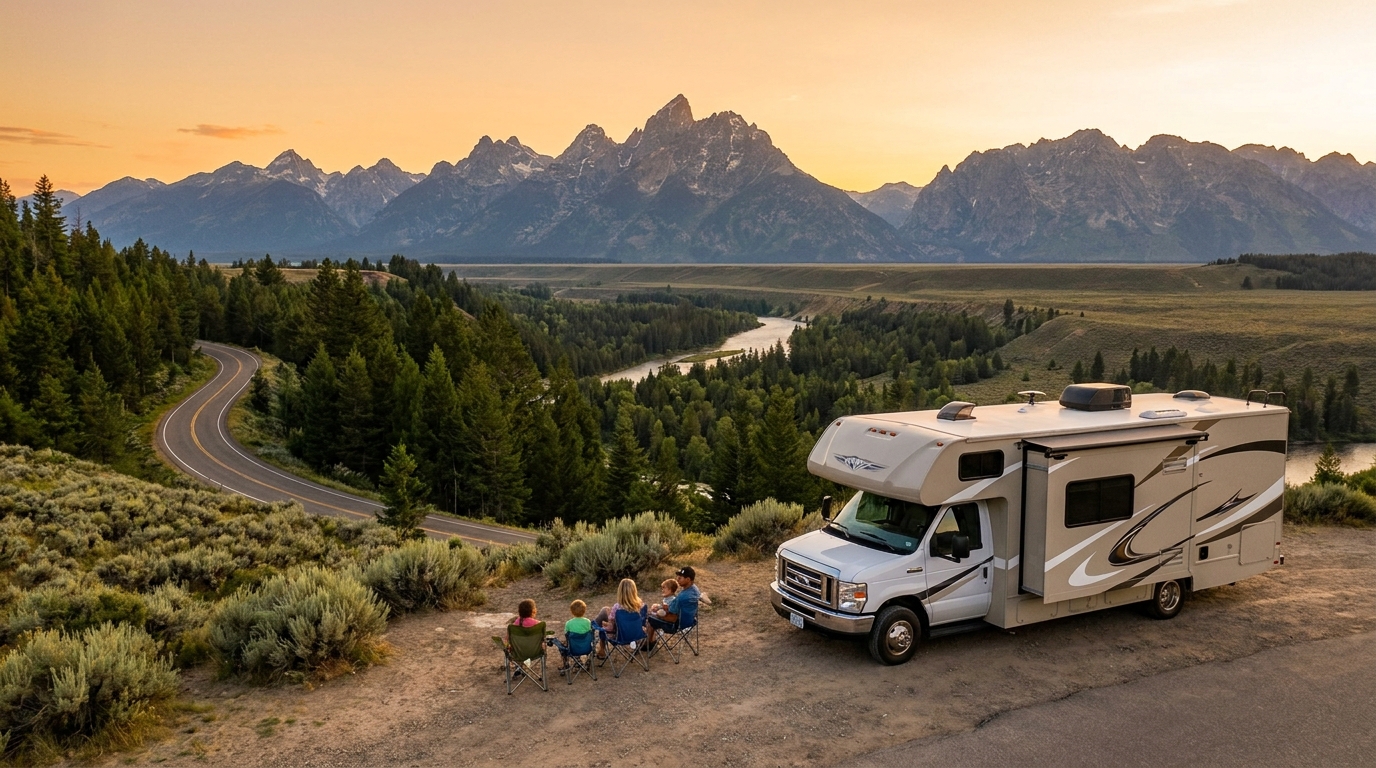
Embarking on a family RV camping trip in USA offers unparalleled freedom and countless memories, transforming vacations into grand adventures. Imagine waking up to a different breathtaking view each morning, with your kids excitedly planning the day's exploration. We've been helping tens of thousands of travelers explore the world by RV since 2001, and we know that the USA is an incredible destination for family motorhome journeys. For live availability and current prices, start with our RV Rental USA - Complete Guide 2024 guide, which provides a comprehensive overview for your planning needs.
Where to Camp in USA - Top Options
The USA boasts incredibly diverse landscapes and RV camping options, catering to every family's preference. National Parks like Yellowstone and Zion offer stunning natural beauty with numerous hiking trails and wildlife viewing opportunities, emphasizing outdoor activities. State Parks across the country provide a balance of natural charm and more developed amenities, often with better availability for last-minute bookings compared to their federal counterparts. For families seeking extensive facilities such as swimming pools, playgrounds, and organized activities, private campgrounds like KOA and Jellystone Parks are excellent choices. Consider regions like Florida for its beaches and world-class theme parks, the Pacific Northwest for majestic forests and rugged coastlines, or the Southwest for its iconic desert landscapes and geological wonders.
Campground Types in USA (National, Private, Wild)
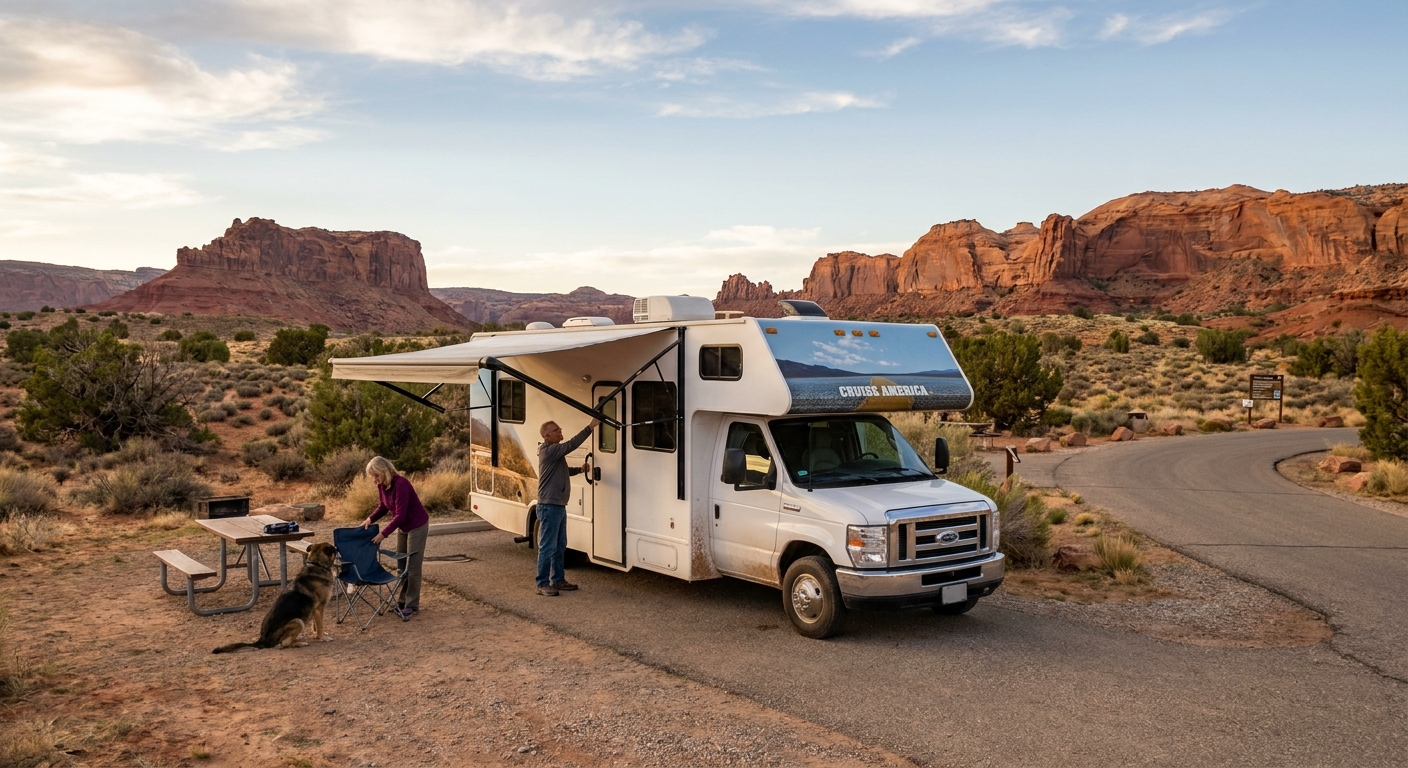
Choosing the right campground type in USA significantly impacts your family's RV experience. National and State Parks prioritize natural beauty and outdoor recreation, typically offering basic facilities like electric hookups and dump stations, with reservations often essential, especially during peak seasons. Private campgrounds, including popular chains such as KOA and independent resorts, generally provide comprehensive amenities like full hookups (electric, water, sewer), Wi-Fi, laundry, pools, and structured activities, though usually at a higher nightly rate. Dispersed or "wild" camping, also known as boondocking, is a free, amenity-free option legally permitted on millions of acres of public land managed by the Bureau of Land Management (BLM) and the US Forest Service (USFS), requiring adherence to "Leave No Trace" principles and typically allowing stays up to 14 days in one spot. Always remember to ask for permission if considering overnight parking at private businesses like Walmart, as local regulations vary. On the routes offered through RV PLANET routes, you can itemize and track every expense along the way for easy budgeting.
Featured RV Park or Campground in USA
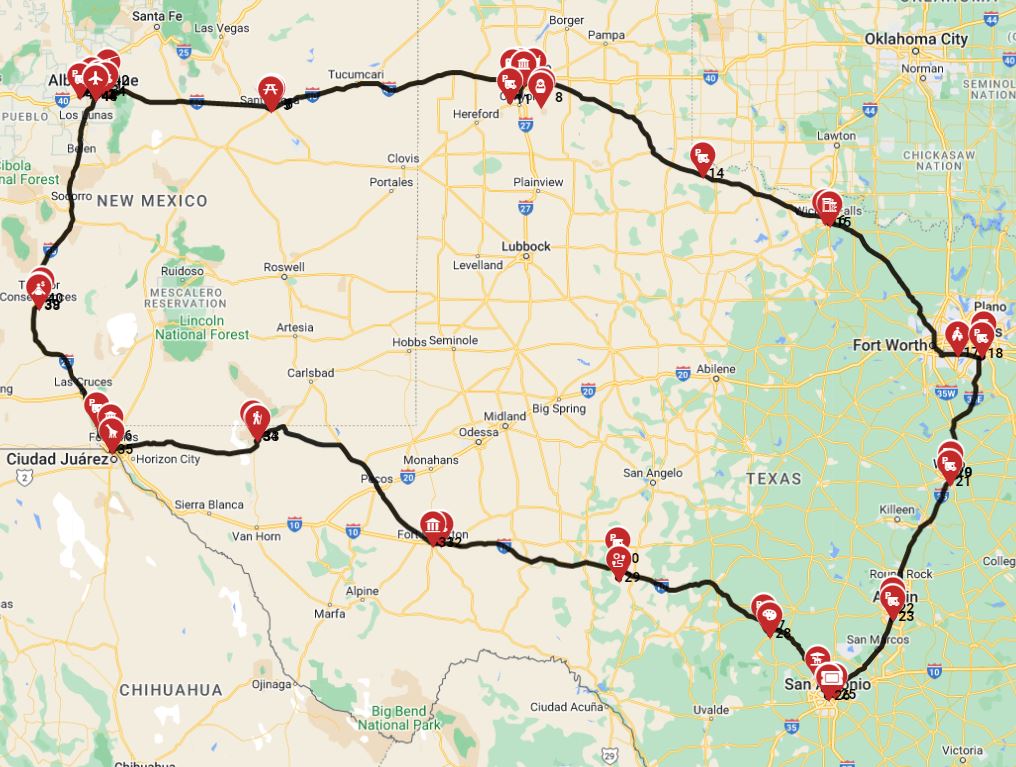
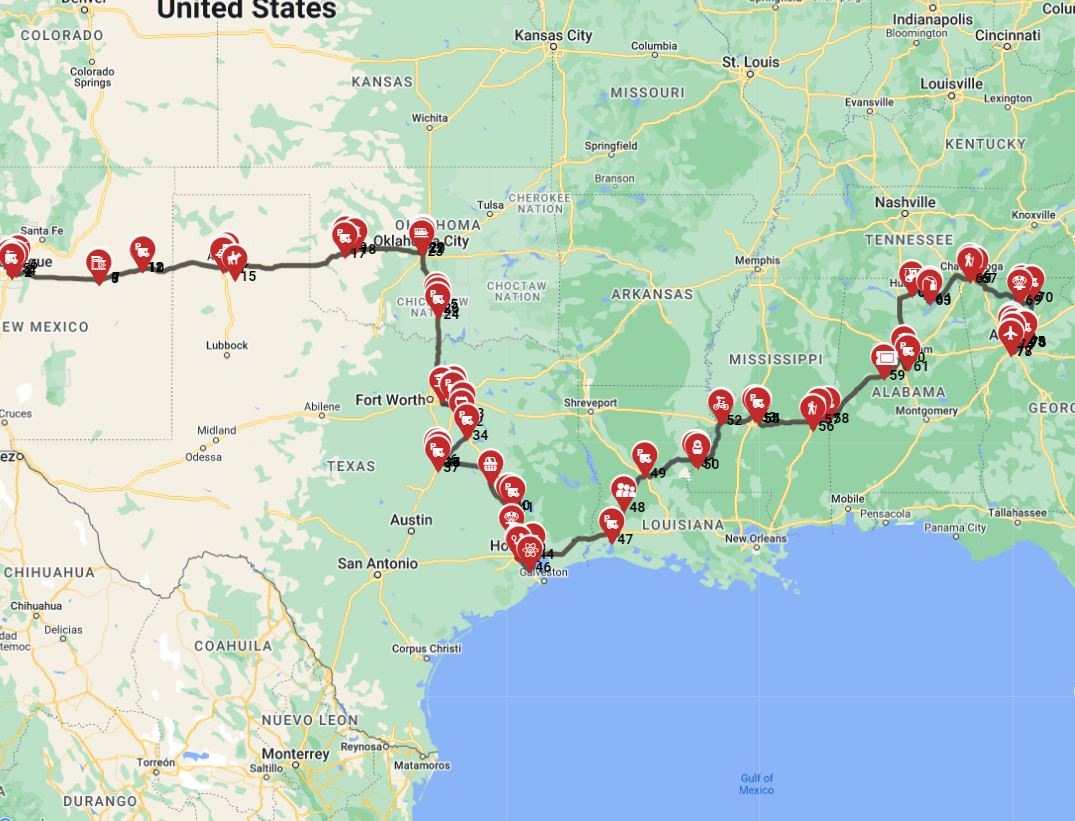
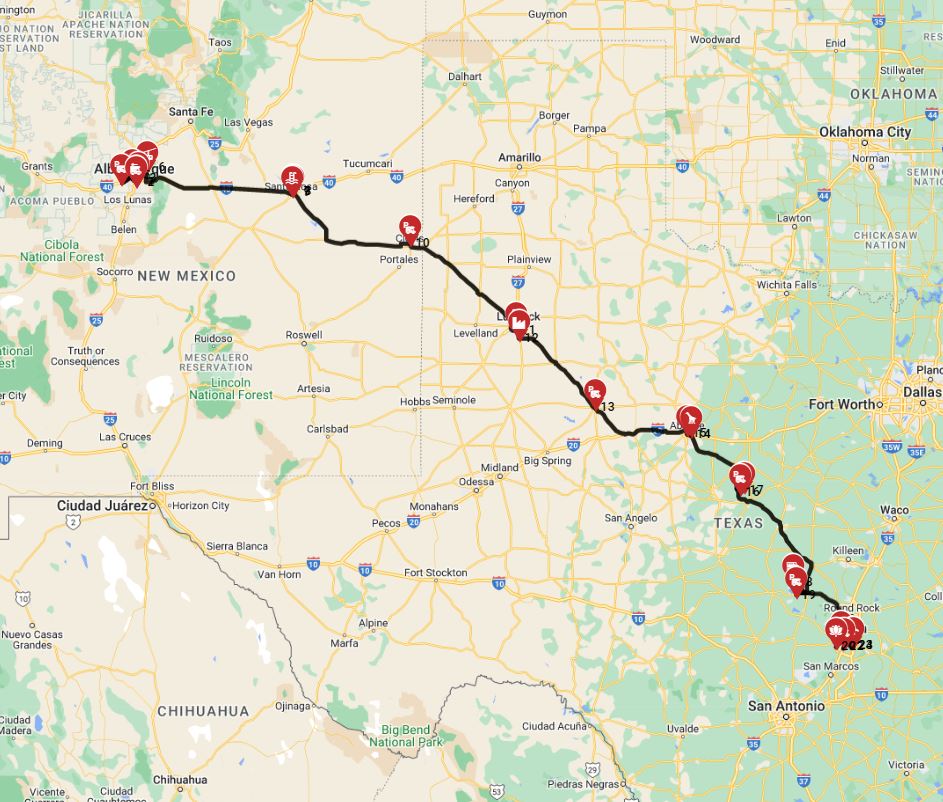
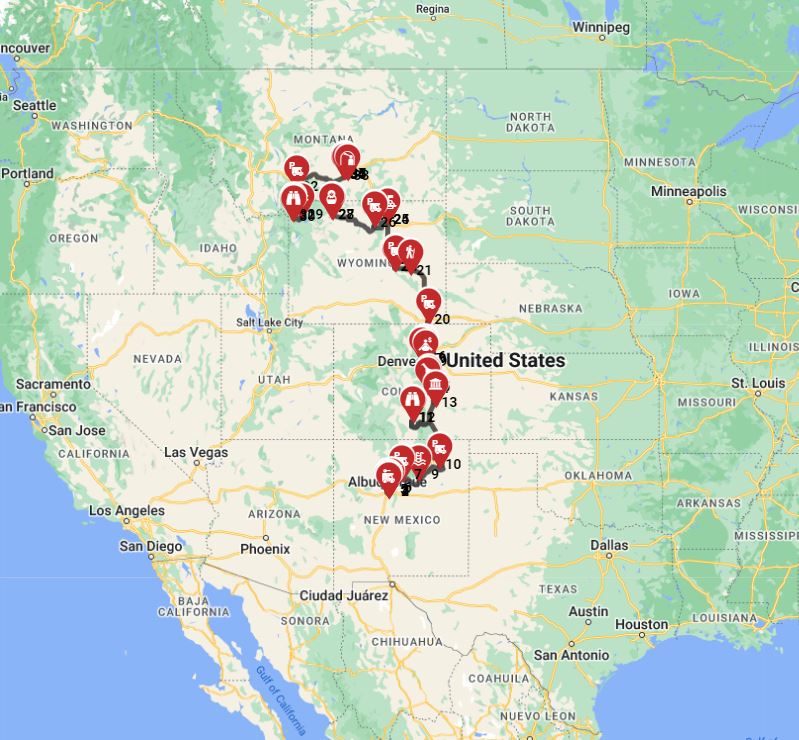
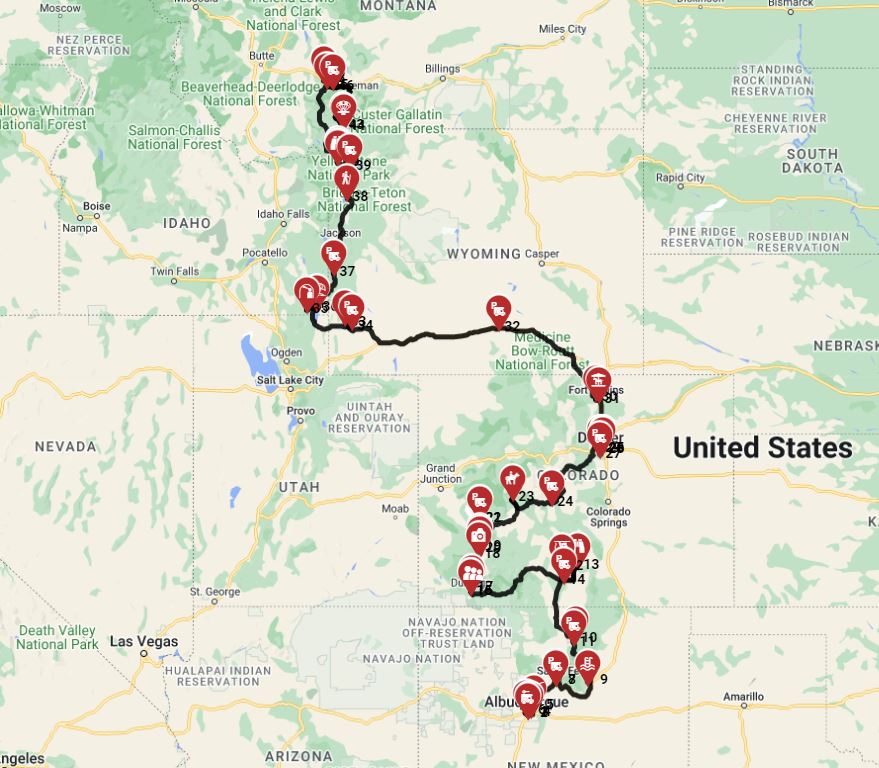
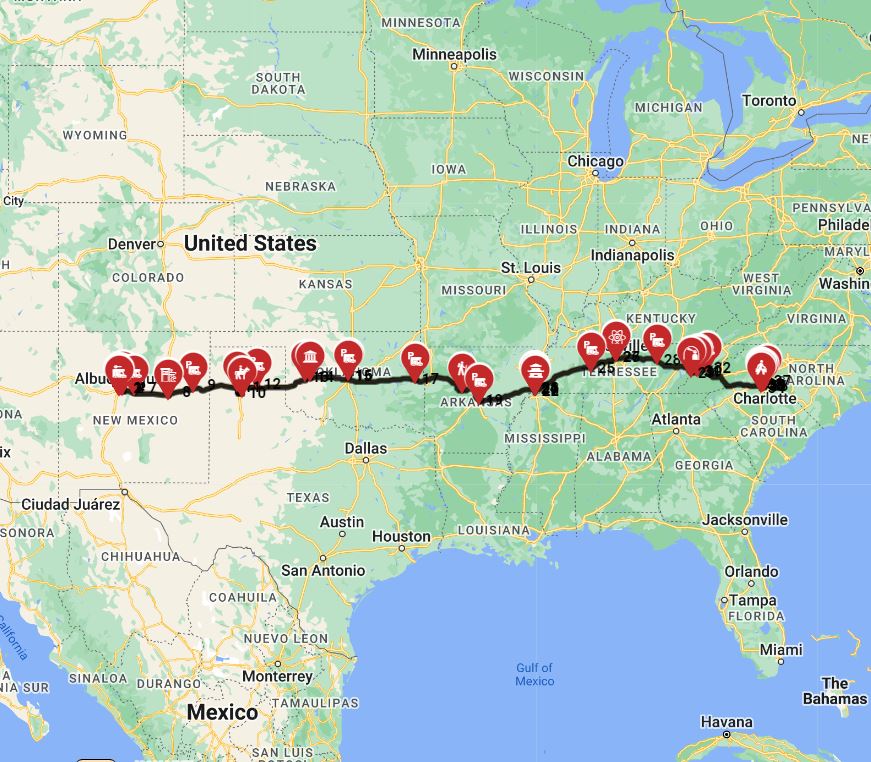
When selecting a family-friendly RV park in the USA, seek locations that adeptly balance natural beauty with ample amenities, including spacious sites, dedicated playgrounds, inviting swimming areas, and engaging organized activities designed for children. Ideal family RV parks often provide dedicated play structures, swimming pools or water features, mini-golf, and nature trails suitable for all ages. It's smart to consider the park's proximity to major family attractions like theme parks, national monuments, or beaches to enrich your travel itinerary. Prioritize parks with positive reviews from other families, highlighting cleanliness, safety, and the quality of their kid-focused programming. An example of a well-rounded option can be found on a route like "Billings to Orlando - Rockies to Disney: USA Motorhome Journey", which includes an amusement park and multiple family activities.
Hookups & Amenities - What to Expect
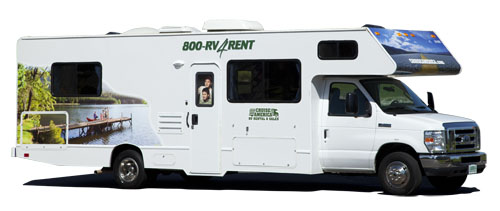
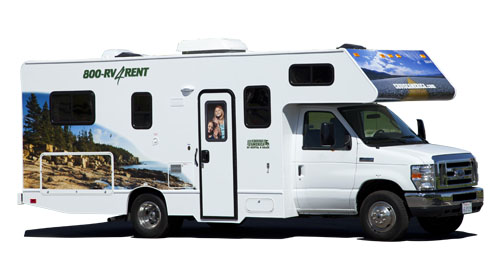
When camping with a rented RV in the USA, you can generally expect hookups to provide 30-amp or 50-amp electrical service, fresh water connections, and sewer connections on full hookup sites. These are crucial for powering your RV's appliances, lights, and air conditioning, and it's always smart to carry adapters for electrical connections. Fresh water hookups offer a continuous supply, where a water pressure regulator is recommended to protect your RV's plumbing from unexpected surges. Sewer hookups enable direct waste disposal from your grey and black water tanks, with dump stations available at nearly all campgrounds for those without full hookup sites. Beyond utilities, campground amenities vary significantly, from basic picnic tables and fire rings at National and State Parks to extensive offerings like pools, recreational halls, and planned activities at private resorts. Many modern motorhomes, like the "rv rentals example Comfort Class" which is Ideal for a big family / group of friends, come with full kitchens including a refrigerator and gas stove, allowing you to prepare RV-friendly recipes playlist on board.
Booking Windows & Reservations in USA
For family RV trips in the USA, securing a campsite at popular locations, especially within National Parks, often requires booking 6 to 12 months in advance. Many National Park campgrounds release reservations precisely six months prior to the date on Recreation.gov and are frequently booked within minutes for peak season dates. Private campgrounds typically allow bookings 6-12 months out, offering more flexibility but still necessitating advance planning for prime locations or dates. However, spontaneous travelers should not despair; many national and state park campgrounds reserve 25-30% of their sites as first-come, first-served (FCFS) options. Arriving early in the morning, ideally before 10 AM, significantly increases your chances of securing one of these spots. To ensure a smooth family trip, always call ahead to campgrounds before driving long distances to confirm availability, especially if you haven't secured a reservation.
Nearby Supermarkets & Resupply Points
When RV camping in the USA, major supermarket chains such as Walmart, Kroger, Safeway, and Publix are readily available for resupply needs and are often conveniently located near popular camping destinations. Walmart Supercenters are particularly useful, as many operate with extended hours and sometimes permit overnight RV parking, though it is critical to always ask for permission inside the store first, as policies vary by individual location and local ordinances. To efficiently locate grocery stores, dump stations, propane refills, and other essential resupply points along your route, utilize navigation apps like Google Maps or RV-specific apps such as AllStays or the planning tools offered by RV PLANET (rvplan.net). For longer trips or larger families, consider bulk stores like Costco or Sam's Club if you hold a membership, or explore local farmer's markets for fresh, regional produce that can enhance your onboard cooking experience.
Best RV Class for Camping in USA
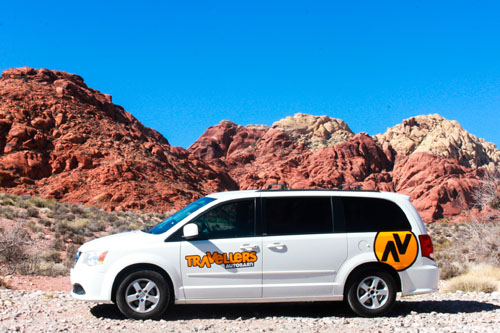
For family RV camping in the USA, Class C Alcove motorhomes are often considered ideal due to their balance of sleeping capacity and maneuverability. These units, which Bandana offers, average around 5.8 sleeping places and 4.4 adults, with an average length of 7.5m (approximately 24.6 feet), making them highly suitable for families, with dedicated sleeping areas and good living space. Their typical fuel consumption is about 10–12 Liters/100 km (roughly 19-23 MPG). For smaller families or those prioritizing ease of driving, Class B Campervans (averaging 3.2 sleeping places) provide a more compact and fuel-efficient option, perfect for navigating diverse landscapes, including cities. Drive slowly and carefully, and you can drive almost anywhere without issues. No need to stress - just use common sense and pay attention. For maximum comfort and space, Class A Integrated RVs average 4.4 sleeping places and 4 adults at around 7.5m in length, ideal for larger families, offering luxurious amenities, though they are generally less nimble. While Bandana rents Class TC - Truck Campers, these are generally better suited for smaller groups or couples due to their more limited internal space compared to other motorhome classes. We also offer other popular models like a "cruise america rv rental example Explorer" which has 4 sleeping places and a 75-liter fuel tank.
How to Save on Campgrounds in USA
To maximize savings on your family RV camping trip in the USA, consider leveraging campground discount cards, traveling during the shoulder season, and opting for municipal or regional campgrounds. Investing in memberships like Good Sam Club or Passport America can provide significant discounts, typically 10-50% off nightly rates at participating private campgrounds. Booking your adventure during the shoulder season (spring or fall) often results in lower rates, fewer crowds, and more pleasant weather compared to the peak summer months. Choosing municipal, county, or state park campgrounds usually offers a more budget-friendly option than private resorts, providing a good balance of amenities and natural settings for a family. Many campgrounds also offer discounted weekly or monthly rates, so planning longer stays (3+ nights at each stop) can substantially reduce your overall accommodation costs, helping you track every expense along the way with RV PLANET routes.
What are the best family RV parks in the USA?
The best family RV parks in the USA typically combine natural beauty with extensive amenities like pools and playgrounds, alongside organized activities. Top choices often include National Park Service campgrounds, which offer unparalleled access to natural wonders like those found in California, Arizona, or Alaska. KOA (Kampgrounds of America) locations provide consistent, family-friendly experiences with amenities such as swimming pools, playgrounds, and frequently scheduled activities across various US states. Themed resorts, like Jellystone Park Camp-Resorts, are specifically designed for families with children, featuring water parks, character meet-and-greets, and a wide array of kid-centric programs. When selecting a park, prioritize those with age-appropriate activities, clean facilities, spacious sites, robust safety measures, and positive reviews from other families.
What is the 3-3-3 rule for RV living?
The '3-3-3 rule' for RV travel is a widely adopted guideline suggesting RVers limit daily driving to no more than 300 miles, aim to arrive at their destination by 3 PM, and plan to stay for at least 3 nights to foster a relaxed and enjoyable journey. This guideline helps prevent driver fatigue, particularly important when traveling with children, and allows for more spontaneous stops along the way. Arriving at your chosen campground by 3 PM provides ample daylight for setting up your rented motorhome, getting acquainted with the local area, and addressing any potential issues before nightfall. Staying for a minimum of 3 nights at each location grants your family sufficient time to thoroughly explore local attractions, utilize campground amenities, catch up on chores like laundry, and truly unwind without the constant pressure of packing and unpacking.
What is the 4-4-4 rule for RV travel?
The '4-4-4 rule' for RV travel is another practical guideline recommending that RVers drive no more than 4 hours per day, cover no more than 400 miles (though often less depending on road conditions and vehicle, like a Class B Campervan), and strive to be settled at their campsite by 4 PM. This rule primarily aims to manage driver fatigue, recognizing that even short distances can feel longer with a larger vehicle. Driving for a maximum of 4 hours daily leaves plenty of time for sightseeing, meals, and spontaneous detours that make a family RV adventure memorable. Settling into your campsite by 4 PM provides a comfortable buffer before dark, allowing for relaxed setup and time to enjoy the evening. Both the 3-3-3 and 4-4-4 rules are informal recommendations designed to create a more leisurely and safe RV travel experience, especially beneficial for families who thrive on predictable routines.
Can I park my RV anywhere in the USA?
No, you cannot legally park your rented RV anywhere in the USA, as regulations vary significantly by state, county, and municipality. Parking a motorhome on private property requires explicit permission from the owner, and street parking in many urban and residential areas is prohibited by local ordinances. Overnight parking is often tolerated at certain businesses, such as Walmart, Cabela's, and Cracker Barrel, but it is always crucial to ask permission inside the store, as policies can differ by individual location and local laws. Dispersed camping, also known as boondocking, is legally permitted and free on millions of acres of public land managed by the Bureau of Land Management (BLM) and the US Forest Service (USFS), typically with a 14-day stay limit in any single location. When boondocking, always adhere to 'Leave No Trace' principles and verify specific area regulations, fire bans, and road accessibility with local ranger stations or official websites to avoid fines or towing.
What does FF mean in camping?
In camping terminology, 'FF' commonly stands for Full Hookups, indicating that a campsite provides electric, water, and sewer connections for your rented RV. A full hookup site, often abbreviated as FHU or FF, offers the highest level of convenience by providing direct access to all essential utilities. This eliminates the need to frequently move your motorhome for water refills or to visit a dump station to empty waste tanks. Electric hookups supply power for all your RV's onboard systems, water hookups deliver continuous fresh water directly to your faucets, and sewer hookups allow for direct waste disposal from your black and grey tanks. Understanding common RV jargon like 'FF' is crucial for new RVers to effectively communicate with campground staff and accurately interpret site descriptions when making reservations for their family adventure.
What You Shouldn't Miss
- Explore the dramatic landscapes of the Grand Canyon National Park in Arizona, where families can hike easy trails or simply admire the vast vistas.
- Experience the magic of Florida's theme parks, such as Disney World or Universal Studios, combining RV convenience with thrilling attractions.
- Drive a scenic coastal route along California's Highway 1, stopping at charming beach towns and wildlife viewing points.
- Discover the majestic beauty of Alaska, taking a rented motorhome to see glaciers and spot wildlife in Denali National Park.
- Immerse yourselves in the natural wonders of Yellowstone National Park, observing geysers, hot springs, and diverse wildlife from the comfort of your RV.
Looking for expert insights from Avi Bandana? Top 5 Adventures - recommendations from Avi Bandana
🎬 Video coming soon
Final Thoughts
A family RV camping adventure in the USA is more than just a vacation; it's an opportunity to create lasting memories, foster connections, and discover the incredible diversity of this vast country at your own pace. With a rented motorhome or campervan, you have the flexibility to chase sunsets, explore national parks, and uncover hidden gems, all while enjoying the comforts of home on the road. Remember to travel slowly, averaging a maximum of 100-150 km per day, allowing your family to truly immerse themselves in the local culture, food, and scenery.
Whether you're a meticulous planner who likes everything organized months in advance or a spontaneous traveler who prefers to book day-to-day, the USA offers abundant opportunities for RVers. Even for popular national parks, many sites are available on a first-come, first-served basis, so you'll always find a spot. If not at the first campground, then the next one. Just call ahead before driving to confirm availability. So, pack your bags, choose your ideal family RV rental in USA, and hit the open road for an unforgettable experience!
Compare family RV Rental Prices for USA Now