In This Guide
- Where to Camp in Washington DC - Top Options
- Campground Types in Washington DC (National, Private, Wild)
- Featured RV Park or Campground in Washington DC
- Hookups & Amenities - What to Expect
- Booking Windows & Reservations in Washington DC
- Nearby Supermarkets & Resupply Points
- Best RV Class for Camping in Washington DC
- How to Save on Campgrounds in Washington DC
- Where can I park my RV in Washington DC.?
- Is Washington DC. RV friendly?
- Is Washington, D.C. RV friendly?
- How to book campsites in the US?
- Do I need to book campsites in advance?
- What campgrounds are near Washington DC metro stations?
- How do I choose a good campsite?
- What You Shouldn't Miss
Where to Camp in Washington DC - Top Options
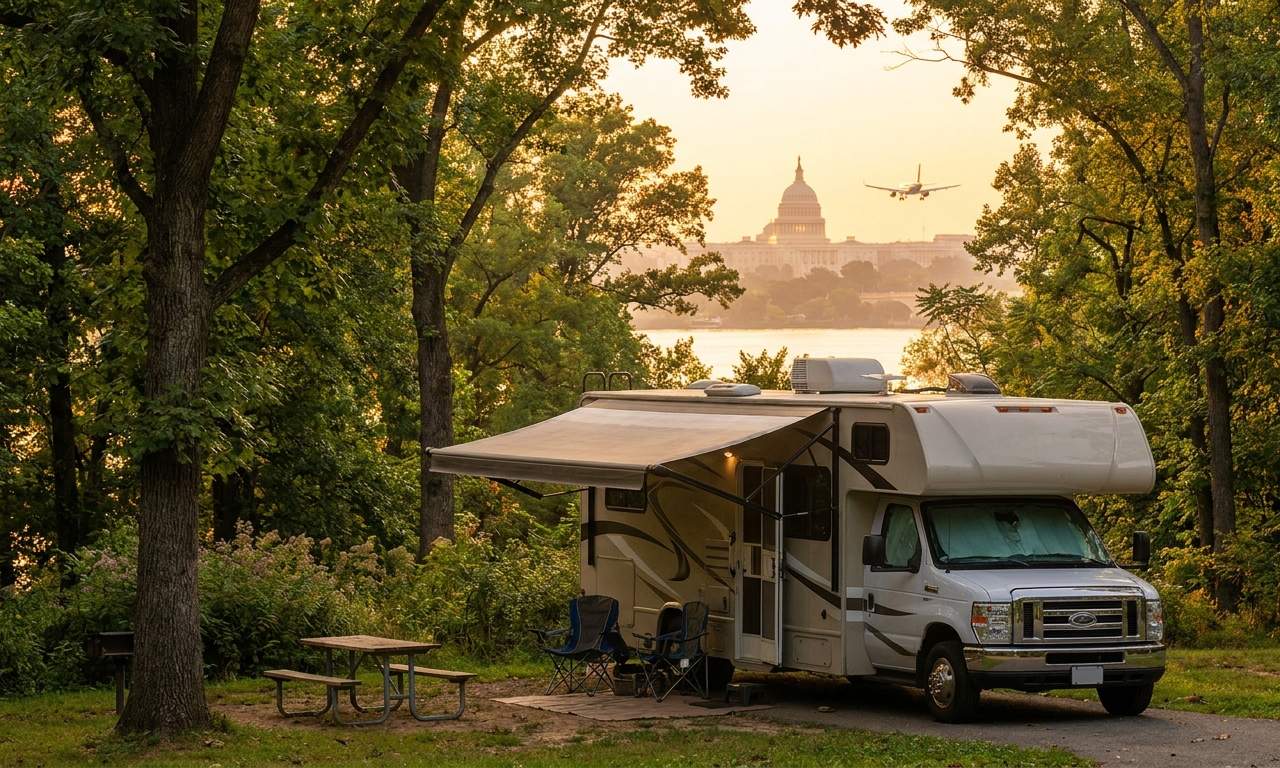
RV camping directly within Washington DC is generally not feasible due to urban regulations and limited space; therefore, the best options are found in the surrounding Maryland and Virginia suburbs. These campgrounds offer a peaceful retreat while providing convenient access to the city's iconic landmarks. Prioritize campgrounds that feature shuttle services or are strategically located near Metro stations, enabling effortless journeys into the heart of Washington DC. Popular choices often include full-service private parks or state/national parks slightly further out, which might offer fewer amenities but immerse you in more natural settings. Our focus is always on ensuring your comfort and ease of travel.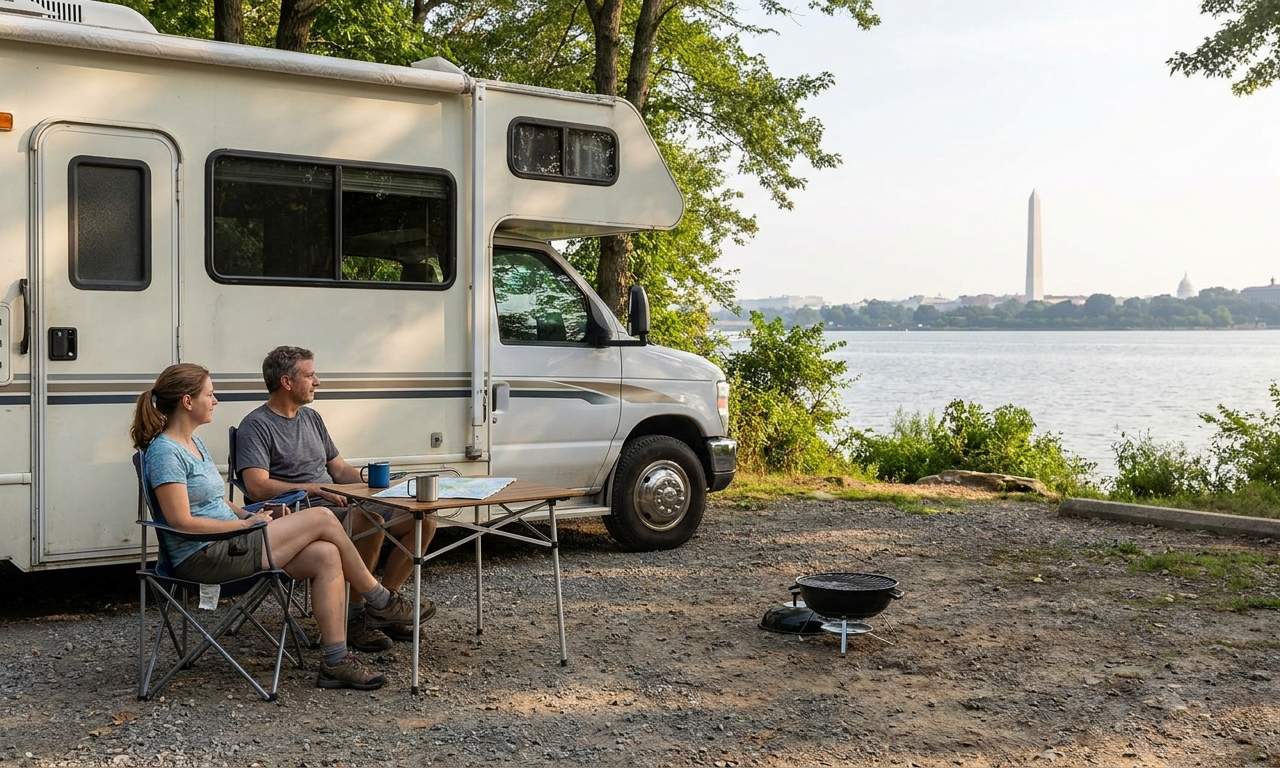
Campground Types in Washington DC (National, Private, Wild)
RVers visiting the Washington DC area primarily choose between private campgrounds offering full amenities and some state or county parks located within an hour's drive in Maryland or Virginia. Private campgrounds, such as Cherry Hill Park in College Park, MD, are the most common choice, providing full hookups (30/50 amp electric, water, sewer), Wi-Fi, laundry facilities, and often recreational amenities like swimming pools. While these tend to be pricier, they offer convenience, security, and proximity to public transit. State or county parks, like Greenbelt Park (National Park Service), provide a more natural, wooded setting, typically with electric hookups but sometimes requiring shared water spigots and central dump stations. Wild camping or boondocking is generally not permitted or practical within Washington DC's immediate metropolitan area due to strict parking regulations and high population density; legal wild camping options typically require traveling several hours to vast public lands such as National Forests.Featured RV Park or Campground in Washington DC
When selecting a featured RV park near Washington DC, travelers, particularly seniors, should prioritize proximity to public transit, full hookups, and security to ensure a comfortable and convenient visit. Cherry Hill Park in College Park, Maryland, is a prime example, widely regarded as the closest full-service private campground to the city. It offers a direct shuttle service to the College Park Metro Station (Green Line), making it easy to reach central DC attractions without needing to drive your rented motorhome. The park provides full hookups (both 30-amp and 50-amp electrical service, water, and sewer connections), clean bathhouses with hot showers, laundry facilities, and even a general store for convenience. Its established reputation and positive visitor reviews consistently highlight its safety and big-rig friendly sites, accommodating a range of RVs from compact Class B campervans to larger Class A motorhomes.Hookups & Amenities - What to Expect
Most private RV campgrounds near Washington DC offer essential hookups including 30 or 50 amp electric service, water, and sewer connections, ensuring a comfortable stay in your rented motorhome. Both 30-amp and 50-amp electrical services are standard at private parks, so always confirm the specific needs of your RV rental when booking. Potable water hookups are typically available at each site, and full sewer hookups allow for convenient waste disposal, eliminating the need to frequently move your RV to a dump station. Beyond basic utilities, common additional amenities often include Wi-Fi, although signal strength can vary depending on your site location, along with laundry facilities, clean bathhouses featuring hot showers, and sometimes swimming pools or recreational areas for relaxation. Even if your chosen site lacks a direct sewer hookup, most campgrounds provide a central dump station for waste disposal.Booking Windows & Reservations in Washington DC
RV travelers planning a visit to Washington DC should book campsites well in advance, especially for peak seasons like spring (Cherry Blossom Festival in late March/early April) and fall, to secure preferred spots. For popular private parks like Cherry Hill Park, aiming to book 3-6 months out is advisable, particularly if you desire specific site types or are traveling during major events. However, spontaneous travelers shouldn't despair, as it's often possible to find same-day or next-day availability by calling campgrounds directly. Many National Park Service campgrounds in the broader region, such as Greenbelt Park, release only 25-30% of spots for advance reservations, leaving the remainder as first-come, first-served options. Always call ahead to confirm availability before driving to a campground if you do not have a reservation, ensuring a smooth arrival for your RV trip.Nearby Supermarkets & Resupply Points
RVers camping near Washington DC will find numerous supermarket chains in the surrounding Maryland and Virginia suburbs, making resupply trips for your rented motorhome both easy and convenient. Major grocery chains such as Giant Food, Safeway, Harris Teeter, Wegmans, and Walmart Supercenters are typically located just a short drive from most area campgrounds, including those near College Park and Greenbelt. These stores provide a comprehensive range of provisions for your RV trip, from fresh produce and specialty items for your RV-friendly recipes playlist to camping essentials and personal care products. Planning your grocery stops before heading into the city can save time and help you itemize and track every expense along the way with RV PLANET routes for easy budgeting. RV-friendly recipes playlistBest RV Class for Camping in Washington DC
For RV camping near Washington DC, Class B Camper Vans and Class SI Semi-integrated RVs are often the most practical choices due to their maneuverability, fuel efficiency, and suitability for navigating suburban areas and smaller campground sites. A Class B Camper Van, averaging 5.8m in length with 3.2 sleeping places and 2.7 adults, offers excellent fuel consumption around 8-10 Liter/100 km, making it easiest to drive and park in urban fringes, though with limited storage space. Alternatively, a Class SI Semi-integrated motorhome, averaging 6.9m in length with 3.8 sleeping places and 3.4 adults, typically consumes 10-11 Liter/100 km, striking a good balance between interior space and maneuverability for small families or couples, making them manageable for suburban campgrounds. Larger RVs like Class C Alcove (avg. 7.5m, 10-12 Liter/100 km) or Class A Integrated (avg. 7.5m, 8-12 Liter/100 km) offer more interior space but can be more challenging to maneuver and park in the DC metropolitan area, best suited if you plan to stay put at a campground and rely heavily on public transport or ride-shares. You can compare various models by checking our "RV Rental Virginia - Complete Guide 2026" for broader options.How to Save on Campgrounds in Washington DC
RV travelers can significantly save on campground fees near Washington DC by utilizing discount cards, booking during the shoulder season, and opting for municipal or regional parks. Many RV rental providers, including Bandana, may offer membership or discount cards that can provide 10-15% off at participating campgrounds, so inquire about these when you rent your motorhome. Visiting during late spring (May) or early fall (September-October), outside of the intense Cherry Blossom peak or peak summer tourist crowds, typically yields lower rates and fewer people, offering a more serene experience. Municipal or regional campgrounds, while sometimes having fewer amenities, are often more affordable than private resorts. Booking for an extended period, such as a week-long trip, can often qualify you for a reduced weekly rate, providing significant savings compared to nightly stays. If traveling with other RVers, consider campgrounds that allow sharing hookups or offer group sites for potential cost savings, always checking park rules beforehand.Where can I park my RV in Washington DC.?
RV parking directly within Washington DC for an extended period is generally not permitted or practical due to strict city parking regulations and extremely limited space. Instead, RVers should plan to park their rented motorhome at campgrounds in the surrounding Maryland and Virginia suburbs and then utilize public transportation to reach city attractions. Street parking for RVs is often prohibited or severely restricted in DC, and most parking garages have height and length limits that exclude RVs, even smaller campervans. For day trips into the city, it is always advisable to leave your RV safely at the campground and use public transit or ride-share services. Designated oversized vehicle parking lots are rare, expensive, and often inconveniently located. Staying at a dedicated campground, such as Cherry Hill Park or Greenbelt Park, provides better security for your RV and belongings, offering peace of mind while you explore the capital.Is Washington DC. RV friendly?
Washington DC itself is not RV-friendly in terms of driving, parking, or overnight stays within the city limits, but the surrounding metropolitan area is highly RV-friendly, offering several campgrounds in Maryland and Virginia that provide convenient access to the capital via public transportation. City streets are often narrow, congested, and challenging for larger RVs (like a Class A or C model, averaging 7.5m in length) to navigate, making suburban campgrounds a necessity. Campgrounds just outside the city provide full amenities and often feature shuttle services or close proximity to Metro stations, serving as an ideal base for your exploration. Drive slowly and carefully, and you can drive almost anywhere without issues. No need to stress - just use common sense and pay attention. Smaller RVs, such as Class B camper vans (avg 5.8m length) or Class SI semi-integrated RVs (avg 6.9m length), will have an easier time navigating suburban roads and campground sites, though all RVs will typically rely on public transport for actual city exploration. Our "Driving an RV in Washington DC - Complete Guide 2026" offers more detailed driving tips.Is Washington, D.C. RV friendly?
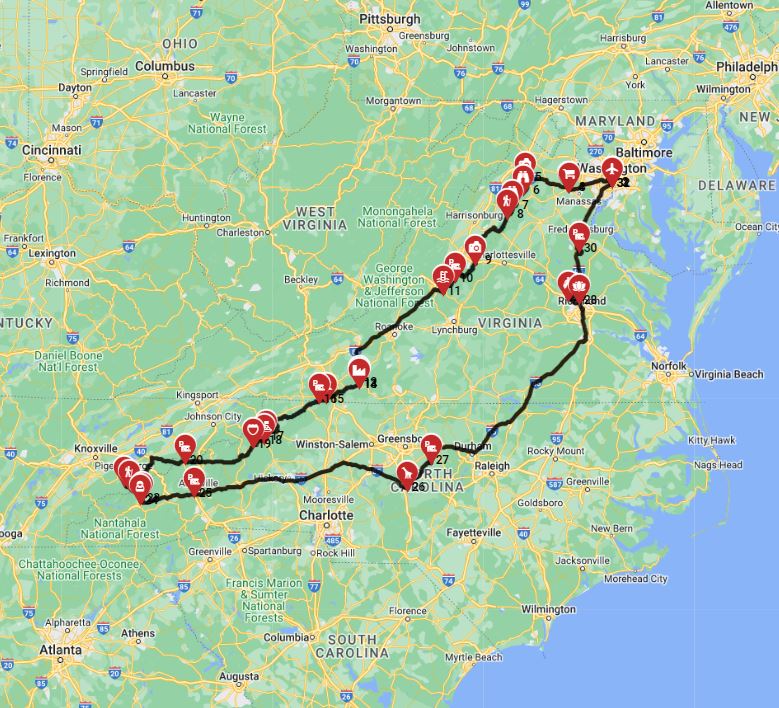
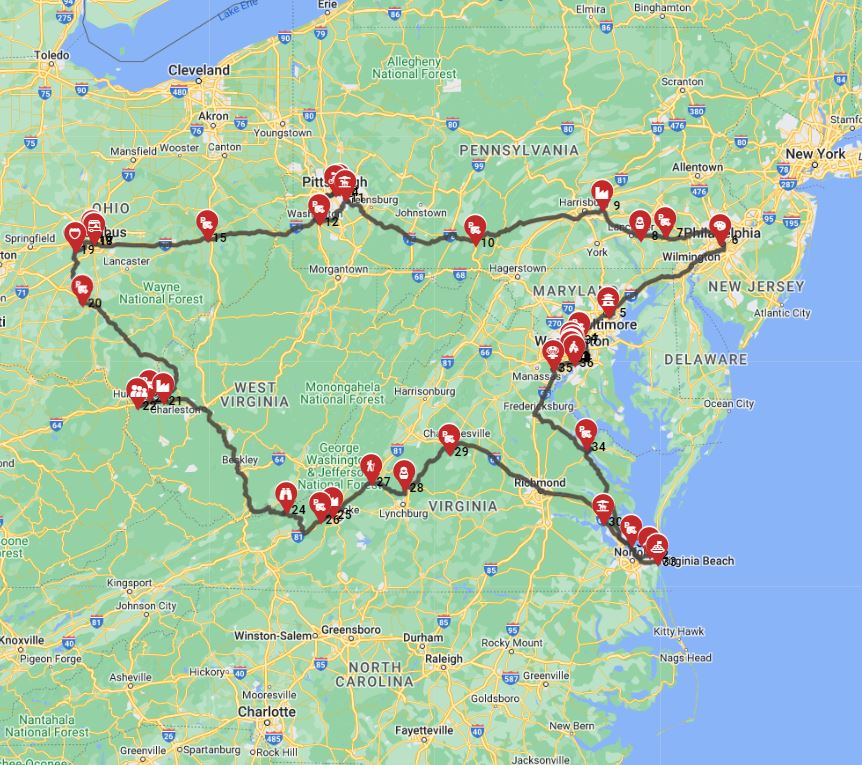
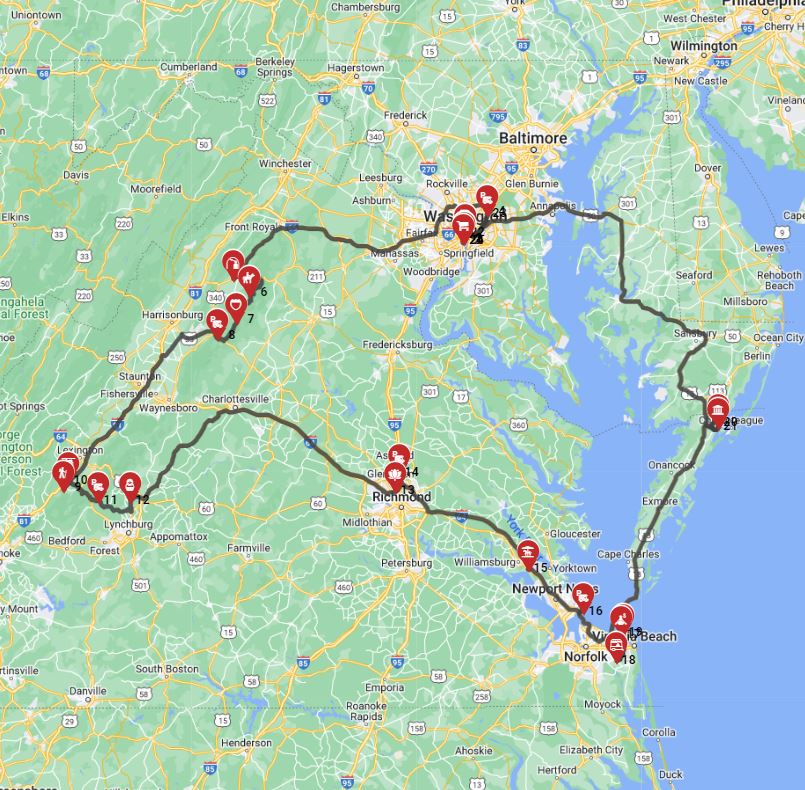
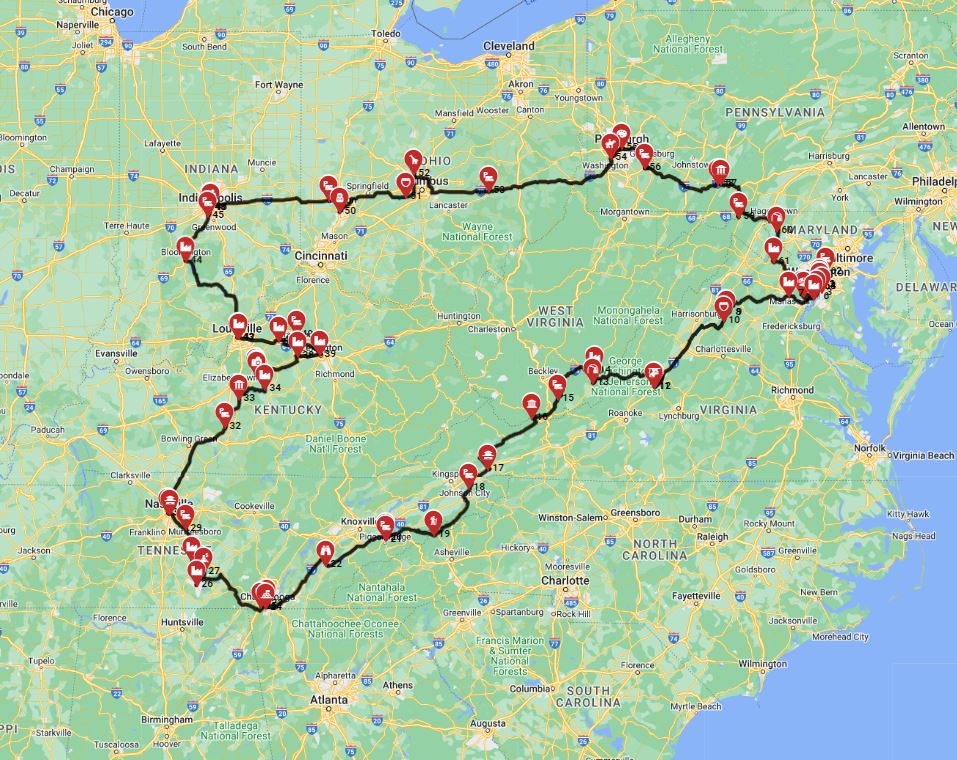
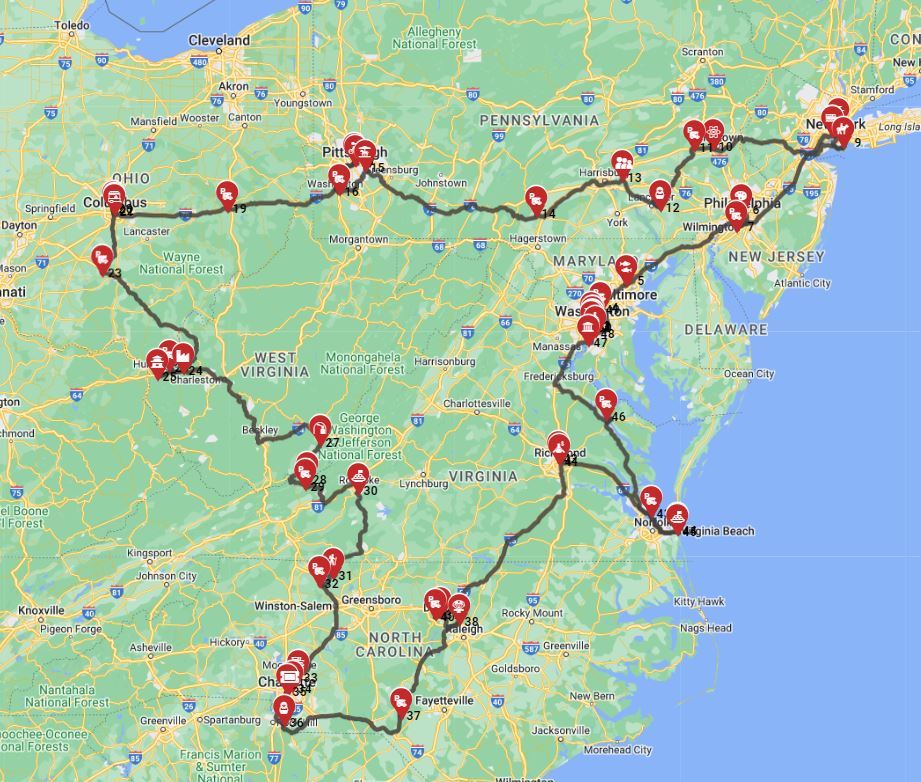
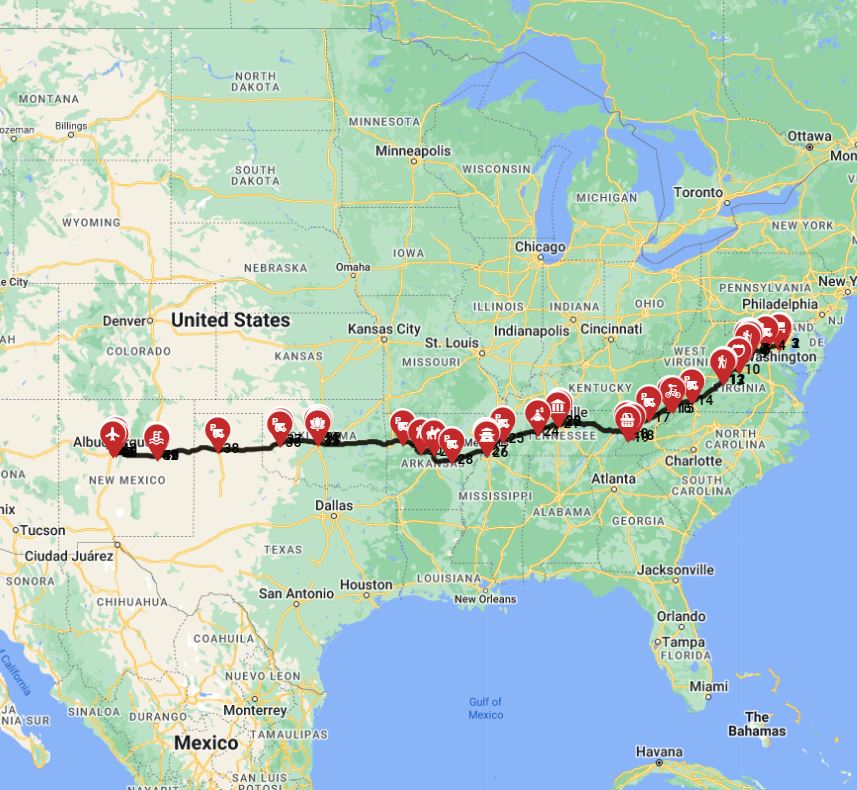
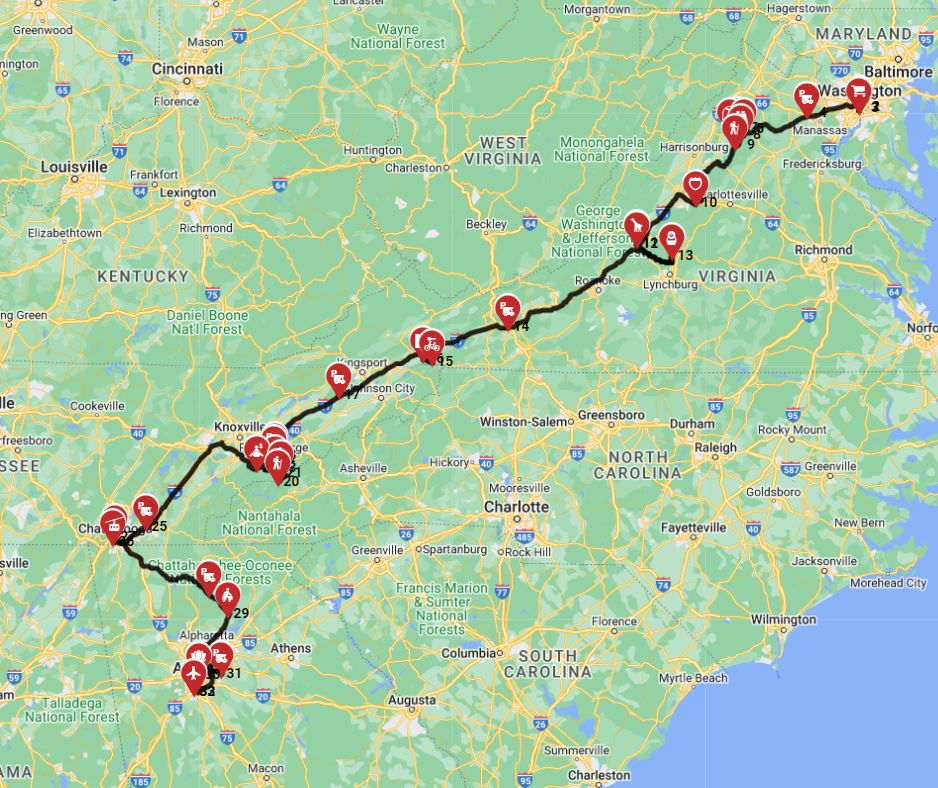
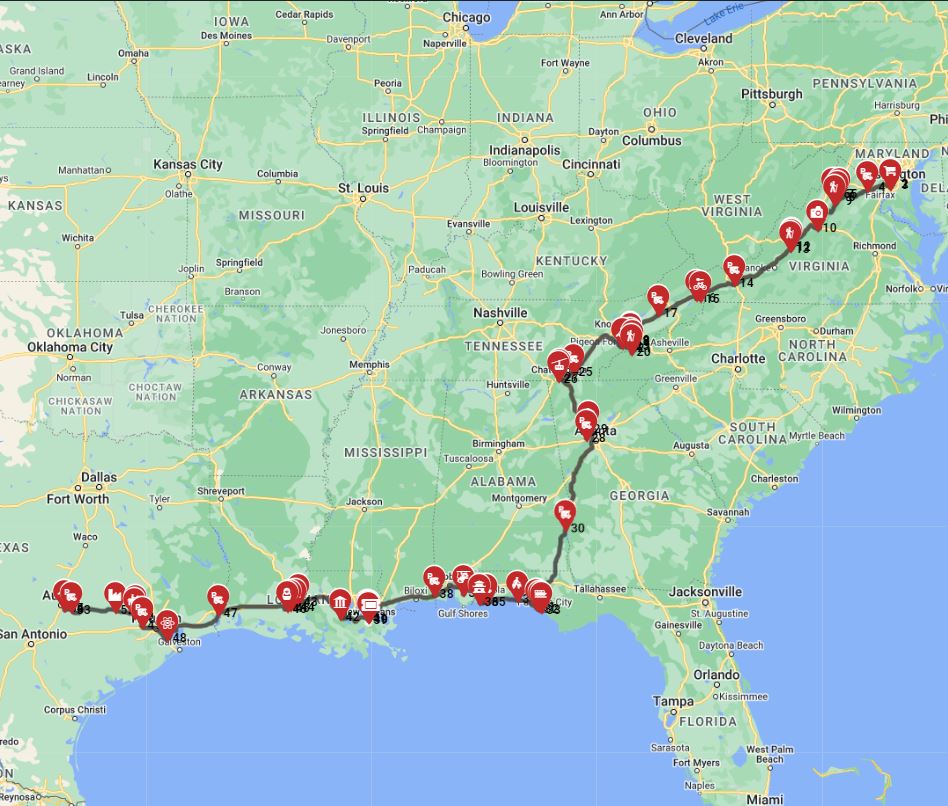
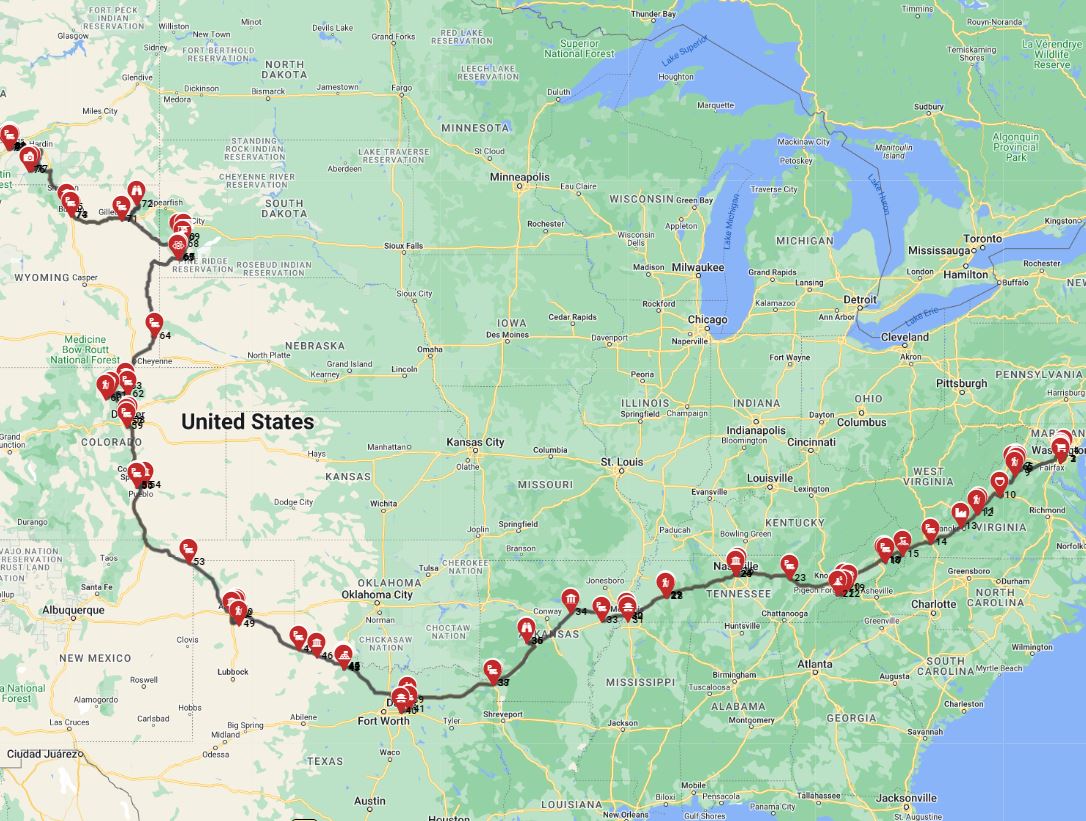
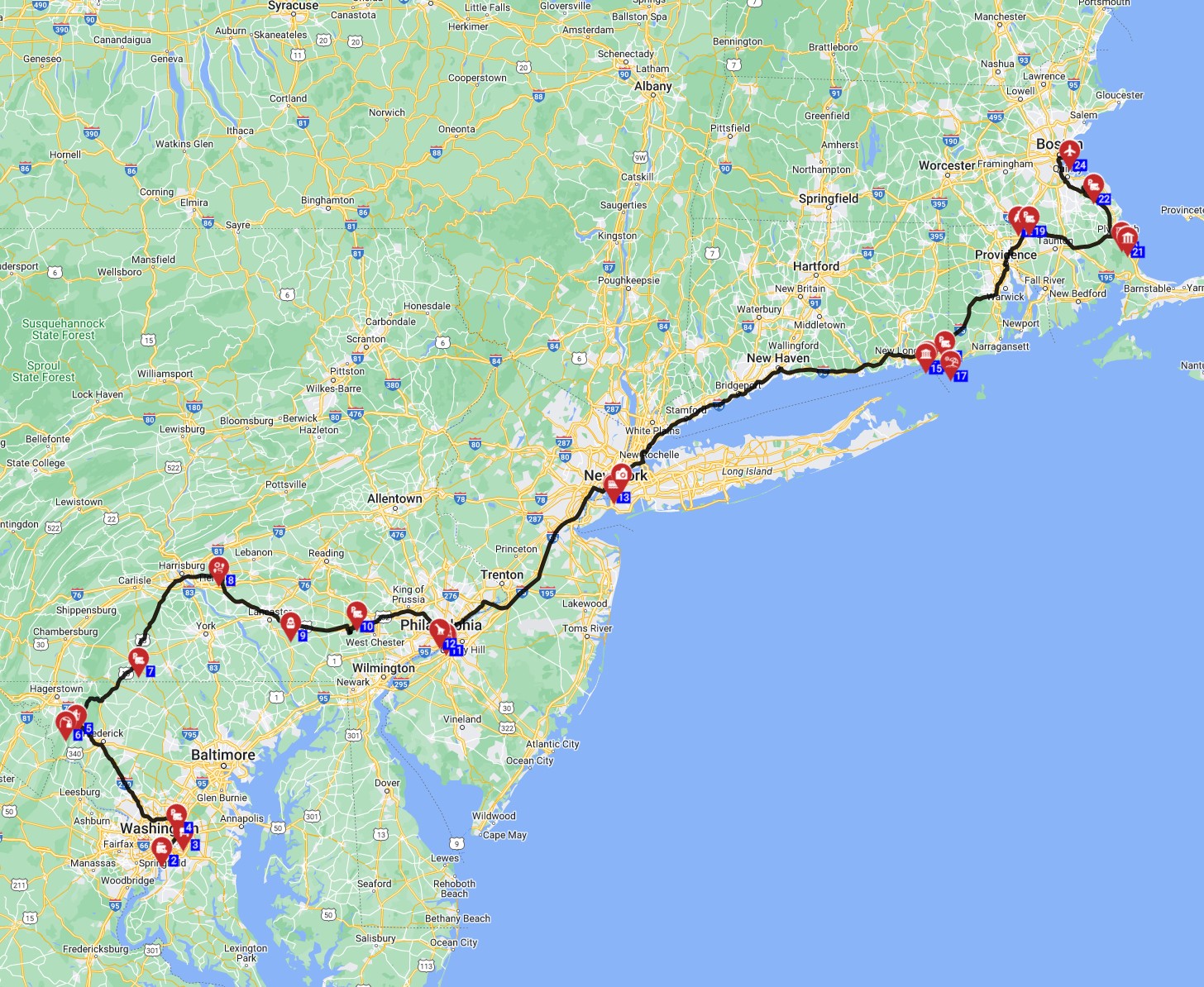
While direct RV travel and parking within Washington D.C. are impractical, the broader D.C. metropolitan area is indeed RV-friendly when utilizing suburban campgrounds and efficient public transportation networks for accessing city attractions. From Cherry Hill Park in College Park, Maryland, you can take the F6 bus directly from the campground to the College Park Metro Station (Green Line); the total travel time to central DC (e.g., L'Enfant Plaza, near the Smithsonian museums) is approximately 45-60 minutes, including the bus transfer. From Greenbelt Park, located just 5-10 minutes from the Greenbelt Metro Station (Green Line), campers can drive or use a ride-share to the station, allowing 30-45 minutes to reach central DC stations like Metro Center. The Metro Rail is the most efficient way to navigate DC; acquire a SmarTrip card for seamless travel. Buses are useful for connecting areas not directly served by Metro, particularly for transfers between campgrounds and Metro stations. Ride-share services (Uber/Lyft) provide convenient door-to-door options, especially in the evenings, but can be costly during peak hours. Before your trip, download essential apps like WMATA (Metro), Google Maps, and ride-share services. Fill your RV's fuel tank before reaching the campground, as urban gas stations can be challenging for larger vehicles (e.g., Class C Alcove RVs average 10-12 Liter/100 km). Plan your dump station visits and conserve water if you are not at a full-hookup site. Research pet-friendly parks (like the National Mall for leashed dogs) and local kennel options, as many DC attractions do not permit pets inside. Ensure all RV compartments are locked, windows are closed, and consider a dash cam if parking at a Metro station's daily lot. The best times for an RV trip to Washington DC are spring (Cherry Blossoms) and fall for pleasant weather, though these are also peak seasons; summer can be hot and humid, while winter is less crowded but cold. You can discover more tips by watching our "RV Travel Guide to Washington DC - Tips and Top Spots 2026". For extended adventures that include Washington DC, consider these expertly designed itineraries from RV PLANET:How to book campsites in the US?
Booking campsites in the US typically involves using online reservation systems for national parks (Recreation.gov), state parks (various state-specific sites), or private campgrounds (Campendium, ReserveAmerica, or directly through park websites). For popular destinations like those near Washington DC, proactive planning is crucial as national parks often open reservations 6 months in advance and tend to fill up quickly. Many online platforms allow you to filter by essential requirements such as hookups, RV length, pet-friendly policies, and desired amenities, ensuring you find the perfect spot for your rented motorhome. Remember that many national and state parks reserve only 25-30% of spots for reservations, with the remainder being first-come-first-serve. You'll find a spot. If not at the first campground, then the next one. Call ahead before driving.Do I need to book campsites in advance?
Yes, booking campsites in advance is highly recommended when visiting popular destinations like Washington DC, especially during peak seasons, weekends, or holidays, to ensure availability and secure preferred sites. For instance, peak seasons such as spring (Cherry Blossom Festival) and summer, or holiday weekends, see significantly higher demand, making advance reservations essential for securing a spot for your rented motorhome. While flexibility with dates or a willingness to stay further from the city might allow for last-minute spots, securing your reservation at least 2-3 months out, or even 6 months for prime times, is strongly advised for a comfortable and stress-free Washington DC trip. You can always call campgrounds directly on your travel day to inquire about last-minute availability.What campgrounds are near Washington DC metro stations?
Several RV-friendly campgrounds in the Washington DC metropolitan area offer convenient access to Metro stations, significantly easing travel into the city without needing to drive your RV. Cherry Hill Park in College Park, MD, is widely considered the closest full-service private campground to DC, offering a shuttle directly to the College Park Metro Station (Green Line) and bus service from the park entrance. This park is ideal for those seeking comprehensive amenities, including full hookups (30/50 amp), resort-style features like pools and a hot tub, a café, store, and laundry, all while being big-rig friendly. Another option is Greenbelt Park in Greenbelt, MD, a National Park Service campground providing a more rustic, wooded, and quiet environment. While more affordable, it offers fewer amenities (no showers in some loops, only vault toilets, and 30 amp electric only with central dump stations), but it is very close to the Greenbelt Metro Station (Green Line). Campers typically drive or use a ride-share for the short 5-10 minute trip to the station from this park. For campers prioritizing extensive amenities and direct transit convenience, Cherry Hill Park stands out, whereas Greenbelt Park appeals to those seeking a more natural setting and a budget-friendly option with good Metro access.How do I choose a good campsite?
Choosing a good campsite involves evaluating factors like location, amenities, price, user reviews, and accessibility to attractions or desired activities to ensure a suitable RV experience for your trip to Washington DC. For a DC trip, prioritize campgrounds with easy access to public transit or a reasonable drive time to Metro stations to minimize city driving for your rented motorhome. Determine your essential needs, such as full hookups (electric, water, sewer), reliable Wi-Fi, laundry facilities, hot showers, and pet-friendly policies, before narrowing down your options. Compare daily and weekly rates across different campgrounds, considering whether additional amenities justify higher costs. Consulting platforms like Campendium or Google Maps for recent camper feedback on site quality, noise levels, management, and security is invaluable. Also, look for details on site size to ensure it can comfortably accommodate your RV length (e.g., a "cruise america rv rental example Explorer" is 7.1m long), as well as levelness, shade availability, and privacy. Ultimately, select a campground that best facilitates your planned activities, whether it's historical tours in DC, hiking, or cycling in surrounding parks like Rock Creek Park.What You Shouldn't Miss
- **The National Mall & Smithsonian Museums:** Spend days exploring iconic monuments like the Lincoln Memorial and Washington Monument, then dive into the free Smithsonian museums, like the National Museum of Natural History or the National Air and Space Museum.
- **Georgetown's Historic Charm:** Wander through the cobblestone streets of Georgetown, known for its beautiful architecture, boutique shops, and diverse dining options. It's a fantastic spot for slow travel, enjoying the atmosphere, local food, and culture.
- **Mount Vernon Estate, Museum & Gardens:** Just a short drive south from DC, George Washington’s historic estate offers a deep dive into colonial history and stunning views of the Potomac River. It's easily accessible with your rented RV for a day trip.
- **Arlington National Cemetery:** A poignant and powerful site, offering a serene experience with the Tomb of the Unknown Soldier and the Kennedy gravesites. Public transport makes this accessible from nearby campgrounds.
- **National Harbor:** Located on the Potomac River in Maryland, this vibrant waterfront destination offers dining, shopping, and entertainment, including the Capital Wheel. It's a great evening out, accessible from eastern suburban campgrounds.
- **Bike the Capital Crescent Trail:** For active seniors, this 11-mile paved trail offers a scenic, car-free route from Bethesda, MD, into Georgetown, providing a unique perspective of the area and a break from city crowds.
🎬 Video coming soon
Looking for expert insights from Avi Bandana? Top 5 Adventures - recommendations from Avi Bandana
Why Book with Bandana Caravan
Full Transparency: No Hidden Fees, No Surprises
At Bandana RV, what you see is what you pay. We believe in clear, upfront pricing so you can budget with confidence for your Washington DC motorhome rental. There are no hidden charges or unexpected fees at pickup, just honest, straightforward rates.
24/7 Support: Real People Behind You
We're with you every step of your RV rental journey, from comparing options to confirming your booking. Our dedicated team offers comprehensive support before, during, and after your reservation, ensuring you always have a real person to assist with your Washington DC RV rental needs.
Top-Level Deductible Reimbursement: Travel with Peace of Mind
For extra peace of mind on your Washington DC adventure, you can upgrade to a top-level deductible for your motorhome rental. This optional addition provides enhanced financial protection, letting you relax and enjoy the journey without unnecessary stress.
Rent&Plan: Pre-planned Routes by Professionals
Discover the best of Washington DC and beyond with our Rent&Plan service. Access over 1,300 professionally pre-planned routes across 5 continents via our sister company, RV PLANET (rvplan.net), designed to maximize your adventure. You can choose from exciting itineraries like the "

Since its founding in 2001, Bandana RV has spent over 23 years helping tens of thousands of travelers explore the world by RV. We maintain direct partnerships with 50+ leading RV suppliers worldwide, including trusted names like El Monte, Cruise America, Apollo, and Britz. Our bookings are available in 30+ currencies with full price transparency and no hidden conversion commissions. With coverage across 50+ countries, we bring local expertise and support to every booking, ensuring we handle the details so you can live the journey.
Compare Motorhome Prices for Washington DCFinal Thoughts
Exploring the rich history and vibrant culture of Washington DC by rented RV offers an unparalleled travel experience, especially for seniors seeking comfort and flexibility. By planning your suburban campground stays and utilizing the city’s efficient public transportation, you unlock the freedom to explore at your own pace without the worries of urban RV parking. From the iconic monuments to charming neighborhoods, your motorhome serves as a welcoming home base after each day's adventures. At Bandana RV, we are dedicated to ensuring your Washington DC RV adventure is smooth and memorable. We provide full transparency on pricing, reliable support, and access to expertly curated route plans, making your planning process effortless. So, pack your bags, prepare your route, and get ready to discover the nation’s capital with the peace of mind that comes from knowing every detail is handled. Your next great journey awaits! Find Motorhome Rentals in Washington DCOn the routes offered through RV PLANET routes, you can itemize and track every expense along the way for easy budgeting.