For live availability and current prices, start with our RV Rental Washington DC - Complete Guide 2026 guide.
In This Guide
- The 4 RV Families Compared for Washington DC
- Class A (Integrated) - Best For
- Price Comparison by RV Class in Washington DC
- Class SI (Semi-Integrated) - Best For
- Class C (Alcove) - Best For
- Class B (Campervan) - Best For
- Side-by-Side Comparison Table
- Our Recommendation for rv rental Travelers in Washington DC
- Which RV rental platform is the best?
- What is the 3-3-3 rule for RVs and campers?
- Is it cheaper to rent an RV or stay in a hotel?
- Is Washington, D.C. RV friendly?
- What is the most affordable area to live near DC?
Embarking on an RV adventure in Washington DC offers a unique way to experience the nation's capital and its surrounding natural beauty. With a rented RV, you gain the freedom to explore at your own pace, from iconic monuments to charming small towns in Virginia and Maryland. For live availability and current prices, start with our RV Rental Washington DC - Complete Guide 2024 guide, which covers essential planning information.
The 4 RV Families Compared for Washington DC
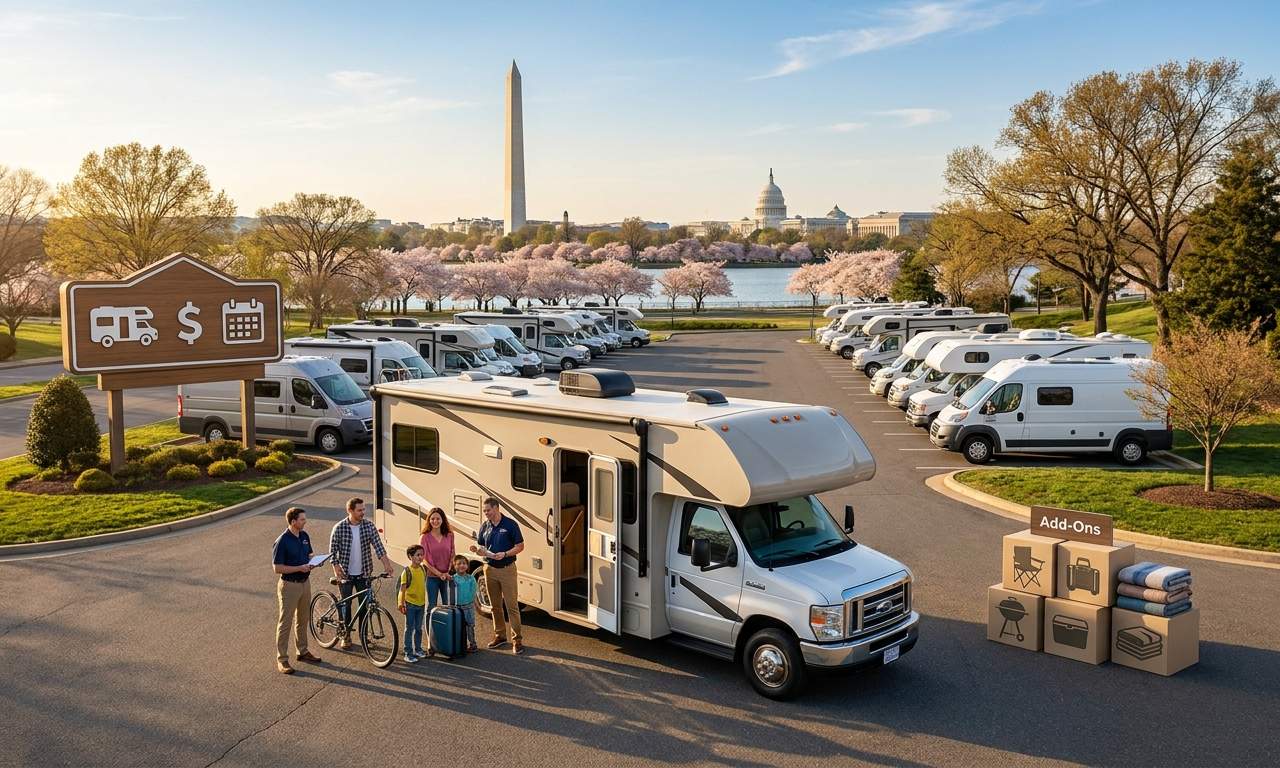
Choosing the right RV family for your Washington DC trip is crucial due to the city's unique blend of urban exploration and surrounding natural beauty, impacting maneuverability and parking. Factors like vehicle size, fuel efficiency, and sleeping capacity directly influence your ability to navigate D.C.'s complex street network, find suitable parking, and comfortably accommodate your group of travelers. Remember to consider the terrain of your planned route, potential for highway tolls, especially on routes like I-95 North towards Baltimore, and the duration of your trip when making your selection from our extensive fleet, which includes options from leading suppliers like El Monte and Cruise America. On the routes offered through RV PLANET routes, you can itemize and track every expense along the way for easy budgeting.
Bandana RV has been helping tens of thousands of travelers explore the world by RV since our founding in 2001, providing direct partnerships with over 50 leading RV suppliers worldwide. Our deep expertise ensures you have full transparency with no hidden fees and 24/7 support from real people behind you before, during, and after your booking. For example, our selection includes models like the 'rv rental denver example Category Van', ideal for a couple and easy to navigate city streets, and the spacious '24' Class C Motorhome', perfect for families seeking comfort further afield.
Class A (Integrated) - Best For
Class A (Integrated) motorhomes are best suited for large groups or families seeking maximum comfort and amenities on extended trips, though their size poses significant challenges in urban Washington DC settings. Based on Bandana's global fleet, Class A RVs typically average 7.5 meters (25 feet) in length, sleep around 4 to 6 people, and offer substantial load capacity. Their larger footprint and lower fuel efficiency (typically 11-12 liters per 100 km, or around 8-9 MPG) make navigating D.C.'s tight streets and finding parking difficult and costly, often requiring a towed vehicle for city exploration. These vehicles are ideal for travelers prioritizing spacious living and long-haul comfort to and from the D.C. area, such as a multi-week journey like the "

While a large Class A, such as the 'how much does it cost to rent a rv example AF-34' which features a bunk bed and sleeps a big family, might be perfect for a long-distance family adventure, exploring downtown Washington DC itself is best done using park-and-ride options outside the city center, like those near the Franconia-Springfield Metro Station in Virginia, which has ample parking for larger vehicles.
Price Comparison by RV Class in Washington DC
Pricing for RV rentals in Washington DC is dynamic, much like flight tickets, and fluctuates based on demand, seasonality, and supplier marketing decisions. The final price is set at the actual booking time, so early comparison is key. For example, a Class C motorhome might range from $150 to $350 per day depending on the season and model. Bandana offers full transparency, ensuring what you see is what you pay, with no surprise fees at pickup. You can upgrade to a top-level deductible for extra peace of mind, an optional upgrade not included by default. For instance, a Class B campervan, like the '2 Berth Hi Top', typically offers lower daily rates than larger Class C or A models.
Live April Price Comparison — RV Class × Trip Length
| Trip length | Class A | Class B | Class C | Class SI | Class TC |
|---|---|---|---|---|---|
| 1 week 15/04 → 22/04 | [Price_ClassType-A_PickupID-235_DropoffID-235_PickupDate-15/04_DropoffDate-22/04] | [Price_ClassType-B_PickupID-235_DropoffID-235_PickupDate-15/04_DropoffDate-22/04] | [Price_ClassType-C_PickupID-235_DropoffID-235_PickupDate-15/04_DropoffDate-22/04] | [Price_ClassType-SI_PickupID-235_DropoffID-235_PickupDate-15/04_DropoffDate-22/04] | [Price_ClassType-TC_PickupID-235_DropoffID-235_PickupDate-15/04_DropoffDate-22/04] |
| 2 weeks 15/04 → 29/04 | [Price_ClassType-A_PickupID-235_DropoffID-235_PickupDate-15/04_DropoffDate-29/04] | [Price_ClassType-B_PickupID-235_DropoffID-235_PickupDate-15/04_DropoffDate-29/04] | [Price_ClassType-C_PickupID-235_DropoffID-235_PickupDate-15/04_DropoffDate-29/04] | [Price_ClassType-SI_PickupID-235_DropoffID-235_PickupDate-15/04_DropoffDate-29/04] | [Price_ClassType-TC_PickupID-235_DropoffID-235_PickupDate-15/04_DropoffDate-29/04] |
| 1 month 01/04 → 30/04 | [Price_ClassType-A_PickupID-235_DropoffID-235_PickupDate-01/04_DropoffDate-30/04] | [Price_ClassType-B_PickupID-235_DropoffID-235_PickupDate-01/04_DropoffDate-30/04] | [Price_ClassType-C_PickupID-235_DropoffID-235_PickupDate-01/04_DropoffDate-30/04] | [Price_ClassType-SI_PickupID-235_DropoffID-235_PickupDate-01/04_DropoffDate-30/04] | [Price_ClassType-TC_PickupID-235_DropoffID-235_PickupDate-01/04_DropoffDate-30/04] |
Estimates only — flex-rate prices change daily based on availability and season.
Prices for RV rentals are estimates and update daily; for the most current availability and precise costs for your Washington DC RV rental, use the live search box at the top of this page. We work directly with over 50 leading RV suppliers worldwide, including trusted names like Cruise America and El Monte, to provide you with comprehensive comparisons and excellent choices. When considering ancillary costs beyond the rental, such as fuel, campground fees (often $40-80+ per night near DC), tolls on bridges like the Woodrow Wilson Bridge, and groceries, remember that RV PLANET routes allow you to itemize and track every expense for easy budgeting throughout your journey.
Class SI (Semi-Integrated) - Best For
Class SI (Semi-integrated) motorhomes are an excellent balanced choice for Washington DC RV renters, offering a good compromise between living space and maneuverability. Bandana's global fleet averages 6.9 meters (23 feet) in length, sleeps 3-4 people, and offers a load capacity of approximately 72 kg (159 lbs), making them manageable for many D.C.-area campgrounds like Cherry Hill Park and some suburban exploration. With typical fuel consumption around 10-11 liters per 100 km (around 21-24 MPG), they are more fuel-efficient than Class A models while still providing ample amenities for a comfortable trip. These mobile homes are ideal for small families or couples who desire comfort without the bulk of a Class A, making them suitable for navigating to and from the city and parking at outlying campgrounds. Consider a '2 Berth Rover' for its comfort and more manageable size.
Our comprehensive comparison platform helps you identify the best semi-integrated options from various suppliers, ensuring you find a vehicle that fits both your group size and your desire for convenience. For instance, the "RV Rental Virginia - Complete Guide 2024" provides further context on exploring the broader region with such vehicles.
Class C (Alcove) - Best For
Class C (Alcove) motorhomes are primarily favored by families or groups seeking cost-effective and comfortable travel, offering additional sleeping capacity over the cab which is particularly appealing for Washington DC family trips. Globally, Bandana's Class C fleet averages 7.5 meters (25 feet) in length, sleeps 5-6 people, and has a load capacity of about 42 kg (93 lbs), providing ample space for larger parties. Their fuel consumption, typically 10-12 liters per 100 km (around 19-21 MPG), makes them a practical option for reaching D.C.-area attractions and campgrounds, balancing space with operating costs. While still large, their familiar truck chassis, like the 'C-30' model, can offer a more intuitive driving experience for some compared to Class A, though navigating D.C.'s dense urban core remains a challenge. Drive slowly and carefully, and you can drive almost anywhere without issues. No need to stress - just use common sense and pay attention. Many families choose this class for an extended road trip of one week or more, taking advantage of features like a full kitchen to prepare meals and save on dining out, a detail you can track with RV PLANET routes when budgeting for your trip. For some RV-friendly recipes perfect for your onboard kitchen, check out our RV-friendly recipes playlist.
The '24 Class C Motorhome' (which sleeps 5 with a double bed over the cab and a rear double bed) is a popular choice among our partner suppliers like Cruise America and El Monte, often featuring upgraded queen mattresses, flat screen TVs, and USB ports, making it ideal for families. For family-specific route suggestions, our "Family RV Driving in Washington DC - Safe Routes 2024" guide offers valuable insights.
Class B (Campervan) - Best For
Class B (Campervan) models are exceptionally well-suited for RV rental travelers in Washington DC due to their superior maneuverability, fuel efficiency, and compact size, making them ideal for navigating urban environments. Bandana's global fleet of campervans averages 5.8 meters (19 feet) in length, sleeps around 2-3 people, and boasts a load capacity of roughly 37 kg (81 lbs), allowing for agile movement through city streets. Their excellent fuel economy, typically 8-10 liters per 100 km (around 24-29 MPG), helps offset the costs of D.C.'s higher gas prices and potential toll roads, making them a budget-friendly option for city-focused trips. These compact RVs are best for couples or small groups prioritizing easy parking (even in some standard parking spots), quick city access via local roads like Rock Creek Parkway, and the flexibility to explore surrounding areas without the stress of driving a large rig. Many drivers appreciate the standard car driver's license requirement for these vehicles, with a minimum age of 21 years across all our suppliers.
For exploring Washington DC, the agility of a campervan, such as the 'luxury rv rentals example Carthago Malibu 600', which offers a comfortable double bed and a compact kitchen, is invaluable. This allows seamless movement between attractions like the National Mall and nearby suburban park-and-ride Metro stations.
Side-by-Side Comparison Table
The following table provides a quick side-by-side comparison of the key specifications and optimal use cases for each RV family available for rent in the Washington DC area, based on Bandana's global fleet averages and direct partnerships with suppliers like Apollo and Britz.
| Family | Avg Length | Sleeps | Fuel Use (L/100km) | Best Use Case in Washington DC |
|---|---|---|---|---|
| Class A (Integrated) | 7.5 m (25 ft) | 4-6 | 11-12 | Large groups, maximum comfort for long hauls to DC, not for city driving |
| Class SI (Semi-integrated) | 6.9 m (23 ft) | 3-4 | 10-11 | Small families/couples, balanced comfort and maneuverability around DC area campgrounds |
| Class C (Alcove) | 7.5 m (25 ft) | 5-6 | 10-12 | Families on a budget, ample sleeping capacity for trips around the region |
| Class B (Campervan) | 5.8 m (19 ft) | 2-3 | 8-10 | Couples/small groups, urban maneuverability, fuel efficiency for city-focused trips |
Note: Fuel consumption figures are approximate global averages from Bandana's fleet and can vary based on driving conditions, terrain (such as the hills around Great Falls Park), and specific vehicle model. All these motorhome classes can be driven with a standard car driver's license. For more detailed comparisons and insights, consider exploring our "RV Travel Guide to Washington DC - Tips and Top Spots 2024" video guide.
Our Recommendation for rv rental Travelers in Washington DC
For most RV rental travelers aiming to explore Washington DC, the **Class B (Campervan)** is our primary recommendation due to its unparalleled maneuverability, compact size, and fuel efficiency. Its ability to navigate D.C.'s congested streets, fit into smaller parking spaces near the National Mall (where available), and offer better gas mileage makes it the least stressful option for urban exploration, especially when paired with park-and-ride strategies from nearby metro stations like Greenbelt in Maryland. You'll find that these vehicles, like the 'Acer' campervan which is pet-friendly, are ideal for couples or solo adventurers.
As a strong runner-up, the **Class SI (Semi-integrated)** offers a good balance for small families or couples who desire more living space and amenities than a campervan, while still being more manageable than larger Class A or C models for navigating the D.C. area and parking at suburban campgrounds. Vehicles such as the 'Active Compact Select' provide comfortable living with features like a roof air conditioner, making extended stays at regional campgrounds like Pohick Bay Regional Park much more enjoyable. Our mission at Bandana Caravan is to make RV travel accessible, transparent, and joyful for everyone, and selecting the right vehicle is a big part of that experience.
Which RV rental platform is the best?
The 'best' RV rental platform for Washington DC depends on individual priorities like fleet variety, price comparison tools, customer support, and booking flexibility, but platforms like Bandana excel by offering a wide selection from trusted owners and transparent pricing. Bandana provides an extensive range of RV families, from nimble Class B campervans perfect for navigating the narrow streets of Georgetown to spacious Class A motorhomes suitable for long-haul journeys. We have direct partnerships with over 50 leading RV suppliers worldwide, including popular choices like El Monte and Cruise America, ensuring you have diverse options and competitive rates. Always look for platforms that offer detailed vehicle specifications, customer reviews, and responsive support to ensure a smooth booking and travel experience.
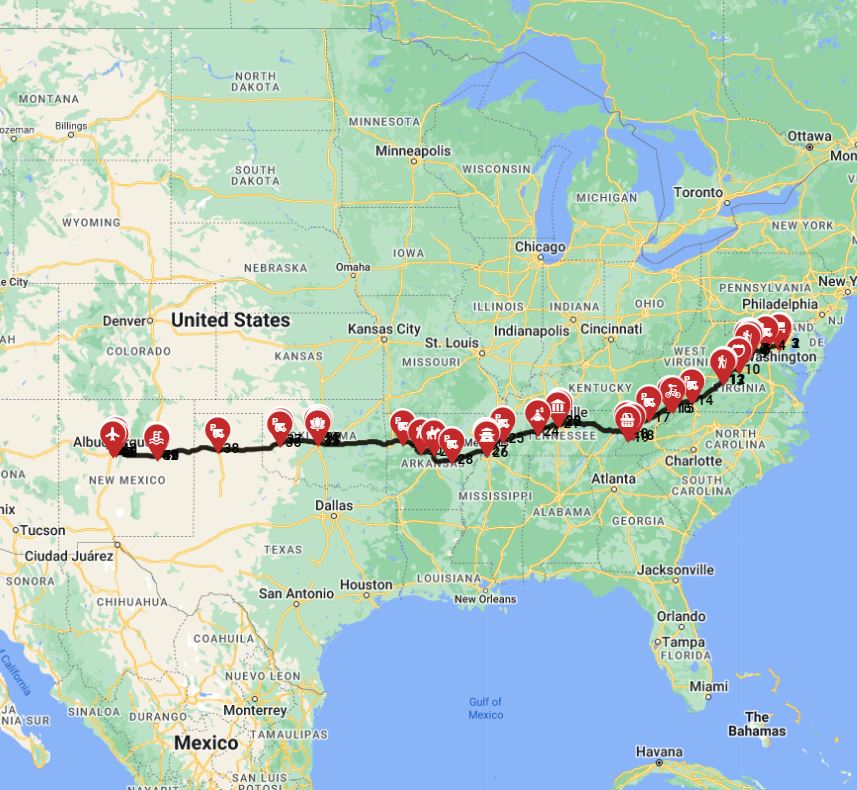
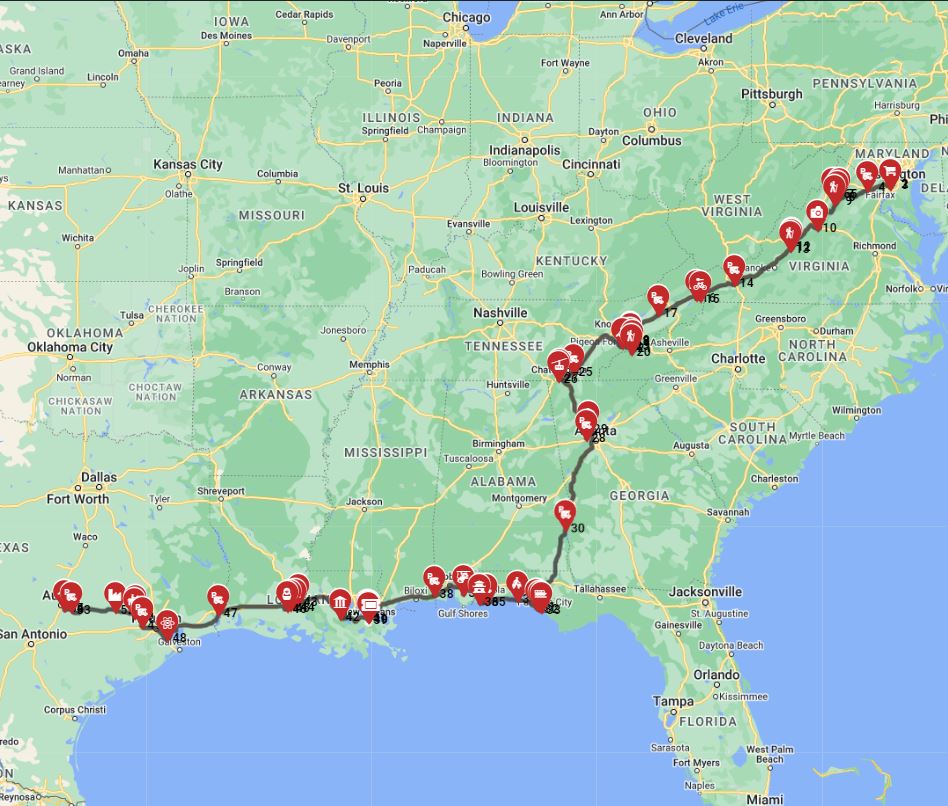
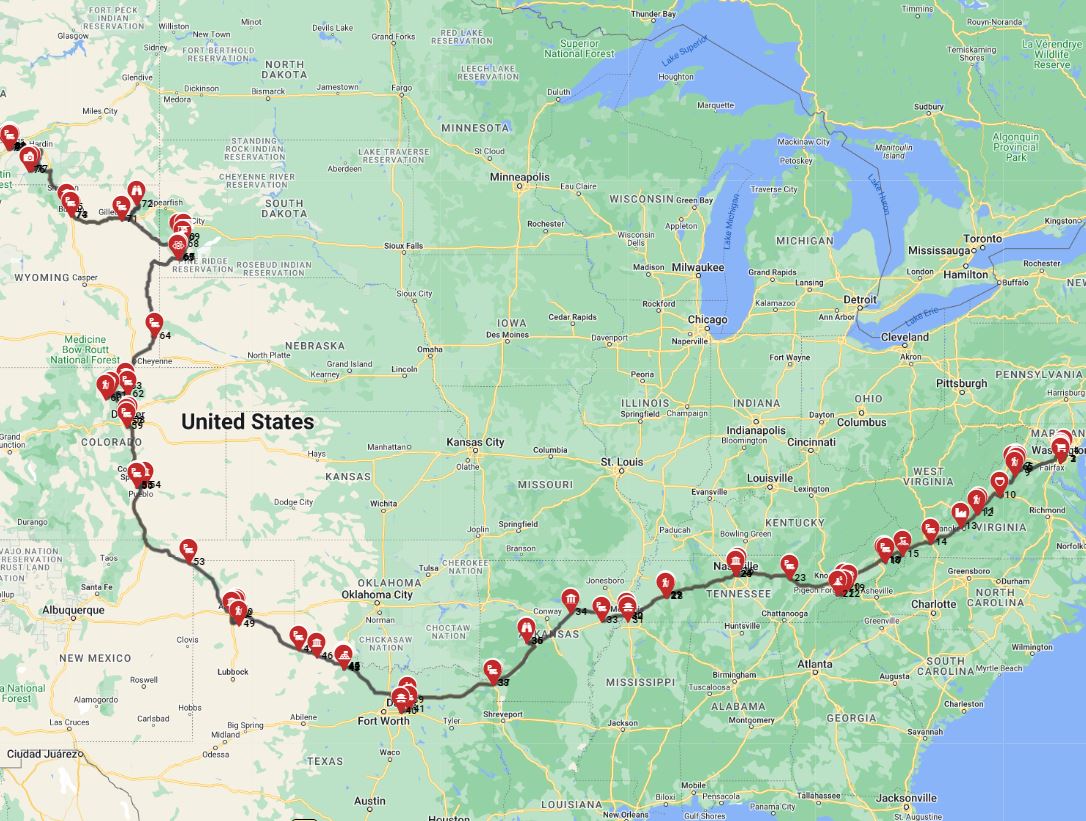
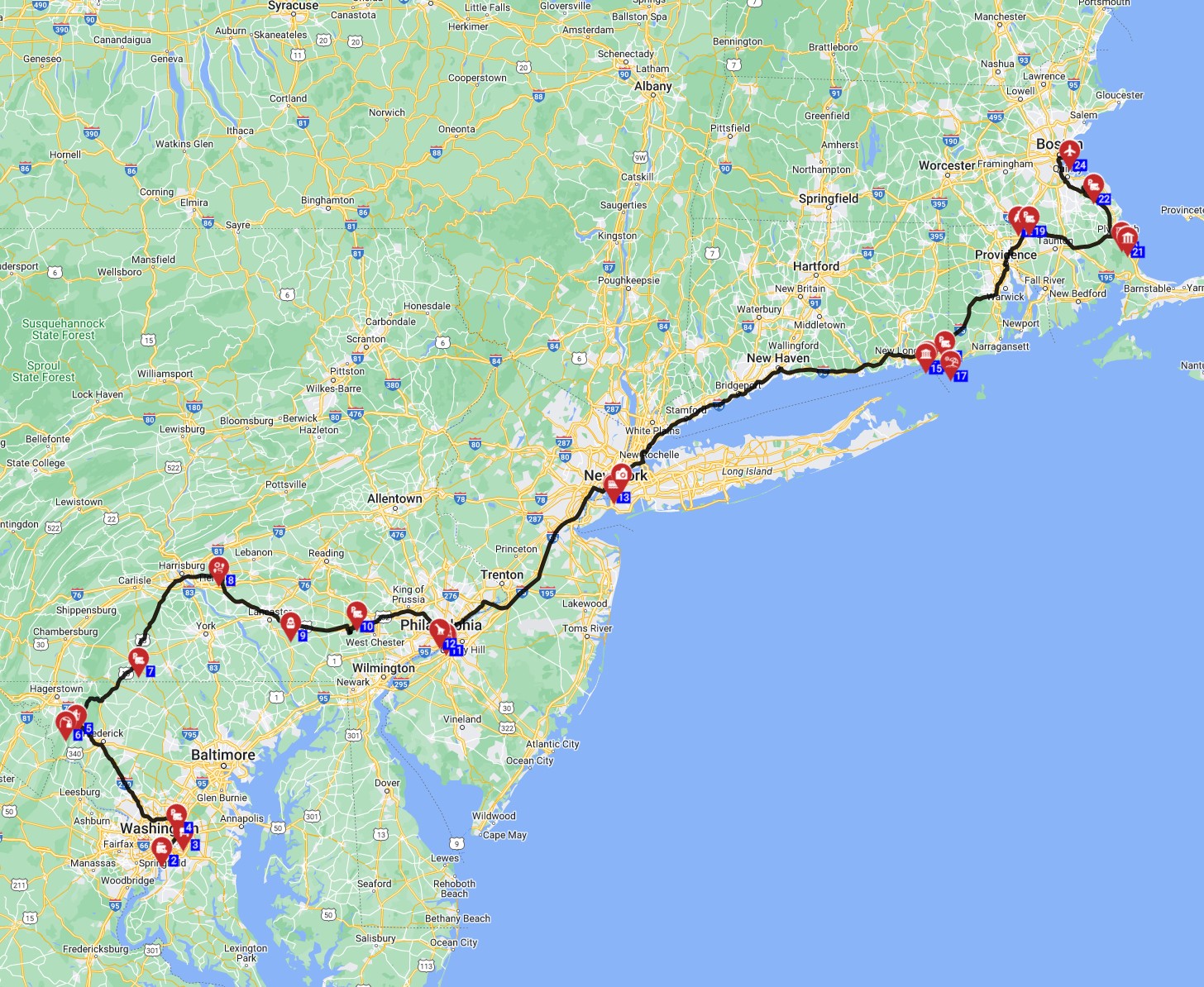
Consider factors such as comprehensive insurance options, roadside assistance, and one-way rental availability when evaluating platforms for your D.C. RV adventure. For instance, Bandana offers over 1,300 pre-planned routes across 5 continents via our sister company, RV PLANET (rvplan.net), providing expert-curated itineraries to inspire and guide your travels, such as the "Portland to Washington DC - From Pacific Trails to the Nation's Capital" route, which is 28 days long and covers 6361.19 km. This route includes 3 museums and 3 scenic routes, giving you plenty to see and do.
What is the 3-3-3 rule for RVs and campers?
The 3-3-3 rule for RVs is a popular guideline for safe and enjoyable travel, advising drivers to aim for no more than 300 miles (approximately 480 km) of driving a day, arriving at their destination by 3 PM, and staying for a minimum of 3 nights. While excellent for leisurely travel, adapting the 3-3-3 rule for a Washington DC trip may mean shorter daily driving distances due to heavy traffic on roads like I-495 (the Capital Beltway), prioritizing early arrival at reserved campgrounds, and potentially staying longer than 3 nights to fully explore the city without frequently moving your rented RV. For navigating D.C.'s dense urban environment, focusing on arriving by 3 PM is particularly important to secure your spot at popular campgrounds like Cherry Hill Park, which often fills quickly, and to avoid the worst of rush hour congestion around areas like the White House.
🎬 Video coming soon
Due to D.C.'s unique challenges, prioritize making campground reservations well in advance and consider using park-and-ride options to access the city center, rather than attempting to drive your RV directly to attractions. This approach allows you to travel slowly, as we recommend, at a maximum of 100-150 km per day on average, taking time to feel the place, connect to the culture, the food, and the scenery of the Washington DC metropolitan area.
Is it cheaper to rent an RV or stay in a hotel?
Renting an RV can be cheaper than staying in a hotel for a Washington DC trip, especially for families (4-6 people) or longer durations (one week or more), when considering the combined costs of accommodation, dining out, and parking versus RV rental, campground fees, fuel, and groceries. A detailed cost breakdown for an RV trip typically includes the rental fee (as seen in Bandana's pricing table, ranging from $150-$350/day), fuel costs (higher for larger RVs like a Class A at 11-12 L/100km), tolls (prevalent around D.C. on routes like the Dulles Toll Road), and campground fees (which can range from $40-80+ per night at sites like Pohick Bay Regional Park or Fort Belvoir). Conversely, hotel stays in D.C. often include high nightly rates, expensive parking fees (upwards of $50/day in downtown garages), and the added expense of eating all meals out. Factor in potential public transport costs for both options, but RV travel allows significant savings on food through self-catering with your onboard kitchen, often tipping the financial scales in its favor for multi-day visits, particularly when you use park-and-ride facilities outside the city center. For transparent financial planning for your route, remember that RV PLANET routes allow you to itemize and track every expense along the way.
Is Washington, D.C. RV friendly?
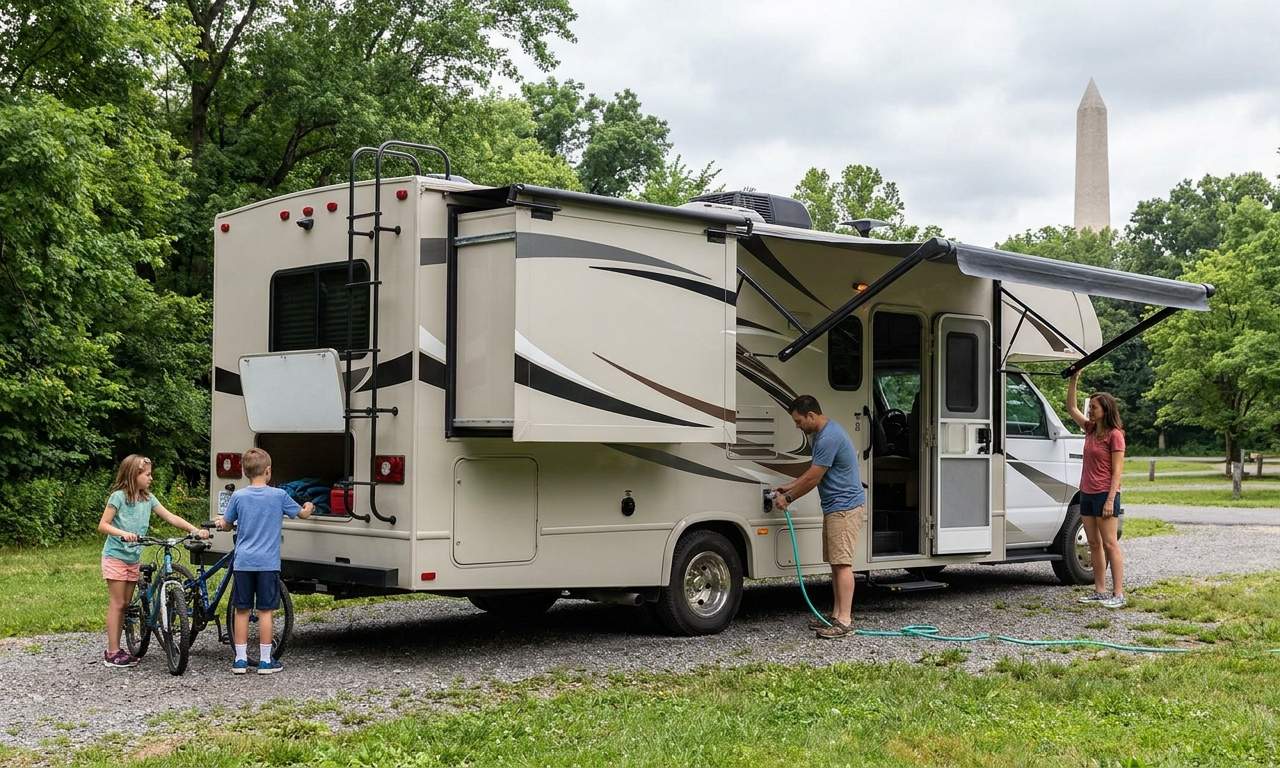
Washington, D.C. is generally not considered RV-friendly for direct urban exploration due to significant challenges with heavy traffic, complex street navigation, and extremely limited parking, but it is highly accessible for RVers willing to utilize surrounding campgrounds and public transport. Navigating D.C.'s notorious traffic circles, one-way streets, and diagonal avenues in a large RV is complex and stressful, requiring extra caution and planning; specific strategies involve parking at campgrounds outside the city (like Cherry Hill Park in College Park, MD, or Fort Belvoir Family Campground in Virginia) and using metro, bus, or ride-share services to reach downtown attractions. Practical RV parking solutions within D.C. are extremely limited; park-and-ride metro stations (e.g., Greenbelt, Franconia-Springfield) or dedicated oversized vehicle parking at FedExField (on non-game days for a fee) are viable day-use alternatives, but always check restrictions and availability before driving in. For a truly 'RV friendly' experience in D.C., plan to park your RV at an outlying campground, leverage the region's excellent public transportation, and focus on specific RV-accessible attractions around D.C. such as national parks or historical sites further afield in Virginia, rather than attempting to drive your RV directly to monuments. Driving an RV in Washington DC - Complete Guide 2024 offers more tips for navigating the area.
What is the most affordable area to live near DC?
For RVers, the 'most affordable area to live near D.C.' translates to finding budget-friendly campgrounds or RV parks in the greater metropolitan area that offer good value and convenient access to public transportation, as full-time RV living within the city limits is not feasible or permitted. While direct 'living' in a rented RV within D.C. is not allowed, several areas in Maryland and Virginia offer more affordable long-term camping options than those immediately adjacent to the city, making them excellent base camps for extended stays. Consider areas further out like Frederick, MD, or Stafford, VA, where RV parks tend to be less expensive (e.g., $30-60 per night) than those in close-in suburbs, often providing easy access to MARC or VRE commuter rail lines into D.C., and dump stations. Researching campgrounds along metro lines or with direct bus connections, such as the Cherry Hill Park campground which offers shuttle service to the metro, ensures a balance between affordability and practicality for visiting D.C.'s attractions without moving your RV frequently. For specific driving tips regarding approaches to Washington DC from various directions, refer to our "Driving an RV From Washington DC Airport - Routes 2024" guide.
What You Shouldn't Miss
- **The National Mall & Smithsonian Museums:** Park your RV at a nearby campground (like Cherry Hill Park) and take public transport into the city. Spend a day exploring the Lincoln Memorial, Washington Monument, and diverse free museums like the National Museum of Natural History or the National Air and Space Museum.
- **Georgetown's Charm:** Wander through the historic streets of Georgetown, known for its colonial architecture, boutique shops, and vibrant dining scene. Consider biking or walking the C&O Canal Towpath from a nearby RV-accessible trailhead.
- **Mount Vernon:** Drive your RV (or take a short trip from a southern DC campground) to George Washington's historic estate. Enjoy the scenic drive along the George Washington Memorial Parkway. The estate offers ample oversized parking, though check their website for RV-specific parking guidelines and fees.
- **Great Falls Park (Maryland or Virginia side):** Witness the powerful Potomac River cascading over a series of waterfalls. Both the Maryland and Virginia sides offer stunning views and hiking trails suitable for various fitness levels. Parking lots accommodate RVs, but arrive early on weekends.
- **Old Town Alexandria, VA:** A short drive or Metro ride from D.C., this charming historic town boasts cobblestone streets, unique shops, and waterfront dining. It's a fantastic spot to connect with local culture and food.
- **Arlington National Cemetery:** A poignant and historically significant site, easily accessible by Metro from RV campgrounds in northern Virginia. Allow several hours to pay respects and explore the Tomb of the Unknown Soldier and other memorials.
Looking for expert insights from Avi Bandana? Top 5 Adventures - recommendations from Avi Bandana
Final Thoughts
Choosing the perfect RV for your Washington DC adventure is the first exciting step towards an unforgettable journey. Whether you opt for the nimble Class B campervan for urban agility or a spacious Class C motorhome for family comfort and regional exploration, Bandana Caravan is here to ensure your rental experience is seamless and transparent. Remember, the key to enjoying D.C. with an RV is smart planning, utilizing outlying campgrounds, and embracing the city's excellent public transportation system.
We are true RV specialists, dedicated to providing you with the best options and support for your motorhome rental in Washington DC. Our extensive fleet, transparent pricing, and robust planning resources through RV PLANET mean you're in good hands. So, pack your bags, plan your route slowly (aiming for 100-150 km per day to truly savor each spot), and get ready to create lasting memories in the nation's capital and beyond!
Find Motorhome Rentals in Washington DC