For live availability and current prices, start with our RV Rental USA - Complete Guide 2026 guide.
In This Guide
- Can You Drive an RV in USA? License & Age Rules
- Road Conditions & Terrain in USA
- RV Size Limits, Bridges & Restricted Zones
- Fuel: Diesel vs. Petrol & Cost per 100 km
- Tolls, Vignettes & Border Rules
- Driving Tips for cheap rv rental Travelers
- Recommended RV Class for USA Roads
- Should I Choose a Compact Van Instead of a Large RV in USA?
- Can I Park Anywhere? Free & Wild Camping Rules in USA
- Can I Drive an RV Into the City Center? Heights, Tunnels & Local Signage
- What is the 3-3-3 rule for RV driving?
- What is the 3-3-3 rule for RV living?
Can You Drive an RV in USA? License & Age Rules
Driving a rented RV in the USA is accessible for most travelers, as a standard Class D driver's license is typically sufficient for recreational RVs with a Gross Vehicle Weight Rating (GVWR) under 26,001 pounds (approximately 11,793 kg). This weight limit covers the vast majority of rental motorhomes, including all Class B camper vans and most Class C models. Larger RVs exceeding this threshold or those used for commercial purposes might require a higher license category. The minimum driver age for renting an RV is generally 21, though some rental companies may have a minimum age of 25. For international visitors, a valid driver's license from your home country is essential, and an International Driving Permit (IDP) is highly recommended to aid in translation and ensure compliance with varying state laws. Always confirm specific requirements with your chosen rental provider.
Road Conditions & Terrain in USA
The USA presents an incredibly diverse range of terrains and road conditions for RV travel, from expansive, well-maintained interstate highways to more challenging, winding routes in mountainous regions. Interstate highways are generally in good condition, but the quality of state and local roads can vary, sometimes featuring rough patches or narrower sections. Be prepared for regional specifics: the Rocky Mountains and Appalachians offer steep grades and winding roads, while Southwestern deserts can present extreme heat and dust. Coastal areas may contend with hurricane season, and the Midwest is known for tornado alley weather patterns. Urban driving demands extra vigilance due to heavier traffic, lower bridge clearances, and complex navigation. Embracing a slower, scenic driving pace not only enhances the appreciation of these diverse landscapes but also significantly improves safety for RV drivers.
RV Size Limits, Bridges & Restricted Zones
Navigating the USA in a rented RV requires constant awareness of potential size restrictions, particularly concerning low bridges, tunnels, and designated restricted zones. Most RVs stand between 10 to 13.5 feet (3.0 to 4.1 meters) tall; knowing your rental RV's exact height is crucial to avoid low clearances, which are typically around 13 feet 6 inches (4.1 meters) on interstates but can be significantly lower on secondary roads or in older urban areas. Utilizing RV-specific GPS or navigation apps is highly recommended to route around these restrictions effectively, especially when planning routes through mountainous terrain or historic city centers. While weight limits primarily affect commercial vehicles, it's wise to adhere to any posted limits on older bridges or rural roads. Additionally, some national park roads or environmental zones may have length restrictions for larger RVs, so always check specific park regulations before entering and be aware that ferry services often charge based on vehicle length.
Fuel: Diesel vs. Petrol & Cost per 100 km
Fuel costs are a significant factor in budgeting for a cheap RV rental trip in the USA, as most rental models run on either diesel or regular unleaded petrol. Larger RVs, such as Class A and some Class C units, frequently use diesel, while Class B camper vans and many Class C RVs typically use petrol. Diesel engines are generally more fuel-efficient, but their price per gallon can fluctuate, sometimes being higher or lower than regular unleaded. Bandana's fleet data indicates varied consumption rates: Class B Camper Vans average 8–10 Liters/100 km, making them the most fuel-efficient. Class SI - Semi-integrated RVs consume around 10–11 Liters/100 km, while Class C - Alcove RVs consume 10–12 Liters/100 km. Larger Class A - Integrated RVs typically consume 8–12 Liters/100 km, and Class TC - Truck Campers can range from 12–17 Liters/100 km. Some rental companies may offer fuel discount cards or loyalty programs to help manage these operational costs effectively throughout your journey. On the routes offered through RV PLANET routes, you can itemize and track every expense along the way for easy budgeting.
Tolls, Vignettes & Border Rules
When renting an RV in the USA, it’s important to factor in potential tolls, as many major highways, bridges, and tunnels, particularly in the Northeast, Mid-Atlantic, Florida, and California, utilize electronic tolling systems. The USA does not have a national vignette system; instead, tolls are typically pay-per-use, collected electronically via transponders (like E-ZPass or SunPass) or through 'pay-by-plate' systems, with cash lanes becoming increasingly rare. States such as New York, New Jersey, Pennsylvania, Massachusetts, Florida, Illinois, and California are known for their extensive toll road networks. To avoid fines and simplify travel, some rental RVs may come equipped with transponders or allow for pre-purchasing toll passes; always confirm these options with your rental provider. Driving rental RVs into neighboring countries like Canada or Mexico is often permitted but requires prior approval from the rental company, specific insurance arrangements, and potentially additional permits, so it’s essential to confirm eligibility and requirements well in advance.
Driving Tips for cheap rv rental Travelers
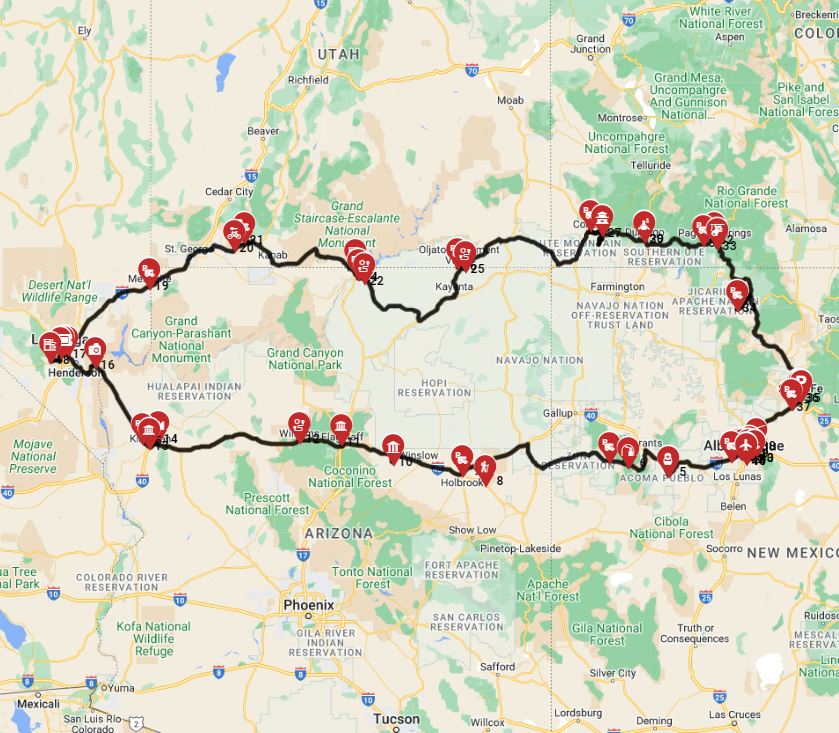
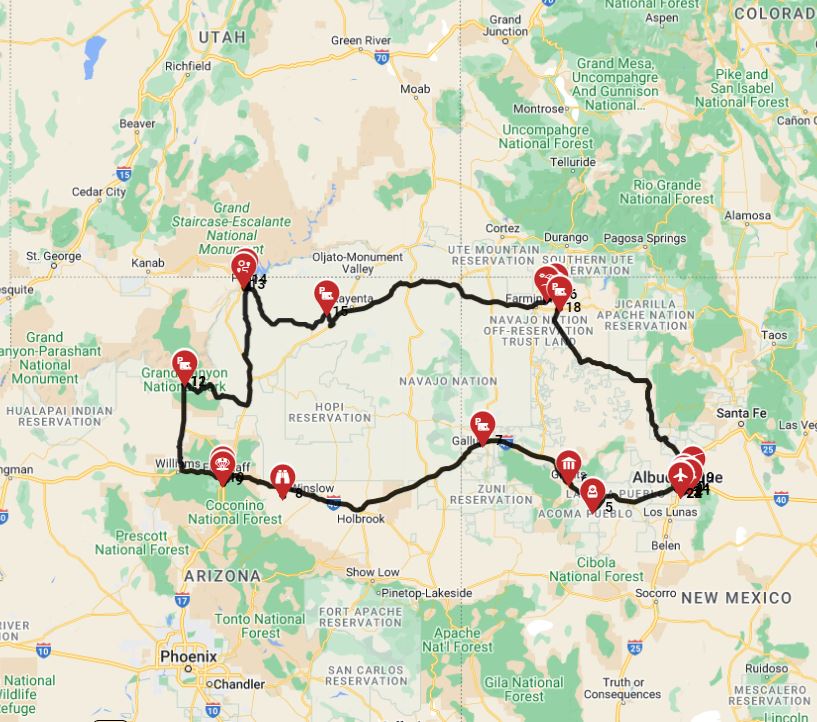
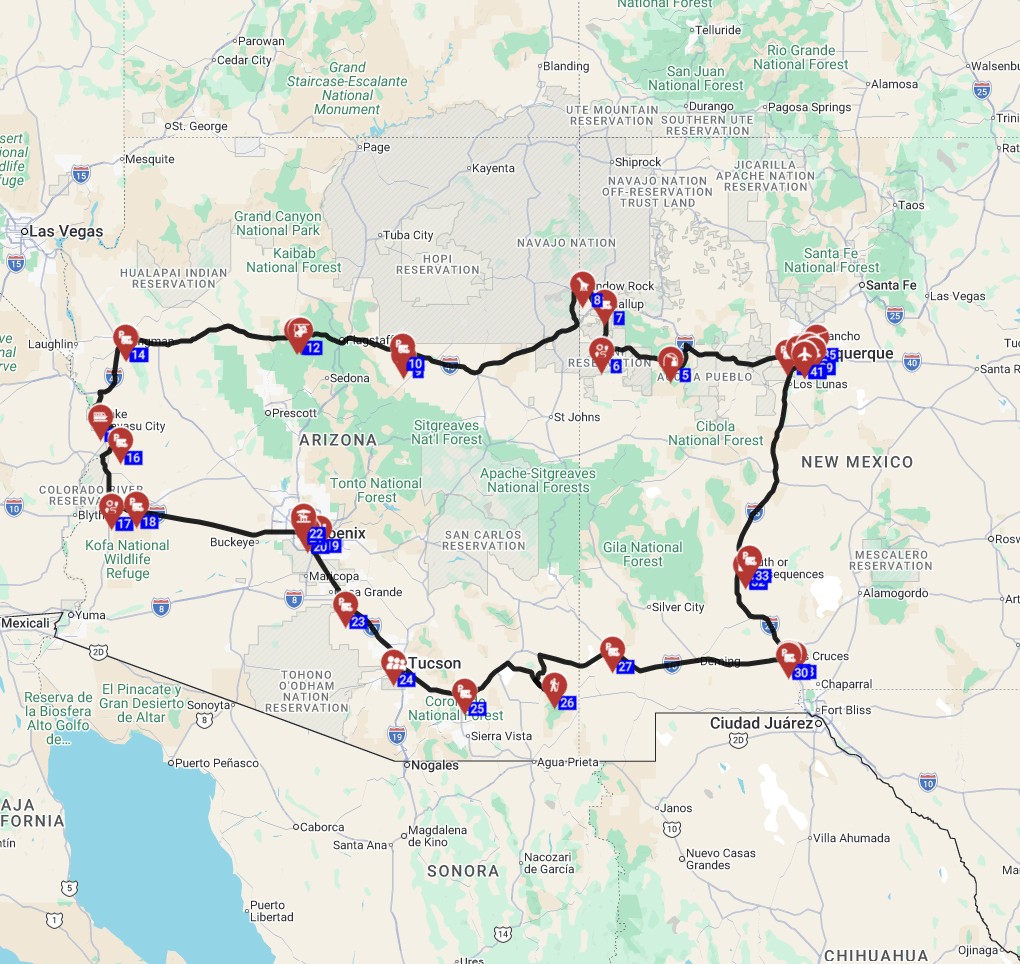
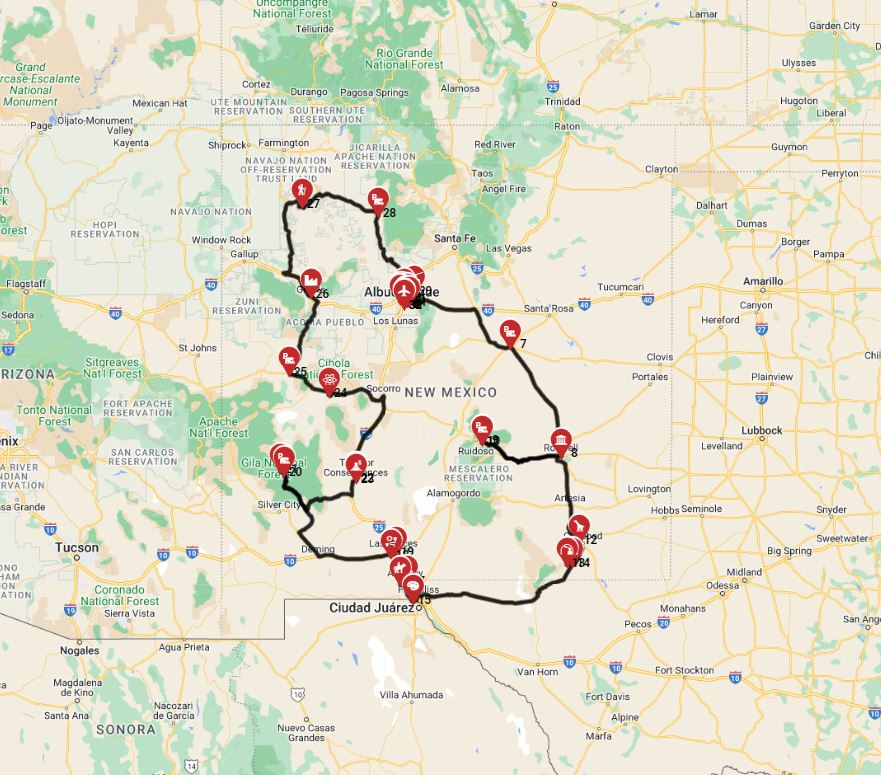
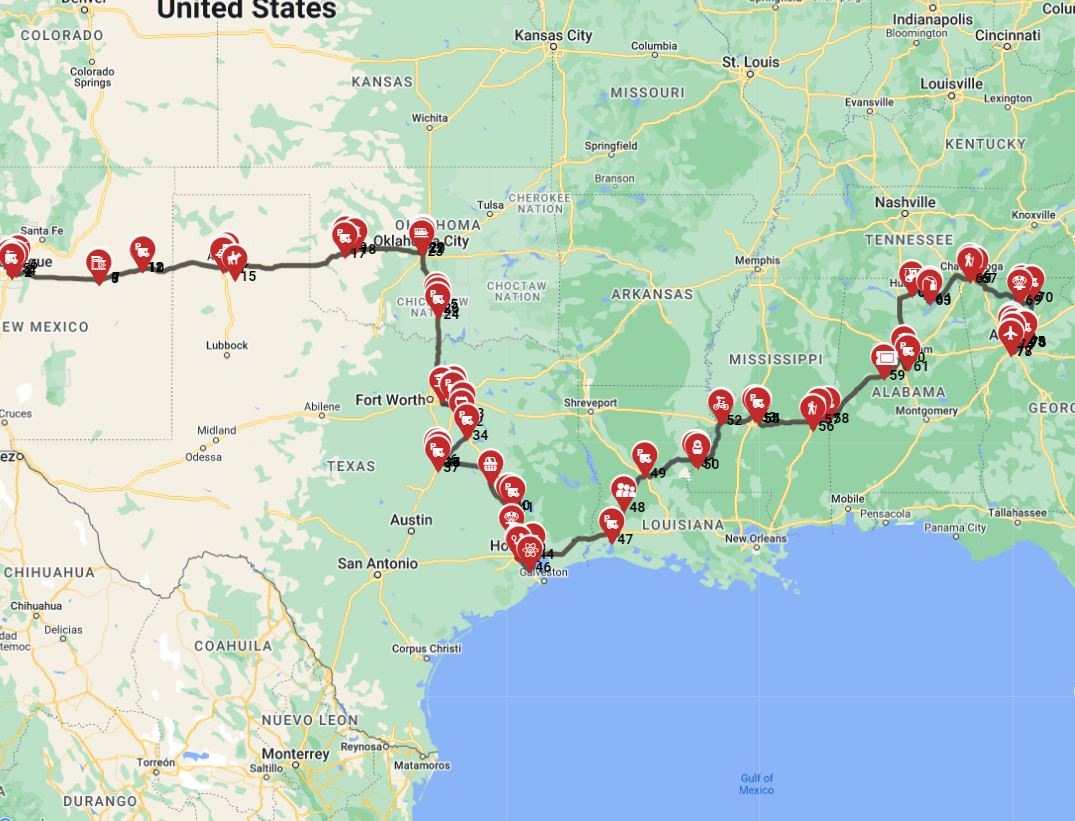
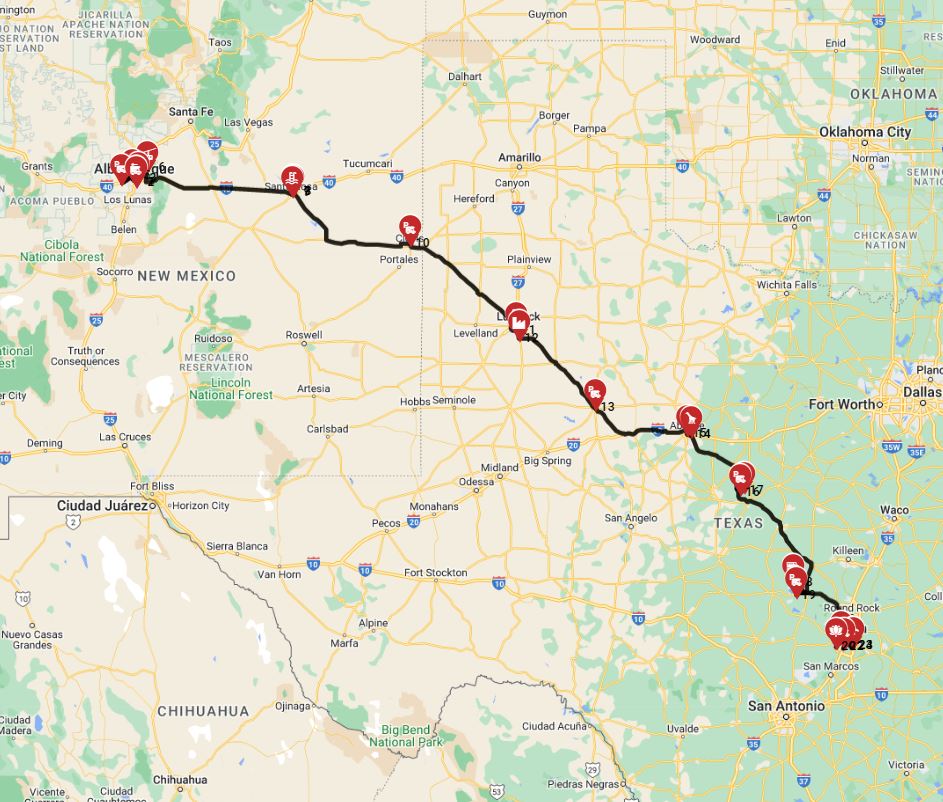
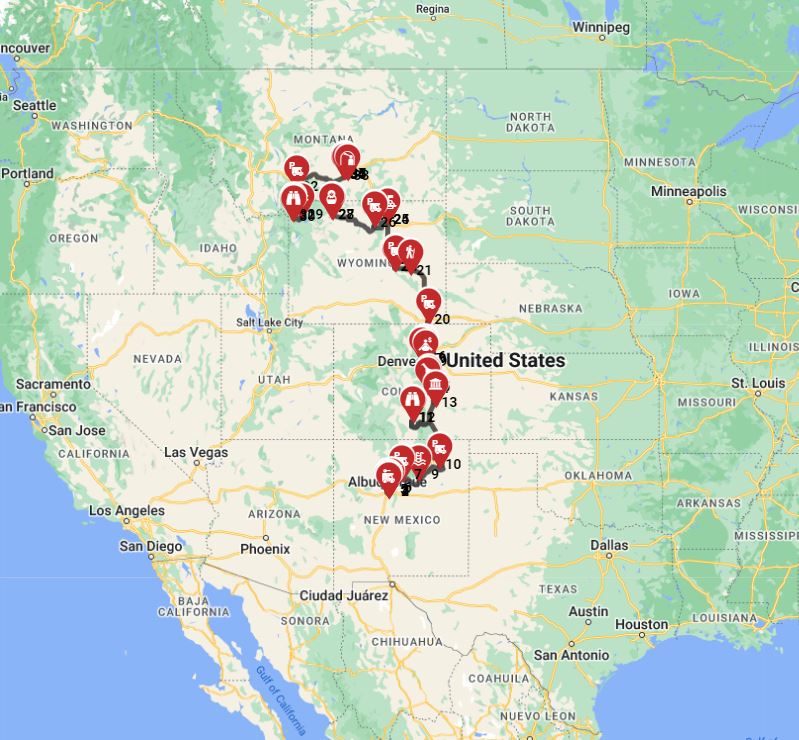
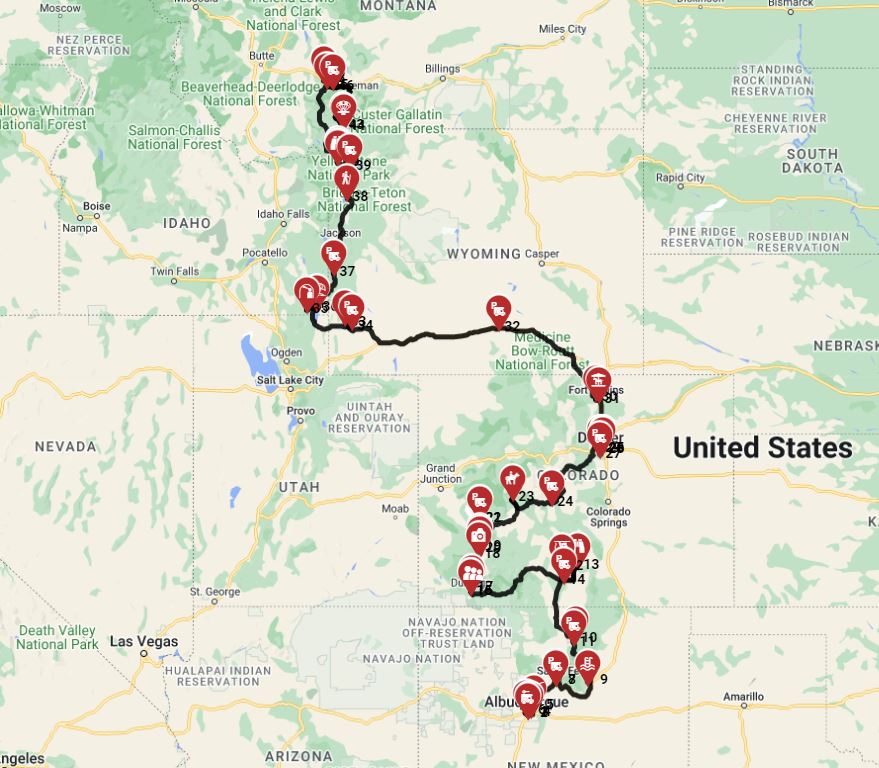
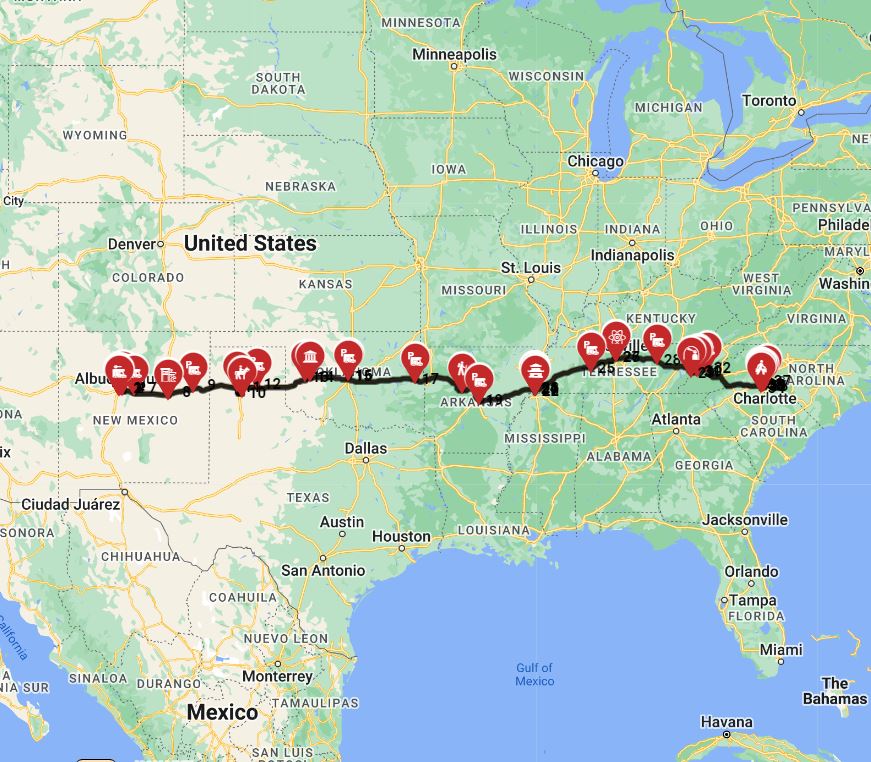
Safe and enjoyable RV travel, especially when on a budget with a cheap RV rental, requires mindful driving practices and smart planning tailored to the unique aspects of operating a larger vehicle. Utilizing RV-specific GPS apps, such as the Motorhome Trip Planner App showing routes in Colorado, is crucial for planning routes that avoid low clearances, steep grades, and for strategically locating fuel stops, particularly when traveling in remote areas. Adopt a relaxed travel pace, adhering to guidelines like the '3-3-3 rule for RV driving' (drive no more than 300 miles, arrive by 3 PM, stay at least 3 nights) to prevent fatigue and allow time for spontaneous exploration. For budget-conscious travelers, seek out apps that identify cheaper gas stations and consider fueling in states known for lower fuel taxes to minimize operational costs. Always familiarize yourself with your rental RV's roadside assistance policy and carry a basic emergency kit, especially when exploring remote regions like the Southwest USA, where wildlife encounters or extreme weather might occur. Remember to allow extra braking distance, swing wide on turns, and use a spotter when backing up to safely navigate your RV, helping to demystify 'big rig' travel for less experienced drivers.
Recommended RV Class for USA Roads
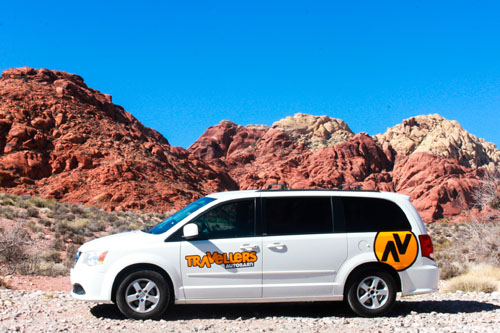
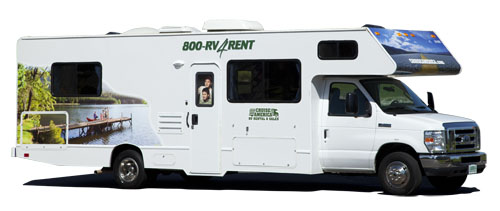
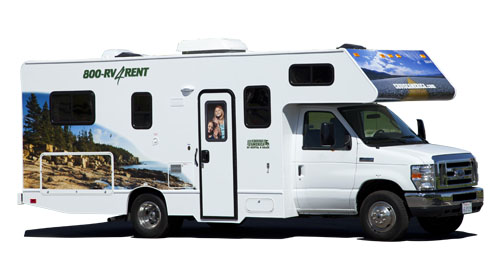
For exploring USA roads efficiently and comfortably with a cheap RV rental, Class B Camper Vans and Class C Alcove RVs offer an excellent balance of maneuverability, amenities, and cost-effectiveness, making them ideal choices. Class B Camper Vans are highly maneuverable and fuel-efficient, with Bandana's global fleet averaging 5.8 meters in length and sleeping 3.2 people, consuming 8–10 Liters/100 km—perfect for couples or small families prioritizing flexibility and easier parking. Class C Alcove RVs are a popular family-friendly option, providing more interior space with an average length of 7.5 meters, sleeping 5.8 people, and consuming 10–12 Liters/100 km, offering a good balance between living comfort and manageable driving dimensions on diverse USA terrains. While larger Class A Integrated RVs, averaging 7.5 meters, provide luxurious space and amenities, their handling might be less suitable for first-time or budget-conscious drivers, despite comparable fuel consumption (8–12 Liters/100 km) to Class C models. For a more compact option, Class TC Truck Campers are compact (avg. 5.5 meters) but typically have higher fuel consumption (12–17 Liters/100 km) and less interior living space.
Should I Choose a Compact Van Instead of a Large RV in USA?
While a compact van, like a Class B Camper Van, offers superior maneuverability and fuel efficiency, the enhanced comfort and greater indoor space of a larger RV often provide a more fulfilling overall experience for USA road trips, even with cheap RV rental options. Compact vans excel in ease of parking and navigating tight historic centers or narrow mountain passes where larger vehicles might struggle. However, larger RVs provide significantly more living space, dedicated sleeping areas, full kitchen and bathroom facilities, and typically larger holding tanks, which are crucial for extended trips or traveling with families, ultimately improving the overall quality of life on the road. Most major highways and state roads in the USA are designed to accommodate larger vehicles, diminishing the critical maneuverability advantage of compact vans when compared to driving in some European countries. For budget travelers, the choice often hinges on balancing the lower fuel costs and easier parking of a compact van against the added comfort, amenities, and living space of a larger RV, helping to demystsify the experience of driving 'big rigs' by highlighting their practical benefits. For ideas you can prep on the road, watch our RV-friendly recipes playlist on YouTube.
Can I Park Anywhere? Free & Wild Camping Rules in USA
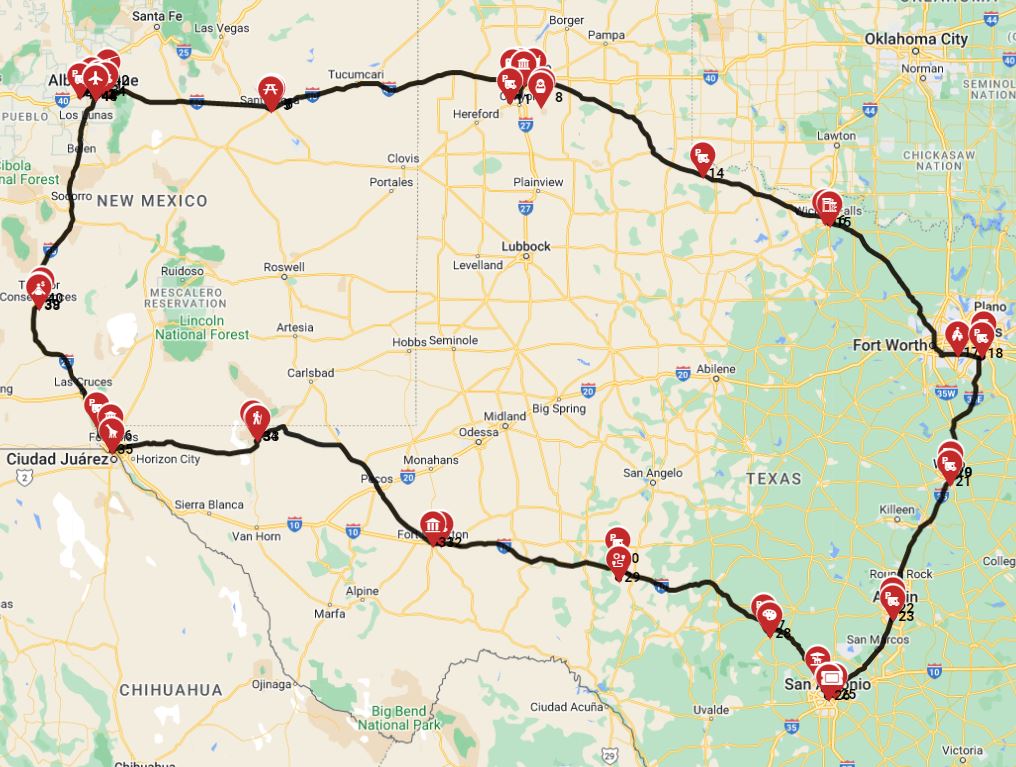
While the USA offers extensive opportunities for free and wild camping, particularly on public lands managed by agencies like the Bureau of Land Management (BLM) and the Forest Service, rules and availability vary significantly by region and local jurisdiction. Dispersed camping is generally permitted in many national forests and BLM lands, typically requiring campers to be a certain distance from developed areas, roads, and water sources. Many Walmart stores and truck stops across the country allow overnight RV parking as a courtesy, but it is always essential to ask for permission inside before settling in. Overnight sleeping in state or interstate rest areas is often restricted or limited to a few hours, so always check posted signs carefully. Specific regions, such as the vast public lands illustrated in the 'Southwest USA Road Trip Map,' offer abundant opportunities for dispersed camping, but travelers must always check state-specific regulations (e.g., California's stricter rules) and local city ordinances regarding overnight street parking or waste disposal. Always check local regulations and follow local law before parking overnight, utilizing resources like iOverlander or FreeCampsites.net for up-to-date information.
Can I Drive an RV Into the City Center? Heights, Tunnels & Local Signage
Yes, you can almost always drive an RV into city centers across the USA, but it necessitates careful attention to specific height and weight restrictions, local signage, and navigating dense traffic conditions. Critical barriers to watch for include low bridges and tunnels, which often have height restrictions well below 8 feet (2.4 meters), making them inaccessible for most RVs. Pay close attention to local signage such as 'No Thru Trucks,' 'No RV Parking,' or 'Residents Only' streets, as these often apply to larger vehicles or limit overnight stays. While less common for recreational RVs than commercial vehicles, some cities may have environmental zones restricting older, more polluting vehicles; however, most modern rental RVs comply. Finding suitable and affordable parking for an RV in a busy city center can be challenging; consider parking on the outskirts and utilizing public transportation for urban exploration. Regions like Colorado, as suggested by the 'Motorhome Trip Planner App Showing a Route in Colorado,' may have specific watchouts for larger vehicles in certain mountain towns or historic districts, highlighting the importance of pre-trip planning for unique local laws and quirks.
What is the 3-3-3 rule for RV driving?
The '3-3-3 rule for RV driving' is a popular guideline designed to promote relaxed, safe travel and prevent driver fatigue, making it particularly useful for those new to renting an RV for a cheap trip. The first '3' means to drive no more than 300 miles (approximately 480 km) in a single day, preventing exhaustion and allowing for leisurely exploration. The second '3' advises arriving at your destination by 3 PM, which provides ample time to set up camp, explore the immediate area, and relax before dark, especially crucial when trying to secure free or budget-friendly camping spots. The third '3' suggests staying at least 3 nights in one spot, encouraging slower travel, reducing the frequency of setup and takedown, and allowing for deeper immersion in a region, which enhances the overall RV experience.
What is the 3-3-3 rule for RV living?
Distinct from driving guidelines, the '3-3-3 rule for RV living' is a popular lifestyle philosophy encouraging RVers to slow down, immerse themselves in locations, and foster a deeper connection with their surroundings. The first '3' recommends spending at least 3 days in each location, which allows for thorough exploration of the area, reduces travel fatigue, and provides a sense of belonging to local communities. The second '3' suggests staying within a 3-mile radius of a good coffee shop, brewery, or local hub, encouraging interaction with local culture, people, and amenities, and fulfilling the 'Human Element & Community' aspect of RV travel. The third '3' advises planning your next 3 destinations, which provides a sense of direction without over-scheduling, maintaining flexibility for spontaneous detours or extended stays. This rule supports 'Budgeting & Cost-Saving' by encouraging longer stays at potentially cheaper or free campsites, reducing frequent setup/takedown times and associated fuel costs for moving between locations, while also inspiring first-timers by emphasizing the transformative potential of RV travel beyond just logistics.
What You Shouldn't Miss
- Drive the Pacific Coast Highway in California, one of the most iconic scenic routes in the USA, with opportunities for coastal hikes and charming seaside towns.
- Explore the grandeur of national parks like Zion, Yellowstone, and the Grand Canyon, many of which offer specific RV camping information and accessibility details on their websites.
- Experience the vastness of the open road on routes like Route 66 or the scenic byways through states like Colorado and Utah, embracing the slow travel philosophy.
- Discover America's diverse culinary scenes by seeking out local diners, regional specialties, and farmers' markets accessible via your RV.
- Connect with local culture by visiting small towns, attending regional festivals, and engaging with the communities you encounter along your journey.
Final Thoughts
Embarking on an RV adventure across the USA is an unparalleled way to experience the country's vast landscapes and diverse cultures. From the majestic Rockies to the sun-drenched deserts of the Southwest, a rented RV offers the ultimate freedom and flexibility for exploration. By focusing on smart planning, understanding your vehicle's capabilities, and embracing the open road, you're set for an unforgettable journey.
Remember, the essence of RV travel lies in the journey itself. Take your time, savor the moments, and let the adventure unfold. With Bandana Caravan, finding the perfect RV for your budget and needs is straightforward, allowing you to focus on what truly matters: creating lasting memories on the American highway.