In This Guide
- Where to Camp in Washington DC - Top Options
- Campground Types in Washington DC (National, Private, Wild)
- Featured RV Park or Campground in Washington DC
- Hookups & Amenities - What to Expect
- Booking Windows & Reservations in Washington DC
- Nearby Supermarkets & Resupply Points
- Best RV Class for Camping in Washington DC
- How to Save on Campgrounds in Washington DC
- Where can I park my RV in Washington DC?
- Is Washington DC RV friendly?
- Is Washington, D.C. RV friendly?
- How to book campsites in the US?
- Do I need to book campsites in advance?
- What campgrounds are near Washington DC metro stations?
- How do I choose a good campsite?
Embarking on a one-way RV trip to or from Washington DC offers unparalleled freedom to explore America's capital region and beyond, creating a truly memorable adventure. With a rented motorhome, you're not just booking a vehicle; you're securing a mobile home base that lets you travel at your own pace, enjoying both iconic city sights and tranquil natural escapes. For live availability and current prices for your journey, start with our RV Rental Washington DC - Complete Guide 2026 guide.
Where to Camp in Washington DC - Top Options
RV campgrounds in Washington DC are generally situated outside the immediate city limits, primarily located in the surrounding areas of Maryland and Virginia, providing convenient access to public transportation for city exploration. Popular choices include Cherry Hill Park in College Park, Maryland, which is known for its extensive amenities and shuttle service to the Metro station, making city access simple. Other fantastic options for a week-long trip are Burke Lake Park or Prince William Forest Park in Virginia, offering a more natural setting while still being within a reasonable distance to Washington DC.
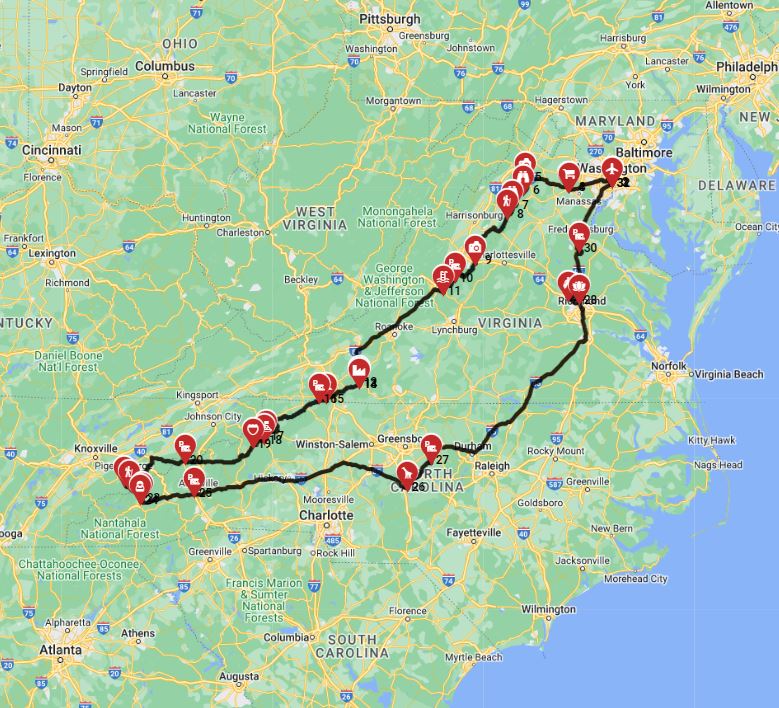
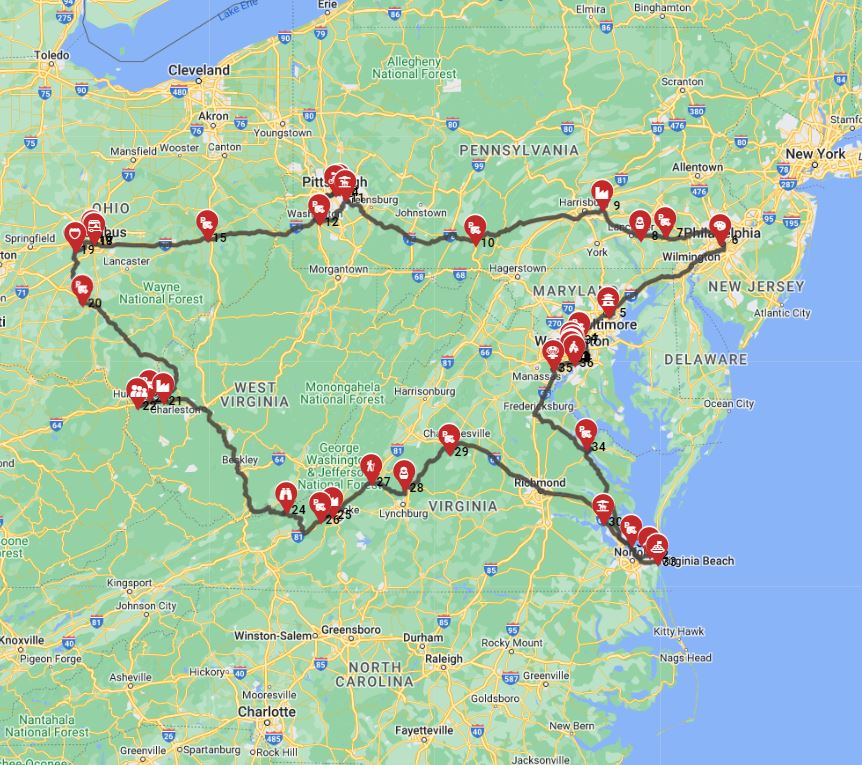
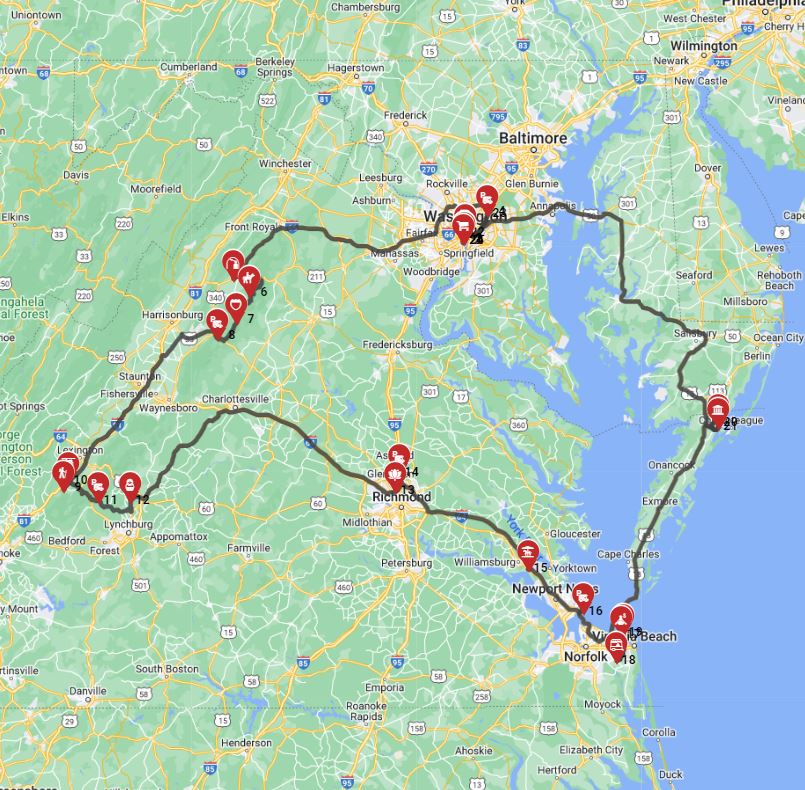
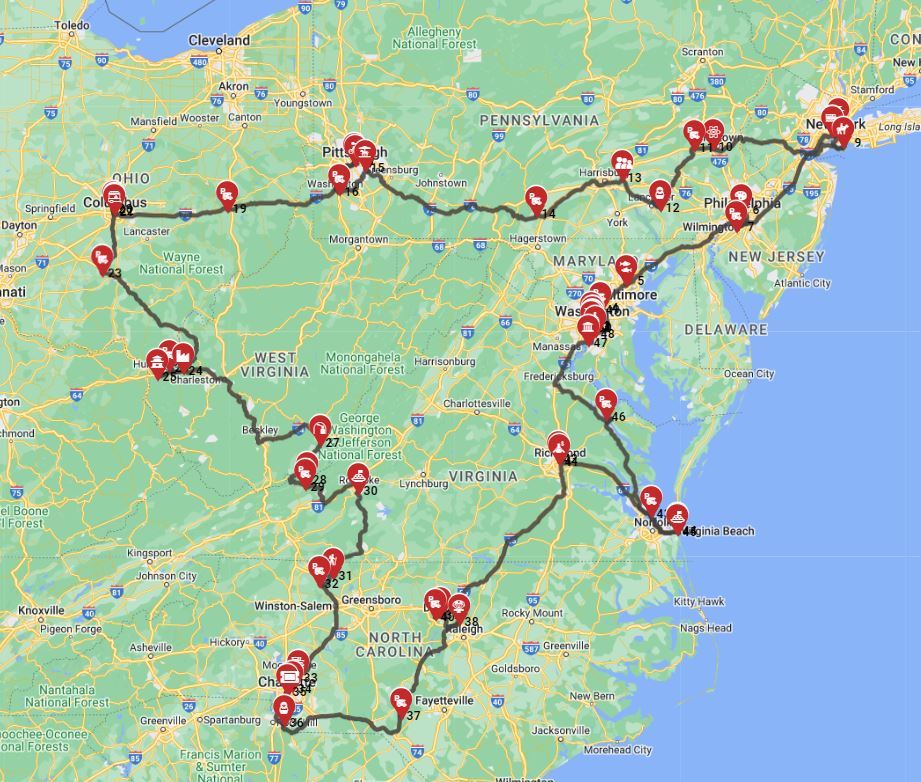
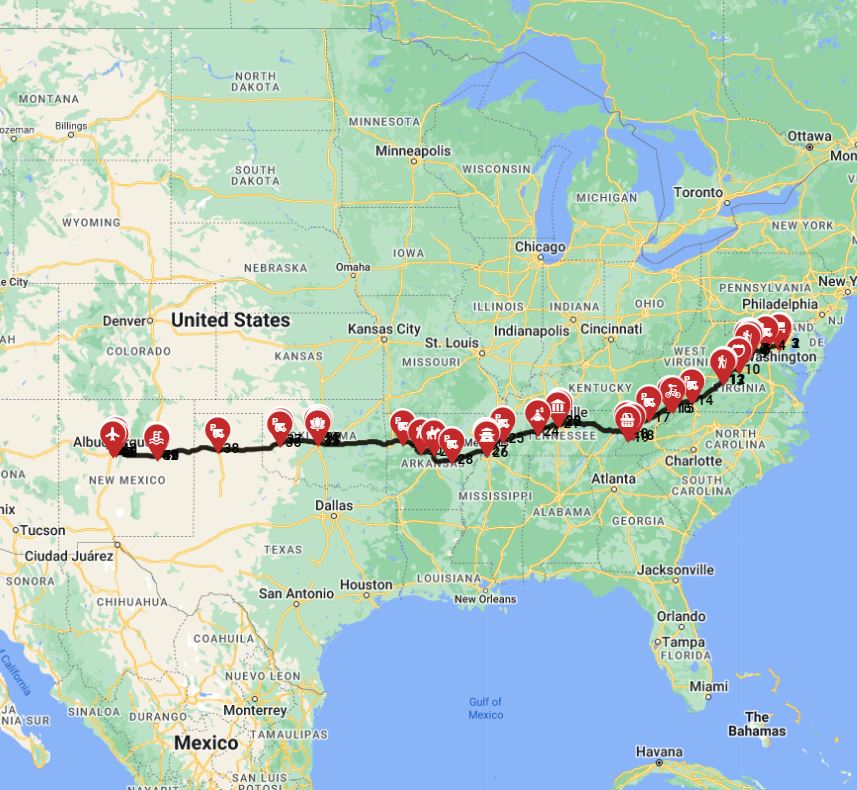
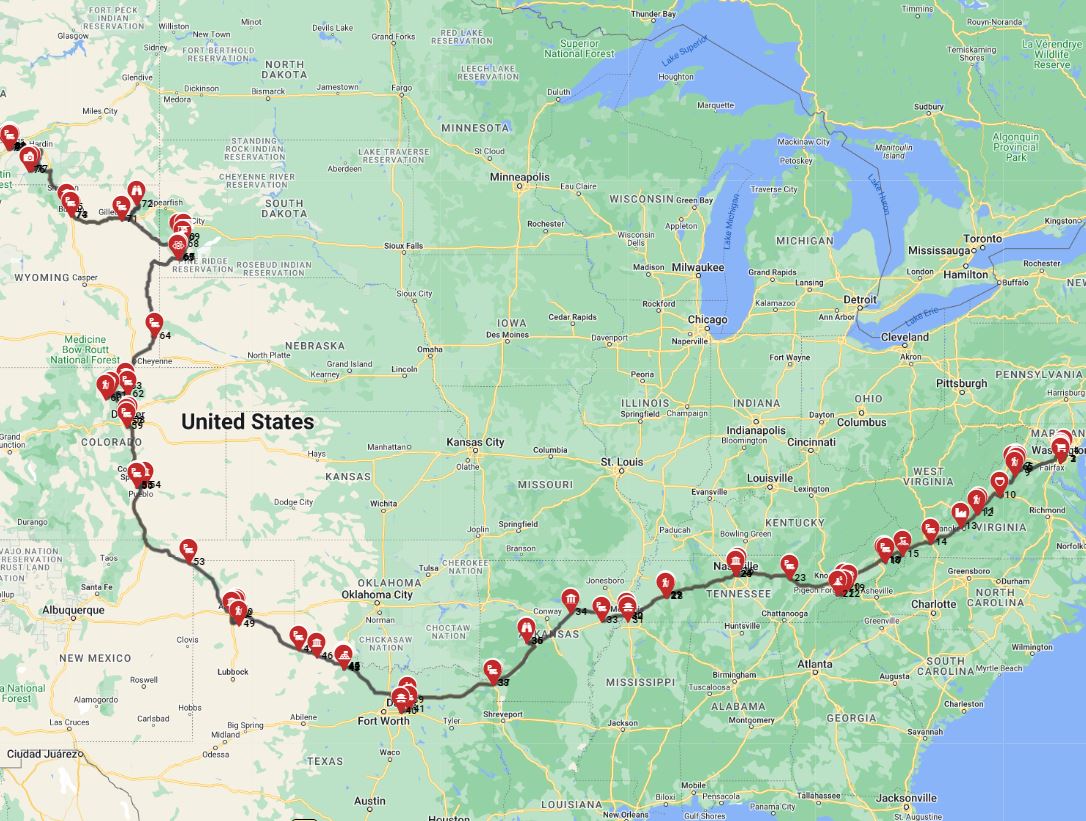
When planning your route, consider a unique cross-country adventure. Our RV PLANET route plan for "Portland to Washington DC - From Pacific Trails to the Nation's Capital" covers 6361.2 km over 28 days, including 1 Amusement Park, 2 Animals Show / Wildlife watch, and 3 Museums. This type of itinerary offers a broad perspective of the country before reaching the capital.
For more detailed driving information specifically for the Washington DC area, you might find our "Driving an RV in Washington DC - Complete Guide 2026" helpful, ensuring you navigate the local roads with confidence.
Campground Types in Washington DC (National, Private, Wild)
Near Washington D.C., private campgrounds offer the most comprehensive amenities and are generally closest to public transport hubs, featuring options like Capitol KOA in Millersville, MD, or Aquia Pines Camp Resort in Stafford, VA. National and State Parks, such as Prince William Forest Park in Virginia or various Maryland state parks along the Potomac River, provide a more natural, serene setting, though they might require slightly longer travel times to reach the city center. Within Washington D.C. itself and its immediate developed surroundings, wild camping or boondocking is generally illegal and strongly discouraged due to local ordinances and a lack of suitable public land, making planned campground stays essential for a worry-free rental experience.
Featured RV Park or Campground in Washington DC
Cherry Hill Park in College Park, Maryland, stands out as a premier RV park near Washington D.C., specifically for its exceptional public transportation integration, offering a direct shuttle service to the College Park-U of Md Metro station (Green Line). This private campground provides full hookups (30 and 50 amp service), high-speed Wi-Fi, clean laundry facilities, and a range of recreational amenities like a swimming pool and general store, making it a comfortable and convenient base for exploring the capital's attractions such as the National Mall and Smithsonian museums. Its well-maintained sites and family-friendly atmosphere consistently earn high ratings from RV travelers.
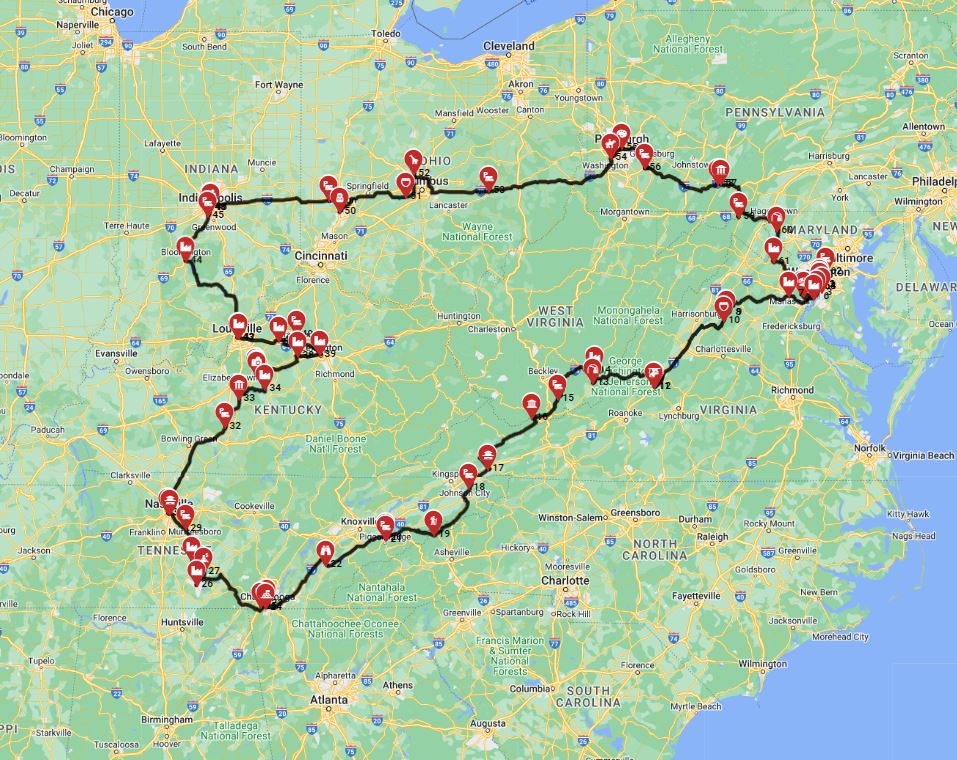
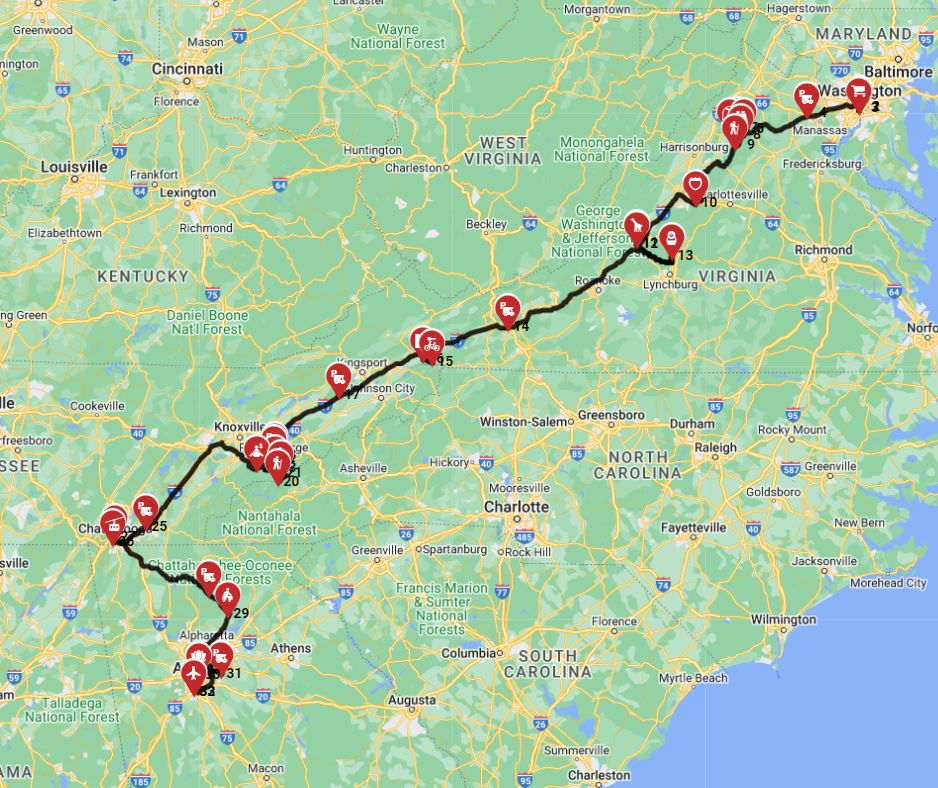
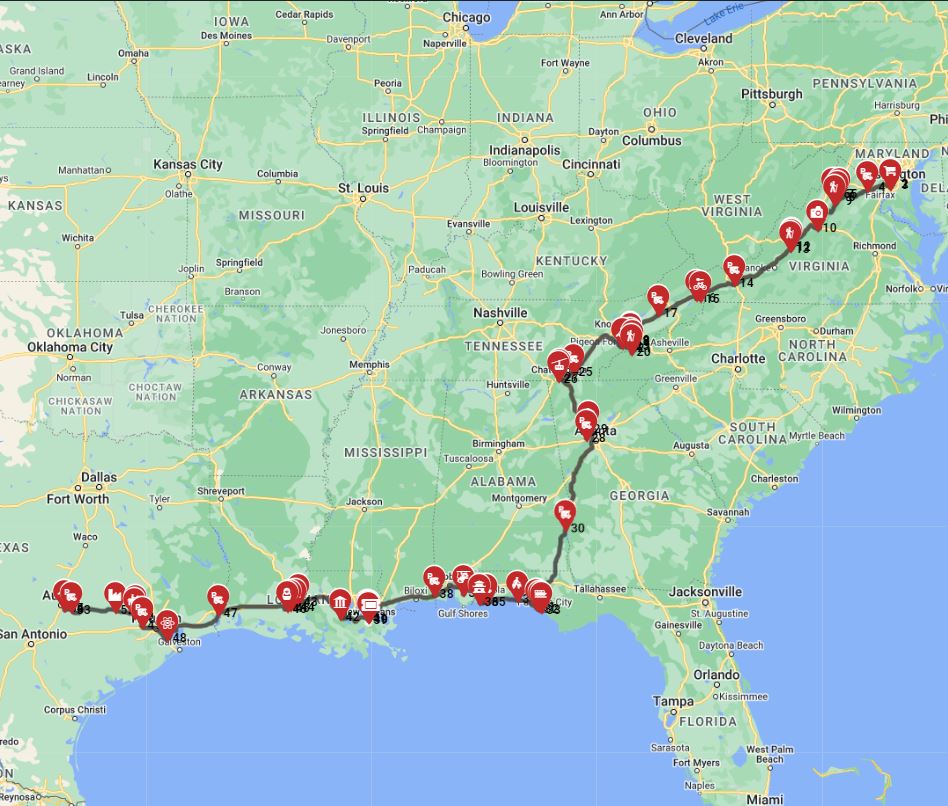
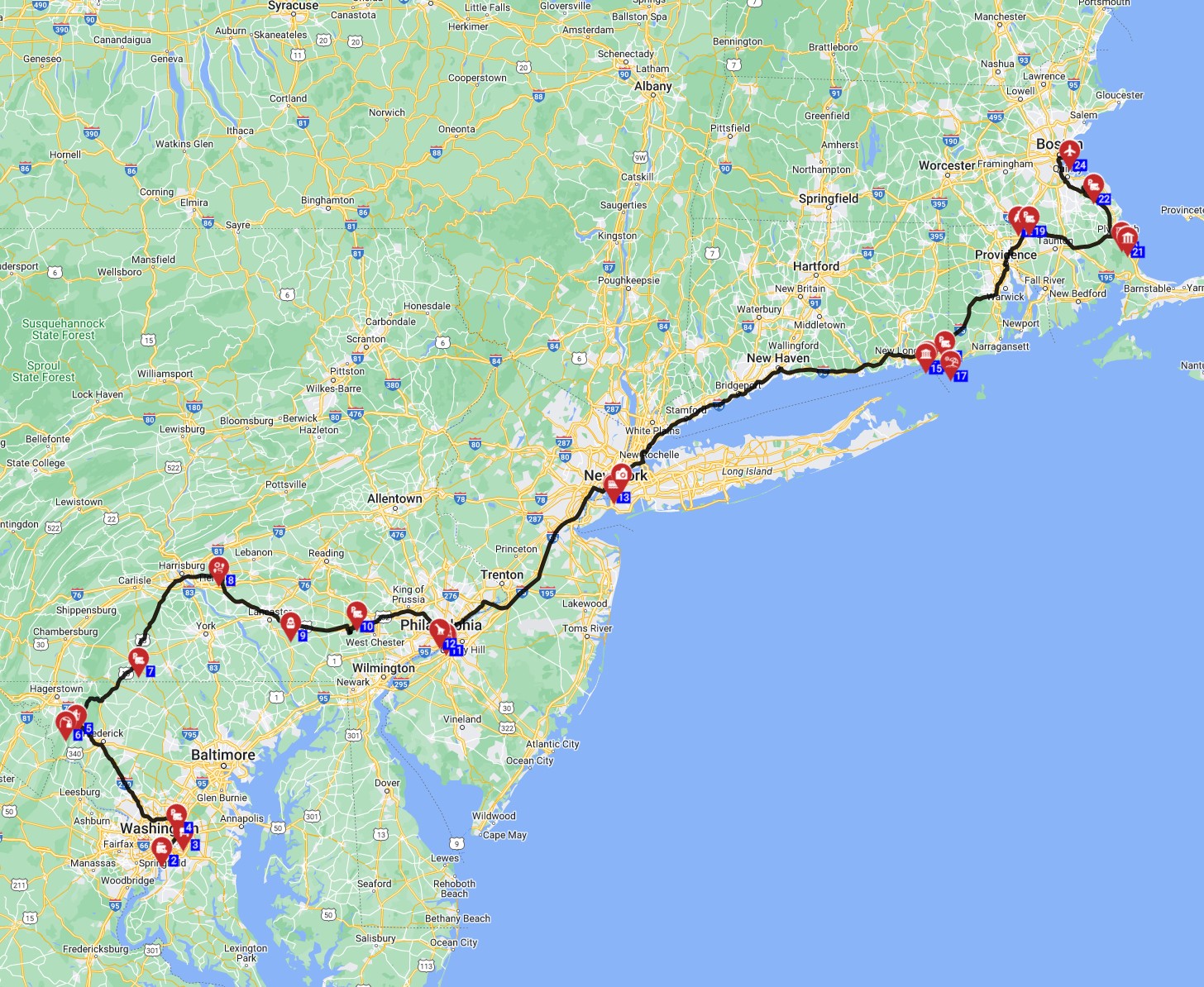
For those looking to craft longer adventures, consider using RV PLANET routes. For example, the "Washington DC to Seattle - Midwest Coast to Coast" itinerary is a 24-day journey covering 5506.3 km, including 3 Museums, 2 Scenic Routes, and 4 Traditional Visits. This expansive route provides numerous opportunities to enjoy your rented motorhome while exploring diverse landscapes across the USA.
Hookups & Amenities - What to Expect
Most private RV parks near Washington D.C., including popular choices like Cherry Hill Park, offer full hookups, which typically include 30 or 50 amp electric service, fresh water, and sewer connections at each campsite. Beyond essential utilities, renters can expect a range of amenities designed for comfort and convenience, such as Wi-Fi access (though signal strength can vary), clean restrooms with hot showers, and often laundry facilities. For travelers needing dump and fill stations outside of full-service campgrounds, several dedicated RV service centers and truck stops in the broader metropolitan area, particularly along major interstates like I-95 in Virginia or I-270 in Maryland, provide these services for a nominal fee, ensuring you can manage your motorhome's waste and water needs efficiently.
Booking Windows & Reservations in Washington DC
For RV travel to Washington D.C., booking campsites well in advance, especially during peak seasons like spring (March-May) and fall (September-October), is highly recommended due to consistently high demand. Many popular campgrounds, particularly national park sites like those around Prince William Forest Park, often release a limited percentage of spots for advance reservations up to six months ahead, with the remainder typically available on a first-come, first-served basis. While spontaneous travelers might occasionally find a spot, calling ahead directly to campgrounds for same-day or next-day availability is crucial to avoid disappointment, especially when traveling with larger Class C motorhomes or families needing specific amenities.
Nearby Supermarkets & Resupply Points
RV travelers near Washington D.C. will find numerous supermarkets and resupply points conveniently located in the surrounding suburbs of Maryland and Virginia. Major grocery chains such as Giant Food, Safeway, Harris Teeter, and Wegmans are readily accessible from most popular RV park locations, including those near College Park, MD, and Stafford, VA. Planning grocery stops strategically outside the immediate D.C. urban core, perhaps in towns like Alexandria or Silver Spring, can help you avoid city congestion and simplify parking for larger rental motorhomes. Remember that cooking in your RV is a fantastic way to save money and enjoy fresh meals on the road - check out our RV-friendly recipes playlist for inspiration!
When considering the overall trip budget, including groceries and other ancillary costs like fuel, campground fees, and tolls, remember that RV PLANET routes allow travelers to itemize and track every expense along the way for easy budgeting. This full transparency helps ensure no financial surprises during your extended road trip. On the routes offered through RV PLANET routes, you can itemize and track every expense along the way for easy budgeting.
Best RV Class for Camping in Washington DC
For navigating the Washington D.C. area, a Class B - Camper Van (averaging 5.8 meters in length) or a Class SI - Semi-integrated RV (averaging 6.9 meters) offers the best balance of comfort and maneuverability. Bandana’s selection includes compact yet fully-equipped Class B Camper Vans, like an "rv rental denver example Category Van" with front air conditioning and a shower, which provide easy parking and a nimble profile, ideal for accessing suburban public transit stations or exploring smaller towns in Virginia. For more living space without sacrificing too much agility, Class SI Semi-integrated RVs, such as the "2 Berth Rover", offer more room for an average of 3-4 adults while remaining manageable on secondary roads leading to campgrounds and avoiding major city congestion. Drive slowly and carefully, and you can drive almost anywhere without issues. No need to stress - just use common sense and pay attention.
Choosing the right size of rental motorhome is key to a stress-free Washington DC adventure. A smaller campervan, perhaps a "Class I Van", will make navigating tighter roads and parking lots much easier when you venture slightly outside your campground base. For broader travel outside the city, our "RV Rental Virginia - Complete Guide 2026" offers extensive information on vehicle choices and routes throughout the state.
How to Save on Campgrounds in Washington DC
To save money on campgrounds in Washington DC, leveraging campground discount cards, often available for purchase or sometimes included with specific RV rental packages like those offered by Bandana, is a primary strategy. Consider booking your extended trip during the shoulder seasons, such as early spring (March) or late fall (November), to benefit from significantly lower rates and fewer crowds compared to peak summer or cherry blossom season. Opting for municipal or regional campgrounds over more expensive private resorts, and extending your stay to three or more nights to qualify for weekly rates, can also lead to substantial savings on your overall Washington DC RV rental adventure.
Where can I park my RV in Washington DC?
Direct RV parking in downtown Washington D.C. is extremely limited and generally not advised due to stringent vehicle size restrictions, numerous low bridges (some under 10 feet), and high traffic congestion. The most practical approach for RV travelers is to park your rented motorhome at a designated campground outside the city in Maryland or Virginia, such as Cherry Hill Park or Prince William Forest Park. From these suburban bases, you can efficiently utilize the region's public transportation system, including the Metro or commuter rail, to reach D.C.'s iconic attractions like the Lincoln Memorial and Smithsonian museums. If you are traveling with a towed vehicle, ensure your chosen campground offers separate parking for it, or plan to park it at a Metro station's daily parking lot for day trips into the city, keeping your larger RV safely parked.
Is Washington DC RV friendly?
Washington D.C. itself is not considered RV-friendly for driving or parking large vehicles directly within its city limits due to its historical layout of narrow streets, extremely limited parking, and strict regulations. However, the greater Washington D.C. metropolitan area is highly RV-friendly, boasting numerous well-equipped campgrounds situated in the surrounding suburbs of Maryland and Virginia, which provide easy access to efficient public transit systems. RV travelers planning a D.C. trip should prioritize choosing a more compact RV class, like a Class B Campervan or a Class C motorhome averaging 7 meters, and be prepared to rely on public transit or rideshares for city exploration to avoid the navigation challenges of low bridges and heavy traffic within the District.
Is Washington, D.C. RV friendly?
While direct RV access into the heart of Washington D.C. is challenging due to urban density and infrastructure limitations like low bridges, the overall experience for RVers visiting the capital region can be highly enjoyable with proper planning and realistic expectations. An RV-friendly approach involves securely parking your rented motorhome at one of the many excellent campgrounds located just outside the city in states like Maryland or Virginia, which often provide dedicated shuttle services or convenient access to Metro stations. Embrace public transit for exploring the city's monuments and museums, and design your itineraries to account for the slightly longer travel times from your campground base, focusing on attractions easily accessible via Metro lines. Our "RV Travel Guide to Washington DC - Tips and Top Spots 2026" can further assist with your planning.
How to book campsites in the US?
To book campsites in the US, travelers typically use online reservation systems such as Recreation.gov for federal campgrounds located within National Parks, National Forests, or other federal lands, or individual state park websites for state-managed sites. Private campground portals like those for KOA or Jellystone Parks also offer direct online booking for their facilities. Many popular campgrounds, especially those near major attractions or in desirable natural settings, allow booking up to six months or even a year in advance, with specific release dates for reservation windows often posted on their websites. For spontaneous trips, direct calls to private campgrounds are frequently effective for finding last-minute availability, and some public campgrounds maintain a percentage of first-come, first-served sites for travelers without prior reservations, although this is riskier for larger RVs during peak season.
Do I need to book campsites in advance?
Booking campsites in advance is strongly recommended, especially when visiting popular destinations like Washington D.C. during peak tourist seasons, holidays, or weekends to ensure you secure a spot. Popular campgrounds near major attractions or in desirable natural settings often fill up quickly, sometimes months ahead of time, necessitating early reservations for your rented motorhome. While some flexibility exists with first-come, first-served sites at certain national or state parks (which typically reserve only 25-30% of spots for advance booking), relying on these can be risky, particularly for larger RVs or families needing specific hookups, making advance reservations a more secure and stress-free choice. Always call ahead before driving to confirm availability.
What campgrounds are near Washington DC metro stations?
Several campgrounds located in the Maryland and Virginia suburbs offer convenient access to Washington D.C.'s Metro stations, making them ideal for RV travelers seeking easy city exploration. Cherry Hill Park in College Park, Maryland, is particularly renowned for its direct shuttle service that transports guests to the nearby College Park-U of Md Metro station (Green Line), offering seamless transit into the city center. While other options like Burke Lake Park in Fairfax Station, Virginia, might require a short drive from the campground to a Metro parking lot, thoroughly researching the public transportation options and estimated travel times from your chosen campground, such as using online route planners, is crucial prior to booking your motorhome rental. For specific family-friendly routes and camping, consider "Family RV Driving in Washington DC - Safe Routes 2026".
Another excellent long-distance route to consider is the "

How do I choose a good campsite?
Choosing a good campsite involves evaluating several key factors including location, desired amenities, price, and proximity to attractions or public transport, especially when visiting urban areas like Washington D.C. Look for campgrounds that offer essential features such as full hookups, reliable Wi-Fi availability (for planning your next steps), and laundry facilities for longer trips. If traveling with pets in your rental RV, prioritize pet-friendly options and research nearby parks or trails that welcome furry companions. Reading recent reviews on platforms like Google, Campendium, or RV LIFE Campgrounds can provide valuable insights into site conditions, noise levels, customer service, and overall suitability for your specific motorhome type and travel style, helping you find the perfect match for your Washington DC adventure. For those seeking a more luxurious RV experience, our "Luxury RV Driving in Washington DC - Scenic Routes 2026" might provide further inspiration.
🎬 Video coming soon
What You Shouldn't Miss
- National Mall & Smithsonian Museums: Spend days exploring the free Smithsonian museums, from the Air and Space Museum to the American History Museum, all accessible by public transit from your RV park.
- Cherry Blossom Festival (Spring): If visiting in late March or early April, witness the breathtaking cherry blossoms around the Tidal Basin, a truly iconic Washington DC experience.
- Georgetown's Historic Charm: Stroll through the cobblestone streets of Georgetown, known for its historic architecture, unique boutiques, and diverse culinary scene.
- Arlington National Cemetery: Pay respects at this solemn and historic site, easily reachable via Metro from your campground.
- Old Town Alexandria: Just across the Potomac River, explore Old Town Alexandria in Virginia, a beautifully preserved historic district with waterfront dining, charming shops, and the Torpedo Factory Art Center.
- Rock Creek Park: Escape the city bustle with a visit to Rock Creek Park, offering miles of hiking and biking trails, a nature center, and a planetarium within the city limits.
Final Thoughts
Exploring Washington DC in a rented RV offers a unique blend of historical discovery and outdoor freedom. While the city center requires a strategic approach with public transit, the surrounding Virginia and Maryland suburbs provide excellent, well-equipped campgrounds that serve as perfect launchpads for your adventures. Remember to travel slowly, averaging max 100-150 km per day, allowing yourself the time to truly immerse in the history, culture, food, and scenic beauty of the capital region.
Whether you're planning a one-week trip to delve deep into American history or a longer two-week adventure extending into the broader Mid-Atlantic, a motorhome rental provides the flexibility and comfort you need. With Bandana Caravan, you get full transparency, expert support, and the peace of mind to focus on making unforgettable memories. Your Washington DC RV camping adventure awaits - imagine waking up to the sounds of nature, then a short ride later, standing before the majestic Lincoln Memorial!
Find Motorhome Rentals in Washington DC