In This Guide
- Top 5 Tips for family RV rental RV Rental in USA
- Before You Book - Class, Dates, Insurance
- Pre-Trip Prep - Packing Checklist for USA
- On the Road - Driving, Fueling, Navigation
- At the Campground - Setup, Hookups & Etiquette
- Family RV Rental-Specific Tips for USA
- Common Mistakes to Avoid in USA
- What is the 3-3-3 rule for RVs?
- What is the 4-4-4 rule for RV?
- What are the drawbacks of renting an RV?
- What is the 2-2-2 rule for RV travel?
- What is the best RV for first time renters?
- What is the cheapest way to rent an RV?
- Is it cheaper to rent an RV or stay in a hotel?
- What You Shouldn't Miss
- Why Book with Bandana Caravan
- Final Thoughts
- Frequently Asked Questions
Top 5 Tips for family RV rental RV Rental in USA
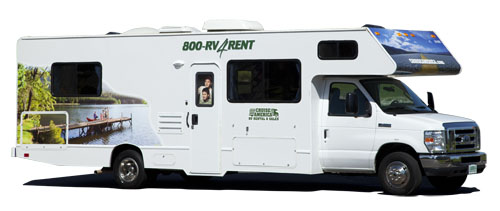
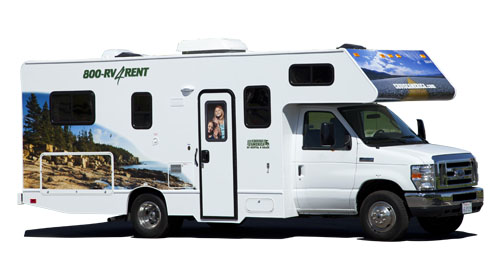
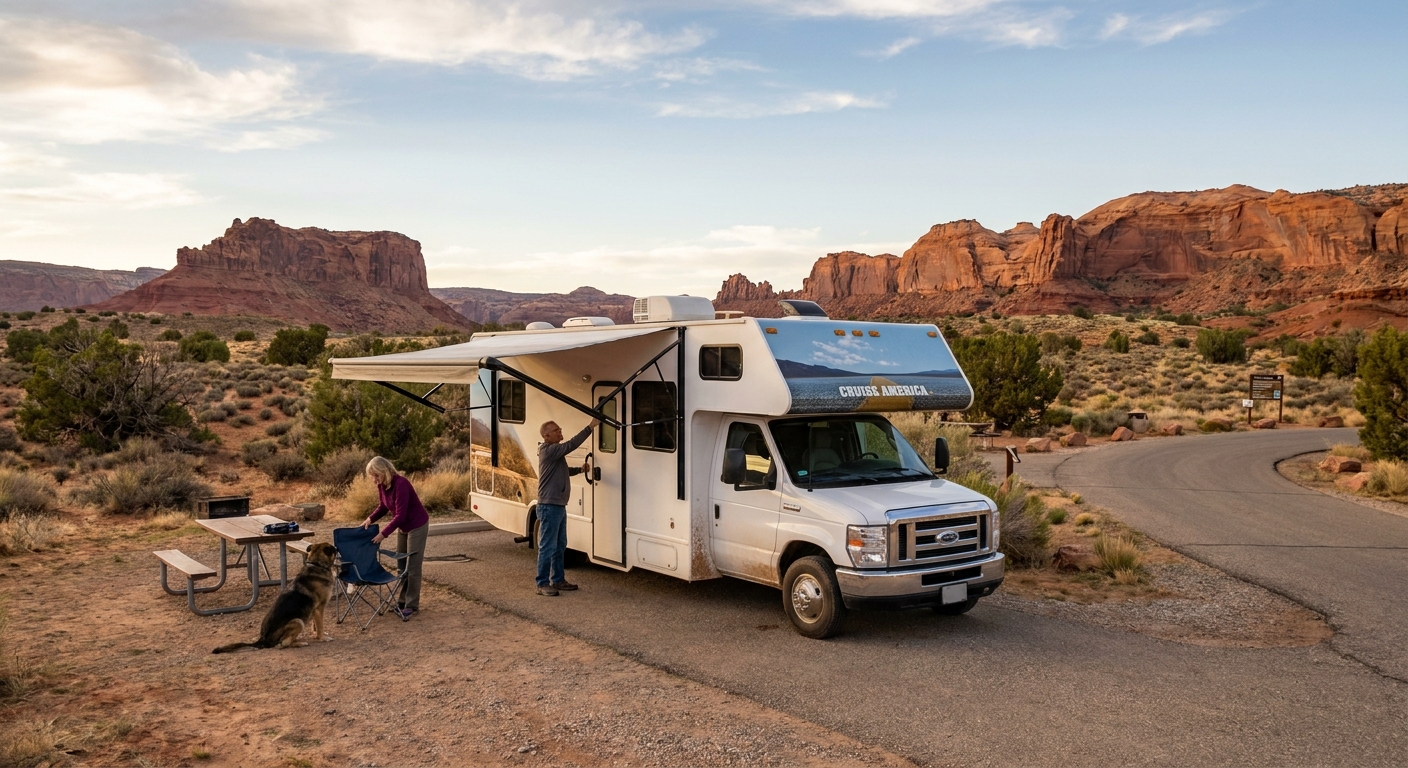 Booking your family RV rental well in advance, especially for popular travel periods like summer or spring break, is crucial to ensure vehicle availability and secure more favorable rates. The best deals for a rented RV in USA often appear 3-6 months ahead, with potential savings of up to 20% on daily rates. Carefully choosing an RV class that comfortably accommodates your family's size and aligns with your driving comfort level is also key; a Class C motorhome, such as the MH23 Medium - Economy with its 198cm rear double bed and seating for 5, is often a great choice for families with 2-3 children. Planning your detailed itinerary, including routes, fuel stops, grocery runs, and pre-booked campground reservations, minimizes stress and maximizes enjoyment, especially when traveling with kids. Developing a comprehensive budget that covers all potential expenses, from rental fees and insurance to fuel, campground costs, food, and a contingency fund for unexpected events, provides full financial transparency. Finally, familiarizing yourself with the basic operation of the rented RV, including hookups and onboard systems, before beginning your journey, ensures a smoother experience and confidence on the road.
Before You Book - Class, Dates, Insurance
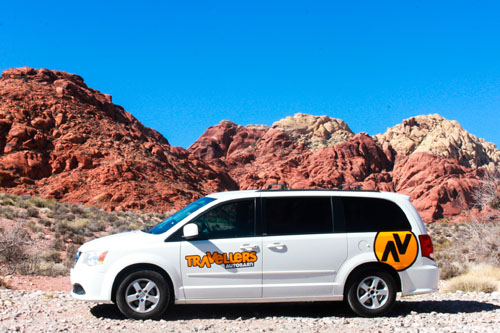
Choosing the right motorhome class for a family rental in the USA is paramount for comfort and peace of mind. Class C motorhomes are often favored by families, offering a good balance of spacious living areas, comfortable sleeping arrangements (like the bed over the cab in a "rent rv example D1"), and a familiar driving experience thanks to their truck or van chassis. If you're looking for more luxury, options like a "Luxury Small" with its 110/200cm double bed and full kitchen are available, while smaller Class B campervans, such as the Chaser with sleeping for 4, offer compact flexibility for smaller families or couples. To secure your preferred rented RV and specific dates, particularly for high-demand seasons like July and August, it's advisable to lock in your booking several months ahead. Prices are dynamic and fluctuate based on availability and seasonality, much like flight tickets. While basic insurance is always included with your rental, you can upgrade to a top-level deductible reimbursement for extra peace of mind, ensuring comprehensive coverage without surprises. We pride ourselves on full transparency, so what you see is what you pay, with no hidden fees at pickup. For a more detailed breakdown of costs and available models, explore our "RV Rental in USA - Prices and Best Deals 2026" guide.Pre-Trip Prep - Packing Checklist for USA
A detailed packing checklist, thoughtfully tailored to the diverse USA climate and your family's needs, ensures a comfortable and well-prepared RV trip. Remember that while most rented RVs come with basic kitchenware, you'll need to confirm what's included with your specific booking.- **Clothing:**
- Layers for varying temperatures (e.g., cool mornings in the mountains, warm afternoons in the desert).
- Rain gear for unexpected showers.
- Swimwear for lakes, rivers, or campground pools.
- Hats and caps for sun protection.
- Comfortable walking shoes for exploring parks and trails.
- Pajamas for cozy nights in your mobile home.
- **Kitchen:**
- Basic cooking utensils and pots/pans (check if included in your rental).
- Plates, bowls, cups, and silverware.
- Dish soap, sponges, and dish towels for easy cleanup.
- Paper towels and trash bags.
- Reusable water bottles to stay hydrated.
- Coffee maker/press for morning brews.
- Non-perishable food items and essential spices to start your RV-friendly recipes playlist adventure.
- **Safety & First Aid:**
- Comprehensive first-aid kit, well-stocked for minor injuries.
- Emergency road kit, including jumper cables and basic tools for roadside assistance.
- Flashlight with extra batteries for navigating in the dark.
- Bug spray and sunscreen for outdoor protection.
- Portable power bank for charging devices on the go.
- Bear spray (if traveling in designated bear country, learn proper usage).
- **Documents:**
- Valid Driver's license for all authorized drivers (minimum age 21 for most rentals).
- RV rental agreement and essential contact information.
- Proof of insurance.
- Printouts or digital copies of campground reservations.
- Physical and digital maps/GPS details for navigation.
- Identification for all travelers (e.g., passports, birth certificates for kids).
- Medical cards and emergency contacts.
On the Road - Driving, Fueling, Navigation
Effective navigation and safe driving practices are essential for a stress-free family RV trip across the USA, ensuring everyone enjoys the journey. Driving a rented RV requires increased awareness of its size, weight, and braking distance, which are significantly different from a standard car. Drive slowly and carefully, and you can drive almost anywhere without issues; no need to stress, just use common sense and pay attention to your surroundings, especially when navigating turns or parking. Plan fuel stops carefully, prioritizing larger gas stations or truck stops that can easily accommodate larger motorhomes like a "MHC30" with its 210-liter fuel tank. Utilize RV-specific GPS systems or apps that account for vehicle dimensions, helping you avoid low clearances, narrow roads, or weight-restricted bridges. Maintain a relaxed pace, perhaps averaging 100-150 km per day, take regular breaks, and always be mindful of your surroundings and blind spots. Traveling slowly allows you to truly feel the place, connect to the culture, the food, and the scenery, enriching your family's overall experience.At the Campground - Setup, Hookups & Etiquette
Proper RV setup, efficient utility hookups, and adherence to campground etiquette contribute significantly to an enjoyable family camping experience in the USA. Upon arrival at your chosen spot, carefully position and level your rented motorhome or campervan before deploying any slide-outs or connecting utilities. Always connect electrical power first to prevent surges, followed by the fresh water hose, and then the sewer hose, ensuring the correct sequence for safety and hygiene. Respect campground quiet hours, which typically run from late evening to early morning, and maintain a respectful noise level throughout your stay, particularly for the sake of neighboring campers. Always dispose of trash in designated receptacles, keep your campsite tidy, and minimize your environmental impact for the enjoyment of all visitors and the preservation of natural beauty. For finding campsites and campgrounds during your trip, we recommend using RV PLANET (rvplan.net) - a great resource for locating available spots along your route. You'll find a spot; if not at the first campground, then the next one. Always call ahead before driving.Family RV Rental-Specific Tips for USA
Tailoring your RV trip to specific family needs means incorporating kid-friendly activities, flexible schedules, and robust safety considerations across the USA. Plan routes with frequent stops at playgrounds, national parks (which often have junior ranger programs), or unique roadside attractions to keep children engaged and prevent boredom during travel days. Consider a rented RV layout that offers separate sleeping areas or a convertible dinette, providing flexibility for nap times and different sleep schedules for various age groups; a Class C model like the C-30 with a 145/244cm bed over the cab is ideal for this. Pack a variety of entertainment options, including books, games, and downloaded movies, for both travel days and evenings at the campground to ensure everyone has downtime. Preparing simple, nutritious meals and snacks in advance can save time and money, and involving children in meal prep where appropriate fosters a sense of participation and adventure. Remember, traveling slowly, perhaps covering a maximum of 100-150 km per day on average, allows your family ample time to feel the place, connect to the local culture, savor the food, and immerse yourselves in the stunning scenery. Our team of true RV specialists can help you find the perfect family RV rental in USA that meets all your needs.Common Mistakes to Avoid in USA
Avoiding common pitfalls can significantly enhance your family RV rental experience in the USA, ensuring a smoother and more enjoyable journey. Overpacking is a frequent mistake; instead, create a minimalist packing list focusing on versatile items and utilizing the rented RV's storage efficiently, ensuring you leave ample space for souvenirs! Neglecting route planning is another pitfall; instead, use RV-specific GPS and pre-plan your daily mileage, fuel stops, and overnight destinations, considering that many national and state parks reserve 25-30% of spots for first-come-first-serve. Ignoring RV dimensions can lead to costly errors; always know your rented motorhome's height, width, and length to avoid low clearances, narrow roads, or weight-restricted bridges. Improper hookup sequence at campgrounds can cause damage or unsanitary conditions; strictly follow the order: electrical first, then water, and finally sewer. Underestimating the total trip costs is a common budgeting error; remember to account for all potential expenses beyond the base rental, including fuel, various campground fees (from $20-$100/night), dumping fees, propane, tolls, groceries, and a contingency for unexpected maintenance. For easy budgeting and tracking every expense along the way, we highly recommend planning your trip with RV PLANET routes. Our full transparency policy means you'll never face hidden fees, setting clear expectations from the start. For further financial guidance, check out our "Cheap RV Rental in USA - Budget Guide 2026" article.What is the 3-3-3 rule for RVs?
The 3-3-3 rule for RVs recommends driving no more than 300 miles (approximately 480 km) per day, arriving at your campground by 3:00 PM, and staying for a minimum of 3 nights at each location. This guideline promotes a relaxed travel pace, significantly reduces driver fatigue, and allows ample time to fully enjoy each destination without feeling rushed, which is particularly beneficial for families with children. Adhering to the 3-3-3 rule can significantly enhance the enjoyment of an RV trip across the USA, providing a healthy balance between travel and exploration.What is the 4-4-4 rule for RV?
The 4-4-4 rule for RV travel is a slightly more flexible variant of travel guidelines, suggesting driving no more than 400 miles (approximately 640 km) per day, arriving at your destination by 4:00 PM, and staying for at least 4 nights. This rule still emphasizes a leisurely and enjoyable travel experience while allowing for slightly longer travel days than the 3-3-3 rule. It aims to balance covering ground with providing sufficient time for setup, relaxation, and exploring the local area at each stop, catering to families who might want to see more destinations on an extended road trip.What are the drawbacks of renting an RV?
Renting a motorhome can present several drawbacks, including the comprehensive cost, a learning curve for operating a larger vehicle, and the potential for unexpected issues during your trip. Beyond the daily rental rate, costs can quickly accumulate from fuel (a Class C motorhome like the Cruise America Explorer with a 75-liter fuel tank might get 11 L/100km), varying campground fees, insurance upgrades, mileage charges, generator usage, propane refills, and dumping fees, sometimes exceeding initial budget expectations. Operating a rented RV requires adjusting to its larger size, weight, and different driving dynamics, which can initially be challenging for new renters; however, with careful and slow driving, these challenges are easily overcome. Unexpected maintenance, such as issues with water pumps, electrical systems, or plumbing, can occur, requiring basic troubleshooting skills or professional assistance, though 24/7 support from Bandana RV is available for pre-booking, booking, and post-booking coordination. Maneuvering in tight spaces, finding suitable parking, and navigating through certain urban areas can also pose significant challenges, but are manageable with common sense and attention.What is the 2-2-2 rule for RV travel?
The 2-2-2 rule for RV travel is an even more relaxed guideline, recommending driving no more than 200 miles (approximately 320 km) per day, arriving at your campsite by 2:00 PM, and staying for a minimum of 2 nights. This rule is ideal for those seeking a highly leisurely trip, maximizing time spent at each location for relaxation and in-depth exploration, and significantly minimizing daily driving stress. It is particularly beneficial for families with very young children or travelers who prefer immersive experiences at fewer destinations over covering extensive distances. This approach aligns perfectly with our recommendation for slow travel to truly soak in the sights and sounds of the USA.What is the best RV for first time renters?
For first-time RV renters in the USA, a Class C motorhome is widely considered the best choice due to its user-friendly driving experience and comprehensive amenities. These models, often built on a familiar truck or van chassis, like the "rv rentals utah example Sunrise Escape" which seats 5 and has a 208-liter fuel tank, are easier to handle and navigate than larger Class A models. They offer integrated living spaces with essential comforts like a functional kitchen, a private bathroom, and multiple sleeping areas, making them ideal for families. Their manageable size is conducive to both highway travel and parking in most campgrounds, reducing stress for inexperienced drivers while providing ample space for a family of 4-6 people. You can find excellent options in our "Luxury RV Rental in USA - Premium Prices 2026" or "Cheap RV Rental in USA - Budget Guide 2026" collections, depending on your preferences.What is the cheapest way to rent an RV?
The cheapest way to rent an RV in the USA often involves strategic booking during off-peak seasons, utilizing special deals, and comparing various rental platforms. Renting during the off-season or shoulder months (spring and fall) typically results in significantly lower daily rates compared to peak summer travel periods. For instance, a Class C motorhome might be $150/day in April but jump to $280/day in July. Look for one-way relocation specials or "repositioning" deals, where rental companies offer discounted rates to move rented RVs between locations, although one-way fees typically range from $150-$500 depending on the distance and demand. Comparing prices across our direct partnerships with over 50 leading RV suppliers worldwide, including El Monte, Cruise America, Apollo, and Britz, is essential. Our platform facilitates comparing final prices with full transparency, ensuring what you see is what you pay, with no surprise fees at pickup. We also offer a 25% planning discount when you use rvplan.net for your route planning.Is it cheaper to rent an RV or stay in a hotel?
Whether renting an RV is cheaper than staying in a hotel for a trip in the USA depends on multiple factors, including trip duration, group size, and your travel habits. For families or larger groups (4-7 people) on longer trips (e.g., a week or more), a rented RV can become more cost-effective as it combines accommodation and transportation into one vehicle. This approach offers significant potential savings on meals through self-catering with your onboard kitchen, compared to eating out for every meal. However, RV costs encompass rental fees (e.g., $150-$300/day for a Class C), fuel (which can be substantial with larger vehicles), varying campground fees ($20-$100/night for full hookups), insurance, propane, and dumping fees, which can quickly add up. Hotel stays, conversely, often incur costs for multiple rooms for families, frequent restaurant dining, and separate transportation, but may offer more convenience for short trips or urban exploration with fewer logistical demands. For a precise budget, consider using our RV PLANET routes feature to itemize and track every potential expense.What You Shouldn't Miss
The USA is an immense country offering countless incredible RV experiences, perfect for families seeking adventure and connection. From coast to coast, there are breathtaking landscapes and unique cultural encounters waiting.- **Explore National Parks:** Venture into iconic parks like Yellowstone, Zion, or Yosemite, offering unparalleled natural beauty and family-friendly hiking trails. Imagine your family gazing at Old Faithful or standing in awe of the Grand Canyon!
- **Historic Route 66 Journey:** Drive a segment of the legendary "Mother Road" (Route 66) for a nostalgic trip through Americana, stopping at quirky roadside attractions and classic diners. This route is a fantastic way to immerse yourselves in a unique piece of American history.
- **Florida's Beaches and Theme Parks:** Combine relaxation with excitement by visiting Florida's sunny beaches and world-renowned theme parks in Orlando, easily accessible with your rented motorhome.
- **The Pacific Coast Highway (California):** Experience one of the most scenic drives in the world along California's Highway 1, offering stunning ocean views, charming coastal towns, and plenty of opportunities for beachfront camping. Our guide Rent a Motorhome in California - Prices, Routes & Tips 2026 provides excellent insights for this region.
- **Southern Hospitality & Music Cities:** Explore the rich history and vibrant music scenes of cities like Nashville and New Orleans, enjoying delicious local cuisine and unforgettable live performances.
- **The Canadian Rockies (via border crossing):** For an extended adventure, consider a one-way RV rental in USA that allows you to cross into Canada and explore the majestic Canadian Rockies, a truly stunning landscape. Our One-Way RV Rental in USA - Price Guide 2026 offers details on these cross-border options.
Top 5 Adventures - recommendations from Avi Bandana
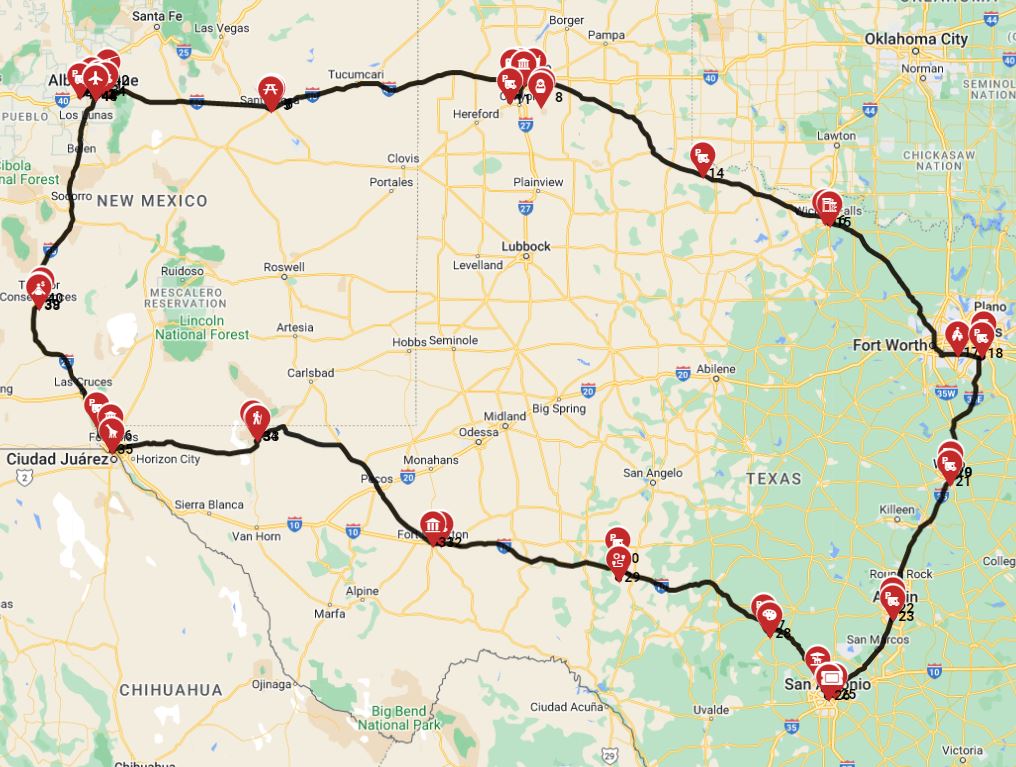
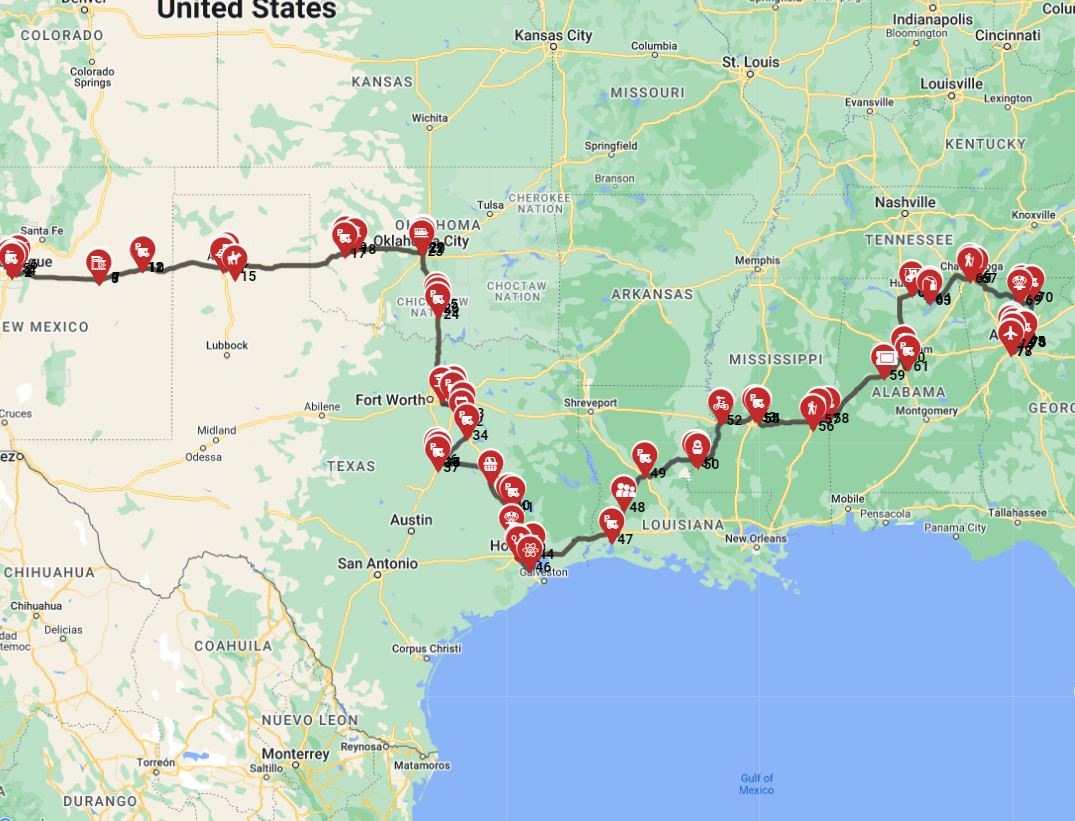
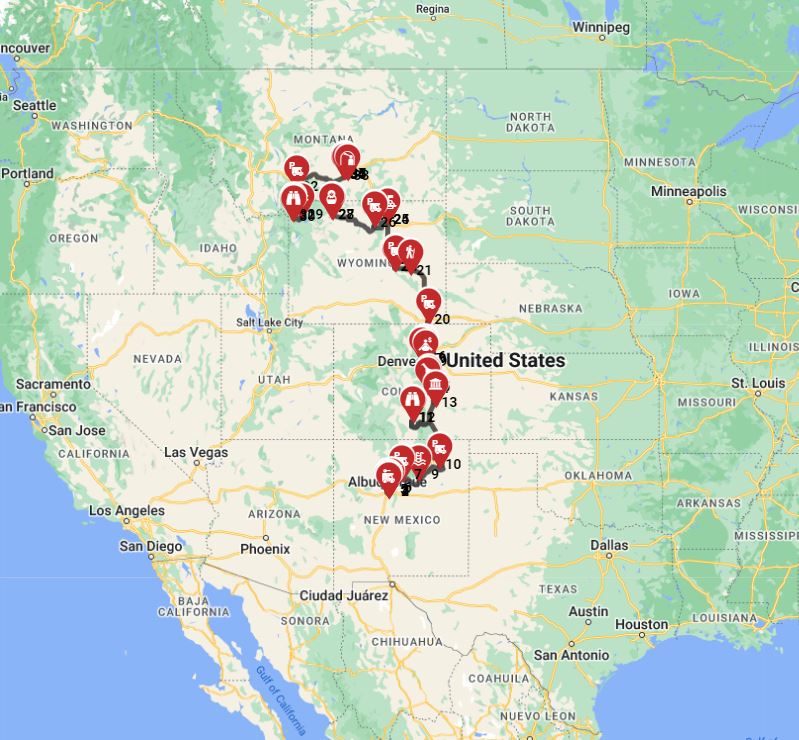
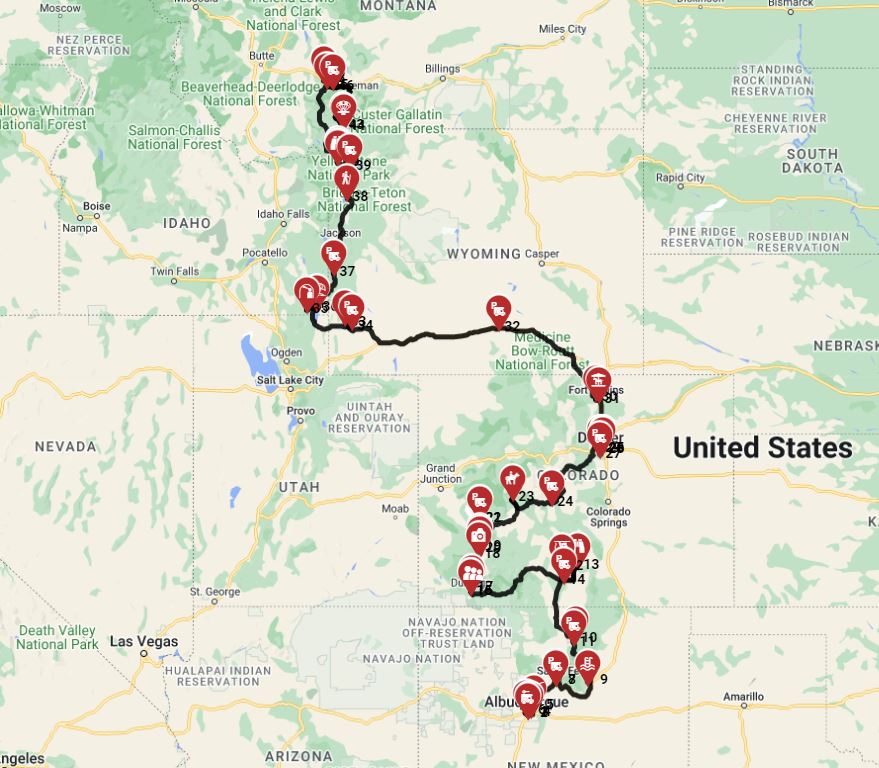
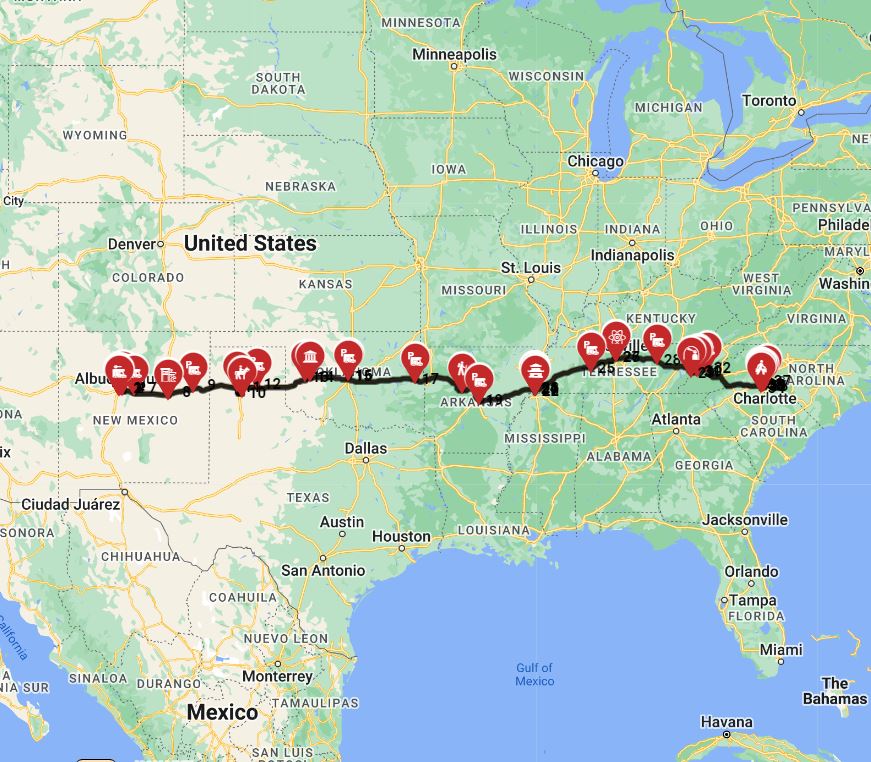
Imagine a 25-day, 5,678 km epic journey from Billings to Orlando, traversing the Rockies to reach the magic of Disney! This route plan includes 1 amusement park, 1 wildlife watch opportunity, 1 aquarium, 3 museums, and 4 hiking areas, ensuring diverse experiences for every family member. Or perhaps an 11-day, 1,769 km Toronto Roundtrip, heading north to include the iconic Niagara Falls and the beautiful Thousand Islands. This journey features 2 beaches, 3 cruise terminals, and 2 natural features, making it a perfect blend of natural beauty and memorable stops.Final Thoughts
Embarking on a family RV rental adventure in the USA is an incredibly rewarding experience that offers unparalleled flexibility and the chance to create lasting memories with your loved ones. From the initial planning stages to navigating the open road and settling into cozy campgrounds, every step of the journey is part of the grand adventure. By following these practical tips and leveraging resources like RV PLANET, you can ensure a smooth, transparent, and thoroughly enjoyable trip. Remember, the key to a fantastic family RV vacation is not just the destination, but the shared experiences along the way. With a reliable rented motorhome and thoughtful preparation, you're all set to discover the breathtaking beauty and diverse charm of the USA at your own pace. Get inspired for your next trip!On the routes offered through RV PLANET routes, you can itemize and track every expense along the way for easy budgeting.