In This Guide
- Can You Drive an RV in USA? License & Age Rules
- Road Conditions & Terrain in USA
- RV Size Limits, Bridges & Restricted Zones
- Fuel: Diesel vs. Petrol & Cost per 100 km
- Tolls, Vignettes & Border Rules
- Driving Tips for Long Term RV Rental Travelers
- Recommended RV Class for USA Roads
- Should I Choose a Compact Van Instead of a Large RV in USA?
- Can I Park Anywhere? Free & Wild Camping Rules in USA
- Can I Drive an RV Into the City Center? Heights, Tunnels & Local Signage
- Do you have to have a special license to drive a 30 ft RV?
- What is the 3-3-3 rule for Extended RV Travel?
- Can you sleep in an RV while driving in the USA?
- Understanding Campground Age Rules for RVs
- What states require a special RV license?
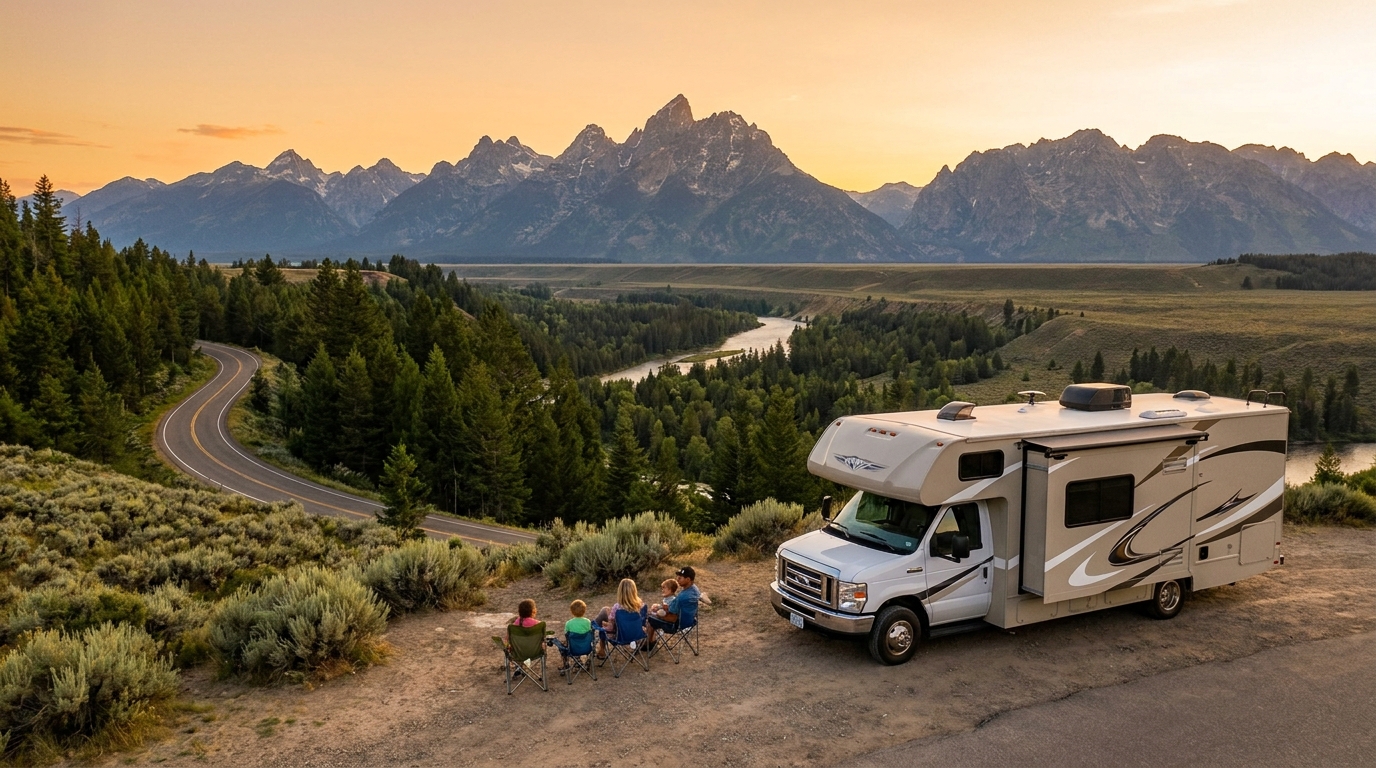
Embarking on an extended motorhome journey across the USA offers unparalleled freedom and discovery. Whether you're planning a two-week adventure or a month-long exploration, understanding the nuances of long-term RV driving in USA is key to a smooth and enjoyable trip. At Bandana RV, we specialize in helping you compare motorhome prices for USA and plan epic journeys, ensuring full transparency with no hidden fees and 24/7 support throughout your booking process. For live availability and current prices, start with our RV Rental USA - Complete Guide 2026 guide.
Can You Drive an RV in USA? License & Age Rules
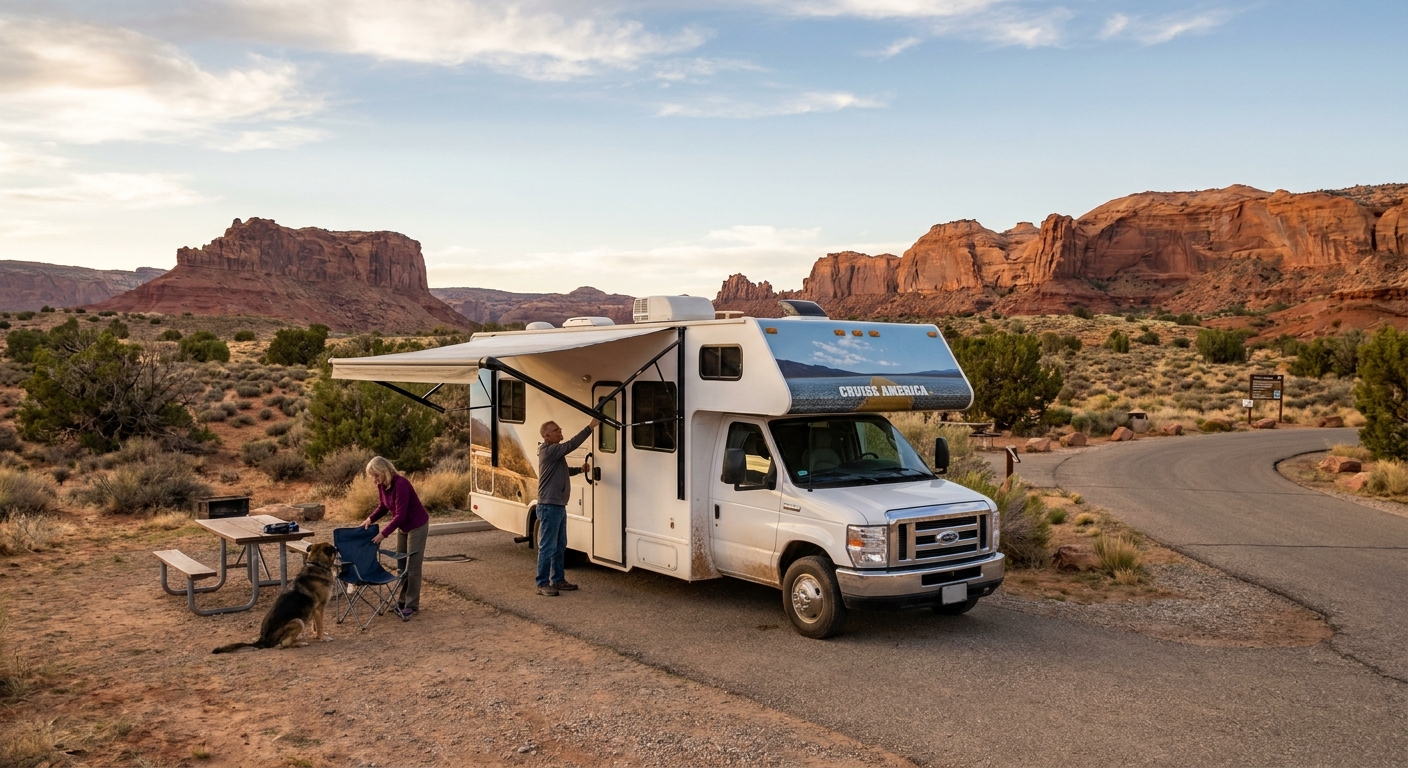
Most motorhomes in the USA, particularly Class B, Class C, and even many Class A models, can be driven with a standard Class D (or equivalent) driver's license, provided their Gross Vehicle Weight Rating (GVWR) is under 26,000 pounds. The minimum driving age for renting an RV in the USA is typically 21 years old, and Bandana RV proudly offers rentals without young driver surcharges or vehicle class restrictions based on age. International visitors are advised to carry a valid driver's license from their home country along with an International Driving Permit (IDP) as a translation, though it's not universally mandatory.
Road Conditions & Terrain in USA
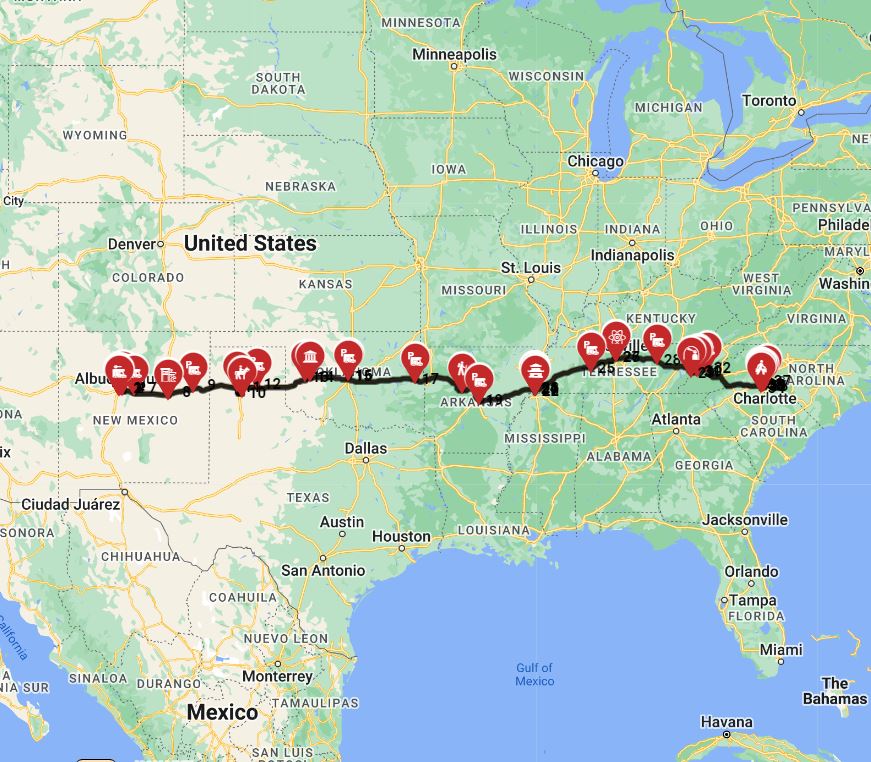
The USA boasts an extensive network of well-maintained interstates and highways, which are generally excellent for long-term RV travel, accommodating all sizes of motorhomes. Travelers will encounter diverse terrains, from the flat plains of the Midwest and the rugged mountains of the Rockies to the coastal roads of California. While primary routes are typically smooth, be prepared for some secondary or national park roads that might include gravel or unpaved sections, requiring drivers to proceed slowly and carefully. Embracing slower, scenic drives, averaging 100-150 km per day, is highly recommended to fully appreciate the varied landscapes and avoid driving fatigue on your adventure.
RV Size Limits, Bridges & Restricted Zones
While there isn't a single federal maximum RV length, most US states generally limit single motorhome units to 40-45 feet (approximately 12-13.7 meters). RV heights usually range from 10 to 13.5 feet, with the federal interstate maximum height at 13 feet 6 inches (4.11 meters). Always pay close attention to local signage for lower bridges, especially when navigating older cities or rural routes. Weight limits are also crucial, determined by your RV's Gross Vehicle Weight Rating (GVWR) and Gross Combination Weight Rating (GCWR); always ensure your loaded vehicle is within legal limits for safety. Certain historical districts or specific national parks may have their own length, width, or weight restrictions, or even temporary bans, so checking ahead is always a smart move.
Fuel: Diesel vs. Petrol & Cost per 100 km
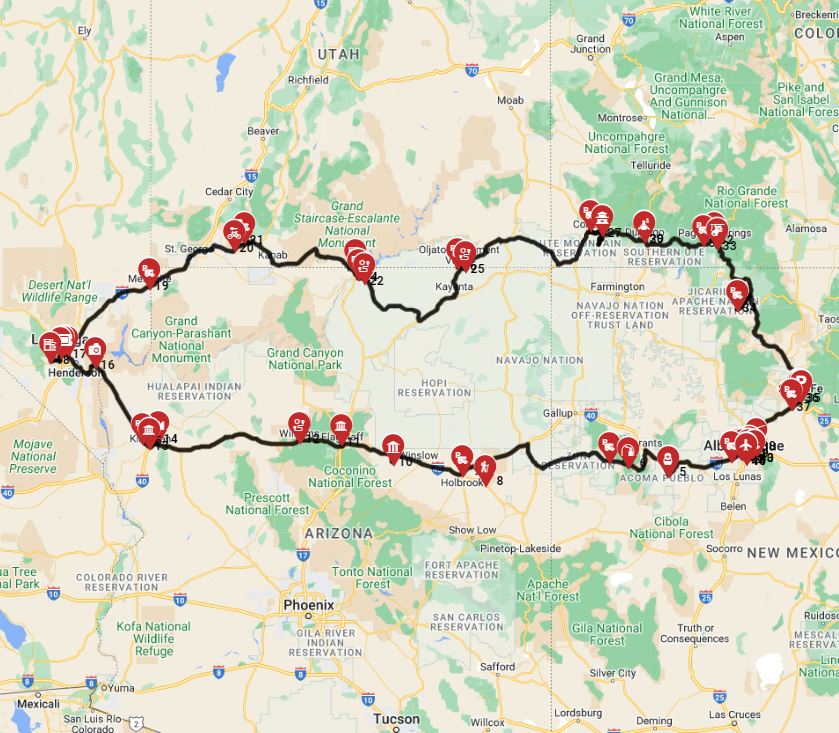
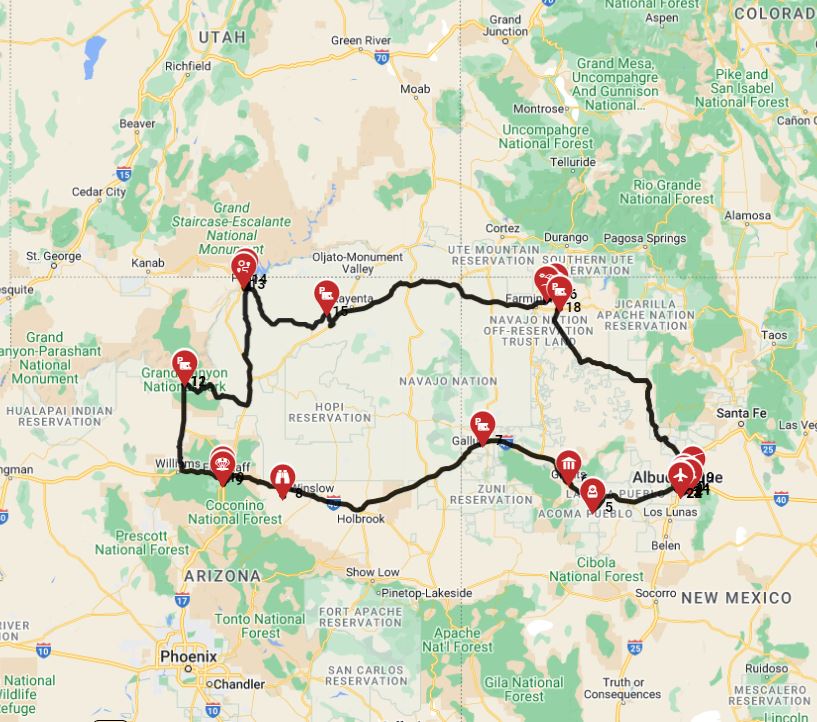
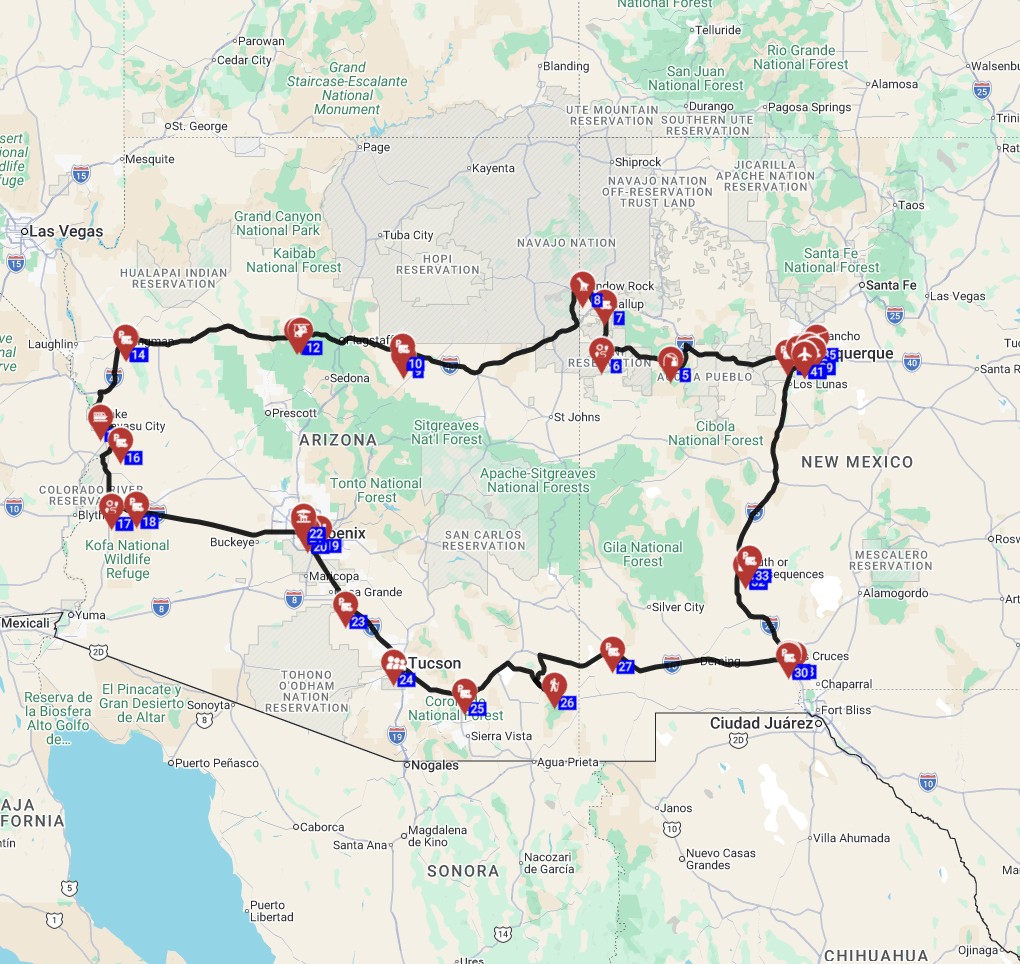
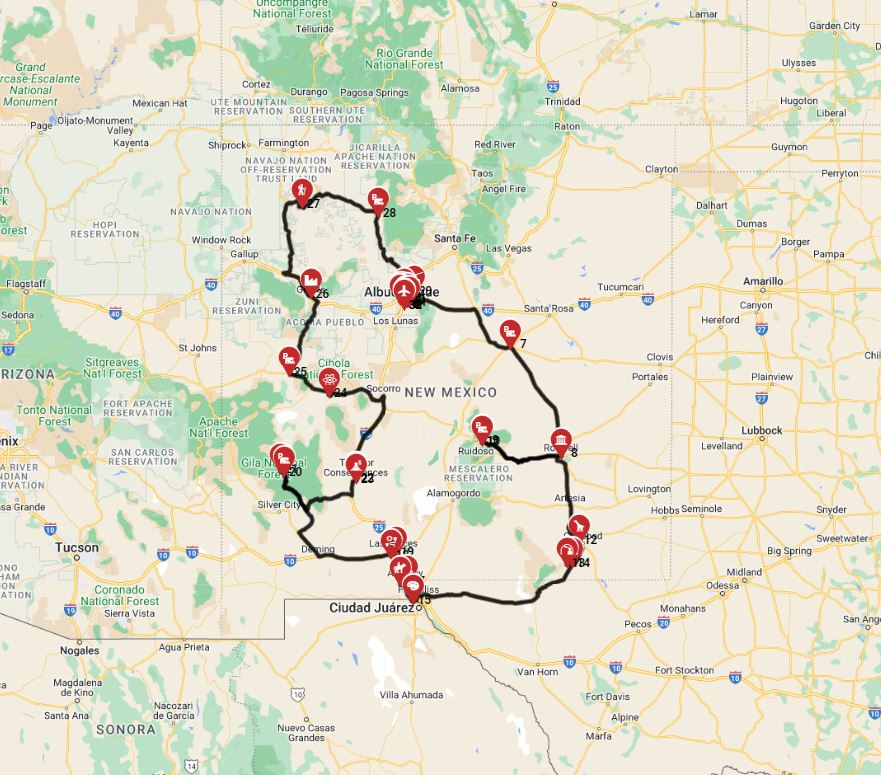
Many larger motorhomes, such as Class A and larger Class C (Alcove) models, typically operate on diesel fuel, while smaller campervans (Class B) often use petrol (gasoline). Diesel is readily available at most truck stops and larger gas stations throughout the USA. Based on Bandana's global fleet averages, a Class C (Alcove) RV generally consumes 10-12 Liters/100 km, while a Semi-integrated RV might consume 10-11 Liters/100 km. To illustrate the cost, if diesel averages around $1.06 per liter (approx. $4.00/gallon), a Class C RV would cost approximately $10.60-$12.72 per 100 km for fuel. Petrol prices are generally similar per liter. Long-term travelers should budget fuel as a significant variable expense, and remember that on RV PLANET routes, you can itemize and track every expense for easy budgeting. On the routes offered through RV PLANET routes, you can itemize and track every expense along the way for easy budgeting.
Tolls, Vignettes & Border Rules
The USA primarily uses toll roads, bridges, and tunnels, particularly in states like New York, New Jersey, Pennsylvania, Florida, and California, rather than the vignette system common in some European countries. Payment methods for these tolls vary, including cash lanes, electronic transponders (like E-ZPass), or 'toll-by-plate' systems that mail a bill to the vehicle's registered owner. For your long-term RV rental in USA, consider asking if the rental provider offers a pre-paid toll pass or plan to purchase one to simplify your journey and avoid potential fines. If you intend to cross borders into Canada or Mexico, confirm that your rental agreement permits international travel and ensure you have all required vehicle documentation, insurance, and personal identification (like passports).
Driving Tips for Long Term RV Rental Travelers
Effective planning is paramount for a successful long-term RV rental adventure in USA. Always plan your route carefully, utilizing RV-specific GPS apps that consider your vehicle's dimensions and potential restrictions. Take frequent breaks, ideally every 2-3 hours, to combat driver fatigue and allow everyone to stretch and enjoy the scenery. Remember that larger RVs, like the "rv rentals utah example Sunrise Escape" (7.6m length, 20-25L/100km fuel consumption), require more space for turns and longer braking distances, so practice in open areas. Regularly check fluid levels and tire pressure, as routine maintenance checks are crucial for safety on extended trips. For finding campsites and campgrounds during your trip, we recommend using RV PLANET (rvplan.net) - a great resource for locating available spots along your route.
Recommended RV Class for USA Roads
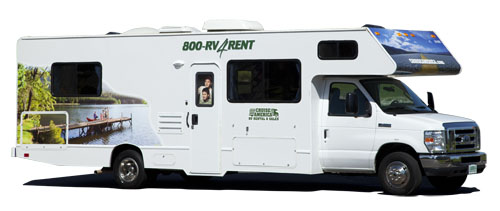
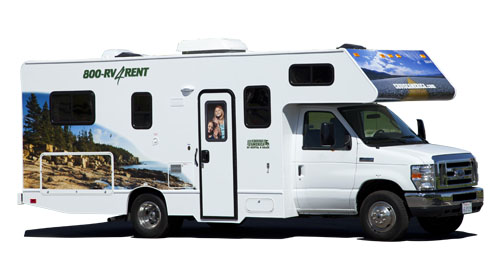
For long-term RV travel in the USA, Class C (Alcove) and Class SI (Semi-integrated) motorhomes are highly recommended. These classes offer an excellent balance of comfort, amenities, and maneuverability across America's diverse road network. Class C RVs, such as the "cruise america rv rental example Explorer" (7.1m length, sleeping 4, with 11 L/100 Km fuel consumption), provide ample space for families, typically consuming 10-12 Liters/100 km. Semi-integrated models offer a slightly more compact footprint at around 6.9 meters, ideal for couples or smaller families with improved fuel efficiency (10-11 Liters/100 km). While luxurious Class A (Integrated) RVs offer extensive space, their larger size (e.g., "Class A - Thor ACE 30" at 9.37m length, sleeping 6) can be more challenging for less experienced drivers or in tighter campgrounds, making Class C or SI a generally more practical choice for long-term rental trips.
Should I Choose a Compact Van Instead of a Large RV in USA?
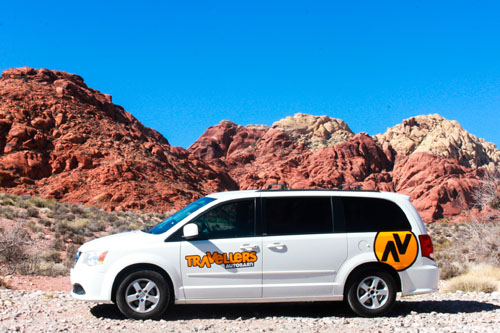
Driving even a large RV in the USA generally presents no inherent issues, as the country's infrastructure is built to accommodate a wide range of vehicle sizes. For long-term rental journeys, the comfort and ample indoor space offered by a larger motorhome like a Class C (e.g., a "29′ Class C Motorhome") often outweigh the marginal maneuverability gains of a compact campervan. While smaller Class B (Camper Van) models, such as the "rv rental denver example Category Van" or "rv rental atlanta example US Tourer" (6.1m length, sleeping 3), can be advantageous for extremely tight city centers or finding parking in crowded spots, they compromise significantly on living space, amenities, and storage. For most extended road trips exploring national parks and open highways, a Class C or Semi-integrated RV provides a more comfortable and practical "mobile home" experience.
Can I Park Anywhere? Free & Wild Camping Rules in USA
No, you cannot simply park an RV anywhere; free and wild camping (often called boondocking or dispersed camping) rules in the USA are highly specific and vary significantly by location. Dispersed camping is generally allowed on federal lands managed by the Bureau of Land Management (BLM) and within some National Forests, particularly in the Western USA. Many large retail parking lots, like Walmart or Cabela's, might permit overnight RV parking, but this is always at the individual store manager's discretion, and permission must be explicitly sought. Overnight parking in rest areas is typically for short periods of rest (e.g., 8-10 hours), not extended camping, with state-specific regulations. Local city and town ordinances frequently prohibit overnight RV parking on public streets without permission. Always verify local regulations before parking overnight to avoid fines or towing.
Can I Drive an RV Into the City Center? Heights, Tunnels & Local Signage
Yes, you can drive almost any size RV into city centers in the USA without issues, but meticulous attention to local signage is critical. Drive slowly and carefully, using common sense and paying attention. Be particularly aware of height limits on tunnels and low bridges, which are more prevalent in older East Coast cities or historic districts. While environmental zones are rare for private RVs, always observe local parking restrictions. For instance, parking garages often have very low clearances, making them unsuitable for motorhomes. Utilizing RV-specific navigation tools can help you identify routes that accommodate your vehicle's dimensions, allowing you to confidently explore urban areas.
Do you have to have a special license to drive a 30 ft RV?
Driving a 30-foot (approx. 9.1-meter) RV in the USA typically does not require a special license if its Gross Vehicle Weight Rating (GVWR) remains below 26,000 pounds. Most Class C (Alcove) and Class SI (Semi-integrated) RVs, which often fall within or below this length, are under this weight threshold. A standard Class D driver's license from your state of residency is usually sufficient. However, if any RV, including a 30-foot model, has a GVWR of 26,001 pounds or more, some states may require a Non-Commercial Class B license. Always confirm the exact GVWR of your rented RV and check your state's Department of Motor Vehicles (DMV) regulations.
What is the 3-3-3 rule for Extended RV Travel?
The '3-3-3 rule' is a widely adopted guideline for enjoyable and relaxed RV travel, particularly for extended trips. It advises driving no more than 300 miles (approximately 480 km) in a day, arriving at your campground by 3 PM, and staying for at least 3 nights at each location. The '300 miles' limit helps prevent driver fatigue, promoting safer and more leisurely travel. Arriving by '3 PM' provides ample daylight for setting up your rented motorhome, familiarizing yourself with the area, and securing a good spot before campgrounds fill up. The '3 nights' recommendation encourages slower travel, allowing you to truly experience each destination, reduce constant packing and unpacking, and minimize fuel costs by staying put for a while.
Can you sleep in an RV while driving in the USA?
No, it is generally both illegal and highly unsafe for passengers to sleep in the main cabin of an RV while the vehicle is in motion in the USA. All occupants of a moving motorhome are legally required to be wearing seatbelts and seated in designated passenger seats. Sleeping in beds, dinettes, or other areas not equipped with proper seatbelts leaves individuals vulnerable to severe injury during sudden stops, sharp turns, or accidents. The only potential exception might be in certain large Class A (Integrated) motorhomes where specific front passenger seats are designed to recline for rest while still being a proper belted seating position. For the safety of everyone on board and to comply with traffic laws, always ensure all passengers are securely buckled into their designated seats when the RV is being driven.
Understanding Campground Age Rules for RVs
The '10-year RV rule' is a common policy implemented by some RV parks and campgrounds in the USA, typically higher-end resorts, that restricts older motorhomes (usually those 10 years or older) from staying. This rule aims to maintain the aesthetic appeal and perceived quality of the campground, as older RVs are sometimes perceived as less well-maintained. However, this is not a universal rule; many campgrounds, including most national parks, state parks, and independent parks, do not enforce any age limit. If your rented RV is older, you can often mitigate this by providing photos of your well-maintained vehicle, demonstrating its good condition, or simply selecting campgrounds known for their flexibility regarding RV age.
What states require a special RV license?
No state in the USA mandates a "special RV license" for all recreational vehicles; instead, licensing requirements are tied to the motorhome's Gross Vehicle Weight Rating (GVWR). Most states allow you to drive RVs with a GVWR under 26,001 pounds using a standard Class D (or equivalent) driver's license. This covers the vast majority of rental campervans and motorhomes, such as a "cruise america rv rental example Explorer" Class C. However, states like California, Maryland, Pennsylvania, and New York typically require a Non-Commercial Class B license if the RV's GVWR is 26,001 pounds or more. It is always crucial to check the specific GVWR of your chosen rental motorhome and consult the Department of Motor Vehicles (DMV) regulations for both your state of residency and any states you plan to travel through, as requirements can vary.
🎬 Video coming soon
What You Shouldn't Miss
- **Explore National Parks:** Drive through iconic parks like Yellowstone, Zion, or the Grand Canyon for breathtaking natural features and endless hiking areas. Remember that many national/state parks reserve 25-30% of spots for first-come-first-serve.
- **California's Coastline:** Take an extended trip along Highway 1 in California, with numerous scenic routes and beach stops. Consider our Explore the Toronto Roundtrip - facing northת Incl. Niagara Falls & thousand island Route for a different coastal experience or adapt it.
- **Southern Charm:** Discover the historical sites, vibrant culture, and traditional cuisine of states like Louisiana and Georgia. Imagine cooking up some delicious regional meals in your RV kitchen; check out our RV-friendly recipes playlist for inspiration.
- **Rocky Mountain Majesty:** Venture into Colorado or Montana, with routes boasting stunning mountain passes and opportunities for horseback riding.
- **Desert Adventures:** Experience the unique landscapes of the Southwest, including Arizona and Utah, for incredible natural features and stargazing.
Final Thoughts
Long-term RV driving in the USA is an incredibly rewarding experience, offering the freedom to explore at your own pace and create lasting memories. By understanding the road rules, choosing the right motorhome, and embracing a relaxed travel style, you're set for an unforgettable adventure. Remember, Bandana RV is with you every step of the way, providing transparent pricing, expert advice, and the perfect rental vehicle for your journey.
So, why wait? Imagine yourself waking up to a different view each day, cooking delicious meals in your rented caravan, and truly connecting with the diverse landscapes and cultures of America. It's time to make that dream a reality!