In This Guide
- What RV Rental Costs in New Zealand (2026)
- Seasonal Pricing — Peak vs. Shoulder vs. Off-Season in New Zealand
- What's Included vs. What's an Add-On
- Hidden Costs to Budget For in New Zealand
- How to Save on RV Rental in New Zealand
- Can you sleep in a camper anywhere in NZ?
- Is it worth renting a campervan in New Zealand?
- Do you need a special license to drive an RV in New Zealand?
- Is camping cheap in New Zealand?
- Can Americans rent property in New Zealand?
- How much does an RV cost in New Zealand?
- Top Cities for RV Rental in New Zealand
- Country-Wide Practical Info for RV Travel in New Zealand
- What You Shouldn't Miss
- Why Book with Bandana Caravan
- Final Thoughts
- Frequently Asked Questions
Dreaming of breathtaking landscapes, open roads, and the ultimate freedom to explore? New Zealand by rented RV offers an unparalleled adventure, allowing you to chase stunning fjords, pristine beaches, and majestic mountains at your own pace. This budget guide to Cheap RV Rental in New Zealand - Budget Guide 2026 provides everything you need to plan an affordable and unforgettable motorhome trip through Aotearoa.
For live availability and current prices, start with our RV Rental New Zealand - Complete Guide 2026 guide.
What RV Rental Costs in New Zealand (2026)
RV rental prices in New Zealand are dynamic and can fluctuate significantly, much like airline tickets, depending on the season, demand, vehicle class, and how far in advance you book. For instance, a compact 2-berth campervan might start from approximately NZD $50-90 per day (around USD $30-55) in the low season, while a spacious 4-6 berth Class C motorhome could range from NZD $100-180 (USD $60-110) daily during the same period. During peak season, these rates can easily double or even triple, with a large motorhome sometimes costing NZD $350-600+ (USD $210-360+) per day.
When budgeting for your New Zealand adventure, consider the size of your travel group. Couples often find that a small, agile campervan, such as a "Condo" model with a double bed of 135/188cm dimensions, provides the perfect blend of comfort and cost-effectiveness. For families with kids or groups of friends (4-6 people), a larger Class C motorhome like the "6 Berth Discovery" (with sleeping places for 6 and a 190-liter refrigerator) offers more living space and amenities, although at a higher daily rate. On the routes offered through RV PLANET routes, you can itemize and track every expense along the way for easy budgeting.
Bandana offers full transparency, ensuring there are no hidden fees or surprises when you compare prices across 50+ leading RV suppliers like Apollo and Britz. Our platform simplifies finding the true cost, allowing you to accurately estimate expenses for a week-long, two-week, or even month-long RV trip in New Zealand. Remember, final prices are set at the actual booking time, so early comparison is key.
Seasonal Pricing — Peak vs. Shoulder vs. Off-Season in New Zealand
RV rental prices in New Zealand show distinct patterns throughout the year, with significant differences between peak, shoulder, and off-seasons. The peak season, running from December to February, coincides with the Southern Hemisphere's summer and school holidays, driving daily rental rates up by 2-3 times compared to the off-season. Booking a 4-berth "Euro Camper" during this period could easily cost NZD $250-450+ per day.
Shoulder seasons, typically April-May and October-November, strike a wonderful balance, offering pleasant weather for exploring while rental prices are more moderate. During these months, you might find a comfortable "Kiwi Compact" motorhome for approximately NZD $130-220 per day. The off-season, from June to August, experiences winter conditions but also provides the lowest rental rates and significantly fewer crowds, making it ideal for budget-conscious travelers or those seeking winter sports adventures. A compact campervan in winter can be as low as NZD $50-90 per day. To capitalize on these savings, consider exploring New Zealand's South Island when rates are at their lowest.
Booking in advance, especially for travel during peak periods or popular events, is crucial to securing your desired vehicle class and the best possible rates. Many popular national parks and campsites reserve only 25-30% of their spots, leaving the rest for first-come-first-serve. However, don't stress: you'll find a spot, and if not at the first campground, then the next one. Always call ahead before driving long distances.
What's Included vs. What's an Add-On
When considering an RV rental in New Zealand, understanding what comes standard and what's an extra cost is essential for accurate budgeting. Typically, basic insurance coverage and essential vehicle equipment, such as a compact kitchenette with a 2-burner gas stove, a fresh water tank (e.g., 80 liters), and a waste water tank (e.g., 85 liters) are included in your base rental rate. This ensures you have the fundamental setup for your road trip.
However, many optional add-ons can enhance your travel experience but will affect the total cost. These often include comprehensive insurance tiers, such as an upgrade to a top-level deductible for extra peace of mind, unlimited mileage packages (highly recommended for extensive exploration across the North and South Islands), and specific kits for bedding, towels, or kitchenware. Other common add-ons are GPS navigation systems, portable Wi-Fi devices, and outdoor camping furniture. Rental inclusions and available add-ons vary significantly by RV model and supplier, so always check the specifics during your booking process. Bandana prides itself on full transparency, ensuring you see all costs upfront with no hidden fees, helping you budget confidently for your trip.
🎬 Video coming soon
How to Save on RV Rental in New Zealand
Securing a cheap RV rental in New Zealand requires smart planning and a bit of flexibility. One of the most impactful ways to save money is to book your trip during the shoulder or off-season; for example, April-May or October-November for shoulder season, or June-August for off-season, which can offer significantly lower daily rates compared to the busy summer months. Opting for a longer rental duration can also reduce the per-day cost, as many suppliers offer better rates for extended week-long or two-week adventures.
Choosing a smaller, more fuel-efficient campervan, such as a 2-berth "Active Pop Top" with its compact size and efficient engine, can drastically cut down on fuel expenses, which are a major budget consideration. While prices are dynamic, monitoring flex-rate drops after an initial booking (if you have a free cancellation option) might yield further savings. Additionally, exploring discount cards for campgrounds or fuel, if available, can help manage your ongoing trip costs. Bandana helps you find the easiest, safest, and most affordable way to rent an RV by comparing final prices across 50+ suppliers worldwide, ensuring you don't miss out on potential savings. You can also leverage the 25% Planning Discount by using rvplan.net for pre-planned routes.
Can you sleep in a camper anywhere in NZ?
No, freedom camping in New Zealand is strictly regulated and not permitted just anywhere. To legally park overnight outside designated campgrounds in many areas, your rented RV must be certified as 'self-contained.' This means the vehicle can hold its own fresh water, grey water (waste water from sinks and showers), and black water (toilet waste) for at least three days, indicated by a blue self-contained sticker. Vehicles like the 4-berth "Condo" that offer a Porta-potti or similar toilet system and a fresh water tank (e.g., 55 liters) can meet this requirement.
Local councils and the Department of Conservation (DOC) have specific bylaws regarding where freedom camping is allowed, and illegal camping can result in hefty fines, often ranging from NZD $200-400. It's essential to plan your overnight stops carefully. Resources like CamperMate or Rankers are invaluable for finding legal and appropriate camping sites, whether they are designated freedom camping spots, DOC campsites, or private holiday parks. Always prioritize staying in approved locations to respect New Zealand's beautiful environment and local regulations.
Is it worth renting a campervan in New Zealand?
Renting a campervan or motorhome in New Zealand is absolutely worth it, offering unparalleled flexibility and a deeply immersive travel experience that goes far beyond a traditional car and hotel trip. Imagine waking up to a different spectacular view each morning, whether it's overlooking a serene lake or nestled beside a dramatic mountain range. With a rented RV, you have a mobile headquarters to venture out to national parks and remote hiking trails, cooking fresh meals with your onboard kitchen appliances, like a 3-burner gas stove, using ingredients from local markets. Check out our RV-friendly recipes playlist for inspiration!
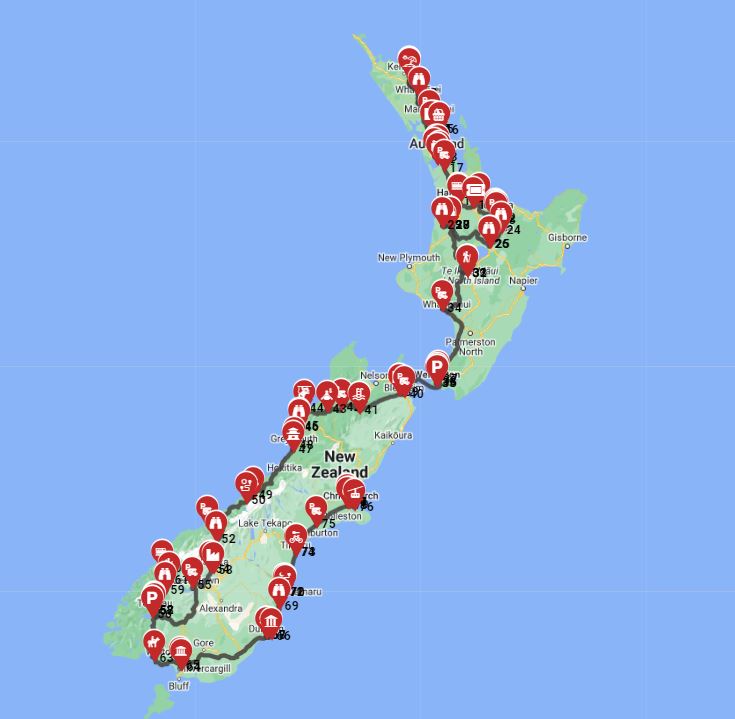
The freedom to adjust your itinerary on a whim, linger longer in places you love, or spontaneously change course for a local festival is a core benefit. While driving a larger Class C or Class A motorhome might seem daunting, rest assured that New Zealand's roads are generally well-maintained. Drive slowly and carefully, and you can drive almost anywhere without issues. No need to stress - just use common sense and pay attention. Our team comprises true RV specialists, not a travel agency side department, meaning we genuinely know RV travel and are passionate about helping you discover its joys. To help with route planning, consider our "
Do you need a special license to drive an RV in New Zealand?
No, a special license is not required to drive most rental RVs in New Zealand. For all motorhome classes (Class A, Class B, and Class C) and campervans under 3,500 kg Gross Laden Weight (GLW), a standard car driver's license (equivalent to a New Zealand Class 1 license) is sufficient. You won't need a Commercial Driver's License (CDL) or any additional permits.
If your driver's license is not in English, an International Driving Permit (IDP) is highly recommended, though not always mandatory, or an approved English translation must accompany your original license. Most rental companies require drivers to be at least 21 years old, with Bandana having no young driver surcharges or vehicle class restrictions based on age. Travelers should be prepared for New Zealand's unique road rules: driving on the left side of the road, speed limits of 100 km/h on open roads and 50 km/h in urban areas, and navigating numerous one-lane bridges where "Give Way" rules apply. For more detailed insights into local road conditions, you might find our "Driving an RV in New Zealand - Complete Guide 2026" helpful.
Is camping cheap in New Zealand?
Camping in New Zealand can indeed be very affordable, especially if you utilize the country's extensive network of Department of Conservation (DOC) campsites. These sites offer a range from basic (often free or NZD $0-8 per person per night with minimal facilities like a long-drop toilet) to serviced (NZD $15-20 per person per night, including flush toilets, cold showers, and sometimes communal kitchens). Many regional parks also offer budget-friendly options, typically ranging from NZD $10-25 per night.
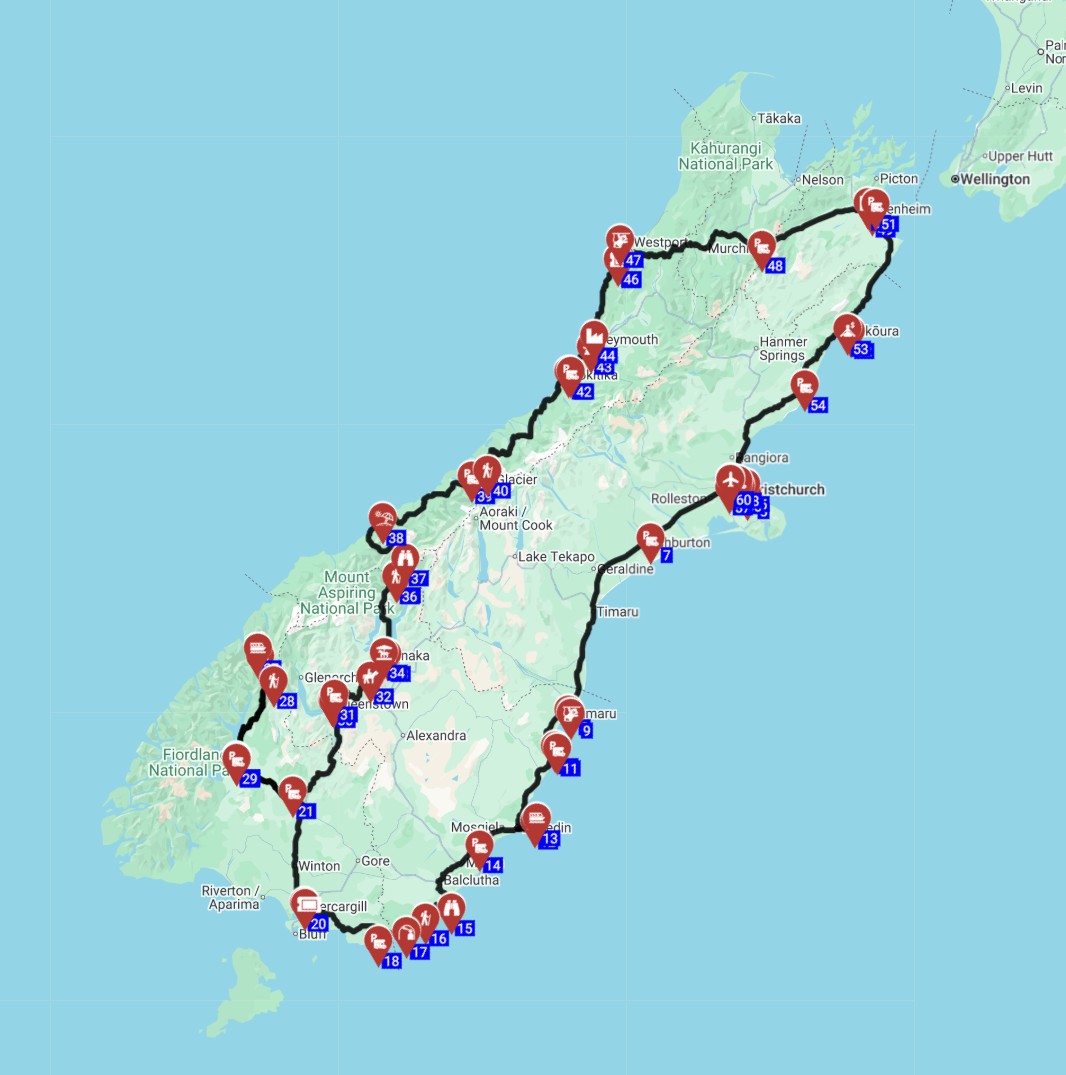
For those seeking more amenities, private holiday parks and commercial campgrounds provide extensive facilities like powered sites, hot showers, laundries, playgrounds, and sometimes even swimming pools, with prices generally ranging from NZD $40-80 per night. While these are more expensive, they offer convenience and comfort. During peak season, especially for popular spots in regions like Queenstown or Fiordland, booking holiday parks in advance is highly recommended to secure a spot. For finding campsites and campgrounds during your trip, we recommend using RV PLANET (rvplan.net) - a great resource for locating available spots along your route. For instance, the "
Can Americans rent property in New Zealand?
Yes, Americans can certainly rent a motorhome or campervan for their travels in New Zealand, provided they meet standard rental requirements. These typically include possessing a valid US driver's license, being at least 21 years old, and having a major credit card for the security deposit. There are no additional specific restrictions for American citizens beyond these general terms.
It's important to clarify that this discussion focuses on recreational vehicle rentals for tourism, not long-term residential property rentals, which involve different legal processes and visa requirements for non-residents. For those interested in extended RV adventures, one-way rentals are often available between major cities like Auckland and Queenstown, offering flexibility but usually incurring an additional fee. More information on such options can be found in our guide on "One-Way RV Driving in New Zealand - Route Planner 2026".
How much does an RV cost in New Zealand?
The cost of an RV in New Zealand varies significantly depending on whether you are looking to rent a motorhome or campervan for a vacation or purchase one outright. This article primarily focuses on rental costs, which are dynamic and change daily based on factors like seasonality, vehicle availability, and booking lead time. As previously mentioned, daily rental rates can range from NZD $50-90 for a compact campervan in the low season up to NZD $350-600+ for a large Class C motorhome during peak summer months.
For those curious about purchasing an RV in New Zealand, prices for used models typically start from around NZD $20,000 for older campervans and can go well over NZD $100,000 for newer, well-equipped motorhomes. Brand new RVs, especially larger Class A models, can exceed NZD $200,000. For our customers, the focus is on the incredible value and flexibility of renting, allowing you to experience the joys of RV travel without the commitment of ownership. Remember, our platform compares final prices across over 50 leading RV suppliers, ensuring full price transparency for your rental adventure.
Top Cities for RV Rental in New Zealand
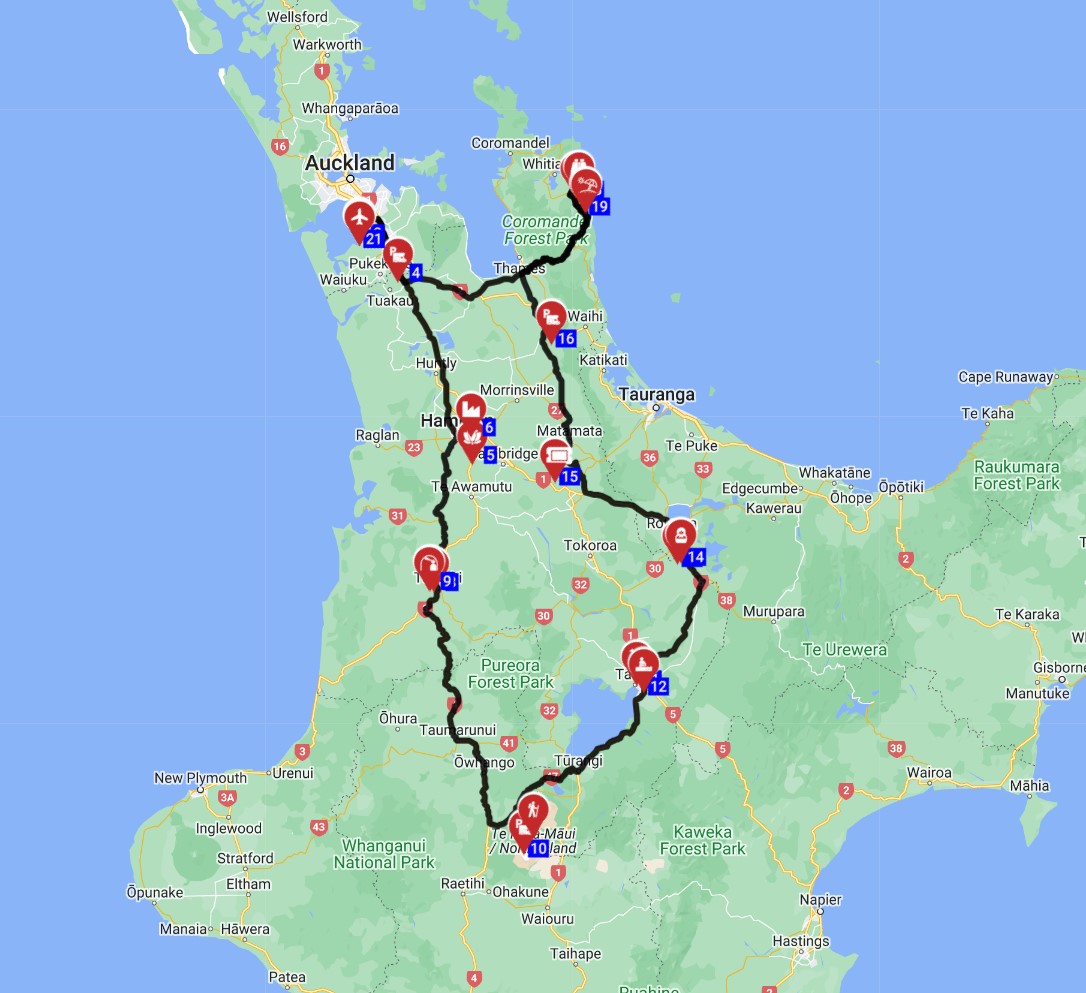
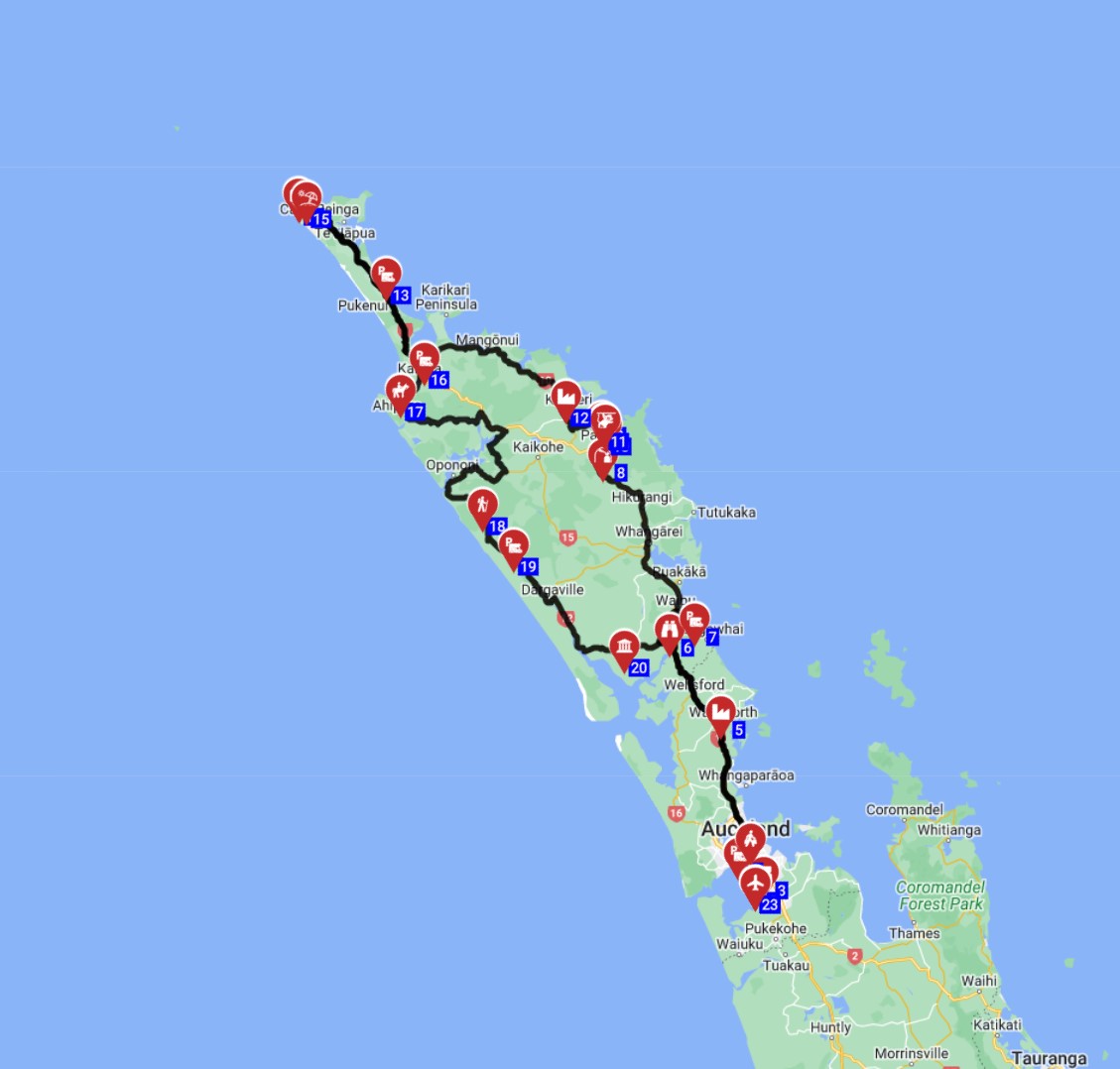
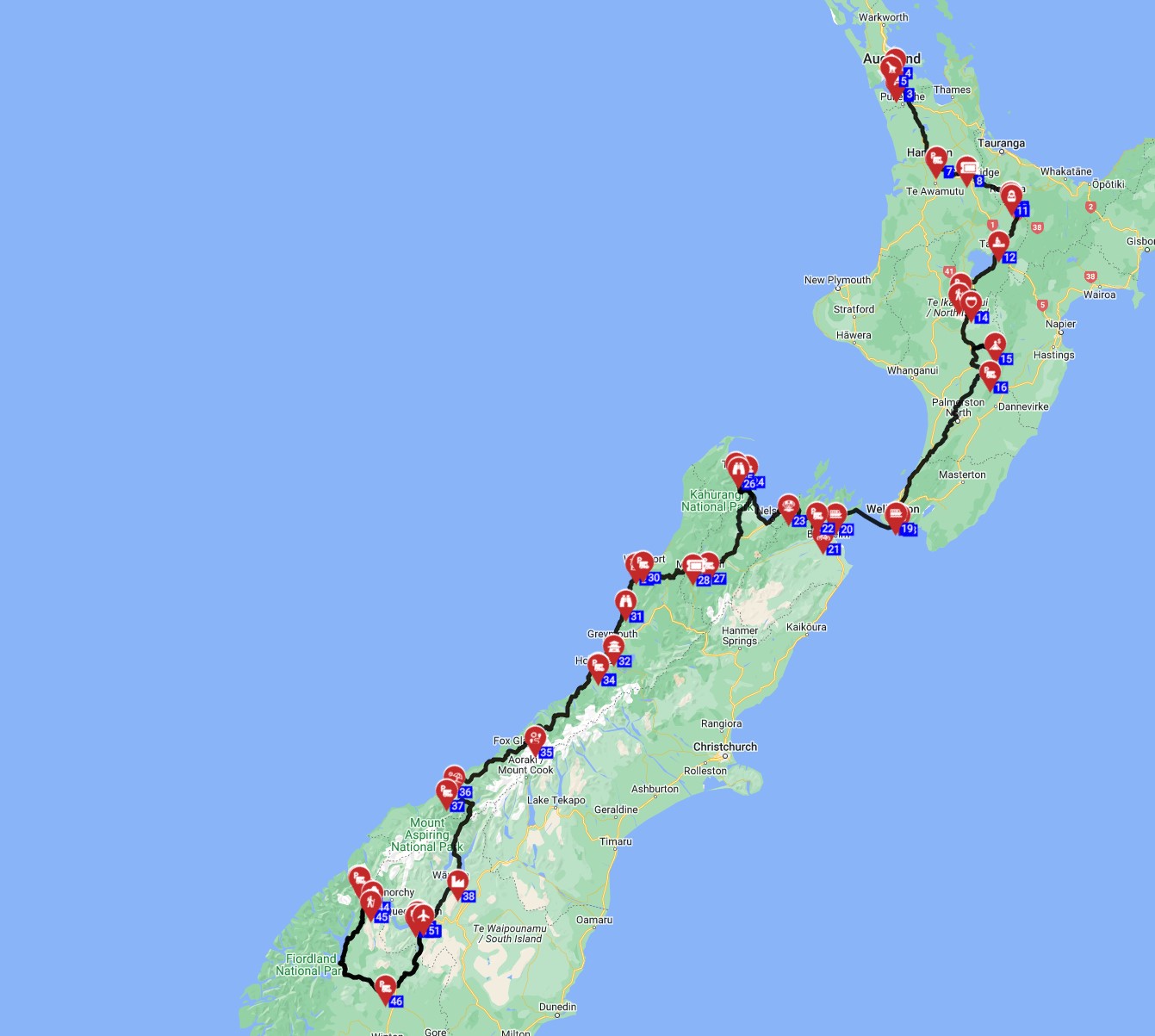
New Zealand offers several excellent hubs for starting and ending your RV adventure, each providing access to diverse landscapes and attractions. Auckland, the largest city, is a primary gateway and offers numerous rental depots, perfect for launching a North Island exploration or a comprehensive journey like the "
Queenstown, the adventure capital, is another popular pick-up/drop-off point, especially for those focusing on the South Island's adrenaline-pumping activities and breathtaking scenery. Wellington, the capital city, offers a vibrant arts scene and acts as a fantastic starting point for exploring the lower North Island before or after taking the Inter-island ferry. Other great cities for RV rentals include Dunedin, with its Scottish heritage and wildlife, and Nelson, known for its sunny climate and proximity to Abel Tasman National Park. Each city serves as a unique gateway to your preferred New Zealand experiences, whether you're planning a "Budget RV Driving in New Zealand - Save on Fuel 2026" itinerary or seeking "Luxury RV Driving in New Zealand - Scenic Routes 2026".
Country-Wide Practical Info for RV Travel in New Zealand
Navigating New Zealand by a rented motorhome is generally straightforward, but a few local tips can make your journey smoother. Firstly, remember that New Zealanders drive on the left side of the road, and speed limits are typically 100 km/h (approximately 62 mph) on open roads and 50 km/h (31 mph) in urban areas. Pay close attention to road signs, especially for the frequent one-lane bridges, which require you to give way to oncoming traffic or follow specific rules. Drive slowly and carefully, and you can drive almost anywhere without issues. No need to stress - just use common sense and pay attention, particularly on winding mountain roads like those found on the South Island.
For emergencies, dial 111 for Police, Fire, or Ambulance services. Mobile connectivity is generally good in towns and along major routes with providers like Spark, Vodafone, and 2degrees, but expect patchy or no service in very remote areas, especially within national parks. Consider purchasing a local SIM card upon arrival. Toll roads exist in a few places (e.g., Northern Gateway Toll Road, Tauranga Eastern Link, Takitimu Drive) and are often electronic; your rental company may have an arrangement for payment. RV dump stations are widely available at most holiday parks, many DOC sites, and designated public facilities, ensuring easy waste disposal. For more information on picking up your vehicle, refer to our "Driving an RV From New Zealand Airport - Routes 2026" guide.
What You Shouldn't Miss
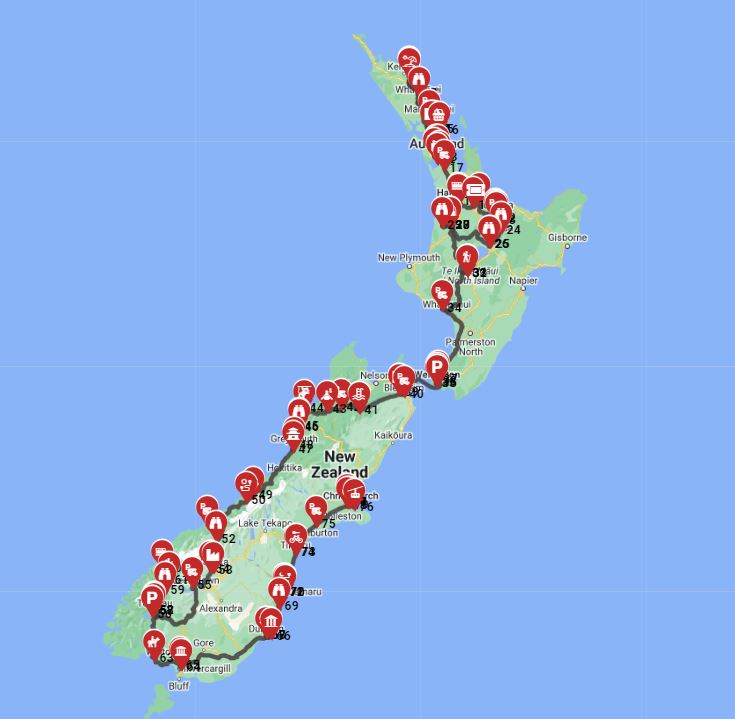
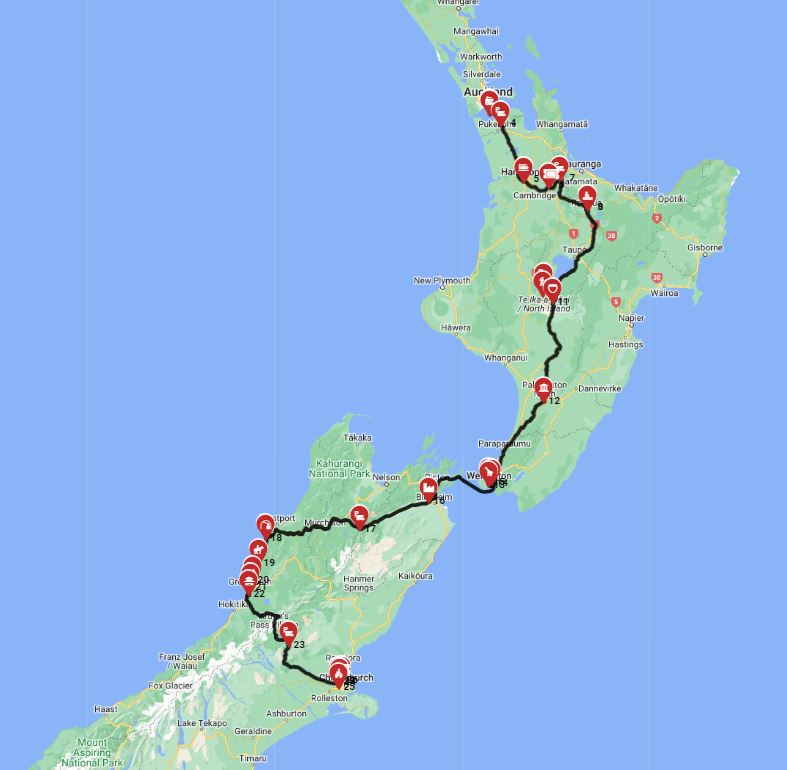
- Milford Sound Cruise: Experience the majestic fiords of Fiordland National Park, often hailed as the "Eighth Wonder of the World." The dramatic scenery is unparalleled, and it's a highlight of the 25-day "
" itinerary which features 9 Natural Features.
Auckland to Christchurch - Comprehensive New Zealand
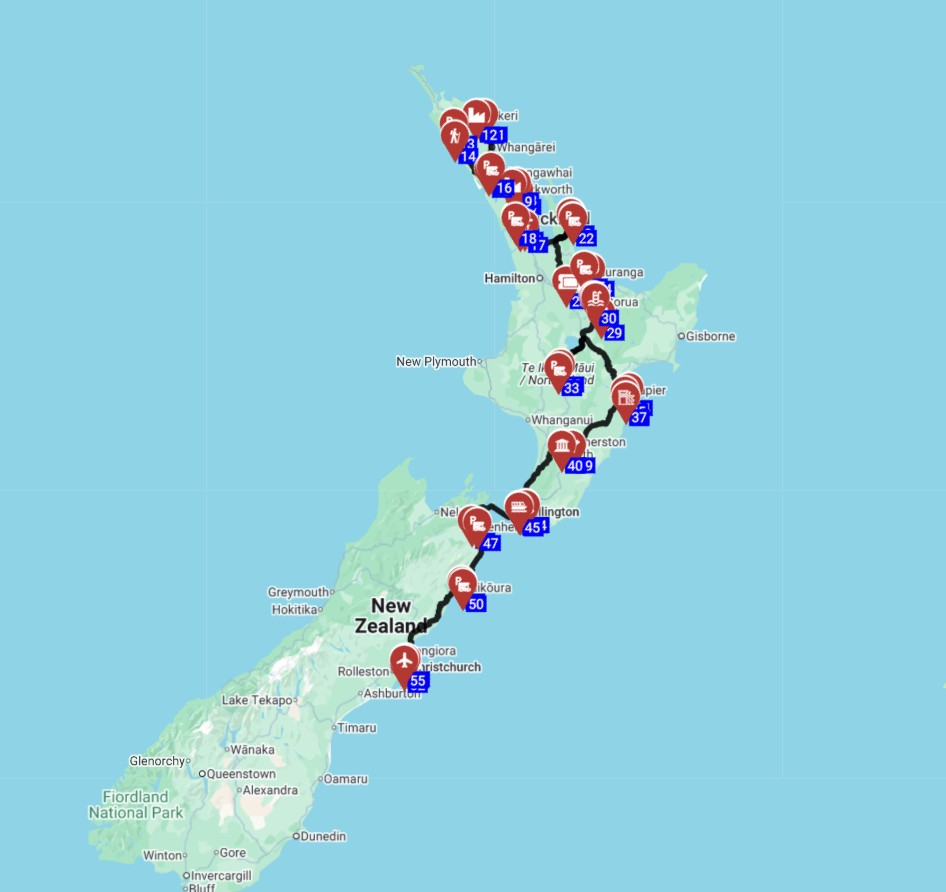
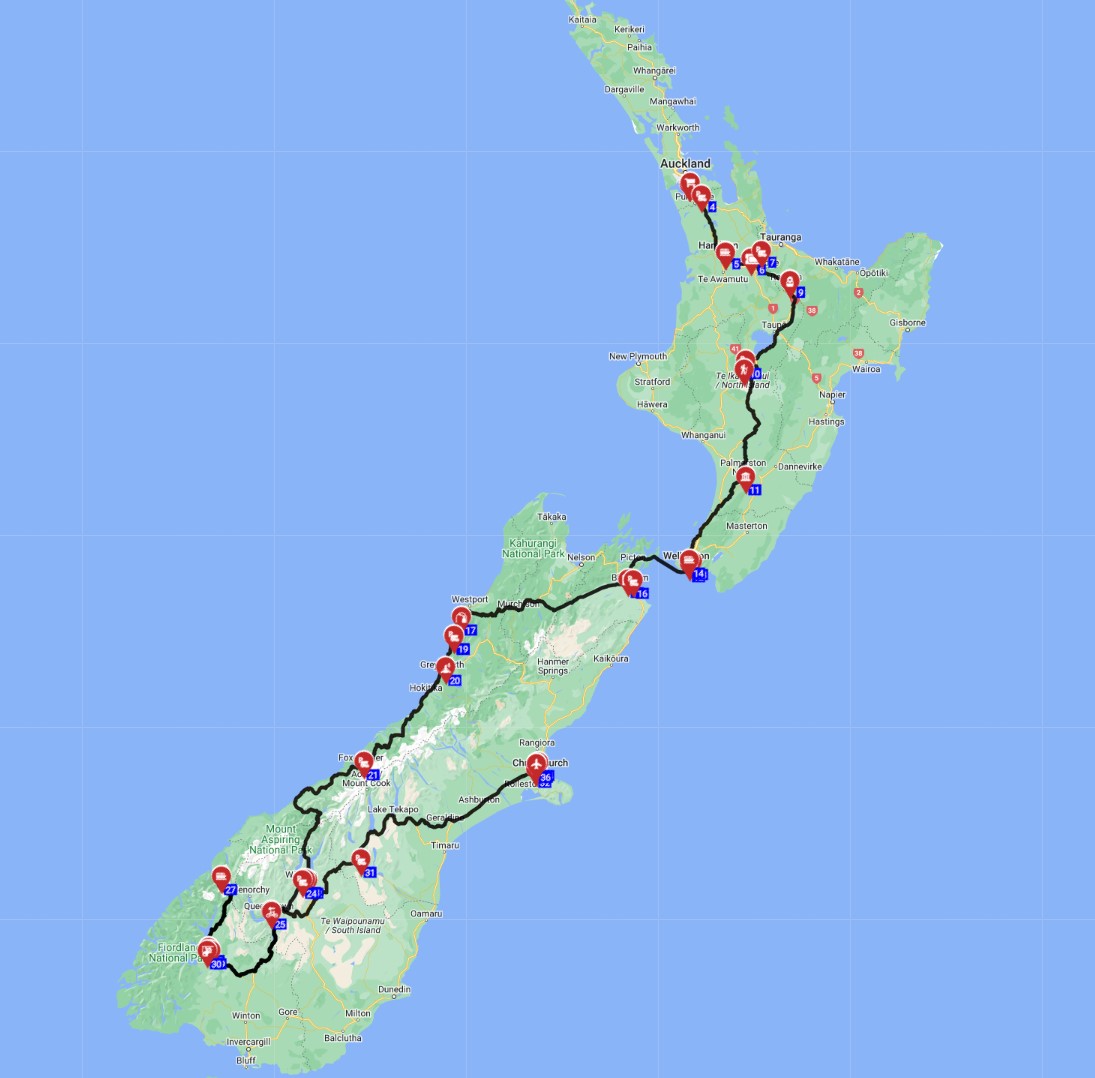
- Queenstown Adventure: Dive into the adrenaline capital of the world. From bungee jumping and jet boating to scenic gondola rides and hiking, Queenstown, a key stop on the 18-day "
," offers something for every thrill-seeker.
Auckland to Queenstown - The Great Kiwi Road Trip
- Rotorua's Geothermal & Maori Culture: Witness bubbling mud pools, geysers, and learn about the rich Maori heritage. Te Puia or Whakarewarewa Living Maori Village provide incredible cultural experiences and are easy to access with a rented motorhome.
- Abel Tasman National Park's Golden Beaches: Explore golden sands and turquoise waters, perfect for kayaking or walking parts of the renowned Great Walk. The park's accessibility by RV allows for flexible entry and exit points.
- Mount Cook National Park: Marvel at New Zealand's highest peak, Aoraki/Mount Cook, and its surrounding glaciers. Numerous hiking trails, from easy walks to challenging climbs, are available, making it a must-see for nature lovers on any "RV Travel Guide to New Zealand - Tips and Top Spots 2026" route.
Looking for expert insights from Avi Bandana? Top 5 Adventures - recommendations from Avi Bandana
Final Thoughts
Embarking on an RV adventure in New Zealand is more than just a vacation; it's an opportunity to truly connect with one of the world's most stunning natural environments. By understanding the dynamic pricing, planning for ancillary costs, and embracing flexible travel, you can craft a budget-friendly trip without compromising on the incredible experiences. Remember to travel slowly, averaging a maximum of 100-150 km per day, allowing yourself the time to truly feel the place, connect to the unique Maori culture, savor the delicious local food, and immerse yourself in the breathtaking scenery.
Bandana is here to support you every step of the way, from comparing options and booking your perfect motorhome to providing valuable resources for planning your route. We’re committed to making your RV rental experience in New Zealand as transparent, easy, and enjoyable as possible, leaving you free to focus on the open road and the wonders that await.
Get inspired for your next trip and discover top destinations, planning tips, all in one place! Compare Motorhome Prices for New Zealand now and start your adventure!