In This Guide
- Can You Drive an RV in New Zealand? License & Age Rules
- Road Conditions & Terrain in New Zealand
- RV Size Limits, Bridges & Restricted Zones
- Fuel: Diesel vs. Petrol & Cost per 100 km
- Tolls, Vignettes & Border Rules
- Driving Tips for RV rental Travelers
- Recommended RV Class for New Zealand Roads
- Should I Choose a Compact Van Instead of a Large RV in New Zealand?
- Can I Park Anywhere? Free & Wild Camping Rules in New Zealand
- Can I Drive an RV Into the City Center? Heights, Tunnels & Local Signage
- What is the 4 second rule in New Zealand?
- Is it difficult for Americans to drive in New Zealand?
- How hard is it to drive a motorhome in New Zealand?
- Who insures motorhomes in NZ?
- How much does it normally cost to insure an RV?
- How much does caravan insurance cost in New Zealand?
Can You Drive an RV in New Zealand? License & Age Rules
A valid full overseas car driver's license, typically a Class 1, is sufficient for operating most recreational RVs in New Zealand, provided the vehicle's Gross Laden Weight (GLW) does not exceed 6,000 kg. This simplifies international travel, allowing many visitors to use their existing license. For drivers whose licenses are not in English, an International Driving Permit (IDP) or a certified translation of their license is mandatory. This permit or translation must be carried alongside the original license at all times for inspection by authorities. The minimum age to rent an RV in New Zealand is generally 21 years, though this can vary; some rental companies may require drivers to be 25 or older, particularly for larger or more premium vehicle classes. It’s crucial that your driver's license is current, has not been revoked or suspended, and has been held for a minimum of one year to be accepted by rental providers.
Road Conditions & Terrain in New Zealand
New Zealand's road network is generally well-maintained, but drivers should anticipate frequent variations in road type and condition, especially outside of major highways. Many roads are narrower and more winding than those typically found in North America or Europe, with steeper grades, particularly in mountainous regions and national parks. Expect a mix of terrain, from smooth coastal routes to challenging mountain passes like the Lindis or Arthur's Pass, which can be demanding in a larger RV. Be prepared for some unsealed (gravel) roads, especially when accessing more remote locations or specific campsites. A common feature on New Zealand roads, particularly in rural areas, are one-lane bridges. These require careful navigation and strict adherence to 'give way' rules, clearly indicated by road signs (often a red arrow signifying 'give way' to oncoming traffic and a black arrow indicating 'right of way'). Driving is on the left-hand side of the road, which requires a significant adjustment for drivers accustomed to right-hand traffic. Additionally, be prepared for rapidly changing weather conditions; rain, strong winds, fog, and seasonal snow in alpine areas can significantly impact driving conditions and necessitate increased caution.
RV Size Limits, Bridges & Restricted Zones
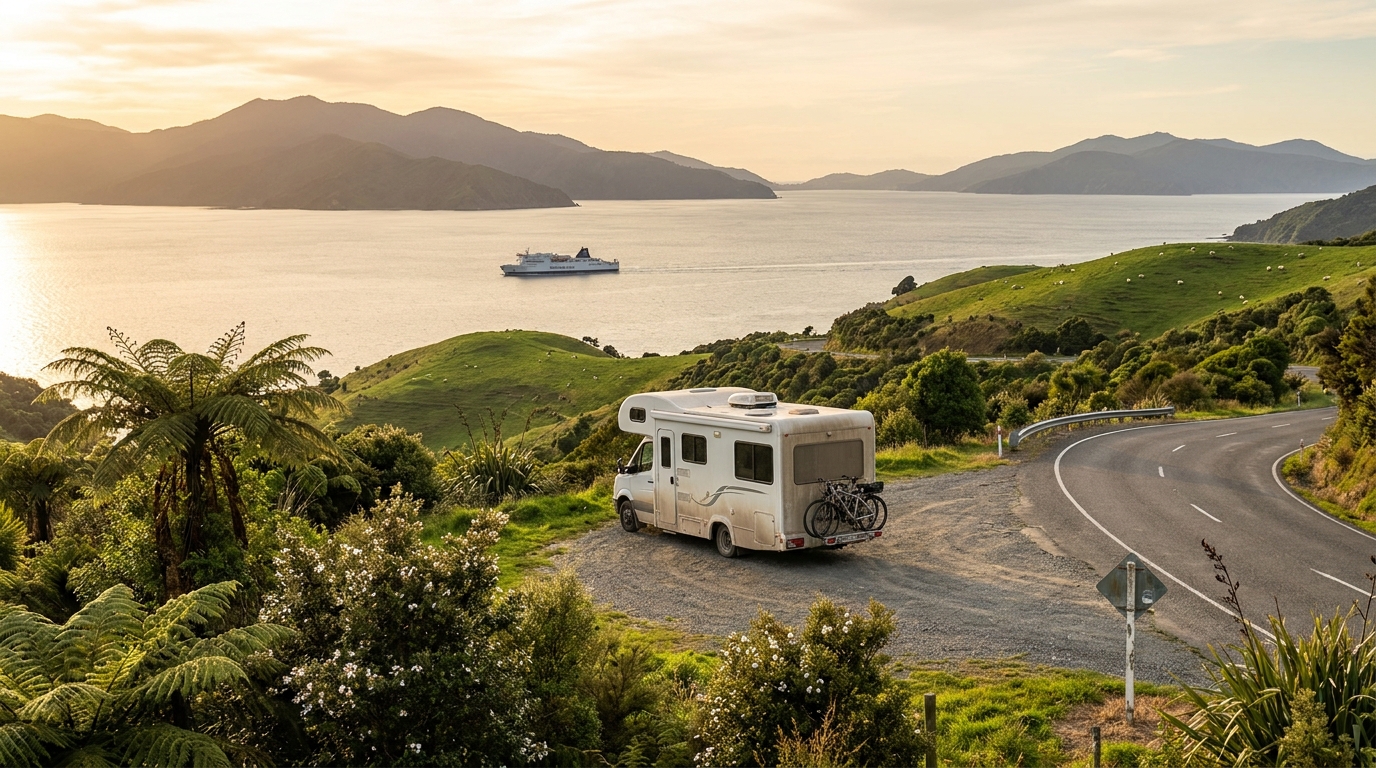
While most main touring routes in New Zealand are suitable for RVs, drivers must remain acutely aware of their vehicle's precise dimensions—height, length, and weight—to safely navigate potential hazards. This includes low bridges, narrow tunnels, and specific zones that may have restrictions. For instance, rental RVs classified as Class SI - Semi-integrated models, which typically average around 6.9 meters in length, or Class C - Alcove models, averaging 7.5 meters, are generally well-suited for primary touring routes. However, drivers must exercise extreme caution on any roads identified as very narrow or unsealed. Always pay close attention to road signage that indicates height or weight restrictions, or warns of roads unsuitable for larger vehicles, often marked with 'No Exit' or 'Unsuitable for campervans' signs. When planning inter-island travel via the Cook Strait ferry between Wellington and Picton, booking well in advance is crucial, as space for larger RVs is limited and pricing is often determined by the vehicle's total length, making early reservation a practical necessity.
Fuel: Diesel vs. Petrol & Cost per 100 km
New Zealand offers both petrol (gasoline) and diesel fuel options, with diesel being the preferred choice for most larger RV rentals due to its generally better fuel efficiency. It's important to note that diesel vehicles in New Zealand are subject to Road User Charges (RUC), a tax calculated based on the distance traveled. Most rental companies manage or include RUC in the rental cost, simplifying this aspect for travelers. Based on global fleet averages, a Class SI - Semi-integrated RV typically consumes around 10–11 liters per 100 km, while a larger Class C - Alcove model might use slightly more, around 10–12 liters per 100 km. For those opting for more compact Class B - Camper Vans, fuel consumption is generally lower, often in the range of 8-10 liters per 100 km, depending heavily on driving conditions. Fuel prices can fluctuate significantly across the country, so it's prudent to budget for these ongoing costs. Some rental providers may offer fuel discount cards for use at affiliated service stations, which can offer a small saving. On the routes offered through RV PLANET routes, you can itemize and track every expense along the way for easy budgeting.
Tolls, Vignettes & Border Rules
New Zealand has a remarkably minimal toll road system, with only three primary electronic toll roads located on the North Island: the Northern Gateway Toll Road (north of Auckland), the Tauranga Eastern Link Toll Road, and the Takitimu Drive Toll Road within Tauranga. There are no physical toll booths; payments are processed electronically. Travelers can pay online via the NZ Transport Agency website or set up a pre-paid account, which can streamline the process and prevent potential fines for delayed payment. Many rental companies offer the convenience of pre-purchasing toll passes or include an option to settle toll charges after the rental period concludes, simplifying the experience for visitors. As an island nation, New Zealand does not have international land borders. Therefore, there are no border crossing rules or vignettes required for RV travel within the country itself, allowing for seamless exploration once you've picked up your rental RV.
Driving Tips for RV rental Travelers
When navigating New Zealand's scenic landscapes in a rented RV, prioritizing safety and courtesy is key. Always remember to drive on the left-hand side of the road, and be particularly mindful of your RV's increased length, width, and height, especially on the numerous narrow, winding roads and through towns. Take frequent breaks to combat driver fatigue, particularly on longer journeys or when traveling with family. Aim to stop every two hours to stretch your legs and fully appreciate New Zealand's breathtaking scenery. Familiarize yourself with the specific road rules for one-lane bridges, paying close attention to 'give way' signs and patiently waiting for oncoming traffic to clear before proceeding. Always drive within the posted speed limits, which are strictly enforced, and consider an RV with an automatic transmission for easier handling on the country's often hilly terrain. Being aware of slower vehicles behind you is also important; utilize designated pull-over areas, often marked as 'passing lanes,' to allow faster traffic to pass safely, demonstrating responsible road etiquette and enhancing the experience for everyone.
Recommended RV Class for New Zealand Roads
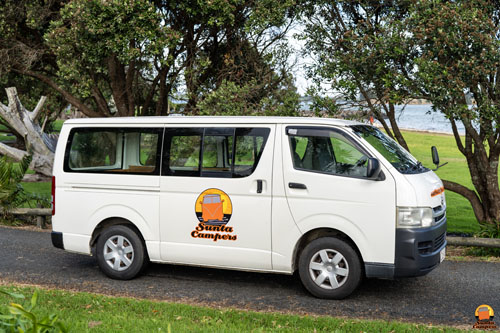
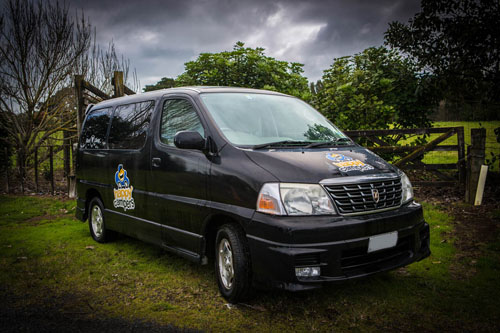
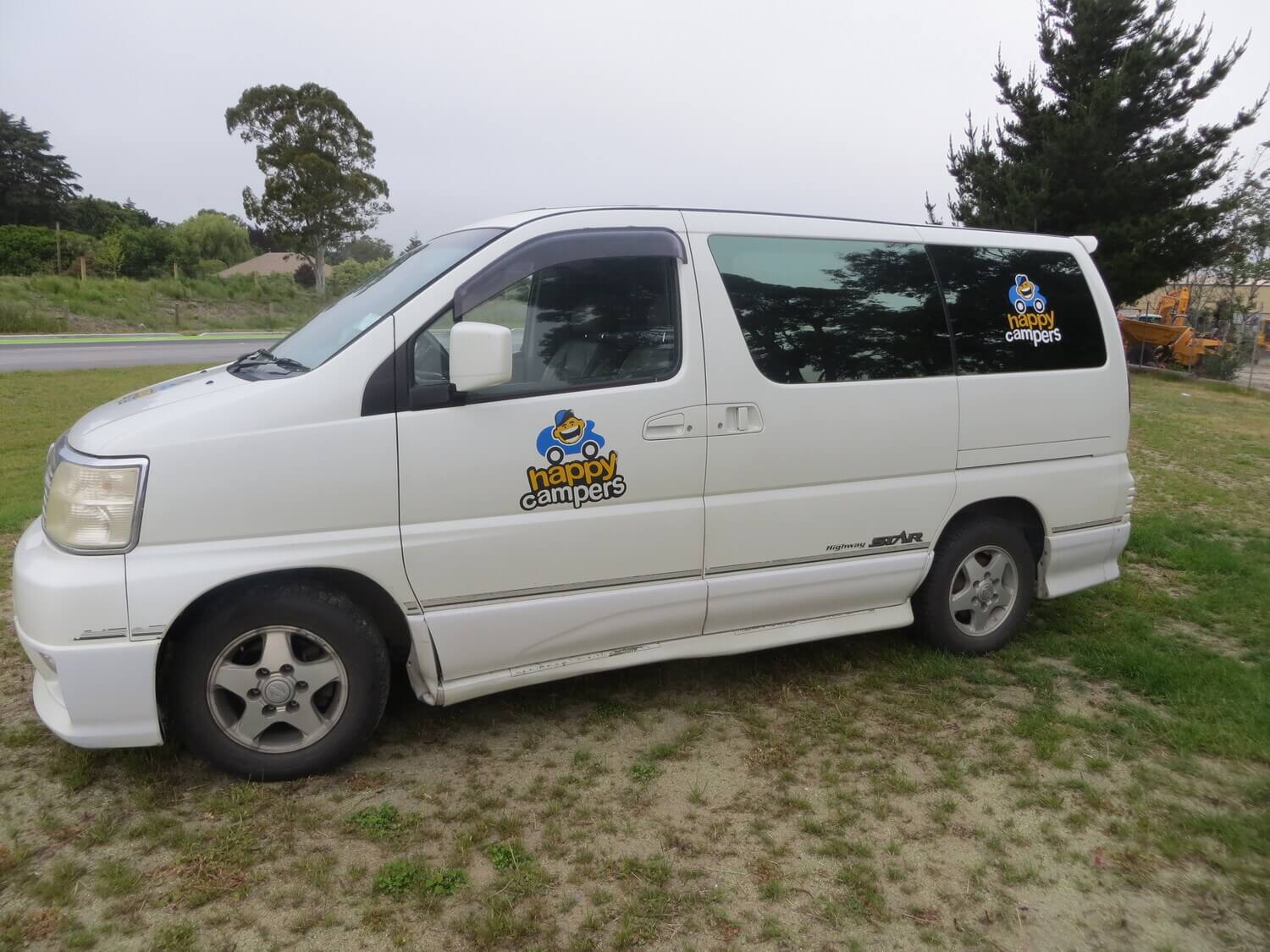
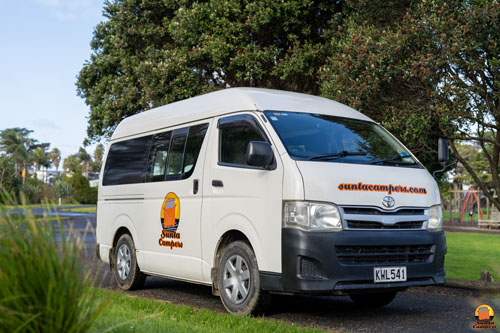
For an optimal balance of comfort, amenities, and maneuverability on New Zealand's varied road network, Class SI - Semi-integrated RVs are highly recommended. Bandana's fleet averages these models at approximately 6.9 meters in length, offering generous living space without being excessively large for the country's roads. The compact Class B - Camper Vans, averaging around 5.8 meters in length, are an excellent choice for those who prioritize ease of driving on exceptionally narrow roads, simpler parking in urban areas, and superior fuel efficiency, typically consuming 8-10 Liters/100 km. While larger Class C - Alcove RVs (average length 7.5 meters) and Class A - Integrated RVs (also averaging 7.5 meters) provide more extensive living space and amenities, their increased dimensions necessitate more cautious driving and navigation. This includes careful consideration of their height, length, and width when navigating winding routes, one-lane bridges, tunnels, and urban environments.
Should I Choose a Compact Van Instead of a Large RV in New Zealand?
The decision between a compact van and a larger RV in New Zealand hinges on balancing your desired comfort and living space against the ease of driving and access. Generally speaking, there is no inherent prohibition against driving any RV size on the main touring routes; the primary consideration is driver confidence and awareness. A compact van, such as a Class B Camper Van, genuinely offers advantages when navigating situations requiring tighter turns, parking in more crowded areas, or accessing some more remote, unsealed roads or smaller campsites. However, for longer trips, families, or those who appreciate more indoor living space and comprehensive facilities, a larger RV, like a Semi-integrated or Alcove model, often provides superior comfort, more extensive amenities (such as larger kitchens and separate shower/toilet facilities), and greater storage capacity for luggage and gear. The main trade-off for opting for a larger RV is the need for more conscious driving due to its increased dimensions, particularly on winding roads or when encountering one-lane bridges, rather than an outright inaccessibility to most destinations.
Can I Park Anywhere? Free & Wild Camping Rules in New Zealand
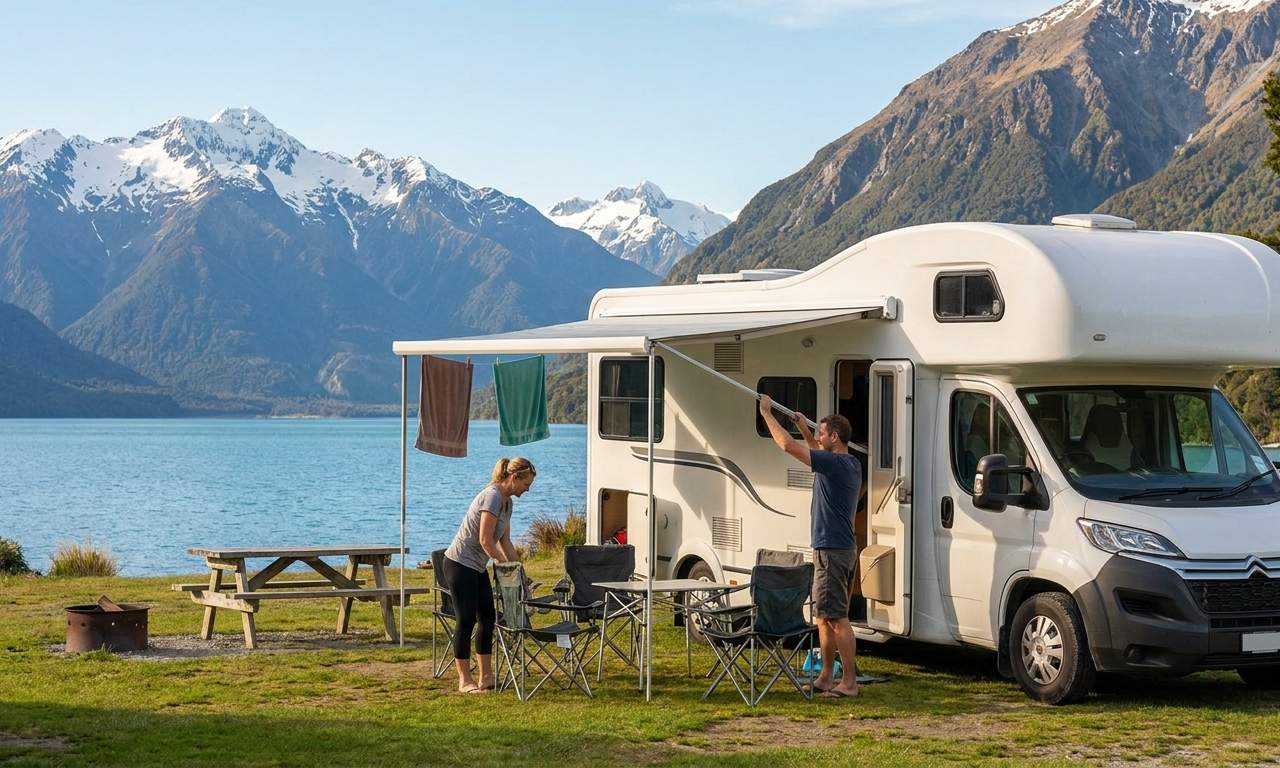
No, you cannot simply park a motorhome anywhere you like in New Zealand. The country has strict regulations governing where overnight parking, commonly referred to as freedom camping, is permitted. To legally freedom camp in most designated areas, your RV must possess a 'self-contained' vehicle certification. This certification proves that the vehicle is equipped to hold its own fresh water, grey water, and black water (toilet waste) on board for at least three days, minimizing environmental impact. Many local councils enforce specific bylaws regarding freedom camping, often requiring campers to use designated sites, which may have limitations on stay duration or vehicle capacity. Camping illegally can result in significant penalties, with fines typically ranging from NZD $200 to $400, and enforcement by local authorities is common. Always consult local council websites, visitor information centers, or resources like the CamperMate app for the most current regulations applicable to your specific location. Adhering to these rules and committing to the 'Tiaki Promise' is crucial for responsible tourism in New Zealand. Remember, rules vary significantly by region—always check local regulations and follow local law before parking overnight.
Can I Drive an RV Into the City Center? Heights, Tunnels & Local Signage
Yes, you can almost always drive an RV into New Zealand city centers, but it's crucial to pay close attention to local signage, especially regarding height limits, tunnels, low bridges, and parking restrictions. While there aren't widespread environmental zones specifically prohibiting RV entry into cities, urban centers often feature narrower streets, limited turning space, and parking facilities that may not readily accommodate larger vehicles. Be particularly vigilant for signs indicating height and weight restrictions when entering multi-story car parks or driving under overpasses. For example, the mention of tunnels such as the 'Mighty Campervan Driving Through a Rock Arch Tunnel' highlights the need to be aware of your RV's dimensions. To enhance convenience in larger cities like Auckland, Wellington, or Christchurch, consider parking your RV on the city outskirts and utilizing public transport options to access the very heart of the city center.
What is the 4 second rule in New Zealand?
The 4-second rule is a vital guideline for maintaining a safe following distance when driving in New Zealand, and it's particularly important when operating an RV due to their significantly increased weight and longer stopping distances compared to a standard car. To apply the rule, select a fixed object on the roadside (like a signpost or a prominent tree). Once the vehicle ahead passes this object, begin counting 'one thousand and one, one thousand and two, one thousand and three, one thousand and four.' If your RV reaches the same object before you finish counting, you are following too closely. This rule provides a crucial minimum following distance, and drivers should extend this interval even further during adverse conditions such as rain, fog, on unsealed gravel roads, or when navigating New Zealand's characteristically winding and hilly terrain. Adhering to the 4-second rule is fundamental for preventing tailgating, allowing adequate reaction time to sudden stops or road hazards, and significantly improving safety for all road users.
Is it difficult for Americans to drive in New Zealand?
For American drivers, navigating New Zealand's roads in an RV can present a unique set of challenges, primarily stemming from the fundamental difference in driving side: New Zealand operates on the left-hand side of the road, contrasting with the right-hand driving prevalent in the US. Beyond this primary adjustment, New Zealand's road network often features narrower, more winding roads, steep inclines, and mountainous terrain that can differ significantly from typical American highways and prove more demanding in a larger RV. American drivers will also need to adapt to specific New Zealand road features, such as the frequent one-lane bridges with their distinct 'give-way' rules, and the numerous roundabouts encountered in urban and rural areas. Combining the larger dimensions of an RV with these unfamiliar driving rules requires heightened concentration, a willingness to adopt slower speeds, and extra patience, especially during the initial days of a trip, to ensure a safe and enjoyable experience.
How hard is it to drive a motorhome in New Zealand?
Driving a motorhome in New Zealand can be challenging but is ultimately a rewarding experience, primarily requiring drivers to adapt to narrower, winding roads, mountainous terrain, and the country's left-hand traffic rules. The perceived difficulty largely depends on a driver's prior experience with larger vehicles and their comfort level with driving on the left, which often improves quickly with practice. Key challenges commonly cited include navigating frequent one-lane bridges, managing steep ascents and descents on mountain passes, encountering potential gravel sections on less-traveled roads, and consistently being mindful of the motorhome's overall height, length, and width. However, most modern RVs available for rent, including those within Bandana's fleet, come equipped with automatic transmissions and power steering, which significantly ease handling and contribute to a more manageable driving experience. New Zealand's emphasis on scenic drives also encourages a slower pace of travel, making the driving experience more about enjoyment and vigilance rather than speed or intense difficulty, allowing drivers to become comfortable over time.
Who insures motorhomes in NZ?
Motorhome insurance in New Zealand is typically provided through a few key channels: major general insurance companies, specialist RV insurers, and most commonly for tourists, through the rental companies themselves. Rental agreements almost universally include a basic level of insurance, often a Collision Damage Waiver (CDW), which covers vehicle damage but usually comes with a substantial excess, or deductible, amount. For those considering purchasing their own motorhome, local providers like AA Insurance, Tower, and AMI are examples of reputable companies offering comprehensive coverage for personal motorhomes. For rental motorhomes, tourists typically opt for the rental company's enhanced insurance packages. These packages often allow for a reduction in the excess amount for an additional daily fee, providing greater peace of mind against accidental damage or theft and simplifying the financial responsibility should an incident occur.
How much does it normally cost to insure an RV?
The cost to insure an RV in New Zealand can vary significantly, generally ranging from approximately NZD $30 to $80 per day for rental insurance, depending on the level of coverage and excess reduction chosen. Several factors influence this cost, including the RV's value and age, the total length of the rental period, the driver's age and driving record, and whether you opt for basic liability coverage or a more comprehensive package with a substantially reduced excess. Many rental companies offer various insurance tiers, from basic coverage with a high excess (potentially NZD $5,000 or more) to premium packages that dramatically reduce or even eliminate the excess for a higher daily rate. Beyond the daily rental insurance fees, travelers should also budget for other significant trip costs, such as fuel (for example, Bandana's Class C Alcove models typically consume 10-12 Liters/100 km), campsite fees, and the cost of inter-island ferry crossings if applicable.
How much does caravan insurance cost in New Zealand?
Caravan insurance costs in New Zealand are broadly comparable to motorhome insurance, varying based on the caravan's market value, its age, the rental duration, and the specific level of coverage chosen, often falling in the range of NZD $20 to $60 per day for rental policies. While 'caravan' typically refers to a towed vehicle, the fundamental principles of insurance coverage for damage, theft, and third-party liability remain consistent with self-propelled motorhomes. Insurance policies for caravans usually encompass both stationary risks (while parked at a campsite) and transit risks (while being towed). It's crucial to confirm precisely what aspects of the caravan are covered by the policy, such as annexes, awnings, or personal belongings stored inside, as well as any exclusions related to off-road use or specific towing conditions outlined in the policy documentation.
What You Shouldn't Miss
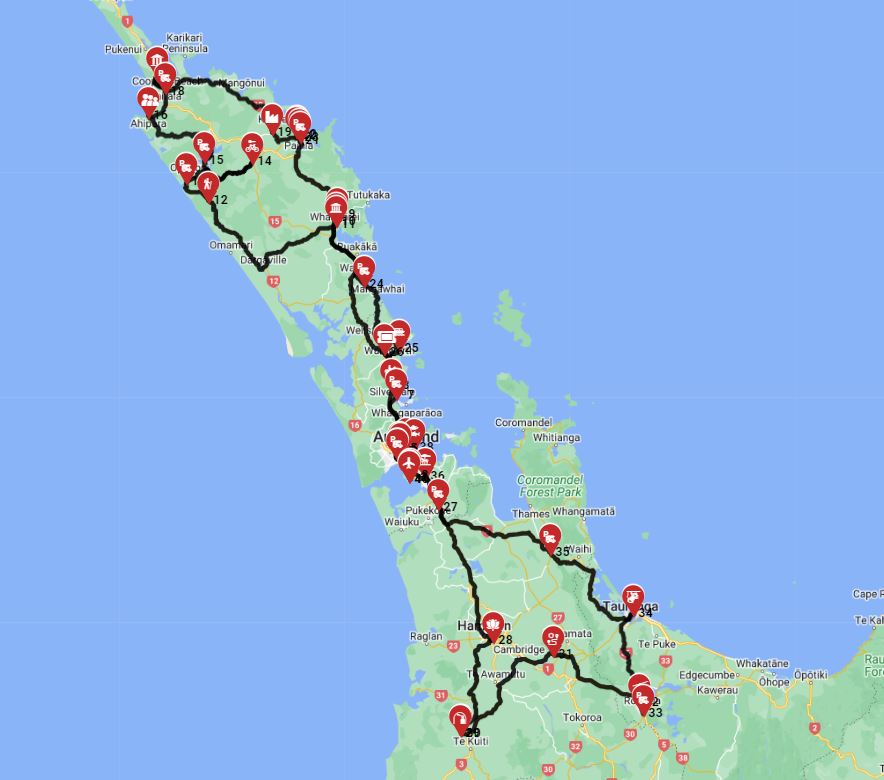
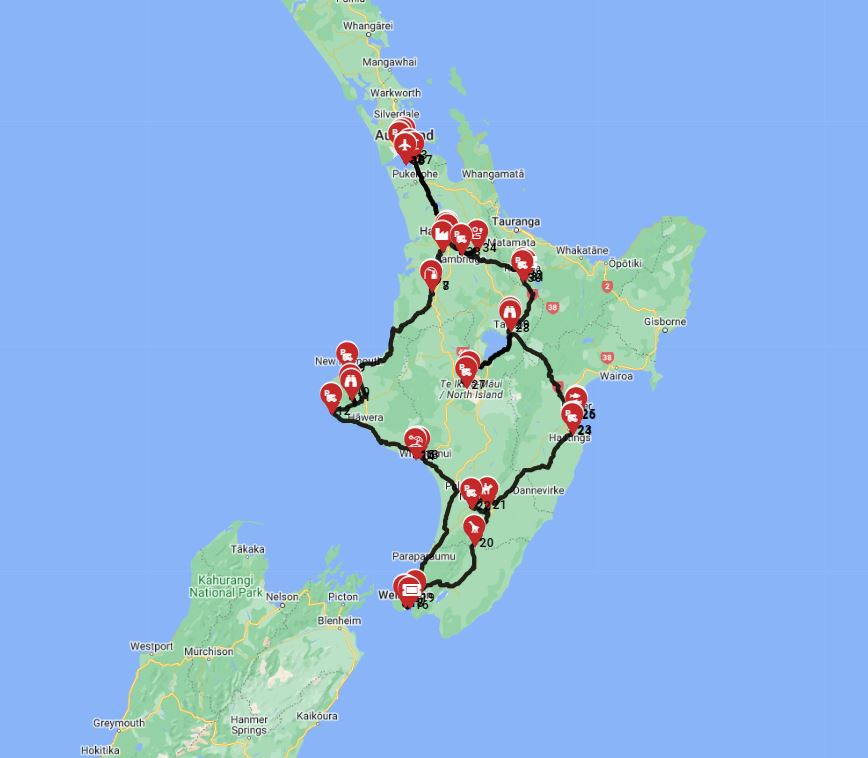
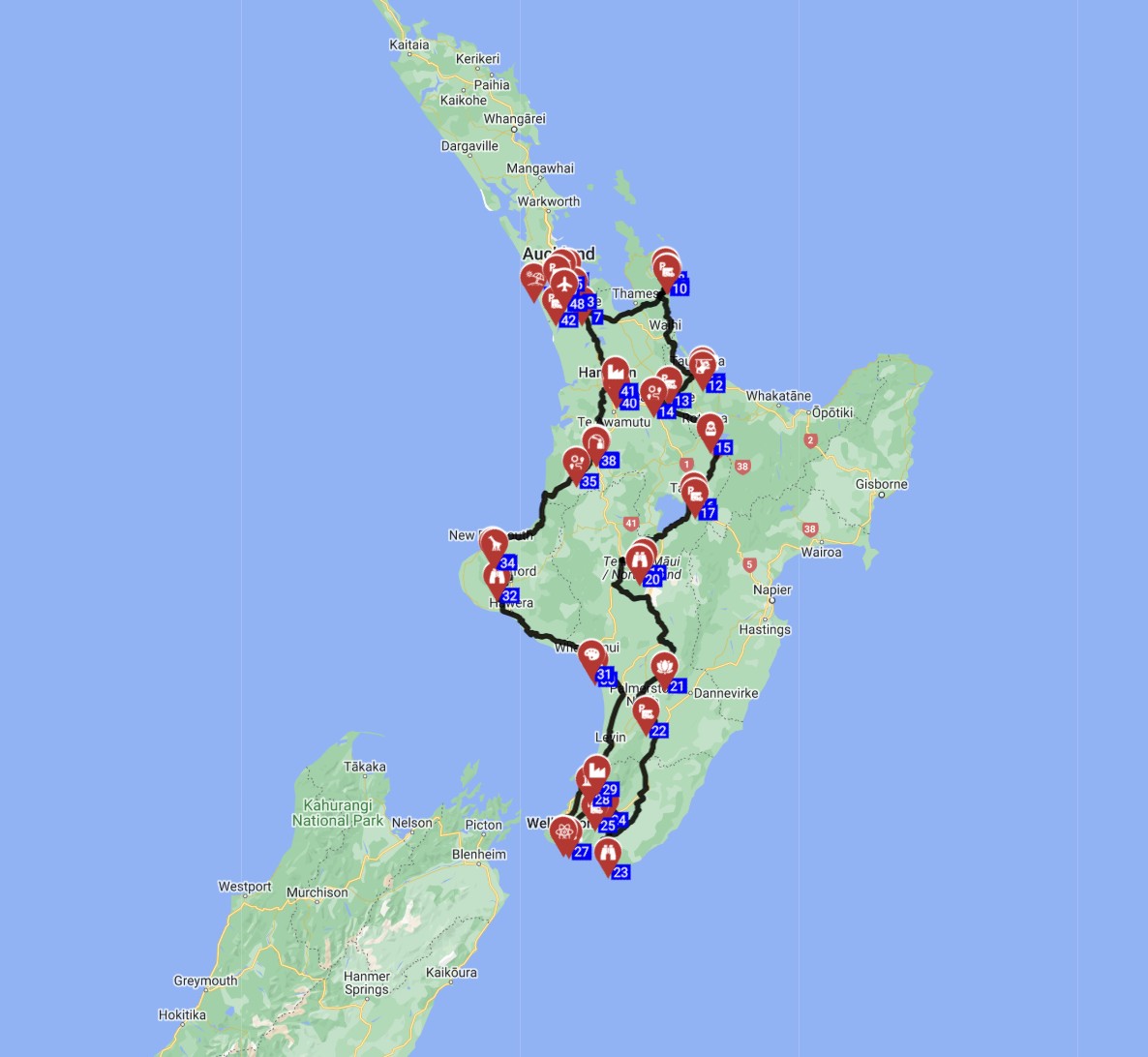
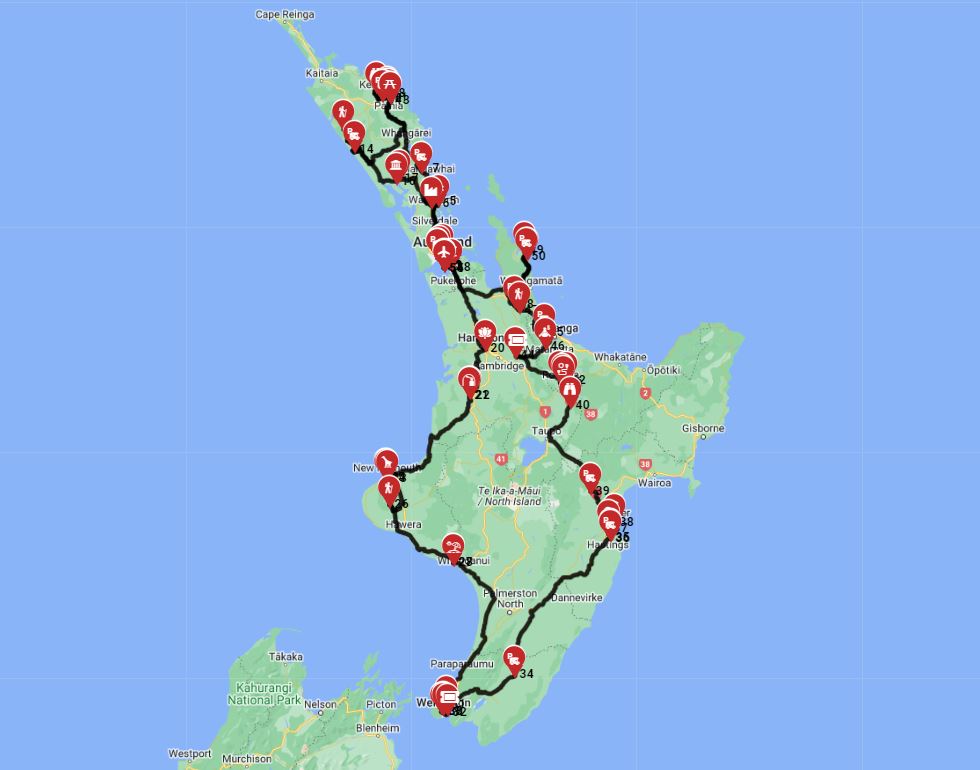
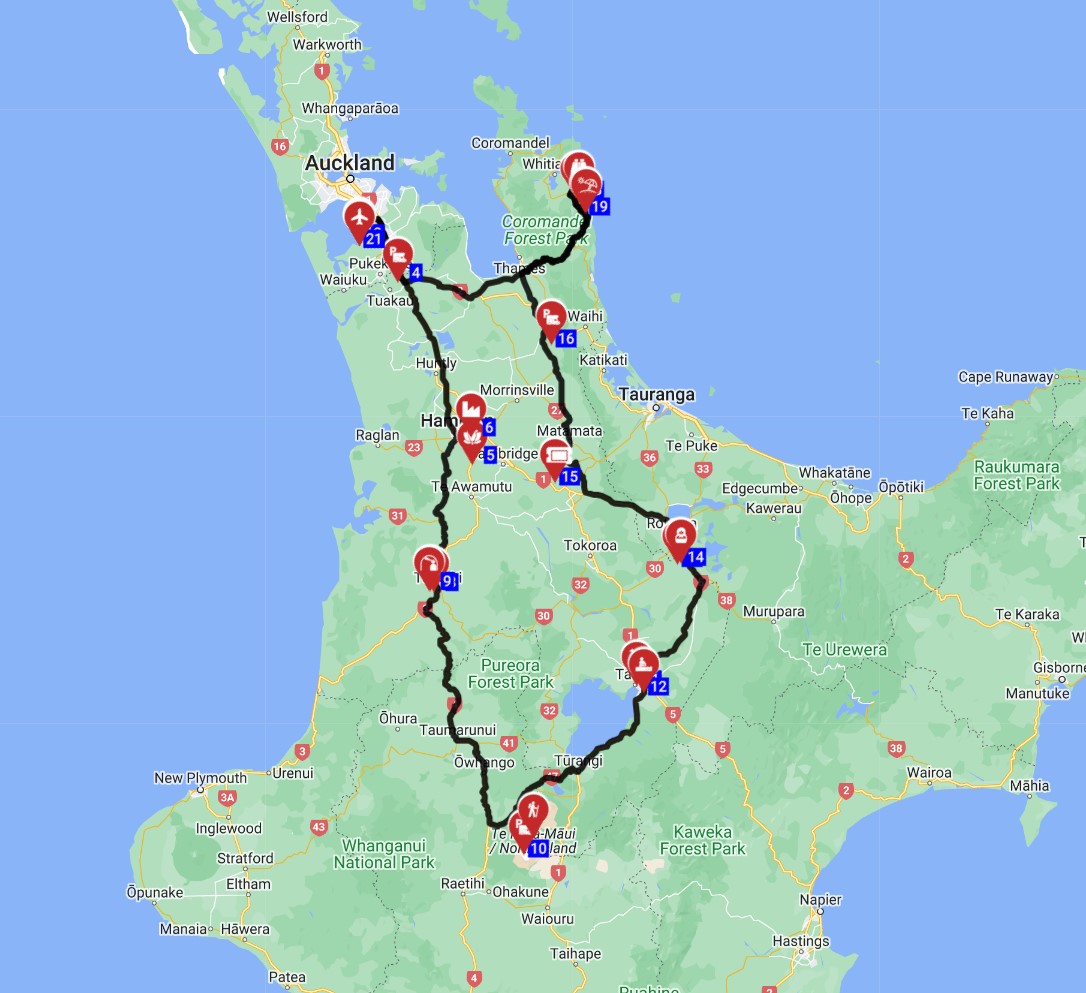
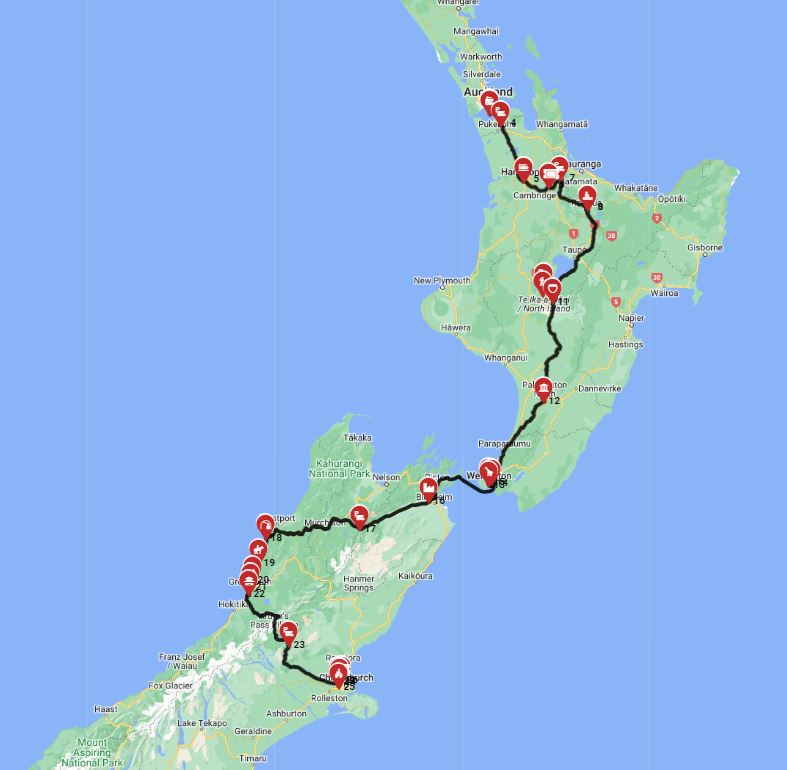
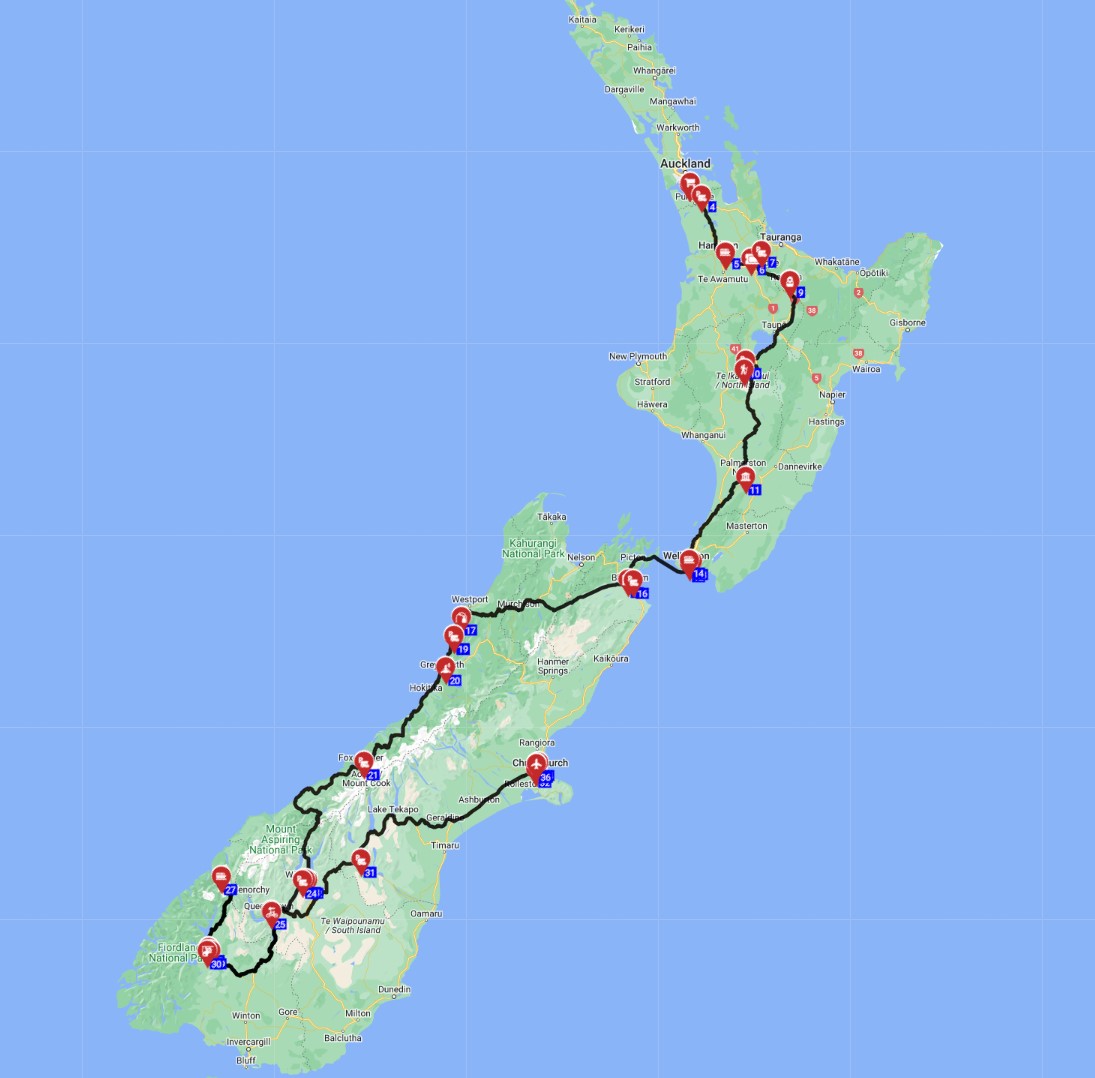
- Experience the iconic drive along the Great Kiwi Road Trip route from Auckland to Queenstown, covering approximately 2,830 km and passing numerous attractions.
- Explore the diverse landscapes on the
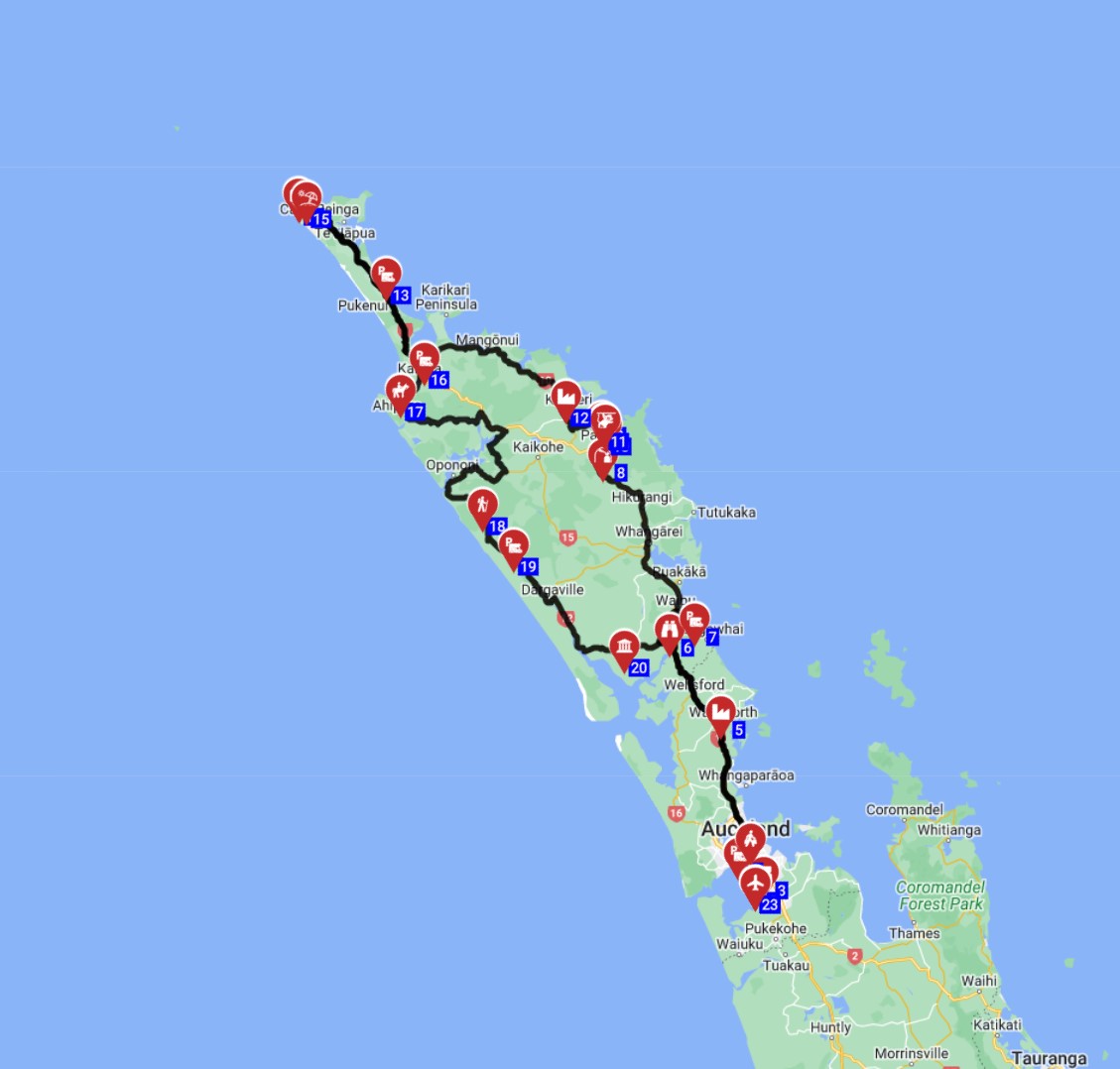
, a 2,647 km journey that includes extensive wildlife viewing and historical sites.
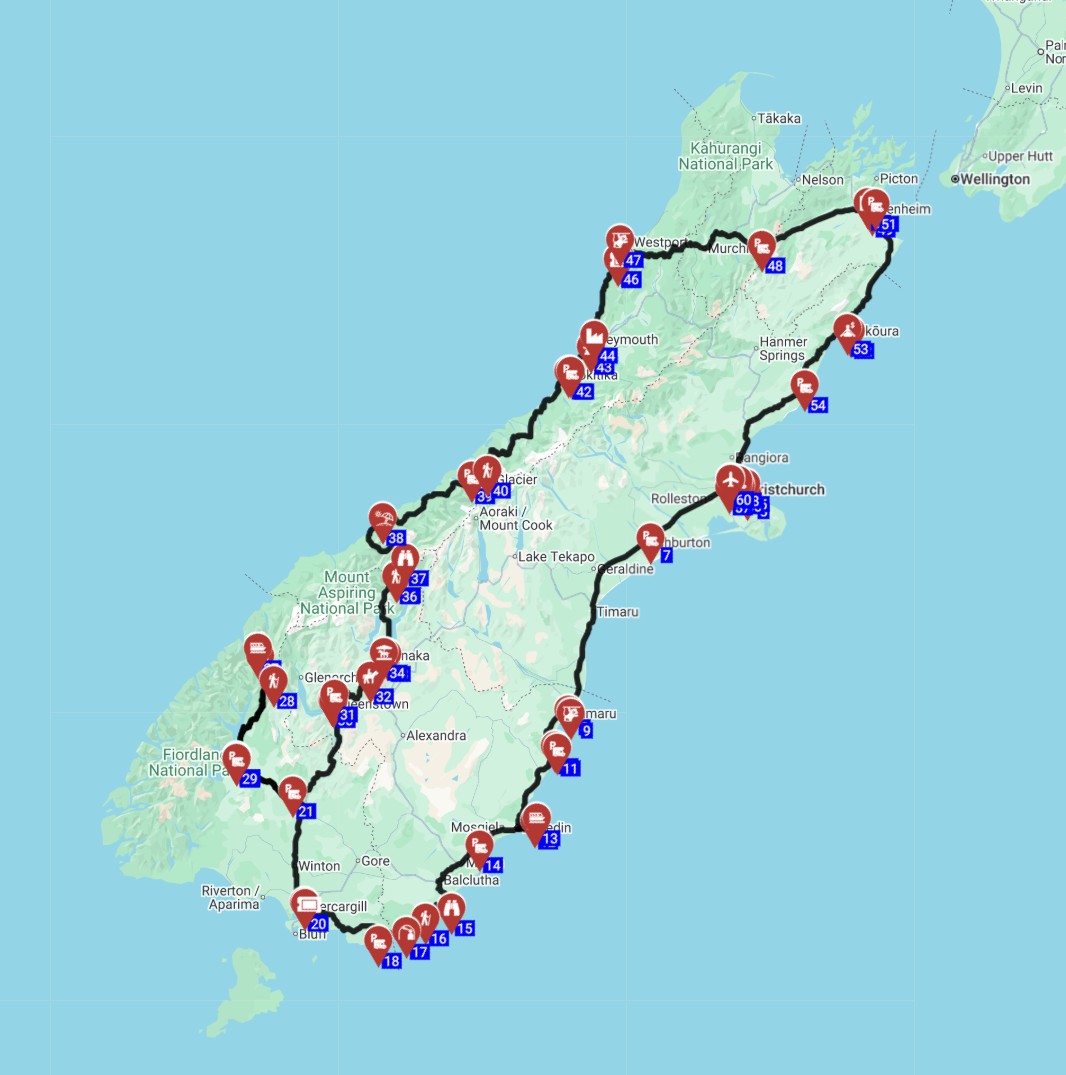 Christchurch Roundtrip - Around the South Island
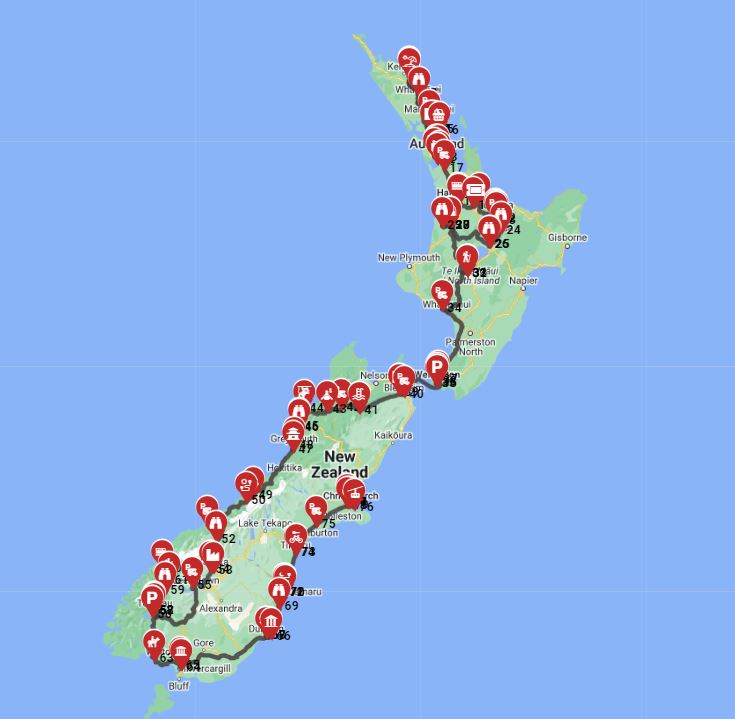
 - Embark on the
route, a 4,060 km adventure featuring a wide array of activities from amusement parks to natural wonders.
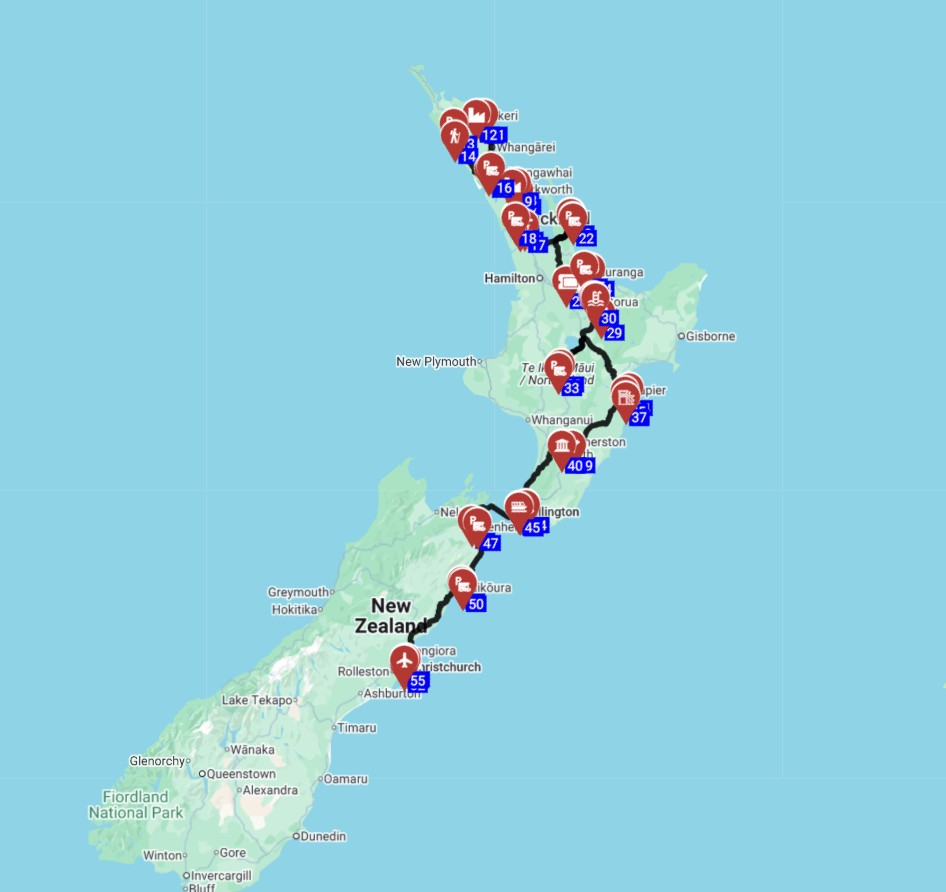
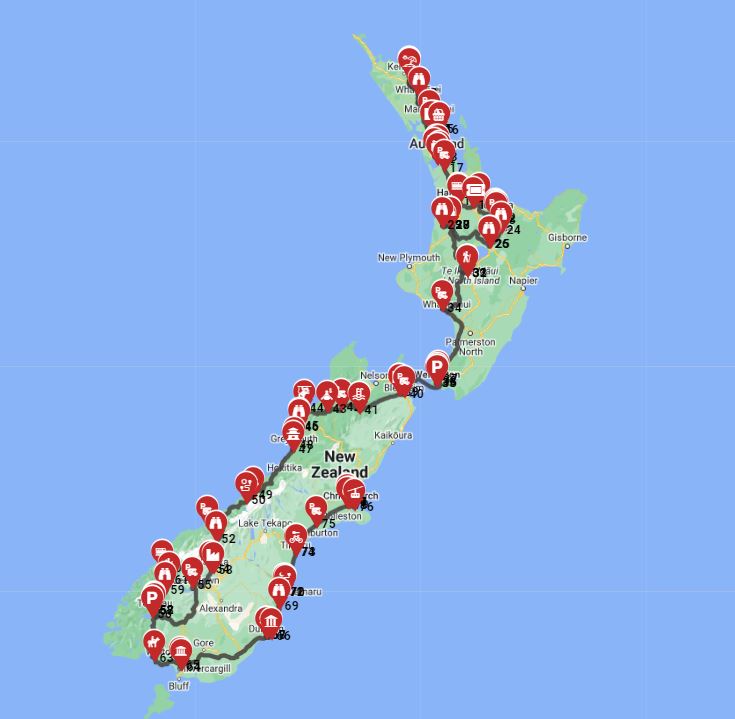 Auckland to Christchurch - Comprehensive New Zealand
 - Discover the unique geothermal activity at Hot Water Beach on the Coromandel Peninsula by digging your own hot tub at low tide.
- Navigate the famous one-lane bridges across the South Island, practicing 'give way' etiquette as a quintessential Kiwi driving experience.
- Consider the challenging, yet rewarding, drive up Baldwin Street in Dunedin, a Guinness World Record holder for the steepest residential street, for a unique photo opportunity and a glimpse into the country's varied terrain.
Final Thoughts
Embarking on an RV adventure in New Zealand is an incredible way to experience the country's stunning natural beauty and unique culture. By understanding the driving conditions, adhering to local regulations, and choosing the right RV for your journey, you can ensure a smooth and memorable trip. Remember to embrace the spirit of slow travel, taking your time to soak in the incredible scenery and connect with the places you visit.
From the winding roads of the South Island to the geothermal wonders of the North, a rented RV offers unparalleled freedom and flexibility. With Bandana Caravan, planning your New Zealand road trip is straightforward and transparent, allowing you to focus on the adventure ahead. For even more inspiration and expertly crafted itineraries, be sure to explore the resources available on RV PLANET (rvplan.net).
Get inspired for your next trip! Discover top destinations, planning tips, all in one place! Plan a trip itinerary in advance with minimal effort and maximum enjoyment.
For ideas you can prep on the road, watch our RV-friendly recipes playlist on YouTube.