In This Guide
- Can You Drive an RV in New Zealand? License & Age Rules
- Road Conditions & Terrain in New Zealand
- RV Size Limits, Bridges & Restricted Zones
- Fuel: Diesel vs. Petrol & Cost per 100 km
- Tolls, Vignettes & Border Rules
- Driving Tips for rv rental Travelers
- Recommended RV Class for New Zealand Roads
- Should I Choose a Compact Van Instead of a Large RV in New Zealand?
- Can I Park Anywhere? Free & Wild Camping Rules in New Zealand
- Can I Drive an RV Into the City Center? Heights, Tunnels & Local Signage
- Do you need a special license to drive an RV in New Zealand?
- What is the 4 second rule in New Zealand?
- Is it difficult for Americans to drive in New Zealand?
- Can I park my motorhome anywhere in New Zealand?
- How hard is it to drive a motorhome in New Zealand?
- What is the 333 rule for campervan?
- Is it easy to drive a motorhome in New Zealand?
- Who insures motorhomes in New Zealand?
- How much does it normally cost to insure an RV in New Zealand?
- How much does caravan insurance cost in New Zealand?
- Top Cities for RV Rental in New Zealand
New Zealand, with its breathtaking landscapes and diverse scenery, is an unparalleled destination for an RV adventure. Imagine waking up to a pristine mountain view, preparing a fresh breakfast in your mobile home, and setting off to explore some of the world's most stunning natural wonders. We've been helping travelers discover the magic of RV travel for over 23 years, with direct partnerships with over 50 leading RV suppliers worldwide. For live availability and current prices, start with our RV Rental New Zealand - Complete Guide 2026 guide.
Can You Drive an RV in New Zealand? License & Age Rules
Yes, you can absolutely drive an RV in New Zealand with a standard driver's license. A Class 1 New Zealand driver's license, or an equivalent valid overseas license, is generally sufficient for operating RVs up to 6,000 kg Gross Vehicle Mass (GVM), which includes the vast majority of rental motorhomes and campervans. International drivers visiting New Zealand are strongly advised to carry an International Driving Permit (IDP) alongside their home country license, or an approved English translation if their license is not in English. The minimum age for renting an RV in New Zealand is typically 21 years across most of our partner suppliers, and notably, there are no young driver surcharges or vehicle class restrictions based on age, ensuring accessibility for a wide range of adventurers. This means whether you are a young couple starting your journey in a campervan hire new zealand example Aquila or a family exploring in a larger 6 Berth Discovery, you'll be well-equipped to hit the road. Renting an RV in New Zealand for couples - Pricing 2026 provides more details on suitable vehicle options.
Navigating the licensing and age requirements is straightforward, reflecting New Zealand's welcoming approach to RV tourism. Before your trip, it's always a good practice to confirm specific license requirements with your chosen rental supplier, though the general rules are quite consistent. Our goal is to ensure you feel supported from the moment you consider your adventure until your booking is confirmed, with transparent information every step of the way. We believe God is in the small details, and we take care of them, so you can focus on the incredible journey ahead without unnecessary stress about technicalities.
Road Conditions & Terrain in New Zealand
New Zealand's roads, while generally well-maintained, present a diverse and often thrilling driving experience, featuring narrow, winding, and steep sections, particularly prevalent in stunning mountainous regions like the South Island's Southern Alps. Drivers should be prepared for varying terrain, from smooth sealed highways that crisscross the countryside to unsealed gravel roads that lead to remote hiking areas and national parks. The key to enjoying these roads with your rented motorhome is to adopt a philosophy of slow travel, averaging no more than 100-150 km per day, allowing you ample time to truly feel the place, connect to the vibrant culture, savor the local food, and immerse yourself in the breathtaking scenery. Remember, driving is on the left-hand side of the road, which can be an initial adjustment for those accustomed to right-hand driving countries like the USA.
Embracing the slower pace of travel allows you to fully appreciate the dramatic shifts in landscape, from the coastal beauty of the Bay of Islands to the geothermal wonders of Rotorua. Many rental motorhomes, such as a 6 Berth Discovery which often features an automatic transmission, are well-suited to handle these conditions, providing comfort and ease of driving. Our focus as true RV specialists is to equip you with the knowledge to make your journey enjoyable, and that includes being honest and transparent about what to expect on the road. We want your New Zealand RV adventure to be filled with positive memories, not surprises. For those considering budget options, checking Cheap RV Rental in New Zealand - Budget Guide 2026 can help plan your trip effectively.
RV Size Limits, Bridges & Restricted Zones
Most rented RVs in New Zealand comfortably fit within standard road dimensions and weight limits, typically under 6,000 kg GVM, making them suitable for Class 1 driver's license holders. It's crucial for drivers to always pay close attention to roadside signage indicating height and weight restrictions, particularly for charming but sometimes low bridges, narrow tunnels (like the historic Rock Arch Tunnel near Lyttelton), and urban parking structures. While New Zealand doesn't widely implement environmental zones that restrict RVs in the same way some European cities do, certain historic towns or particularly narrow streets might have limited access for larger vehicles. This highlights the importance of route planning and staying informed.
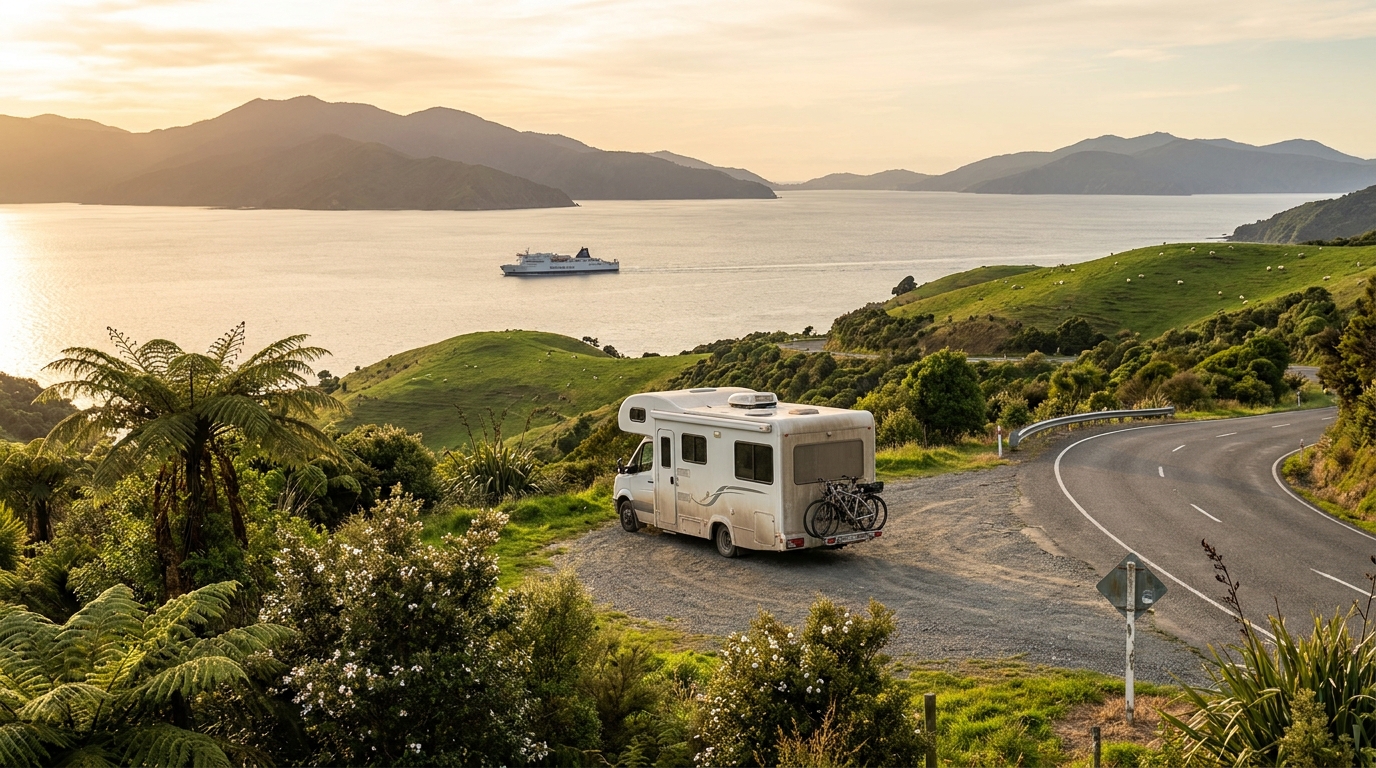
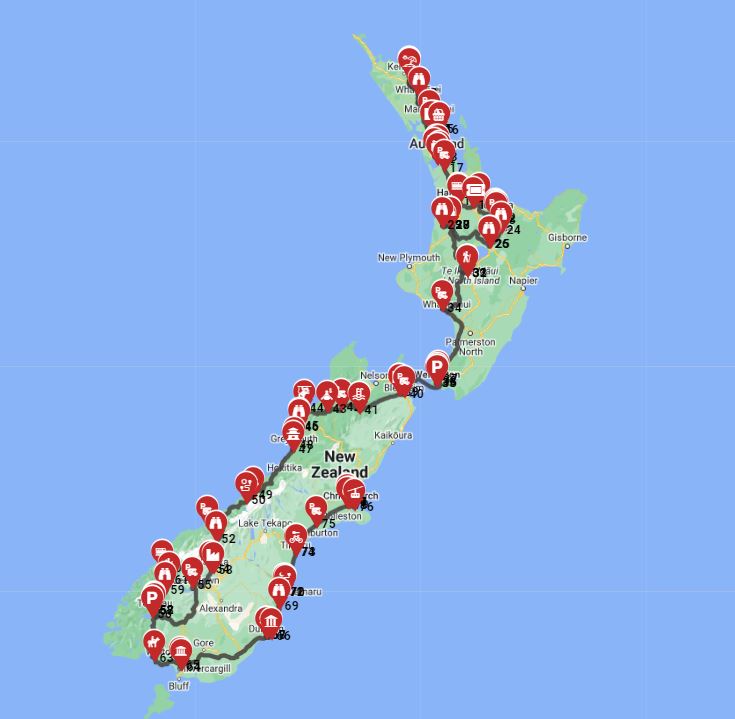
When planning your journey across the North and South Islands, especially if you intend to take an inter-island ferry, providing accurate RV dimensions to the ferry operator is essential for proper allocation and pricing. This ensures a smooth transition between islands without any last-minute hitches. Choosing a suitable size, whether a compact Class B Camper Van (averaging 5.8 meters in length) or a more spacious Class C Alcove (like a "24' Class C Motorhome" at 7.46 meters), allows you to balance maneuverability with comfort. Our commitment to full transparency means you'll always know what to expect regarding vehicle capabilities and any potential limitations, enabling you to travel with peace of mind. For inspiration on longer journeys, explore the
Fuel: Diesel vs. Petrol & Cost per 100 km
Most rented RVs in New Zealand, particularly larger motorhomes, predominantly operate on diesel fuel, which is readily available at service stations nationwide; smaller campervans, like the "Condo" model, are often petrol (gasoline) powered. Bandana's global fleet averages for fuel consumption typically show Class SI (Semi-integrated) RVs at 10-11 Liters/100 km, Class C (Alcove) models at 10-12 Liters/100 km, and Class B (Camper Van) at a more economical 8-10 Liters/100 km. It's important to note that diesel vehicles in New Zealand are subject to Road User Charges (RUCs), a pre-purchased kilometer tax that rental companies usually manage and factor into your rental agreement, preventing unexpected costs during your journey. Always clarify how RUCs are handled with your rental provider for full transparency.
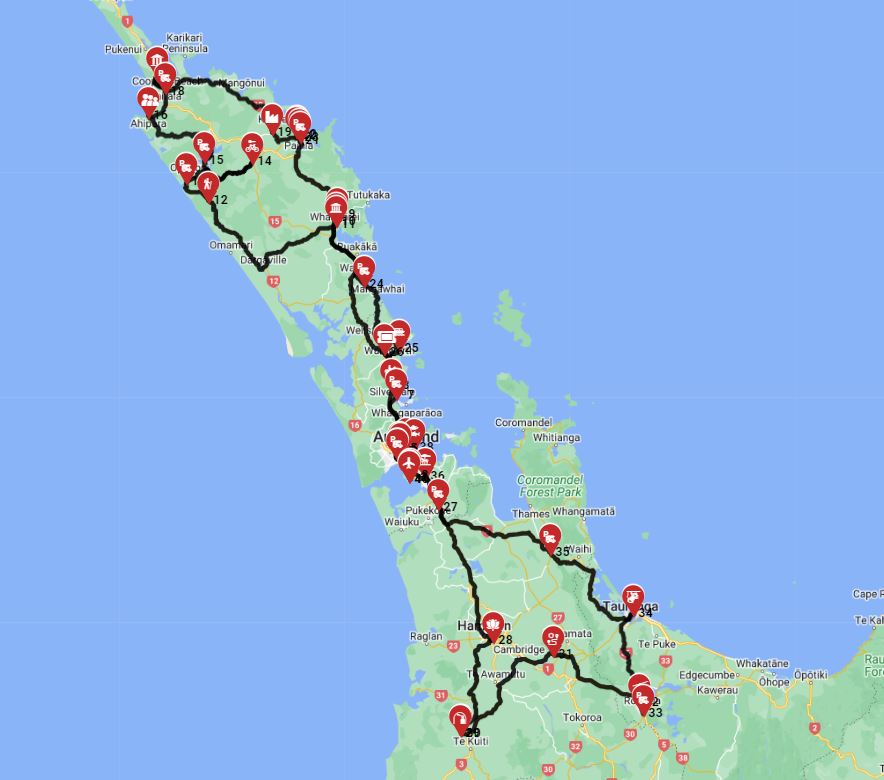
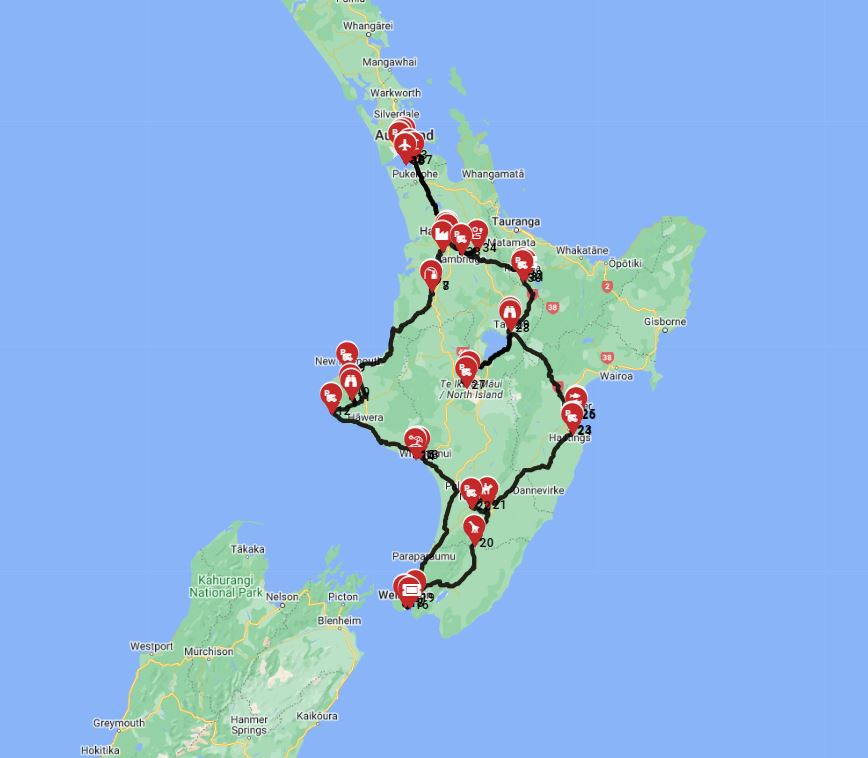
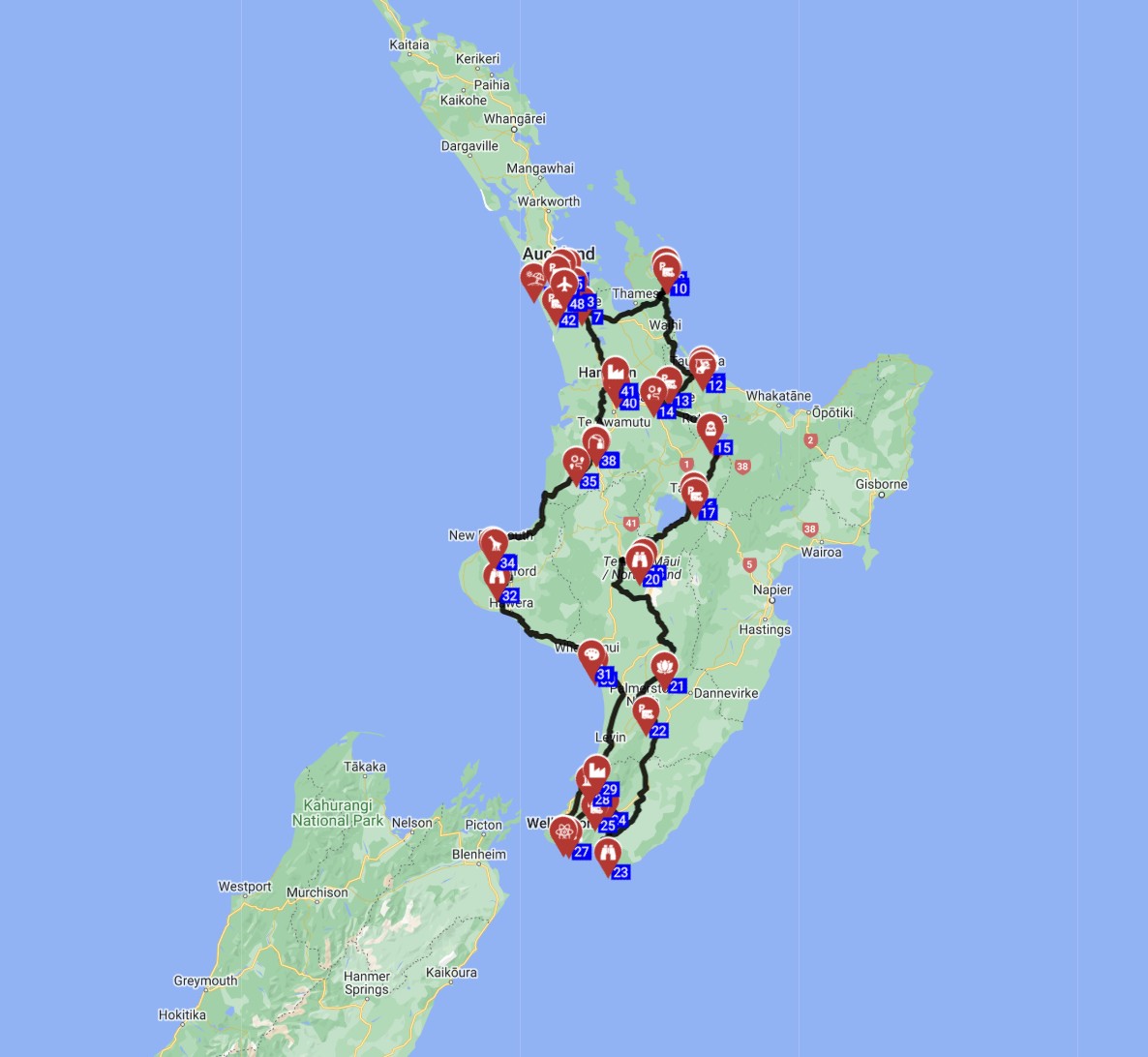
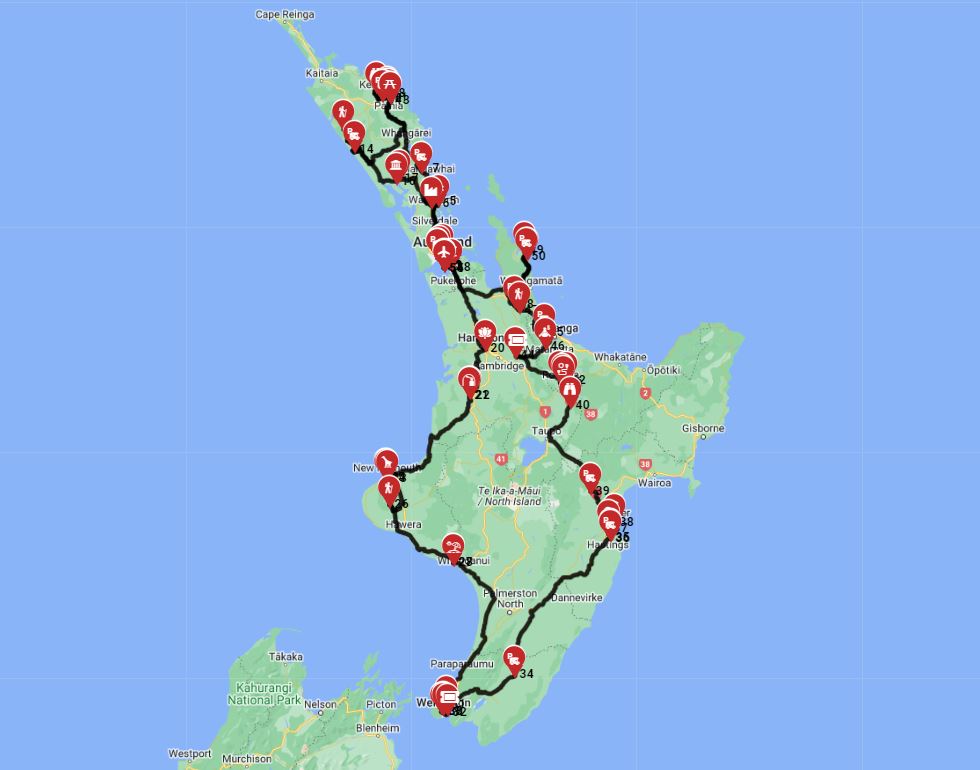
To help offset your travel expenses, some RV rental companies may offer fuel discount cards, which can lead to modest savings over an extended road trip. Beyond the rental cost, fuel will be a significant ancillary expense. On RV PLANET routes, travelers can itemize and track every expense along the way for easy budgeting. Planning your fuel stops, especially in more remote regions of the South Island, is a smart strategy, as service stations can be sparse. For example, a "6 Berth Discovery" with its 90-liter fuel tank will offer a good range for exploring the stunning landscapes without constant refueling worries. Understanding these costs upfront is part of our commitment to providing a transparent booking experience, ensuring no hidden fees or surprises. On the routes offered through RV PLANET routes, you can itemize and track every expense along the way for easy budgeting.
Tolls, Vignettes & Border Rules
New Zealand has a very limited number of toll roads, primarily concentrated in the North Island, including the Northern Gateway Toll Road north of Auckland, the Tauranga Eastern Link, and the Transmission Gully motorway near Wellington. Unlike many European countries, there are no national vignettes or widespread toll systems requiring upfront purchase for driving across New Zealand. As an island nation, you won't encounter any international border rules or crossings to navigate when renting an RV in New Zealand. This simplifies travel planning considerably, allowing you to focus on the spectacular scenery and your itinerary.
For the few toll roads that do exist, many RV rental providers offer convenient options such as pre-purchasing toll passes or including electronic toll payment systems in your vehicle. This arrangement helps you avoid potential fines and ensures a seamless travel experience. For instance, if your route includes a drive north from Auckland towards the Bay of Islands, you might encounter the Northern Gateway Toll Road, where an electronic pass from your rental supplier would be invaluable. We believe in full transparency, which is why we encourage travelers to clarify toll payment options when booking their motorhome rental in New Zealand. This attention to detail is part of how we handle the specifics, so you can truly live the journey.
Driving Tips for rv rental Travelers
Driving a rented RV in New Zealand requires attention and adherence to local customs, starting with the fundamental rule of always driving on the left-hand side of the road. Take extra care when pulling out onto roads and navigating intersections, especially if you are accustomed to right-hand driving. New Zealand's roads are often winding and narrow, even major highways, which means journey times can be longer than anticipated for a given distance, so always allow ample travel time between destinations. Speed limits, typically 100 km/h on open roads and 50 km/h in urban areas, are strictly enforced, and you should always adjust your speed for weather conditions, road quality, and the size of your motorhome. Using designated rest stops and passing lanes responsibly is important, particularly if you find yourself holding up traffic on single-lane roads, demonstrating courtesy to local drivers.
Familiarizing yourself with common road signs, which include warnings for sharp curves, narrow bridges, and potential wildlife hazards, will enhance safety. For instance, signs depicting kiwi birds or sheep are not just decorative; they indicate areas where wildlife might unexpectedly cross the road, especially at dawn or dusk. Always check the weather forecast before departing, as conditions can change rapidly, particularly in mountainous areas. With a spacious RV, you have the flexibility to pull over, make a hot drink, and wait out a passing shower. Remember, slow travel is the best travel in New Zealand; it's about the journey and the stunning views, not rushing to the next destination. If you're looking for expert itineraries, the "RV Travel Guide to New Zealand - Tips and Top Spots 2026" can provide excellent inspiration.
🎬 Video coming soon
Recommended RV Class for New Zealand Roads
For optimal maneuverability and ease when navigating New Zealand's varied roads, a Class B - Camper Van is often recommended for couples or solo travelers, with models like the "Condo" averaging around 4.7 meters in length. These compact vehicles offer excellent handling on winding routes and are easier to park in smaller towns or at popular attractions. If you desire more interior comfort and space without the bulk of a very large vehicle, a Class SI - Semi-integrated RV, such as a "2 Berth Rover" (medium size), provides a fantastic balance, offering amenities like a shower and toilet while remaining manageable on diverse terrains. These classes typically offer sufficient ground clearance for most sealed highways and well-maintained unsealed roads leading to stunning natural features.
While larger Class C - Alcove motorhomes, like a "24' Class C Motorhome" (7.46 meters in length), offer generous living and sleeping areas, they are still perfectly suitable for New Zealand's road network. The idea that smaller is always better for city driving in New Zealand is a common misconception; drive slowly and carefully, and you can drive almost anywhere without issues. No need to stress - just use common sense and pay attention to road signs for clearances. The best choice depends on your group size, desired comfort level, and the duration of your trip. For example, a family of four might prefer the extra space and amenities of a Class C, which allows for comfortable cooking onboard. Be sure to check our RV-friendly recipes playlist for meal ideas on the go!
Should I Choose a Compact Van Instead of a Large RV in New Zealand?
While a compact van, such as a Class B Camper Van like the "Condo," offers superior maneuverability and ease of parking in tighter spots, there is generally no issue driving almost any RV size in New Zealand. The trade-off between a compact vehicle's agility and the enhanced indoor comfort and amenities of a larger RV often favors a more spacious motorhome for extended trips, especially those planning a week-long trip or longer, where full features like showers, toilets, and a larger kitchen become invaluable. For instance, a "cheap campervan hire new zealand example EX-H" at 6.75 meters in length offers space and features without being overly large.
Compact vans are indeed genuinely beneficial for navigating very tight historic city centers or extremely narrow mountain passes, but such instances are less common on popular RV routes in New Zealand. For families or groups of friends seeking more living space and the convenience of a dedicated dining area, a Class C - Alcove (Bandana's fleet averages 7.5m length for this class) or a Class SI - Semi-integrated (averaging 6.9m length) RV provides significant comfort without being overly cumbersome for New Zealand's roads. Drive slowly and carefully, and you can drive almost anywhere without issues. No need to stress – just use common sense and pay attention. We’re true RV specialists, ready to help you compare final prices across 50+ suppliers to find the perfect rental RV for your New Zealand adventure, ensuring no hidden fees or surprises.
Can I Park Anywhere? Free & Wild Camping Rules in New Zealand
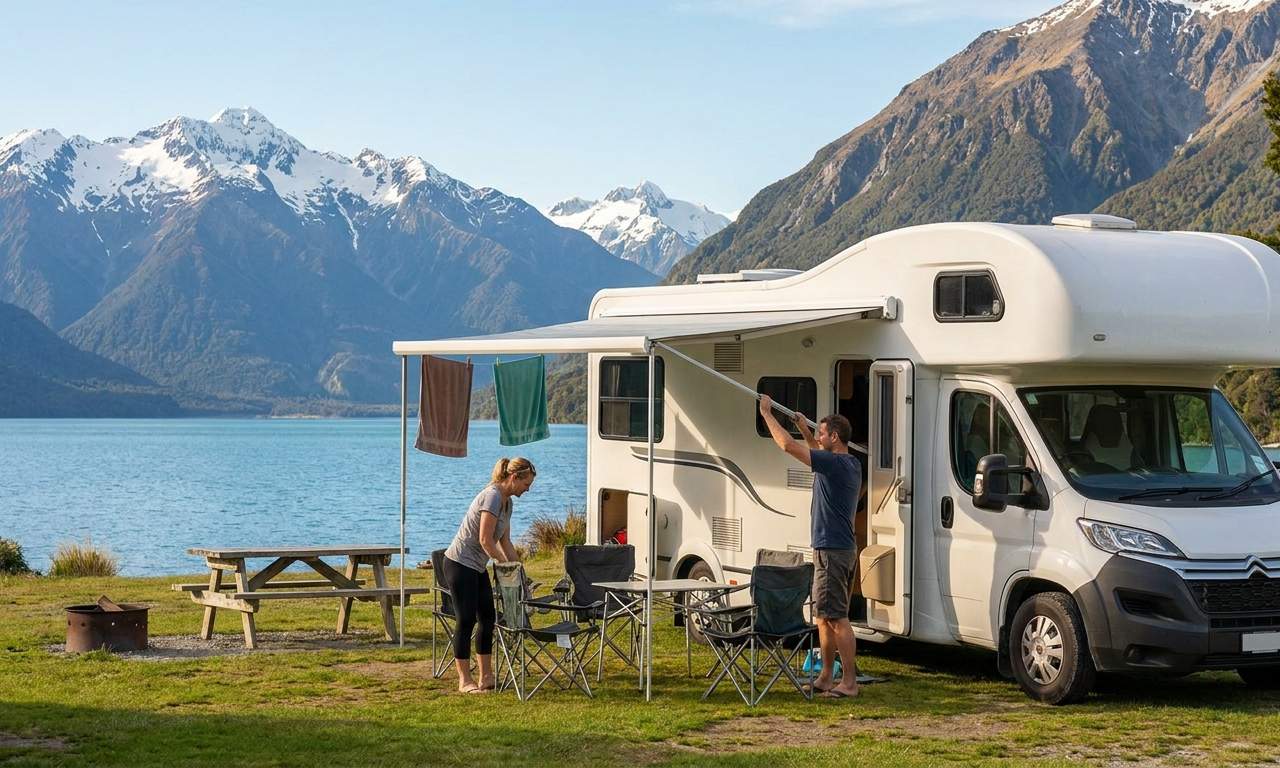
No, you cannot park a rented RV anywhere you choose in New Zealand; freedom camping is strictly regulated and generally permitted only in designated areas for certified self-contained vehicles. A "self-contained" certification, indicated by a blue sticker on your vehicle, signifies that your RV or campervan has the capacity to store fresh water, grey water, and black water for at least three days, preventing any waste from being discharged into the environment. Ignoring these freedom camping rules can lead to significant on-the-spot fines, often up to NZD 400, and in severe cases, may even result in your vehicle being impounded. These regulations are in place to protect New Zealand's pristine natural environment and ensure sustainable tourism.
Freedom camping rules vary significantly by region and local council, making it crucial to check specific local regulations and look for signage before attempting to park overnight in any location. The Department of Conservation (DOC) also manages numerous campsites across the country, some designated for self-contained vehicles only, others offering basic amenities. Always use resources like RV PLANET (rvplan.net) or local visitor information centers to identify legal parking and overnight stay locations. For instance, the
Can I Drive an RV Into the City Center? Heights, Tunnels & Local Signage
Yes, you can almost always drive a rented RV into New Zealand city centers, though drivers must pay close attention to local signage, particularly for height and weight restrictions. While New Zealand cities are generally accommodating, watch out for low bridges, specific tunnel clearances, and restricted access zones that might be present in older or particularly dense urban areas. For example, some historical parts of cities like Dunedin might have narrower streets. Planning your route in advance, identifying suitable parking facilities on the periphery, or using public transport from a designated RV parking area can significantly ease the experience. There is no need to stress; just use common sense and pay attention to signage.
Parking in city centers can be challenging for any vehicle, and more so for larger motorhomes, often due to limited space and higher parking costs. However, smaller campervans, like the "Condo" (4.7m length), offer greater flexibility for urban exploration. For larger Class C motorhomes, such as a "29′ Class C Motorhome", researching parking options before arrival will enhance your trip. This proactive approach helps avoid unnecessary detours and ensures a smooth visit to urban attractions. We provide you with the tools and information to plan your journey with minimal effort and maximum enjoyment, offering full transparency and support before, during, and after your booking.
Do you need a special license to drive an RV in New Zealand?
No, you do not typically need a special license to drive an RV in New Zealand; a standard Class 1 New Zealand driver's license or an equivalent valid overseas license is sufficient for motorhomes up to 6,000 kg Gross Vehicle Mass (GVM). Most rental RVs, including spacious Class C Alcove models (averaging 7.5m length) and comfortable Class SI Semi-integrated vehicles (averaging 6.9m length) from Bandana's global fleet, fall well within this Class 1 weight limit. Drivers must always carry their valid license and an International Driving Permit (IDP) or approved English translation if their home license is not in English. The minimum driver age for RV rental in New Zealand is 21, and we ensure transparency on all requirements, so you can focus on the adventure without any hidden surprises.
What is the 4 second rule in New Zealand?
The "4-second rule" in New Zealand is a critical defensive driving technique that advises drivers to maintain a safe following distance of at least four seconds behind the vehicle in front, especially when operating larger vehicles like RVs. This rule provides significantly more reaction time for drivers of heavier vehicles, which inherently require longer distances to stop safely, particularly on New Zealand's winding roads. To apply this rule, drivers should pick a fixed point on the road (such as a signpost or tree), and once the vehicle ahead passes it, count "one thousand and one, one thousand and two, one thousand and three, one thousand and four" before their RV reaches the same point. It is recommended to increase this following distance further in adverse weather conditions, on unsealed gravel roads, or when visibility is reduced, ensuring a safer and more relaxed journey in your rented motorhome.
Is it difficult for Americans to drive in New Zealand?
While Americans might initially find driving in New Zealand challenging due to the country's left-hand side driving, narrower and often winding roads, and distinctive road signage, the experience is manageable with caution and preparation. Adjusting to driving on the left and navigating roundabouts clockwise are the primary initial hurdles. New Zealand's roads are generally less multi-lane than many American highways, featuring more sharp bends and steep inclines, which necessitates slower speeds and increased concentration. Familiarizing oneself with local road rules, taking frequent breaks, and choosing an RV size that feels comfortable, such as a Class B Camper Van averaging 5.8m in length, can greatly ease the experience. We are true RV specialists, and our 24/7 support means real people are behind you every step of the way, even before you book, to answer any questions about navigating new driving conditions.
Can I park my motorhome anywhere in New Zealand?
No, you cannot park your rented motorhome just anywhere in New Zealand; freedom camping, which allows overnight parking outside commercial campgrounds, is only permitted in designated areas for certified self-contained vehicles, and strict regulations apply. Your vehicle must proudly display a self-contained certification sticker, indicating that it meets specific standards for onboard fresh water, grey water, and toilet facilities for a minimum of three days. Overnight parking outside of approved freedom camping spots, holiday parks, or designated Department of Conservation (DOC) campgrounds is illegal and can lead to immediate fines. Always consult local council signage or reliable apps like CamperMate to accurately identify legal parking and overnight stay locations to avoid penalties and ensure a respectful travel experience. Our commitment to full transparency means we want you to be fully informed about all local rules.
How hard is it to drive a motorhome in New Zealand?
Driving a motorhome in New Zealand is generally considered manageable, but it certainly requires extra care due to the country's often narrow, winding roads, mountainous terrain, and the need to adjust to left-hand driving. Compared to driving a car, a motorhome has a longer braking distance, a wider turning circle, and is more susceptible to crosswinds, all of which demand increased driver awareness and a more measured approach. Many New Zealand roads are single-lane in each direction, and passing opportunities can be limited, necessitating patience and strict adherence to safe following distances, like the "4-second rule." Practicing defensive driving, planning routes carefully, and taking regular breaks will make the experience significantly easier and more enjoyable. Choosing a compact Class B campervan for maneuverability, or a Class SI with automatic transmission, like the "6 Berth Discovery", can further enhance ease of driving.
What is the 333 rule for campervan?
The "333 rule" is a common, informal guideline for responsible freedom camping in New Zealand, suggesting that campers should not stay more than **3** nights in one designated spot, aim to be at least **3** kilometers from the nearest town or settlement, and maintain a **3** meters distance from other campers (where applicable and allowed). While not a formal law, this rule promotes sustainable tourism and encourages respectful camping practices, especially in popular freedom camping locations that see many visitors. Adhering to principles like the 333 rule helps minimize environmental impact and fosters good relations with local communities. Always prioritize official signage and Department of Conservation (DOC) or local council regulations, as these legally binding rules supersede any informal guidelines when planning your rented campervan adventure.
Is it easy to drive a motorhome in New Zealand?
Driving a motorhome in New Zealand can be easy if you are prepared for the country's unique driving conditions and are comfortable with left-hand traffic. While New Zealand's roads can be winding and narrow, especially in scenic areas, they are generally well-maintained and suitable for all motorhome classes. The key to an easy experience lies in preparation: understanding local road rules, familiarizing yourself with your vehicle's dimensions (for instance, a Class C - Alcove from our fleet might average 7.5m in length), and committing to not rushing your journey. Automatic transmission vehicles, which are common in Bandana's fleet, such as the "6 Berth Discovery" with Auto Transmission, can significantly simplify the driving experience, especially on hilly terrain.
The slower pace often required for RV driving in New Zealand often enhances the travel experience, encouraging deep exploration rather than hurried transit. Many travelers find that the stunning scenery at every turn makes the driving itself a highlight. We recommend slow travel, averaging a maximum of 100-150 km per day, to truly immerse yourself in the culture, food, and scenery. With our full transparency and supportive service from true RV specialists, you'll be well-equipped to enjoy every mile. For even more insights, check our guide on RV Rental in New Zealand - Prices and Best Deals 2026 to find the perfect vehicle for a smooth journey.
Who insures motorhomes in New Zealand?
Motorhomes in New Zealand are typically insured by general insurance companies that offer specialized RV or caravan policies, with major providers such as Covi Insurance, AA Insurance, and Tower Insurance being prominent. These companies provide various levels of coverage, ranging from basic third-party only to comprehensive policies, meticulously tailored for the unique risks associated with motorhome travel, including road incidents, theft, and damage. When you rent an RV, basic insurance coverage is usually included in the rental cost, but it often comes with a high excess or deductible. Renters have the option to reduce this deductible by purchasing additional coverage directly from the rental company or from an independent travel insurance provider, giving you extra peace of mind for your New Zealand adventure.
How much does it normally cost to insure an RV in New Zealand?
The cost to insure an RV in New Zealand can vary significantly, typically ranging from NZD 500 to NZD 1,500 annually for comprehensive coverage, depending on multiple factors such as the vehicle's market value, its age, the driver's history, and the chosen excess (deductible) amount. Newer and more expensive RVs will generally incur higher premiums, as will drivers with less experience or a history of claims. Additionally, the type of use, whether it's for occasional holidays or more frequent travel, and any special features or modifications to the RV can also influence the insurance cost. Opting for a higher excess can reduce the annual premium, but it means you would pay more out-of-pocket in the event of a claim. For rented RVs, the daily insurance rate with a reduced deductible can add approximately NZD 20-50 per day to your rental cost. Comparing policies from different insurers is always recommended to find the most competitive rate and suitable coverage for your specific rental or owned motorhome, ensuring full transparency in your travel budget.
How much does caravan insurance cost in New Zealand?
Caravan insurance costs in New Zealand are generally comparable to motorhome insurance, typically ranging between NZD 500 and NZD 1,500 per year for comprehensive cover, influenced by the caravan's type, value, usage, and specific policy details. Factors such as whether the caravan is towed or permanently sited, its age, make, model, and any security features (e.g., alarm systems, wheel clamps) will directly affect the premium. Policies often include coverage for accidental damage, theft, fire, and third-party liability, with options for insuring contents and adding breakdown assistance. It's advisable to compare quotes from various insurers like Covi, AA Insurance, and Tower to secure the most competitive rate and suitable coverage. This ensures transparency in your costs and provides the necessary peace of mind for your extended road trip, whether it’s for a two-week adventure or a longer exploration.
Top Cities for RV Rental in New Zealand
New Zealand offers several fantastic cities to begin your rented RV adventure, each serving as a gateway to unique regional experiences. These locations provide convenient pickup and drop-off options from our network of 50+ leading RV suppliers like Apollo and Britz:
- Auckland: As New Zealand's largest city, Auckland is a major international gateway and offers the widest selection of motorhome and campervan rentals. From here, you can explore the stunning Northland region, the geothermal wonders of Rotorua, or embark on a grand journey south.
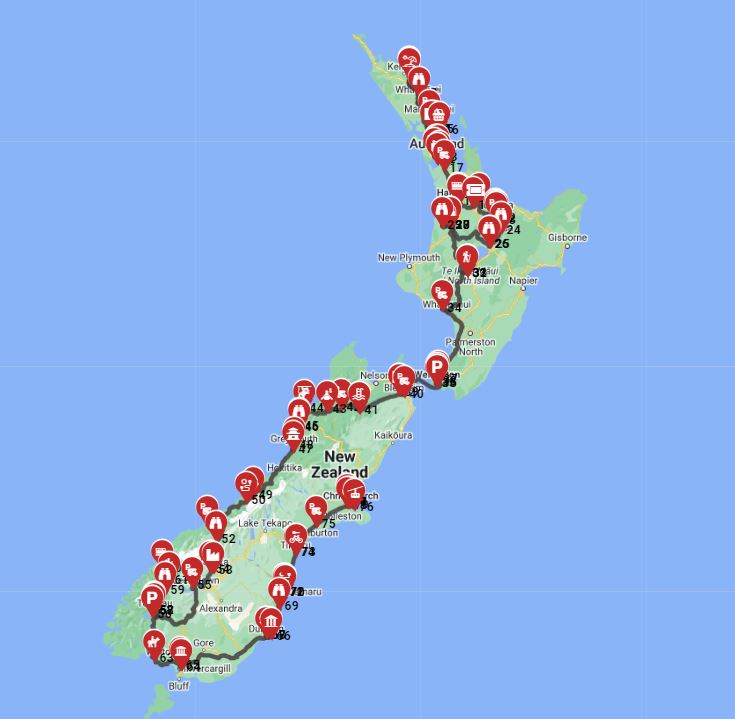
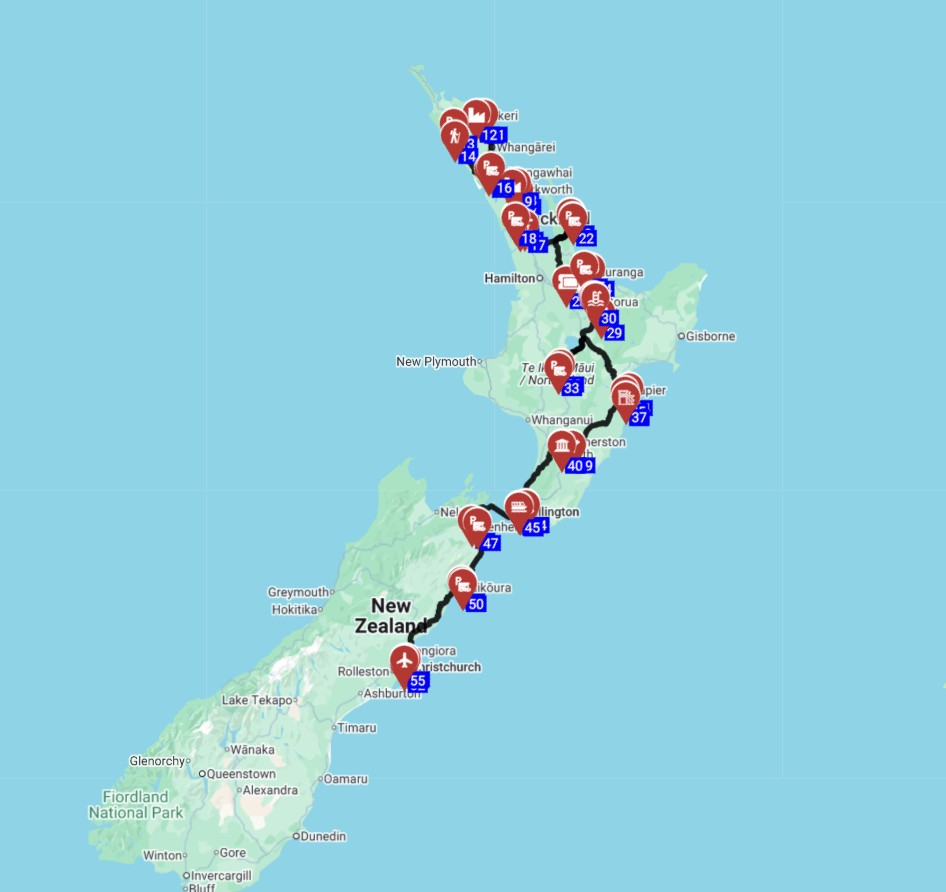
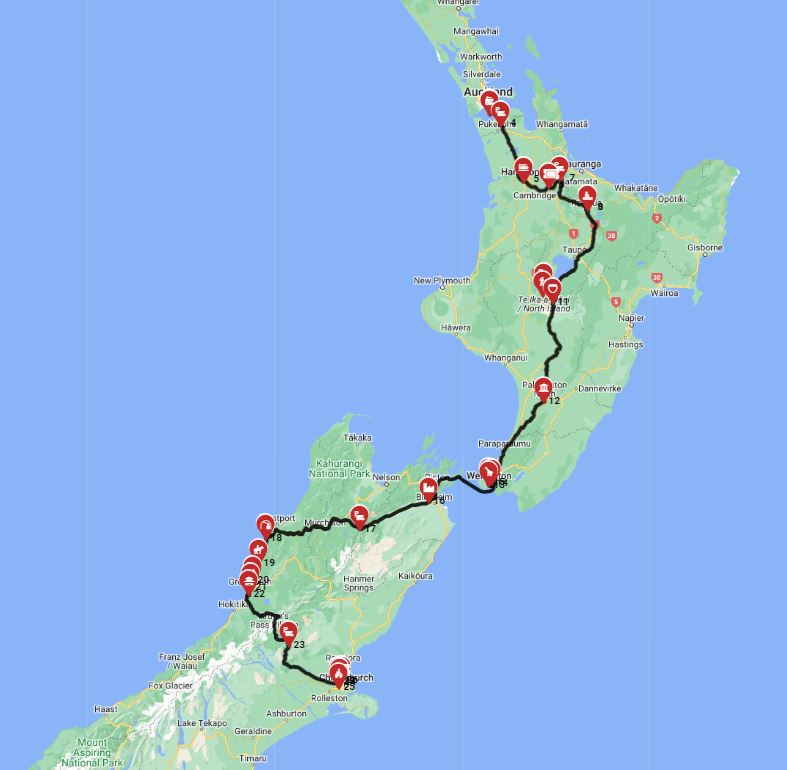
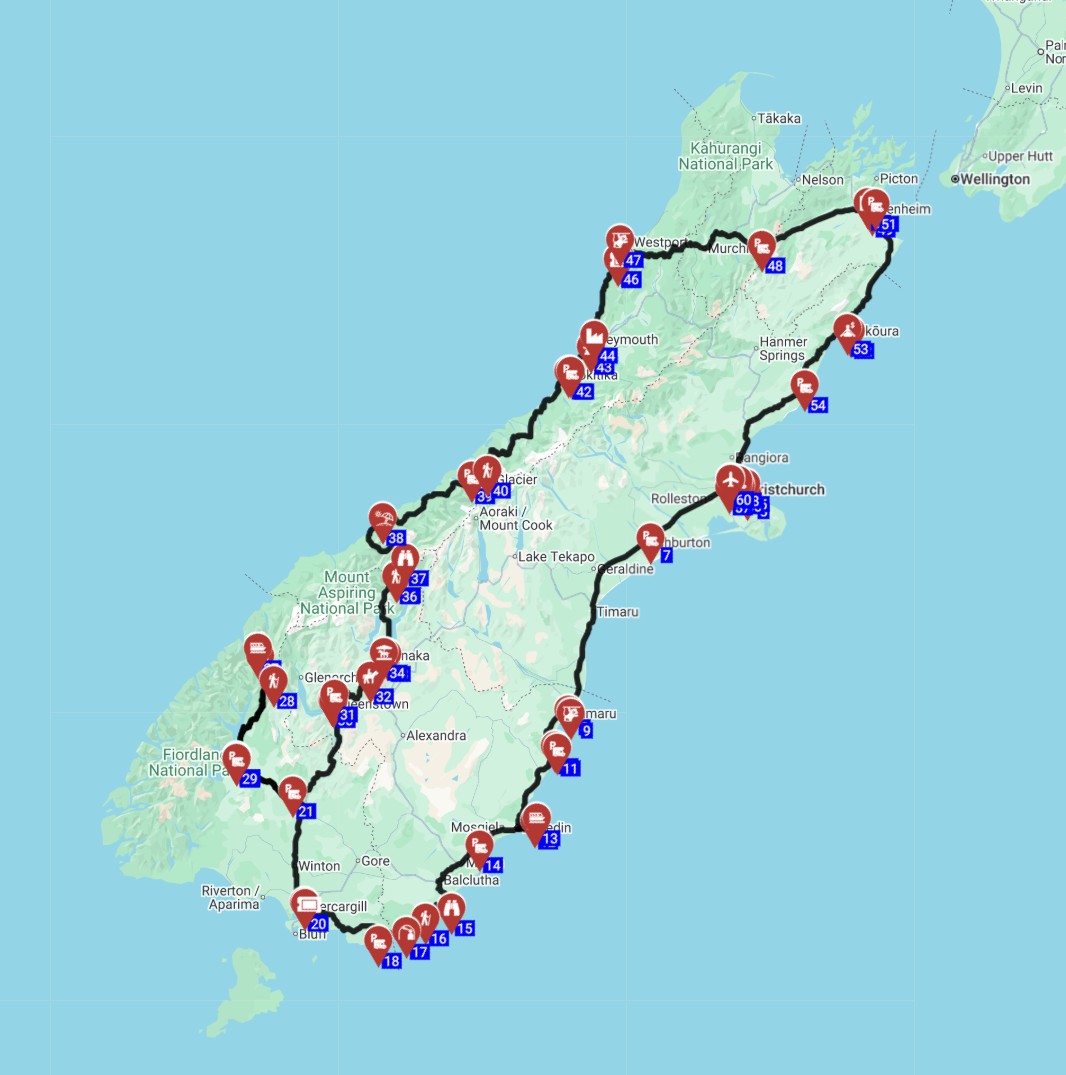
- Christchurch: The largest city in the South Island, Christchurch is the perfect starting point for exploring the majestic Southern Alps, the breathtaking Fiordland, and the wild West Coast. It’s ideal for routes like the
, covering 2647.2999999999997 km.
Christchurch Roundtrip - Around the South Island
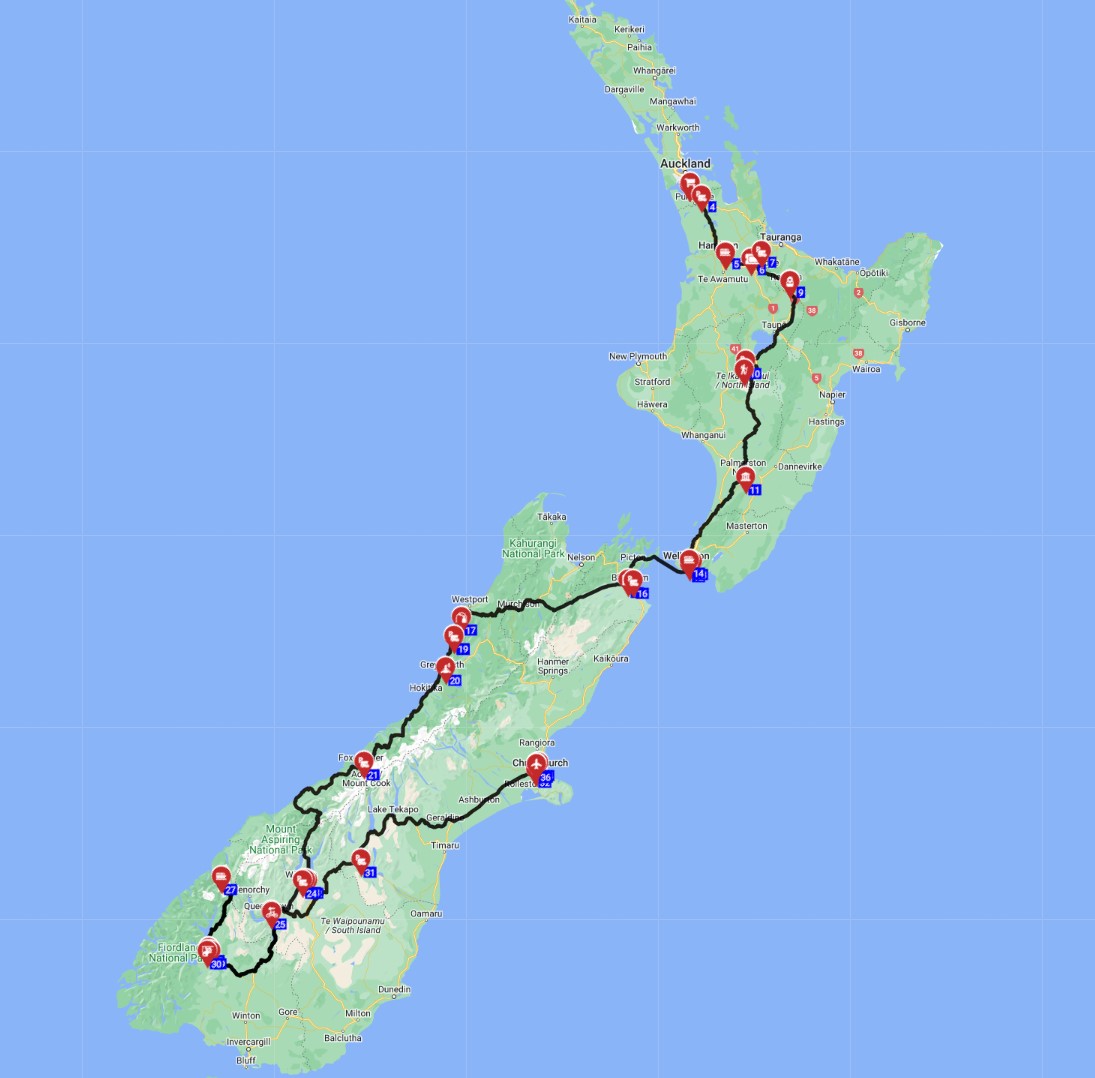
- Queenstown: Known as the adventure capital of the world, Queenstown offers a more compact range of RV rentals but provides immediate access to some of the South Island's most spectacular scenery and thrilling activities. Many travelers end their journey here, having taken an
(18 days, 2830.2000000000003 km).
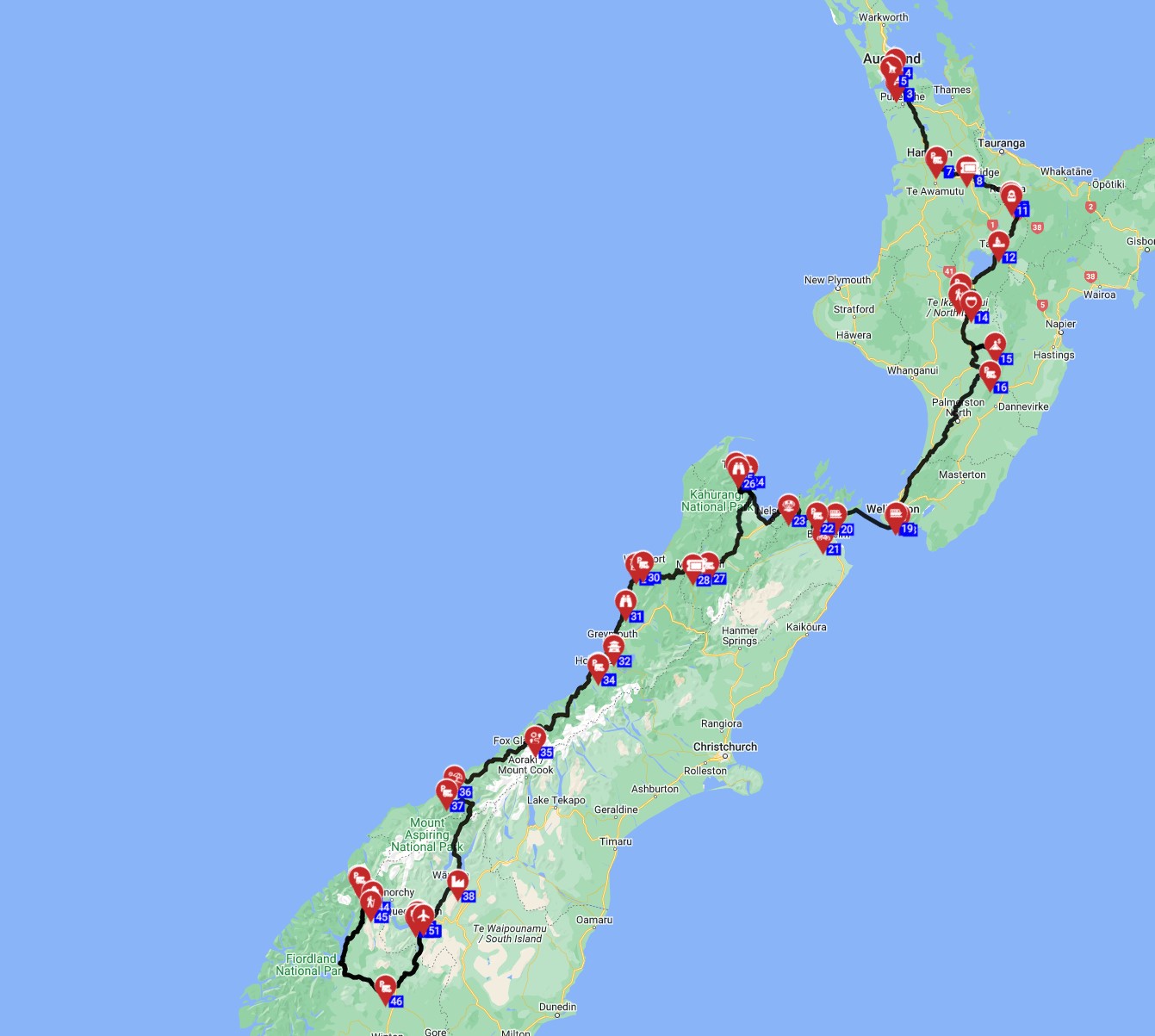 Auckland to Queenstown - The Great Kiwi Road Trip
 - Wellington: The vibrant capital city on the North Island, Wellington is a great base for exploring the Wairarapa wine region and serves as the main ferry crossing point to the South Island. Its compact size makes it manageable with a campervan.
- Dunedin: On the South Island, Dunedin offers a unique Scottish heritage and is a great starting point for exploring the Otago Peninsula's wildlife and the rugged Catlins coast. It's home to the world's steepest residential street, Baldwin Street, a fun challenge!
Choosing your pickup city often depends on your arrival airport and preferred travel direction. Many travelers opt for one-way rentals, picking up in Auckland and dropping off in Christchurch or Queenstown, to maximize their exploration without backtracking. You can find comprehensive details on available rental options and pricing by exploring Luxury RV Rental in New Zealand - Premium Prices 2026 or other specific city guides.
What You Shouldn't Miss
New Zealand is a land of unparalleled beauty, and with a rented RV, you have the freedom to truly immerse yourself in its wonders. Here are some must-do experiences:
- Explore Fiordland National Park: Drive through this UNESCO World Heritage site, home to Milford Sound and Doubtful Sound. Book a cruise to witness cascading waterfalls, towering cliffs, and abundant wildlife.
- Discover the Geothermal Marvels of Rotorua: Immerse yourself in Māori culture and witness bubbling mud pools, geysers, and vibrant geothermal terraces. Don't miss a traditional Hāngi feast!
- Hike the Tongariro Alpine Crossing: This challenging but rewarding day hike on the North Island traverses an active volcanic landscape, offering panoramic views. Remember to plan for shuttle services as it’s a point-to-point trail.
- Relax in the Bay of Islands: Head north from Auckland in your campervan to this subtropical paradise. Enjoy sailing, dolphin watching, or simply relaxing on golden beaches.
- Experience Queenstown's Adventure: From bungee jumping to jet boating, Queenstown is an adrenaline junkie's dream. Even if you prefer a quieter pace, the scenic gondola ride offers incredible views.
- Tour the Marlborough Wine Region: Indulge in world-renowned Sauvignon Blanc wines in the South Island's top wine-producing area. Many vineyards offer RV parking, making it a perfect stop.
Final Thoughts
New Zealand is a dream destination for a rented RV adventure, offering an incredible blend of diverse landscapes, welcoming culture, and endless opportunities for exploration. From the moment you pick up your motorhome in Auckland or Christchurch, you'll feel the freedom of the open road, knowing you have a comfortable home-on-wheels to take you wherever your heart desires. Remember to embrace slow travel, savoring every moment, and let the breathtaking beauty of the North and South Islands unfold at your own pace.
At Bandana Caravan, we're here to ensure your New Zealand RV rental experience is seamless and enjoyable, from understanding licensing requirements to navigating local road rules and finding the perfect campsite. We are your trusted partners, providing full transparency, expert advice, and unwavering support before and after your booking. So, pack your bags, choose your ideal campervan, and get ready for an unforgettable journey through Aotearoa – the Land of the Long White Cloud!
Discover top destinations, planning tips, all in one place, and prepare to create lasting memories on your ultimate New Zealand road trip. Plan a trip itinerary in advance with minimal effort and maximum enjoyment by exploring our comprehensive routes on rvplan.net. Find RV Rentals in New Zealand and start your adventure today!